News related to
City

Abu Dhabi is intensifying its efforts to transition from a traditionally oil-dependent economy to a knowledge-based one, focusing on increasing its white-collar workforce and investing in advanced technologies such as vertical farming. This strategic move aims to diversify the emirate’s economic landscape and reduce reliance on blue-collar labor. Recent data indicates that the number of white-collar workers in Abu Dhabi has grown by 109% since 2011, outpacing […]

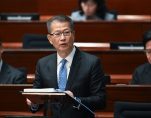
HONG KONG SAR – Media OutReach Newswire – 26 February 2025 – Paul Chan, Financial Secretary of the Hong Kong Special Administrative Region unveiled his 2025-26 Budget today (February 26). He noted that while geopolitical situation might bring risks, technology reform and artificial intelligence (AI) development are remoulding the global landscape, leading to the emergence of new industries, new forms of business, new products and new services. […]

Property owners in Dubai are bracing for a significant increase in service charges, with industry experts forecasting a rise of up to 10% in 2025. This escalation is attributed to mounting operational expenses, including maintenance, district cooling, and utility costs. Hadi Hamra, managing partner at Driven Properties, stated, “We’re projecting a 5 to 10 per cent rise in service charges across Dubai in 2025, depending on the […]

Saudi Arabia and Abu Dhabi are intensifying their efforts to transform their energy sectors, aiming to significantly increase renewable energy capacities by 2030 and 2035, respectively. These initiatives are central to their broader strategies for economic diversification and environmental sustainability. Saudi Arabia’s Vision 2030 outlines a target for renewables to constitute 50% of the nation’s energy mix by 2030, equating to approximately 130 gigawatts of renewable capacity. […]

Saudi Arabia’s residential real estate market is experiencing significant affordability challenges as property prices continue to escalate, particularly in major urban centers like Riyadh. According to Knight Frank’s Summer 2024 Saudi Arabia Residential Market Review, the first half of 2024 saw a 38% surge in total real estate transactions across all asset classes, totaling over 106,700 deals. The total value of these transactions grew by 50% to SAR 127.3 billion during the same period. Residential transactions accounted for 61% of all real estate deals by value, with a 41% increase in the number of deals, reaching just under 91,860 sales. The value of residential transactions rose by 48% to SAR 77.6 billion. citeturn0search2

Despite the robust activity, the market is grappling with deepening affordability issues. Knight Frank’s Winter 2023-24 report highlighted a 36% decline in the total value of mortgages issued, amounting to SAR 74.2 billion, as higher interest rates and escalating property prices deter potential buyers. Mortgage rates have risen from 3% to 5% over the past year, further eroding purchasing power, especially in the villa segment. This trend indicates that while transaction volumes are increasing, the financial burden on buyers is intensifying. citeturn0search3

The government’s ambitious Vision 2030 plan aims to achieve a 70% homeownership rate by the end of the decade. However, the Financial Times reported that property prices in Riyadh have surged dramatically since the pandemic, with house prices rising by 81% and apartment prices by 56% since 2020. This rapid appreciation has made homeownership increasingly unattainable for many Saudis, particularly in Riyadh, where the current homeownership rate stands at 53.2%. To combat this, the National Housing Company has initiated projects to construct over 30,000 housing units, and state-subsidized bank loans are being offered to assist buyers. Despite these efforts, the influx of young Saudis to Riyadh for new job opportunities has intensified demand, further driving up prices. citeturn0news9

Knight Frank’s research indicates that 77% of expatriates residing in Saudi Arabia are interested in purchasing homes within the Kingdom. However, 75% are willing to allocate under SAR 1.5 million for a property, with almost 40% unwilling to spend over SAR 750,000. This presents a significant challenge, as average prices in cities like Riyadh are approximately SAR 800,000 for a two-bedroom apartment and SAR 2.7 million for a three-bedroom villa. The disparity between expatriates’ budgets and prevailing market prices underscores the pressing need for more affordable housing options. citeturn0search8

The affordability crisis is further exacerbated by the Kingdom’s substantial investments in mega-projects under the Vision 2030 initiative. Business Insider reported that Saudi Arabia has invested $1.3 trillion in real estate and infrastructure over the past eight years, with the Neom megacity project alone receiving $28.7 billion in funding. While these projects aim to modernize the economy and reduce dependence on oil revenue, they have also contributed to rising property values, making it more challenging for average citizens to enter the housing market. citeturn0news10

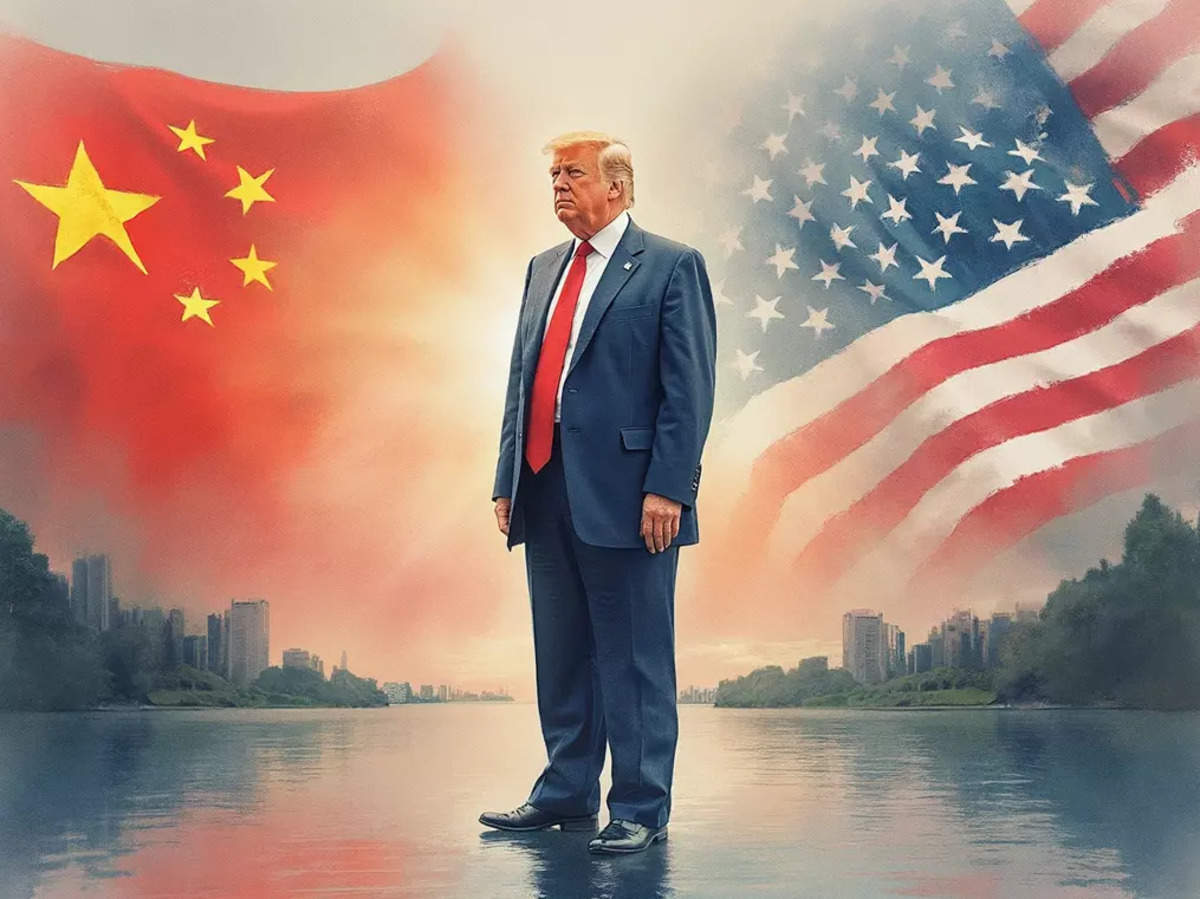
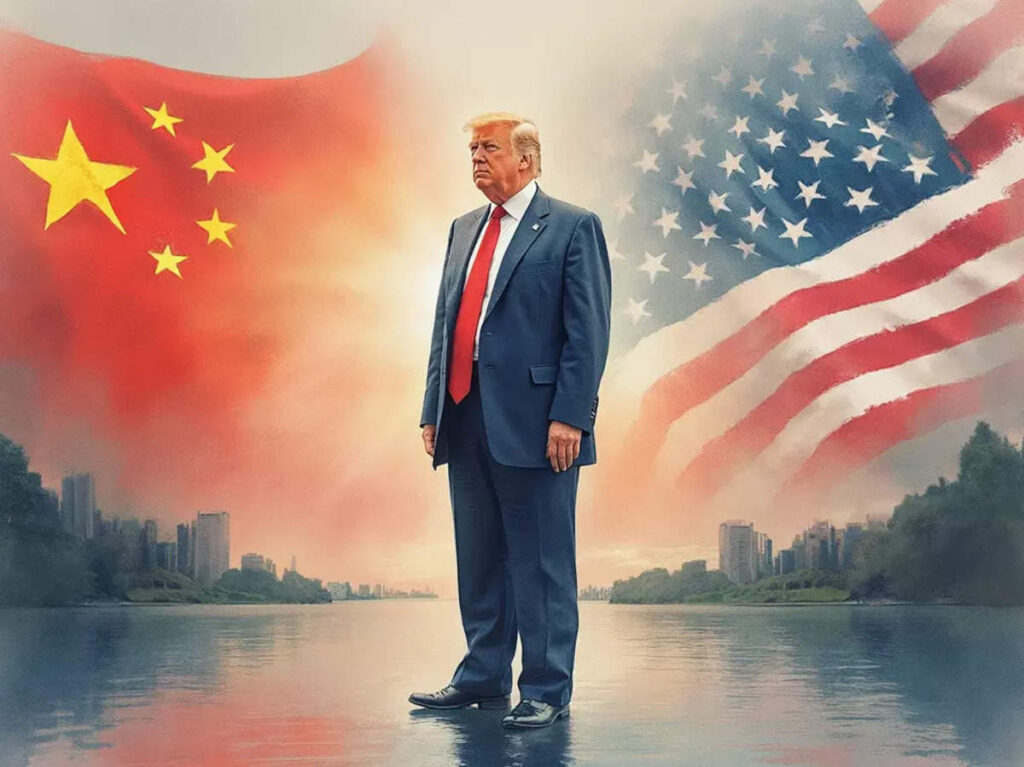
https://www.census.gov/foreign-trade/balance/c5700.htmlhttps://www.census.gov/foreign-trade/balance/c5700.htmlBy Dr. Nilanjan Banik The US-China trade war has been a focal point of economic discussions for a significant period, as the world’s two largest economies have imposed tariffs on each other’s goods. The Trump administration imposed 10% tariffs on Chinese imports, while China, in turn, levied 15% tariffs on US liquid natural gas (LNG) […]

Dubai authorities have imposed fines of Dh50,000 on 159 companies for violating telemarketing regulations, intensifying efforts to protect consumer privacy and enhance business practices. The Dubai Corporation for Consumer Protection and Fair Trade , operating under the Dubai Department of Economy and Tourism , announced these penalties following the enforcement of Cabinet Decision No. 56 of 2024, which came into effect in August 2024.

The DCCPFT initially issued warnings to 174 companies, urging compliance with the new telemarketing rules. Despite these warnings, 159 companies failed to adhere to the guidelines, resulting in substantial fines. These regulations are part of a broader initiative to reduce intrusive telemarketing calls, ensuring consumer comfort and privacy.

Key provisions of the telemarketing regulations include prohibiting calls to consumers listed on the ‘Do Not Call Registry’ managed by the Telecommunications and Digital Government Regulatory Authority , restricting marketing calls to between 9 am and 6 pm, and requiring telemarketers to inform consumers at the outset if the call is being recorded. Additionally, the regulations forbid the disclosure of personal data without explicit consent and the trading of such data for marketing purposes.

These rules apply to all licensed companies in the UAE, including those operating within free zones. The DCCPFT emphasised that the implementation of these regulations aims to foster a business-friendly environment, bolster consumer trust, and create a fair competitive landscape that enhances economic stability.

The introduction of these stringent measures aligns with Dubai’s D33 economic agenda, launched in 2023, which aspires to position the city among the top three global destinations over the next decade and double the size of its economy by 2033. In the first nine months of 2024, Dubai’s economy experienced a growth of 3.1%, reaching Dh339.4 billion, driven by expansions in sectors such as transport and financial services.

The DCCPFT’s decisive actions reflect a commitment to upholding consumer rights and ensuring that businesses engage in ethical marketing practices. By enforcing these regulations, Dubai aims to minimise market-disruptive practices and promote a positive business climate conducive to sustainable economic growth.

In addition to financial penalties, the TDRA has taken measures against individuals using personal numbers for marketing purposes, detecting over 2,000 violations since the regulations were implemented. Penalties for first-time offenders include a Dh5,000 fine and suspension of all phone numbers registered under the individual’s name until payment is made. Repeat offenders face escalating fines and extended suspensions, with third-time violators being prohibited from obtaining any telecommunications services in the UAE for 12 months.

These comprehensive efforts underscore Dubai’s dedication to protecting consumers from unwanted solicitations and ensuring that telemarketing activities are conducted within the bounds of respect and legality. As the city continues to evolve as a global business hub, maintaining stringent consumer protection standards remains a pivotal aspect of its economic strategy.

Advertisements

KUALA LUMPUR, MALAYSIA – Media OutReach Newswire – 25 February 2025 – France has over 100 different apple varieties thanks to its unique climate and fertile soil. Recently, climate change has significantly impacted global agriculture, particularly affecting fruit cultivation. Following a challenging harvest in 2023, Europe’s apple production faces its second-lowest level of the century, primarily due to severe frost conditions in Eastern Europe, which results in […]

The American University in Dubai has formalised a significant partnership with the University of Pennsylvania’s Perelman School of Medicine to establish the AUD School of Medicine in Dubai. This collaboration marks a major step in enhancing medical education in the UAE, leveraging Penn Medicine’s vast expertise to provide world-class training and resources to future healthcare professionals in the region. The new school aims to offer a rigorous […]

Asperitas, a Dutch thermal management company, has unveiled its DFCX series, a new line of modular Direct Forced Convection immersion cooling solutions designed to enhance performance, reliability, and energy efficiency across data centers of varying scales. This product line aims to cater to standalone edge facilities as well as hyperscale data centers, addressing the growing demand for sustainable and high-density computing environments. The DFCX series represents a […]

Deyaar Development, a prominent real estate developer in the UAE, has announced the launch of AYA Beachfront Residences, its inaugural residential venture in the Emirate of Umm Al Quwain. This strategic expansion signifies Deyaar’s commitment to broadening its footprint across the nation’s diverse real estate landscape. AYA Beachfront Residences is poised to set a new benchmark for coastal living in Umm Al Quwain. The development boasts a […]

TAIPEI, TAIWAN – Media OutReach Newswire – 25 February 2025 – The Asian Hardware Online Exhibition 2025 (AsianHardware 2025) is set to redefine the hardware products industry with its innovative hybrid format, seamlessly blending virtual and physical elements. Scheduled to run from February 25, 2025, to May 31, 2025, the exhibition provides an unparalleled opportunity for Asian suppliers, importers, and exporters to connect, collaborate, and showcase their […]

The Emirates Nuclear Energy Corporation has entered into a strategic partnership with nuclear technology firm newcleo to advance nuclear energy projects in Europe and the Middle East and North Africa region. This collaboration aims to explore the deployment of Lead-cooled Fast Reactor technology, focusing on decarbonising energy-intensive industries and facilitating knowledge transfer between the entities.

As part of the agreement, ENEC is considering a direct investment in newcleo, potentially amounting to €500 million. This investment would support newcleo’s ongoing development of LFR technology, which utilises liquid lead as a coolant to enhance safety and efficiency in nuclear reactors. The partnership also encompasses co-investment plans to deploy LFR projects within the MENA region, targeting sectors that require substantial energy inputs, such as manufacturing and petrochemicals.

Mohamed Al Hammadi, CEO of ENEC, highlighted the significance of this alliance: “Collaborating with newcleo aligns with our commitment to sustainable energy solutions. By integrating advanced nuclear technologies, we aim to address the growing energy demands while reducing carbon emissions in the region.”

Stefano Buono, CEO of newcleo, expressed optimism about the partnership’s potential: “Our innovative LFR technology offers a pathway to efficient and safe nuclear energy. Partnering with ENEC provides an opportunity to implement these solutions on a broader scale, accelerating the transition to clean energy.”

The LFR technology developed by newcleo is designed to operate with fast neutrons at atmospheric pressure and high temperatures, utilising liquid lead or lead-bismuth alloy as a coolant. This approach offers several advantages, including a high boiling point, beneficial neutronic properties, and non-reactivity with water and air, which collectively enhance the reactor’s safety and efficiency.

In addition to technological collaboration, the partnership aims to facilitate knowledge transfer and capacity-building initiatives. This includes hands-on training programs using research reactors and operational facilities, enabling the development of a skilled workforce proficient in advanced nuclear technologies.

This alliance exemplifies a growing trend of international cooperation in the nuclear energy sector. By combining ENEC’s regional expertise with newcleo’s technological innovations, the partnership seeks to create a model for public-private collaboration that could extend beyond their respective markets, potentially influencing global nuclear energy strategies.

The U.S. Securities and Exchange Commission is set to overhaul its regional offices, eliminating top leadership positions in a bid to streamline operations and reduce costs. As part of a broader initiative to focus on efficiency, the SEC will remove leaders from its 10 regional offices. This restructuring comes as part of a cost-cutting strategy influenced by the rising use of cryptocurrencies, specifically Dogecoin, in the broader market.

The decision marks a significant shift in the SEC’s internal operations, with some industry experts speculating that the move reflects a broader shift towards modernizing the regulatory body. The restructuring process, which is expected to take effect within the next few months, will see regional directors and other senior officials in these offices losing their jobs. The SEC has been facing mounting pressure to address the growing costs associated with regulatory functions and to adapt its approach to a rapidly evolving financial environment, particularly within the cryptocurrency space.

The decision follows a series of budget constraints and operational reviews that have highlighted inefficiencies within the SEC’s regional structure. One of the key drivers for this restructuring is the increasing role of digital currencies in financial markets, with some reports indicating that the SEC’s existing framework has struggled to keep pace with new technologies and digital asset regulations. The increasing focus on cryptocurrencies like Dogecoin, and the expansion of digital finance, has led to a demand for more targeted and technologically advanced regulatory mechanisms.

The removal of these leadership roles is not the first sign of restructuring at the SEC. Previous attempts have included efforts to modernize its approach to oversight in the digital age. While the elimination of top regional positions may cause some disruption in the short term, experts argue that this is part of a long-term strategy to enhance the commission’s responsiveness to emerging sectors like cryptocurrency and blockchain technology.

Several critics have questioned the effectiveness of this cost-cutting measure, arguing that reducing leadership roles in regional offices may lead to a loss of expertise and reduce the SEC’s capacity to oversee complex financial activities effectively. Some industry veterans, however, believe that this move is necessary for the SEC to remain relevant in a fast-changing landscape. They point out that the traditional approach to regulating financial markets is being increasingly challenged by technological advancements, and the SEC must adapt to these changes in order to maintain its position as a leading regulatory authority.

The impact of the changes on the day-to-day operations of the SEC is still unclear, with some predicting that the agency will need to rely more on centralised teams and automated systems to perform tasks that were previously handled by regional offices. It remains to be seen how the commission will manage the transition and whether it will be able to maintain its level of oversight across the U.S. financial markets without the extensive network of regional offices.

The SEC’s decision comes amid increasing scrutiny of its role in overseeing the cryptocurrency sector, which has seen explosive growth in recent years. While some digital asset markets like Bitcoin and Ethereum have reached high levels of institutional adoption, Dogecoin has become particularly popular among retail investors, driven by social media trends and celebrity endorsements. The SEC has faced challenges in formulating clear and consistent regulatory frameworks for digital assets, with questions about whether cryptocurrencies should be classified as commodities or securities.

Critics argue that the SEC’s delay in defining its stance on cryptocurrencies has created uncertainty in the market, which has hindered innovation. Proponents of a more aggressive regulatory approach, however, believe that stronger oversight is necessary to prevent fraud and market manipulation, particularly in volatile assets like Dogecoin.

The cost-cutting plan also reflects broader trends in U.S. government agencies seeking to optimise spending and streamline operations. As federal agencies grapple with limited budgets and an expanding range of regulatory responsibilities, efficiency has become a key focus. The SEC’s restructuring may also be seen as part of a larger push towards consolidating regulatory functions in an era of tightening fiscal policies.

While the full extent of the SEC’s plans remains unclear, the announcement has raised questions about the future of the agency’s regional offices and their ability to respond to emerging market trends. As the cryptocurrency sector continues to grow, the SEC will need to strike a delicate balance between reducing costs and ensuring that it can effectively regulate new and evolving markets.


Abu Dhabi’s Tadweer Group has partnered with FAMS Technologies to introduce the region’s first AI-driven Integrated Waste Management Platform, marking a significant advancement in the emirate’s approach to waste management. This innovative platform leverages Artificial Intelligence and the Internet of Things to enhance efficiency and sustainability across all stages of waste handling.

The newly launched platform is designed to revolutionise waste management by integrating AI and IoT technologies into every phase, from collection to disposal. By utilising real-time data and predictive analytics, the system aims to optimise waste collection routes, monitor processing facilities, and improve overall operational efficiency. This approach not only reduces operational costs but also minimises environmental impact by decreasing carbon emissions associated with waste transportation and processing.

Eng. Ali Al Dhaheri, CEO and Managing Director of Tadweer Group, emphasised the transformative potential of this initiative, stating that the collaboration with FAMS Technologies aligns with Tadweer’s mission to build an integrated waste management system and drive the conversion of waste into an economic asset. He highlighted that the AI-driven platform is a testament to their commitment to redefining waste management in the emirate and keeping pace with the global transition towards a circular economy.

The partnership with FAMS Technologies brings together Tadweer’s extensive experience in waste management and FAMS’s expertise in AI and IoT solutions. This collaboration is poised to set new benchmarks in the industry, positioning Abu Dhabi as a leader in adopting cutting-edge technologies for environmental sustainability. The AI-Integrated Waste Management Platform is expected to serve as a model for other regions aiming to modernise their waste management practices.

In addition to technological advancements, the platform is designed with scalability in mind, allowing for future expansions and integrations. This flexibility ensures that the system can adapt to the growing needs of Abu Dhabi’s urban landscape and its increasing waste management demands. The platform’s modular architecture facilitates the incorporation of new technologies and processes as they emerge, ensuring that Abu Dhabi remains at the forefront of sustainable waste management practices.

The implementation of this AI-driven platform is anticipated to have far-reaching economic benefits. By streamlining operations and reducing waste-related expenditures, the system is expected to generate cost savings for the municipality. These savings can be redirected towards other sustainability initiatives, further enhancing the city’s environmental stewardship. Moreover, the platform’s data-driven approach provides valuable insights that can inform policy decisions and strategic planning in waste management.

Environmental experts have lauded this initiative as a significant step towards achieving a circular economy in the region. By transforming waste into a resource through efficient management and processing, Abu Dhabi is making strides in reducing its ecological footprint. The AI-Integrated Waste Management Platform exemplifies how technology can be harnessed to address environmental challenges, setting a precedent for other cities worldwide.

This development comes as part of Tadweer Group’s broader strategy to enhance sustainability and environmental responsibility in Abu Dhabi. The group has been actively involved in various initiatives aimed at promoting recycling, waste reduction, and resource optimisation. The introduction of the AI-driven platform complements these efforts, providing a comprehensive solution that addresses multiple facets of waste management.

BANGKOK, THAILAND – Media OutReach Newswire – 24 February 2025 – Dr. Chana Poomee, Chairman of Thai Cement Manufacturers Association (TCMA), has been elected as the President of the ASEAN Federation of Cement Manufacturers (AFCM). In his two years term 2025–2027, he aims to strengthen collaboration among the eight ASEAN cement-producing member countries driving ASEAN Cement dynamically, accelerate the development of the AFCM Decarbonization Roadmap, and foster […]

India’s economy could face a reduction of up to 0.6% in its Gross Domestic Product due to proposed tariff increases by the United States, according to a recent analysis by Goldman Sachs. The financial institution’s report highlights the potential economic repercussions for India if the US implements higher tariffs on imported goods.

The analysis outlines three potential scenarios under the US administration’s “Fair and Reciprocal Plan”: country-level reciprocity, product-level reciprocity, and inclusion of non-tariff barriers. In the country-level reciprocity scenario, the US would elevate tariffs on all imports from a specific nation to match the average tariff differential. For India, this could mean an increase of approximately 6.5 percentage points in effective US tariff rates on Indian imports. The product-level reciprocity approach would involve matching tariffs on individual products, potentially leading to an 11.5 percentage point rise in tariffs on Indian goods. The inclusion of non-tariff barriers, such as administrative hurdles and import licensing requirements, presents a more complex scenario, making precise impact assessments challenging.

Goldman Sachs’ report emphasizes that India’s export exposure to the US is relatively modest, with exports to the US accounting for about 2% of India’s GDP in 2023. However, when considering indirect exposure through exports to other countries reliant on US demand, India’s domestic activity exposure rises to approximately 4% of GDP. This broader exposure suggests that the potential impact on India’s GDP growth could range from 0.1 to 0.6 percentage points, depending on the specific tariff measures implemented.

The bilateral trade relationship between India and the US has seen significant growth over the past decade. India’s goods trade surplus with the US expanded from $17 billion in the fiscal year 2014 to $35 billion in fiscal year 2024. This increase is largely attributed to a surge in exports of electronic items, bolstered by initiatives like the Production-Linked Incentive scheme introduced in 2020.

Despite the potential challenges posed by increased US tariffs, India’s central bank governor, Shaktikanta Das, has expressed confidence in the country’s economic resilience. He highlighted India’s substantial foreign exchange reserves, amounting to $676 billion, and the robust growth trajectory of the economy as key factors that equip the nation to navigate global disruptions, including those arising from protectionist trade policies.

The US administration’s move towards implementing reciprocal tariffs is part of a broader strategy to address perceived trade imbalances. A memo signed by President Donald Trump directs the Commerce Department and the US Trade Representative to develop plans for adjusting tariff rates to mirror those imposed by trading partners. These measures are set to be introduced gradually over the coming weeks and months, with an initial focus on countries maintaining significant trade surpluses with the US or those engaged in practices deemed unfair.

While the intended goal of these tariffs is to protect domestic industries and reduce trade deficits, there are concerns about potential unintended consequences. Analysts warn that such measures could lead to increased costs for consumers and businesses, supply chain disruptions, and retaliatory actions from affected trading partners, potentially escalating into broader trade conflicts.

Netrouting and AFIBER have successfully activated a 400-gigabit backbone connection between The Hague and Amsterdam, significantly boosting data transfer capabilities for clients of Netrouting and Data Facilities Data Centers in the Netherlands. This development offers enhanced connectivity, reduced latency, and increased bandwidth for businesses operating within these regions. The newly established redundant backbone link connects DFDC’s facilities in The Hague to major data hubs in Amsterdam, including […]

By Nantoo Banerjee India, the world’s second most preferred destination of illegal migrants, has a lot to learn from the United States about how the latter has been handling the situation in recent years. Although US President Donald Trump is lately hogging the limelight for forcing illegal immigrants out of the country, such deportations are […]


An explosion occurred early Monday at the Russian Consulate General in Marseille, France, coinciding with the third anniversary of Russia’s invasion of Ukraine. The blast, which Russian authorities have denounced as a “terrorist attack,” has prompted demands for a comprehensive investigation by French officials. The incident took place within the consulate premises in Marseille, a major port city in southern France. Stanislav Oranskiy, the Russian Consul General […]

Shenzhen, a prominent technology hub in southern China’s Guangdong province, has unveiled an ambitious plan to inject 4.5 billion yuan into its burgeoning artificial intelligence and robotics sectors. This substantial financial commitment aims to fortify the city’s position as a global leader in technological innovation.

The newly announced policy package offers significant incentives to enterprises operating within these industries. Businesses can avail themselves of subsidies covering up to 60% of their computing power expenses, with a ceiling of 10 million yuan per company. These vouchers are designed to alleviate the substantial costs associated with high-performance computing, a critical component in AI development. Additionally, the government plans to introduce model vouchers, corpus vouchers, and scene-based subsidies to further stimulate growth and innovation within the AI and robotics sectors.

Lin Yi, the head of Shenzhen’s AI industry department, emphasized the city’s dedication to advancing humanoid robotics. He outlined plans to implement specialized policies aimed at achieving breakthroughs in key technologies, enhancing databases, and scaling up manufacturing processes. These initiatives are expected to accelerate the development and deployment of humanoid robots in various sectors.

To foster a collaborative ecosystem, the Shenzhen government intends to support companies through a ranking system designed to encourage partnerships and expedite technological advancements. This approach aims to create a synergistic environment where industry leaders, startups, and research institutions can collaborate effectively. The allocation of the 4.5 billion yuan fund is slated for this year, with applications for companies opening in March.

In a broader strategic move, Shenzhen plans to integrate AI and robotics into its major science and technology projects. This integration seeks to cultivate robust partnerships between industry players, academic institutions, and research organizations, thereby creating a comprehensive and collaborative innovation ecosystem. Zhang Lin, director of the Shenzhen municipal bureau of science and technology innovation, highlighted the city’s ambition to accelerate the development of a globally influential industrial and technological innovation center, positioning Shenzhen as a beacon of innovation.

Historically, Shenzhen has transformed from a modest fishing village into one of China’s most dynamic and innovative cities. Currently, it is home to over 2,200 AI companies, boasting a comprehensive AI industry chain that spans from smart chip production and algorithm development to large-scale models and software-hardware applications. This extensive ecosystem underscores the city’s capacity to support and sustain rapid technological advancements.

The city’s AI ambitions are not limited to financial incentives. Plans are underway to expand AI applications across various sectors, with an additional 100 scenarios set to be introduced in 2025. These scenarios will focus on areas such as municipal sanitation, emergency response, and healthcare, building upon the nearly 200 AI-powered applications already operational throughout the city. This expansion reflects Shenzhen’s commitment to leveraging AI to enhance public services and quality of life for its residents.

Elon Musk’s Starlink, the pioneering satellite internet service, is encountering escalating competition from China’s state-backed SpaceSail and Amazon’s Project Kuiper. SpaceSail, headquartered in Shanghai, has embarked on an ambitious expansion, aiming to deploy up to 15,000 low-Earth orbit satellites by 2030. This initiative seeks to challenge Starlink’s current dominance in the high-speed satellite internet sector. Since its inception in 2020, Starlink has launched approximately 7,000 LEO satellites, […]

Strengthening Global Trade Financial Solutions NEW YORK, US – Media OutReach Newswire – 24 February 2025 – XTransfer, a leading global B2B cross-border trade payment platform, continues solidifying its regulatory presence in the United States by acquiring five new payment licenses in Illinois, Iowa, New Mexico, Idaho, and South Carolina. This milestone follows the company’s recent expansion into New Hampshire, the District of Columbia, Utah, Georgia, and […]

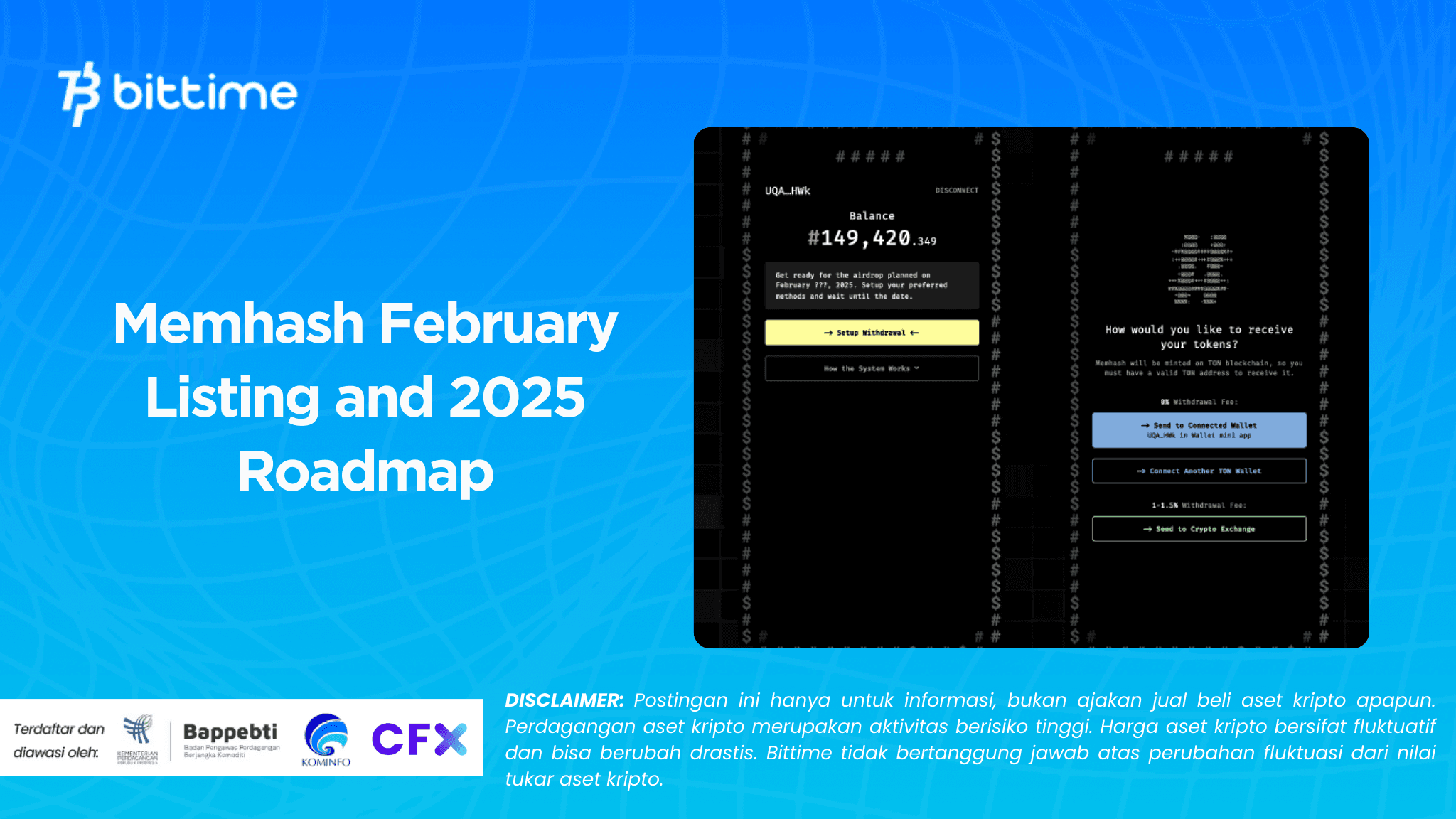
Memhash , a novel cryptocurrency that merges gaming simplicity with blockchain technology, is poised for its official debut on several prominent exchanges. Trading is scheduled to commence at 09:00 UTC on 28 February 2025, offering enthusiasts and investors an opportunity to engage with this innovative digital asset.

KuCoin, a leading cryptocurrency exchange, has confirmed the listing of MEMHASH on its platform. Deposits are currently open via the TON-Jetton network, allowing users to prepare ahead of the trading launch. The MEMHASH/USDT trading pair will be available, with withdrawals becoming accessible from 10:00 UTC on 1 March 2025. To enhance user experience, KuCoin will support various trading bots, including Spot Grid and AI Spot Trend, facilitating automated trading strategies.

In addition to KuCoin, MEXC Global has announced the inclusion of MEMHASH in its Innovation Zone. This segment is dedicated to high-potential assets, providing traders with early access to emerging cryptocurrencies. Deposits on MEXC are already open, with trading set to begin simultaneously at 09:00 UTC on 28 February 2025. Withdrawals will be enabled from 09:00 UTC on 1 March 2025, ensuring seamless transactions for users.

Bitget, another major exchange, is also preparing to list MEMHASH. While specific details regarding trading pairs and exact timings are yet to be disclosed, the exchange has indicated that the listing will occur concurrently with other platforms on 28 February 2025. This simultaneous launch across multiple exchanges is expected to provide substantial liquidity and trading opportunities for MEMHASH participants.

The journey of Memhash began with an airdrop event that ran from 29 October 2024 to 1 January 2025. During this period, participants engaged in a simulated mining process via Telegram, earning MEMHASH tokens. Approximately 43% of the total token supply was mined during the airdrop, with the remaining 57% allocated for future mining activities and community incentives.

VISHNU RAJA
RYO YAMADA
HITORI GOTOH
IKUYO KITA