News related to
City

A transformative initiative by HKRITA and H&M Foundation to drive advanced technologies and global collaboration HONG KONG SAR – Media OutReach Newswire – 4 September 2024 – The Hong Kong Research Institute of Textiles and Apparel (HKRITA) and the H&M Foundation proudly announce the official unveiling of the Open Lab, a pioneering initiative designed to revolutionise the textile and fashion industry through sustainable innovation. Located at the […]

AvanStrate Inc. will chart new growth path with high-tech display products across industries to meet increasing global demand. MUMBAI, INDIA – Media OutReach Newswire – 5 September 2024 – Vedanta Limited announced that the display glass business is set to grow 10x after consolidating its holding in AvanStrate Inc. (ASI), a Japanese display glass manufacturer, to 98%, following the acquisition of 46.57% equity from Hoya Corporation. ASI […]

Typhoon Yagi, the second-most intense storm to hit Vietnam in 2024, unleashed deadly force on the country, killing at least four people and injuring 78 others. The storm made landfall on Saturday afternoon in northern Vietnam, with wind speeds exceeding 150 kilometers per hour. Vietnamese authorities have reported widespread devastation as emergency services continue to grapple with the storm’s aftermath. Homes have been torn apart, trees uprooted, […]

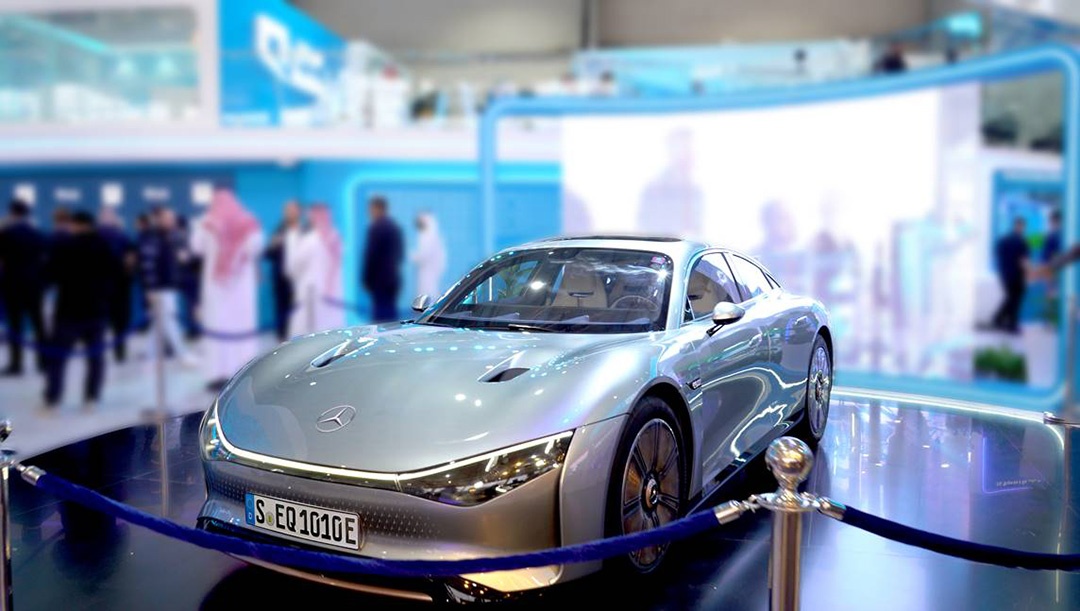
Saudi Arabia’s push towards sustainability and a clean energy future will take center stage at the EV Auto Show 2024, one of the most significant gatherings for the electric vehicle (EV) industry in the Middle East. From September 17th to 19th, the Riyadh International Convention and Exhibition Centre will host automakers, industry experts, and technology innovators from around the world. As the nation seeks to reduce its dependence on fossil fuels, this event marks a key moment in advancing electric mobility in the region.

The EV Auto Show 2024 is expected to attract some of the biggest names in electric vehicle manufacturing, as well as developers of charging infrastructure and related technologies. These participants will be instrumental in Saudi Arabia’s ambitious goals to become a global leader in sustainable energy. The event is more than a showcase of cutting-edge EV models; it represents a broader initiative aligned with the Kingdom’s Vision 2030 plan to diversify its economy and promote environmental responsibility.

Among the most anticipated exhibits are electric cars, commercial trucks, buses, and motorcycles that promise to reshape Saudi Arabia’s automotive landscape. Automakers from across Europe, the US, and Asia will be presenting their latest EV models, reflecting the global momentum in the shift towards electric transportation. Some companies are expected to unveil new vehicles tailored specifically to the needs of the Gulf region, focusing on extreme climate durability, high-performance batteries, and long-range capabilities that meet the challenges posed by the vast Saudi landscape.

Saudi Arabia’s commitment to electric vehicles has been clear over the past few years, as the Kingdom invests heavily in building EV infrastructure. Recent partnerships between the Saudi government and international EV manufacturers have already set the stage for increased local production and assembly of electric vehicles. The show is poised to bring these efforts into sharper focus, with an emphasis on collaborative innovation.

Several regional and international brands will showcase their EV charging solutions at the event. Saudi-based energy firms and multinational companies will demonstrate cutting-edge charging technologies and battery solutions, focusing on both residential and commercial applications. These technologies are pivotal for the growth of the EV market, as reliable and widespread charging infrastructure remains a key challenge in Saudi Arabia’s transition to electric vehicles. The event will feature panels on overcoming these hurdles, with industry leaders and government officials expected to discuss strategies for expanding the country’s EV charging network.

Energy and technology companies are increasingly looking at ways to integrate EVs with renewable energy sources such as solar power. Saudi Arabia’s abundant sunlight presents a significant opportunity to harness clean energy for EVs, reducing both emissions and energy costs in the long term. At the show, experts will discuss how solar-powered EV charging stations can support the country’s sustainability goals, especially as the Kingdom ramps up investment in its burgeoning solar industry.

Key figures in Saudi Arabia’s automotive and energy sectors have noted that the transition to electric vehicles is no longer a distant goal but an immediate priority. The EV Auto Show is expected to catalyze both consumer interest and industry momentum, with stakeholders eager to capitalize on the growing demand for sustainable transportation options. With gasoline prices fluctuating and global environmental policies tightening, EV adoption is not just a matter of preference but a strategic imperative for the Kingdom.

Public interest in electric vehicles has surged across Saudi Arabia, particularly among younger consumers who are increasingly aware of the environmental impacts of traditional gasoline-powered cars. To meet this rising demand, several local companies are making strides in EV development and marketing. In particular, Saudi Arabia’s own Public Investment Fund (PIF) has invested billions in Lucid Motors, a leading American EV manufacturer. Lucid has already established a production facility in King Abdullah Economic City (KAEC), marking a major milestone in local EV manufacturing. The partnership is seen as a crucial step in positioning the Kingdom as a future hub for electric vehicle production in the region.

Beyond private investment, government support for EVs in Saudi Arabia has been robust. In line with Vision 2030, the Saudi government has implemented policies designed to encourage both manufacturers and consumers to embrace electric mobility. Incentives such as tax breaks for EV buyers, subsidies for local manufacturers, and government contracts for EV fleets are just some of the measures aimed at fostering a supportive environment for the industry’s growth. These policies, coupled with investments in renewable energy, are part of a broader strategy to position the Kingdom as a leader in the clean energy transition.

The environmental impact of EV adoption is also a significant consideration for Saudi Arabia. While the country is one of the largest producers of oil globally, its leaders are keen to diversify its energy sources to ensure long-term sustainability. Reducing emissions from transportation is a key component of this strategy, as the sector accounts for a considerable portion of the country’s carbon footprint. With electric vehicles seen as a crucial solution to lowering emissions, the EV Auto Show serves as a platform to demonstrate the feasibility and necessity of electric mobility in achieving Saudi Arabia’s environmental goals.

Guests can experience the latest Courtyard Premier rooms, refreshed Junior Suites and even a staycation for pet owners and their fur-kids SINGAPORE – Media OutReach Newswire – 5 September 2024 – Oasia Resort Sentosa by Far East Hospitality unveils a new room category, Courtyard Premier, alongside the hotel’s refreshed Junior Suites. A testament to the resort’s commitment to being a leading wellness destination, the new offerings will […]

Bahrain’s Economic Development Board (EDB) is set to embark on a multi-city tour across India, aiming to deepen bilateral ties and strengthen economic collaboration. The initiative, scheduled for September 9-14, comes as part of Bahrain’s broader efforts to attract investments and enhance partnerships across key sectors. Spearheaded by Noor bint Ali Al Khulaif, Bahrain’s Minister of Sustainable Development and Chief Executive of the EDB, the delegation will engage with top Indian business leaders, investors, and policymakers in Mumbai, New Delhi, Bengaluru, and Hyderabad.

Bahrain’s move to engage directly with India underscores the increasing significance of bilateral relations between the two countries. India, a rapidly growing economy and a key player in global trade, has been identified as a strategic partner for Bahrain’s economic ambitions. The tour is expected to showcase the Gulf nation’s business-friendly environment, investment opportunities, and the diverse sectors open to collaboration, including finance, manufacturing, technology, and logistics.

The Bahrain Economic Development Board, responsible for promoting investment in the Kingdom, has been working to position Bahrain as a hub for international businesses seeking a foothold in the Middle East and North Africa (MENA) region. By targeting India, Bahrain aims to tap into one of the world’s largest consumer markets and the fast-developing Indian economy, which is increasingly driven by innovation, technology, and industrial growth.

Bahrain’s strategic geographical location, coupled with its investor-friendly regulatory environment, is likely to be a focal point of discussions during the India tour. The Kingdom offers 100% foreign ownership in many sectors, low operational costs, and access to the Gulf Cooperation Council (GCC) market of over 50 million consumers. These advantages are expected to appeal to Indian companies looking to expand their presence in the Gulf region, particularly those involved in sectors such as financial services, logistics, ICT, and manufacturing.

The India visit also marks a significant opportunity for both nations to explore new areas of collaboration, particularly in emerging technologies. Bahrain has positioned itself as a leader in fintech, having launched a number of initiatives in recent years to support the sector. The Kingdom’s regulatory sandbox for fintech startups has attracted numerous international firms, and there is considerable scope for Indian technology companies to collaborate with Bahrain on financial innovation and digital services.

Moreover, Bahrain has been keen to bolster its manufacturing sector, especially in fields such as chemicals, food processing, and aluminum production. India’s robust manufacturing base makes it a natural partner for collaboration in these industries. The visit will likely focus on building synergies in these areas, with discussions centered on how Indian businesses can leverage Bahrain’s competitive edge as a production hub for the GCC market.

The tour will also provide a platform for discussions on sustainable development and climate change. Bahrain, through its Vision 2030 economic plan, has placed sustainability at the heart of its development strategy. Minister Noor bint Ali Al Khulaif, a key proponent of sustainable economic growth, is expected to highlight Bahrain’s initiatives in this area, which align with India’s own commitment to sustainable development. Both countries are signatories to the Paris Agreement and are looking to collaborate on green technologies, renewable energy, and sustainable infrastructure projects.

The Bahrain-India relationship is not limited to trade and investment. The two nations share a long history of cultural and diplomatic ties, with a sizable Indian expatriate community living in Bahrain. These deep-rooted connections are likely to be emphasized during the tour, as both sides seek to build on their historical relationship and foster stronger people-to-people ties.

On the economic front, bilateral trade between Bahrain and India has shown steady growth. According to the latest data, total trade between the two countries stood at around $1.4 billion in 2022. India is among Bahrain’s top trading partners, and there is potential for further expansion in sectors such as hydrocarbons, engineering goods, pharmaceuticals, and food products. Bahrain is also home to several prominent Indian companies, and the EDB’s tour is expected to explore new avenues for Indian firms to increase their presence in the Kingdom.

In addition to meetings with business leaders and investors, the Bahrain delegation is expected to hold discussions with Indian government officials on strengthening bilateral relations. These talks could pave the way for future cooperation agreements in areas such as trade, investment, and technology transfer. The tour aligns with India’s own foreign policy objectives of enhancing relations with Gulf countries, which have become critical economic partners for New Delhi in recent years.

The timing of Bahrain’s outreach to India is also notable, coming at a time when global economic dynamics are shifting. Both nations are looking to diversify their economies and reduce dependence on traditional industries, such as oil and gas. For Bahrain, India represents a key partner in its efforts to modernize and diversify its economic base, while for India, Bahrain provides access to the GCC and MENA markets, which are crucial for India’s energy security and trade.


The United Arab Emirates is poised to witness an unprecedented surge in international visitor spending, with expenditures expected to exceed $52 billion by the end of this year. This remarkable growth underscores the UAE’s expanding role as a global tourism hub, fueled by ongoing investments in infrastructure and strategic marketing efforts.

The World Travel & Tourism Council (WTTC) has reported that the UAE’s tourism sector is on track to break previous records, driven by a combination of increased international travel and robust economic conditions. The forecasted spending figure represents a substantial increase from previous years, highlighting the UAE’s resilience and attractiveness in the global tourism market.

Several factors contribute to this surge in visitor spending. The UAE has successfully positioned itself as a premier destination for luxury travel, attracting high-net-worth individuals with its opulent hotels, world-class dining experiences, and exclusive events. The country’s strategic initiatives, such as hosting major international events and enhancing its hospitality sector, have played a significant role in drawing affluent tourists.

Recent developments in tourism infrastructure have also bolstered the UAE’s appeal. The expansion of airports, the introduction of new flight routes, and the enhancement of travel experiences have made the UAE more accessible to international visitors. These advancements are complemented by the UAE’s continuous efforts to innovate and diversify its tourism offerings, ranging from cultural festivals to adventure tourism.

The UAE’s commitment to maintaining high safety and cleanliness standards, particularly in the wake of the COVID-19 pandemic, has further solidified its reputation as a safe and attractive destination. This focus on health and safety has reassured travelers, contributing to the surge in tourism-related expenditures.

Moreover, the UAE’s strategic use of digital marketing and social media has amplified its visibility on the global stage. Campaigns highlighting the UAE’s unique attractions, such as the Burj Khalifa, the Palm Jumeirah, and cultural landmarks like the Louvre Abu Dhabi, have resonated with a broad audience, driving interest and visits.

The influence of high-profile events, such as the Expo 2020 Dubai, has had a lasting impact on the UAE’s tourism sector. Although the Expo concluded, its legacy continues to attract tourists and stimulate economic activity. The influx of international visitors during the event showcased the UAE’s capacity to host large-scale global gatherings, further cementing its status as a leading destination.

The rise in international visitor spending is also reflective of broader global tourism trends. As countries recover from the pandemic, there is a noticeable rebound in travel, with tourists eager to explore new destinations and experience diverse cultures. The UAE has capitalized on this trend by offering a mix of luxury, adventure, and cultural experiences that cater to various preferences.

Key players in the UAE’s tourism industry, including major hotel chains, travel agencies, and entertainment providers, are witnessing significant growth in revenue. These businesses are investing in enhancements to attract and retain international visitors, ensuring that the UAE remains competitive in the global tourism market.

Economic analysts highlight that the tourism sector’s growth has positive implications for the UAE’s overall economy. Increased visitor spending contributes to job creation, supports local businesses, and generates substantial revenue for the government. The tourism industry’s expansion aligns with the UAE’s broader economic diversification goals, reducing reliance on oil revenues and fostering sustainable development.

Advertisements

Abu Dhabi’s sovereign wealth fund, ADQ, has assumed control over the emirate’s road toll and parking management systems. The acquisition includes the management, operation, and development of the DARB road toll system and the Mawaqif parking system. Although ADQ will handle these systems, they will continue to operate under the oversight of Abu Dhabi Mobility, the emirate’s transport services department.

The transition of these vital infrastructure systems to ADQ marks a strategic move aimed at streamlining operations and enhancing efficiency. The DARB system, which manages road tolls across the emirate, and Mawaqif, which oversees parking regulations, are critical components of Abu Dhabi’s urban transport infrastructure. This shift underscores ADQ’s expanding role in managing key public assets and services within the emirate.

ADQ, known for its significant investments across various sectors, is expected to leverage its resources and expertise to optimize the functionality of both the road toll and parking systems. This move is aligned with broader efforts to modernize Abu Dhabi’s infrastructure and improve urban mobility. The fund’s involvement could lead to technological upgrades and more efficient management practices, benefiting both residents and visitors.

The oversight of Abu Dhabi Mobility will ensure that regulatory standards and transport policies continue to be enforced. This arrangement aims to maintain the integrity of the toll and parking systems while benefiting from ADQ’s operational efficiencies. The regulatory body will remain responsible for the enforcement of traffic regulations and parking rules, ensuring a balanced approach to management and oversight.

The decision to transfer management to ADQ also reflects a growing trend of involving private sector entities in the administration of public services. Such moves are often intended to harness private sector efficiencies and innovation, potentially leading to improved service delivery and cost savings. In Abu Dhabi, this strategy is part of a larger initiative to enhance the quality and efficiency of public services through strategic partnerships.

The DARB toll system plays a crucial role in managing traffic flow and generating revenue for road maintenance and development. Its integration with ADQ’s management could lead to advancements in technology and user experience, including potential upgrades to electronic toll collection systems and data analytics capabilities. Similarly, the Mawaqif parking system’s management by ADQ could result in more efficient parking solutions, improved enforcement mechanisms, and enhanced convenience for users.

This change in management is also expected to have implications for the broader urban transport landscape in Abu Dhabi. The emirate has been actively pursuing various initiatives to improve its transportation infrastructure, including investments in public transit and smart city technologies. ADQ’s involvement in managing the DARB and Mawaqif systems is likely to align with these ongoing efforts and contribute to the emirate’s goals of becoming a leading global city in terms of infrastructure and livability.

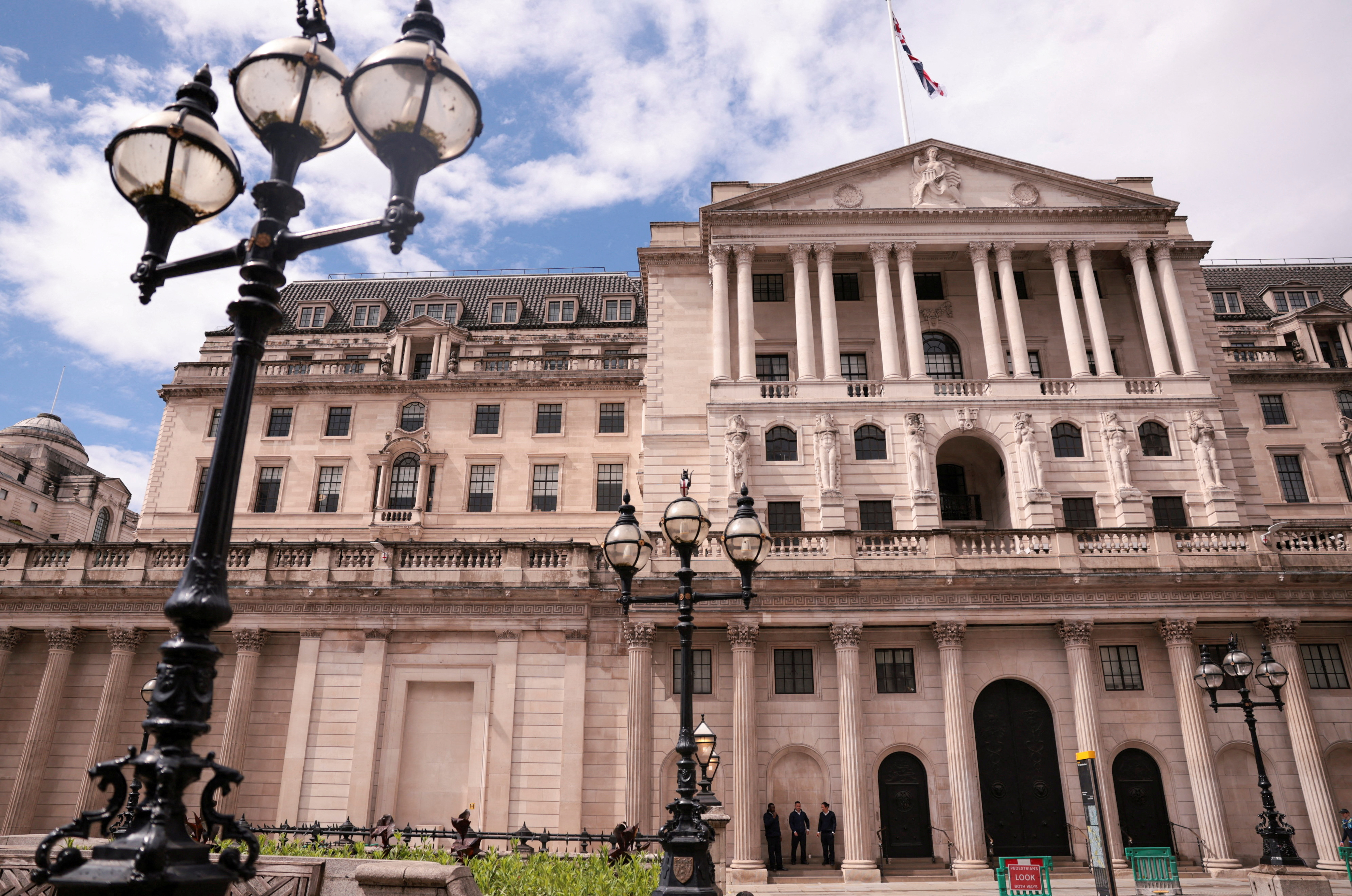
Banking regulators in the United States, including the Federal Reserve, Federal Deposit Insurance Corporation (FDIC), and Office of the Comptroller of the Currency (OCC), are expected to release significant revisions to bank capital requirements this month. These changes, which aim to strengthen the resilience of the financial system, are part of the larger “Basel III endgame” framework. The upcoming rules are targeted at banks with over $100 billion in assets, with the intention of bolstering their ability to withstand future financial crises.

The planned regulations will eliminate the use of banks’ internal risk models in favor of standardized models, addressing longstanding concerns about inconsistencies in how banks evaluate their risk exposure. If implemented, the new capital requirements will be phased in over three years, beginning in July 2025. However, the proposal has met with significant resistance from the banking industry, which argues that the regulations could lead to reduced lending capacity, stifling economic growth and affecting consumer credit availability.

The proposed revisions represent a culmination of years of efforts by regulators to tighten capital standards in the aftermath of the 2008 financial crisis. Banks have faced increasing scrutiny from both regulators and lawmakers over the adequacy of their capital buffers. Stress tests conducted by U.S. authorities have consistently shown that the nation’s banking system remains well-capitalized, but concerns linger about whether current rules are sufficient to safeguard against future economic shocks.

Among the major changes expected is the implementation of higher capital buffers for banks, particularly those with significant trading operations. This would affect major Wall Street firms, including JPMorgan Chase, Goldman Sachs, and Citigroup. These institutions could be required to hold substantially more capital against their trading assets, which has drawn criticism from the financial sector. The American Bankers Association (ABA) and other industry groups have argued that excessive capital requirements could reduce profitability and hamper their ability to finance economic activity.

Despite these objections, proponents of the new rules, including key regulatory figures, have emphasized the importance of ensuring that banks are prepared for a range of potential crises. Federal Reserve officials have expressed confidence in the banking system’s current stability but have stressed that more stringent capital requirements would reduce the likelihood of taxpayer-funded bailouts in the future. They have also pointed to the Basel III guidelines as an international standard, which the U.S. must comply with to maintain financial stability on a global scale.

Opponents within the banking sector are mounting an aggressive lobbying campaign to delay or modify the rulemaking. They argue that the proposed rules do not take into account the economic impact of stricter capital standards, especially at a time when inflation and interest rate hikes are already placing significant pressure on the industry. Large banks, which are likely to be most affected by the new regulations, have voiced concerns that they will be forced to cut back on lending activities to meet the higher capital requirements.

The pushback has been particularly vocal from some of the biggest players in the financial industry, who warn that the new capital rules could lead to reduced lending to businesses and consumers. The ABA, in a statement, expressed support for strong capital requirements but urged regulators to strike a balance that does not stifle economic growth. They argue that while the banking sector remains resilient, overly stringent capital rules could inadvertently weaken it by making credit more expensive and difficult to obtain.

At the heart of the debate is the balance between financial stability and economic growth. Regulators believe that higher capital buffers will protect the economy from future crises, ensuring that banks can absorb losses without threatening the broader financial system. On the other hand, industry critics argue that the proposed rules may do more harm than good, reducing banks’ ability to lend at a critical time for the economy.

SINGAPORE – Media OutReach Newswire – 6 September 2024 – ST Telemedia Global Data Centres (STT GDC), one of the world’s fastest-growing data centre colocation services provider headquartered in Singapore, today announced a significant investment of US$3.2 billion (INR 26,000 crores) to expand its data centre capacity in India by a substantial 550MW, nearly tripling the company’s IT load capacity to meet the demands of India’s thriving […]

Tuopai and Shede’s Triumphant Debut in Malaysia: Shede Spirits – Sharing Chinese Wisdom with the World KUALA LUMPUR, MALAYSIA – Media OutReach Newswire – 6 September 2024 – On September 3, “Sharing Chinese Wisdom with the World – Tuopai and Shede’s Malaysia Launch Event” was held in Kuala Lumpur triumphantly, marking the official landing of the dual-brand Tuopai and Shede in Malaysia, the core market of internationalization […]

Alibaba.com, a leading global business-to-business (B2B) e-commerce platform, has partnered with Mastercard to unveil a co-branded credit card aimed at small businesses in the United States. The Alibaba.com Business Edge Credit Card, set to launch later this year, promises to enhance the purchasing power of small enterprises by offering cashback rewards and favorable financing terms on both domestic and international sourcing transactions made through Alibaba’s marketplace.

Designed with small business owners in mind, the credit card aims to address common financial challenges faced by companies engaged in global trade, particularly those involved in cross-border e-commerce. The Alibaba.com Business Edge Credit Card will provide 3% cashback on eligible purchases, along with a 90-day order protection feature. This protection is geared towards businesses seeking to minimize risks when purchasing from international suppliers, a critical factor for companies that depend on reliable sourcing and supplier trust in the global market.

Alibaba’s strategic collaboration with Mastercard highlights the growing significance of financial tools tailored to support small and medium-sized enterprises (SMEs) engaged in international trade. For many businesses, navigating the complexities of global supply chains and managing foreign exchange transactions pose considerable challenges. By introducing this co-branded credit card, Alibaba and Mastercard aim to simplify these processes and empower businesses with greater financial flexibility.

John Caplan, President of North America and Europe for Alibaba.com, emphasized the need for more accessible financial solutions for small businesses engaged in global sourcing. “We understand the difficulties that small business owners face when purchasing from suppliers worldwide. This card was created to make the process easier, more secure, and rewarding,” Caplan remarked. His comments reflect Alibaba’s commitment to expanding its presence in the U.S. market by offering more value to small enterprises through tailored financial solutions.

Mastercard, a global payments leader, brings its expertise to the partnership by ensuring that the Alibaba.com Business Edge Credit Card is equipped with industry-leading security features and seamless transaction capabilities. The card will benefit from Mastercard’s robust global payment network, providing users with easy access to Alibaba’s vast supplier base without the usual concerns surrounding cross-border payments. Small businesses, particularly those relying on Alibaba.com for sourcing products, stand to benefit from reduced transaction fees and enhanced cashback opportunities.

Additionally, Cardless, a U.S.-based fintech firm, is involved in the partnership to offer digital-first capabilities for the card. Cardless is known for its user-friendly app that simplifies the application and card management process, allowing cardholders to access features such as tracking purchases, paying bills, and redeeming rewards—all from a mobile device. The involvement of Cardless adds an extra layer of convenience to the Alibaba.com Business Edge Credit Card, as it provides businesses with a modern, digital solution for managing their spending.

The Alibaba.com Business Edge Credit Card marks Alibaba’s first foray into co-branded credit cards in the United States, demonstrating the company’s intent to strengthen its foothold in the U.S. market. Although Alibaba.com has long been a prominent platform for sourcing goods from international suppliers, the introduction of a co-branded credit card tailored specifically for U.S. businesses signals a shift in the company’s strategy to become more integrated into the financial infrastructure of the country.

By tapping into the vast U.S. small business sector, Alibaba and Mastercard are positioning themselves at the intersection of e-commerce and finance, two industries that continue to experience rapid growth. According to estimates, the U.S. market for small business credit cards is worth billions of dollars, with an increasing number of enterprises relying on credit cards to finance their operations. The introduction of the Alibaba.com Business Edge Credit Card provides an opportunity for Alibaba to offer more than just a marketplace—it positions the platform as a financial partner to its users, offering tools that directly enhance their purchasing and operational capabilities.

Moreover, the launch of the Alibaba.com Business Edge Credit Card comes at a time when global supply chains are under heightened scrutiny. Many small businesses are struggling to navigate the impacts of fluctuating costs, tariffs, and logistics challenges. For businesses using Alibaba.com to source goods, the cashback rewards and extended payment terms offered by the card may help alleviate some of these pressures. By providing users with financial benefits tailored to their purchasing habits, the card is expected to foster long-term loyalty among Alibaba’s U.S. customer base.

The announcement of the card’s waitlist, which went live on September 5, has already generated significant interest from U.S. small business owners. Once available later this year, the Alibaba.com Business Edge Credit Card will allow users to apply through a streamlined digital process facilitated by Cardless. Applicants will be able to complete the process quickly and manage their cards directly from the Cardless mobile app, enhancing accessibility for small business owners who value simplicity and convenience.

NEW YORK, USA – Media OutReach Newswire – 6 September 2024 – Today marks the beginning of the much-anticipated Momcozy NYFW Popup Event During News York Fashion Week. Taking place from September 6th to 11th in New York City, this event embraces the theme “Cozy Evolution: Together We Grow.” This unique celebration focuses on the intimate moments that shape our lives, particularly the transformative journey of motherhood. […]

CHENGDE, CHINA – Media OutReach Newswire – 6 September 2024 – With the summer holiday season concluded, “Emperor Kangxi’s Grand Ceremony” has delivered an impeccable report card. This large-scale live show, which utilizes the starry sky as its backdrop and the landscape as its stage, seamlessly integrates royal culture. Since the opening of its 13th season, the show has consistently garnered favor from visitors across China. Every […]

HONG KONG SAR – Media OutReach Newswire – 6 September 2024 – In celebration of Hello Kitty’s 50th anniversary, Alifish, a copyright trading and innovation platform under Alibaba Pictures, joined forces with Sanrio and Tmall to launch the inaugural Sanrio Tmall Super Brand Day event under the theme “Besties should stay together like Hello Kitty & Friends”. This event saw the participation of over 30 licensees, showcased […]

Global music sensation Eric Prydz is set to electrify Expo City Dubai with his acclaimed HOLO show on October 18. This highly anticipated event merges advanced visual technology with a captivating musical performance, marking its debut in the Middle East. HOLO has garnered international acclaim for its immersive blend of 3D holographic projections, lasers, and dynamic lighting, creating an unparalleled sensory experience. The show has previously captivated […]

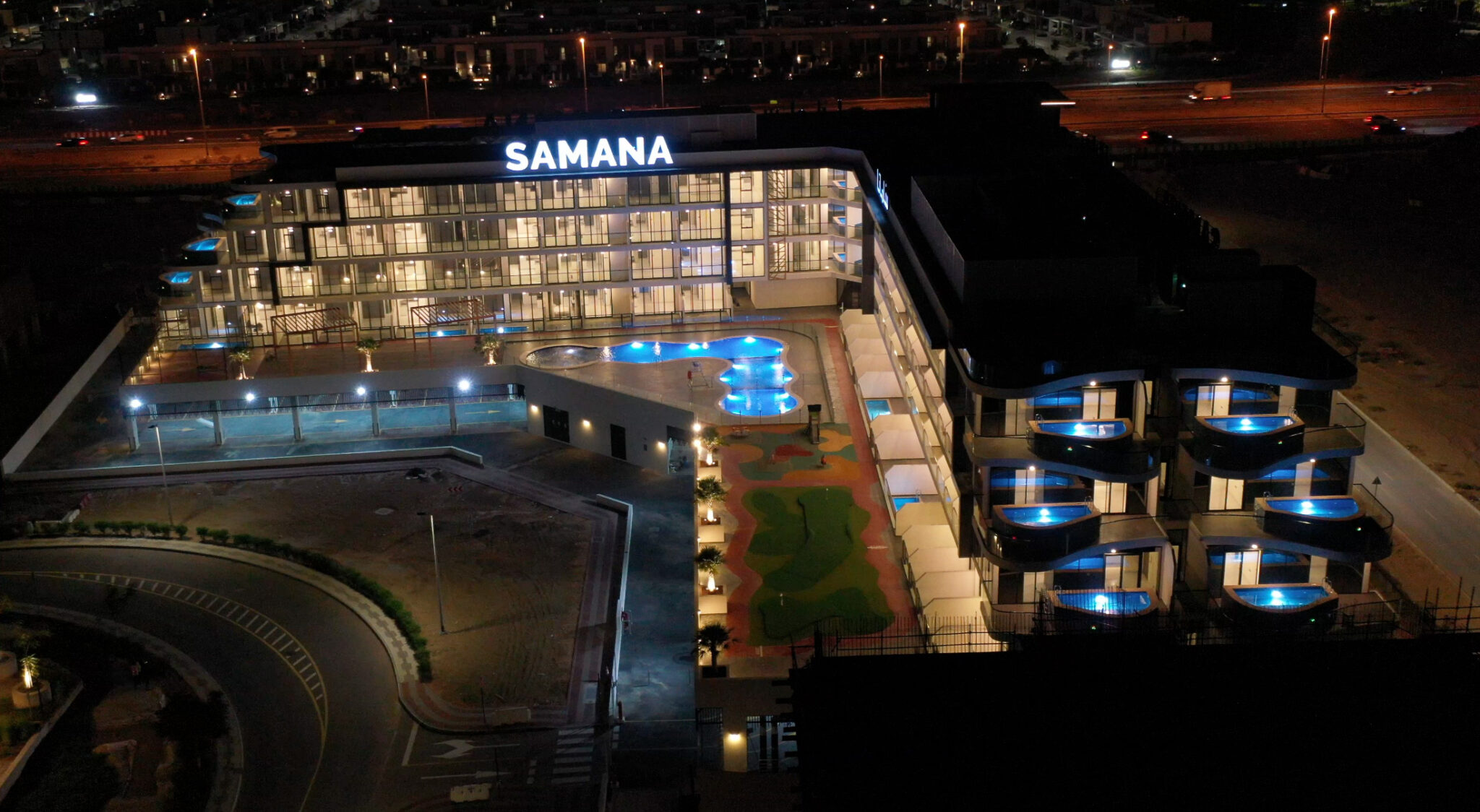
Samana Properties has achieved a significant milestone with its latest waterfront project in Dubai, which sold out within two hours of its launch. The project, named Samana Hills, has attracted substantial interest from both local and international investors, reflecting a strong appetite for premium real estate in Dubai’s competitive market.

Located in the heart of Dubai, Samana Hills promises an upscale living experience with modern amenities and stunning waterfront views. The development comprises luxury apartments designed to cater to high-net-worth individuals seeking exclusive properties in one of the world’s most sought-after real estate markets. The rapid sales pace highlights a trend of increasing demand for high-end residential properties in Dubai, driven by the city’s status as a global business hub and tourism hotspot.

The success of Samana Hills comes amidst a broader trend in Dubai’s real estate market, where luxury and waterfront properties have seen a surge in popularity. Analysts attribute this rise to Dubai’s robust economic recovery and the ongoing influx of expatriates and international investors. The city’s strategic location, coupled with its tax-free status and favorable business environment, continues to make it an attractive destination for property buyers.

Samana Properties, a notable player in the Dubai real estate sector, has capitalized on these trends by offering a project that aligns with current market demands. Their ability to sell out a development so quickly underscores the strong demand for well-located, high-quality properties. This also suggests a growing confidence among investors in the stability and profitability of Dubai’s real estate market.

The launch of Samana Hills is part of a broader strategy by Samana Properties to expand its portfolio in the luxury segment. The company’s focus on waterfront properties taps into a niche market where exclusivity and high value are key selling points. By offering a limited number of units with premium features, Samana Properties has successfully created a sense of urgency and exclusivity that resonates with high-end buyers.

Dubai’s real estate market has seen various phases of boom and adjustment over the past decades. However, the current phase appears to be characterized by sustained growth, particularly in the luxury segment. The demand for waterfront and high-end properties is driven by factors such as Dubai’s appealing lifestyle, the high standard of living, and the city’s continuing role as a global financial and tourism center.

The rapid sell-out of Samana Hills is also indicative of a broader trend where developers are increasingly targeting affluent buyers with exclusive offers. This approach not only meets the demand for luxury living but also positions developers to capitalize on the premium pricing of such properties. The high-speed sales performance is likely to encourage other developers to adopt similar strategies to tap into the lucrative luxury real estate market.

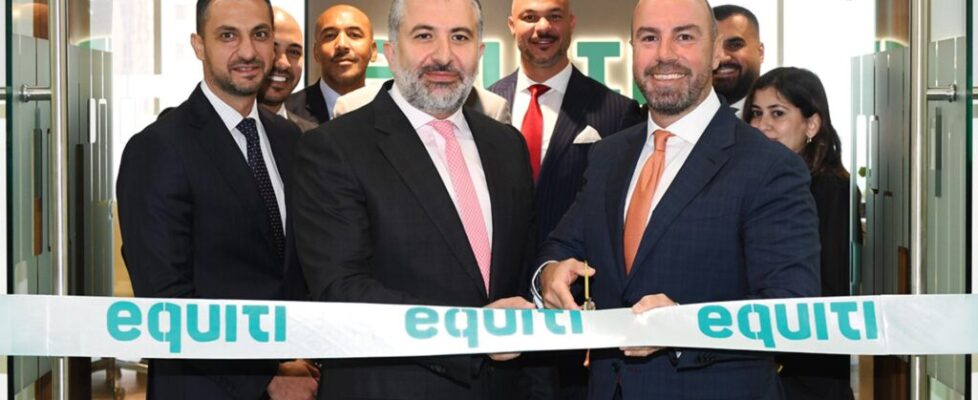
CFI Financial Group, a leading online trading provider in the region, has expanded its UAE-regulated entity, CFI Financial Markets LLC (CFI UAE), into Abu Dhabi. This move reinforces the company’s growing presence in the country, following a strategic approach to further enhance its offerings across the Emirates. The expansion underscores the Group’s commitment to providing a wider range of financial services to clients nationwide while maintaining its reputation for delivering quality trading solutions.

The decision to enter Abu Dhabi comes as CFI UAE looks to leverage its Category One license, which was granted by the Securities and Commodities Authority (SCA). This license allows the firm to offer a broad spectrum of financial instruments, including access to global markets through cutting-edge technology. By choosing Abu Dhabi, the firm seeks to tap into the capital’s growing investor base and enhance its service offerings in line with the region’s economic ambitions.

The CEO of CFI Financial Group has noted that this expansion reflects the company’s continued focus on meeting the evolving needs of traders in the UAE. By extending operations to Abu Dhabi, CFI UAE aims to provide investors with more robust trading opportunities and seamless access to global financial markets. The move also aligns with Abu Dhabi’s vision of becoming a key financial hub in the region, as part of its broader economic diversification strategy.

CFI UAE has already established itself as a key player in the UAE’s financial landscape, particularly through its presence in Dubai. The expansion into Abu Dhabi marks another milestone in the company’s ambitious growth plan, which is focused on strengthening its regional presence and offering clients a comprehensive suite of financial services. As a fully regulated entity, CFI UAE adheres to stringent regulatory standards, ensuring transparency and investor protection in all its operations.

With the growing demand for sophisticated trading platforms and services, CFI UAE has consistently invested in the latest financial technology to provide its clients with innovative solutions. The company’s platform allows access to thousands of financial instruments, including forex, stocks, commodities, indices, and cryptocurrencies, giving traders the flexibility to diversify their portfolios. The expansion into Abu Dhabi is expected to further boost these offerings, providing local investors with even more options and opportunities.

The financial services sector in the UAE has been experiencing rapid growth, driven by increasing demand for investment products and the government’s efforts to attract foreign investment. As the UAE continues to develop its financial infrastructure, companies like CFI Financial Group are positioning themselves to capitalize on these opportunities. The firm’s entry into Abu Dhabi is seen as a strategic step in capturing a larger share of the growing market, particularly as more investors seek access to global markets from the UAE.

CFI UAE’s expansion also comes at a time when the financial industry is becoming increasingly competitive, with numerous players offering similar services. However, the firm believes that its strong regulatory foundation, coupled with its focus on innovation and client satisfaction, will set it apart from the competition. The company’s leadership has emphasized that the move to Abu Dhabi is part of a broader strategy to stay ahead of market trends and continue delivering value to its clients.

Abu Dhabi, as the capital of the UAE, has been steadily building its reputation as a financial center, attracting both regional and international firms. The government’s efforts to diversify the economy, combined with the emirate’s favorable regulatory environment, have created an attractive destination for financial services companies. CFI UAE’s entry into the Abu Dhabi market is expected to contribute to this growth, further solidifying the city’s status as a key player in the global financial industry.

This expansion is not only a reflection of CFI Financial Group’s long-term vision but also an indication of the broader trends shaping the financial sector in the UAE. With the global economy continuing to evolve, and technological advancements driving changes in the way people trade and invest, CFI UAE is well-positioned to take advantage of these developments. The company’s focus on innovation, regulatory compliance, and customer service has been central to its success, and these values are expected to guide its future growth.

By P. Sudhir The situation in Assam has steadily deteriorated due to growing tensions between communities and certain incidents being used to divide people on communal and chauvinistic lines. The chief minister, Himanta Biswa Sarma, and the BJP-led government are solely responsible for the current state of affairs. Himanta Biswa Sarma has crossed all limits […]

A Series of Cultural Activities and Engaging Experiences from Now Until October 20, Culminating in a Hanfu Parade to Illuminate the Mid-Autumn Festival MACAU SAR – Media OutReach Newswire – 5 September 2024 – As the golden autumn moon graces the night sky, China prepares to celebrate two significant milestones – the 75th anniversary of the founding of the People’s Republic of China and the 25th anniversary […]

Wizz Air has announced the launch of its inaugural long-haul flight from Abu Dhabi to Milan, marking a significant expansion of its route network. This new service reflects the airline’s strategic push into longer-haul markets and aims to strengthen its presence in the European and Middle Eastern travel corridors.

Starting from next month, the Abu Dhabi-Milan route will offer passengers a direct link between the UAE capital and Italy’s fashion and finance hub. This development underscores Wizz Air’s commitment to enhancing connectivity between key global cities. The service is expected to cater to both leisure and business travelers, offering a new, affordable option for flying between the two cities.

The addition of this route is part of Wizz Air’s broader strategy to increase its footprint in long-haul operations. The airline has been expanding its network extensively over the past year, adding several new destinations and enhancing its connectivity. The Abu Dhabi-Milan route will operate multiple times a week, providing passengers with greater flexibility and convenience.

Wizz Air’s move into long-haul flights aligns with a growing trend among budget carriers to explore longer routes, traditionally dominated by full-service airlines. By entering this market, Wizz Air aims to capture a share of the increasing demand for affordable long-haul travel options.

Milan, known for its fashion industry, rich cultural heritage, and vibrant business environment, is expected to attract a significant number of travelers from the UAE and beyond. The city serves as a major hub for commerce and tourism, making it an attractive destination for both business and leisure trips.

The airline’s new route is anticipated to bolster tourism and business ties between the UAE and Italy. It reflects a broader trend of increasing bilateral connections between the Middle East and Europe. As global travel recovers and evolves, airlines are continually adapting their strategies to meet shifting demands and market opportunities.

Wizz Air’s expansion into long-haul services also highlights the competitive nature of the budget airline sector. As airlines strive to differentiate themselves, adding long-haul routes provides an opportunity to offer more comprehensive travel options and appeal to a broader audience.

In addition to expanding its route network, Wizz Air is focusing on improving its operational efficiency and passenger experience. The airline has been investing in new aircraft and technology to enhance its service offerings and streamline its operations.

This new route is expected to be well-received by travelers seeking affordable and direct flights between Abu Dhabi and Milan. With competitive pricing and a focus on customer satisfaction, Wizz Air aims to establish a strong foothold in the long-haul market.

Snoop Dogg and filmmaker Robert Rodriguez are turning to their fans for financial backing to support their upcoming ventures. This novel approach allows fans to directly invest in and participate in the development of creative projects, reflecting a broader trend in the entertainment industry towards decentralized funding models.

Snoop Dogg is leveraging his significant fan base by offering opportunities to invest in his various artistic endeavors. His latest venture, which involves both music and entrepreneurial projects, is poised to benefit from the direct involvement of his supporters. By inviting fans to contribute financially, Snoop Dogg aims to create a more interactive and invested audience for his work.

Similarly, Robert Rodriguez, known for his distinctive filmmaking style and successful projects such as “Desperado” and “Sin City,” is exploring fan funding to finance his new film projects. Rodriguez’s move is part of a growing trend where traditional financing models are being disrupted by more personalized and engaging methods. This strategy not only raises capital but also generates early buzz and a committed audience for the projects.

This shift towards fan investment underscores a larger transformation in the entertainment industry. As digital platforms and social media become more integral to the creative process, artists and creators are increasingly seeking ways to engage their audiences in financial and creative decision-making. This model benefits both the creators, who gain financial support and build a loyal following, and the fans, who gain a sense of ownership and involvement in the projects they support.

The impact of fan financing extends beyond individual projects. It signifies a broader trend where crowdfunding and decentralized investment are reshaping how creative works are funded and distributed. This approach challenges traditional financing structures and opens up new possibilities for artists to bring their visions to life without relying solely on conventional studio or production company backing.

The increasing popularity of crowdfunding platforms like Kickstarter and Indiegogo has demonstrated the potential of this model. These platforms have been instrumental in financing a wide range of projects, from independent films to innovative products. The success stories from these platforms have paved the way for high-profile artists and creators to explore similar funding mechanisms.

Snoop Dogg’s and Rodriguez’s initiatives also highlight a growing trend of collaboration between artists and fans. By involving fans directly in the investment process, creators can cultivate a more engaged and enthusiastic audience. This engagement can lead to more robust promotional efforts and a more dedicated fan base, which is crucial in a competitive entertainment landscape.

In addition to financial contributions, fans who invest in these projects may receive exclusive content, early access to releases, and other perks. This creates a reciprocal relationship between creators and supporters, enhancing the overall fan experience and fostering a deeper connection to the work.

The rise of fan financing also reflects broader economic and technological trends. As digital tools and platforms become more accessible, they enable new forms of engagement and collaboration. This democratization of funding and participation is reshaping industries beyond entertainment, including technology, fashion, and even philanthropy.

As Snoop Dogg and Robert Rodriguez forge ahead with their fan-funded projects, they join a growing cohort of creators who are redefining traditional funding models. Their efforts exemplify how digital innovation and audience engagement can combine to create new opportunities and reshape the creative landscape.

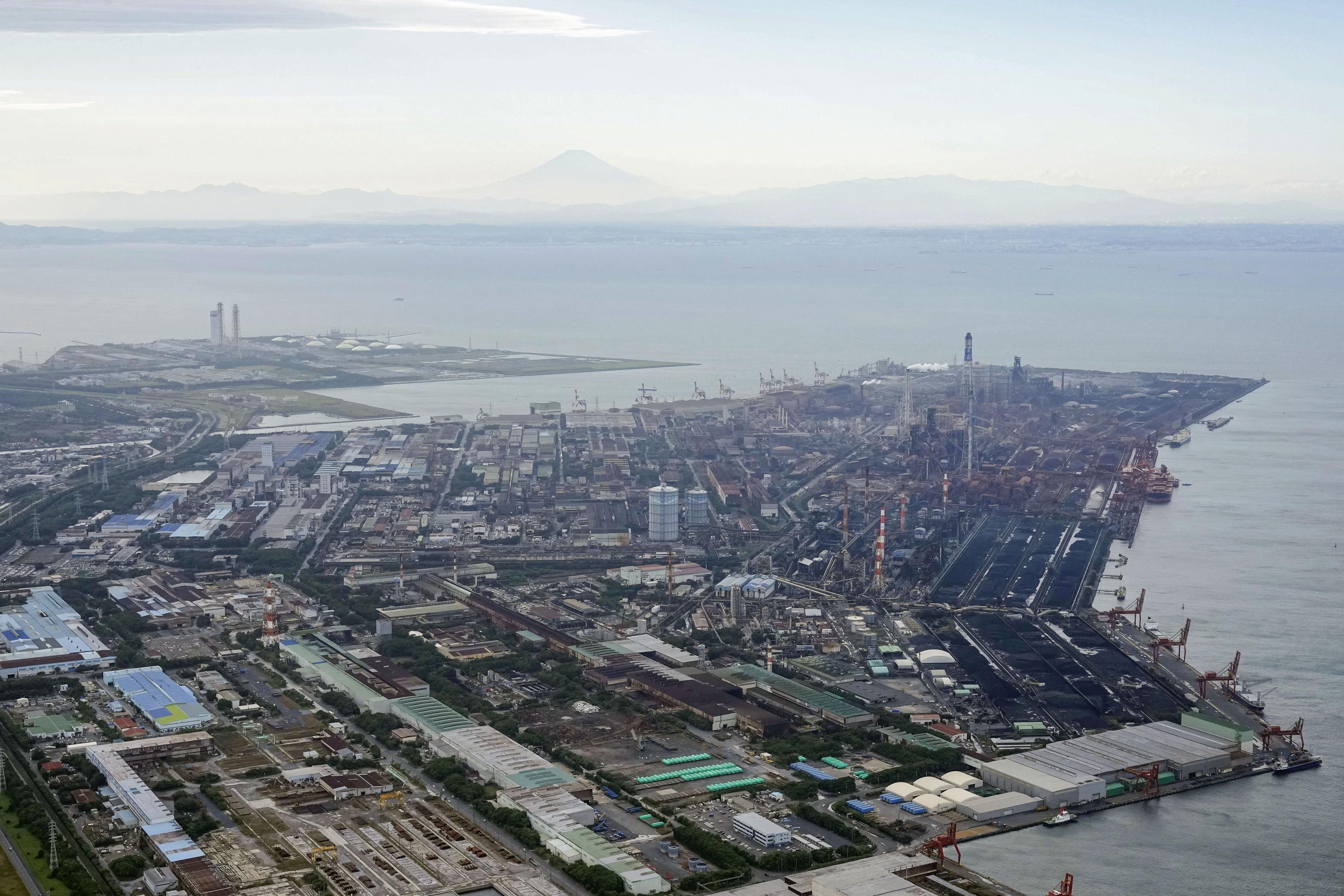
Nippon Steel Corp.’s ambitious $14.1 billion takeover of United States Steel Corp. appears to be in jeopardy, with the Biden administration signaling its intention to block the deal. The acquisition, seen as a strategic move by the Japanese steel giant to secure a larger foothold in the U.S. market, has run into significant political opposition as the White House prepares to intervene on grounds of national security and competition concerns. The move could derail what was shaping up to be one of the most significant cross-border acquisitions in the steel industry in years.

The takeover bid, which has been in the works for months, aimed to combine two of the world’s leading steel producers in a move that would have created a global steel powerhouse. Nippon Steel, already a major player in the industry, viewed the acquisition as a way to strengthen its presence in the U.S. market, where demand for steel is expected to surge due to infrastructure projects and defense contracts. U.S. Steel, on the other hand, has been grappling with aging infrastructure and rising costs, making it a potential target for foreign buyers seeking growth opportunities.

However, the proposed deal has drawn scrutiny from U.S. lawmakers and regulatory authorities, particularly due to the strategic importance of the steel sector to national defense. The Biden administration, keen on maintaining control over critical industries, is reportedly preparing to invoke regulatory powers to block the acquisition, citing national security concerns. Officials are reportedly worried that the sale of U.S. Steel to a foreign entity, even one as established as Nippon Steel, could pose risks to the country’s defense capabilities, especially with steel being a critical component in military hardware and infrastructure.

Nippon Steel’s interest in acquiring U.S. Steel is part of a broader strategy by the company to expand its global operations and secure a stable supply chain. With steel prices fluctuating and supply chains becoming more fragile in the aftermath of the COVID-19 pandemic, securing production capacity in key markets has become a priority for many manufacturers. The acquisition of U.S. Steel, with its extensive domestic production facilities and established relationships with American contractors, was seen as an ideal fit for Nippon Steel’s long-term plans.

The Biden administration’s opposition to the deal reflects a broader shift in U.S. trade and industrial policy, which has become increasingly protectionist under the current leadership. As part of its strategy to bolster domestic manufacturing and reduce reliance on foreign suppliers, the White House has taken a more aggressive stance on foreign takeovers, particularly in sectors deemed critical to national security. The steel industry, long considered a backbone of the U.S. economy and defense capabilities, has become a focal point of this policy shift.

Political opposition to the deal has been growing steadily. U.S. lawmakers have raised concerns over the potential loss of control over domestic steel production, pointing to the importance of maintaining a strong domestic industry in the face of global uncertainties. The U.S. Congress has also weighed in, with some members advocating for a review of the transaction under the Committee on Foreign Investment in the United States (CFIUS), which has the authority to block deals that pose a threat to national security.

At the same time, industry insiders argue that Nippon Steel’s acquisition of U.S. Steel would bring much-needed investment to the American company, which has struggled to modernize its operations in the face of mounting competition from international players. U.S. Steel, once a symbol of American industrial might, has seen its market share erode in recent years as cheaper imports and rising production costs have taken their toll. Proponents of the deal argue that foreign investment, particularly from a company with the resources and expertise of Nippon Steel, could revitalize U.S. Steel and strengthen the domestic industry in the long run.

The Biden administration’s stance, however, suggests that political considerations will ultimately outweigh economic arguments. With the 2024 elections looming, the White House is under pressure to demonstrate its commitment to protecting American jobs and industries, especially in critical sectors like steel. Blocking the Nippon Steel takeover allows the administration to signal its support for domestic manufacturing while reinforcing its broader trade policy objectives.

For Nippon Steel, the collapse of the deal would represent a significant setback in its efforts to expand its global footprint. The Japanese company has been aggressively pursuing international acquisitions in recent years as part of a strategy to diversify its operations and reduce its reliance on domestic markets. The U.S. market, with its robust demand for steel and favorable economic conditions, was seen as a key target for expansion. Losing out on the U.S. Steel acquisition would force Nippon Steel to reevaluate its options and look for alternative avenues for growth.

HO CHI MINH CITY, VIETNAM – Media OutReach Newswire – 5 September 2024 – HeeSay, the LGBTQ+ online community, made a debut at White Party Vietnam 2024 as the ‘community’ concept materialized in its booth and sparked a buzz of excitement among local attendees. The “Mini-Community” orchestrated by HeeSay featured several interactive games that mirrored online social scenarios within the app. The “YAY!” game, inspired by the […]

VISHNU RAJA
RYO YAMADA
HITORI GOTOH
IKUYO KITA