News related to
City

BEIJING, CHINA – Media OutReach Newswire – 8 November 2024 – Since its inception more than three decades ago, the Asia-Pacific Economic Cooperation (APEC) has become a dynamic engine of economic growth and one of Asia Pacific’s most important regional forums. Its 21 member economies represent approximately 62 percent of the world GDP and nearly half of world trade. As the 2024 APEC gathering will commence soon […]

Dubai has secured the top position among Middle Eastern and North African cities in the 2024 Global City Index, outperforming other regional hubs in several key metrics including economic activity, global connectivity, and infrastructure. The ranking highlights Dubai’s increasing prominence as a center for commerce, tourism, and innovation, a status bolstered by its advanced digital infrastructure and its appeal to global investors. The Global City Index, an […]

Dubai has launched the Middle East’s first net-positive mosque, a pioneering structure at the crossroads of spirituality and sustainability. With its energy-efficient design, the eco-friendly mosque generates more energy than it consumes, marking a significant step in Dubai’s ambition to lead sustainable development in the region. Located in Al Hudaiba and named after the UAE’s founding father, Sheikh Mohammed bin Zayed Al Nahyan, the mosque represents an […]

Arabian Post Staff Dubai state-owned Emirates Group that operates the world’s largest international carrier, Emirates Airline, reported a record profit before tax of Dh10.4 billion (US$2.8 billion) for the first six months of 2024-25, its best-ever half-year financial performance, surpassing its record profit before tax for the same period last year. This is the first financial year that the UAE corporate income tax, enacted in 2023, is […]

BARCELONA, SPAIN – Media OutReach Newswire – 8 November 2024 – On November 6, Central European Time, at the 2024 Smart City Expo World Congress (SCEWC) held in Barcelona, Shenzhen stood out from 429 candidate cities from 64 countries and regions to win the World Smart City Award, demonstrating China’s extraordinary strength and potential in building smart cities. Centered on the theme of “building a new smart […]

HONG KONG SAR – Media OutReach Newswire – 8 November 2024 – Hong Kong Design Centre (HKDC) is thrilled to reveal the winners of DFA Hong Kong Young Design Talent Award (DFA HKYDTA) 2024. A total of 17 young and exceptional designers from Hong Kong have been selected by a panel of distinguished judges. Among them, 13 winners will receive financial sponsorships to pursue education or work […]

The Trump administration’s latest strategy to impose stricter sanctions on Iran and Venezuela is set to have a significant impact on global oil markets. As tensions rise over geopolitical maneuvering and energy security concerns, experts predict that these measures will strain already delicate oil supplies and could lead to higher prices globally. The decision underscores the U.S.’s firm stance against two key oil producers, both of which have been facing international isolation due to their respective political landscapes.

Under the previous administration, sanctions against these nations were ramped up, but the current approach seeks to tighten those restrictions even further, with the aim of curbing oil exports from both Iran and Venezuela. Analysts believe that this intensification is intended to increase pressure on the governments in Tehran and Caracas, while also signaling the U.S.’s commitment to reducing foreign oil dependency. The new sanctions could, however, complicate matters for oil-importing nations, as they will likely face higher costs and uncertainty in accessing sufficient supply.

Iran, whose oil industry has been a target of U.S. sanctions for years, faces restrictions that limit its ability to engage in global trade. With the United States and many European countries pressuring buyers not to purchase Iranian oil, Tehran’s market share has drastically shrunk. Despite this, Iran has still managed to export oil to certain regions, including China, albeit covertly. The latest sanctions are expected to curb these exports even further, as U.S. officials vow to penalize any entities engaging in trade with Tehran’s oil sector. This will likely exacerbate Iran’s economic woes and deepen the global oil supply shortage.

Venezuela, already grappling with a humanitarian crisis and a collapsed economy, is another major target of U.S. sanctions. The Latin American nation holds some of the largest oil reserves in the world but has struggled to maintain production levels due to mismanagement, lack of investment, and the effects of sanctions imposed by Washington. As production continues to decline, Venezuela’s role as a key oil exporter diminishes. With further sanctions on the horizon, experts anticipate a further decline in Venezuelan oil output, further straining the global oil market.

These sanctions could have widespread ramifications beyond Iran and Venezuela. Global oil prices, already volatile in recent months due to the ongoing war in Ukraine and other supply disruptions, are expected to rise as oil becomes scarcer. Some analysts are predicting that a more severe reduction in output from these two countries could push oil prices well above current levels, forcing governments and companies worldwide to adjust their energy strategies.

The administration’s move to implement stricter sanctions on these oil-rich countries aligns with broader U.S. goals of reducing global reliance on unstable regimes. By limiting Iran and Venezuela’s capacity to export oil, Washington is seeking to restrict revenue streams that could fund political instability or hostile actions. However, experts warn that these policies may not be fully effective in the long term and could further alienate both countries, making future diplomatic engagement more difficult.

For international oil markets, these measures represent a critical crossroads. A reduced supply of oil from Iran and Venezuela may benefit other oil-producing countries like Saudi Arabia, Russia, and the United States, which are all positioned to fill the gap. However, these nations are already producing at near maximum capacity, and additional pressure on these producers could create upward price pressures. Furthermore, non-compliance with the sanctions by other nations, especially China, could result in a fractured global response, leading to even more volatility in the markets.

The oil markets’ response to these sanctions will likely hinge on the willingness of major players to support U.S. policies. If countries such as China and India, two of the largest oil consumers, continue to trade with Iran and Venezuela despite U.S. warnings, the impact of these sanctions could be muted. On the other hand, if these nations adhere to the U.S.-led restrictions, the oil supply could shrink significantly, which would lead to higher costs for energy consumers worldwide.

One of the more significant ramifications of these sanctions is the effect on U.S. allies. Countries that are heavily dependent on Venezuelan or Iranian oil, such as certain European nations, may face challenges in meeting their energy needs. This could prompt some to seek alternative sources of oil, such as those from the U.S. itself, which has ramped up production in recent years. While U.S. shale production has boomed, it is unclear if it will be able to absorb the loss of oil exports from these countries and meet global demand.

The sanctions’ broader economic impact cannot be ignored. Countries around the world are grappling with inflation and supply chain disruptions, which are already driving up energy costs. The additional strain on oil markets caused by these new sanctions could further exacerbate economic instability, especially in developing nations that are highly reliant on affordable energy.


Advertisements

Dubai’s office market has experienced a significant surge in rental prices during the third quarter of 2024, with prime office locations recording the steepest increases. This upward trend is reflective of the city’s growing appeal as a global business hub, particularly for multinational companies across sectors such as finance, technology, and consulting. Notably, areas like Dubai International Financial Centre (DIFC) and Downtown Dubai have seen substantial rent hikes, driven by an influx of businesses looking to capitalize on the city’s business-friendly environment and strategic location.

A combination of factors has fueled this rapid growth. The city’s favorable tax environment, ease of business setup, and top-tier infrastructure continue to attract international firms seeking stable, high-quality office space. Experts have noted that hybrid working models, a post-pandemic trend, have also contributed to the growing demand for flexible office spaces. Companies are increasingly prioritizing flexible, open-plan layouts and co-working spaces that allow them to adjust their office footprint based on operational needs. This shift has further amplified the demand in both premium and emerging commercial districts.

While top-tier locations continue to see the highest rental growth, more affordable options in areas such as Dubai Science Park and Dubai Investments Park are also experiencing robust demand. In these locations, rents have jumped by as much as 37% year-on-year, reflecting broader market expansion. Moreover, Expo City, once seen as a secondary option, is now emerging as a competitive contender in the office space market, offering quality facilities with better price points and strong transport connectivity compared to central business areas.

The expansion is not just limited to office space demand; Dubai’s infrastructure projects and strategic vision, which emphasize connectivity and business continuity, have also played a role in reinforcing the city’s position as a leading global business destination. Experts forecast that this demand will likely sustain through the remainder of the year, supported by Dubai’s continued role as a bridge between East and West.

Motorcycling offers an exhilarating blend of adventure, freedom, and community. This blog post provides essential guidance for beginners, covering the benefits of motorcycling, necessary gear, tips for choosing your first bike, and safety measures. It also includes advice on basic maintenance and accident preparedness, helping you start your motorcycling journey with confidence and excitement. Why Motorcycling is the Perfect Hobby Motorcycling is more than just a mode […]

Masdar, Sarawak Energy, and Gentari have joined forces to explore the feasibility of a large-scale floating solar energy project in Malaysia. The initiative, part of broader efforts to advance renewable energy in the region, seeks to harness Malaysia’s vast water bodies for solar energy generation. The companies aim to assess the potential environmental, technical, and economic factors influencing the deployment of such a project, which could mark […]

Bitcoin’s market capitalization surged, positioning it as the 10th most valuable asset globally, overtaking Meta’s market cap in a significant milestone for digital currency. Valued at $1.469 trillion, Bitcoin now stands among a roster of prominent corporations and precious metals, reflecting a growing mainstream acceptance of cryptocurrency as a valuable financial asset. As it edges past Meta’s $1.415 trillion, this advancement underscores Bitcoin’s emerging stability and appeal, bridging the gap between traditional finance and digital assets.

The rise in Bitcoin’s market value comes amidst a period of renewed interest in cryptocurrency assets as broader economic concerns drive investors toward alternative assets. Bitcoin, often viewed as “digital gold,” has sustained a strong appeal among investors seeking a hedge against inflation and financial uncertainty. This achievement follows years of volatility within the cryptocurrency market, highlighting Bitcoin’s shift from a niche digital asset to one recognized within established financial circles as a potentially viable store of value.

Bitcoin’s rise to this financial echelon highlights its unique qualities, particularly as a decentralized asset unaffected by conventional monetary policies. With a limited supply capped at 21 million coins, Bitcoin’s scarcity plays a crucial role in its valuation, differentiating it from traditional currencies that can be influenced by central banks. Analysts point to Bitcoin’s fixed supply as one reason for its attractiveness in times of inflation, with many investors considering it a secure store of value akin to gold. Unlike fiat currencies, Bitcoin operates on a decentralized network, offering users autonomy and a form of financial independence that centralized assets cannot match.

Some financial experts interpret Bitcoin’s advancement in market valuation as indicative of a shifting perception among institutional investors, who increasingly view digital assets as part of a balanced investment portfolio. High-profile financial firms, including Fidelity, BlackRock, and others, have shown interest in cryptocurrency by developing infrastructure for institutional clients, fueling the belief that Bitcoin and similar assets are becoming indispensable in modern financial strategy. Bitcoin’s integration into mainstream finance continues, with exchange-traded funds (ETFs) and other investment products creating access points for investors previously hesitant to engage in digital currency markets directly.

Notwithstanding this impressive ascent, Bitcoin’s market performance has been marked by fluctuations. In 2021, Bitcoin’s value experienced a meteoric rise, crossing the $60,000 threshold before undergoing a sharp decline during 2022’s “crypto winter,” which saw significant losses in the broader digital asset space. This volatility has led to caution among traditional investors, yet the asset’s resilience in rebounding from lows strengthens the case for Bitcoin’s potential long-term viability. While its trajectory has not been linear, Bitcoin’s consistent recovery and growth reflect a degree of maturity in the market, contrasting with its early years characterized by extreme swings.

Bitcoin’s surpassing of Meta by market capitalization also draws attention to the contrasting models and trajectories of the two assets. While Meta represents a centralized technology behemoth navigating privacy concerns and regulatory scrutiny, Bitcoin offers a decentralized, transparent financial option free from central governance. Bitcoin’s public blockchain allows participants to verify transactions without a central authority, ensuring transparency and security. As technology giants like Meta face ongoing scrutiny over data privacy, Bitcoin’s appeal as an open and censorship-resistant currency is amplified, making it particularly attractive to a generation attuned to digital privacy issues.

Despite Bitcoin’s growth, regulatory challenges remain. The cryptocurrency sector faces varied regulatory approaches worldwide, with some countries such as the United States and China imposing restrictions or outright bans, while others, including El Salvador and Switzerland, embrace digital currencies through legislative frameworks. Regulatory ambiguity has prompted industry stakeholders to advocate for clearer policies that protect consumers while fostering innovation. Regulatory stability, proponents argue, is essential to ensure long-term confidence in digital assets among institutional and retail investors alike.

Bitcoin’s evolving role also underscores potential shifts in the global financial ecosystem, with digital assets increasingly positioned as integral to the future of finance. Central banks globally have observed Bitcoin’s growth with a mixture of apprehension and intrigue, with many exploring the idea of central bank digital currencies (CBDCs) to create government-backed digital equivalents. These digital currencies could enhance payment efficiencies and reduce transaction costs, although they differ fundamentally from decentralized cryptocurrencies like Bitcoin. In exploring CBDCs, governments aim to modernize financial infrastructure, yet many remain cautious of the unregulated nature of Bitcoin, which operates beyond central control and oversight.

SINGAPORE – Media OutReach Newswire – 5 November 2024 – ViewQwest has partnered with Lightspeed Technologies, an enterprise solution provider and leading email security expert, to unveil the ViewQwest SecurEmail Gateway at GovWare 2024, held from 15 to 17 October. This new solution offers businesses a quick and seamless way to secure their email systems, bolstering protection against email-based threats and vulnerabilities. The cloud-based SecurEmail Gateway aligns […]

Lime, a global leader in micromobility solutions, is poised to launch its innovative no-pedal electric bikes in Dubai, expanding its portfolio of sustainable transportation options in the city. This development aligns with Dubai’s broader strategy to enhance urban mobility and reduce congestion while promoting eco-friendly transportation alternatives. The no-pedal e-bikes, designed for ease of use and accessibility, require riders to simply accelerate with a throttle rather than […]

A groundbreaking taxi-sharing service has begun between Dubai and Abu Dhabi, transforming the 140-kilometer journey into a more accessible, economical option for commuters. The Roads and Transport Authority (RTA) launched this pilot service aiming to enhance intercity transportation options and to test demand for shared, eco-friendly travel solutions between the UAE’s two major cities. The service operates through a dedicated fleet of seven-seat vehicles that allow passengers […]

Revolutionizing Home and Commercial Cleaning with Aqueous Ozone Solutions that are hypoallergenic & eco-friendly QUEENSLAND, AUSTRALIA – Media OutReach Newswire – 5 November 2024 – OZONO, the eco-conscious brand spearheading the movement towards chemical-free cleaning solutions, is thrilled to announce its official launch in Australia. Established in 2021 in Singapore, OZONO aims to transform the cleaning industry by offering a chemical-free cleaning device. OZONO OZPro is the […]

Dubai Design Week has launched its 2024 edition at Dubai Design District (d3), gathering over 500 designers from 40 nations in a celebration of innovation and cross-cultural creativity. Running until November 10, this year’s event marks a milestone—its 10th anniversary—and introduces pioneering concepts like *Editions*, a new fair dedicated to limited-edition art and design. The inclusion of *Editions* is expected to redefine art and design collecting in the region, making high-caliber works more accessible to diverse audiences through exhibits in ceramics, contemporary prints, photography, and more.

This year’s program places a marked emphasis on sustainability, with installations and exhibitions that interrogate the intersections of design and environmental consciousness. Notably, the anchor event, *Downtown Design*, returns to its iconic d3 location, showcasing cutting-edge interior design solutions alongside exclusive installations and curated pop-up concepts. From November 6-9, attendees can explore the latest in furniture, lighting, and home accessories, while participating in talks and masterclasses that probe the role of design in addressing ecological challenges.

Central to this year’s theme, the *Urban Commissions* competition spotlighted designs inspired by community gathering spaces. Oman-based Altqadum Studio won with *TukTuKDum*, a communal table concept that encourages interaction and draws on Gulf cultural traditions of music and social gathering. This dynamic installation highlights how furniture can evolve into a shared experience, aligning with Dubai Design Week’s commitment to socially responsive design.

*Abwab*, a longstanding Dubai Design Week platform that supports creators from the South West Asian and North African region, returns with installations emphasizing vernacular architecture. This program continues to encourage sustainable practices by engaging with local materials and construction techniques, reinforcing Dubai’s identity as a UNESCO City of Design and its dedication to cultivating talent and environmentally aware initiatives.

KUALA LUMPUR, MALAYSIA – Media OutReach Newswire – 5 November 2024 – E-brokerage is a rapidly expanding sector globally, raising questions about its societal impact through social initiatives. Traders’ attitudes towards socially beneficial projects, including those led by Forex brokers, play a crucial role in this space. Octa, a global broker operating since 2011, conducted research to analyze traders’ involvement in and opinions on various charitable initiatives. […]

Dubai’s hospitality landscape is set for a fresh addition as the city debuts its first licensed street for nightlife and dining, known as 25 Jump Street, situated in the bustling area of One Central. Developed by 7 Management, the street aims to elevate Dubai’s nightlife by blending a vibrant mix of entertainment, culinary options, and event spaces. The street, nestled close to the 25hours Hotel Dubai in the World Trade Centre district, has already piqued interest with its promise of year-round attractions, aligning with Dubai’s continued push to redefine urban leisure experiences.

25 Jump Street will feature an array of dining venues, each offering distinct flavors and experiences designed to attract both residents and tourists. In a nod to Dubai’s multicultural demographic, the establishments on this street will serve a mix of international cuisines alongside specialized bars and lounges, fostering a lively atmosphere that resonates with Dubai’s dynamic social scene. One Central’s surrounding infrastructure, with its walkable boulevards and vibrant community, has been designed to accommodate high foot traffic, underscoring the destination’s aspirations to become a go-to nightlife hub.

The strategy behind 25 Jump Street is to cater to a wide audience with varying tastes, integrating casual dining spots with upscale restaurants and licensed venues. Prominent examples in the area include the Tandoor Tina, which blends British and Indian cuisines, and Monkey Bar, renowned for its Latin American dishes and panoramic views of Dubai’s iconic Museum of the Future and Burj Khalifa. These options are expected to create an immersive dining experience, enhanced by the scenic backdrop of Dubai’s cityscape.

Looking beyond food, 25 Jump Street is positioning itself as a year-round entertainment spot. The management has outlined plans for hosting themed events, live performances, and seasonal festivals, all crafted to add an extra layer of excitement to the area. These regular events will contribute to the city’s cultural fabric by offering a steady flow of activities for both locals and international visitors. A variety of markets, pop-up stalls, and open-air events are anticipated, turning the street into a seasonal focal point within Dubai’s thriving leisure sector.

The concept also supports Dubai’s broader goals of expanding its tourism portfolio, aligning with the emirate’s strategy to attract over 25 million visitors annually by fostering world-class attractions. As part of this vision, One Central itself has been developed to serve as a lively mixed-use area, comprising office spaces, hotels, dining, and retail outlets, all integrated within a pedestrian-friendly zone. By situating 25 Jump Street within this context, Dubai hopes to cement the area as an essential part of the city’s leisure map.

KUALA LUMPUR, MALAYSIA – Media OutReach Newswire – 5 November 2024 – In Japan, known for its world-leading water technology, there is a rapidly growing service. This is the cloud-based mapping service, Tenchijin COMPASS KnoWaterleak provided by Tenchijin, Inc., a space venture certified by the Japanese national air and space agency JAXA, supporting efficient leak detection. Since its launch in 2023, the service has been adopted by […]

HO CHI MINH CITY, VIETNAM – Media OutReach Newswire – 4 November 2024 – Ho Chi Minh City Development Joint Stock Commercial Bank (HDBank – Stock code: HDB) announces its 9 months business results with profit before tax reaching VND 12,655 billion (US$500 million), an increase of 46.6% year-on-year, achieving 79.8% of the full-year targets. HDBank achieved a strong ROE of 26.7% and an ROA of 2.2%, […]

International Forum for sustainable development gathered political and commercial leaders HONG KONG SAR – Media OutReach Newswire – 4 November 2024 – To celebrate its 35th Anniversary, Hong Kong Quality Assurance Agency (HKQAA) held the 35th Anniversary Forum cum Celebration Ceremony at Ballroom, Level 3, JW Marriott Hotel Hong Kong. The Forum in the morning session was officiated by Mr Christopher Hui, GBS, JP, Secretary for Financial […]

Hong Kong’s regulatory landscape for stablecoins is expected to undergo significant transformation with new frameworks anticipated by the end of the year. This marks a substantial step in the Hong Kong Monetary Authority’s (HKMA) broader plan to establish the city as a central player in the digital asset ecosystem. Through an upcoming licensing scheme, the HKMA intends to create a structured environment for fiat-backed stablecoins, ensuring stringent oversight that would apply not only to domestic issuers but also to overseas companies actively marketing stablecoins to the Hong Kong public. This regulatory approach aligns with Hong Kong’s ambition to become a global hub for virtual assets while maintaining a secure environment for investors.

The proposed framework follows Hong Kong’s recent initiatives to regulate virtual asset exchanges and has sparked interest from key industry figures, including Circle’s CEO, who identified Hong Kong as a strategic market for USD Coin (USDC). The stablecoin issuer has shown readiness to engage with Hong Kong’s new regulations, positioning itself for early compliance as the city shapes a potentially influential model for stablecoin governance worldwide.

The core of the HKMA’s strategy targets fiat-referenced stablecoins, distinguishing them from algorithmic or arbitrage-backed digital currencies, which are less likely to meet the agency’s stringent requirements. Under the proposed system, stablecoin issuers must uphold the stability of their currencies by maintaining equivalent reserve assets in segregated accounts, preferably held in Hong Kong–based financial institutions. This approach is intended to prevent destabilization risks seen with algorithmic stablecoins and offers an added layer of financial assurance by linking reserves to the value of the Hong Kong dollar or other fiat currencies.

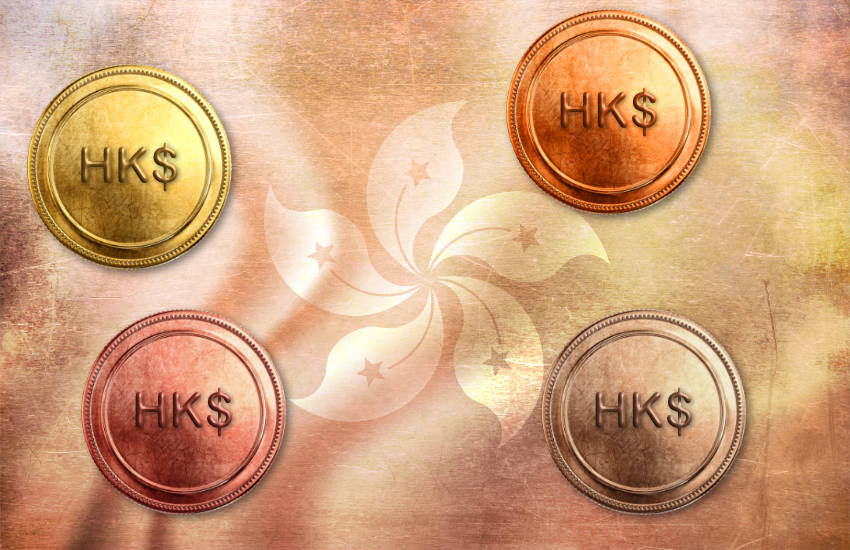
In setting these standards, the HKMA is seeking to build consumer confidence in stablecoins as reliable digital alternatives to traditional currency. The proposed licensing requirements include a mandated HK$25 million in capital and the presence of a registered office in Hong Kong, requirements that aim to ensure operational transparency and accountability. Additionally, stablecoin issuers will need to meet rigorous internal controls, including risk management practices for handling and safeguarding reserve assets, similar to standards seen in traditional banking and finance.

The HKMA’s approach reflects the “same activity, same risk, same regulation” principle, which mandates that entities offering similar financial services be subject to comparable oversight regardless of their digital or traditional format. This regulatory alignment is intended to create an even playing field, further solidifying Hong Kong’s appeal as a stablecoin issuance and trading center. With the HKMA as the principal regulatory authority, the agency is positioned to enforce these new rules, impacting not only issuers but also entities involved in the stablecoin distribution network.

This framework brings with it an extraterritorial element, meaning that foreign stablecoin issuers could fall under Hong Kong’s regulatory scope if they issue stablecoins pegged to the Hong Kong dollar or target Hong Kong consumers. This provision seeks to limit risks associated with cross-border stablecoin transactions, which can complicate efforts to maintain monetary stability and secure reserves. Overseas issuers operating within Hong Kong’s jurisdiction will be required to obtain the necessary licenses, ensuring that foreign entities adhere to Hong Kong’s regulatory standards when they conduct business with local investors.

The HKMA’s efforts also highlight a broader trend in Asia toward more precise stablecoin regulations. With Japan recently setting its own regulations, Hong Kong is looking to offer a competitive regulatory framework that could draw international digital asset firms to establish operations within the city. This move reflects Hong Kong’s attempt to balance innovation with investor protection, a challenging dynamic as central banks worldwide navigate the complexities of digital finance.

As the regulatory framework unfolds, industry leaders like Circle’s Jeremy Allaire have recognized the advantages of a structured stablecoin ecosystem in Hong Kong, citing its role as a key market for USDC, one of the most widely used fiat-backed stablecoins globally. Circle’s interest in Hong Kong underscores the potential of the market and the appeal of the city’s stable regulatory environment, which could provide stability and growth opportunities for USDC and similar stablecoins within Asia.

Hong Kong’s proactive stance contrasts with the regulatory approaches seen in many Western jurisdictions, where stablecoin legislation remains in preliminary stages or subject to extensive legislative debate. The HKMA’s framework positions Hong Kong as a leader in digital currency regulation, providing a model that could inform stablecoin policies in other regions. By requiring stablecoin reserves to be held in highly liquid and low-risk assets, the proposed guidelines aim to create a safeguard against market volatility and instill confidence among users and investors alike.

To Foster Emotional Well-Being Through Art and Technology HONG KONG SAR – Media OutReach Newswire – 4 November 2024 – Breast cancer is the most common cancer among women in Hong Kong. In addition to improving treatment options for better disease management and survival rates, the medical community is increasingly prioritizing the enhancement of patients’ emotional well-being. From left to right: Professor Angela, Leung Yee-man, Associate Head […]

A new app called Easy Watermark has emerged as a practical solution for Android users looking to safeguard their images. This application allows users to effortlessly add custom watermarks to their photographs, providing an additional layer of protection against unauthorized use and copyright infringement. The rise in digital photography and content creation has intensified concerns regarding image theft. Photographers, artists, and social media users often find their […]

VISHNU RAJA
RYO YAMADA
HITORI GOTOH
IKUYO KITA