News related to
City

QatarEnergy and Shell have finalized a major deal to supply liquefied natural gas (LNG) to China, further bolstering the energy ties between the two global powerhouses. The long-term sale and purchase agreement (SPA), which will see the delivery of three million tons per annum (MTPA) of LNG, is set to commence in January 2025. This deal, marking a significant step in energy cooperation, reflects the growing demand for natural gas in China and underscores the ongoing shift in the global energy landscape.

The agreement between QatarEnergy, the state-owned energy giant of Qatar, and Shell, one of the largest oil and gas companies worldwide, is expected to contribute to China’s energy security as it continues to diversify its sources of natural gas. China’s reliance on natural gas as a cleaner alternative to coal has steadily increased, positioning the country as one of the world’s top LNG importers. This new deal enhances Qatar’s position as a major global LNG supplier, reinforcing its role in the international energy market.

Qatar’s strategic focus on LNG exports aligns with its long-term vision to solidify its energy footprint globally, with significant emphasis on Asia-Pacific markets. China, as a critical player in global energy demand, is an essential partner for QatarEnergy, which has rapidly expanded its LNG production capacity over the past few years. The agreement between the two companies marks a crucial milestone in Qatar’s energy diplomacy, as it seeks to solidify its market share in the Asian region.

The SPA is not only a testament to the strong commercial partnership between QatarEnergy and Shell but also signals the growing importance of collaboration between national oil and gas companies and major international energy firms. While the details of the contract terms have not been fully disclosed, industry insiders speculate that the agreement includes flexible pricing mechanisms and long-term stability clauses, designed to provide both parties with predictable revenue streams and mitigate price volatility in the global LNG market.

This deal also highlights Shell’s ongoing commitment to expanding its footprint in the global LNG market, a sector that has gained momentum in light of rising energy demand and geopolitical uncertainty. Shell has been actively increasing its LNG trading capacity and has made substantial investments in LNG infrastructure globally, including terminals and shipping. The partnership with QatarEnergy further complements Shell’s strategy to position itself as a key player in LNG, alongside its broader focus on renewable energy and transition to cleaner energy solutions.

For China, the deal is particularly timely as it continues to pivot towards natural gas to fuel its rapid urbanization and industrial expansion. Despite a focus on renewable energy, the country’s growing energy demands have made natural gas an essential component of its energy mix, particularly in regions where access to alternative energy sources remains limited. By securing a steady and reliable supply of LNG from Qatar, China aims to stabilize its energy imports and reduce its dependence on coal, which has long been a significant contributor to the country’s high carbon emissions.

The partnership also plays into broader geopolitical dynamics in the LNG market. Over the last decade, China has increasingly relied on LNG imports from a variety of suppliers, including the United States, Australia, and Russia. However, by expanding its relationship with Qatar, a country with extensive gas reserves, China is also diversifying its sources to ensure greater energy security amid potential future supply disruptions. The strategic alliance with Qatar, therefore, not only meets China’s energy needs but also strengthens its energy ties with the Middle East, an important region in the global geopolitical arena.

As LNG demand continues to rise, particularly in Asia, the supply and demand dynamics of the global LNG market are expected to shift. Asia, as the largest importer of LNG, has seen an uptick in contracts between suppliers and buyers, with long-term agreements becoming more common. This trend, underscored by the QatarEnergy-Shell deal, suggests that market players are seeking greater stability in the face of volatile energy prices, exacerbated by geopolitical tensions and supply chain uncertainties.

The deal further underscores the role of LNG as a critical energy source in the global transition towards cleaner energy alternatives. LNG has gained favor as a relatively cleaner fossil fuel compared to coal and oil, thanks to its lower carbon footprint. As countries like China ramp up their efforts to curb emissions and reduce reliance on more polluting energy sources, natural gas has been positioned as a vital bridge in the energy transition, at least in the near to medium term.

In the broader context of Qatar’s energy strategy, the new deal also aligns with the country’s growing ambitions to dominate the global LNG market. With vast reserves of natural gas, Qatar has invested heavily in expanding its LNG production and infrastructure over the past few years. The country’s North Field Expansion Project, which is expected to increase its LNG production capacity by over 40%, will further cement Qatar’s role as a top supplier of natural gas worldwide. The partnership with Shell, one of the world’s largest LNG marketers, is an essential part of Qatar’s strategy to ensure access to key markets in Asia, Europe, and beyond.


Hong Kong’s first two-day outdoor music and cultural festival hosted by Hypebeast, featured 24 musical acts alongside a multitude of brand activations, art installations and interactive experiences. HONG KONG SAR – Media OutReach Newswire – 3 December 2024 – Hypebeast, the leading global platform for contemporary culture and lifestyle, concluded Hypefest Hong Kong 2024 on November 9-10. Financially supported by the Mega Arts and Cultural Events (Mega […]

Clapgrep, an innovative open-source tool, is transforming file search processes for Linux users by providing an efficient way to sift through text documents, PDFs, and office files. Designed for simplicity and speed, Clapgrep combines powerful search capabilities with user-friendly features, making it an essential utility for those managing large volumes of data. Developed by Leopold Luley using Rust and Python, Clapgrep supports advanced search functions like case […]

Governor Kathy Hochul’s decision to veto legislation proposing a timeline for issuing downstate casino licenses has drawn sharp criticism from stakeholders and lawmakers. The bill aimed to expedite the licensing process for three casino projects in New York City and its suburbs, generating significant economic interest. Proponents argued the measure would create thousands of jobs and boost state revenue through gambling taxes, a vital funding source for […]

Bitcoin balances on cryptocurrency exchanges have reached a strikingly low level of 2.27 million BTC, the lowest since December 3, 2023. This trend underscores a clear shift among Bitcoin holders, moving assets off exchanges, signaling a preference for long-term storage over active trading.

This reduction in Bitcoin exchange reserves has been attributed to multiple factors. First, heightened regulatory scrutiny in major markets has made some investors wary of holding assets on exchanges. Events such as enforcement actions by financial authorities against prominent crypto platforms have heightened concerns over counterparty risks. Furthermore, technical vulnerabilities exposed in various exchange systems have prompted caution among users.

Another key factor influencing this behavior is the growing adoption of decentralized finance (DeFi) and self-custody solutions. Hardware wallets and other non-custodial storage options provide enhanced control and security for users, aligning with the ethos of decentralization that Bitcoin advocates champion. Institutional investors have also mirrored this trend, with significant transfers of Bitcoin to cold storage wallets indicating an alignment with long-term investment strategies.

Bitcoin’s scarcity narrative plays an essential role in this shift. By holding Bitcoin in wallets outside exchanges, investors signal confidence in its value appreciation potential. This behavior aligns with the prevailing sentiment that Bitcoin functions as a “digital gold,” a hedge against inflation and economic uncertainty.

On the trading side, lower exchange balances have introduced shifts in liquidity dynamics. Market analysts suggest that reduced availability of Bitcoin on trading platforms could increase price volatility. With fewer coins readily accessible for buying and selling, even modest market orders might cause outsized price swings. This phenomenon is compounded by increasing activity in derivatives markets, where investors speculate on price movements without immediate changes in Bitcoin spot holdings.

Meanwhile, Bitcoin’s price movement has displayed resilience. Despite fluctuations in macroeconomic conditions and interest rate policies affecting global financial markets, Bitcoin’s price has remained relatively stable compared to earlier periods of intense volatility. Industry experts believe this reflects maturing market conditions and growing participation by institutional investors who tend to adopt longer-term horizons.

The trends in Bitcoin custody and trading practices are part of a broader evolution in the cryptocurrency space. As traditional finance firms integrate blockchain-based assets into their portfolios, the convergence of decentralized principles with established financial practices is reshaping market dynamics. For Bitcoin, this means an increasingly nuanced ecosystem where retail and institutional participants redefine engagement rules.

Verizon, in partnership with Ciena, has achieved a significant milestone in optical communication by successfully transmitting data at 1.6 terabits per second (Tbps) over a single-carrier wavelength. The trial, conducted along a 118-kilometer metro route in Boston, utilized Ciena’s WaveLogic 6 Extreme (WL6e) coherent optical technology. This innovation is part of Verizon’s broader strategy to enhance its fiber network capabilities to meet the surging demands of artificial […]

Koc Holding, one of Turkey’s leading conglomerates, has firmly denied reports suggesting it is in discussions regarding the sale of its stake in Yapi Kredi Bank to Qatar National Bank (QNB). The Turkish holding company, which controls a significant share of Yapi Kredi, clarified that no such negotiations have taken place, responding to growing speculation about a potential deal with the Qatari financial institution.

The rumors surfaced amid QNB’s broader strategy of expanding its presence in Turkey, a key market for the Middle Eastern bank. QNB has been actively pursuing acquisitions in Turkey in recent years, strengthening its position within the country’s financial sector. However, despite these ambitions, Koc Holding has stated unequivocally that there are no ongoing talks regarding the sale of its shares in Yapi Kredi to QNB, dispelling widespread assumptions about an impending transaction.

This development comes at a time when Turkey’s banking sector is navigating a complex economic environment. High inflation, currency volatility, and shifting geopolitical dynamics have placed considerable strain on the country’s financial markets, which may have prompted some analysts to speculate about possible mergers or acquisitions in the banking industry. Additionally, QNB’s interest in Turkish assets has been well-documented, with the bank seeking to capitalize on Turkey’s sizable market and relatively high returns in the financial sector.

While Koc Holding’s denial temporarily quells the rumors surrounding a potential Yapi Kredi transaction, it is clear that the Turkish banking landscape remains a focal point for foreign investors, especially those from the Gulf region. Qatar-based QNB, which has been expanding its footprint in Turkey, already holds a stake in other Turkish financial institutions. The bank’s ambitions to consolidate its holdings in the country align with broader regional strategies by Gulf-based investors to diversify their portfolios beyond the Gulf Cooperation Council (GCC) region.

For Koc Holding, Yapi Kredi remains a valuable asset in its diversified portfolio, and its involvement in the banking sector is integral to its broader business strategy. The holding company has been a major player in Turkey’s financial industry for decades, with its involvement in banking extending back to the late 1980s when it first acquired a stake in Yapi Kredi. The bank has since grown to become one of Turkey’s largest and most influential financial institutions.

While Koc Holding has dispelled the claims of a sale to QNB, analysts continue to watch the Turkish financial sector closely for signs of potential mergers and acquisitions. The region’s banks have been under pressure as they navigate the economic challenges posed by inflation and the depreciation of the Turkish lira. Despite these hurdles, Turkish financial institutions remain attractive to foreign investors due to their relatively high returns and the significant untapped potential of the Turkish market.

QNB, as one of the largest banks in the Middle East and North Africa (MENA) region, has made strategic acquisitions across the region over the years. With operations in 31 countries, including a significant presence in the GCC and North Africa, the bank has been keen to expand its holdings in Turkey, a nation that has become an increasingly vital market for financial services. The speculation around Yapi Kredi was fueled by reports that QNB had expressed interest in increasing its stake in the Turkish banking sector, but Koc Holding’s statement puts those rumors to rest—at least for the time being.

Although the QNB and Yapi Kredi discussions appear to be off the table, the dynamic between foreign banks and Turkish financial institutions will continue to evolve. The relationship between Qatar and Turkey has grown stronger in recent years, with both nations bolstering their economic ties. These diplomatic and financial linkages have facilitated greater cross-border investments, including in the Turkish banking sector, where Gulf investors are particularly active.

Turkey’s financial market is viewed by many as being ripe for consolidation and foreign investment. With inflation levels above 50% and the currency’s depreciation impacting many domestic financial institutions, the market offers substantial growth opportunities for foreign banks with the capacity to weather short-term volatility. International investors like QNB have been increasingly involved in Turkey’s economic recovery, using strategic acquisitions as a way to capitalize on the long-term prospects of the country’s banking system.

Despite the challenges posed by the country’s economic instability, Turkish banks are showing resilience. Several of the country’s largest banks, including Yapi Kredi, have managed to maintain strong balance sheets, thanks in part to their robust risk management strategies. This stability, combined with the potential for future growth, continues to attract interest from regional players looking to expand their presence in one of the largest emerging markets in Europe and Asia.

Advertisements

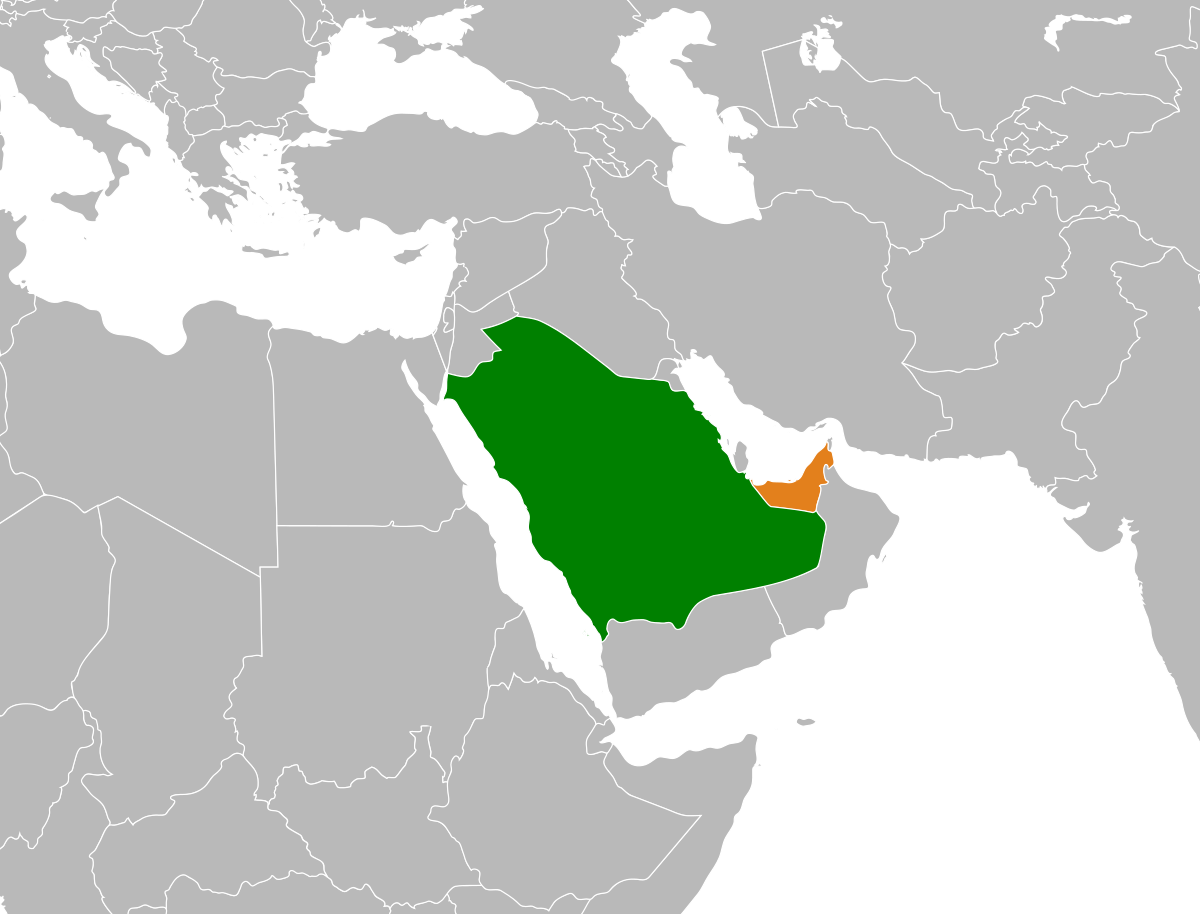
UAE President Sheikh Mohamed bin Zayed Al Nahyan and Saudi Crown Prince Mohammed bin Salman held a high-level meeting to further solidify their countries’ bilateral relations, underscoring the enduring strength of their partnership. The meeting comes as both nations navigate complex regional and global challenges, aiming to reinforce their cooperation in key sectors such as energy, security, and technology.

The summit, which took place in Abu Dhabi, reflects the growing strategic importance of the UAE-Saudi relationship. This alliance has been marked by a shared commitment to regional stability, economic growth, and development. The two leaders’ discussions have centered on deepening political and economic collaborations, enhancing trade, and exploring opportunities in emerging fields like renewable energy and space exploration.

The UAE and Saudi Arabia have long been influential players in the Gulf region, and their partnership is often seen as a counterbalance to external powers. Their collaboration spans beyond bilateral matters, impacting broader issues such as security in the Middle East, OPEC oil production agreements, and joint ventures in technological advancements. The convergence of their interests is aimed at positioning the two nations as global leaders in multiple sectors.

Trade relations between the UAE and Saudi Arabia have been growing steadily, with the UAE becoming one of Saudi Arabia’s largest trading partners. The two nations are focused on further facilitating economic integration through the Gulf Cooperation Council (GCC), which serves as a platform for harmonizing their policies on trade, investment, and infrastructure. Their concerted efforts are seen as crucial for advancing the region’s economic diversification and reducing dependence on oil.

In the realm of energy, the UAE and Saudi Arabia are working together to lead the charge on clean energy initiatives. Both countries have made significant strides in developing sustainable energy solutions, with large investments in solar power, nuclear energy, and hydrogen. Their collaboration in these sectors is intended to help the Gulf region transition toward a low-carbon future while maintaining energy security.

Security is another critical component of the UAE-Saudi partnership. Both nations have faced regional security threats, particularly from non-state actors and the geopolitical tensions surrounding Iran. As a result, the UAE and Saudi Arabia have worked in tandem to fortify their defense mechanisms and enhance intelligence sharing. Their coordinated efforts are also evident in joint military operations, particularly in Yemen, where both countries have been involved in the ongoing conflict as part of a Saudi-led coalition.

The leaders’ discussions also touched on the importance of technological innovation as a driver of future economic growth. The UAE has positioned itself as a hub for technological advancements in the Middle East, with initiatives like Dubai’s smart city projects and the UAE’s space program gaining international recognition. Meanwhile, Saudi Arabia has launched its own ambitious Vision 2030 initiative, which includes plans for transforming its economy through technology, including its investments in artificial intelligence, blockchain, and digital infrastructure.

The strategic alliance between the UAE and Saudi Arabia has not only helped shape the region’s economic and political landscape but has also made them key partners in broader international forums. Both nations have increasingly taken a proactive stance in addressing global challenges, including climate change, public health, and geopolitical tensions. Their efforts to collaborate on such issues signal a broader commitment to fostering stability and peace in the Middle East and beyond.

TAIPEI, TAIWAN – Media OutReach Newswire – 2 December 2024 – Marking its 14th year, the 2024 Christmasland in New Taipei City makes a dazzling spectacle of magic. This year’s highlights include a radiant Christmas tree reimagined as a magical angel and a towering eight-story-high LED castle that hosts daily immersive light shows. The event spans four themed lighting zones, each with unique artistic features to captivate […]

Motorcity Systems, a leader in transportation technology, has introduced ROLLER™, a new mobile application designed to transform fleet operations and improve the experiences of both drivers and fleet managers. The app, which integrates seamlessly with Motorcity’s cloud-based platforms, brings advanced features to streamline workflows and enhance operational efficiency.

Meta is set to undertake a groundbreaking project that could reshape global internet infrastructure. The company plans to lay down a 40,000 km subsea fiber optic cable that will encircle the globe. The estimated cost of the project exceeds $10 billion, marking it as one of the largest and most ambitious undertakings by the tech giant. This cable will be the first of its kind, owned and […]

Nissan’s iconic Patrol SUV has entered its seventh generation, showcasing an evolved design and cutting-edge features that highlight its versatility and power. The highly anticipated model was unveiled in Saudi Arabia, offering an impressive blend of luxury and performance tailored for diverse terrains. With a rich history since its inception in 1951, the Patrol continues to stand as a symbol of durability and innovation.

This latest iteration introduces a bold design, featuring Nissan’s signature V-motion grille integrated seamlessly with its body and flanked by advanced Double C-shaped headlights. Adaptive Driving Beam technology ensures optimal visibility in challenging environments. At the rear, a full-width light bar mirrors the striking front, while the 22-inch alloy wheels enhance both ground clearance and aesthetic appeal. Customers can choose from seven dynamic exterior colors, including four two-tone options, providing a personalized touch.

Performance upgrades include two new engine options: a 3.5-liter V6 twin-turbo engine delivering 425 horsepower and 700 Nm of torque, and a 3.8-liter naturally aspirated V6 engine producing 316 horsepower. These powertrains replace the outgoing V8, offering a 7% increase in power and 25% improvement in torque, along with enhanced fuel efficiency. A newly integrated nine-speed automatic transmission with paddle shifters ensures smooth gear transitions, catering to both city and off-road driving.

The Patrol’s off-road capabilities are further boosted by a standard adaptive air suspension system, adjustable ride heights, and six drive modes, including sand, rock, and mud. Additionally, a 4WD transfer mode interlock system offers intuitive handling across various terrains, supported by advanced chassis and electronic aids like Vehicle Dynamic Control and Traction Control.

New ‘Porsche Unseen Design Studies’ event theme launches this holiday season at Curvistan Bangkok BANGKOK, THAILAND – Media OutReach Newswire – 29 November 2024 – Since opening in August 2024, Curvistan Bangkok has redefined leisure and entertainment for the Porsche community and beyond as a bar, a café, an art gallery and a hangout that celebrates car culture, art and design. Stefan Bogner (second from left), Founder […]

Equinix has officially unveiled plans for its sixth data center in Singapore, marking a significant investment in Southeast Asia’s growing digital infrastructure landscape. The new facility, named SG6, represents a $260 million initiative to support the region’s increasing demand for advanced colocation and AI-ready services. Positioned in the dense industrial hub of Tai Seng, SG6 will integrate cutting-edge technology to cater to the rising computational needs of […]

University College Dublin Global Lounge: ‘Empower, Connect & Create’ SINGAPORE – Media OutReach Newswire – 29 November 2024 – University College Dublin (UCD) and Kaplan (Singapore) have officially launched the new University College Dublin Global Lounge at Kaplan City Campus @ Wilkie Edge [1]. This launch represents another significant milestone in the longstanding strategic partnership between UCD and Kaplan. The Global Lounge is designed to inspire students […]

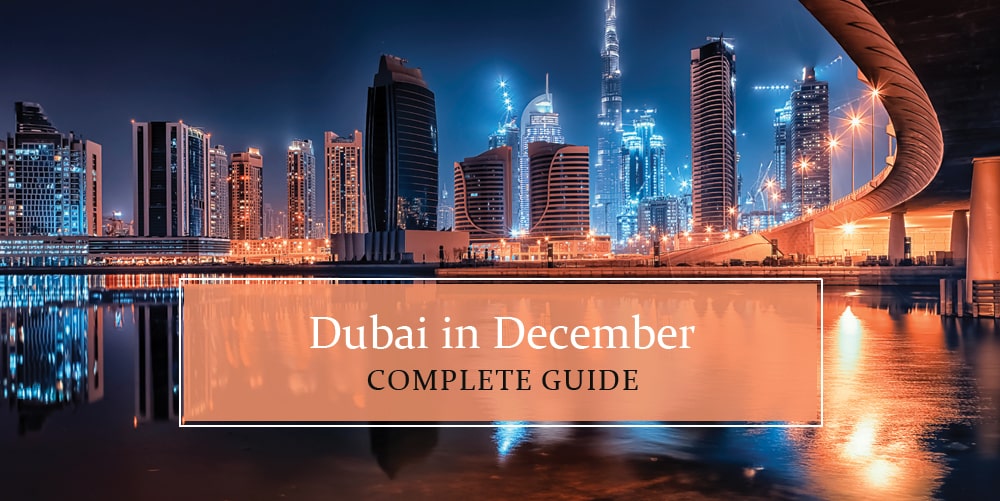
Dubai’s event calendar this December is brimming with cultural activities, ranging from international musicals to world-class music festivals. The city’s vibrant arts scene continues to captivate audiences with a diverse lineup of performances that cater to a wide range of tastes. Notably, iconic shows like *Singin’ in the Rain* and acclaimed international musicians are set to grace Dubai’s renowned venues, offering memorable experiences for locals and tourists alike.

The much-anticipated *Singin’ in the Rain* musical is currently being performed at the Dubai Opera, a venue known for its acoustics and luxury. The classic Broadway production has been adapted for Dubai’s stage and promises to deliver a unique theatrical experience. Running until December 14, the show is a romantic comedy set against the backdrop of Hollywood’s Golden Age. Audiences will be treated to the classic charm of the film, re-imagined with live music, dynamic choreography, and state-of-the-art visual effects. Ticket prices for this iconic musical start at 390 AED, making it accessible to a broad audience looking to enjoy a night of nostalgia and song.

On December 3, the 20th Emirates International Peace Music Festival will be held at the Zabeel Theater. This annual event, a hallmark of Dubai’s cultural calendar, brings together artists from around the world to promote global peace through music. The festival will feature a variety of performances, with a strong emphasis on blending different musical traditions to celebrate unity and harmony. The event has long been regarded as an important platform for cultural exchange, attracting attendees who appreciate the power of music in promoting peace. Tickets for this event start at 100 AED, offering an affordable way to experience some of the best global talent.

A day later, on December 4, the Moscow Jazz Orchestra, led by the renowned Igor Butman, will take to the stage at the Zabeel Theater. Butman, one of Russia’s most celebrated jazz musicians, is known for his exceptional skill and charismatic performances. The orchestra will showcase a blend of traditional jazz with a modern twist, offering an evening of captivating music for jazz enthusiasts. Butman’s leadership of the Moscow Jazz Orchestra has made them a prominent fixture in the international jazz scene. Tickets for this event begin at 175 AED, providing an opportunity for both seasoned jazz fans and newcomers to the genre to enjoy an evening of world-class music.

Dubai’s cultural offerings this December highlight the city’s growing prominence as a global arts destination. The city’s venues, such as the Dubai Opera and the Zabeel Theater, have become synonymous with high-quality performances, attracting internationally renowned talent and a diverse audience. These events not only provide entertainment but also foster cultural dialogue, making Dubai a vibrant hub for the arts. Whether it’s the glamour of a Broadway musical or the soul-stirring sounds of an international orchestra, Dubai offers something for everyone this holiday season.

PRYPCO, a prominent Dubai-based real estate firm led by Amira Sajwani, has launched an innovative fractional ownership platform aimed at democratizing access to premium properties in the city. The platform allows investors to buy fractions of luxury real estate, significantly lowering the barriers to entry in a market traditionally dominated by high-net-worth individuals. The new platform is poised to reshape the landscape of real estate investment in […]

Dubai’s Roads and Transport Authority (RTA) has unveiled a major update to its traffic management strategy by introducing variable road toll pricing (Salik) and dynamic parking tariffs. This decision marks a shift toward a more adaptive and responsive traffic system, aimed at improving traffic flow and reducing congestion across the city. The move includes the implementation of event-specific parking rates to address higher demand during major events, […]

Emirates, the largest airline in the MENA region, has voiced increasing frustration over ongoing delays and growing uncertainty surrounding the delivery of its Boeing 777-9X jets. The airline, which placed a substantial order for the aircraft, is concerned that the continued postponements could impact its long-term fleet strategy, and has called for clearer timelines and solutions from Boeing.

The 777-9X, an advanced version of the 777X series, was initially slated for delivery in 2024. However, production setbacks, combined with technical challenges, have pushed back the timeline repeatedly. The delays have sparked concern across the aviation industry, as they affect airlines’ expansion plans and disrupt the global supply chain for new aircraft.

Emirates, which has long been a key customer of Boeing, has expressed its disappointment over the missed deadlines. The airline had originally ordered 150 of the 777-9X jets, which were intended to bolster its fleet and replace older models, particularly the 777-200 and 777-300. These aircraft were seen as vital to the airline’s strategy to compete in long-haul travel, offering greater fuel efficiency and capacity than earlier models.

Boeing’s repeated delays with the 777-9X have affected not only Emirates but several other airlines around the world. The company has struggled with production issues related to the aircraft’s engine, structural elements, and other components, which have led to prolonged certification processes and delayed first deliveries. These challenges have prompted some airlines to reconsider their fleet strategies, with several seeking to renegotiate delivery schedules or exploring alternative aircraft options.

Emirates has not been silent in expressing its dissatisfaction. Tim Clark, the airline’s president, has been vocal about the disruptions caused by Boeing’s delays, emphasizing that the issue is creating significant challenges for the airline’s operations. According to Clark, the uncertainty surrounding the aircraft’s arrival date makes it difficult for Emirates to plan its future routes and fleet expansions effectively.

The airline’s frustration is amplified by the broader context of post-pandemic recovery, where airlines are racing to expand their fleets and capitalize on the growing demand for air travel. Emirates, which has already faced the pressures of the pandemic on its operations, is eager to modernize its fleet to maintain competitiveness in the global market. With the delays in Boeing’s production, the airline has had to consider other solutions, including increasing the use of its older aircraft for longer periods, potentially increasing maintenance costs and operational challenges.

Boeing has repeatedly assured its customers that it is working diligently to resolve the issues, but so far, no firm delivery dates have been set. The company has promised to keep affected airlines informed, though some critics believe the level of transparency regarding production hurdles could be improved. Boeing’s management has acknowledged the difficulties and is reportedly taking steps to address the technical and manufacturing problems that have hindered the 777-9X’s progress.

In response to the delays, Emirates has been exploring other options for replacing older aircraft in its fleet. This includes considering different models from rival manufacturer Airbus, particularly the A350-1000, which offers comparable capacity and range to the 777-9X. Emirates has already placed significant orders for the A350 in recent years, and while the airline has expressed preference for the 777X series, it may have to adjust its fleet strategy to meet the evolving demands of global travel.

Industry analysts have pointed out that the 777-9X delays are not an isolated issue but part of a broader trend affecting both Boeing and the aviation industry as a whole. The pandemic disrupted global supply chains, creating bottlenecks in the production of everything from aircraft parts to engines. Manufacturers have struggled to catch up with the surge in demand for new aircraft as airlines emerge from the pandemic with ambitious growth plans. The competition between Boeing and Airbus, in particular, has intensified, with each company striving to secure a larger share of the global aviation market.

The uncertainty surrounding the 777-9X has led some airlines to question Boeing’s ability to meet future delivery commitments. While Boeing has made strides with other models, such as the 737 MAX, the prolonged delays with the 777-9X have raised doubts about the company’s overall production capabilities and ability to meet the needs of the aviation industry as it rebounds. The impact of these delays is expected to extend beyond the immediate customer base, affecting the entire aviation supply chain, from suppliers of aircraft parts to maintenance and repair companies.

Masdar, a global leader in renewable energy, has finalized its acquisition of a 70% stake in TERNA ENERGY SA, a prominent Greek clean energy company. This transaction, priced at €20 per share, positions TERNA ENERGY at an enterprise value of €3.2 billion, marking the most significant energy-related deal in the history of the Athens Stock Exchange and one of the largest transactions in the European renewable energy […]

Dubai’s real estate sector is witnessing a surge in competition as new developers enter the market, driving up supply and introducing diverse offerings. With the demand for luxury properties continuing to soar, a new generation of developers is working to reshape the landscape, creating challenges for established players while offering unique opportunities for investors and buyers.

The entrance of these new developers is a reflection of Dubai’s dynamic property market, which has shown impressive resilience despite global economic pressures. These newcomers are not only investing in residential projects but also diversifying into commercial spaces, mixed-use developments, and hospitality, areas that are seeing a significant increase in demand. The competition has intensified as developers offer more attractive terms and design concepts to stand out in a crowded market.

One of the key reasons for the heightened interest is Dubai’s sustained appeal to global investors. The UAE’s economic recovery, backed by government initiatives to attract foreign investment, continues to position the country as a hub for both business and leisure. Additionally, the government’s policy of easing property ownership restrictions for foreigners has opened up opportunities for international investors, further fueling demand.

Developers such as the Dubai-based Azizi Developments and Arada have been gaining traction with their focus on affordable luxury. Azizi’s portfolio, which includes high-end residential and mixed-use developments, caters to both local and international buyers looking for properties that combine luxury with functional living. Arada’s presence, marked by their flagship development in Sharjah, is another example of developers aiming to capture a diverse clientele by offering competitive prices and quality.

Dubai’s real estate sector is seeing a significant shift toward sustainability and innovation. Many new developers are incorporating green building practices and energy-efficient technologies into their designs to meet the rising demand for eco-friendly living spaces. This focus on sustainability is aligned with the UAE’s broader vision of creating a greener, more sustainable future.

Key players in the market, including Emaar Properties and DAMAC, continue to dominate the luxury sector, but the influx of new developers is pushing them to evolve their offerings. For instance, Emaar is now emphasizing the creation of smart homes and lifestyle-oriented communities, areas where its competitors are also investing heavily. Meanwhile, DAMAC, known for its high-end residential developments, has started to explore the commercial and hospitality sectors in response to shifting market dynamics.

While luxury remains the primary focus of many high-profile developments, affordable housing is becoming increasingly popular. This shift is driven by a growing middle class within the UAE and an influx of professionals from various sectors. Developers are responding by providing more affordable, yet high-quality, housing options, ensuring that they capture a wider market share.

Real estate experts also point to the increase in the number of Dubai’s population as another driving factor in the demand for new housing developments. Projections estimate that the city’s population will continue to rise in the coming years, with more people flocking to the city for its tax-free incentives and high quality of life. As the population grows, developers are focusing on mixed-use developments that provide residential, retail, and entertainment options all in one location.

The competition among developers is forcing many to reconsider traditional marketing strategies. Digital marketing has become a critical tool, with developers focusing on online platforms and virtual tours to attract a global audience. Some have even begun incorporating virtual reality (VR) into property showings, enabling potential buyers to experience properties remotely, no matter where they are located.

Dubai’s burgeoning property market is not without challenges, however. While demand remains strong, the rapid influx of new projects may lead to an oversupply in certain sectors, particularly in the luxury segment. Experts warn that while the demand for high-end properties is robust, it could eventually stabilize, creating an imbalance in the market. Consequently, developers are keenly focused on maintaining a competitive edge through innovation, design, and value-added services.

The fluctuating cost of raw materials, labor shortages, and global supply chain disruptions pose hurdles for developers trying to stay on track with their project timelines. These factors have contributed to slight delays in the delivery of some developments, but most developers have adjusted their plans to minimize the impact on their portfolios.

Wizz Air Abu Dhabi, the UAE’s rapidly growing budget airline, has announced the launch of a new route connecting the emirate to Varna, Bulgaria. This marks another significant expansion for the airline, which is focused on broadening its network in both Eastern Europe and the Middle East.

The new service to Varna, a popular Black Sea coastal city known for its cultural heritage and tourism appeal, is expected to cater to growing demand for both leisure and business travel between the UAE and Bulgaria. The route will operate twice a week, offering travelers convenient and affordable access to one of Bulgaria’s major economic and tourist hubs.

This development comes on the heels of a broader strategy by Wizz Air Abu Dhabi to tap into emerging markets and strengthen its presence in Europe. Bulgaria, with its increasingly attractive tourist spots and growing economy, aligns well with the airline’s aim to connect less-traveled yet high-potential destinations. As the demand for travel rebounds globally, Wizz Air Abu Dhabi continues to focus on offering competitive prices and flexibility, responding to shifting patterns in consumer behavior.

The announcement is part of Wizz Air Abu Dhabi’s broader efforts to expand its network in the region. The airline, which started operations in 2020 as a joint venture between the Hungarian carrier Wizz Air and Abu Dhabi’s state-owned ADQ, has steadily increased its footprint across both regional and European routes. The addition of Varna represents a further commitment to enhancing connectivity between the UAE and Eastern Europe, an area of growing importance for tourism and trade.

For the Bulgarian tourism sector, this new route is expected to have a positive impact, especially as the country’s tourism authorities aim to attract more visitors from the Gulf region. Varna, with its rich historical sites, sandy beaches, and vibrant nightlife, is becoming an increasingly popular destination for travelers from the Middle East, offering a blend of cultural exploration and relaxation.

The launch of the route is also expected to provide more opportunities for travelers to access both Bulgaria’s bustling urban centers and its scenic coastlines. As the tourism landscape continues to evolve, the introduction of direct flights from the UAE will likely improve trade and people-to-people ties between the two regions. Wizz Air Abu Dhabi’s competitive pricing model ensures that more people will be able to afford travel to Bulgaria, a destination that has traditionally been more distant for many travelers in the Middle East.

Varna’s connection to Abu Dhabi is not just a win for tourists but also for business. Bulgaria, known for its fast-developing economy and strategic location within Europe, offers significant potential for investment and collaboration in industries such as technology, agriculture, and energy. Direct flights will facilitate smoother travel for businesspeople looking to engage in partnerships or expand their operations in the region.

The introduction of the route aligns with Wizz Air Abu Dhabi’s overall strategy to diversify its offerings and expand into markets that present high growth potential. The airline’s flexible model, which allows for efficient operations with a low-cost structure, has enabled it to compete aggressively in the region’s air travel market. By prioritizing short-to-medium haul flights and tapping into underserved markets, Wizz Air Abu Dhabi has positioned itself as a key player in the Middle East’s aviation landscape.

Despite the challenges posed by the global pandemic and fluctuating fuel prices, Wizz Air Abu Dhabi has remained resilient, continuously exploring ways to expand its network. The airline’s fleet, which consists primarily of Airbus A321 aircraft, is optimized for cost-effective operations and allows the airline to offer affordable fares while maintaining high standards of safety and customer service.

Industry analysts expect this new route to be a part of a larger trend in the global aviation sector, where low-cost carriers are increasingly looking to expand their networks into less-traveled destinations, especially in emerging markets. As demand for affordable travel options grows, Wizz Air Abu Dhabi’s business model appears well-suited to meet the evolving needs of both leisure and business travelers.

The Varna route, launching in early December 2024, is set to further solidify Wizz Air Abu Dhabi’s position as a major player in the competitive low-cost carrier market. With more direct connections between the UAE and Eastern Europe, travelers will have increased access to key markets in both regions, providing opportunities for tourism, business, and cultural exchange. As the airline continues to expand, its impact on the regional and international travel market is likely to increase, further boosting the connectivity between the Middle East and Europe.

MACAU SAR – Media OutReach Newswire – 29 November 2024 – As winter sets in, the festive spirit comes alive at Galaxy Macau™, the luxury integrated resort (hereafter referred to as “Galaxy Macau”), with the launch of its “Symphony of Joy” festive campaign. The sumptuous series of festive celebrations was officially kicked off on November 28 with a special launch ceremony, which was graced by the presences […]

Transformative Event Shines a Spotlight on the Collaborative Design Excellence at the Greater Bay Area, setting the stage for a new era of creativity in the region Exhibition at DX design hub will run from December 3 to 16 with free public entry HONG KONG SAR – Media OutReach Newswire – 29 November 2024 – Organised by Hong Kong Design Centre (HKDC) and with the steer and […]

VISHNU RAJA
RYO YAMADA
HITORI GOTOH
IKUYO KITA