News related to
City

Singapore’s Gambling Regulatory Authority (GRA) has reduced the renewal period for the casino license of Resorts World Sentosa (RWS) to two years, citing underperformance in tourism contributions as the reason. This marks a significant shift in regulatory measures for one of the city-state’s two integrated casino resorts. Traditionally granted a three-year license, the shortened renewal highlights growing concerns over the resort’s ability to meet strategic objectives in boosting Singapore’s tourism sector.

The GRA’s decision comes amidst its increasing oversight of the gaming industry, which has seen heightened regulatory scrutiny since the authority’s establishment in 2022. Resorts World Sentosa, operated by Genting Singapore, was evaluated on its operational performance, social responsibility standards, and contributions to Singapore’s reputation as a global destination. Officials noted that RWS failed to meet expectations in attracting foreign visitors and delivering robust tourist performance, a key benchmark for its license renewal.

Industry observers have connected the GRA’s stricter stance to broader challenges faced by RWS, including a decline in international patronage. Despite its prime waterfront location and the allure of attractions like Universal Studios Singapore and the S.E.A. Aquarium, RWS has reportedly struggled to recover fully from the impact of travel restrictions over the past few years. Additionally, Singapore’s casino entry levies for citizens and permanent residents, doubled in 2019, may have influenced visitation dynamics.

RWS’s operational challenges are compounded by regulatory enforcement actions against the casino. Over the past year, the GRA has penalized the establishment twice for failing to perform customer due diligence, resulting in fines totaling SG$95,000. These infractions point to lapses in compliance with Singapore’s stringent Casino Control Regulations. The penalties, alongside the shortened license period, reflect the regulator’s focus on enforcing standards to ensure accountability within the gaming sector.

To address the issues raised, Genting Singapore has announced plans for a substantial reinvestment into the resort. A US$5 billion expansion project aims to revitalize Resorts World Sentosa, with promises of enhanced attractions, upgraded accommodations, and advanced gaming technology. The redevelopment is part of a broader strategy to align the resort with Singapore’s ambitions to remain competitive as a global tourism hub. Analysts suggest that the expansion could provide a much-needed boost to the resort’s appeal, especially to international visitors.

The GRA’s decision underscores the shifting dynamics in Singapore’s gaming landscape. While the casino industry has been a lucrative pillar of Singapore’s economy, contributing significantly to tax revenues and employment, the emphasis on aligning gaming operations with broader tourism goals has become more pronounced. The reduced license duration sends a clear message to operators about the government’s expectations for maintaining high standards of performance and responsibility.

Despite the setback, RWS remains one of the cornerstones of Singapore’s integrated resort strategy, which pairs casino gaming with non-gaming attractions to enhance visitor experience. Its counterpart, Marina Bay Sands, continues to set benchmarks for integrated resorts globally, and is in the midst of its own multibillion-dollar expansion.

A pivotal chapter in gaming history, *Half-Life 2* remains a benchmark in storytelling, game mechanics, and immersive environments, redefining what players could expect from interactive entertainment. First released in 2004 by Valve Corporation, this game continues to draw admiration for its blend of narrative depth and technological innovation. The portrayal of its dystopian world, set in City 17 under the alien Combine regime, merges art and atmosphere to create a timeless experience.

The game begins with protagonist Gordon Freeman awakening from stasis under the cryptic guidance of the G-Man, immediately plunging the player into a world ruled by oppression. From the unsettling train ride into City 17 to the authoritarian grip of masked Combine soldiers, the opening sequence establishes the stakes with cinematic intensity. Freeman’s journey, silent but compelling, underscores the resilience of humanity in the face of overwhelming control.

Valve’s use of the Source Engine elevated the visual and interactive elements of *Half-Life 2*. The engine introduced advanced physics through the Havok engine, allowing objects to behave with a realism previously unseen in games. From solving physics-based puzzles to leveraging the iconic Gravity Gun, the gameplay demanded ingenuity, giving players an unprecedented sense of agency.

Narrative complexity further sets *Half-Life 2* apart. Freeman’s allies, including Barney Calhoun, Dr. Kleiner, and Alyx Vance, are richly characterized, with dialogue and interactions that foster emotional investment. Alyx’s AI and the dynamic interactions with her companion, Dog, showcased how character design could drive gameplay while enhancing the story. These relationships lent humanity to a game rooted in a bleak, Orwellian premise.

The oppressive architecture of City 17 and the menacing Striders, mechanical Tripods patrolling the streets, reflect the artistry of the game’s environment design. Coupled with a meticulously crafted soundscape—where ambient noise and character voice work complement the visuals—the game achieves an immersive experience. Iconic moments, such as the eerie Ravenholm sequence, highlight Valve’s mastery of pacing and suspense, leaving a lasting impact on players.

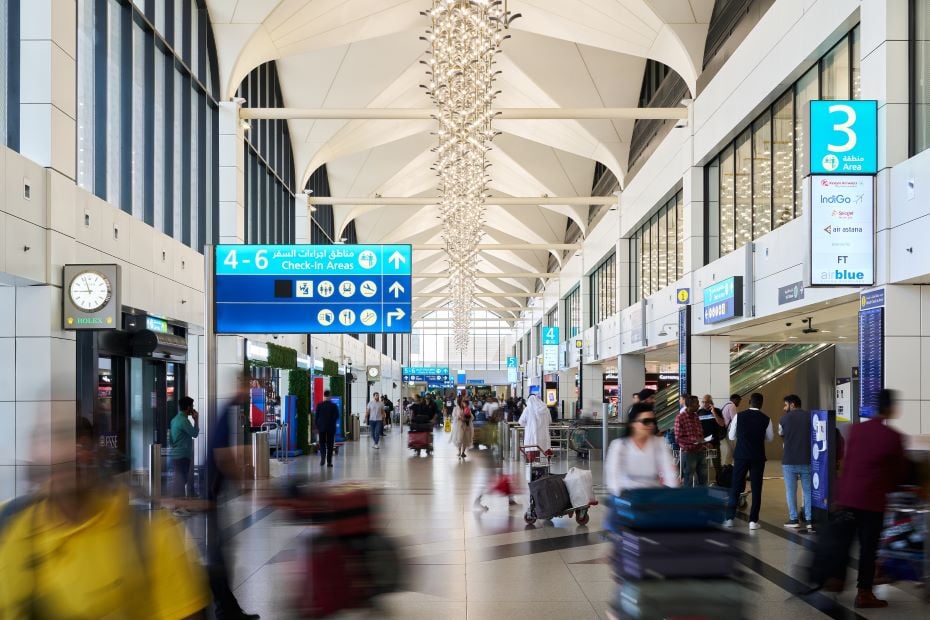
Dubai International Airport (DXB) has positioned itself for a record-breaking year, with passenger traffic reaching 68.6 million during the first nine months of 2024. This performance marks a 36.2% increase compared to the same period in 2023 and reflects a significant recovery and growth in the aviation and tourism sectors.

Paul Griffiths, CEO of Dubai Airports, highlighted that DXB’s recovery surpassed expectations, largely driven by an influx of travelers from Europe, the Indian subcontinent, and the GCC region. Griffiths emphasized the airport’s focus on efficiency and customer experience as pivotal in accommodating the escalating numbers, projecting an annual throughput exceeding 90 million passengers.

The surge in traffic follows a strategic shift in Dubai’s aviation sector, with Emirates and flydubai expanding their networks and seat capacities. DXB’s capacity utilization has approached pre-pandemic levels, indicating robust growth momentum. Meanwhile, Dubai’s broader tourism strategy, including events such as Expo City attractions and global trade exhibitions, has further bolstered inbound travel.

Forecasts for DXB remain optimistic, with the airport poised to break its 2019 record of 86.4 million passengers. This performance underscores Dubai’s ambitions to maintain its status as the world’s busiest airport for international travelers, a title it has held since 2014.

Rothschild & Co. has appointed a seasoned Swiss banker to head its newly established wealth management office in Dubai, marking a significant expansion in the Middle East’s rapidly growing wealth management sector. The move reflects the firm’s strategic intent to strengthen its presence in a region that has seen an increasing concentration of affluent individuals and families.

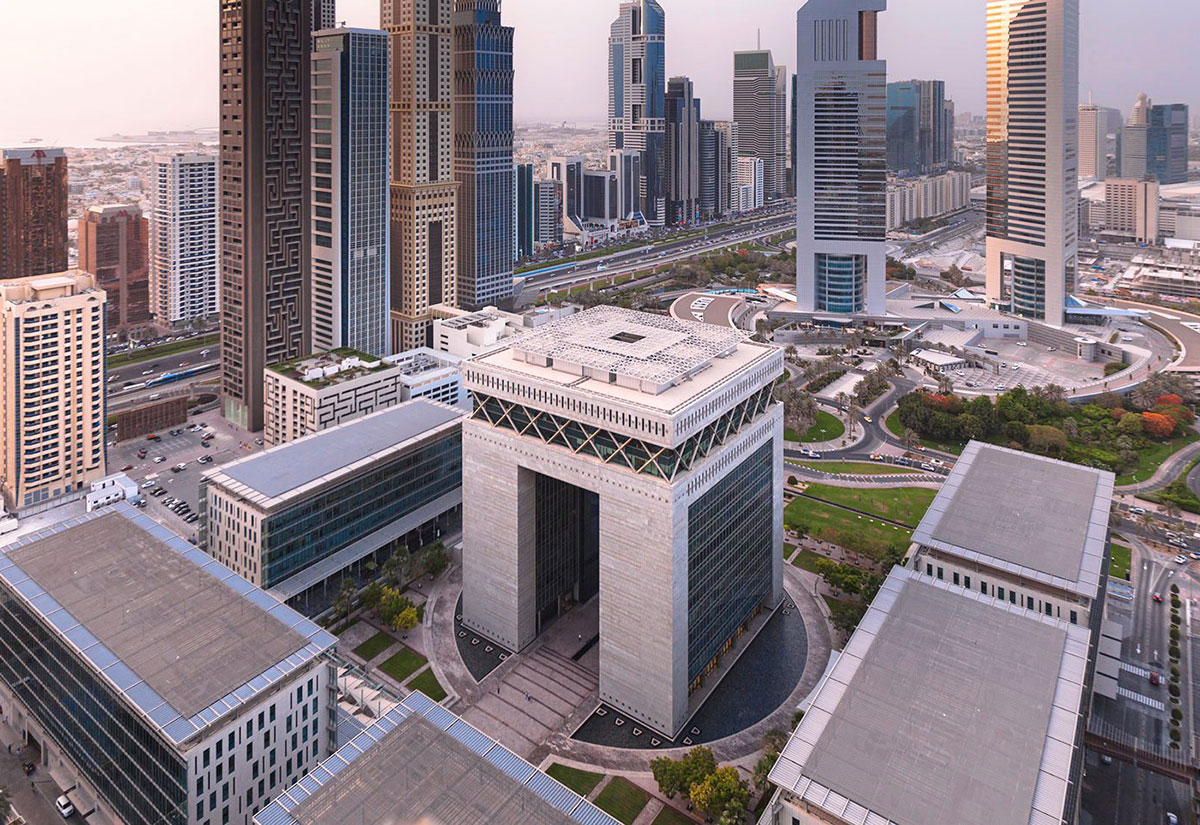
The new office, located in Dubai International Financial Centre (DIFC), aims to provide tailored wealth management services to high-net-worth individuals (HNWIs) and ultra-high-net-worth individuals (UHNWIs) across the Gulf region. With an eye on the UAE’s growing market, Rothschild & Co. is poised to leverage its global expertise to cater to the unique needs of wealthy clients in the Middle East.

The Swiss banker, whose identity remains undisclosed, brings over two decades of experience in wealth management, having previously worked with top-tier financial institutions in Switzerland and other global financial hubs. His appointment underscores Rothschild’s commitment to ensuring that its Middle Eastern clients receive personalized, high-quality advisory services, particularly in managing cross-border wealth, succession planning, and complex family office structures.

Rothschild & Co.’s decision to set up a dedicated office in Dubai is an indication of the firm’s optimism regarding the region’s increasing appeal to investors. Over the past decade, the UAE has become a leading global financial center, attracting not just affluent individuals from across the globe but also major financial institutions seeking to tap into the region’s burgeoning wealth. The region has consistently witnessed growth in the number of high-net-worth individuals, driven by the country’s successful diversification of its economy, rapid urbanization, and its position as a key financial hub for businesses and wealthy families from Europe, Asia, and Africa.

The Dubai office will be pivotal in further extending Rothschild & Co.’s network, which already has a strong presence in key global cities. Rothschild’s wealth management business has long been focused on providing a highly personalized approach to managing wealth, with expertise in both traditional and alternative asset classes. The move into Dubai comes at a time when family offices and private wealth management services are gaining increased importance in the region, particularly among younger generations of wealthy individuals seeking to preserve and grow their wealth for future generations.

Rothschild & Co. is not the only global financial institution eyeing Dubai’s growing wealth management market. Several other international banks have expanded their operations in the region, with private banking and wealth management services seeing strong demand. The city has become a magnet for both business executives and wealthy investors, many of whom are seeking a base in Dubai due to its tax advantages, business-friendly regulations, and cosmopolitan lifestyle.

One of the key factors behind this shift is the increased number of high-net-worth individuals from Asia and Europe who are seeking to establish a presence in Dubai, either for business, lifestyle, or financial reasons. The UAE’s wealth management market has grown alongside its economic diversification and its expanding role as a hub for international investment, especially in sectors such as technology, real estate, and infrastructure.

This influx of capital is being supported by Dubai’s increasing attractiveness as a safe haven for wealth amid global economic uncertainties. In addition to its stable regulatory environment, Dubai’s tax-friendly policies, such as the absence of income tax and its favorable business laws, are a draw for investors looking for more favorable conditions to manage their wealth. Moreover, with Dubai’s strategic geographical location between Europe, Asia, and Africa, it serves as a natural gateway for investors looking to access emerging markets.

Rothschild’s wealth management office is also set to benefit from the growing importance of ESG (environmental, social, and governance) investing in the Middle East. The firm is already a recognized player in sustainable investment management, and its Dubai office will focus on guiding clients toward investments that align with their values, particularly in green energy, real estate, and sustainable technologies.

Rothschild & Co.’s expansion into Dubai also ties in with its broader strategy of enhancing its global wealth management capabilities. The firm has consistently sought to expand its client base in emerging markets while strengthening relationships with existing clients in mature markets. This approach is designed to cater to the growing demand for wealth management services that combine personalized advice with a global perspective, ensuring clients can navigate the complexities of international markets and investments.

Dubai’s status as an economic powerhouse in the Middle East makes it a critical component of Rothschild & Co.’s long-term growth strategy. The city’s status as a luxury destination and its role in the development of major infrastructure projects across the region further solidify its appeal as a wealth management hub. As the city continues to grow in prominence as a business and financial center, it is likely that more global wealth managers will follow Rothschild’s lead in establishing a presence in the UAE.

BANGKOK, THAILAND – Media OutReach Newswire – 19 November 2024 – ONYX Hospitality Group, Thailand’s leading management company for premier hotels, resorts, serviced apartments, and luxury residences, as well as a diverse range of hospitality experiences, is proud to announce the launch of an exciting new joint venture with Equatorial Group from Malaysia to co-develop “EQ Phuket”, a luxury hospitality project in Phuket, Thailand. Expected to open […]

HONG KONG SAR – Media OutReach Newswire – 19 November 2024 – Global business leaders, policymakers and innovators have dropped anchor in Asia’s world city for Hong Kong Maritime Week 2024 (HKMW) (November 17 – 23), an annual flagship event comprising conferences, exhibitions and networking activities under the broad theme of “Navigating to a Greener Future”. The theme of Hong Kong Maritime Week 2024 is “Navigating to […]

Ali & Sons, the official Audi dealership in Abu Dhabi and Al Ain, has unveiled the opening of pre-orders for the highly anticipated Audi Q6 e-tron. This new electric model represents a significant leap in the automaker’s electrification strategy, offering a combination of cutting-edge technology, sustainable performance, and luxury design. Audi has firmly positioned the Q6 e-tron as one of its most advanced electric vehicles, with numerous […]

Advertisements

A Hong Kong court has sentenced over 30 prominent pro-democracy activists to prison terms ranging from four to ten years in what has been described as the largest national security case since the imposition of the Beijing-backed security law in 2020. The sentences, handed down on Tuesday, mark a significant moment in the city’s ongoing crackdown on dissent, further diminishing hopes for political freedoms that once defined […]

The Emirates Nuclear Energy Company (ENEC) has unveiled a refreshed brand identity that highlights its evolving role as a key national player in the UAE’s energy sector. The rebranding aims to emphasize the company’s commitment to sustainable, low-carbon energy production, alongside its growing influence in the global nuclear energy landscape.

The new visual identity, which includes an updated logo, color palette, and tagline, was designed to reflect ENEC’s focus on innovation, environmental responsibility, and its future role in the UAE’s energy transition. The rebranding also signifies ENEC’s transition from being a project-centric organization to one with broader operational and strategic capabilities as it continues to oversee the Barakah nuclear power plant, the UAE’s flagship nuclear energy facility.

The launch event in Abu Dhabi, which featured senior leadership from ENEC, government officials, and energy industry experts, showcased the company’s vision of a sustainable energy future. ENEC’s CEO, Mohamed Al Hammadi, spoke about how the new brand reflects the company’s core values of innovation and environmental stewardship. “Our new identity is not just about how we look, but what we stand for,” Al Hammadi stated. “As we embark on the next phase of our journey, our rebrand symbolizes our commitment to ensuring that nuclear energy is a central pillar of the UAE’s energy mix for decades to come.”

The Barakah nuclear power plant, located in the Al Dhafra region of the UAE, serves as a crucial part of the country’s strategy to diversify its energy sources. ENEC’s role in operating and managing the plant has placed it at the forefront of the UAE’s ambitious energy goals. With the completion of its four reactors, the Barakah facility is expected to provide up to 25% of the country’s electricity, contributing significantly to the UAE’s carbon-neutrality targets for 2050.

This shift in identity comes as ENEC prepares to expand its operations and partner with international entities to further develop nuclear energy. The UAE’s successful nuclear program has already made significant strides in promoting global collaboration in nuclear technology, with ENEC having signed agreements with organizations such as the International Atomic Energy Agency (IAEA) and other national nuclear operators.

Energy experts view the rebranding as a strategic move that highlights ENEC’s ambitions to not only lead in the UAE but to become a recognized authority in the global nuclear energy sector. The company’s new identity is being seen as part of a broader narrative of energy transition and innovation, with a focus on sustainability. ENEC’s efforts align with the UAE’s long-term vision for energy diversification, as outlined in the UAE Energy Strategy 2050, which seeks to increase the share of clean energy in the national energy mix.

ENEC’s transformation also comes in the wake of increasing global interest in clean energy solutions and nuclear power’s potential in addressing energy security and climate change. With countries around the world looking to reduce their carbon footprints, nuclear energy is increasingly seen as a viable option. The UAE’s nuclear energy ambitions, guided by ENEC’s expertise, are positioning the country as a leader in the global nuclear industry.

The company’s new branding was also designed to reflect ENEC’s forward-looking vision, with an emphasis on technology, transparency, and corporate social responsibility. Al Hammadi noted that the rebranding is not just a visual change but also a reflection of how ENEC operates internally and interacts with its stakeholders. The emphasis on sustainability and environmental stewardship is clear in the new logo, which incorporates elements of nature, underscoring the company’s commitment to providing energy in an environmentally responsible manner.

As ENEC moves into the next phase of its development, the company is expected to increase its focus on expanding its expertise in nuclear operations, safety, and technology. The UAE’s commitment to nuclear energy, as part of a broader strategy to achieve net-zero emissions, places ENEC at the forefront of the region’s energy transformation. This rebranding also positions the company to play a pivotal role in the UAE’s efforts to become a key player in the global clean energy economy.

With the UAE’s first nuclear plant now fully operational, ENEC is exploring new opportunities for nuclear energy development, both within the UAE and internationally. As part of its evolving strategy, ENEC is considering partnerships with other nations seeking to adopt nuclear energy as a low-carbon energy source. This global expansion will help ENEC build a reputation as a trusted partner in nuclear energy, contributing to the company’s efforts to drive innovation and excellence across the nuclear sector.

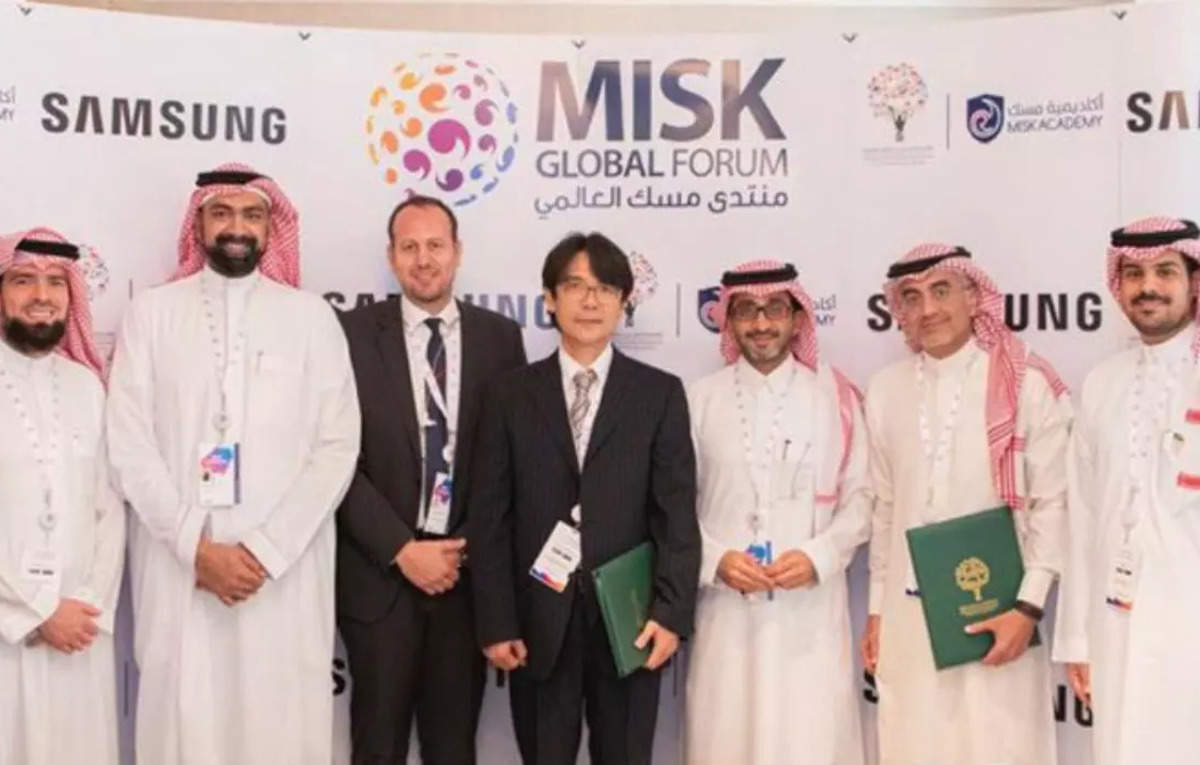
Misk City has entered into a strategic partnership with Samsung Electronics Saudi Arabia to promote advancements in smart city technologies, sustainability, and youth empowerment. The collaboration was formalized through a memorandum of understanding (MoU) and is poised to drive innovation in the Misk City ecosystem, a groundbreaking nonprofit urban initiative. This agreement marks a significant step in the city’s commitment to becoming a hub for technology, education, and sustainable development.

Misk City, named after the Saudi crown prince’s charitable foundation, is the first non-profit city of its kind in the world. It aims to create a self-sustaining urban environment where technology and innovation play a central role in shaping society’s future. The partnership with Samsung, a global leader in consumer electronics and technology solutions, will enable Misk City to leverage cutting-edge technologies and solutions to enhance the quality of life for its residents and visitors.

The key areas outlined in the MoU focus on smart city infrastructure, including the integration of advanced IoT (Internet of Things) systems, AI-driven solutions, and digital services that will improve urban management and energy efficiency. This collaboration will explore various applications of Samsung’s technology, including smart buildings, transportation, and environmental monitoring systems. Additionally, the agreement highlights initiatives aimed at fostering a sustainable urban ecosystem, aligning with Misk City’s goals of environmental stewardship and reducing carbon emissions.

Beyond technology, the partnership also aims to empower the youth by providing access to educational programs and professional development opportunities. Samsung’s extensive experience in digital learning and innovation will contribute to the creation of training platforms, workshops, and incubators within Misk City, designed to cultivate a new generation of skilled professionals in fields such as artificial intelligence, robotics, and renewable energy.

The agreement reflects a broader trend within Saudi Arabia to invest in innovation-driven urban development. Misk City’s model, which combines sustainability with cutting-edge technology, is in line with the country’s Vision 2030, which seeks to diversify the economy and reduce its dependency on oil. By positioning itself at the intersection of technology and social development, Misk City aims to be a key player in the kingdom’s push for economic transformation.

Samsung’s role in this project highlights the company’s ongoing commitment to supporting smart city projects globally. The company’s innovative solutions, such as 5G networks, smart appliances, and digital signage, will be integrated into Misk City’s infrastructure. These advancements will allow for greater connectivity and efficiency, furthering the city’s mission to provide a seamless, high-tech living environment.

Misk City’s collaboration with Samsung also provides an opportunity to explore advancements in sustainability. With global attention on climate change and environmental conservation, the partnership will focus on implementing sustainable energy solutions such as solar power, waste management, and water conservation technologies. This move aligns with Misk City’s vision of creating a green, eco-friendly urban space that is self-sustaining and energy-efficient.

The strategic importance of the partnership extends beyond technology and sustainability. It also underscores the growing importance of public-private collaborations in shaping the future of cities. As the world shifts toward a more interconnected, technology-driven future, the synergy between Misk City and Samsung represents a model for how urban development can be reimagined to meet the challenges of the 21st century.

The partnership is expected to play a pivotal role in positioning Misk City as a global leader in innovation and sustainability. By harnessing Samsung’s technological expertise and aligning it with the city’s long-term goals, Misk City will be able to provide a living laboratory for emerging technologies and urban planning strategies. This collaboration is not only a key milestone in Misk City’s development but also a significant contribution to Saudi Arabia’s broader efforts to redefine urbanization in a way that is sustainable, tech-driven, and inclusive.

The MoU was signed in a ceremony attended by senior executives from both Samsung and Misk City, with discussions centered on how the partnership can evolve over the coming years. Both parties expressed their commitment to the partnership and emphasized the importance of collaboration in realizing the ambitious goals set for Misk City.

10 Singapore Companies to be Assessed for the Inaugural Influential Brands Sustainability Awards in March 2025 SINGAPORE – Media OutReach Newswire – 19 November 2024 – Global ESG Monitor (GEM), a Think Tank for Corporate Sustainability, provides analysed, scored and comparable sustainability reporting data across 70 industries based on the latest reporting periods. Influential Brands is Asia’s premier platform for celebrating business excellence whilst Mileage Communications is […]

Bitcoin’s mining difficulty, a crucial metric in the cryptocurrency ecosystem, has reached an all-time high of 102.29 trillion, underscoring the increasing computational power required to validate transactions and secure the blockchain network. This development highlights the sustained interest and participation of miners, reflecting the robustness and security of Bitcoin’s decentralized architecture.

The mining difficulty, which adjusts approximately every two weeks, is a measure of the effort required to mine a new block. This mechanism ensures the consistent production of Bitcoin blocks despite fluctuations in the number of miners or their collective computational power. The latest adjustment represents a significant milestone, outpacing the previous record and marking a nearly 20% rise since mid-2024.

This surge aligns with a broader increase in Bitcoin’s hash rate, the computational power dedicated to mining activities. The hash rate also touched an all-time high of over 900 exahashes per second (EH/s) before stabilizing at around 730 EH/s. These metrics underscore the network’s resilience and scalability, even as it attracts new participants globally. The rise in difficulty and hash rate indicates the expanding network size and miner competition, which collectively enhance Bitcoin’s security.

Market analysts attribute this growth to advancements in mining hardware and the increasing accessibility of energy-efficient mining solutions. Several companies have launched next-generation mining equipment that optimizes energy consumption, making mining operations more feasible even in regions with higher electricity costs. Furthermore, large-scale operations in countries with renewable energy sources have played a pivotal role in driving these metrics upward.

Despite the technical advancements, Bitcoin’s price has seen fluctuations, peaking at $69,500 earlier this week before stabilizing around $66,500. This volatility, while common in the cryptocurrency market, does not seem to have deterred mining activities or network engagement. Instead, it reflects broader market trends and macroeconomic influences, including regulatory developments and shifts in institutional adoption.

Analysts suggest that the climbing difficulty and hash rate signal confidence in Bitcoin’s long-term viability. As the mining landscape evolves, these metrics also emphasize the growing decentralization and security of the blockchain. With more miners entering the ecosystem, the network becomes more robust against potential threats, reinforcing its position as a leader in the cryptocurrency sector.

Saudi Aramco, Sinopec, and Fujian Petrochemical have officially begun the construction of a significant new refining and petrochemical complex in Fujian province, China. This collaboration marks a major step forward in enhancing energy infrastructure, with an investment that highlights the deepening trade and energy ties between the Middle East and China.

The project, located in the coastal city of Quanzhou, is poised to become a vital hub for refining and petrochemical production, aimed at bolstering the energy needs of the rapidly growing Chinese market. The new facility will process millions of tons of crude oil annually and produce a wide range of petrochemical products, further strengthening the value chain in both the refining and chemicals sectors. As one of the largest investments of its kind in the region, the project underscores the strategic importance of Sino-Saudi relations and Aramco’s broader vision for international expansion.

At the core of this venture, Saudi Aramco is contributing a substantial stake, with the company’s role as a key supplier of crude oil expected to provide crucial support to the complex’s operations. Aramco has been a key player in the Chinese market for years, consistently expanding its footprint and solidifying its presence in one of the world’s largest and most dynamic energy markets. Through this venture, Aramco continues to build on its long-standing relationship with Sinopec, one of China’s state-owned oil giants, to help meet the country’s increasing demand for refined fuels and chemicals.

Sinopec, one of China’s leading oil and gas corporations, is providing significant technical expertise and resources for the development of the new refinery. With a vast network of refineries and petrochemical facilities across China, Sinopec’s involvement is expected to enhance operational efficiencies and facilitate greater integration between refining and petrochemical processes. The partnership brings together both advanced technological capabilities and the ability to navigate the Chinese regulatory and commercial landscape, which remains critical to success in this market.

Fujian Petrochemical, a key player in China’s petrochemical industry, is a joint venture partner in the project. The company is renowned for its strategic location along China’s eastern coast and its established role in petrochemical manufacturing. By leveraging its access to the South China Sea shipping routes, Fujian Petrochemical will play a vital role in ensuring smooth logistics for the import of crude oil and the export of refined and petrochemical products.

This new project is expected to generate significant economic benefits for the region. It will provide a boost to local employment, create opportunities for small and medium-sized enterprises, and enhance the skillsets of the workforce in Quanzhou. The complex will also be a significant contributor to the local economy through taxes and royalties, aligning with the Chinese government’s ongoing efforts to modernize its energy infrastructure and industrial capabilities.

The environmental impact of this venture has also been carefully considered. While the complex will undoubtedly play an important role in meeting the energy demands of China’s rapidly developing economy, all three partners have committed to ensuring that the project adheres to the highest standards of environmental sustainability. This includes employing advanced technologies to minimize emissions, improve energy efficiency, and reduce the ecological footprint of the refinery’s operations.

The decision to locate the complex in Fujian province is strategic, as the area has long been a hub for the petrochemical industry in China. Fujian’s proximity to major shipping lanes and its well-established infrastructure make it an ideal location for such a high-capacity facility. The provincial government has expressed strong support for the project, citing its potential to contribute to regional economic growth and enhance China’s energy security.

The broader geopolitical context of this project also plays a significant role in its development. With China’s growing focus on self-sufficiency in energy production and its ambition to strengthen domestic refining and chemical manufacturing capabilities, this initiative is timely. It reflects the ongoing trend of closer cooperation between China and energy-rich nations in the Middle East, particularly in the oil and gas sector.

For Saudi Aramco, the Fujian venture represents a further expansion of its global refining and petrochemical portfolio, reinforcing its position as a dominant player in the global energy market. The company has been diversifying its operations beyond crude oil production, investing heavily in refining and petrochemicals as part of its long-term strategy to adapt to evolving energy trends and the global push toward cleaner energy solutions.

As the global energy landscape continues to evolve, with increasing emphasis on sustainability and energy transition, the timing of this major refining and petrochemical project highlights the delicate balance between meeting current energy demands and investing in future-proof technologies. For China, which remains one of the world’s largest consumers of petrochemical products, this new facility is an important step in securing reliable, high-quality energy sources that align with its ambitious economic development plans.

This collaboration also stands as a testament to the growing importance of international partnerships in the energy sector. While the primary focus remains on meeting the energy needs of China’s economy, the involvement of key players such as Aramco, Sinopec, and Fujian Petrochemical signals the increasing interdependence of the global energy market. The success of the Fujian project will likely pave the way for further cooperation between the Middle East and China in areas such as renewable energy, advanced technologies, and global infrastructure development.

Vingroup, Vietnam’s largest private conglomerate, is poised to lead the nation’s green transition. Backed by substantial resources, top talent, and cutting-edge technology, Vingroup is well-equipped to overcome the challenges and drive sustainable growth. HANOI, VIETNAM – Media OutReach Newswire – 13 November 2024 – Driven by the vision of “Creating a Green Future,” Vingroup, Vietnam’s largest private conglomerate, is strategically positioned to lead the nation’s journey toward […]

BlackRock, the world’s largest asset manager, has secured a commercial license to operate in Abu Dhabi, signaling its increased focus on the Middle Eastern market. The move positions BlackRock to further engage with the region’s wealth management firms, sovereign wealth funds, and investment vehicles, as the global financial giant seeks to deepen its footprint in a rapidly evolving financial hub. This expansion aligns with Abu Dhabi’s growing […]

Adani Green Energy’s subsidiaries have mandated banks for the issuance of USD-denominated green bonds, marking a significant step in the company’s expansion of its sustainable financing efforts. This move follows a broader trend in the renewable energy sector, where corporations are increasingly turning to green bonds as a means to fund eco-friendly projects and promote sustainability. The subsidiaries, including Adani Green Energy Limited and Adani Renewable Energy […]

Arabian Post Staff -Dubai Dubai is positioning itself as a pivotal player in the global gold market, leveraging its unique geographic location, robust infrastructure, and forward-thinking policies. The city has seen a surge in gold trade activity, propelled by geopolitical shifts, increased bullion acquisitions by central banks, and a strategic focus on refining and trading gold to meet evolving market demands.Central banks have significantly boosted their gold […]

Survey discovers 85% Shopee Affiliates promote local brands more than half of the time, with high local audience engagement rates the key to success KUALA LUMPUR, MALAYSIA – Media OutReach Newswire – 18 November 2024 – While excitement lingers among shoppers and local sellers after Shopee’s 11.11 Big Sale, Shopee Affiliates continue to drive engagement towards local sellers across Malaysia. In fact, 97% of affiliates expressed strong […]

LIMA, PERU – Media OutReach Newswire – 18 November 2024 – Chinese President Xi Jinping has wrapped up his state visit to Peru, where he addressed the 31st APEC Economic Leaders’ Meeting and gave a written speech at the APEC CEO Summit. At these key meetings, President Xi emphasized China’s commitment to fostering an inclusive, balanced, innovative and green global economy. President Xi Jinping in Peru: China’s […]

Saudi Arabia is set to host the 16th session of the United Nations Convention to Combat Desertification (UNCCD COP16) in Riyadh, marking the first time this global conference is held in the Middle East. Scheduled for December 2-13, 2024, the event will convene representatives from 197 parties, including world leaders, policymakers, and environmental advocates, making it the largest multilateral gathering ever hosted in the kingdom. This milestone […]

Harare City Council has ignited widespread outrage with its decision to demolish approximately 5,000 houses in the Zimbabwean capital, citing their construction on illegally acquired land. Mayor Jacob Mafume defended the action, asserting it was necessary to restore order and enforce municipal regulations. However, the demolitions have drawn severe criticism for their execution and humanitarian impact.

The council’s justification centers on curbing illegal land sales by so-called land barons, who profit from unregulated housing developments. These operations often lead to structures being built without proper planning approvals or access to essential amenities. The demolitions, however, have displaced hundreds of families, with some losing homes that were substantial investments. Critics argue the council’s failure to act earlier allowed illegal developments to proliferate, making the decision appear both punitive and poorly timed.

A significant portion of the criticism has been directed at the lack of alternative arrangements for those affected. Families were left to salvage belongings from rubble while officials defended the demolitions as a legal obligation. Harare’s Director of Planning, Samuel Nyabeza, emphasized that future developments would require stricter adherence to municipal regulations and threatened severe action against land barons.

Opposition leaders and activists have condemned the demolitions as a violation of human rights. Former cabinet minister Fortune Chasi called the operation “crass insensitivity and cruelty,” highlighting concerns over the absence of court orders and transparency in the process. Legislator Darlington Chigumbu urged for systemic reforms, advocating for the establishment of specialized land courts and the publication of investigative reports on illegal land dealings to address the root causes of such disputes.

Observers note the timing of these demolitions follows years of delays, leaving many questioning why enforcement agencies failed to intervene earlier during the initial stages of construction. The move has sparked accusations of political motives, with critics suggesting that targeting these properties may serve as a warning against unauthorized land use rather than a genuine attempt to regulate urban development.

Dubai’s Roads and Transport Authority (RTA) has unveiled ambitious plans to enhance traffic flow and reduce congestion across four key neighbourhoods: Nadd Hessa, Al Awir 1, Al Barsha South, and Wadi Al Safa 3. These upgrades, part of the city’s broader infrastructure expansion, are projected to cut traffic in these areas by up to 80%.

The initiative will increase road capacity significantly, improving connectivity and travel times for residents and commuters. The RTA has focused on constructing new exits, optimizing signal systems, and introducing expanded road networks in these areas, reflecting Dubai’s commitment to seamless urban mobility.

Bitcoin’s historical price movements following halving events have sparked speculation about its trajectory in the cryptocurrency market. Bitwise Asset Management’s research highlights that Bitcoin prices tend to peak approximately 400 days after a halving, a phenomenon closely tied to the cryptocurrency’s supply mechanics. With 213 days elapsed since the last halving on April 11, 2024, projections suggest that Bitcoin’s next peak may materialize around May 2025.

Halving events, occurring roughly every four years, reduce the rewards for mining Bitcoin, effectively decreasing the supply entering circulation. These supply contractions have historically catalyzed upward price movements. Following the 2020 halving, Bitcoin reached a new all-time high of $69,000 in November 2021, about 530 days after the event. The delayed peak compared to earlier halvings has been attributed to evolving market dynamics and increasing institutional involvement.

Analyzing past patterns, the first halving in 2012 saw Bitcoin rise from $12 to $260 within a year. The subsequent halving in 2016 initiated a bull run that peaked at $20,000 by late 2017. These trends underline a consistent correlation between halvings and significant price surges, typically within a 12 to 18-month window. Such trends are often supported by reduced supply, which bolsters scarcity-driven demand.

The broader cryptocurrency market context also plays a crucial role in shaping Bitcoin’s price movements. Regulatory clarity, institutional adoption, and macroeconomic factors like interest rate policies and inflation expectations influence investor sentiment. As of late 2024, Bitcoin has shown resilience, maintaining prices above $30,000 despite market volatility, signaling steady interest from both retail and institutional investors.

Technical indicators, including Relative Strength Index (RSI) and Moving Average Convergence Divergence (MACD), suggest mixed signals for Bitcoin’s short-term trajectory. The RSI levels hover near overbought conditions, while MACD trends remain bullish, indicating potential consolidation before any significant upward movement. Analysts argue that Bitcoin’s price stability is underpinned by its increasing role as a hedge against inflation and store of value, mirroring traditional safe-haven assets.

BMW M GmbH’s latest innovation, the iX M60, is set to redefine the boundaries of electric mobility, blending high-performance dynamics with cutting-edge technology. As the first all-electric Sports Activity Vehicle (SAV) from the M division, the iX M60 delivers thrilling performance, sophisticated luxury, and a forward-looking vision for sustainable driving. With its powerful motor, refined suspension system, and robust technological features, this electric vehicle marks a significant […]

VISHNU RAJA
RYO YAMADA
HITORI GOTOH
IKUYO KITA