News related to
City

Amazon Web Services (AWS) has announced a significant $10 billion investment in Ohio’s data center infrastructure, aimed at transforming the state into a major technological hub by 2030. The move, which aligns with AWS’s broader expansion plans in the U.S., will lead to the creation of hundreds of new jobs and bolster the local economy while enhancing cloud services to meet growing demand. AWS’s investment will primarily […]

AD Ports Group has successfully refinanced and upsized its revolving credit facility (RCF) to $2.125 billion, enhancing its financial flexibility. This move sees the RCF increased from $1 billion, a strategic decision to bolster the company’s liquidity and further its investment ambitions. The new facility comprises both AED and USD tranches, offering a diversified funding structure that aligns with AD Ports’ expansive growth plans across multiple sectors.

The RCF, now one of the largest in the region, is designed to provide AD Ports with the capacity to pursue its long-term strategic initiatives. The group has positioned itself as a key player in the maritime, logistics, and infrastructure sectors, and this refinancing represents a significant step in its ability to seize emerging opportunities. With the upsized facility, AD Ports aims to fuel its investments in major infrastructure projects, improve its service offerings, and support the increasing demand in global trade.

In an official statement, the company outlined that the new RCF would enhance its liquidity position, enabling it to better capitalize on future expansion opportunities. This includes investments in port infrastructure, logistics, and real estate development, which are central to its growth strategy. The refinancing also comes at a time when AD Ports is actively looking to expand its footprint in new and existing markets, including Asia, Europe, and Africa.

AD Ports Group’s new financing structure offers a blend of flexibility and stability, a crucial element given the current economic environment. The group’s diversified portfolio, which spans across container ports, logistics hubs, industrial zones, and offshore services, provides a strong foundation for leveraging this expanded credit line. Additionally, the refinanced facility includes terms that reflect the group’s improved financial standing, with favorable pricing and extended maturity.

Industry experts have pointed to this refinancing as a sign of the growing strength and financial health of AD Ports. The company’s continued expansion into various sectors has made it a formidable player in the global logistics and maritime industry. The RCF upsizing comes in response to a significant increase in demand for port and logistics services, particularly in the Middle East and beyond, as global supply chains continue to evolve and expand.

The refinancing also highlights AD Ports’ ability to secure competitive financing terms, despite global market fluctuations. This positions the company as a leader in the regional logistics and transportation sectors, equipped with a robust balance sheet to support ambitious growth. By securing favorable credit conditions, AD Ports ensures its ability to navigate the complexities of international trade, enhance its global connectivity, and better serve its diverse customer base.

As part of the refinancing, AD Ports also emphasized its commitment to sustainability and digital transformation, which are integral to its long-term strategy. The company has been investing heavily in smart port technologies, green energy solutions, and digital logistics platforms. These investments are not only expected to improve operational efficiency but also ensure that AD Ports remains at the forefront of innovations in the global trade and logistics sectors.

The expansion of the RCF aligns with AD Ports Group’s vision of becoming a global leader in integrated logistics and transportation services. With access to enhanced capital resources, the company is better positioned to expand its portfolio of services, such as warehousing, cargo handling, and integrated supply chain solutions. The upsized facility ensures that AD Ports has the flexibility to take advantage of opportunities in both developed and emerging markets, continuing to diversify its offerings and increase its market share.

Experts believe that this move will further strengthen AD Ports’ competitive edge, particularly in the UAE and GCC markets, where demand for infrastructure and logistics services continues to grow. The company’s long-term focus on infrastructure development and modernization makes it a pivotal player in shaping the region’s economic future, and the RCF upsizing ensures that it has the financial muscle to execute its plans effectively.

As AD Ports Group continues to expand its global presence, this refinancing positions it to maintain its momentum and meet the evolving needs of its clients and stakeholders. The facility’s enhanced size reflects the company’s strategic shift toward larger-scale operations, enabling it to tackle both regional and global challenges with increased financial agility.

This development also marks a significant milestone for AD Ports as it seeks to integrate more sustainable practices into its operations. The group’s investment in green technologies, including renewable energy solutions for its ports and logistics hubs, is expected to play a central role in its ability to secure future growth. By aligning its financing with its sustainability goals, AD Ports is demonstrating its commitment to responsible business practices while positioning itself for continued success.

BANGKOK, THAILAND – Media OutReach Newswire – 20 December 2024 – DBP has once again been recognized as a trailblazer in sustainability with the conferment of two prestigious accolades at the ACES Awards 2024: the Outstanding Leaders in Asia Award and the Green Initiative Award. These honors recognize DBP’s enduring commitment to environmental stewardship, responsible economic growth, and social inclusion—principles that have guided the institution since its […]

Marathon Digital Holdings, a leading cryptocurrency mining company, has significantly increased its Bitcoin reserves through strategic financial maneuvers. In November and December 2024, the firm raised approximately $1.93 billion via zero-coupon convertible senior notes. These funds facilitated the acquisition of 15,574 Bitcoins at an average price of $98,529 per coin, totaling around $1.53 billion. Additionally, Marathon repurchased approximately $263 million of its existing convertible notes maturing in 2026. As of December 18, 2024, the company holds 44,394 Bitcoins, valued at approximately $4.45 billion, based on the spot price of $100,151 per Bitcoin.

The initial offering, completed on December 4, 2024, involved $850 million in zero-coupon convertible senior notes due 2031. Marathon granted initial purchasers an option to buy an additional $150 million in notes, potentially increasing the total to $1 billion. The net proceeds of approximately $835.1 million were designated primarily for Bitcoin acquisitions and repurchasing existing convertible notes due in 2026.

Subsequent to this offering, Marathon continued its strategy by raising additional funds through similar financial instruments. The company utilized these proceeds to purchase 11,774 Bitcoins for about $1.1 billion, averaging $96,000 per Bitcoin. This purchase increased Marathon’s total Bitcoin holdings to 40,435, valued at approximately $3.9 billion, based on a Bitcoin price of $96,500 at the time.

Marathon’s aggressive accumulation of Bitcoin aligns with a broader trend among major corporations integrating cryptocurrency into their financial strategies. Companies like MicroStrategy and Riot Platforms have similarly expanded their Bitcoin holdings, viewing the digital asset as a viable store of value and a hedge against traditional market fluctuations. This corporate adoption reflects growing confidence in Bitcoin’s long-term potential and its role in diversified investment portfolios.

The use of convertible notes has become a favored method for companies to raise capital for cryptocurrency investments. These financial instruments allow firms to secure funds at low or zero interest rates, with the option to convert debt into equity under specific conditions. This approach provides flexibility in capital management and aligns with the dynamic nature of the cryptocurrency market.

Marathon’s strategic investments have also been accompanied by efforts to enhance its mining operations. The company has entered into agreements to acquire renewable energy assets, such as a wind farm in Hansford County, Texas, with 240 MW of interconnection capacity and 114 MW of nameplate wind capacity. This initiative reflects Marathon’s commitment to integrating sustainable energy sources into its mining activities, addressing environmental concerns associated with cryptocurrency mining.

Despite these advancements, Marathon has faced challenges in the financial markets. The announcement of convertible debt offerings has led to stock price volatility, with shares experiencing declines due to potential shareholder dilution. For instance, following the announcement of a $250 million convertible debt offering in August 2024, Marathon’s stock dropped over 10%.

Nevertheless, Marathon’s leadership remains optimistic about the company’s strategic direction. By leveraging convertible notes to finance Bitcoin acquisitions and repurchase existing debt, Marathon aims to strengthen its balance sheet and enhance shareholder value. The company’s substantial Bitcoin holdings position it favorably to capitalize on potential future appreciation of the digital asset.

PHUKET, THAILAND – Media OutReach Newswire – 19 December 2024 – Sansiri Public Company Limited, Thailand’s leading property developer with a 40-year track record, is regarded as Thailand’s most trusted fully integrated real estate developer among Thai and international clients. The company has recently garnered a number of prestigious awards, including the top spot among Thai property developers on the inaugural Fortune Southeast Asia 500 list, two […]

A parliamentary session in Abkhazia’s capital, Sokhumi, turned deadly as lawmakers debated a bill to ban cryptocurrency mining. Deputy Vakhthang Golandzia was fatally shot, and Deputy Kan Kvartchia sustained injuries during the altercation. The primary suspect, Deputy Adgur Khazaria, fled the scene and remains at large.

The incident unfolded during discussions on prohibiting cryptocurrency mining, a practice that has exacerbated Abkhazia’s ongoing electricity crisis. Despite previous bans, illegal mining operations have persisted, straining the region’s power infrastructure. Authorities have intensified efforts to enforce the ban, seizing over 600 mining devices this year.

Abkhazia’s energy challenges are compounded by its reliance on the Inguri hydroelectric power station, which has faced operational issues. The region has experienced severe electricity shortages, leading to rolling blackouts and limited daily power supply. Efforts to secure additional energy resources from Russia have been complicated by financial constraints and geopolitical tensions.

The fatal shooting has intensified scrutiny of Abkhazia’s internal political dynamics and the influence of illicit economic activities. The parliament’s debate over the cryptocurrency mining ban reflects broader concerns about the region’s economic stability and governance challenges. As authorities search for the suspect, the incident underscores the volatility surrounding contentious policy discussions in the region.

UAE-based agricultural giant Al Dahra is reportedly in negotiations to lease agricultural land in Kenya, a move that could further strengthen the company’s presence in the East African market. The discussions center around large-scale agricultural operations that could span thousands of hectares, contributing to both local food production and Al Dahra’s wider global portfolio.

The proposed farmland lease is part of a growing trend in which foreign companies, particularly from the Gulf region, are investing in Africa’s agricultural sector. Kenya, with its favorable climate and strategic location, has long been a target for agribusiness investments. For Al Dahra, which operates across a diverse range of agricultural sectors such as crop production, animal feed, and trading, the potential lease offers an opportunity to tap into a fertile land base for its agribusiness operations.

Kenya’s government, eager to modernize its agricultural sector and boost exports, has been welcoming foreign investment. The nation’s agricultural policy includes initiatives aimed at increasing productivity and establishing partnerships with international players. Al Dahra’s move is in line with Kenya’s ongoing efforts to enhance its agricultural infrastructure and food security, offering both a business opportunity for Al Dahra and a potential solution to local supply chain challenges.

A key aspect of the deal is the access to Kenya’s extensive irrigation networks, which are critical for maintaining consistent crop yields in the face of fluctuating weather patterns. The UAE-based company, with its expertise in water-efficient farming technologies, would be well-positioned to utilize these systems. The partnership could also support Kenya’s ambitions to increase agricultural exports, particularly in sectors such as horticulture, floriculture, and cereals, which have seen steady growth in recent years.

Al Dahra has established itself as a significant player in international agriculture, with operations in more than 15 countries. Its move into Kenya aligns with the UAE’s broader strategy to diversify its economic interests, particularly in the agriculture and food security sectors. With the increasing pressures of climate change and growing demand for food worldwide, investments like these are expected to play a crucial role in global food production systems.

The agreement could also have broader regional implications, as Kenya is viewed as a key agricultural hub within the East African Community (EAC). If successful, it would provide a model for other foreign agribusinesses looking to expand into the region, further integrating Kenya into global supply chains.

However, the negotiations come amid a backdrop of growing scrutiny regarding land leasing practices in Africa. Critics argue that large-scale land acquisitions by foreign firms can lead to land dispossession, adversely affecting local communities. There are also concerns about the environmental impact of large agribusinesses on local ecosystems. As such, the terms of the lease will likely face close examination by both Kenyan stakeholders and international watchdogs. It remains to be seen how Al Dahra addresses these issues, but it is expected that the company will work closely with local authorities and stakeholders to mitigate potential risks.

Al Dahra’s reputation for sustainable practices could play a pivotal role in easing concerns over the environmental and social impacts of its operations. The company has made significant strides in promoting sustainable farming techniques, including using innovative irrigation methods and reducing water usage in its farming operations. These efforts are crucial in an environment like Kenya, where water scarcity is a significant challenge.

The broader context of this move is also influenced by the growing importance of food security in the UAE. With limited arable land and water resources at home, the UAE has been investing in agricultural projects abroad for years. These investments not only ensure the country’s food supply but also provide economic and strategic advantages. As the UAE looks to secure long-term food security, projects like Al Dahra’s farming lease in Kenya are central to this vision.

Kenya, too, stands to benefit significantly from such investments. The East African nation has grappled with issues such as land degradation, inconsistent rainfall, and low agricultural productivity. Foreign investments like the one proposed by Al Dahra could provide the necessary capital, technology, and expertise to address these challenges. Additionally, the job creation and technological advancements that accompany such large-scale agricultural operations could help uplift rural communities.

Advertisements

Abu Dhabi National Oil Company Logistics & Services (ADNOC L&S) has made a significant move to bolster its offshore operations, adding 20 new assets to its portfolio in 2024. This expansion underscores the company’s growing influence in the energy sector, particularly in offshore oil and gas logistics. ADNOC L&S aims to meet the increasing demand for offshore production and logistics services while reinforcing its position in the […]

The Roads and Transport Authority (RTA) of Dubai has awarded a landmark $5.6 billion contract for the expansion of the city’s metro network. The deal, which was secured by an international consortium, marks a major step toward enhancing Dubai’s public transport infrastructure, solidifying the city’s status as a leading global metropolis. The multi-billion-dollar contract will focus on the extension of the Red Line, which forms the backbone […]

JJJ, a new hedge fund established by former Moore Capital executives, has made a significant move into Dubai’s thriving financial market, joining a growing list of hedge funds that are increasingly eyeing the Middle East for expansion. The firm’s decision to set up shop in Dubai comes as part of a larger trend in the financial world, with several major hedge funds diversifying their portfolios and strategies by targeting the region’s rapidly developing financial infrastructure.

Dubai’s status as a global business hub continues to rise, with the emirate offering a favorable regulatory environment, access to wealth management opportunities, and strategic proximity to both emerging and developed markets. While the city has long been a financial nexus, the past few years have seen an influx of hedge funds, private equity firms, and asset managers. This has been driven by various factors, including political stability, economic diversification, and reforms that have made Dubai an increasingly attractive destination for investors.

The move by JJJ is part of a broader trend of hedge funds exploring opportunities outside of their traditional bases in Europe and the United States. Firms are seeking not only the benefits of a more competitive regulatory environment but also the ability to tap into the vast capital reserves held in the Middle East. The region is home to some of the wealthiest sovereign wealth funds and private investors in the world, offering hedge funds the opportunity to manage capital from highly liquid sources.

Dubai’s financial ecosystem has been evolving to meet the demands of global investors, with key initiatives such as the Dubai International Financial Centre (DIFC) and the Dubai Financial Market (DFM) enhancing the city’s status as a financial powerhouse. The DIFC, in particular, has introduced reforms to make it easier for foreign firms to operate, including offering tax incentives, regulatory flexibility, and a wide range of financial products designed to appeal to global investors.

Hedge funds such as Bridgewater Associates, Citadel, and Renaissance Technologies have already made substantial investments in the Middle East, setting up operations or partnerships in Dubai to take advantage of these changing dynamics. The attraction is clear: with the city’s tax advantages, world-class infrastructure, and access to high-net-worth individuals, Dubai offers a unique blend of opportunity for firms looking to expand globally.

JJJ’s entrance into the market signals its belief in the growing potential of Dubai as a financial center. The firm’s founders, who built their careers at Moore Capital before launching their own venture, have chosen the UAE as a base to further expand their global strategy. Dubai’s thriving real estate, tourism, and technology sectors provide additional opportunities for diversification, and the financial ecosystem is uniquely poised to help firms manage and grow assets in these sectors.

Market analysts are observing that Dubai’s development as a financial hub is accelerating. The UAE government has focused on attracting international investors through a series of economic reforms, including the introduction of a new visa system aimed at increasing foreign talent and capital inflows. Additionally, the UAE has strengthened its financial regulations to align more closely with international standards, helping to bolster the confidence of global investors.

The UAE’s efforts to enhance its financial landscape come at a time when many traditional financial centers, particularly in Europe, are facing economic challenges. With the UK navigating post-Brexit uncertainties and European financial markets encountering growing regulatory pressures, Dubai’s business-friendly environment and stable geopolitical landscape provide an appealing alternative. As a result, Dubai has emerged as a go-to location for hedge funds seeking to reduce their reliance on markets that are less certain or experiencing instability.

One of the key factors driving hedge funds to Dubai is the emirate’s strong connection to the global oil industry, which remains a significant driver of wealth in the region. The UAE’s energy sector continues to evolve, with a growing emphasis on renewable energy investments and green technologies. Hedge funds are positioning themselves to tap into these new opportunities, aligning with the region’s broader vision for sustainable development.

Dubai’s geographic location also makes it an attractive proposition for hedge funds looking to diversify their global investment strategies. Sitting at the crossroads of Asia, Europe, and Africa, the city serves as a bridge between markets in these regions, giving hedge funds access to a wide range of assets and opportunities. Dubai’s proximity to fast-growing emerging markets, particularly in Asia and Africa, allows hedge funds to tap into growing economies while also maintaining their existing connections to established markets in the West.

JJJ’s foray into the Dubai market comes at a time when the global hedge fund industry is seeing an increasing appetite for alternative investments. These funds, which traditionally relied on traditional equity and bond markets, are now diversifying their portfolios to include private equity, real estate, and other alternative asset classes. Dubai, with its dynamic growth and diverse industries, offers an ideal environment for this kind of diversification.

As the new year approaches and the book on an eventful year in the energy world closes, 2025 looks set to bring more volatility, geopolitical tension and policy evolutions. Elections in almost all major global economies in 2024 have set the stage for a shifting policy landscape next year, most notably in the US, as President-elect Donald Trump outlines his priorities and plans for the incoming administration. […]

China has achieved a significant milestone in its clean energy efforts with the completion of the country’s first factory-based seawater hydrogen production project at Sinopec’s Qingdao Refinery. This groundbreaking initiative is poised to play a vital role in the nation’s push to reduce carbon emissions and transition toward greener energy sources. The new facility is part of Sinopec’s broader strategy to incorporate hydrogen as a central component […]

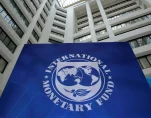
By Saifur Rahman The International Monetary Fund (IMF) on Wednesday said, it will grant US$645 million to support Bangladeshi economy, about US$105 million less than the US$750 million sought by Bangladesh Government to overcome current economic challenges. Of this, around US$426 million will be provided under IMF’s Extended Credit Facility (ECF) and Extended Fund Facility (EFF), while US$219 million will be made available under the Resilience and […]

Bitcoin mining machine prices in Shenzhen’s Huaqiangbei electronics market have surged by 30% over the past year, driven by increased global demand and a significant rise in Bitcoin’s value. Merchants report that buyers from the United States, Canada, and Russia are leading the procurement of these high-performance devices.

A vendor in Huaqiangbei stated that the Antminer S21 335T model is now priced at $5,600 (approximately 40,700 RMB), up from 28,000 RMB last year, marking a 30% increase. Bitmain’s official website lists the 473T S21 XP water-cooled miner at 73,900 RMB; however, this model is currently sold out, reflecting the heightened demand.

The surge in Bitcoin’s value has reignited interest in cryptocurrency mining, prompting international buyers to source equipment from Shenzhen, a major hub for electronics manufacturing and distribution. This trend has been particularly noticeable in recent months, with customers from Russia, Ethiopia, the United States, and Canada purchasing hundreds to thousands of new machines, often arranging deliveries through Hong Kong.

The increased demand has led to a shortage of mining equipment, causing prices to rise. Manufacturers and suppliers are struggling to keep up with orders, and some popular models are sold out. This scarcity has intensified competition among buyers, further driving up prices.

The global interest in Bitcoin mining has also led to significant investments in infrastructure. For instance, Shenzhen-based firm BIT Mining has planned to invest $26 million to build a data center in Texas, while Beijing-based Bitmain is expanding its operations in the state.

However, the expansion of Bitcoin mining has raised environmental concerns due to the substantial energy consumption associated with the process. The International Energy Agency notes that demand for digital services is growing rapidly, leading to increased energy use by data centers and transmission networks.

Bitcoin has reached a historic milestone, surpassing 14% of the total market capitalization of gold. This new all-time high highlights the growing prominence of the cryptocurrency as an alternative asset class, even as gold continues to be viewed as a safe haven for investors. As digital assets gain more traction, Bitcoin’s increasing share of gold’s market cap reflects the shift in investor sentiment and the broader financial landscape.

The surge in Bitcoin’s market cap, which now stands at over $500 billion, represents a remarkable evolution for the cryptocurrency. When Bitcoin was first introduced in 2009, it was dismissed by many as a speculative asset with little to no tangible value. Today, however, it is a mainstream financial instrument, widely recognized and traded by institutional investors, hedge funds, and retail traders alike. The ongoing growth of Bitcoin’s value has contributed to a steady increase in its share of gold’s market capitalization, marking a significant milestone for digital currencies.

Gold, with a market cap of around $11 trillion, has long been considered a stable store of value. For centuries, investors have flocked to the precious metal as a hedge against inflation and market instability. Bitcoin, on the other hand, is still relatively young and volatile. Despite this, the cryptocurrency has earned its place in the broader financial ecosystem, with its market share increasingly viewed as a legitimate complement to traditional assets like gold.

The correlation between Bitcoin and gold has been the subject of much debate among financial experts. Some argue that Bitcoin’s rise signals a fundamental shift away from traditional assets, as digital currencies offer more flexibility, transparency, and security. Bitcoin’s decentralized nature allows it to function outside the influence of central banks and governments, which gives it a unique appeal in times of economic uncertainty. Proponents see it as a “digital gold,” offering similar benefits in terms of wealth preservation but with additional benefits such as greater divisibility and ease of transfer.

Conversely, others point out that Bitcoin’s volatility makes it a riskier asset compared to gold. While gold has a long history of stable pricing, Bitcoin has experienced significant fluctuations in value, with its price rising and falling dramatically over short periods. This volatility has raised concerns among some investors, particularly those who are risk-averse. Despite these concerns, the appeal of Bitcoin as an investment continues to grow, as evidenced by its increasingly large share of the global market.

A major factor contributing to Bitcoin’s rising market cap is the increasing adoption of the cryptocurrency by institutional investors. Hedge funds, family offices, and even publicly traded companies are now incorporating Bitcoin into their portfolios as a hedge against inflation and market volatility. The involvement of these institutional players has legitimized Bitcoin as an asset class, pushing its value higher. Large financial institutions like Fidelity, JPMorgan, and Goldman Sachs have begun offering Bitcoin-related services, providing additional legitimacy to the cryptocurrency market.

The growing interest in Bitcoin has been bolstered by regulatory developments that have provided greater clarity on its legal status in many countries. Governments and financial regulators around the world have taken steps to integrate digital currencies into the formal financial system, which has helped to build trust in Bitcoin. The approval of Bitcoin exchange-traded funds (ETFs) in various markets, along with clearer regulations regarding its taxation, have added to the cryptocurrency’s appeal.

However, Bitcoin still faces challenges in fully replacing gold as a store of value. For one, it is far less widely accepted as a medium of exchange than gold, which has been used as currency for thousands of years. While Bitcoin is increasingly accepted as a payment method by online merchants, it is not as universally accepted as gold, which is still widely recognized and used in various industries, from jewelry to electronics.

Bitcoin’s energy consumption has been a point of contention for many environmentalists and critics. The process of mining Bitcoin requires vast amounts of computational power, which in turn consumes significant amounts of electricity. This has led to concerns about the environmental impact of Bitcoin mining, with some countries and regions moving to restrict or ban mining operations. While efforts are being made to address these concerns through the use of renewable energy sources in Bitcoin mining, the issue remains a challenge for the cryptocurrency’s broader adoption.

Despite these challenges, the growing market capitalization of Bitcoin relative to gold underscores the shifting dynamics in the financial world. The cryptocurrency’s increasing prominence has led some to speculate that it could eventually rival gold as a dominant store of value. If Bitcoin continues to gain market share at its current pace, it could challenge gold’s supremacy in the long run, particularly if the global financial system moves further toward digitization.

One of the key factors driving this shift is the global macroeconomic environment. In the wake of the COVID-19 pandemic, central banks around the world have implemented unprecedented monetary policies, including low interest rates and massive fiscal stimulus measures. These policies have led to concerns about inflation and the erosion of traditional currencies. As a result, many investors have turned to Bitcoin as a hedge against the potential devaluation of fiat currencies. With its finite supply and decentralized nature, Bitcoin is seen by some as a more secure store of value in a world of increasingly unpredictable monetary policy.

JAKARTA, INDONESIA – Media OutReach Newswire – 18 December 2024 – PT Xanh SM Green And Smart Mobility has officially launched its electric taxi service, Xanh SM, in Indonesia. Indonesia is the third Southeast Asian country to welcome Xanh SM, following Vietnam and Laos. This milestone solidifies the company’s role as a trailblazer in bringing innovative green mobility solutions to the world under its “Go Green Global” […]

Homegrown tech companies sprawling influence and scouting international opportunities while offering a glimpse into the next steps of Global Booster HONG KONG SAR – Media OutReach Newswire – 18 December 2024 – Hong Kong Science and Technology Parks Corporation (HKSTP), in serial to the Innovation Mixer initiative and in parallel to the preparation of the second cohort of the Global Booster Programme: United States 2025, is set […]

The recent acquisition of intellectual property (IP) rights to Neiro, a Shiba Inu dog owned by Atsuko Sato—the caretaker of Kabosu, the original “Doge” meme dog—has intensified discussions within the cryptocurrency community. This move, led by the Own the Doge decentralized autonomous organization (DAO), aims to establish an “official” Neiro meme coin, highlighting the growing trend of IP-backed tokens in the digital currency market.

Neiro, a ten-year-old rescue dog, became part of Sato’s family earlier this year, following the passing of Kabosu. The introduction of Neiro was met with enthusiasm online, leading to the creation of multiple Neiro-themed meme coins across various blockchain platforms. However, the absence of official endorsement or IP rights led to concerns about the legitimacy and authenticity of these tokens.

In response, the Own the Doge DAO, which holds the IP rights to the original Doge meme, secured the rights to Neiro’s likeness and name. This strategic acquisition is intended to provide a legitimate foundation for an official Neiro meme coin, distinguishing it from unlicensed counterparts. Members of the DAO are expected to vote in the coming weeks to determine which Neiro meme coin will receive official IP status, a decision that could significantly influence the token’s market value and acceptance.

The rise of IP-backed meme coins reflects a broader trend in the cryptocurrency market, where digital assets associated with popular internet memes gain substantial attention and investment. Tokens like Dogecoin and Shiba Inu have demonstrated the potential for meme-based cryptocurrencies to achieve significant market capitalizations. However, the proliferation of unlicensed meme coins has raised concerns about investor protection and market integrity.

The establishment of official IP rights aims to address these issues by providing a layer of legitimacy and authenticity to meme coins. This approach seeks to protect both the creators’ rights and investors from potential scams associated with unlicensed tokens. The cryptocurrency community has shown increasing interest in IP-backed tokens, viewing them as a means to ensure the credibility of meme-based digital assets.

Despite the potential benefits, challenges remain in implementing IP-backed meme coins. The decentralized and often anonymous nature of the cryptocurrency market makes enforcement of IP rights difficult. Additionally, the rapid creation and dissemination of meme coins can outpace efforts to establish official endorsements, leading to a proliferation of unlicensed tokens that may confuse or mislead investors.

The forthcoming vote by the Own the Doge DAO represents a pivotal moment in the evolution of meme coins. A decision to endorse an official Neiro meme coin could set a precedent for how IP rights are utilized to legitimize digital assets in the cryptocurrency market. This development underscores the increasing intersection of internet culture, intellectual property law, and digital finance.

As the cryptocurrency market continues to evolve, the role of IP rights in legitimizing digital assets is likely to become more prominent. The case of Neiro’s IP acquisition illustrates the complexities and opportunities at this intersection, highlighting the need for clear guidelines and strategies to navigate the rapidly changing landscape of meme-based cryptocurrencies.

Dusit Princess Chiang Mai reopens with a fresh new look, enhanced guest experiences, and participation in the ‘Get Ready for Northern Tourism Campaign. dusitD2 Fagu, Shimla, the first Dusit-branded hotel in India, makes its debut in the Himalayas. BANGKOK, THAILAND – Media OutReach Newswire – 18 December 2024 – Dusit Hotels and Resorts, under Dusit International, one of Thailand’s leading hotel and property development companies, is welcoming […]

Arelion has introduced a new Gulf Coast route aimed at bolstering its North American network, enhancing connectivity between major hubs. The route, connecting Houston, Texas, to Jacksonville, Florida, will traverse key cities along the Gulf Coast, including Slidell, Louisiana, and Mobile, Alabama, marking a significant expansion of the company’s infrastructure in the U.S. The launch reflects Arelion’s commitment to providing more diverse, efficient, and reliable network services […]

Global data center operator Serverfarm and Greece’s Independent Power Transmission Operator (IPTO) have come together to form Gemini, a joint venture aimed at establishing hyperscale-ready data centers throughout Greece. This collaboration signifies an important step in addressing the growing demand for robust digital infrastructure in Europe, driven by the rapid expansion of cloud services, artificial intelligence, and big data applications. The joint venture will leverage the strengths […]

Cango Inc., a Shanghai-based automotive transaction service platform, has entered the cryptocurrency mining sector by acquiring 32 exahashes per second (EH/s) of Bitcoin mining capacity from Bitmain Technologies Georgia Limited and Bitmain Development Limited for $256 million. This acquisition positions Cango as the third-largest publicly traded Bitcoin mining firm by deployed hashrate, just behind CleanSpark, which operates 33.7 EH/s.

The acquisition includes on-rack miners, indicating that Bitmain may continue to serve as the colocation provider. Additionally, Cango has agreed to acquire an additional 18 EH/s of mining capacity from Golden TechGen Limited and other entities for approximately $144 million, to be paid through the issuance of Cango’s common stock. This potential acquisition could bring Cango’s total mining capacity to 50 EH/s, placing it on par with Marathon Digital Holdings.

In November, Cango reported mining 363.9 BTC with the deployed 32 EH/s and did not liquidate any assets. The company did not specify the hardware models it purchased from Bitmain. However, with a unit cost of $8 per terahash per second (TH/s) and Bitmain Georgia as the counterparty, it suggests that Cango may have acquired 50 EH/s of the Antminer S19XP series that Bitmain Technologies Georgia imported since 2023.

This strategic move marks a significant shift for Cango, traditionally known for its automotive services, as it diversifies into the cryptocurrency mining industry. The company’s management has expressed confidence in the profitability of this venture, citing the increasing demand for Bitcoin and the potential for substantial returns on investment.

The cryptocurrency mining industry has seen significant growth, with companies expanding their operations to meet the rising demand for digital currencies. Cango’s entry into this market reflects a broader trend of traditional businesses exploring opportunities in the crypto space.

Investors have responded positively to Cango’s strategic pivot, with the company’s stock price experiencing a notable increase since the announcement of the acquisition. This uptick reflects market optimism regarding the potential profitability of Cango’s new venture into cryptocurrency mining.

Hundreds of eager visitors flocked to Caesars Virginia for the grand opening of the highly anticipated casino in Danville, Virginia, with a significant number traveling from nearby North Carolina. The event, which took place on Tuesday, attracted a large crowd, showcasing the appeal of the new facility to both locals and out-of-state casino-goers.

The opening of Caesars Virginia marks a pivotal moment in the region’s economic development, as the facility brings gaming, entertainment, and employment opportunities to the area. Situated just over the state line, the casino’s strategic location is expected to draw significant foot traffic from North Carolina, where gambling options are more limited.

Caesars Virginia, the state’s first casino, occupies a sprawling space that includes a casino floor, hotel accommodations, dining options, and entertainment venues. The facility is designed to offer a complete entertainment experience, catering not only to avid gamblers but also to those seeking a more comprehensive leisure experience.

The casino, located in the southern part of Danville, was built to capitalize on Virginia’s expanded gaming industry. State lawmakers legalized commercial casinos in 2020, with Caesars being the first to open its doors in this burgeoning market. The opening is part of a broader effort to stimulate economic growth and attract tourists to the region, especially in the wake of a changing landscape for gaming in the southeastern United States.

For North Carolina residents, the allure of Caesars Virginia’s grand opening was undeniable. With only a limited number of gambling options within the state’s borders, North Carolinians have frequently crossed state lines to visit casinos in nearby locations, such as those in Cherokee, North Carolina. Caesars Virginia, however, offers a new, nearby alternative that is expected to become a destination for both seasoned gamblers and newcomers alike.

Many attendees at the grand opening expressed excitement over the expanded gaming options now available in the area. “It’s great to have something this big and exciting so close to home,” said one attendee from Raleigh, North Carolina. The crowd at the event included a mix of seasoned casino visitors and newcomers eager to explore what the new venue had to offer.

The casino’s opening also highlights the growing competition among regional gaming markets. As Virginia continues to open its doors to the gaming industry, neighboring states like North Carolina are reevaluating their own stances on expanded gambling. In particular, North Carolina has been under pressure to revisit its gambling laws, as casinos like Caesars Virginia and the nearby casinos in South Carolina increasingly draw attention from potential gamblers.

Caesars Virginia offers a wide range of gaming options, from slot machines to table games, along with plans for a poker room in the future. In addition to the gambling offerings, the casino has invested in upscale dining options, entertainment venues, and luxury accommodations, positioning itself as not just a casino, but a comprehensive entertainment hub. The development is expected to create numerous jobs in the region, providing both direct employment in the casino itself and indirect job creation in sectors such as hospitality, retail, and services.

One of the key factors that helped make Caesars Virginia a reality was the financial investment from Caesars Entertainment, one of the largest casino and entertainment companies in the world. The company has deep roots in the gaming industry, and its experience and expertise were pivotal in ensuring the success of the project. The company’s long-standing reputation in the industry has been a significant draw for both gamblers and investors, further bolstering confidence in the casino’s future success.

For Danville, the opening represents a major milestone in the city’s revitalization efforts. The area has faced economic challenges in the past, including job losses due to the decline of manufacturing and tobacco industries. However, Caesars Virginia offers the potential to reverse these trends by bringing in new revenue streams, both through gambling and tourism. Local businesses stand to benefit from the influx of visitors, and the city itself could see long-term economic growth as a result of the casino’s opening.

The grand opening also signifies the growing trend of casinos being seen as economic drivers for their communities. As gambling becomes increasingly legalized across the country, more and more cities are seeking to tap into this lucrative industry. Danville’s choice to embrace the expansion of the gaming sector is a clear reflection of the city’s determination to adapt to changing economic realities.

While the grand opening was a celebration for many, there are concerns from some segments of the community about the potential social impacts of the casino. Critics have raised issues surrounding the possibility of increased gambling addiction, as well as the long-term effects of having a large casino in a community with a relatively small population. Nevertheless, the city has expressed confidence that Caesars Virginia will operate responsibly, with a focus on promoting responsible gaming practices.


Infinity Power, a prominent renewable energy developer partly owned by Masdar, is evaluating the possibility of launching an initial public offering (IPO) on the Abu Dhabi Securities Exchange (ADX) within the next two to three years. The company’s chairman, Mohamed Jameel Al Ramahi, revealed this potential move in an interview, signaling Infinity Power’s ambition to expand its influence in the global clean energy sector. Infinity Power is […]

VISHNU RAJA
RYO YAMADA
HITORI GOTOH
IKUYO KITA