Just in:
Anthropic shares finish above offer price after Nasdaq debut // European Commission takes systems offline after AI cyberattack // Yeebo Announces Interim Results for FY26/27 Revenue Increases by 45.5% to HK$806.7 Million Profit Attributable to Owners Surges 87.6% to HK$2,284.7 Million // LittleLives, Little Lab and SEGi College Sign MOU to Explore Early Childhood Education Collaboration Across ASEAN // Saudi Arabia schedules multinational top-up tax for 2027 // Sharjah clears Kalba free zone plan for 400MW complex // Oil futures rebound after Riyadh strikes and tanker alerts // Coinbase targets 2027 launch amid state gambling lawsuits // ED searches five districts in probe against hawala // Dubai Introduces SHARH, an AI-Powered Platform Helping Entrepreneurs Buy, Sell and Manage Businesses in the UAE // Sabarimala booking discrepancies prompt sabotage angle probe // Saudi defences destroy three Houthi missiles targeting Riyadh // PayerMax and ShopeePay Strengthen Strategic Partnership to Advance Digital Payment Collaboration in Southeast Asia // Thailand’s Most Iconic New Year’s Celebration Returns: ICONSIAM Unveils “Amazing Thailand Countdown 2027” // Toward a Shared Future for Humanity: Rethinking Civilizational Exchange // Travel Insurance Was Built for the Few Who Claim. Ancileo’s Felt Coverage™ is for Everyone Else // Phancy Announces Business Performance for the Nine Months Ended September 30, 2026 // Sui activates Hashi Bitcoin lending across partner network // Jaiedco and Golden Bridge Announce Strategic Collaboration for a New Dubai Islands Development // Workday targets Honeydew purchase to unify AI metrics //

News related to
Expo

SINGAPORE – Media Outreach Newswire – 3 September 2024 – Elyon Family Clinic & Surgery, a prominent male health clinic in Singapore, is proud to announce the addition of cryosurgery to its comprehensive range of medical services. This cutting-edge treatment targets a variety of skin conditions, including warts, keloid scars, and superficial basal cell carcinomas. By incorporating cryosurgery, the clinic continues to uphold its commitment to providing […]

An artificial intelligence model is transforming diabetic macular edema (DME) screening, offering significant potential for enhancing care in low-resource environments. Researchers have developed a technique focusing on privacy preservation, generalizability, and the ability to account for uncertainty, which are crucial in improving the accuracy and accessibility of DME screening.

Diabetic macular edema, a leading cause of vision impairment among diabetic patients, has been a significant challenge in many parts of the world, particularly in regions with limited healthcare resources. The AI-based screening model addresses these challenges by providing a scalable and cost-effective solution that can be deployed in areas where specialized medical professionals and advanced diagnostic tools are scarce.

This AI model is designed to detect diabetic macular edema through retinal images, analyzing them with high precision. By ensuring the model’s generalizability, the developers have made it adaptable to various populations, regardless of differences in demographics or healthcare infrastructure. This adaptability is critical for its application in diverse settings, from rural clinics to urban hospitals.

One of the key features of the model is its ability to preserve patient privacy. In the age of big data and increasing concerns about personal data security, the model employs techniques that minimize the risk of sensitive information being exposed. This approach not only aligns with ethical standards but also encourages the adoption of AI technologies in healthcare by addressing one of the major concerns of patients and providers alike.

Moreover, the model incorporates a provision for uncertainty, a crucial aspect that enhances the reliability of the screening process. By quantifying the level of confidence in its predictions, the AI system allows healthcare providers to make more informed decisions, potentially reducing the risk of false positives and negatives. This feature is particularly beneficial in low-resource settings, where the consequences of diagnostic errors can be more severe due to the lack of immediate access to secondary or confirmatory testing.

The innovative model has already shown promising results in clinical trials, where it has been able to match or even surpass the performance of human specialists in detecting DME. Its deployment could lead to earlier and more accurate diagnoses, enabling timely interventions that could prevent vision loss in many patients.

As the technology continues to evolve, experts suggest that future developments should focus on incorporating multimodal imaging inputs. This could include combining data from various imaging techniques, such as optical coherence tomography (OCT) and fundus photography, to provide a more comprehensive analysis of the retinal condition. Additionally, further enhancements could aim at detecting center-involved diabetic macular edema, a specific type of DME that is directly associated with severe vision loss.

The application of AI in diabetic macular edema screening marks a significant step forward in the fight against diabetes-related blindness, particularly in underserved regions. By leveraging advanced algorithms and ensuring the ethical use of patient data, this model could pave the way for more accessible and effective eye care globally.

By Nitya Chakraborty The interim Government in Bangladesh led by Dr. Muhammad Yunus has achieved big success in the last few days in persuading the Biden administration to help in bailing out the country’s ailing economy to meet the immediate challenges of the post-Hasina administration. Interim Government head Dr. Md. Yunus who has good friends […]

Bitcoin has experienced a notable increase in outflows from exchanges, driven largely by large-scale transactions. Data indicates that substantial withdrawals have surged, reflecting a reaction from significant investors to the cryptocurrency’s fluctuating prices. This trend underscores the growing sentiment among major players to secure their holdings amid market volatility. Recent analytics reveal that Bitcoin outflows from exchanges have reached unprecedented levels. Over the past few weeks, the […]

The overwhelming market influence wielded by a few major technology companies has sparked growing concern among investors about the risks of market concentration. Companies such as Apple, Microsoft, Nvidia, Alphabet, Amazon, Meta, and Tesla, collectively known as the “Magnificent Seven,” are driving a significant portion of market gains, which has led to a skewed representation in major indices. This dominance, where these giants make up over 12% […]

Arabian Post Staff -Dubai Lombell has unveiled an innovative pair of sunglasses that cater to both photography enthusiasts and everyday users seeking enhanced visual comfort. The latest model from Lombell features polarized lenses with UV400 protection, coupled with adjustable neutral density (ND) filters that allow users to customize brightness levels across nine settings. The sunglasses’ design incorporates a sleek wire frame, which not only provides durability but […]

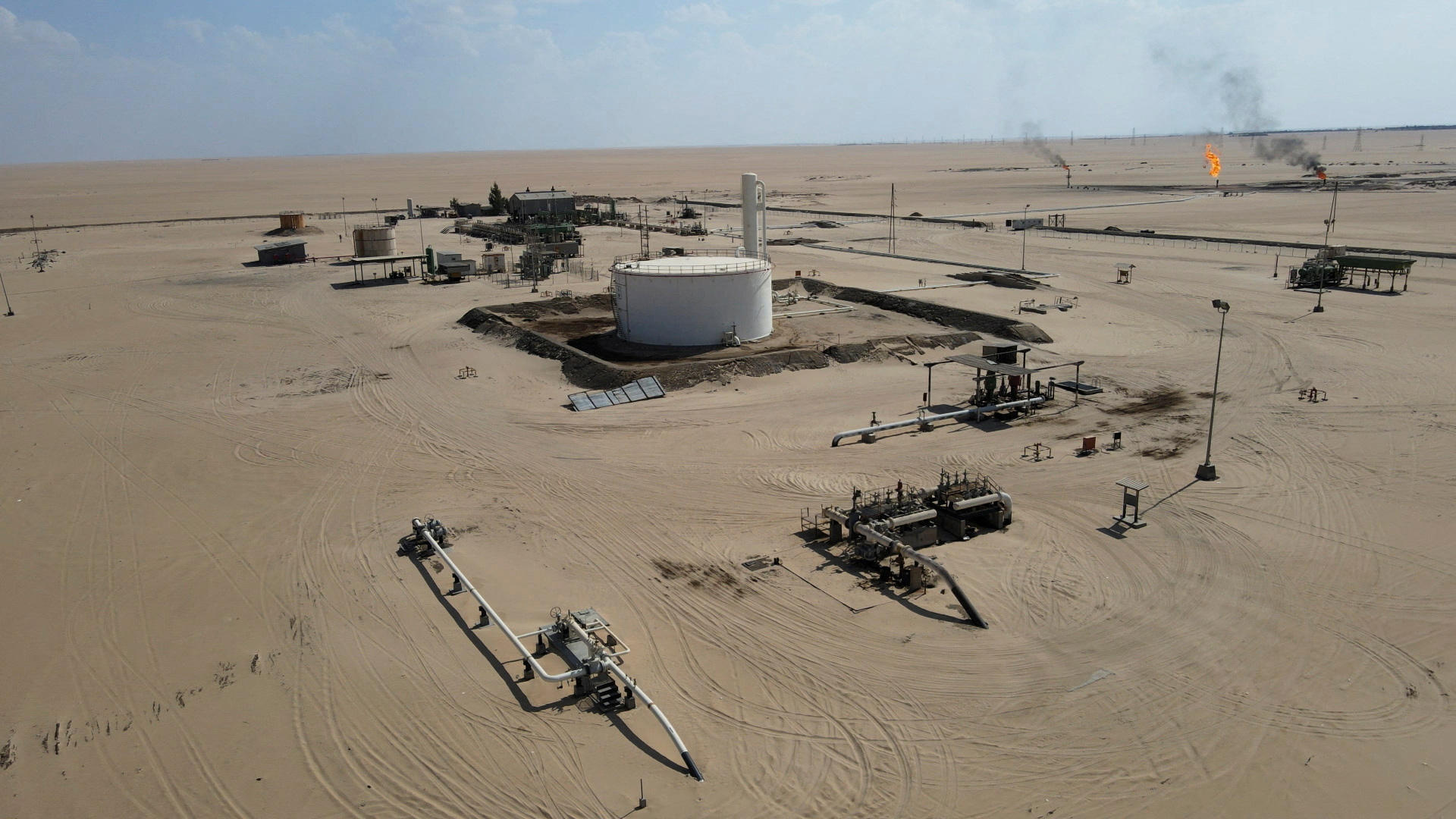
Libya’s National Oil Corporation (NOC) has declared force majeure on operations at the El Sharara oil field, a critical asset in the country’s oil production infrastructure. This decision comes as tensions escalate between various factions within the Libyan government, further complicating the nation’s already turbulent political landscape. El Sharara, one of Libya’s largest oil fields, has been a focal point in the ongoing struggle for control over […]

Advertisements

OPEC’s crude oil production in August plummeted to its lowest level since January, primarily driven by a significant drop in output from Libya. According to a recent survey, Libya’s ongoing conflict and operational disruptions have sharply curtailed its oil production, contributing to the overall decrease in the organization’s output.

The survey, conducted by an industry analysis firm, reveals that OPEC’s total crude oil production averaged approximately 28.3 million barrels per day (bpd) in August. This marks a notable decline from the 29.1 million bpd recorded in July. Libya, a member of OPEC, saw its production fall by about 300,000 bpd to just over 800,000 bpd due to severe disruptions in its oil infrastructure. These disruptions are attributed to ongoing internal conflicts and blockades affecting key oil fields and export terminals.

The decrease in Libya’s output has had a ripple effect on OPEC’s overall production levels. The survey highlights that other OPEC members have maintained relatively stable production levels or have experienced only minor fluctuations. For instance, Saudi Arabia, the organization’s largest producer, and Iraq, the second-largest, have continued their production commitments in line with previous agreements. Saudi Arabia’s output remains close to 10.5 million bpd, while Iraq produces around 4.4 million bpd.

The impact of Libya’s reduced output is compounded by broader market dynamics. Global oil prices have shown volatility, influenced by fluctuating demand and geopolitical uncertainties. The drop in OPEC’s production underscores the challenges facing the organization as it navigates a complex global oil market characterized by varying national interests and economic pressures.

Analysts suggest that the production decline could influence global oil prices, potentially pushing them higher in response to the reduced supply. However, the extent of this impact will depend on several factors, including the pace at which Libya can restore its oil output and the response of other major oil producers outside OPEC.

The situation in Libya has been a critical factor in the organization’s production dynamics. Ongoing conflict and political instability have disrupted the country’s oil industry, which has historically been a significant contributor to OPEC’s total output. Efforts to stabilize the region and restore production are ongoing, but progress remains slow.

Additionally, the survey highlights that non-OPEC countries, including major producers like the United States and Russia, continue to influence global oil supply and demand trends. The production strategies of these countries play a crucial role in shaping the broader oil market, often counterbalancing the fluctuations within OPEC.

The August production data reflects the complexities of managing a global oil supply amid geopolitical uncertainties and market fluctuations. As OPEC seeks to address the challenges posed by Libya’s output and other external factors, the organization will likely continue to adapt its strategies in response to evolving global conditions.

The future outlook for OPEC’s production levels and global oil prices will depend on several factors, including geopolitical developments, market demand, and the effectiveness of stabilization efforts in Libya and other key regions. The ongoing monitoring of these dynamics will be essential for understanding the broader implications for the global oil market and the energy sector as a whole.

SHENZHEN, CHINA – Media OutReach Newswire – 2 September 2024 – The Plan for Comprehensively Deepening Reform and Opening-up of the Qianhai Shenzhen-Hong Kong Modern Service Industry Cooperation Zone (hereinafter referred to as the “Qianhai Plan”) was officially released on September 6, 2021. Over the past three years, the GDP, fixed asset investment, and imports & exports of Qianhai have grown at an average annual rate of […]

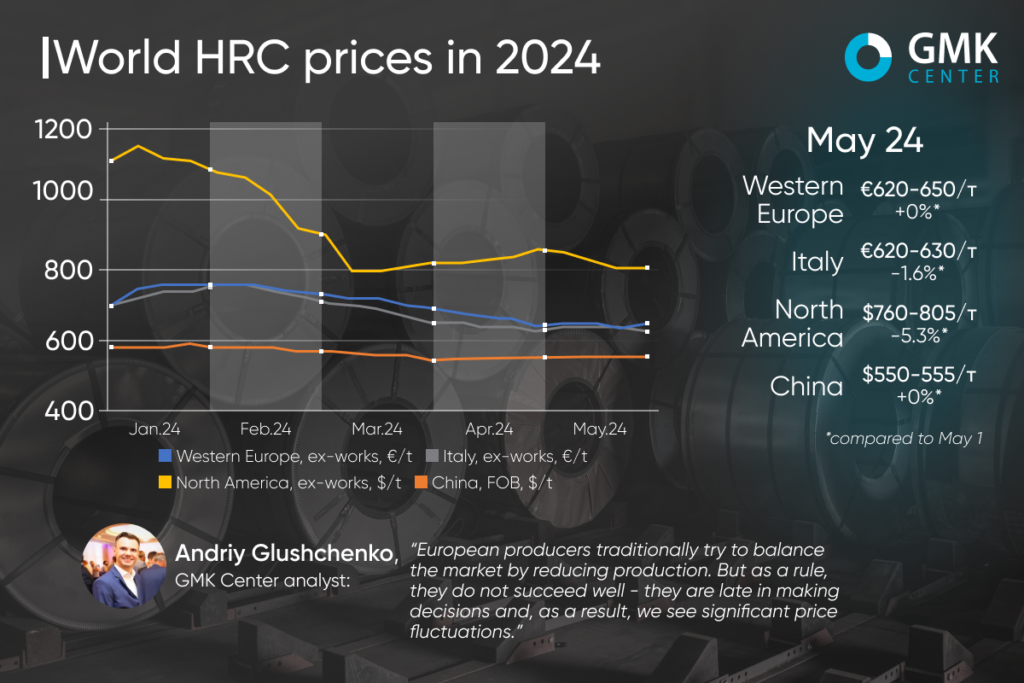
Iron ore prices are projected to maintain stability despite ongoing challenges in China’s steel industry. The steel sector, a major driver of iron ore demand, has faced significant headwinds recently due to declining production and fluctuating market conditions. This downturn has raised concerns about the potential impact on iron ore prices, which have historically been closely tied to the performance of the steel industry.

The steel sector in China, the world’s largest producer and consumer of steel, has encountered a range of issues, including reduced domestic demand, stricter environmental regulations, and economic uncertainties. These factors have led to a decrease in steel production and, consequently, a slowdown in the demand for iron ore. However, despite these challenges, iron ore prices have shown resilience.

Market analysts attribute this stability to several key factors. Firstly, iron ore remains a crucial raw material for steel production, and despite the slowdown, demand has not diminished entirely. China’s commitment to infrastructure projects and construction, although reduced, continues to support a baseline level of demand for steel and, by extension, iron ore. Furthermore, global supply constraints have helped to offset some of the downward pressure on prices. Issues such as logistical disruptions and geopolitical tensions have limited the availability of iron ore from major producing regions, contributing to the price stability.

Additionally, major iron ore producers have adjusted their production strategies to align with current market conditions. Companies in Brazil and Australia, two of the largest iron ore exporters, have implemented measures to manage supply levels and maintain price equilibrium. These adjustments have helped to balance the market and prevent excessive price fluctuations.

Economic indicators also play a role in the outlook for iron ore prices. Despite the slowdown in China’s steel sector, broader economic trends show signs of recovery. Increased investment in infrastructure and technology, coupled with government stimulus measures, could potentially boost steel demand in the future. This anticipated recovery may provide additional support for iron ore prices, as the steel industry begins to rebound.

Investor sentiment and market speculation are other factors influencing iron ore prices. The commodity markets are often driven by investor expectations and perceptions of future trends. As investors remain cautious but optimistic about the global economic recovery, this sentiment can contribute to price stability in the iron ore market.

The overall outlook for iron ore prices remains cautiously optimistic. While the steel sector in China faces significant challenges, the iron ore market has demonstrated resilience due to a combination of supply management, global economic trends, and investor sentiment. As the situation evolves, stakeholders in the iron ore industry will continue to monitor these factors closely to navigate the shifting dynamics of the market.

Oil prices declined on Monday as market participants adjusted their strategies in light of anticipated increases in OPEC+ production starting in October. The price of Brent crude fell to $86.20 per barrel, while West Texas Intermediate (WTI) dropped to $83.10 per barrel, reflecting the market’s response to new supply forecasts and ongoing concerns about global demand. The Organization of the Petroleum Exporting Countries and its allies (OPEC+) […]

As the market frenzy surrounding Nvidia’s meteoric rise and subsequent volatility begins to wane, investors should take a moment to appreciate the broader health of the US stock market. While the chipmaker has captivated headlines with its spectacular gains, fuelled by AI hype, the real story may lie in the solid, albeit less glamorous, performance of the broader market. Recent data suggests that US equities are in […]

By Nantoo Banerjee Democratically elected governments often think their electors are idiots. They may have good reasons to build such a notion as a good number of them don’t deserve to be there in terms of their personal background and characteristic traits. Many of them are booked for even criminal offences. Voters have little choice […]

Elasticsearch and Kibana, prominent tools in the realm of search and analytics, have re-entered the open-source domain, marking a significant shift in their licensing strategy. This move comes after several years of their transition to a more restrictive license model. The change aims to address growing demands from the developer community and the wider open-source ecosystem for greater transparency and accessibility. The decision to revert to open-source […]

ACWA Power has successfully secured $2.6 billion in financing to advance three major solar projects in Saudi Arabia, underscoring the Kingdom’s commitment to expanding its renewable energy portfolio. The projects, expected to significantly boost the country’s solar power capacity, align with Saudi Arabia’s Vision 2030 initiative, which aims to reduce reliance on fossil fuels and increase the share of renewable energy in its energy mix. The deal, […]

Kids deserve a fun and comfy place where they spend significant time of the day. A bedroom designed according to their taste and needs helps their growth and keeps them engaged. A well-designed bedroom gives them a sense of belonging, facilitates learning, and promotes better sleep. Designing Ideas to Make Your Kids’ Bedroom Fun and Comfortable Here are design ideas for your children’s bedroom that are fun […]

Saudi Arabia’s pharmaceutical and medical device manufacturing sectors have witnessed a significant surge, with the total number of factories reaching 206 and investments exceeding SR10 billion ($2.6 billion). This rapid growth underscores the Kingdom’s commitment to expanding its healthcare infrastructure and supporting domestic production.

The Ministry of Industry and Mineral Resources revealed that out of the 206 factories, 56 are dedicated to pharmaceutical production. These pharmaceutical factories, licensed by the Saudi Food and Drug Authority (SFDA), represent investments of over SR7 billion. This expansion aligns with the Kingdom’s Vision 2030, which aims to reduce dependency on imports by bolstering local manufacturing capabilities.

The remaining 150 factories focus on the production of medical devices and equipment. These facilities have been instrumental in meeting the country’s growing healthcare needs, especially as global supply chains faced disruptions over the past few years. The investments in medical devices alone account for SR3 billion, reflecting the strategic importance of this sector in Saudi Arabia’s broader industrial diversification efforts.

A key factor driving this growth is the government’s active support for the private sector through favorable policies and incentives. These include tax exemptions, financial grants, and streamlined licensing processes. The Kingdom has also invested in infrastructure development, creating industrial zones dedicated to pharmaceutical and medical device manufacturing, which provide companies with the necessary resources to scale their operations efficiently.

The rise in local manufacturing is also attributed to the increasing demand for healthcare services in Saudi Arabia, fueled by a growing population and the government’s focus on improving public health. The healthcare sector is one of the fastest-growing segments in the Kingdom, with the government allocating substantial funds in its budget to enhance healthcare facilities, promote research and development, and attract foreign investment.

In addition to meeting domestic demand, Saudi Arabia is positioning itself as a regional hub for pharmaceutical and medical device production. The Kingdom’s strategic location and well-developed logistics network make it an ideal base for exporting products to neighboring countries and beyond. This has attracted interest from international pharmaceutical giants looking to establish a presence in the Middle East.

The local pharmaceutical industry has also benefited from partnerships with global companies, which bring in advanced technologies and expertise. These collaborations have led to the development of new products and the transfer of knowledge, further strengthening the capabilities of Saudi manufacturers. The SFDA has played a crucial role in this regard, ensuring that locally produced pharmaceuticals and medical devices meet international standards, thus enhancing their competitiveness in the global market.

Moreover, the Saudi government has launched several initiatives to support innovation and research in the pharmaceutical and medical device sectors. These include funding programs for startups and small and medium-sized enterprises (SMEs), as well as partnerships with academic institutions to foster research and development. These efforts are aimed at creating a sustainable ecosystem that encourages continuous innovation and contributes to the long-term growth of the industry.

The ongoing expansion in the pharmaceutical and medical device manufacturing sectors is expected to continue, with the government outlining ambitious plans for the coming years. These plans include increasing the number of factories, boosting production capacity, and enhancing the quality of locally produced products. The government’s emphasis on developing these sectors is seen as a crucial step towards achieving self-sufficiency in healthcare and reducing the reliance on imports, thereby ensuring the country’s resilience in the face of global challenges.

Saudi Arabia’s strides in the pharmaceutical and medical device industries reflect its broader economic transformation under Vision 2030. By fostering local manufacturing, the Kingdom is not only enhancing its healthcare capabilities but also contributing to the diversification of its economy, creating jobs, and positioning itself as a key player in the global healthcare market.


India is poised to benefit from an anticipated surge in monsoon rainfall next month, according to the latest weather forecasts. The meteorological department has predicted above-average precipitation for the concluding phase of the June-September monsoon season, offering a significant boost to agricultural productivity. This optimistic forecast comes as a relief to the nation’s farmers who have been grappling with fluctuating weather patterns affecting crop yields. The expected […]

TAIPEI, TAIWAN – Media OutReach Newswire – 29 August 2024 – The Asian Sports and Leisure Online Exhibition 2024 (ASLE 2024) is a hybrid event that integrates virtual and physical elements, targeting Asian suppliers, importers, and exporters. The exhibition will run from August 29, 2024, to January 31, 2025, offering an excellent opportunity for exhibitors to showcase their brands. This transnational trade event, jointly organized by AsianNet […]

A clandestine figure identified as ‘Hector’ has emerged as a pivotal player in the Iranian oil trade, reshaping the global energy landscape. Operating under a veil of secrecy, Hector has orchestrated a complex web of transactions that challenges conventional oil market dynamics.

Hector’s influence extends across various regions, with reports indicating a sophisticated network facilitating the clandestine export of Iranian oil despite international sanctions. This network has reportedly employed innovative methods to bypass restrictions and maintain a steady flow of oil to markets that are otherwise difficult to penetrate.

A recent investigation unveiled that Hector’s operations involve an intricate system of shell companies and intermediaries. These entities, often based in jurisdictions with lax regulatory frameworks, obscure the true origin of the oil, allowing it to enter the global market without direct association with Iranian sources. This method not only aids in evading sanctions but also helps in maintaining competitive pricing, which has disrupted established market equilibrium.

The financial aspects of Hector’s operations are equally sophisticated. The trader has reportedly leveraged advanced financial instruments to launder money, further complicating efforts to track and curb illicit oil transactions. By utilizing cryptocurrency and other digital assets, Hector has managed to obscure financial trails, making it challenging for authorities to follow the money.

Hector’s network reportedly includes a range of actors from various sectors, including shipping companies, financial institutions, and political operatives. These collaborators play crucial roles in ensuring the smooth operation of the illicit trade, from logistics to financial transactions. The involvement of such a diverse group underscores the complexity of Hector’s operations and the breadth of his influence in the global oil market.

The implications of Hector’s activities extend beyond mere economic impacts. The ability to circumvent sanctions and manipulate market dynamics poses a significant challenge to international regulatory efforts. This situation underscores the need for more robust measures to address the evolving methods employed by entities engaged in illicit trade.

Energy analysts are closely monitoring the situation, noting that Hector’s operations could have far-reaching consequences for global oil markets. The disruption of traditional supply chains and the introduction of lower-priced oil from these illicit sources could lead to increased volatility in global oil prices. Moreover, the undermining of sanctions regimes could embolden other actors to pursue similar strategies, further complicating efforts to enforce international regulations.

In response to these developments, international bodies and national governments are ramping up their efforts to identify and dismantle such networks. Enhanced cooperation and intelligence-sharing among nations are seen as crucial steps in combating the sophisticated methods employed by traders like Hector. Additionally, there is a growing emphasis on improving financial transparency and regulatory oversight to close loopholes exploited by such actors.

As the global community grapples with these challenges, Hector’s case highlights the need for a multifaceted approach to addressing illicit trade in critical resources. The evolving tactics of secretive traders and the complexities of their operations demand a coordinated and innovative response from policymakers and enforcement agencies alike.

Through a holistic curriculum, AIA Singapore and Singapore University of Social Sciences seek to nurture next-generation talents and pave the way for sustainable, purposeful careers. SINGAPORE – Media OutReach Newswire – 30 August 2024 – AIA Singapore and Singapore University of Social Sciences (SUSS) today launched Singapore’s first Minor in Insurance Fundamentals as part of a newly signed Memorandum of Understanding (MoU) between both parties. This programme […]

SINGAPORE – Media OutReach Newswire – 31 July 2024 – Babysteps Medical, a house call medical service for children, has announced their expansion to Newton, Singapore. With a physical, brick-and-mortar clinic located in central Singapore, Babysteps Medical aims to provide accessible and efficient medical care to patients unable to schedule a same-day house call visit. The new clinic, which will be called Babysteps & Beyond (Medical & […]

Libya’s ongoing political conflict is jeopardizing its vital oil production, potentially leading to severe disruptions in global supply chains. The strife between rival factions in the country has intensified, raising concerns about the stability of Libya’s oil sector, a crucial component of the global energy market.

The National Oil Corporation (NOC) has reported escalating security threats and operational interruptions at key oil facilities. Production at several major sites, including the Sharara and El Feel fields, has already experienced significant reductions. The disruptions are a direct result of the clashes between the Government of National Unity (GNU) and the House of Representatives (HoR), each backed by different armed groups.

The GNU, based in Tripoli, and the HoR, which controls parts of eastern Libya, have been embroiled in a protracted power struggle. This rivalry has led to a series of blockades and attacks on oil infrastructure, severely impacting the country’s output. The disruption comes at a time when global oil markets are already grappling with volatility due to various geopolitical tensions and economic uncertainties.

Libya’s oil sector, which accounts for approximately 90% of its revenue, has long been a target in the country’s broader conflict. The recent escalation has resulted in reduced exports and financial losses, exacerbating the economic strain on the nation. Analysts warn that prolonged instability could lead to a more prolonged and deep-seated disruption of Libya’s oil exports, affecting global oil prices and supply stability.

International stakeholders, including the United Nations and major oil companies, are closely monitoring the situation. The UN has called for a cessation of hostilities and a return to dialogue to mitigate the impact on oil production. However, the divided political landscape makes it challenging to achieve a consensus or enforce effective measures.

Libya’s oil industry was recovering from years of conflict and mismanagement when the current crisis hit. The industry had seen incremental improvements in production levels and infrastructure upgrades. Yet, the recent conflict threatens to reverse these gains, putting more strain on an already fragile sector.

The uncertainty surrounding Libya’s oil supply has prompted some countries and corporations to seek alternative energy sources or increase their reserves in anticipation of potential shortages. This shift could lead to changes in global energy markets, influencing everything from oil prices to energy policies worldwide.

Efforts to mediate the conflict and stabilize the oil sector have been ongoing, but the entrenched political divisions pose significant obstacles. The situation remains fluid, with potential for further escalation or, conversely, a resolution if diplomatic efforts gain traction.

As the international community watches closely, the immediate concern remains the security of Libya’s oil infrastructure and the broader implications for global energy stability.

Insurance premiums for electric vehicles (EVs) in the United Arab Emirates (UAE) have sharply increased following the heavy rains experienced in April. The severe weather conditions, which led to widespread flooding and property damage, have prompted insurers to reassess their coverage policies for EVs.

The flooding caused extensive damage to infrastructure and homes across the UAE, intensifying concerns about the vulnerability of electric vehicles to water-related damages. As a result, many insurance providers have adjusted their pricing models to reflect the increased risk. Insurers are now imposing higher premiums and more restrictive coverage terms for EVs, reflecting the perceived higher risk of water damage and related issues.

Industry experts attribute this spike in premiums to several factors. Firstly, the cost of repairs for EVs damaged by flooding is often higher compared to conventional vehicles. This is due to the specialized components and advanced technology in electric vehicles, which require more costly repairs or replacements when damaged. Additionally, the increased risk of battery-related issues in flooded conditions has led to greater caution among insurers.

Several insurance companies have become more selective in providing coverage for EVs, with some firms opting to limit their exposure by reducing their coverage options or even discontinuing insurance for certain models. This has led to a challenging environment for EV owners seeking comprehensive insurance coverage.

In response to the rise in premiums and the tightening of coverage options, many EV owners are now exploring alternative insurance providers and considering additional protective measures for their vehicles. Some are opting for specialized flood protection add-ons or investing in aftermarket modifications to enhance their vehicles’ resilience to water damage.

The impact of these changes on the broader EV market in the UAE is yet to be fully determined. However, the increased cost of insurance and limited coverage options are likely to affect consumer confidence and adoption rates for electric vehicles in the region. As the UAE continues to push for greater adoption of electric vehicles as part of its sustainability goals, addressing the insurance challenges will be crucial to maintaining momentum in the EV sector.

Insurance providers are expected to continue evaluating their policies and pricing strategies in light of the evolving risk landscape. The UAE government and industry stakeholders may need to collaborate on developing guidelines and support mechanisms to mitigate the impact of such extreme weather events on both insurance costs and the broader EV market.

VISHNU RAJA
RYO YAMADA
HITORI GOTOH
IKUYO KITA
Just in:
Promoting Common Human Development Through Exchanges and Mutual Learning Among Civilizations // LittleLives, Little Lab and SEGi College Sign MOU to Explore Early Childhood Education Collaboration Across ASEAN // Dar Global unveils $700m Trump development in Qatar // Saudi Arabia schedules multinational top-up tax for 2027 // Russia permits retail cryptocurrency purchases under regulated framework // PayerMax and ShopeePay Strengthen Strategic Partnership to Advance Digital Payment Collaboration in Southeast Asia // Balagopal challenges CM over tax revenue // Toward a Shared Future for Humanity: Rethinking Civilizational Exchange // Anthropic shares finish above offer price after Nasdaq debut // Yeebo Announces Interim Results for FY26/27 Revenue Increases by 45.5% to HK$806.7 Million Profit Attributable to Owners Surges 87.6% to HK$2,284.7 Million // European Commission takes systems offline after AI cyberattack // Phancy Announces Business Performance for the Nine Months Ended September 30, 2026 // Sabarimala booking discrepancies prompt sabotage angle probe // Sui activates Hashi Bitcoin lending across partner network // Technology at Work, Heritage for All: The “Chinese Approach” to Safeguarding the Leshan Giant Buddha // Coinbase targets 2027 launch amid state gambling lawsuits // Dalilk Academy reaches 27 million, targets 100 million by 2030 // Saudi defences destroy three Houthi missiles targeting Riyadh // Jaiedco and Golden Bridge Announce Strategic Collaboration for a New Dubai Islands Development // Crypto market loses $150 billion amid broad sell-off //