News related to
Expo

As the new year approaches and the book on an eventful year in the energy world closes, 2025 looks set to bring more volatility, geopolitical tension and policy evolutions. Elections in almost all major global economies in 2024 have set the stage for a shifting policy landscape next year, most notably in the US, as President-elect Donald Trump outlines his priorities and plans for the incoming administration. […]

By Saifur Rahman The International Monetary Fund (IMF) on Wednesday said, it will grant US$645 million to support Bangladeshi economy, about US$105 million less than the US$750 million sought by Bangladesh Government to overcome current economic challenges. Of this, around US$426 million will be provided under IMF’s Extended Credit Facility (ECF) and Extended Fund Facility (EFF), while US$219 million will be made available under the Resilience and […]

A new direction for digital asset regulation is taking shape as the Trump administration’s Digital Chamber’s Token Alliance discusses key priorities with pro-crypto SEC Commissioners Hester Peirce and Mark Uyeda. The priorities, set forth by the group, aim to dismantle or reconsider several regulations affecting the cryptocurrency and broader digital asset markets.

The alliance presented its day-one agenda, signaling an aggressive stance against existing regulatory frameworks that many in the crypto space consider overly broad or impractical. Central to their agenda is the overhaul of the 2019 framework for analyzing “investment contracts” in digital assets, which the alliance believes unnecessarily expanded the scope of what is considered an investment contract. Critics argue that this move left too much room for uncertainty, complicating the regulatory landscape for crypto assets.

One of the most significant shifts proposed is the reconsideration of amendments to Rule 3b-16, which had sought to expand the definition of “exchange” to include decentralized finance (DeFi) markets. The rule, if enforced, would have placed stricter regulatory requirements on decentralized exchanges, potentially curbing the growth of decentralized finance, a sector that has flourished despite regulatory challenges. The proposal to reconsider this rule reflects a growing consensus that current regulations might not adequately address the unique characteristics of decentralized platforms.

Further scrutiny will also be applied to ongoing legal actions and investigations concerning digital assets. The alliance has urged the SEC to immediately review all ongoing digital-asset-related investigations and Wells Notices. These notices, which are issued as part of enforcement actions, could lead to charges against companies or individuals violating securities laws. The call to halt and reassess these investigations is a direct challenge to the existing enforcement posture of the SEC, particularly under its previous leadership.

A critical aspect of the alliance’s agenda is the withdrawal of proposed Safeguarding Rules, which would have excluded state-chartered banks and trust companies from being considered qualified custodians for digital assets. These rules were seen by many in the industry as an unnecessary barrier, limiting the ability of traditional financial institutions to engage with digital assets. By advocating for the withdrawal of these rules, the alliance aims to ensure that more financial entities can participate in the digital asset ecosystem, helping to provide the infrastructure needed for growth.

The group seeks to rescind SAB 121, a standard that has caused significant friction within the digital asset community. The rule requires custodial entities to hold crypto assets on their balance sheets, creating potential accounting and financial reporting issues for companies holding client assets. The alliance argues that this requirement creates undue burdens on businesses, potentially discouraging them from offering custodial services for digital assets. The SEC’s rescinding of SAB 121 would be a major victory for crypto service providers, many of whom have cited it as a significant obstacle to growth.

The Trump administration’s proposed changes to these regulatory frameworks come at a time when digital assets are becoming an increasingly important part of the global financial landscape. As cryptocurrencies and blockchain technologies continue to gain mainstream acceptance, the need for clear and practical regulations has never been more pressing. However, the challenge remains for regulators to balance innovation with investor protection, ensuring that the digital asset market can thrive without opening the door to greater risks of fraud, manipulation, or financial instability.

Key figures in the industry are closely watching the evolving regulatory landscape. While the proposals to revisit the 2019 framework and rescind several key rules have been welcomed by many in the crypto space, the shift in regulatory policy is not without controversy. Some argue that loosening regulations too quickly could expose investors to greater risks. Others are concerned that too much regulation could stifle innovation and drive blockchain projects away from the U.S., especially as other countries such as the European Union are moving ahead with their own regulatory frameworks.

The debate surrounding the future of digital asset regulation highlights the growing importance of cryptocurrency in the global economy. Whether the Trump administration’s regulatory overhaul will have long-term positive effects on the industry remains to be seen, but it signals a willingness to reconsider outdated regulations that may not align with the evolving digital economy. What is clear is that the push for deregulation could reshape the way digital assets are viewed by both regulators and the broader public, offering new opportunities for growth and development in the sector.

As the regulatory environment continues to shift, stakeholders in the digital asset space are preparing for potential changes. Advocacy groups, blockchain companies, and financial institutions are aligning their strategies to take advantage of a regulatory landscape that may be more accommodating to innovation. However, this also brings a renewed focus on the need for clarity, as businesses seek to navigate the complex and often contradictory world of cryptocurrency regulation.

KUALA LUMPUR, MALAYSIA – Media OutReach Newswire – 19 December 2024 – With Bitcoin going through the roof in 2024 and the entire crypto market showing substantial growth, retail investors’ interest in this asset class also peaked. But how best to profit from the changes occurring in the crypto market and what avenues of investment to choose? The experts at Octa, a broker with globally recognised licences, […]

Homegrown tech companies sprawling influence and scouting international opportunities while offering a glimpse into the next steps of Global Booster HONG KONG SAR – Media OutReach Newswire – 18 December 2024 – Hong Kong Science and Technology Parks Corporation (HKSTP), in serial to the Innovation Mixer initiative and in parallel to the preparation of the second cohort of the Global Booster Programme: United States 2025, is set […]

Databricks, a leading global player in data and artificial intelligence (AI), has raised $10 billion in its Series J funding round, positioning itself for accelerated growth and further innovation in the AI space. This new investment brings the company’s valuation to $62 billion, reinforcing its stature as a key player in the AI and big data sectors.

The Series J round has been spearheaded by Thrive Capital, a prominent venture capital firm known for its investments in tech-driven businesses. With this substantial financial backing, Databricks plans to expand its capabilities in AI-driven data analytics, particularly focusing on enhancing its cloud-based offerings and building on its foundational AI tools.

Since its inception, Databricks has made significant strides in providing integrated solutions for data engineers, data scientists, and business analysts. The company’s unified platform leverages the power of AI to assist organizations in unlocking insights from vast amounts of data. Its tools are designed to help companies make data-driven decisions faster and more efficiently.

The raised funds will not only accelerate Databricks’ research and development efforts but also extend its reach into new markets and industries. As the demand for AI and machine learning solutions continues to grow, Databricks is positioning itself to meet these needs with advanced tools designed to optimize business operations. This strategic move is in line with the increasing reliance on AI in various sectors, from healthcare to finance, and from technology to government services.

With its cloud-based platform, Databricks provides a comprehensive suite of solutions that enables businesses to manage their data at scale while employing machine learning and AI to generate actionable insights. One of its flagship offerings, the Lakehouse platform, integrates data lakes and data warehouses into a unified architecture, allowing for seamless access to data and analytics. This innovation has been crucial in establishing Databricks as a leader in the AI-driven data analytics space.

Over the years, Databricks has forged partnerships with several high-profile companies, expanding its influence and reinforcing its role as a leading force in the global AI landscape. This includes collaborations with major cloud providers, such as Microsoft Azure and Amazon Web Services, which have helped Databricks increase its customer base across industries. These strategic partnerships have also enabled Databricks to enhance the scalability and security of its platform, ensuring that it meets the evolving needs of enterprise clients.

As part of its future growth strategy, Databricks has also been heavily investing in talent acquisition, ensuring that it remains at the forefront of AI development. The company has been actively recruiting top AI researchers, data scientists, and software engineers, fostering a culture of innovation that drives its product development. By attracting talent from prestigious institutions and technology companies, Databricks aims to continue leading the charge in AI advancements and bring even more innovative solutions to market.

The Series J funding round follows a series of successful fundraising efforts by the company, which has already raised $8.6 billion through previous investment rounds. The additional $10 billion is expected to be primarily non-dilutive, meaning it will not significantly impact the ownership structure of the company, preserving the value for existing shareholders while enabling Databricks to scale without compromising control.

Databricks’ impressive valuation is a testament to the growing demand for AI and machine learning solutions. The company’s platform continues to attract interest from large enterprises seeking to leverage AI to gain a competitive edge in their respective industries. Furthermore, as more businesses transition to cloud computing, Databricks is poised to capitalize on the increasing adoption of AI-powered cloud solutions.

The company’s expansion plans are also aligned with the growing importance of AI in shaping the future of technology. Industries such as healthcare are increasingly turning to AI to enhance diagnostics, improve patient outcomes, and streamline operations. Likewise, financial services firms are leveraging AI to gain insights into market trends, detect fraud, and improve customer service. As these industries continue to adopt AI-driven solutions, Databricks is well-positioned to support them with its cutting-edge platform.

This funding milestone also comes at a time when venture capital investment in the AI sector is seeing exponential growth. As the potential of artificial intelligence becomes more apparent, investors are increasingly focused on backing companies that are at the forefront of AI research and development. Databricks’ ability to attract such significant investment highlights its role as a key player in this rapidly growing market.

While the company is focusing on expanding its AI capabilities, it is also placing emphasis on ensuring that its technology is accessible to businesses of all sizes. By offering a robust, scalable platform, Databricks allows organizations, from startups to global enterprises, to tap into the potential of AI without needing to develop their own complex infrastructure. This democratization of AI technology is a key component of Databricks’ long-term vision for the industry.

China has implemented an export ban on essential high-tech goods, marking a significant shift in the global semiconductor industry. The move, which targets critical technologies such as advanced chips, comes as a direct response to the United States’ increasing restrictions on Chinese access to semiconductor technology. This escalating tension between the two countries is threatening to disrupt an already fragile global supply chain, where China plays a […]

Advertisements

Arelion has introduced a new Gulf Coast route aimed at bolstering its North American network, enhancing connectivity between major hubs. The route, connecting Houston, Texas, to Jacksonville, Florida, will traverse key cities along the Gulf Coast, including Slidell, Louisiana, and Mobile, Alabama, marking a significant expansion of the company’s infrastructure in the U.S. The launch reflects Arelion’s commitment to providing more diverse, efficient, and reliable network services […]

Ohio Congressman Derek Merrin has introduced the Ohio Bitcoin Reserve Act, a proposal aimed at establishing a state treasury-held Bitcoin fund. The bill seeks to grant the Ohio state treasury the flexibility to invest in Bitcoin, positioning the state as a potential leader in cryptocurrency adoption among U.S. states. This initiative allows the treasury to manage Bitcoin holdings without mandating participation from state funds or requiring active involvement from residents.

The bill, which comes at a time when the cryptocurrency market has gained increased attention, offers Ohio a strategic path forward in embracing digital assets. The proposed fund would be managed by the state treasury, with the discretion to allocate resources into Bitcoin as part of its broader investment strategy. Unlike other state-level cryptocurrency initiatives, the bill does not impose any compulsory investment requirement, allowing Ohio’s officials the autonomy to determine how and when Bitcoin would be integrated into state finances.

Supporters of the bill argue that it provides an opportunity for Ohio to position itself as a leader in the expanding cryptocurrency market. By creating a legal framework for Bitcoin investment, the state could attract cryptocurrency businesses and innovation. Bitcoin’s increasing acceptance as a digital asset could offer Ohio a chance to diversify its state assets and leverage the growing popularity of decentralized finance.

Ohio has been no stranger to cryptocurrency initiatives. In 2018, the state became one of the first to allow businesses to pay taxes using Bitcoin, a move that was hailed as a groundbreaking step in bridging the gap between traditional finance and cryptocurrency. The Ohio Bitcoin Reserve Act builds on this history by exploring deeper integration of digital currencies into state financial management.

The Bitcoin market has demonstrated significant growth in recent years, making it an attractive asset for various institutional investors, including pension funds and sovereign wealth funds. The volatility of Bitcoin, however, raises questions about its suitability for long-term investment strategies, particularly for state treasuries tasked with maintaining fiscal stability. Critics of the proposal argue that the state should exercise caution before delving into an asset class known for its price fluctuations.

Despite these concerns, proponents of the bill argue that Ohio’s entry into the Bitcoin market could enhance the state’s investment portfolio and promote further innovation. They suggest that by allocating a portion of state funds into Bitcoin, Ohio could gain exposure to a rapidly evolving asset class, which could potentially yield significant returns over time.

The proposed legislation highlights a broader trend of states exploring the integration of cryptocurrencies into public finance. Some states have implemented blockchain-related laws to foster a regulatory framework conducive to cryptocurrency and digital asset businesses. Others are exploring whether Bitcoin and other cryptocurrencies can be used to offset debts or fund state projects. This reflects a growing trend of states seeking to diversify their investment strategies beyond traditional markets, particularly as the volatility of traditional assets and inflationary pressures continue to challenge state budgets.

However, the idea of holding Bitcoin in state treasuries raises several questions regarding regulation and governance. Bitcoin’s decentralized nature, coupled with its price volatility, presents challenges for public sector officials who must consider long-term fiscal sustainability. To address these concerns, advocates of the Ohio Bitcoin Reserve Act argue for a careful and measured approach, with clear guidelines on the allocation of funds and risk management strategies.

The bill also reflects broader national and global trends in the evolving cryptocurrency landscape. As digital currencies gain more mainstream attention, questions of regulation, taxation, and legal frameworks become increasingly pressing for governments around the world. The United States, in particular, has witnessed a range of approaches to cryptocurrency regulation, from stricter oversight to more open-minded exploration of how these digital assets can integrate into financial systems.

Ohio’s move is not entirely without precedent. Other states, such as Wyoming and Texas, have made significant strides in creating favorable environments for cryptocurrency innovation. Wyoming, for instance, has passed several blockchain-friendly laws aimed at attracting crypto companies, while Texas has positioned itself as a hub for Bitcoin mining. Ohio’s proposal takes a more hands-on approach by seeking to directly invest state funds into Bitcoin, which sets it apart from these other states that focus on regulatory support rather than direct financial involvement.

While Ohio’s proposal is still in its early stages, it has garnered considerable attention from both supporters and detractors. For its proponents, the potential benefits are clear: exposure to an emerging asset class, a chance to diversify the state’s investment portfolio, and an opportunity to attract cryptocurrency-driven businesses. Critics, however, question whether the state treasury should be exposed to the risks inherent in Bitcoin’s price fluctuations and whether this move could distract from other, more pressing fiscal priorities.

The United Arab Emirates has unveiled a pioneering system enabling tourists to obtain Value Added Tax (VAT) refunds on e-commerce purchases made during their stay. This initiative, launched by the Federal Tax Authority (FTA) in collaboration with Planet, the authorized operator of the VAT refund scheme, aims to enhance the UAE’s appeal as a premier destination for both tourism and online shopping. Under this new system, tourists […]

Kazakhstan is proceeding with its plan to boost oil production in 2025, despite the Organization of the Petroleum Exporting Countries Plus (OPEC+) extending output cuts to stabilize global oil markets. Prime Minister Olzhas Bektenov directed the Energy Ministry to “intensify efforts to increase natural gas and oil output,” emphasizing the government’s commitment to achieving the planned production levels. In August, Kazakhstan announced a target of producing 97.2 […]

The Middle East’s mergers and acquisitions (M&A) landscape has demonstrated remarkable resilience and growth in the first half of 2024, with total deal values reaching $49.2 billion across 321 transactions. This performance contrasts sharply with the global M&A market, which has experienced a downturn during the same period. A significant portion of this activity is attributed to sovereign wealth funds (SWFs) and government-related entities (GREs) in the […]

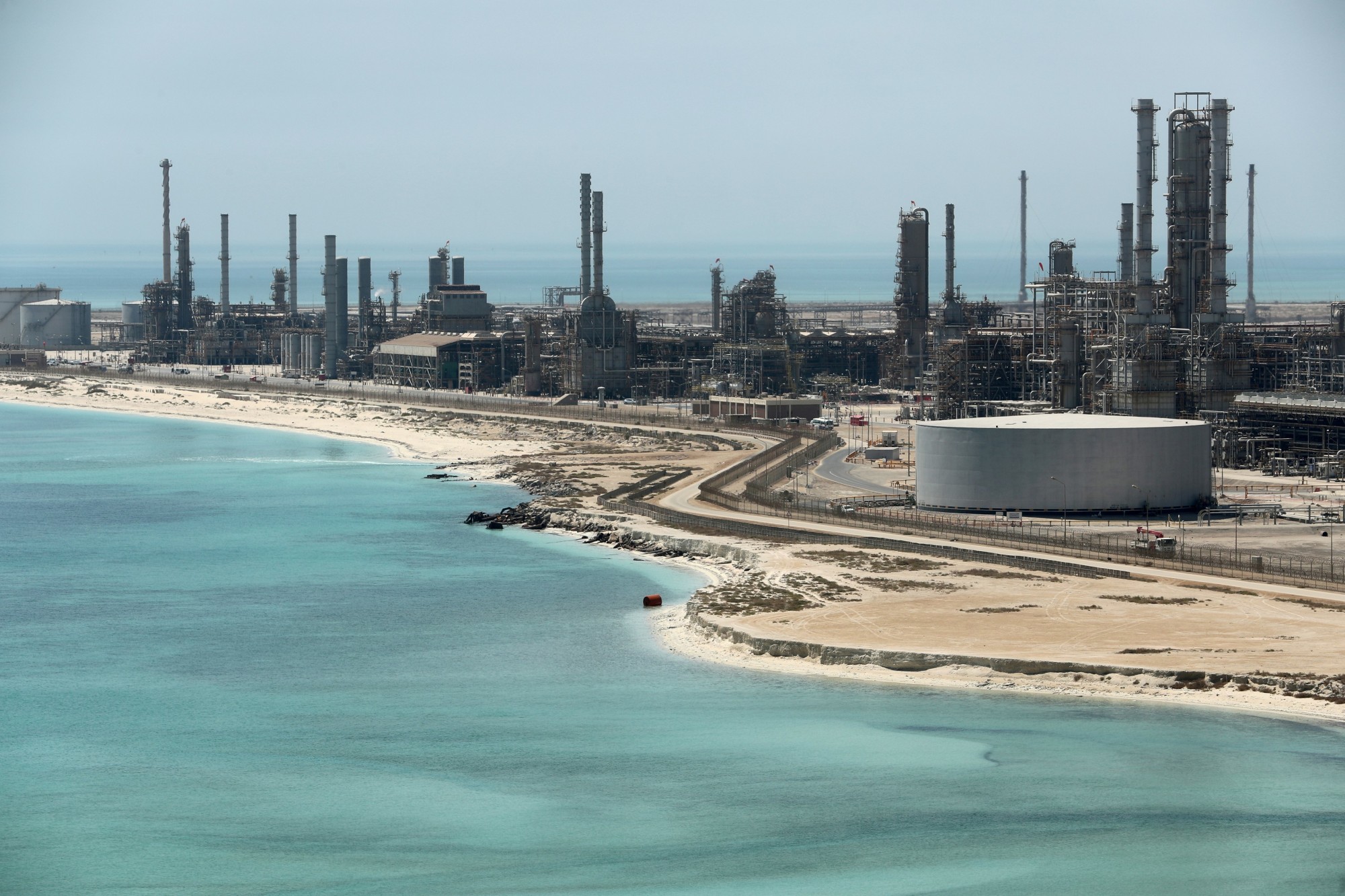
Crude oil markets across the Middle East have become increasingly constrained as the United Arab Emirates (UAE) takes steps to limit its oil exports, while international sanctions continue to affect flows from Iran. These combined actions have contributed to a tightening of global oil supplies, pushing prices higher for key Middle Eastern grades.

The UAE, one of the world’s top oil producers, has recently implemented measures to limit its output, joining other OPEC+ members in their efforts to stabilize oil markets amid fluctuating demand and economic uncertainty. This move is part of a broader strategy by the UAE to control production levels more closely, ensuring that the global supply remains in balance with the demand.

Meanwhile, the ongoing sanctions on Iran have added another layer of complexity to the Middle Eastern oil landscape. Despite some efforts to revive the nuclear deal, Tehran continues to face restrictions that prevent it from fully participating in the global oil trade. As a result, Iran’s oil exports have been significantly curtailed, with the country struggling to bypass restrictions designed to limit its oil revenues. This has further squeezed the market and contributed to higher prices for several crude grades.

The tightening of the market has had a noticeable impact on prices. For example, the price of Dubai crude, a key benchmark for Middle Eastern oil, has seen a substantial increase, reflecting the reduced availability of supply. The price uptick is particularly significant for countries in Asia, where Middle Eastern crude is a primary source of oil. The sharp rise in prices has prompted concerns among buyers about the sustainability of the situation, especially as global energy demand continues to grow.

Oil prices in the Middle East have also been influenced by broader geopolitical and economic trends. As countries like China and India recover from the pandemic and resume higher levels of industrial activity, their demand for crude oil has surged. This demand has been further amplified by supply restrictions in other regions, notably from Russia and Venezuela, where political and economic challenges have hampered production. These dynamics have intensified the pressure on Middle Eastern producers to ensure they can meet the global demand while managing the ongoing challenges posed by sanctions and production cuts.

The UAE’s decision to limit its oil exports aligns with broader efforts within the Organization of the Petroleum Exporting Countries (OPEC+) to curb production in response to shifting market conditions. OPEC+ has long been at the forefront of managing global oil output to prevent significant price fluctuations that could destabilize the market. However, the ongoing cuts, which have been in place for much of 2024, are a delicate balancing act. If production levels are reduced too much, they risk pushing prices too high, which could spark inflationary pressures around the world.

This delicate balance is evident in the price movements of several key crude grades. Brent crude, the global benchmark, has risen steadily, driven by supply concerns from key oil-producing regions, including the Middle East. Similarly, West Texas Intermediate (WTI) has seen price increases, partly due to concerns about the tight supply from OPEC+ nations.

Sanctions on Iran continue to play a significant role in these price shifts. Despite some efforts by Tehran to circumvent sanctions by selling oil on the black market, international restrictions remain in place, making it difficult for the country to regain its former market share. Iran’s oil exports, which once accounted for a substantial portion of global supply, have dropped significantly since the US re-imposed sanctions after exiting the nuclear deal. While there have been sporadic efforts to negotiate a return to the deal, these have so far yielded little in terms of significant policy changes or sanctions relief.

For the oil markets, these combined challenges—UAE production cuts and Iranian sanctions—represent a dual pressure point that is expected to persist throughout 2024. Experts warn that the global oil market will continue to face volatility as geopolitical uncertainties, economic growth trajectories, and supply disruptions intertwine.

While the UAE’s actions are likely to continue to drive the market dynamics in the short term, the long-term outlook for the region’s oil supply remains uncertain. The UAE, along with other key players like Saudi Arabia, will need to carefully navigate the challenges of balancing global demand with domestic energy strategies. In particular, the UAE’s push to manage its oil output more closely may have significant implications for global oil prices, especially if other members of OPEC+ follow suit.

Arab nations have ramped up their recruitment of migrant workers, capitalizing on the global surge in demand for labour across various sectors. As economic recovery accelerates worldwide, these countries are seeing an influx of foreign workers filling key roles in industries such as construction, hospitality, healthcare, and retail. The trend has intensified due to the increasing need for skilled and semi-skilled labour, particularly in the wake of the COVID-19 pandemic, which had earlier disrupted migration flows.

This growing demand for foreign labour in the Gulf states, such as the United Arab Emirates (UAE), Saudi Arabia, Qatar, and Kuwait, reflects a broader global phenomenon where labour shortages are pushing countries to adopt more flexible immigration policies. These nations have long relied on migrant workers to fuel their economies, but the scale and scope of the current influx are higher than before, driven by ambitious infrastructure projects, the rapid expansion of new industries, and a burgeoning consumer market.

The demand for migrant workers is particularly high in the construction sector. With large-scale projects such as the World Expo 2020 in Dubai and the 2022 FIFA World Cup infrastructure projects in Qatar, Arab nations have become magnets for workers from countries like India, Bangladesh, Pakistan, and the Philippines. In these countries, millions of people are seeking better opportunities abroad, often choosing the Gulf region for its proximity, relatively higher wages, and work availability. The UAE, for instance, has seen an increase in foreign labour as it continues to diversify its economy, moving away from oil dependency and investing in tourism, real estate, and technology.

In response, governments in the Gulf have streamlined visa processes, introduced new work schemes, and made significant changes to labour laws in an attempt to better manage the growing migrant population. The Saudi government, for example, has rolled out its Vision 2030 initiative, which includes large-scale projects requiring substantial foreign manpower, while also pushing for reforms to ensure fairer treatment of migrant workers.

Despite these efforts to regulate and manage the migrant workforce, challenges remain. Migrant workers often face difficult working conditions, including long hours and low wages, especially in the construction and service industries. Human rights organizations have regularly highlighted concerns over worker exploitation, inadequate living conditions, and restrictions on freedom of movement. These concerns have prompted some governments to introduce reforms aimed at improving the welfare of migrant workers, including enhancing housing standards and addressing unpaid wages.

The COVID-19 pandemic also played a significant role in reshaping migration trends within the Arab states. During the height of the pandemic, strict lockdown measures and border closures disrupted the flow of migrant workers. However, as vaccination efforts gained ground and restrictions eased, there was a swift rebound in the demand for foreign workers. This led to a rapid recovery in the number of migrant workers coming to the Gulf region, particularly for roles in healthcare, where there has been a significant push to employ foreign doctors and nurses to cope with the demand created by the pandemic.

Qatar’s shift towards a more comprehensive legal framework for migrant workers, which includes a minimum wage law and abolishment of the kafala system, reflects a growing recognition of the need to balance economic growth with fair labour standards. However, critics argue that the changes, while significant, may not go far enough to ensure the complete protection of migrant workers’ rights. Moreover, the influx of migrant workers can sometimes put a strain on social services and infrastructure, leading to concerns over housing shortages and rising costs in certain urban areas.

While the recruitment of migrant workers is essential for the continued economic growth of the region, it has sparked debate about the long-term sustainability of such a workforce model. Some experts have pointed out that reliance on migrant labour, without sufficient investment in the local workforce or a focus on upskilling nationals, could lead to social inequalities. Additionally, the ongoing geopolitical situation and economic shifts could affect the stability of migration flows, leading to a need for more robust policies to ensure both the welfare of workers and the long-term economic health of the region.

The growing migrant workforce also reflects a significant demographic shift in these countries. The UAE, for example, has a population where expatriates outnumber nationals, with migrants forming the backbone of the economy. This demographic imbalance raises questions about the long-term social and political implications, particularly as migrant workers often face difficulties in achieving permanent residency or citizenship. Some Gulf states have introduced policies that provide greater rights to long-term residents, but these changes have been incremental.

At the same time, the rise of technology and automation in sectors such as manufacturing and logistics could alter the demand for migrant workers in the coming years. As automation takes over certain low-skilled jobs, it is likely that there will be a shift towards a more skilled migrant workforce. Countries like Saudi Arabia and the UAE are already focusing on training their workforce to meet the demands of new technologies, which could reduce their reliance on foreign workers in the long run.


KUALA LUMPUR, MALAYSIA – Media OutReach Newswire – 18 December 2024 – 2024 has been a year of contradictory events, significant economic changes, and major political shifts. On a positive note, it was the year when global central banks finally managed to tackle inflation, partly induced by the negative and far-reaching effects of the COVID pandemic and partly by the more recent geopolitical events. After holding borrowing […]

The rise of Bitcoin exchange-traded funds (ETFs) has seen a notable milestone, with Bitcoin ETFs now surpassing gold ETFs in assets under management (AUM). This shift represents a significant turning point in the financial landscape, signaling growing investor confidence in digital assets despite gold’s long-established dominance as a safe haven investment.

Bitcoin ETFs, which first launched in 2021, have rapidly gained traction among institutional and retail investors alike. As of December 2024, Bitcoin ETFs in the United States have amassed over $40 billion in AUM, outpacing gold ETFs which currently hold around $38 billion. The accelerated growth of Bitcoin ETFs has prompted discussions regarding the evolving role of cryptocurrency in traditional investment portfolios and its potential to replace or complement gold as a store of value.

This change comes despite the fact that gold ETFs have been available for over two decades, providing investors with a simple, liquid, and low-cost way to gain exposure to the price of gold without physically owning the metal. Gold has historically been viewed as a stable investment, especially during periods of economic uncertainty, inflation, or geopolitical unrest. Bitcoin, on the other hand, has only been in existence since 2009 and has gained significant attention in recent years as an alternative asset class.

Several factors contribute to the growing appeal of Bitcoin ETFs. One of the key drivers has been the institutionalization of the cryptocurrency market. Large financial institutions, including BlackRock, Fidelity, and others, have entered the Bitcoin ETF space, bringing credibility to the market and attracting new investors. Additionally, the growing acceptance of Bitcoin as a legitimate asset class by regulators and financial authorities has alleviated concerns regarding its volatility and security risks.

In particular, the launch of Bitcoin ETFs backed by Bitcoin futures has helped to fuel the growth of the sector. These ETFs offer exposure to Bitcoin’s price movements without the need for investors to directly hold or store the cryptocurrency. By offering a regulated investment vehicle, these funds provide investors with the potential for Bitcoin’s upside without the complexities of self-custody and security issues associated with owning the cryptocurrency directly.

The rise of Bitcoin ETFs also reflects a broader shift in investor sentiment, particularly among younger investors who are more comfortable with technology and digital assets. Many millennials and Gen Z investors, who have grown up in an era of digital finance and cryptocurrency, view Bitcoin not only as a speculative investment but also as a hedge against traditional financial system risks. They often see Bitcoin as a “digital gold,” capable of offering similar benefits as gold, such as inflation protection, but with greater potential for upside in the long run.

Meanwhile, gold ETFs are showing signs of stagnation, with inflows into these products slowing as interest in alternative assets like Bitcoin continues to grow. While gold still holds its position as a primary hedge against inflation and economic instability, the digital asset class, led by Bitcoin, is capturing a larger portion of the market share. The price volatility of Bitcoin, which was once considered a major drawback, is now seen by many as an opportunity for higher returns, making it a more attractive option for risk-tolerant investors.

Another factor contributing to the growth of Bitcoin ETFs is the increasing interest in decentralized finance (DeFi) and blockchain technologies. As the blockchain ecosystem expands, more investors are recognizing the potential for Bitcoin and other cryptocurrencies to disrupt traditional financial systems. The transparency, security, and accessibility offered by blockchain technology make it a compelling alternative to conventional banking and financial services, leading more investors to explore Bitcoin as part of a diversified portfolio.

Despite its growing popularity, Bitcoin remains a volatile asset, subject to large price swings. While Bitcoin’s AUM has surpassed that of gold ETFs, it is important to note that Bitcoin’s value is still largely driven by speculation, regulatory developments, and market sentiment. Unlike gold, which has a long history of stability, Bitcoin’s future remains uncertain, with potential regulatory changes and market fluctuations posing risks for investors.

Nevertheless, Bitcoin’s ascent in AUM marks a significant shift in the investment landscape, reflecting growing acceptance of cryptocurrencies as a legitimate asset class. The race between Bitcoin and gold is far from over, and it remains to be seen whether Bitcoin can maintain its lead over gold in the long term or if the precious metal will once again take the upper hand.

As Bitcoin ETFs continue to grow in popularity, financial advisors and wealth managers will need to adjust their strategies to accommodate this shift. The inclusion of Bitcoin in traditional investment portfolios presents both opportunities and challenges, requiring investors to carefully consider their risk tolerance and long-term financial goals.

A European Member of Parliament has called for the establishment of a “Strategic Bitcoin Reserve” within the European Union, aiming to position the region as a leader in the global cryptocurrency market. The proposal, made during a speech in the European Parliament, advocates for the EU to take a more active role in the adoption and regulation of Bitcoin, highlighting the potential economic and geopolitical benefits.

The lawmaker’s speech focused on the role of Bitcoin as a reserve asset, similar to gold, with the potential to safeguard Europe’s financial stability amid global economic uncertainty. By creating a reserve, the European Union could enhance its financial sovereignty and reduce reliance on traditional financial systems, particularly in the face of growing interest in digital currencies worldwide. The proposal is seen as a direct challenge to conventional financial policies and aligns with the growing push for central bank digital currencies (CBDCs) across the globe.

Bitcoin, often referred to as “digital gold,” has garnered increasing attention from institutional investors and governments alike, with countries such as El Salvador adopting it as legal tender. The European MP emphasized that Bitcoin’s decentralized nature makes it an ideal asset for hedging against inflation and economic volatility, particularly given the global financial system’s reliance on central banks and fiat currencies. He suggested that the EU, with its strong economic foundation, should embrace Bitcoin as a way to secure its future financial interests.

The call for a Strategic Bitcoin Reserve also touches on broader geopolitical implications. As the United States and China continue to assert dominance in the global economic landscape, the MP pointed out that Europe risks losing its competitive edge by failing to integrate digital assets like Bitcoin into its strategic financial planning. By creating a reserve, the EU could not only protect its financial interests but also position itself as a global leader in the blockchain and cryptocurrency industries.

However, the proposal is not without its critics. Some members of the European Parliament have expressed concerns about the volatility of Bitcoin, which could pose significant risks if the EU were to invest heavily in the cryptocurrency. Bitcoin’s price fluctuations have been well-documented, with the asset experiencing dramatic rises and falls over the years. Critics argue that placing too much faith in Bitcoin could expose the EU to unnecessary financial instability, particularly given the unpredictable nature of the cryptocurrency market.

The EU’s regulatory stance on Bitcoin and cryptocurrencies remains a subject of debate. While some countries, such as Germany, have embraced the use of Bitcoin and other digital assets, others remain wary, with concerns about security, money laundering, and financial crime. The European Central Bank (ECB) has consistently warned about the risks associated with cryptocurrencies, particularly in relation to their use as an alternative to traditional financial systems.

Despite these concerns, the growing interest in Bitcoin as a hedge against inflation has spurred a wave of interest among policymakers. Several EU member states are exploring ways to integrate blockchain technology and cryptocurrencies into their financial systems. For example, France has launched its own regulatory framework for cryptocurrency exchanges, and Estonia has been a pioneer in blockchain adoption for government services. The MP’s proposal for a Strategic Bitcoin Reserve is likely to ignite further debate on how the EU should position itself in the evolving digital economy.

Another important aspect of the proposal is the potential for the EU to influence the global regulatory landscape for cryptocurrencies. As one of the world’s largest economic blocs, the EU has the power to shape global financial regulations. By taking a proactive approach to Bitcoin, the EU could set standards for the cryptocurrency industry, ensuring greater stability and transparency in the market. This could provide a model for other countries and regions to follow, creating a more structured environment for digital asset adoption.

The concept of a Strategic Bitcoin Reserve also ties into the EU’s broader goals of enhancing its digital infrastructure and fostering innovation. The European Commission has been actively promoting the development of digital technologies, including blockchain, as part of its Digital Strategy for 2030. By integrating Bitcoin into its long-term financial strategy, the EU could further its ambitions of becoming a global hub for digital innovation.

Despite the controversy surrounding Bitcoin’s volatility, advocates for the Strategic Bitcoin Reserve argue that it represents a forward-thinking approach to financial stability. By diversifying its reserves and incorporating digital assets into its portfolio, the EU could mitigate the risks associated with relying solely on traditional currencies and assets like gold. This approach could offer a more resilient foundation for the EU’s economy in an increasingly uncertain global financial environment.

BANGKOK, THAILAND – Media OutReach Newswire – 17 December 2024 – SCG International has proudly launched Siam Signature, a premium Thai food and beverage brand, at Tamimi Markets – An Nuzhah. This introduction heralds a new era of authentic Thai flavors available in the Saudi market. Premium Products of Siam Signature: Doi Kham: A sustainable brand initiated by Thai royalty, renowned for its exceptional quality. Thai Aree: […]

Jollibee Group’s flagship brand solidifies position as one of the top restaurant chains in Vietnam HO CHI MINH CITY, VIETNAM – Media OutReach Newswire – 17 December 2024 – The Jollibee Group, one of the largest and fastest-growing restaurant companies in the world, marks a significant milestone with the grand opening of its 200th Jollibee store in Vietnam. This achievement underscores the company’s success in market penetration […]

Saudi Global Ports Co., a state-backed entity, has engaged Goldman Sachs Group Inc. and HSBC Holdings Plc to assist in arranging a potential initial public offering (IPO) that could raise up to $1 billion. The IPO is anticipated to take place as early as next year, according to sources familiar with the matter.

The company, owned by Saudi Arabia’s sovereign wealth fund and Singapore’s PSA International Pte, is considering listing on the Riyadh stock exchange. This move aligns with Saudi Arabia’s broader strategy to diversify its economy and attract international investment.

Saudi Global Ports Co. operates several key ports in the kingdom, including the King Abdulaziz Port in Dammam and the King Fahad Industrial Port in Yanbu. These ports are vital to the nation’s trade infrastructure, handling a significant portion of Saudi Arabia’s imports and exports.

The potential IPO is part of a series of privatizations and public offerings initiated by the Saudi government to reduce its reliance on oil revenues and stimulate the non-oil economy. The Public Investment Fund (PIF), which owns Saudi Global Ports Co., has been instrumental in these efforts, investing in various sectors such as technology, entertainment, and infrastructure.

The selection of Goldman Sachs and HSBC underscores the importance of the IPO and the government’s commitment to ensuring its success. Both banks have extensive experience in managing large-scale IPOs and have been involved in several high-profile offerings in the region.

The planned IPO is expected to attract significant interest from both domestic and international investors, given the strategic importance of the ports and the government’s push for economic diversification. The funds raised from the offering are intended to support the expansion and modernization of port facilities, enhancing Saudi Arabia’s position as a global logistics hub.

While the exact timing and valuation of the IPO are yet to be determined, the involvement of leading financial institutions indicates a well-prepared approach to the offering. The success of this IPO could set a precedent for future privatizations and public offerings in Saudi Arabia, potentially influencing the broader Middle East and North Africa (MENA) region’s capital markets.

US investors are closely watching the performance of the Gulf Cooperation Council (GCC) countries, with expectations that they will soon surpass Latin America in key global equity indices such as MSCI and FTSE. As geopolitical stability, economic diversification, and investment-friendly policies continue to reshape the GCC region, investor sentiment is shifting in favor of markets like Saudi Arabia, the UAE, and Qatar. These shifts are positioning the GCC as a competitive alternative to Latin American markets, which have traditionally dominated emerging market portfolios.

The transformation of the GCC has been driven by the Vision 2030 initiatives in Saudi Arabia and similar long-term strategies in the UAE, Oman, and other member states, which aim to reduce dependence on oil exports and stimulate private-sector growth. The shift towards sustainable, knowledge-based economies has attracted foreign investment, with an increasing number of global funds seeking exposure to these markets. As a result, GCC markets are becoming more integrated into international investment indices, which influences investor behavior and portfolio allocations.

Over the last few years, the region has experienced remarkable economic resilience. Saudi Arabia, for instance, has embarked on large-scale infrastructure projects, including the $500 billion NEOM city, aiming to transform the country into a global tech hub. The UAE’s successful diversification into technology, tourism, and finance, alongside Qatar’s investments in real estate and sports, have been pivotal in shaping the region’s economic future. These developments have helped insulate the GCC from global economic shocks that have impacted other emerging markets, particularly in Latin America.

On the other hand, Latin America faces several challenges, including political instability, high inflation rates, and the ongoing effects of the COVID-19 pandemic. While countries like Brazil and Mexico continue to attract significant foreign investment, they struggle with internal issues that undermine their competitiveness in global markets. Currency devaluations, fiscal deficits, and socio-political unrest have made it difficult for Latin American nations to maintain the economic momentum necessary to attract sustained foreign capital flows.

One key factor driving the GCC’s rise in global indices is the region’s regulatory reforms and commitment to improving market transparency. The recent opening up of Saudi Arabia’s stock market to foreign investors has significantly boosted its profile in the MSCI Emerging Markets Index, making it one of the most important global equity markets. Likewise, the UAE and Qatar have undergone similar reforms to make their markets more attractive to international investors. These changes have helped secure the region’s position as a top destination for investment.

By contrast, Latin American markets face continued hurdles in enhancing their market accessibility to foreign investors. While efforts to reform capital markets have been made, the pace of regulatory change has often been slow, and institutional instability in countries like Argentina and Venezuela poses ongoing risks to foreign capital. The lack of uniform regulatory standards across the region makes it harder for investors to manage risk efficiently compared to the more standardized frameworks seen in the GCC.

Investor preferences are also shifting toward sectors where the GCC has a clear competitive advantage. The rise of the global green economy, for instance, has created new opportunities for the region, particularly in the fields of renewable energy and sustainable infrastructure. Countries like Saudi Arabia and the UAE have announced major green energy projects that are not only environmentally beneficial but also expected to generate long-term economic returns. These initiatives align well with the investment priorities of ESG (Environmental, Social, and Governance) focused funds, further boosting the region’s appeal.

Latin America, by contrast, has yet to fully tap into the green economy. While there are emerging opportunities, the lack of coherent national strategies and adequate infrastructure to support renewable energy projects has hindered the region’s growth in this space. The region’s natural resources, such as lithium and copper, are essential for the global transition to electric vehicles, but the lack of stable governance and investment in infrastructure has delayed progress.

The relative stability of GCC countries—especially in terms of governance and fiscal policy—has made them more attractive to foreign investors. With some Latin American countries struggling with political volatility, the GCC offers a more secure investment environment. Saudi Arabia’s Crown Prince Mohammed bin Salman has implemented various reforms to strengthen the business environment, which have been widely praised by foreign investors. Similarly, the UAE’s policies of attracting global talent and fostering innovation have made it one of the most dynamic economies in the region.

As the global economic landscape shifts, the GCC’s strong economic fundamentals, combined with its strategic initiatives to diversify and attract foreign capital, are making it a prominent contender for investors. The region’s stock markets are likely to continue their upward trajectory, surpassing Latin America in indices like MSCI and FTSE, further consolidating their position in the global investment community.

Continuous investments have bolstered DHL’s aviation network and ground facilities in the past year, enabling it to support new trade demands and the traditional peak season spike The company saw 6% more international shipments move between Asia Pacific and other continents through its network, comparing the first nine months of 2023 and 2024 SINGAPORE – Media OutReach Newswire – 17 December 2024 – DHL Express, has bolstered […]

Abu Dhabi National Oil Company (ADNOC) has secured a pivotal 15-year Sales and Purchase Agreement (SPA) with Germany’s EnBW Energie Baden-Württemberg AG for the delivery of Liquefied Natural Gas (LNG) from the Ruwais project. This agreement, valued at over 15 years, marks the transformation of a previous Heads of Agreement (HoA) between both companies into a formal, legally binding contract.

The contract will see the supply of 0.6 million tons of LNG annually, signaling a significant step for both ADNOC and EnBW as they work together on the development and growth of the lower-carbon Ruwais LNG project. This long-term agreement further underscores the UAE’s growing commitment to diversifying energy exports and providing cleaner energy alternatives to global markets.

The Ruwais LNG project, positioned as an essential piece of ADNOC’s energy strategy, seeks to tap into the global LNG market by providing environmentally friendlier solutions. The project’s focus on carbon reduction is aligned with ADNOC’s broader sustainability goals and its drive to balance its role in global energy markets with commitments to lower carbon emissions.

As one of the first major deals to materialize under ADNOC’s expanded LNG export strategy, this SPA positions ADNOC as a crucial player in the global LNG market. The deal also underscores the UAE’s robust energy diplomacy, aligning closely with the country’s energy diversification objectives.

EnBW, a key German utility company, has seen its investment in the Ruwais LNG project as a vital step toward enhancing energy security in Europe while also meeting the increasing demand for cleaner energy sources. EnBW has long been an advocate of low-carbon energy solutions and sees this partnership as an essential addition to its LNG procurement strategy, marking a significant alignment between European energy needs and Middle Eastern resources.

The agreement comes amid heightened global interest in securing clean energy sources, with Europe especially focused on reducing dependence on traditional, carbon-intensive fuels. With this deal, EnBW solidifies its place in the strategic LNG supply chain and boosts its reputation as a responsible energy provider. Meanwhile, ADNOC continues to leverage its vast energy resources to foster long-term partnerships with key international players.

This milestone deal follows a series of strategic efforts by ADNOC to capitalize on its extensive infrastructure and supply capabilities in order to meet global energy demands while maintaining an eye on sustainability. The Ruwais LNG project, designed to produce lower-carbon LNG, is part of ADNOC’s broader vision to reduce carbon emissions from its natural gas and liquefied natural gas sectors. The project aligns with the company’s goal of contributing positively to the global transition towards cleaner energy, making ADNOC a more attractive partner for global investors looking to reduce the environmental impact of their energy consumption.

For ADNOC, the deal is part of a broader push to enhance its portfolio and expand its presence in global energy markets. The UAE has long been a key energy exporter, and this deal represents another step in ADNOC’s strategic expansion plans. The company continues to focus on providing low-carbon energy solutions, driven by both market demands and a global push for environmental responsibility.

The terms of the deal also underscore ADNOC’s ability to meet growing demand for LNG while ensuring a steady supply of energy to European markets, particularly during times of supply uncertainty. The UAE’s strategic location and its robust infrastructure make it an ideal hub for such critical energy partnerships. The deal also reflects the UAE’s ongoing efforts to strengthen its ties with global markets, enhancing energy security and fostering more sustainable energy practices worldwide.

Meanwhile, for EnBW, this deal with ADNOC is an important part of its strategic push to secure long-term, stable LNG supplies. Europe’s energy market is facing substantial challenges in the wake of the global energy crisis, and EnBW is taking proactive steps to secure the necessary energy resources to meet future demand. The partnership with ADNOC is expected to bolster EnBW’s energy mix, ensuring that the utility company can maintain a balance of secure and sustainable energy sources for its customers.

With an increasing emphasis on lowering carbon footprints across industries, both ADNOC and EnBW are positioning themselves as leaders in the shift toward cleaner energy. The move comes at a time when many global companies are seeking more environmentally responsible energy sources to comply with stringent emission reduction targets set by governments and international organizations. The deal represents a significant contribution to the global LNG market, and as the project progresses, both companies are expected to explore further opportunities for collaboration in areas related to renewable energy and emission reduction technologies.

Simon’s Cat (CAT), a meme-inspired cryptocurrency, has been listed on Binance, one of the world’s leading cryptocurrency exchanges. This development has significantly impacted the token’s market performance and investor sentiment.

Following the announcement of its listing, CAT experienced a substantial price increase, surging over 60% to reach an all-time high of $0.00006811. This surge propelled the token’s market capitalization to approximately $439 million. The listing on Binance has provided CAT with increased visibility and liquidity, attracting a broader range of investors and traders.

The CAT token is now available for trading against several major cryptocurrencies, including USDT, BNB, FDUSD, and TRY. This diverse range of trading pairs enhances its accessibility and appeal to a global audience. The listing on Binance is expected to bolster CAT’s position in the competitive meme coin market, potentially attracting new investors and increasing its market share.

In addition to the Binance listing, CAT has been introduced to the OKX exchange, where it is now available for trading against USDT. This expansion to multiple exchanges is anticipated to further enhance CAT’s liquidity and market presence. The listing on OKX, a prominent cryptocurrency exchange, signifies growing institutional interest and acceptance of the token.

The futures market for CAT has also seen significant activity, with open interest reaching over $17 million. This indicates a strong interest from traders in speculating on the token’s future price movements. The substantial open interest reflects the market’s confidence in CAT’s potential and the increasing demand for exposure to the token.

Despite the positive developments, the listing of CAT on Binance has raised concerns among some market participants. Critics have questioned Binance’s listing practices, citing instances where newly listed tokens experienced significant price volatility, followed by sharp declines. They argue that such patterns resemble pump-and-dump schemes, potentially disadvantaging retail investors. The rapid price fluctuations observed in some tokens listed on Binance have led to increased scrutiny of the exchange’s listing and trading practices.

The CAT token’s surge in price and trading volume underscores the dynamic nature of the cryptocurrency market. It highlights the influence of major exchanges like Binance in shaping the fortunes of digital assets. The listing has not only boosted CAT’s market capitalization but also sparked renewed interest in meme-inspired cryptocurrencies, which have gained popularity for their community-driven initiatives and potential for high returns.

As the cryptocurrency market continues to evolve, the performance of tokens like CAT will be closely monitored by investors and analysts. The listing on Binance and other exchanges is expected to play a pivotal role in determining CAT’s future trajectory. The token’s ability to maintain its momentum and navigate the challenges of market volatility will be crucial in sustaining investor confidence and achieving long-term success.

VISHNU RAJA
RYO YAMADA
HITORI GOTOH
IKUYO KITA