News related to
Expo

Raydium, a leading decentralized exchange and automated market maker on the Solana blockchain, has announced the launch of LaunchLab, a new token launchpad platform. This development positions Raydium in direct competition with Pump.fun, a prominent memecoin launchpad that has significantly influenced Raydium’s revenue streams.

LaunchLab is designed to emulate and enhance the functionalities of Pump.fun, offering token creators a platform to introduce new tokens with various bonding curves—linear, exponential, and logarithmic—that align token prices with market demand. Additionally, LaunchLab allows third-party user interfaces to set their own fees, providing greater flexibility for developers and users alike.

The introduction of LaunchLab comes on the heels of reports that Pump.fun is developing its own AMM, signaling a shift away from its reliance on Raydium’s infrastructure. This move by Pump.fun could potentially divert liquidity and trading volume from Raydium, prompting the DEX to innovate and retain its market position.

Pump.fun has been a significant contributor to Raydium’s revenue, with memecoins launched on Pump.fun accounting for approximately 41% of Raydium’s swap fee revenue over the past 30 days. The platform’s model involves depositing liquidity into Raydium’s trading pools once a token reaches a market capitalization of $69,000, thereby integrating with Raydium’s AMM.

The potential migration of tokens from Pump.fun to its own AMM has raised concerns about a possible decline in Raydium’s revenue. In February, Raydium’s native token, RAY, experienced a 25% decline, reflecting investor apprehension about future revenue streams. Despite this downturn, Raydium maintains a robust financial position, with approximately $168 million on its balance sheet, enabling it to invest in new initiatives like LaunchLab.

Raydium’s core contributor, known pseudonymously as Infra, stated that the development of LaunchLab began several months ago but was initially shelved to avoid direct competition with other platforms. However, the evolving landscape, particularly Pump.fun’s move towards establishing its own AMM, necessitated Raydium’s proactive response. Infra emphasized that LaunchLab is not intended to replace Pump.fun but to serve as an alternative for teams seeking to leverage Raydium’s AMM v4 for pool migrations.

The memecoin market has experienced fluctuations, with a notable decline in investor interest. Pump.fun’s graduation rate—the percentage of tokens successfully transitioning from incubation to full tradability on a Solana DEX—has fallen below 1% since mid-February. This decline reflects growing caution among investors regarding high-risk memecoin investments.

Despite these challenges, Raydium’s RAY token has shown resilience. Following the announcement of LaunchLab, RAY surged approximately 28%, rising from $1.60 to $2.00. This uptick indicates renewed investor confidence in Raydium’s strategic direction and its ability to adapt to market dynamics.

The launch of LaunchLab signifies a pivotal moment in the Solana ecosystem, potentially intensifying competition among token launchpads. As both Raydium and Pump.fun vie for prominence, the Solana community may witness accelerated innovation, offering users diverse options for token creation and trading. This competitive landscape could lead to more robust and user-centric platforms, benefiting the broader cryptocurrency market.

However, challenges persist. The declining interest in memecoins poses a risk to platforms heavily reliant on such tokens for revenue. Raydium’s strategic move to launch LaunchLab may mitigate potential revenue losses from Pump.fun’s shift towards its own AMM, but the platform must continue to innovate and adapt to maintain its market share.

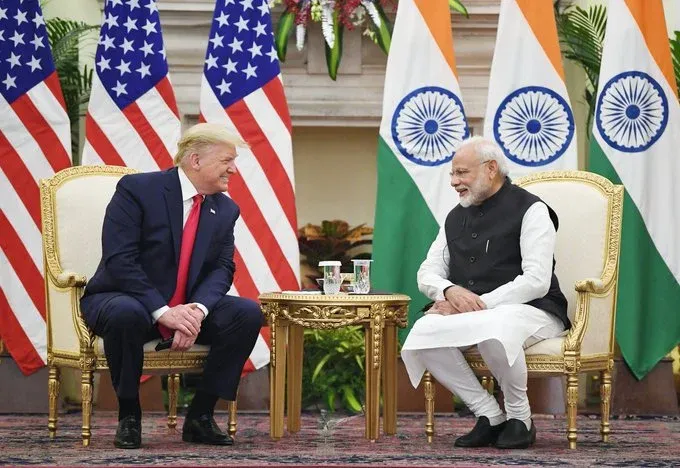
Arabian Post Staff -Dubai President Donald Trump hosted Sheikh Tahnoon bin Zayed Al Nahyan, the United Arab Emirates’ National Security Adviser and Deputy Ruler of Abu Dhabi, at the White House on Tuesday evening. The meeting underscored the enduring ties between the two nations and focused on enhancing cooperation in technology and investment sectors. In a statement following the dinner, President Trump highlighted the significance of the […]

Amazon has announced that, effective March 28, 2025, all voice recordings from Echo devices will be processed exclusively in the cloud, eliminating the option for local processing. This change accompanies the introduction of Alexa+, a generative AI-powered assistant designed to offer more advanced features and a human-like interaction experience. The shift has raised significant privacy concerns among users and experts alike. Previously, certain Echo models offered a […]

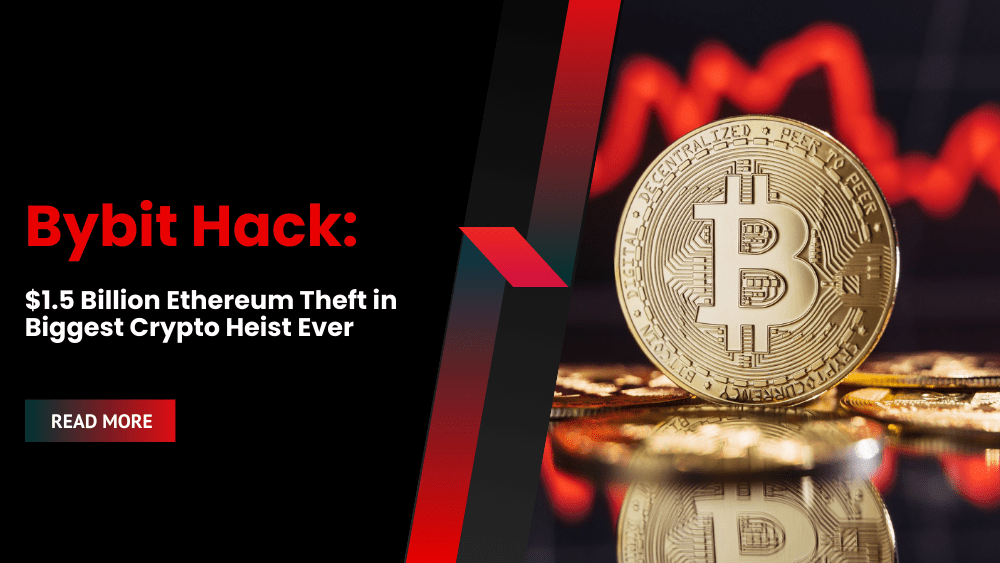
On 21 February 2025, Bybit, one of the world’s leading cryptocurrency exchanges, suffered a monumental security breach resulting in the theft of approximately 400,000 Ether tokens, valued at $1.5 billion. This incident has been identified as the largest cryptocurrency heist to date, surpassing previous records and sending shockwaves throughout the digital asset community.

The breach occurred during a routine transfer from Bybit’s cold wallet to a warm wallet—a standard procedure intended to ensure liquidity for daily operations. Attackers exploited this process by intercepting the transfer, redirecting the substantial sum to unknown addresses. Initial investigations have traced the hack to the Lazarus Group, a cybercrime organization associated with North Korea, notorious for orchestrating similar high-profile cyberattacks in the past.

In the immediate aftermath, Bybit’s market share plummeted from nearly 20% to a mere 5% by 2 March 2025, as users and traders sought more secure platforms. Binance emerged as a primary beneficiary during this period, with its market dominance soaring to 62% as traders migrated their assets. Other major exchanges, such as OKX and Coinbase, also experienced minor increases in market share, reflecting a broader redistribution of trading activity.

Bybit’s swift crisis response played a crucial role in stabilizing the situation. Unlike many exchanges that suspend withdrawals during security breaches, Bybit maintained operational status, allowing users to access their funds. This decision, coupled with consistent updates, helped maintain confidence and prevent mass withdrawals. The exchange also secured emergency funding from firms including Galaxy Digital, FalconX, and Wintermute, replenishing its reserves within 72 hours. By 9 March 2025, Bybit’s market share had rebounded to 9.04%. However, the exchange still faces significant reputational damage and lingering trust issues, raising doubts about its ability to fully regain its pre-hack position.

The incident has sparked discussions about the inherent vulnerabilities within the cryptocurrency ecosystem. While technological defenses continue to advance, this breach underscores that human error remains a critical weak point. INSEAD’s Ben Charoenwong emphasized that human failings, rather than technical glitches, are often the most significant factors in such incidents. He highlighted that a barrier to effective security is the reluctance to acknowledge ownership and responsibility for vulnerable systems.

The Bybit hack serves as a stark reminder of the importance of robust security protocols and the need for continuous vigilance in the rapidly evolving digital asset landscape. As the industry grapples with the implications of this unprecedented breach, stakeholders are urged to reassess their security measures, prioritize transparency, and foster a culture of accountability to safeguard against future threats.

Global investors have executed a historic shift in their portfolios, markedly reducing exposure to U.S. equities while increasing allocations to European stocks. This movement reflects growing apprehensions about the U.S. economic outlook and a more optimistic view of Europe’s financial prospects.

A Bank of America survey revealed that fund managers decreased their U.S. equity holdings by 40 percentage points, transitioning from a 17% overweight position in February to a net underweight of 23% in March. This represents the most substantial reduction on record, surpassing adjustments observed during previous economic downturns. The survey, which included 171 participants managing $477 billion in assets, underscores a significant reevaluation of investment strategies in response to emerging global economic challenges.

Several factors have contributed to this shift. Investors express heightened concerns over stagflation—a combination of stagnant economic growth and high inflation—and the potential repercussions of escalating trade tensions. The perception of diminishing U.S. economic exceptionalism has further fueled these apprehensions, leading to a reassessment of asset allocations.

In contrast, European equities have experienced increased investor interest. Allocations to Eurozone stocks surged by 27 percentage points, reaching the highest level since mid-2021. Approximately 39% of global investors now hold overweight positions in European equities, reflecting a growing confidence in the region’s economic resilience and potential for growth.

This reallocation is also evident among UK investors, who have increased their exposure to domestic stocks while reducing U.S. equity holdings. This trend suggests a broader reevaluation of investment strategies, with a renewed focus on local markets perceived as more stable or promising under current global economic conditions.

The technology sector, once a stalwart of U.S. market growth, has seen a notable decline in investor sentiment. Conversely, sectors such as utilities and banking have gained favor, indicating a strategic pivot towards more traditionally stable industries amid economic uncertainty.

Despite these shifts, some hedge funds have begun cautiously reinvesting in U.S. equities following significant sell-offs. This activity suggests that certain investors perceive potential value in the U.S. market, although this perspective is not yet widespread.

The broader implications of this investment reallocation are multifaceted. For the U.S., reduced equity allocations could signal waning confidence in its economic trajectory, potentially leading to decreased capital inflows and subdued market performance. Conversely, Europe’s attractiveness to investors may bolster its markets, providing a counterbalance to global economic headwinds.

This strategic pivot underscores the dynamic nature of global investment landscapes, where economic indicators, geopolitical developments, and market sentiments continually influence capital distribution. Investors’ current preference for European equities over U.S. stocks reflects a nuanced assessment of risk and opportunity in an evolving economic environment.

By Deeksha Dwivedi The recent arrest of Mahmoud Khalil in the United States, an active member of Columbia University’s protests against the ongoing genocide in Gaza, takes me back to 2016 when student political leaders Umar Khalid, Kanhaiya Kumar and Anirban Bhattacharya were arrested by the Delhi Police on charges of sedition. A controversy had […]


The GNU Image Manipulation Program has officially released version 3.0, marking a significant milestone in the evolution of this open-source image editor. After seven years of rigorous development, GIMP 3.0 introduces a host of enhancements aimed at both amateur and professional users. One of the most anticipated features in this release is the introduction of non-destructive editing for commonly used filters. This advancement allows users to modify […]

Advertisements

The global economy is experiencing fresh waves of volatility as Trump’s second term reignites trade conflicts, currency battles, and inflationary pressures. Markets have already reacted—tariff hikes on Chinese goods, retaliatory measures from Beijing, and escalating tensions with Europe are shifting capital flows at a breakneck pace. Investors can’t afford to be complacent. They must position portfolios to withstand uncertainty, hedge against risk, and seize opportunities in this […]

CME Group, the world’s largest futures exchange, has introduced Solana futures contracts, providing institutional investors with an additional tool for trading the popular cryptocurrency. This move marks a significant step in the expansion of derivatives markets, particularly as digital assets like SOL continue to rise in prominence within the blockchain ecosystem.

The introduction of Solana futures comes at a time when demand for cryptocurrency-related products among institutional players is growing. By expanding beyond traditional spot trading and options, CME Group is responding to a clear market trend: the increasing appetite for advanced financial instruments in the digital asset space. With the launch of these futures contracts, CME Group further solidifies its position as a leader in cryptocurrency derivatives trading, following its successful rollouts of Bitcoin and Ethereum futures.

For institutional investors, Solana futures provide a method of hedging risk and gaining exposure to the cryptocurrency market without having to directly own or manage the underlying asset. Futures contracts are particularly useful for large-scale traders, offering opportunities to speculate on price movements and manage the volatility associated with crypto assets. The addition of SOL futures further diversifies the range of cryptocurrency products available on the CME Group’s platform, complementing its existing offerings.

SOL, the native cryptocurrency of the Solana blockchain, has seen impressive growth in recent months. It continues to strengthen its position as a leading layer 1 network, noted for its fast transaction speeds and low costs, which have made it a popular choice for developers. As the blockchain ecosystem continues to evolve, Solana’s robust performance in areas like decentralized finance , NFTs, and gaming has contributed to a growing number of use cases, driving interest among both retail and institutional investors.

The rise of Solana can be traced to its unique combination of scalability and decentralization, offering an alternative to slower and more expensive platforms like Ethereum. In particular, Solana’s ability to process thousands of transactions per second at a fraction of the cost of its competitors has made it an attractive option for developers seeking high-performance blockchain solutions. This technical advantage is reflected in the increasing adoption of the Solana network, further contributing to its growing market capitalization and network activity.

As the launch of Solana futures unfolds, the attention is on how the product will be received by institutional traders, many of whom have previously shown a preference for more established cryptocurrencies like Bitcoin and Ethereum. However, the entry of new institutional investors into the Solana market could be a game-changer. The volatility that characterises Solana’s price movements may appeal to institutional traders looking for more active trading opportunities and higher-risk, higher-reward positions. Moreover, the futures contracts offer a way to gain exposure to Solana’s price without being directly affected by the underlying volatility in the same way as spot holders.

In addition to its core functionality as a trading tool, the launch of Solana futures is also indicative of broader trends within the cryptocurrency market. The growing institutional interest in digital assets has led to a surge in derivative products, enabling sophisticated trading strategies that were once unavailable in the traditional financial markets. The success of Bitcoin and Ethereum futures, which have attracted billions in liquidity, serves as a precedent for the growing acceptance of cryptocurrencies in institutional investment portfolios.

The move to introduce Solana futures aligns with CME Group’s broader strategy of offering diverse cryptocurrency-related products to meet the needs of institutional investors. By expanding its product offering to include Solana, CME Group not only attracts more traders to its platform but also increases the legitimacy of the cryptocurrency market within traditional financial systems. This development is likely to encourage further innovation and investment in the sector.

Beyond Solana’s technical advantages, the timing of its futures contract launch also positions CME Group strategically within the broader cryptocurrency landscape. As the digital asset market continues to mature, institutional adoption is poised to grow, with more regulatory clarity and financial infrastructure emerging. As one of the first exchanges to offer a futures contract for Solana, CME Group places itself at the forefront of this market evolution.

Despite Solana’s recent successes, challenges remain for the network. The blockchain’s rapid growth has been accompanied by concerns over network stability, with occasional outages raising questions about the scalability and reliability of its technology. While these issues have not significantly hindered Solana’s progress to date, any technical difficulties could potentially affect investor confidence in the network. However, as Solana continues to innovate and improve its infrastructure, its position in the crypto space looks increasingly secure.

The introduction of Solana futures is expected to bring increased liquidity to the market, further boosting its visibility and legitimacy in the eyes of institutional investors. For CME Group, the move represents a strategic push to offer products that cater to the growing demand for cryptocurrency-based trading instruments, and it reflects the evolving nature of digital asset markets.

By Nitya Chakraborty Sidelined by the Trump 2.0 administration and rebuffed by India, Bangladesh interim government is exploring all avenues to rejuvenate the country’s ailing economy by expanding its trade and investment relationship with Pakistan and China. The objective is to reduce the dependence on India in major areas where the outsourcing is possible from […]
Brazil’s financial landscape is poised for a potential transformation as the National Congress deliberates a bill proposing the legalization of salary payments in Bitcoin and other digital assets. Introduced by Luiz Philippe de Orleans e Bragança, a former federal deputy from São Paulo, the legislation seeks to grant Brazilian workers the option to receive up to 50% of their wages and benefits in cryptocurrencies, with the remainder paid in the national currency, the Brazilian real.

The proposed bill establishes a legal framework for employees and employers who mutually agree to utilize digital assets for compensation. Importantly, it does not mandate the acceptance of Bitcoin but provides a voluntary avenue for those interested in integrating cryptocurrencies into their remuneration packages. Employees retain the right to discontinue this payment method at any time, ensuring flexibility and autonomy in their financial decisions.

To maintain the stability and practicality of the national currency, the bill stipulates that at least 50% of salaries must be disbursed in Brazilian reals. This provision ensures that while embracing innovative payment methods, the traditional monetary system remains integral to daily transactions. The legislation specifically excludes freelancers, foreigners, and self-employed individuals, as their payment arrangements fall under the purview of the Central Bank of Brazil.

For the bill to become law, it must first secure approval from the plenary session of the House of Representatives through a majority vote. Subsequently, it will proceed to the Federal Senate for final consideration. If enacted, this legislation could position Brazil at the forefront of cryptocurrency adoption, potentially influencing other nations to explore similar integrations of digital assets into their financial systems.

Proponents of the bill argue that legalizing Bitcoin salary payments could enhance Brazil’s appeal as a global hub for digital assets, attracting foreign investment and fostering technological innovation. Luiz Philippe de Orleans e Bragança emphasized that such measures could empower employees with greater autonomy over their earnings and align the country with emerging financial technologies.

However, the proposal has sparked a spectrum of reactions. Supporters highlight the potential benefits of embracing cryptocurrencies, including increased financial inclusion and the democratization of financial services. They argue that offering salaries in digital assets could provide workers with more control over their wealth and facilitate participation in the global digital economy.

Conversely, critics express concerns regarding the volatility of cryptocurrencies like Bitcoin, which could expose employees to financial risks. The fluctuating value of digital assets may lead to unpredictable income levels, complicating personal financial planning and budgeting. Additionally, there are apprehensions about the adequacy of existing regulatory frameworks to address potential challenges associated with widespread cryptocurrency adoption.

To address these concerns, the bill includes provisions aimed at safeguarding employees’ interests. Employers opting to offer cryptocurrency payments are required to provide detailed payment statements and ensure that workers receive financial education on market volatility and transaction security. This educational component is designed to equip employees with the necessary knowledge to navigate the complexities of digital asset markets responsibly.

Brazil’s current stance on cryptocurrencies is relatively progressive. In December 2022, the country established a licensing regime for virtual asset service providers, aiming to legalize crypto as a payment method. Prior to this, while cryptocurrencies were not banned, they were discouraged due to operational risks. The Central Bank of Brazil had issued statements cautioning against the use of cryptocurrencies, citing concerns over financial stability and consumer protection.

The introduction of this bill reflects a broader trend of increasing interest in integrating cryptocurrencies into mainstream financial practices. Several countries have been exploring the potential of digital assets, with varying degrees of regulatory acceptance. Brazil’s move to consider Bitcoin salary payments signifies a notable step towards embracing the evolving digital economy.

As the bill undergoes legislative scrutiny, its potential implications for Brazil’s economy, workforce, and financial system remain subjects of keen observation. The outcome will likely influence not only the future of cryptocurrency adoption in Brazil but also serve as a reference point for other nations contemplating similar initiatives.

In the interim, stakeholders, including employers, employees, financial institutions, and regulators, are encouraged to engage in comprehensive dialogues to assess the benefits and risks associated with cryptocurrency-based salary payments. Such discussions are crucial to ensure that any transition towards digital asset integration is conducted with prudence, safeguarding the interests of all parties involved.

Goldman Sachs has adjusted its oil price forecasts, citing a confluence of factors including escalating global supply and a decelerating U.S. economy. The investment bank now projects Brent crude to average $71 per barrel by December, a $5 decrease from its prior estimate, and West Texas Intermediate to reach $67 per barrel. This downward revision aligns with the bank’s updated expectations for global oil demand growth, now […]

Dubai’s real estate sector saw a remarkable surge in February 2025, with property sales volumes hitting Dh41 billion, marking a 17 per cent increase compared to the previous month. This impressive growth underscores the city’s resilience amid global economic challenges and reinforces its standing as a top investment destination. The property market’s robust performance is attributed to a combination of factors, including a booming economy, a steady […]

Asset management firm Ninety One Plc is increasing its investments in United Arab Emirates equities to mitigate exposure to the ongoing trade tensions initiated by U.S. President Donald Trump. The company’s emerging-markets equity team, overseeing $11 billion in assets, is targeting markets less affected by U.S. tariffs, according to co-portfolio manager Varun Laijawalla. This strategy includes acquiring shares in UAE-based companies such as Emaar Properties PJSC and Abu Dhabi Commercial Bank PJSC.

Emaar Properties, a leading real estate developer in the UAE, has experienced fluctuations in its stock performance. On March 14, 2025, the Dubai Financial Market index declined by 0.9%, influenced by losses in the real estate sector due to new tariff threats from President Trump. Emaar Properties and its construction subsidiary, Emaar Development, saw their shares decrease by 2.2% and 2.8%, respectively.

Despite these short-term declines, Emaar Properties has demonstrated resilience over the past year. The company’s stock has shown a 69.91% increase over the last 12 months, indicating strong growth potential.

Abu Dhabi Commercial Bank , another focus of Ninety One’s investment strategy, has also shown notable financial performance. In 2024, ADCB reported revenues of AED 16.61 billion, marking a 19.64% increase compared to the previous year’s AED 13.88 billion. Earnings for the same period reached AED 8.74 billion, reflecting an 11.80% increase.

The bank’s stock has been trading within a 52-week range of AED 7.61 to AED 12.60, with a market capitalization of approximately AED 76.67 billion.

Ninety One’s strategic move to invest in UAE markets aligns with its objective to find “uncorrelated markets” less susceptible to the adverse effects of U.S. tariffs. The firm, formerly known as Investec Asset Management, rebranded to Ninety One in 2020 to reflect its founding year and has since been listed on both the London and Johannesburg Stock Exchanges.

As of December 31, 2022, Ninety One managed approximately $159 billion in assets, offering a range of active strategies across equities, fixed income, multi-asset, and alternative investments.

The firm’s decision to bolster investments in the UAE comes amid broader market reactions to global trade tensions. On March 11, 2025, major Gulf markets experienced declines due to investor concerns over a potential U.S. recession triggered by widespread trade conflicts. The Saudi Arabian index fell by 1.3%, with significant decreases in Al Rajhi Bank and Saudi National Bank. Similarly, Dubai’s index decreased by 1.1%, affected by a 2.3% drop in Emaar Properties and a 1.9% decline in Emirates NBD.

However, by March 12, 2025, Gulf stock markets displayed mixed results amid hopes for a Ukraine ceasefire and ongoing concerns over U.S. tariffs. Dubai’s main index rose by 0.7%, led by gains in Emaar Properties and Dubai Islamic Bank, while Abu Dhabi’s index increased by 0.4%. Conversely, Saudi Arabia’s index experienced a slight decline of 0.1%.

The UAE’s economic environment presents opportunities for investors seeking markets less correlated with U.S. trade policies. Ninety One’s targeted investments in companies like Emaar Properties and ADCB reflect a strategic approach to navigating global trade uncertainties while capitalizing on the growth potential within the UAE.

Emaar Properties continues to be a significant player in the UAE’s real estate sector, with a market capitalization of AED 122.42 billion and a dividend yield of 7.22%. The company’s earnings per share stand at AED 1.53, and it is scheduled to release its next earnings report on May 8, 2025.

Abu Dhabi Commercial Bank maintains a strong presence in the UAE’s banking industry, with a public float of 2.91 billion shares. The bank’s robust financial performance and strategic initiatives position it well to navigate the challenges posed by global trade dynamics.

Ninety One’s emphasis on identifying investment opportunities in markets less affected by U.S. tariffs underscores its commitment to delivering value to its clients while mitigating risks associated with global trade tensions. By focusing on the UAE’s resilient sectors, the firm aims to achieve sustainable growth in an increasingly complex economic landscape.

Accelerating Deeptech SINGAPORE – Media OutReach – 3 October 2023 – X-PITCH is delighted to introduce 2023 TOP100 startups. Chosen from a pool of over 3,000 startups around the world, this year’s selection showcases a diverse and vibrant ecosystem of entrepreneurial talent. X-PITCH 2023 is driven by a shared commitment to accelerate deeptech innovation across four vital domains: Healthcare, Advanced Manufacturing, Sustainability, and Digital Economy. The statistics […]

Gold prices have soared past the $3,000 per ounce mark for the first time, reflecting investors’ flight to safety amid escalating global economic uncertainties. The precious metal reached an unprecedented high of $3,004.86 during midday trading on Friday before settling slightly below this milestone later in the session. Several factors have converged to drive this historic surge. Chief among them is the intensifying trade conflict initiated by […]

Abu Dhabi-based technology investment firm MGX has invested $2 billion in Binance, marking the first institutional backing for the world’s largest cryptocurrency exchange. This unprecedented move underscores the growing convergence between traditional finance and the digital asset industry. The investment, finalized on March 12, 2025, was transacted entirely in stablecoins—a category of cryptocurrencies pegged to traditional fiat currencies. While the specific stablecoin utilized remains undisclosed, this method […]

Sheikh Tahnoun bin Zayed Al Nahyan, the United Arab Emirates’ National Security Adviser and brother to President Mohamed bin Zayed, is set to visit Washington. His agenda includes advocating for relaxed U.S. export controls on advanced semiconductors essential for artificial intelligence development and exploring investment opportunities within the United States. The U.S. government has recently tightened export restrictions on AI chips produced by companies like Nvidia, limiting […]

The United States has escalated its economic pressure on Iran by imposing sanctions on Iranian Oil Minister Mohsen Paknejad and a network of vessels, commonly referred to as the “shadow fleet,” accused of facilitating Tehran’s evasion of existing sanctions. This move is part of President Donald Trump’s “maximum pressure” campaign aimed at curtailing Iran’s oil exports and hindering its alleged nuclear ambitions.

The U.S. Treasury Department’s Office of Foreign Assets Control announced the sanctions, highlighting Paknejad’s role in overseeing the export of oil valued at tens of billions of dollars, with significant portions allocated to Iran’s armed forces. Treasury Secretary Scott Bessent emphasized that the Iranian regime exploits its oil wealth for its own interests rather than for the benefit of its people.

The sanctions also target a fleet of vessels accused of disguising Iranian oil shipments. Among them are the Hong Kong-flagged Peace Hill and the Iran-flagged Polaris 1, as well as others registered in Seychelles and Liberia. These ships are allegedly part of a sophisticated network designed to circumvent international sanctions by obscuring the origin of Iranian oil.

The concept of a “shadow fleet” refers to a collection of aging tankers that operate under various flags and ownership structures to evade detection. These vessels often engage in deceptive practices such as turning off their Automatic Identification Systems , conducting ship-to-ship transfers in international waters, and falsifying documentation to mask the origin of their cargo. Such tactics have been employed to maintain the flow of Iranian oil to international markets despite stringent sanctions.

The U.S. administration’s strategy includes not only sanctioning individuals and entities directly involved in Iran’s oil exports but also those facilitating these clandestine operations. By targeting the maritime infrastructure that supports Iran’s oil trade, the U.S. aims to disrupt the financial networks that fund Iran’s nuclear program and its support for militant groups.

In addition to these measures, the U.S. is considering more aggressive tactics to impede Iran’s oil exports. One proposal under review involves stopping and inspecting Iranian oil tankers at sea. This approach aims to delay crude deliveries and create uncertainty in the supply chains that are vital for Iran’s revenue. Such actions would further tighten the economic noose around Tehran, limiting its ability to generate income from oil sales.

The U.S. State Department has also announced a comprehensive review of all sanctions waivers that provide Iran with economic relief. This includes scrutinizing waivers that allow countries like Iraq to pay Iran for electricity, as well as those permitting other nations to import Iranian oil. The objective is to close any loopholes that might enable Iran to sustain its economy despite the sanctions.

Iran has sharply criticized the U.S. for its “hypocrisy” following the new sanctions on its oil minister, further straining U.S.-Iran relations. The Iranian government argues that these measures are part of a broader strategy to destabilize the country and undermine its sovereignty.

The international community remains divided over the U.S.’s approach. While some allies support the hardline stance against Iran’s nuclear program and regional activities, others express concern that escalating sanctions could lead to increased tensions in the Middle East. There are fears that such measures might provoke retaliatory actions from Iran, potentially disrupting global oil markets and leading to broader geopolitical instability.

The effectiveness of the “maximum pressure” campaign is a subject of ongoing debate. Proponents argue that the economic strain forces Iran to reconsider its nuclear ambitions and regional policies. Critics, however, contend that the sanctions disproportionately affect ordinary Iranians and may strengthen hardline factions within the country, reducing the prospects for diplomatic engagement.

As the U.S. continues to tighten its sanctions regime, the resilience of Iran’s strategies to circumvent these measures will be tested. The international community will closely monitor the situation to assess the impact on global oil markets, regional stability, and the broader geopolitical landscape.

A U.S. court has approved Three Arrows Capital’s request to raise its claim against FTX to $1.53 billion. This decision allows the embattled hedge fund to pursue a larger share in the bankruptcy proceedings of the collapsed cryptocurrency exchange, FTX. The court’s approval comes after 3AC, which held significant assets in FTX, revised its initial claim to reflect a more substantial financial stake.

As of June 12, 2022, 3AC reportedly held assets valued at $1.53 billion in FTX, a cryptocurrency exchange that has since spiraled into bankruptcy. However, a rapid series of transactions between the two parties led to the liquidation of a significant portion of these assets. Just days after 3AC held the assets, they were sold off to cover a $1.3 billion debt owed to FTX, leaving 3AC with a significantly reduced amount.

Initially, 3AC had filed a claim for $120 million in June 2023, which represented the remaining value of its assets at the time. The claim was based on 3AC’s holdings of FTX’s native FTT tokens and other crypto assets tied to the exchange, which were initially valued higher. However, in light of further analysis and unfolding details, the claim has now been revised upwards, with 3AC seeking $1.53 billion in total.

The court’s ruling allows 3AC to officially revise the terms of its claim, which will impact how the proceedings in FTX’s bankruptcy case unfold. With a claim now nearly ten times larger than originally filed, 3AC’s request highlights the complexity of the ongoing bankruptcy proceedings and the intricate relationships between major crypto players.

The revised claim is rooted in the volatile collapse of FTX, which saw assets across the crypto sector lose significant value. The turmoil within the digital currency market has also raised questions regarding asset valuations and the interlinked financial risks faced by companies involved in the cryptocurrency ecosystem. The asset liquidation that occurred between 3AC and FTX highlights the systemic risks that crypto exchanges, funds, and investors face during such crises.

The U.S. court’s approval comes amid continuing investigations into FTX’s operations, with authorities scrutinising the events leading to the exchange’s downfall. FTX founder Sam Bankman-Fried faces multiple charges related to fraud and mismanagement, and the ongoing legal proceedings have drawn attention to the broader impact on investors and creditors. The case of 3AC is just one of many high-profile claims emerging from the aftermath of FTX’s bankruptcy, but its size and prominence underscore the potential consequences for other creditors.

For 3AC, the court’s approval marks a critical development as the firm continues its restructuring efforts in the wake of its own collapse. Three Arrows Capital had once been a prominent player in the cryptocurrency hedge fund space, but it has faced significant financial setbacks following its exposure to failing crypto assets. The fund’s involvement in the FTX debacle further complicates its ongoing recovery, with large sums of money at stake.

3AC’s strategy to pursue a larger claim indicates its ongoing efforts to secure as much compensation as possible through FTX’s bankruptcy process. Given the scale of its claim, 3AC may also seek to negotiate its position with other creditors involved in the bankruptcy, all of whom are competing for a share of the limited remaining assets.

The approval also raises broader questions about the future of cryptocurrency regulation, as both the U.S. and international regulators examine the collapse of FTX and its ramifications. The FTX debacle has drawn scrutiny from lawmakers and regulatory bodies, with calls for more stringent oversight of the cryptocurrency industry. As the fallout from the collapse continues to unfold, many expect further legal challenges and claims from other investors and entities that were involved in the exchange’s operations.

By P. Sudhir The US President Donald Trump, in his first address to the US Congress following his election, has threatened to impose tariffs on countries that he considers are taking advantage of US trade policies. In his list is India, along with Canada, Mexico, China, Brazil and the European Union. Trump has repeatedly named […]

Cryptocurrency exchange OKX Europe has acquired a Malta-based firm holding a Markets in Financial Instruments Directive II license, positioning itself to offer regulated derivatives products to institutional clients throughout the European Economic Area . The acquisition, announced during an exclusive event at Manoel Island, Malta, marks a significant advancement in OKX’s European expansion strategy.

The newly acquired entity is expected to commence operations later this year, pending approval from the Malta Financial Services Authority . This development will enable OKX to provide a comprehensive suite of regulated derivatives services to institutional investors across the EEA, encompassing all 27 European Union member states, as well as Iceland, Liechtenstein, and Norway.

Erald Ghoos, CEO of OKX Europe, highlighted the strategic importance of this milestone, stating that securing the MiFID II license is pivotal in integrating digital assets with traditional financial markets. He emphasized that this move positions OKX to deliver institutional-grade services, collaborate with top-tier financial institutions, and offer regulated investment solutions that enhance market access for investors across the continent.

This acquisition follows OKX’s attainment of a Markets in Crypto Assets license from Malta in January, underscoring the exchange’s commitment to regulatory compliance within the European Union. The dual licensing strategy allows OKX to navigate the complex regulatory landscape effectively, offering both crypto assets and traditional financial instruments in a secure and compliant manner.

The MiFID II license is particularly significant as it permits OKX to offer regulated derivatives products, a critical component for institutional investors seeking sophisticated trading strategies. By adhering to stringent regulatory standards, OKX aims to provide a robust and secure trading environment, thereby enhancing its market position and paving the way for future expansions and innovations in the European financial sector.

The European Union’s regulatory framework, particularly the implementation of MiCA, has been instrumental in attracting global cryptocurrency exchanges to the region. Regulatory clarity serves as a significant driver for crypto exchange businesses, facilitating customer trust and operational stability. In contrast, other jurisdictions, such as the United Kingdom, have been slower to implement comprehensive crypto regulations, potentially hindering their competitiveness in this rapidly evolving market.

OKX’s strategic move to secure both MiCA and MiFID II licenses reflects a broader trend among cryptocurrency exchanges to align with established financial regulations. This alignment not only ensures compliance but also bridges the gap between traditional finance and the burgeoning digital asset industry, offering institutional investors a seamless and regulated entry point into cryptocurrency markets.

The acquisition also signifies OKX’s dedication to enhancing its institutional offerings. By providing regulated derivatives products, OKX aims to meet the growing demand from institutional clients for diversified and compliant investment options. This development is expected to attract a broader client base, including hedge funds, asset managers, and other institutional entities seeking exposure to cryptocurrency derivatives within a regulated framework.

A significant cyberattack has struck Tata Technologies, a subsidiary of Tata Motors, resulting in the exposure of 1.4 terabytes of sensitive data on the dark web. The breach, orchestrated by the ransomware group Hunters International, has compromised a vast array of confidential information, including employee records, corporate documents, and client contracts. This incident underscores the escalating threat posed by sophisticated cybercriminal organizations targeting multinational corporations. The leaked […]

Malaysia’s small businesses lead the region in innovation Younger entrepreneurs dominate small business landscape AI investment on the rise High demand for funding signals continued expansion KUALA LUMPUR, MALAYSIA – Media OutReach Newswire – 13 March 2025 – Increased technology adoption is fuelling strong expansion among Malaysia’s small businesses, with 71 per cent reporting growth in 2024 – the highest in more than a decade – according […]

VISHNU RAJA
RYO YAMADA
HITORI GOTOH
IKUYO KITA