Just in:
Dalilk Academy reaches 27 million, targets 100 million by 2030 // Toward a Shared Future for Humanity: Rethinking Civilizational Exchange // Jaiedco and Golden Bridge Announce Strategic Collaboration for a New Dubai Islands Development // Ex-minister named accused in Messi visit fraud case // Energy Markets Find Little Substance In Shenzhen Summit Promises // Dubai Introduces SHARH, an AI-Powered Platform Helping Entrepreneurs Buy, Sell and Manage Businesses in the UAE // Technology at Work, Heritage for All: The “Chinese Approach” to Safeguarding the Leshan Giant Buddha // Egypt’s African Union trade climbs to $8.2 billion // Promoting Common Human Development Through Exchanges and Mutual Learning Among Civilizations // Diabetes Malaysia And Alpro Pharmacy Set National Record With 11,007 Most Blood Glucose Screenings Conducted Across Malaysia In Just 48 Hours // ED searches five districts in probe against hawala //
Rahul addresses League’s INDIA bloc grievances
// Phancy Announces Business Performance for the Nine Months Ended September 30, 2026 // Sui activates Hashi Bitcoin lending across partner network // Singapore regulator cautions against AI access to bank logins // Fungal toxins detected across 212 UK plant-based products // Balagopal challenges CM over tax revenue //
Centre grants aircraft cabin access for Sabarimala pilgrims’ irumudi
// Crypto market loses $150 billion amid broad sell-off // Yeebo Announces Interim Results for FY26/27 Revenue Increases by 45.5% to HK$806.7 Million Profit Attributable to Owners Surges 87.6% to HK$2,284.7 Million //

News related to
Expo

HANOI, VIETNAM – Media OutReach Newswire – 9 December 2024 – By electrifying its taxi fleet, Jakarta could significantly reduce emissions and improve air quality, as shown by the success of electric taxis in cities around the world. One standout example is Xanh SM in Vietnam, which has also reshaped public attitudes toward electric vehicles (EVs). Xanh SM fleet in Vietnam. Photo: GSM Jakarta is no stranger […]

The United States government has approved the export of cutting-edge artificial intelligence (AI) chips to the United Arab Emirates (UAE) under a deal involving Microsoft and the Emirati technology firm G42. This decision comes after a prolonged review, and the deal underscores growing interest in enhancing the UAE’s AI capabilities. Microsoft has invested heavily in G42, forming a partnership to push forward the development of AI technologies in the UAE, but the approval has sparked debates over security risks and potential misuse of the technology.

Microsoft’s $1.5 billion investment in G42 this year not only includes a minority stake but also a strategic partnership that integrates Microsoft’s cloud services with G42’s AI applications. This collaboration is expected to enhance the UAE’s role as a leading player in AI development, especially in areas such as healthcare, government services, and autonomous systems.

However, the deal has faced scrutiny from U.S. lawmakers, who expressed concerns over G42’s potential links to China. The fears center on the possibility of U.S. technology being leveraged by adversarial nations, particularly given G42’s connections to powerful players in the Middle East. U.S. officials have raised alarms about the company’s ties to the Chinese government and its military, fearing that advanced AI systems could inadvertently benefit Beijing or other entities of strategic concern to the U.S.

To mitigate these concerns, the U.S. government imposed strict conditions on the export. Among the most notable restrictions, personnel from countries subject to U.S. arms embargoes, including China, are prohibited from accessing the Microsoft-operated facility in the UAE. Additionally, the deal specifically blocks individuals linked to the Chinese government or organizations based in China from using the technology. These safeguards are designed to ensure that sensitive U.S. technology is not misappropriated by entities that could pose a threat to national security.

Despite these precautions, the deal has ignited a broader conversation about the global race to develop and deploy AI technologies. U.S. officials have repeatedly warned that AI advancements, particularly in fields like military applications and weapons technology, could have significant national security implications. In light of this, the Biden administration has taken steps to bolster oversight of AI development, with mandatory disclosures required from developers of large-scale AI systems regarding the potential security risks of their technologies.

G42, which is partially owned by Abu Dhabi’s sovereign wealth fund and chaired by Sheikh Tahnoon bin Zayed Al Nahyan, has tried to reassure critics by emphasizing its compliance with international standards on AI and its commitment to transparency. However, the company’s efforts have not fully alleviated concerns, with many observers questioning whether the restrictions will be sufficient to prevent sensitive technology from falling into the wrong hands.

The partnership with Microsoft is seen as a major boost for the UAE’s ambitions to position itself at the forefront of AI research and development. The country has long sought to diversify its economy beyond oil, and AI is seen as a key pillar of this transformation. Yet, as this deal shows, the international implications of such partnerships are complex and multifaceted. While the UAE stands to benefit from access to some of the world’s most advanced AI technologies, the potential security risks associated with the transfer of such capabilities remain a point of contention.

The United States government has granted approval for the export of advanced artificial intelligence (AI) chips to the United Arab Emirates (UAE), marking a significant development in the global AI hardware market. This decision, part of a strategic agreement with Microsoft, enables the UAE to enhance its technological infrastructure and further its ambitions in the field of AI and data science. The chips in question are designed […]

Three companies in the United Arab Emirates (UAE) have been granted official licenses to operate lotteries, a significant move as the country aims to regulate and expand its gaming sector. These operators are now the only entities legally permitted to offer lottery services, while other unauthorized operators face orders to cease their activities. This decision follows ongoing efforts by UAE authorities to ensure the integrity and transparency of gambling operations, which have long been tightly regulated.

The UAE’s legal framework for gambling and lottery activities has historically been restrictive, with laws primarily prohibiting most forms of gambling. However, the introduction of licensed lottery services marks a departure from previous norms, aligning with the government’s broader efforts to modernize and diversify its economy. The decision to issue licenses to these operators is expected to generate significant revenue, contributing to the UAE’s economic diversification goals, particularly as the country looks to reduce its dependency on oil exports.

The three licensed operators have been authorized to offer a range of lottery products, including traditional draw-based games and instant-win formats. These services are expected to be heavily regulated, with strict oversight by government agencies to ensure compliance with ethical standards and consumer protection laws. The UAE’s new approach emphasizes transparency in operations, with the aim of attracting both local and international consumers.

While the licensed companies move forward with their operations, the crackdown on unauthorized operators has been swift. Several businesses that were previously offering lottery-like services without official approval have been ordered to shut down. Authorities have stated that any company found in violation of the law will face stringent penalties, including heavy fines and potential legal action.

The decision to regulate the lottery market more extensively has been met with mixed reactions. Proponents argue that the move will help generate revenue for public services and infrastructure projects, benefiting the wider community. By legalizing lottery services, the UAE government hopes to prevent the growth of underground gambling operations that often operate without oversight or regulation, which can lead to illegal activities and financial instability.

On the other hand, critics of the new regulations express concerns about the potential for gambling addiction and other social consequences. They argue that while lotteries are often marketed as a form of entertainment, they can lead to harmful behavior, particularly among vulnerable populations. There are also concerns about the transparency and fairness of the lotteries, with calls for the government to ensure that the operators are fully accountable and that the processes are closely monitored.

The regulatory framework for gambling in the UAE has evolved over time, with the country gradually relaxing some of its earlier restrictions. However, this shift towards legalizing certain forms of gambling has been carefully controlled, with only a limited number of operators allowed to participate. The UAE’s regulatory authorities are reportedly working to ensure that the market remains fair and responsible, with clear rules and guidelines in place to protect consumers.

International operators are also showing interest in the newly regulated market, with several global gaming companies considering partnerships with the licensed UAE operators. The move could potentially open the door for foreign investment, further boosting the country’s gaming sector. While the focus remains on lotteries for now, experts suggest that the UAE could gradually expand its licensing framework to include other forms of regulated gambling, such as sports betting and online casino games.

As the lottery sector begins to take shape, the UAE government has also placed a strong emphasis on ensuring that proceeds from the games are used for the public good. A portion of the revenue generated by the lotteries is expected to be allocated to social programs, including education, healthcare, and infrastructure development. This approach aims to ensure that the financial benefits of the new gambling activities are directed toward improving the quality of life for UAE citizens.

The establishment of licensed operators also raises the possibility of collaboration with international regulatory bodies. The UAE is reportedly engaging with global gaming regulators to ensure that its framework meets international standards. This collaboration could help strengthen the credibility of the UAE’s lottery system, boosting confidence among consumers and investors alike.

In addition to the regulatory changes, the UAE is investing in technology to ensure the security and transparency of lottery operations. The government has emphasized the importance of using advanced technologies, such as blockchain, to track lottery transactions and prevent fraud. This technological investment is expected to play a critical role in building trust among consumers and ensuring that the lottery services are fair and secure.

Oil prices have seen a notable uptick in recent weeks as escalating political tensions and shifting alliances in Syria continue to have a significant impact on the region’s oil production and global energy markets. As the influence of Bashar al-Assad’s regime wanes in the wake of Syria’s civil conflict, key players in the Middle East are positioning themselves to capitalize on the country’s vast energy resources, contributing to global price fluctuations.

Syria, once a minor oil producer in the Middle East, has become a focal point of geopolitical struggles. Despite being marred by years of civil war and under heavy international sanctions, the country still holds a considerable amount of oil, mostly concentrated in its northeastern region. For years, the Assad regime has relied on these oil fields for revenue, yet the ongoing conflict has severely hampered production and distribution capabilities.

One of the main factors contributing to the current rise in oil prices is the shifting control over Syria’s oil fields. While the Assad regime’s hold over these assets has weakened, both Kurdish forces and various regional actors have taken advantage of this power vacuum. The Kurdish-led Syrian Democratic Forces (SDF), with support from U.S. military forces, have been managing oil extraction in the northeast. However, their trade has been fraught with complications, as they have continued to sell crude to both Iraq’s Kurdistan Regional Government (KRG) and indirectly to the Assad regime, albeit under clandestine circumstances.

This complex trade network has drawn attention from global powers, with Washington’s policy fluctuating between trying to limit Assad’s access to these resources while also preventing the rise of other regional powers, including Russia, from exploiting the vacuum. U.S. efforts to maintain influence over the oil-rich regions have been complicated by the increasing involvement of Russian companies, such as Gulfsands Petroleum, which is now positioning itself to gain access to Syria’s energy assets. This has raised concerns that a shift toward Russian control could stabilize Assad’s regime financially and politically, but at the cost of U.S. objectives in the region.

As these power struggles unfold, oil prices have responded to market uncertainty. The Kurdish-controlled Syrian oil fields, despite being heavily damaged by the conflict, continue to produce, although at lower volumes compared to pre-war levels. However, the trade of oil at below-market prices has become more common, especially with the involvement of entities like Delta Crescent Energy. The U.S. company, which was initially granted a license to help the Kurdish-controlled Autonomous Administration of North and East Syria (AANES) boost its oil exports, faced significant challenges, including a lack of progress in securing long-term contracts. The Biden administration’s decision to revoke Delta Crescent’s license earlier this year has left the situation even more uncertain, and it remains to be seen whether the U.S. will allow new energy companies to enter the market.

Simultaneously, global oil prices have been influenced by shifts in Syria’s energy landscape. The ongoing conflict, the role of U.S. sanctions, and the intervention of Russia in the region’s oil trade have all contributed to price increases, as the Middle East remains a volatile hub for energy production. Additionally, international sanctions against Syrian oil exports have inadvertently created opportunities for black-market trading, often circumventing established sanctions regimes. As a result, global oil markets are left grappling with the complex realities of these geopolitical maneuvers.

Saudi Arabia’s Savola Group, one of the country’s largest diversified holding companies, has announced plans to repurchase sukuk worth $229 million. This move is part of the company’s ongoing efforts to manage its financing costs effectively while optimizing its capital structure.

The company stated that the buyback would provide substantial benefits by lowering its debt-related expenses. Sukuk, which are Sharia-compliant bonds, have gained significant popularity in the Middle East due to their adherence to Islamic financial principles. Savola’s decision to repurchase a significant portion of its sukuk is seen as a strategic move to reduce outstanding liabilities and enhance financial flexibility.

This development comes at a time when many companies in the Gulf region are focused on optimizing their balance sheets amid fluctuating global economic conditions. The sukuk buyback also signals a positive outlook for Savola’s financial health, reinforcing investor confidence. The company has been actively exploring ways to streamline its operations and improve profitability, with an emphasis on reducing costs and ensuring long-term stability.

The repurchase offer follows a series of initiatives by Savola to restructure its financing arrangements. By buying back sukuk, the company aims to manage its debt more efficiently and take advantage of favorable market conditions. Analysts have pointed out that this move could help Savola unlock value for shareholders while reducing its overall exposure to interest rate fluctuations.

Savola Group has been a key player in the Saudi Arabian and broader Gulf economies, with a presence in sectors ranging from food production to retail. The company has continuously adapted to changing market dynamics, making strategic decisions to sustain its growth trajectory. The buyback announcement is a reflection of Savola’s commitment to maintaining a strong financial position while also providing attractive returns to investors.

The company’s efforts to reduce financing costs have been welcomed by market observers, who view this move as a prudent financial strategy. By lowering the cost of capital, Savola will be better positioned to execute its growth plans and capitalize on emerging opportunities in the region. Moreover, the buyback reflects a broader trend among companies in the Middle East, particularly those with large sukuk issuances, to manage their debt more efficiently.

Sukuk markets in the Gulf have seen an uptick in activity in recent years, with companies looking to raise funds through these Islamic financial instruments. The buyback is likely to further solidify Savola’s reputation as a responsible corporate entity that values financial discipline and shareholder value. Investors in the sukuk market have been closely monitoring developments in the region, and this move could serve as a model for other companies seeking to optimize their debt structures.

Savola’s strategic initiatives go beyond financial maneuvers, as the company is also focused on expanding its business footprint. The group has been diversifying its portfolio, expanding into new markets and reinforcing its leadership in the food and beverage industry. Despite the challenges posed by economic uncertainties, Savola remains optimistic about its future prospects.

The success of Savola’s buyback initiative will depend on a number of factors, including market conditions and the company’s ability to execute its plans effectively. However, the early signals point to a well-calculated move aimed at positioning the company for long-term success. By repurchasing sukuk, Savola is not only lowering its financing costs but also signaling its commitment to enhancing shareholder value and ensuring a resilient financial future.

HANOI, VIETNAM – Media OutReach Newswire – 9 December 2024 – The Vietnamese F88 Business Joint Stock Company has been certified by Synesgy for excellent compliance with environmental, social and governance (ESG) principals, fully in line with national and international best practices. Earning an ESG Score of ‘A’ indicates that F88’s performance is at an excellent level of sustainability. Synesgy is a digital platform supporting organisations and […]

Advertisements
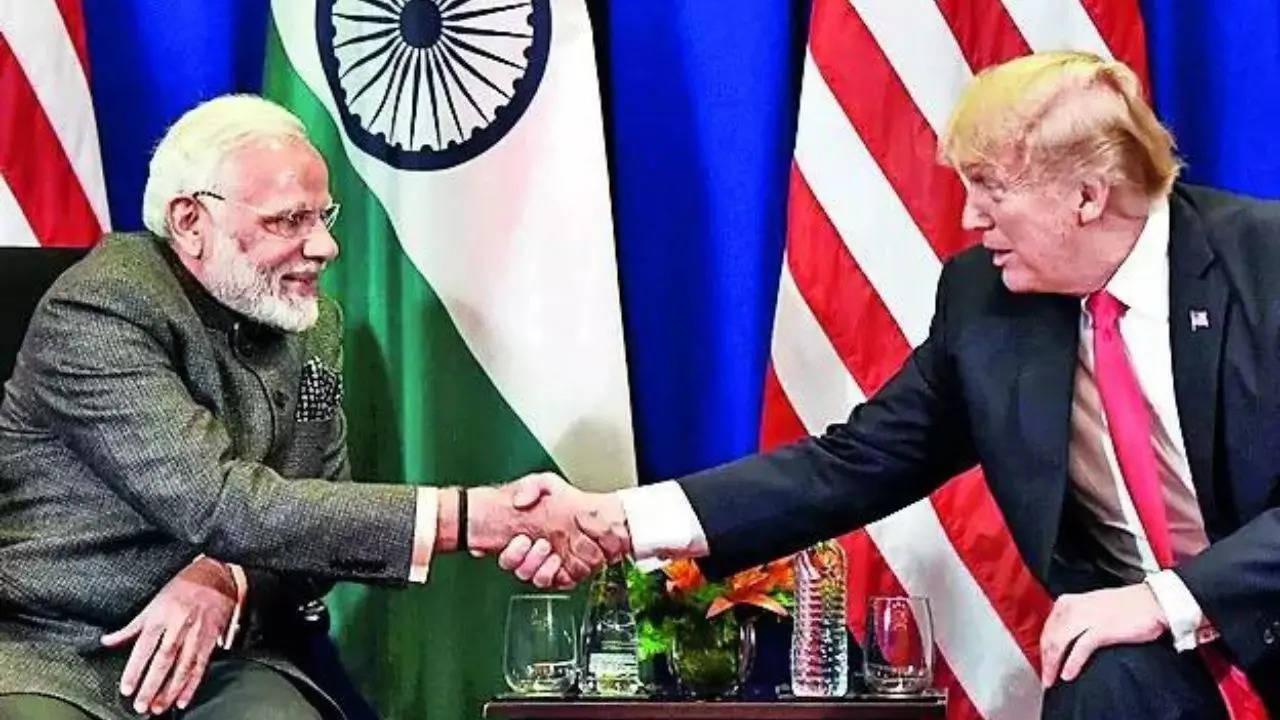
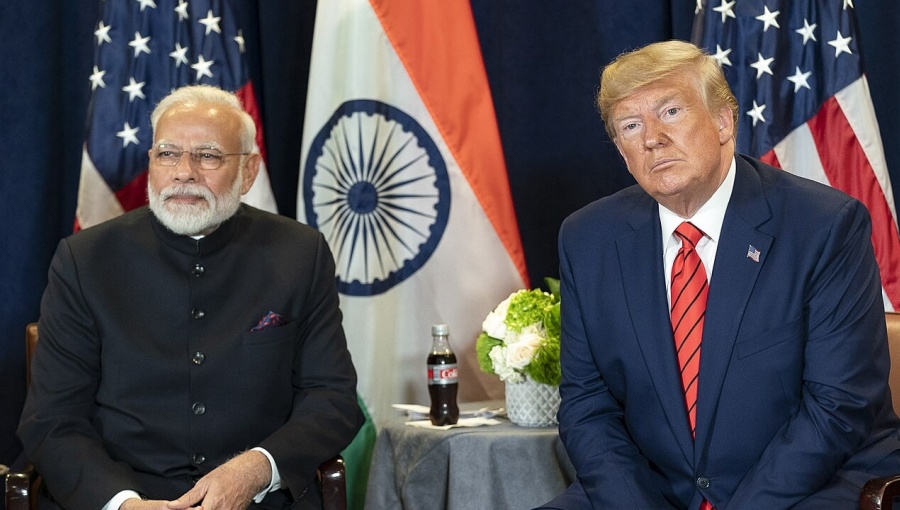
By Girish Linganna Donald Trump’s re-election as U.S. President could have a big impact on India-US relations, especially in areas like technology, chips, and semiconductors. As he begins his second term on January 20 next year ,, both countries will face a mix of opportunities and challenges that could shape their tech and economic ties […]

Increasing global insolvency levels heighten risks for executives. The febrile geopolitical landscape poses liability challenges for global corporations caught up in world events. “AI washing” is an emerging risk trend, leading to securities class action lawsuits. D&O market remains competitive but a step up in scrutiny of corporate conduct around the globe means loss potential is still high. SINGAPORE – Media OutReach Newswire – 5 December 2024 […]

Schneider Electric has introduced a new suite of data center solutions aimed at addressing the growing energy demands of artificial intelligence (AI) systems. With AI adoption accelerating across industries, the need for more efficient and sustainable data processing infrastructure has become increasingly urgent. The company’s latest innovations offer advanced technologies designed to optimize energy consumption while supporting the complex needs of AI workloads. At the heart of […]

Yondr Group has reached a key milestone in its ambitious sustainable data center project in Bischofsheim, Germany, located south of Frankfurt. The company recently completed the first phase of its 40 MW data center, successfully deploying 20 MW of capacity. This achievement marks a significant step in the company’s efforts to build an energy-efficient, environmentally friendly hyperscale data center that aligns with growing demand for sustainable digital […]

Dubai Police is offering an exciting and educational experience for teenagers this winter through its annual Winter Programme. Targeted at youth between the ages of 13 and 18, this initiative offers a diverse range of activities that aim to both entertain and educate the next generation of citizens. Starting December 11, 2023, the programme will continue until December 22, with 300 students enrolled from various emirates and nationalities.

Held in collaboration with the Emirates Schools Establishment (ESE) and the Knowledge and Human Development Authority (KHDA), the programme offers participants a chance to engage in physical and military training, as well as hands-on exposure to rescue operations. Training venues for this year’s edition include the Zayed Education Complex, Asmaa Bint Al Noaman Girls School, and several other locations around Dubai.

The primary aim of this initiative is to engage students in outdoor activities that promote teamwork, physical fitness, and social responsibility. Participants will learn valuable life skills through sports, military drills, and insightful lectures that highlight the importance of positive citizenship, security awareness, and the prevention of harmful behaviors such as smoking and bullying. Students will also receive training on basic rescue operations, making the programme both fun and practical.

In addition to the core activities, the Winter Programme places a strong emphasis on volunteerism and positive community engagement, encouraging youth to contribute meaningfully to society. The programme includes field visits to various Dubai Police departments, offering students an inside look at the important work carried out by the force. These visits not only enhance the educational experience but also give teens a broader understanding of the roles played by law enforcement in keeping the community safe.

The U.S. financial regulators have directed banks to avoid offering services to cryptocurrency companies, a practice that could severely impact the sector’s integration with traditional financial systems. Coinbase, one of the largest cryptocurrency exchanges in the world, has disclosed this information through a set of letters obtained from the authorities, further escalating the tensions between the crypto industry and U.S. regulators.

The letters, which were sent by the Federal Reserve and the Office of the Comptroller of the Currency (OCC), allegedly instruct banks to carefully assess the risks associated with doing business with crypto firms. The regulatory bodies have raised concerns about the volatility of digital assets, the potential for money laundering, and the sector’s limited consumer protections. According to Coinbase, these communications suggest a systemic effort by U.S. regulators to limit the reach and influence of cryptocurrencies by preventing them from gaining access to essential banking services.

Coinbase’s Chief Legal Officer, Paul Grewal, reacted strongly to the revelations. He described the letters as “hard evidence” supporting the claims that U.S. regulators were deliberately pushing the cryptocurrency industry out of the traditional banking ecosystem. Grewal emphasized that the industry’s concerns about being unfairly targeted had previously been dismissed by some as conspiracy theories. However, the disclosed letters now provide tangible proof that such fears were well-founded, he said.

The controversy highlights an ongoing and intensifying battle between the U.S. government and the rapidly expanding cryptocurrency sector. Over the past year, several high-profile crypto companies, including Coinbase, have faced increased scrutiny from U.S. regulators, which have argued that the industry operates in a legal gray area. The push for clearer regulatory frameworks has been met with resistance by crypto advocates, who argue that these measures are overly restrictive and stifle innovation.

While the U.S. Securities and Exchange Commission (SEC) has been particularly vocal in its efforts to regulate crypto exchanges, the Federal Reserve and OCC have focused their attention on the relationships between traditional banks and crypto firms. According to the letters obtained by Coinbase, regulators have been cautious about exposing banks to the risk of crypto-related assets and transactions. Banks have been warned that they must be prepared to mitigate any risks associated with crypto partnerships, especially given the unpredictable nature of digital currencies.

In response to these developments, several U.S.-based crypto companies have publicly criticized the regulatory stance. They argue that the lack of clarity around regulations is stifling innovation in the space and pushing U.S. businesses abroad to more crypto-friendly jurisdictions. Coinbase, in particular, has been at the forefront of this battle, with Grewal and CEO Brian Armstrong both making public statements against what they view as an overly aggressive regulatory push.

The U.S. has long been seen as a global leader in technological innovation, but the cryptocurrency industry’s struggle with regulators may signal a shift. As crypto adoption continues to rise, the tension between innovation and regulation appears to be deepening. Proponents of digital assets argue that regulatory actions are forcing the industry to move offshore, depriving the U.S. economy of a significant opportunity for job creation and technological growth. Meanwhile, those in favor of strict oversight claim that more regulation is needed to protect consumers and maintain financial stability.

The legal battles between U.S. regulators and the cryptocurrency industry are far from over. Coinbase, along with other companies in the sector, has vowed to continue its fight for clearer, fairer regulations. The company’s legal team is already preparing to challenge the restrictions imposed by the SEC and other financial watchdogs, aiming to shift the regulatory landscape in a more favorable direction for the industry.

As the debate unfolds, the broader financial sector is closely watching the outcome. Financial institutions are weighing the risks of entering the crypto space, and some are hesitant to move forward without clearer regulatory guidelines. Others have already taken steps to engage with crypto assets, setting up special units to deal with the growing demand for blockchain-based services. The next phase of the regulatory discourse could determine the future role of cryptocurrencies within the global financial system.

The confrontation between regulators and crypto advocates also brings attention to the U.S. political environment. While some lawmakers have expressed concerns about the lack of oversight, others have called for a more hands-off approach, recognizing the potential of blockchain technology and its implications for sectors such as finance, healthcare, and supply chain management.

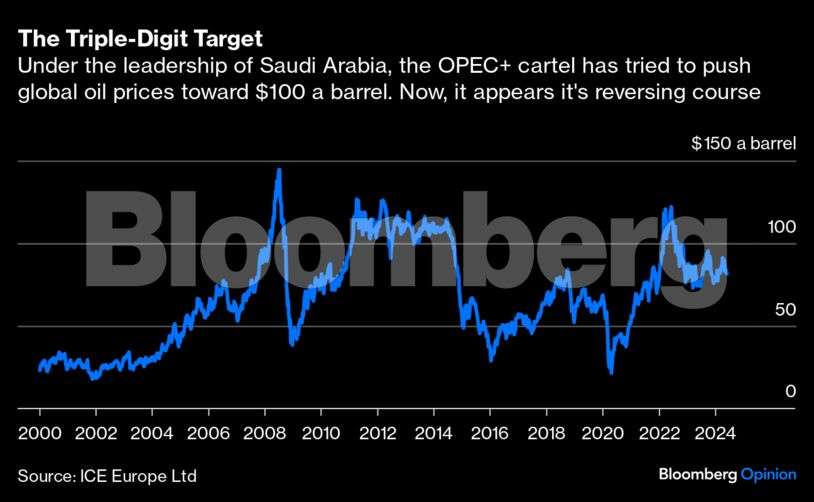
By K Raveendran OPEC+ has recalibrated its production strategy, extending voluntary output adjustments to stabilize oil markets in the face of uncertain global demand and geopolitical pressures. The alliance’s decision to prolong cuts until the first quarter of 2025 aims to counterbalance potential oversupply and demand fluctuations, particularly linked to Donald Trump’s policies and China’s […]

Dnata Logistics has launched a $27 million facility in Dubai South to strengthen its supply chain services in the region. This development aligns with the growing demand for advanced logistics and supply chain solutions in the UAE, particularly in the aviation and cargo sectors. The facility, spanning 20,000 square meters, is equipped with cutting-edge technology, including automated storage and retrieval systems and advanced temperature-controlled zones, catering to diverse industries such as pharmaceuticals, perishables, and e-commerce.

The new hub integrates dnata’s commitment to innovation, efficiency, and sustainability. It features solar panels and energy-efficient designs, reinforcing the company’s environmental objectives. Strategically located near Al Maktoum International Airport, the facility enhances the company’s operational capabilities, facilitating seamless import, export, and transit cargo handling. Guillaume Crozier, Senior Vice President of UAE Cargo at dnata, highlighted that the facility represents a significant step in delivering value-added solutions to customers and partners, emphasizing digital transformation and sustainability.

This expansion comes as part of dnata’s broader efforts to bolster the UAE’s position as a global logistics hub. The company’s collaboration with Dubai South aims to enhance efficiency and connectivity within the logistics corridor, integrating its systems with Dubai South’s smart gate mechanisms to streamline cargo processing. The partnership is expected to provide faster turnaround times, reduced costs, and increased transparency for stakeholders.

Dubai South, known for its extensive free zones and logistics infrastructure, continues to attract investments that align with the UAE’s ambitions of becoming a global leader in logistics and trade. Mohsen Ahmad, CEO of Dubai South Logistics Zone, emphasized that such initiatives enable the development of a robust, technology-driven ecosystem catering to the needs of global trade.

HANOI, VIETNAM – Media OutReach Newswire – 7 December 2024 – The VinFuture Foundation has honored four scientific breakthroughs in 2024. The US$3 million Grand Prize is awarded to “transformational contributions to the advancement of deep learning.” Three VinFuture Special Prizes are awarded to “innovative improvement of oral cholera vaccination in developing countries,” “advancement in design of polymeric biomaterials and methods for biomedical applications,” and “development of […]

Mubadala Investment Company, Abu Dhabi’s prominent sovereign wealth fund, is strengthening its focus on the Asia-Pacific region through a strategic partnership with Goldman Sachs Asset Management. This collaboration aims to deploy $1 billion into private credit opportunities across APAC markets, a move that aligns with Mubadala’s strategy to expand its footprint in this fast-evolving economic landscape. The sovereign fund, which manages an estimated $276 billion in assets, […]

Fortress Investment Group, a global investment firm backed by Mubadala Investment Company, has expressed strong interest in expanding its footprint in the Middle East. The firm, known for its private equity, credit, and real estate investments, is exploring new opportunities across the region as it seeks to capitalize on the growing economic diversification efforts of Middle Eastern countries. These efforts, led by a focus on non-oil industries and infrastructural growth, present an ideal environment for Fortress to leverage its financial resources.

Fortress, which operates a range of alternative investment strategies, has built a significant presence in global markets. The firm’s interest in the Middle East comes at a time when several countries in the region are pushing for an increase in foreign investment, particularly in non-energy sectors. These efforts align with Mubadala’s strategy of diversifying its assets and enhancing its international partnerships. Mubadala’s backing provides Fortress with the resources and access to secure a competitive advantage as it pursues opportunities in the Middle East.

The firm’s regional strategy is already taking shape, with a focus on sectors that align with the region’s long-term goals, such as technology, infrastructure, and renewable energy. The Middle East, particularly the Gulf Cooperation Council (GCC) countries, has become a key area for private equity firms due to its increasing openness to foreign investment. Saudi Arabia, the UAE, and Qatar have implemented various economic reforms to improve their business environments, making them attractive destinations for global investors.

For Fortress, this interest is driven by the region’s growing demand for capital to fund large-scale development projects. The economic transformations underway in countries like Saudi Arabia, under its Vision 2030 plan, aim to reduce reliance on oil exports and diversify economies through infrastructure development, tourism, and technological innovation. Fortress, with its established expertise in financing major projects and navigating complex markets, is well-positioned to contribute to these ambitious goals.

The UAE and Saudi Arabia, in particular, have been making strides in attracting foreign investors with initiatives like the Dubai International Financial Centre and Saudi Arabia’s Public Investment Fund. Fortress has expressed interest in tapping into these new avenues, especially in sectors such as real estate development, which continues to see high demand across the region. The firm’s extensive experience in managing large portfolios and its global network of partners give it an edge in securing substantial investments in the region.

As Fortress moves forward with its Middle East strategy, it is also looking to expand its relationships with local partners. Mubadala, a key player in Fortress’s growth strategy, continues to be instrumental in helping Fortress secure new investments and navigate the regulatory landscape. The partnership with Mubadala ensures that Fortress has the local knowledge and strategic insight needed to make informed decisions in the fast-evolving Middle Eastern market.

With the global investment landscape becoming increasingly competitive, Fortress’s plans to expand in the Middle East highlight the region’s growing importance in the broader financial ecosystem. As Middle Eastern countries continue to invest in large-scale infrastructure projects and diversify their economies, private equity firms like Fortress will play a critical role in driving innovation and fueling economic growth.

The firm’s focus on technology and renewable energy aligns well with the region’s sustainable development goals. The UAE’s ongoing commitment to clean energy initiatives, exemplified by projects like Masdar City, presents a compelling opportunity for Fortress to leverage its expertise in green technologies. Similarly, Saudi Arabia’s efforts to foster technological innovation through its NEOM city and other initiatives offer a platform for Fortress to deploy capital in high-growth sectors.

Fortress’s involvement in the Middle East also reflects the broader trend of increased foreign interest in the region, particularly as it diversifies its economies. While oil remains a dominant economic driver, there is growing recognition of the need to build sustainable, diversified industries that can withstand global economic shifts. Fortress, with its established track record in navigating complex markets, is expected to be an important player in this transformation.

Morgan Stanley has adjusted its Brent crude price projection for the second half of 2025 to $70 per barrel, citing OPEC+ production decisions and broader supply-demand dynamics. This revision reflects cautious optimism about the market’s ability to stabilize amid shifts in global oil supply, rising alternative energy adoption, and the evolving geopolitical landscape.

The OPEC+ coalition has opted to gradually unwind its voluntary production cuts totaling 2.2 million barrels per day starting from December, aiming to maintain price stability while balancing market cohesion. Analysts suggest this calculated strategy seeks to mitigate downward pressure on oil prices caused by oversupply fears and demand uncertainties. The move follows deliberations among key producers, including Saudi Arabia and Russia, with a long-term focus on discipline among non-OPEC+ suppliers.

Despite these measures, bearish market conditions persist. Morgan Stanley’s forecast aligns with broader trends suggesting that crude oil prices may face headwinds from an anticipated supply surplus of approximately 700,000 barrels per day by 2025. This surplus, driven by production expansions in regions such as the Americas, has tempered earlier bullish outlooks. Brazil, Guyana, and the United States are expected to collectively contribute over one million barrels per day to global output growth in the coming years.

Demand-side challenges also weigh heavily on the outlook. A slower-than-expected recovery in China’s oil consumption, attributed to rapid electric vehicle adoption and the rise of LNG-powered trucking, has raised concerns about long-term demand stagnation. Bank of America analysts have echoed this sentiment, projecting subdued growth in China’s oil usage as one of the factors leading to a potential market oversupply.

Middle Eastern tensions and disruptions to Libyan crude exports have added complexity to the short-term landscape. However, analysts anticipate these issues to have a limited impact on long-term pricing due to ongoing diplomatic efforts and the likelihood of resumed production in Libya. As such, markets remain focused on structural shifts, including the increasing role of alternative energy sources and changes in transportation fuel demand.

By Nitya Chakraborty Prime Minister Narendra Modi invited Russian President Vladimir Putin to visit India at the time of his visit to the BRICS summit at Kazan in Russia in October this year. This was immediately accepted by President Putin and in the last six weeks since the Kazan conclave on October 22-23 this year, […]

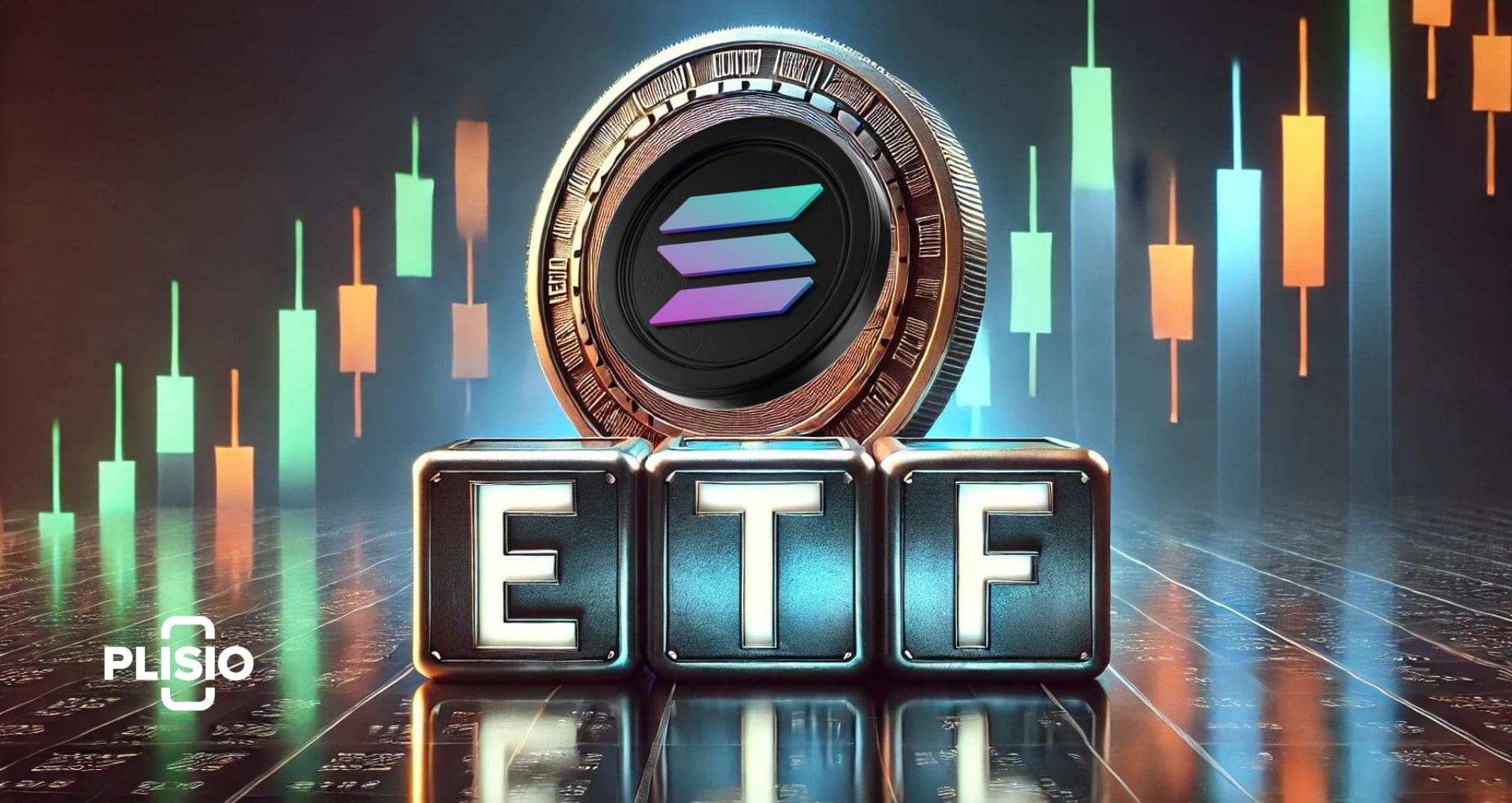
The U.S. Securities and Exchange Commission (SEC) has taken steps to halt progress on Solana exchange-traded fund (ETF) applications submitted by multiple issuers. These ETFs, designed to offer investors direct exposure to Solana (SOL), have encountered significant regulatory resistance. This marks a substantial setback for proponents of cryptocurrency-based ETFs within the United States.

At least two of the five firms seeking SEC approval for Solana ETFs, including prominent asset managers like VanEck and 21Shares, were informed their applications under the 19b-4 rule would not proceed. These filings, which represent a request to amend exchange listing rules to accommodate new financial products, are a critical step toward launching ETFs. However, the SEC’s decision to reject these applications indicates the regulatory body’s ongoing unease with the cryptocurrency market. Reports suggest the agency is particularly concerned about the classification of Solana as an unregistered security and its implications for the broader financial system.

The SEC’s scrutiny comes amid heightened attention on cryptocurrencies, with regulators debating whether certain digital assets, including Solana, function as securities or commodities. Solana’s rapid adoption and integration into decentralized finance (DeFi) ecosystems have spurred investor interest, but the ambiguity surrounding its regulatory status has made institutional adoption in the U.S. challenging.

The rejected filings were submitted through the Chicago Board Options Exchange (Cboe) earlier this year. While some issuers remain optimistic that changes in the regulatory environment could reopen discussions, others view the SEC’s stance as a signal that cryptocurrency ETFs, especially those based on altcoins like Solana, will face significant hurdles under the current administration.

International markets, however, have taken a different approach. In Brazil, a Solana-based ETF recently gained approval from local regulators, highlighting the divergence in regulatory attitudes between jurisdictions. This development has provided a glimmer of hope for cryptocurrency advocates, who argue that the U.S. risks falling behind in fostering innovation in digital assets.

The SEC’s position reflects broader challenges faced by cryptocurrency ETFs, with regulatory concerns extending beyond Solana to include issues such as market manipulation, investor protection, and systemic risk. The rejection of Solana ETF filings echoes the agency’s previous denials of spot Bitcoin ETFs, which similarly struggled to address regulatory apprehensions.

KUALA LUMPUR, MALAYSIA – Media OutReach Newswire – 6 December 2024 – The “Korea Gyeong Buk Premium Food Promotion 2024” hosted by the Gyeongbuk Maeil Newspaper and sponsored by 14 local governments of GyeongSangbuk-do has successfully concluded 2 meaningful events highlighting its specialities and global potential of Gyeong Buk products. The events which feature 20 Korean F&B Companies was held from November 25th to 28th , which […]

Global cryptocurrency trading volumes surged to record highs in November, with spot markets witnessing a transaction volume of $2.7 trillion, marking the most significant activity since mid-2021. This dramatic increase coincided with substantial developments in the political and economic landscape, catalyzing heightened market enthusiasm. Futures trading also experienced a remarkable boost, with Bitcoin and Ethereum futures dominating the derivatives segment.

The momentum in the cryptocurrency market followed the reelection of Donald Trump as U.S. President, a development that fueled optimism around potential regulatory reforms. The departure of SEC Chair Gary Gensler added to this positive sentiment, as his tenure was marked by stringent scrutiny of digital assets. Market participants anticipate a more supportive stance toward cryptocurrencies under the new administration, especially after campaign promises to position the U.S. as a global hub for digital finance.

Bitcoin approached the $100,000 mark for the first time, underscoring a bull run driven by multiple factors. The approval of Bitcoin ETFs in several jurisdictions further encouraged institutional investment, with a combined inflow of $6.87 billion during November. This development was instrumental in providing institutional investors with a more streamlined pathway to crypto exposure, signaling a shift toward mainstream adoption.

The global market cap for cryptocurrencies rose to $3.47 trillion, reflecting robust investor confidence. Exchanges such as Binance and Kraken reported unprecedented activity in perpetual contracts, with altcoins like Solana and Dogecoin showing significant trading volume increases. Dogecoin, often viewed as a speculative asset, briefly surpassed Ethereum in daily trading volumes, highlighting its growing appeal among traders.

Regulatory shifts outside the U.S. also contributed to the rally. Nations in Asia and Europe introduced or committed to frameworks for digital assets, providing much-needed clarity for investors. These developments have encouraged both institutional and retail investors to explore opportunities in the cryptocurrency ecosystem, further driving up trading volumes.

The macroeconomic environment also played a pivotal role. The U.S. Federal Reserve’s decision to ease monetary policy injected additional liquidity into financial markets. Investors flocked to cryptocurrencies as a hedge against inflation, drawn by their scarcity and potential for high returns. This influx of capital was particularly evident in Bitcoin, which saw substantial growth in both spot and futures markets.

The Liwa International Festival 2025 (LIWA 2025) will commence on December 13 in the Al Dhafra region of Abu Dhabi, running through January 4. The event, known for attracting motorsport enthusiasts from around the world, promises a captivating blend of high-octane motorsport competitions, cultural exhibitions, and family-friendly activities. With its strong focus on desert racing, LIWA 2025 is expected to offer unparalleled excitement for both competitors and spectators.

Held annually in the stunning Al Dhafra desert, the festival is a key highlight of the UAE’s motorsport calendar. This year’s event is anticipated to showcase a series of thrilling off-road racing events, including the famed Liwa Desert Challenge, where drivers compete against the harsh desert landscape in a test of skill and endurance. The challenge draws some of the world’s best off-road racers and features a range of vehicles, including 4x4s, motorcycles, and dune buggies.

LIWA 2025 will also spotlight the growing popularity of motorsports in the Middle East, a region that has increasingly become a hub for international racing events. This year’s festival is expected to be one of the largest yet, with organizers estimating that tens of thousands of visitors will flock to the desert over the course of the three-week event. The event’s success is partly attributed to its ability to attract a diverse crowd, with motorsport fans, local families, and international tourists all eager to experience the blend of speed, culture, and tradition.

One of the festival’s main draws is its ability to combine thrilling motorsports with cultural experiences. Alongside the races, LIWA 2025 will feature traditional Bedouin music and dance, local food stalls, and displays of regional crafts. This fusion of culture and sport is one of the reasons why the festival has grown in popularity over the years. Visitors can explore the region’s rich heritage while enjoying the electrifying atmosphere of the races.

The festival is not just for motorsports aficionados. The event also hosts a number of family-oriented activities, including camel races, falconry displays, and a vibrant market that showcases handicrafts and local products. These attractions offer a more immersive experience, allowing visitors to connect with the history and traditions of the UAE.

This year’s festival also aims to bring attention to sustainability efforts. Organizers have incorporated eco-friendly initiatives into the event’s planning, ensuring that it not only celebrates motorsports but also respects the fragile desert environment. This includes using solar-powered lighting, minimizing waste, and encouraging the use of electric vehicles for transportation around the festival grounds. These efforts reflect a growing trend in the region to balance high-impact events with environmental responsibility.

The Al Dhafra region, known for its vast and dramatic sand dunes, provides a spectacular backdrop for the festival. The desert’s unique landscape offers an exciting and challenging terrain for participants. The extreme conditions make it a true test of endurance, skill, and precision for drivers who face both natural and technical obstacles throughout the race. The Liwa Desert Challenge is considered one of the toughest off-road racing events globally, and it continues to attract drivers eager to test their mettle.

Beyond the races, LIWA 2025 will also feature an exhibition of cutting-edge automotive technology and innovation. Manufacturers and vendors will display the latest advancements in off-road vehicles, providing a glimpse into the future of motorsports. This expo is expected to draw significant attention from industry professionals, as well as fans eager to see the newest vehicles and gadgets designed for desert racing.

The Liwa International Festival’s reputation as a major motorsport and cultural event is not just limited to local audiences. The festival has seen increasing international attention in recent years, with visitors and competitors from across the globe making the journey to Abu Dhabi for the event. It serves as an important meeting point for motorsports enthusiasts, industry leaders, and cultural tourists alike.

The festival provides a platform for local businesses to showcase their products and services. The event offers sponsorship opportunities for a variety of brands, ranging from automotive companies to luxury goods and local hospitality services. These partnerships help fuel the growth of the event and ensure its continued success, benefiting both the motorsport industry and the local economy.

One of the key components of the festival is the opportunity it provides for networking within the motorsports community. As a hub for off-road racing, the festival allows competitors, fans, and industry professionals to meet and exchange ideas. It is an event where business, sports, and culture collide, fostering collaborations and partnerships that extend beyond the festival itself.

As the event grows in stature, the UAE continues to position itself as a major player on the global motorsports stage. With world-class facilities, a growing fan base, and a strategic location that connects East and West, the UAE is becoming a key destination for motorsport events, not just in the Middle East, but globally. This trend is expected to continue with events like the Liwa International Festival setting the standard for excellence in the region.

Organizers of LIWA 2025 are confident that the festival will be a major success, citing the growing interest in motorsports and the UAE’s strong infrastructure. With support from the government, as well as private sector partnerships, the event is set to leave a lasting impression on all who attend.


VISHNU RAJA
RYO YAMADA
HITORI GOTOH
IKUYO KITA
Just in:
Technology at Work, Heritage for All: The “Chinese Approach” to Safeguarding the Leshan Giant Buddha // Toward a Shared Future for Humanity: Rethinking Civilizational Exchange //
Centre grants aircraft cabin access for Sabarimala pilgrims’ irumudi
// Ex-minister named accused in Messi visit fraud case // Sui activates Hashi Bitcoin lending across partner network // Jaiedco and Golden Bridge Announce Strategic Collaboration for a New Dubai Islands Development // Energy Markets Find Little Substance In Shenzhen Summit Promises // Diabetes Malaysia And Alpro Pharmacy Set National Record With 11,007 Most Blood Glucose Screenings Conducted Across Malaysia In Just 48 Hours // Dubai Introduces SHARH, an AI-Powered Platform Helping Entrepreneurs Buy, Sell and Manage Businesses in the UAE // ED searches five districts in probe against hawala // Yeebo Announces Interim Results for FY26/27 Revenue Increases by 45.5% to HK$806.7 Million Profit Attributable to Owners Surges 87.6% to HK$2,284.7 Million // Padmini follows Padmaja for ‘ghar vapsi’ // Russia permits retail cryptocurrency purchases under regulated framework // Dalilk Academy reaches 27 million, targets 100 million by 2030 // Sabarimala booking discrepancies prompt sabotage angle probe // Egypt’s African Union trade climbs to $8.2 billion // 2026 Tropical Rainforest Ecosystem Partners Conference Kicks off in Hainan // Phancy Announces Business Performance for the Nine Months Ended September 30, 2026 // US military rebuts Iran’s Gulf F-16 strike allegation //
Rahul addresses League’s INDIA bloc grievances
//