Just in:
Crypto market loses $150 billion amid broad sell-off // Oil futures rebound after Riyadh strikes and tanker alerts // Yeebo Announces Interim Results for FY26/27 Revenue Increases by 45.5% to HK$806.7 Million Profit Attributable to Owners Surges 87.6% to HK$2,284.7 Million // Antony’s wife called to police station with husband over complaint // ED searches five districts in probe against hawala // Travel Insurance Was Built for the Few Who Claim. Ancileo’s Felt Coverage™ is for Everyone Else // Russia permits retail cryptocurrency purchases under regulated framework // LittleLives, Little Lab and SEGi College Sign MOU to Explore Early Childhood Education Collaboration Across ASEAN // Phancy Announces Business Performance for the Nine Months Ended September 30, 2026 // Malappuram hartal over Western Ghats // Alibaba shares slip despite 53% cloud revenue growth // International Business Leaders Say Xi’s Speech Boosts Confidence in Asia-Pacific Cooperation // Balagopal challenges CM over tax revenue // Dubai Introduces SHARH, an AI-Powered Platform Helping Entrepreneurs Buy, Sell and Manage Businesses in the UAE // PicCollage extends photo editing platform to web browsers // Jaiedco and Golden Bridge Announce Strategic Collaboration for a New Dubai Islands Development // Promoting Common Human Development Through Exchanges and Mutual Learning Among Civilizations // 2026 Tropical Rainforest Ecosystem Partners Conference Kicks off in Hainan // Sharjah clears Kalba free zone plan for 400MW complex // Hackers exploit public notes to distribute NodeLinkRAT malware //

News related to
Expo

The combined market capitalisation of the UAE’s 20 largest companies has soared to AED 2.8 trillion ($762 billion), marking a significant milestone for the country’s local stock exchanges. These companies, listed on the Abu Dhabi Securities Exchange (ADX) and the Dubai Financial Market (DFM), now represent 77.6% of the total market capitalisation across UAE markets, which stands at AED 3.59 trillion. This achievement comes as the UAE continues to pursue an ambitious strategy to double its overall market value to AED 6 trillion in the coming years.

The top performer, International Holding Company (IHC), dominates the UAE market with a staggering market capitalisation of over AED 912.3 billion, accounting for 25.4% of the local stock markets. Following IHC is Abu Dhabi National Energy Company (Taqa), which holds a market value of AED 296.8 billion. These two firms exemplify the UAE’s growing prowess in sectors such as energy, infrastructure, and diversified investments.

Several other major players have also solidified their positions in the financial landscape. Adnoc Gas has secured a market value of AED 240.2 billion, while Etisalat by e& and First Abu Dhabi Bank (FAB) follow closely with market capitalisations of AED 161.5 billion and AED 147.6 billion, respectively. Companies like Emirates NBD and Dubai Electricity and Water Authority (DEWA) are also notable contributors to the UAE’s market strength, alongside real estate giants such as Emaar Properties and Aldar Properties.

Industry experts point to the UAE’s pro-business environment and its strategic initiatives to attract foreign investment as key factors driving the exponential growth of the stock market. The UAE government has committed to fostering economic diversification, furthering innovation, and implementing financial reforms that facilitate this expansion.

PHNOM PENH, CAMBODIA – Media OutReach Newswire – 6 September 2024 – The Bay of Lights, a transformative USD 16 billion coastal township development project, took center stage at the inaugural Singapore Business Expo 2024, coinciding with Singapore’s 59th Independence Day celebrations. Showcased as the groundbreaking project, the Bay of Lights is poised to transform Cambodia’s coastal economy and create ripple effects across the Southeast Asia region. […]

OPEC+ has opted to prolong its production restraint by two months to prevent a looming oil surplus this year. This decision comes as economic indicators show slowing growth in China and increasing supply from the United States, driving crude oil prices to their lowest level in 14 months. The coalition, spearheaded by Saudi Arabia and Russia, announced the extension on Thursday after assessing the current global market […]

The United Arab Emirates is poised to witness an unprecedented surge in international visitor spending, with expenditures expected to exceed $52 billion by the end of this year. This remarkable growth underscores the UAE’s expanding role as a global tourism hub, fueled by ongoing investments in infrastructure and strategic marketing efforts.

The World Travel & Tourism Council (WTTC) has reported that the UAE’s tourism sector is on track to break previous records, driven by a combination of increased international travel and robust economic conditions. The forecasted spending figure represents a substantial increase from previous years, highlighting the UAE’s resilience and attractiveness in the global tourism market.

Several factors contribute to this surge in visitor spending. The UAE has successfully positioned itself as a premier destination for luxury travel, attracting high-net-worth individuals with its opulent hotels, world-class dining experiences, and exclusive events. The country’s strategic initiatives, such as hosting major international events and enhancing its hospitality sector, have played a significant role in drawing affluent tourists.

Recent developments in tourism infrastructure have also bolstered the UAE’s appeal. The expansion of airports, the introduction of new flight routes, and the enhancement of travel experiences have made the UAE more accessible to international visitors. These advancements are complemented by the UAE’s continuous efforts to innovate and diversify its tourism offerings, ranging from cultural festivals to adventure tourism.

The UAE’s commitment to maintaining high safety and cleanliness standards, particularly in the wake of the COVID-19 pandemic, has further solidified its reputation as a safe and attractive destination. This focus on health and safety has reassured travelers, contributing to the surge in tourism-related expenditures.

Moreover, the UAE’s strategic use of digital marketing and social media has amplified its visibility on the global stage. Campaigns highlighting the UAE’s unique attractions, such as the Burj Khalifa, the Palm Jumeirah, and cultural landmarks like the Louvre Abu Dhabi, have resonated with a broad audience, driving interest and visits.

The influence of high-profile events, such as the Expo 2020 Dubai, has had a lasting impact on the UAE’s tourism sector. Although the Expo concluded, its legacy continues to attract tourists and stimulate economic activity. The influx of international visitors during the event showcased the UAE’s capacity to host large-scale global gatherings, further cementing its status as a leading destination.

The rise in international visitor spending is also reflective of broader global tourism trends. As countries recover from the pandemic, there is a noticeable rebound in travel, with tourists eager to explore new destinations and experience diverse cultures. The UAE has capitalized on this trend by offering a mix of luxury, adventure, and cultural experiences that cater to various preferences.

Key players in the UAE’s tourism industry, including major hotel chains, travel agencies, and entertainment providers, are witnessing significant growth in revenue. These businesses are investing in enhancements to attract and retain international visitors, ensuring that the UAE remains competitive in the global tourism market.

Economic analysts highlight that the tourism sector’s growth has positive implications for the UAE’s overall economy. Increased visitor spending contributes to job creation, supports local businesses, and generates substantial revenue for the government. The tourism industry’s expansion aligns with the UAE’s broader economic diversification goals, reducing reliance on oil revenues and fostering sustainable development.

Banking regulators in the United States, including the Federal Reserve, Federal Deposit Insurance Corporation (FDIC), and Office of the Comptroller of the Currency (OCC), are expected to release significant revisions to bank capital requirements this month. These changes, which aim to strengthen the resilience of the financial system, are part of the larger “Basel III endgame” framework. The upcoming rules are targeted at banks with over $100 billion in assets, with the intention of bolstering their ability to withstand future financial crises.

The planned regulations will eliminate the use of banks’ internal risk models in favor of standardized models, addressing longstanding concerns about inconsistencies in how banks evaluate their risk exposure. If implemented, the new capital requirements will be phased in over three years, beginning in July 2025. However, the proposal has met with significant resistance from the banking industry, which argues that the regulations could lead to reduced lending capacity, stifling economic growth and affecting consumer credit availability.

The proposed revisions represent a culmination of years of efforts by regulators to tighten capital standards in the aftermath of the 2008 financial crisis. Banks have faced increasing scrutiny from both regulators and lawmakers over the adequacy of their capital buffers. Stress tests conducted by U.S. authorities have consistently shown that the nation’s banking system remains well-capitalized, but concerns linger about whether current rules are sufficient to safeguard against future economic shocks.

Among the major changes expected is the implementation of higher capital buffers for banks, particularly those with significant trading operations. This would affect major Wall Street firms, including JPMorgan Chase, Goldman Sachs, and Citigroup. These institutions could be required to hold substantially more capital against their trading assets, which has drawn criticism from the financial sector. The American Bankers Association (ABA) and other industry groups have argued that excessive capital requirements could reduce profitability and hamper their ability to finance economic activity.

Despite these objections, proponents of the new rules, including key regulatory figures, have emphasized the importance of ensuring that banks are prepared for a range of potential crises. Federal Reserve officials have expressed confidence in the banking system’s current stability but have stressed that more stringent capital requirements would reduce the likelihood of taxpayer-funded bailouts in the future. They have also pointed to the Basel III guidelines as an international standard, which the U.S. must comply with to maintain financial stability on a global scale.

Opponents within the banking sector are mounting an aggressive lobbying campaign to delay or modify the rulemaking. They argue that the proposed rules do not take into account the economic impact of stricter capital standards, especially at a time when inflation and interest rate hikes are already placing significant pressure on the industry. Large banks, which are likely to be most affected by the new regulations, have voiced concerns that they will be forced to cut back on lending activities to meet the higher capital requirements.

The pushback has been particularly vocal from some of the biggest players in the financial industry, who warn that the new capital rules could lead to reduced lending to businesses and consumers. The ABA, in a statement, expressed support for strong capital requirements but urged regulators to strike a balance that does not stifle economic growth. They argue that while the banking sector remains resilient, overly stringent capital rules could inadvertently weaken it by making credit more expensive and difficult to obtain.

At the heart of the debate is the balance between financial stability and economic growth. Regulators believe that higher capital buffers will protect the economy from future crises, ensuring that banks can absorb losses without threatening the broader financial system. On the other hand, industry critics argue that the proposed rules may do more harm than good, reducing banks’ ability to lend at a critical time for the economy.

HONG KONG SAR – Media OutReach Newswire – 6 September 2024 – In celebration of Hello Kitty’s 50th anniversary, Alifish, a copyright trading and innovation platform under Alibaba Pictures, joined forces with Sanrio and Tmall to launch the inaugural Sanrio Tmall Super Brand Day event under the theme “Besties should stay together like Hello Kitty & Friends”. This event saw the participation of over 30 licensees, showcased […]

YouTube has announced new measures aimed at curbing the negative effects of algorithm-driven content on young users, a move prompted by growing concerns over how prolonged exposure to certain videos can impact their well-being. The platform’s updated approach includes expanded parental controls designed to give guardians more visibility and authority over what their children watch. The changes, introduced in response to a surge in parental feedback and […]

Advertisements

Global music sensation Eric Prydz is set to electrify Expo City Dubai with his acclaimed HOLO show on October 18. This highly anticipated event merges advanced visual technology with a captivating musical performance, marking its debut in the Middle East. HOLO has garnered international acclaim for its immersive blend of 3D holographic projections, lasers, and dynamic lighting, creating an unparalleled sensory experience. The show has previously captivated […]

The United Arab Emirates (UAE), Saudi Arabia, and several other oil-producing nations have extended their voluntary cuts in oil production, aiming to stabilize global oil markets and support prices amid ongoing economic uncertainties. This decision follows a series of discussions among key members of the OPEC+ alliance, which includes countries outside the Organization of the Petroleum Exporting Countries (OPEC) such as Russia, Iraq, Kuwait, Kazakhstan, Algeria, and Oman.

The latest agreement, confirmed in a joint statement from the participating countries, includes an extension of the existing production cuts into the coming months. The initiative, originally set to be reassessed at the end of this year, now reflects a strategic move to address fluctuations in global demand and counteract economic pressures impacting the energy sector.

Saudi Arabia, as one of the world’s largest oil exporters, will continue its policy of reducing output by an additional one million barrels per day, a step that aligns with its broader efforts to maintain oil prices within a targeted range. This decision is part of a coordinated strategy to stabilize the market and prevent a significant drop in prices that could adversely affect the economies of oil-dependent nations.

The UAE has also committed to reducing its oil production, extending its cut of 500,000 barrels per day, reflecting its ongoing support for the broader goals of the OPEC+ group. Other key contributors to the cuts include Iraq, Kuwait, and Kazakhstan, each of which has pledged to limit their oil output as part of the collective effort. Algeria and Oman are similarly maintaining their voluntary reductions, underscoring the unified approach of these oil-producing nations.

The decision to extend these cuts comes amid a complex global economic environment characterized by fluctuating energy demands, geopolitical tensions, and evolving consumer behavior. Analysts note that the prolonged cuts are aimed at balancing the market and preventing an oversupply that could lead to a decline in oil prices, which have experienced volatility in recent months.

Key players in the oil market have responded positively to the announcement, viewing the extension as a proactive measure to ensure market stability. Oil prices have shown signs of support following the news, with traders optimistic that the coordinated effort by major oil producers will contribute to a more stable pricing environment.

In addition to the immediate impacts on oil prices, the extended cuts highlight the ongoing collaboration among major oil-producing nations to navigate the challenges of a volatile global market. This unity reflects a broader commitment to maintaining stability in the oil sector and ensuring that the interests of both producers and consumers are addressed.

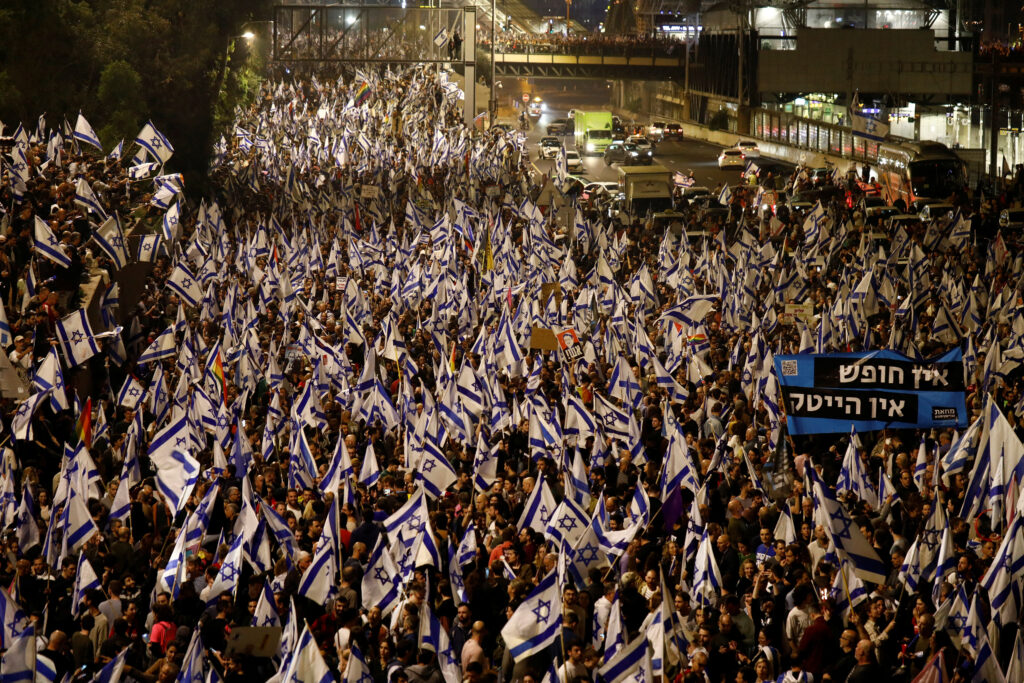
By Satyaki Chakraborty Massive global protests in the last four days of September in all the major cities of the world including New York, Washington, London, Paris, Berlin and finally Tel Aviv against Israel Prime Minister Benjamin Netanyahu’s rigid attitude to the ceasefire proposal to end the Gaza war, have led to some positive reaction […]
The Internet of Things (IoT) market is set to experience exponential growth over the next decade, with projections estimating its value will soar to $5.33 trillion by 2032, according to industry forecasts. This surge is driven by technological advancements, increasing cloud adoption, and a steady rise in wireless networking capabilities, making IoT an integral part of modern industries and day-to-day life. Research highlights a compound annual growth […]

Tourism in the UAE has seen a substantial boost in the first half of 2024, positioning the country as the leading destination in the Gulf Cooperation Council (GCC) region. According to recent figures, the UAE has outpaced its neighbors in attracting international visitors, driven by a combination of strategic marketing, major events, and ongoing investment in tourism infrastructure.

The UAE’s Ministry of Economy reported a significant increase in tourist arrivals, with Dubai and Abu Dhabi leading the charge. The country welcomed over 10 million international tourists from January to June 2024, marking a 15% increase from the same period last year. This surge has been fueled by a series of high-profile events and a continued emphasis on enhancing the visitor experience.

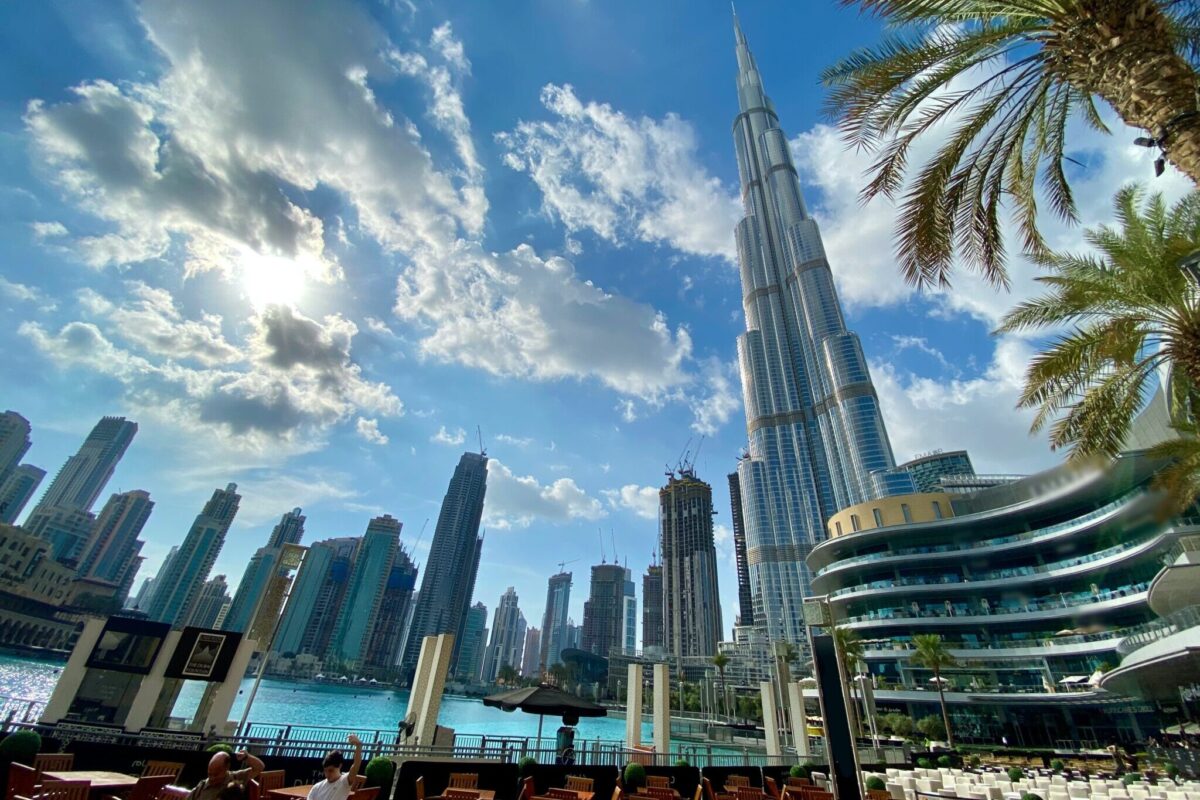
Dubai, known for its luxury tourism and major attractions like the Burj Khalifa and Dubai Mall, has witnessed a notable uptick in visitor numbers. The city’s ambitious strategy to diversify its tourism offerings and invest in world-class infrastructure has paid off. Major events such as the Dubai Shopping Festival and the Expo 2024 have drawn large crowds, contributing significantly to the rise in tourism figures.

Abu Dhabi, the UAE’s capital, has also seen a remarkable increase in tourist numbers. The city’s cultural and entertainment offerings, including the Louvre Abu Dhabi and Yas Island, have become major attractions. Recent investments in expanding hospitality services and promoting cultural tourism have bolstered Abu Dhabi’s position as a key player in the GCC tourism sector.

Other GCC countries have also experienced growth in their tourism sectors, but none have matched the UAE’s pace. Saudi Arabia, for instance, has made considerable strides with its Vision 2030 initiative, which aims to diversify the economy and promote tourism. However, while Saudi Arabia has seen growth, the scale and speed of the UAE’s tourism boom remain unmatched in the region.

Qatar and Oman have also reported increased tourist numbers, but the UAE’s strategic advantages in terms of infrastructure, marketing, and event management have given it a competitive edge. Qatar’s World Cup legacy continues to attract sports tourists, while Oman’s natural landscapes appeal to adventure and eco-tourism enthusiasts. Yet, the UAE’s well-established tourism ecosystem and its ongoing efforts to innovate and enhance the visitor experience have set it apart.

One of the key factors contributing to the UAE’s success is its continuous investment in tourism infrastructure. The UAE government has committed to expanding its hospitality sector, with numerous new hotels and resorts opening in recent months. Additionally, major projects such as the expansion of Dubai International Airport and the development of new tourism districts in Abu Dhabi are expected to further boost tourist numbers.

Another significant element is the UAE’s strategic marketing campaigns, which have effectively targeted key international markets. The UAE has focused on promoting its diverse attractions, ranging from luxury shopping and fine dining to cultural heritage and adventure tourism. This multifaceted approach has resonated with a broad spectrum of travelers, from affluent tourists seeking luxury experiences to those interested in cultural exploration and outdoor activities.

The UAE’s ability to host major global events has also played a crucial role in its tourism success. Events such as the Abu Dhabi Film Festival and Dubai Design Week attract international visitors and media attention, further enhancing the country’s profile as a leading tourist destination. These events not only draw visitors but also contribute to the UAE’s reputation as a hub for cultural and creative industries.

IIT Delhi has inaugurated its first international campus in Abu Dhabi, marking a significant milestone in the institution’s expansion strategy. The new facility, situated in the UAE capital, represents IIT Delhi’s commitment to globalizing its world-renowned STEM education and research programs. This move is part of a broader initiative to enhance international collaboration and extend the institution’s educational reach beyond India’s borders.

The campus, located within the Abu Dhabi University district, is equipped with state-of-the-art facilities designed to foster advanced research and innovation. This expansion aims to build on IIT Delhi’s established reputation for excellence in engineering and technology, bringing its expertise to a new geographical region. The initiative aligns with the UAE’s strategic goals of enhancing educational offerings and fostering innovation-driven growth.

IIT Delhi’s new international campus will offer a range of undergraduate and postgraduate programs tailored to local and regional needs, including specialized courses in artificial intelligence, data science, and sustainable engineering. The institution has emphasized that the Abu Dhabi facility will serve as a hub for collaborative research, drawing on the UAE’s growing emphasis on technological advancement and smart city development.

The decision to establish a campus in Abu Dhabi reflects both IIT Delhi’s strategic vision and the UAE’s broader educational objectives. The UAE has been making substantial investments in higher education and research, aiming to position itself as a global leader in innovation. The partnership between IIT Delhi and UAE institutions is expected to strengthen the region’s academic and technological landscape.

This expansion is also seen as a response to the increasing global demand for high-quality STEM education and research opportunities. By leveraging its established reputation and expertise, IIT Delhi seeks to attract students and researchers from around the world, thereby enhancing its global footprint and influence.

The launch of the Abu Dhabi campus comes amid growing interest in international education partnerships, with many institutions seeking to broaden their global reach. For IIT Delhi, this venture not only represents an opportunity to extend its impact but also to contribute to the UAE’s educational and technological ambitions. The partnership is expected to yield mutual benefits, including collaborative research projects, student exchange programs, and joint ventures with local industries.

The new facility has been designed with a focus on cutting-edge technology and sustainability. It includes advanced laboratories, collaborative workspaces, and high-tech classrooms, all intended to support a dynamic learning and research environment. The campus is set to become a key player in the region’s academic and technological advancements, reinforcing IIT Delhi’s role as a leading global institution.

IIT Delhi’s international campus in Abu Dhabi is poised to attract students and researchers from across the globe, positioning itself as a significant educational hub in the Middle East. This move is expected to enhance the institution’s global network and influence, while contributing to the development of the UAE’s educational infrastructure and research capabilities.

The Singapore dollar has reached its strongest level against the US dollar in over ten years, reshaping economic dynamics and influencing various sectors from tourism to trade. This notable appreciation of the Singapore dollar, driven by a mix of global economic factors and local financial policies, has brought both opportunities and challenges to different stakeholders.

The current strength of the Singapore dollar, surpassing 1.35 against the US dollar, marks a significant shift in the currency’s performance. This upsurge is attributed to Singapore’s robust economic fundamentals, strategic monetary policies by the Monetary Authority of Singapore (MAS), and a relatively stable political environment compared to other global economies. Investors and analysts have observed that this strength reflects broader trends of a resilient Singaporean economy amidst global uncertainties.

For tourists, this stronger Singapore dollar translates to enhanced purchasing power. Visitors from countries with weaker currencies find their travel budgets stretching further, resulting in increased spending on luxury goods, dining, and entertainment. This shift has been beneficial for Singapore’s retail and hospitality sectors, with luxury boutiques and high-end restaurants reporting a boost in sales from foreign tourists. The tourism sector, a significant contributor to Singapore’s economy, is experiencing a revival as a result of this currency trend.

On the flip side, Singapore’s strong dollar poses challenges for local exporters. Companies exporting goods and services may face reduced competitiveness in international markets due to the higher cost of Singaporean products. This could impact profit margins and market share, particularly in sectors where price sensitivity is crucial. Exporters, especially those dealing with bulk commodities and price-competitive goods, are likely to experience squeezed margins unless they can offset the higher costs through operational efficiencies or increased value addition.

Importers, however, benefit from a stronger Singapore dollar. Lower costs for imported goods can lead to reduced expenses for businesses reliant on foreign products and raw materials. This could translate to lower prices for consumers, especially for imported electronics, vehicles, and other high-value items. The increased purchasing power of the dollar enables businesses to negotiate better terms with international suppliers and capitalize on favorable exchange rates.

The appreciation of the Singapore dollar has also influenced financial markets, with increased capital inflows observed as investors seek stable and profitable opportunities in Singapore. The local stock market has witnessed heightened activity, with foreign investors showing greater interest in Singaporean equities. This influx of investment is bolstering market liquidity and providing additional capital for domestic companies.

Moreover, the currency strength has implications for Singapore’s monetary policy. The MAS, which has a mandate to ensure price stability and economic growth, is closely monitoring the impact of the currency’s appreciation on inflation and economic activity. While a stronger dollar can help in containing import-driven inflation, it also requires careful management to ensure that the broader economic growth is not adversely affected.

The currency’s rise is also intertwined with global financial trends. Investors are increasingly turning to safe-haven assets and stable currencies amid economic uncertainties and geopolitical tensions. The Singapore dollar, often seen as a stable and secure currency, has attracted significant interest from global investors looking to hedge against risks. This trend is reflective of a broader shift towards currencies and assets perceived as safe havens in volatile times.

HKSTP’s 14 Park Companies Showcase Pioneering Robots, AI-Powered Safety System, Smart Building and ESG Solutions at Asia’s Most Comprehensive Built Environment Event HONG KONG SAR – Media OutReach Newswire – 4 September 2024 – Hong Kong Science and Technology Parks Corporation (HKSTP) is leading 14 innovative partner companies to the International Built Environment Week (IBEW) 2024, held from 4-6 September at Marina Bay Sands, Singapore. This participation […]

Ambitious climate change targets set by numerous nations aim to combat global warming by accelerating the shift toward renewable energy. While this transition is crucial, it comes with an increased demand for critical minerals essential for the development and implementation of renewable technologies. To navigate this complex interplay, a comprehensive bibliometric review has been conducted to shed light on the challenges and research trends surrounding the mineral […]

Economic sentiment across the Gulf Cooperation Council (GCC) remains largely positive despite facing significant challenges. Leaders from the region’s six member states—Saudi Arabia, the United Arab Emirates, Qatar, Kuwait, Oman, and Bahrain—are projecting continued economic growth driven by strategic diversification and investment in key sectors.

Saudi Arabia’s Vision 2030 continues to shape its economic landscape. The Kingdom is expanding its non-oil industries, particularly focusing on tourism, technology, and entertainment. Major projects like NEOM, a futuristic city planned to be powered entirely by renewable energy, are set to bolster economic diversification efforts. Despite fluctuations in oil prices and global economic uncertainties, Saudi Arabia’s economic policies aim to position the country as a global hub for innovation and investment.

The United Arab Emirates is also charting a course of strategic growth. Dubai, in particular, is enhancing its status as a global business and tourism center. The emirate’s emphasis on sustainable development, with initiatives such as the Dubai Clean Energy Strategy 2050, underscores its commitment to a diversified economy. Additionally, Abu Dhabi’s investments in renewable energy and technology sectors are expected to drive future economic stability.

Qatar’s economy is benefiting from its robust infrastructure projects and strategic investments. The country has been preparing for the 2022 FIFA World Cup, which is anticipated to provide a substantial boost to the hospitality and tourism sectors. Additionally, Qatar is focusing on strengthening its natural gas sector, positioning itself as a leading global exporter. This economic strategy aims to maintain Qatar’s high growth trajectory despite regional geopolitical tensions.

Kuwait is working towards economic diversification through its Vision 2035 plan, which seeks to reduce dependency on oil revenues by investing in sectors such as finance, technology, and healthcare. Despite facing budget deficits and economic pressures, Kuwait’s government is committed to implementing reforms and enhancing the investment climate to attract foreign capital.

Oman’s economic policies are geared towards improving its economic resilience through diversification. The Sultanate is investing in industries such as mining, tourism, and manufacturing. Oman’s efforts to enhance its business environment, coupled with regional trade agreements, are designed to foster economic growth. The government is also focusing on developing its infrastructure to support economic activities.

Bahrain is making strides in transforming its economy through investments in banking, finance, and technology. The Kingdom’s focus on becoming a fintech hub reflects its strategy to attract international businesses and foster innovation. Additionally, Bahrain’s efforts to enhance its human capital and improve its regulatory framework are expected to contribute to its long-term economic stability.

A luxury jet linked to Venezuelan President Nicolás Maduro has been seized by U.S. authorities, who claim it was bought through illicit means and smuggled in violation of sanctions and export controls. The Dassault Falcon 900EX, recently seized in the Dominican Republic, has been transferred to federal custody in Florida, according to the U.S. Justice Department.

The aircraft, a high-end model valued at millions of dollars, was reportedly purchased via a shell company, making it challenging for authorities to trace its true ownership. The Justice Department asserts that the plane’s acquisition and subsequent use contravened U.S. sanctions imposed on the Venezuelan government. The seizure aligns with broader efforts by U.S. authorities to enforce economic restrictions on countries and individuals considered to be engaging in prohibited activities.

The seizure operation unfolded after extensive coordination between U.S. and international law enforcement agencies. The plane was intercepted at a Dominican Republic airport before being transported to Fort Lauderdale Executive Airport in Florida. The timely transfer underscores the seriousness with which U.S. officials are pursuing violations of sanctions laws.

Venezuelan President Nicolás Maduro has been a target of U.S. sanctions for several years, with restrictions aimed at curbing his regime’s influence and financial operations. The U.S. has accused Maduro and his administration of numerous infractions, including human rights violations and corruption. The jet’s seizure marks a significant escalation in efforts to isolate the Venezuelan leader financially and politically.

The plane’s procurement through a shell company reflects sophisticated evasion tactics often employed by those under sanction. Shell companies are frequently used to obscure the true ownership of assets, complicating legal efforts to enforce sanctions and asset freezes. This case exemplifies the challenges faced by authorities in tracking and intercepting assets tied to sanctioned individuals.

U.S. officials have emphasized that the enforcement of sanctions is a critical component of their strategy to exert pressure on regimes and individuals engaged in illicit activities. The seizure of the jet is part of a broader campaign to disrupt the financial networks supporting sanctioned governments and leaders. By targeting high-value assets such as luxury jets, the U.S. aims to undermine the ability of sanctioned entities to project power and influence.

The plane’s journey from the Dominican Republic to Florida was meticulously tracked using flight monitoring systems, which played a crucial role in the operation. The Justice Department’s statement highlighted the use of advanced tracking technology as a vital tool in enforcing international sanctions and controlling the movement of restricted assets.

The case has drawn attention from international observers and analysts, who view it as a significant development in the ongoing sanctions enforcement efforts. The seizure not only affects the immediate asset but also sends a broader message regarding the U.S. commitment to uphold its economic restrictions and counteract attempts to bypass them.

As the legal and diplomatic implications of the seizure unfold, it remains to be seen how this action will impact U.S.-Venezuelan relations and the broader geopolitical landscape. The operation reflects the ongoing complexity and intensity of international sanctions enforcement and the lengths to which authorities will go to ensure compliance with economic and trade regulations.

The incident underscores the evolving nature of global sanctions regimes and the continuous efforts by governments to adapt their enforcement strategies in response to sophisticated evasion tactics. With increasing scrutiny and coordination among international law enforcement agencies, the efficacy of sanctions enforcement is likely to be a focal point in future diplomatic and legal discussions.

BingX, a prominent global cryptocurrency exchange, has unveiled its latest addition to the BingX Launchpool, featuring the Counter Fire (CEC) token. This initiative marks a significant step forward for blockchain-based gaming, as the token promises to introduce a new level of interaction within the gaming ecosystem. From September 3 to September 9, BingX users can stake their USDT or BTC to earn CEC tokens, providing them with […]

Smartlog, an innovator in intralogistics technology, has joined forces with Tamer Group, a prominent Middle Eastern conglomerate, to enhance the automation of a new logistics park in Riyadh. This significant collaboration, announced during the Saudi Warehousing and Logistics Expo, introduces AutoStore and Galys Monitor technologies, promising to revolutionize the logistics landscape in the region.

The partnership aims to integrate cutting-edge technologies to optimize warehouse operations, improve efficiency, and support scalability. AutoStore, known for its high-density storage and retrieval capabilities, and Galys Monitor, which offers advanced monitoring and analytics, will play pivotal roles in streamlining Tamer’s logistics processes. This implementation is set to elevate the operational capabilities of Tamer’s new facility, making it a benchmark for logistics innovation in the Middle East.

AutoStore technology is a modular storage system designed to maximize space utilization and reduce operational costs. It utilizes robots to manage inventory within a compact grid system, significantly enhancing picking accuracy and speed. The system’s ability to adapt to various storage needs makes it a versatile solution for diverse warehousing requirements. Galys Monitor complements this by providing real-time data analytics, enabling precise control and management of inventory flows and operational performance.

The logistics park, strategically located in Riyadh, is expected to become a crucial hub for Tamer Group’s distribution network. The park’s design reflects modern logistical trends emphasizing automation and data-driven decision-making. The integration of AutoStore and Galys Monitor technologies aligns with the growing demand for sophisticated solutions to handle complex supply chain challenges efficiently.

The Saudi Warehousing and Logistics Expo highlighted the growing emphasis on technological advancements in the logistics sector. The event served as a platform for unveiling new solutions and exploring industry trends. The collaboration between Smartlog and Tamer Group underscores the shift towards automation and technology-driven improvements in warehouse management.

Industry experts view this partnership as a step forward in addressing the evolving needs of the logistics sector. As supply chains become increasingly intricate, the demand for automation and real-time data management solutions continues to rise. Smartlog’s expertise in intralogistics solutions and Tamer Group’s established presence in the region create a synergy poised to set new standards in logistics efficiency.

The implementation of these technologies is expected to provide Tamer Group with a competitive edge by enhancing operational agility and reducing time-to-market for products. The partnership aligns with broader industry trends focusing on digital transformation and the integration of advanced technologies to optimize supply chain operations.

As the logistics sector in the Middle East grows, the adoption of innovative technologies like AutoStore and Galys Monitor will likely become more prevalent. The collaboration between Smartlog and Tamer Group represents a forward-thinking approach to meeting the demands of modern logistics challenges, setting a precedent for future developments in the field.

This strategic partnership not only promises to enhance the efficiency of Tamer Group’s logistics operations but also serves as a model for other companies looking to leverage technology to gain a competitive advantage. The successful integration of AutoStore and Galys Monitor technologies at the Riyadh logistics park will be closely watched by industry stakeholders and could influence future investments in logistics technology across the region.

Octa analysts explain why the Malaysian ringgit has strengthened substantially against the U.S. dollar and express their opinion on whether the trend can continue. KUALA LUMPUR, MALAYSIA – Media OutReach Newswire – 4 September 2024 – Over the past few months, the Malaysian ringgit (MYR) has appreciated by more than 9% against the U.S. Dollar (USD) from 4.770 in April to 4.345 today. Indeed, the decline in […]

In partnership with KPN Corp, the Academy will offer programmes with cross-cultural industry experiences to empower students and executives for success in the global business arena. JAKARTA, INDONESIA – Media Outreach Newswire – 3 September 2024 – The Singapore University of Social Sciences (SUSS) and KPN Corp today launched the SUSS Success Academy in Jakarta, creating new learning experiences and real-world training opportunities for students in Singapore […]

Bitcoin exchange-traded funds (ETFs) in the United States have experienced significant growth, amassing over $50 billion in assets as of late August 2024. This milestone comes less than a year after the approval of these ETFs by U.S. regulators, reflecting the increasing acceptance of cryptocurrency within mainstream finance. The top 10 Bitcoin ETFs have attracted substantial investments, driven by a mix of institutional interest and retail participation, […]

SINGAPORE – Media Outreach Newswire – 3 September 2024 – Elyon Family Clinic & Surgery, a prominent male health clinic in Singapore, is proud to announce the addition of cryosurgery to its comprehensive range of medical services. This cutting-edge treatment targets a variety of skin conditions, including warts, keloid scars, and superficial basal cell carcinomas. By incorporating cryosurgery, the clinic continues to uphold its commitment to providing […]

VISHNU RAJA
RYO YAMADA
HITORI GOTOH
IKUYO KITA
Just in:
Yeebo Announces Interim Results for FY26/27 Revenue Increases by 45.5% to HK$806.7 Million Profit Attributable to Owners Surges 87.6% to HK$2,284.7 Million // Antony’s wife called to police station with husband over complaint // Sharjah clears Kalba free zone plan for 400MW complex // Travel Insurance Was Built for the Few Who Claim. Ancileo’s Felt Coverage™ is for Everyone Else // Workday targets Honeydew purchase to unify AI metrics // Padmini follows Padmaja for ‘ghar vapsi’ // Hackers exploit public notes to distribute NodeLinkRAT malware // Russia permits retail cryptocurrency purchases under regulated framework // Toward a Shared Future for Humanity: Rethinking Civilizational Exchange // Anthropic shares finish above offer price after Nasdaq debut // PicCollage extends photo editing platform to web browsers // Malappuram hartal over Western Ghats // Dubai Introduces SHARH, an AI-Powered Platform Helping Entrepreneurs Buy, Sell and Manage Businesses in the UAE // Thailand’s Most Iconic New Year’s Celebration Returns: ICONSIAM Unveils “Amazing Thailand Countdown 2027” // 2026 Tropical Rainforest Ecosystem Partners Conference Kicks off in Hainan // Dalilk Academy reaches 27 million, targets 100 million by 2030 // ED searches five districts in probe against hawala // Dar Global unveils $700m Trump development in Qatar // Crypto market loses $150 billion amid broad sell-off // LittleLives, Little Lab and SEGi College Sign MOU to Explore Early Childhood Education Collaboration Across ASEAN //