Just in:
2026 Tropical Rainforest Ecosystem Partners Conference Kicks off in Hainan // Russia permits retail cryptocurrency purchases under regulated framework // Phancy Announces Business Performance for the Nine Months Ended September 30, 2026 // LittleLives, Little Lab and SEGi College Sign MOU to Explore Early Childhood Education Collaboration Across ASEAN // Balagopal challenges CM over tax revenue // Sui activates Hashi Bitcoin lending across partner network // Sabarimala booking discrepancies prompt sabotage angle probe // Sharjah clears Kalba free zone plan for 400MW complex // Oil futures rebound after Riyadh strikes and tanker alerts // Padmini follows Padmaja for ‘ghar vapsi’ // Anthropic shares finish above offer price after Nasdaq debut // Travel Insurance Was Built for the Few Who Claim. Ancileo’s Felt Coverage™ is for Everyone Else // Dubai Introduces SHARH, an AI-Powered Platform Helping Entrepreneurs Buy, Sell and Manage Businesses in the UAE // Saudi Arabia schedules multinational top-up tax for 2027 // Toward a Shared Future for Humanity: Rethinking Civilizational Exchange // PayerMax and ShopeePay Strengthen Strategic Partnership to Advance Digital Payment Collaboration in Southeast Asia // Dalilk Academy reaches 27 million, targets 100 million by 2030 // Crypto market loses $150 billion amid broad sell-off // Jaiedco and Golden Bridge Announce Strategic Collaboration for a New Dubai Islands Development // Coinbase targets 2027 launch amid state gambling lawsuits //

News related to
Expo

Boeing has confirmed that Chinese airlines are refusing to accept deliveries of new aircraft due to escalating tariffs, marking a significant setback for the U.S. aerospace manufacturer amid intensifying trade tensions between Washington and Beijing. The company has begun redirecting completed jets to other global customers to mitigate the impact.

Three Boeing 737 MAX 8 aircraft, originally intended for Xiamen Airlines and Air China, have been returned to the U.S. These aircraft were ferried to China just as tariffs were being announced and enforced, highlighting the sudden shift in trade dynamics.

China currently accounts for about 10% of Boeing’s commercial aircraft backlog. The company had scheduled around 50 deliveries to China for the remainder of the year but is now seeking to reassign 41 already-built or in-production jets. Boeing’s leadership has stated that production will not continue for customers unwilling to take delivery, underscoring the operational challenges posed by the trade dispute.

There are 36 Chinese-bound aircraft at various stages of completion in the U.S., and Boeing still has 130 unfilled orders from Chinese entities, including 96 for the 737 MAX. Chief Financial Officer Brian West emphasized that while this presents a short-term challenge, Boeing is prepared to re-market the aircraft, with other customers already expressing increased interest.

The trade tensions have led to China imposing a 125% tariff on U.S. goods in retaliation for the U.S. increasing tariffs on Chinese exports to 145%. This has significantly increased the cost of acquiring Boeing planes for Chinese carriers, making such purchases economically unfeasible.

Boeing CEO Kelly Ortberg expressed confidence that the ongoing U.S.-China trade war will not hinder the company’s financial recovery or aircraft delivery targets. Despite the challenges, Boeing has reported a narrowed loss of $31 million for the first quarter of 2025, down from $355 million a year earlier, indicating signs of recovery.

The company is seeking alternative buyers for up to 50 aircraft initially ordered by Chinese airlines. Production is already underway for 41 of these aircraft, with nine more planned for delivery in 2025. Ortberg noted inquiries from non-Chinese airlines, suggesting potential for reallocation.

By Nitya Chakraborty Chinese President Xi Jinping has won the first round in the protracted battle against Donald Trump over his declaration of tariff war against China. After waiting for long three weeks for a personal call from XI Jinping offering talks to discuss the proposed tariff hikes, Trump partially retreated on Tuesday when he […]

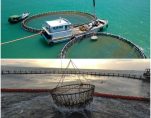
HAIKOU, CHINA – Media OutReach Newswire – 23 April 2025 – At the 5th China International Consumer Products Expo held in Hainan recently, Wang Kangzheng, a marketing staff member of the Hainan Haiken Marine Industry Group Co., Ltd., has been busy showcasing premium seafood. Golden pompano produced in the deep-sea aquaculture base was a bestseller at the exhibition, and many buyers and visitors stopped to inquire, taste, […]

Global markets have been jolted by the ongoing trade dispute between the United States and China, with far-reaching consequences on global economies. Amid this financial instability, India stands out as one of the countries managing the storm with resilience, both politically and economically. While several nations have seen their stock markets fluctuate and their economies face setbacks, India’s performance remains relatively stable, prompting analysts to look closer […]

A shift in the global liquefied petroleum gas market has emerged as Chinese buyers seek to replace tariff-impacted US imports with alternative supplies from the Middle East. The escalating trade tensions between China and the US, coupled with rising tariffs on LPG, have prompted Chinese firms to look towards the Persian Gulf region, notably Saudi Aramco, as a reliable source for their LPG needs. The reorientation of […]

The International Monetary Fund has sharply downgraded its global economic outlook for 2025, attributing the slowdown to U.S. President Donald Trump’s expansive tariff regime and the resulting policy uncertainty. In its latest World Economic Outlook, the IMF projects global growth at 2.8% for 2025, down from 3.3% forecasted in January, marking the slowest pace since 2020 and the second weakest since the 2009 financial crisis. The U.S. […]

WUHAN, CHINA – Media OutReach Newswire – 22 April 2025 – During April’s Pear Blossom Festival, Tudianzi village, nestled deep in the mountains of central China’s Hubei Province, has welcomed over 50,000 visitors in just two days. In Tudianzi Village, tourists marveled at innovations like solar-storage integrated streetlights illuminating country paths, high-power EV charging stations eliminating range anxiety, and traditional Tujia cuisine cooked in all-electric kitchens — […]

Advertisements

Bitcoin has surged past the $90,000 threshold, reaching $90,468 across major exchanges. This marks a significant rebound, occurring 46 days after the cryptocurrency last touched this level on March 7, 2025.

The rally is attributed to a combination of factors, including renewed institutional interest and favourable policy signals. The inauguration of President Donald Trump has introduced a more crypto-friendly regulatory environment. Notably, the administration’s proposal to establish a strategic Bitcoin reserve has been perceived as a bullish indicator by market participants.

Analysts have observed that the approval of multiple spot Bitcoin exchange-traded funds earlier this year has played a pivotal role in attracting substantial capital inflows. These ETFs have provided traditional investors with a regulated avenue to gain exposure to Bitcoin, thereby enhancing its legitimacy and appeal.

Market sentiment has also been influenced by macroeconomic indicators. The Consumer Price Index data released this month aligned with market expectations, suggesting a stabilising inflationary environment. This has bolstered investor confidence in risk assets, including cryptocurrencies.

Despite the upward trajectory, some caution remains. Betting markets indicate a 61% probability of Bitcoin reaching $110,000 within the year, with diminishing confidence in higher targets. Conversely, there is a notable expectation of potential pullbacks, with some forecasts suggesting a dip to around $70,000.

Technical analysts are closely monitoring key support and resistance levels. The $90,000–$91,000 range is identified as a critical support zone, while resistance is anticipated near the $95,000 mark. Momentum indicators, such as the Relative Strength Index , currently reflect a neutral stance, indicating a balanced market sentiment.

A pioneering lithium-ion battery that can stretch, self-repair after being cut, and maintain power output under extreme conditions has been developed by researchers at Jilin University in China. This innovation addresses longstanding challenges in flexible electronics, offering a robust energy solution for applications ranging from wearable devices to soft robotics. Traditional lithium-ion batteries are encased in rigid structures to prevent moisture ingress and contain flammable electrolytes, limiting […]

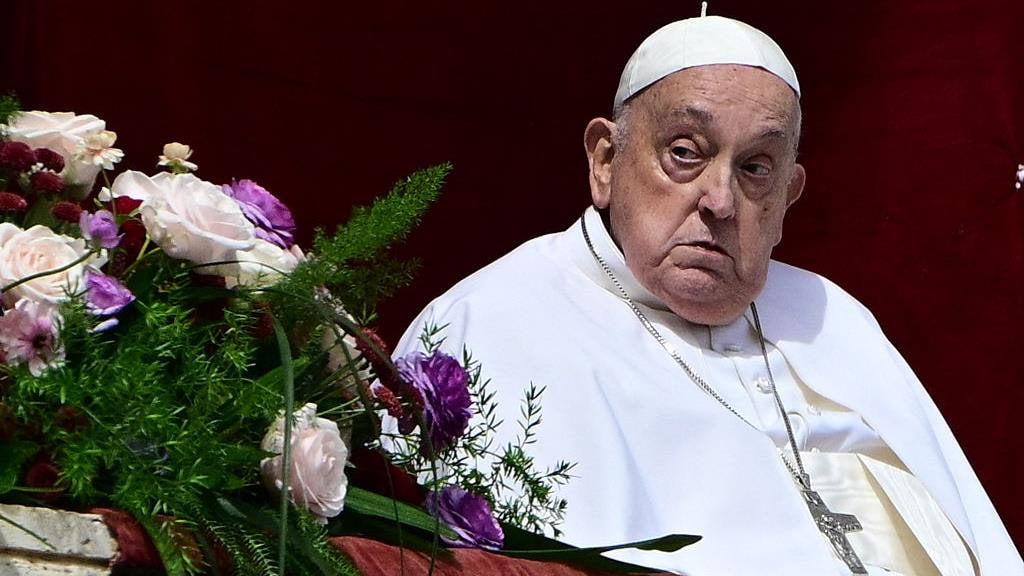
By Pablo Castaño ROME: There may come a time when we look back on the last decade as an anomaly in the modern history of the Catholic Church. Pope Francis — the figurehead of these years, and a radical by the standards of the Catholic hierarchy — is gone, and we are now likely to […]

Centralised finance lending has contracted sharply, with the total loan book falling to $11.2 billion by the end of 2024—a 68% decline from its 2022 peak of $34.8 billion. This downturn underscores the profound impact of regulatory tightening, shifting investor sentiment, and evolving risk management practices within the financial sector.

The dramatic reduction in CeFi lending is attributed to a confluence of factors. Regulatory authorities have implemented stringent measures to mitigate systemic risks, compelling financial institutions to reassess their exposure to high-risk lending. These measures have included increased capital requirements and enhanced scrutiny of lending practices, particularly concerning unsecured and high-yield loans.

Non-banking financial companies , often referred to as shadow banks, have been significantly affected. Loan growth among NBFCs moderated to 6.5% in the first half of fiscal year 2024–25, a notable decrease from previous periods. This deceleration is particularly evident among upper-layer NBFCs, which predominantly engage in retail lending. The Reserve Bank of India’s Financial Stability Report highlights that the growth of bank borrowings in NBFCs’ liabilities declined from 26% to 17%, indicating a shift in funding dynamics.

In response to these challenges, NBFCs are diversifying their funding sources. There has been a marked increase in the issuance of non-convertible debentures and a growing reliance on foreign currency borrowings. However, this shift introduces new risks, particularly related to currency fluctuations, which could affect the financial stability of these institutions.

The regulatory landscape has also prompted financial institutions to enhance their risk assessment frameworks. Banks are increasingly evaluating the carbon footprint of their loan portfolios, aligning with global environmental, social, and governance standards. This trend reflects a broader commitment to sustainable lending practices and a recognition of the long-term risks associated with climate change.

The World Trade Organization has projected a 0.2% decline in global merchandise trade volume for 2025, a significant downgrade from earlier forecasts. This contraction is attributed to escalating tariff disputes and increasing policy uncertainties, particularly between major economies. The WTO’s latest Global Trade Outlook and Statistics report, based on policies effective as of April 14, indicates that the anticipated decline is nearly three percentage points lower than […]

Oil prices experienced a significant decline of over 2% on Monday, with Brent crude falling to $66.81 per barrel and West Texas Intermediate dropping to $63.58. This downturn is attributed to progress in US-Iran nuclear negotiations and escalating concerns over the impact of US tariff policies on global demand. The potential easing of sanctions on Iran could reintroduce over a million barrels per day of crude into the market, intensifying supply pressures.

The decline in oil prices poses a substantial challenge to Gulf economies, particularly those heavily reliant on hydrocarbon revenues. S&P Global Market Intelligence has indicated that Oman, Bahrain, and Iraq are at heightened risk of financing pressures if the current price trends persist. These nations, already contending with fiscal deficits and limited sovereign reserves, may face increased borrowing costs and potential credit downgrades.

Conversely, the United Arab Emirates and Qatar are better positioned to withstand prolonged periods of lower oil prices. Their diversified economies and substantial sovereign wealth funds provide a buffer against market volatility. However, even these nations are not immune to the broader economic implications of sustained low oil prices.

The broader financial markets have also reacted to these developments. Major Gulf stock indices experienced declines, with Saudi Arabia’s TASI index falling by 0.7% and Qatar’s index decreasing by 0.3%. These market movements reflect investor apprehension regarding the stability of oil-dependent economies in the face of fluctuating energy prices.

Adding to the complexity is the political climate in the United States. President Donald Trump’s renewed criticism of Federal Reserve Chair Jerome Powell has raised concerns about the central bank’s independence. This political interference is contributing to market uncertainty and could have implications for global economic stability.

The potential for a US recession further exacerbates concerns. Analysts warn that the combination of tariff policies and political instability could dampen economic growth, leading to decreased demand for oil. This scenario would place additional strain on oil-exporting nations, particularly those with less diversified economies.

Expeditors International of Washington, a Fortune 500 logistics company, has inaugurated a 23,200-square-metre facility within Dubai South’s Logistics District, reinforcing its strategic presence in the Middle East. The facility, which began operations in February 2025, is designed to enhance Expeditors’ warehousing and container freight station capabilities, aligning with the region’s growing demand for advanced logistics solutions. The inauguration ceremony was attended by senior leadership from both organisations, […]

Oil prices surged over 3% on Thursday, marking the first weekly gain in three weeks. Brent crude futures settled at $67.96 per barrel, while West Texas Intermediate closed at $64.68 per barrel. The uptick was driven by renewed optimism over a potential trade agreement between the United States and the European Union, coupled with the imposition of new sanctions targeting Iran’s oil exports. The prospect of a […]

The United Arab Emirates is making significant strides toward securing access to advanced semiconductors from the United States, following its commitment to invest $1.4 trillion in the American economy over the next decade. This investment aims to bolster the UAE’s position in the global artificial intelligence landscape and reduce its reliance on oil revenues.

Peng Xiao, CEO of G42, the UAE’s leading AI firm, stated that the country is making “very good and tangible progress” in obtaining advanced semiconductors from the U.S. This development comes after the UAE pledged substantial investments in U.S. sectors, including AI infrastructure, semiconductors, energy, and manufacturing.

The UAE’s efforts are part of a broader strategy to enhance its technological capabilities and establish itself as a global AI leader. The country has been working closely with U.S. tech giants, such as Microsoft and Nvidia, to develop AI infrastructure and applications. Notably, G42 has partnered with Nvidia to build on the U.S. firm’s Earth-2 platform, focusing on high-resolution climate and weather simulations.

In addition to these collaborations, the UAE has taken steps to address U.S. concerns regarding the security of advanced technologies. G42 has distanced itself from Chinese companies, ceasing business with entities on the U.S. export controls list and removing Huawei technology from its data centers. Peng Xiao emphasized that the UAE can “guarantee the safety and the security” of U.S.-made chips when deployed and used within the country.

The U.S. has responded positively to these measures, approving the export of advanced AI chips to a Microsoft-operated facility in the UAE for use by G42. This approval, which had been delayed due to concerns about technology leakage to China, comes with conditions to ensure the security of the chips. Microsoft must restrict facility access to personnel from countries under U.S. arms embargoes or listed on the Bureau of Industry and Security Entity List.

KUALA LUMPUR, MALAYSIA – Media OutReach Newswire – 19 April 2025 – Even the most seasoned CFD traders can fall into psychological traps—from chasing the hype to holding poor trades out of stubborn hope. Emotional biases can cloud judgment and lead even experienced traders to costly blunders. However, psychological resilience reduces the risk of a loss. Octa Broker, as part of its commitment to traders’ education, explores […]

Safe, Tasty, Premium, Nutritious, and Ethical — Experience New Zealand’s Treasured Flavours at Cold Storage & CS Fresh SINGAPORE – Media OutReach Newswire – 17 April 2025 – From 17 April to 7 May, Singapore’s food lovers can journey through New Zealand’s magnificent landscapes featuring a wide range of safe, tasty, nutritious, ethical and premium quality food and beverage products through the “Discover a Taste of New […]

Matein Khalid Thank God my macro instinct flashed a “get out” SOS in late February and I dumped King Dollar for Bonnie King Charlie’s British pound before New Year late last year and thus averted fate worse than death/Matty miskeen. My macro guardian angel now whispers a few subliminal ideas. One, Chinese factories shed 20 million workers last week and hiring is down 30%. So the youth […]

CHENGDU, CHINA – Media OutReach Newswire – 17 April 2025 – On April 16, the “2025 Chengdu International Friendship Cities Cooperation and Development Forum”, hosted by the Chengdu Municipal People’s Government and organized by the Foreign Affairs Office of the Chengdu Municipal People’s Government, officially kicked off in Chengdu. This conference was themed on “Hand in Hand, Sharing and Winning Together”. Major activities included the opening ceremony, […]

Facing impending tariffs on imported semiconductors, NVIDIA and AMD are intensifying their commitment to domestic production, leveraging Taiwan Semiconductor Manufacturing Company’s expanding facilities in Arizona. This strategic shift aims to mitigate the financial impact of proposed duties ranging from 25% to 100% on foreign-made chips, as announced by President Donald Trump. NVIDIA has unveiled plans to invest approximately $500 billion over the next four years to bolster […]

Oman has formalised a landmark agreement to develop the world’s first commercial-scale liquid hydrogen corridor, aiming to supply green hydrogen to Europe via the Port of Amsterdam.

The Ministry of Energy and Minerals, alongside Hydrogen Oman , has entered into a Joint Study Agreement with the Port of Amsterdam, Zenith Energy Terminals, and GasLog. This collaboration focuses on establishing a comprehensive supply chain for green hydrogen, encompassing liquefaction, storage, and maritime transport to Europe. The agreement was signed during COP28 in Dubai, with Minister Salim bin Nasser Al Aufi and Prince Jaime de Bourbon de Parme, the Netherlands’ Climate Envoy, witnessing the ceremony.

Central to this initiative is the development of an open-access hydrogen liquefaction and export facility in Oman. GasLog is tasked with designing specialised vessels for transporting the liquefied hydrogen. The project aims to deliver Omani green hydrogen to Zenith Energy’s terminal in Amsterdam, facilitating distribution to local consumers and major industries across Europe.

The corridor’s first phase targets an annual export of 50,000 tonnes of liquefied hydrogen, with plans to scale up to 200,000 tonnes. This venture is a joint effort involving Hydrom, Athens-based Ecolog, and German energy firm EnBW, with the inaugural shipments anticipated by 2030.

Oman’s abundant solar and wind resources position it as a prime candidate for green hydrogen production. The nation’s strategic location and existing infrastructure further bolster its potential as a global hydrogen hub. The open-access nature of the liquefaction facility is designed to accommodate various projects, promoting cost-effective hydrogen export routes to diverse international markets.

This agreement aligns with Oman’s broader objectives of economic diversification and achieving net-zero emissions by 2050. By investing in green hydrogen infrastructure, Oman seeks to reduce its reliance on fossil fuels and contribute to global decarbonisation efforts.

The United States is contemplating a significant escalation in its trade policy by considering tariff increases on Chinese imports, with rates potentially reaching up to 245%. This move underscores the intensifying economic rivalry between the two nations and reflects Washington’s growing concern over China’s trade practices and their impact on American industries. The proposed tariffs aim to address what U.S. officials describe as China’s unfair trade practices, […]

Global capital turned its back on ESG last year. But that shift, we believe, is temporary and mistaken. ESG investing should and will return to favour, not just because it’s aligned with the challenges and priorities of our time, but because it remains one of the most rational long-term strategies for investors and economies alike. The numbers from 2024 were stark. Global sustainable fund inflows halved. In […]

VISHNU RAJA
RYO YAMADA
HITORI GOTOH
IKUYO KITA
Just in:
PayerMax and ShopeePay Strengthen Strategic Partnership to Advance Digital Payment Collaboration in Southeast Asia // Russia permits retail cryptocurrency purchases under regulated framework // Balagopal challenges CM over tax revenue // Saudi Arabia schedules multinational top-up tax for 2027 // Crypto market loses $150 billion amid broad sell-off // Dar Global unveils $700m Trump development in Qatar // Phancy Announces Business Performance for the Nine Months Ended September 30, 2026 // Workday targets Honeydew purchase to unify AI metrics // Padmini follows Padmaja for ‘ghar vapsi’ // Saudi defences destroy three Houthi missiles targeting Riyadh // Oil futures rebound after Riyadh strikes and tanker alerts // Toward a Shared Future for Humanity: Rethinking Civilizational Exchange // Thailand’s Most Iconic New Year’s Celebration Returns: ICONSIAM Unveils “Amazing Thailand Countdown 2027” // Promoting Common Human Development Through Exchanges and Mutual Learning Among Civilizations // Coinbase targets 2027 launch amid state gambling lawsuits // Technology at Work, Heritage for All: The “Chinese Approach” to Safeguarding the Leshan Giant Buddha // LittleLives, Little Lab and SEGi College Sign MOU to Explore Early Childhood Education Collaboration Across ASEAN // Travel Insurance Was Built for the Few Who Claim. Ancileo’s Felt Coverage™ is for Everyone Else // Dalilk Academy reaches 27 million, targets 100 million by 2030 // Sharjah clears Kalba free zone plan for 400MW complex //