Just in:
Russia permits retail cryptocurrency purchases under regulated framework // HC nullifies assets FIR against minister // Thailand’s Most Iconic New Year’s Celebration Returns: ICONSIAM Unveils “Amazing Thailand Countdown 2027” // Toward a Shared Future for Humanity: Rethinking Civilizational Exchange // Yeebo Announces Interim Results for FY26/27 Revenue Increases by 45.5% to HK$806.7 Million Profit Attributable to Owners Surges 87.6% to HK$2,284.7 Million // Promoting Common Human Development Through Exchanges and Mutual Learning Among Civilizations // Sharjah clears Kalba free zone plan for 400MW complex // NASA tests supersonic Mars rotors for heavier payloads // Coinbase targets 2027 launch amid state gambling lawsuits // PicCollage extends photo editing platform to web browsers // Dubai Introduces SHARH, an AI-Powered Platform Helping Entrepreneurs Buy, Sell and Manage Businesses in the UAE // AXS and PayerMax Advance Omnichannel Payment Acceptance for Merchants // Phancy Announces Business Performance for the Nine Months Ended September 30, 2026 // Anthropic shares finish above offer price after Nasdaq debut // Women held for plot to rob pilgrims // Antony’s wife called to police station with husband over complaint // Alibaba shares slip despite 53% cloud revenue growth // Anthropic’s debut is lifting markets, but someone is still paying for it // Dalilk Academy reaches 27 million, targets 100 million by 2030 // 2026 Tropical Rainforest Ecosystem Partners Conference Kicks off in Hainan //

News related to
Expo

SINGAPORE – Media OutReach Newswire – 25 October 2024 – AIMX Singapore (AIMX SG) will return for its second edition at the Singapore Week of Innovation & Technology (SWITCH) 2024. The 3-day conference and exhibition will take place from 28-30 October at the Sands Expo and Convention Centre, and convene a global audience of AI practitioners, business leaders, Chief Technology Officers (CTOs), and the broader tech community […]

Celebration of Cyberport Investors Network’s 7th Anniversary with Total Investments Surpassing HK$2.5B and Membership Exceeding 200 HONG KONG SAR – Media OutReach Newswire – 24 October 2024 – The Cyberport Venture Capital Forum 2024, a premier annual event in the global venture capital scene organised by Cyberport, was inaugurated today. The two-day event, themed “Innovation Challenger: Building New Venture Visions”, brings together over 90 globally influential venture […]

Strategy game combining traditional chess and a magic system in a decentralized framework further expands presence in Southeast Asia HONG KONG SAR – Media OutReach Newswire – 24 October 2024 – Anichess, the progressive chess-based online strategy game from Animoca Brands, developed in partnership with Chess.com and five-time World Chess Champion Magnus Carlsen, announced today that it has launched the public alpha version of its game. Additionally, […]

A groundbreaking pilot project for hydrogen-powered taxis has been launched in Saudi Arabia, marking a significant stride towards sustainable transportation solutions in the region. This initiative aims to demonstrate the feasibility and efficiency of hydrogen as a clean fuel alternative while contributing to the Kingdom’s broader goals of reducing carbon emissions and diversifying its economy. The project, which is a collaboration between several stakeholders including local government […]

Islamic treasury bonds in the UAE have successfully attracted significant interest, garnering Dhs7.20 billion in bids during the latest auction conducted by the Ministry of Finance. This remarkable response underscores the growing demand for Sharia-compliant investment options in the region, reflecting broader trends in the global financial landscape. The auction featured a series of sukuk with tenors of five and ten years, aiming to raise funds to […]

Pearl Petroleum, a consortium operating in the Kurdistan Region of Iraq, has taken a significant step in its expansion efforts by mandating a group of banks to facilitate a $300 million bond offering. This move signals the company’s intent to enhance its financial resources, particularly as it seeks to further develop its oil and gas operations in the energy-rich region.

The decision to issue the bond, aimed at international investors, aligns with Pearl Petroleum’s strategy of capitalizing on the growing global demand for energy. With key stakeholders including Dana Gas and Crescent Petroleum, the consortium operates a series of gas fields that are pivotal to energy supply within the Kurdistan Region and beyond. This bond issuance is expected to support continued infrastructure investment and help the company maintain steady production levels amidst growing regional and global energy needs.

Pearl Petroleum’s bond will target both institutional and retail investors, with the capital raised earmarked for expanding gas production facilities and further drilling in the Khor Mor field. This field, one of the largest non-associated gas reservoirs in Iraq, has been central to Pearl’s operations, supplying gas to power plants and industrial projects across the region. The investment is set to bolster output, which currently averages around 400 million cubic feet of gas per day.

The bond is being coordinated by a syndicate of banks led by Citi, Deutsche Bank, and JPMorgan. These institutions have been mandated to structure and market the bond to a wide range of investors. The move follows Pearl Petroleum’s success in enhancing operational efficiency and solidifying its position as a major player in Iraq’s gas sector. It also comes amid renewed interest from international investors in Middle Eastern energy assets, spurred by strong global demand and energy market volatility.

Kurdistan’s gas reserves have long been a strategic asset, and Pearl Petroleum’s activities are crucial for regional energy security. The bond offering underscores the consortium’s ambition to continue expanding its footprint, despite the geopolitical complexities that come with operating in the Kurdistan Region. The area’s political and regulatory landscape remains challenging, but the firm has successfully navigated these hurdles in the past, owing to its established partnerships and local expertise.

Proceeds from the bond sale will likely be channeled toward increasing production capacity, which has been part of Pearl’s long-term growth plan. The company has outlined its intentions to raise production to 1 billion cubic feet per day over the next several years, a target that will require substantial investment in new wells, infrastructure, and processing facilities. The additional funding will also provide liquidity for future projects, ensuring that Pearl is well-positioned to meet the increasing demand for gas in Iraq and its neighboring countries.

Energy analysts have noted that Pearl Petroleum’s bond issue comes at a favorable time. Global energy prices have remained high, driven by supply disruptions and a rebound in demand following the pandemic-induced slump. Investors have been drawn to the energy sector, seeking higher returns amid an uncertain economic outlook. This has created a ripe environment for energy firms like Pearl to tap into capital markets and secure financing for long-term projects.

The Kurdistan Region, while rich in resources, faces ongoing political challenges, particularly in its dealings with Baghdad. Tensions over revenue-sharing and control of oil and gas exports have complicated efforts by companies operating in the region. However, Pearl Petroleum’s established position and its critical role in supplying gas to power plants have enabled it to maintain stable operations despite these challenges.

Pearl Petroleum’s latest move highlights the continued importance of the Kurdistan Region as a vital source of energy. The consortium has been able to steadily increase production over the years, contributing significantly to the region’s energy mix and playing a key role in meeting its electricity demands. The additional funding through the bond offering is expected to further solidify Pearl Petroleum’s leading position in the market.

The company’s long-term vision of enhancing gas production aligns with Iraq’s broader energy goals, which aim to diversify the country’s energy portfolio and reduce reliance on oil. The bond issuance is seen as a crucial step in ensuring that Pearl Petroleum can maintain its growth trajectory while contributing to the stability of the region’s energy supply.

Russia is hosting the latest BRICS summit in a strategic demonstration of strength and unity as it seeks to challenge the geopolitical dominance of the West. The BRICS group – comprising Brazil, Russia, India, China, and South Africa -has evolved beyond its original purpose as a coalition of rapidly developing economies. Initially founded to represent economic growth prospects, BRICS has since transformed into a powerful geopolitical forum, […]

Advertisements

Saudi Arabia is on track for a significant economic acceleration in 2025, driven by a strategic increase in oil production alongside broader diversification efforts. The Kingdom’s Vision 2030 initiative, aimed at reducing dependence on oil and promoting sectors such as tourism and technology, is expected to further complement this growth trajectory. The International Monetary Fund (IMF) has recently projected Saudi Arabia’s GDP growth to reach 4.2% in […]

A landmark agreement between the UAE and the Government of Rajasthan has been signed, marking a significant development in India’s renewable energy sector. The Memorandum of Understanding (MoU) involves a massive ₹3 lakh crore ($36 billion) investment by the UAE, with the goal of developing 60 gigawatts (GW) of renewable energy capacity in western Rajasthan. This venture is primarily focused on solar, wind, and hybrid energy projects, […]

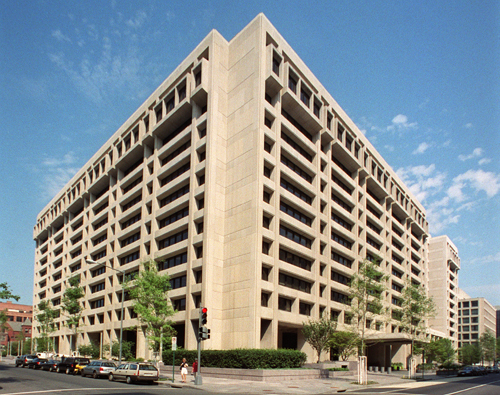
The International Monetary Fund has raised concerns that global markets are underestimating the potential economic impact of geopolitical tensions. Amid signs of improving economic stability, especially as global disinflation enters its final stages, the IMF has identified several medium-term risks that could significantly disrupt financial markets. According to its latest Global Financial Stability Report, while short-term global financial stability risks have receded, major vulnerabilities persist.

The IMF’s warning comes at a time when many market participants are hopeful about the prospects of a “soft landing” for the global economy, aided by disinflation and easing monetary policies. Emerging markets have shown resilience, and international debt issuance has picked up in some frontier economies. Despite these optimistic signs, there are concerns that the financial system remains fragile, especially in light of potential external shocks.

One of the key areas flagged by the IMF is the growing strain in the commercial real estate sector. Rising interest rates over the past year have exposed vulnerabilities within the sector, and further shocks could worsen these conditions. The IMF also points to signs of credit deterioration among corporations, which could intensify if adverse economic conditions continue.

The report highlights that geopolitical tensions remain a significant factor that global markets may be neglecting. Escalating geopolitical conflicts, such as the war in Ukraine and ongoing trade disputes between major economies, present long-term threats that could disrupt financial systems worldwide. These risks are further compounded by cyber threats, which the IMF notes have been on the rise. Although no major systemic disruptions have been caused by cyber incidents so far, the increasing probability of severe cyberattacks poses a looming threat to global macroeconomic stability.

In addition to geopolitical and cyber risks, the IMF underscores the vulnerability of the corporate credit market, which has expanded rapidly in recent years. This market, particularly in private credit, now rivals more traditional forms of lending, including commercial banking. While private credit markets have served as an important source of capital for mid-sized firms, they are also exposed to higher risks. A sudden downturn in economic conditions or a sharp increase in interest rates could leave many of these firms struggling to meet their debt obligations, creating ripple effects throughout the global financial system.

While the IMF acknowledges the progress made in global disinflation and the efforts of central banks to maintain stability, it is urging policymakers and financial institutions to remain vigilant. The report recommends that governments and central banks continue to assess and address medium-term risks while maintaining a focus on geopolitical and cyber threats that could lead to severe disruptions.

The world’s largest Bitcoin conference has made its debut in Abu Dhabi, attracting thousands of attendees, including influential figures from the cryptocurrency industry, investors, and blockchain enthusiasts. This event marks a significant milestone for the Middle East, emphasizing the region’s growing importance in the global cryptocurrency landscape. The conference is poised to showcase cutting-edge technologies, regulatory frameworks, and investment opportunities, while highlighting the UAE’s ambition to position itself as a key player in the digital economy.

Held at the Abu Dhabi National Exhibition Centre, the conference has brought together more than 10,000 participants from across the globe. Notable speakers included prominent figures such as Anthony Pompliano, a well-known Bitcoin advocate and investor, and Elizabeth Stark, co-founder of Lightning Labs, who addressed the potential of Bitcoin to reshape financial systems. The agenda features discussions on various topics, including Bitcoin adoption, regulatory challenges, and the future of decentralized finance (DeFi).

Abu Dhabi’s embrace of this event reflects a broader trend within the UAE to foster a conducive environment for blockchain technology and cryptocurrencies. The UAE government has actively pursued initiatives to integrate blockchain solutions across various sectors, including finance, healthcare, and logistics. This commitment is evidenced by the establishment of regulatory bodies such as the Abu Dhabi Global Market (ADGM) and the Dubai Financial Services Authority (DFSA), which have implemented frameworks to regulate cryptocurrency exchanges and Initial Coin Offerings (ICOs).

The conference is seen as a strategic opportunity for the UAE to attract international investment in the cryptocurrency sector, which has grown exponentially in recent years. With the global cryptocurrency market capitalizing at over $1 trillion, the UAE aims to position itself as a regional hub for digital assets, competing with established markets like Singapore and Hong Kong. Industry experts argue that the UAE’s favorable regulatory environment and strategic geographical location make it an ideal destination for cryptocurrency businesses seeking to expand their operations.

Amid the growing interest in cryptocurrencies, discussions surrounding regulatory frameworks have been a focal point of the conference. Panel discussions have addressed the need for a balanced approach that encourages innovation while ensuring investor protection. The UAE’s proactive stance on regulation has garnered praise from industry leaders, who emphasize the importance of clear guidelines to foster trust in the cryptocurrency ecosystem.

Emerging trends within the cryptocurrency space have also been highlighted at the conference, including the rise of non-fungible tokens (NFTs) and decentralized finance. NFT marketplaces have gained significant traction, with many artists, musicians, and creators exploring these digital assets to monetize their work. The integration of NFTs into mainstream culture has prompted discussions about the future of digital ownership and intellectual property rights.

The concept of decentralized finance, which aims to replicate traditional financial services using blockchain technology, has gained momentum. DeFi platforms offer services such as lending, borrowing, and trading without the need for intermediaries, presenting a disruptive force in the financial industry. The conference has provided a platform for DeFi project leaders to share insights on the challenges and opportunities within this rapidly evolving space.

As the conference unfolds, attendees are optimistic about the future of cryptocurrencies in the Middle East. The engagement of local businesses, government officials, and global experts underscores the UAE’s commitment to fostering innovation in the financial sector. Networking opportunities abound, with many participants expressing excitement over potential collaborations and partnerships that could emerge from this gathering.

The successful hosting of this major Bitcoin conference is expected to catalyze further interest and investment in the UAE’s cryptocurrency market. As governments worldwide grapple with the implications of digital currencies, the UAE’s proactive approach positions it as a forward-thinking leader in the sector. The conference’s impact extends beyond mere discussions, as it showcases the region’s capabilities to host significant global events, potentially attracting future conferences focused on blockchain and financial technologies.


Russia’s covert network of oil tankers, often referred to as the “shadow fleet,” has drawn intense scrutiny from Western governments as it plays a central role in circumventing sanctions imposed on the country since its invasion of Ukraine. This fleet consists of hundreds of vessels engaged in the global transport of Russian oil, utilizing a web of deceptive practices, shell companies, and obscured ownership to avoid detection and maintain a steady flow of oil exports. As sanctions grow tighter, so do the clandestine methods employed by this fleet, particularly in securing insurance, which is critical for ships to operate globally.

With the imposition of strict international sanctions on Russia, major Western insurers withdrew from covering Russian oil tankers, creating a vacuum that Moscow has scrambled to fill. The creation of alternative insurance networks has become a lifeline for these vessels, allowing them to continue trading. Countries with limited regulatory oversight, such as certain Middle Eastern and Asian nations, have become key players in providing cover to these ships, enabling them to avoid scrutiny. The complex insurance arrangements are often routed through obscure entities that make it challenging for authorities to track or block the movement of sanctioned vessels.

The UK’s recent actions highlight the extent of the shadow fleet’s activities. In September 2024, the UK government sanctioned ten vessels linked to the shadow fleet, each involved in transporting large quantities of Russian oil. These ships, which had collectively moved over $5 billion in Russian oil, were barred from accessing UK ports and removed from the UK ship register. The sanctions underscore how pivotal the shadow fleet has become for Moscow, which has invested over $8 billion to maintain this network, despite the tightening economic pressure from the G7 and other Western nations. Western authorities hope to cripple this vital revenue stream for the Kremlin, but Russia remains defiant, with this secretive fleet operating across key global trade routes.

One of the most significant elements enabling this shadow trade is the reinsurance market. Reinsurance, which helps insurance companies manage risks by sharing portions of large policies with other firms, is a crucial piece of the puzzle for Russia. While direct insurance contracts for Russian tankers have become scarce, reinsurance deals continue to operate through less-regulated markets, creating layers of separation between the insured vessels and their true owners. These arrangements obscure the ships’ connections to Russia and make enforcement of sanctions difficult, as insurers may not always know they are covering Russian vessels. Some reports indicate that companies in regions like Dubai and Singapore are playing an increasing role in providing this indirect coverage, further complicating international efforts to clamp down on the shadow fleet.

The trade routes these vessels follow are also a significant aspect of their operations. Many ships involved in the shadow fleet use transshipment points, such as ports in Greece or off-shore locations in the Mediterranean and Asia, to transfer oil from sanctioned Russian tankers to other vessels. This practice of ship-to-ship transfers allows Russian oil to be rebranded or disguised before being sold on the global market. The use of such tactics has expanded in scale, with Western observers noting a steady increase in the number of these operations as Russia looks to maintain its oil revenues.

As a response to this ongoing trade, the European Union and G7 have both imposed price caps on Russian oil, limiting the price at which it can be sold legally. This measure, implemented in late 2022, was intended to reduce Russia’s profits from oil exports while keeping the global energy market stable. However, the shadow fleet has allowed Russia to bypass these restrictions by selling oil at a discount through third-party buyers. This system of backdoor trading has proven highly effective, even as governments in the West ramp up their sanctions and surveillance efforts.

What stands out in this complex landscape is the role of emerging markets in supporting Russia’s oil trade. Countries such as China and India have dramatically increased their imports of Russian crude, taking advantage of the lower prices and turning a blind eye to sanctions. In turn, their involvement in Russia’s energy exports has further insulated the country from the full impact of Western economic measures. Despite this, the shadow fleet has remained a critical cog in Moscow’s oil export machine, facilitating the continued flow of crude oil to these markets.

BANGKOK, THAILAND – Media OutReach Newswire – 21 October 2024 – ONYX Hospitality Group has embarked on an exciting new chapter with the signing of a partnership agreement with Small Luxury Hotels of the World (SLH). This collaboration introduces Oriental Residence Bangkok, a stunning haven reminiscent of a classy second home to the esteemed SLH repertoire. Embodying timeless elegance in the heart of the capital, the beautiful […]

Global oil prices have started to recover after last week’s sharp decline, which saw a 7% loss driven by concerns over supply and demand dynamics. Factors such as higher output from major oil-producing nations and fears of slowing demand due to global economic uncertainty had sent prices tumbling. However, industry analysts now anticipate a gradual recovery, citing potential geopolitical risks and tightening supply measures from key producers like Saudi Arabia and Russia. Market participants are closely monitoring the evolving situation, especially with winter approaching, which traditionally bolsters demand.

Several contributing factors have influenced the market volatility. Last week’s sharp drop was linked to bearish demand signals, particularly from China, one of the largest importers of crude oil. China’s economic slowdown has continued to worry energy traders, as the country’s lower-than-expected industrial activity and economic data cast a shadow over oil demand projections.

Meanwhile, on the supply side, major oil exporters have maintained elevated production levels, adding to the downward pressure on prices. Saudi Arabia and Russia, both key members of the OPEC+ alliance, have previously agreed on voluntary cuts to manage the market, but production has remained higher than some traders anticipated. The United States, too, has seen an increase in shale production, further influencing the global oil supply glut.

Despite the recent pullback, market experts believe a rebound is on the horizon. Seasonal factors, including colder weather in the northern hemisphere, are likely to drive demand for heating oil, helping to support prices. In addition, geopolitical tensions in key energy regions, such as the Middle East, remain a wildcard that could lead to supply disruptions and drive prices higher in the near term. Any further developments in the Israel-Gaza conflict, for example, could ripple through the global energy markets, with potential repercussions for oil flows.

Energy traders have also been closely watching U.S. crude inventories, which play a crucial role in balancing global supply-demand. A significant drop in stockpiles could prompt oil prices to move upward. Additionally, the Federal Reserve’s approach to interest rates and inflation continues to impact broader market sentiment, including energy commodities.

Abu Dhabi is making bold strides to position itself as a global leader in food security by launching a pioneering initiative aimed at transforming the emirate into a net food exporter. The newly approved AgriFood Growth and Water Abundance (AGWA) cluster, backed by billions in investments, is set to become a game-changer in addressing global food shortages while leveraging advanced technologies in agriculture and water resource management.

The AGWA cluster, located in Abu Dhabi and supported by the Department of Economic Development (ADDED) and the Abu Dhabi Investment Office (ADIO), is designed to become an innovation hub for food production and water management. The emirate has earmarked substantial resources, expecting AGWA to generate AED 90 billion in additional GDP by 2045 and create over 60,000 new jobs. These figures are seen as essential to diversify Abu Dhabi’s economy beyond oil, providing critical support to its “Falcon Economy” and ensuring long-term sustainability.

This initiative builds on the UAE’s longstanding history of addressing food security. In 1969, under the leadership of Sheikh Zayed, the UAE established its first network of greenhouses on Saadiyat Island, a pioneering effort at the time to create sustainable food production systems. Today, AGWA continues this legacy by focusing on advanced technologies like alternative proteins, algae cultivation, and reverse osmosis for water desalination, among other innovations.

As global food demands rise due to population growth, expected to surpass nine billion by 2050, Abu Dhabi’s proactive measures highlight the emirate’s forward-thinking approach. The World Bank estimates that feeding this population will require a 50% increase in agricultural production and a 15% increase in water use, making solutions like AGWA critical. Abu Dhabi is home to approximately 24,000 farms, half of which are located in Al Ain, and these farms are expected to benefit from the cluster’s advanced infrastructure and support systems.

AGWA’s focus is on fostering sustainable food production, addressing both local and international needs. By supporting local suppliers and creating export opportunities, Abu Dhabi aims to strengthen its food security strategy while also contributing to global agricultural sustainability. This effort is seen as part of the UAE’s National Food Security Strategy 2051 and Water Security Strategy 2036, which aim to enhance the country’s resilience to food and water shortages by using cutting-edge technologies.

Abu Dhabi has also been working to enhance its infrastructure, attracting investors through a business-friendly environment, strong supply chain networks, and substantial government support. The launch of AGWA follows the introduction of other high-tech economic clusters, such as the Smart and Autonomous Vehicle Industries (SAVI) cluster, highlighting the emirate’s commitment to innovation across multiple sectors.

Organised in collaboration with Singapore Chefs’ Association, this internationally celebrated event also takes place on the first day of Worldchefs Congress & Expo 2024 SINGAPORE – Media OutReach Newswire – 21 October 2024 – Nestlé Professional Singapore, in collaboration with Singapore Chefs’ Association, celebrated the 20th anniversary of International Chefs Day at the Nestlé Professional Customer Engagement Centre (CEC) on 19 October with a local and global […]

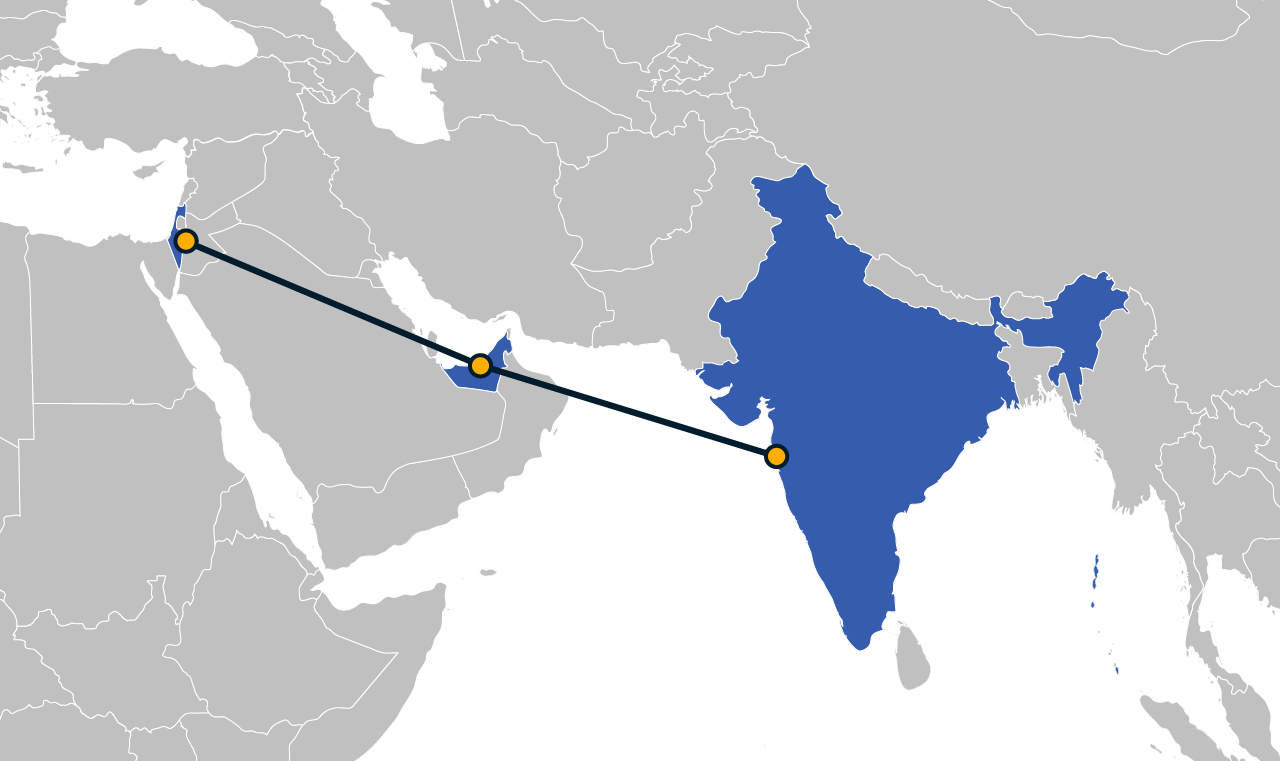
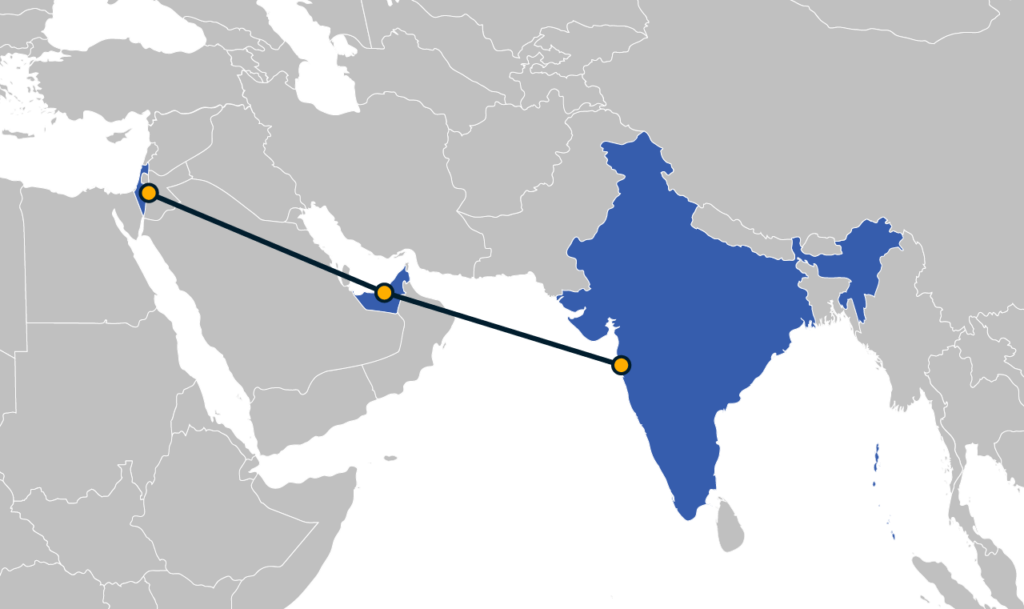
By Nantoo Banerjee It is good to note that the proposed India-UAE food corridor has already roped in a third partner, Israel. The project is expected to eventually involve the United States as well. The US was a key initiator of the historic four-nation I2U2 virtual summit in July 2022 bringing together leaders of India, […]

Dubai’s real estate sector is poised for a significant expansion, projected to deliver approximately 90,000 new homes within the next two years. This surge, driven by a blend of robust demand, favorable government policies, and infrastructural advancements, marks a pivotal moment in the emirate’s housing market, indicating a strong recovery from the downturn experienced during the pandemic.

The influx of new housing is expected to address the growing population’s needs and meet the demand from expatriates and investors seeking to establish residence in the emirate. Recent reports from various real estate consultancies highlight that Dubai’s property market has shown resilience, with residential sales and rental prices steadily increasing. This trend has been underpinned by factors such as Dubai’s strategic location, world-class amenities, and a business-friendly environment that continues to attract global investments.

Leading real estate developers have ramped up their construction efforts, with several large-scale projects underway across various districts. Notable developers such as Emaar Properties, DAMAC Properties, and Nakheel are among the key players contributing to this ambitious housing agenda. Emaar, for instance, is actively advancing its Dubai Hills Estate and Downtown Dubai projects, which are anticipated to add thousands of units to the market.

Analysts emphasize that this upcoming supply will not only enhance housing availability but also introduce a diverse range of options, from affordable units to luxury villas. The diversification in housing stock is crucial for catering to the varied needs of potential buyers and renters. Moreover, government incentives aimed at boosting homeownership, including long-term residency visas for property investors, have further stimulated market interest.

Data from the Dubai Land Department indicates a remarkable growth trajectory in property transactions. The value of real estate transactions in Dubai reached AED 69 billion (approximately USD 18.8 billion) in the first half of 2024, reflecting a 23% increase compared to the same period in 2023. This vibrant market dynamic is expected to sustain momentum as the emirate continues to position itself as a global business hub.

Emerging trends in the housing market reveal a growing preference for sustainable and smart living solutions. Developers are increasingly incorporating green technologies and sustainable practices in their projects, appealing to environmentally-conscious buyers. This shift is aligned with Dubai’s broader vision to become one of the world’s most sustainable cities, as outlined in its Dubai 2040 Urban Master Plan.

In addition to sustainability, there is a heightened focus on community living, with many new developments emphasizing integrated communities that provide residents with a blend of lifestyle, leisure, and connectivity. The trend reflects a growing recognition of the importance of communal spaces and amenities in enhancing the overall quality of life for residents.

Infrastructure developments also play a pivotal role in bolstering Dubai’s real estate sector. The ongoing expansion of public transportation, including the Metro and road networks, is facilitating easier access to various neighborhoods, thereby enhancing their attractiveness. The upcoming Expo 2025 and the anticipated hosting of major events will further augment the demand for housing, as international visitors flock to experience what Dubai has to offer.

Challenges remain, however, as the market navigates through fluctuations in global economic conditions and interest rates. Rising construction costs and supply chain disruptions pose potential hurdles that could impact project timelines and profitability. Developers are urged to adopt innovative construction methodologies and materials to mitigate these challenges and maintain project viability.

Investors are also keeping a close watch on regulatory developments that could affect market dynamics. The Dubai government’s commitment to transparency and investor protection has fostered a favorable climate for investment. New regulations aimed at enhancing the ease of doing business and ensuring the stability of the property market are likely to maintain investor confidence and encourage further capital inflows.

Dubizzle Group, the leading online classifieds platform in the Middle East, is preparing for a landmark initial public offering (IPO) expected in 2025. The company’s efforts to restructure and position itself for this significant milestone reflect its commitment to consolidating its market presence and scaling its operations across the MENA region. This move comes after a series of successful funding rounds and acquisitions, further enhancing its valuation […]

European Central Bank (ECB) economists have voiced their concerns regarding Bitcoin’s growing role in financial markets. They warn that the cryptocurrency’s rising value could potentially exacerbate wealth inequality, especially by benefiting early adopters and investors, thus concentrating wealth in fewer hands. Originally envisioned as a decentralized, global payment system, Bitcoin’s limited use in everyday transactions has raised questions about its broader societal impact, particularly as its speculative appeal overtakes its utility.

Bitcoin’s trajectory, especially in the post-pandemic economic landscape, has been closely monitored by institutions like the ECB. Analysts argue that its rapid appreciation has led to a divergence from its intended function, with its primary use now largely centered around investment rather than payments. This shift has had profound implications for wealth distribution. A significant portion of Bitcoin’s wealth is concentrated among a small group of holders, typically those who invested early, while new investors often enter the market at inflated prices, exposing themselves to financial risks without proportionate rewards.

The cryptocurrency’s volatile nature further complicates its role in financial ecosystems. While some advocate Bitcoin as a hedge against inflation, critics, including those at the ECB, believe its unpredictability makes it more of a speculative asset than a reliable store of value. This speculation-driven environment attracts a particular segment of the population, typically wealthier, tech-savvy investors, while leaving lower-income groups on the sidelines, thus reinforcing economic divides.

The energy-intensive process of Bitcoin mining has drawn criticism for its environmental impact, with ECB experts highlighting the environmental cost as another factor contributing to its unsustainability as a mainstream currency. These issues have caused European regulators to explore measures that could curb Bitcoin’s influence, particularly as central banks globally weigh the potential for digital currencies issued and controlled by state authorities. A shift towards Central Bank Digital Currencies (CBDCs), which are being developed in several countries, could serve as an alternative to cryptocurrencies like Bitcoin, offering the benefits of digital payments without the associated risks of speculative bubbles and wealth inequality.

SINGAPORE – Media OutReach Newswire – 17 October 2024 – Akzo Nobel Paints (Singapore) Pte Ltd proudly introduces the new flagship Dulux Ambiance All AirClean, an innovative paint formulated with PureAir™ Technology to deliver cleaner indoor air. This breakthrough product represents AkzoNobel’s commitment to delivering solutions that can bring health and well-being advantages to its customers. Dulux Ambiance All AirClean Poor indoor air quality can arise from […]

The GCC is witnessing a pivotal moment in its financial landscape with the launch of the region’s first structured investment linked to Bitcoin. This innovative financial product is designed to offer investors exposure to the world’s leading cryptocurrency while also providing a level of capital protection. Financial experts view this development as a significant step toward integrating digital assets into traditional investment portfolios.

The structured investment product, introduced by a leading financial institution in the region, combines the potential high returns of Bitcoin with a structured payout mechanism. This approach aims to cater to the growing interest in cryptocurrencies among investors who seek both security and yield. By linking the investment to Bitcoin’s performance, the product allows participants to benefit from potential price appreciation while safeguarding their initial capital.

The launch comes amid a broader trend in the GCC, where various governments and financial regulators are increasingly recognizing the importance of digital currencies. Several states within the region are exploring frameworks for regulating cryptocurrencies, which could enhance investor confidence and stimulate market growth. The structured investment’s introduction is a reflection of this evolving landscape, indicating a growing acceptance of cryptocurrencies as viable financial instruments.

Market analysts suggest that the structured investment is likely to attract a diverse group of investors, including high-net-worth individuals and institutional players. The appeal lies in its ability to offer a balance between risk and reward, a characteristic that is becoming increasingly important in today’s volatile financial markets. As traditional investment avenues face challenges, products linked to digital assets provide an alternative for those looking to diversify their portfolios.

The recent surge in Bitcoin’s price has generated significant interest from both retail and institutional investors. Many view Bitcoin as a hedge against inflation and a potential store of value. This shift in perception has been instrumental in driving demand for Bitcoin-related products, including structured investments. Investors are increasingly looking to capitalize on the cryptocurrency’s price movements without fully committing to direct purchases of the asset.

While the product promises exciting opportunities, experts caution potential investors to consider the inherent risks associated with cryptocurrencies. The volatility of Bitcoin is well-documented, with significant price fluctuations occurring over short periods. Consequently, investors must assess their risk tolerance and investment objectives before participating in structured investment products linked to Bitcoin.

In conjunction with this launch, several regional financial institutions are ramping up their efforts to provide educational resources on cryptocurrencies and blockchain technology. Workshops, webinars, and informational sessions are being organized to equip investors with the knowledge necessary to navigate this emerging asset class. These initiatives aim to demystify cryptocurrencies and foster a more informed investor base, ultimately supporting the responsible growth of the market.

Regulatory bodies across the GCC are also taking steps to enhance their understanding of cryptocurrencies and their implications for financial markets. Collaborative efforts are underway to develop comprehensive regulatory frameworks that address the unique challenges posed by digital assets. Such measures are expected to create a safer environment for investors and promote sustainable growth in the sector.

The introduction of Bitcoin-linked structured investments is not limited to one specific country within the GCC. Various financial hubs in the region are embracing innovation and competing to become leaders in the cryptocurrency space. This competitive landscape is expected to drive further advancements and attract investment from both local and international players.

In response to the growing demand for cryptocurrency-related products, asset management firms are exploring innovative ways to integrate digital assets into their offerings. This trend reflects a broader shift in the investment landscape, where traditional financial institutions are increasingly accommodating digital currencies to meet the evolving preferences of their clients.

Despite the optimism surrounding Bitcoin-linked structured investments, potential investors should remain vigilant. The cryptocurrency market is characterized by rapid changes and unpredictable trends. Continuous monitoring of market dynamics and price movements is crucial for anyone looking to participate in these investment opportunities.

As the financial sector adapts to technological advancements, the introduction of structured investments linked to Bitcoin signals a broader acceptance of digital assets in the GCC. This development could pave the way for more sophisticated investment products in the future, further bridging the gap between traditional finance and the digital currency world.

Fertiglobe, a joint venture between Adnoc and OCI, has positioned itself for a significant expansion in long-term ammonia contracts following Adnoc’s acquisition of a 25% stake from OCI. This move strengthens Fertiglobe’s ambitions in the global clean ammonia sector, particularly amid rising demand for low-carbon solutions. CEO Ahmed El Hoshy, while highlighting the company’s ongoing contract negotiations, affirmed that the deal would unlock more opportunities for sustained […]

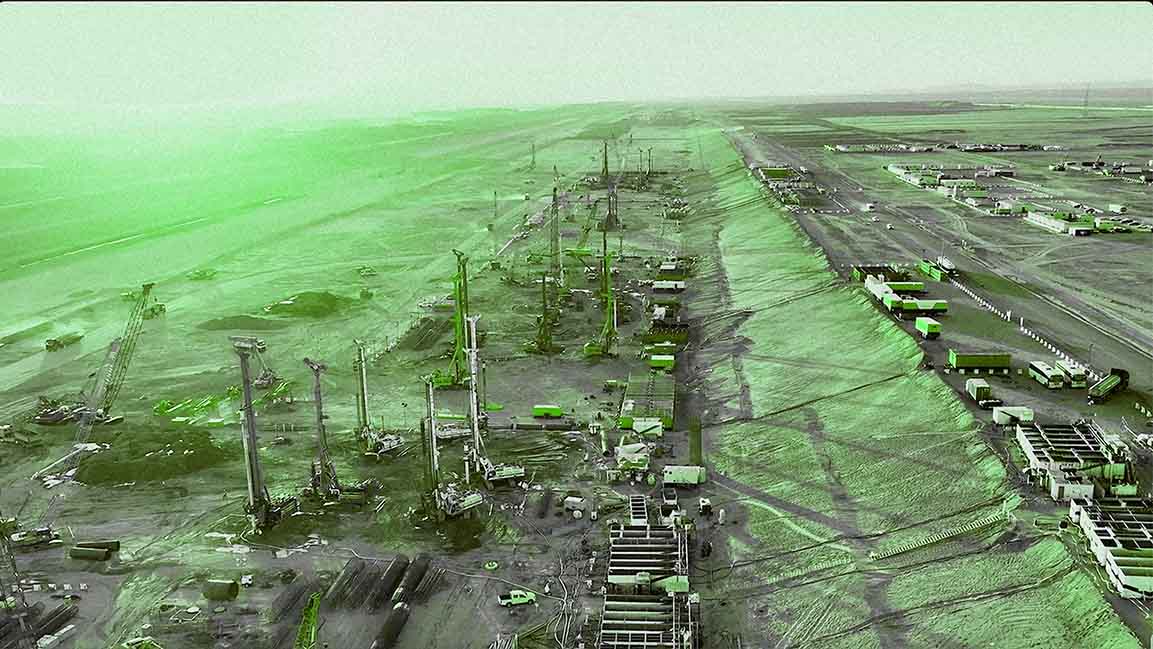
Saudi Arabia’s next major development, dubbed the “New Murabba,” is set to transform Riyadh’s skyline with the addition of a futuristic cube-shaped structure, slated to be one of the largest in the world. As the centerpiece of this $50 billion mega-development, the “Mukaab” will tower over 400 meters, making it taller than the Empire State Building. The cube is set to house various attractions, including residential spaces, hotels, cultural landmarks, and retail experiences, all within a digitally enhanced interior.

The New Murabba project is part of Riyadh’s push to become a global metropolis under the ambitious Vision 2030 initiative. Spearheaded by Crown Prince Mohammed bin Salman, Vision 2030 aims to diversify Saudi Arabia’s economy away from oil dependency by developing sectors such as tourism, entertainment, and technology. As part of this transformation, the Mukaab will serve not just as an architectural wonder but as a symbol of Saudi Arabia’s rapid modernization and growing influence in the global arena.

The cube’s massive scale reflects the Kingdom’s broader focus on positioning Riyadh as the Middle East’s primary hub for business, culture, and tourism. The project is expected to play a central role in hosting international events, including Expo 2030 and potentially the FIFA World Cup in 2034. Riyadh’s population is projected to reach 9.2 million by 2030, spurring the need for new infrastructure developments, including an improved road network and the construction of a metro system.

However, the massive scope of this project has raised concerns regarding its financial feasibility. With an estimated cost of $7.8 billion for the Expo alone, the Saudi government is recalibrating its priorities to manage the growing expenses of multiple giga-projects. Some developments, such as the $500 billion Neom city, have been delayed as Riyadh diverts resources toward completing critical infrastructure on time for these international events. The Public Investment Fund (PIF), which backs these mega-projects, has resorted to raising debt to meet its financial obligations. Nonetheless, the Mukaab remains a priority, given its symbolic and economic potential.

As the cube takes shape, it promises to offer more than just luxurious living spaces. Its immersive environment will incorporate augmented reality and digital technologies, creating a fully interactive experience for visitors and residents alike. This vision aligns with Riyadh’s goal of becoming a leading smart city, catering to both tourists and residents with cutting-edge technology and unique architectural designs. The Mukaab, in this sense, embodies the future Saudi Arabia envisions—a fusion of tradition and innovation, framed within a monumental structure that captures the imagination.

VISHNU RAJA
RYO YAMADA
HITORI GOTOH
IKUYO KITA
Just in:
Sui activates Hashi Bitcoin lending across partner network // Travel Insurance Was Built for the Few Who Claim. Ancileo’s Felt Coverage™ is for Everyone Else // Jaiedco and Golden Bridge Announce Strategic Collaboration for a New Dubai Islands Development // 2026 Tropical Rainforest Ecosystem Partners Conference Kicks off in Hainan // Coinbase targets 2027 launch amid state gambling lawsuits // Toward a Shared Future for Humanity: Rethinking Civilizational Exchange // HC nullifies assets FIR against minister // Hackers exploit public notes to distribute NodeLinkRAT malware // Dar Global unveils $700m Trump development in Qatar // Anthropic shares finish above offer price after Nasdaq debut // Antony’s wife called to police station with husband over complaint // Women held for plot to rob pilgrims // Yeebo Announces Interim Results for FY26/27 Revenue Increases by 45.5% to HK$806.7 Million Profit Attributable to Owners Surges 87.6% to HK$2,284.7 Million // LittleLives, Little Lab and SEGi College Sign MOU to Explore Early Childhood Education Collaboration Across ASEAN // Oil futures rebound after Riyadh strikes and tanker alerts // AXS and PayerMax Advance Omnichannel Payment Acceptance for Merchants // Workday targets Honeydew purchase to unify AI metrics // Dubai Introduces SHARH, an AI-Powered Platform Helping Entrepreneurs Buy, Sell and Manage Businesses in the UAE // Russia permits retail cryptocurrency purchases under regulated framework // NASA tests supersonic Mars rotors for heavier payloads //