News related to
Expo

The supply of Tether (USDT) on the Telegram Open Network (TON) blockchain has skyrocketed more than tenfold since May, with the value of USDT held on the network surging from $100 million to $1.2 billion. This dramatic increase signals both the growing adoption of TON and the growing importance of stablecoins in decentralized ecosystems.

As of December 2024, TON’s integration of USDT is seeing significant traction among both users and projects within the blockchain space. Tether’s growth on the network reflects broader trends in the cryptocurrency industry, where stablecoins continue to gain prominence due to their stability compared to more volatile assets like Bitcoin or Ethereum.

The massive surge in USDT supply comes as the TON blockchain has made considerable strides in attracting decentralized finance (DeFi) applications, exchanges, and users. TON’s unique features, including its high scalability and low transaction fees, make it an attractive option for stablecoin transactions. Experts believe this rapid increase in USDT on the network could further cement TON’s position as a critical infrastructure layer in the world of decentralized finance.

TON’s relationship with stablecoins is not new; however, the scale of USDT’s growth is unprecedented for the network. In May 2024, TON hosted just $100 million in Tether, but by December, this figure had expanded to an impressive $1.2 billion. This rapid increase is viewed by some analysts as an indicator of increasing demand for reliable, decentralized financial products and services, with TON becoming a central player in facilitating such services.

Key industry figures have speculated that the surge in USDT supply is tied to the rise of decentralized finance protocols built on the TON blockchain. These platforms allow users to trade, borrow, and lend cryptocurrency with the stability of USDT, which is backed 1:1 by the US dollar. Stablecoins like USDT provide much-needed price stability, which makes them particularly useful for trading and lending within volatile cryptocurrency markets. With TON’s infrastructure becoming more robust, the ecosystem appears to be maturing rapidly, attracting more liquidity and institutional interest.

In addition to DeFi protocols, centralized exchanges are also becoming key players in the surge of USDT on TON. Exchange platforms have started to offer TON-based USDT as a trading pair alongside other cryptocurrencies. This is particularly important for TON as it enables easier conversion between USDT and more widely used cryptocurrencies like Bitcoin and Ethereum. The seamless liquidity that TON offers for stablecoin transfers is an attractive proposition for both traders and institutional investors, further fueling the growth of USDT on the network.

The surge in USDT supply on TON is also reflective of broader trends in stablecoin use across the cryptocurrency space. Stablecoins have become integral to the global crypto ecosystem, particularly as they provide a less volatile alternative to traditional cryptocurrencies. They are also commonly used for remittances, as their stability makes them a preferred option for cross-border transactions. As cryptocurrency regulations tighten in various jurisdictions, the demand for stablecoins, especially those like USDT, is likely to increase.

The growth of USDT supply on the TON blockchain aligns with the broader trend of stablecoins becoming more entrenched in decentralized financial ecosystems. A critical element of this growth is the increasing acceptance and integration of blockchain-based stablecoins into traditional financial systems. This trend is most evident in regions where cryptocurrency adoption is high, and stablecoins are actively used in cross-border payments, as well as for preserving value in unstable economic environments.

At the same time, the growing prominence of TON as a platform for stablecoin transactions also highlights the increasing competitiveness in the blockchain space. While Ethereum, Binance Smart Chain, and Solana have long been major players in the decentralized finance space, TON is emerging as a strong contender. Its emphasis on scalability, cost-effectiveness, and fast transactions makes it an attractive option for projects that require efficiency and reliability at scale.

As for Tether itself, the surge in USDT supply on TON signals increasing acceptance of the stablecoin within both centralized and decentralized finance ecosystems. Tether’s dominance in the stablecoin market has been firmly established over the past few years, with its market capitalization consistently ranking among the highest of any cryptocurrency. The expansion of USDT on TON represents a new chapter in Tether’s journey, as it expands into new blockchain environments and becomes deeply integrated into the decentralized finance fabric of blockchain networks like TON.

Despite the rapid rise of USDT supply on TON, concerns remain regarding the long-term sustainability of such growth. Some market analysts caution that the exponential rise of stablecoin liquidity on a single blockchain could lead to concentration risk, where a significant portion of the financial activity on the network could become overly reliant on Tether. This could result in instability should Tether ever face a crisis of confidence or face regulatory scrutiny.

However, many in the industry view the current growth in USDT on TON as a positive sign for the broader ecosystem. The significant jump in USDT supply could signal growing confidence in the TON blockchain’s scalability and its ability to handle large volumes of transactions in a decentralized manner. This could open the door for more institutional participation in TON-based DeFi projects and encourage further development of the TON ecosystem, particularly as regulations in major markets evolve.
Tether’s USDT stablecoin has achieved a historic milestone, with its market capitalization surpassing $135 billion. This marks a significant achievement for the world’s largest and most traded stablecoin, which has seen consistent growth and increased usage across various sectors of the cryptocurrency market. This surge in market cap highlights the growing demand for stable assets in a volatile crypto environment and Tether’s continued dominance in the stablecoin arena.

The rise in Tether’s market cap comes amid increasing interest in decentralized finance (DeFi), trading platforms, and cross-border transactions, where stablecoins like USDT play a critical role. USDT is often used by traders as a safe haven during periods of market uncertainty, offering a stable alternative to the volatility of other cryptocurrencies like Bitcoin and Ethereum. The stability of Tether’s value, typically pegged 1:1 to the U.S. dollar, has made it an attractive option for users looking for liquidity while maintaining relative security in their digital asset holdings.

The demand for Tether’s USDT has been particularly notable as it has become an essential liquidity provider on major cryptocurrency exchanges and decentralized platforms. USDT is frequently used as a trading pair for the majority of crypto-to-crypto transactions, thus cementing its role as a key facilitator in the cryptocurrency ecosystem. Its presence across hundreds of exchanges worldwide has contributed significantly to its growing market cap, with billions of dollars being traded daily.

Tether’s ability to maintain its peg to the U.S. dollar has been a subject of scrutiny and debate since its inception. Critics have raised concerns over Tether’s reserves, questioning whether the company has sufficient assets backing every USDT token in circulation. However, Tether has consistently defended its position, asserting that its reserves are fully backed by real assets, and has even undergone audits to demonstrate its financial transparency. Despite these concerns, the demand for USDT continues to grow, bolstered by increasing adoption and its wide acceptance across the crypto space.

Another key factor contributing to the increase in Tether’s market capitalization is the broader adoption of blockchain technology. As digital currencies gain traction among institutional investors, Tether has positioned itself as a key player in facilitating institutional investment in the crypto market. Major players in finance, including hedge funds and asset managers, have increasingly used USDT as a means to trade digital assets while mitigating exposure to price fluctuations in the broader crypto market.

The rise of stablecoins, and specifically Tether, has also been linked to growing interest from regulators and governments. Stablecoins, with their promise of stability and faster settlement times compared to traditional financial systems, have drawn the attention of regulators worldwide. Some jurisdictions have moved to regulate stablecoins as part of their broader efforts to establish a framework for cryptocurrencies. Despite regulatory scrutiny, Tether remains a dominant force, often seen as a bridge between traditional financial markets and the rapidly expanding crypto ecosystem.

Tether’s expansion comes at a time when the cryptocurrency industry is seeing greater institutional involvement. A growing number of companies and investors are turning to blockchain and digital currencies as part of their portfolio diversification strategies. With USDT acting as a stable vehicle in volatile markets, Tether has cemented its place at the heart of this digital transformation, acting as both a safe haven and a gateway for new investment.

The growing interest in DeFi protocols has contributed to the rise in demand for stablecoins like USDT. These decentralized platforms often rely on stablecoins for their liquidity pools, lending services, and transactions. As DeFi platforms expand and more users engage with decentralized applications, the need for reliable, stable assets has only intensified. Tether, being one of the most widely recognized and accessible stablecoins, has benefitted greatly from this trend, further solidifying its position in the market.

Tether’s ability to maintain liquidity and keep its peg to the U.S. dollar has enabled it to capture a significant share of the stablecoin market. As of now, Tether accounts for a substantial portion of the total stablecoin market capitalization, with competitors like USD Coin (USDC) and Binance USD (BUSD) trailing behind. While Tether’s market dominance remains undisputed, competition within the stablecoin sector continues to grow, especially as new players enter the market with varying levels of decentralization and regulatory compliance.

Despite its success, Tether continues to face challenges, particularly in the realm of regulatory compliance. Global financial authorities are focusing on stablecoins, with some countries proposing stricter regulations or even outright bans on certain stablecoins. Tether has taken steps to address these concerns, including efforts to enhance transparency and meet regulatory requirements. However, the regulatory landscape for stablecoins remains uncertain, and Tether’s continued growth will depend on its ability to navigate the shifting landscape.

The growth of Tether’s market capitalization also reflects broader trends in the global financial ecosystem. The increasing adoption of digital assets, the rise of decentralized finance, and the integration of blockchain technology into traditional finance are all contributing factors. As more investors, businesses, and financial institutions adopt digital currencies, the demand for stablecoins like USDT is expected to continue its upward trajectory.

Grayscale Investments has formally applied to launch a Solana-based exchange-traded fund (ETF) on the New York Stock Exchange (NYSE), a move signaling the growing institutional interest in blockchain networks beyond Bitcoin and Ethereum. This filing positions Grayscale among a cohort of financial institutions vying to broaden the accessibility of cryptocurrency investments through regulated markets.

The proposed Solana ETF seeks to enable traditional investors to gain exposure to Solana’s ecosystem without directly owning the cryptocurrency. This initiative aligns with Grayscale’s strategy to expand its suite of single-asset ETFs, having already introduced ETFs for Bitcoin, Ethereum, and other digital assets. The application underscores the maturation of Solana, which is recognized for its high transaction throughput and scalability within the blockchain space.

Grayscale’s filing adheres to NYSE Arca Rule 8.800-E, which governs the listing and trading of digital asset-based securities. This compliance ensures the ETF will maintain stringent custody and trading standards, addressing concerns often raised by regulators about the security of cryptocurrency holdings. Coinbase Custody has been named as the custodian for the fund, leveraging multi-region secure storage of private keys to mitigate risks associated with digital assets.

Solana’s inclusion in an ETF reflects its surging adoption among decentralized finance (DeFi) applications, non-fungible token (NFT) marketplaces, and payment solutions. By bringing Solana into the ETF structure, Grayscale aims to bridge the gap between institutional investors and decentralized blockchain technologies, offering a pathway to diversify portfolios within a regulated framework.

This announcement comes amid a broader wave of applications by asset management firms seeking approval for cryptocurrency ETFs in the United States. Firms such as BlackRock and Fidelity have pursued similar strategies, aiming to address pent-up demand from investors hesitant to navigate the complexities of direct cryptocurrency ownership. The Securities and Exchange Commission (SEC) has recently signaled openness toward such proposals, creating optimism within the crypto industry.

IBIT, a prominent player in the cryptocurrency space, has crossed a significant milestone by accumulating more than 500,000 BTC in its reserves. This achievement places IBIT at the forefront of institutional investors, holding one of the largest Bitcoin stashes worldwide.

The growth of IBIT’s Bitcoin holdings signals not only the company’s expanding influence in the digital asset market but also the ongoing shift toward institutional investment in cryptocurrency. While many traditional investors have historically viewed Bitcoin and similar assets with skepticism, IBIT’s increasing accumulation of BTC highlights a changing trend, with crypto assets now becoming a central part of investment portfolios.

The timing of this move is notable, with Bitcoin’s market volatility and institutional adoption on the rise. As Bitcoin’s price has experienced fluctuations, the growing institutional presence in the market has added a layer of stability and legitimacy to the digital currency. IBIT’s actions are reflective of a broader trend where institutional investors are looking beyond Bitcoin’s price swings and viewing the cryptocurrency as a long-term store of value.

IBIT’s strategy aligns with a growing confidence in the potential of Bitcoin, especially as more companies and financial institutions seek exposure to this volatile yet highly profitable asset class. The company has made headlines not only for its significant Bitcoin holdings but also for its consistent commitment to securing digital assets in a safe and compliant manner. In a space rife with regulatory uncertainty, IBIT’s methodical approach to managing its Bitcoin reserves underscores the increasing sophistication of institutional cryptocurrency investing.

The surge in IBIT’s Bitcoin stash is reflective of an overarching trend in the cryptocurrency industry, where institutional players are playing an increasingly prominent role. Traditional hedge funds, family offices, and large corporations have recognized the value of diversifying their assets into Bitcoin, with the aim of reducing risk and boosting returns. The 500,000 BTC mark comes at a time when several other major players in the industry have followed suit, significantly raising their stakes in Bitcoin as an asset class.

Bitcoin’s market dynamics have changed considerably in recent years, with a notable increase in the volume of institutional investment. As these investors continue to accumulate large quantities of BTC, they inadvertently strengthen Bitcoin’s position within the global financial ecosystem. The digital currency is no longer just a speculative investment but is now seen as a legitimate store of value akin to gold.

IBIT has managed to build its position in the Bitcoin market through strategic acquisitions and partnerships with other major cryptocurrency-related firms. Its growing presence has been fueled by its adherence to a disciplined investment strategy, ensuring its Bitcoin holdings are not only large but also securely stored. This approach has won IBIT the trust of investors and stakeholders alike, many of whom view the company’s success as a blueprint for navigating the complexities of digital asset management.

IBIT’s holdings have been particularly significant when considering the broader trends in Bitcoin’s supply. With the cryptocurrency’s total supply capped at 21 million, large-scale holders like IBIT are seen as key players in the future price dynamics of Bitcoin. By owning over 500,000 BTC, IBIT controls a substantial portion of the available supply, which may influence both the market price and the broader narrative surrounding Bitcoin’s role in the global financial system.

The focus on secure and compliant Bitcoin holdings is an essential aspect of IBIT’s strategy. As regulatory bodies across the world continue to refine their approaches to cryptocurrency, IBIT has positioned itself as a leader in adhering to these evolving standards. This has ensured that its Bitcoin assets remain insulated from regulatory pressures that could potentially jeopardize the security or legality of the holdings.

IBIT’s ability to accumulate such a large amount of Bitcoin has garnered significant attention from investors and analysts. Many view the company’s strategy as indicative of the future direction of the digital asset market, where institutional players will continue to play a dominant role in shaping the supply and demand dynamics of Bitcoin. As Bitcoin’s price continues to rise, driven in part by institutional accumulation, IBIT’s strategic position places it at the center of an increasingly influential market.

The company’s success is also intertwined with Bitcoin’s role as a potential hedge against inflation and economic uncertainty. As central banks around the world continue to adopt expansive monetary policies, Bitcoin has gained recognition as an alternative asset that can serve as a store of wealth. This has contributed to the rise of institutional adoption, as large players seek assets that are less vulnerable to the policies and fluctuations of traditional financial systems.

By Nitya Chakraborty Less than two months are left for the presentation of the second budget of the third term Narendra Modi government in Parliament in February next year relating to the financial year 2025-26. The budget exercises are on in the finance ministry and the focus is on mobilizing additional resources for meeting the […]

Memecoin MOODENG surged by 67% after being listed on Coinbase, ending a two-week slump where the token had fallen by more than 50%. This price increase signals renewed investor confidence and marks a significant rebound for the token, which had struggled to regain its earlier momentum in the highly volatile cryptocurrency market.

The surge began almost immediately after the listing announcement, with MOODENG’s value climbing to a new high of $0.0055. The coin, which had previously traded in a narrow range of between $0.002 and $0.003, has seen a dramatic change in investor sentiment. Analysts note that such dramatic fluctuations are typical in the meme coin sector, where market sentiment can swing drastically based on social media trends and exchange listings.

Coinbase, one of the largest cryptocurrency exchanges globally, has a history of driving up the price of tokens upon their listing. The platform’s decision to add MOODENG to its roster appears to have been a key factor in the coin’s price spike. Analysts suggest that the exposure provided by Coinbase has given the token a broader reach, attracting new investors who were previously hesitant due to MOODENG’s lack of mainstream visibility.

Despite the sudden price surge, MOODENG has not been immune to the volatility characteristic of memecoins. It has already seen sharp sell-offs after reaching its high, with prices retracting slightly, though remaining higher than before the Coinbase listing. This back-and-forth is emblematic of the memecoin market, where short-term speculation often drives the prices rather than long-term utility or adoption.

For investors, MOODENG’s rapid rise serves as a reminder of the unpredictable nature of meme-based cryptocurrencies. While some market participants may look to capitalize on quick gains, others may remain cautious, wary of the frequent boom-and-bust cycles that define the space. Analysts caution that the token’s future performance will largely depend on continued exchange support and community engagement, two elements that have proven essential for the success of memecoins.

Community-driven tokens like MOODENG have long been linked to social media trends and influencer endorsements, factors that can provide short-term boosts but leave the asset vulnerable to fluctuations in public interest. The MOODENG community, which has been vocal on platforms such as Twitter and Reddit, will play a crucial role in sustaining its momentum. If the community continues to generate excitement around the token, its price may see continued upward movement, but if the interest wanes, a decline may be imminent.

The Coinbase listing, while a significant milestone, also raises questions about the long-term sustainability of MOODENG’s market performance. Many memecoins, despite initial successes, fail to maintain their price levels once the hype fades. The fact that MOODENG is still largely driven by speculation and social trends rather than real-world use cases means its long-term prospects remain uncertain.

Despite the current euphoria surrounding MOODENG, market observers note that the broader memecoin sector continues to be a high-risk investment arena. The sector, which includes tokens like Dogecoin and Shiba Inu, has seen rapid price swings and unpredictable market behavior in the past. Investors remain cautious, aware that the volatility and speculative nature of the sector make it difficult to predict future movements with any certainty.

QatarEnergy and Shell have finalized a major deal to supply liquefied natural gas (LNG) to China, further bolstering the energy ties between the two global powerhouses. The long-term sale and purchase agreement (SPA), which will see the delivery of three million tons per annum (MTPA) of LNG, is set to commence in January 2025. This deal, marking a significant step in energy cooperation, reflects the growing demand for natural gas in China and underscores the ongoing shift in the global energy landscape.

The agreement between QatarEnergy, the state-owned energy giant of Qatar, and Shell, one of the largest oil and gas companies worldwide, is expected to contribute to China’s energy security as it continues to diversify its sources of natural gas. China’s reliance on natural gas as a cleaner alternative to coal has steadily increased, positioning the country as one of the world’s top LNG importers. This new deal enhances Qatar’s position as a major global LNG supplier, reinforcing its role in the international energy market.

Qatar’s strategic focus on LNG exports aligns with its long-term vision to solidify its energy footprint globally, with significant emphasis on Asia-Pacific markets. China, as a critical player in global energy demand, is an essential partner for QatarEnergy, which has rapidly expanded its LNG production capacity over the past few years. The agreement between the two companies marks a crucial milestone in Qatar’s energy diplomacy, as it seeks to solidify its market share in the Asian region.

The SPA is not only a testament to the strong commercial partnership between QatarEnergy and Shell but also signals the growing importance of collaboration between national oil and gas companies and major international energy firms. While the details of the contract terms have not been fully disclosed, industry insiders speculate that the agreement includes flexible pricing mechanisms and long-term stability clauses, designed to provide both parties with predictable revenue streams and mitigate price volatility in the global LNG market.

This deal also highlights Shell’s ongoing commitment to expanding its footprint in the global LNG market, a sector that has gained momentum in light of rising energy demand and geopolitical uncertainty. Shell has been actively increasing its LNG trading capacity and has made substantial investments in LNG infrastructure globally, including terminals and shipping. The partnership with QatarEnergy further complements Shell’s strategy to position itself as a key player in LNG, alongside its broader focus on renewable energy and transition to cleaner energy solutions.

For China, the deal is particularly timely as it continues to pivot towards natural gas to fuel its rapid urbanization and industrial expansion. Despite a focus on renewable energy, the country’s growing energy demands have made natural gas an essential component of its energy mix, particularly in regions where access to alternative energy sources remains limited. By securing a steady and reliable supply of LNG from Qatar, China aims to stabilize its energy imports and reduce its dependence on coal, which has long been a significant contributor to the country’s high carbon emissions.

The partnership also plays into broader geopolitical dynamics in the LNG market. Over the last decade, China has increasingly relied on LNG imports from a variety of suppliers, including the United States, Australia, and Russia. However, by expanding its relationship with Qatar, a country with extensive gas reserves, China is also diversifying its sources to ensure greater energy security amid potential future supply disruptions. The strategic alliance with Qatar, therefore, not only meets China’s energy needs but also strengthens its energy ties with the Middle East, an important region in the global geopolitical arena.

As LNG demand continues to rise, particularly in Asia, the supply and demand dynamics of the global LNG market are expected to shift. Asia, as the largest importer of LNG, has seen an uptick in contracts between suppliers and buyers, with long-term agreements becoming more common. This trend, underscored by the QatarEnergy-Shell deal, suggests that market players are seeking greater stability in the face of volatile energy prices, exacerbated by geopolitical tensions and supply chain uncertainties.

The deal further underscores the role of LNG as a critical energy source in the global transition towards cleaner energy alternatives. LNG has gained favor as a relatively cleaner fossil fuel compared to coal and oil, thanks to its lower carbon footprint. As countries like China ramp up their efforts to curb emissions and reduce reliance on more polluting energy sources, natural gas has been positioned as a vital bridge in the energy transition, at least in the near to medium term.

In the broader context of Qatar’s energy strategy, the new deal also aligns with the country’s growing ambitions to dominate the global LNG market. With vast reserves of natural gas, Qatar has invested heavily in expanding its LNG production and infrastructure over the past few years. The country’s North Field Expansion Project, which is expected to increase its LNG production capacity by over 40%, will further cement Qatar’s role as a top supplier of natural gas worldwide. The partnership with Shell, one of the world’s largest LNG marketers, is an essential part of Qatar’s strategy to ensure access to key markets in Asia, Europe, and beyond.

Advertisements

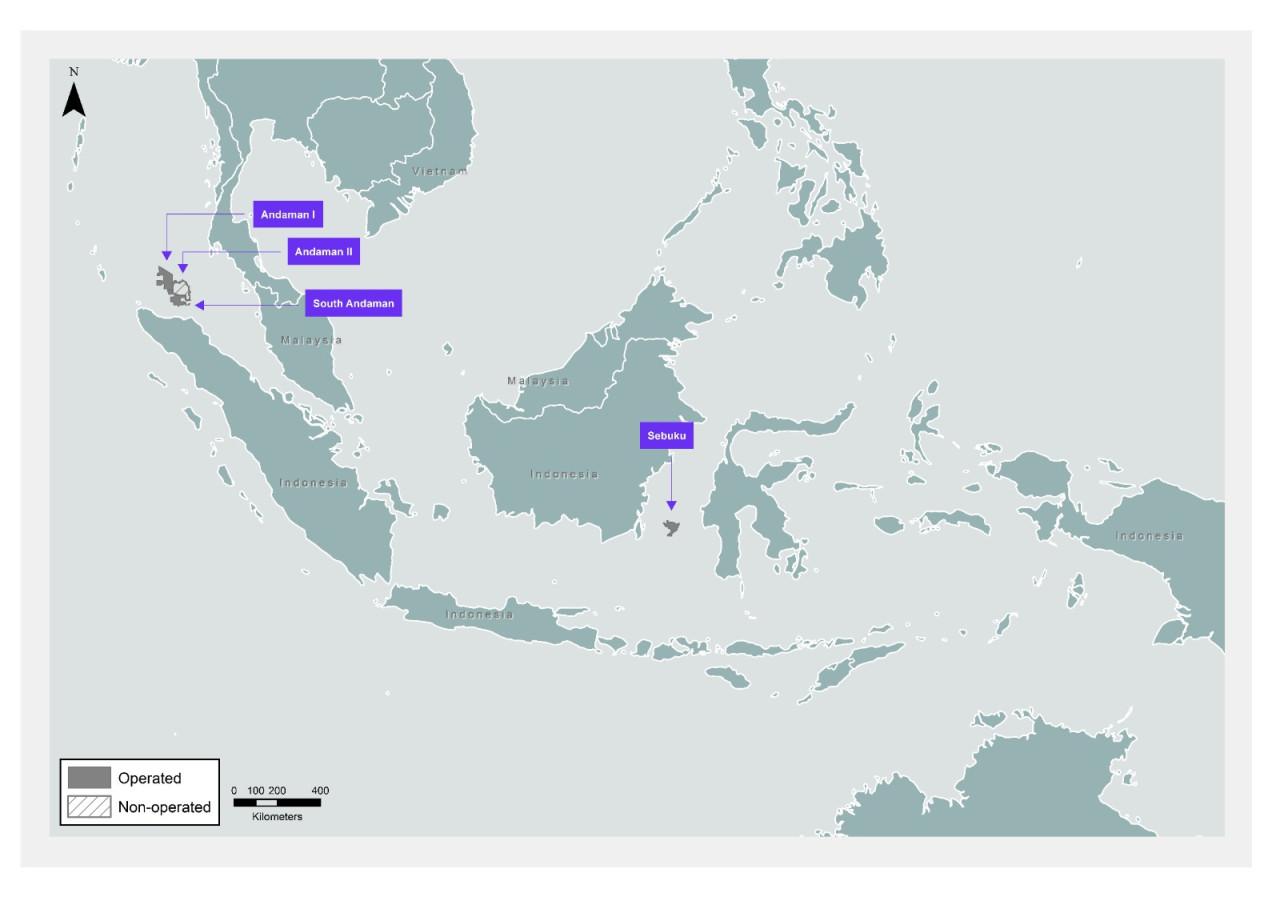
Indonesia has taken a significant step forward in its energy exploration sector by signing a contract with Harbour Energy and Abu Dhabi’s Mubadala Petroleum for the development of the Central Andaman block. The agreement is poised to unlock new prospects in the nation’s oil and gas sector, a move that is expected to enhance energy production and boost foreign investment in Indonesia’s energy resources.

The deal, which was finalized amid growing interest in Southeast Asia’s oil and gas reserves, marks a key milestone in Indonesia’s long-term strategy to increase its energy output and strengthen partnerships with international energy giants. Harbour Energy, a leading UK-based oil and gas company, alongside Mubadala Petroleum, an investment arm of the UAE’s Mubadala Investment Company, will collaborate on exploring and developing the Central Andaman block, located in the western part of Indonesia’s maritime zone. This area is rich in hydrocarbon potential, a crucial factor in meeting both domestic demand and export needs for Indonesia’s energy consumption.

This partnership is seen as a testament to Indonesia’s appeal as a prime investment destination in the energy sector. The agreement follows the country’s efforts to secure more investments in upstream oil and gas projects as part of its broader initiative to meet its energy targets. Indonesia has been working to reverse declining oil production and ensure that the nation’s oil and gas reserves continue to meet growing demand. The Central Andaman block, with its significant untapped reserves, is expected to contribute substantially to these goals.

The signing of the contract also aligns with the Indonesian government’s broader policy of attracting foreign capital into its energy sector. Harbour Energy’s track record in global exploration and Mubadala’s financial strength position both entities as highly strategic partners for the state-owned energy company, PT Pertamina. Pertamina, which will retain a stake in the project, is tasked with overseeing the development and ensuring the sustainability of operations across the block.

The Central Andaman block is located within an area known for its favorable geologic conditions, potentially offering both deepwater oil fields and gas reserves that have remained underexplored until now. The consortium’s exploration activities are expected to employ advanced technologies and methodologies to assess the block’s full potential, including seismic surveys and drilling operations in areas that have previously been difficult to access.

One of the key outcomes expected from this partnership is the improvement of Indonesia’s energy security. By developing its own oil and gas resources, Indonesia aims to reduce its dependence on energy imports, which have long been a vulnerability in its economic framework. Moreover, the exploration of new oil fields can provide an economic boost through job creation, the generation of local revenue, and the attraction of further investment into related sectors such as infrastructure and technology.

In addition to bolstering energy security, the deal also reflects growing geopolitical shifts in the global energy landscape. Southeast Asia has increasingly become a focal point for energy investments as global oil companies look for new frontiers amidst declining oil reserves in traditional oil-producing regions. The Central Andaman block’s untapped reserves add to Indonesia’s strategic importance, not only as an energy producer but also as a key player in the Indo-Pacific energy equation.

However, the path forward is not without challenges. The complex environmental and regulatory landscape of Indonesia’s offshore oil fields poses potential hurdles, including the need to adhere to stringent environmental standards while developing the block’s resources. Harbour Energy and Mubadala’s experience in managing large-scale offshore projects will likely be tested as they navigate these challenges, balancing sustainable practices with the need for efficient resource extraction.

The Indonesian government has indicated that it will continue to prioritize energy projects that contribute to the nation’s long-term economic growth while ensuring environmental sustainability. The Central Andaman block deal is expected to be closely monitored by both domestic and international stakeholders, who view the partnership as a litmus test for Indonesia’s ability to maintain its position as a leading oil and gas producer in Asia.

From wars in Eastern Europe and the Middle East to rising tensions in the Taiwan Strait, geopolitical instability has become the defining characteristic of our time. There are now more active armed conflicts than at any point since World War II. Simultaneously, the digital realm has become a battleground, with cyberattacks escalating in frequency and sophistication, targeting both national infrastructures and private enterprises. While these developments are […]

Bitcoin balances on cryptocurrency exchanges have reached a strikingly low level of 2.27 million BTC, the lowest since December 3, 2023. This trend underscores a clear shift among Bitcoin holders, moving assets off exchanges, signaling a preference for long-term storage over active trading.

This reduction in Bitcoin exchange reserves has been attributed to multiple factors. First, heightened regulatory scrutiny in major markets has made some investors wary of holding assets on exchanges. Events such as enforcement actions by financial authorities against prominent crypto platforms have heightened concerns over counterparty risks. Furthermore, technical vulnerabilities exposed in various exchange systems have prompted caution among users.

Another key factor influencing this behavior is the growing adoption of decentralized finance (DeFi) and self-custody solutions. Hardware wallets and other non-custodial storage options provide enhanced control and security for users, aligning with the ethos of decentralization that Bitcoin advocates champion. Institutional investors have also mirrored this trend, with significant transfers of Bitcoin to cold storage wallets indicating an alignment with long-term investment strategies.

Bitcoin’s scarcity narrative plays an essential role in this shift. By holding Bitcoin in wallets outside exchanges, investors signal confidence in its value appreciation potential. This behavior aligns with the prevailing sentiment that Bitcoin functions as a “digital gold,” a hedge against inflation and economic uncertainty.

On the trading side, lower exchange balances have introduced shifts in liquidity dynamics. Market analysts suggest that reduced availability of Bitcoin on trading platforms could increase price volatility. With fewer coins readily accessible for buying and selling, even modest market orders might cause outsized price swings. This phenomenon is compounded by increasing activity in derivatives markets, where investors speculate on price movements without immediate changes in Bitcoin spot holdings.

Meanwhile, Bitcoin’s price movement has displayed resilience. Despite fluctuations in macroeconomic conditions and interest rate policies affecting global financial markets, Bitcoin’s price has remained relatively stable compared to earlier periods of intense volatility. Industry experts believe this reflects maturing market conditions and growing participation by institutional investors who tend to adopt longer-term horizons.

The trends in Bitcoin custody and trading practices are part of a broader evolution in the cryptocurrency space. As traditional finance firms integrate blockchain-based assets into their portfolios, the convergence of decentralized principles with established financial practices is reshaping market dynamics. For Bitcoin, this means an increasingly nuanced ecosystem where retail and institutional participants redefine engagement rules.

U.S. President Joe Biden has pardoned his son, Hunter Biden, clearing federal convictions related to gun possession and tax offenses. This decision follows months of scrutiny over Hunter’s legal troubles, which had drawn significant public attention and political criticism. The pardon marks a reversal from the president’s prior stance, where he had assured he would not interfere in the judicial process concerning his son. Hunter Biden was […]

Verizon, in partnership with Ciena, has achieved a significant milestone in optical communication by successfully transmitting data at 1.6 terabits per second (Tbps) over a single-carrier wavelength. The trial, conducted along a 118-kilometer metro route in Boston, utilized Ciena’s WaveLogic 6 Extreme (WL6e) coherent optical technology. This innovation is part of Verizon’s broader strategy to enhance its fiber network capabilities to meet the surging demands of artificial […]

Shares of GQG Partners, a key investor in the Adani Group, plummeted significantly following an analyst report warning about the potential outflows from the firm’s portfolio. The note raised concerns regarding GQG’s continued exposure to the Adani Group amid increasing scrutiny over alleged bribery and fraud charges against Adani executives. The report, which was published late last week, highlighted a possible shift in investor sentiment as GQG […]

BANGKOK, THAILAND – Media OutReach Newswire – 29 November 2024 – Everydayhappy Company Limited, a leading natural skincare brand, has been honoured with the prestigious Asia’s Most Promising SMEs Award at the Asia Corporate Excellence & Sustainability (ACES) Awards, organised by MORS. Established in 2010, the brand De Leaf emerged under the Everydayhappy umbrella with a fundamental belief: natural ingredients are essential for healthy skin. Over the […]

Elon Musk’s net worth has reached a staggering $348 billion, driven by a surge in Tesla stock and the continued growth of his artificial intelligence venture, xAI. Musk’s wealth has seen a remarkable spike, placing him at the forefront of global billionaires, surpassing key figures in both tech and finance. This surge highlights the continued influence of Musk’s ventures, particularly Tesla, as the company’s performance remains strong […]

Dubai’s Roads and Transport Authority (RTA) has unveiled a major update to its traffic management strategy by introducing variable road toll pricing (Salik) and dynamic parking tariffs. This decision marks a shift toward a more adaptive and responsive traffic system, aimed at improving traffic flow and reducing congestion across the city. The move includes the implementation of event-specific parking rates to address higher demand during major events, […]

Fuel prices in the UAE experienced a notable rise in November, with the price of Super 98, Special 95, and E-Plus 91 all increasing by 9 fils per liter compared to October. The increase has raised concerns among consumers, particularly in light of ongoing discussions about the global energy market and its impact on local economies.

The National Petroleum Marketing Company, which oversees fuel pricing in the UAE, implemented this price change after monitoring shifts in global oil prices. The new prices reflect a global trend in energy markets where oil prices have steadily climbed in the past months due to rising demand and geopolitical uncertainties. Industry analysts suggest that such fluctuations are becoming increasingly common as global supply and demand dynamics evolve.

The change has been felt by consumers across the country, with many noting the impact on household budgets. The price for Super 98, the premium fuel grade, is now set at 3.03 AED per liter, up from 2.94 AED in October. Special 95, which is widely used by the general public, now costs 2.92 AED per liter, while E-Plus 91 has seen its price rise to 2.83 AED per liter. These increases, although seemingly modest, have a direct impact on daily life in the UAE, where gasoline-powered vehicles remain the primary mode of transport for the majority of residents.

The fuel price hike is part of a broader trend of fluctuating oil prices that began in mid-2023, driven by OPEC+ decisions, changes in U.S. production levels, and shifting demand patterns across key global markets. In particular, recent supply cuts by major oil-producing nations have tightened global crude oil supplies, contributing to the increase in fuel costs. The UAE, being a significant player in the global energy market, is not insulated from these trends, as the country relies heavily on oil exports for revenue.

The fuel price increases also come amidst discussions about the UAE’s efforts to diversify its economy away from oil dependence. Although the country has made significant strides in renewable energy development, including solar power and nuclear energy, oil remains a dominant economic driver. This creates a delicate balance for policymakers who must manage rising fuel prices while attempting to transition to more sustainable energy sources in the long term.

Consumer sentiment regarding the fuel price hike has been mixed. While some accept the increase as an inevitable result of global market trends, others express frustration with the recurring adjustments. Public transport, although available in major cities like Dubai and Abu Dhabi, remains underdeveloped in many parts of the country, making private car ownership essential for most people. This reliance on cars amplifies the impact of rising fuel prices on everyday expenses, leading to concerns about the affordability of transportation.

Economists have also weighed in on the potential long-term effects of fuel price hikes in the region. Some suggest that continued increases could put pressure on the cost of living, particularly in industries reliant on fuel-intensive activities such as transportation and construction. Businesses may face higher operating costs, which could eventually be passed on to consumers in the form of higher prices for goods and services.

On the other hand, analysts point out that the UAE government has taken steps to mitigate the impact on the most vulnerable sectors of the economy. Some subsidies remain in place for specific fuel products, particularly for those used in commercial and industrial sectors. These measures are designed to help cushion the effects of price increases and ensure that critical sectors do not experience undue strain.

The UAE’s fuel pricing system, which is reviewed monthly, has led to a degree of predictability in the market. Although prices are subject to fluctuations, the transparency of the system allows consumers to plan their expenses accordingly. This regular review process has earned praise from certain segments of the population, who appreciate the consistency in pricing, despite the periodic hikes.

Global energy market conditions remain a crucial factor in determining fuel prices. International oil price fluctuations have an immediate impact on the cost of fuel, and the UAE is particularly sensitive to these changes due to its role as a major oil exporter. With oil prices expected to remain volatile, fuel price adjustments are likely to continue being a regular feature of the economic landscape in the UAE. These changes, while impacting consumers, also serve as a reminder of the intricate connection between local economies and global energy markets.

Transformative Event Shines a Spotlight on the Collaborative Design Excellence at the Greater Bay Area, setting the stage for a new era of creativity in the region Exhibition at DX design hub will run from December 3 to 16 with free public entry HONG KONG SAR – Media OutReach Newswire – 29 November 2024 – Organised by Hong Kong Design Centre (HKDC) and with the steer and […]

SINGAPORE – Media OutReach Newswire – 29 November 2024 – The “World of Opportunities: Russia-ASEAN” International Business Forum, held from November 26 to 27, officially concluded in Kuala Lumpur, the capital of Malaysia. Over two days, the Forum hosted more than 350 participants, including representatives from political, business, and academic circles, the media, as well as experts and public figures from 24 countries. Organized by the Roscongress […]

By K Raveendran The defence mounted by the Adani Group, both by its leadership and by the Indian government, in the face of damning allegations of corruption and irregularities levelled by U.S. authorities, raises serious questions about the interplay between corporate interests and political power in India. While the U.S. investigation exposes what it claims […]

HONG KONG SAR – Media OutReach Newswire – 29 November 2024 – The 14th Learning & Teaching Expo 2024 (LTE) is set to take place from 11 to 13 December 2024 at Halls 3B-E of the Hong Kong Convention and Exhibition Centre. This year’s LTE is presented by Hong Kong Education City (EdCity), organised by Bailey Communications HK, and supported by the Education Bureau of the Hong […]

SINGAPORE – Media OutReach Newswire – 28 November 2024 – TOJOY Shared Smart Enterprise Services, a leading entrepreneur resource-sharing platform headquartered in China, is pleased to announce its inaugural participation in Southeast Asia’s largest technology event, the Smart Nation Expo 2024, held in Kuala Lumpur, Malaysia. This delegation comprises distinguished innovative enterprises, traditional entrepreneurs, and investors from China, who will engage in meaningful discussions and exchanges with […]

Heineken, the Dutch brewing giant, is preparing to open its first large-scale brewery in Dubai, a significant milestone in the evolving beverage industry within the Gulf Cooperation Council (GCC). This development, expected to materialize in 2024, will mark a pivotal shift in the region’s approach to alcohol production and consumption, reflecting broader changes in social and economic policies across the Middle East.

The brewery, located in Dubai Industrial City, will focus on producing various Heineken products tailored for the Middle Eastern market. This move aligns with Dubai’s strategic goals of fostering industrial diversification while attracting international investment to expand its manufacturing and export capabilities. With an estimated initial output of over 500,000 hectoliters annually, this facility represents one of the most ambitious projects of its kind in the Gulf region.

This initiative follows the UAE’s progressive steps to relax alcohol-related regulations to encourage tourism and economic growth. For instance, the country recently abolished its longstanding alcohol license requirement for personal consumption and introduced tax cuts on alcoholic beverages, effectively making them more accessible. The UAE remains an outlier in the GCC, where most countries maintain stringent controls on alcohol in adherence to cultural and religious norms.

The brewery will create employment opportunities and enhance Dubai’s standing as a hub for innovation and manufacturing excellence. With an emphasis on sustainability, Heineken plans to incorporate energy-efficient technologies and prioritize the use of local ingredients where feasible. This environmentally conscious approach underscores the company’s commitment to aligning its operations with the UAE’s sustainability initiatives.

The decision to establish operations in Dubai is also influenced by its logistical advantages. The emirate serves as a gateway to regional and international markets, offering robust infrastructure and connectivity. Industry analysts believe this move could spark increased competition in the regional beverage market, potentially encouraging other multinational firms to explore opportunities in the GCC.

This brewery is part of a larger trend where the Gulf region is witnessing shifts in lifestyle and economic priorities. While alcohol remains restricted in neighboring nations like Saudi Arabia, a more inclusive attitude toward diversifying economic activities is evident. Dubai’s openness to hosting Heineken’s venture highlights the city’s progressive stance and its broader ambition to solidify its position as a global city catering to diverse industries.

Dubai is famous for its road system and traffic rules all around the world. For this reason, it is a wonderful destination for new drivers to practice and gain experience. However, safe driving practices should be strictly followed. The well-paved roads might be a reason for temptation for the experienced drivers to go fast. But the new drivers have to be careful. If you are a new […]

VISHNU RAJA
RYO YAMADA
HITORI GOTOH
IKUYO KITA
Just in:
Travel Insurance Was Built for the Few Who Claim. Ancileo’s Felt Coverage™ is for Everyone Else // Anthropic’s debut is lifting markets, but someone is still paying for it // PicCollage extends photo editing platform to web browsers // Thailand’s Most Iconic New Year’s Celebration Returns: ICONSIAM Unveils “Amazing Thailand Countdown 2027” // Dalilk Academy reaches 27 million, targets 100 million by 2030 // 2026 Tropical Rainforest Ecosystem Partners Conference Kicks off in Hainan // Sui activates Hashi Bitcoin lending across partner network // Dubai Introduces SHARH, an AI-Powered Platform Helping Entrepreneurs Buy, Sell and Manage Businesses in the UAE // Dar Global unveils $700m Trump development in Qatar // Antony’s wife called to police station with husband over complaint // Phancy Announces Business Performance for the Nine Months Ended September 30, 2026 // HC nullifies assets FIR against minister // Toward a Shared Future for Humanity: Rethinking Civilizational Exchange // Alibaba shares slip despite 53% cloud revenue growth // Workday targets Honeydew purchase to unify AI metrics // Sharjah clears Kalba free zone plan for 400MW complex // Coinbase targets 2027 launch amid state gambling lawsuits // International Business Leaders Say Xi’s Speech Boosts Confidence in Asia-Pacific Cooperation // Oil futures rebound after Riyadh strikes and tanker alerts // Jaiedco and Golden Bridge Announce Strategic Collaboration for a New Dubai Islands Development //