Just in:
Crypto market loses $150 billion amid broad sell-off // Anthropic shares finish above offer price after Nasdaq debut // Workday targets Honeydew purchase to unify AI metrics // Phancy Announces Business Performance for the Nine Months Ended September 30, 2026 // Thailand’s Most Iconic New Year’s Celebration Returns: ICONSIAM Unveils “Amazing Thailand Countdown 2027” // Padmini follows Padmaja for ‘ghar vapsi’ // Sharjah clears Kalba free zone plan for 400MW complex // Technology at Work, Heritage for All: The “Chinese Approach” to Safeguarding the Leshan Giant Buddha // Russia permits retail cryptocurrency purchases under regulated framework // Dubai Introduces SHARH, an AI-Powered Platform Helping Entrepreneurs Buy, Sell and Manage Businesses in the UAE // PayerMax and ShopeePay Strengthen Strategic Partnership to Advance Digital Payment Collaboration in Southeast Asia // Coinbase targets 2027 launch amid state gambling lawsuits // Promoting Common Human Development Through Exchanges and Mutual Learning Among Civilizations // Travel Insurance Was Built for the Few Who Claim. Ancileo’s Felt Coverage™ is for Everyone Else // US military rebuts Iran’s Gulf F-16 strike allegation // Sabarimala booking discrepancies prompt sabotage angle probe // Dar Global unveils $700m Trump development in Qatar // ED searches five districts in probe against hawala // Saudi Arabia schedules multinational top-up tax for 2027 // European Commission takes systems offline after AI cyberattack //

News related to
Expo

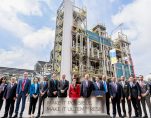
Prime Minister of Viet Nam Pham Minh Chinh’s visits to three Middle Eastern countries have yielded substantial outcomes, especially in cooperation and boosting agricultural trade. HA NOI, VIETNAM – Media OutReach Newswire – 9 November 2024 – During Prime Minister Pham Minh Chinh’s visits, Viet Nam and the UAE, Saudi Arabia and Qatar, have reached significant economic, trade and investment cooperation agreements. These agreements represent a breakthrough […]

KUALA LUMPUR, MALAYSIA – Media OutReach Newswire – 8 November 2024 – It’s that time of year again – Shopee’s 11.11 Big Sale, where everything you’ve been eyeing (and even things you didn’t know you need) is available at unbeatable prices! From cutting-edge tech gadgets and chic fashion finds to essential cookware and beauty must-haves, there’s something for everyone. The best part? You can shop with confidence, […]

BEIJING, CHINA – Media OutReach Newswire – 8 November 2024 – Since its inception more than three decades ago, the Asia-Pacific Economic Cooperation (APEC) has become a dynamic engine of economic growth and one of Asia Pacific’s most important regional forums. Its 21 member economies represent approximately 62 percent of the world GDP and nearly half of world trade. As the 2024 APEC gathering will commence soon […]

Several central banks in the Gulf Cooperation Council (GCC) have moved in close alignment with the United States Federal Reserve, adjusting interest rates as a preemptive measure against inflationary trends and to stabilize financial markets. In the latest developments, central banks in the UAE, Saudi Arabia, Bahrain, and Qatar have either maintained their rates or slightly adjusted them in response to the Fed’s monetary policy shifts, which […]

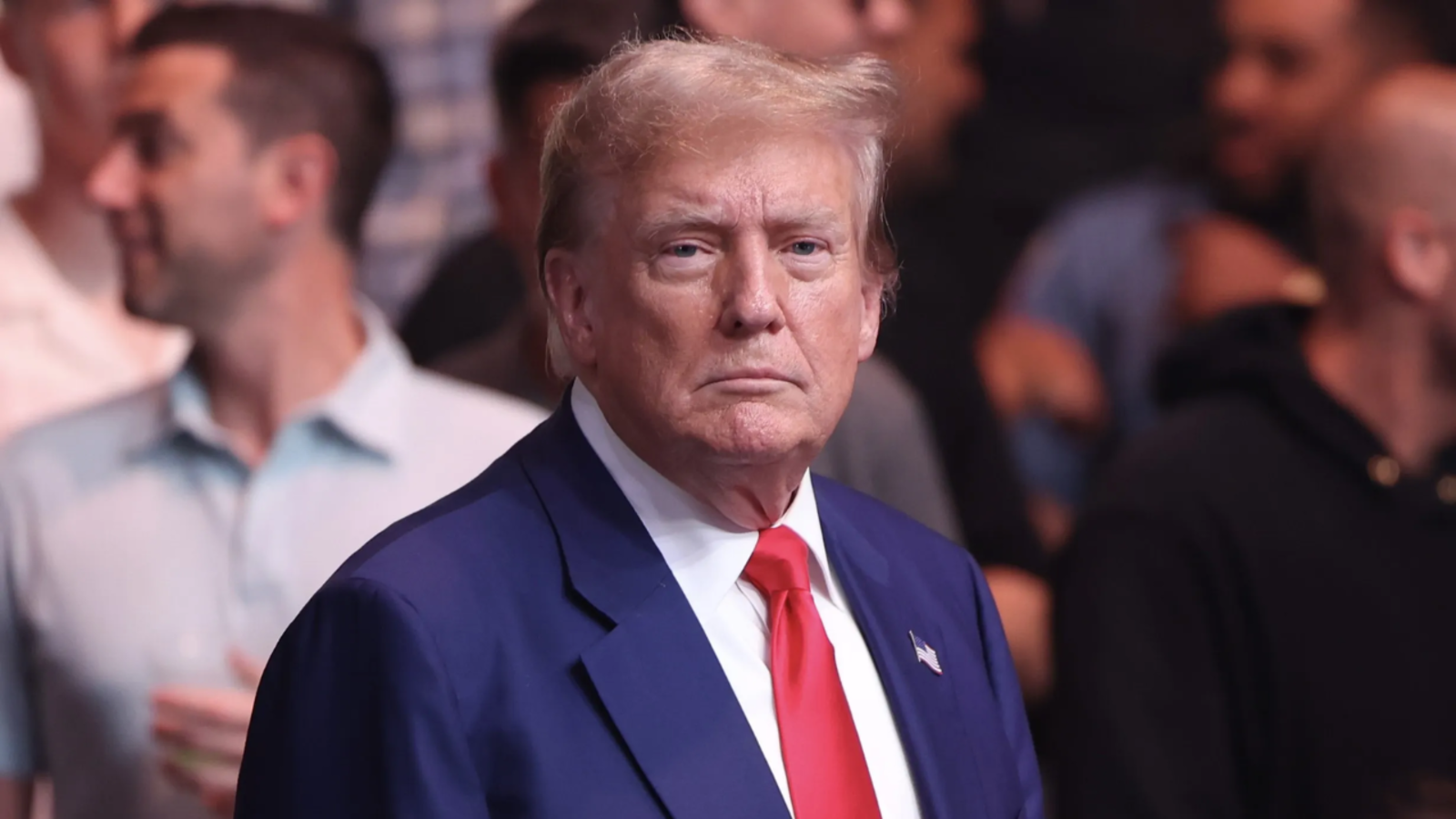
Europe is preparing for the potential implications of a second Trump presidency, concerned about renewed trade tensions and significant shifts in the transatlantic security framework. European leaders recall the policies of Trump’s first term, marked by tariffs on European imports, withdrawal from the Paris Climate Accord, and a confrontational approach to NATO contributions. With 2024 U.S. elections looming, European officials are not only bracing for a resurgence of similar tactics but also assessing ways to assert greater autonomy in defense and trade.

European officials and diplomats have begun emphasizing readiness to avoid a repeat of the challenges that caught many off-guard in 2016. Some leaders, including former French President François Hollande, advocate for a proactive stance, urging the European Union to prepare for a United States that may distance itself from Europe. This contingency plan comes amid heightened anxieties that Trump, unbound by re-election concerns, might intensify his stance on Europe’s defense spending and reduce American military presence in the region.

A renewed Trump administration could increase pressure on Europe to adjust its strategic and defense priorities. With his past criticisms of NATO members’ defense spending, particularly Germany’s, Trump’s possible return to the White House has led to a revival of European conversations on strategic autonomy. During Trump’s initial tenure, he consistently advocated for NATO countries to boost their contributions, often singling out Germany, which at the time did not meet NATO’s 2% GDP defense expenditure target. While Germany has since increased its defense spending, concerns persist that Trump may push for even more significant European financial commitments or explore alternative alliances outside NATO.

In Germany, which has experienced some of the most direct effects of Trump’s policies, the federal government is intensifying its preparations. German Foreign Minister Annalena Baerbock’s outreach to U.S. Republican counterparts exemplifies a strategic approach to establish dialogue channels with influential American conservatives. However, many German policymakers, including influential parliamentarian Norbert Röttgen, question the depth of current preparation efforts, noting that Europe’s primary response to Trump’s 2016 election was inadequate and highlighting the importance of independent defense planning as a hedge against potential U.S. policy shifts.

Across the EU, there is a growing trend to diversify defense and trade partnerships beyond the U.S. European Commission officials have coordinated increased production of military supplies, such as ammunition, to bolster Ukraine’s defense—a move that reflects a broader commitment to strengthening the EU’s defense capabilities independently of the U.S. Former Estonian President Toomas Hendrik Ilves observed that Europe has substantially ramped up its weapons support for Ukraine, surpassing even U.S. assistance in some aspects, which has reinforced confidence in Europe’s evolving defense autonomy.

Another key area of concern is the potential impact on U.S.-EU trade relations. Trump’s previous term saw the imposition of tariffs on European steel and aluminum, sparking a transatlantic trade dispute. A new administration could see these tariffs reintroduced or new tariffs placed on high-value European exports, such as automobiles, which could disrupt key European industries. European economies, particularly Germany’s automotive sector, could experience significant repercussions from any new tariffs, given the close integration of global supply chains. In light of these risks, the EU has been ramping up its trade outreach to diversify markets and secure alternative trade agreements.

The strategic and political implications of a second Trump term also extend to the sensitive issue of European alliances. Poland, for instance, has maintained strong relations with the U.S. regardless of leadership, with initiatives like “Fort Trump”—a symbolic reference to enhanced U.S. troop presence in Poland. While Poland has benefited from U.S. support, including defense cooperation, Trump’s campaign rhetoric about achieving a “peace deal” with Russia within a day has stirred unease. Given Poland’s critical position in NATO’s eastern flank and its robust support for Ukraine, Polish officials are wary of any potential pivot by Washington that could undermine NATO’s collective stance against Russia.

In response to these uncertainties, several European countries have taken steps to build relationships with influential American Republicans, including House and Senate members. Efforts to enhance diplomatic engagement have been evident in the diplomatic visits of figures like former British Prime Minister Boris Johnson, who held talks with Texas Governor Greg Abbott to anticipate changes in U.S.-UK ties in a Trump-led America.

A second term for Donald Trump could usher in significant changes for investors in the Middle East, with the potential for both increased economic opportunities and geopolitical instability. Trump’s return to the presidency would likely revive his administration’s assertive economic policies, reshaping U.S. foreign relations, particularly toward China, Europe, and Middle Eastern nations, while possibly impacting global market dynamics in ways that will directly affect Gulf economies.

Trump’s “America First” approach, previously marked by attempts to realign American foreign policy priorities, could lead to heightened trade tensions with major global economies, including the European Union and China. During his previous term, the Trump administration imposed steep tariffs on Chinese goods and withdrew from the Trans-Pacific Partnership, signaling a shift from multilateral agreements to bilateral deals with clear U.S. advantages. These policies could place Middle Eastern investors in a challenging position, especially those with extensive ties to both Western and Asian markets. His re-election could rekindle these policies, affecting key industries and the economic strategies of regional stakeholders, who may need to reassess their portfolios to navigate potential trade disruptions.

One area of likely change would be Trump’s approach to the U.S.-China trade war, which saw tariffs as high as 25% imposed on hundreds of billions in imports. The escalating tariffs strained trade flows globally, and with Trump’s potential return, the continuation or expansion of such tariffs could push China to deepen its ties with Gulf nations as it seeks alternative partners. The Middle East, particularly Saudi Arabia and the UAE, has already seen increased investment from China under the Belt and Road Initiative, and a further intensification of U.S.-China rivalry could strengthen these relations. Additionally, Gulf economies that depend heavily on oil exports may find opportunities as China looks for secure energy suppliers outside of the American sphere.

Simultaneously, Trump’s proposed policies are expected to drive further U.S. disengagement from traditional allies in Europe, compelling these countries to secure alternative economic partnerships. This shift could create an environment where European countries turn to the Middle East to establish closer trade relations, viewing Gulf states as critical energy providers and investment hubs. Regional investors could benefit from an increased inflow of European capital seeking to mitigate the effects of U.S. tariffs.

In terms of defense, Trump has consistently voiced support for reducing U.S. military commitments abroad, urging allies in Europe and the Middle East to shoulder more responsibility for their own defense. This could result in reduced U.S. military presence in Gulf nations, which may encourage these states to expand defense partnerships within the region and seek additional security alliances beyond the U.S. This shift could spur an increase in local defense spending and the development of domestic defense industries, presenting investment opportunities in these sectors. However, it may also bring heightened insecurity, which could lead to market instability, especially in oil-dependent economies that rely on stable energy production and export environments.

The Middle East’s energy sector might experience new pressures and opportunities under a Trump administration focused on American energy independence. Trump has previously supported policies that increase domestic oil and gas production in the U.S., which could lead to a drop in oil prices globally, impacting the revenue of oil-exporting countries in the Gulf. To counter this, Gulf economies may be motivated to diversify and boost non-oil sectors such as technology, real estate, and tourism, creating new avenues for regional and international investors.

Trump’s stance on Iran could also lead to renewed tensions in the region. During his first term, the administration’s “maximum pressure” campaign aimed at curbing Iran’s nuclear ambitions led to economic sanctions and heightened regional conflicts. If reinstated, such policies could escalate instability in areas around the Strait of Hormuz, a key chokepoint for global oil exports. Middle Eastern markets might face disruptions if these tensions spill over, particularly for industries dependent on steady energy flows and safe trading routes. Yet, defense and energy infrastructure investments may see a boost in response to these renewed geopolitical challenges.

Trump’s previous involvement in brokering the Abraham Accords set a precedent for Arab-Israeli normalization. A return to power could see a renewed push for expanded economic ties between Israel and more Arab states, following the precedent of UAE, Bahrain, Morocco, and Sudan establishing official relations with Israel. Investors across the Gulf could benefit from these expanded commercial ties through greater market access, technology transfers, and joint ventures, particularly in high-growth sectors like technology, renewable energy, and tourism. The prospect of regional integration holds promise for attracting further foreign direct investment (FDI) and bolstering Middle Eastern economies.

Middle Eastern investors, therefore, may need to prepare for a mixed impact, balancing potential market volatility with strategic opportunities. Gulf Cooperation Council (GCC) countries, particularly the UAE and Saudi Arabia, may find themselves in a pivotal position, with increased leverage in securing favorable trade agreements as both Western and Eastern economies seek partnerships in response to Trump’s policies. Yet, they may also have to contend with the risks of being on the frontline of fluctuating U.S. policies toward the region, especially regarding defense and energy.

BARCELONA, SPAIN – Media OutReach Newswire – 8 November 2024 – On November 6, Central European Time, at the 2024 Smart City Expo World Congress (SCEWC) held in Barcelona, Shenzhen stood out from 429 candidate cities from 64 countries and regions to win the World Smart City Award, demonstrating China’s extraordinary strength and potential in building smart cities. Centered on the theme of “building a new smart […]

Advertisements

Redefining the Golden Years with “Care Food” HONG KONG SAR – Media OutReach Newswire – 7 November 2024 – Yung Kee Restaurant (“Yung Kee“), renowned for its authentic Cantonese cuisine and charcoal-grilled delicacies, has grown alongside Hong Kong for over eight decades. On 10 November 2024, it will mark a significant milestone of its 82nd anniversary. This year, Yung Kee has organized multiple initiatives dedicated to social […]

The Trump administration’s latest strategy to impose stricter sanctions on Iran and Venezuela is set to have a significant impact on global oil markets. As tensions rise over geopolitical maneuvering and energy security concerns, experts predict that these measures will strain already delicate oil supplies and could lead to higher prices globally. The decision underscores the U.S.’s firm stance against two key oil producers, both of which have been facing international isolation due to their respective political landscapes.

Under the previous administration, sanctions against these nations were ramped up, but the current approach seeks to tighten those restrictions even further, with the aim of curbing oil exports from both Iran and Venezuela. Analysts believe that this intensification is intended to increase pressure on the governments in Tehran and Caracas, while also signaling the U.S.’s commitment to reducing foreign oil dependency. The new sanctions could, however, complicate matters for oil-importing nations, as they will likely face higher costs and uncertainty in accessing sufficient supply.

Iran, whose oil industry has been a target of U.S. sanctions for years, faces restrictions that limit its ability to engage in global trade. With the United States and many European countries pressuring buyers not to purchase Iranian oil, Tehran’s market share has drastically shrunk. Despite this, Iran has still managed to export oil to certain regions, including China, albeit covertly. The latest sanctions are expected to curb these exports even further, as U.S. officials vow to penalize any entities engaging in trade with Tehran’s oil sector. This will likely exacerbate Iran’s economic woes and deepen the global oil supply shortage.

Venezuela, already grappling with a humanitarian crisis and a collapsed economy, is another major target of U.S. sanctions. The Latin American nation holds some of the largest oil reserves in the world but has struggled to maintain production levels due to mismanagement, lack of investment, and the effects of sanctions imposed by Washington. As production continues to decline, Venezuela’s role as a key oil exporter diminishes. With further sanctions on the horizon, experts anticipate a further decline in Venezuelan oil output, further straining the global oil market.

These sanctions could have widespread ramifications beyond Iran and Venezuela. Global oil prices, already volatile in recent months due to the ongoing war in Ukraine and other supply disruptions, are expected to rise as oil becomes scarcer. Some analysts are predicting that a more severe reduction in output from these two countries could push oil prices well above current levels, forcing governments and companies worldwide to adjust their energy strategies.

The administration’s move to implement stricter sanctions on these oil-rich countries aligns with broader U.S. goals of reducing global reliance on unstable regimes. By limiting Iran and Venezuela’s capacity to export oil, Washington is seeking to restrict revenue streams that could fund political instability or hostile actions. However, experts warn that these policies may not be fully effective in the long term and could further alienate both countries, making future diplomatic engagement more difficult.

For international oil markets, these measures represent a critical crossroads. A reduced supply of oil from Iran and Venezuela may benefit other oil-producing countries like Saudi Arabia, Russia, and the United States, which are all positioned to fill the gap. However, these nations are already producing at near maximum capacity, and additional pressure on these producers could create upward price pressures. Furthermore, non-compliance with the sanctions by other nations, especially China, could result in a fractured global response, leading to even more volatility in the markets.

The oil markets’ response to these sanctions will likely hinge on the willingness of major players to support U.S. policies. If countries such as China and India, two of the largest oil consumers, continue to trade with Iran and Venezuela despite U.S. warnings, the impact of these sanctions could be muted. On the other hand, if these nations adhere to the U.S.-led restrictions, the oil supply could shrink significantly, which would lead to higher costs for energy consumers worldwide.

One of the more significant ramifications of these sanctions is the effect on U.S. allies. Countries that are heavily dependent on Venezuelan or Iranian oil, such as certain European nations, may face challenges in meeting their energy needs. This could prompt some to seek alternative sources of oil, such as those from the U.S. itself, which has ramped up production in recent years. While U.S. shale production has boomed, it is unclear if it will be able to absorb the loss of oil exports from these countries and meet global demand.

The sanctions’ broader economic impact cannot be ignored. Countries around the world are grappling with inflation and supply chain disruptions, which are already driving up energy costs. The additional strain on oil markets caused by these new sanctions could further exacerbate economic instability, especially in developing nations that are highly reliant on affordable energy.

Dubai’s office market has experienced a significant surge in rental prices during the third quarter of 2024, with prime office locations recording the steepest increases. This upward trend is reflective of the city’s growing appeal as a global business hub, particularly for multinational companies across sectors such as finance, technology, and consulting. Notably, areas like Dubai International Financial Centre (DIFC) and Downtown Dubai have seen substantial rent hikes, driven by an influx of businesses looking to capitalize on the city’s business-friendly environment and strategic location.

A combination of factors has fueled this rapid growth. The city’s favorable tax environment, ease of business setup, and top-tier infrastructure continue to attract international firms seeking stable, high-quality office space. Experts have noted that hybrid working models, a post-pandemic trend, have also contributed to the growing demand for flexible office spaces. Companies are increasingly prioritizing flexible, open-plan layouts and co-working spaces that allow them to adjust their office footprint based on operational needs. This shift has further amplified the demand in both premium and emerging commercial districts.

While top-tier locations continue to see the highest rental growth, more affordable options in areas such as Dubai Science Park and Dubai Investments Park are also experiencing robust demand. In these locations, rents have jumped by as much as 37% year-on-year, reflecting broader market expansion. Moreover, Expo City, once seen as a secondary option, is now emerging as a competitive contender in the office space market, offering quality facilities with better price points and strong transport connectivity compared to central business areas.

The expansion is not just limited to office space demand; Dubai’s infrastructure projects and strategic vision, which emphasize connectivity and business continuity, have also played a role in reinforcing the city’s position as a leading global business destination. Experts forecast that this demand will likely sustain through the remainder of the year, supported by Dubai’s continued role as a bridge between East and West.

KUALA LUMPUR, MALAYSIA – Media OutReach Newswire – 6 November 2024 – Asian financial markets are experiencing increased interest from novice traders. In Southeast Asia, online trading has expanded rapidly, driven by growing internet access and an increasingly digital-savvy population. In Indonesia, active online traders grew by 18%, supported by a thriving e-commerce sector and rising financial literacy. Across Southeast Asia, the digital economy is projected to […]

By Nitya Chakraborty Finally, the U.S. election results are out. The Republican candidate Donald Trump has swept the polls by winning convincingly in the presidential contest as also leading the Republican Party to majority in both the Senate and the House of Representatives. There is no grey area. It is apparent that the majority of […]

KUALA LUMPUR, MALAYSIA – Media OutReach Newswire – 6 November 2024 – Current developments and key facts As of 7:00 a.m. UTC, most data providers, including ABC, CBS, NBC, and CNN, projected that Donald Trump would become the next president of the United States. However, even as Trump’s victory looks almost guaranteed at this point, it is the balance of power in the U.S. Congress that will […]

Abu Dhabi’s National Marine Dredging Company (NMDC) is pursuing its first significant acquisition in the Gulf region, with plans to finalize a deal by the end of the year. The state-backed firm, which has expanded its portfolio through several infrastructure and engineering projects, has been actively exploring new ventures in the region to diversify its operations and strengthen its position in the global construction and marine services […]

The UAE has unveiled its long-term National Investment Strategy 2031, aiming to attract and retain investments that will fortify the country’s economic diversification and accelerate its status as a global hub for business. The strategy is poised to reshape the investment landscape, focusing on key sectors including advanced technology, renewable energy, healthcare, and financial services.

The UAE’s leadership emphasized that the strategy is a pivotal element of the country’s broader economic transformation plan, building on its recent successes in establishing itself as a leading center for trade, technology, and innovation. As part of the strategy’s goals, the country is looking to increase the volume of foreign direct investment (FDI), enhance local businesses, and promote the integration of sustainable economic practices across industries.

Underpinning this ambitious strategy is the objective to improve the UAE’s competitive position in the global market by tapping into sectors of emerging global importance. This approach is intended not only to attract new investments but also to foster innovation that will drive growth across both traditional and non-traditional sectors. By 2031, the UAE aims to position itself as a key player in the global knowledge economy, with sustainable and cutting-edge technologies leading the charge.

One of the most critical components of the strategy is a comprehensive focus on advanced industries, particularly those that integrate artificial intelligence (AI), data science, and renewable energy technologies. In line with global trends, the UAE is seeking to capitalize on the opportunities brought about by climate change adaptation and green technologies. By investing in renewable energy projects, including solar and nuclear power, the nation is positioning itself to become a leader in sustainable energy solutions while contributing to global climate goals.

Another key feature of the strategy is its emphasis on strengthening the healthcare sector. As the world faces growing challenges related to aging populations and pandemics, the UAE is investing in health technologies that promise to not only improve the quality of healthcare services but also reduce costs and enhance healthcare delivery. This includes advancements in medical research, biotechnology, and digital health technologies, all aimed at improving efficiency and accessibility in the health sector.

A focal point of the UAE’s National Investment Strategy is also its effort to encourage the expansion of the financial services industry, particularly focusing on fintech innovations. By tapping into emerging trends such as blockchain, digital currencies, and decentralized finance, the UAE seeks to redefine its financial ecosystem, making it more agile and globally competitive. This is part of a broader initiative to attract a new generation of entrepreneurs and investors, particularly those in the tech and financial sectors.

The strategy also acknowledges the importance of a flexible and attractive regulatory framework for investors. The UAE plans to introduce measures that further ease the process of setting up businesses, reducing bureaucratic hurdles, and promoting an environment conducive to innovation. These steps include improvements in intellectual property laws, enhancing access to venture capital, and increasing transparency within the market. In this context, the UAE’s government is also aiming to make significant strides in digitizing the business registration process and enhancing the speed and efficiency with which new enterprises can operate.

The announcement of the National Investment Strategy 2031 comes at a time when the UAE is already seeing notable investments flowing into its economy. The UAE government has actively pursued bilateral investment agreements with countries across the globe, resulting in increased foreign capital inflows. The goal is to build on this momentum and ensure that the country remains an attractive proposition for investors and entrepreneurs seeking a stable and profitable business environment.

The strategy also aligns with the UAE’s Vision 2030, which places heavy emphasis on sustainability and economic diversification. It seeks to reduce the country’s reliance on oil exports and move towards a more knowledge-based economy. This vision aims to diversify revenue streams while fostering innovation and ensuring a more resilient economy in the face of global economic fluctuations. To support this transition, the UAE has been progressively creating a conducive ecosystem for high-tech industries, incorporating digital and green solutions into its infrastructure projects, and providing substantial incentives for businesses engaged in sustainability.

At the heart of the National Investment Strategy is the creation of new partnerships with global technology companies, investors, and academic institutions. These collaborations are expected to drive research and development activities, particularly in sectors that focus on sustainability, health, and innovation. Such partnerships are intended to propel the country’s efforts in creating a vibrant innovation ecosystem, fostering an environment where groundbreaking ideas can thrive and scale up quickly.

The strategy’s success will be closely tied to its ability to leverage the UAE’s geopolitical position as a bridge between East and West. Positioned at the crossroads of Europe, Asia, and Africa, the UAE has long served as a gateway for international trade, investment, and commerce. This strategic location, combined with its advanced infrastructure and growing talent pool, will help the UAE remain a prominent player on the global investment map.


Lime, a global leader in micromobility solutions, is poised to launch its innovative no-pedal electric bikes in Dubai, expanding its portfolio of sustainable transportation options in the city. This development aligns with Dubai’s broader strategy to enhance urban mobility and reduce congestion while promoting eco-friendly transportation alternatives. The no-pedal e-bikes, designed for ease of use and accessibility, require riders to simply accelerate with a throttle rather than […]

EDGE Group, a key player in the UAE’s defense and advanced technology sector, has entered into a strategic partnership with Italian shipbuilding giant Fincantieri to develop next-generation underwater solutions. This collaboration, announced in a series of formal statements, seeks to combine the strengths of both companies to advance the development of cutting-edge maritime technology. The joint venture is expected to significantly bolster both nations’ defense capabilities and […]

Revolutionizing Home and Commercial Cleaning with Aqueous Ozone Solutions that are hypoallergenic & eco-friendly QUEENSLAND, AUSTRALIA – Media OutReach Newswire – 5 November 2024 – OZONO, the eco-conscious brand spearheading the movement towards chemical-free cleaning solutions, is thrilled to announce its official launch in Australia. Established in 2021 in Singapore, OZONO aims to transform the cleaning industry by offering a chemical-free cleaning device. OZONO OZPro is the […]

A disturbing new phishing scam is targeting individuals by leveraging personal information, including home addresses and images of their residences, to instill fear and demand money. The email typically comes from an unknown sender and features a menacing message claiming the recipient is under surveillance and that the sender possesses compromising footage. This alarming tactic aims to pressure victims into paying sums of money, often requested in […]

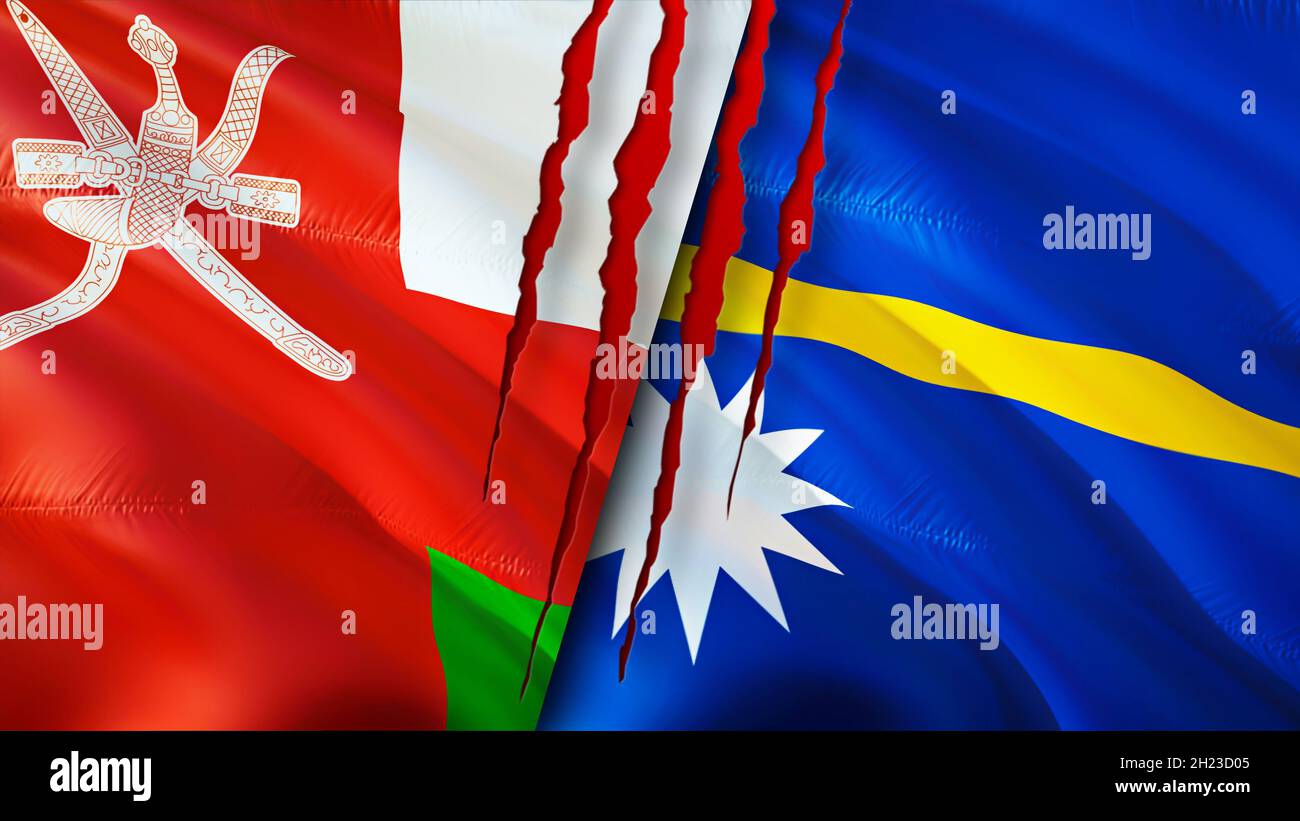
Oman and Nauru are exploring ways to enhance bilateral relations, focusing on economic, diplomatic, and developmental cooperation, as both nations seek mutual benefits in diverse sectors. Oman’s Foreign Minister Sayyid Badr Hamad Al Busaidi welcomed Nauru’s President David Ranibok Adeang in Muscat, underscoring Oman’s strategic interest in expanding its diplomatic reach. The discussions highlighted Oman’s Vision 2040, a national strategy emphasizing economic diversification through sectors like logistics, tourism, and technology, which aligns with Nauru’s developmental needs and ambitions.

The meeting emphasized Oman’s positioning as a major logistics and trade hub. Ports in Salalah, Duqm, and Sohar serve as pivotal centers for regional commerce, with plans to extend facilities that could support Nauru’s trade interests and benefit from its location in the Pacific. Both nations have identified tourism as a shared area of interest, and Oman’s plans for tourism expansion—aiming to attract 11 million annual visitors by 2040—could include tailored partnerships with Nauru to enhance cultural and environmental tourism in both regions. Similarly, Oman’s ports, critical in the global maritime routes, provide additional infrastructure and maritime trade support that may serve the strategic needs of Nauru’s Pacific-based trade interests.

Oman’s Vision 2040 agenda also prioritizes advanced technology and infrastructure development, areas where Nauru could collaborate on sustainable projects. As Oman pursues the expansion of its broadband connectivity, partnerships in information and communication technology (ICT) could allow Nauru access to advancements that boost digital connectivity and infrastructure. The Oman Broadband Company, a leader in the region’s digital initiatives, has successfully laid fiber-optic networks and built high-speed internet infrastructure with support from major international financing groups. Nauru, with its need for reliable communication networks, could benefit significantly from these technological exchanges, aiding both domestic and international connectivity.

Energy cooperation also offers promising potential. Oman’s interest in renewable energy and sustainable development, alongside its established oil and gas sector, positions it as a possible partner in energy-related projects. Oman’s Al Wusta governorate, a central oil production area, has expanded oil and gas field development to boost output and meet both local and export demands. Nauru’s resource-dependent economy may find utility in Oman’s experience in balancing resource extraction with sustainability measures, possibly adapting these practices to foster responsible resource management within its own industries.

M A Hossain As the United States approaches its 2025 presidential inauguration, the potential impact on US foreign policy is under close examination, particularly concerning the Global South. The countries in these regions—spanning across Latin America, Africa, and parts of Asia—face unique challenges and opportunities based on whether the next US president will be Donald Trump or Kamala Harris. The candidates’ distinct approaches to international relations, trade, […]

An Abu Dhabi financial venture has rolled out an innovative blockchain-based fund, designed to offer global investors a streamlined entry into U.S. Treasury markets through tokenization. Libeara, a blockchain infrastructure company, has partnered with FundBridge Capital to launch this new on-chain treasury fund, formally titled the Delta Wellington Ultra Short Treasury On-Chain Fund. Targeted primarily at institutional investors, the fund is structured to integrate the stable returns of short-term U.S. Treasury securities with the advantages of blockchain technology, allowing investors to subscribe, transfer, and redeem digital units of the fund.

This fund, launched initially on the Ethereum blockchain, represents a significant move towards integrating traditional assets with digital platforms, simplifying global access to U.S. Treasuries. By establishing a direct connection to stable U.S.-denominated investments, the Ultra Fund offers a unique digital alternative to conventional treasury investments, catering especially to investors from the Web3 and crypto-focused segments. Following its Ethereum debut, expansion plans aim to integrate other blockchains such as Arbitrum, Avalanche, and Solana to broaden access for digital investors.

Blockchain-enabled tokenization has been gathering pace as a mechanism to improve transparency, reduce operational expenses, and increase accessibility in the financial sector. This venture by Libeara and FundBridge aligns with the UAE’s progressive vision toward blockchain adoption and asset digitization. Wellington Management, a renowned asset management firm, serves as the sub-manager of the fund and supports its bridge to traditional finance (TradFi). This collaboration further connects the fund with Wellington’s established infrastructure and risk management protocols, which are pivotal in attracting institutional investors to digital assets.

Custodial oversight for this fund is provided by Standard Chartered, a global banking institution headquartered in London, known for its digital assets and blockchain-friendly initiatives. Standard Chartered’s involvement not only enhances the fund’s credibility but also bolsters investor confidence by providing secure, regulated custody of the underlying assets. This aligns with the bank’s broader commitment to offering digital asset exposure to its clients while navigating the evolving regulatory landscape.

Libeara’s CEO Aaron Gwak emphasizes that this fund’s design is a “significant step forward” in granting institutional credibility to blockchain assets, describing it as a progression from Libeara’s previous tokenized Singapore dollar-denominated fund. This initiative is expected to attract a new demographic of investors who have been cautious about integrating digital assets with traditional finance, marking another phase in the global shift toward blockchain adoption within mainstream financial systems.

New ‘Designer of the Year’ Award Unveiled HONG KONG SAR – Media OutReach Newswire – 1 November 2024 – Hong Kong Design Centre (HKDC) is pleased to announce the esteemed laureates of the DFA Awards 2024, celebrating the innovative spirit and profound impact of design across Asia. This year, DFA Awards introduced an exciting new accolade, the DFA Designer of the Year, marking a significant milestone in […]

Nasdaq surged to fresh highs this week, driven by Alphabet’s impressive earnings, underscoring the enduring allure of AI-driven software as the foundation of market growth. The latest market movements reveal a significant shift: while AI’s vast potential remains undiminished, investors are coming to terms with the fact that hardware, especially in the chip sector, may not be the most sustainable path to capitalize on it. As major […]

VISHNU RAJA
RYO YAMADA
HITORI GOTOH
IKUYO KITA
Just in:
2026 Tropical Rainforest Ecosystem Partners Conference Kicks off in Hainan // Saudi defences destroy three Houthi missiles targeting Riyadh // Dalilk Academy reaches 27 million, targets 100 million by 2030 // Russia permits retail cryptocurrency purchases under regulated framework // Dubai Introduces SHARH, an AI-Powered Platform Helping Entrepreneurs Buy, Sell and Manage Businesses in the UAE // Toward a Shared Future for Humanity: Rethinking Civilizational Exchange // Sui activates Hashi Bitcoin lending across partner network // PayerMax and ShopeePay Strengthen Strategic Partnership to Advance Digital Payment Collaboration in Southeast Asia // Promoting Common Human Development Through Exchanges and Mutual Learning Among Civilizations // Yeebo Announces Interim Results for FY26/27 Revenue Increases by 45.5% to HK$806.7 Million Profit Attributable to Owners Surges 87.6% to HK$2,284.7 Million // ED searches five districts in probe against hawala // Padmini follows Padmaja for ‘ghar vapsi’ // Sharjah clears Kalba free zone plan for 400MW complex // Technology at Work, Heritage for All: The “Chinese Approach” to Safeguarding the Leshan Giant Buddha // Balagopal challenges CM over tax revenue // Oil futures rebound after Riyadh strikes and tanker alerts // European Commission takes systems offline after AI cyberattack // Coinbase targets 2027 launch amid state gambling lawsuits // Jaiedco and Golden Bridge Announce Strategic Collaboration for a New Dubai Islands Development // Phancy Announces Business Performance for the Nine Months Ended September 30, 2026 //