News related to
Expo

European Central Bank (ECB) economists have voiced their concerns regarding Bitcoin’s growing role in financial markets. They warn that the cryptocurrency’s rising value could potentially exacerbate wealth inequality, especially by benefiting early adopters and investors, thus concentrating wealth in fewer hands. Originally envisioned as a decentralized, global payment system, Bitcoin’s limited use in everyday transactions has raised questions about its broader societal impact, particularly as its speculative appeal overtakes its utility.

Bitcoin’s trajectory, especially in the post-pandemic economic landscape, has been closely monitored by institutions like the ECB. Analysts argue that its rapid appreciation has led to a divergence from its intended function, with its primary use now largely centered around investment rather than payments. This shift has had profound implications for wealth distribution. A significant portion of Bitcoin’s wealth is concentrated among a small group of holders, typically those who invested early, while new investors often enter the market at inflated prices, exposing themselves to financial risks without proportionate rewards.

The cryptocurrency’s volatile nature further complicates its role in financial ecosystems. While some advocate Bitcoin as a hedge against inflation, critics, including those at the ECB, believe its unpredictability makes it more of a speculative asset than a reliable store of value. This speculation-driven environment attracts a particular segment of the population, typically wealthier, tech-savvy investors, while leaving lower-income groups on the sidelines, thus reinforcing economic divides.

The energy-intensive process of Bitcoin mining has drawn criticism for its environmental impact, with ECB experts highlighting the environmental cost as another factor contributing to its unsustainability as a mainstream currency. These issues have caused European regulators to explore measures that could curb Bitcoin’s influence, particularly as central banks globally weigh the potential for digital currencies issued and controlled by state authorities. A shift towards Central Bank Digital Currencies (CBDCs), which are being developed in several countries, could serve as an alternative to cryptocurrencies like Bitcoin, offering the benefits of digital payments without the associated risks of speculative bubbles and wealth inequality.

SINGAPORE – Media OutReach Newswire – 17 October 2024 – Akzo Nobel Paints (Singapore) Pte Ltd proudly introduces the new flagship Dulux Ambiance All AirClean, an innovative paint formulated with PureAir™ Technology to deliver cleaner indoor air. This breakthrough product represents AkzoNobel’s commitment to delivering solutions that can bring health and well-being advantages to its customers. Dulux Ambiance All AirClean Poor indoor air quality can arise from […]

The GCC is witnessing a pivotal moment in its financial landscape with the launch of the region’s first structured investment linked to Bitcoin. This innovative financial product is designed to offer investors exposure to the world’s leading cryptocurrency while also providing a level of capital protection. Financial experts view this development as a significant step toward integrating digital assets into traditional investment portfolios.

The structured investment product, introduced by a leading financial institution in the region, combines the potential high returns of Bitcoin with a structured payout mechanism. This approach aims to cater to the growing interest in cryptocurrencies among investors who seek both security and yield. By linking the investment to Bitcoin’s performance, the product allows participants to benefit from potential price appreciation while safeguarding their initial capital.

The launch comes amid a broader trend in the GCC, where various governments and financial regulators are increasingly recognizing the importance of digital currencies. Several states within the region are exploring frameworks for regulating cryptocurrencies, which could enhance investor confidence and stimulate market growth. The structured investment’s introduction is a reflection of this evolving landscape, indicating a growing acceptance of cryptocurrencies as viable financial instruments.

Market analysts suggest that the structured investment is likely to attract a diverse group of investors, including high-net-worth individuals and institutional players. The appeal lies in its ability to offer a balance between risk and reward, a characteristic that is becoming increasingly important in today’s volatile financial markets. As traditional investment avenues face challenges, products linked to digital assets provide an alternative for those looking to diversify their portfolios.

The recent surge in Bitcoin’s price has generated significant interest from both retail and institutional investors. Many view Bitcoin as a hedge against inflation and a potential store of value. This shift in perception has been instrumental in driving demand for Bitcoin-related products, including structured investments. Investors are increasingly looking to capitalize on the cryptocurrency’s price movements without fully committing to direct purchases of the asset.

While the product promises exciting opportunities, experts caution potential investors to consider the inherent risks associated with cryptocurrencies. The volatility of Bitcoin is well-documented, with significant price fluctuations occurring over short periods. Consequently, investors must assess their risk tolerance and investment objectives before participating in structured investment products linked to Bitcoin.

In conjunction with this launch, several regional financial institutions are ramping up their efforts to provide educational resources on cryptocurrencies and blockchain technology. Workshops, webinars, and informational sessions are being organized to equip investors with the knowledge necessary to navigate this emerging asset class. These initiatives aim to demystify cryptocurrencies and foster a more informed investor base, ultimately supporting the responsible growth of the market.

Regulatory bodies across the GCC are also taking steps to enhance their understanding of cryptocurrencies and their implications for financial markets. Collaborative efforts are underway to develop comprehensive regulatory frameworks that address the unique challenges posed by digital assets. Such measures are expected to create a safer environment for investors and promote sustainable growth in the sector.

The introduction of Bitcoin-linked structured investments is not limited to one specific country within the GCC. Various financial hubs in the region are embracing innovation and competing to become leaders in the cryptocurrency space. This competitive landscape is expected to drive further advancements and attract investment from both local and international players.

In response to the growing demand for cryptocurrency-related products, asset management firms are exploring innovative ways to integrate digital assets into their offerings. This trend reflects a broader shift in the investment landscape, where traditional financial institutions are increasingly accommodating digital currencies to meet the evolving preferences of their clients.

Despite the optimism surrounding Bitcoin-linked structured investments, potential investors should remain vigilant. The cryptocurrency market is characterized by rapid changes and unpredictable trends. Continuous monitoring of market dynamics and price movements is crucial for anyone looking to participate in these investment opportunities.

As the financial sector adapts to technological advancements, the introduction of structured investments linked to Bitcoin signals a broader acceptance of digital assets in the GCC. This development could pave the way for more sophisticated investment products in the future, further bridging the gap between traditional finance and the digital currency world.

Fertiglobe, a joint venture between Adnoc and OCI, has positioned itself for a significant expansion in long-term ammonia contracts following Adnoc’s acquisition of a 25% stake from OCI. This move strengthens Fertiglobe’s ambitions in the global clean ammonia sector, particularly amid rising demand for low-carbon solutions. CEO Ahmed El Hoshy, while highlighting the company’s ongoing contract negotiations, affirmed that the deal would unlock more opportunities for sustained […]

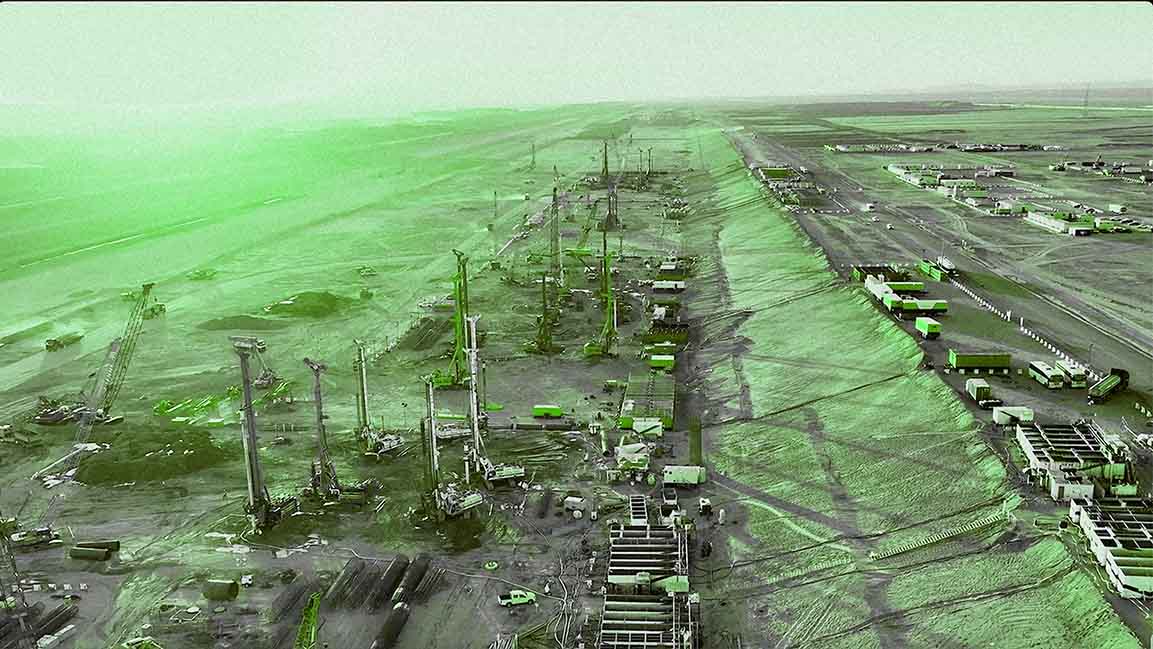
Saudi Arabia’s next major development, dubbed the “New Murabba,” is set to transform Riyadh’s skyline with the addition of a futuristic cube-shaped structure, slated to be one of the largest in the world. As the centerpiece of this $50 billion mega-development, the “Mukaab” will tower over 400 meters, making it taller than the Empire State Building. The cube is set to house various attractions, including residential spaces, hotels, cultural landmarks, and retail experiences, all within a digitally enhanced interior.

The New Murabba project is part of Riyadh’s push to become a global metropolis under the ambitious Vision 2030 initiative. Spearheaded by Crown Prince Mohammed bin Salman, Vision 2030 aims to diversify Saudi Arabia’s economy away from oil dependency by developing sectors such as tourism, entertainment, and technology. As part of this transformation, the Mukaab will serve not just as an architectural wonder but as a symbol of Saudi Arabia’s rapid modernization and growing influence in the global arena.

The cube’s massive scale reflects the Kingdom’s broader focus on positioning Riyadh as the Middle East’s primary hub for business, culture, and tourism. The project is expected to play a central role in hosting international events, including Expo 2030 and potentially the FIFA World Cup in 2034. Riyadh’s population is projected to reach 9.2 million by 2030, spurring the need for new infrastructure developments, including an improved road network and the construction of a metro system.

However, the massive scope of this project has raised concerns regarding its financial feasibility. With an estimated cost of $7.8 billion for the Expo alone, the Saudi government is recalibrating its priorities to manage the growing expenses of multiple giga-projects. Some developments, such as the $500 billion Neom city, have been delayed as Riyadh diverts resources toward completing critical infrastructure on time for these international events. The Public Investment Fund (PIF), which backs these mega-projects, has resorted to raising debt to meet its financial obligations. Nonetheless, the Mukaab remains a priority, given its symbolic and economic potential.

As the cube takes shape, it promises to offer more than just luxurious living spaces. Its immersive environment will incorporate augmented reality and digital technologies, creating a fully interactive experience for visitors and residents alike. This vision aligns with Riyadh’s goal of becoming a leading smart city, catering to both tourists and residents with cutting-edge technology and unique architectural designs. The Mukaab, in this sense, embodies the future Saudi Arabia envisions—a fusion of tradition and innovation, framed within a monumental structure that captures the imagination.

KUALA LUMPUR, MALAYSIA – Media OutReach Newswire – 17 October 2024 – BRICS represents a formidable economic bloc that significantly influences global trade and geopolitics. In January, the alliance of Brazil, Russia, India, China, and South Africa formally welcomed Egypt, Ethiopia, Iran, and the United Arab Emirates into its fold. Recent discussions have focused on expanding BRICS to include nations like Malaysia and Indonesia, presenting these countries […]

Taking Place on 24 – 25 October the Forum Brings Together Leading Venture Capitalists and Entrepreneurs to Discuss Global Venture Capital Trends and Challenges, and Explore the Future Path of Hong Kong as the International Innovation and Technology Hub with Fresh Perspectives HONG KONG SAR – Media OutReach Newswire – 19 October 2024 – In the face of the lingering global economic and geopolitical uncertainties, the annual […]

Advertisements

Chinese markets are rallying as the country’s economy demonstrates signs of improvement. While the latest data offers some optimism, significant hurdles persist. Octa Broker analyses the situation and discusses the potential implications for the People’s Bank of China’s upcoming interest rate decision. KUALA LUMPUR, MALAYSIA – Media OutReach Newswire – 19 October 2024 – China has just released a slew of macroeconomic statistics. Although it generally looks […]

GUANGZHOU, CHINA – Media OutReach Newswire – 18 October 2024 – The 136th Canton Fair opened with great fanfare in Guangzhou, China. In this Canton Fair, Jinpeng Group is one of the leading enterprises of light green travel products in China. Under the general trend of “going to sea” of China’s new energy vehicles, it has also brought more than ten new energy products. The company also […]

BANGKOK, THAILAND – Media OutReach Newswire – 18 October 2024 – ONYX Hospitality Group, Thailand’s leading hospitality management company specialising in the management of hotels, resorts, serviced apartments, and luxury residences, is proud to announce its participation at ITB Asia 2024, Asia’s leading travel trade show. The event takes place from 23rd to 25th October at the Sands Expo & Convention Centre, Marina Bay Sands, Singapore. As […]

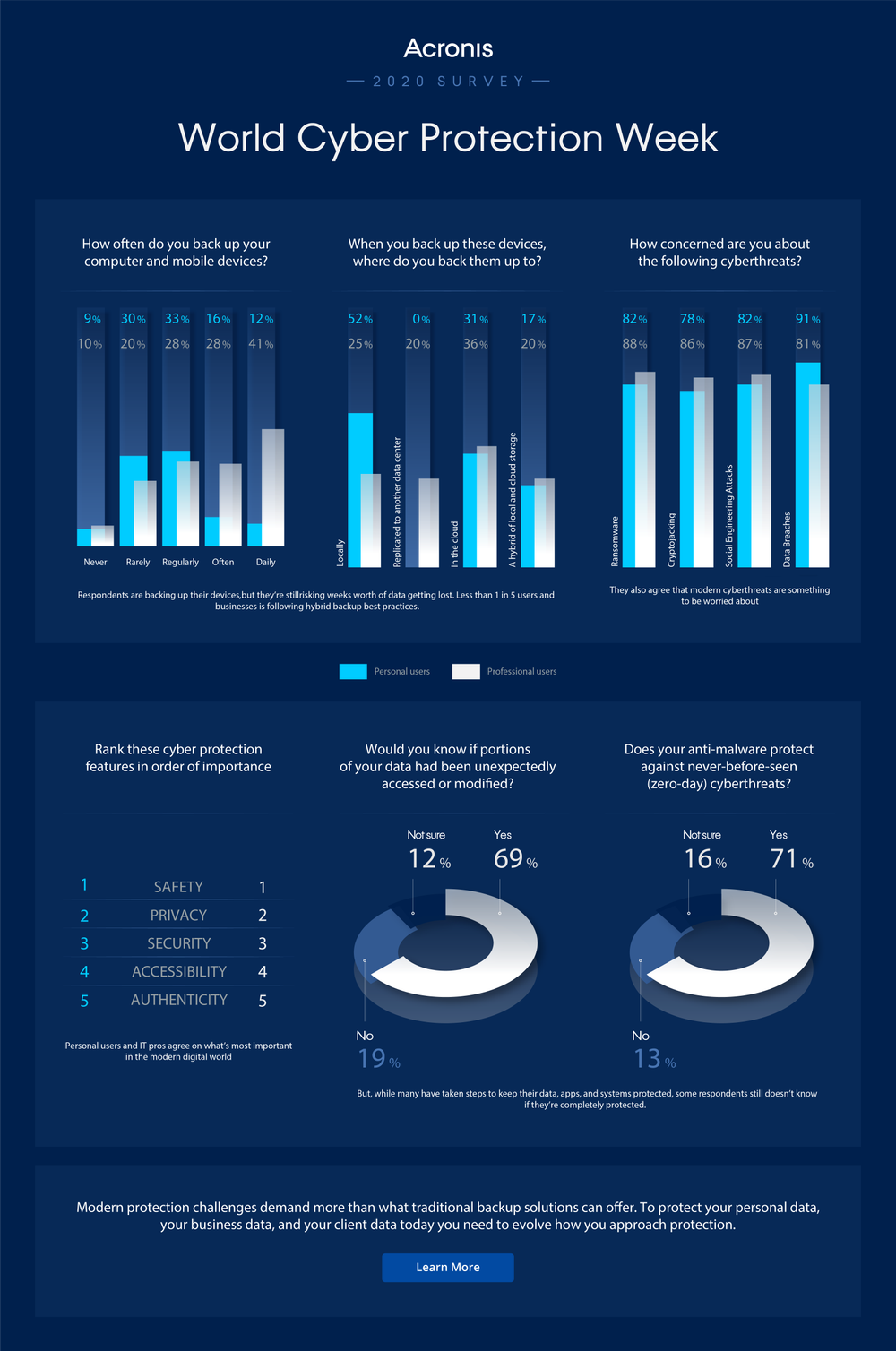
The cybersecurity sector in the UAE is experiencing unprecedented pressure, as highlighted by Acronis’ recent report indicating a staggering 68% revenue increase. This growth is attributed to the rising prevalence of cyber threats, which have intensified in 2024. Malware detections have surged by 65.3%, while URL-based threats have escalated by 36.9%, creating a pressing need for robust cybersecurity solutions across various industries.

Acronis’ findings come amid a backdrop of increased global cybercrime, with businesses in the UAE becoming prime targets. The growing digital transformation across sectors such as finance, healthcare, and government has expanded the attack surface for malicious actors. As organizations adopt cloud services and remote work policies, they inadvertently expose themselves to a myriad of vulnerabilities. The result is a burgeoning market for cybersecurity services, compelling companies like Acronis to adapt quickly to meet the evolving demands of clients.

This surge in revenue reflects not only Acronis’ successful strategic initiatives but also a broader trend within the cybersecurity industry. Organizations are increasingly prioritizing their cybersecurity frameworks, investing in comprehensive solutions to protect sensitive data and ensure business continuity. Acronis has positioned itself effectively within this landscape by offering integrated protection solutions, including data backup, disaster recovery, and cybersecurity services tailored to combat emerging threats.

Key players in the cybersecurity market are rapidly innovating to keep pace with the evolving threat landscape. The rise of sophisticated cyberattacks has prompted a shift toward proactive cybersecurity measures. Companies are now prioritizing advanced threat detection and response capabilities, leveraging artificial intelligence and machine learning to enhance their defenses. These technologies enable organizations to identify and neutralize threats before they cause significant damage, underscoring the importance of adopting a proactive rather than reactive approach to cybersecurity.

The implications of these developments are profound for businesses in the UAE. With cyber threats on the rise, organizations must reassess their cybersecurity strategies to ensure they are not only compliant with regulations but also adequately protected against potential breaches. Cybersecurity frameworks are evolving to encompass not just IT security but also physical security and personnel training, creating a comprehensive approach to risk management.

The UAE government has been proactive in addressing these challenges. Initiatives aimed at enhancing the nation’s cybersecurity posture include the establishment of the UAE Cybersecurity Council, which seeks to unify efforts across public and private sectors. This collaborative approach aims to create a resilient digital ecosystem, reinforcing the importance of cybersecurity awareness and education among employees and the wider community.

As Acronis continues to grow in this dynamic environment, its emphasis on innovation will be critical. The company has committed to enhancing its cybersecurity offerings by integrating cutting-edge technologies and expanding its global footprint. Such strategies are vital for maintaining a competitive edge and meeting the diverse needs of clients navigating this complex landscape.

The increase in cyber threats is also prompting a reevaluation of regulatory frameworks in the UAE. Businesses are now under greater scrutiny to comply with stringent cybersecurity regulations, emphasizing the need for transparency and accountability in their operations. Companies that fail to meet these requirements face not only financial penalties but also reputational damage, making cybersecurity a board-level concern.

Emerging trends indicate that small and medium-sized enterprises (SMEs) are becoming more aware of their cybersecurity needs. Historically, SMEs have been less equipped to handle cyber threats due to limited resources. However, with increased awareness and the availability of scalable cybersecurity solutions, these businesses are now taking proactive steps to safeguard their operations.

The challenge of recruiting and retaining cybersecurity talent continues to plague the industry, further complicating efforts to bolster defenses. As the demand for skilled cybersecurity professionals grows, companies face intense competition in attracting top talent. Educational institutions and training programs are responding by developing specialized curricula aimed at preparing the next generation of cybersecurity experts, a move crucial for addressing the skills gap in the sector.

Another critical aspect of the evolving cybersecurity landscape is the role of cyber insurance. As organizations recognize the potential financial impact of cyber incidents, interest in cyber insurance policies is increasing. These policies can help mitigate losses resulting from data breaches, ransomware attacks, and other cyber threats. However, the complexities involved in underwriting such policies highlight the need for comprehensive risk assessments, ensuring that organizations understand their vulnerabilities and the appropriate measures to address them.

By Nitya Chakraborty Bangladesh is the diplomatic battleground of two super powers USA and China since the interim Government took over power on August 9 this year following the ouster of the Sheikh Hasina led Awami League regime on August 5 last. In the last five weeks of the new government led by Chief Adviser […]

The World Bank forecasts a 4.1% growth for the United Arab Emirates’ GDP in 2025, supported by diversification efforts and recovery in tourism and trade. This projection comes amidst ongoing economic reforms and investments in infrastructure and technology that aim to bolster the country’s long-term economic resilience. In its latest report, the World Bank emphasizes that the UAE’s economy has shown remarkable adaptability, bouncing back from the […]

HONG KONG SAR – Media OutReach Newswire – 16 October 2024 – John Lee, Chief Executive of the Hong Kong Special Administrative Region today (October 16) announced his third Policy Address entitled “Reform for Enhancing Development and Building Our Future Together”, setting out a range of initiatives to create new impetus for economic development, improve people’s livelihood and enhance their quality of life. Mr Lee said, “In […]

Concerns over increasing precious metal exports from the United Arab Emirates to India have sparked discussions between officials from both nations. As the UAE has emerged as a crucial hub for gold trading, India’s government is seeking measures to regulate the flow of these metals, which have seen a substantial rise in volume and value. The issue gained traction following the report that India had imposed a […]

Tawaref, a prominent Saudi technology firm, has announced the acquisition of Amaana, an emerging player in the artificial intelligence solutions sector. This strategic move aims to bolster Tawaref’s capabilities in delivering innovative AI-driven services to its clients across various industries, particularly in logistics, e-commerce, and healthcare. The acquisition is seen as a critical step in enhancing Tawaref’s service offerings and positioning it as a leader in the […]

SINGAPORE – Media OutReach Newswire – 16 October 2024 – Homegrown air conditioning specialists, Newway SG, demonstrates a strong commitment to managing the impacts of indoor air quality (IAQ) on health and productivity, with the launch of a new environmental research and testing facility under the brand “Newway Laboratories”. Newway SG New Indoor Environmental Quality (IEQ) Laboratory Addressing Critical Air Quality Concerns The initiative aims to provide […]

KUALA LUMPUR, MALAYSIA – Media OutReach Newswire – 16 October 2024 – The U.S. dollar holds significant sway over global markets, particularly for traders in India and Southeast Asia. This release highlights the critical importance of monitoring the dollar’s value and explores how its fluctuations affect currency pairs, commodity prices, and market strategies in the region. The U.S. dollar’s dominance in global trade and finance is unparalleled. […]

SHENZHEN, CHINA – Media OutReach Newswire – 15 October 2024 – With the flourishing of the fourth technological revolution, intelligent construction has become the theme of change in the construction industry. In order to promote effective synergy between upstream and downstream of the industry chain, cross-industry cross-border integration and innovation, and cultivate the intelligent construction industry ecology, we unite with enterprises upstream and downstream of the industry […]

Google has announced a pivotal partnership with Kairos Power to utilize small modular reactors (SMRs) to support its artificial intelligence (AI) operations. This marks a strategic move as the tech giant navigates the energy-intensive demands of AI. The decision to invest in nuclear energy comes as the company looks for more sustainable and reliable sources to power its vast data center operations. The announcement underscores the company’s […]

Abu Dhabi-based artificial intelligence (AI) firm, Presight, continues its expansion into global markets, solidifying an agreement with a major US video surveillance company. The deal marks a significant step in Presight’s global AI strategy, positioning it as a leader in integrating cutting-edge technology into security infrastructure. This development comes as the global demand for AI-enhanced surveillance systems grows, driven by both public and private sector needs.

Presight’s partnership focuses on leveraging its AI-driven analytics capabilities, aiming to enhance the performance of video surveillance systems in diverse applications ranging from urban security to critical infrastructure protection. By embedding AI into these systems, the collaboration promises more accurate detection, efficient monitoring, and predictive capabilities, offering clients solutions to respond to security threats swiftly.

The move comes at a time when the market for AI-driven security solutions is experiencing exponential growth, spurred by increasing concerns over crime, terrorism, and urban safety. Major cities across the world have been adopting AI-enhanced surveillance technologies, particularly those powered by machine learning algorithms capable of real-time video analysis and predictive analytics.

Presight’s agreement with the US firm not only underscores its growing influence in the global AI sector but also reflects the company’s ambitions to expand beyond its home base in the UAE. The firm’s unique positioning, backed by both private investors and government initiatives, has enabled it to make significant inroads in international markets, despite geopolitical challenges that often accompany collaborations in sensitive tech sectors.

This expansion comes against the backdrop of rising scrutiny over the use of AI in surveillance, particularly concerning data privacy and the potential for misuse. Governments and regulatory bodies are closely monitoring AI deployments in public safety domains, ensuring that they comply with strict ethical guidelines and do not infringe on citizens’ rights. Both companies involved in the partnership have assured stakeholders that they remain committed to maintaining transparency and adhering to all local and international data protection laws.

The AI-powered surveillance market is projected to reach unprecedented heights in the next decade, with firms like Presight playing pivotal roles. Presight’s track record in developing AI solutions tailored for complex operational environments has been key to its success, with its tools being utilized not only for surveillance but also in fields like healthcare, finance, and energy.

Beyond the immediate scope of enhancing video surveillance systems, the partnership holds potential for further technological advancements. The integration of AI into security systems opens doors to new features such as automatic license plate recognition, crowd analysis, and even facial recognition—technologies that could transform public safety and law enforcement strategies worldwide.

However, this collaboration comes at a delicate time for the AI sector, particularly for UAE-based firms entering the US market. Global concerns regarding data security, particularly over AI technologies with links to China, have created an environment of heightened scrutiny for international tech partnerships. Although Presight has no direct ties to the Chinese tech sector, it is navigating a market wary of foreign AI influences due to broader geopolitical tensions.

This partnership exemplifies the UAE’s push to become a hub for advanced technologies. Government-backed initiatives and massive investments in AI have accelerated the country’s position as a leader in AI innovation, with companies like Presight spearheading these efforts. The UAE has set ambitious goals to integrate AI across its public and private sectors, aiming to leverage the technology for everything from national security to economic diversification.

In addition to its global aspirations, Presight’s parent organization, G42, has also been in the spotlight, particularly for its involvement in various high-profile AI projects. These include collaborations with other major tech players and ventures in healthcare AI, further cementing its reputation as a prominent player in the rapidly evolving AI landscape.

As global demand for AI in security continues to rise, Presight is likely to see further opportunities emerge. Its expanding network of international partnerships, coupled with its expertise in leveraging AI for complex environments, will be crucial in shaping its growth trajectory. The firm’s focus on innovation, ethical standards, and strategic alliances positions it well to lead the future of AI-enhanced surveillance.

KUALA LUMPUR, MALAYSIA – Media OutReach Newswire – 15 October 2024 – While gold and silver often move in tandem, their relationship can sometimes be complicated. Despite sharing similar characteristics and applications, differences in underlying demand and supply dynamics can lead to occasional divergences. Octa broker discovers the nuances behind the gold-silver correlation and explores potential trading opportunities with the gold-silver ratio. The positive correlation between gold […]

Authorities are investigating former mayor Alice Guo for her alleged connections to a cryptocurrency platform implicated in substantial customer asset theft and money laundering. Guo’s name has emerged in relation to the Atom Asset Exchange (AAX), which, during its operations in 2022, reportedly defrauded customers of millions of dollars, leaving many individuals financially devastated. The case has raised significant concerns about governance and regulatory oversight in the cryptocurrency sector in the Philippines.

Evidence suggests that Guo was more than just a figurehead in this scandal. She is believed to have been a key player in operations linked to AAX, which claimed to be a legitimate digital asset exchange. Investigators have uncovered documents that reveal significant irregularities in AAX’s dealings, prompting questions about Guo’s role in orchestrating fraudulent schemes designed to siphon off investor funds. Testimonies from affected customers have painted a grim picture, alleging that Guo and her associates operated with impunity while misleading users about the safety and liquidity of their investments.

The allegations extend beyond financial crimes, implicating Guo in the management of illegal gambling operations. Reports indicate that she was involved in orchestrating gambling activities that drew in nearly 1,000 workers. Disturbingly, many of these individuals were victims of human trafficking, coerced into work under dire circumstances. Guo reportedly owned a significant portion of the compound where these illicit activities occurred, with tunnels connecting her property to the gambling operations. This connection has led investigators to delve deeper into her potential complicity in facilitating these crimes, as well as her role in a network that allegedly exploits vulnerable populations.

Further complicating the investigation is speculation about Guo’s identity. While she has claimed to be a local resident, her fingerprints have reportedly matched those of Guo Hua Ping, a Chinese national known for connections to organized crime syndicates operating in Asia. Additionally, witnesses have pointed out her struggles with the local dialect, fueling doubts about her claimed identity. This raises significant implications about her background and whether her operations in the Philippines are part of a broader scheme linked to transnational crime.

If the charges against Guo are substantiated, she and any accomplices could face severe legal consequences, with potential sentences amounting to as much as 1,218 years in prison. Legal experts indicate that the severity of the charges reflects the gravity of the offenses, particularly given the scale of the operations and the number of victims involved. Prosecutors are expected to pursue a strong case, arguing that Guo’s actions not only harmed individual investors but also undermined trust in the financial system at large.

The fallout from these allegations has sparked a broader discussion about regulatory practices within the cryptocurrency industry in the Philippines. Advocates for reform are calling for stricter oversight and more robust consumer protections to prevent such occurrences in the future. The Philippine Securities and Exchange Commission (SEC) is reportedly reviewing its regulatory framework in light of these events, recognizing the urgent need for measures that can safeguard investors from fraudulent schemes.

Public response to Guo’s situation has been mixed, with many expressing outrage over her alleged actions while others are wary of jumping to conclusions before a formal judicial process unfolds. Advocates for victims of financial fraud have demanded accountability and transparency from both the regulatory authorities and the judicial system to ensure justice is served.

As the investigation progresses, it remains to be seen how these developments will affect the broader landscape of cryptocurrency regulation in the Philippines. Stakeholders are increasingly aware that the issues surrounding AAX and Guo are symptomatic of larger systemic problems within the industry, highlighting the need for comprehensive reforms that address the vulnerabilities exposed by this scandal.

A significant shift in global oil prices has occurred, triggered by reports that Israel will not target Iranian energy facilities during its ongoing military operations. The announcement has contributed to a notable decrease in crude oil prices, with Brent crude futures falling to approximately $83.50 per barrel, a drop of nearly 5%. West Texas Intermediate (WTI) also experienced a decline, trading around $78.50 per barrel. The news of a potential de-escalation of tensions has sparked optimism among traders and analysts, prompting discussions about the implications for oil supply and regional stability.

This development follows heightened concerns about the geopolitical landscape in the Middle East, particularly since the onset of hostilities involving Israel and Hamas. Market observers had speculated that any escalation involving Iran could disrupt oil supply chains, especially given Iran’s substantial role in the global oil market. The country, a member of the Organization of the Petroleum Exporting Countries (OPEC), has consistently been a significant player in oil production, with its output averaging around 3 million barrels per day prior to the imposition of sanctions.

Analysts have noted that the decision to refrain from targeting Iranian facilities could stabilize oil prices in the short term. Such stability is crucial, as fluctuations in oil prices often reflect broader economic sentiments and can influence inflation rates worldwide. The International Energy Agency (IEA) had previously warned that any conflict in the region could lead to a supply shock, resulting in further price surges. However, the latest assurances have alleviated some of these fears, allowing for a moment of respite in oil markets.

The interplay between Israel and Iran extends beyond military engagements, encompassing significant economic implications as well. Iran’s oil exports have faced restrictions due to sanctions imposed by Western nations, limiting its ability to engage in international trade. Despite these challenges, Iran has sought to bolster its oil exports through partnerships with countries such as China, which has emerged as a primary importer of Iranian crude.

This latest news has prompted reactions from various stakeholders in the oil market. Major oil companies are closely monitoring the situation, as any potential escalation could alter their operational strategies and long-term investment plans in the region. Executives from companies like BP and Shell have expressed cautious optimism, reiterating their commitment to maintaining stable supply chains while navigating geopolitical uncertainties.

While the immediate outlook appears more favorable for oil prices, analysts caution that the situation remains fluid. The potential for conflict in the Middle East has not dissipated, and other geopolitical factors could still influence market dynamics. For instance, the ongoing conflict in Ukraine and its ramifications for global energy supply also weigh heavily on market sentiment. European countries continue to seek alternatives to Russian gas, further complicating the energy landscape and contributing to price volatility.

Market analysts are keeping a close eye on OPEC’s strategies in response to shifting demand dynamics. The organization has historically played a critical role in managing oil supply to influence prices. The group is likely to convene in the coming weeks to assess the current situation and consider adjustments to their production quotas. OPEC’s decisions are crucial for maintaining market equilibrium, especially during times of uncertainty.

In the context of these developments, there has been a renewed focus on the importance of diversifying energy sources and enhancing energy security. Nations worldwide are increasingly exploring renewable energy options as part of their long-term strategies to reduce dependence on fossil fuels. This transition has been accelerated by rising global temperatures and the urgent need to address climate change, prompting many governments to invest in sustainable energy infrastructure.

VISHNU RAJA
RYO YAMADA
HITORI GOTOH
IKUYO KITA
Just in:
ED searches five districts in probe against hawala // 2026 Tropical Rainforest Ecosystem Partners Conference Kicks off in Hainan // US military rebuts Iran’s Gulf F-16 strike allegation // Toward a Shared Future for Humanity: Rethinking Civilizational Exchange // Dalilk Academy reaches 27 million, targets 100 million by 2030 //
Centre grants aircraft cabin access for Sabarimala pilgrims’ irumudi
//
Rahul addresses League’s INDIA bloc grievances
// Jaiedco and Golden Bridge Announce Strategic Collaboration for a New Dubai Islands Development // Coinbase targets 2027 launch amid state gambling lawsuits // PayerMax and ShopeePay Strengthen Strategic Partnership to Advance Digital Payment Collaboration in Southeast Asia // Padmini follows Padmaja for ‘ghar vapsi’ // Saudi Arabia schedules multinational top-up tax for 2027 // Sui activates Hashi Bitcoin lending across partner network // Yeebo Announces Interim Results for FY26/27 Revenue Increases by 45.5% to HK$806.7 Million Profit Attributable to Owners Surges 87.6% to HK$2,284.7 Million // Russia permits retail cryptocurrency purchases under regulated framework // Promoting Common Human Development Through Exchanges and Mutual Learning Among Civilizations // Workday targets Honeydew purchase to unify AI metrics // Egypt’s African Union trade climbs to $8.2 billion // Diabetes Malaysia And Alpro Pharmacy Set National Record With 11,007 Most Blood Glucose Screenings Conducted Across Malaysia In Just 48 Hours // Crypto market loses $150 billion amid broad sell-off //