News related to
Expo

The European Union has announced plans to impose tariffs on $28 billion worth of U.S. goods starting April 1, 2025, in direct response to the United States’ recent implementation of a 25% tariff on steel and aluminium imports. This move marks a significant escalation in trade tensions between the two economic powerhouses.

The U.S. tariffs, championed by President Donald Trump, took effect on March 12, 2025, targeting steel and aluminium imports globally. The administration justified these measures as necessary to protect national industries and bolster domestic employment. However, the EU has criticized these actions as unjustified and harmful to international trade relations.

In retaliation, the EU’s countermeasures will affect a diverse array of American products. Notably, iconic items such as Kentucky bourbon, Harley-Davidson motorcycles, and various agricultural products are on the list. The selection of these goods appears strategic, aiming to exert political pressure on key U.S. constituencies, particularly in states that supported President Trump. For instance, bourbon production is a significant industry in Kentucky, the home state of Senate Majority Leader Mitch McConnell.

European Commission President Ursula von der Leyen emphasized that while the EU’s response is robust, it remains proportionate. She stated, “We do not seek escalation, but the U.S. tariffs leave us no choice but to defend our industries and uphold the rules of international trade.” The EU’s approach underscores its intent to protect its economic interests without further destabilizing global trade dynamics.

The targeted U.S. products span various sectors, including industrial goods, textiles, and agriculture. This broad spectrum indicates the EU’s strategy to distribute the impact across multiple industries, thereby minimizing potential adverse effects on European consumers and businesses. The list of goods subject to tariffs was compiled after thorough consultations with EU member states to ensure a balanced and effective response.

The U.S. administration has defended its tariffs as a means to revitalize domestic manufacturing and safeguard national security interests. President Trump argued that the influx of imported steel and aluminium poses a threat to these sectors, necessitating protective measures. However, critics argue that such tariffs could lead to increased production costs for American industries reliant on these raw materials, potentially resulting in higher prices for consumers and strained relationships with key trading partners.

The EU’s decision to implement counter-tariffs is rooted in World Trade Organization rules, which permit such measures when a member country’s actions are deemed unjustifiable and harmful. By adhering to these international guidelines, the EU aims to reinforce the legitimacy of its response while highlighting the perceived illegitimacy of the U.S. tariffs.

The brewing trade dispute has raised concerns among global economic analysts. There is apprehension that this tit-for-tat escalation could lead to a broader trade war, negatively impacting global economic growth and stability. Both the EU and the U.S. are integral players in the international economy, and prolonged tensions between them could have ripple effects worldwide.

Despite the firm stance, the EU has expressed a willingness to engage in dialogue to resolve the dispute. Von der Leyen remarked, “Our door remains open for discussions. It is in the interest of both sides to find a mutually agreeable solution that preserves the integrity of our economic relationship.” This openness to negotiation suggests that while the EU is prepared to defend its interests, it also recognizes the value of maintaining a cooperative transatlantic partnership.

In the United States, reactions to the escalating trade tensions have been mixed. Some industry leaders have voiced support for the administration’s protective measures, citing long-standing challenges posed by foreign competition. Conversely, others express concern over potential retaliatory actions and their impact on export-dependent industries. The agricultural sector, in particular, fears that the EU’s tariffs could significantly reduce demand for American produce in European markets.

The unfolding situation underscores the complexities inherent in global trade relations. As both sides brace for the implementation of these tariffs, the international community watches closely, hoping for a resolution that averts further economic disruption. The coming weeks may prove pivotal in determining whether the EU and the U.S. can navigate this impasse through negotiation or if the world is on the cusp of a more pronounced trade conflict.

In light of these developments, businesses on both sides of the Atlantic are advised to monitor the situation closely. Companies involved in the production, export, or import of the affected goods should prepare for potential disruptions and consider strategies to mitigate the impact of the tariffs. This may include exploring alternative markets, adjusting supply chains, or engaging in advocacy efforts to influence policy decisions.
Riyadh is set to become the epicenter of artificial intelligence innovation as it prepares to host the Global AI Show on June 23-24, 2025. Organized by VAP Group, the event is expected to attract over 5,000 AI futurists, industry leaders, and innovators from around the world. This gathering underscores Saudi Arabia’s commitment to establishing itself as a global hub for artificial intelligence, in line with its Vision […]

By K Raveendran President Trump’s repeated assertions that India has agreed to reduce tariffs “way down” have sparked a predictable wave of denials from New Delhi, underscoring the fraught and often opaque nature of trade negotiations between the two countries. While Trump’s tendency to make exaggerated or even unverified claims is well-known, in this particular […]

The United States has intensified its criticism of India’s trade policies, highlighting substantial tariffs imposed on American products. White House Press Secretary Karoline Leavitt underscored these concerns during a press briefing, emphasizing the challenges faced by U.S. exporters in penetrating the Indian market.

Leavitt pointed out that India levies a 150% tariff on American alcohol, significantly hindering the export of products like Kentucky bourbon. Additionally, she noted a 100% tariff on U.S. agricultural goods entering India. These steep tariffs, according to Leavitt, exemplify the broader issues of trade imbalances that the current administration aims to address.

The U.S. administration’s stance is rooted in a commitment to reciprocity and equitable trade practices. President Donald Trump has been vocal about the need for fair treatment of American businesses and workers, criticizing countries that impose disproportionately high tariffs on U.S. goods. In the same briefing, Leavitt also highlighted Canada’s nearly 300% tariff on American cheese and butter, further illustrating the administration’s concerns over global trade practices.

The issue of tariffs has been a recurring theme in U.S.-India trade relations. President Trump has previously labeled India as the “tariff king,” citing its average tariffs on imports as significantly higher compared to other nations. This characterization underscores the administration’s frustration with India’s protectionist measures, which are seen as barriers to U.S. exports.

In response to these concerns, Indian Prime Minister Narendra Modi has initiated steps to reduce tariffs on certain products. Ahead of his visit to Washington, India announced reductions in tariffs on items such as smartphone components and electric-vehicle batteries. These measures aim to strengthen bilateral ties and potentially avert punitive reciprocal tariffs from the U.S. However, many of these tariff reductions are offset by other taxes, and key imports from the U.S. continue to face relatively high tariffs.

The economic implications of these tariffs are significant. For instance, Citi Research estimates that India could lose $7 billion annually if the U.S. proceeds with its proposed reciprocal tariff measures. This potential loss underscores the high stakes involved in the ongoing trade negotiations between the two countries.

The U.S. administration’s concerns are not limited to India. President Trump has also criticized other nations, including Japan, for imposing high tariffs on specific U.S. products. For example, Japan’s tariffs on rice imports stand at 700%, further complicating the global trade landscape.

In an effort to address these disparities, President Trump has announced plans to implement reciprocal tariffs on countries with high value-added taxes or other trade barriers. This policy aims to counteract what the administration perceives as unfair advantages held by countries with high VAT systems, which can act as de facto tariffs on U.S. goods.

The proposed reciprocal tariffs are part of a broader strategy to create a more balanced trade environment for American companies. The administration’s goal is to ensure that U.S. businesses can compete on a level playing field in the global market. While specific details of the reciprocal tariff plan are still being finalized, the administration has indicated that implementation could begin in the coming weeks or months.

The U.S. has also expressed concerns about India’s high average applied Most Favored Nation tariff on agricultural goods, which stands at 39%, compared to the U.S. average of 5%. Additionally, India imposes a 100% tariff on U.S. motorcycles, while the U.S. charges only a 2.4% tariff on Indian motorcycles. These disparities further contribute to the administration’s push for more equitable trade practices.

The ongoing trade tensions have prompted high-level discussions between the two nations. Indian Commerce Minister Piyush Goyal recently visited Washington to negotiate a trade agreement following President Trump’s threat of reciprocal tariffs. These negotiations are part of a broader realignment in India’s trade strategy, as the country also seeks to restart trade talks with the UK and the European Union.

However, significant challenges remain. India’s protectionist stance, particularly in the agricultural sector, poses notable obstacles to reaching a comprehensive trade agreement. The Modi government faces political sensitivities in liberalizing sectors like agriculture, highlighted by past resistance to international trade agreements and farming reforms. Analysts foresee difficult negotiations, especially regarding U.S. demands for market access in agriculture and other sensitive areas.

The personal rapport between President Trump and Prime Minister Modi could play a pivotal role in these negotiations. Both leaders have expressed a desire to strengthen bilateral ties and expand economic cooperation. However, balancing domestic political considerations with international trade demands will be crucial in determining the outcome of these discussions.

As the April 2 deadline for the implementation of U.S. reciprocal tariffs approaches, the urgency for a resolution intensifies. Both nations stand to gain from a mutually beneficial agreement that addresses tariff disparities and promotes fair trade practices. The coming weeks will be critical in shaping the future trajectory of U.S.-India trade relations.

The U.S. Securities and Exchange Commission has postponed decisions on a series of high-profile cryptocurrency exchange-traded funds , signalling an ongoing cautious approach to integrating digital assets into mainstream financial markets. Among the delayed applications are several ETFs linked to major cryptocurrencies, such as Dogecoin, XRP, Solana, and Litecoin.

The Grayscale Dogecoin ETF, along with the Grayscale XRP ETF, are part of a broader set of applications put forward by the company to broaden its crypto offerings. Other significant applications include those from VanEck, Canary, Bitwise, and Coinshares, which are seeking to launch ETFs focused on Solana and Litecoin. These delays mark a critical moment in the cryptocurrency sector, where industry observers and market participants had hoped for greater clarity and regulatory progress from the SEC.

While the SEC has cited concerns about investor protection and market manipulation risks, industry players argue that the delay underscores the agency’s struggle to adapt existing regulations to an ever-evolving digital asset landscape. Proponents of these ETFs contend that the SEC’s hesitation hampers innovation and blocks more accessible investment channels for retail investors eager to gain exposure to digital currencies.

The regulatory body has been scrutinising crypto ETFs for some time, weighing the risks associated with market volatility and liquidity issues. SEC Chair Gary Gensler has repeatedly indicated that the agency’s stance on cryptocurrency would focus on ensuring the integrity of the financial system and protecting investors from potential fraud. Yet, critics argue that these delays are hindering the growth of the digital asset sector, and market participants remain uncertain about the timeline for future approvals.

Grayscale, a prominent asset management firm known for its Bitcoin and Ethereum trust funds, has been at the forefront of advocating for Bitcoin ETFs and other crypto investment vehicles. The company has expressed disappointment over the delay but remains optimistic that the SEC will eventually approve these products, citing the increasing institutional interest in cryptocurrency markets and the growing demand for regulated investment vehicles.

The proposed Grayscale Dogecoin and XRP ETFs are especially notable due to the prominence of these assets in the digital currency ecosystem. Dogecoin, originally created as a meme, has gained significant traction over the past few years, bolstered by celebrity endorsements and a growing user base. XRP, meanwhile, continues to be embroiled in ongoing legal battles with the SEC, which has added further complexity to its potential approval for an ETF.

Similarly, the Solana and Litecoin-focused ETFs, which include offerings from Canary, Bitwise, and Grayscale, have generated significant attention. Solana, known for its high-speed transactions and lower fees, has become one of the most talked-about cryptocurrencies in recent years. However, concerns around security breaches and technical challenges have led to questions about its long-term stability and viability as a mainstream investment product. Litecoin, while considered one of the more established cryptocurrencies, has faced similar issues regarding its perceived relevance in a rapidly evolving market.

As the SEC continues to deliberate on these applications, many in the cryptocurrency industry remain hopeful that the regulator will take a more open-minded approach in the future. However, the delay of these ETFs highlights the ongoing tension between the cryptocurrency sector and regulatory bodies, as both sides navigate the complexities of balancing innovation with risk mitigation. Despite the setback, cryptocurrency advocates are expected to persist in pushing for more robust regulatory frameworks that will allow digital assets to gain legitimacy in the financial sector.

The SEC’s cautious stance is also reflective of broader concerns in the U.S. government about the potential for cryptocurrencies to be used in illicit activities. Policymakers have raised concerns about the role digital currencies may play in money laundering, terrorism financing, and other illegal transactions. These concerns have prompted calls for more stringent regulatory measures, including the implementation of clearer rules around custody, reporting, and anti-money laundering compliance.

HONG KONG SAR – Media OutReach Newswire – 12 March 2025 – The James Dyson Award, an international student design and engineering competition, opens for submissions today to its 2025 programme in 28 countries and regions. From everyday challenges to the world’s most pressing issues, the Award calls for current or recent students to submit problem-solving ideas that could make a real difference to people’s lives. Since […]

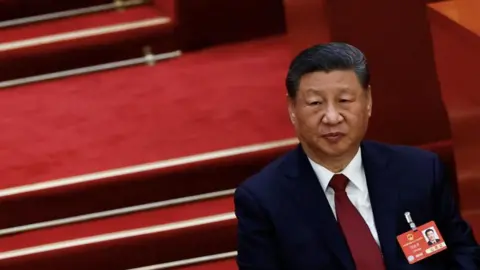
By Nitya Chakraborty The 14th National People’s Congress of China ended its one-week-long session in Beijing on Tuesday March 11 with a clear direction given by the President and the Communist Party supremo Xi Jinping that China will take on the disruptions made in the global order by the United States president Donald Trump in […]
Advertisements

Oil prices stabilized on Tuesday after a period of declines, reflecting investor apprehension over escalating trade tensions and their potential impact on global economic growth. West Texas Intermediate crude hovered around $66 per barrel, while Brent crude traded near $69, following a 1.5% drop on Monday.

The recent market volatility stems from U.S. President Donald Trump’s enforcement of tariff measures, which has heightened fears of a slowdown in the world’s largest economy. Investors retreated from various risk assets on Monday, leading to significant sell-offs across global markets. Although the selloff moderated on Tuesday, concerns persist regarding the broader economic implications of the tariffs.

In addition to trade tensions, geopolitical developments have contributed to market unease. Notably, the potential for a ceasefire between Russia and Ukraine has raised the prospect of lifting sanctions on Russia’s energy sector, which could increase crude supply and exert downward pressure on prices. Such developments add complexity to an already uncertain market environment.

The Organization of the Petroleum Exporting Countries and its allies have also influenced market dynamics. The coalition signaled intentions to adjust production caps in response to changing market conditions, aiming to balance supply and demand. However, concerns about slowing global demand persist, particularly given the potential economic ramifications of ongoing trade disputes.

Matein Khalid I have warned my friends that US recession risk was rising alarmingly in the past month as I saw the price of oil and money (2-year Treasury note yields) tank in unison while metrics of consumer/business confidence nosedived. Now Wall Street has accepted my thesis that the tariff trauma will lead to a deflation Big Chill and not an inflation spike in the US economy. […]

Donald Trump’s economic policies generate excitement, but they often contain internal contradictions that make navigating financial decisions more challenging. Investors and businesses are left in an environment of uncertainty, where competing policy objectives create unpredictability. This is why expert financial advice is more important than ever—because when the strategy of the world’s largest economy pulls in different directions, the risks and opportunities shift rapidly. Take tariffs, for […]

By Nantoo Banerjee Returning empty-handed and crestfallen from his meeting with United States President Donald Trump, popular satirical comedian turned Ukraine President Volodymyr Zelensky looks more like a totally confused person now. He doesn’t know whom to trust — highly peeved US President Donald Trump or the leaders of the EU-UK combine, the backstage instigators […]


HANOI, VIETNAM – Media OutReach Newswire – 28 February 2025 – The rise of powerful artificial intelligence (AI) like DeepSeek is transforming the world at an unprecedented pace, sparking enthusiasm and deep concerns about its potential risks. On that subject, “AI godfather” Yoshua Bengio – Laureate of the 2024 VinFuture Grand Prize – highlighted the urgent need for national and global efforts to regulate AI and ensure […]

HANOI, VIETNAM – Media OutReach Newswire – 10 March 2025 – VinFast has been recognized by TIME Magazine, ranking 101st on the “ASIA-PACIFIC’S BEST COMPANIES OF 2025” list. This accolade places VinFast among the firms “shaping the region’s role in global business“, underscoring its increasing impact to the Asia-Pacific’s sustainable economic and social development. VF 9 – The premium model in VinFast’s electric vehicle lineup. TIME editors […]

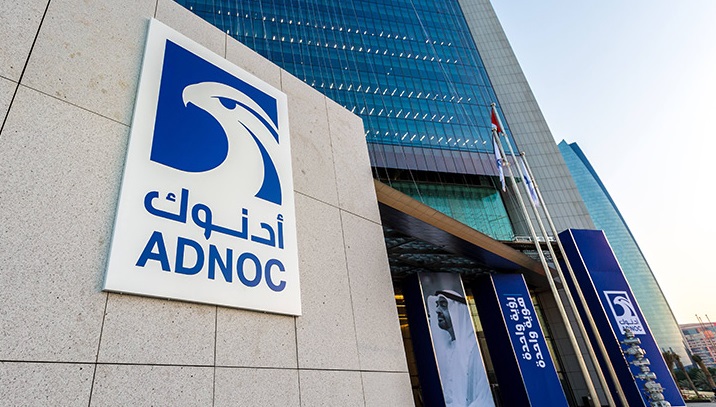
Abu Dhabi National Oil Company is exploring the possibility of listing its international investment subsidiary, XRG, on a stock exchange outside the United Arab Emirates. This strategic move could position XRG among the world’s largest publicly traded energy entities.

According to individuals familiar with the matter, discussions are in the preliminary stages, with Bank of America providing strategic guidance. The potential public offering would involve a minority stake and is anticipated to occur within the next five years. Prior to any listing, ADNOC must appoint a Chief Executive Officer for XRG and transfer relevant assets to the subsidiary.

Established in late 2024, XRG serves as ADNOC’s vehicle for expanding into lower-carbon energy, natural gas, and chemicals sectors. The subsidiary’s formation aligns with ADNOC’s broader strategy to diversify its portfolio beyond traditional oil revenues, reflecting a global industry trend towards sustainable and diversified energy solutions.

Potential venues for the listing include major international exchanges such as London and New York. Each offers distinct advantages, with London providing a robust investor base for energy companies and New York offering unparalleled liquidity and global visibility. The final decision will hinge on various factors, including valuation prospects and strategic alignment with XRG’s growth objectives.

With an estimated valuation exceeding $80 billion, XRG’s public debut would mark a significant milestone in the energy sector. For context, Saudi Aramco’s initial public offering in 2019 raised $25.6 billion, underscoring the scale of XRG’s potential market entry.

ADNOC’s recent activities underscore its commitment to global expansion and diversification. The company has been actively involved in international deals, including mergers and acquisitions in petrochemicals, chemicals, liquefied natural gas , and hydrogen projects. Notably, ADNOC has transferred its U.S. investments, such as stakes in an ExxonMobil hydrogen plant and NextDecade’s LNG export facility in Texas, to XRG. This move signifies ADNOC’s intent to consolidate its international ventures under the XRG umbrella, streamlining operations and enhancing strategic focus.

Spain’s second-largest bank, Banco Bilbao Vizcaya Argentaria , has officially received regulatory approval to offer Bitcoin and Ethereum trading services. This approval comes as the European Union’s Markets in Crypto-Assets regulation fully takes effect, marking a significant step forward for both the banking sector and cryptocurrency adoption within the region.

The move represents a landmark shift for BBVA, as it expands its portfolio of services to include cryptocurrencies. This decision aligns with the bank’s ongoing strategy to adapt to digital finance, meeting growing consumer demand for digital assets. With the MiCA regulation now operational, BBVA is positioning itself to take advantage of new opportunities in an increasingly digital economy.

The MiCA regulation, a major component of the EU’s broader digital finance strategy, aims to create a comprehensive framework for cryptocurrency markets across member states. The regulation provides clarity on legal aspects such as licensing, consumer protection, and financial stability, establishing a uniform approach to crypto assets across the EU. Its implementation signals a major regulatory shift that is set to influence financial institutions throughout the region.

BBVA’s approval is part of a broader trend in Europe where traditional banks are gradually integrating cryptocurrencies into their services. This comes at a time when the European crypto market is maturing, with increased institutional involvement and more regulatory oversight. The move not only represents an opportunity for the bank but also signals increasing mainstream acceptance of digital currencies.

BBVA’s entry into cryptocurrency trading follows a series of pilot programs that tested various blockchain-based solutions. The bank had already ventured into the crypto space in 2021, offering a limited range of services for clients in Switzerland, where cryptocurrency regulation is more permissive. Now, with MiCA regulation fully in place across the EU, BBVA’s decision to expand its crypto offerings into Spain is seen as a natural progression.

The decision by BBVA also highlights the growing importance of regulatory frameworks for the cryptocurrency sector. MiCA aims to ensure that the crypto market operates in a transparent, secure, and consumer-friendly manner, which has been a concern for both regulators and market participants. By adhering to these regulations, BBVA is positioning itself as a leader in responsibly integrating cryptocurrency trading into its offerings.

Other financial institutions in Europe are also taking steps to integrate digital assets into their portfolios. For instance, major banks like Deutsche Bank and Barclays are experimenting with blockchain technologies and exploring potential cryptocurrency-related services. However, BBVA stands out due to its proactive approach in securing regulatory approval and expanding its services at a time when cryptocurrency markets are still evolving.

The move comes as institutional interest in cryptocurrencies continues to rise. More investors, from hedge funds to family offices, are seeking exposure to digital assets, and this trend is expected to continue in the coming years. With its new offering, BBVA aims to cater to both retail and institutional clients, providing them with a secure and regulated platform to trade popular cryptocurrencies like Bitcoin and Ethereum.

As part of its offering, BBVA plans to integrate crypto trading into its existing digital banking services, allowing customers to manage their cryptocurrency investments alongside traditional assets. This seamless integration could offer a competitive advantage, as more banks are starting to see the benefit of combining traditional financial services with digital assets.

While some European banks are cautious about entering the cryptocurrency market, BBVA’s strategy reflects a more optimistic outlook on the long-term potential of digital currencies. The bank’s leadership has signalled that its move into the cryptocurrency sector is part of its broader strategy to embrace innovation and meet the evolving needs of its customers.

The success of BBVA’s crypto offering will depend not only on its ability to navigate regulatory frameworks but also on how well it can address concerns related to security, volatility, and customer education. As cryptocurrency markets continue to evolve, banks like BBVA will need to remain agile, adapting to both regulatory changes and shifting customer expectations.

The impact of BBVA’s decision could also ripple through the broader financial industry, pushing other institutions to consider their own approaches to cryptocurrency and blockchain technology. As more banks integrate digital currencies into their offerings, the financial services landscape could become increasingly intertwined with the cryptocurrency sector, challenging traditional business models and introducing new opportunities for growth and innovation.

Despite the promise, challenges remain. Cryptocurrency markets are still highly volatile, and many investors view digital assets as speculative. While the MiCA regulation aims to address some of these concerns, there are still risks associated with investing in crypto. BBVA’s ability to mitigate these risks through effective risk management strategies will be closely watched by both regulators and investors.

Matein Khalid There is no economic reason why OPEC+ chose to add barrels to the global oil market at a time when bearish psychology and positioning dominates trading as attested by the plunge in speculative long positions in both the West Texas Intermediate and Brent IPE futures contracts. The only explanation is that both Saudi Arabia and Russia faced political pressure from a Trump White House that […]

KUALA LUMPUR, MALAYSIA – Media OutReach Newswire – 9 March 2025 – In 2025, global markets are navigating a phase of economic uncertainty as potential inflationary pressures induced by trade tariffs, shifting central bank policy, and geopolitical risk shape trading conditions. Traders who integrate fundamental analysis into their strategies can navigate these uncertainties more effectively, positioning themselves ahead of major market movements. Kar Yong Ang, a financial […]

By K Raveendran Oil prices have hit their lowest since October and by all indications the downward move is far from over. Brent has already dipped below 70 dollars per barrel as the market is feeling the weight of a supply overhang, with OPEC+ barrels set to flood an already well-supplied system, keeping a lid […]

Saudi Arabia, the world’s leading oil exporter, has announced a reduction in its official selling price for crude oil destined for Asian markets in April. This marks the first price cut in three months and aligns with the recent decision by OPEC+ to incrementally boost oil production starting next month. State-owned oil giant Saudi Aramco has decreased the OSP for its flagship Arab Light crude by 40 […]

Saudi National Bank has successfully issued a $750 million five-year Formosa bond, attracting an order book totaling $1.1 billion, including $121 million from joint lead managers. The bond, priced at the Secured Overnight Financing Rate plus 120 basis points, is scheduled to be listed on the Taipei Exchange on 17th March. Crédit Agricole CIB and KGI Securities Co Ltd served as joint managers, with HSBC acting as the lead manager.

Formosa bonds are debt instruments issued in Taiwan but denominated in foreign currencies, typically targeting international investors seeking exposure to foreign issuers. This issuance marks SNB’s second foray into the Formosa market, following its inaugural $500 million five-year senior unsecured floating-rate note bond in July 2024. That initial issuance was part of SNB’s $5 billion Euro Medium Term Note Programme and was notable for being the first by a Saudi bank in the Taiwanese market.

The latest bond issuance underscores SNB’s strategic efforts to diversify its funding sources and strengthen its presence in international capital markets. The oversubscription by $350 million indicates robust investor confidence in SNB’s creditworthiness and the economic stability of Saudi Arabia. This confidence is further bolstered by the bank’s proactive engagement with a broad set of top-tier international investors, reflecting the strong appeal of SNB’s credit profile to the global investor community.

In the broader context, Gulf Cooperation Council banks have been increasingly tapping into the Formosa bond market to diversify their funding bases and access competitive pricing. For instance, Qatar National Bank Group, the region’s largest bank, completed a $1 billion five-year Formosa bond issuance under its Euro Medium Term Note Programme in the first half of 2024. This trend highlights the growing significance of the Formosa market as an attractive platform for Middle Eastern banks seeking to broaden their investor base and secure favorable funding terms.

SNB’s successful bond issuance aligns with Saudi Arabia’s Vision 2030 initiatives, which aim to diversify the Kingdom’s economy and reduce its dependence on oil revenues. By accessing international capital markets and engaging with a diverse range of investors, SNB is contributing to the development of a more resilient and diversified financial sector in Saudi Arabia.

The choice of SOFR as the benchmark rate for the bond pricing reflects a broader shift in global financial markets toward alternative reference rates, following the phase-out of the London Interbank Offered Rate . SOFR, based on overnight transactions in the U.S. Treasury repurchase market, is considered a more robust and reliable benchmark, aligning with international best practices.

Superstate Services, a prominent tokenized asset manager, has secured its registration as a transfer agent with the U.S. Securities and Exchange Commission . This marks a significant milestone for the company, which plans to enhance its support for tokenized securities, starting with two of its own investment funds. The move positions Superstate at the forefront of the rapidly expanding market for digital assets, signalling its intent to expand its services to a broader range of issuers as the market matures.

Tokenized securities, which represent ownership in real-world assets through blockchain technology, have gained increasing attention as the financial industry seeks innovative ways to streamline operations and democratise access to investment opportunities. The registration with the SEC allows Superstate to operate legally in the United States, providing a secure and compliant platform for transferring and managing tokenized assets.

The firm’s entry into the transfer agent space comes as the digital securities market shows significant growth. Blockchain technology offers new efficiencies and transparency, which appeal to investors looking for safer and more transparent financial markets. As a registered transfer agent, Superstate will be responsible for managing shareholder records, overseeing securities transfers, and ensuring compliance with regulatory standards – all crucial tasks in the management of tokenized securities.

Superstate’s decision to focus initially on supporting its own funds aligns with the company’s strategic approach to entering the market. By concentrating on a controlled set of assets, Superstate aims to fine-tune its operations and build a reputation for reliability and security in a space that is still developing. However, the firm’s long-term ambitions are more expansive. It plans to extend its services to other issuers as the broader market for tokenized securities continues to evolve.

As the market for tokenized assets grows, there is a pressing need for regulatory clarity and standardisation. The SEC’s increased focus on digital assets and tokenisation has provided a foundation for firms like Superstate to operate within a legally recognised framework. Superstate’s ability to navigate this regulatory landscape positions it as a leader in the space, setting a precedent for other companies looking to register as transfer agents for tokenized securities.

One of the driving forces behind the rise of tokenized securities is the potential for fractional ownership. By digitising assets, such as real estate or private equity, tokenisation allows for smaller, more affordable investments, broadening access to traditionally illiquid markets. This democratisation of investment is one of the key advantages that blockchain technology offers, and it has drawn the attention of institutional investors and regulators alike.

The market for tokenized securities is still in its infancy, and there are hurdles to overcome, including addressing concerns about security, market manipulation, and investor protection. Superstate’s registration with the SEC reflects the increasing regulatory scrutiny of the sector, which aims to protect investors while enabling innovation. The company’s move to operate within the bounds of this regulatory framework demonstrates its commitment to transparency and compliance.

Superstate’s work as a transfer agent also positions it as a critical player in the infrastructure of the tokenized securities market. Transfer agents play an essential role in ensuring the integrity of financial transactions, including the smooth transfer of ownership in securities. In the world of tokenized assets, where transactions can be processed quickly and across borders, this function becomes even more vital.

As the demand for tokenized assets rises, the need for reliable intermediaries who can navigate complex legal and regulatory frameworks will continue to grow. Superstate’s move to expand its services beyond its own funds could mark the beginning of a new era in which traditional financial structures and blockchain technology coexist to reshape the future of investing.

The decision to register with the SEC also serves as a validation of the potential for tokenized assets in mainstream finance. While many in the financial industry have been cautious about the broader adoption of blockchain technologies, the actions of firms like Superstate show that tokenisation is moving from a speculative niche to a more established part of the financial landscape.

Looking ahead, Superstate’s position as a registered transfer agent provides a foundation for further growth in the tokenized asset management space. The firm is poised to leverage its expertise in tokenisation and asset management to support a wider range of clients, potentially including large financial institutions and high-net-worth individuals seeking exposure to tokenised assets.

By Nitya Chakraborty How is China, the second largest economic and military power of the world after the United States is planning to confront the second term U.S. President Donald Trump’s resurgence disrupting the so long established global order to impose his total domination on international politics? Every political analyst is looking at the current […]


Oil prices have experienced a significant decline, reaching multi-year lows, as a confluence of geopolitical and economic factors exerts pressure on the global energy market. The imposition of new U.S. tariffs on imports from Canada, Mexico, and China, coupled with the decision by OPEC+ to increase oil production, has led to heightened concerns about oversupply and weakened demand. Brent crude futures fell to $68.33 per barrel, while […]

The Electronic Frontier Foundation has unveiled Rayhunter, an innovative open-source tool designed to detect covert cellular surveillance tactics employed by law enforcement and malicious actors. This development aims to enhance public awareness and defense against unauthorized monitoring. Rayhunter operates on an affordable Orbic RC400L mobile hotspot, enabling users to identify the presence of cell-site simulators , commonly known as “Stingrays” or IMSI catchers. These devices masquerade as […]

VISHNU RAJA
RYO YAMADA
HITORI GOTOH
IKUYO KITA