Just in:
Promoting Common Human Development Through Exchanges and Mutual Learning Among Civilizations // Anthropic shares finish above offer price after Nasdaq debut // Russia permits retail cryptocurrency purchases under regulated framework // Travel Insurance Was Built for the Few Who Claim. Ancileo’s Felt Coverage™ is for Everyone Else // Phancy Announces Business Performance for the Nine Months Ended September 30, 2026 // LittleLives, Little Lab and SEGi College Sign MOU to Explore Early Childhood Education Collaboration Across ASEAN // PayerMax and ShopeePay Strengthen Strategic Partnership to Advance Digital Payment Collaboration in Southeast Asia // Oil futures rebound after Riyadh strikes and tanker alerts // Dalilk Academy reaches 27 million, targets 100 million by 2030 // Crypto market loses $150 billion amid broad sell-off // Dar Global unveils $700m Trump development in Qatar // Sharjah clears Kalba free zone plan for 400MW complex // Workday targets Honeydew purchase to unify AI metrics // Thailand’s Most Iconic New Year’s Celebration Returns: ICONSIAM Unveils “Amazing Thailand Countdown 2027” // 2026 Tropical Rainforest Ecosystem Partners Conference Kicks off in Hainan // Toward a Shared Future for Humanity: Rethinking Civilizational Exchange // European Commission takes systems offline after AI cyberattack // Saudi defences destroy three Houthi missiles targeting Riyadh // Coinbase targets 2027 launch amid state gambling lawsuits // Dubai Introduces SHARH, an AI-Powered Platform Helping Entrepreneurs Buy, Sell and Manage Businesses in the UAE //

News related to
Expo

MicroStrategy, a leading business intelligence firm, has put forward a proposal to raise $1.75 billion through a private offering of zero-interest, convertible senior notes due in 2029. The company plans to use the funds to increase its Bitcoin holdings, continuing its aggressive strategy of building a digital asset portfolio.

The firm’s previous financing effort, a $21 billion stock offering, allowed it to acquire 51,780 Bitcoin (BTC), spending $4.6 billion in the process. This investment has proven profitable, yielding a quarter-to-date return of 20.4% and a year-to-date return of 41.8%. As of mid-November 2024, MicroStrategy holds 331,200 BTC, acquired for approximately $16.5 billion.

This latest venture underscores MicroStrategy’s unyielding commitment to Bitcoin as a store of value, as the company pursues further expansion of its cryptocurrency reserves. MicroStrategy’s decision to raise funds through convertible notes is seen as a way to hedge against potential volatility in the digital currency markets, while continuing to capitalize on Bitcoin’s long-term potential.

Despite some critics who caution about the company’s growing reliance on Bitcoin, MicroStrategy’s actions reflect a broader trend in the tech and corporate sectors, where companies are increasingly exploring Bitcoin not only as an investment but also as a treasury reserve asset. The company’s innovative financing model, coupled with its strategic Bitcoin purchases, has positioned it as one of the most significant corporate holders of the cryptocurrency.

MicroStrategy’s Bitcoin strategy is notably overseen by its executive chairman, Michael Saylor, a vocal advocate for Bitcoin who has often cited the asset’s inflation-hedging properties. Saylor, who co-founded the company, has been instrumental in shaping its direction, and his firm belief in Bitcoin’s future has sparked significant discussion about its role in corporate treasury management.

The tech firm’s focus on Bitcoin, despite fluctuations in cryptocurrency prices, highlights its broader vision of leveraging digital assets for long-term growth. With the current economic landscape marked by uncertainty around traditional financial markets, MicroStrategy’s decision to double down on Bitcoin reflects confidence in the digital currency’s potential to outperform conventional assets over time.

MicroStrategy’s previous $21 billion stock offering and its use of funds for Bitcoin purchases have drawn attention from investors, analysts, and industry watchers. The decision to raise $1.75 billion through a private offering of convertible notes is seen as a calculated move to further solidify its position as one of the largest holders of Bitcoin among publicly traded companies.

The issuance of zero-interest, convertible senior notes is seen as a way to limit the immediate financial impact on the company, allowing it to raise capital while minimizing its debt obligations. The convertible feature of the notes also offers investors the opportunity to convert their debt holdings into equity, giving them exposure to the company’s future growth potential.

The proposed offering could also be viewed as a response to fluctuating Bitcoin prices, which can often be volatile in the short term. By issuing debt in the form of convertible notes, MicroStrategy can raise funds without immediately impacting its cash flow or triggering significant equity dilution, which may be an attractive option for both the company and potential investors.

As MicroStrategy moves forward with its plans, questions remain regarding the long-term sustainability of such a strategy. While Bitcoin has delivered strong returns over the past few years, its volatile nature raises concerns about the company’s exposure to risk. Some critics warn that the firm’s heavy reliance on Bitcoin could become a liability if the cryptocurrency market experiences a downturn.

Nonetheless, MicroStrategy’s persistence in its Bitcoin acquisition strategy has earned it recognition in the financial world. The company’s Bitcoin purchases have had a notable impact on the market, as institutional interest in the digital currency continues to grow. Its strategic moves have helped solidify the notion that Bitcoin is a serious asset class, not just for retail investors but also for large corporations and institutional players.

As the company continues its Bitcoin-focused strategy, industry experts remain divided on the future of such an approach. Some argue that Bitcoin’s inherent volatility makes it a risky asset for corporate treasuries, while others believe that it presents a unique opportunity for companies to diversify their holdings and protect against inflation. MicroStrategy’s willingness to take on that risk may be seen as a bold move in a market still rife with uncertainty.
Merak Capital has launched an $80 million fund to support startups in the gaming sector across the Middle East, North Africa (MENA), and Asia. The initiative includes an accelerator program aimed at fostering innovation and enhancing the region’s gaming ecosystem. The fund was announced during LEAP 2024, a major technology conference hosted in Saudi Arabia, which secured $888 million in investments for various tech and entrepreneurial initiatives. […]

Binance, one of the largest cryptocurrency exchanges globally, has clarified that its BFUSD token, which promises an annual yield of 19.55%, is not a stablecoin. The clarification comes amid growing confusion in the market, as some users and analysts initially viewed the token as a stablecoin-like product due to its name and yield structure. The exchange emphasized that BFUSD, while offering rewards similar to stablecoins, does not adhere to the same mechanisms that define stablecoins, such as being pegged to a fiat currency like the US dollar.

The announcement follows a wave of interest in the cryptocurrency sector for yield-bearing assets, particularly those offering high returns. Stablecoins have long been popular due to their stability, but products like BFUSD, which offer significant yield rewards, blur the lines between traditional stablecoins and newer crypto-based financial instruments. Binance’s clarification aims to set the record straight, distinguishing BFUSD as a token that is tied to a different set of protocols and risks than those typically associated with stablecoins.

Binance described BFUSD as a reward-bearing token linked to specific yield-bearing programs rather than a stable asset designed to maintain a fixed value. This key distinction has been crucial for the platform, which operates in a heavily regulated environment where clarity around financial products is critical. Stablecoins are often seen as tools for hedging against volatility in the cryptocurrency market, but BFUSD’s appeal lies in its potential for returns rather than its stability.

The clarification from Binance also reflects the broader trend of exchanges and crypto platforms developing novel financial products to cater to the growing demand for decentralized finance (DeFi) solutions. As traditional financial instruments like savings accounts and bonds offer diminishing returns, cryptocurrency yield products, which often exceed traditional rates, are becoming increasingly attractive to investors. However, these products are not without risk. The lack of a clear regulatory framework for yield-bearing tokens like BFUSD makes it essential for users to understand the nature of these assets.

Binance has assured users that BFUSD is based on blockchain technology and a set of decentralized finance protocols that facilitate the generation of yield. The exchange outlined that these protocols rely on complex mechanisms within the crypto ecosystem, which do not guarantee the same level of stability that is associated with traditional stablecoins. This includes exposure to the volatility of the crypto market, as well as the underlying protocols used to generate the returns promised to investors.

Despite its high yield offering, BFUSD does not carry the same regulatory oversight that governs traditional stablecoins such as Tether (USDT) or USD Coin (USDC), which are pegged 1:1 to the US dollar. These stablecoins are regulated in various jurisdictions and are subject to strict auditing and reserve requirements. BFUSD, on the other hand, does not adhere to these mechanisms and instead operates within the parameters of the decentralized finance space, where yield-bearing tokens are more speculative and subject to market forces.

In the wake of Binance’s clarification, some users have expressed concern over the risks associated with BFUSD. While the 19.55% annual yield is significantly higher than the returns offered by traditional financial products, the volatility of cryptocurrency markets means that investors could face potential losses if the market takes a downturn. For Binance, the challenge will be in educating its users about the risks and rewards of investing in a token like BFUSD, which offers high returns but is not backed by the same guarantees as a stablecoin.

The clarification also comes as Binance faces increasing scrutiny from regulators around the world. As governments and financial authorities look to tighten regulations on cryptocurrency exchanges and products, companies like Binance are under pressure to provide clear, transparent information to users. Misunderstandings around products like BFUSD could lead to regulatory issues or customer dissatisfaction, prompting the exchange to take proactive steps to avoid confusion and maintain compliance with existing rules.

Binance has continued to expand its offerings in the yield-bearing space, with BFUSD being one of several products aimed at providing higher returns to crypto investors. The company has also been involved in developing new liquidity solutions and supporting decentralized applications (dApps) that provide alternative financial services outside the traditional banking system. These efforts align with the broader trend of DeFi platforms disrupting traditional finance by offering new ways to earn income and engage with digital assets.

Saudi Aramco, Sinopec, and Fujian Petrochemical have officially begun the construction of a significant new refining and petrochemical complex in Fujian province, China. This collaboration marks a major step forward in enhancing energy infrastructure, with an investment that highlights the deepening trade and energy ties between the Middle East and China.

The project, located in the coastal city of Quanzhou, is poised to become a vital hub for refining and petrochemical production, aimed at bolstering the energy needs of the rapidly growing Chinese market. The new facility will process millions of tons of crude oil annually and produce a wide range of petrochemical products, further strengthening the value chain in both the refining and chemicals sectors. As one of the largest investments of its kind in the region, the project underscores the strategic importance of Sino-Saudi relations and Aramco’s broader vision for international expansion.

At the core of this venture, Saudi Aramco is contributing a substantial stake, with the company’s role as a key supplier of crude oil expected to provide crucial support to the complex’s operations. Aramco has been a key player in the Chinese market for years, consistently expanding its footprint and solidifying its presence in one of the world’s largest and most dynamic energy markets. Through this venture, Aramco continues to build on its long-standing relationship with Sinopec, one of China’s state-owned oil giants, to help meet the country’s increasing demand for refined fuels and chemicals.

Sinopec, one of China’s leading oil and gas corporations, is providing significant technical expertise and resources for the development of the new refinery. With a vast network of refineries and petrochemical facilities across China, Sinopec’s involvement is expected to enhance operational efficiencies and facilitate greater integration between refining and petrochemical processes. The partnership brings together both advanced technological capabilities and the ability to navigate the Chinese regulatory and commercial landscape, which remains critical to success in this market.

Fujian Petrochemical, a key player in China’s petrochemical industry, is a joint venture partner in the project. The company is renowned for its strategic location along China’s eastern coast and its established role in petrochemical manufacturing. By leveraging its access to the South China Sea shipping routes, Fujian Petrochemical will play a vital role in ensuring smooth logistics for the import of crude oil and the export of refined and petrochemical products.

This new project is expected to generate significant economic benefits for the region. It will provide a boost to local employment, create opportunities for small and medium-sized enterprises, and enhance the skillsets of the workforce in Quanzhou. The complex will also be a significant contributor to the local economy through taxes and royalties, aligning with the Chinese government’s ongoing efforts to modernize its energy infrastructure and industrial capabilities.

The environmental impact of this venture has also been carefully considered. While the complex will undoubtedly play an important role in meeting the energy demands of China’s rapidly developing economy, all three partners have committed to ensuring that the project adheres to the highest standards of environmental sustainability. This includes employing advanced technologies to minimize emissions, improve energy efficiency, and reduce the ecological footprint of the refinery’s operations.

The decision to locate the complex in Fujian province is strategic, as the area has long been a hub for the petrochemical industry in China. Fujian’s proximity to major shipping lanes and its well-established infrastructure make it an ideal location for such a high-capacity facility. The provincial government has expressed strong support for the project, citing its potential to contribute to regional economic growth and enhance China’s energy security.

The broader geopolitical context of this project also plays a significant role in its development. With China’s growing focus on self-sufficiency in energy production and its ambition to strengthen domestic refining and chemical manufacturing capabilities, this initiative is timely. It reflects the ongoing trend of closer cooperation between China and energy-rich nations in the Middle East, particularly in the oil and gas sector.

For Saudi Aramco, the Fujian venture represents a further expansion of its global refining and petrochemical portfolio, reinforcing its position as a dominant player in the global energy market. The company has been diversifying its operations beyond crude oil production, investing heavily in refining and petrochemicals as part of its long-term strategy to adapt to evolving energy trends and the global push toward cleaner energy solutions.

As the global energy landscape continues to evolve, with increasing emphasis on sustainability and energy transition, the timing of this major refining and petrochemical project highlights the delicate balance between meeting current energy demands and investing in future-proof technologies. For China, which remains one of the world’s largest consumers of petrochemical products, this new facility is an important step in securing reliable, high-quality energy sources that align with its ambitious economic development plans.

This collaboration also stands as a testament to the growing importance of international partnerships in the energy sector. While the primary focus remains on meeting the energy needs of China’s economy, the involvement of key players such as Aramco, Sinopec, and Fujian Petrochemical signals the increasing interdependence of the global energy market. The success of the Fujian project will likely pave the way for further cooperation between the Middle East and China in areas such as renewable energy, advanced technologies, and global infrastructure development.

Small and medium-sized enterprises (SMEs) in Abu Dhabi have become a crucial driver of the emirate’s economy, contributing 42.8% to the non-oil gross domestic product (GDP), according to the latest data from government sources and economic reports. This surge underscores the growing significance of the private sector, as the region diversifies its economy away from oil dependence. The contribution of SMEs is seen as a pivotal element […]

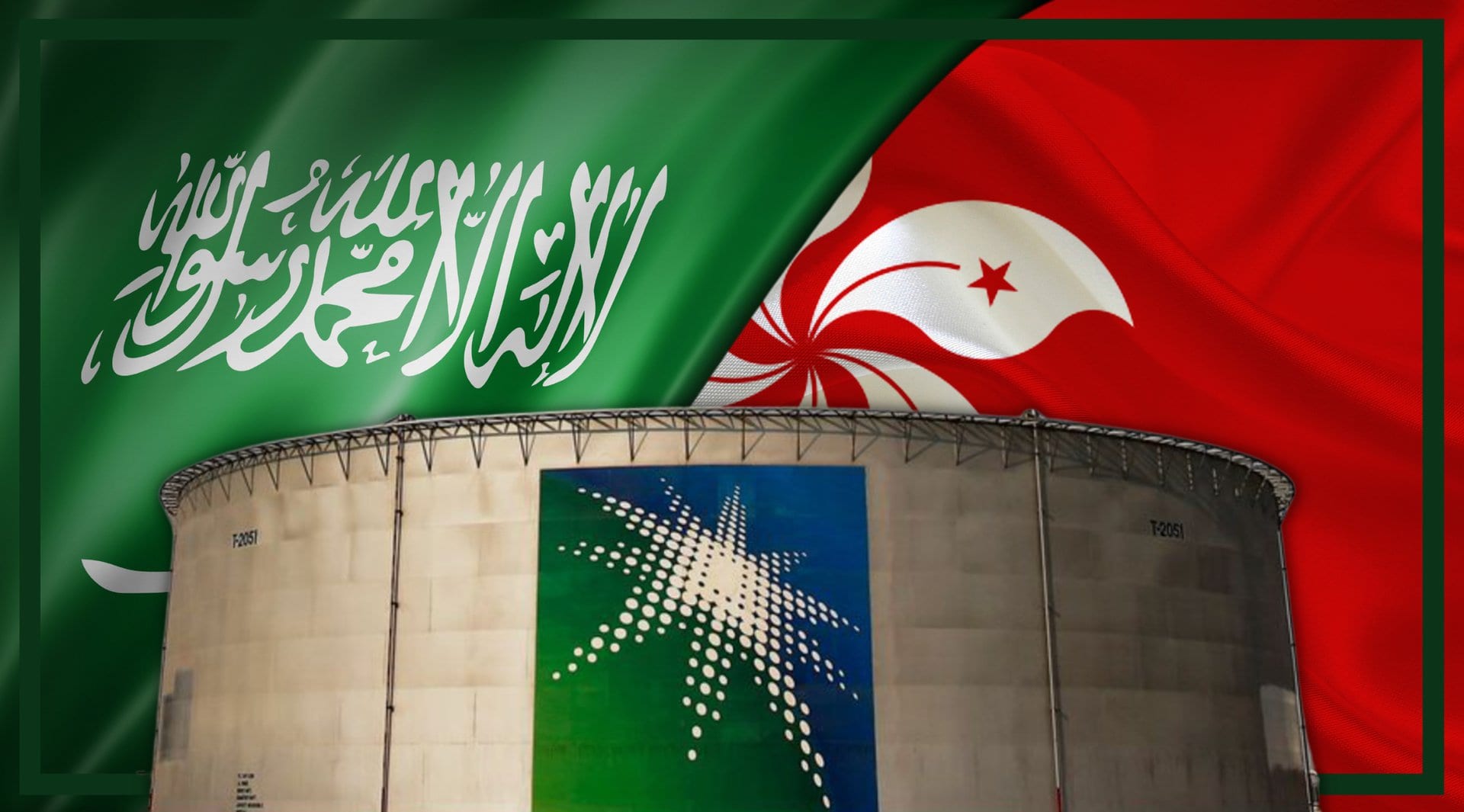
A growing number of Saudi companies are now contemplating initial public offerings (IPOs) on the Hong Kong Stock Exchange (HKEX), as part of a broader strategy to diversify their global market presence. This move comes as Saudi Arabia intensifies its push to increase investments and international trade under the Vision 2030 initiative. Companies, particularly those in tech, finance, and energy sectors, are attracted by Hong Kong’s established role as a bridge between the East and the West.

Saudi officials have been increasingly open to collaborating with Hong Kong, with significant efforts to foster bilateral economic ties. Last year, the Saudi Capital Market Authority and Hong Kong’s financial regulators signed an agreement to explore investment opportunities, signaling a concerted effort to deepen economic cooperation. The deal aims to streamline listing processes for Saudi firms on HKEX, offering them access to a broader range of investors and enhancing liquidity options.

HKEX, known for its favorable regulatory environment and its role as Asia’s top IPO venue, has positioned itself as an attractive listing destination for Saudi companies. The exchange’s listing reforms, which simplify the process for foreign firms, have been tailored to attract businesses seeking to expand their market footprint. Furthermore, its proximity to mainland China—home to a burgeoning investment pool—makes it particularly appealing for Saudi companies eyeing the Asian markets.

Several factors are driving Saudi companies to seek listings outside their home market. First, Hong Kong’s international investor base offers access to global capital markets. As the Saudi stock market matures, expanding into Hong Kong provides companies with greater exposure and a diversified shareholder structure. This aligns with the Kingdom’s desire to diversify its economy away from oil dependence, tapping into other industries that are pivotal to its long-term strategy.

Among the key players in this shift is Saudi Aramco, the state-owned oil giant, which has long been a strong contender in international markets. Although Aramco itself is already listed on the Riyadh exchange, its example serves as a precedent for other large state-owned enterprises (SOEs) in Saudi Arabia. There is an expectation that sectors like technology, healthcare, and green energy will be the primary industries to benefit from this push.

Hong Kong has been an appealing destination for IPOs due to its established infrastructure for foreign listings. The exchange provides a well-regulated environment, offers both local and international investors access, and has a relatively stable market compared to other global financial hubs. Moreover, Hong Kong’s legal system, which is based on English common law, offers transparency and protection for foreign investors, further enhancing its attractiveness.

While Saudi Arabia has made considerable strides in building its own financial markets, the global nature of Hong Kong’s market presents distinct advantages. Its exposure to the Asian markets, particularly China, allows Saudi firms to tap into a rapidly growing economic zone. This is seen as a strategic move in response to the shifting dynamics of global investment, with China playing an increasingly dominant role in global finance.

Saudi Vision 2030 has also made foreign investments a priority, and this shift to international IPOs aligns with the Kingdom’s goals to integrate more deeply into the global economy. By encouraging high-profile listings abroad, Saudi Arabia hopes to enhance its credibility on the world stage, attract more foreign direct investments, and boost its non-oil economy.

Arabian Post Staff -Dubai Dubai is positioning itself as a pivotal player in the global gold market, leveraging its unique geographic location, robust infrastructure, and forward-thinking policies. The city has seen a surge in gold trade activity, propelled by geopolitical shifts, increased bullion acquisitions by central banks, and a strategic focus on refining and trading gold to meet evolving market demands.Central banks have significantly boosted their gold […]

Advertisements

A groundbreaking partnership between DP World and Schneider Electric aims to elevate the skillsets of Emirati youth, with a focus on sustainability and advanced technical expertise. The collaboration aligns with the UAE’s strategic objectives to develop a knowledge-based economy and empower its young professionals to thrive in globally competitive industries.

DP World, a key player in logistics and trade facilitation, signed a Memorandum of Understanding with Schneider Electric, a global leader in energy management and automation. This agreement is set to integrate cutting-edge training programs within DP World’s existing initiatives to promote technical proficiency and environmental stewardship among Emirati graduates.

The partnership’s cornerstone is the integration of Schneider Electric’s advanced training methodologies with DP World’s “Tumoohi” initiative. The Tumoohi program provides practical exposure to young Emirati professionals, offering placements in dynamic sectors such as energy, automation, and digital transformation. Participants will work directly with industry veterans, gaining experience in critical domains like energy efficiency and sustainable practices.

This alliance also includes workshops, mentorships, and on-the-job training, with a particular emphasis on developing skills in emerging fields such as AI-driven energy solutions and renewable energy management. By embedding sustainability within the technical training modules, the program seeks to prepare participants for roles that address the global demand for sustainable solutions while contributing to the UAE’s ambitious green goals.

DP World’s leadership highlighted this collaboration as a significant step toward cultivating a skilled and forward-thinking workforce. The company’s representatives underscored the importance of empowering young Emiratis with tools to lead innovative projects that shape the UAE’s economic future.

The global economic outlook for emerging markets (EMs) faces mounting pressure, with US trade policies under former President Donald Trump continuing to disrupt trade and growth patterns. Citigroup analysts predict that these shifts, primarily driven by tariffs and protectionist measures, will exacerbate the challenges that EMs already grapple with, such as inflation, currency instability, and volatile capital flows. However, one country in the Middle East stands resilient: Saudi Arabia. The kingdom’s economic diversification efforts and strategic positioning in global markets have placed it in a favorable position despite ongoing global economic turbulence.

Trump’s trade war, initiated during his presidency, was centered on tariffs and trade barriers, primarily targeting China, but with ripple effects felt across various sectors and regions. As the Biden administration seeks to reverse some of these policies, analysts remain concerned about the long-term effects of trade disruptions that began during the previous administration. Trade relationships between the US and major economies have been restructured, pushing supply chains into new configurations and altering global market dynamics.

Citigroup’s latest forecast outlines how these global shifts impact emerging markets in particular, given their high exposure to US tariffs and trade restrictions. Countries in Asia, Latin America, and Africa are expected to see a slow recovery, as protectionist policies strain international trade and hinder foreign direct investment (FDI) inflows. For these nations, the US-China trade tensions have underscored their vulnerability to global supply chain disruptions. Export-dependent countries, particularly in the manufacturing and agriculture sectors, may face reduced market access to some of their largest trading partners, further hindering growth prospects.

Yet, some countries are managing to navigate these headwinds with relative ease. Saudi Arabia, buoyed by its ongoing economic reforms under the Vision 2030 initiative, appears to be one of the more resilient players in the face of these global shifts. The kingdom has significantly reduced its reliance on oil exports by developing non-oil sectors such as tourism, entertainment, and technology. Moreover, its vast sovereign wealth fund, the Public Investment Fund (PIF), has strategically invested in sectors poised for growth, such as green energy, healthcare, and artificial intelligence.

Saudi Arabia’s successful diversification strategies have positioned it to weather the storm of changing global trade conditions. Citigroup’s analysis highlights that while the US’s trade policies could dampen global economic growth, Saudi Arabia’s economic stability remains largely intact. The kingdom’s ability to maintain steady oil revenues, coupled with its ambitious reform agenda, has placed it at the forefront of efforts to build a more diversified, future-proof economy. Additionally, Saudi Arabia’s participation in major international investment initiatives, such as the Belt and Road Initiative and the G20 summit, further solidifies its standing as a key global economic player.

While many emerging markets struggle with inflationary pressures and a rising cost of living, Saudi Arabia has implemented strategic fiscal policies that keep inflation levels manageable. The country’s introduction of VAT and other tax reforms have helped bolster its financial resilience. Furthermore, the government’s commitment to large-scale infrastructure projects, such as NEOM, a futuristic city being built with cutting-edge technology, signals a strong push toward positioning the kingdom as a global hub for innovation.

However, despite these favorable conditions in Saudi Arabia, Citigroup warns that other emerging markets are not as fortunate. Nations heavily dependent on exports to the US and China, such as Mexico, Brazil, and South Africa, face significant challenges as they cope with reduced demand and trade restrictions. For these countries, the combination of trade disputes, inflationary pressures, and weaker currency values is likely to hamper economic growth in the short to medium term. Analysts also point out that the global interest rate hikes prompted by the Federal Reserve’s tightening policy may further strain emerging market economies, particularly those with substantial debt burdens.

For some countries, the trade environment under Trump’s policies has created structural weaknesses that continue to hinder growth. The slowdown in global demand for goods and services, coupled with rising costs for raw materials and energy, has impacted countries dependent on commodity exports. As a result, the broader emerging markets community is facing an uncertain recovery trajectory, with little optimism for a swift rebound.

Saudi Arabia’s resilience, however, is noteworthy in this context. The kingdom’s emphasis on economic diversification has shielded it from some of the more detrimental effects of global trade disruptions. This shift towards a more diversified economy has not only safeguarded the country’s economic standing but has also attracted international investors, further securing its position as a pivotal player in the global marketplace.

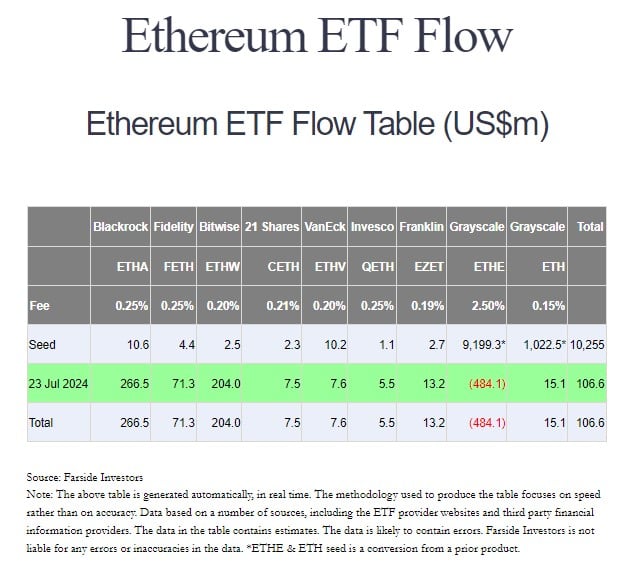
Ethereum spot ETFs experienced an extraordinary surge in inflows last week, with net inflows reaching a record $515 million, driven largely by BlackRock’s Ethereum ETF (ETHA). This marks a significant milestone for the digital asset market, particularly as Ethereum’s spot ETFs continue to gain traction among institutional investors.

The biggest beneficiary was BlackRock’s ETHA, which attracted over $500 million of the total, reaffirming its dominance in the burgeoning sector of cryptocurrency-linked investment vehicles. This ETF has garnered significant attention, reflecting growing institutional confidence in Ethereum, despite the asset’s volatility compared to Bitcoin. The inflows into ETHA have been particularly notable given the widespread competition in the market, with other Ethereum spot ETFs, such as Grayscale’s ETHE and Fidelity’s FETH, also drawing substantial investments, though not on the same scale.

The surge in Ethereum ETF inflows is seen as a positive sign of mainstream acceptance of the cryptocurrency, with institutional players seeking exposure to Ethereum’s value proposition. BlackRock’s strong performance is part of a broader trend of large financial institutions moving into the crypto space, with BlackRock leading the charge after its success with Bitcoin ETFs. The company’s Ethereum ETF has become one of the most popular in the market, a testament to BlackRock’s well-established presence and trust among investors.

This trend comes amidst a series of positive developments in the cryptocurrency sector, with regulatory frameworks slowly taking shape and increased clarity surrounding the investment vehicles that offer exposure to digital assets. Analysts believe the influx of institutional capital into Ethereum ETFs will help stabilize the market, providing a more structured path for retail investors and pushing Ethereum further into the spotlight as a key player in the world of digital finance.

Despite the record-breaking inflows, the Ethereum spot ETF sector remains under scrutiny from some quarters. Experts are watching closely to determine whether this spike in investments will be sustained, as Ethereum’s price has historically been more volatile than Bitcoin. The success of Ethereum ETFs could, however, signal a shift in how traditional financial markets view cryptocurrency, making it a more mainstream asset.

The ETF market for Ethereum is still evolving, and with large players like BlackRock driving momentum, its future looks increasingly intertwined with the broader financial ecosystem. As more institutional investors and crypto-focused funds enter the space, the legitimacy and long-term viability of Ethereum-linked ETFs will be tested. However, last week’s influx proves that the appetite for such products is growing steadily, and Ethereum may be positioned for greater integration into global financial markets in the years to come.

Citigroup has forecast significant challenges for emerging markets (EMs) as US trade policies under Donald Trump are expected to disrupt global economic growth. Analysts believe that the resulting strength of the US dollar could put further pressure on EM assets. Despite these hurdles, Saudi Arabia is predicted to remain largely insulated from these trade risks. The financial giant upgraded the kingdom’s status to “overweight” from “underweight,” highlighting […]

The US-based private capital software platform sets up base in Sydney as part of Investment NSW’s efforts to grow New South Wales into a thriving global hub for business. SYDNEY, AUSTRALIA / SINGAPORE – Media OutReach Newswire – 14 November 2024 – Carta today announced its expansion into the Australian market, marking a significant milestone in the company’s roadmap to connect more startups and investors with its […]

HONG KONG SAR – Media OutReach Newswire – 14 November 2024 – The Hong Kong Tourism Board proudly announces that this year’s Wine & Dine Festival attracted 155,000 Hong Kong residents and tourists. The Taste France pavilion was a major highlight, drawing crowds thanks to its engaging booth partners, dynamic activities, and a dedicated area for tastings and discussions. We are thrilled to share outstanding results from […]

Telegram’s ecosystem is expanding rapidly, with its mini apps becoming a focal point for businesses and developers seeking to integrate directly into its extensive user base of over 800 million monthly users. Mini apps, designed to run within Telegram, offer services ranging from gaming to cryptocurrency wallets, capitalizing on the platform’s strong community engagement and secure communication features. The appeal of these apps is evident in their […]

The Abu Dhabi Securities Exchange (ADX) has reached a historic milestone, nearing a valuation of $1 trillion, driven by strategic investments from key players like Sheikh Tahnoon bin Zayed Al Nahyan. As one of Abu Dhabi’s deputy rulers and the UAE’s national security adviser, Sheikh Tahnoon has been pivotal in shaping the economic trajectory of the region, leveraging assets across diverse industries to fuel growth.

Entities under Sheikh Tahnoon’s control, including the International Holding Company (IHC), contribute significantly to the benchmark FTSE ADX General Index. As of the first quarter of 2024, these firms accounted for approximately 65% of the index’s weight. IHC, a conglomerate with investments spanning global ventures like Elon Musk’s SpaceX and local enterprises, has seen an exponential rise in valuation—up over 400-fold since 2019. Currently, the company is worth around $240 billion, underscoring the magnitude of Abu Dhabi’s economic diversification efforts.

ADX has climbed the ranks among global stock exchanges, now positioned as the 17th largest, surpassing markets like Spain and Brazil. Its trajectory highlights the success of the UAE’s broader strategy to reduce reliance on oil revenue, emphasizing international investments and bolstering domestic financial infrastructure. Sheikh Tahnoon’s leadership and the robust performance of his firms have positioned Abu Dhabi as a critical financial hub, attracting global investors.

The pace at which glaciers are retreating across the globe has quickened, according to a new study that underscores the alarming consequences of climate change. The research, conducted by a group of international scientists, reveals a significant uptick in the speed of ice melt, pointing to a future that could see critical shifts in global sea levels and ecosystems. Glaciers, which have long acted as natural water […]

Lenovo Group, the world’s largest PC maker, has announced plans to establish a state-of-the-art manufacturing facility in Saudi Arabia. This move aligns with the Kingdom’s Vision 2030 strategy, which seeks to diversify the economy by developing its technology and manufacturing sectors. The new facility, which will focus on assembling and producing personal computers and IT equipment, is expected to strengthen Lenovo’s foothold in the Middle East while driving local job creation and technical skill development.

Set to be located in the King Abdulaziz City for Science and Technology (KACST) area, the factory underscores the growing importance of Saudi Arabia as a strategic hub for global technology companies. Lenovo’s decision to invest in this region comes as demand for PCs and enterprise IT solutions continues to grow across the Gulf Cooperation Council (GCC) countries. With an annual production capacity estimated to reach tens of thousands of units, the plant will play a key role in meeting the technology needs of government entities, enterprises, and individual consumers in the region.

The factory is expected to generate hundreds of jobs for Saudi nationals, with Lenovo committing to knowledge transfer and training programs aimed at fostering local expertise in advanced manufacturing processes. This initiative aligns with the Kingdom’s Saudization goals, which prioritize the integration of local talent into key economic sectors. Lenovo’s executives emphasized that the plant would not only serve regional markets but also have the potential to export products to neighboring countries, further positioning Saudi Arabia as a technological hub for the wider Middle East.

Lenovo’s partnership with local entities and stakeholders, including the Ministry of Investment and the Saudi Industrial Development Fund, highlights the collaborative approach that has characterized its entry into the market. By leveraging Saudi Arabia’s supportive regulatory environment and infrastructure, the company aims to streamline operations and maximize efficiency in its production pipeline. This collaboration marks another milestone in Saudi Arabia’s efforts to attract foreign direct investment into its high-tech industries, a key pillar of Vision 2030.

The timing of Lenovo’s announcement coincides with a global shift in manufacturing trends, as companies seek to diversify their supply chains and mitigate risks associated with overdependence on specific regions. Lenovo’s Saudi factory will help the company reduce logistical complexities and ensure supply chain resilience, especially in a post-pandemic world where disruptions to global trade have underscored the need for localized production hubs.

While Lenovo has long been a dominant force in the global PC market, this investment represents its first manufacturing venture in Saudi Arabia. It signals the company’s intent to deepen its engagement with Middle Eastern markets, which have experienced steady growth in digital adoption and IT spending. Analysts believe this move could serve as a blueprint for other tech companies looking to expand their presence in the region.

The announcement also reflects the Kingdom’s broader ambitions to become a leader in emerging technologies such as artificial intelligence, robotics, and cloud computing. Saudi Arabia’s investments in smart cities like NEOM and other large-scale infrastructure projects are expected to drive demand for IT hardware and services, providing a robust market for companies like Lenovo to tap into. Additionally, the factory’s establishment could catalyze the development of ancillary industries, such as component manufacturing and logistics, further enriching the local economy.

Observers note that Lenovo’s move could pave the way for increased competition among technology companies in the region, prompting other global players to explore similar opportunities. This competitive environment is likely to benefit end-users by improving access to cutting-edge technology and reducing costs through localized production.

As the factory’s construction progresses, Lenovo plans to roll out community engagement programs aimed at fostering innovation and interest in technology among Saudi youth. These initiatives, including internships and partnerships with local universities, are intended to ensure that the Kingdom’s workforce remains equipped to meet the demands of a rapidly evolving digital economy.

NANCHANG, CHINA – Media OutReach Newswire – 15 November 2024 – Recently, at the 8th China Intangible Cultural Heritage Expo, Jiangxi’s paper-cutting, traditional Chinese medicine, ceramics, and other intangible cultural heritage crafts gained great attention from many media outlets and visitors. Jiangxi’s intangible cultural heritage is rich and varied. These crafts and projects not only reflect the remarkable achievements of Jiangxi people in opera, textile, ceramic production, […]

HEFEI, CHINA – Media OutReach Newswire – 15 November 2024 – On November 15, the 2024 China Huangshan Book Fair commenced in Hefei, Anhui Province. This year’s event highlights its focus on “thematic development, internationalization, digitalization, and lifestyle integration,” featuring a diverse array of cultural activities, including themed exhibitions and sales of publications, industry forums, reading promotion initiatives, cultural livestreams, digital experiences, and project discussions. The fair […]

LIMA, PERU / SHANGHAI, CHINA – Media OutReach Newswire – 15 November 2024 – “From Chancay to Shanghai,” this expression has become quite popular in Peru, and it has finally become a reality. China’s financial hub Shanghai, which has the world’s largest port, is expected to welcome more goods from Latin America. And from Shanghai, these products will be shipped throughout Asia. The Chancay Port, which was […]

The UAE real estate market delivered strong performance in the third quarter of 2024, marked by an uptick in both residential and commercial sectors. As per the latest insights from Asteco, a leading property consultancy, key markets across the Emirates displayed resilience, with Dubai and Abu Dhabi continuing to see heightened demand for both sales and rentals. Despite global economic uncertainties, the property landscape in the UAE […]

Salik, the toll operator for Dubai’s roadways, has posted a significant increase in its earnings, signaling a promising growth trajectory. The toll operator, which manages Dubai’s Salik toll system, revealed that its profits have surged, bolstered by an uptick in traffic volumes and improved operational efficiencies. The company, which operates the electronic toll collection system across Dubai, saw its revenues climb sharply. The key factor behind this […]

Abu Dhabi’s sovereign wealth fund, the Abu Dhabi Investment Authority (ADIA), is significantly increasing its allocations to private equity in a strategic pivot to enhance long-term returns. This move underscores ADIA’s growing interest in high-risk, high-reward investment opportunities as it adapts to global market shifts. The fund’s decision comes at a time when traditional investment avenues are facing unprecedented volatility and when private equity is seen as […]

UAE investors have seen their wealth soar following a remarkable surge in Bitcoin prices, attributed to the political and economic shifts following Donald Trump’s victory in the US election. The cryptocurrency, which had been volatile in the years preceding the win, experienced unprecedented growth as markets reacted to the shifting political landscape, with many investors in the UAE now seeing significant returns on their investments.

Bitcoin’s price surged sharply after the US election results were confirmed, with many financial analysts predicting the trend would continue as uncertainty around Trump’s policies drove investors toward assets perceived as safer or potentially more profitable. The volatile nature of cryptocurrencies makes them an attractive option for those willing to accept the risks for the potential rewards. For investors in the UAE, Bitcoin presented a new opportunity, and many took advantage of the fluctuating prices in anticipation of future growth.

Several prominent cryptocurrency investment platforms have seen increased activity in the UAE, with more people turning to Bitcoin as a hedge against inflation and political instability. The surge in Bitcoin’s value has not only been a boon for individual investors but also for cryptocurrency trading platforms and firms offering Bitcoin-based investment products. Several such platforms reported a spike in sign-ups and transactions in the wake of Trump’s election win, which, combined with the global economic uncertainty that followed, has sparked an interest in digital currencies as an alternative to traditional investments.

In Dubai, where many investors have a global outlook, Bitcoin is quickly becoming a key component of wealth management strategies. The local cryptocurrency market has witnessed a rise in demand for both Bitcoin and other digital assets. Investors are diversifying their portfolios with more aggressive positions in cryptocurrency, banking on the potential for continued growth amid the global economic challenges. Some have even opened Bitcoin-specific funds, offering high-risk, high-reward opportunities to those seeking to capitalize on the digital currency’s upward trajectory.

A key factor contributing to this wave of Bitcoin investment is the cryptocurrency’s appeal as an alternative store of value. With concerns around traditional financial systems, particularly in the Middle East, many are seeking to protect their wealth by investing in assets that are decentralized and not subject to the fluctuations of regional currencies or government policies. Bitcoin, with its promise of independence from state-controlled monetary systems, offers a solution that is increasingly attractive to investors in the UAE.

The global appeal of Bitcoin, combined with its growing legitimacy, has made it a more palatable option for UAE investors, many of whom are looking to broaden their financial horizons. The UAE’s status as a financial hub with a progressive regulatory environment for cryptocurrencies has further contributed to the growing interest. While cryptocurrencies remain largely unregulated in many parts of the world, the UAE has been one of the leading countries in the region to introduce frameworks aimed at fostering innovation while protecting investors.

The surge in Bitcoin prices has also prompted a flurry of interest from young, tech-savvy investors in the UAE. As more millennials and Gen Z individuals enter the investment landscape, they are increasingly looking toward digital currencies as a means of growing their wealth. The UAE has one of the highest concentrations of cryptocurrency holders in the Middle East, with a growing number of younger investors taking positions in Bitcoin as part of a broader trend of tech-driven financial strategies.

While the surge in Bitcoin’s price has created substantial wealth for some investors, the cryptocurrency market remains highly volatile, and many caution against overexposure. Financial advisors emphasize the importance of diversifying portfolios, as the rapid rise in Bitcoin’s value could be followed by equally dramatic declines. Investors are urged to remain cautious, keeping in mind that the cryptocurrency market’s unpredictability makes it unsuitable for all types of investors.

The geopolitical factors that contributed to Bitcoin’s rise are also critical to understanding the broader trends at play. Following Trump’s win, the global economy experienced shifts in trade relations and economic policies, which, in turn, affected investor behavior. As Bitcoin’s value continues to fluctuate in response to these political developments, the currency remains a speculative asset. However, for many in the UAE, the rewards have been substantial, allowing some to realize returns on their investments that were previously unimaginable.

VISHNU RAJA
RYO YAMADA
HITORI GOTOH
IKUYO KITA