News related to
Expo

Markets flourish with predictability. Companies require consistency to strategize effectively. However, the current US administration’s erratic approach to trade is fostering the opposite environment. Donald Trump’s eleventh-hour decision to postpone sweeping tariffs on Mexico and Canada provides temporary relief but does not address the core issue: the United States is becoming an increasingly erratic economic ally. Investors are already experiencing the repercussions. This latest suspension is the […]

The surge in gold prices has sparked a corresponding rise in gold-backed cryptocurrencies, which have gained significant traction in the wake of global economic uncertainties and a prolonged trade war. The value of gold has climbed nearly 10% this year, reaching new heights as investors look for stable assets amidst volatile market conditions, while most major cryptocurrencies have struggled to maintain positive momentum.

Gold-backed digital currencies, which are pegged to the price of gold, have become increasingly popular as both a hedge against inflation and a secure store of value. These cryptocurrencies provide investors with the benefits of blockchain technology, offering fast, secure transactions and lower fees, while still being tied to the tangible value of gold. As the price of gold breaks records, these digital assets have seen a sharp rise in value, attracting attention from institutional investors who are traditionally more risk-averse and have historically favoured physical gold for their portfolios.

The economic backdrop fueling this surge is primarily the ongoing trade tensions between major global economies. With trade disputes, particularly between the United States and China, showing no signs of abating, the global economy faces mounting pressure. These trade conflicts have led to fears of inflation and slower growth, pushing investors to seek refuge in traditional safe-haven assets like gold. As a result, the demand for gold-backed cryptocurrencies has risen, with investors increasingly willing to embrace digital assets that offer stability amid uncertain times.

Gold-backed cryptocurrencies differ from typical cryptocurrencies such as Bitcoin and Ethereum, which are not directly tied to any physical asset. Instead, the value of gold-backed tokens is directly correlated to the price of gold, which has proven to be a reliable store of value for centuries. This connection appeals to investors who seek the benefits of cryptocurrency without the volatility associated with unbacked tokens.

Several platforms have emerged in recent years offering gold-backed digital currencies, and their growth is being driven by the increasing adoption of blockchain technology across multiple sectors. These platforms typically work by holding physical gold reserves in vaults and issuing tokens that represent ownership of a specific amount of gold. Investors can trade these tokens on various exchanges, and they can also redeem them for physical gold if desired. This hybrid approach offers a unique combination of traditional financial instruments and the advantages of digital currencies.

Notably, the surge in gold prices has been driven by several factors, including concerns over inflation, geopolitical tensions, and the economic fallout from the ongoing trade war. As central banks continue to print money to stimulate economies, the fear of inflation has grown, leading to greater demand for gold as a hedge. In times of economic instability, gold has historically served as a safe-haven asset, with its value often rising when other markets falter. With the US dollar weakening and bond yields remaining low, gold’s appeal as an investment has only increased.

Meanwhile, the trade war, which has disrupted global supply chains and created uncertainty in the markets, has further compounded these concerns. Both the US and China have imposed tariffs on each other’s goods, resulting in higher prices for consumers and reduced global trade. This ongoing uncertainty has prompted many investors to turn to assets like gold-backed cryptocurrencies, which offer the potential for stability in an unpredictable economic environment.

One of the key advantages of gold-backed cryptocurrencies is their ability to provide exposure to the price of gold without the need for physical ownership or storage. Traditional gold investors often face challenges related to the high costs of securing and storing physical gold. By contrast, digital currencies offer a more accessible and efficient way to invest in gold. As more investors seek to diversify their portfolios, gold-backed tokens provide an attractive option for those looking to capitalise on the price of gold while avoiding some of the logistical issues associated with owning physical gold.

Despite the growth of gold-backed cryptocurrencies, challenges remain. The volatility of the broader cryptocurrency market can still affect the price of gold-backed tokens, and there are concerns around regulation and the potential for government crackdowns on digital currencies. While some countries have embraced blockchain technology and cryptocurrency as part of their financial systems, others remain cautious or outright hostile to the sector. This regulatory uncertainty could pose a risk to the long-term growth of gold-backed cryptocurrencies, as potential investors weigh the risks of government intervention and the stability of the market.

Successful Event Draws 200,000 Global Visitors with Hong Kong’s Local Creativity 29 January to 2 February 2025: 38 Featured Creations & 16 Visiting Hong Kong Comics Artists/ Illustrators Watch drawing demonstrations by Hong Kong comics artists in real-time at one of the top three major overseas comics festivals in the world February to May 2025: All the participating artists will be invited to share their exchange experiences […]

By K Raveendran OPEC+ is once again at the centre of a global energy crisis as it grapples with a new challenge posed by President Donald Trump’s tariffs on major crude oil suppliers. The tariffs, which include a 10 percent levy on Canadian oil and 25 percent on US imports into Canada in retaliation, threaten […]

Zimbabwe’s economic landscape is undergoing a significant transformation, with the United Arab Emirates emerging as a pivotal partner. Bilateral trade between the two nations has surged, reaching approximately US$2 billion in 2022, positioning the UAE as Zimbabwe’s second-largest trading partner.

This burgeoning relationship is underscored by a remarkable 300% increase in trade over a three-year period. In 2019, trade volumes stood at around US$400 million, escalating to US$1.6 billion by 2021. Precious metals, particularly gold and diamonds, constitute a substantial portion of this trade, accounting for about 80% of the total exchange. Agricultural and food products also play a significant role in the bilateral trade dynamics.

The UAE’s investment footprint in Africa has expanded notably, with commitments totaling $110 billion between 2019 and 2023. Of this, $72 billion has been allocated to renewable energy projects, underscoring the UAE’s role in Africa’s green energy transition. However, concerns have been raised regarding labor rights, environmental standards, and the UAE’s support for hydrocarbon projects.

In Zimbabwe, the UAE’s investments span various sectors, including agriculture, mining, and energy. Zimbabwean businesses are actively exploring opportunities in the UAE’s food and agriculture sectors, while Emirati investors have shown keen interest in Zimbabwe’s gold and precious metals industries. This mutual interest is fostering deeper economic collaboration between the two nations.

The establishment of the Zimbabwean Business Council in Dubai aims to further bolster these ties. The council’s primary objective is to promote the commercial interests of Zimbabwe and Zimbabwean businesses in Dubai, facilitating increased trade and investment flows between the two countries.

Despite these positive developments, Zimbabwe faces internal challenges that could impede its economic progress. Policies such as the requirement for exporters to convert 25% of their foreign currency earnings into local currency have been criticized for hindering the recovery of sectors like horticulture. Additionally, farmers encounter difficulties in securing funding due to uncertain land tenure and past arbitrary state land acquisitions. The lack of government support further exacerbates these challenges, highlighting the need for policy reforms to create a more conducive environment for business growth.

Infrastructure development is another critical area requiring attention. The National Railways of Zimbabwe has opened its network to private firms to boost freight volumes, which had declined due to decades of underinvestment. Collaborations with companies like South Africa’s Grindrod have been initiated to revitalize the railway system, essential for supporting the country’s mining and agricultural sectors.

Gold prices have reached unprecedented levels, with spot gold climbing to $2,858.12 per ounce. This surge is attributed to escalating trade tensions between the United States and China, following Beijing’s imposition of tariffs on U.S. imports in retaliation to new U.S. duties on Chinese goods. The heightened trade conflict has led investors to seek refuge in safe-haven assets like gold. Ilya Spivak, head of global macro at […]

Appknox, a leading mobile application security firm, has launched a suite of advanced artificial intelligence features aimed at strengthening mobile ecosystem protection in the Gulf Cooperation Council region. This move comes in response to the escalating security risks posed by Generative AI technologies and the increasing reliance on mobile applications across various industries. The new security capabilities leverage AI to provide businesses with real-time visibility into potential […]

Advertisements

Tickets to immersive cultural attraction set to honor football icon’s inspiring career go on sale from 5th February HONG KONG SAR – Media OutReach Newswire – 4 February 2025 – The highly anticipated Cristiano Ronaldo Life Museum is set to open its doors in July 2025 at K11 Art & Cultural Centre (6F, Kunsthalle), K11 MUSEA in Tsim Sha Tsui. The grand opening will feature several international […]

Discussions between Russian and US officials have surfaced regarding a potential summit between President Donald Trump and President Vladimir Putin, with Saudi Arabia and the United Arab Emirates being considered as the possible locations for the high-stakes meeting. According to two Russian sources familiar with the matter, both Middle Eastern nations have emerged as viable venues for the summit, a move that reflects the growing geopolitical engagement of these countries in the Russia-US relations.

Trump, who has long positioned himself as a proponent of international diplomacy, stated his intentions to end the war in Ukraine as swiftly as possible. He reiterated his readiness to engage with Putin, emphasizing the desire to address the ongoing conflict and other shared concerns. In return, President Putin congratulated Trump following his re-election and voiced his own readiness to meet and discuss critical issues, including the war in Ukraine and energy policies, which remain central to the broader global conversation on security and economic stability.

Despite these declarations, Russian officials have firmly denied any direct communications with the United States regarding plans for a phone call or a potential in-person meeting between the two leaders. These officials insist that any forthcoming discussions, if they occur, would be arranged at a later stage, with careful consideration of timing and venue.

The prospect of such a summit, especially in the context of Russia’s recent military actions in Ukraine, has sparked interest on the international stage. The geopolitical ramifications of such a meeting would likely be far-reaching, impacting global energy markets, NATO relations, and the future of the conflict in Eastern Europe. Although some observers view this as an opportunity for peacebuilding, others remain skeptical, given the contentious history of US-Russia relations.

Saudi Arabia and the UAE, with their growing influence on the global diplomatic stage, are being considered due to their neutral stance in the Ukraine conflict and their established relationships with both Russia and the United States. These nations have long been involved in energy markets, which would make them attractive hosts for a meeting focused on energy policies and economic security. Russia’s energy exports, including oil and natural gas, remain a critical factor in shaping international relations, particularly in light of sanctions imposed by the West in response to Russia’s actions in Ukraine.

Trump’s position on Ukraine has been a point of divergence from that of his political opponents, with some criticizing his favorable rhetoric toward Russia. However, his approach has consistently focused on resolving the conflict through direct negotiations, an approach he has applied to other global tensions during his presidency. The idea of a Trump-Putin summit reflects his broader foreign policy philosophy, which emphasizes personal diplomacy over multilateral frameworks.

Despite public statements from both leaders expressing interest in talks, the reality of organizing a summit remains complex. The diplomatic groundwork necessary to bring the two leaders to the same table would require careful coordination, especially with ongoing tensions over Ukraine. Moreover, the absence of direct communication between the US and Russia regarding the summit preparations has raised questions about the seriousness of the plans and the potential obstacles that may arise in the months ahead.

The role of intermediaries, such as Saudi Arabia and the UAE, in facilitating this meeting underscores the shifting dynamics of international diplomacy. Both nations have increasingly positioned themselves as key players in mediating between conflicting global powers. Saudi Arabia’s leadership within OPEC, combined with its strategic partnerships with both Russia and the United States, places it in a unique position to influence global discussions, particularly in the energy sector. Similarly, the UAE, with its expansive diplomatic network and strong ties to both Moscow and Washington, has become a focal point for international peace efforts and negotiations.

The consideration of Saudi Arabia and the UAE as potential hosts for the Trump-Putin summit aligns with their broader strategy of asserting themselves as mediators in global political disputes. The Middle East, long a region of contention, is now emerging as a diplomatic hub where major powers can engage in dialogue, far from the direct theater of conflict. This shift in geopolitical dynamics highlights the region’s growing importance as a neutral ground for major power negotiations, particularly in an era marked by heightened tensions and polarized global politics.

While a Trump-Putin summit would be a significant event on the world stage, it would also require both leaders to overcome a range of diplomatic and political challenges. The ongoing war in Ukraine remains a central issue, and any discussions between Trump and Putin would likely revolve around finding a peaceful resolution to the conflict, while balancing the interests of their respective countries. However, any breakthroughs or agreements arising from such a summit would be closely scrutinized by the international community, particularly given the historical tensions that have defined US-Russia relations.

Matein Khalid The ideologues of MAGA assured us that Tariff Man’s threats were pure bombast and Wall Street believed them, the reason equities and crypto went ballistic after the election of POTUS-47. Yet Trump’s tariff threats were all too real and the global markets must now pay a bitter price for history’s second worst economic own goal after Brexit. The 25% tariff on Mexico will immediately send […]

• Yunlin OWF fully operational and running at design capacity of 640 MW • Enough clean energy to power over 600,000 Taiwanese homes annually • Major step for Taiwan’s offshore wind farm and renewable energy sectors HAMBURG, GERMANY – EQS Newswire – 3 February 2025 – Skyborn Renewables (Skyborn) and its partners in Yunneng Wind Power Co., Ltd. (Yunneng) are pleased to announce a major milestone: The […]

The euro zone’s manufacturing sector displayed tentative signs of recovery at the start of 2025, as the latest data pointed to a moderation in the downturn that has plagued the industry over the past year. The sector’s performance, while still under pressure, showed resilience in the face of rising costs and geopolitical tensions, including the looming threat of tariffs from the United States. Data from the Purchasing […]

Etihad Credit Insurance , a prominent UAE Federal export credit company, has joined the Know Your Customer Blockchain Platform, marking a milestone for the country’s insurance sector. The partnership, aimed at enhancing the efficiency of customer identity verification, places ECI at the forefront of adopting blockchain technology within the financial industry.

This move reflects a broader trend in the UAE’s ongoing efforts to modernize its financial and insurance sectors. By integrating blockchain-based solutions, ECI joins several other entities striving to increase transparency, reduce fraud, and improve operational efficiency. The KYC Blockchain Platform itself, led by the Dubai Department of Economy and Tourism , represents a key innovation within the region’s fintech ecosystem.

Blockchain’s decentralized nature offers significant advantages for KYC processes. Traditionally, verifying customer identities involves complex, time-consuming procedures that are susceptible to human error and fraud. The adoption of blockchain ensures secure, immutable records, allowing for smoother and faster transactions. By participating in this platform, ECI aims to streamline its own compliance procedures, reducing the need for manual checks and minimizing risks associated with identity theft.

The KYC Blockchain Platform has already gained traction with a growing number of financial institutions and government entities looking to optimize their services. For ECI, the decision to integrate blockchain into its operations comes at a time when trust in digital solutions is paramount. In particular, the move is expected to strengthen the company’s ability to offer enhanced trade credit services, which are crucial for UAE-based businesses involved in international trade.

ECI’s commitment to embracing blockchain technology aligns with the UAE government’s broader push to position the nation as a leader in digital innovation. The country’s strategic focus on blockchain as a key enabler of economic growth is evident in its continued investment in the technology. By incorporating blockchain solutions into its operations, ECI not only aims to simplify its compliance processes but also to contribute to the larger goal of building a more secure and transparent digital economy in the UAE.

Blockchain’s integration into the KYC platform also paves the way for greater collaboration between public and private sectors. Government institutions have been proactive in creating the necessary infrastructure to support blockchain adoption. The Dubai Department of Economy and Tourism’s leadership in this initiative highlights the UAE’s determination to become a global blockchain hub, with numerous projects already underway to explore its applications in diverse sectors such as finance, healthcare, and logistics.

As the UAE continues to embrace new technologies, the success of the KYC Blockchain Platform could serve as a model for other nations aiming to digitize their financial and regulatory systems. The platform’s design, which facilitates secure and real-time sharing of customer information between institutions, addresses one of the most pressing challenges in the global financial sector: the need for robust and efficient identity verification.

The integration of blockchain into KYC processes also aligns with the UAE’s commitment to compliance with global anti-money laundering standards. As the international financial landscape becomes more interconnected, regulatory bodies around the world are increasingly requiring organizations to meet stringent customer verification and monitoring obligations. Blockchain technology’s ability to ensure data accuracy, security, and accessibility provides institutions with the tools they need to comply with these regulations more effectively.

For ECI, this integration represents more than just a technological upgrade. It is part of a larger strategy to remain competitive in an evolving financial environment. The company’s ability to leverage blockchain for more efficient KYC processes enhances its appeal to both local and international businesses. As the UAE’s trade and export sectors grow, having a streamlined and secure system for verifying customers’ identities will be a critical differentiator for businesses operating within the region.

The ECI’s blockchain initiative also promises to have broader implications for the insurance industry in the UAE and beyond. Insurance companies have long faced challenges related to fraud and regulatory compliance. With blockchain’s potential to offer transparent and tamper-proof records, the platform could drive significant changes in how insurers conduct their operations. Moreover, it could encourage more insurers to explore blockchain solutions, further accelerating the sector’s digital transformation.

This development positions ECI as a trailblazer within the UAE’s rapidly expanding blockchain ecosystem. As more companies begin to realize the benefits of blockchain for KYC and other operations, the region could see even greater adoption of this technology. By taking this bold step, ECI not only enhances its own operational capabilities but also contributes to shaping the future of blockchain in the global financial services landscape.

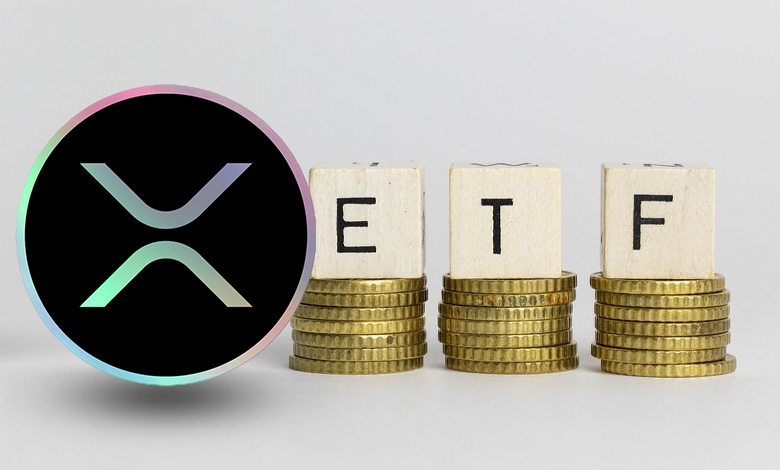
Purpose Investments, a Toronto-based fund manager overseeing over $23 billion in assets, has filed with Canadian securities regulators to launch the Purpose Ripple ETF. CEO Som Seif emphasized the growing adoption and institutional interest in XRP, stating that an ETF would provide investors with a transparent and regulated avenue for exposure.

In the United States, asset management firms REX Advisers and Osprey Funds have jointly sought regulatory approval to introduce an ETF tied to various cryptocurrencies, including Ripple’s XRP. This move comes shortly after the launch of President Donald Trump’s new crypto token and aims to test the SEC’s evolving stance on digital assets.

The recent inauguration of President Trump, known for his pro-crypto stance, has further fueled optimism in the crypto community. Analysts predict that 2025 could see the approval of more crypto ETFs, bolstered by anticipated regulatory leniency under the new administration. SEC Chair Gary Gensler’s impending departure and the potential appointment of Paul Atkins, a crypto-friendly nominee, suggest a more accommodating environment for digital asset products.

Despite the legal challenges Ripple has faced with the SEC since 2020 over allegations of XRP being an unregistered security, the cryptocurrency has experienced significant growth. XRP recently surpassed Tether to become the third most valuable cryptocurrency, with a market capitalization approaching $150 billion. This surge is attributed to various factors, including political developments and rumors of upcoming XRP-related ETFs.

Utah is on the verge of becoming the first state in the United States to officially establish a Bitcoin Reserve, marking a significant shift in the role digital currencies could play in state-backed financial strategies. The state’s legislative body has introduced a bill that would enable the state government to purchase and hold Bitcoin as part of its official reserve assets. If approved, this move could influence other states and global financial systems, potentially setting a precedent for the future of cryptocurrency integration in government reserves.

The proposed legislation reflects Utah’s growing interest in embracing cryptocurrencies as a legitimate asset class. Over the past few years, the state has fostered an environment conducive to blockchain innovation and digital currency adoption. With Utah’s reputation for being business-friendly and its tech-savvy population, this initiative has been met with considerable attention from both cryptocurrency enthusiasts and financial regulators.

The bill’s proponents argue that Bitcoin, with its decentralized nature and limited supply, could provide a hedge against inflation and currency devaluation. As the US dollar’s value fluctuates in response to domestic and global economic pressures, Bitcoin’s deflationary mechanics make it an attractive store of value. Supporters of the Bitcoin Reserve initiative believe that holding a portion of state reserves in Bitcoin could diversify Utah’s financial portfolio, safeguarding it against potential economic downturns.

Utah’s proposed Bitcoin Reserve is not a standalone development. Several other US states, including Wyoming and Texas, have also introduced bills in recent months that explore the integration of Bitcoin into state financial management. While these bills vary in scope, they share a common thread: the desire to position Bitcoin as an accepted, even integral, part of state-backed financial systems.

The move is also viewed as a response to the growing global interest in cryptocurrency as an asset class. Central banks around the world have begun exploring digital currencies, and private institutions have increasingly added Bitcoin to their balance sheets. Bitcoin’s price volatility has presented challenges, but its overall market capitalization has continued to rise, leading some analysts to predict that digital currencies could eventually play a major role in global financial systems.

For Utah, the decision to pursue a Bitcoin Reserve could also have political and economic implications. While the bill has strong support from libertarian-leaning lawmakers and blockchain advocates, it faces opposition from those who are cautious about the risks associated with Bitcoin’s volatility. Critics warn that integrating Bitcoin into the state’s reserve system could expose taxpayers to unnecessary financial risk, especially given the unpredictable nature of cryptocurrency markets.

Despite these concerns, Utah’s government is moving forward with the proposal, citing the potential benefits of Bitcoin as a long-term financial strategy. Utah’s Governor, Spencer Cox, has expressed his belief in the importance of innovation and staying ahead of technological trends, noting that the state should be open to exploring new financial systems that could provide stability and growth in an increasingly digital world.

Another important factor driving Utah’s push for a Bitcoin Reserve is its desire to remain competitive in the tech industry. Utah is home to a thriving technology sector, often referred to as the “Silicon Slopes” due to its proximity to Silicon Valley and its robust network of tech startups. By embracing cryptocurrency and blockchain technology, Utah aims to attract businesses and talent from the burgeoning digital currency industry, which could further strengthen its economy.

The Utah proposal also builds upon the state’s track record of blockchain adoption. In 2019, Utah became one of the first states to recognize blockchain-based signatures as legally valid, and it has since introduced measures to streamline the use of blockchain in state operations. This forward-thinking approach has positioned Utah as a leader in the cryptocurrency space, with the Bitcoin Reserve bill being seen as the natural next step in its ongoing efforts to innovate and modernize its financial system.

The bill’s passage would also be a milestone in the broader national debate over the regulation and integration of cryptocurrencies in government finance. While several states have taken steps toward cryptocurrency regulation, Utah’s Bitcoin Reserve initiative could set the stage for other states to follow suit. Lawmakers across the nation are closely watching the outcome of Utah’s proposal, as it could provide a blueprint for future state-level cryptocurrency legislation.

Opponents of the Bitcoin Reserve initiative argue that Bitcoin’s volatility presents a significant risk to state finances. While Bitcoin’s long-term growth prospects have been lauded by some, its short-term price fluctuations make it a risky asset for any state to hold in its reserves. Critics also point to the environmental concerns surrounding Bitcoin mining, which requires significant energy consumption and has been the subject of ongoing debate within the broader cryptocurrency community.

In response to these concerns, the Utah government has emphasized that the Bitcoin Reserve would represent only a small portion of the state’s overall financial assets. According to proponents, Bitcoin would be used primarily as a hedge against inflation, with traditional assets like gold and bonds continuing to comprise the majority of the state’s reserve holdings. This would allow Utah to take advantage of Bitcoin’s potential upside while mitigating the risks associated with its volatility.

Utah’s Bitcoin Reserve bill includes provisions for regular oversight and risk management protocols, ensuring that the state’s financial security would not be jeopardized by any potential market downturns. The bill also outlines a framework for purchasing and storing Bitcoin, with the state’s treasurer tasked with managing the asset. This added layer of oversight is designed to reassure critics and ensure that Utah’s involvement in cryptocurrency remains in line with traditional financial best practices.


BlackRock’s spot Bitcoin exchange-traded fund has experienced a significant surge in inflows, with 5,250 BTC entering the fund, reflecting the increasing institutional demand for crypto assets. This rise follows a broader market recovery, which has driven Bitcoin and other digital assets into the spotlight, pushing the total market capitalization of cryptocurrencies above $3.3 trillion. The success of Bitcoin ETFs, particularly BlackRock’s, has underscored the growing appetite among institutional investors for exposure to cryptocurrency markets, especially after the U.S. Securities and Exchange Commission greenlit these funds.

The surge in BlackRock’s Bitcoin ETF is one of the most notable movements in recent weeks, especially as it coincides with a resurgence in cryptocurrency prices. As Bitcoin’s value continues to fluctuate, its potential as both a store of value and an investment tool remains compelling for large-scale investors. For BlackRock, the ETF has become a cornerstone of their digital asset strategy, marking the company’s significant step into the volatile yet potentially lucrative world of cryptocurrencies.

Institutional interest in Bitcoin and other digital assets has surged since the SEC’s approval of Bitcoin ETFs, leading to a broader rally within the crypto market. Bitcoin, the largest cryptocurrency by market capitalization, has long been a focal point for institutional investors, many of whom view it as a hedge against traditional market risks. With financial giants like BlackRock now offering dedicated Bitcoin investment products, the narrative surrounding cryptocurrency as an asset class is shifting, with many believing it is no longer a speculative investment but a legitimate alternative to traditional assets.

The latest data highlights that Bitcoin ETFs, such as BlackRock’s, have not only attracted substantial capital but also created a pathway for retail investors to participate in the cryptocurrency market without directly owning or managing the assets themselves. This shift towards ETFs has been partly attributed to their ease of use and the regulatory clarity provided by the SEC, which has made crypto more palatable to a wider range of investors, including pension funds, endowments, and other institutional players.

The inflow of Bitcoin into BlackRock’s ETF is a sign that the broader market is beginning to favor regulated vehicles for cryptocurrency exposure, further diminishing the stigma associated with digital assets. Since the approval of Bitcoin ETFs, the landscape has seen an influx of institutional capital, which, in turn, has helped stabilize Bitcoin prices in the face of volatility. The continuous entry of large sums into ETFs signals confidence among institutional players, marking a shift from the past where digital assets were mostly considered a speculative tool for individual investors.

Despite the momentum, questions remain about whether this rally can be sustained. As Bitcoin’s price continues to rise, it attracts more attention from both institutional and retail investors. However, concerns about regulatory scrutiny and market volatility persist. While the SEC’s approval of Bitcoin ETFs has provided some regulatory certainty, the broader regulatory landscape surrounding cryptocurrency remains uncertain. This could influence the long-term viability of the current rally and determine the future trajectory of Bitcoin and other cryptocurrencies.

Bitcoin’s price remains highly susceptible to broader market dynamics. The cryptocurrency market is notorious for its extreme volatility, and any negative news or shifts in investor sentiment can lead to sharp price corrections. While the current market conditions appear favorable, investors must tread carefully given the cyclical nature of crypto markets and the inherent risks involved. Many analysts suggest that while the inflows into Bitcoin ETFs are encouraging, the true test will come if the market faces a significant downturn or if new regulatory hurdles arise.

Another important factor that could influence the future performance of BlackRock’s Bitcoin ETF is the competition from other asset management firms. With the growing popularity of Bitcoin ETFs, several major financial institutions are racing to introduce their own crypto-focused funds. While BlackRock has established itself as a key player in this space, it faces increasing competition from firms like Fidelity and Grayscale, both of which have been eyeing the market for Bitcoin ETFs for some time. The competition could lead to further innovation and product differentiation, which might benefit investors but could also put pressure on market prices if supply outpaces demand.

On the technical side, the performance of Bitcoin ETFs like BlackRock’s will depend on how well the underlying assets are managed. Bitcoin’s price is driven by various factors, including demand, technological developments, macroeconomic trends, and investor sentiment. The ability of firms like BlackRock to effectively manage and hedge against Bitcoin’s volatility will play a crucial role in maintaining investor confidence and ensuring the longevity of the product.

The South Korean won has plunged to its lowest value against the U.S. dollar in 2025, reflecting growing concerns about global economic challenges and domestic market dynamics. As of Monday morning, the won was trading at 1,471.35 per dollar, a drop of 13.3 won from the previous session. This marks the weakest performance for the currency this year, signaling a potential shift in the financial landscape of the region.

Several factors are contributing to the depreciation of the Korean won, primarily the U.S. Federal Reserve’s tightening of monetary policy. With interest rates in the United States remaining high, capital flows are increasingly favoring the dollar, leaving emerging market currencies like the won under pressure. As the U.S. economy maintains its growth trajectory, the dollar’s strength has increased, putting further downward pressure on the won. Analysts predict this trend could continue if the Fed’s policies remain unchanged in the near term.

The fluctuation of the won is closely tied to South Korea’s economic performance, particularly its trade balance. Exports, a critical component of South Korea’s economy, have been struggling due to reduced global demand, particularly from China, one of the country’s largest trading partners. South Korea’s semiconductor exports, once a pillar of its economy, have experienced a significant slowdown, a trend exacerbated by a global semiconductor oversupply and tightening chip export controls from neighboring countries.

While South Korea’s central bank, the Bank of Korea , has attempted to stabilize the won through currency interventions, these efforts have not been enough to reverse the trend. The BOK’s decision to keep interest rates steady for most of last year, alongside its cautious approach to monetary easing, has raised concerns about its ability to support the won in the face of external pressures. This has led to increased speculation about future rate cuts, which could further weaken the won.

Domestic economic concerns also contribute to the currency’s poor performance. Consumer confidence has taken a hit amid rising living costs and a struggling job market. Youth unemployment, in particular, remains a challenge, and inflation, though moderate, has been persistent. These factors have kept domestic demand subdued, affecting the broader economic outlook and fueling fears of stagnation.

The won’s dip also reflects wider regional trends. Many other Asian currencies, including the Japanese yen and the Chinese yuan, have also faced downward pressure as the global economic environment remains volatile. However, the won’s sharp decline is drawing more attention, particularly given the importance of South Korea’s exports to the global technology supply chain. As a major exporter of semiconductors, displays, and other electronic components, the health of the South Korean economy is critical to the global tech sector.

The Korean government is under increasing pressure to address the weakening won. President Yoon Suk-yeol’s administration has faced criticism for not taking decisive action to support the currency. Financial experts have called for more robust measures, including potential interventions in the currency market or revising fiscal policies to stimulate economic growth. However, any intervention risks further destabilizing the economy, particularly in the face of persistent global inflation and supply chain disruptions.

For investors and businesses in South Korea, the weakening of the won presents both risks and opportunities. Importers, particularly those reliant on raw materials priced in U.S. dollars, are likely to see increased costs, further squeezing their margins. On the other hand, exporters may benefit from the weaker won as their products become more competitive in global markets. However, this potential upside for exporters is tempered by the ongoing global economic slowdown and the uncertainty surrounding future demand for South Korean goods.

The decline in the won also raises questions about South Korea’s broader economic strategy. Some experts argue that the government needs to adopt a more flexible monetary policy, potentially focusing on greater fiscal stimulus to support domestic demand and alleviate the burden on businesses. The government could also look at diversifying its trade partners and finding new markets for its exports, particularly in regions less affected by global economic fluctuations.

On the international stage, the won’s depreciation could complicate South Korea’s relationships with key partners, particularly the U.S. and China. A weak currency can make trade more challenging, potentially raising the cost of South Korean exports and creating diplomatic tensions. South Korea’s geopolitical position, as a key player in both the U.S.-led security alliance and its economic relationship with China, makes currency fluctuations a sensitive issue in global diplomacy.

Grayscale, a major player in the cryptocurrency investment space, has debuted its Bitcoin Miners ETF on the New York Stock Exchange Arca on January 30, 2025. The fund targets a niche segment of the market by offering investors a focused approach to Bitcoin mining companies, allowing them to gain exposure to the rapidly growing sector.

The new exchange-traded fund is designed to track the performance of a basket of global Bitcoin miners, including prominent players such as Marathon Holdings, Riot Platforms, and Core Scientific. These companies are central to the Bitcoin mining ecosystem, responsible for securing and validating transactions on the blockchain. By offering a financial product that represents these mining firms, Grayscale aims to provide investors with an alternative way to participate in the cryptocurrency industry without the complexities of directly purchasing and holding Bitcoin itself.

The Grayscale Bitcoin Miners ETF is passively managed, meaning it will replicate the performance of an underlying index, rather than being actively overseen by portfolio managers. This approach allows the fund to provide a straightforward, low-cost means for investors to gain exposure to the performance of mining firms tied to Bitcoin’s value, rather than the cryptocurrency directly. The ETF’s strategy is to offer “targeted, pure-play exposure” to Bitcoin mining operations, making it an attractive investment for those looking to capitalize on the booming demand for Bitcoin while avoiding the volatility associated with directly investing in the digital asset.

Bitcoin mining has become a highly lucrative industry in the past decade, with the increasing demand for the cryptocurrency driving the need for more mining infrastructure. Companies involved in Bitcoin mining operate large-scale data centers, using specialized hardware to perform the computational tasks necessary to add new blocks to the Bitcoin blockchain. As the network becomes more complex and competitive, these firms are under constant pressure to improve efficiency and reduce costs, making them subject to the fluctuations in Bitcoin’s price.

The launch of the Grayscale Bitcoin Miners ETF comes amid a wave of interest in Bitcoin and cryptocurrency-related financial products. Institutional investors have been increasingly looking for ways to gain exposure to the cryptocurrency market, and exchange-traded funds are one of the most popular tools. ETFs offer liquidity, transparency, and ease of trading, making them an appealing choice for those interested in cryptocurrencies but wary of the risks associated with directly holding digital assets.

One of the major benefits of investing in a Bitcoin miners-focused ETF is that it provides diversification. Rather than betting on the volatile price of Bitcoin itself, investors can gain exposure to the performance of the mining companies, which are influenced by a range of factors beyond just Bitcoin’s price. These include operational efficiency, energy costs, and regulatory considerations, which can create opportunities for investors looking to reduce risk while still gaining exposure to the broader cryptocurrency market.

The launch of this ETF also marks a significant milestone for Grayscale, a company known for its prominent digital asset investment products, including the Grayscale Bitcoin Trust . Grayscale has long been a leader in the cryptocurrency investment space, and this latest product further solidifies its position in the growing market for crypto-related financial products.

The introduction of the Bitcoin Miners ETF could also have broader implications for the cryptocurrency market. It may serve as an indicator of increased institutional confidence in the Bitcoin mining sector, which has often been criticized for its environmental impact due to the high energy consumption of mining operations. With the ETF offering a more traditional financial structure, it could help bring Bitcoin mining into the mainstream and open the door for further innovation and investment in this space.

Despite the potential for growth, the Bitcoin mining industry is not without its challenges. The sector faces regulatory scrutiny in several countries, and many governments are considering imposing taxes or other restrictions on mining operations due to concerns over their environmental footprint. Additionally, the price of Bitcoin remains highly volatile, which can have a direct impact on the profitability of mining operations. As a result, the Grayscale Bitcoin Miners ETF will likely see fluctuations in performance as these external factors come into play.

The success of the ETF will largely depend on how well Bitcoin’s price performs over the long term, as mining companies tend to thrive when Bitcoin prices rise. However, even in times of market downturns, these companies can sometimes continue to operate profitably by optimizing their operations and lowering costs.

Bitcoin and Ethereum exchange-traded funds have drawn significant investment inflows, despite a sharp decline in cryptocurrency prices. A notable $318.56 million was poured into Bitcoin ETFs, while Ethereum ETFs saw a more modest but still considerable $27.78 million, signaling investor confidence in these digital assets even amid market uncertainty.

The surge in Bitcoin ETF investments comes at a time when the cryptocurrency has seen substantial volatility. Bitcoin’s value has fluctuated dramatically, yet it remains a central figure in the broader digital asset landscape. Despite this instability, investors have expressed their continued belief in the long-term potential of Bitcoin, driven by increasing institutional interest and Bitcoin’s role as a store of value.

Ethereum, although less volatile than Bitcoin, has also experienced challenges in recent months, but its relatively stable performance in comparison to other altcoins has contributed to its steady inflow of investment into ETFs. Ethereum’s role as the underlying network for decentralized finance applications, alongside its recent network upgrades, has maintained its appeal.

The rise of Bitcoin and Ethereum ETFs is a reflection of a broader trend where institutional investors are beginning to explore digital assets through traditional financial vehicles, providing a sense of legitimacy and accessibility to cryptocurrency markets. These ETFs allow investors to gain exposure to cryptocurrencies without directly holding the underlying assets, providing a safer option for those wary of the risks of self-custody and the volatility in crypto markets.

The appeal of Bitcoin ETFs has been particularly strong in the United States, where regulatory developments have slowly begun to shape the future of cryptocurrency trading. The U.S. Securities and Exchange Commission has been cautious about approving crypto ETFs but has recently signaled increasing openness to their potential. This regulatory stance, while stringent, has created a foundation for the growing number of Bitcoin ETFs, making the asset more accessible to a wider audience. A Bitcoin ETF effectively offers exposure to the digital asset with the benefits of liquidity, security, and the oversight of regulated financial markets.

Ethereum ETFs, though not as numerous, have gained traction as investors look to capitalize on the expanding Ethereum ecosystem. Ethereum’s move to proof-of-stake with the Ethereum 2.0 upgrade has made the network more energy-efficient and scalable, which in turn bolstered its investment prospects. The Ethereum network’s prominence in smart contracts and DeFi projects positions it well for future growth, maintaining investor enthusiasm even when broader market conditions are challenging.

Despite the downturn in the broader crypto market, where other digital currencies have suffered heavy losses, Bitcoin and Ethereum continue to be seen as strong pillars in the space. According to recent reports, Bitcoin’s dominance in the market remains high, and Ethereum’s blockchain continues to be the backbone of many decentralized applications , providing further justification for the influx into their respective ETFs.

The cryptocurrency market’s decline, however, has not been without its consequences. The broader market correction has led to a drop in valuations across the board, impacting altcoins and other tokens. Despite this, Bitcoin and Ethereum remain relatively insulated due to their established networks and larger market caps. As a result, institutional investors are likely to continue favoring these two cryptocurrencies, not only because of their relative stability but also because of the increasing institutional infrastructure that supports their adoption.

Crypto ETFs have also grown in popularity outside the U.S., with Canadian and European markets seeing an influx of Bitcoin and Ethereum-focused ETFs. These markets have been more progressive in embracing crypto-based ETFs, which have now become a significant part of the investment landscape. Europe, in particular, has seen rapid adoption of cryptocurrency ETFs as investors look for more regulated exposure to digital assets.

The correlation between traditional financial markets and cryptocurrency prices has been a focal point for analysts. Many believe that the increase in ETF inflows into Bitcoin and Ethereum may be a sign of institutional investors diversifying their portfolios to hedge against inflation and economic uncertainty. The expansion of ETFs into the crypto space reflects broader trends in the financial markets, where there is growing interest in incorporating alternative assets into investment portfolios.

TA’ZIZ, the joint venture between Abu Dhabi National Oil Company and ADQ, has awarded a $1.7 billion engineering, procurement, and construction contract for a major methanol plant in Abu Dhabi. This development underscores the continued strategic expansion of the UAE’s industrial sector, as it further solidifies the nation’s position as a key player in the global chemical and energy markets. The contract has been awarded to a […]

The UAE’s rapidly expanding mega projects in sectors like infrastructure, renewable energy, and real estate are creating a surge in sukuk and bond issuances. As the country follows a clear strategic vision that integrates sustainability into its economic policies, these initiatives are expected to continue influencing the financial landscape in the coming years. With large-scale developments such as Expo 2020’s legacy projects, smart cities, and green energy […]

Abu Dhabi National Oil Company and Austria’s OMV have confirmed ongoing negotiations to establish a new global leader in the polyolefins sector. The merger, which would combine ADNOC’s Borouge, OMV’s Borealis, and Canada’s Nova Chemicals, is poised to create one of the world’s largest polyolefin groups. The two companies described the discussions as progressing in a “constructive and positive manner.”

Both ADNOC and OMV have been increasing their focus on expanding their footprint in the chemicals and petrochemicals sectors, particularly in polyolefins, which are critical for manufacturing a wide range of products, from packaging materials to automotive components. The merger would not only boost the companies’ market positions but also position the new entity as a major player in the global chemicals market.

The polyolefins industry has seen steady growth in recent years, driven by demand for packaging, consumer goods, and industrial applications. The merger, if completed, would give the combined entity a significant advantage in this competitive market, leveraging the resources and technological expertise of each participant. Experts suggest that the combined scale and enhanced capabilities could make the group a leader in producing polyethylene and polypropylene, two of the most widely used plastics globally.

ADNOC’s Borouge, based in the UAE, has been a key player in the polyolefins market for years, with a focus on high-quality, innovative products. Meanwhile, Borealis, controlled by OMV, is a leading European chemicals company with an established presence in polyolefins and advanced chemicals. Nova Chemicals, a wholly owned subsidiary of Canada’s Mubadala Investment Company, brings further expertise and production capacity to the table.

The merger would allow the three companies to capitalize on each other’s strengths. Borouge, for instance, has extensive experience in the Middle East and Asia, while Borealis has a strong European and North American footprint. Nova Chemicals’ established position in North America would be complemented by the global reach of the other two. Together, the companies would form a formidable force in both developed and emerging markets, ensuring a diversified supply chain and the ability to serve a broader range of industries.

This deal comes at a time when the polyolefins market is facing new challenges and opportunities. As the global demand for sustainable materials rises, the new entity may also benefit from growing interest in recyclable and eco-friendly plastic alternatives. Industry analysts speculate that the merger could help the group meet these demands by accelerating research into more sustainable production methods and product offerings.

The proposed combination would also be a notable shift in ADNOC’s strategy. Historically, the company has been heavily involved in the exploration and production of oil and gas. However, the increasing focus on petrochemical expansion aligns with broader regional goals to diversify the economy and reduce dependence on crude oil exports. By increasing its stake in high-value industries like polyolefins, ADNOC could secure more stable revenue streams in the coming years, particularly as global demand for petrochemicals continues to rise.

For OMV, the deal represents a significant opportunity to consolidate its position in the chemicals sector, aligning with its long-term strategy of enhancing its refining and petrochemical operations. The company has been expanding its portfolio in this space and aims to increase the contribution of chemicals to its overall business, helping to buffer against the volatility of oil and gas prices.

The announcement of the merger talks has raised questions about the potential regulatory hurdles the companies may face, particularly in Europe, where anti-trust laws are stringent. The deal would need to be assessed by competition regulators to ensure that the merger does not significantly reduce competition in the polyolefins market. Both ADNOC and OMV have stated that they are committed to ensuring compliance with all regulatory requirements.

Despite these challenges, analysts remain optimistic about the potential benefits of the deal. A merger of this scale would enable the combined company to drive innovation, improve efficiency, and leverage economies of scale. The global polyolefins market, valued at tens of billions of dollars, could see a new dominant player emerge, with the capacity to set trends and dictate pricing across key regions.

In addition to the market implications, the merger could reshape the supply chain dynamics for polyolefins. By merging production capacities and expanding global reach, the new group would be better positioned to serve large multinational customers who rely on polyolefins for various applications. This could include sectors like automotive, packaging, and construction, all of which are seeing shifts toward higher performance and more sustainable materials.

By Anjan Roy The only big idea about the eighth budget of finance minister, Nirmala Sitharaman, is an announcement of an income tax exemption of upto Rs 12 lakhs. It is a big jump no doubt, from the exemption level of Rs 7 lakh earlier. There is a political catch in that though. But in […]


LOS ANGELES, USA – Newsaktuell – 31 January 2025 – High levels of governance have masked a slow decline in Germany, with political, economic, and social fractures “festering over years”, a new scientific report released only weeks ahead of the February 23 parliamentary elections concludes. On February 23, Germany elects a new Bundestag. The issue of migration plays a particularly important role, not least for supporters of […]

VISHNU RAJA
RYO YAMADA
HITORI GOTOH
IKUYO KITA
Just in:
From Dubai to the EU: how UAE-based crypto firms can expand under MiCA // The Honey Trap Is The Headline, The Chip Pipeline Is The Story // OpenAI unveils ChatGPT Wallet for agent-led purchases // China Reconciled To U.S. Curbs On Chips Exports, Woos South Korea For Supply // Inpex reaffirms Gulf oil strategy despite shipping constraints // Lego restores BrickLink marketplace after security investigation // Crescent Enterprises venture arm funds Oyster Therapeutics development // US authorities dismantle North Korean cryptocurrency deception infrastructure // IEA forecasts fourth-quarter oil surplus as Gulf shipments rebound // L’OCCITANE Celebrates 50 Years Of Provençal Craftsmanship With Holiday 2026 Collection // Rooftop solar planning gaps behind power shortages // TORRAS Launches Two New iPhone Duo Cases from Its Popular Ostand Series, Addressing Foldable Phone Users’ Concerns About Difficult Stand Positioning and Scratches // 11 Boutique Xinjiang Wineries to Debut in Singapore // EBANX and Eneba strengthen partnership in Latin America with 138% YoY growth in payment volume // Saudi fund assets forecast to cross $400 billion // High Court orders scrutiny of Thachankary hospitalisation // Microsoft apologises as Outlook services recover after outage // Yicura BioMed Advances Dual Capital and Industrial Strategy: Completes First Closing of Series B Financing Led by Gobi Partners // Fujairah highway pile-up leaves 14 dead and 30 injured // Woman found dead as bank moves to repossess home //