Just in:
Thailand’s Most Iconic New Year’s Celebration Returns: ICONSIAM Unveils “Amazing Thailand Countdown 2027” // Dalilk Academy reaches 27 million, targets 100 million by 2030 // ED searches five districts in probe against hawala // Anthropic shares finish above offer price after Nasdaq debut // Balagopal challenges CM over tax revenue // Dubai Introduces SHARH, an AI-Powered Platform Helping Entrepreneurs Buy, Sell and Manage Businesses in the UAE // Workday targets Honeydew purchase to unify AI metrics // Crypto market loses $150 billion amid broad sell-off // Sabarimala booking discrepancies prompt sabotage angle probe // Promoting Common Human Development Through Exchanges and Mutual Learning Among Civilizations // Alibaba shares slip despite 53% cloud revenue growth // Phancy Announces Business Performance for the Nine Months Ended September 30, 2026 // Jaiedco and Golden Bridge Announce Strategic Collaboration for a New Dubai Islands Development // 2026 Tropical Rainforest Ecosystem Partners Conference Kicks off in Hainan // Antony’s wife called to police station with husband over complaint // Oil futures rebound after Riyadh strikes and tanker alerts // Yeebo Announces Interim Results for FY26/27 Revenue Increases by 45.5% to HK$806.7 Million Profit Attributable to Owners Surges 87.6% to HK$2,284.7 Million // Travel Insurance Was Built for the Few Who Claim. Ancileo’s Felt Coverage™ is for Everyone Else // Russia permits retail cryptocurrency purchases under regulated framework // Malappuram hartal over Western Ghats //

News related to
Expo

HO CHI MINH CITY, VIETNAM – Media OutReach Newswire – 24 December 2024 – JustMarkets concludes 2024 with notable achievements that highlight their ongoing focus on reliable and smart solutions for the worldwide trading community. The outgoing year marked the company’s 12th anniversary, a milestone underscoring JustMarkets‘ long-standing presence in the financial sector. Over these years, the broker achieved numerous victories, earned 50+ awards, and welcomed more […]

KUALA LUMPUR, MALAYSIA – Media OutReach Newswire – 24 December 2024 – For Octa, a global broker with more than 13 years of experience, 2024 was a year focused on researching clients’ needs and using the results to incrementally improve their trading platform, OctaTrader. According to the broker’s statement, OctaTrader showed a fivefold increase in the number of open orders year-on-year, proving its growing popularity among traders. […]

HA NOI, VIETNAM – Media OutReach Newswire – 17 December 2024 – Vietnamese eel exporters have focused on enhancing quality standards to meet the stringent demands of international markets. Mud-free eel farming model using composite tanks This commitment ensures the competitiveness of Vietnamese eels in high-value markets, paving the way for further expansion and solidifying Vietnam’s position as a global player in the eel export industry. Leveraging […]

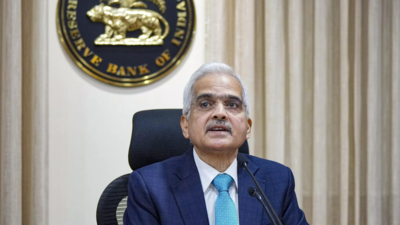
By Nantoo Banerjee It will be unfair to expect much from the new Reserve Bank governor, Sanjay Malhotra, a career bureaucrat and former revenue secretary, in terms of delivery of key functions of a central bank chief such as controlling inflation, stabilizing domestic currency, foreign exchange control and lifting economic growth. If three of his […]

Qatar has issued a stark warning to the European Union, stating that it will cease gas exports to the bloc if subjected to substantial fines under the EU’s new Corporate Sustainability Due Diligence Directive. This directive mandates that large companies monitor their supply chains for environmental and human rights violations, with penalties reaching up to 5% of global turnover for non-compliance. Energy Minister Saad Sherida al-Kaabi emphasized […]

BANGKOK, THAILAND – Media OutReach Newswire – 20 December 2024 – The Department of International Trade Promotion (DITP), under the Ministry of Commerce, has launched a strategic initiative to promote Thai SELECT products and services in international markets. Joining hands with world-class influencers and media, the campaign aims to boost awareness of Thai cuisine, enhance its global appeal, and elevate confidence in the Thai SELECT logo as […]

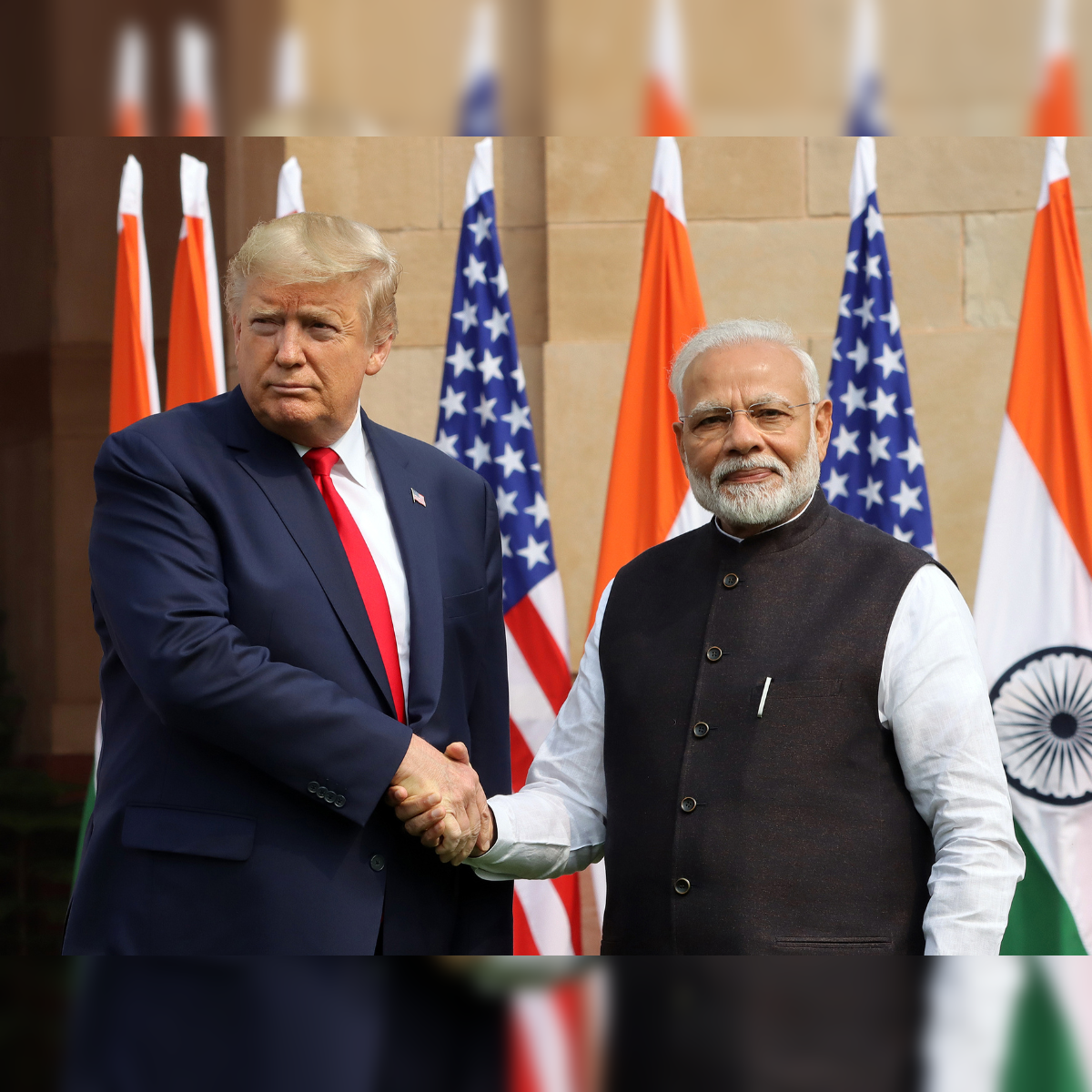
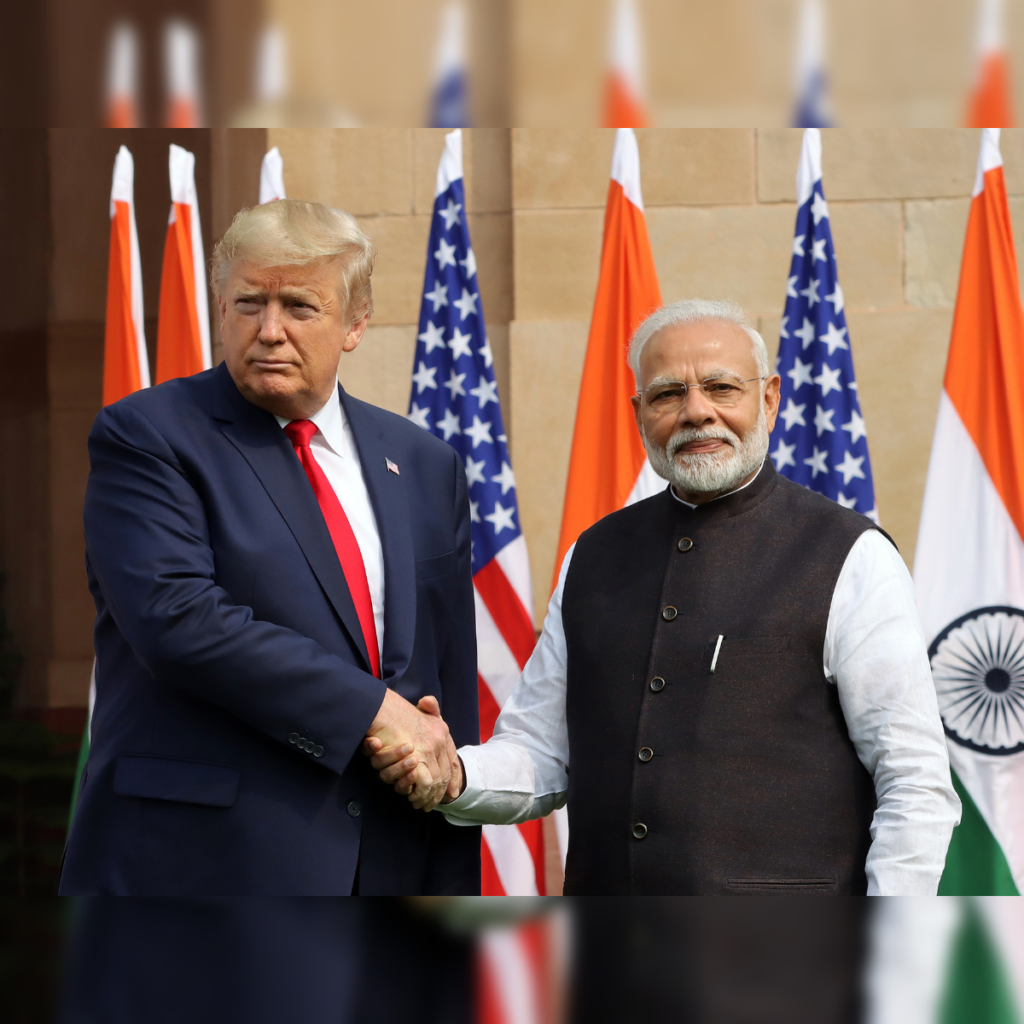
By K Raveendran While Prime Minister Narendra Modi’s ‘friend’, the US President-elect Donald J Trump, is set to move into White House, once again, it need not be particularly beneficial for India. If anything, Trump can be said to be “anti-India” even while remaining “pro-Modi”. The camaraderie contrasts starkly with the president-elect’s anti-India economic stance, […]
Advertisements

HONG KONG SAR – Media OutReach Newswire – 20 December 2024 – A research team led by Professor Zhiqin Chu, Associate Professor in the Department of Electrical & Electronic Engineering, and Professor Yuan Lin, Professor in the Department of Mechanical Engineering, Faculty of Engineering at the University of Hong Kong (HKU), has developed a groundbreaking method for massively producing ultrathin and ultra-flexible diamond membranes, in collaboration with […]

Tropical cyclones, long known for their devastating flooding, are now expected to bring even greater risks as climate change accelerates. Recent studies examining past hurricanes suggest that under a warmer climate, the extent and intensity of flooding will grow significantly, especially when compound flooding from multiple weather drivers such as storm surge and precipitation interact. A recent study led by researchers from several institutions, including L.E. Grimley […]

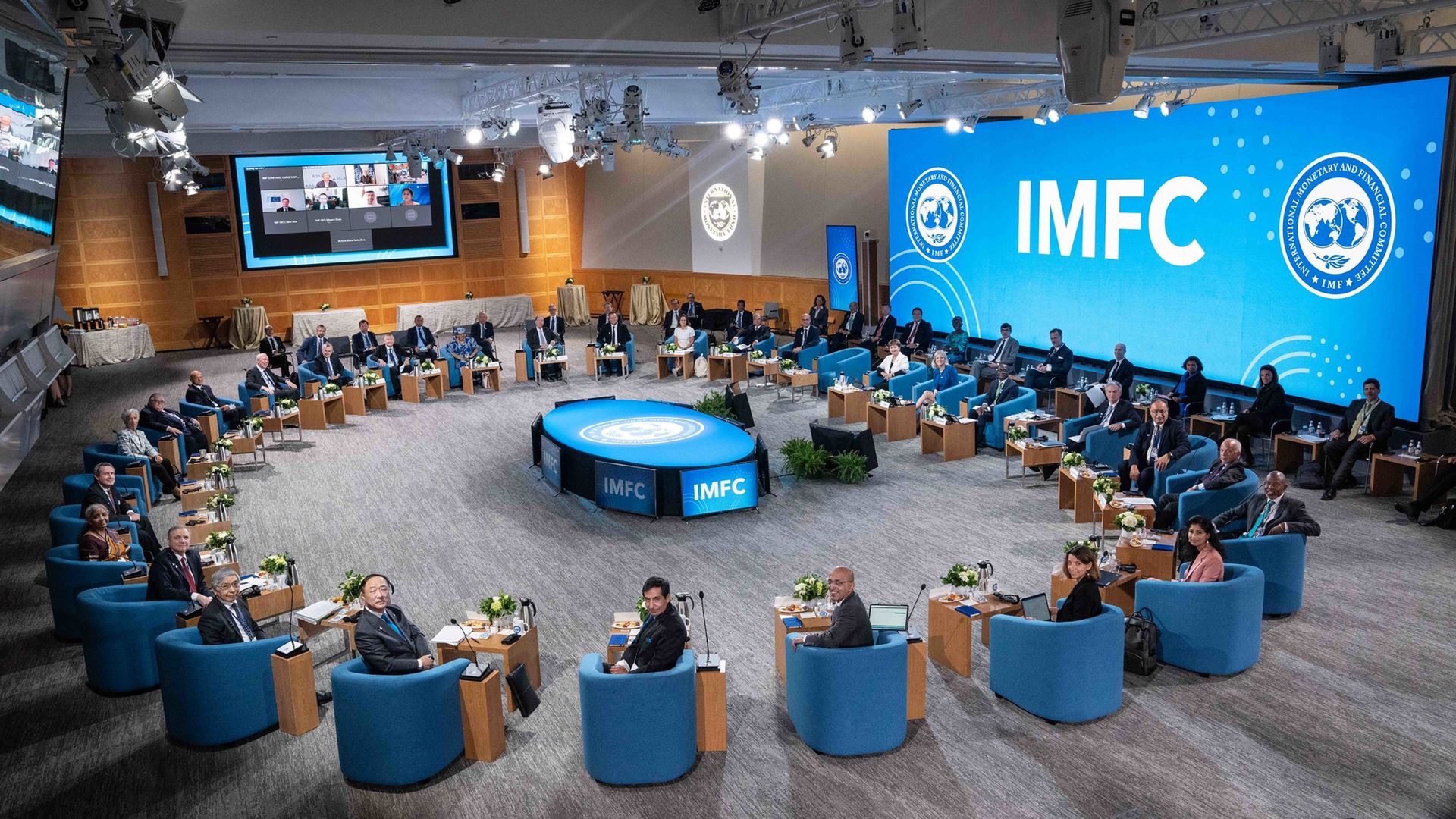
The Gulf economies are expected to continue their upward trajectory despite ongoing geopolitical tensions across the Middle East, according to the latest report from the International Monetary Fund (IMF). The region’s resilience, the IMF suggests, is driven by its diversified economic base, robust fiscal policies, and higher oil prices, which have counterbalanced the adverse effects of regional instability.

While the Middle East remains a hotspot for geopolitical risks, including tensions in Yemen, Syria, and Iran, the Gulf Cooperation Council (GCC) states—namely Saudi Arabia, the UAE, Qatar, Kuwait, Bahrain, and Oman—are poised for solid growth. The IMF’s economic outlook for the Gulf for the upcoming year signals a stable trajectory, with growth projections ranging from 3.2% to 3.5% for most of the member states. This comes on the back of strong economic fundamentals and the region’s strategic efforts to diversify away from oil dependency.

According to the IMF, the GCC’s fiscal prudence and economic diversification initiatives are vital drivers of the positive outlook. Non-oil sectors such as finance, real estate, tourism, and technology have become key contributors to economic growth. Saudi Arabia, for instance, has ramped up its Vision 2030 reform plan, focusing on broadening its economic base and reducing the country’s dependency on hydrocarbons. These efforts have led to an uptick in foreign direct investment and economic activity outside of oil.

The region’s handling of fiscal policies has played a crucial role in shielding it from the negative impacts of external shocks. Governments in the Gulf have generally maintained sound fiscal policies, with substantial fiscal surpluses bolstering state coffers, even as global oil prices fluctuate. For instance, Saudi Arabia and the UAE have used their oil revenues to fund ambitious infrastructure and diversification projects that promote long-term stability.

Saudi Arabia’s economic transformation efforts, notably under the leadership of Crown Prince Mohammed bin Salman, are already yielding results. The kingdom’s GDP has experienced robust growth, especially in non-oil sectors such as entertainment, sports, and tourism. Major projects like Neom, the futuristic city being developed in the northwest, and the Red Sea Project are expected to generate significant economic activity in the coming years. These initiatives reflect a long-term vision to create new economic hubs and reduce reliance on oil.

The UAE, another key player in the Gulf, has also shown a remarkable shift towards diversifying its economy. Dubai’s push to become a global center for technology and finance is starting to pay off, with the city positioning itself as a regional leader in both fintech and blockchain. Abu Dhabi’s focus on renewable energy and clean technologies is further strengthening the UAE’s long-term economic resilience. With such initiatives, the UAE is set to continue its strong performance, with growth forecasts suggesting the economy will expand by 4% over the next year.

Qatar has similarly proven its economic resilience. The country’s investment in liquefied natural gas (LNG) projects has enhanced its export capabilities, enabling it to weather external market fluctuations. Qatar has also shifted its focus to developing a more diverse economy, emphasizing finance, sports, and education, particularly through initiatives like the Qatar National Vision 2030.

The IMF also highlighted that Kuwait and Oman are expected to experience moderate growth, driven by their diversified economies and investments in non-oil sectors, including infrastructure and services. Although Oman has faced fiscal challenges in the past, its recent economic reforms and strategic investments are expected to yield positive results in the coming years. Similarly, Kuwait’s substantial sovereign wealth fund continues to provide a financial cushion, enabling the country to continue its development plans despite challenges.

Despite the ongoing tensions in neighboring countries, the Gulf states have managed to maintain political stability, a crucial element in sustaining investor confidence. The UAE’s role as a neutral hub for international trade, coupled with Qatar’s robust diplomatic efforts, has further insulated the region from potential instability. While conflicts in Yemen, Syria, and Iraq present challenges, the Gulf countries have largely shielded their economies from these disturbances through strong governance and military spending.

The Gulf’s active participation in global energy markets continues to provide it with a cushion against external shocks. Oil remains a crucial driver of revenue, but the higher global oil prices in the past year have supported economic resilience. Saudi Arabia and the UAE have also taken steps to ensure that their energy resources are used sustainably, with the UAE focusing on clean energy initiatives and Saudi Arabia looking to become a leader in green hydrogen production.

The region’s financial markets have also performed admirably in the face of geopolitical risk. Stock exchanges across the Gulf have been showing positive growth, with investors confident in the long-term prospects of the region. The UAE, in particular, has seen a surge in its financial markets, fueled by investor confidence in its economic diversification plans. Furthermore, the region’s strong banking sectors and their adaptation to digital banking and fintech have made them more attractive to foreign investors.

On the global stage, the Gulf has increasingly become a key partner in trade and investment. Its strategic location, at the crossroads of Europe, Asia, and Africa, continues to make it a central hub for international trade. In addition, initiatives such as the GCC’s Free Trade Agreement and the bloc’s involvement in the World Trade Organization (WTO) strengthen its position as a trade powerhouse.


By Dr. Soma Marla The Union Ministry of Agriculture recently circulated a new draft for a policy framework concerning agricultural marketing. Faiz Ahmed Kidwai, additional secretary in the ministry, proposed the draft to revamp the existing framework. According to the government, the proposed universal tax on agricultural produce will increase farmers’ incomes. The committee has […]

El Salvador has announced plans to persist with, and potentially accelerate, its Bitcoin acquisitions, even after securing a $1.4 billion loan agreement with the International Monetary Fund (IMF) that advises limiting exposure to the cryptocurrency. Stacy Herbert, director of the National Bitcoin Office, confirmed the government’s intention to continue buying Bitcoin for its Strategic Bitcoin Reserve, indicating that purchases might proceed at an increased pace.

This development follows the IMF’s recommendation for El Salvador to scale back its Bitcoin-related activities. The loan agreement stipulates that acceptance of Bitcoin by the private sector should be voluntary, and the public sector’s involvement in Bitcoin-related economic activities and transactions should be confined.

Despite these stipulations, the Salvadoran government remains steadfast in its commitment to Bitcoin. Herbert emphasized that Bitcoin would continue to be recognized as legal tender in the country, and the government would persist in its daily Bitcoin purchases. President Nayib Bukele had previously stated that the government would continue this practice until Bitcoin becomes unaffordable with fiat currencies.

As part of the IMF agreement, El Salvador has agreed to make acceptance of Bitcoin by businesses optional, rather than mandatory, and to limit public sector involvement in Bitcoin-related activities. Additionally, the government plans to phase out its official cryptocurrency wallet, Chivo, by either selling it or discontinuing its use.

The IMF had previously expressed concerns over El Salvador’s adoption of Bitcoin as legal tender, citing potential risks to financial stability and consumer protection. The recent agreement aims to mitigate these risks while providing financial support to the country’s economy.

El Salvador’s pioneering move to adopt Bitcoin as legal tender in September 2021 has been met with both praise and criticism. While the government argues that the cryptocurrency can boost financial inclusion and attract investment, critics point to its volatility and the potential for facilitating illicit activities.

Despite the IMF’s recommendations, the Salvadoran government’s decision to continue its Bitcoin purchases underscores its commitment to integrating cryptocurrency into the nation’s financial system. This stance highlights the ongoing tension between traditional financial institutions and the emerging world of digital currencies.

HANOI, VIETNAM – Media OutReach Newswire – 19 December 2024 – Vietnam continues its robust efforts to implement the European Commission’s (EC) recommendations for combating illegal, unreported and unregulated (IUU) fishing, with a commitment to securing the removal of the ‘IUU yellow card’ in the coming months. Following the EC’s fourth inspection in October 2023, the government of Vietnam has maintained close oversight in addressing IUU fishing […]

Dubai Aerospace Enterprise (DAE) has successfully secured $201 million in compensation from its insurers following significant losses caused by the imposition of sanctions on Russia. The payout marks a major step in DAE’s effort to recover from the financial toll these sanctions have taken on its business operations. The aviation firm, which owns and manages a fleet of aircraft leased to airlines worldwide, has been significantly impacted by the sanctions imposed in response to Russia’s invasion of Ukraine.

The sanctions have led to a dramatic disruption of DAE’s aircraft leasing operations in Russia. The company’s portfolio includes several jets leased to Russian airlines, which became subject to forced returns, asset seizures, and outright grounding. DAE was forced to cancel contracts and find ways to recover its assets after the Russian government passed laws preventing the return of foreign-owned aircraft. As part of the fallout from these geopolitical events, many of DAE’s high-value assets were left stranded in Russia, leaving the company with substantial financial exposure.

The payout from the insurers, which was finalized after a prolonged claims process, is seen as a crucial recovery for DAE. Industry analysts note that the company faced a complex and multifaceted challenge. Not only did it deal with physical asset seizures, but there were also legal hurdles and the financial uncertainty stemming from Russia’s refusal to honor contracts. The compensation is intended to cover losses related to the seizure of aircraft, the loss of aircraft value, and the non-repayment of lease agreements that were disrupted by the sanctions.

Although the compensation is a significant milestone, experts suggest that DAE’s recovery is far from complete. While the financial assistance will certainly ease the company’s liquidity constraints, the long-term effects of the sanctions remain a concern for the aviation industry at large. Leasing companies that operated in Russia are continuing to grapple with similar challenges, including the revaluation of aircraft that were once thought to be secured assets but are now devalued due to their involuntary relocation or grounding.

This payout is also a clear example of the broader economic impact of international sanctions on the aviation industry. Leasing companies, such as DAE, which provide aircraft to global airlines, have been facing increasingly complex legal and operational challenges in Russia. Industry experts underline that the aircraft leasing market is built on a delicate balance of international agreements and regulatory frameworks. When nations are cut off from the global financial system, as Russia has been, it creates a domino effect, severely impacting businesses that rely on cross-border contracts and financial protections.

The aviation sector, which was already reeling from the impact of the COVID-19 pandemic, is now forced to confront the unintended consequences of geopolitical tensions. Leasing companies, in particular, are under pressure as they try to recover from the crisis. Some firms have opted to write off assets, while others, like DAE, are seeking legal recourse and insurance compensation. The question of how insurers assess the financial impact of sanctions-related losses is likely to be an ongoing point of discussion in the industry.

In addition to the insurance settlement, DAE has been exploring alternative strategies to mitigate its losses. The company has ramped up efforts to lease out its remaining fleet to non-Russian airlines, and it is working on a comprehensive restructuring plan to reduce exposure to regions that may pose future risks due to political instability. These efforts are part of a broader trend in the aviation leasing industry where companies are looking for ways to diversify their portfolios and reduce dependence on volatile markets.

DAE’s experience highlights the need for better risk management frameworks in the aviation industry. Experts argue that the complexities of international regulations, combined with the unpredictability of global political events, mean that companies need to adopt more proactive approaches to risk mitigation. Insurers, too, may need to reassess the terms under which they offer coverage to aviation firms, particularly in high-risk regions like Russia.

For DAE, securing the insurance payout is a step in stabilizing the company’s finances, but it is clear that the road to full recovery is long and uncertain. The situation in Russia continues to evolve, and the leasing company will need to navigate a constantly shifting geopolitical landscape. As it works to recover its losses, DAE is also paying close attention to the broader implications of the sanctions on its business model, as well as the potential for further disruptions in its international leasing operations.

UAE-based agricultural giant Al Dahra is reportedly in negotiations to lease agricultural land in Kenya, a move that could further strengthen the company’s presence in the East African market. The discussions center around large-scale agricultural operations that could span thousands of hectares, contributing to both local food production and Al Dahra’s wider global portfolio.

The proposed farmland lease is part of a growing trend in which foreign companies, particularly from the Gulf region, are investing in Africa’s agricultural sector. Kenya, with its favorable climate and strategic location, has long been a target for agribusiness investments. For Al Dahra, which operates across a diverse range of agricultural sectors such as crop production, animal feed, and trading, the potential lease offers an opportunity to tap into a fertile land base for its agribusiness operations.

Kenya’s government, eager to modernize its agricultural sector and boost exports, has been welcoming foreign investment. The nation’s agricultural policy includes initiatives aimed at increasing productivity and establishing partnerships with international players. Al Dahra’s move is in line with Kenya’s ongoing efforts to enhance its agricultural infrastructure and food security, offering both a business opportunity for Al Dahra and a potential solution to local supply chain challenges.

A key aspect of the deal is the access to Kenya’s extensive irrigation networks, which are critical for maintaining consistent crop yields in the face of fluctuating weather patterns. The UAE-based company, with its expertise in water-efficient farming technologies, would be well-positioned to utilize these systems. The partnership could also support Kenya’s ambitions to increase agricultural exports, particularly in sectors such as horticulture, floriculture, and cereals, which have seen steady growth in recent years.

Al Dahra has established itself as a significant player in international agriculture, with operations in more than 15 countries. Its move into Kenya aligns with the UAE’s broader strategy to diversify its economic interests, particularly in the agriculture and food security sectors. With the increasing pressures of climate change and growing demand for food worldwide, investments like these are expected to play a crucial role in global food production systems.

The agreement could also have broader regional implications, as Kenya is viewed as a key agricultural hub within the East African Community (EAC). If successful, it would provide a model for other foreign agribusinesses looking to expand into the region, further integrating Kenya into global supply chains.

However, the negotiations come amid a backdrop of growing scrutiny regarding land leasing practices in Africa. Critics argue that large-scale land acquisitions by foreign firms can lead to land dispossession, adversely affecting local communities. There are also concerns about the environmental impact of large agribusinesses on local ecosystems. As such, the terms of the lease will likely face close examination by both Kenyan stakeholders and international watchdogs. It remains to be seen how Al Dahra addresses these issues, but it is expected that the company will work closely with local authorities and stakeholders to mitigate potential risks.

Al Dahra’s reputation for sustainable practices could play a pivotal role in easing concerns over the environmental and social impacts of its operations. The company has made significant strides in promoting sustainable farming techniques, including using innovative irrigation methods and reducing water usage in its farming operations. These efforts are crucial in an environment like Kenya, where water scarcity is a significant challenge.

The broader context of this move is also influenced by the growing importance of food security in the UAE. With limited arable land and water resources at home, the UAE has been investing in agricultural projects abroad for years. These investments not only ensure the country’s food supply but also provide economic and strategic advantages. As the UAE looks to secure long-term food security, projects like Al Dahra’s farming lease in Kenya are central to this vision.

Kenya, too, stands to benefit significantly from such investments. The East African nation has grappled with issues such as land degradation, inconsistent rainfall, and low agricultural productivity. Foreign investments like the one proposed by Al Dahra could provide the necessary capital, technology, and expertise to address these challenges. Additionally, the job creation and technological advancements that accompany such large-scale agricultural operations could help uplift rural communities.

The Roads and Transport Authority (RTA) of Dubai has awarded a landmark $5.6 billion contract for the expansion of the city’s metro network. The deal, which was secured by an international consortium, marks a major step toward enhancing Dubai’s public transport infrastructure, solidifying the city’s status as a leading global metropolis. The multi-billion-dollar contract will focus on the extension of the Red Line, which forms the backbone […]

JJJ, a new hedge fund established by former Moore Capital executives, has made a significant move into Dubai’s thriving financial market, joining a growing list of hedge funds that are increasingly eyeing the Middle East for expansion. The firm’s decision to set up shop in Dubai comes as part of a larger trend in the financial world, with several major hedge funds diversifying their portfolios and strategies by targeting the region’s rapidly developing financial infrastructure.

Dubai’s status as a global business hub continues to rise, with the emirate offering a favorable regulatory environment, access to wealth management opportunities, and strategic proximity to both emerging and developed markets. While the city has long been a financial nexus, the past few years have seen an influx of hedge funds, private equity firms, and asset managers. This has been driven by various factors, including political stability, economic diversification, and reforms that have made Dubai an increasingly attractive destination for investors.

The move by JJJ is part of a broader trend of hedge funds exploring opportunities outside of their traditional bases in Europe and the United States. Firms are seeking not only the benefits of a more competitive regulatory environment but also the ability to tap into the vast capital reserves held in the Middle East. The region is home to some of the wealthiest sovereign wealth funds and private investors in the world, offering hedge funds the opportunity to manage capital from highly liquid sources.

Dubai’s financial ecosystem has been evolving to meet the demands of global investors, with key initiatives such as the Dubai International Financial Centre (DIFC) and the Dubai Financial Market (DFM) enhancing the city’s status as a financial powerhouse. The DIFC, in particular, has introduced reforms to make it easier for foreign firms to operate, including offering tax incentives, regulatory flexibility, and a wide range of financial products designed to appeal to global investors.

Hedge funds such as Bridgewater Associates, Citadel, and Renaissance Technologies have already made substantial investments in the Middle East, setting up operations or partnerships in Dubai to take advantage of these changing dynamics. The attraction is clear: with the city’s tax advantages, world-class infrastructure, and access to high-net-worth individuals, Dubai offers a unique blend of opportunity for firms looking to expand globally.

JJJ’s entrance into the market signals its belief in the growing potential of Dubai as a financial center. The firm’s founders, who built their careers at Moore Capital before launching their own venture, have chosen the UAE as a base to further expand their global strategy. Dubai’s thriving real estate, tourism, and technology sectors provide additional opportunities for diversification, and the financial ecosystem is uniquely poised to help firms manage and grow assets in these sectors.

Market analysts are observing that Dubai’s development as a financial hub is accelerating. The UAE government has focused on attracting international investors through a series of economic reforms, including the introduction of a new visa system aimed at increasing foreign talent and capital inflows. Additionally, the UAE has strengthened its financial regulations to align more closely with international standards, helping to bolster the confidence of global investors.

The UAE’s efforts to enhance its financial landscape come at a time when many traditional financial centers, particularly in Europe, are facing economic challenges. With the UK navigating post-Brexit uncertainties and European financial markets encountering growing regulatory pressures, Dubai’s business-friendly environment and stable geopolitical landscape provide an appealing alternative. As a result, Dubai has emerged as a go-to location for hedge funds seeking to reduce their reliance on markets that are less certain or experiencing instability.

One of the key factors driving hedge funds to Dubai is the emirate’s strong connection to the global oil industry, which remains a significant driver of wealth in the region. The UAE’s energy sector continues to evolve, with a growing emphasis on renewable energy investments and green technologies. Hedge funds are positioning themselves to tap into these new opportunities, aligning with the region’s broader vision for sustainable development.

Dubai’s geographic location also makes it an attractive proposition for hedge funds looking to diversify their global investment strategies. Sitting at the crossroads of Asia, Europe, and Africa, the city serves as a bridge between markets in these regions, giving hedge funds access to a wide range of assets and opportunities. Dubai’s proximity to fast-growing emerging markets, particularly in Asia and Africa, allows hedge funds to tap into growing economies while also maintaining their existing connections to established markets in the West.

JJJ’s foray into the Dubai market comes at a time when the global hedge fund industry is seeing an increasing appetite for alternative investments. These funds, which traditionally relied on traditional equity and bond markets, are now diversifying their portfolios to include private equity, real estate, and other alternative asset classes. Dubai, with its dynamic growth and diverse industries, offers an ideal environment for this kind of diversification.

As the new year approaches and the book on an eventful year in the energy world closes, 2025 looks set to bring more volatility, geopolitical tension and policy evolutions. Elections in almost all major global economies in 2024 have set the stage for a shifting policy landscape next year, most notably in the US, as President-elect Donald Trump outlines his priorities and plans for the incoming administration. […]

By Saifur Rahman The International Monetary Fund (IMF) on Wednesday said, it will grant US$645 million to support Bangladeshi economy, about US$105 million less than the US$750 million sought by Bangladesh Government to overcome current economic challenges. Of this, around US$426 million will be provided under IMF’s Extended Credit Facility (ECF) and Extended Fund Facility (EFF), while US$219 million will be made available under the Resilience and […]

A new direction for digital asset regulation is taking shape as the Trump administration’s Digital Chamber’s Token Alliance discusses key priorities with pro-crypto SEC Commissioners Hester Peirce and Mark Uyeda. The priorities, set forth by the group, aim to dismantle or reconsider several regulations affecting the cryptocurrency and broader digital asset markets.

The alliance presented its day-one agenda, signaling an aggressive stance against existing regulatory frameworks that many in the crypto space consider overly broad or impractical. Central to their agenda is the overhaul of the 2019 framework for analyzing “investment contracts” in digital assets, which the alliance believes unnecessarily expanded the scope of what is considered an investment contract. Critics argue that this move left too much room for uncertainty, complicating the regulatory landscape for crypto assets.

One of the most significant shifts proposed is the reconsideration of amendments to Rule 3b-16, which had sought to expand the definition of “exchange” to include decentralized finance (DeFi) markets. The rule, if enforced, would have placed stricter regulatory requirements on decentralized exchanges, potentially curbing the growth of decentralized finance, a sector that has flourished despite regulatory challenges. The proposal to reconsider this rule reflects a growing consensus that current regulations might not adequately address the unique characteristics of decentralized platforms.

Further scrutiny will also be applied to ongoing legal actions and investigations concerning digital assets. The alliance has urged the SEC to immediately review all ongoing digital-asset-related investigations and Wells Notices. These notices, which are issued as part of enforcement actions, could lead to charges against companies or individuals violating securities laws. The call to halt and reassess these investigations is a direct challenge to the existing enforcement posture of the SEC, particularly under its previous leadership.

A critical aspect of the alliance’s agenda is the withdrawal of proposed Safeguarding Rules, which would have excluded state-chartered banks and trust companies from being considered qualified custodians for digital assets. These rules were seen by many in the industry as an unnecessary barrier, limiting the ability of traditional financial institutions to engage with digital assets. By advocating for the withdrawal of these rules, the alliance aims to ensure that more financial entities can participate in the digital asset ecosystem, helping to provide the infrastructure needed for growth.

The group seeks to rescind SAB 121, a standard that has caused significant friction within the digital asset community. The rule requires custodial entities to hold crypto assets on their balance sheets, creating potential accounting and financial reporting issues for companies holding client assets. The alliance argues that this requirement creates undue burdens on businesses, potentially discouraging them from offering custodial services for digital assets. The SEC’s rescinding of SAB 121 would be a major victory for crypto service providers, many of whom have cited it as a significant obstacle to growth.

The Trump administration’s proposed changes to these regulatory frameworks come at a time when digital assets are becoming an increasingly important part of the global financial landscape. As cryptocurrencies and blockchain technologies continue to gain mainstream acceptance, the need for clear and practical regulations has never been more pressing. However, the challenge remains for regulators to balance innovation with investor protection, ensuring that the digital asset market can thrive without opening the door to greater risks of fraud, manipulation, or financial instability.

Key figures in the industry are closely watching the evolving regulatory landscape. While the proposals to revisit the 2019 framework and rescind several key rules have been welcomed by many in the crypto space, the shift in regulatory policy is not without controversy. Some argue that loosening regulations too quickly could expose investors to greater risks. Others are concerned that too much regulation could stifle innovation and drive blockchain projects away from the U.S., especially as other countries such as the European Union are moving ahead with their own regulatory frameworks.

The debate surrounding the future of digital asset regulation highlights the growing importance of cryptocurrency in the global economy. Whether the Trump administration’s regulatory overhaul will have long-term positive effects on the industry remains to be seen, but it signals a willingness to reconsider outdated regulations that may not align with the evolving digital economy. What is clear is that the push for deregulation could reshape the way digital assets are viewed by both regulators and the broader public, offering new opportunities for growth and development in the sector.

As the regulatory environment continues to shift, stakeholders in the digital asset space are preparing for potential changes. Advocacy groups, blockchain companies, and financial institutions are aligning their strategies to take advantage of a regulatory landscape that may be more accommodating to innovation. However, this also brings a renewed focus on the need for clarity, as businesses seek to navigate the complex and often contradictory world of cryptocurrency regulation.

KUALA LUMPUR, MALAYSIA – Media OutReach Newswire – 19 December 2024 – With Bitcoin going through the roof in 2024 and the entire crypto market showing substantial growth, retail investors’ interest in this asset class also peaked. But how best to profit from the changes occurring in the crypto market and what avenues of investment to choose? The experts at Octa, a broker with globally recognised licences, […]

Homegrown tech companies sprawling influence and scouting international opportunities while offering a glimpse into the next steps of Global Booster HONG KONG SAR – Media OutReach Newswire – 18 December 2024 – Hong Kong Science and Technology Parks Corporation (HKSTP), in serial to the Innovation Mixer initiative and in parallel to the preparation of the second cohort of the Global Booster Programme: United States 2025, is set […]

Databricks, a leading global player in data and artificial intelligence (AI), has raised $10 billion in its Series J funding round, positioning itself for accelerated growth and further innovation in the AI space. This new investment brings the company’s valuation to $62 billion, reinforcing its stature as a key player in the AI and big data sectors.

The Series J round has been spearheaded by Thrive Capital, a prominent venture capital firm known for its investments in tech-driven businesses. With this substantial financial backing, Databricks plans to expand its capabilities in AI-driven data analytics, particularly focusing on enhancing its cloud-based offerings and building on its foundational AI tools.

Since its inception, Databricks has made significant strides in providing integrated solutions for data engineers, data scientists, and business analysts. The company’s unified platform leverages the power of AI to assist organizations in unlocking insights from vast amounts of data. Its tools are designed to help companies make data-driven decisions faster and more efficiently.

The raised funds will not only accelerate Databricks’ research and development efforts but also extend its reach into new markets and industries. As the demand for AI and machine learning solutions continues to grow, Databricks is positioning itself to meet these needs with advanced tools designed to optimize business operations. This strategic move is in line with the increasing reliance on AI in various sectors, from healthcare to finance, and from technology to government services.

With its cloud-based platform, Databricks provides a comprehensive suite of solutions that enables businesses to manage their data at scale while employing machine learning and AI to generate actionable insights. One of its flagship offerings, the Lakehouse platform, integrates data lakes and data warehouses into a unified architecture, allowing for seamless access to data and analytics. This innovation has been crucial in establishing Databricks as a leader in the AI-driven data analytics space.

Over the years, Databricks has forged partnerships with several high-profile companies, expanding its influence and reinforcing its role as a leading force in the global AI landscape. This includes collaborations with major cloud providers, such as Microsoft Azure and Amazon Web Services, which have helped Databricks increase its customer base across industries. These strategic partnerships have also enabled Databricks to enhance the scalability and security of its platform, ensuring that it meets the evolving needs of enterprise clients.

As part of its future growth strategy, Databricks has also been heavily investing in talent acquisition, ensuring that it remains at the forefront of AI development. The company has been actively recruiting top AI researchers, data scientists, and software engineers, fostering a culture of innovation that drives its product development. By attracting talent from prestigious institutions and technology companies, Databricks aims to continue leading the charge in AI advancements and bring even more innovative solutions to market.

The Series J funding round follows a series of successful fundraising efforts by the company, which has already raised $8.6 billion through previous investment rounds. The additional $10 billion is expected to be primarily non-dilutive, meaning it will not significantly impact the ownership structure of the company, preserving the value for existing shareholders while enabling Databricks to scale without compromising control.

Databricks’ impressive valuation is a testament to the growing demand for AI and machine learning solutions. The company’s platform continues to attract interest from large enterprises seeking to leverage AI to gain a competitive edge in their respective industries. Furthermore, as more businesses transition to cloud computing, Databricks is poised to capitalize on the increasing adoption of AI-powered cloud solutions.

The company’s expansion plans are also aligned with the growing importance of AI in shaping the future of technology. Industries such as healthcare are increasingly turning to AI to enhance diagnostics, improve patient outcomes, and streamline operations. Likewise, financial services firms are leveraging AI to gain insights into market trends, detect fraud, and improve customer service. As these industries continue to adopt AI-driven solutions, Databricks is well-positioned to support them with its cutting-edge platform.

This funding milestone also comes at a time when venture capital investment in the AI sector is seeing exponential growth. As the potential of artificial intelligence becomes more apparent, investors are increasingly focused on backing companies that are at the forefront of AI research and development. Databricks’ ability to attract such significant investment highlights its role as a key player in this rapidly growing market.

While the company is focusing on expanding its AI capabilities, it is also placing emphasis on ensuring that its technology is accessible to businesses of all sizes. By offering a robust, scalable platform, Databricks allows organizations, from startups to global enterprises, to tap into the potential of AI without needing to develop their own complex infrastructure. This democratization of AI technology is a key component of Databricks’ long-term vision for the industry.

China has implemented an export ban on essential high-tech goods, marking a significant shift in the global semiconductor industry. The move, which targets critical technologies such as advanced chips, comes as a direct response to the United States’ increasing restrictions on Chinese access to semiconductor technology. This escalating tension between the two countries is threatening to disrupt an already fragile global supply chain, where China plays a […]

VISHNU RAJA
RYO YAMADA
HITORI GOTOH
IKUYO KITA
Just in:
Russia permits retail cryptocurrency purchases under regulated framework // Thailand’s Most Iconic New Year’s Celebration Returns: ICONSIAM Unveils “Amazing Thailand Countdown 2027” // Hackers exploit public notes to distribute NodeLinkRAT malware // Antony’s wife called to police station with husband over complaint // Dubai Introduces SHARH, an AI-Powered Platform Helping Entrepreneurs Buy, Sell and Manage Businesses in the UAE // Phancy Announces Business Performance for the Nine Months Ended September 30, 2026 // Malappuram hartal over Western Ghats // Alibaba shares slip despite 53% cloud revenue growth // LittleLives, Little Lab and SEGi College Sign MOU to Explore Early Childhood Education Collaboration Across ASEAN // PicCollage extends photo editing platform to web browsers // Sui activates Hashi Bitcoin lending across partner network // Dar Global unveils $700m Trump development in Qatar // International Business Leaders Say Xi’s Speech Boosts Confidence in Asia-Pacific Cooperation // 2026 Tropical Rainforest Ecosystem Partners Conference Kicks off in Hainan // Jaiedco and Golden Bridge Announce Strategic Collaboration for a New Dubai Islands Development // Crypto market loses $150 billion amid broad sell-off // Workday targets Honeydew purchase to unify AI metrics // Sharjah clears Kalba free zone plan for 400MW complex // Yeebo Announces Interim Results for FY26/27 Revenue Increases by 45.5% to HK$806.7 Million Profit Attributable to Owners Surges 87.6% to HK$2,284.7 Million // Balagopal challenges CM over tax revenue //