News related to
Expo

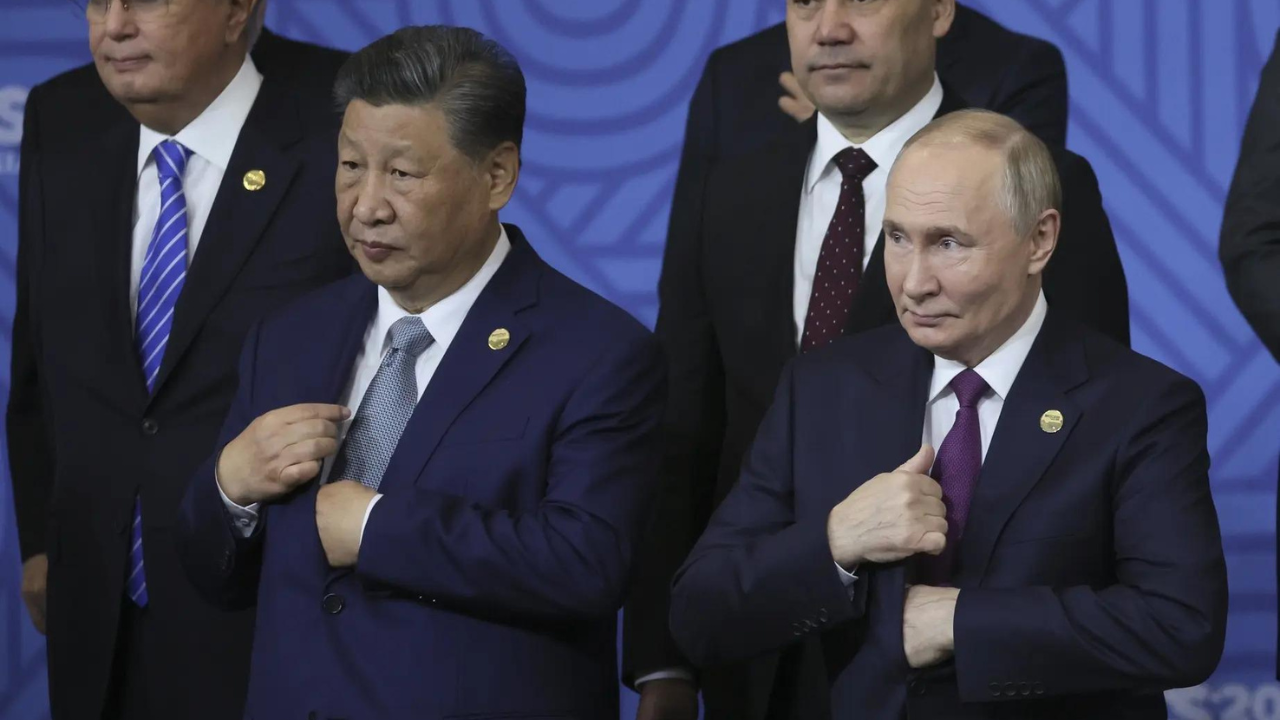
By Nitya Chakraborty The joint declaration issued by the Russian President Vladimir Putin and the Chinese President Xi Jinping on the eve of the Victory Day on May 9 upholding longstanding friendship to pursue mutual benefit and win-win outcomes in the new era carries major significance in the present period of global tariff war as […]

Tornadoes striking after dark are proving deadlier than their daytime counterparts, with fatalities more than doubling during nocturnal events. This alarming trend is intensifying as climate change alters storm patterns, pushing tornado activity into new regions and timeframes. Historically, the central United States, particularly the Great Plains, bore the brunt of tornado activity. However, recent studies indicate a significant eastward shift, with the Southeast, including states like […]

The Indian Rupee has plummeted to its lowest value against the UAE Dirham in over a month, marking a significant drop to 23.36 per dirham. This decline, the steepest since mid-April, follows escalating border tensions between India and Pakistan, which have triggered volatile market reactions. Traders are closely monitoring the situation, with fears of further instability driving the currency’s slide.

As the conflict intensifies, the Rupee’s depreciation is attributed to growing uncertainties surrounding the geopolitical standoff. India and Pakistan, both nuclear-armed neighbours, have long been at odds over the Kashmir region. The latest developments have exacerbated market fears of prolonged instability, pushing investors to seek safer assets, which has further weighed on the Rupee.

Currency markets, traditionally sensitive to geopolitical risks, have seen a surge in demand for the US Dollar, which remains a global safe-haven. Analysts point to the Dollar’s strengthening as a direct response to mounting tensions in South Asia, compounded by global inflationary pressures. With foreign investors retreating from riskier assets, the Rupee has been further pressured, intensifying the currency’s downtrend.

The Indian government’s response to the situation, alongside Pakistan’s military actions, has added to investor uncertainty. The military exchanges along the Line of Control between the two countries have led to heightened concerns not only about regional security but also about the broader economic repercussions of prolonged instability. Economists suggest that the markets will continue to reflect these risks until diplomatic measures are taken to de-escalate tensions.

The ongoing conflict is expected to affect trade relations, particularly in sectors reliant on cross-border commerce. Import and export activities between India and Pakistan, already hindered by past disputes, are likely to experience further disruptions. This could lead to an uptick in inflation, especially in critical sectors like oil, where price fluctuations are particularly sensitive to regional tensions.

Central banks in both nations, as well as the International Monetary Fund , have called for restraint, urging both sides to avoid further military escalation and seek peaceful resolutions. However, the risk of military confrontations spilling over into broader regional instability remains a concern that is factoring heavily into currency movements.

The financial impact on India is also underscored by the continued inflationary pressures faced by the country. While India has a relatively strong domestic economy, analysts warn that the ongoing uncertainty over the border conflict could undermine investor confidence, further destabilising the currency. This would place more pressure on the Reserve Bank of India , which may be forced to intervene in the markets to prevent excessive depreciation.

For businesses and consumers, the weakening Rupee has meant higher costs for imported goods, particularly fuel and electronic products, which are crucial to India’s economy. The cost of living for many Indian citizens is expected to rise, further intensifying socio-economic concerns. The rise in fuel prices has already led to protests in certain parts of India, with many calling on the government to address the economic fallout from the ongoing tensions.

The Indian government, however, remains optimistic about the long-term outlook for the Rupee. According to finance ministry officials, the country’s economic fundamentals remain robust despite the external geopolitical risks. They argue that the current currency depreciation is part of a broader, global trend, and that India is well-positioned to weather the storm with its growing foreign reserves and strong trade relationships beyond the subcontinent.

Despite these assurances, many analysts argue that India’s growing fiscal deficits and inflationary pressures could further complicate the Rupee’s recovery. A sharp depreciation could potentially lead to an erosion of investor confidence, compounding the country’s financial challenges.

Dubai is set to host the 19th edition of the International Apparel & Textile Fair from 20 to 22 May 2025 at the Festival Arena, positioning itself as a pivotal platform for global fashion and textile stakeholders. Organised by Nihalani Events Management, the event anticipates participation from over 600 exhibitors representing more than 27 countries, and expects to attract approximately 15,000 visitors, including buyers, designers, and industry […]

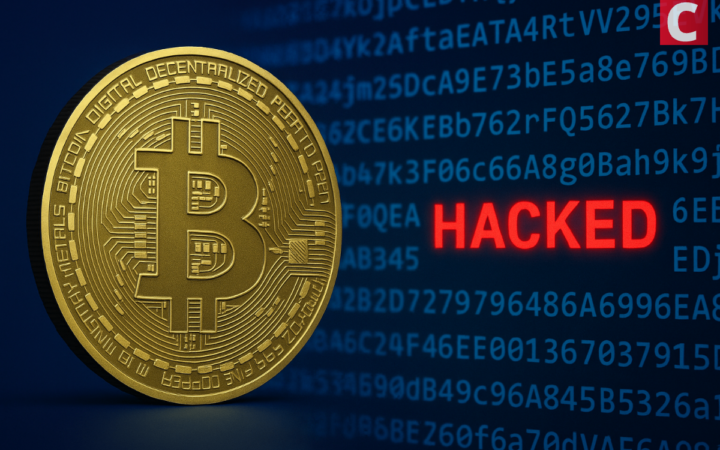
A significant cybersecurity breach has compromised the LockBit ransomware syndicate, exposing nearly 60,000 Bitcoin addresses and a trove of internal data, including affiliate credentials. This development marks a pivotal moment in the ongoing efforts to dismantle one of the most prolific cybercriminal networks operating globally.

The breach, orchestrated by an international coalition of law enforcement agencies, has provided unprecedented insight into LockBit’s operations. Authorities now have access to a vast array of information detailing the group’s financial transactions, operational structures, and the identities of its affiliates. This intelligence is expected to significantly aid in the prosecution of individuals involved in the ransomware activities.

LockBit, known for its “ransomware-as-a-service” model, has been responsible for over 2,000 attacks worldwide, extorting more than $120 million from victims across various sectors, including healthcare, finance, and critical infrastructure. The group’s business model involved leasing its ransomware tools to affiliates, who would then carry out attacks and share a portion of the proceeds with the core group.

The exposed Bitcoin addresses reveal the extensive financial network underpinning LockBit’s operations. Analysis of these wallets indicates that the group had amassed over $110 million in unspent cryptocurrency, highlighting the scale of their illicit earnings. The transparency afforded by blockchain technology has enabled investigators to trace these funds, potentially leading to further asset seizures and the identification of additional perpetrators.

The breach also uncovered detailed records of LockBit’s internal communications and operational protocols. This information sheds light on the group’s recruitment strategies, target selection processes, and the methods employed to launder ransom payments. Notably, the data suggests that LockBit maintained a hierarchical structure, with a core leadership team overseeing a decentralized network of affiliates.

In response to the breach, several countries have imposed sanctions on key figures associated with LockBit. These measures include asset freezes and travel bans, aimed at disrupting the group’s activities and deterring future cybercriminal endeavors. The sanctions underscore the international community’s commitment to combating ransomware threats and holding perpetrators accountable.

HONG KONG SAR – Media OutReach Newswire – 8 May 2025 – On May 3, at the “China Lawyers Going Global – Hong Kong Session” held at the University of Hong Kong, GE Jun, Chairman and CEO of TOJOY Smart Enterprises Services, delivered an insightful lecture titled “Compliance Management and Globalized Operations for Enterprises Going Overseas.” The lecture offered a valuable learning opportunity for Chinese lawyers and […]

By Saifur Rahman The Emirates Group reported an 18 percent growth in profit before tax exceeding US$6.2 billion (Dh22.7 billion) – a new record – in the financial year 2024-25. This is the first financial year that the UAE corporate tax, enacted in 2023, is applied to the Emirates Group. After accounting for the 9 percent tax charge, the Group’s profit after tax reached US$5.6 billion (Dh20.5 […]

Advertisements

The UAE’s blockchain market is expected to experience robust growth, with a compound annual growth rate of approximately 42% from 2025 to 2030. This surge is being driven by strategic government initiatives aimed at harnessing the potential of blockchain technology, positioning the UAE as a global leader in the sector.

The Emirates Blockchain Strategy 2021, alongside the Dubai Blockchain Strategy, has been a key factor in propelling the country’s blockchain ambitions. The UAE government aims to transform Dubai into the first city fully powered by blockchain technology, establishing the city as a central hub for digital innovation. The National Blockchain Strategy, launched to cover the period from 2021 to 2031, outlines a bold vision for the country, with a target to convert 50% of government transactions into blockchain-based systems. This initiative is set to fundamentally reshape the public sector, enhancing transparency, efficiency, and security in governmental operations.

At the heart of this growth is a clear government-driven commitment to blockchain, which has fostered a conducive environment for both local and foreign investors. By encouraging blockchain adoption across various sectors, the UAE has attracted substantial interest from international businesses seeking to tap into this emerging market.

Blockchain’s applications in sectors beyond government administration, such as finance, healthcare, and logistics, are seeing increased adoption across the UAE. The integration of blockchain into these industries promises to revolutionise processes, particularly in terms of data security and automation.

The rise in interest surrounding digital assets, especially cryptocurrencies such as Bitcoin and Ethereum, has further bolstered blockchain’s relevance in the UAE. As a growing hub for cryptocurrency, the UAE’s regulatory bodies have facilitated the establishment of secure environments where blockchain-powered digital assets can thrive. The Abu Dhabi Global Market and Dubai Multi Commodities Centre have set high standards for crypto businesses, ensuring that these ventures operate within a structured, regulated framework. This regulatory clarity has positioned the UAE as a safe and attractive destination for cryptocurrency investors and entrepreneurs.

The surge in blockchain-related developments has also had a ripple effect on startup ecosystems in the UAE. Many tech startups are focusing on blockchain innovations, tapping into the opportunities offered by a market eager for cutting-edge technology solutions. The government has offered various incentives to these startups, making it easier for entrepreneurs to develop and launch blockchain solutions across different industries. This includes support for research and development, tax incentives, and access to venture capital funding.

International investors have also shown significant interest in the UAE’s blockchain market. The country’s stable regulatory environment, coupled with its proactive stance on blockchain integration, makes it an attractive destination for global investors seeking exposure to the digital economy. The UAE’s financial and regulatory bodies, such as the UAE Central Bank, have been instrumental in ensuring that blockchain technologies are seamlessly integrated into existing financial infrastructure, laying the groundwork for future innovations in digital banking and transactions.

The UAE’s focus on blockchain adoption has resulted in collaborations with global technology giants. International companies, especially those from the fintech and tech sectors, are increasingly establishing a presence in the UAE, taking advantage of the region’s favourable business environment. These collaborations are not only elevating the UAE’s technological landscape but also contributing to the global development of blockchain technology.

One of the UAE’s strategic advantages is its ability to position itself as a gateway for the Middle East, Africa, and Asia in terms of blockchain technology. The country’s well-established infrastructure, highly developed financial services industry, and strong governmental support provide an ideal backdrop for the scaling of blockchain-related businesses and projects.

In addition, the UAE is committed to building a strong talent pool in blockchain technology. With the rapid rise of blockchain across industries, there has been a growing demand for professionals with expertise in blockchain development, smart contracts, and digital asset management. The UAE has introduced various educational initiatives to address this demand, including partnerships with international universities and the establishment of blockchain-focused training programmes.

Despite the promising outlook, the UAE’s blockchain market faces challenges, including the need for continuous technological innovation and regulatory adaptation to keep pace with the rapidly evolving sector. The country will need to ensure that its legal and financial infrastructure remains flexible and dynamic, catering to the needs of blockchain developers, crypto investors, and businesses seeking to integrate blockchain into their operations.

The adoption of blockchain technology across various sectors will require overcoming cultural and institutional resistance. Although the government has made significant strides in promoting blockchain, further education and awareness campaigns may be needed to ensure that blockchain’s potential is fully realised across all industries.


Ivory Coast has revised its 2025 cashew production forecast upward to 1.3 million metric tons, an increase from the earlier estimate of 1.15 million tons. This adjustment is attributed to intensified efforts to curb smuggling to neighboring countries and favorable climatic conditions. However, the sector confronts significant challenges due to prospective U.S. tariffs and a depreciating dollar, which have led to a sharp decline in exports and […]

South Korea’s presidential frontrunner, Lee Jae-myung, has vowed to support the approval of spot cryptocurrency exchange-traded funds and introduce measures to ensure a safer investment environment for digital assets. His proposal has stirred significant interest in the rapidly evolving sector, especially as South Korea positions itself as a key player in the global cryptocurrency market.

Lee’s pledge is seen as a critical move to modernise South Korea’s financial system, fostering an environment that encourages crypto investments while also ensuring investor protection. The commitment comes as cryptocurrencies continue to gain mainstream attention, with both retail and institutional investors looking for more secure avenues to enter the market.

Lee, who is leading the polls ahead of the June 3 election, has garnered widespread support from the financial community, with many industry experts viewing his stance as a positive step towards broader acceptance of digital assets. His proposal, which includes measures for transparency and better regulatory oversight, aims to balance innovation with safety in a market that has often been fraught with volatility and high-profile scandals.

As part of his plan, Lee has also indicated that his administration would work closely with South Korea’s financial regulators, including the Financial Services Commission , to facilitate the approval process for spot crypto ETFs. This would allow South Korean investors to trade cryptocurrencies in a more structured, regulated manner, mitigating some of the risks associated with direct crypto trading.

The announcement comes at a time when cryptocurrencies are experiencing increased scrutiny globally, with governments and regulators seeking to address concerns over money laundering, fraud, and market manipulation. South Korea’s move to approve crypto ETFs could set a new precedent in Asia, where countries like China have imposed stringent restrictions on crypto trading. In contrast, South Korea has been more open to digital assets, and Lee’s policy is expected to bolster the country’s reputation as a regional crypto hub.

The policy proposal is part of a broader financial strategy by Lee Jae-myung to modernise South Korea’s economy. His platform focuses on technological innovation and regulatory reform, ensuring that the country remains competitive in the global digital economy. By endorsing crypto ETFs, Lee seeks to tap into the growing demand for cryptocurrency investments while providing a more secure framework for both retail and institutional investors.

In response to Lee’s proposal, South Korea’s Financial Services Commission has expressed its support for the initiative. A representative from the FSC highlighted that the commission is already preparing to work with the next administration to establish a clear regulatory framework for spot crypto ETFs. This collaboration would aim to address potential risks associated with crypto investments and provide a safer market environment for investors.

The FSC has previously introduced regulatory measures to curb illegal activities in the crypto space, such as requirements for cryptocurrency exchanges to comply with anti-money laundering and know-your-customer regulations. However, the approval of spot crypto ETFs would represent a significant shift in policy, making South Korea one of the few countries in Asia to offer such products to the public.

As part of his strategy, Lee Jae-myung has also emphasised the need for robust monitoring systems to prevent fraudulent activities and ensure that investors are not exposed to excessive risks. His proposal includes the establishment of dedicated bodies to oversee crypto transactions and exchanges, as well as systems to track suspicious activities in real time. These measures would provide investors with greater confidence in the market, which has often been plagued by scams and sudden price swings.

The approval of spot crypto ETFs would mark a significant milestone for the South Korean market, which has seen a surge in interest from both domestic and international investors in recent years. The country’s position as a technological leader in the digital space has made it an attractive market for crypto projects, and Lee’s policy could serve to further solidify its standing as a global hub for cryptocurrency innovation.

Lee’s platform has resonated with a broad cross-section of South Korea’s electorate, particularly younger voters who are more likely to view cryptocurrencies as a promising investment. The promise of clearer regulations and safer investment options has generated excitement within the industry, with many stakeholders hoping that the new administration will provide the leadership needed to navigate the challenges posed by the crypto market.

However, the proposal is not without its critics. Some experts have raised concerns that South Korea may be moving too quickly to embrace cryptocurrencies, given the inherent risks involved in trading such volatile assets. These critics argue that while regulatory frameworks are necessary, they should be introduced with caution to avoid exposing investors to significant financial harm. Despite these reservations, the broader consensus within the financial community seems to favour Lee’s approach, viewing it as a necessary step toward aligning South Korea’s regulatory environment with the evolving global crypto landscape.

TeleMessage, a messaging application employed by former U.S. National Security Adviser Mike Waltz, has suspended its services following a cyberattack that compromised sensitive government and corporate data. The breach has intensified scrutiny over the use of unofficial communication tools within high-level government operations. The application, known as TM Signal, is a modified version of the open-source Signal platform, developed by Israeli company TeleMessage and later acquired by […]

By Nitya Chakraborty It is now official. After waiting for a few days since Donald Trump diluted the U.S. tariff rates for China and announced his intention for talks, China confirmed on Wednesday morning that a high level Chinese negotiating team will be visiting Switzerland for four days beginning May 9 to hold talks with […]

By Subrata Majumder India has emerged as the second most attractive destination for Japanese investors in Asia, after Singapore. It surpassed China, the most attractive place for Japanese investment in Asia for over four decades. Hitherto, India was eighth in 2020 in terms of getting investment from Japan. Latest Japanese interest in India manifests a […]

Kenya’s private sector recorded its most substantial growth in over two years in April, bolstered by increased sales volumes and heightened business activity. The Stanbic Bank Kenya Purchasing Managers’ Index revealed that the country’s private sector growth surged to a 27-month peak, pointing to a more resilient economic outlook as businesses expanded and demand continued to rise. The PMI for April showed a notable uptick, reaching its […]

Norway’s housing market has witnessed its first contraction in home prices in nine months, as economic pressures weigh heavily on consumer confidence. Data released by the Norwegian Real Estate Association revealed a dip in house prices, following a period of growth driven by low interest rates and a robust economy. The slowdown in the housing market has been attributed to a delay in anticipated monetary easing, as […]

KUALA LUMPUR, MALAYSIA – Media OutReach Newswire – 6 May 2025 – This Thursday, Bank Negara Malaysia (BNM) will announce its policy rate decision. While most analysts expect no change, Octa Broker suggests that a rate cut is on the table and is highly likely to take place later this year due to subdued inflation, stronger ringgit, and a higher likelihood for Fed rate cuts. On Thursday, […]

Panasonic Marketing Middle East and Africa has entered into a strategic partnership with Saudi Company for Hardware , a leading retailer in Saudi Arabia, to revolutionise the retail experience for customers in the Kingdom. This move marks a significant shift in the retail and electronics sectors, directly aligning one of Japan’s biggest manufacturers with a key local distributor, reshaping supply chains and enhancing customer engagement.

The collaboration between Panasonic and SACO will introduce a direct supply model, which aims to streamline product availability and improve service efficiency. By working closely together, the two companies will ensure a smoother, faster product distribution system, ultimately benefiting consumers with quicker access to Panasonic’s wide range of electronics and home appliances. SACO’s established retail network and expertise in the local market provide Panasonic with the necessary infrastructure to reach a broader audience while maintaining the highest service standards.

As part of the partnership, SACO will become Panasonic’s exclusive retail distributor for several product categories, including air conditioners, home appliances, and consumer electronics. The deal is expected to strengthen Panasonic’s presence in Saudi Arabia, which is one of the Middle East’s largest and most lucrative consumer markets. Both companies are focusing on providing customers with an enhanced shopping experience by offering a range of cutting-edge technologies and products, with a focus on energy-efficient and environmentally friendly solutions.

The collaboration is also set to create a seamless integration of Panasonic’s products into SACO’s expansive network of stores across the Kingdom. With a deep understanding of the Saudi consumer landscape, SACO is well-positioned to promote Panasonic’s products effectively while ensuring that they meet the local market’s unique needs and preferences. SACO’s strategic locations across major cities in Saudi Arabia will provide Panasonic with an enhanced retail footprint, allowing it to tap into new demographics and increase brand recognition.

The partnership comes at a time when Saudi Arabia’s retail and electronics sectors are experiencing substantial growth, driven by a youthful population, rising disposable incomes, and increased consumer demand for high-quality home electronics. This trend is further supported by the Saudi Vision 2030 initiative, which aims to diversify the economy and reduce its reliance on oil exports. As part of this vision, the Kingdom is increasingly focusing on expanding its non-oil sectors, with retail and consumer electronics being key growth areas.

Panasonic’s commitment to sustainability aligns with the growing demand for energy-efficient products in the Kingdom. In response to this demand, the company plans to introduce a range of environmentally conscious solutions, such as energy-saving home appliances and air conditioning systems, designed to meet Saudi Arabia’s strict energy regulations. These products are expected to resonate well with consumers who are becoming more environmentally aware and seek to reduce their carbon footprints while maintaining high standards of comfort and quality.

Through this collaboration, Panasonic also aims to strengthen its after-sales service network in Saudi Arabia. The partnership will facilitate the creation of dedicated service centres, staffed by highly trained technicians who can provide maintenance and repair services for Panasonic products. This move is designed to enhance customer satisfaction, ensuring that consumers receive comprehensive support throughout the life cycle of their purchased products. Panasonic’s reputation for high-quality manufacturing and reliability will be further bolstered by SACO’s robust service infrastructure.

The partnership is expected to play a pivotal role in transforming the electronics retail sector in Saudi Arabia. By leveraging SACO’s local expertise and Panasonic’s global brand strength, the companies aim to offer a unique value proposition to consumers. Shoppers will benefit from a more integrated shopping experience, including access to the latest Panasonic products, expert advice, and convenient after-sales support. Furthermore, the collaboration is likely to spark more innovation in the retail sector, as other manufacturers may look to follow suit and form similar partnerships with local distributors to enhance their market presence.

As the Kingdom continues to prioritise economic diversification and digital transformation under Saudi Vision 2030, the collaboration between Panasonic and SACO represents a significant step in aligning global brands with local expertise. By directly addressing consumer needs and preferences, the partnership is well-positioned to drive further growth in the Kingdom’s electronics and retail sectors, supporting the wider goal of modernising the economy and improving the quality of life for Saudi citizens.

Delivering peace of mind with layered security, co-managed services and a unified management platform, SonicWall is helping partners grow services profitably through its continued innovation leveraging next generation firewalls SINGAPORE – Media OutReach Newswire – 6 May 2025 – SonicWall today unveiled a full suite of products and services purpose-built to empower and meet the evolving needs of Managed Service Providers (MSPs) and their customers with end-to-end […]

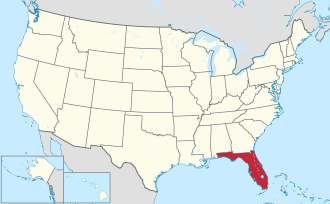
Florida’s legislative session concluded on May 2 without advancing two significant cryptocurrency investment bills, HB 487 and SB 550, effectively halting the state’s consideration of allocating public funds into Bitcoin. Both measures were indefinitely postponed and withdrawn from further deliberation, marking a notable pause in Florida’s exploration of digital asset integration into state financial strategies.

The proposed legislation aimed to authorize the state’s Chief Financial Officer to invest up to 10% of select public funds, including the General Revenue Fund and the Florida Retirement System, into Bitcoin and other digital assets. Proponents, such as Senator Joe Gruters and Representative Webster Barnaby, argued that such investments could serve as a hedge against inflation and diversify the state’s portfolio. They cited the growing institutional acceptance of Bitcoin by firms like BlackRock and Fidelity as indicative of its potential stability and value.

However, the bills faced substantial opposition from financial experts and lawmakers concerned about the volatility and regulatory uncertainties surrounding cryptocurrencies. Critics highlighted the risks of exposing public funds to an asset class known for significant price fluctuations and potential security vulnerabilities. They emphasized the responsibility of safeguarding taxpayer money through more traditional and proven investment avenues.

The failure of HB 487 and SB 550 reflects a broader hesitancy among U.S. states to embrace cryptocurrency investments for public funds. While some states have explored similar proposals, many have encountered resistance due to the inherent risks and lack of comprehensive regulatory frameworks governing digital assets. Florida’s decision underscores the challenges policymakers face in balancing innovation with fiscal responsibility.

Saudi Arabian budget airline flynas, under the backing of billionaire Prince Alwaleed Bin Talal, is preparing to launch an initial public offering later this month. This move marks the first IPO by a Gulf airline in nearly two decades, a significant milestone for both the airline and the broader Middle Eastern aviation industry. The airline, which has become a key player in the region’s air travel market, […]

Dubai Holding, a leading global investment conglomerate, has announced the listing of its Dubai Residential Real Estate Investment Trust on the Dubai Financial Market . This marks the first initial public offering in Dubai for the year, reflecting the continuing strength of the emirate’s thriving property sector.

The Dubai Residential Reit, a sharia-compliant fund that generates income through investments in residential real estate, is set to offer 1.625 billion units, representing 12.5 per cent of the total stake in the trust. Dham Investments, a fully owned subsidiary of Dubai Holding, is behind the move, aiming to diversify the company’s portfolio and expand its reach in the regional real estate market.

The subscription period for the offering will run from May 13 to May 20, 2025. After this, the final offer price will be disclosed on May 21, with the trading of the Reit’s units expected to commence on the Dubai Financial Market on May 28, 2025. The offer is poised to attract a wide range of investors, from institutional to retail, as the Dubai property market continues to attract significant interest from global investors.

The Dubai property market has shown remarkable resilience in the face of global economic challenges, with both residential and commercial segments witnessing robust growth. With high demand for luxury homes, rental properties, and mixed-use developments, the Reit presents a strategic opportunity for investors to gain exposure to the lucrative Dubai real estate market.

This IPO comes amid a boom in the emirate’s property market, fuelled by strong investor confidence, favourable government policies, and an influx of expatriates looking to secure a foothold in one of the world’s most dynamic cities. Dubai’s real estate market has been one of the most resilient globally, thanks to a range of measures introduced by the government to attract foreign investment, including long-term residency options for investors and property owners.

The listing is also significant for Dubai Holding, which has consistently sought to diversify its investment portfolio across various sectors, including real estate, hospitality, and technology. As one of the largest investment companies in the UAE, Dubai Holding’s strategic shift into the publicly traded real estate space could potentially open doors for further capital raising and market expansion in the region.

The offering is expected to draw attention not only from regional investors but also from international funds, as Dubai continues to be a top destination for global real estate investments. With property prices expected to maintain upward momentum in the coming months, the timing of the IPO could prove advantageous, particularly as Dubai continues to grow as an international business hub.

The Dubai Residential Reit has a strong portfolio of residential assets, strategically located in prime areas across the emirate. These properties are anticipated to generate consistent rental income, making the Reit an attractive investment for those seeking exposure to Dubai’s booming property market without the complexity of direct property ownership. Investors will also benefit from the fund’s income-distributing structure, with regular dividend payouts projected over time.

The IPO follows Dubai Holding’s broader strategy of strengthening its presence in key sectors and diversifying its investment base. With the growing demand for real estate in the region, Dubai Holding’s decision to list the Reit is seen as a move to unlock value from its high-quality assets while expanding its footprint in the public capital markets.

As with all public offerings, the success of this IPO will depend on the investor appetite, market conditions, and the overall economic landscape. Despite this, Dubai’s real estate sector remains resilient, buoyed by strong fundamentals and continuous infrastructure development that supports both residential and commercial property demand.

The Dubai Financial Market has positioned itself as a key player in the region’s capital markets, and the listing of Dubai Residential Reit is expected to contribute to further growth in market activity. It marks a significant milestone for the DFM, which has seen a series of successful listings in recent years, strengthening its position as a leading financial hub in the Middle East.

DUBAI, UAE – Media OutReach Newswire – 5 May 2025 – Zindi, the leading professional network for data scientists and AI developers in emerging markets, is pleased to announce that it has signed a Memorandum of Understanding (MOU) with Cassava Technologies, a global technology leader of African heritage, to deliver artificial intelligence (AI) solutions and GPU-as-a-Service (GPUaas) across the African continent. This partnership represents a significant step […]

The Middle East and North Africa region is poised to experience indirect economic repercussions from the intensifying trade conflict between the United States and China, primarily through diminished global growth prospects and declining energy prices, rather than direct trade disruptions. Moody’s Investors Service has highlighted that the exclusion of oil and gas from the latest US tariff measures mitigates immediate direct impacts on MENA economies. However, the […]

Oil prices fell sharply following OPEC+’s decision to boost output, sparking fears of a global supply glut as demand struggles under the weight of ongoing trade tensions. The agreement reached at the group’s meeting on Saturday saw leaders of the alliance, which includes key producers like Saudi Arabia, Russia, and others, pushing for a significant increase in production. This shift aims to penalise nations that have exceeded their production quotas, notably Kazakhstan. The move, however, has drawn concern from analysts, who warn that further supply increases could exacerbate an already fragile market.

Brent crude, the global benchmark, plummeted by as much as 4.6% at the start of the week, dipping to around $58 a barrel. Meanwhile, West Texas Intermediate saw similar losses, nearing $56 per barrel. This decline marks a significant departure from the earlier momentum in the oil markets, where prices had seen steady gains amid hopes for recovery from global economic slowdowns.

The decision to raise output comes amid an already oversupplied market, with oil producers grappling with the dual challenges of muted demand and an ongoing trade war between major economies. Experts point to the trade dispute between the United States and China as a key factor driving global uncertainty. The tension has disrupted trade flows, suppressed consumer confidence, and led to a slowdown in economic growth, all of which have negatively impacted demand for oil.

The OPEC+ agreement was driven by a desire to exert control over the oil market and curb overproduction by certain members. Kazakhstan, in particular, had been producing more than its share of the agreed output, prompting OPEC+ to take action. While the group has long sought to enforce production limits to stabilise prices, the recent decision to increase supply—at a time when demand remains weak—has raised questions about the balance between supply and demand.

Experts are now analysing the long-term consequences of this policy shift, with many cautioning that the extra supply could further depress prices if demand fails to pick up in the coming months. Economists note that the global trade environment remains volatile, with growth projections for key oil-consuming nations being revised downward. The trade war between the US and China, the world’s two largest economies, continues to overshadow the global outlook, weighing heavily on both manufacturing and consumer demand.

Another factor adding to the complexity of the oil market is the shifting energy landscape. As countries transition toward renewable energy sources and electric vehicles, the traditional demand for fossil fuels is being redefined. Oil companies are already facing mounting pressure from governments and environmental groups to reduce their carbon footprints, which could further dampen future demand for oil.

In response to these challenges, OPEC+ has stated that it will continue to monitor the market and adjust its policies accordingly. However, the recent price drop has raised doubts about whether the group’s strategy is sustainable in the long term. While the alliance has managed to keep oil prices relatively stable over the past few years, there are concerns that the increasing production targets could lead to a supply glut that could destabilise the market further.

At the same time, the decision to increase output is likely to put additional strain on oil-producing countries that rely heavily on revenue from fossil fuels. Nations such as Saudi Arabia, which has been the leading force behind OPEC+, are particularly sensitive to fluctuations in oil prices, as the commodity is a major driver of their economies. The possibility of continued price volatility could prompt these nations to reassess their production strategies, especially if revenue from oil exports falls short of expectations.

VISHNU RAJA
RYO YAMADA
HITORI GOTOH
IKUYO KITA