News related to
Expo

The United Arab Emirates (UAE) and China are continuing to deepen their diplomatic and economic ties, signaling a strong and flourishing partnership that has grown substantially in recent decades. This relationship has evolved into what both nations now refer to as a “comprehensive strategic partnership,” driven by their mutual economic interests, cultural exchanges, and high-level political engagement.

Diplomatic relations between the UAE and China date back to 1984, when both nations formally established ties. Since then, the two countries have signed over 140 bilateral agreements, covering various sectors such as trade, technology, infrastructure, education, and culture. The partnership took a significant step forward with Chinese President Xi Jinping’s visit to the UAE in 2018, which set the stage for closer cooperation in critical areas such as energy, investment, and technology.

The UAE has emerged as one of China’s most important partners in the Middle East, not only due to its strategic geographic position but also because of its role as a major hub for the Belt and Road Initiative (BRI), the massive infrastructure project spearheaded by China. The UAE is regarded as a critical player in facilitating the success of this initiative, thanks to its logistics capabilities and connectivity to Europe, Asia, and Africa.

Non-oil trade between the two countries reached a record high of approximately $81 billion in 2023, marking significant growth and making China the UAE’s largest trading partner. The majority of this trade involves China’s exports to the UAE, which consist of electronics, machinery, and manufactured goods, while the UAE exports primarily aluminum, chemicals, and re-exported goods to China.

Another important aspect of the relationship is tourism. China’s growing middle class has shown an increasing interest in the UAE, with over one million Chinese tourists visiting the country in the first ten months of 2023 alone. Additionally, the UAE has embraced Chinese language and culture, introducing Mandarin into hundreds of schools across the country and hosting various cultural festivals to strengthen people-to-people connections.

Investment ties are equally robust. From 2003 to 2023, the total value of UAE investments in China was approximately $11.9 billion, while Chinese investments in the UAE reached $7.7 billion over the same period. These investments have been directed toward sectors like telecommunications, renewable energy, infrastructure, and tourism. Moreover, the UAE pledged $10 billion to a joint investment fund with China aimed at supporting projects under the Belt and Road Initiative, particularly in East Africa.

China’s technology giants are also expanding their footprint in the UAE. Companies like Huawei and Alibaba are integral players in developing the UAE’s digital infrastructure, contributing to the nation’s ambitions to become a leading technology hub in the region.

Politically, both nations have maintained a close dialogue on international issues. Mutual visits between leaders have further solidified their bond, including the pivotal visit of Sheikh Mohamed bin Zayed Al Nahyan to China in 2019, which emphasized their shared vision for global economic and security cooperation. The two countries continue to align on various international platforms, reinforcing their strategic interests on the global stage.

Cultural ties between the two countries are also flourishing. One notable example is the Sheikh Zayed Centre for Arabic Language and Islamic Studies in Beijing, which promotes Arab culture in China and serves as a bridge for cultural exchange. Additionally, both nations have promoted student exchanges and collaborative research efforts, which have contributed to stronger educational links.

As the UAE and China look to the future, their relationship is poised to grow even further. Both nations are investing heavily in sustainable technologies and clean energy, areas in which they are already cooperating closely. China’s expertise in renewable energy, particularly solar, aligns with the UAE’s Vision 2050, which seeks to diversify its energy mix and reduce its dependence on oil.
SHENZHEN, CHINA – Media OutReach Newswire – 14 September 2024 – The fifth (2024) Private Entrepreneur Grand Conference (PEGC) convened on Sept 5 and 6 in Shenzhen, Guangdong province. Hosted by leading Chinese educational institution Bosum Institute of Management Science and the Bosum Association, this year’s conference brought together more than 8,000 private entrepreneurs from across China, with its livestream garnering over a million views. Under the […]

India has renewed its anti-subsidy duty on Chinese imports of Atrazine Technical, a herbicide used extensively in agriculture, for an additional five years. This measure, initially enacted in 2019, aims to safeguard domestic manufacturers from the impacts of subsidized exports that could undermine local production.

The decision by India’s Directorate General of Trade Remedies (DGTR) reflects ongoing concerns over unfair trade practices in the global chemicals market. Atrazine Technical, a crucial ingredient in herbicides, has been under scrutiny due to allegations that Chinese producers benefit from government subsidies, allowing them to sell their products at lower prices. This practice has posed a significant challenge to Indian manufacturers, who face difficulties competing on price despite maintaining high production standards.

India’s extension of the countervailing duty underscores its commitment to protecting its domestic chemical industry. The countervailing duty, which imposes an additional tariff on the imported Atrazine Technical, is designed to neutralize the price advantage gained through subsidies. The original imposition of this duty followed an investigation into the pricing practices of Chinese exporters, which found that subsidized prices were harming local producers.

The global market for Atrazine Technical is highly competitive, with major players in several countries. However, the Indian market has been particularly sensitive to price fluctuations due to the significant role of this herbicide in its agricultural sector. Atrazine is used primarily for controlling weeds in maize and sugarcane crops, making it essential for crop yields and food security.

The decision to extend the duty is seen as a proactive measure by the Indian government to ensure fair competition and to foster a level playing field. Domestic producers have welcomed the move, citing that the continued imposition of the duty will help stabilize the market and encourage investment in the local industry. This extension is anticipated to provide a buffer against aggressive pricing strategies by foreign competitors.

International trade relations and economic policies are continually evolving, and measures like the anti-subsidy duty reflect the complexities of global trade dynamics. The ongoing scrutiny and regulatory actions highlight the broader issues of trade imbalances and the impact of state support on international markets.

The extension of the anti-subsidy duty is also part of a broader strategy by India to address trade issues with several countries. As global trade tensions rise, countries are increasingly using tariffs and duties to protect their domestic industries from perceived unfair competition. India’s decision aligns with this trend and reflects a strategic approach to trade policy.

A study by researchers at Rush University System for Health has established a notable connection between outdoor light exposure at night and an increased risk of Alzheimer’s disease. Published in *Frontiers in Neuroscience*, the research highlights the potential adverse effects of light pollution on cognitive health.

The investigation involved an analysis of data from a cohort of older adults who were monitored over an extended period. Researchers focused on the correlation between night-time light exposure and the development of Alzheimer’s, a progressive neurological disorder characterized by memory loss and cognitive decline.

The study used advanced tracking technology to measure the intensity of light exposure experienced by participants in their daily lives. This data was then cross-referenced with clinical assessments of cognitive function, including memory tests and neurological evaluations. Findings suggest that higher levels of artificial light at night may disrupt circadian rhythms, which are crucial for maintaining overall brain health and preventing neurodegenerative conditions.

Circadian rhythms, the body’s natural sleep-wake cycle, are regulated by exposure to light and darkness. Disruptions to these rhythms have been linked to various health issues, including sleep disorders and metabolic syndrome. The new study extends this understanding by implicating light pollution in the risk of developing Alzheimer’s disease. Researchers propose that chronic exposure to light at night may impair the brain’s ability to clear toxic proteins associated with Alzheimer’s, such as beta-amyloid.

The study’s results are consistent with previous research suggesting that sleep disturbances and poor sleep quality are associated with an increased risk of Alzheimer’s disease. Light exposure at night can interfere with the production of melatonin, a hormone that regulates sleep and has neuroprotective effects. Reduced melatonin levels due to artificial light exposure may contribute to cognitive decline and Alzheimer’s disease progression.

The researchers emphasized that while the study highlights a significant correlation, further research is necessary to establish a direct causal relationship. They suggest that public health measures to reduce light pollution could potentially mitigate the risk of Alzheimer’s disease. This might include implementing changes in urban planning and encouraging practices that minimize night-time light exposure in residential areas.

Experts in the field of neurology and environmental health have responded positively to the study’s findings, noting its potential implications for public health. They advocate for increased awareness of the impact of light pollution on cognitive health and recommend that individuals take steps to limit exposure to artificial light during the evening hours.

Additionally, the study opens avenues for future research into other environmental factors that may influence the risk of Alzheimer’s disease. It underscores the importance of considering lifestyle and environmental variables in the broader context of neurological health and disease prevention.

The study’s findings contribute to a growing body of evidence suggesting that environmental factors play a crucial role in the development of Alzheimer’s disease. By highlighting the link between night-time light exposure and cognitive decline, researchers hope to prompt further investigation into how changes in our environment and daily habits can impact brain health.

Spotify is rolling out a new feature designed to prevent children from disrupting the music recommendations of their parents. This initiative, currently in a pilot phase in Denmark, New Zealand, and Sweden, allows users under 13 to create individual profiles within a family plan. This move aims to provide a tailored listening experience for young users while preserving the personalized recommendations for adults. Under the new system, […]

Hong Kong is seeking to deepen its financial and trade ties with the Gulf, focusing on attracting investment from sovereign wealth funds in Saudi Arabia and the UAE. This push comes as Hong Kong strengthens its role as a financial bridge between China and the Middle East, particularly through initiatives like the Belt and Road Initiative, which has seen significant interest from Gulf nations.

Officials in Hong Kong, including the city’s chief executive John Lee, have been actively courting Gulf investment. His visit to the UAE and Saudi Arabia earlier this year marked a significant step towards securing deeper partnerships. During his meetings, Lee emphasized Hong Kong’s potential as a gateway for Gulf capital into broader Asian markets, particularly in sectors such as technology, infrastructure, and finance.

Hong Kong’s outreach to Gulf sovereign wealth funds coincides with broader shifts in global economic alignments. As ties between China and Western economies face challenges, Hong Kong’s strategy appears focused on positioning itself as a “super-connector” linking the growing economic powerhouses of the Gulf with China’s vast market. This connection is further bolstered by the existing Belt and Road partnerships, which have laid the groundwork for increased collaboration between China and the GCC.

Both the UAE and Saudi Arabia have demonstrated keen interest in leveraging Hong Kong’s financial infrastructure to diversify their investment portfolios, particularly as part of their long-term economic visions. The Saudi Vision 2030 and the UAE’s economic diversification plans align well with Hong Kong’s offerings in sectors like fintech, biotechnology, and artificial intelligence. Sovereign wealth funds from the region, including Saudi Arabia’s Public Investment Fund and Abu Dhabi’s Mubadala Investment Company, are seen as key players in this expanded relationship.

Trade between the UAE and Hong Kong has been growing steadily, with non-oil trade reaching $11.7 billion in 2022, a 40 percent increase over the past five years. This surge in trade is part of a larger trend that sees Hong Kong acting as a vital conduit for Gulf goods flowing into China. UAE exports to Hong Kong, for instance, now exceed those to mainland China, highlighting the city’s re-export role.

The strategic importance of these partnerships is further evidenced by ongoing discussions around free trade agreements. Both Hong Kong and the UAE have expressed interest in formalizing their economic ties through a bilateral free trade agreement, which analysts believe could serve as a model for similar agreements between Hong Kong and other Gulf states. Such a deal would facilitate smoother trade and investment flows, especially in sectors like technology and infrastructure, where Gulf nations are looking to invest heavily.

As part of its efforts to strengthen ties with the Gulf, Hong Kong is also offering incentives to Gulf companies. This includes government-backed investment funds and policies aimed at making Hong Kong a more attractive destination for Gulf capital. The city’s $4 billion technology fund is a particular draw, with officials hoping to attract innovation and technological collaboration from the Middle East.

Hong Kong’s outreach to the Gulf is part of a broader effort to realign its global economic strategy. With tensions rising between China and its traditional trade partners, particularly the U.S. and Japan, Hong Kong has increasingly looked to the Middle East for new opportunities. The growth in trade and investment between China and the Gulf provides a promising alternative, and Hong Kong’s unique position as an intermediary is seen as a crucial asset.

Analysts are optimistic about the future of Hong Kong-Gulf relations, noting that the city’s role as a global financial hub aligns well with the ambitions of Gulf sovereign wealth funds. The Belt and Road Initiative, in particular, has been a key factor in strengthening these ties, offering Gulf nations a way to tap into China’s expansive infrastructure and development projects.

Oil prices continue to hover dangerously close to the $70 per barrel mark, raising concerns among investors and analysts about the potential impact on the Gulf Cooperation Council (GCC) stock markets. Oil, a key economic driver for the GCC region, has been subject to significant fluctuations due to global demand shifts, geopolitical tensions, and production decisions by OPEC and other major producers.

A sharp decline in oil prices could trigger a broad sell-off in the GCC’s equity markets, which are heavily reliant on oil revenues. The economic structure of GCC nations, including Saudi Arabia, the UAE, Kuwait, and Qatar, is closely tied to energy exports, with oil and gas accounting for a significant portion of their GDP. A drop in oil prices below the $70 threshold could strain government budgets, leading to reduced public spending and investment, key drivers of non-oil sectors in the region.

Market analysts have pointed out that oil price movements have a direct correlation with the performance of the region’s stock markets. Historically, lower oil prices have often resulted in weaker investor sentiment, as fears of reduced state spending and declining corporate profits come to the forefront. This dynamic could lead to a rout in sectors like banking, real estate, and construction, which are highly sensitive to government expenditure.

The volatile nature of oil prices is not a new phenomenon. Prices have been influenced by a myriad of factors, including changes in production levels, geopolitical risks, and fluctuations in demand. Recent shifts in the global energy landscape, such as the rise of renewable energy and a global push towards sustainability, have further complicated the outlook for oil-dependent economies. OPEC’s ability to manage production effectively has also come into question, especially in the face of unpredictable market forces.

Experts note that oil-producing nations within the GCC are particularly vulnerable to market shocks. While efforts have been made to diversify economies, many still rely heavily on hydrocarbon revenues. Should oil fall below $70 per barrel for an extended period, it could force these nations to dip into sovereign wealth funds or issue debt to maintain fiscal stability. The impact on stock markets, as a result, could be swift and severe, with investors pulling back from key sectors, further amplifying the downturn.

The banking sector, which plays a pivotal role in the region’s economy, is likely to face the brunt of any negative spillovers. Banks in the GCC have significant exposure to the energy sector through loans and investments. Lower oil prices could reduce profitability for energy companies, leading to potential defaults or renegotiations of terms. This would in turn affect bank earnings and stock performance, with investors reacting by selling off shares.

Moreover, GCC countries have initiated various economic reforms and fiscal measures to mitigate the effects of oil price fluctuations. Saudi Arabia’s Vision 2030 and the UAE’s economic diversification strategies are key examples of efforts to reduce reliance on oil. While these initiatives have made progress, the overall dependence on hydrocarbon revenues remains substantial. Therefore, the region’s financial markets remain highly sensitive to oil price volatility.

Some market observers argue that despite the challenges, GCC governments have built significant financial buffers in the form of sovereign wealth funds, which can be deployed to stabilize economies during periods of oil price turbulence. Countries like Saudi Arabia and the UAE have used these funds in the past to support their economies, particularly during periods of low oil prices. However, reliance on such mechanisms may not be sustainable in the long term, particularly if oil prices remain depressed for an extended period.

Advertisements

Microsoft’s ambitious leap into the world of generative AI with its Copilot tool has garnered widespread attention. Positioned as an AI-powered assistant integrated into nearly all Microsoft 365 services, Copilot promises to revolutionize the way businesses operate. The company is marketing Copilot as a game-changer, boosting productivity and potentially transforming enterprise workflows. Its integration into Microsoft’s suite of products suggests a long-term commitment to AI-powered solutions. However, as Copilot’s adoption accelerates, security concerns are casting a shadow over its potential. Industry analysts and cybersecurity experts are sounding the alarm about the security vulnerabilities this generative AI assistant may introduce, especially when utilized alongside Microsoft 365.

For Microsoft, Copilot has already proven to be a substantial revenue driver. Reports of a 60% surge in sales within a single quarter show that enterprises are interested in leveraging its capabilities. The tool’s rapid expansion into organizations of all sizes highlights the growing demand for AI-driven solutions in enhancing productivity. According to Microsoft’s CEO, the growth of Copilot for Microsoft 365 has outpaced all other software launches for the office suite, an indication that businesses are embracing the potential efficiency gains. This uptake is not surprising, given the promise of Copilot to automate tasks, simplify workflows, and assist employees with complex processes.

Despite these impressive sales figures, the challenges ahead may undermine Copilot’s continued growth. Experts have flagged several security vulnerabilities that could derail its adoption, particularly for enterprise users handling sensitive data. The integration of AI into essential productivity tools opens up a host of security questions, and researchers are urging caution as organizations explore the use of Copilot in their operations. While the technology has significant upside, its security risks must be addressed to ensure long-term success.

One of the primary concerns surrounding Copilot is the nature of its access to corporate data. Given that Copilot functions as an AI assistant, it requires extensive access to company files, emails, documents, and other sensitive information stored within Microsoft 365. The scope of this access is where the security risks begin. By design, the AI needs to draw upon vast amounts of data to provide relevant and contextually appropriate assistance to users. However, this same feature could potentially open up new vulnerabilities.

The potential for misuse of this access is a major worry. Hackers, insiders, or even external parties could exploit security gaps, gaining unauthorized access to confidential information. The AI’s deep integration with core systems provides an appealing target for bad actors. This is compounded by the fact that AI systems like Copilot can be difficult to monitor. Their operation often involves learning and making decisions based on the data they interact with, making it challenging for organizations to fully control or predict their actions.

While Microsoft has stressed that Copilot’s design includes stringent security measures, including encryption and advanced threat detection, some experts remain skeptical. Security protocols that might be effective for conventional software may not fully protect systems that rely on generative AI. The sheer volume of data that Copilot processes raises additional concerns about how well security measures can keep pace. Analysts from cybersecurity firms are warning that traditional security strategies may need to evolve to address these unique risks.

There’s also concern about the risks posed by inadvertent misuse within companies. Employees using Copilot could unintentionally expose sensitive data or trigger breaches without realizing it. The AI’s ability to pull from a wide array of corporate resources means it could retrieve or expose information that should remain confidential, even if done unintentionally. Ensuring that Copilot’s access is limited appropriately and that users understand the security implications of their interactions with the AI is essential. Organizations must invest in rigorous training and develop protocols to prevent accidental data leaks or breaches.

Another layer of concern relates to how Copilot integrates with existing Microsoft 365 features. Many organizations have already invested heavily in Microsoft’s cloud services, and Copilot’s introduction adds another complex layer to their systems. This interconnectedness, while beneficial for workflow automation, creates a situation where vulnerabilities in one part of the system could compromise the entire infrastructure. If Copilot becomes an entry point for cyberattacks, the potential damage could extend across the entirety of an organization’s Microsoft ecosystem.

Gartner has added to the chorus of concerns, with warnings about the potential security challenges that enterprises could face when using Copilot in conjunction with Microsoft 365. Their assessment has caught the attention of IT professionals, some of whom are hesitant to fully embrace the technology. Despite Microsoft’s assurances that Copilot is secure, there’s a growing belief that the risk environment for AI-powered productivity tools is still evolving. Enterprises that operate in sectors requiring strict data protection standards, such as finance or healthcare, may find it particularly difficult to justify adopting Copilot without robust security guarantees.

Additionally, the complexity of generative AI introduces concerns about transparency. AI systems, by their nature, can be opaque. Their decision-making processes are often not fully understood, even by the engineers who design them. This creates a dilemma for organizations that need to ensure compliance with regulations and internal security policies. If Copilot makes a decision or provides an output that leads to a security issue, it may be difficult to trace the root cause or assign responsibility. This lack of transparency could make some organizations wary of trusting their most sensitive information to a generative AI system.

There are also issues of compliance and regulatory challenges. For companies that operate in highly regulated industries, the introduction of AI assistants like Copilot may require new compliance strategies. Questions surrounding data privacy, user consent, and cross-border data transfers could complicate the use of AI tools, particularly in regions with stringent privacy laws such as the European Union’s General Data Protection Regulation (GDPR). Companies will need to ensure that Copilot’s operation aligns with these legal frameworks to avoid regulatory pitfalls.

Microsoft, for its part, appears to be aware of these concerns and is likely working to address them. The company has a track record of adapting its security practices in response to emerging threats, and it’s reasonable to assume that they will continue to improve Copilot’s security as new risks emerge. However, until these improvements are fully realized, the apprehension surrounding Copilot’s security is unlikely to dissipate entirely.

Despite these warnings, it’s also possible that fears of Copilot’s security vulnerabilities are overstated. Microsoft has long been a dominant player in enterprise software, and its reputation for securing its platforms is strong. The company is no stranger to navigating security concerns, and its investment in AI safety and security research could lead to breakthroughs that mitigate the risks associated with Copilot. Furthermore, early adopters of Copilot may find that the productivity gains outweigh the security risks, particularly if their operations don’t involve handling highly sensitive data.

Yet, the caution expressed by cybersecurity experts and analysts cannot be ignored. The introduction of AI-powered tools like Copilot represents a significant shift in how businesses manage their data and productivity. The allure of AI-enhanced workflows is undeniable, but the accompanying security risks could be enough to slow Copilot’s momentum, especially among large enterprises that prioritize data security above all else.

The International Digital Energy Expo 2024, held in Shenzhen, has become a key event spotlighting cutting-edge developments in smart and digital energy solutions. Drawing participants from across the globe, the expo showcases the latest in energy technology, with a strong focus on innovation, sustainability, and integration of digital solutions in the energy sector. This year’s expo has highlighted new products, partnerships, and initiatives that aim to revolutionize energy management and delivery in a world increasingly focused on carbon reduction and efficiency.

One of the primary themes of the 2024 expo has been the role of digitalization in creating more sustainable energy systems. The event features a variety of smart energy management tools, from next-generation solar panels and wind turbines to advanced AI-driven energy distribution networks. These innovations are designed to optimize the generation, storage, and consumption of energy, reducing waste and enhancing efficiency across the board. Attendees are particularly drawn to displays on smart grids, which integrate renewable energy sources with traditional power infrastructure, offering solutions to one of the biggest challenges in modern energy systems: reliability and scalability.

Digital energy innovation also extends into residential and commercial settings, with numerous companies presenting smart home and office energy systems that allow users to monitor and control their energy use through advanced apps and platforms. Devices powered by the Internet of Things (IoT) are key features at this year’s expo, enabling users to automate energy-saving strategies such as adjusting lighting and heating systems based on real-time data. This shift towards integrating smart devices in everyday energy use is being viewed as an important step toward achieving energy sustainability on a larger scale.

Another highlight of the event is the collaboration between energy companies and tech giants, particularly in the realm of artificial intelligence (AI) and big data. AI is increasingly being used to predict energy demand, optimize resource allocation, and even anticipate system failures before they occur, providing greater resilience in power grids. Leading companies are showcasing how big data analysis can streamline energy production and distribution, allowing utilities to adjust to fluctuating demands more efficiently and reduce overall operational costs.

As part of its forward-looking agenda, the expo is also hosting discussions on the intersection of energy and transport. With electric vehicles (EVs) on the rise globally, the challenge of creating infrastructure capable of supporting an all-electric future is a major focus. Exhibitors are unveiling new EV charging solutions designed to be more efficient and cost-effective, while several panel discussions address how cities can adapt to the anticipated surge in electric transportation. Some of the most notable innovations come from companies presenting wireless charging technology, which promises to further simplify the charging process for electric vehicle users.

Energy storage remains a critical issue in the push for cleaner energy. Several companies are presenting advanced battery technologies, particularly lithium-ion and solid-state batteries, which offer higher efficiency and longer life cycles compared to traditional storage solutions. Energy storage systems are seen as pivotal to balancing intermittent renewable energy sources such as wind and solar. Alongside this, hydrogen technology is gaining traction at the expo, with numerous firms showcasing hydrogen-based energy storage systems that could provide a cleaner alternative to traditional fossil fuels.

The expo isn’t solely about the technology. Experts from around the world are sharing insights into regulatory frameworks, government incentives, and public-private partnerships that can help accelerate the transition to a digital and smart energy future. Countries like China, already a global leader in renewable energy production, are seen as key players in this transition, and there is significant international interest in how policy and business are aligning to drive innovation forward. Keynote speakers emphasize the importance of global collaboration in building more resilient and sustainable energy systems, particularly as the world grapples with climate change and resource depletion.

Emirates is set to introduce additional routes to China next year, reflecting a strengthening relationship between the UAE and China in both trade and investment. This expansion comes as part of the UAE’s broader strategy to boost connectivity with key global markets, capitalizing on increasing demand for travel and business interactions between the two countries. The airline’s decision to expand its China network aligns with the growing […]

The Indian government is calling on the Organization of the Petroleum Exporting Countries (OPEC) and its allies, collectively known as OPEC+, to increase oil production. Pankaj Jain, India’s oil secretary, stated on Thursday that the nation’s rising fuel demand necessitates a boost in oil output from the global coalition. India, as the world’s third-largest oil importer and consumer, relies heavily on foreign oil, with imports accounting for […]

KUALA LUMPUR, MALAYSIA – Media OutReach Newswire – 13 September 2024 – The Malaysian economy is growing faster than expected, and the local currency has appreciated quite noticeably. However, the central bank has maintained the interest rate at 3.00%, in accordance with the economists’ expectations. Still, Octa analysts expect that the BNM may soon lower the rates. Bank Negara Malaysia (BNM), Malaysia’s central bank, announced its policy […]

Tenable has unveiled “AI Aware,” a new security solution aimed at addressing the growing cybersecurity risks posed by artificial intelligence (AI) technologies and large language models (LLMs). The rapid adoption of AI has introduced unique vulnerabilities, and organizations are now scrambling to secure their environments. AI Aware is Tenable’s response to the critical challenges companies face when managing AI systems, offering proactive detection and risk management solutions. […]

The International Monetary Fund (IMF) has released its comprehensive research assessing the cyber resilience of the ecosystem supporting central bank digital currencies (CBDCs). The study, published at the end of August, addresses the growing need for updated payment systems and highlights both the opportunities and challenges presented by CBDCs. As central banks worldwide explore digital currencies, the IMF’s report stresses the critical importance of cybersecurity. According to […]

Generative artificial intelligence (AI) has gained considerable attention worldwide, particularly with the rise of tools like ChatGPT. However, its penetration and regular usage vary significantly across different countries and demographic groups, as evidenced by findings from an extensive online survey covering six nations: Argentina, Denmark, France, Japan, the United Kingdom, and the United States. While there is broad awareness of the technology, its adoption in everyday life remains limited, with only a small fraction of people using AI tools regularly.

The survey results reveal that ChatGPT is the most recognized and widely used generative AI tool in all six countries. Nearly half of the population has heard of it, yet daily use remains minimal. For instance, only 1% of people in Japan report using the tool daily, with slightly higher usage rates in the United States (7%) and the United Kingdom (2%). Despite the widespread knowledge of ChatGPT, the technology has not yet become a staple in everyday online activities for most users.

Generative AI tools like ChatGPT, Google Gemini, and Microsoft Copilot are becoming increasingly known to the public, but there remains a significant portion of the population—between 20% and 30%—that is unfamiliar with these technologies. This gap in awareness is consistent across the six countries surveyed. The disparity highlights the ongoing challenge of AI’s integration into mainstream digital life, as a considerable minority still lacks exposure to or understanding of these tools.

Younger generations, particularly those aged 18 to 24, are far more likely to engage with generative AI tools. Across the six nations, an average of 56% of young adults in this age group have used ChatGPT at least once, whereas only 16% of people aged 55 and older report the same. The generational divide in AI usage underscores the technology’s appeal to a younger, more tech-savvy audience, while older individuals seem less inclined to explore these emerging tools.

The survey also delved into how people are using generative AI across various sectors. In the six nations surveyed, 28% of respondents stated that they had used AI to create different types of media—ranging from text and images to audio and code—while 24% reported using it to gather information. Interestingly, despite the vast potential of generative AI in journalism and content creation, only 5% of respondents indicated that they had used such tools to get the latest news. This finding suggests that while AI is being utilized in creative industries, its role in news consumption remains limited.

While generative AI tools are lauded for their versatility in content generation, skepticism persists in their use for journalism. The reliance on AI for news remains low across the board, likely due to concerns about credibility, bias, and the perceived lack of human insight in automated news reporting. In the US, for example, where generative AI usage is more prevalent compared to other nations, only a small fraction of users trust AI for news purposes, indicating a lingering preference for traditional journalism over automated alternatives.

Although the adoption of generative AI is still at a nascent stage, the public’s use of these technologies is evolving. Younger people appear more willing to experiment with AI, particularly in creative and media-centric tasks, but the overall usage remains sporadic. In France, for instance, only 2% of respondents said they used ChatGPT daily, with the majority of users engaging with the tool only once or twice before abandoning it. This trend holds true across all six nations, where generative AI tools are still far from becoming a daily necessity in people’s digital routines.

Google Gemini and Microsoft Copilot, while trailing behind ChatGPT in terms of usage, are also gaining traction among AI users. These tools are mainly utilized for specific functions, such as generating code or assisting in professional tasks. However, their widespread use is still dwarfed by ChatGPT’s reach, which remains the dominant force in the generative AI landscape. The disparity in usage suggests that while other AI platforms are making strides, they have yet to capture the public’s attention on the same scale as ChatGPT.

Despite the promise of generative AI, the survey underscores a need for greater public education about its potential applications. Many users remain unsure about how to integrate AI into their everyday lives beyond novelty tasks. There is also an underlying apprehension about the accuracy and reliability of AI-generated content, particularly in contexts that require human judgment, such as news and information dissemination.

By P. Sudhir It is sixteen months since the ethnic conflict erupted in Manipur. Over 250 people have been killed and many more injured during the violence and 60,000 people remained displaced and living as refugees. The central government and the BJP state government have abjectly failed to address the basic issues, which led to […]

The Biden administration is weighing the possibility of granting Nvidia permission to export its advanced chips to Saudi Arabia, according to sources familiar with the matter. This move could significantly bolster Saudi Arabia’s efforts to enhance its artificial intelligence capabilities by enabling the training and operation of high-performance AI models. The issue of chip sales emerged as a notable discussion point at GAIN, Saudi Arabia’s global AI […]

SINGAPORE – Media OutReach Newswire – 12 September 2024 – Charis Manor Nursing Home, a leading elderly home in Singapore, is proud to announce the launch of a new Graduate Certificate in Mental Health programme offered by Edith Cowan University (ECU) at CSM Academy. This healthcare course, designed for aspiring healthcare professionals seeking to specialise in mental health care, reflects Charis Manor’s commitment to nurturing future generations […]

India and the United Arab Emirates (UAE) signed a significant nuclear cooperation agreement in New Delhi on Monday, marking a crucial step in their growing strategic partnership. The memorandum of understanding (MoU) was signed during a high-profile meeting between Indian Prime Minister Narendra Modi and UAE Crown Prince Sheikh Khaled bin Mohamed bin Zayed Al Nahyan, who was on his first official visit to India as Crown […]

The collaboration will help to enhance cross-border payments for Shoplazza’s 500,000+ merchants, improve payment success rates, and support the growth of the e-commerce industry in the APAC region. LONDON, UK – Media OutReach Newswire – 12 September 2024 – Global fintech Unlimit has today announced a strategic partnership with the global AI-commerce technology company, Shoplazza. The partnership is focused on enhancing cross-border payment services for e-commerce merchants […]

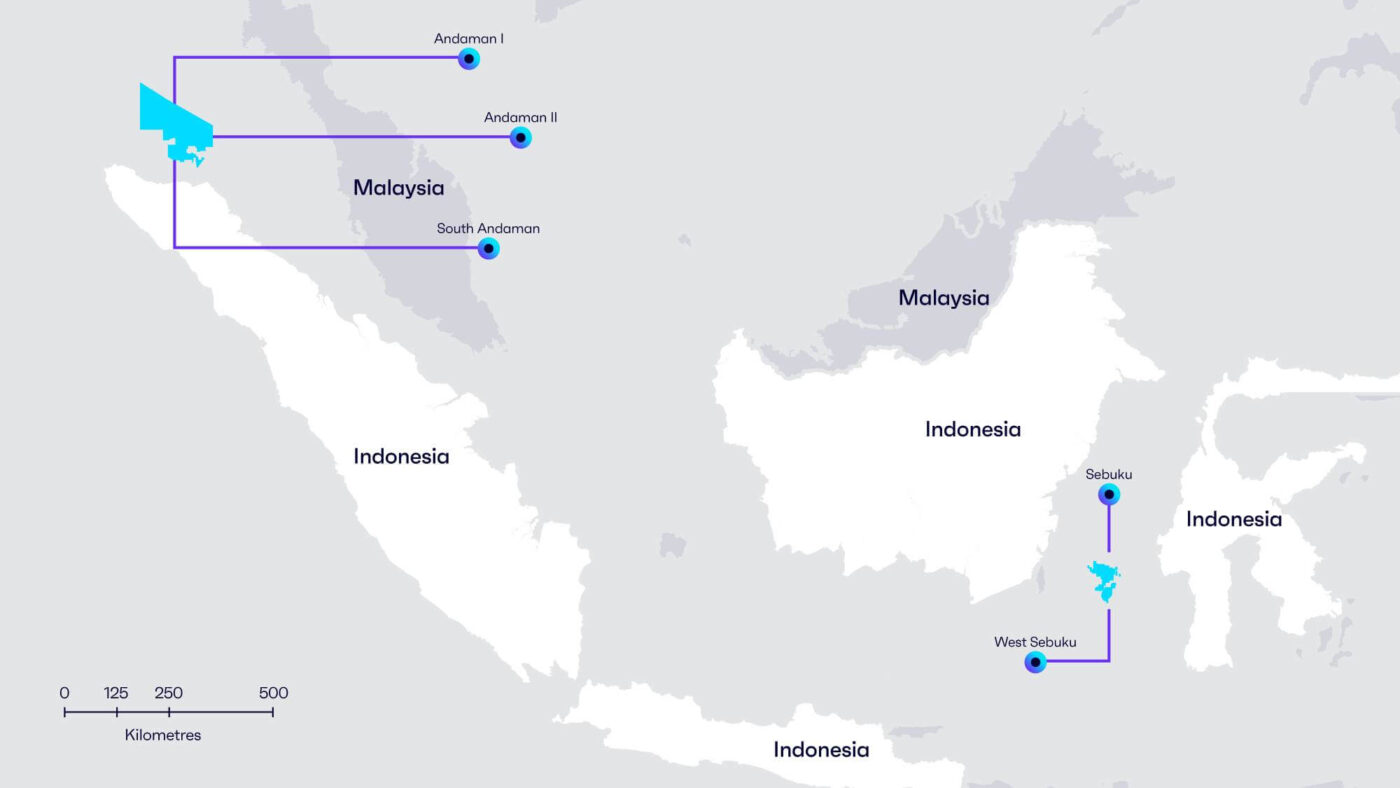
Mubadala Energy, the Abu Dhabi-based international oil and gas firm, has expanded its activities in the Andaman Sea, securing a significant foothold in Indonesia’s energy landscape. The company, alongside its partner Harbour Energy, was awarded the Central Andaman licence by Indonesia’s oil and gas regulator, MIGAS. This move marks a strategic boost for Mubadala, as it increases its influence in one of Southeast Asia’s most promising offshore basins.

Mubadala now holds a 40% stake in the Central Andaman block, with Harbour Energy leading operations with a 60% interest. The award followed the Indonesian government’s recent licensing round, where international energy firms competed for access to the region’s untapped potential. The Andaman Sea, known for its deep-water prospects, has attracted increased interest due to its significant reserves of hydrocarbons.

Building on this momentum, Mubadala has also completed an extensive drilling campaign in the South Andaman area. The campaign appraised multiple wells, including the successful Layaran and Tangkulo discoveries. These results highlight the Andaman Sea’s potential, with estimates suggesting multi-trillion cubic feet (TCF) of gas in place. The appraisal, which involved advanced deep-water drilling technologies, was seen as a major win for the company, further strengthening its long-term energy strategy in Southeast Asia.

Adnan Bu Fateem, Mubadala Energy’s Chief Operating Officer, emphasized the significance of the Central Andaman block, noting that the successful bid will open further opportunities in the region. Bu Fateem underscored the company’s operational expertise and familiarity with the basin as key factors that will enable Mubadala to maximize the area’s energy potential. As Indonesia continues to focus on energy security and the transition to cleaner energy sources, this development could play a vital role in meeting the country’s growing energy demands.

In addition to resource extraction, Mubadala Energy is poised to contribute to Indonesia’s broader energy strategy, which includes a push for gas as a transitional fuel. Gas, seen as a cleaner alternative to coal, remains central to Indonesia’s energy mix, and developments in the Andaman Sea could become crucial to maintaining supply.

Abdulla Bu Ali, President Director for Indonesia at Mubadala Energy, highlighted the success of the South Andaman drilling campaign, stressing that the safe and efficient completion of the operation was an important milestone. He reiterated that Mubadala’s findings would play a pivotal role in supporting both Indonesia’s energy needs and its transition to cleaner sources. Bu Ali added that the resources discovered during the campaign could become a cornerstone of Southeast Asia’s gas supply.

Looking forward, Mubadala is already planning its next steps in turning the South and Central Andaman blocks into production hubs. The company is formulating strategies to expedite the development of these fields, with a focus on delivering gas to regional markets. If fully developed, these assets could significantly alter the energy map of Southeast Asia, with implications for both domestic consumption and export to neighboring countries.

Headlined by French electronic music duo, JUSTICE, along with a carefully-curated mix of international and regional performers, the 2-day festival encompasses everything from the realm of fashion, music, art, and culture. Early bird 2-day weekend ticket sales will open on Klook starting September 12. HONG KONG SAR – Media OutReach Newswire – 11 September 2024 – Hypebeast, the leading global platform for contemporary culture and lifestyle, is […]

Abu Dhabi-based advanced technologies group G42 is set to establish AI-ready data centers in India with a capacity of up to 2 gigawatts (GW), a move that will double the country’s existing total capacity. The ambitious project is part of a strategic pact between the governments of the UAE and India, which seeks to foster collaboration in artificial intelligence (AI) and related technological advancements, a senior executive confirmed.

Manu Kumar Jain, the CEO of G42 India, emphasized the significance of this initiative, stating that the UAE-based company will play a critical role in executing the key goals outlined in the Memorandum of Understanding (MoU) signed between the two countries in February 2024. Jain, in an interview with a leading business publication, affirmed that G42 is fully committed to ensuring that the vision of the bilateral agreement is realized. The group’s investment in these state-of-the-art data centers, Jain said, reflects its dedication to supporting India’s burgeoning tech infrastructure and AI ecosystem.

This development is expected to be a game-changer for India, where the need for advanced digital infrastructure has surged in response to the growth of AI, cloud computing, and data-driven industries. G42’s data centers, designed to meet AI-specific demands, will substantially boost the country’s digital capacity and enhance its standing as a global player in the AI and tech innovation sectors.

The UAE and India’s collaboration comes at a time when both nations are striving to strengthen ties across key sectors, particularly technology. The MoU aims to encourage the co-development of sovereign AI technologies, which will be crucial for both governments as they look to secure their digital futures. India’s tech market, which has been experiencing exponential growth, is seen as a crucial partner for the UAE’s strategic goals, while the UAE provides critical investment and expertise for India’s infrastructure.

Data centers play a pivotal role in the AI landscape by offering the storage, computational power, and connectivity needed for AI applications. As AI continues to revolutionize industries, from healthcare to financial services, the demand for specialized data centers capable of handling AI workloads has grown. G42’s decision to build AI-ready facilities underscores the company’s recognition of the importance of this infrastructure for fostering AI innovation and ensuring that industries have the resources they need to thrive in the AI-driven future.

G42’s investment in India is expected to not only boost the country’s digital capabilities but also spur job creation and innovation in related fields. Data centers require skilled personnel to manage operations, security, and technical requirements, creating opportunities for tech professionals and engineers. Furthermore, the expansion of AI infrastructure will likely attract more global tech companies and investors to India, further solidifying the country’s position as a global technology hub.

This project also underscores G42’s growing global ambitions. Known for its leadership in AI and cloud computing, G42 has expanded its footprint across multiple sectors, including healthcare, finance, and energy. The company’s experience in handling large-scale AI projects will be instrumental in ensuring the success of this initiative in India. G42’s expertise in building and managing AI infrastructure is expected to accelerate the pace of AI development in the country, bringing both nations closer to achieving their shared objectives under the UAE-India pact.

India’s current data center capacity, while growing, remains limited compared to the demands of an economy increasingly reliant on AI and digital services. The addition of 2 GW in capacity will significantly alleviate the bottleneck faced by industries reliant on data-heavy operations. The project is expected to elevate India’s data infrastructure to a new level of efficiency and reliability, making it an attractive destination for both domestic and international tech enterprises.

The partnership between the UAE and India is also a reflection of the broader geopolitical shifts where countries are increasingly focusing on digital sovereignty. Governments are prioritizing the development of domestic AI capabilities to reduce dependence on external technologies and ensure greater control over their data and technological resources. The UAE’s investment in India aligns with its goal of positioning itself as a global leader in AI, while India’s growing technological capabilities offer mutual benefits for both nations.

AI-ready data centers are a critical component of this digital sovereignty agenda, providing governments and businesses with the infrastructure necessary to develop and deploy homegrown AI solutions. By investing in India’s data center capacity, G42 and the UAE are supporting India’s ambitions to build a robust AI ecosystem that can compete on a global scale. This initiative is seen as a key pillar in India’s broader digital transformation strategy, which aims to boost its AI and cloud computing sectors and drive economic growth through technological innovation.

The project’s scale also highlights the deepening ties between the UAE and India, particularly in the technology and innovation sectors. As both nations continue to collaborate on strategic initiatives, the construction of these data centers is expected to serve as a catalyst for further joint ventures and investments. The MoU signed earlier this year provides a framework for ongoing cooperation, with both countries benefiting from the exchange of expertise, investment, and technological know-how.

By K Raveendran India’s economic aspirations have long been anchored in the expansion of its manufacturing sector, a goal that has become increasingly critical as the country seeks to position itself as a global economic powerhouse. It is widely believed that the realisation of this goal would be impossible without Chinese investments, which however, come […]
VISHNU RAJA
RYO YAMADA
HITORI GOTOH
IKUYO KITA
Just in:
Russia permits retail cryptocurrency purchases under regulated framework // Dar Global unveils $700m Trump development in Qatar // Diabetes Malaysia And Alpro Pharmacy Set National Record With 11,007 Most Blood Glucose Screenings Conducted Across Malaysia In Just 48 Hours // Jaiedco and Golden Bridge Announce Strategic Collaboration for a New Dubai Islands Development // Anthropic shares finish above offer price after Nasdaq debut // Crypto market loses $150 billion amid broad sell-off // Sabarimala booking discrepancies prompt sabotage angle probe // Dalilk Academy reaches 27 million, targets 100 million by 2030 // Yeebo Announces Interim Results for FY26/27 Revenue Increases by 45.5% to HK$806.7 Million Profit Attributable to Owners Surges 87.6% to HK$2,284.7 Million // Phancy Announces Business Performance for the Nine Months Ended September 30, 2026 // Padmini follows Padmaja for ‘ghar vapsi’ // 2026 Tropical Rainforest Ecosystem Partners Conference Kicks off in Hainan // Technology at Work, Heritage for All: The “Chinese Approach” to Safeguarding the Leshan Giant Buddha // Balagopal challenges CM over tax revenue // European Commission takes systems offline after AI cyberattack // Saudi defences destroy three Houthi missiles targeting Riyadh // Coinbase targets 2027 launch amid state gambling lawsuits // ED searches five districts in probe against hawala // Sharjah clears Kalba free zone plan for 400MW complex // Oil futures rebound after Riyadh strikes and tanker alerts //