News related to
Industrial

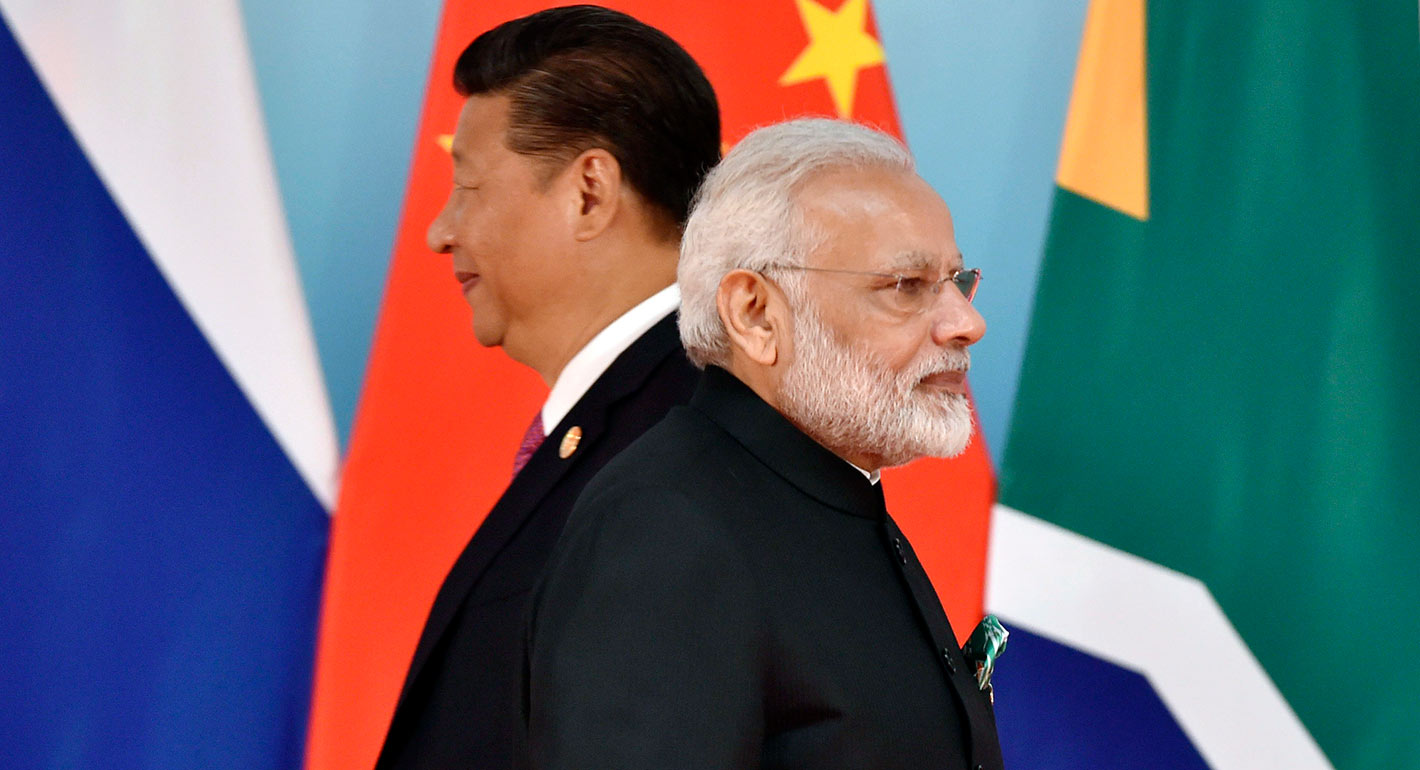
By Subrata Majumder Narendra Modi Government is going hot with China on diplomacy through remarks by the external affairs minister Dr. S Jaishankar, but at the same time, the finance minister Nirmala Sitharaman is soft on the issue of allowing Chinese investment in India. The economic survey of 2023-24 presented before this year’s budget underlines […]

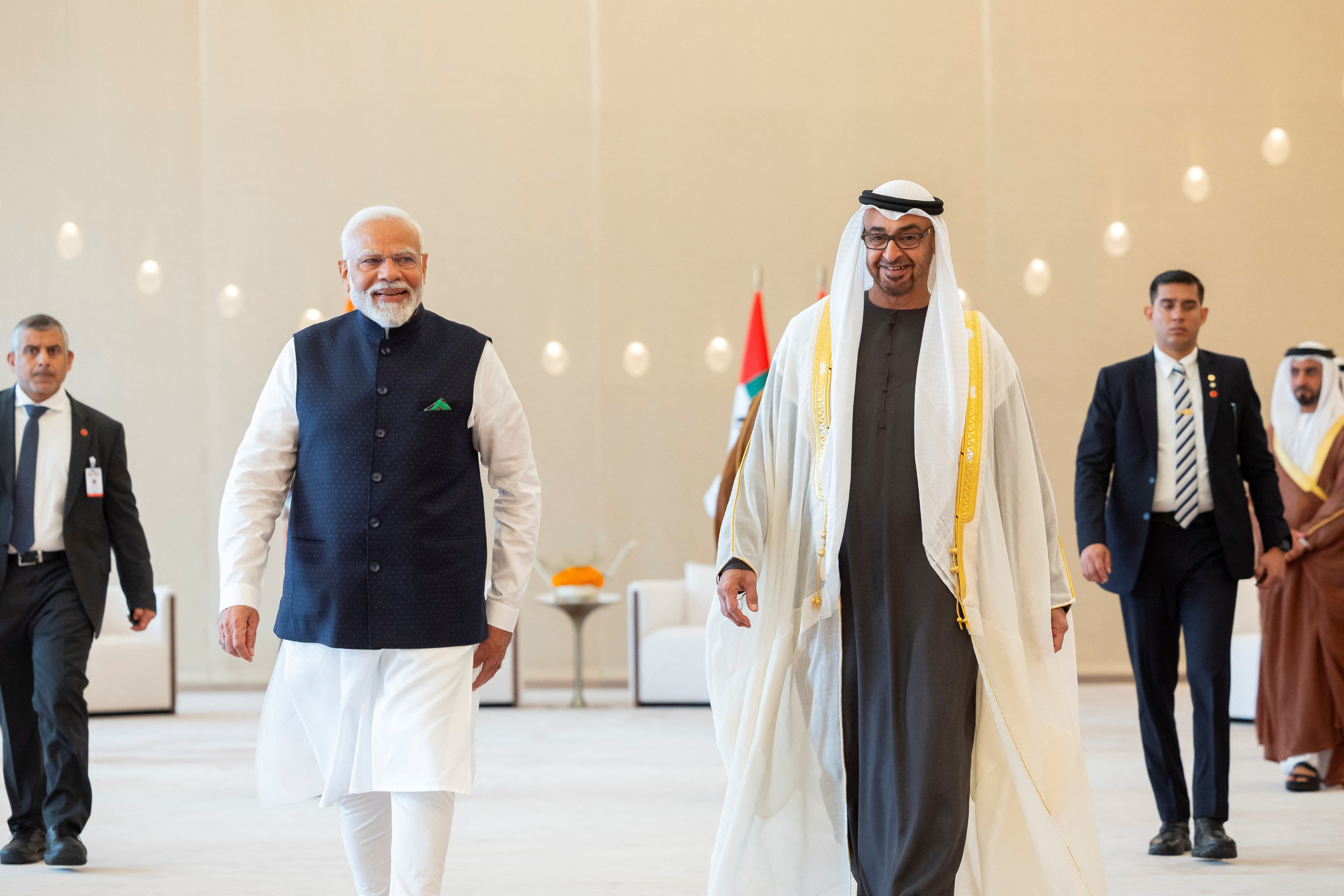
The UAE-India Business Forum is set to commence tomorrow in Mumbai, focusing on strengthening economic ties between the UAE and India. Organized by the UAE Ministry of Economy in partnership with the UAE Embassy in New Delhi and India’s Ministry of Commerce and Industry, this forum marks an important step in expanding bilateral trade relationships, particularly beyond the Comprehensive Economic Partnership Agreement (CEPA) that came into effect in May 2022.

This event will gather an influential group of government officials, business leaders, and industry professionals. Key sectors under discussion include healthcare, biotechnology, renewable energy, sustainability, artificial intelligence, and logistics. The forum is expected to provide a platform for businesses from both countries to explore new partnership opportunities that align with their national growth and diversification agendas.

Dr. Thani bin Ahmed Al Zeyoudi, UAE’s Minister of State for Foreign Trade, emphasized the significance of this event, noting that it offers a vital platform for exploring new synergies, building networks, and developing mutually beneficial collaborations. The forum’s theme, “Beyond CEPA: Innovation and Future-Ready Economies,” reflects the ongoing efforts to foster innovation in industries like AI and biotechnology, which have seen growing interest from both sides.

The UAE and India have enjoyed steadily increasing non-oil trade, which reached USD 28.2 billion in the first half of 2024, marking a 9.8% rise compared to the same period in 2023. This robust growth contrasts with declining global trade figures, making the UAE-India economic partnership an exceptional case of resilience. The CEPA, which removed or reduced tariffs on over 80% of traded goods, has been instrumental in boosting industrial output, enhancing global competitiveness, and fostering job creation across both nations.

During the forum, one of the key sessions, “Healthcare and Biotechnology: Pioneering the Future of Medicine,” will delve into how the two nations can leverage CEPA to create new partnerships in genomic medicine, AI-driven healthcare, digital health solutions, and pharmaceutical research. This session aligns with the growing focus on health tech innovation in both countries.

BEIJING, CHINA – Media OutReach Newswire – 10 September 2024 – The curtains have risen once more on the China-Africa Cooperation Forum Summit, held in Beijing from the 4th to the 6th of September, 2024, is a catalyst for Africa’s economic transformation. With “Deepening Cooperation, Building the Future Together” as its theme, the summit aims to enhance exchanges and cooperation between China and Africa in various domains. […]

Organic Light-Emitting Diodes (OLEDs) have made significant advancements in color accuracy and energy efficiency, redefining the standards for display technology. These developments mark a new phase for OLED panels, positioning them as frontrunners in the competitive global market dominated by companies such as LG Display and Samsung Display. One of the critical breakthroughs has been the ability of OLED panels to cover more than 95% of the […]

Abu Dhabi is set to embark on a transformative energy project, aiming to expand its gas-fired power generation capacity by 5 gigawatts (GW). This significant investment underscores the emirate’s commitment to maintaining energy security and supporting its economic growth while transitioning towards a more diversified energy mix. The initiative is a key component of Abu Dhabi’s broader strategy to balance its energy portfolio and enhance its position […]

China is poised to extend its national carbon market by compelling major polluting sectors such as steel, aluminum, and cement to participate in emissions trading by 2025. The move is part of Beijing’s broader efforts to meet its ambitious climate goals, including peaking carbon emissions by 2030 and achieving carbon neutrality by 2060. The carbon market, initially launched in 2021 with a focus on the power sector, […]

Emaar the Economic City (Emaar EC), the developer behind the ambitious King Abdullah Economic City (KAEC) project, has announced a comprehensive capital optimisation strategy valued at 8.7 billion Saudi riyals ($2.32 billion). The plan, which includes restructuring existing debt and reducing the company’s capital, aims to improve the company’s financial standing as it navigates the complexities of developing one of the region’s largest economic hubs. Emaar EC’s […]

Advertisements

A transformative initiative by HKRITA and H&M Foundation to drive advanced technologies and global collaboration HONG KONG SAR – Media OutReach Newswire – 4 September 2024 – The Hong Kong Research Institute of Textiles and Apparel (HKRITA) and the H&M Foundation proudly announce the official unveiling of the Open Lab, a pioneering initiative designed to revolutionise the textile and fashion industry through sustainable innovation. Located at the […]

The 2024 U.S. presidential election is rapidly shaping up to be a fierce contest, with Pennsylvania standing at the forefront of political attention. Both Kamala Harris, the current Vice President, and Donald Trump, the former president seeking another term, have concentrated their campaigns on the Keystone State. The focus on Pennsylvania comes as the state’s electoral votes are seen as pivotal for either candidate to secure victory […]

Bahrain’s Economic Development Board (EDB) is set to embark on a multi-city tour across India, aiming to deepen bilateral ties and strengthen economic collaboration. The initiative, scheduled for September 9-14, comes as part of Bahrain’s broader efforts to attract investments and enhance partnerships across key sectors. Spearheaded by Noor bint Ali Al Khulaif, Bahrain’s Minister of Sustainable Development and Chief Executive of the EDB, the delegation will engage with top Indian business leaders, investors, and policymakers in Mumbai, New Delhi, Bengaluru, and Hyderabad.

Bahrain’s move to engage directly with India underscores the increasing significance of bilateral relations between the two countries. India, a rapidly growing economy and a key player in global trade, has been identified as a strategic partner for Bahrain’s economic ambitions. The tour is expected to showcase the Gulf nation’s business-friendly environment, investment opportunities, and the diverse sectors open to collaboration, including finance, manufacturing, technology, and logistics.

The Bahrain Economic Development Board, responsible for promoting investment in the Kingdom, has been working to position Bahrain as a hub for international businesses seeking a foothold in the Middle East and North Africa (MENA) region. By targeting India, Bahrain aims to tap into one of the world’s largest consumer markets and the fast-developing Indian economy, which is increasingly driven by innovation, technology, and industrial growth.

Bahrain’s strategic geographical location, coupled with its investor-friendly regulatory environment, is likely to be a focal point of discussions during the India tour. The Kingdom offers 100% foreign ownership in many sectors, low operational costs, and access to the Gulf Cooperation Council (GCC) market of over 50 million consumers. These advantages are expected to appeal to Indian companies looking to expand their presence in the Gulf region, particularly those involved in sectors such as financial services, logistics, ICT, and manufacturing.

The India visit also marks a significant opportunity for both nations to explore new areas of collaboration, particularly in emerging technologies. Bahrain has positioned itself as a leader in fintech, having launched a number of initiatives in recent years to support the sector. The Kingdom’s regulatory sandbox for fintech startups has attracted numerous international firms, and there is considerable scope for Indian technology companies to collaborate with Bahrain on financial innovation and digital services.

Moreover, Bahrain has been keen to bolster its manufacturing sector, especially in fields such as chemicals, food processing, and aluminum production. India’s robust manufacturing base makes it a natural partner for collaboration in these industries. The visit will likely focus on building synergies in these areas, with discussions centered on how Indian businesses can leverage Bahrain’s competitive edge as a production hub for the GCC market.

The tour will also provide a platform for discussions on sustainable development and climate change. Bahrain, through its Vision 2030 economic plan, has placed sustainability at the heart of its development strategy. Minister Noor bint Ali Al Khulaif, a key proponent of sustainable economic growth, is expected to highlight Bahrain’s initiatives in this area, which align with India’s own commitment to sustainable development. Both countries are signatories to the Paris Agreement and are looking to collaborate on green technologies, renewable energy, and sustainable infrastructure projects.

The Bahrain-India relationship is not limited to trade and investment. The two nations share a long history of cultural and diplomatic ties, with a sizable Indian expatriate community living in Bahrain. These deep-rooted connections are likely to be emphasized during the tour, as both sides seek to build on their historical relationship and foster stronger people-to-people ties.

On the economic front, bilateral trade between Bahrain and India has shown steady growth. According to the latest data, total trade between the two countries stood at around $1.4 billion in 2022. India is among Bahrain’s top trading partners, and there is potential for further expansion in sectors such as hydrocarbons, engineering goods, pharmaceuticals, and food products. Bahrain is also home to several prominent Indian companies, and the EDB’s tour is expected to explore new avenues for Indian firms to increase their presence in the Kingdom.

In addition to meetings with business leaders and investors, the Bahrain delegation is expected to hold discussions with Indian government officials on strengthening bilateral relations. These talks could pave the way for future cooperation agreements in areas such as trade, investment, and technology transfer. The tour aligns with India’s own foreign policy objectives of enhancing relations with Gulf countries, which have become critical economic partners for New Delhi in recent years.

The timing of Bahrain’s outreach to India is also notable, coming at a time when global economic dynamics are shifting. Both nations are looking to diversify their economies and reduce dependence on traditional industries, such as oil and gas. For Bahrain, India represents a key partner in its efforts to modernize and diversify its economic base, while for India, Bahrain provides access to the GCC and MENA markets, which are crucial for India’s energy security and trade.


Saudi Arabia is urged by the International Monetary Fund (IMF) to persist with its economic reforms despite fluctuations in global oil prices. The IMF’s recent analysis underscores the importance of maintaining structural changes to ensure long-term economic stability and diversification.

The IMF’s call comes at a pivotal moment for Saudi Arabia, which is navigating a volatile oil market while striving to reduce its economic dependence on petroleum revenues. As oil prices exhibit considerable volatility due to global economic uncertainties and shifting energy policies, the IMF emphasizes that the Kingdom’s reform efforts are crucial for sustained economic growth and resilience.

In its latest report, the IMF highlights that Saudi Arabia’s Vision 2030 program, which seeks to diversify the economy away from oil, remains a critical strategy. This ambitious reform agenda includes investments in non-oil sectors, enhancement of the business environment, and initiatives to boost private sector participation. Despite the current challenges posed by fluctuating oil prices, the IMF argues that these reforms should continue unabated to foster a more robust and adaptable economy.

The IMF’s recommendation is grounded in the belief that economic diversification is essential for mitigating the risks associated with oil price volatility. Historically, Saudi Arabia’s economy has been highly susceptible to the ups and downs of global oil markets, which has often led to significant economic fluctuations. By advancing reforms and investing in sectors beyond oil, Saudi Arabia aims to build a more stable and resilient economic foundation.

Key components of the Vision 2030 reform agenda include the development of the tourism sector, expansion of the digital economy, and enhancement of the Kingdom’s investment environment. The Saudi government has been actively pursuing these goals, with notable progress in areas such as infrastructure development and regulatory improvements. For instance, the establishment of the Saudi Public Investment Fund (PIF) has been a cornerstone of the Kingdom’s strategy to drive investments in diverse sectors, ranging from technology to entertainment.

The IMF’s recommendation also reflects a broader trend among international financial institutions that advocate for structural reforms in oil-dependent economies. Such reforms are seen as essential for ensuring sustainable economic growth and reducing vulnerability to external shocks. The IMF’s stance aligns with previous assessments that underscore the need for comprehensive economic strategies to manage the transition from a resource-dependent economy to a more diversified and knowledge-based economy.

Saudi Arabia’s commitment to reform has been demonstrated through various high-profile initiatives, including the privatization of state-owned enterprises and the introduction of new business regulations aimed at fostering entrepreneurship. Additionally, the Kingdom has made strides in enhancing its social and economic infrastructure, with initiatives such as the Saudi National Industrial Development and Logistics Program (NIDLP) aimed at strengthening industrial capabilities and logistics networks.

Despite these efforts, the challenges posed by fluctuating oil prices continue to impact the Saudi economy. Recent data indicates that the Kingdom has experienced fluctuations in its fiscal balance and external trade due to variations in oil revenue. These fluctuations underscore the importance of the IMF’s recommendation to sustain reform efforts as a means of stabilizing the economy and ensuring long-term prosperity.

As Saudi Arabia navigates these challenges, the IMF’s guidance provides a strategic framework for policymakers to follow. The emphasis on maintaining reform momentum is intended to help the Kingdom achieve its economic goals and enhance its position in the global economy. By addressing structural vulnerabilities and advancing diversification, Saudi Arabia aims to create a more resilient and dynamic economic landscape.

The accolade is for the sixth year running with 24 countries and territories certified a Great Place to Work® this year This is also the eighth time DHL Express has achieved this honor SINGAPORE – Media OutReach Newswire – 6 September 2024 – DHL Express is proud to be once again named the number 1 Great Place to Work® in the Asia Pacific region for 2024. It […]

TOKYO, JAPAN – Media OutReach Newswire – 5 September 2024 – Azbil Corporation (Tokyo Stock Exchange code: 6845) announced that it has been honored as the Award Winner in the Innovation and Design category at the Singapore Environmental Achievement Awards (SEAA) 2024 organized by the Singapore Environmental Council (SEC)*. Azbil won this award for enhancing its sustainability performance through creativity, life cycle thinking, and technological advancements. Azbil’s […]

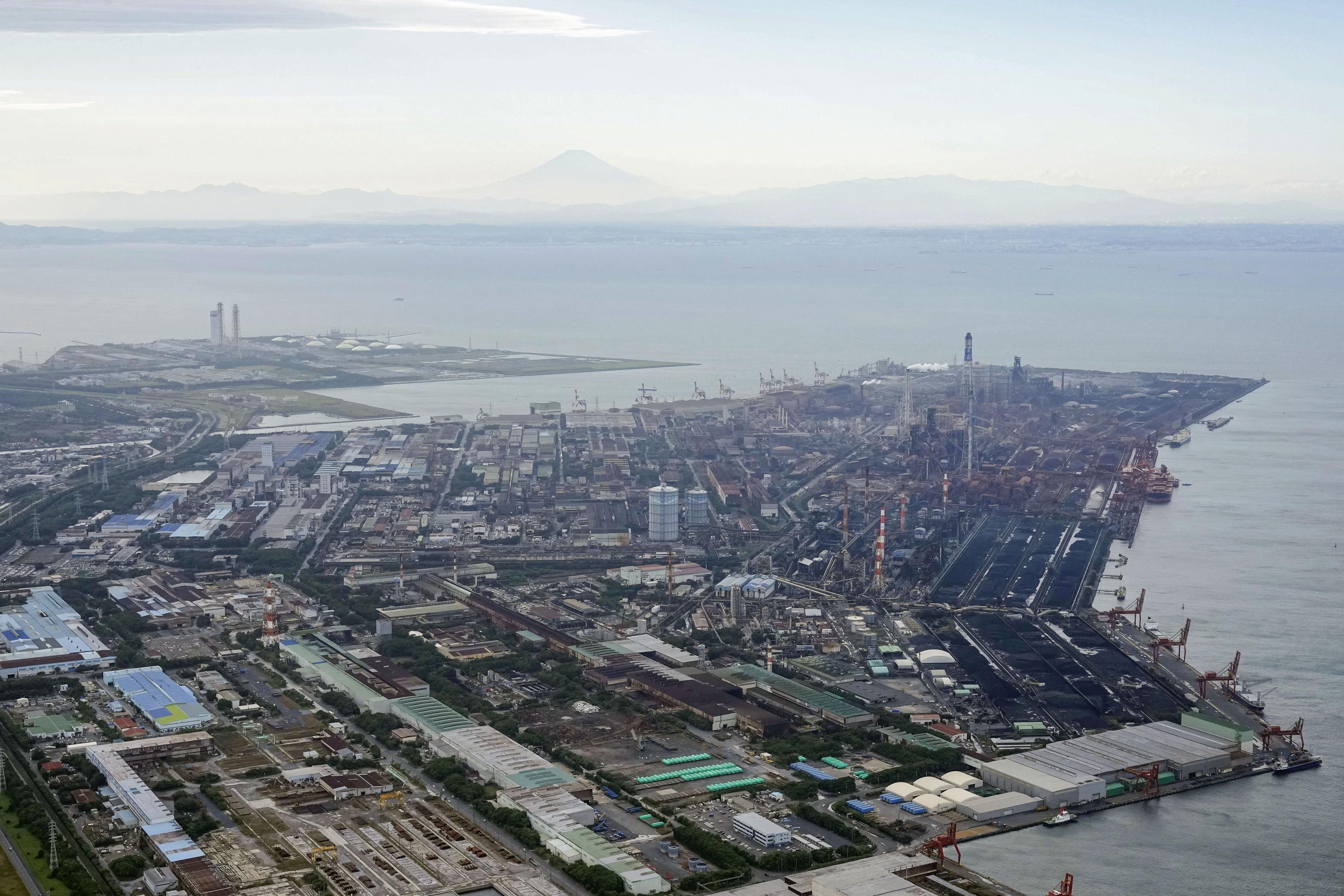
Emirates Steel Arkan has unveiled its new identity as EMSTEEL, signaling a strategic shift towards international markets. This rebranding aligns with the company’s broader ambition to cement its presence on the global stage and enhance its competitive edge in the steel industry.

Founded in 1998 and headquartered in Abu Dhabi, Emirates Steel Arkan has long been a dominant force in the Middle Eastern steel sector. The rebranding to EMSTEEL marks a pivotal moment for the company as it seeks to leverage its established reputation to tap into new markets worldwide.

The company’s decision to rebrand comes at a time when the steel industry is undergoing significant transformation. With increasing demand for infrastructure development and industrialization across various regions, EMSTEEL aims to position itself as a leading global player. This move is also in response to a rapidly evolving global steel market characterized by shifts in trade policies, technological advancements, and environmental regulations.

The rebranding effort is not merely a change in name but a reflection of a comprehensive strategic overhaul. EMSTEEL plans to expand its product portfolio, incorporating advanced steel solutions to meet diverse market needs. The company will focus on enhancing its manufacturing capabilities and exploring opportunities in emerging markets, particularly in Asia and Africa, where infrastructural development is burgeoning.

The steel industry has witnessed a surge in mergers and acquisitions, with companies consolidating to enhance their market positions. EMSTEEL’s rebranding aligns with this trend, as it seeks to strengthen its global footprint and compete effectively against other major players in the industry. By adopting a new brand identity, EMSTEEL aims to signal its readiness to embrace global challenges and opportunities, ensuring sustained growth and innovation.

Market analysts view this rebranding as a strategic move to address the increasing competition in the global steel sector. As countries worldwide invest in infrastructure and urban development, there is a growing demand for high-quality steel products. EMSTEEL’s enhanced focus on research and development is expected to drive innovation in product offerings, setting new standards in the industry.

The company’s shift towards a global market presence is also indicative of broader economic trends. Global steel consumption has been fluctuating due to various factors, including trade tensions and shifts in production capacities. EMSTEEL’s strategic repositioning aims to mitigate these challenges by diversifying its market reach and aligning its operations with global industry standards.

EMSTEEL’s rebranding is accompanied by an emphasis on sustainability and environmental stewardship. The company plans to integrate sustainable practices into its production processes, aiming to reduce its carbon footprint and adhere to international environmental regulations. This commitment to sustainability reflects a growing industry trend towards more eco-friendly operations, responding to increasing consumer and regulatory demands for environmental responsibility.

Industry experts anticipate that EMSTEEL’s rebranding will facilitate its entry into new markets and enhance its competitiveness. The company’s focus on technological advancement and product innovation is expected to attract new clients and partnerships, further solidifying its position in the global steel market.

CERT and IIT Madras have officially embarked on a landmark collaboration aimed at fostering global innovation and strengthening educational excellence. The memorandum of understanding (MoU) signed between the two entities is set to create a dynamic platform that will leverage both organizations’ strengths in cutting-edge research, academic distinction, and technological development.

This strategic alliance is expected to pave the way for a series of initiatives that will not only boost the institutions’ reputations on the global stage but also have a far-reaching impact on industries worldwide. By integrating the expertise of IIT Madras, a leader in academic research, and CERT’s proficiency in cybersecurity and technology solutions, the partnership seeks to address pressing global challenges and advance technological solutions across various sectors.

The collaboration outlines several key areas of focus, including research in artificial intelligence, cybersecurity, and advanced technology solutions, all of which are critical in today’s digital age. The MoU also emphasizes the importance of fostering innovation in education through joint efforts to develop advanced curricula and research programs that cater to the evolving needs of industries and academia alike.

Industry experts have lauded the move as a significant step towards bridging the gap between academia and industry. The combination of IIT Madras’s academic prowess and CERT’s technical expertise in cybersecurity will serve to fuel research that addresses complex global issues, especially in sectors such as healthcare, finance, and critical infrastructure. This partnership is poised to contribute to the development of solutions that could be transformative for both the education system and the industrial sector at large.

One of the primary goals of the collaboration is the establishment of a joint innovation lab that will focus on research in emerging technologies. This lab will act as a hub for students, faculty, and industry professionals to collaborate on projects that have the potential to generate innovative solutions to real-world problems. The innovation lab will facilitate the development of products and services that align with global industry standards, positioning both CERT and IIT Madras as leaders in technological advancement.

Furthermore, the partnership will work on creating academic programs that integrate real-world technological challenges into the curriculum. Students from IIT Madras will have the opportunity to collaborate with experts from CERT on cutting-edge research projects, gaining hands-on experience in fields like artificial intelligence and cybersecurity. This exchange of knowledge and expertise is expected to produce graduates who are not only academically proficient but also equipped with the practical skills required in the global workforce.

As part of the agreement, CERT and IIT Madras plan to host joint conferences, workshops, and seminars, bringing together thought leaders from various industries to discuss the latest trends in technology and innovation. These events will serve as platforms for exchanging ideas, promoting interdisciplinary collaboration, and inspiring the next generation of innovators.

The strategic partnership between CERT and IIT Madras also includes provisions for developing joint patent filings and intellectual property management. This aspect of the collaboration is particularly significant as it will encourage the commercialization of new technologies and innovations, contributing to the global tech ecosystem. Both institutions are keen on ensuring that the research and development emerging from this partnership can be translated into practical solutions that have a tangible impact on industries.

CERT, a renowned name in cybersecurity and risk management, brings a wealth of experience in handling complex cyber challenges. Its collaboration with IIT Madras, known for its expertise in technology and engineering education, represents a fusion of academia and industry that is expected to produce groundbreaking research. Both institutions have expressed their commitment to pushing the boundaries of innovation and expanding their influence beyond their respective regions to the global stage.

In addition to technological advancements, the partnership aims to enhance educational frameworks by developing new methods of teaching and learning. IIT Madras is already known for its forward-thinking approach to education, and this collaboration is expected to further enrich its programs by incorporating global industry perspectives. The collaboration will likely see a revamping of existing curricula to ensure they meet the demands of a rapidly changing technological landscape, preparing students for the challenges and opportunities of the future.

On a broader scale, this collaboration marks an important milestone in international academic and industry partnerships. The global push for innovation, particularly in the realms of artificial intelligence, cybersecurity, and advanced technology, has made partnerships like this one increasingly essential. With the global economy becoming more interconnected, the exchange of knowledge and expertise between institutions like CERT and IIT Madras will be instrumental in addressing complex global issues and driving sustainable development.

As both organizations work towards achieving their shared objectives, there is an expectation that this partnership will serve as a model for other academic and industrial collaborations. The blend of academic excellence and industry know-how is a recipe for success, not only in terms of producing world-class research but also in ensuring that the results of this research can be applied in practical and impactful ways.

Nippon Steel Corp.’s ambitious $14.1 billion takeover of United States Steel Corp. appears to be in jeopardy, with the Biden administration signaling its intention to block the deal. The acquisition, seen as a strategic move by the Japanese steel giant to secure a larger foothold in the U.S. market, has run into significant political opposition as the White House prepares to intervene on grounds of national security and competition concerns. The move could derail what was shaping up to be one of the most significant cross-border acquisitions in the steel industry in years.

The takeover bid, which has been in the works for months, aimed to combine two of the world’s leading steel producers in a move that would have created a global steel powerhouse. Nippon Steel, already a major player in the industry, viewed the acquisition as a way to strengthen its presence in the U.S. market, where demand for steel is expected to surge due to infrastructure projects and defense contracts. U.S. Steel, on the other hand, has been grappling with aging infrastructure and rising costs, making it a potential target for foreign buyers seeking growth opportunities.

However, the proposed deal has drawn scrutiny from U.S. lawmakers and regulatory authorities, particularly due to the strategic importance of the steel sector to national defense. The Biden administration, keen on maintaining control over critical industries, is reportedly preparing to invoke regulatory powers to block the acquisition, citing national security concerns. Officials are reportedly worried that the sale of U.S. Steel to a foreign entity, even one as established as Nippon Steel, could pose risks to the country’s defense capabilities, especially with steel being a critical component in military hardware and infrastructure.

Nippon Steel’s interest in acquiring U.S. Steel is part of a broader strategy by the company to expand its global operations and secure a stable supply chain. With steel prices fluctuating and supply chains becoming more fragile in the aftermath of the COVID-19 pandemic, securing production capacity in key markets has become a priority for many manufacturers. The acquisition of U.S. Steel, with its extensive domestic production facilities and established relationships with American contractors, was seen as an ideal fit for Nippon Steel’s long-term plans.

The Biden administration’s opposition to the deal reflects a broader shift in U.S. trade and industrial policy, which has become increasingly protectionist under the current leadership. As part of its strategy to bolster domestic manufacturing and reduce reliance on foreign suppliers, the White House has taken a more aggressive stance on foreign takeovers, particularly in sectors deemed critical to national security. The steel industry, long considered a backbone of the U.S. economy and defense capabilities, has become a focal point of this policy shift.

Political opposition to the deal has been growing steadily. U.S. lawmakers have raised concerns over the potential loss of control over domestic steel production, pointing to the importance of maintaining a strong domestic industry in the face of global uncertainties. The U.S. Congress has also weighed in, with some members advocating for a review of the transaction under the Committee on Foreign Investment in the United States (CFIUS), which has the authority to block deals that pose a threat to national security.

At the same time, industry insiders argue that Nippon Steel’s acquisition of U.S. Steel would bring much-needed investment to the American company, which has struggled to modernize its operations in the face of mounting competition from international players. U.S. Steel, once a symbol of American industrial might, has seen its market share erode in recent years as cheaper imports and rising production costs have taken their toll. Proponents of the deal argue that foreign investment, particularly from a company with the resources and expertise of Nippon Steel, could revitalize U.S. Steel and strengthen the domestic industry in the long run.

The Biden administration’s stance, however, suggests that political considerations will ultimately outweigh economic arguments. With the 2024 elections looming, the White House is under pressure to demonstrate its commitment to protecting American jobs and industries, especially in critical sectors like steel. Blocking the Nippon Steel takeover allows the administration to signal its support for domestic manufacturing while reinforcing its broader trade policy objectives.

For Nippon Steel, the collapse of the deal would represent a significant setback in its efforts to expand its global footprint. The Japanese company has been aggressively pursuing international acquisitions in recent years as part of a strategy to diversify its operations and reduce its reliance on domestic markets. The U.S. market, with its robust demand for steel and favorable economic conditions, was seen as a key target for expansion. Losing out on the U.S. Steel acquisition would force Nippon Steel to reevaluate its options and look for alternative avenues for growth.

The Internet of Things (IoT) market is set to experience exponential growth over the next decade, with projections estimating its value will soar to $5.33 trillion by 2032, according to industry forecasts. This surge is driven by technological advancements, increasing cloud adoption, and a steady rise in wireless networking capabilities, making IoT an integral part of modern industries and day-to-day life. Research highlights a compound annual growth […]

The Abu Dhabi National Oil Company (ADNOC) has announced a significant investment in ExxonMobil’s hydrogen production facility in Texas, acquiring a 35% stake in the project. This move marks a notable expansion of ADNOC’s global footprint in the low-carbon energy sector and underscores its commitment to advancing sustainable energy solutions. The facility in question, situated in the heart of Texas, is designed to produce up to 1 […]

By Dr. Gyan Pathak Farmers have been demanding legal guarantee for Minimum Support Price (MSP), but the Centre has announced 7 new big schemes for farm sector worth Rs14,000 crore on September 2. Modi government said that the schemes intended for farmers welfare, but farmers have been saying that their well-being depend on the legally […]

Sharjah’s first independent water project, the Hamriyah Independent Water Project (IWP), is set to become a reality through a landmark partnership between ACWA Power and the Sharjah Electricity, Water, and Gas Authority (SEWA). This significant development represents a major step forward in the region’s efforts to enhance its water infrastructure and ensure sustainable water management. The agreement between ACWA Power and SEWA marks a pivotal moment in […]

AD Ports Group’s Noatum has launched a new rail logistics solution designed to enhance the efficiency of cargo transportation across the region. This development comes as part of a broader strategy to bolster the capabilities of the logistics sector and address increasing demands for more sustainable and reliable supply chain operations.

The new rail solution aims to streamline the movement of goods by integrating advanced technology and infrastructure improvements. It features state-of-the-art railcar systems and enhanced track management to ensure a smoother, faster, and more efficient transportation process. The initiative is expected to significantly reduce transit times and operational costs, benefiting both businesses and consumers.

Noatum’s rail logistics solution includes a comprehensive digital platform that provides real-time tracking and analytics. This platform is intended to offer greater visibility into the logistics chain, allowing businesses to monitor shipments more closely and make informed decisions based on up-to-date data. By leveraging these technological advancements, the solution aims to minimize delays and optimize cargo handling processes.

The introduction of this solution aligns with AD Ports Group’s strategic objectives to expand its logistics network and enhance its service offerings. The company has been investing heavily in modernizing its infrastructure and adopting cutting-edge technologies to meet the evolving needs of the global logistics market. The new rail solution is a testament to these efforts, reflecting the group’s commitment to driving innovation in the logistics sector.

In addition to improving operational efficiency, the rail logistics solution is also expected to have a positive environmental impact. By promoting the use of rail transport over other modes of transportation, the initiative supports AD Ports Group’s sustainability goals. Rail transport is generally considered more environmentally friendly compared to road transport due to its lower carbon emissions per ton of cargo.

The implementation of the rail solution will involve significant upgrades to existing rail infrastructure. This includes the installation of advanced signaling systems and the enhancement of railcar capabilities. These improvements are designed to increase the capacity and reliability of the rail network, addressing the growing demand for efficient freight transport.

AD Ports Group has emphasized that the new rail solution will play a crucial role in supporting the region’s economic growth. By facilitating more efficient cargo movement, the solution is expected to boost trade and contribute to the development of key industrial sectors. The initiative is also likely to create new job opportunities within the logistics and transportation industries, further supporting economic advancement.

The launch of this rail logistics solution follows a series of successful projects and partnerships that AD Ports Group has undertaken in recent years. The company has established itself as a leader in the logistics sector, with a focus on integrating innovative technologies and expanding its operational capabilities. This latest development reinforces its position as a key player in the global logistics market.

Emirates Global Aluminium (EGA) has unveiled a pioneering digital greenhouse gas (GHG) emissions tracking system, marking a significant step in the UAE’s environmental sustainability efforts. This new system is designed to enhance transparency and expedite the decarbonization process, setting a precedent for other industries in the region. EGA’s initiative is a part of its broader strategy to reduce its carbon footprint and aligns with the UAE’s ambitious […]

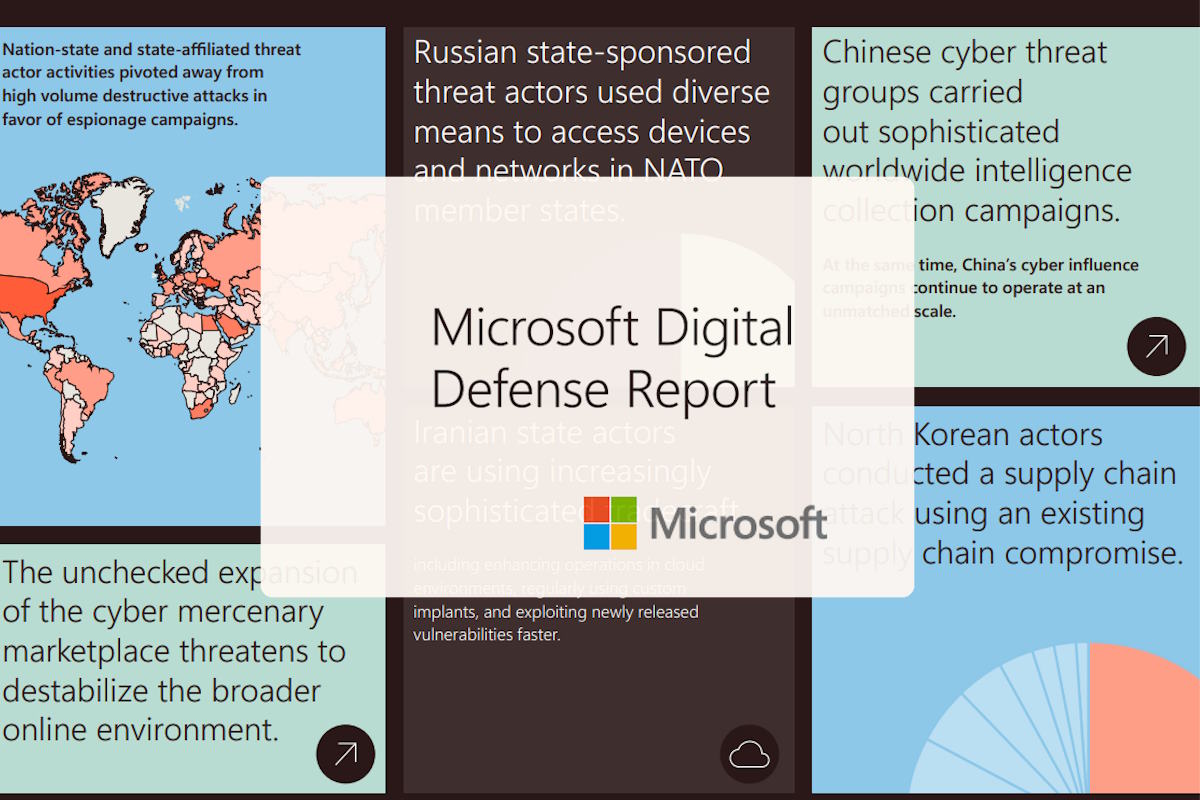
Microsoft Windows users are encountering a surge in malware threats following an extensive series of security updates on Patch Tuesday, as new warnings from U.S. government agencies highlight the growing risks. The heightened alert has underscored the critical need for continued security measures, as users grapple with the implications of the latest vulnerabilities and threats.

Patch Tuesday, a routine monthly event where Microsoft releases security updates, was unusually significant this month. The company rolled out a broad array of patches aimed at addressing a variety of vulnerabilities affecting Windows operating systems. However, this surge in updates has coincided with a noticeable increase in malware attacks, raising concerns among cybersecurity experts and government officials alike.

The U.S. Cybersecurity and Infrastructure Security Agency (CISA) and other federal entities have issued urgent advisories, emphasizing the importance of applying these patches to prevent potential exploits. These advisories come in response to a spate of sophisticated cyberattacks that have targeted both individual users and large organizations. The recent alerts reveal a pattern of aggressive malware campaigns that exploit vulnerabilities addressed in the latest updates.

Experts from the cybersecurity community have observed a marked uptick in threats, including ransomware and spyware, which have intensified following the Patch Tuesday updates. These malicious programs are designed to infiltrate systems, often leveraging the same vulnerabilities that Microsoft aimed to address. The increase in attacks highlights the persistent and evolving nature of cyber threats, emphasizing the necessity for vigilant and ongoing security practices.

The rising malware incidents have sparked significant concern about the potential implications for millions of Windows users globally. As users scramble to implement the latest patches, there are growing worries about the effectiveness of these updates against increasingly sophisticated threats. The cybersecurity landscape is evolving rapidly, with new attack vectors and techniques emerging frequently, making it crucial for users to stay updated and proactive in their security measures.

Security experts advise that users must not only apply the latest patches but also adopt comprehensive security practices, including regular system scans, the use of robust antivirus software, and cautious behavior online. These measures are vital in mitigating the risks associated with malware and ensuring that systems remain secure amidst the evolving threat landscape.

The situation has prompted discussions about the broader implications for long-term security support for Windows users. With the ongoing threat of malware and the need for constant updates, there is growing debate about the sustainability of security practices and the potential need for users to consider additional protective measures. As the landscape of cyber threats continues to shift, users and organizations must remain adaptable and proactive in their approach to cybersecurity.

As the cybersecurity community continues to assess and respond to these developments, the focus remains on ensuring that users are equipped with the tools and knowledge needed to defend against evolving threats. The situation serves as a stark reminder of the importance of maintaining robust security practices and staying informed about the latest developments in the field.

Innovation Center Invests RMB 9 Billion to Support Enterprises and Drive Technological Projects in Huishan HONG KONG SAR – Media OutReach Newswire – 3 September 2024 – CashOn, Hong Kong’s first digital currency lending platform, announced today the signing of a strategic cooperation memorandum with the Wuxi Huishan (Shenzhen) Innovation Center. The cooperation aims to jointly explore digital currency lending matching services based on CashOn’s innovative fintech […]

VISHNU RAJA
RYO YAMADA
HITORI GOTOH
IKUYO KITA