Brussels has thrust the European Union’s carbon market into a fresh political battle, as leaders weigh changes to the bloc’s Emissions Trading System amid economic headwinds and mounting pressure from industry. Debate intensified at a summit of EU heads of state and government last week, where divisions surfaced over how far to adjust the Emissions Trading System, widely regarded as the centrepiece of Europe’s climate policy. European […]
The Al-Khayyat family, a Syrian-Qatari business dynasty that rose to prominence in Doha through ventures such as Baladna dairy and Power International Holding, is accelerating its involvement in rebuilding Syria’s economy as Damascus opens up to foreign investment after years of conflict. Brothers Moutaz and Ramez Al-Khayyat, chairing sprawling conglomerates that span food, construction, energy and financial services, are spearheading a wave of deals that could shape […]
China is set to eliminate import tariffs on goods from 53 African nations from 1 May 2026, a sweeping policy shift that extends duty-free access to almost the entire continent and aims to deepen trade ties and economic cooperation between Beijing and Africa. The government announcement confirms that the move will apply to all tariff lines for countries with which China has formal diplomatic relations, excluding only […]
Nigeria has launched a sweeping industrial policy aimed at restarting idle factories, boosting domestic manufacturing and positioning Africa’s largest economy as a competitive production hub in global supply chains. Federal authorities say the framework is designed to tackle long-standing structural weaknesses that have undermined output, including erratic power supply, limited access to long-term finance, foreign exchange volatility and infrastructure gaps. Manufacturing accounts for less than 10 per […]
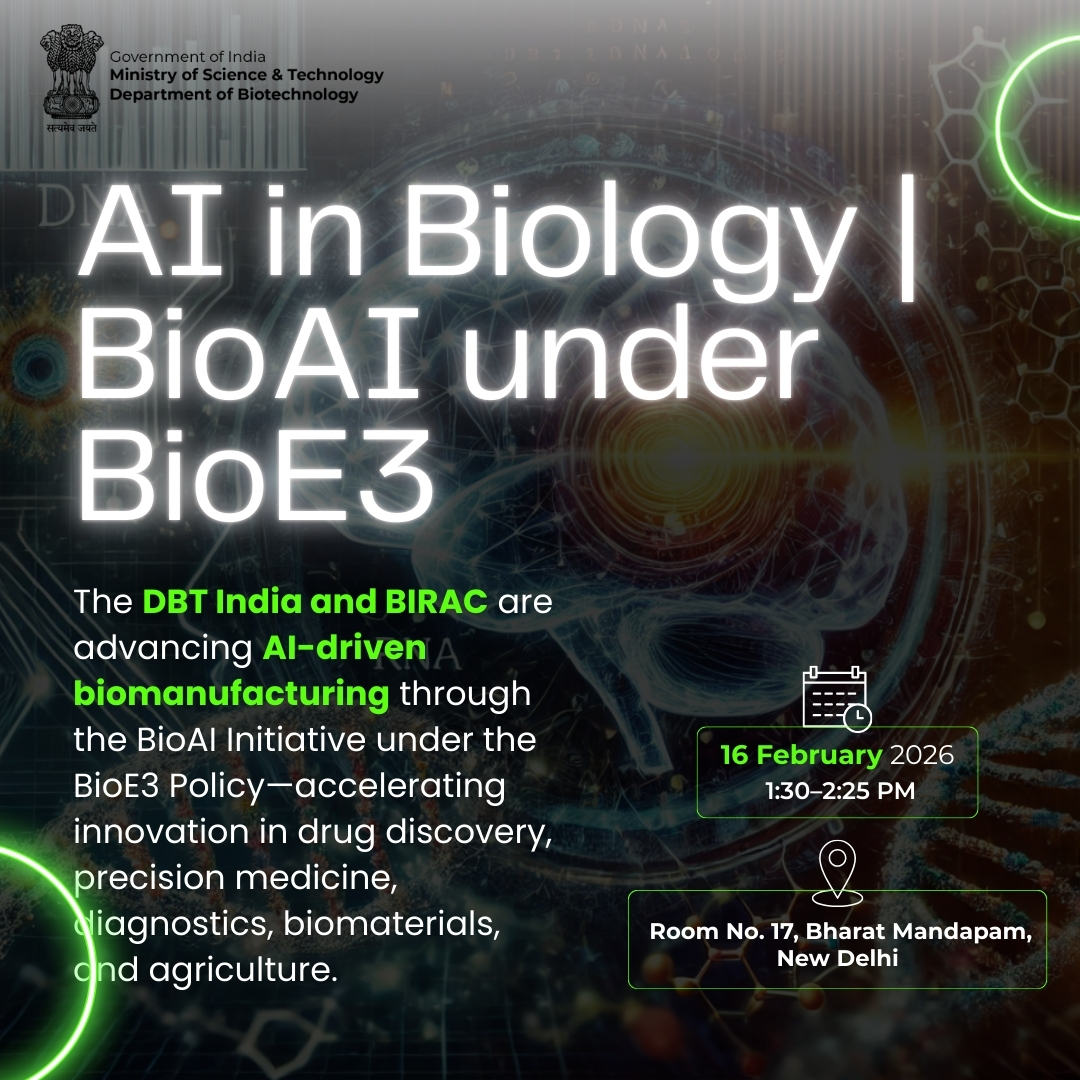
Artificial intelligence is being positioned as a catalytic force in reshaping biomanufacturing, with policymakers, scientists and industry leaders outlining a roadmap that blends computational power with biological science to accelerate drug discovery, industrial enzymes and sustainable materials. Discussions at the India AI Impact Summit placed BioAI at the centre of a strategy aimed at using genomics, in-silico modelling and closed data loops to build scalable and trusted production systems.
The convergence of AI and biology has moved from laboratory experimentation to commercial ambition. India’s biotechnology sector, valued at over $80 billion and targeting significant expansion by the end of the decade under the BioE3 policy framework, is seeking to harness machine learning tools to shorten development cycles that traditionally take years. Speakers at the summit argued that AI-enabled simulation and predictive modelling can reduce trial-and-error experimentation in fields ranging from vaccine development to precision fermentation.
BioAI refers to the integration of artificial intelligence techniques with biological data, particularly genomic sequencing, proteomics and metabolic engineering. The approach relies on large datasets and advanced algorithms capable of identifying patterns invisible to conventional research methods. Advances in protein structure prediction, including breakthroughs in computational biology over the past few years, have demonstrated how neural networks can model complex molecular interactions with remarkable accuracy.
At the summit, researchers described how generative AI systems are being trained to design novel proteins and enzymes tailored for industrial use. By feeding genomic datasets into predictive algorithms, scientists can simulate biological pathways in silico before conducting physical experiments. This method reduces costs and speeds up scaling, particularly in biopharmaceutical production and alternative protein manufacturing.
Government representatives outlined plans to expand national AI infrastructure to support such applications. IndiaAI Mission initiatives include the creation of high-performance computing resources and domain-specific data repositories to ensure that biotech firms and research institutes have access to secure and interoperable datasets. Officials emphasised that trust frameworks and regulatory clarity would be essential to encourage private investment while safeguarding data privacy and biosafety standards.
Industry leaders echoed that sentiment, highlighting that biomanufacturing requires rigorous validation. Unlike digital products, biological outputs interact with living systems, making quality control paramount. AI-driven feedback loops—where laboratory results continuously refine algorithms—were presented as a mechanism to maintain reliability while scaling up production. Data integrity, traceability and auditability were recurring themes, reflecting global debates about AI governance.
The global context underscores the strategic significance of BioAI. The United States and European Union have invested heavily in synthetic biology and AI-assisted drug discovery. China has also advanced computational genomics and large-scale fermentation capabilities. Analysts note that countries able to combine AI talent with robust biotech ecosystems stand to capture a growing share of the global bioeconomy, projected by several industry reports to exceed $4 trillion over the coming decade.
India’s strength in information technology services and pharmaceutical manufacturing offers a foundation for this convergence. The country is a major supplier of generic medicines and vaccines, supported by a network of research institutions and startups. By integrating AI tools into these value chains, stakeholders believe production timelines can be compressed and new therapeutic molecules identified with greater precision.
Academic voices at the summit stressed the importance of interdisciplinary training. Biologists must understand algorithmic thinking, while data scientists need grounding in molecular biology. Collaborative platforms linking universities, startups and established pharmaceutical firms were proposed to ensure knowledge transfer and talent development. Investment in computational biology curricula and shared research facilities is seen as critical to sustaining momentum.
Ethical considerations formed part of the dialogue. AI models trained on genomic data raise questions about consent, ownership and equitable benefit sharing. Experts argued for transparent governance structures aligned with international norms, noting that trust is fundamental when dealing with health-related information. Regulatory agencies are exploring how to evaluate AI-generated biological designs within existing approval pathways.
Private sector participation is accelerating. Venture capital funding in biotech startups leveraging machine learning has grown steadily, reflecting confidence in AI-assisted discovery platforms. Companies are experimenting with digital twins of biological systems, enabling simulation of fermentation processes before industrial deployment. Such capabilities can enhance efficiency and reduce resource consumption, aligning with sustainability goals.
Sustainability featured prominently in discussions on biomanufacturing. AI-optimised microbes can produce bio-based chemicals and materials that substitute fossil-derived inputs. Precision fermentation techniques, guided by predictive analytics, may lower energy use and waste. As global supply chains face pressure to decarbonise, the combination of AI and biotechnology is viewed as a pathway to cleaner industrial production.
Participants also highlighted challenges. High-quality biological datasets remain fragmented, and interoperability across laboratories is uneven. Ensuring cybersecurity in research networks is another concern, given the sensitivity of genetic information. Scaling laboratory successes to commercial volumes demands capital expenditure and regulatory compliance that can deter smaller enterprises.
Gathering Global Experts Delivering Insights from the forefront of Space Science and Sustainability
HONG KONG SAR – Media OutReach Newswire – 16 February 2026 – In a landmark development for the region’s scientific community, Hong Kong has been selected to host the Asia-Pacific Regional IAU Meeting (APRIM) for the first time. Dubbed the “The Olympics of Astrophysics and Space Science,” this prestigious event will take place from May 4 to 8, 2026, at the Hong Kong Convention and Exhibition Centre (HKCEC).
Organised by the International Astronomical Union (IAU) and hosted by The University of Hong Kong’s Laboratory for Space Research (LSR), the conference will feature Nobel and Shaw laureates, together with other distinguished scientists from around the world. As a leading astronomical gathering in the Asia-Pacific, the event represents a significant milestone for Hong Kong, underscoring its pivotal role in fundamental research, STEM education, and international collaboration.
A Convergence of Minds in a Burgeoning Space Hub
Professor Quentin Parker, Chair of the APRIM2026 and Director of the HKU Laboratory for Space Research, noted that bringing the “The Olympics of Astrophysics and Space Science” to Hong Kong demonstrates the city’s capacity to serve as a global nexus for astrophysics and space science.
“As Chair of this historic meeting, I am honoured to welcome the global Astrophysics and Space Science community to Hong Kong. We aim to use this platform not only to showcase our city’s capabilities in the ‘New Space’ era but to inspire the next generation of scientists to pursue the unknown,” said Prof. Parker.
Professor Xue Suijian, former Deputy Director of the National Astronomical Observatories of the Chinese Academy of Sciences, attributed the IAU’s decision to Hong Kong’s highly international environment and academic excellence. He highlighted the city’s growing contributions to deep-space exploration, planetary science, and big data analysis, cementing its role as a bridge for international scientific exchange.
Bridging Fundamental Research and Future Possibilities
While rooted in academic rigour, APRIM 2026 also addresses the paradigm shift from government-led initiatives to the democratised era of “New Space.” The conference offers a platform that links theoretical astrophysics with real-world applications.
Aligning with the global scientific agenda, the conference is expected to bring together nearly 1,000 experts. Discussions will span from the origins of the universe to emerging directions in space exploration, covering key areas such as Planetary Science, Stellar Evolution, and Cosmology. The event will also seek to bridge academia and industry, exploring how frontier technologies can contribute to addressing global challenges.
Championing Space Sustainability
A defining feature of APRIM2026 is its focus on “Space Sustainability.” With the growing density of satellite constellations in low Earth orbit, the scientific community faces urgent challenges, particularly in relation to space debris and light pollution.
Through dedicated sessions and public engagement, the conference will tackle these critical issues, advocating for responsible stewardship of the cosmic environment. By integrating these discussions with outreach sessions including youth-focused workshops, the event aims to cultivate a scientifically literate generation ready to steward the future of space exploration.
Professor Luis C. Ho, Director of the Kavli Institute for Astronomy and Astrophysics at Peking University, described the meeting as a vital platform for strengthening Asia-Pacific research collaboration. He noted that the event marks a shift from pure fundamental research to industrial application, allowing high-tech solutions to serve the public and open the “blue ocean” of the space economy.
The issuer is solely responsible for the content of this announcement.
About the Organisations
International Astronomical Union (IAU) The IAU brings together over 13,000 professional astronomers from more than 85 countries. Its mission is to promote and safeguard the science of astronomy in all its aspects through international cooperation. For more information, please see the following link.: https://iau.org
HKU Laboratory for Space Research (LSR) is an interdisciplinary center at The University of Hong Kong dedicated to advancing space science, planetary research, and high-energy astrophysics through satellite research and academic collaboration. For more information, please see the following link.: https://www.lsr.hku.hk
Diamond Sponsor
The Shaw Prize
Gold Sponsor
Center for Space Utilization, Chinese Academy of Sciences (CSU)
Bronze Sponsor
Hong Kong (International) Aerospace Charitable Foundation
Organisers
Laboratory for Space Research of the University of Hong Kong (LSR)
International Astronomical Union (IAU)
Official PR
MEMO PLUS PR & CONSULTANTS
Supporting Organisations
Feilong Aerospace Technology Ltd
Orion Astropreneur Space Academy (OASA)
Hong Kong Tourism Board
Purple Mountain Observatory, Chinese Academy of Sciences
The University of Hong Kong (HKU)
Kavli Institute for Astronomy and Astrophysics at Peking University (KIAA-PKU)
Satcom Industry Association (SIA-India)
National Astronomical Observatories, Chinese Academy of Sciences (NAOC)
International Centre for Radio Astronomy Research (ICRAR)
International Space Centre at the University of Western Australia (ISC)
Hong Kong Laureate Forum
Our Hong Kong Foundation
National Institutes of Natural Sciences (NINS)
National Astronomical Observatory of Japan (NAOJ)
Hong Kong Institute of Science & Innovation, Chinese Academy of Sciences
Academia Sinica Institute of Astronomy and Astrophysics (ASIAA)
Three Country Trusted Broker (TCTB)
United Nations Office for Outer Space Affairs (UNOOSA)
Arabian Post Staff -Dubai Abu Dhabi has test-launched the country’s first hybrid rocket developed entirely within the UAE, signalling a significant advance in its ambition to build an indigenous space technology base. The Technology Innovation Institute confirmed that the rocket’s propulsion system was fully designed, manufactured, integrated and operated by Emirati engineers, a development officials described as a pivotal step towards sovereign launch capability. The suborbital test, […]
International Holding Company, the Abu Dhabi-based investment conglomerate known as IHC, has posted full-year 2025 revenue of AED111.4 billion, a rise of 29.1 per cent from a year earlier, while profit after tax climbed 35.1 per cent to AED34.7 billion, reflecting what the group described as disciplined execution and tighter cost management across its expanding portfolio. The audited results mark another year of strong expansion for […]
Arabian Post Staff -Dubai ADNOC Group’s six listed companies delivered their strongest full-year financial performance to date in 2025, reporting combined revenues of AED190.1 billion, EBITDA of AED61.3 billion and net profit of AED35.8 billion, underscoring the state-backed energy major’s expanding footprint across upstream, midstream and downstream operations. The results, released following the close of the financial year, reflect sustained output growth, disciplined capital allocation and […]
China has unveiled an artificial intelligence-powered vehicle inspection system capable of scanning more than 1,000 functions within three hours, a move officials say could reshape quality control standards across the automotive sector and accelerate the country’s push towards smart manufacturing. Developed as part of a broader national drive to integrate advanced computing into industrial processes, the system combines machine vision, real-time diagnostics and automated performance testing to […]
Arabian Post Staff -Dubai Saudi Arabia is accelerating a transformation of Mecca’s property market, opening parts of the holy city to foreign investment as lower oil prices strain state finances and flagship mega projects such as Neom undergo recalibration. Cranes line new promenades leading towards the Grand Mosque, where swathes of older neighbourhoods have been cleared to make way for high-rise hotels and mixed-use towers designed to […]
Arabian Post Staff -Dubai AD Ports Group has reported a sharp rise in revenue and profit for the year ended 31 December 2025, underlining the resilience of Abu Dhabi’s maritime and logistics sector amid shifting global trade patterns. Preliminary unaudited results released on Friday show revenue climbed 20 per cent year on year to AED20.8 billion, while net profit rose 17 per cent to AED2.1 billion. Earnings […]
Siemens has completed the purchase of Canopus AI, a Grenoble-based specialist in artificial intelligence-driven metrology and inspection software, signalling an intensified push into semiconductor manufacturing software as device geometries shrink and production volumes grow. The acquisition, announced on 4 February and finalised on 12 January, brings AI-enhanced wafer and mask measurement capabilities into Siemens’ electronic design automation portfolio, aimed at helping chipmakers achieve higher precision and manufacturing […]
Arabian Post Staff -Dubai Saudi Arabia has stepped up efforts to localise vaccine and pharmaceutical manufacturing, with Industry and Mineral Resources Minister Bandar Alkhorayef holding high-level talks in Lyon aimed at accelerating biopharmaceutical production within the Kingdom. During meetings with Thomas Triomphe, Executive Vice President and Head of Vaccines at Sanofi, the minister explored pathways for industrial collaboration that would anchor advanced vaccine manufacturing in Saudi Arabia. […]
First-Ever Attack-Defence Simulation Aligns with Real Corporate Needs Setting a New Benchmark for Local Cybersecurity Competitions
HONG KONG SAR – Media OutReach Newswire – 13 February 2026 – As cyberattacks grow increasingly complex, cybersecurity has become a critical domain of global concern and a talent shortage. According to the latest “Hong Kong Cybersecurity Outlook 2026” released by the Hong Kong Computer Emergency Response Team Coordination Centre (HKCERT) under the Hong Kong Productivity Council (HKPC), nearly 30% of the 622 surveyed enterprises still lack dedicated cybersecurity staff. Specifically, only 26% of SMEs have a dedicated cybersecurity role, significantly lower than the 59% of large enterprises, reflecting a gap in resource allocation and technology adoption among SMEs.
Now in its sixth year, “HKCERT Capture The Flag Challenge” continues to attract top cybersecurity talents from Hong Kong and beyond, showcasing the capability and vitality of the next generation of local and international cybersecurity professionals.
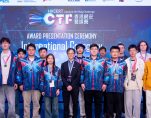
To cultivate practical talent for the cybersecurity sector, the sixth “HKCERT Capture The Flag Challenge 2025” (HKCERT CTF Challenge) was successfully organised by the Digital Policy Office (DPO), HKPC, and HKCERT. This year’s competition was elevated to the first-ever adoption of an attack–defence mode, closely replicating the network setup of real enterprises. Participants experienced first-hand hacking techniques, system vulnerability analysis, threat intelligence gathering, and coordinated response in a simulated real-world environment. Through completing multiple tasks within a limited time, the competition also allowed them to break through the traditional classroom theoretical framework, gain practical experience and build confidence. The event attracted around 1,940 young contestants, an increase of nearly 40% from last year’s 1,385 participants, reaching a record high for the competition. Contestants included teams from Hong Kong, Chinese Mainland, Asia, and Europe, fostering cross-regional exchange and collaboration. In the finals, three local teams and one overseas team were awarded gold prizes in the Secondary School, Tertiary Institution, Open Category, and International Category respectively, while Sing Yin Secondary School received the “Best School Award”. The full list of awardees is available on the event website.
Participants Share Practical Experience Integrating AI into Attack and Defence The competition was well received by contestants for its innovative format and realistic offensive and defensive environment, offering a valuable platform for learning and exchange. The winning team in the International Category, W&M, commented, “Our members are from Shanxi, Guangdong and Beijing. This was our first time competing together in the HKCERT CTF Challenge. The atmosphere and experience of the finals were excellent. The tasks were centred on an attack‑defence simulation, requiring us to find all vulnerabilities while patching our own systems and attacking other teams at the same time. Some vulnerabilities were discovered and exploited by other teams first, which kept the scores very close and made the competition incredibly tense and exciting”.
They added, “During the competition, we also applied lots of AI techniques for assistance, such as applying AI to analyse vulnerabilities and refine attack methods. In the future, AI may play a deeper role in areas like vulnerability detection and code analysis, but for now it cannot be fully relied upon—human oversight is still essential”.
HKCERT CTF Challenge has now been held for six consecutive years, with its scale expanding annually and participants showing continuous growth. Many secondary school students gain their first hands‑on exposure to cybersecurity through the competition and connect with university mentors, helping them shape their academic and career paths. Several past participants have gone on to compete in local and international events, committing to a future in the cybersecurity field. Beyond attracting overseas talent to exchange ideas in Hong Kong, HKCERT continues to build connections between cybersecurity professionals in Hong Kong and Chinese Mainland. Top‑performing teams can gain direct entry into equivalent finals in Chinese Mainland. For example, participants from the previous HKCERT CTF Challenge 2024 advanced directly to the finals of the “Greater Bay Area Cup Cybersecurity Challenge”, where they secured the top four places in the Hong Kong and Macao category. This also provided local contestants with access to world‑class cybersecurity techniques, effectively promoting cross‑regional elite collaboration and talent development.
Finals Format Upgraded: Attack-Defence Mode Mirrors Real Enterprise Operations The finals were comprehensively upgraded this year. In addition to increase the overall technical difficulty, the competition introduced an attack‑defence format for the first time that closely mirrors real enterprise cybersecurity operations. Teams played dual roles—both attackers and defenders—in an environment created with reference to the real-world systems. The tasks simulated incident response and live attack-defence scenarios commonly encountered in the cybersecurity field. Within a limited timeframe, participants had to do penetration testing, exploit vulnerabilities and attack, while patching their own systems and monitoring threats in real time against attacks from other teams. This parallel attack‑defence setup reflects actual workflow patterns in the industry, effectively training participants’ analytical abilities and adaptability under pressure. Through hands‑on practice in a likely enterprise environment, contestants developed multifaceted, industry‑aligned capabilities—laying a solid foundation for their future careers in cybersecurity.
Ms Candy CHAN, Assistant Commissioner (Project Governance and Cybersecurity) of the DPO, highlighted the DPO’s commitment to enhancing Hong Kong’s cyber resilience, with one of its key initiatives being the nurturing of the next generation of cybersecurity professionals. She emphasised that the DPO has been collaborating closely with academia and industry partners to foster a robust talent pipeline and build a safer digital environment in Hong Kong. She noted that this year marks the sixth edition of the HKCERT CTF Challenge, which has grown into one of Hong Kong’s most respected and anticipated cybersecurity competitions over the years. Beyond being a contest of technical prowess, the Challenge serves as a dynamic platform for networking, knowledge exchange and community building among the new generation of cybersecurity experts.
Ir Samson SUEN, General Manager of Digital Trust and Transformation Division of HKPC, stated, “HKCERT CTF Challenge has consistently aimed to build an international platform for technical exchange. Through high-intensity simulated contests, we enhance participants’ cyber defence skills and promote cross-regional interaction among emerging cybersecurity talents. This cultivates a new generation of globally competitive professionals in Hong Kong and strengthens the local talent pipeline. This year’s finals first introduced a simulation of real-world cybersecurity operations, enabling teams to experience both offensive and defensive roles in a recent cybersecurity team. This hands-on approach is crucial for developing practical skills and incident response capabilities”.
Fostering Cybersecurity Awareness Across All Sectors of Society To further enhance cybersecurity awareness across the community, HKCERT has partnered with the DPO and the Cyber Security and Technology Crime Bureau of The Hong Kong Police Force, to launch the “Building a Secure Cyberspace 2026” campaign to promote cybersecurity awareness. The initiative includes various educational activities, such as an “AI-Generated Four-Panel Comic”contest, which encourages the public to make good use of AI tools while strengthening their understanding of cybersecurity. At the corporate governance level, HKCERT will publish a series of practical guidelines addressing emerging risks —such as AI applications and supply chain security—highlighted in the “Hong Kong Cybersecurity Outlook 2026”, to support business in establishing a robust protection framework. In particular for AI governance, the guidelines will offer actionable recommendations covering AI system security assessments, compliance rules for employees using public AI platforms, controls over sensitive data input, and methods for monitoring and defending against AI‑assisted attacks. These resources aim to help enterprises systematically enhance their cyber resilience across governance, technology, and awareness.
As Hong Kong accelerates the development of innovation and technology and advances its digital economy, strengthening cyber defence capabilities has become a key talent need. HKCERT will continue to support businesses and the public through incident response, security guidance, and cybersecurity awareness programmes. The HKCERT CTF Challenge continues to play a vital role in nurturing local talent, fostering cross-regional collaboration, and advancing public education. By enhancing the overall level of protection, the competition contributes to the sustainable development of the digital economy and reinforces Hong Kong’s long‑term competitiveness.
The seventh edition of HKCERT CTF Challenge will be held in November 2026, featuring more innovative attack-defence challenges and continuing to set up an international category to provide local contestants with a platform for technical exchange with top teams from Hong Kong, Chinese Mainland, and overseas. Registration opens in September 2026, with finalists competing in the live finals in February 2027.
Hashtag: #HKCERT
The issuer is solely responsible for the content of this announcement.
About Hong Kong Productivity Council
The Hong Kong Productivity Council (HKPC) is a statutory body established in 1967, dedicated to enhancing the productivity and competitiveness of Hong Kong enterprises through world-class applied R&D, innovative technology services, and integrated manufacturing solutions. As a market-oriented, international R&D organisation, HKPC leverages its deep expertise and extensive industry experience in key areas such as AI, advanced manufacturing, life and health technology, green technology and new energy to drive new industrialisation and support the growth of emerging and future industries.
HKPC focuses on addressing businesses challenges and industrial technology needs, promoting the full integration between technological and industrial innovation. Through technology transfer, product innovation, intellectual property protection and commercialisation of R&D outcomes, the Council fosters collaboration with the local business community as well as top global R&D institutions, delivering added value to industries and advancing the development of new productive forces. HKPC’s world-class R&D achievements have been widely recognised over the years, winning an array of local and overseas accolades, reinforcing Hong Kong’s role as an international innovation and technology centre and a smart city.
To help enterprises capitalise on Hong Kong’s strengths in international connectivity to expand into global markets, HKPC offers comprehensive overseas expansion services tailored to critical areas including product development, technology, manufacturing, and management, enabling businesses to successfully go global from Hong Kong.
HKPC is also committed to providing timely and practical support to SMEs and startups with timely and practical , assisting them in accessing Government funding programmes. Through its FutureSkills training initiatives, HKPC helps both industry and academia stay ahead in latest digital and STEM technologies, nurturing a future-ready talent pool for Hong Kong.
For more information, please visit HKPC’s website: www.hkpc.org/en.
Berlin is tightening controls on its defence sector as it expands military spending and confronts strategic risks posed by deep economic ties with China and reliance on foreign suppliers, especially from the United States. The federal government’s action reflects growing anxiety that Germany’s defence companies, including key suppliers and manufacturers, could be exposed to undue influence or supply chain disruptions if anchored too closely to geopolitical rivals. […]
New Delhi has approved a proposal worth about $39 billion to expand the country’s fleet of Rafale fighter aircraft, marking one of the largest defence procurement decisions in its history and signalling a further shift towards advanced Western platforms in its combat air strategy.
The clearance by the defence ministry paves the way for negotiations with France’s Dassault Aviation for additional Rafale jets, building on an earlier $8.7 billion contract for 36 aircraft for the Air Force, deliveries of which were completed in 2024. A separate agreement has also been signed for 26 Rafale-M naval variants intended for deployment aboard aircraft carriers, underscoring a broader push to strengthen maritime air power.
New Delhi pushes major Rafale fleet expansion as it seeks to address concerns over squadron strength and ageing aircraft. The Air Force’s sanctioned strength stands at 42 squadrons, yet operational numbers have hovered well below that benchmark for years, raising debate within strategic circles over preparedness along contested borders with China and Pakistan.
Officials familiar with the procurement process say the new proposal reflects both operational requirements and long-term modernisation goals. India’s fleet still includes a significant number of Soviet-era MiG-21s and other legacy platforms, many of which are due for phased retirement. The Rafale, a 4.5-generation multirole fighter equipped with advanced avionics, electronic warfare systems and long-range precision weapons, has been positioned as a key element in bridging capability gaps.
The initial induction of 36 Rafales was widely viewed as a stopgap measure after the earlier Medium Multi-Role Combat Aircraft tender was scrapped amid cost and contractual disputes. Since their deployment at Ambala and Hasimara air bases, the aircraft have been integrated with India-specific enhancements, including advanced radar and electronic countermeasures. Defence planners argue that expanding the Rafale fleet would provide logistical and training efficiencies compared with diversifying further across multiple foreign platforms.
The naval variant, Rafale-M, has been selected to operate from the INS Vikrant, the country’s first domestically built aircraft carrier, and potentially from INS Vikramaditya. Naval aviation officials have indicated that the twin-engine aircraft meets requirements for carrier-based operations, including ski-jump take-offs and arrested landings, following evaluation trials against competitors such as Boeing’s F/A-18 Super Hornet.
Strategic analysts view the combined air force and naval acquisitions as part of a wider recalibration of procurement policy. Over the past decade, New Delhi has sought to balance self-reliance initiatives with the need for timely capability upgrades. Programmes under the “Atmanirbhar Bharat” framework aim to boost domestic manufacturing, yet complex fighter development remains a long-term endeavour. The Light Combat Aircraft Tejas, produced by Hindustan Aeronautics Limited, has entered service and secured additional orders, but it is not seen as a direct substitute for heavier multirole platforms like the Rafale.
Financial implications are significant. A $39 billion outlay would rank among the largest defence capital expenditures, at a time when the government is managing competing demands from infrastructure, welfare and economic stimulus. Officials have indicated that staggered payments and potential technology transfers could form part of negotiations, with an emphasis on local industry participation.
Previous Rafale contracts were accompanied by offset obligations requiring Dassault and its partners to invest in the domestic aerospace ecosystem. Whether similar provisions will apply to the expanded deal remains a subject of scrutiny, particularly as policymakers seek to deepen supply-chain integration and reduce long-term import dependence.
Diplomatically, the move reinforces defence ties with France, which has emerged as a key security partner in the Indo-Pacific. Bilateral cooperation spans joint exercises, maritime surveillance and submarine technology. Paris has consistently supported India’s strategic autonomy, a factor often cited by policymakers as attractive compared with other major arms suppliers.
Political debate is likely to accompany the procurement, as the earlier Rafale deal became a focal point of parliamentary contestation over pricing and process transparency. Government representatives have maintained that all procedures were followed in accordance with defence acquisition rules, and that operational urgency justified the intergovernmental route adopted at the time.
Air power specialists argue that a larger Rafale fleet would enhance interoperability and deterrence. The aircraft’s ability to carry Meteor beyond-visual-range missiles and SCALP cruise missiles has been highlighted as a force multiplier. Integration with indigenous weapons and network-centric warfare systems is also under way, reflecting a hybrid approach that blends imported hardware with domestic innovation.
Beyond immediate operational considerations, the proposal signals continuity in defence planning that spans successive administrations. India remains among the world’s largest arms importers, yet officials have reiterated ambitions to transition towards greater domestic production capacity over the coming decade. Achieving that balance, while sustaining readiness across land, sea and air domains, presents both fiscal and industrial challenges.
Construction of the first 200 megawatts of the Stargate Data Centre project in the UAE is advancing, according to ALEC Holdings, as structural works near completion and major mechanical and electrical installations gather pace. ALEC, a subsidiary of the Investment Corporation of Dubai, informed the Dubai Financial Market that building structures have been erected and that mechanical, electrical and plumbing works are well under way. The update […]
Abu Dhabi’s ADNOC Gas signalled a marked increase in investment alongside a record financial performance, projecting capital expenditure of $4 billion to $4.5 billion for this year and laying groundwork for expanded processing capacity across key facilities as it pursues its multi-phase Rich Gas Development project. The state-owned company reported full-year net income of $5.2 billion for 2025, a 3 per cent rise from the prior year, […]
By Dr. Gyan Pathak India witnessed on Thursday February 12 the most intensified of all India general strike of workers in the country so far in which over 30 crores workers were estimated to have participated in about 600 districts of the country, surpassing the record of July 9, 2025 general strike in which over […]
South African share prices rose on Thursday as investors balanced optimism over global market trends with caution ahead of President Cyril Ramaphosa’s keynote address to Parliament and the release of critical domestic economic information. The benchmark Johannesburg Stock Exchange Top-40 index climbed around 0.5 per cent during early trade, buoyed by gains in resource and financial stocks, while the rand strengthened modestly against the US dollar, reflecting […]
HANOI, VIETNAM – Media OutReach Newswire – 12 February 2026 – Vingroup and Vinhomes have been recognized by TIME (USA) in the ranking of ASIA-PACIFIC’S BEST COMPANIES OF 2026, placing both companies among the Top 500 enterprises in the region.The simultaneous presence of Vingroup and Vinhomes with impressive rankings in TIME’s prestigious list not only affirms the global scale and stature of their ecosystem, but also underscores the growing influence of Vietnam’s economy on the international stage.
Vingroup and Vinhomes have been named among the Top 500 Best Companies in Asia-Pacific 2026 by TIME Magazine.
This year’s ranking honors 500 outstanding companies that are elevating the Asia-Pacific region’s role on the global economic map under the title ASIA-PACIFIC’S BEST COMPANIES OF 2026. Vingroup achieved a total score of 89.68, ranking 57th. Vinhomes ranked 352nd with a score of 80.69.
The results are based on a rigorous and transparent evaluation process conducted by TIME in collaboration with Statista. The assessment draws on comprehensive data collection and in-depth analysis across three key criteria: Financial Performance, Sustainability Transparency (ESG), and Employee Satisfaction.
Under the Financial Performance criterion, Vingroup received high recognition from TIME, recording consolidated net revenue of VND 332.77 trillion in 2025, up 76% year-on-year, the highest in the Group’s history. This exceptional performance was driven by the simultaneous launch of large-scale real estate mega-projects nationwide, alongside strong breakthroughs in its technology and industrial segments.
Vinhomes reported consolidated net revenue of VND 154.102 trillion in 2025. Its total consolidated net revenue (adjusted) reached VND 183.923 trillion, while consolidated profit after tax amounted to VND 42.111 trillion, representing year-on-year increases of 30% and 20%, respectively, compared to 2024. These figures not only exceeded business targets but also set new records, securing Vinhomes’ place among the region’s most prestigious Top 500 companies.
Under Sustainability Transparency (ESG), Vingroup continued to demonstrate meaningful contributions across environmental, governance, and social dimensions. ESG principles are integrated across all of the Group’s operations, from advancing green industrial development and building a comprehensive electric vehicle ecosystem centered on VinFast, to developing Vinhomes’ large-scale urban projects based on sustainable planning standards from inception.
A standout example is Vinhomes’ mega-project, Vinhomes Green Paradise, located in Can Gio. The project aims to achieve international certifications including BREEAM Communities and ISO 37122. Beyond merely adhering to global standards, Vinhomes Green Paradise pioneers an upgraded ESG++ urban model built upon five pillars: Environment – Social – Governance – Regeneration – Climate Change Adaptation. This ESG++ framework is set to become the benchmark for all future Vinhomes developments.
With a forward-looking vision, Vinhomes Green Paradise has also become the first Official Participant in the “7 Wonders of Future Cities” campaign initiated by New7Wonders, affirming its global aspiration in shaping a model city of the future.
Under the Employee Satisfaction criterion, Vingroup ranked 55th globally, while Vinhomes placed 335th, reflecting a dynamic working environment that fosters creativity, dedication, and continuous personal development.
In Vietnam, Vingroup and Vinhomes have consistently led national rankings of “Best Workplaces” announced by independent organizations, reinforcing their human capital strategy as a core foundation for sustainable, long-term growth.
This marks the third consecutive year that Vingroup and its subsidiaries have been honored by TIME in prestigious global rankings. Previously, VinFast was named among the world’s Most Influential Companies 2024 and included in ASIA-PACIFIC’S BEST COMPANIES OF 2025. Also in 2025, Vingroup became the first and only Vietnamese company to be honored among the World’s Best Companies 2025.
The continued recognition of Vingroup and its ecosystem companies by TIME underscores the rising strength and expanding global influence of Vietnamese enterprises.
TIME, headquartered in New York, USA, is one of the world’s most respected publications, with a history spanning 103 years and a broad international presence. Its annual rankings are widely regarded for their objectivity, rigorous evaluation methodology, and comprehensive criteria, earning strong credibility within the global business community.
Hashtag: #Vingroup #Vinhomes
The issuer is solely responsible for the content of this announcement.
RIYADH – Ruyah Faidah (Vision Plus), the Saudi subsidiary of the digital tech leader 3D Factory Korea, has reached a historic milestone with its landmark project atop Al-Hada Mountain. The company announced today that the installation has received official pre-approval from Guinness World Records for the “World’s Highest Mountain Media Facade.” Standing at an altitude of 1,738 meters, the massive digital installation functions as a strategic “digital […]
Greenland’s long-standing drive for full independence from Denmark is gathering renewed attention as political leaders and community voices weigh the implications of public remarks by United States President Donald Trump suggesting Washington could seek control of the Arctic territory. While calls for sovereignty have echoed across the island for decades, the latest geopolitical tension has prompted some Greenlandic Inuit to argue that the path towards independence must […]



 https://iau.org