Binance has moved deeper into the intersection of digital assets and traditional finance by introducing perpetual contracts linked to gold and silver, offering round-the-clock trading and USDT settlement as the exchange broadens its derivatives portfolio beyond cryptocurrencies. The launch positions the platform to tap demand from traders seeking continuous exposure to precious metals without the constraints of conventional market hours. The new products, described by the exchange […]
HO CHI MINH CITY, VIETNAM – Media OutReach Newswire – 2 January 2026 – CUKTECH, a technology brand dedicated to charging innovation, has officially launched its first desktop charging product in Vietnam — the CUKTECH 30 Ultra Charging Station. This marks an important expansion of CUKTECH’s local product lineup, bringing a high-performance, all-in-one desktop charging solution to users who value efficiency, advanced technology, and modern design.
Designed for multi-device users, content creators, and tech enthusiasts, the CUKTECH 30 Ultra Charging Station combines ultra-high power output, intelligent visual interaction, and minimalist industrial design to elevate the desktop charging experience.
All-in-One Desktop Power Charging Station
With a maximum total DC output of up to 300W, the CUKTECH 30 Ultra Charging Station can charge up to five devices simultaneously. From high-performance laptops and tablets to smartphones and accessories such as earbuds and smartwatches, most devices can be powered efficiently from a single desktop hub, reducing cable clutter and minimizing reliance on multiple chargers.
Smart Visual Interface
The charging station features a 1.83-inch IPS display with 850 nits peak brightness and a 170° wide viewing angle. The screen displays real-time information including per-port output, total power consumption, and charging protocols, enabling users to easily monitor charging status while enhancing the product’s technological appeal.
Advanced Fast-Charging Technology
Powered by ADC 2.0 Adaptive Fast Charging Technology, the CUKTECH 30 Ultra Charging Station intelligently identifies connected devices and automatically matches optimal voltage and current. It supports multiple mainstream fast-charging standards, including Xiaomi 120W MAX, delivering fast, stable, safe performance across a wide range of devices and brands.
Minimalist Design for Modern Desktops
Staying true to CUKTECH’s design philosophy, the CUKTECH 30 Ultra features a refined, minimalist form that blends seamlessly into modern home and office environments. Beyond functionality, it serves as a premium desk accessory that enhances organization and visual sophistication.
Brand Strength & Global Recognition
As part of the Xiaomi ecosystem, CUKTECH has built strong expertise in GaN technology, CUK circuit architecture, and adaptive fast-charging systems, ensuring industry-leading performance, efficiency, and safety. The brand’s products have received international recognition, including the iF Design Award and Red Dot Award, and are available in markets such as South Korea, Singapore, the United States, and Europe.
Availability
The CUKTECH 30 Ultra Charging Station is now available through the official CUKTECH store on Shopee Vietnam, offering local consumers a next-level desktop charging solution.
Arabian Post Staff -Dubai UAE’s national railway operator Etihad Rail has outlined the rollout of the country’s first passenger railway network, marking a significant expansion of the federal transport system that will connect 11 cities and regions through a series of strategically located stations scheduled to become operational this year. The passenger rail service builds on the national freight network that has been running since 2023 and […]
China’s consumer prices climbed at their fastest pace in nearly three years in December while factory-gate deflation eased, adding to evidence that price pressures are stabilising even as demand remains uneven across the economy.
China prices show firmer momentum
Data released by the National Bureau of Statistics showed annual consumer price inflation accelerating to its strongest level since early 2022, driven by higher food costs and a gradual recovery in some service categories. At the same time, producer prices fell at a slower pace, marking a further moderation in factory-gate deflation that has weighed on corporate margins for much of the past year.
The figures offer a nuanced picture for policymakers in Beijing. Households have faced prolonged price weakness amid a sluggish property sector and cautious consumer spending, while manufacturers have struggled with excess capacity and weak external demand. December’s readings suggest those deflationary forces may be losing intensity, though not disappearing altogether.
Food prices were a key driver of the headline consumer inflation increase. Pork prices rose on a low base after earlier declines, while seasonal demand pushed up costs for fresh vegetables and other staples. Core inflation, which strips out volatile food and energy components, also edged higher, pointing to tentative improvement in underlying demand rather than a one-off spike.
Economists noted that service prices, including travel and leisure, showed firmer momentum as domestic tourism and entertainment spending improved toward the year-end. However, discretionary retail categories remained mixed, reflecting ongoing household caution and the lingering impact of earlier job-market softness.
On the production side, the producer price index stayed in negative territory but posted a smaller year-on-year decline than in previous months. The easing was linked to stabilising commodity prices, modest improvement in industrial demand and policy efforts to curb destructive price competition in sectors facing overcapacity. Heavy industries such as steel and chemicals continued to face pressure, while technology manufacturing showed more resilience.
The data come as authorities seek to balance growth support with financial stability. The government has rolled out targeted fiscal measures, including infrastructure spending and tax relief for smaller firms, while encouraging banks to channel credit toward advanced manufacturing and green industries. Monetary policy has remained accommodative, with the central bank signalling readiness to fine-tune liquidity conditions if deflation risks persist.
Officials at the People’s Bank of China have repeatedly stressed the need to avoid both deflation and excessive stimulus that could inflate asset bubbles. The December inflation readings strengthen the argument that incremental measures are gaining traction, though the pace of recovery remains modest by historical standards.
Market reaction to the data was measured. Equity investors focused on the prospect of improving corporate pricing power, while bond yields remained anchored by expectations that policy support would continue. Currency markets showed little volatility, reflecting the broader view that China’s recovery will be gradual rather than abrupt.
Structural factors continue to shape the inflation outlook. Demographic changes, a high household savings rate and productivity gains have all contributed to subdued price growth over the past decade. Analysts argue that reversing entrenched deflationary expectations will require sustained income growth and clearer signals of confidence in the labour market.
At the same time, external factors could influence the trajectory. Global energy prices have been volatile, and geopolitical tensions have the potential to disrupt supply chains. Any renewed surge in commodity costs would feed into producer prices first, with a lagged effect on consumers.
France’s trade deficit widened to €4.2 billion in December 2025, reversing some of the narrowing seen earlier in the quarter as imports accelerated faster than exports, according to official customs data released this week. The shortfall, up from a revised €3.5 billion in November, broadly matched market expectations and underscored the uneven recovery in external trade as domestic demand picked up while overseas sales faced mixed conditions. […]
Investment to expand robotics research and development, strengthen production readiness, and advance Primech Holdings’ facilities management operations
SINGAPORE – Media OutReach Newswire – 8 January 2026 – Primech Holdings Ltd. (Nasdaq: PMEC), a technology-driven facilities services and robotics company, today announced a $4.0 million strategic investment from WELLE Environmental Group Co., Ltd. (SZSE: 300190), reinforcing Primech’s acceleration into autonomous robotics, AI-powered cleaning systems, and scaled global facilities operations.
The investment highlights growing market confidence in Primech Holdings’ long-term growth strategy and its expanding role at the intersection of autonomous robotics and technology-enabled facilities services. Leveraging the deep operational expertise of its facilities services subsidiary, Primech A&P Pte. Ltd., alongside its robotics subsidiary, Primech AI Pte. Ltd., the capital will support accelerated robotics development, enhanced production capabilities, and the continued commercialization of Hytron, Primech’s flagship autonomous restroom cleaning robot.
“This investment validates the momentum we are building across autonomous robotics and intelligent facilities operations,” said Ken Ho, Chairman and Chief Executive Officer of Primech Holdings. “Partnering with WELLE strengthens our ability to scale faster, deploy more broadly, and execute on the growing demand for AI-powered automation in real-world environments. We are entering 2026 with a clear strategy, strong execution capabilities, and the capital to accelerate growth across international markets.”
Proceeds from the investment are expected to be deployed to expand robotics research, development, and production capacity, strengthen operational and manufacturing readiness, and support broader deployment of Hytron across commercial environments. The investment will also bolster working capital to support the continued expansion of Primech Holdings’ core facilities management business.
The transaction further deepens the strategic alignment between Primech Holdings and WELLE, building on their previously announced cooperation initiatives in robotics and intelligent operations. By combining Primech’s autonomous robotics platform and facilities expertise with WELLE’s environmental technology footprint and operational scale, the collaboration is positioned to accelerate intelligent automation and sustainable infrastructure solutions across industrial and commercial markets.
Additional details regarding the investment are included in Primech Holdings’ Form 6-K filed with the U.S. Securities and Exchange Commission on January 6, 2026.
Hashtag: #Primech
The issuer is solely responsible for the content of this announcement.
About WELLE Environmental Group Co., Ltd.
WELLE Environmental Group Co., Ltd. (300190.SZ) is a technologically advanced enterprise specializing in energy conservation and environmental protection. With strong core technical capabilities and continuous innovation, WELLE operates across environmental governance and bioenergy sectors, including food waste and kitchen waste resource utilization, high-concentration wastewater treatment, biogas and biomethane development, and biofuel production. With extensive project experience and diversified application scenarios, WELLE is committed to promoting energy efficiency, carbon reduction, and circular resource utilization.
About Primech AI
Primech AI is a leading robotics company dedicated to pushing the boundaries of innovation in technology. With a team of passionate individuals and a commitment to collaboration, Primech AI is poised to revolutionize the robotics industry with groundbreaking solutions that make a meaningful impact on society. For more information, visit www.primech.ai. About Primech Holdings Limited Headquartered in Singapore, Primech Holdings Limited (Nasdaq: PMEC) is a leading provider of comprehensive technology-driven facilities services, predominantly serving both public and private sectors throughout Singapore. Primech Holdings offers an extensive range of services tailored to meet the complex demands of its diverse clientele. Services include advanced general facility maintenance services, specialized cleaning solutions such as marble polishing and facade cleaning, meticulous stewarding services, and targeted cleaning services for offices and homes. Known for its commitment to sustainability and cutting-edge technology, Primech Holdings integrates eco-friendly practices and smart technology solutions to enhance operational efficiency and client satisfaction. This strategic approach positions Primech Holdings as a leader in the industry and a proactive contributor to advancing industry standards and practices in Singapore and beyond. For more information, visit www.primechholdings.com.
Forward-Looking Statements Certain statements in this announcement are forward-looking statements, including, for example, statements about completing the acquisition, anticipated revenues, growth, and expansion. These forward-looking statements involve known and unknown risks and uncertainties and are based on the Company’s current expectations and projections about future events that the Company believes may affect its financial condition, results of operations, business strategy, and financial needs. These forward-looking statements are also based on assumptions regarding the Company’s present and future business strategies and the environment in which the Company will operate in the future. Investors can find many (but not all) of these statements by the use of words such as “may,” “will,” “expect,” “anticipate,” “aim,” “estimate,” “intend,” “plan,” “believe,” “likely to” or other similar expressions. The Company undertakes no obligation to update or revise publicly any forward-looking statements to reflect subsequent occurring events or circumstances or changes in its expectations, except as may be required by law. Although the Company believes that the expectations expressed in these forward-looking statements are reasonable, it cannot assure that such expectations will be correct. The Company cautions investors that actual results may differ materially from the anticipated results and encourages investors to review other factors that may affect its future results in the Company’s registration statement and other filings with the SEC.
VinFast’s breakout year, capped by its 200,000th vehicle and growing presence from India to the Middle East, shows how Vietnam is rewriting its industrial reputation, with electric cars leading the charge.
HAI PHONG, VIETNAM – Media OutReach Newswire – 8 January 2026 – On the final day of 2025, VinFast’s Hai Phong manufacturing complex ended the year at full throttle, rolling off the 200,000th vehicle from its production line. For Vietnam’s first and only global carmaker, the number capped off a year of achievements that highlighted Vietnam’s growing capability as a manufacturing hub.
VinFast’s Hai Phong manufacturing complex ended the year at full throttle, rolling off the 200,000th vehicle from its production line.
For more than a year, VinFast has led Vietnam’s car market, outselling brands that once defined what success on four wheels looked like, a welcome change in a country long used to importing its automotive identity. VinFast vehicles are now part of daily traffic as commuter cars, family haulers, and long-distance companions, judged and praised with the same standards buyers apply to Japanese, Korean, or German imports.
Scale, however, tells only part of the story. In the same year, VinFast revealed a far more technical project: the Lac Hong 900 LX, an armored electric vehicle certified to meet the VPAM VR7 ballistic protection standard. Very few automakers globally can build vehicles at that level of protection, and even fewer can do so with a fully electric platform.
Outside Vietnam, over the past two years, VinFast has pushed into North America, Europe, Asia, and the Middle East. Notably, in 2025, three new plants came online, one in Vietnam and two more in India and Indonesia. The Indian factory in Tamil Nadu entered a market famous for thin margins and even thinner patience. It is not a place that waits politely for newcomers to find their footing. Yet by December, just months after starting sales, VinFast had risen to become India’s fourth largest EV brand, prompting one Indian outlet to note that its market entry “proved to be a huge success.”
Much of VinFast’s momentum, across every market it has entered, comes from how it thinks about ownership. Rather than treating sales as an endpoint, the company tends to enter markets with an entire support system designed to remove local anxieties. In regions where electric vehicles still prompt practical questions, those details carry weight.
VinFast VF 8 model in UAE.
The Middle East offers a clear case. There, the VF 8 is positioned as a premium midsize electric SUV, supported by policies designed to reduce hesitation. Buyers receive a ten-year or 200,000-kilometer vehicle warranty, a ten-year unlimited-mileage battery warranty, and five years of free servicing, along with mobile service units, round-the-clock roadside assistance, and guaranteed parts availability.
For many buyers in the Middle East, Vietnam was not previously associated with car manufacturing, an image VinFast is steadily undoing for a country long thought of mainly as an exporter of rice and shoes. Beyond the vehicles themselves, that kind of normalization may be VinFast’s most lasting export.
There was a time when cars from South Korea were treated as a punchline in Western markets, but those jokes have not aged well. Vietnam’s turn is arriving in a different moment, shaped by electrification and fewer fixed ideas about who belongs in the global auto club. And this time, nobody is laughing.
BlueFive Capital has been appointed as the first General Partner for a newly established fund-of-funds created by CICC Capital, marking a strategic partnership that brings together global asset management expertise with Chinese industrial capital. The mandate also reflects the involvement of HBIS Group, one of the world’s largest steelmakers, whose industrial priorities will shape the investment direction of the vehicle. The fund-of-funds structure is designed to deploy […]
Arabian Post Staff -Dubai Economic momentum across the UAE is building faster than earlier projections, with gross domestic product expected to expand by about 5% this year, outpacing the global average and reinforcing the country’s position as one of the strongest performers among emerging and developed markets alike. The revised outlook reflects resilient trade flows, deep banking liquidity and sustained expansion across non-oil sectors that have insulated […]
TDK has unveiled STRIDE, a low-power, real-time positioning software platform aimed at wearables and connected IoT devices, marking a push to strengthen its presence in software-defined sensing alongside its established sensor hardware business. The launch positions the Tokyo-based electronics group to compete more directly in applications where accurate location tracking must operate continuously on constrained batteries, such as smartwatches, fitness bands, asset tags and industrial monitoring devices. […]
Tackle rising business costs and trade barriers with a unified digital platform for Free Trade Agreements as well as build stronger economic partnerships.
Bridge AI adoption gaps by co-funding shared data pools and introducing a regional “Trusted AI” mark to drive innovation and governance.
Future-proof the workforce with targeted work visas for global experts, job transformation roadmaps, and advanced leadership programmes.
SINGAPORE – Media OutReach Newswire – 7 January 2026 – KPMG in Singapore and the Singapore Institute of Directors (SID) are pleased to announce the release of a joint Budget 2026 Proposal, titled “Prospering in a New Global Landscape”.
From Left to Right: Yong Jiahao, Partner, Infrastructure, Government & Healthcare (IGH) & Industrial Manufacturing, Tax, KPMG; Ajay Kumar Sanganeria, Partner and Head of Tax, KPMG; Lee Sze Yeng, Managing Partner, KPMG; Max Loh Khum Whai, Vice-Chair, Singapore Institute of Directors; Edwin Lee, Deputy CEO, Singapore Institute of Directors
By fostering resilient economic linkages, embedding digital trust, and cultivating world-class talent and leadership with cross-domain expertise, Singapore can ensure its businesses and economy remain secure, innovative, and competitive in an uncertain global landscape.
This Proposal outlines strategies to position Singapore as a critical hub for global flows, covering three crucial areas:
A new global order: Resilience as a pivotal growth strategy
The Intelligent Age: Smart solutions for an innovative era
The recommendations in the proposal are also supported by data-driven insights from a survey recently conducted by KPMG and SID. More than 1,000 professionals, managers, executives and technicians (PMETs) and business owners were surveyed on the challenges they face and the kinds of Budget 2026 support they hoped to see. [For more information, please refer to the deck with the full survey results: https://kpmg.com/sg/en/campaigns/kpmg-singapore-budget.html ]
Empowering businesses to leverage Singapore’s trusted role as a global connector
Global commerce is rapidly transforming amid rising protectionism, shifting trade rules, evolving tax regimes, and geopolitical tensions. Singapore’s long-term prosperity in the new global order depends on its ability to lead as a trusted connector and aggregator of the flows of goods, capital, data, and talent.
Singapore must strengthen its economic linkages, build secure and interoperable digital platforms, cultivate a workforce equipped with cross-domain expertise, and equip boards with essential skills to navigate emerging risks and opportunities. Trusted and resilient economic linkages will ensure the seamless movement of goods, services, and investments, while interoperable digital platforms will play a critical facilitation role in enabling cross-verification of information, streamlining compliance, and fostering trust across borders. These efforts are especially important in helping businesses cope with shifting regulations. KPMG and SID’s survey found that 51 percent of respondents identified increased business costs as the main challenge to cross-border expansion, followed by higher tariffs (26 percent) and supply chain difficulties (25 percent). To address these challenges, 43 percent of respondents want stronger economic and trade partnerships to overcome trade barriers.
KPMG and SID recommend:
a) Developing a unified digital platform for Free Trade Agreement (FTA) management (page 7) to help businesses navigate complex procedures and unlock the full benefits of FTAs. This would be seamlessly integrated with government systems, making it more seamless and cost-effective for businesses to comply with FTA requirements. This would enable firms to leverage Singapore’s extensive FTA network to gain footholds in new markets, further enhancing Singapore’s regional and global competitiveness.
b) Increasing access to working capital to accelerate local enterprises’ strategic transformation and implementing industry-specific governance frameworks (page 7). With geopolitical shifts driving a more complex regulatory landscape, increased and dedicated funding would enable businesses to transform for the future while responding effectively to evolving governance standards. Such funding should be complemented by industry-specific governance playbooks to equip boards with essential tools to strengthen agility and resilience.
c) Enhancing Singapore’s government-backed trade platform with blockchain and AI (page 6). The global economy has seen an increase in supply chain disruptions amid geopolitical and trade uncertainties. An enhanced Government-backed trade platform would enable Singapore to further facilitate the flow of trusted payments, making it even easier for businesses to validate transactions and act on smart recommendations to elevate supply chain efficiency. Amid a more fragmented world, the enhanced platform would also reinforce Singapore’s position as a reliable hub for global commerce, by promoting increased supply chain transparency for critical industries like semiconductors, pharmaceuticals, and advanced manufacturing.
d) Introducing progressive carbon taxes to reward decarbonisation and establish performance-based pathways for large emitters (page 9). Singapore’s carbon taxes must evolve to consider unique business needs and companies’ decarbonisation plans. Progressive carbon tax rates post-2030 – based on facility emissions volume, emissions per unit of output, and sectoral abatement potential – could be accompanied by permanent conditional tax rebates for energy-intensive, trade-exposed sectors. These rebates could be based on set criteria such as verified year-on-year reductions in carbon intensity and investments in low-carbon technology. To strengthen these efforts, Singapore could also establish an ASEAN Environmental Data Exchange to facilitate the sharing of standardised and interoperable environmental data between Singapore and its regional trade partners (page 8). The exchange would improve the flows of green trade and green capital, enabling Singapore to be a regional hub for environmental data harmonisation. Organisations like the Singapore Institute of Directors could play a catalytic role by building board-level capability, aligning disclosure expectations and promoting best practices through director education, guidance frameworks and peer learning on a regional scale, helping boards to lead initiatives like progressive carbon taxation.
Fostering an ecosystem of Trusted AI in the Agentic Era
The rise of artificial intelligence (AI) is reshaping global competitiveness, with agentic AI—capable of autonomous decision-making—introducing both transformative opportunities and significant challenges. While agentic AI can drive innovation, optimise operations, and unlock new efficiencies, it also raises critical concerns around accountability, ethical deployment, and governance.
A critical enabler of AI’s potential is data sharing, yet this often proves difficult due to competition, concerns over intellectual property, and a lack of trust between organisations. Businesses—particularly smaller enterprises—also face cost constraints in accessing high-quality data, and many also lack the strategic clarity and workforce competencies to identify where AI can augment their operations.
KPMG and SID’s poll found that 54 percent of respondents cited talent and skills gaps as the top challenge for adopting AI, followed by high costs of technology adoption (52 percent) and a lack of clear AI adoption strategies (48 percent). By addressing these concerns, Singapore will be able to fully leverage the vast potential of AI and data to reinforce its status as a hub across various sectors.
KPMG and SID recommend:
a) Co-funding sector-specific shared data pools in partnership with trade associations and industry stakeholders (page 15). These shared, anonymised data pools would enable businesses to access high-quality datasets without incurring prohibitive costs. Tailored to specific sectors such as logistics and retail, these pools would facilitate benchmarking, model training, and experimentation under a trusted framework that safeguards data privacy and protects intellectual property. Shared data initiatives should be paired with guided AI adoption support to help businesses understand how AI can enhance specific parts of their value chain. For example, targeted support could help logistics firms optimise supply chains or assist retailers in leveraging AI to personalise customer experiences. This dual approach would enable broader AI adoption and accelerate innovation across industries.
b) Enhancing the public-private partnership (PPP) framework to accelerate AI adoption (page 15). As firms navigate high costs and limited guidance around AI adoption, there is an opportunity for the Government to provide greater access to infrastructure to lower barriers for AI experimentation and deployment. The enhanced framework would create positive spillover effects from existing AI initiatives, as government agencies, academia and industry stakeholders collaborate to strategically integrate AI solutions into business strategies. The framework could also promote cross-sector collaboration in key industries, fostering a culture of open innovation in AI. To bolster digital trust, Singapore could also establish a regional “Trusted AI” mark to drive harmonisation and innovation (page 12). Although Singapore’s Model AI Governance Framework provides a strong foundation for responsible AI deployment, there is still a largely untapped opportunity for Singapore to champion an assurance label that shows firms have AI controls aligned with recognised AI governance standards. By pushing regionalrecognition of this mark, Singapore could accelerate cross-border innovation and trade. The mark would build on initiatives like AI Verify and Project Moonshot, which have helped to promote Trusted AI in Singapore.
c) Supporting hands-on AI governance training for board members and executives (page 13) through a dedicated fund. This would complement existing SkillsFuture programmes which focus primarily on AI awareness, by expanding the emphasis to address strategic and operational gaps at the leadership level – covering ethical deployment, change management and cross-domain applications.
Building globally relevant leaders with cross-domain skills
To fulfil its role as a hub for global flows, Singapore must enable its businesses to navigate a complex web of governance requirements, trade rules, tax policies, and tariffs. While compliance with governance standards will bring higher upfront costs, it also provides a foundation for businesses to lead in innovation and competitiveness. For instance, businesses that embrace sustainability compliance can innovate in areas like green finance, carbon accounting, and environmental data exchange.
Yet, none of this is possible without specialised talent and leadership. Singapore needs professionals and board leaders with expertise in areas such as supply chain management, AI governance, and sustainability strategy. These individuals must be able to connect the dots across domains, such as linking data governance with trade compliance or integrating sustainability goals into business operations. The need for enhanced talent development also emerged from KPMG and SID’s survey findings. Forty-nine percent of respondents want more skills development and upskilling courses. Meanwhile, 42 percent hope for more support for workforce transformation and job redesign, such as higher grants. In addition, 37 percent of respondents want more leadership and management development initiatives, especially in the areas of mentorship and coaching for emerging leaders and advanced leadership programmes.
KPMG and SID recommend:
a) Creating a dedicated work-pass category for “master trainers” and mentors (page 18). The work-pass would encourage international professionals to join local companies, public agencies and training institutions to lead structured upskilling or leadership development programmes. This would accelerate skills transfer, expose workers to global best practices, and build a robust pipeline of talent capable of driving strategic transformation and competitiveness in a rapidly evolving global landscape. Structured leadership development programmes could also include peer-sharing platforms (page 21) aimed at promoting transformation training among C-suite leaders. Backed by the public sector and industry stakeholders, such platforms could foster the exchange of best practices, promote collective learning on key sustainability capabilities and empower leaders to proactively redesign roles and workflows ahead of market shifts.
b) Setting up job transformation roadmaps with co-funded training and certification initiatives (page 19) tied closely to sector-specific needs. As rapid technological developments shape industry demand for skills, job transformation roadmaps would be beneficial in outlining sector-specific disruptions, challenges and opportunities. These roadmaps could be accompanied by industry-recognised certification, and programmes backed by both the public and private sectors. Tailored to sectoral needs, certifications could help to assess whether workers have acquired the necessary skills to perform in transformed roles, especially in fast-evolving sectors where traditional qualifications may no longer suffice.
c) Establishing a $100 million fund to advance social impact reporting (page 9). As Singapore pursues long-term resilience, it must also ensure that economic growth is sustainable and inclusive. The fund could be used to train professionals and board directors in the reporting of social metrics, support academic modules in social sustainability and certify social auditors and advisers. It could also be complemented by broader efforts to enhance environmental, social and governance (ESG) competencies among businesses’ top leadership. Singapore could establish a national registry of certified sustainability committee members (page 20) who can be matched to boards and committees across sectors. This would help to expand access to qualified board resources, especially for local enterprises.
Lee Sze Yeng, Managing Partner, KPMG in Singapore, said:
“Leadership today isn’t just about mastering AI or acquiring specialised skills—it’s about navigating the intersections of cross-border trade, technology, and sustainability. To remain competitive, leaders must move beyond the basics, using AI and data to drive real business outcomes while building governance frameworks that inspire trust. At the same time, they need the courage to take calculated risks and collaborate across ecosystems to unlock new opportunities. Initiatives like co-funding sector-specific shared data pools and guided AI adoption support are critical to overcoming barriers and equipping leaders with the tools to thrive. As disruptions grow increasingly cross-border and cross-domain, Singapore’s ability to cultivate leaders who can turn complexity into opportunity will define its success as a global flows hub.”
Ajay Kumar Sanganeria, Partner, Head of Tax, KPMG in Singapore, said:
“Singapore’s position as a global hub—connecting trade, data, and capital—offers businesses significant opportunities to grow and compete globally. Grants and platforms are vital enablers, but they must be part of a broader solution that simplifies complexities and empowers businesses to focus on innovation. Future-ready approaches, such as managing governance and compliance in a more consolidated or ‘as-a-service’ mode, can reduce burdens on enterprises. A unified digital platform for Free Trade Agreement (FTA) management, enhanced with blockchain and AI, could streamline compliance and unlock the full benefits of Singapore’s FTA network. Co-funded training programmes and shared governance frameworks can further help businesses pool resources and build capabilities. By combining grants, platforms, and smarter ways of working, Singapore strengthens its role as a trusted global connector and equips businesses to lead with confidence in an evolving world.”
Yeoh Oon Jin, Chair, Singapore Institute of Directors, said:
“Singapore’s future as a global hub for connectivity and commerce will be shaped by how boards of directors evolve to lead with resilience and trust. Budget 2026 is an opportunity to strengthen governance frameworks that embed sustainability, cyber trust and accountability into every organisation’s agenda. By empowering directors to champion innovation, sustainability and digital assurance, organisations can grow with confidence while reinforcing Singapore’s position as a secure and trusted connector for goods, capital, data and talent in an increasingly complex global landscape.” Hashtag: #KPMG #SID
The issuer is solely responsible for the content of this announcement.
About KPMG in Singapore
KPMG in Singapore is part of a global organization of independent professional services firms providing Audit, Tax and Advisory services. We operate in 142 countries and territories with more than 275,000 partners and employees working in member firms around the world. Each KPMG firm is a legally distinct and separate entity and describes itself as such. KPMG International Limited is a private English company limited by guarantee. KPMG International Limited and its related entities do not provide services to clients.
About SID
The Singapore Institute of Directors (SID) is Singapore’s national association for company directors. Established in 1998, our mission is to transform boards and empower board directors to be champions of good governance. SID works with regulators and partners to serve as the voice for directors and facilitates consultations and feedback sessions on regulatory matters. In advocating for good governance, SID advances thought leadership and benchmarking research and indices on corporate governance and directorship issues.
SID builds competencies and capabilities to enhance boardroom skills of directors for informed decision-making. An accreditation programme serves to set standards for and showcase best practices of good governance. The organisation supports members on their directorship journey with courses, workshops, advanced masterclasses, forum discussions and pit-stops. SID connects and strengthens the ecosystem with initiatives such as mentoring and networking. The Governance for Good Alliance is an initiative by SID to bring together key stakeholders who help advance our vision for every board director to be a champion of good governance.
Integrity is often spoken of as though it were universal: one definition, one standard, one moral yardstick by which trust is measured everywhere. In reality, integrity is deeply shaped by culture. What one society considers faithfulness, another may experience as rigidity. What one views as flexibility, another may interpret as unreliability. These differences are not signs of moral deficiency; they are reflections of distinct histories, social structures, […]
LAS VEGAS, UNITED STATES – Media OutReach Newswire – 7 January 2026 – Amidst a CES 2026 landscape dominated by AI headlines and humanoid robots, a quiet corner of the Lens Technology booth has unexpectedly become a focal point for commercial space analysts.
There are no flashy RGB lighting effects here, only a sheet of glass as thin as a cicada’s wing, being repeatedly rolled and unrolled like a tape measure. This is the public debut of Lens Technology’s aerospace-grade UTG (Ultra-Thin Glass) photovoltaic encapsulation solution. This technology marks the official entry of the manufacturing titan—best known as a giant in the Apple supply chain—transferring its precision manufacturing capabilities from consumer electronics to humanity’s next trillion-dollar market: space infrastructure.
As leading global satellite companies begin the mass deployment of third-generation (V3) satellites, the Low Earth Orbit (LEO) internet race is entering a “second half” defined by heavy payloads, long lifespans, and low costs. Lens Technology’s entry aims to untie the knot that has long plagued the aerospace industry: the trade-off between flexibility and durability.
Farewell to the “Plastic Feel”: The Material Battle in Space
At the Lens Technology booth, engineers demonstrated the core contradiction to the audience: Traditional aerospace solar cell covers are either heavy Cerium-doped Glass (CMG) or expensive Fused Silica, typically ranging from 100μm to 500μm in thickness. They are robust, but too heavy and impossible to bend.
To adapt to the massive power demands of next-generation satellites (such as those supporting direct-to-cell services), solar wing designs are rapidly evolving from rigid panels to Roll-Out Solar Arrays (ROSA-like structures). This shift forced designers to temporarily turn to polymer materials like transparent Polyimide (CPI).
“However, polymers have a fatal weakness in space,” explained a Lens Technology on-site technical lead. “The LEO environment is filled with high-energy Atomic Oxygen (AO) and strong UV radiation. Under long-term exposure, polymer molecular chains break, causing the material to yellow, become brittle, and suffer a drastic drop in light transmission. This efficiency decay was tolerable for early satellites with 5-7 year lifespans, but for the new generation of mega-constellations pursuing higher commercial returns, it is unacceptable.”
Lens Technology’s answer is Aerospace-Grade UTG. As an inorganic material, glass possesses innate “immunity” to Atomic Oxygen and UV aging, ensuring high light transmission throughout the satellite’s lifecycle. More importantly, its dense structure provides an effective barrier against water vapor and micrometeoroids, offering physical protection for delicate ultra-thin HJT or future Perovskite batteries.
The 30-Micron “Moat”: A Perfect Match for Next-Gen Satellites
In the demo area, a piece of glass only 30μm-50μm thick is bent to an astonishing radius of R1.5mm. This level of flexibility drew gasps from the audience.
This is exactly the characteristic most coveted by top global satellite companies today. To reduce the cost per launch, next-generation mega-satellites must be stowed with origami-like efficiency inside the rocket fairing. Lens Technology’s UTG solution allows solar wings to be tightly wound like a tape measure during launch, and instantly recover to a flat state upon orbital deployment.
However, making glass thin is the first step; keeping it from shattering during the violent vibration of a rocket launch is the real challenge.
Analysts point out that Lens Technology’s core competitiveness lies in its proprietary chemical strengthening processes and laser/diamond wire cutting technologies. Glass fractures often originate from micro-cracks invisible to the naked eye. Leveraging processes honed on foldable smartphones, Lens has significantly reduced the density of micro-defects on the glass edges and surfaces. This means that even under immense tension and vibration, this “glass skin” remains tough and resilient.
Dimensional Strike: Reshaping Aerospace Costs with “Consumer-Grade” Capacity
If technical specifications are the ticket to entry, then capacity and cost control are Lens Technology’s ultimate weapons.
“The logic of commercial space has changed; it is now the era of industrial mass production,” commented an industry analyst at the scene. Compared to the small-batch, lab-grade customization model of traditional aerospace glass manufacturers, Lens Technology brings the scale of consumer electronics manufacturing.
Facing the grand ambition of global satellite leaders planning to launch tens of thousands of satellites annually, supply chain elasticity is critical. Lens Technology stated that it has the capability to rapidly expand existing pilot lines or flexibly retrofit mass production lines. This potential for “ten-thousand-satellite scale” delivery and yield control can significantly lower the BOM (Bill of Materials) cost per satellite—addressing the most sensitive pain point for commercial space giants today.
Outlook: The New Cornerstone of Next-Gen Space Energy
At CES, Lens Technology also “spoiled” its future technology roadmap.
As Perovskite/Silicon tandem cells are viewed as the mainstream for future satellite power, UTG will serve not just as a cover, but as an encapsulation substrate. Lens Technology revealed it is developing next-generation composite UTG integrated with Anti-Static (ESD) coatings and Selective Radiation coatings, which will not only protect chips from electrostatic discharge damage but also assist in regulating battery temperature.
Although this business currently accounts for a tiny fraction of Lens Technology’s massive revenue and is in a period of intensive validation with global top-tier photovoltaic component manufacturers (Tier 2) and top commercial space clients (Tier 1), its signal significance cannot be ignored.
From smartphone screens to satellite wings, Lens Technology is proving that in the era of scaled expansion for space infrastructure, ground-based industrial giants possessing extreme craftsmanship and mass manufacturing capabilities will be indispensable “pavers” for the interstellar journey.
Hashtag: #LensTechnology
The issuer is solely responsible for the content of this announcement.
Apollo Global Management has agreed to anchor an investor group committing more than $1bn to QXO, the building products distributor led by Brad Jacobs, strengthening the company’s balance sheet as it presses ahead with an ambitious acquisition-led expansion.
People familiar with the transaction said the capital injection is structured to provide QXO with flexibility to pursue large-scale deals while maintaining access to public markets. The funding is expected to be deployed alongside existing cash and debt capacity to accelerate consolidation across a fragmented construction materials supply chain that spans roofing, insulation, waterproofing and related products.
QXO, chaired and controlled by Jacobs, was formed to assemble a scaled distribution platform capable of competing with established regional and national players. Jacobs, known for building multibillion-dollar logistics businesses through serial acquisitions, has positioned QXO as a long-term consolidator targeting steady cash flows and pricing power in non-cyclical end markets such as residential repair, maintenance and infrastructure upgrades.
Apollo’s participation signals institutional backing for that strategy at a time when dealmaking in building products is reshaping supply networks in North America. The alternative asset manager has extensive experience in industrial and services investments, and its involvement is expected to reassure lenders and potential sellers as QXO negotiates transactions that could reshape the sector’s competitive landscape.
People briefed on the matter said the investment gives QXO additional firepower to support a transformative purchase announced earlier, while also preserving capacity for follow-on acquisitions. The company has indicated that scale is critical to improving procurement economics, expanding private-label offerings and deploying technology to optimise inventory and logistics across a wide branch network.
Market participants note that building products distribution has drawn sustained private equity interest due to its resilience during economic slowdowns and its exposure to long-term housing and infrastructure demand. While new construction can fluctuate with interest rates, repair and renovation spending tends to be more stable, supporting predictable earnings for distributors with diversified customer bases.
Apollo’s investment arrives amid cautious optimism in credit markets. Financing conditions have improved compared with earlier tightening cycles, though borrowers remain selective and focused on leverage discipline. By bringing in a deep-pocketed sponsor, QXO reduces reliance on debt at a time when acquisition multiples remain elevated for high-quality assets.
Executives close to the company have said QXO aims to balance rapid growth with operational integration, avoiding the pitfalls that can accompany aggressive roll-up strategies. Jacobs has emphasised disciplined capital allocation, standardised systems and experienced management teams as cornerstones of value creation.
The transaction also underscores Apollo’s broader strategy of partnering with founder-led platforms that can compound value through scale rather than short-term financial engineering. The firm has increasingly favoured equity-heavy structures in sectors where operational improvements and market positioning drive returns over extended horizons.
Analysts covering the building products space say the investment could intensify competitive pressure on mid-sized distributors, many of which face succession challenges or capital constraints. For sellers, a well-capitalised buyer with public currency and sponsor backing can offer certainty of execution, a factor that often influences deal outcomes alongside price.
QXO’s shares have reflected heightened investor attention since the company outlined its acquisition plans, with trading volumes increasing as the market digests the implications of a more aggressive growth profile. The Apollo-backed financing is expected to reduce uncertainty around funding while sharpening focus on execution and integration milestones.
Venezuela’s state-run oil industry continued operating without interruption on Saturday despite a dramatic United States operation that led to the capture of President Nicolas Maduro, according to people familiar with the operations of Petróleos de Venezuela, known as PDVSA. Production, refining and internal logistics remained stable, the sources said, with no damage reported at oilfields, pipelines or export terminals that underpin the country’s energy revenues. The announcement […]
HONG KONG SAR/DUBAI, United Arab Emirates – Media OutReach Newswire – 5 January 2026 – Gaw Capital Partners, a leading multi-asset investment management firm, and GFH Partners, a leading Dubai-based real estate investment firm specializing in thematic property solutions, announce to establish a UAE-focused industrial and logistics platform (the “Platform”) through a joint venture partnership. Gaw Capital will hold a majority stake in the joint-venture company, which will serve as a gateway for the Asian capital to be deployed at-scale into the rapidly expanding UAE real estate market. The joint venture will be targeting high-quality industrial development projects comprising pre-identified seed assets across Dubai, Abu Dhabi and Ras Al Khaimah, the Emirates’ fast-growing industrial zones.
The developments will be led by Manrre Developments, a joint venture between GFH and Palmon Group, a seasoned UAE-based industrial conglomerate with over 40 years of institutional experience. This partnership unites proven regional expertise across acquisition, planning and design, development, execution, and operational readiness to deliver exceptional, future-ready warehouses and logistics centres.
Harry Ip, Managing Director of Gaw Capital, said, “We are thrilled to enter UAE’s flourishing industrial and logistics market, supported by strong fundamentals, the surge in structural demand driven by government-led initiatives, and heightened global interest in the logistics and industrial asset class. Leveraging the expertise from GFH Partners, this partnership positions us as one of Asia’s leading forerunners in delivering prime industrial facilities in the UAE, providing investors with exposure to a fundamentally undersupplied market.”
Nael Mustafa, CEO of GFH Partners, commented, “GFH Partners brings on-the-ground specialists, experienced local operators, and a strong track record managing logistics and industrial assets across the GCC. This joint venture allows us to scale that regional expertise even further, capitalizing on the UAE’s robust industrial growth trajectory. Through this partnership with Gaw Capital, we are combining regional insight with global capability to unlock new opportunities in the UAE’s expanding industrial and logistics sector.”
The Platform is being launched at a time of strong macroeconomic momentum, supported by the UAE’s long-term development strategies including the Dubai Industrial Strategy 2030 and the Dubai 2040 Urban Master Plan. Majority of these initiatives are aimed at accelerating industrial diversification, attracting FDI, and expanding logistics infrastructure. The local government offers a list of pro-business regulatory and fiscal policies, including tax exemptions, customs duty exemption, simplified regulations in 40+ free zones, and relaxed foreign ownership limitation, to accelerate logistics demand and investment. Furthermore, the population of the UAE has experienced dramatic growth and is expected to reach 12.2 million by 2030, driven by the long-term residency incentives (e.g. Golden Visa), competitive tax regime, openings of prestigious school campuses for expatriate professional and family relocation.
Demand for logistics and industrial assets remains robust, supported by a persistent supply–demand imbalance. Dubai’s warehouse and logistics occupancy currently exceeds 97%, with rental rates increasing 33% year-on-year. The formation of the Platform will mark Gaw Capital’s first geographic footprint in the logistics sector in the UAE, demonstrating its global network and cross-border expertise in accessing industrial and logistics investments ahead of the curve.
Gaw Capital has established a robust logistics footprint across China, Japan, South Korea, Vietnam and Australia, with investments in 39 projects totalling approximately 3.8 million sqm of GFA. As of Q3 2025, Gaw Capital manages over US$3.4 billion in assets under management in its global logistics portfolio.
Since 2014, the firm has acquired, developed, and managed a substantial portfolio of modern logistics facilities with over 3 million sqm of GFA across China, supported by a team of around 100 professionals through 4 investment vehicles. Leveraging its deep expertise, Gaw Capital has expanded into other APAC markets through strategic partnerships, acquiring high-quality assets in key metropolitan hubs. Recent investments include seven logistics assets in Greater Tokyo (nearly 250,000 sqm GFA), one in Seoul (over 75,000 sqm GFA), two in Vietnam (over 210,000 sqm GFA) and six urban industrial and logistics warehouses in Sydney (over 45,000 sqm GFA). The firm’s in-house teams and operating partners deliver value-added services across the logistics value chain, including development, construction, leasing, and property management. Hashtag: #GawCapitalPartners #GFHPartners
The issuer is solely responsible for the content of this announcement.
About Gaw Capital Partners
Based in Asia, Gaw Capital Partners is a multi-asset investment management firm focusing on real estate, growth equity, private credit and infrastructure markets globally.
Since its inception in 2005, the firm has raised seven commingled funds targeting Asia Pacific, alongside value-add /opportunistic funds in the U.S., a Pan-Asia Hospitality Fund, a European Hospitality Fund, a Growth Equity Fund and a Credit Fund. It also manages credit strategies and separate account direct investments globally.
Gaw Capital has consistently generated high yields by revitalizing underperforming assets, enhancing value through creative financing solutions and leveraging deep expertise in capital allocation.
Since 2005, the firm has managed US$35.8 billion in assets and raised US$24.4 billion in equity as of Q2 2025.
About GFH Partners Ltd.
GFH Partners Ltd. (“GFH Partners”) is the DIFC-based global asset management subsidiary of GFH Financial Group B.S.C. (“GFH”). Headquartered in Dubai International Financial Centre and regulated by the Dubai Financial Services Authority, GFH Partners is dedicated to real estate investment and asset management across diverse markets. With assets under management exceeding US$7 billion and investments spanning the US, UK, and GCC. GFH Partners focuses on strategic partnerships and innovative real estate solutions, reinforcing its role as a leading player in global asset management.
Arabian Post Staff -Dubai OPEC+ decided to keep its oil production levels unchanged after a brief ministerial meeting on Sunday, opting to focus narrowly on market conditions while avoiding discussion of political strains affecting several of its key members. The decision came at a time of sustained pressure on crude prices and mounting concerns over global oversupply, underlining the group’s cautious approach as it seeks to […]
Europe’s ambitions in semiconductors, embedded software and advanced electronic systems have been sharpened with the release of the Electronic Components and Systems Strategic Research and Innovation Agenda 2026, a document that sets priorities for research, industrial deployment and public investment across the continent’s technology base. The updated agenda outlines how Europe plans to strengthen technological sovereignty in electronic components and systems at a time of intense global […]
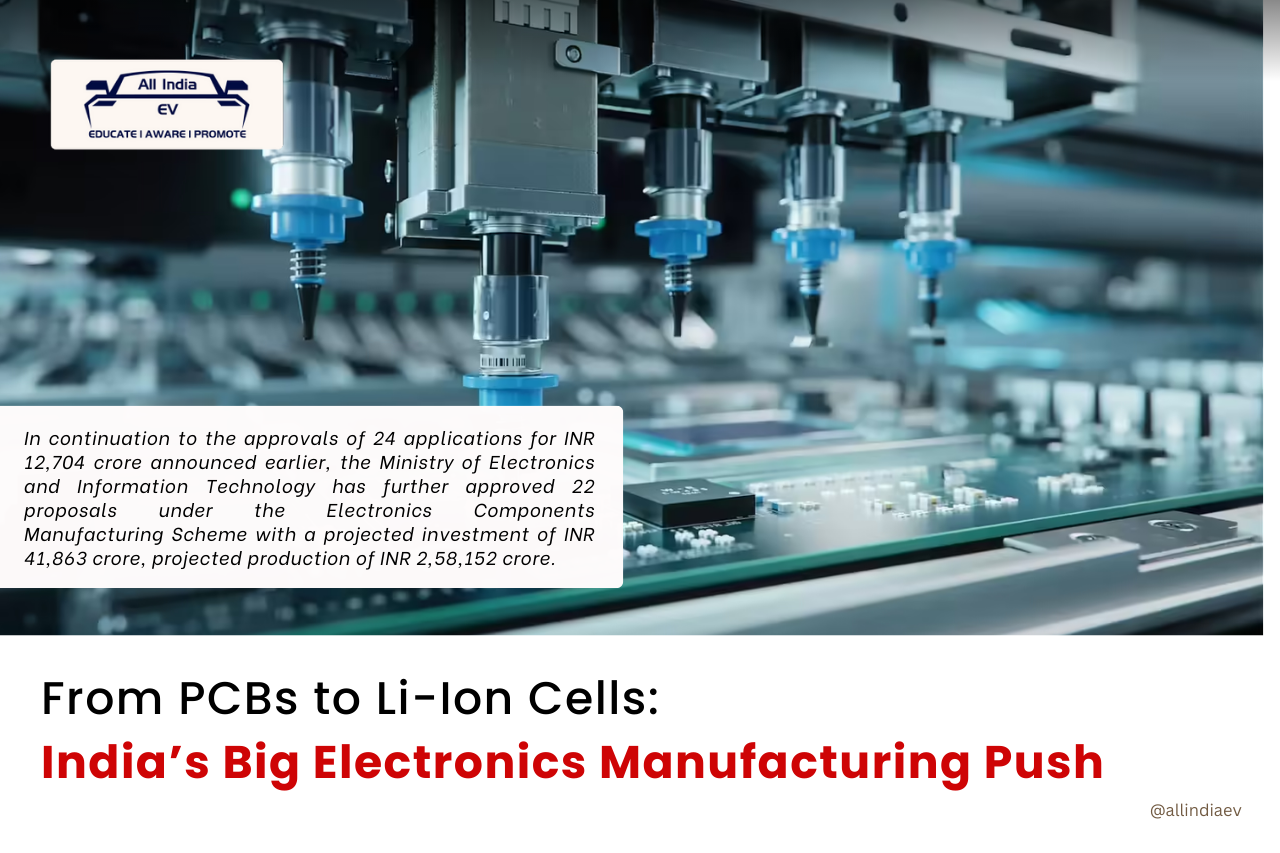
Government approval for 22 proposals under the third tranche of the Electronics Component Manufacturing Scheme marks another step in the effort to deepen domestic supply chains and reduce reliance on imported parts. The cleared projects are expected to draw investment of ₹41,863 crore and generate projected production worth ₹2,58,152 crore over their implementation period, according to official disclosures tied to the decision.
The proposals, cleared by the Union Cabinet chaired by Prime Minister Narendra Modi, span a mix of large conglomerates and specialised component makers focused on sub-assemblies that feed into consumer electronics, industrial equipment and emerging technology segments. Officials said the projects are expected to create 33,791 direct jobs, with a larger number of indirect roles anticipated across logistics, tooling, testing and ancillary services as manufacturing capacity scales up.
The Electronics Component Manufacturing Scheme, commonly referred to as ECMS, is designed to address a persistent weakness in the electronics ecosystem: dependence on imported components even when final assembly takes place domestically. While handset and electronics assembly has expanded rapidly over the past decade, component localisation has lagged, leaving manufacturers exposed to supply disruptions and currency volatility. The third tranche approvals are intended to close that gap by encouraging firms to manufacture key inputs such as printed circuit boards, camera modules, connectors, passive components and specialised sub-systems within the country.
Officials involved in the evaluation process said the latest round places greater emphasis on scale, technology depth and export potential. Several approved proposals involve backward integration into higher-value components, including precision engineering and advanced materials, rather than basic assembly. This approach reflects feedback from earlier tranches, where industry participants argued that long-term competitiveness would depend on mastering complex components rather than expanding low-margin manufacturing alone.
The ECMS operates alongside other incentive programmes such as the Production Linked Incentive framework, but differs in its narrower focus on components rather than finished products. Policy planners view this distinction as critical, given that components account for a substantial share of the value of electronics imports. By targeting this segment, authorities aim to improve value addition within the domestic ecosystem and strengthen resilience against external shocks.
Industry executives welcomed the approvals but cautioned that execution will be as important as policy intent. Several component manufacturers noted that success would depend on timely disbursement of incentives, stable policy conditions and parallel investments in infrastructure such as power reliability, clean-room facilities and logistics. Skilled manpower also remains a concern, particularly for projects involving advanced fabrication and testing processes.
Analysts tracking the sector said the projected production figure of ₹2,58,152 crore signals the government’s expectation that approved firms will not only meet domestic demand but also serve export markets. Global electronics supply chains are undergoing reconfiguration as companies seek to diversify manufacturing bases, and policymakers see an opportunity to position the country as a credible alternative for component sourcing. However, competition remains intense, with established hubs in East and Southeast Asia continuing to benefit from mature ecosystems and economies of scale.
Employment generation has been highlighted as a key outcome of the third tranche. The estimate of 33,791 direct jobs reflects roles across engineering, operations, quality control and management. Economists note that electronics manufacturing tends to create a multiplier effect, supporting additional employment in services and small-scale manufacturing clusters that develop around large plants.
Federal reforms regulating industrial hemp are reshaping the treatment landscape for sleep disorders, anxiety and epilepsy across the United Arab Emirates, as clinicians, researchers and regulators map how low-THC cannabis derivatives can be used safely within a tightly controlled system. The changes sit apart from the country’s framework on medical cannabis, which governs products with higher tetrahydrocannabinol content and remains subject to strict prescription and import rules.
The hemp law permits the cultivation, processing and use of cannabis varieties containing minimal THC, typically below 0.3 per cent, aligning the UAE with regulatory models adopted in several advanced economies. Officials say the objective is to unlock therapeutic and industrial value without opening pathways to recreational misuse. For patients, the most immediate implications are for cannabidiol-based preparations, which are non-intoxicating and increasingly studied for neurological and psychiatric conditions.
The policy shift creates new clinical options for people whose symptoms have proved resistant to conventional therapies. Insomnia and generalised anxiety disorder affect a growing share of the population, while epilepsy continues to pose treatment challenges for a subset of patients who do not respond adequately to standard anti-seizure medicines. Cannabidiol, or CBD, has drawn attention for its calming effects on the central nervous system and its role in reducing seizure frequency in certain epilepsy syndromes.
Specialists caution that hemp products are not a panacea. Evidence is strongest for specific childhood epilepsies, including Dravet and Lennox-Gastaut syndromes, where purified CBD has been shown to reduce seizure burden when added to existing regimens. Research into anxiety and sleep has produced more mixed findings, though small clinical trials and observational studies suggest benefits for sleep onset and stress modulation at carefully titrated doses.
Professor Barnes, a leading authority on cannabis medicine, notes that the global legal landscape has shifted rapidly. Medical cannabis containing higher THC levels is now legal in 71 countries under varying frameworks, reflecting broader acceptance of cannabinoid-based therapies when appropriately regulated. The UAE’s approach, by contrast, draws a bright line between hemp-derived products and medical cannabis, allowing limited therapeutic use while preserving the country’s zero-tolerance stance on recreational drugs.
Regulators emphasise that access will be medicalised rather than commercialised. Hemp-derived therapeutics are expected to move through pharmacy channels and clinical oversight, with product quality, labelling and traceability forming core pillars of compliance. Authorities have indicated that cultivation licences will be tightly issued, with genetics, THC thresholds and testing protocols specified to prevent diversion.
Healthcare providers see an opportunity to expand personalised care. Neurologists and psychiatrists report rising patient interest in non-sedating options that can be integrated with existing treatments. For epilepsy specialists, CBD’s favourable side-effect profile compared with some traditional anti-epileptic drugs is a significant draw, particularly for long-term management. Sleep physicians, meanwhile, are exploring whether hemp-derived formulations can reduce reliance on hypnotics that carry dependency risks.
Industry participants are preparing cautiously. Pharmaceutical distributors and research institutions are investing in clinical studies tailored to regional populations, recognising that dosage, formulation and delivery methods matter as much as legality. Oils, capsules and oral solutions are expected to dominate, given their dosing precision and lower risk profile compared with inhaled products.
Public health experts underline the need for clear guidance to avoid consumer confusion. Hemp products sold globally range from pharmaceutical-grade medicines to wellness supplements of uneven quality. The UAE framework seeks to close that gap by requiring evidence-based claims and physician involvement, reducing the risk of self-medication or exaggerated expectations.
The reforms also intersect with broader innovation goals. By enabling controlled research into cannabinoids, policymakers aim to position the country as a regional hub for life sciences, while maintaining strict ethical standards. Universities and hospitals are already collaborating on protocols to assess safety, efficacy and long-term outcomes in local cohorts.
Dubai Police have expanded coordination with public agencies and private firms to strengthen road safety and labour-area security, positioning enforcement, data-sharing and prevention as central pillars of the emirate’s broader safety agenda.
Senior officers from Jebel Ali and Al Barsha police stations convened a high-level panel discussion titled Forecasting the Future of Road Safety and Labour Area Security in Dubai, drawing together municipal authorities, transport operators, construction firms and safety specialists. The forum underscored a shift towards anticipatory policing, with emphasis on risk forecasting, targeted inspections and early intervention rather than reactive enforcement alone.
Officials said the initiative reflects mounting pressures on transport networks and worker accommodation zones as Dubai continues to attract investment, logistics activity and large-scale construction. Traffic density around industrial areas, ports and residential labour clusters has risen steadily, increasing the likelihood of accidents involving heavy vehicles, buses and pedestrians. Police data presented at the session showed that incidents in such zones tend to involve multiple risk factors, including fatigue, limited visibility, non-compliance with speed limits and inadequate safety training.
Dubai Police leadership stressed that reducing fatalities and serious injuries requires tighter integration between enforcement agencies and employers. Participants discussed expanding joint patrols in high-risk corridors, using shared data dashboards to flag accident-prone locations, and aligning inspection regimes across transport, housing and occupational safety authorities. The approach aims to close gaps where responsibility has traditionally been fragmented between different regulators.
Road safety featured prominently in the discussions, with officials outlining plans to intensify monitoring of commercial fleets, particularly buses transporting workers to and from labour camps. Technology was cited as a critical enabler, including wider deployment of smart cameras, vehicle telematics and predictive analytics to identify unsafe driving patterns before accidents occur. Police officers noted that automated enforcement must be complemented by sustained awareness campaigns targeting drivers, supervisors and site managers.
Labour-area security formed the second core focus of the panel. Senior officers highlighted the importance of safe living environments in maintaining public order and worker wellbeing. Issues such as overcrowding, poor lighting, inadequate emergency access and weak access controls were identified as recurring vulnerabilities. Dubai Police said coordinated inspections with municipal bodies and civil defence teams would be expanded to ensure accommodation facilities meet safety and security standards.
Private-sector representatives acknowledged that compliance expectations are rising. Construction and logistics firms described increasing investment in driver training, fatigue management systems and on-site safety officers, driven both by regulatory pressure and operational risk. Several companies shared examples of internal monitoring tools that track driver behaviour and working hours, with data shared directly with police units during investigations or audits.
The panel also addressed the human dimension of safety enforcement. Police officials emphasised that communication with workers remains essential, particularly in multicultural environments where language barriers can undermine awareness of rules and emergency procedures. Plans were outlined to broaden multilingual outreach programmes and community policing initiatives in labour zones, enabling faster reporting of hazards and disputes.
From a policy perspective, the discussions aligned with Dubai’s long-term vision of zero fatalities on roads. Police leaders reiterated that while enforcement remains firm, the strategy increasingly prioritises prevention, education and partnership. Forecasting models presented during the session illustrated how combining traffic data, urban planning inputs and employer compliance records can help authorities anticipate emerging risks linked to new developments or shifts in traffic flows.
Experts attending the forum noted that Dubai’s approach mirrors global trends in urban policing, where safety is treated as a shared responsibility across government and industry. The emphasis on predictive tools and integrated oversight reflects lessons drawn from international transport safety frameworks, adapted to local conditions such as high temperatures, heavy freight movement and diverse workforce demographics.
The collaboration also carries reputational and economic implications. Officials said safer roads and secure labour environments underpin investor confidence and social stability, particularly as the emirate positions itself as a global logistics, tourism and business hub. Any sustained rise in accidents or security incidents would carry costs not only in human terms but also through delays, insurance claims and regulatory penalties.
Footage of a Tesla humanoid robot losing balance and falling during a controlled demonstration has reignited debate over the pace and credibility of Elon Musk’s ambitions in robotics, exposing the gap between promised timelines and the realities of building general-purpose machines that can operate safely among people. The incident occurred during a late-2025 demonstration of Optimus, Tesla’s bipedal robot unveiled as a future cornerstone of the company’s […]
Air raid sirens sounded across Caracas on Friday as parts of the Venezuelan capital experienced electricity outages, triggering widespread concern and a swift response from authorities who said the alarm reflected a security drill amid heightened tensions rather than an external attack. Officials said the sirens were activated in several districts shortly after dawn, coinciding with intermittent power losses that affected residential neighbourhoods, transport links and mobile […]
Plans to turn India into a major semiconductor manufacturing hub are moving from policy to execution, with four companies scheduled to begin chip production during 2026 and the government setting its sights on becoming one of the world’s leading producers by 2035. The transition marks a decisive phase for a country long dependent on imported chips but now seeking to embed itself in global electronics supply chains amid geopolitical realignments and rising demand for secure manufacturing bases.
The most advanced of the announced projects is the large-scale fabrication facility planned at Dholera in Gujarat, a joint venture between Tata Electronics and Taiwan’s Powerchip Semiconductor Manufacturing Corporation. The plant, cleared with government backing and financial incentives under the Semiconductor Mission, is designed to manufacture mature-node chips used in automobiles, power electronics, consumer devices and industrial equipment. Construction work has progressed through 2025, with commercial production targeted to start the following year, according to timelines shared with policymakers and industry partners.
Alongside the Dholera fab, three other facilities are slated to commence output in 2026, primarily in the assembly, testing, marking and packaging segment. Micron Technology’s ATMP plant at Sanand in Gujarat is expected to be the first major operational unit, focusing on memory products for global markets. Two domestic groups, Tata Electronics and Kaynes Semicon, are also developing advanced packaging facilities, while CG Power, in partnership with Japan’s Renesas Electronics and Thailand’s Stars Microelectronics, is setting up an outsourced semiconductor assembly and test unit in Gujarat. Together, these projects are intended to establish a foundational ecosystem rather than a single flagship plant.
Government officials argue that the emphasis on both fabrication and packaging reflects a deliberate strategy. While advanced-node fabs require decades of experience and heavy capital, mature-node manufacturing and packaging are seen as realistic entry points that align with India’s strengths in engineering talent, scale and cost efficiency. Officials involved in the programme say the objective is to capture value across the semiconductor chain while gradually building capabilities for more complex processes.
Public funding has played a central role. Under the incentive framework, the central government is offering support covering up to half the project cost for approved semiconductor and display manufacturing units, with additional incentives from host states. The total committed investment across approved projects runs into tens of billions of dollars, according to official estimates, making it one of the most capital-intensive industrial initiatives undertaken in the country.
Industry analysts note that the timing coincides with a global rethinking of chip supply chains. Disruptions during the pandemic years, coupled with trade and technology tensions, prompted governments and companies to seek diversified manufacturing locations. India’s pitch combines policy stability, a large domestic electronics market and strategic partnerships with established chipmakers. Executives at electronics firms say the presence of local chip production could shorten supply chains and reduce vulnerability to external shocks.
Challenges remain substantial. Semiconductor manufacturing demands ultra-reliable power, water and logistics, as well as a deep supplier base for chemicals, gases and equipment. Skills development is another constraint. While India produces large numbers of engineers, chip fabrication requires specialised expertise built through years of hands-on experience. To address this, training collaborations with overseas partners and academic institutions have been initiated, and several universities have launched semiconductor-focused programmes.
There is also scepticism about the 2035 ambition. Market researchers point out that becoming a “top” producer can be defined in different ways, whether by volume, value or technological sophistication. Countries such as Taiwan, South Korea and the United States dominate advanced-node manufacturing, while China has invested heavily across the value chain. India’s near-term projects focus on mature technologies, which serve vast markets but command lower margins. Supporters counter that demand for such chips is set to remain strong due to electric vehicles, renewable energy systems and industrial automation.






 www.primech.ai