News related to
Industrial

Saudi Aramco, the world’s leading energy firm, has unveiled plans to establish one of the largest carbon capture and storage (CCS) hubs in Jubail. The project is part of the company’s ambitious initiative to tackle carbon emissions and advance global decarbonization efforts. By collaborating with two major industry players, Linde and SLB, Aramco aims to position Saudi Arabia at the forefront of technological solutions addressing climate change. […]

Legrand, a global leader in electrical and digital infrastructure solutions, has strengthened its position in the data center market through the acquisition of Power Bus Way, a Toronto-based provider of custom-engineered cable bus systems. This strategic move enhances Legrand’s portfolio, enabling the company to offer more comprehensive solutions to meet the growing demands of data centers, industrial facilities, and commercial properties. The acquisition reflects a growing trend […]

An important component in many industries is stainless steel screws and fasteners. Their advantages include high strength, corrosion resistance and possibility to operate at elevated temperatures. All fasteners, including hex bolts, nuts and other fastening components, have different kinds of threads; fasteners are fitted with threads and the external threading types determine how these fasteners will perform with given bolts or nuts. Therefore, reliability and performance of […]

Opens to the Public on December 4 Sparking Inspiration With a Line-up of Design Events HONG KONG SAR – Media OutReach Newswire – 4 December 2024 – Hong Kong Design Centre’s (HKDC) new landmark, DX design hub (the Hub) successfully concluded its Launching Party today. The celebratory event was attended by guests comprising of top government officials, business leaders and Mainland and France delegations. The Cultural and […]

India has seen a substantial increase in patent applications during the fiscal year 2024, with nearly 92,000 submissions recorded. This marks a significant jump, highlighting the country’s growing focus on innovation and its expanding role in global technology. The surge is seen as a reflection of both the efforts within India’s industrial sectors and the evolving landscape of intellectual property (IP) regulation in the country.

The Controller General of Patents, Designs, and Trademarks (CGPDTM) has noted the rise in applications as a sign of confidence in India’s innovation ecosystem. The CGPDTM is also in the midst of revamping intellectual property (IP) guidelines to further streamline processes and improve the effectiveness of patent protection, which could lead to even greater activity in the coming years. The latest figures underscore the increasing importance of intellectual property in India’s economic and technological landscape, with the government actively fostering a more robust IP environment.

This surge in patent filings is part of a broader shift in India’s innovation landscape, propelled by both private sector advancements and public policy initiatives. A number of technology companies, research institutions, and startups have been behind this momentum, driven by a growing emphasis on R&D and patenting as a key component of their business models. India’s thriving tech sector, including its burgeoning software, biotechnology, and renewable energy industries, has been a significant contributor to the increased filing of patents, as companies seek to protect their innovations in a highly competitive global market.

The increased patent filings also reflect the changing nature of India’s role in global intellectual property. Traditionally, India was seen more as a consumer of technology, but this shift in patent activity signals the country’s growing stature as a producer of cutting-edge innovations. This evolution is aligned with India’s ambition to establish itself as a global leader in research, development, and technological breakthroughs. As India continues to enhance its manufacturing and technology sectors, the need to safeguard intellectual property becomes ever more critical to its economic and strategic objectives.

The government has played a crucial role in this transformation. In the last few years, significant reforms have been introduced to improve the efficiency of patent processing, increase transparency, and make the system more accessible to innovators. The Patents (Amendment) Rules introduced by the government, along with efforts to digitize the patent application process, have made it easier and faster for applicants to file for protection. Additionally, the strengthening of IP-related infrastructure, including the establishment of regional offices and improvements in patent examination procedures, has further facilitated this growth.

The government’s initiatives to boost innovation in the country are also reflected in its support for startups. Various programs aimed at enhancing the startup ecosystem have encouraged young entrepreneurs to file for patents and protect their intellectual property. India’s innovation hubs, particularly in cities like Bengaluru, Hyderabad, and Pune, are seeing a notable increase in patent activity, especially in sectors such as information technology, electronics, and pharmaceuticals.

The surge in patent filings is also linked to India’s international trade and investment strategy. As the country seeks to enhance its global trade relations and attract foreign investment, strengthening intellectual property rights has become an essential part of the broader agenda. Ensuring that inventions are protected under a sound IP system provides confidence to investors, making India an attractive destination for global companies seeking to leverage the country’s resources for technological development. Moreover, the increase in patent filings may also indicate that India is becoming a more prominent player in international patent databases, further solidifying its role as a key global innovator.

India’s patent system has also seen improvements in terms of reducing the backlog of applications. In the past, the lengthy processing time for patent filings was often a point of concern for many innovators, but the government’s ongoing efforts to streamline the process have led to faster turnaround times. This has helped make India a more efficient location for filing patents, further encouraging growth in the sector. According to the CGPDTM, the average processing time for patent applications has been significantly reduced, and efforts are underway to further accelerate this process.

The growing patent activity in India is also indicative of the country’s enhanced focus on research and development (R&D). India’s private sector has been heavily investing in R&D, with multinational corporations and domestic firms alike looking to build and protect their intellectual assets. The rise in patent filings is not only a reflection of private sector growth but also a result of governmental incentives aimed at increasing the overall R&D output. Public research institutions have played a role in this, collaborating with industry leaders to develop new technologies and innovations that are patent-worthy.

While the increase in patent filings is a positive development for the country’s innovation landscape, experts suggest that India must continue to focus on improving its patent enforcement mechanisms. Ensuring that patent holders can effectively defend their intellectual property rights against infringement is vital for maintaining the integrity of the system. The government has taken steps in this direction by introducing new measures to improve the adjudication of patent disputes and to strengthen enforcement mechanisms. These efforts are expected to provide further support for the growing IP ecosystem in India.

Silicon Labs has introduced its latest series of ultra-low power wireless modules, the SiWx917Y, designed to meet the growing demands for Internet of Things (IoT) connectivity. The new modules, which integrate both Wi-Fi 6 and Bluetooth Low Energy (LE), are engineered to provide enhanced performance and simplicity for developers, supporting a wide array of applications in smart homes, industrial automation, healthcare, and beyond. The SiWx917Y modules are […]

By Nitya Chakraborty Less than two months are left for the presentation of the second budget of the third term Narendra Modi government in Parliament in February next year relating to the financial year 2025-26. The budget exercises are on in the finance ministry and the focus is on mobilizing additional resources for meeting the […]
Advertisements

QatarEnergy and Shell have finalized a major deal to supply liquefied natural gas (LNG) to China, further bolstering the energy ties between the two global powerhouses. The long-term sale and purchase agreement (SPA), which will see the delivery of three million tons per annum (MTPA) of LNG, is set to commence in January 2025. This deal, marking a significant step in energy cooperation, reflects the growing demand for natural gas in China and underscores the ongoing shift in the global energy landscape.

The agreement between QatarEnergy, the state-owned energy giant of Qatar, and Shell, one of the largest oil and gas companies worldwide, is expected to contribute to China’s energy security as it continues to diversify its sources of natural gas. China’s reliance on natural gas as a cleaner alternative to coal has steadily increased, positioning the country as one of the world’s top LNG importers. This new deal enhances Qatar’s position as a major global LNG supplier, reinforcing its role in the international energy market.

Qatar’s strategic focus on LNG exports aligns with its long-term vision to solidify its energy footprint globally, with significant emphasis on Asia-Pacific markets. China, as a critical player in global energy demand, is an essential partner for QatarEnergy, which has rapidly expanded its LNG production capacity over the past few years. The agreement between the two companies marks a crucial milestone in Qatar’s energy diplomacy, as it seeks to solidify its market share in the Asian region.

The SPA is not only a testament to the strong commercial partnership between QatarEnergy and Shell but also signals the growing importance of collaboration between national oil and gas companies and major international energy firms. While the details of the contract terms have not been fully disclosed, industry insiders speculate that the agreement includes flexible pricing mechanisms and long-term stability clauses, designed to provide both parties with predictable revenue streams and mitigate price volatility in the global LNG market.

This deal also highlights Shell’s ongoing commitment to expanding its footprint in the global LNG market, a sector that has gained momentum in light of rising energy demand and geopolitical uncertainty. Shell has been actively increasing its LNG trading capacity and has made substantial investments in LNG infrastructure globally, including terminals and shipping. The partnership with QatarEnergy further complements Shell’s strategy to position itself as a key player in LNG, alongside its broader focus on renewable energy and transition to cleaner energy solutions.

For China, the deal is particularly timely as it continues to pivot towards natural gas to fuel its rapid urbanization and industrial expansion. Despite a focus on renewable energy, the country’s growing energy demands have made natural gas an essential component of its energy mix, particularly in regions where access to alternative energy sources remains limited. By securing a steady and reliable supply of LNG from Qatar, China aims to stabilize its energy imports and reduce its dependence on coal, which has long been a significant contributor to the country’s high carbon emissions.

The partnership also plays into broader geopolitical dynamics in the LNG market. Over the last decade, China has increasingly relied on LNG imports from a variety of suppliers, including the United States, Australia, and Russia. However, by expanding its relationship with Qatar, a country with extensive gas reserves, China is also diversifying its sources to ensure greater energy security amid potential future supply disruptions. The strategic alliance with Qatar, therefore, not only meets China’s energy needs but also strengthens its energy ties with the Middle East, an important region in the global geopolitical arena.

As LNG demand continues to rise, particularly in Asia, the supply and demand dynamics of the global LNG market are expected to shift. Asia, as the largest importer of LNG, has seen an uptick in contracts between suppliers and buyers, with long-term agreements becoming more common. This trend, underscored by the QatarEnergy-Shell deal, suggests that market players are seeking greater stability in the face of volatile energy prices, exacerbated by geopolitical tensions and supply chain uncertainties.

The deal further underscores the role of LNG as a critical energy source in the global transition towards cleaner energy alternatives. LNG has gained favor as a relatively cleaner fossil fuel compared to coal and oil, thanks to its lower carbon footprint. As countries like China ramp up their efforts to curb emissions and reduce reliance on more polluting energy sources, natural gas has been positioned as a vital bridge in the energy transition, at least in the near to medium term.

In the broader context of Qatar’s energy strategy, the new deal also aligns with the country’s growing ambitions to dominate the global LNG market. With vast reserves of natural gas, Qatar has invested heavily in expanding its LNG production and infrastructure over the past few years. The country’s North Field Expansion Project, which is expected to increase its LNG production capacity by over 40%, will further cement Qatar’s role as a top supplier of natural gas worldwide. The partnership with Shell, one of the world’s largest LNG marketers, is an essential part of Qatar’s strategy to ensure access to key markets in Asia, Europe, and beyond.


Tech Mahindra has collaborated with Universal Scientific Industrial (USI), a leading global provider of electronic design and manufacturing services, to establish an engineering development center in Bengaluru. This partnership marks USI’s first such venture in India and aims to leverage advanced technological expertise for developing innovative smart devices, augmented and virtual reality solutions, and connected vehicle technologies.

The facility, housed within Tech Mahindra’s Bengaluru office, is designed to accelerate the delivery of scalable solutions and bring cutting-edge products to market efficiently. By combining Tech Mahindra’s extensive talent pool and USI’s robust engineering capabilities, the initiative focuses on creating breakthrough innovations in software development, hardware design, and integrated testing services.

The center is set to offer a wide array of services including modem software development, middleware engineering, device drivers, board support packages, and advanced PCB design. These capabilities will significantly enhance USI’s focus on the telecom and automotive sectors, aiming for quicker and more efficient product deployment.

Tech Mahindra’s leadership emphasized the strategic importance of the collaboration. Narasimham RV, President of Engineering Services, stated that the venture underscores the company’s commitment to driving technological advancement through specialized engineering solutions. Similarly, John Fang, Chief Technology Officer at USI, highlighted that the center would enhance USI’s R&D capabilities, enabling the company to better meet the rapidly evolving demands of its global clientele.

Equinix has officially unveiled plans for its sixth data center in Singapore, marking a significant investment in Southeast Asia’s growing digital infrastructure landscape. The new facility, named SG6, represents a $260 million initiative to support the region’s increasing demand for advanced colocation and AI-ready services. Positioned in the dense industrial hub of Tai Seng, SG6 will integrate cutting-edge technology to cater to the rising computational needs of […]

HONG KONG SAR – Media OutReach Newswire – 29 November 2024 – China Wantian Holdings Limited (1854.HK, hereinafter referred to as “Wantian”) has once again demonstrated its leadership in the industry at the 9+2 Fifth Guangdong-Hong Kong-Macao Greater Bay Area Awards. Mr. Zhong Xueyong, Vice Chairman of the Board and CEO of Wantian, received the prestigious “Outstanding Leader of the Guangdong-Hong Kong-Macao Greater Bay Area “ award […]

Fuel prices in the UAE experienced a notable rise in November, with the price of Super 98, Special 95, and E-Plus 91 all increasing by 9 fils per liter compared to October. The increase has raised concerns among consumers, particularly in light of ongoing discussions about the global energy market and its impact on local economies.

The National Petroleum Marketing Company, which oversees fuel pricing in the UAE, implemented this price change after monitoring shifts in global oil prices. The new prices reflect a global trend in energy markets where oil prices have steadily climbed in the past months due to rising demand and geopolitical uncertainties. Industry analysts suggest that such fluctuations are becoming increasingly common as global supply and demand dynamics evolve.

The change has been felt by consumers across the country, with many noting the impact on household budgets. The price for Super 98, the premium fuel grade, is now set at 3.03 AED per liter, up from 2.94 AED in October. Special 95, which is widely used by the general public, now costs 2.92 AED per liter, while E-Plus 91 has seen its price rise to 2.83 AED per liter. These increases, although seemingly modest, have a direct impact on daily life in the UAE, where gasoline-powered vehicles remain the primary mode of transport for the majority of residents.

The fuel price hike is part of a broader trend of fluctuating oil prices that began in mid-2023, driven by OPEC+ decisions, changes in U.S. production levels, and shifting demand patterns across key global markets. In particular, recent supply cuts by major oil-producing nations have tightened global crude oil supplies, contributing to the increase in fuel costs. The UAE, being a significant player in the global energy market, is not insulated from these trends, as the country relies heavily on oil exports for revenue.

The fuel price increases also come amidst discussions about the UAE’s efforts to diversify its economy away from oil dependence. Although the country has made significant strides in renewable energy development, including solar power and nuclear energy, oil remains a dominant economic driver. This creates a delicate balance for policymakers who must manage rising fuel prices while attempting to transition to more sustainable energy sources in the long term.

Consumer sentiment regarding the fuel price hike has been mixed. While some accept the increase as an inevitable result of global market trends, others express frustration with the recurring adjustments. Public transport, although available in major cities like Dubai and Abu Dhabi, remains underdeveloped in many parts of the country, making private car ownership essential for most people. This reliance on cars amplifies the impact of rising fuel prices on everyday expenses, leading to concerns about the affordability of transportation.

Economists have also weighed in on the potential long-term effects of fuel price hikes in the region. Some suggest that continued increases could put pressure on the cost of living, particularly in industries reliant on fuel-intensive activities such as transportation and construction. Businesses may face higher operating costs, which could eventually be passed on to consumers in the form of higher prices for goods and services.

On the other hand, analysts point out that the UAE government has taken steps to mitigate the impact on the most vulnerable sectors of the economy. Some subsidies remain in place for specific fuel products, particularly for those used in commercial and industrial sectors. These measures are designed to help cushion the effects of price increases and ensure that critical sectors do not experience undue strain.

The UAE’s fuel pricing system, which is reviewed monthly, has led to a degree of predictability in the market. Although prices are subject to fluctuations, the transparency of the system allows consumers to plan their expenses accordingly. This regular review process has earned praise from certain segments of the population, who appreciate the consistency in pricing, despite the periodic hikes.

Global energy market conditions remain a crucial factor in determining fuel prices. International oil price fluctuations have an immediate impact on the cost of fuel, and the UAE is particularly sensitive to these changes due to its role as a major oil exporter. With oil prices expected to remain volatile, fuel price adjustments are likely to continue being a regular feature of the economic landscape in the UAE. These changes, while impacting consumers, also serve as a reminder of the intricate connection between local economies and global energy markets.

Transformative Event Shines a Spotlight on the Collaborative Design Excellence at the Greater Bay Area, setting the stage for a new era of creativity in the region Exhibition at DX design hub will run from December 3 to 16 with free public entry HONG KONG SAR – Media OutReach Newswire – 29 November 2024 – Organised by Hong Kong Design Centre (HKDC) and with the steer and […]

SINGAPORE – Media OutReach Newswire – 29 November 2024 – The “World of Opportunities: Russia-ASEAN” International Business Forum, held from November 26 to 27, officially concluded in Kuala Lumpur, the capital of Malaysia. Over two days, the Forum hosted more than 350 participants, including representatives from political, business, and academic circles, the media, as well as experts and public figures from 24 countries. Organized by the Roscongress […]

Recognition Highlights Leadership Balancing Business Success and Community Impact PHNOM PENH, CAMBODIA – Media OutReach Newswire – 29 November 2024 – Neak Oknha Chen Zhi, Chairman of Prince Holding Group, received the prestigious “Best Contributions Towards Socio-Economic Development – Cambodia” award at the International Finance Awards. This accolade recognizes Chairman Chen Zhi’s visionary leadership and steadfast commitment to fostering sustainable growth and development across Cambodia. Neak Oknha […]

Gulf Cryo, a prominent player in gas solutions in the Middle East, has teamed up with Saudi Aramco to advance the development and assessment of lower-carbon hydrogen technologies. The collaboration focuses on testing hydrogen solutions with an emphasis on reducing carbon emissions, aligning with both companies’ efforts to contribute to the region’s energy transition goals. The partnership will leverage Gulf Cryo’s state-of-the-art Applications & Technology Center, a […]

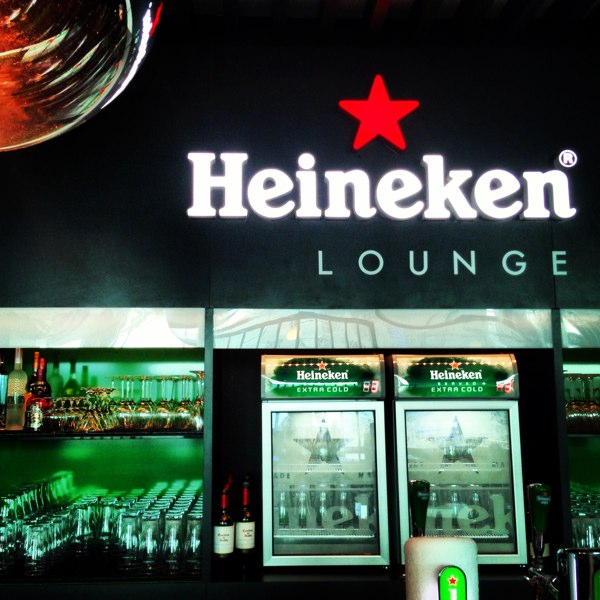
Heineken, the Dutch brewing giant, is preparing to open its first large-scale brewery in Dubai, a significant milestone in the evolving beverage industry within the Gulf Cooperation Council (GCC). This development, expected to materialize in 2024, will mark a pivotal shift in the region’s approach to alcohol production and consumption, reflecting broader changes in social and economic policies across the Middle East.

The brewery, located in Dubai Industrial City, will focus on producing various Heineken products tailored for the Middle Eastern market. This move aligns with Dubai’s strategic goals of fostering industrial diversification while attracting international investment to expand its manufacturing and export capabilities. With an estimated initial output of over 500,000 hectoliters annually, this facility represents one of the most ambitious projects of its kind in the Gulf region.

This initiative follows the UAE’s progressive steps to relax alcohol-related regulations to encourage tourism and economic growth. For instance, the country recently abolished its longstanding alcohol license requirement for personal consumption and introduced tax cuts on alcoholic beverages, effectively making them more accessible. The UAE remains an outlier in the GCC, where most countries maintain stringent controls on alcohol in adherence to cultural and religious norms.

The brewery will create employment opportunities and enhance Dubai’s standing as a hub for innovation and manufacturing excellence. With an emphasis on sustainability, Heineken plans to incorporate energy-efficient technologies and prioritize the use of local ingredients where feasible. This environmentally conscious approach underscores the company’s commitment to aligning its operations with the UAE’s sustainability initiatives.

The decision to establish operations in Dubai is also influenced by its logistical advantages. The emirate serves as a gateway to regional and international markets, offering robust infrastructure and connectivity. Industry analysts believe this move could spark increased competition in the regional beverage market, potentially encouraging other multinational firms to explore opportunities in the GCC.

This brewery is part of a larger trend where the Gulf region is witnessing shifts in lifestyle and economic priorities. While alcohol remains restricted in neighboring nations like Saudi Arabia, a more inclusive attitude toward diversifying economic activities is evident. Dubai’s openness to hosting Heineken’s venture highlights the city’s progressive stance and its broader ambition to solidify its position as a global city catering to diverse industries.

Spain has approved Saudi Arabia’s telecommunications giant, STC Group, to expand its investment in Telefónica, the nation’s iconic telecom operator, from just over 5% to nearly 10%. Economy Minister Carlos Cuerpo confirmed the government’s decision, which follows deliberations over the strategic implications of such a move. The authorization allows STC to solidify its financial involvement in Telefónica, though regulatory safeguards are being reinforced to maintain Spain’s control over vital communications infrastructure.

STC Group initially acquired a 4.9% stake in Telefónica, coupled with financial instruments granting voting rights for an additional 5%, raising questions about Spain’s ability to protect its critical infrastructure. The Saudi operator has expressed its interest in Telefónica as an investment opportunity rather than a bid for operational control. This assurance is intended to mitigate geopolitical concerns over foreign influence in the telecom sector, particularly involving companies pivotal to national security, defense, and digital services.

Telefónica holds significant importance in Spain’s technological and defense landscape, serving as a critical entity in telecommunications and cybersecurity. The government has emphasized the need to preserve the strategic capabilities of such companies, which has been a recurring theme in global debates about foreign ownership of critical industries.

To counterbalance STC’s growing presence, the Spanish government has instructed the state holding company, Sociedad Estatal de Participaciones Industriales (SEPI), to potentially acquire up to a 10% stake in Telefónica. This move, if realized, would make SEPI the company’s largest shareholder. The government is reportedly aiming to align Telefónica’s ownership structure with practices seen in other European countries, where governments maintain stakes in major telecom operators to safeguard national interests.

Telefónica’s shareholder composition has seen gradual evolution over time. Current major stakeholders include CaixaBank with 4.88%, Banco Bilbao Vizcaya Argentaria (BBVA) holding 4.84%, and BlackRock managing 4.8%. If SEPI proceeds with its planned acquisition, it would reshape the balance of influence within the company.

STC’s expansion in Telefónica aligns with its broader strategy of increasing international reach. The company, already active in telecommunications investments across Europe and the Middle East, is reportedly exploring further acquisitions, including potential stakes in Portugal’s Altice and the UK’s BT Group. This strategy reflects a wider trend of Gulf-based telecom entities seeking global prominence, similar to UAE-based e&, which has steadily increased its investments in Vodafone and other global operators.

Spain’s approach to safeguarding Telefónica echoes similar measures adopted across Europe. For instance, Germany retains a 13.8% stake in Deutsche Telekom, while France holds 13.39% in Orange. Italy has also bolstered its share in Telecom Italia’s fixed network grid. These measures underscore a growing recognition of telecom infrastructure as a vital element of national security and economic stability.

The European Union is ramping up efforts to enhance its collaboration with Saudi Arabia in the field of green energy, seeking to bolster clean energy initiatives and investments. This push comes as part of broader EU objectives to reduce its reliance on fossil fuels, accelerate the transition to renewable energy, and meet its ambitious climate goals set under the Paris Agreement. Recent dialogues between EU officials and […]

NEW YORK, US – Media OutReach Newswire – 26 November 2024 – From pharmaceutical manufacturing to petrochemical refinement, many industries utilize solvents for various processes, such as synthesis, extraction, purification, and more. Nevertheless, the conventional method across industries involves extensive solvent use followed by their disposal, often through incineration. This creates a never-ending cycle of vast chemical consumption that leads to significant waste streams, contributing to environmental […]

The Guangdong-Hong Kong-Macao Greater Bay Area Listed Companies Summit 2024 Unveils the “Hong Kong—Best Headquarters Choice for Greater Bay Area Listed Companies” Initiative Empowering Mainland Enterprises to Leverage Hong Kong for IPOs and International Growth HONG KONG SAR – Media OutReach Newswire – 26 November 2024 – On November 25, the “Guangdong-Hong Kong-Macao Greater Bay Area Listed Companies Summit 2024,” hosted by the Greater Bay Area Association […]

A Collaborative Platform Showcasing Scalable and Affordable Solutions for Climate Action, With a Focus on the Global South BAKU, AZERBAIJAN – Media OutReach Newswire – 25 November 2024 – The Biosphere 3 Solutions Pavilion stood out at the UN Climate Change Conference (COP29) as a beacon of innovation and collaboration. Hosted in the Blue Zone, the pavilion presented cutting-edge solutions that address energy equity, decarbonization, and sustainability […]

“Engineered for Sustainability: Hong Kong’s Contribution to United Nations Sustainable Development Goals” Showcasing over 40 Sustainable Engineering Projects HONG KONG SAR – Media OutReach Newswire – 25 November 2024 – The Hong Kong Institution of Engineers (“HKIE”) launched an eBook, Engineered for Sustainability: Hong Kong’s Contribution to United Nations Sustainable Development Goals, which introduces Hong Kong engineering industry’s progress towards achieving the United Nations Sustainable Development Goals […]

A prominent shopping center in Bahrain has joined forces with Yellow Door Energy to launch a 4.7 MWp solar power plant, marking a significant step in the kingdom’s efforts to achieve net-zero carbon emissions by 2060. The new solar plant, which will supply clean energy to the mall, highlights Bahrain’s growing commitment to sustainable energy practices and its pursuit of a greener future. This collaboration is part […]

VISHNU RAJA
RYO YAMADA
HITORI GOTOH
IKUYO KITA