News related to
Industrial

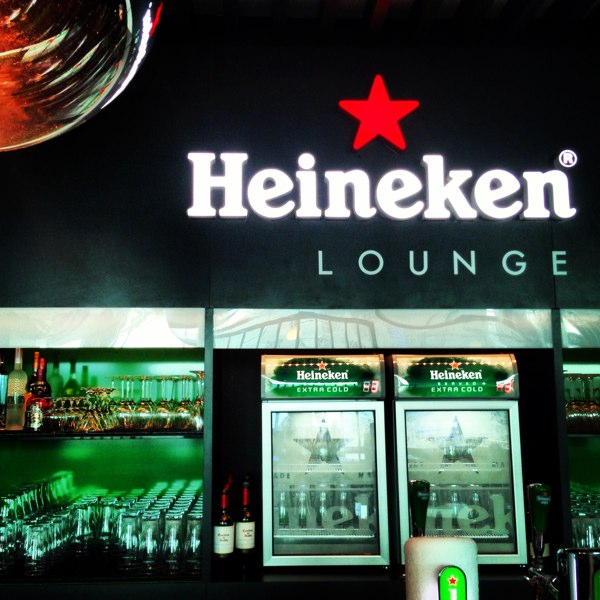
Heineken, the Dutch brewing giant, is preparing to open its first large-scale brewery in Dubai, a significant milestone in the evolving beverage industry within the Gulf Cooperation Council (GCC). This development, expected to materialize in 2024, will mark a pivotal shift in the region’s approach to alcohol production and consumption, reflecting broader changes in social and economic policies across the Middle East.

The brewery, located in Dubai Industrial City, will focus on producing various Heineken products tailored for the Middle Eastern market. This move aligns with Dubai’s strategic goals of fostering industrial diversification while attracting international investment to expand its manufacturing and export capabilities. With an estimated initial output of over 500,000 hectoliters annually, this facility represents one of the most ambitious projects of its kind in the Gulf region.

This initiative follows the UAE’s progressive steps to relax alcohol-related regulations to encourage tourism and economic growth. For instance, the country recently abolished its longstanding alcohol license requirement for personal consumption and introduced tax cuts on alcoholic beverages, effectively making them more accessible. The UAE remains an outlier in the GCC, where most countries maintain stringent controls on alcohol in adherence to cultural and religious norms.

The brewery will create employment opportunities and enhance Dubai’s standing as a hub for innovation and manufacturing excellence. With an emphasis on sustainability, Heineken plans to incorporate energy-efficient technologies and prioritize the use of local ingredients where feasible. This environmentally conscious approach underscores the company’s commitment to aligning its operations with the UAE’s sustainability initiatives.

The decision to establish operations in Dubai is also influenced by its logistical advantages. The emirate serves as a gateway to regional and international markets, offering robust infrastructure and connectivity. Industry analysts believe this move could spark increased competition in the regional beverage market, potentially encouraging other multinational firms to explore opportunities in the GCC.

This brewery is part of a larger trend where the Gulf region is witnessing shifts in lifestyle and economic priorities. While alcohol remains restricted in neighboring nations like Saudi Arabia, a more inclusive attitude toward diversifying economic activities is evident. Dubai’s openness to hosting Heineken’s venture highlights the city’s progressive stance and its broader ambition to solidify its position as a global city catering to diverse industries.

Spain has approved Saudi Arabia’s telecommunications giant, STC Group, to expand its investment in Telefónica, the nation’s iconic telecom operator, from just over 5% to nearly 10%. Economy Minister Carlos Cuerpo confirmed the government’s decision, which follows deliberations over the strategic implications of such a move. The authorization allows STC to solidify its financial involvement in Telefónica, though regulatory safeguards are being reinforced to maintain Spain’s control over vital communications infrastructure.

STC Group initially acquired a 4.9% stake in Telefónica, coupled with financial instruments granting voting rights for an additional 5%, raising questions about Spain’s ability to protect its critical infrastructure. The Saudi operator has expressed its interest in Telefónica as an investment opportunity rather than a bid for operational control. This assurance is intended to mitigate geopolitical concerns over foreign influence in the telecom sector, particularly involving companies pivotal to national security, defense, and digital services.

Telefónica holds significant importance in Spain’s technological and defense landscape, serving as a critical entity in telecommunications and cybersecurity. The government has emphasized the need to preserve the strategic capabilities of such companies, which has been a recurring theme in global debates about foreign ownership of critical industries.

To counterbalance STC’s growing presence, the Spanish government has instructed the state holding company, Sociedad Estatal de Participaciones Industriales (SEPI), to potentially acquire up to a 10% stake in Telefónica. This move, if realized, would make SEPI the company’s largest shareholder. The government is reportedly aiming to align Telefónica’s ownership structure with practices seen in other European countries, where governments maintain stakes in major telecom operators to safeguard national interests.

Telefónica’s shareholder composition has seen gradual evolution over time. Current major stakeholders include CaixaBank with 4.88%, Banco Bilbao Vizcaya Argentaria (BBVA) holding 4.84%, and BlackRock managing 4.8%. If SEPI proceeds with its planned acquisition, it would reshape the balance of influence within the company.

STC’s expansion in Telefónica aligns with its broader strategy of increasing international reach. The company, already active in telecommunications investments across Europe and the Middle East, is reportedly exploring further acquisitions, including potential stakes in Portugal’s Altice and the UK’s BT Group. This strategy reflects a wider trend of Gulf-based telecom entities seeking global prominence, similar to UAE-based e&, which has steadily increased its investments in Vodafone and other global operators.

Spain’s approach to safeguarding Telefónica echoes similar measures adopted across Europe. For instance, Germany retains a 13.8% stake in Deutsche Telekom, while France holds 13.39% in Orange. Italy has also bolstered its share in Telecom Italia’s fixed network grid. These measures underscore a growing recognition of telecom infrastructure as a vital element of national security and economic stability.

The European Union is ramping up efforts to enhance its collaboration with Saudi Arabia in the field of green energy, seeking to bolster clean energy initiatives and investments. This push comes as part of broader EU objectives to reduce its reliance on fossil fuels, accelerate the transition to renewable energy, and meet its ambitious climate goals set under the Paris Agreement. Recent dialogues between EU officials and […]

NEW YORK, US – Media OutReach Newswire – 26 November 2024 – From pharmaceutical manufacturing to petrochemical refinement, many industries utilize solvents for various processes, such as synthesis, extraction, purification, and more. Nevertheless, the conventional method across industries involves extensive solvent use followed by their disposal, often through incineration. This creates a never-ending cycle of vast chemical consumption that leads to significant waste streams, contributing to environmental […]

The Guangdong-Hong Kong-Macao Greater Bay Area Listed Companies Summit 2024 Unveils the “Hong Kong—Best Headquarters Choice for Greater Bay Area Listed Companies” Initiative Empowering Mainland Enterprises to Leverage Hong Kong for IPOs and International Growth HONG KONG SAR – Media OutReach Newswire – 26 November 2024 – On November 25, the “Guangdong-Hong Kong-Macao Greater Bay Area Listed Companies Summit 2024,” hosted by the Greater Bay Area Association […]

A Collaborative Platform Showcasing Scalable and Affordable Solutions for Climate Action, With a Focus on the Global South BAKU, AZERBAIJAN – Media OutReach Newswire – 25 November 2024 – The Biosphere 3 Solutions Pavilion stood out at the UN Climate Change Conference (COP29) as a beacon of innovation and collaboration. Hosted in the Blue Zone, the pavilion presented cutting-edge solutions that address energy equity, decarbonization, and sustainability […]

“Engineered for Sustainability: Hong Kong’s Contribution to United Nations Sustainable Development Goals” Showcasing over 40 Sustainable Engineering Projects HONG KONG SAR – Media OutReach Newswire – 25 November 2024 – The Hong Kong Institution of Engineers (“HKIE”) launched an eBook, Engineered for Sustainability: Hong Kong’s Contribution to United Nations Sustainable Development Goals, which introduces Hong Kong engineering industry’s progress towards achieving the United Nations Sustainable Development Goals […]

Advertisements

A prominent shopping center in Bahrain has joined forces with Yellow Door Energy to launch a 4.7 MWp solar power plant, marking a significant step in the kingdom’s efforts to achieve net-zero carbon emissions by 2060. The new solar plant, which will supply clean energy to the mall, highlights Bahrain’s growing commitment to sustainable energy practices and its pursuit of a greener future. This collaboration is part […]

HONG KONG SAR – Media OutReach Newswire – 22 November 2024 – The Hong Kong Productivity Council (HKPC) recently won the gold award in the “Government Public Relations” category at the 20th China Golden Awards for Excellence in Public Relations. This accolade recognises HKPC’s outstanding efforts in promoting New Productive Forces. The award ceremony took place on 15 November in Beijing. Ms Karen FUNG, Chief Marketing Officer […]

Germany’s economy is grappling with a series of compounding challenges that threaten its status as Europe’s economic powerhouse. The country’s industrial base, particularly its automotive sector, is seeing significant job cuts, while rising energy costs and technological stagnation continue to erode its competitive edge. Once a symbol of robust economic strength, Germany is now on the verge of a potential crisis, with experts warning of the looming risk of deindustrialization and a surge in corporate defaults by 2025.

Central to this economic downturn is the energy crisis, which has been exacerbated by skyrocketing gas prices. Germany, heavily reliant on energy-intensive industries such as manufacturing, faces a growing concern as high energy costs have started to undermine industrial productivity. The country’s industrial sector, contributing nearly 20% to its GDP, is particularly vulnerable. Rising gas prices, coupled with the shift away from Russian energy supplies, have created an economic strain that is felt across factories and production lines. As energy costs spiral, businesses are forced to scale back operations, further accelerating the decline of what was once a thriving industrial landscape.

The automotive sector, a cornerstone of the German economy, has been one of the hardest hit. For over six years, Germany’s automotive industry, which employs millions, has been undergoing deep restructuring. Global supply chain disruptions, shifting consumer preferences toward electric vehicles, and fierce competition from both established and emerging markets have led to mass layoffs and the closure of plants. These challenges are compounded by Germany’s slow adoption of new technologies and innovation, which has left it trailing behind rivals in the electric vehicle race. As the country struggles to modernize its industries, the fear of deindustrialization looms large.

Compounding these difficulties, Germany’s economic infrastructure is burdened by what many see as a technological gap. While countries like the United States and China race ahead with innovations in artificial intelligence, automation, and green energy solutions, Germany has been slow to modernize its industrial base. The country’s failure to adapt quickly to technological advancements has hindered its ability to stay competitive on the global stage. This technological lag, combined with a shrinking labor force due to demographic shifts, is intensifying concerns about Germany’s long-term economic health.

Adding to the uncertainty, the Bundesbank has issued a stark warning about the growing risk of corporate defaults by 2025. The central bank’s report highlights the increasing financial strain on German companies, particularly those in the industrial sector. Many businesses are struggling to cope with rising costs, shrinking profit margins, and a challenging global economic environment. While the government has taken steps to address the energy crisis and provide financial relief to struggling sectors, it is unclear whether these measures will be enough to stave off further economic deterioration.

The political landscape in Germany has also been shaken by the economic downturn. Chancellor Olaf Scholz’s government is under mounting pressure to deliver solutions that can halt the economic slide. However, efforts to provide targeted subsidies to businesses, incentivize green energy projects, and streamline bureaucratic processes have not yet resulted in significant economic recovery. Meanwhile, public dissatisfaction is rising, with growing concerns about the future of jobs in industries that are shrinking or facing automation. As Germany’s economy continues to falter, political leaders are scrambling to find viable solutions to avert a deeper crisis.

Economists are divided on the best path forward for Germany. Some argue that the country must prioritize technological innovation and investment in green industries to regain its competitive advantage. Others emphasize the importance of rethinking the country’s energy policy to ensure a more secure and sustainable energy future. Still, others believe that structural reforms in the labor market and regulatory environment are critical to addressing Germany’s economic malaise.

Despite the severity of the situation, Germany is not without its assets. The country’s strong financial sector, high-quality workforce, and reputation for producing world-class engineering and technology still offer a foundation for recovery. However, experts warn that Germany must act swiftly and decisively to avoid a full-blown economic collapse. The risk of deindustrialization, which threatens to hollow out the country’s manufacturing base, remains a critical concern. As companies continue to grapple with high energy costs and rising competition from low-cost markets, Germany’s once-dominant position in global manufacturing is increasingly under threat.

BEIJING, CHINA – Media OutReach Newswire – 22 November 2024 – The 2024 Beijing Changping Forum on Life Science, themed “Explore Life for A Shared Future” was grandly kicked off on November 22. The forum aims to further create an innovative ecosystem that is open, international, and full of market dynamism. It will help build Beijing Zhongguancun Life Science Park into a cutting-edge “Life Science Valley”, accelerate […]

Egypt and the United Arab Emirates have entered into a series of agreements aimed at boosting their renewable energy collaboration. These deals, announced during a high-level diplomatic visit, underscore the strengthening economic partnership between the two nations. With both countries prioritizing energy transition strategies, the agreements could play a crucial role in achieving their sustainability and energy security goals.

The signing ceremony, held in Cairo, marks a significant milestone in the growing economic cooperation between the two nations, particularly in the renewable energy sector. Under the terms of the deals, the UAE will contribute both expertise and financial support to help Egypt accelerate its renewable energy initiatives. The projects will focus on solar and wind energy, aligning with Egypt’s broader objective to increase its renewable energy capacity in the coming decades.

The partnership is built on a foundation of shared strategic interests in energy security and sustainability. Egypt has set ambitious targets to generate 42% of its energy from renewable sources by 2035, with a particular emphasis on expanding its solar and wind energy capacities. Meanwhile, the UAE, which has been a leader in the renewable energy space through investments such as the Masdar energy initiative, is eager to bolster its influence in the Middle East and North Africa (MENA) region by supporting Egypt’s green energy transition.

Egypt, located at the crossroads of Africa and the Middle East, offers vast opportunities for renewable energy investments due to its geographic advantages, including abundant sunlight and wind potential. As part of the deal, the UAE’s energy firms will help finance and develop large-scale solar parks, as well as offshore wind farms along Egypt’s Mediterranean coastline. These ventures are expected to enhance Egypt’s energy export potential, particularly to Europe, which has shown increasing interest in diversifying its energy supply sources in light of current geopolitical tensions.

The strategic importance of this collaboration is further underscored by the fact that it comes amid global energy shifts. As countries around the world work toward meeting climate change goals, many have turned their attention to renewable energy as a key pillar of energy security. For both Egypt and the UAE, this agreement represents a significant step toward achieving their respective goals of reducing dependence on fossil fuels, creating green jobs, and positioning themselves as leaders in the global renewable energy market.

Both nations have been active participants in the global push to combat climate change. The UAE has been a strong advocate for decarbonization and played a leading role in the 2023 COP28 climate summit, which took place in Dubai. Egypt, on the other hand, hosted the COP27 summit in Sharm El Sheikh in 2022, focusing on solutions for sustainable development and advancing renewable energy technologies. This shared commitment to environmental stewardship is expected to deepen their collaborative efforts in the years to come.

The Egyptian government has expressed optimism that these agreements will bring not only energy transformation but also broader economic benefits. By expanding its renewable energy capacity, Egypt aims to create jobs, boost foreign direct investment, and reduce its energy import dependency. Additionally, the projects could help Egypt manage its growing energy demands as the population expands and industrial development accelerates.

The UAE’s role in these developments is also seen as a key element in its strategy to diversify its economy beyond oil and gas. With the UAE’s heavy investments in clean energy technologies, the country is positioning itself as a regional leader in the green energy revolution. Through Masdar, one of the UAE’s leading renewable energy companies, the country has been actively involved in solar and wind energy projects across the globe. By partnering with Egypt, the UAE is not only extending its energy portfolio but also reinforcing its influence in one of the region’s largest economies.

Both Egypt and the UAE have set ambitious goals for their renewable energy initiatives. Egypt has a target to generate 20 gigawatts of renewable energy by 2025, and it is currently one of the largest producers of solar energy in the MENA region. Meanwhile, the UAE has invested heavily in technologies such as carbon capture and storage, green hydrogen production, and nuclear energy, with plans to become a global leader in clean energy innovation.

The deals are also expected to benefit local communities in Egypt by providing much-needed infrastructure, skills development, and employment opportunities. As Egypt continues to expand its renewable energy sector, the demand for technical expertise and local labor is expected to rise. Both Egyptian and UAE officials have emphasized the importance of creating long-term, sustainable benefits for the local workforce, including vocational training and capacity-building programs.

Energy cooperation between Egypt and the UAE is not limited to just these renewable energy projects. Both countries have also been discussing potential collaborations in other sectors, such as agriculture, water management, and technology. These efforts are part of a broader economic strategy aimed at fostering deeper ties between the two nations, which share strong trade relations and mutual interests in advancing economic growth and regional stability.

BANGKOK, THAILAND – Media OutReach Newswire – 22 November 2024 – Michelin, world-leading manufacturer of life-changing composites and experiences, welcomed international media to its two-day Asia Pacific Media Event at Michelin’s Talent Campus, located in Chon Buri, Thailand. The event focused on the theme “Innovating for a Sustainable Future” and Michelin’s dedication to innovation and sustainability, outlined through its All-Sustainable Strategy: People X Profit X Planet. MICHELIN […]

EdgeNebula, an innovative player in the data center sector, is setting a new benchmark for facility transformation by converting underutilized or abandoned spaces into state-of-the-art AI data centers in a mere two months. This rapid turnaround is part of the company’s strategic vision to address the surging demand for artificial intelligence infrastructure and data processing capabilities. With over a century of combined experience in the field, EdgeNebula’s […]

KUALA LUMPUR, MALAYSIA – Media OutReach Newswire – 21 November 2024 – As a critical resource in the global economy, oil is integral not only to the energy sector but also to industries such as transportation, manufacturing, and agriculture. Changes in its prices impact inflation rates, production costs, and global trade. For instance, oil price increases can accelerate global inflation. This effect ripples through various sectors, with […]

Highlights of FY24/25 Half-Year Results Group sales US$1,854 million – down 4% compared to first half of the prior financial year Gross profit US$438 million or 23.6% of sales (compared to US$430 million or 22.2% of sales in the first half of the prior financial year) Adjusted EBITA US$177 million or 9.5% of sales (compared to US$180 million or 9.3% of sales in the first half of […]

DigiLeap is a first-of-its-kind AI-driven platform connecting over 200 enterprises, including financial institutions and technology providers, to expedite Singapore and ASEAN’s transition to net-zero. Utilising advanced AI algorithms, DigiLeap customises matches between green projects and decarbonisation solutions, enhancing access to sustainable financing and innovative technologies. Aligned with COP29 priorities, DigiLeap drives impactful climate action across key sectors such as energy, construction, and real estate, fostering substantial environmental […]

Russia has announced plans to ban cryptocurrency mining in the territories of Ukraine that it currently occupies, including Donetsk, Luhansk, Zaporizhia, and Kherson regions. This move follows growing concerns about the strain mining operations have placed on the local power infrastructure, which is already grappling with severe shortages and capacity challenges as winter approaches.

The decision comes as Russia faces increasing pressure to manage energy resources more efficiently in these regions, where power outages and instability in the electrical grid have become more common. Authorities have pointed to the significant energy consumption of cryptocurrency mining as a contributing factor to the grid’s instability. Mining operations, which require massive amounts of electricity to power the high-performance computers used to mine digital currencies, have added further stress to an already fragile system, especially as the colder months demand more heating.

In a statement, Russian officials said that the ban would help ensure a more reliable power supply for both residents and essential services in the affected territories. With an already strained energy network, the decision was framed as a necessary step to safeguard the well-being of the local population and support the stability of the electrical grid.

Experts have long raised alarms about the high energy consumption required by the cryptocurrency sector. Mining operations, which often involve running thousands of specialized machines around the clock to solve complex algorithms, consume enormous amounts of electricity. According to some estimates, a single mining rig can use the same amount of power as several households combined, and when scaled up to the industrial level, the energy demands are considerable. This excessive consumption has raised concerns not only in Ukraine but in other parts of the world where crypto mining has been blamed for contributing to power shortages.

While the ban is officially positioned as a necessary measure to address energy shortages, it also reflects the broader geopolitical context of the ongoing conflict. The territories in question have been under Russian control since the early days of the invasion, and the move to restrict cryptocurrency mining underscores the ongoing efforts by Russian authorities to consolidate control over the occupied areas. Mining had become an increasingly important industry in these regions, particularly as a source of revenue for both local residents and military forces operating there. As cryptocurrency continues to grow in popularity worldwide, the sector has proven resilient even in conflict zones, offering financial opportunities amid the chaos.

Despite these efforts, Russia has faced significant challenges in maintaining control over its occupied territories. Energy shortages are not the only issue. Infrastructure damage, disruptions caused by ongoing conflict, and the difficulty of integrating these regions into Russia’s broader economic and administrative systems have all contributed to a complex and unstable situation. The decision to halt crypto mining highlights the Russian government’s attempts to prioritize short-term stability in the face of mounting pressures on the local economy and infrastructure.

The energy situation in the occupied territories has been dire for some time. Power plants and other critical energy infrastructure have been damaged or destroyed in the ongoing conflict, leading to frequent power outages. The electrical grid is struggling to meet the needs of both civilians and military operations, and officials have warned that the situation could worsen as winter approaches. With heating demands set to increase, the government is taking steps to ensure that enough energy is available to meet these needs, and halting energy-intensive operations like crypto mining is seen as a necessary part of the solution.

The ban also comes at a time when Russian authorities are looking for new ways to exert control over the cryptocurrency market. While Russia has not yet passed comprehensive legislation to regulate or ban cryptocurrency nationwide, the country has taken steps to curb the use of digital currencies in some sectors of the economy. The government has expressed concerns about the use of cryptocurrencies for illicit purposes, including money laundering and financing of criminal activities. The cryptocurrency mining industry, despite its growing significance, remains controversial in Russia, where authorities are wary of its potential to undermine traditional financial systems.

For now, the crypto mining ban in these occupied Ukrainian regions will likely have significant implications for the industry. Miners will be forced to shut down operations or relocate to other areas where mining remains legal, potentially causing disruptions in the flow of digital currencies in these regions. At the same time, the move is likely to generate mixed reactions among the local population, some of whom may have relied on mining as a source of income in the absence of stable employment opportunities.

The decision has also raised questions about Russia’s long-term strategy in these territories. While the ban may address immediate energy concerns, it may also serve to reinforce Russia’s growing control over the region’s economy. By restricting activities like crypto mining, Russia can assert more authority over the local population’s economic activities, potentially increasing its leverage in negotiations over the future of these territories.

HONG KONG SAR – Media OutReach Newswire – 20 November 2024 – Opportunity London, a new public-private initiative aimed at attracting capital investment to the city, will be heading to the Asia Pacific market for the first time. With a unique prospectus featuring 12 active projects valued at over US$12 billion, it will showcase specific investment opportunities across six asset classes – Low Carbon, Life Sciences, Leisure […]

By Nantoo Banerjee from Manila It may be seen as an irony of fate that the Philippines, a pioneer of the modern rice production technology helping some of the world’s major rice producers, including India, to become self-sufficient in paddy production, has itself become the world’s biggest rice importer. For the third successive year, the […]

The Internet of Things (IoT) is rapidly transforming industries by connecting billions of devices that communicate and share data. However, the increasing complexity of cross-domain data sharing between these devices has raised serious concerns over security and efficiency, particularly for resource-constrained devices. A team of researchers has developed a new blockchain-based solution that addresses these issues, offering an efficient, secure method for data sharing among IoT devices […]

Saudi Aramco, Sinopec, and Fujian Petrochemical have officially begun the construction of a significant new refining and petrochemical complex in Fujian province, China. This collaboration marks a major step forward in enhancing energy infrastructure, with an investment that highlights the deepening trade and energy ties between the Middle East and China.

The project, located in the coastal city of Quanzhou, is poised to become a vital hub for refining and petrochemical production, aimed at bolstering the energy needs of the rapidly growing Chinese market. The new facility will process millions of tons of crude oil annually and produce a wide range of petrochemical products, further strengthening the value chain in both the refining and chemicals sectors. As one of the largest investments of its kind in the region, the project underscores the strategic importance of Sino-Saudi relations and Aramco’s broader vision for international expansion.

At the core of this venture, Saudi Aramco is contributing a substantial stake, with the company’s role as a key supplier of crude oil expected to provide crucial support to the complex’s operations. Aramco has been a key player in the Chinese market for years, consistently expanding its footprint and solidifying its presence in one of the world’s largest and most dynamic energy markets. Through this venture, Aramco continues to build on its long-standing relationship with Sinopec, one of China’s state-owned oil giants, to help meet the country’s increasing demand for refined fuels and chemicals.

Sinopec, one of China’s leading oil and gas corporations, is providing significant technical expertise and resources for the development of the new refinery. With a vast network of refineries and petrochemical facilities across China, Sinopec’s involvement is expected to enhance operational efficiencies and facilitate greater integration between refining and petrochemical processes. The partnership brings together both advanced technological capabilities and the ability to navigate the Chinese regulatory and commercial landscape, which remains critical to success in this market.

Fujian Petrochemical, a key player in China’s petrochemical industry, is a joint venture partner in the project. The company is renowned for its strategic location along China’s eastern coast and its established role in petrochemical manufacturing. By leveraging its access to the South China Sea shipping routes, Fujian Petrochemical will play a vital role in ensuring smooth logistics for the import of crude oil and the export of refined and petrochemical products.

This new project is expected to generate significant economic benefits for the region. It will provide a boost to local employment, create opportunities for small and medium-sized enterprises, and enhance the skillsets of the workforce in Quanzhou. The complex will also be a significant contributor to the local economy through taxes and royalties, aligning with the Chinese government’s ongoing efforts to modernize its energy infrastructure and industrial capabilities.

The environmental impact of this venture has also been carefully considered. While the complex will undoubtedly play an important role in meeting the energy demands of China’s rapidly developing economy, all three partners have committed to ensuring that the project adheres to the highest standards of environmental sustainability. This includes employing advanced technologies to minimize emissions, improve energy efficiency, and reduce the ecological footprint of the refinery’s operations.

The decision to locate the complex in Fujian province is strategic, as the area has long been a hub for the petrochemical industry in China. Fujian’s proximity to major shipping lanes and its well-established infrastructure make it an ideal location for such a high-capacity facility. The provincial government has expressed strong support for the project, citing its potential to contribute to regional economic growth and enhance China’s energy security.

The broader geopolitical context of this project also plays a significant role in its development. With China’s growing focus on self-sufficiency in energy production and its ambition to strengthen domestic refining and chemical manufacturing capabilities, this initiative is timely. It reflects the ongoing trend of closer cooperation between China and energy-rich nations in the Middle East, particularly in the oil and gas sector.

For Saudi Aramco, the Fujian venture represents a further expansion of its global refining and petrochemical portfolio, reinforcing its position as a dominant player in the global energy market. The company has been diversifying its operations beyond crude oil production, investing heavily in refining and petrochemicals as part of its long-term strategy to adapt to evolving energy trends and the global push toward cleaner energy solutions.

As the global energy landscape continues to evolve, with increasing emphasis on sustainability and energy transition, the timing of this major refining and petrochemical project highlights the delicate balance between meeting current energy demands and investing in future-proof technologies. For China, which remains one of the world’s largest consumers of petrochemical products, this new facility is an important step in securing reliable, high-quality energy sources that align with its ambitious economic development plans.

This collaboration also stands as a testament to the growing importance of international partnerships in the energy sector. While the primary focus remains on meeting the energy needs of China’s economy, the involvement of key players such as Aramco, Sinopec, and Fujian Petrochemical signals the increasing interdependence of the global energy market. The success of the Fujian project will likely pave the way for further cooperation between the Middle East and China in areas such as renewable energy, advanced technologies, and global infrastructure development.


Arabian Post Staff -Dubai Dubai is positioning itself as a pivotal player in the global gold market, leveraging its unique geographic location, robust infrastructure, and forward-thinking policies. The city has seen a surge in gold trade activity, propelled by geopolitical shifts, increased bullion acquisitions by central banks, and a strategic focus on refining and trading gold to meet evolving market demands.Central banks have significantly boosted their gold […]

China is poised to complete an ambitious environmental project by the end of this year, encircling its largest desert, the Taklamakan, with a vast green belt. This initiative, part of the nation’s long-standing efforts to combat desertification, promises to improve local ecosystems and mitigate environmental challenges faced by communities in the region. The Taklamakan Desert, located in the Xinjiang Uygur Autonomous Region, spans roughly 337,000 square kilometers, […]

VISHNU RAJA
RYO YAMADA
HITORI GOTOH
IKUYO KITA