News related to
Industrial

AACHEN, GERMANY – Newsaktuell – 11 February 2026 – FEV has published new analysis results on the economic efficiency of electrified commercial vehicles as part of an internal research program. The evaluation of extensive techno-economic data shows: depending on the driving cycle, through trucks with range extender architecture (REEV/Hybrid BEV) the total cost of ownership (TCO) can be reduced by up to 33 percent compared to conventional diesel trucks – while also significantly reducing CO₂ emissions. Even in the most unfavorable long-haul scenario, the TCO declined by approximately 14 percent.

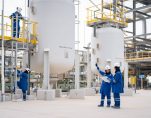
Depending on the driving cycle through range extender trucks TCO can be reduced by up to 33 percent. Source: FEV

Calculations are based on realistic European usage profiles with overnight charging at industrial electricity prices of around 19 cents per kilowatt hour. In regions with lower electricity costs, the advantage is correspondingly higher.

Cost-effectiveness without megawatt charging infrastructure

A key lever of the REEV architecture is the reduced battery size compared to purely battery-electric long-haul trucks. While typical BEV trucks require battery capacities of around 560 kWh, a REEV truck can manage with around 280 kWh. Even with slower AC charging at 22 kW, around 240 kWh can be recharged overnight – enough to power the vehicle almost entirely electrically for the next day. Thus, a megawatt charging infrastructure is not necessary for economical operation.

Significant TCO advantage in the cost-critical commercial vehicle market

The economic advantage of the range extender architecture results from several factors. The smaller battery of a REEV truck reduces vehicle costs and weight while increasing payload. Also, the high proportion of electric driving enables low energy costs, especially when charging at depots at night at industrial electricity prices.

Due to their low dependence on public high-performance charging infrastructure, REEV trucks can be seamlessly integrated into existing depot structures.

Hashtag: #FEV

The issuer is solely responsible for the content of this announcement.

  Laboratories, whether in universities, hospitals or industrial research centres, rarely command public attention. Yet the integrity of their work often depends as much on routine maintenance and appropriate equipment as on scientific expertise. In recent years, lab managers across the Middle East and beyond have been reassessing how safety infrastructure is selected, maintained and upgraded, particularly as research volumes increase and regulatory scrutiny tightens. At the […]

By Nantoo Banerjee The excitement over the finalization of the first tranche of the Indo-US trade deal during last weekend after months of negotiations and uncertainties may be irrational, if not too early, as it remains unclear about the US attitude towards India’s multi-alignment global trade and economic strategy combining countries such as Russia and […]

The article Indo-US Trade Deal Promises To Be Contentious appeared first on Latest India news, analysis and reports on Newspack by India Press Agency).

Robertet Group has inaugurated its regional headquarters at Dubai Science Park, signalling a sharper strategic focus on the Gulf and wider Middle East as global demand rises for natural ingredients in fragrances and flavours. The new hub positions the French-headquartered group closer to customers across perfumery, food, beverage and wellness sectors, while strengthening its operational, commercial and regulatory capabilities in a region that has become a key […]

Khalifa University of Science and Technology and the Institute of Energy Economics Japan have convened the 2026 UAE–Japan Industry-Academia Collaboration Steering Board meeting in Abu Dhabi, bringing senior policymakers, researchers and industry executives together to accelerate joint work across energy systems, advanced materials and industrial decarbonisation.

The closed-door session, hosted by Khalifa University of Science and Technology with Institute of Energy Economics Japan, reviewed progress under a multi-year framework that links laboratory research to commercial deployment. Participants focused on aligning research priorities with national transition goals in the United Arab Emirates and Japan while ensuring that projects move beyond pilot stages into scaled industrial use.

University officials said the meeting sharpened governance around joint programmes that span hydrogen value chains, grid resilience, carbon management and next-generation manufacturing. The steering board assessed ongoing work on hydrogen carriers and utilisation pathways, including ammonia and synthetic fuels, alongside studies on carbon capture, utilisation and storage that integrate process design with life-cycle analysis. Industry representatives pressed for faster timelines and clearer pathways to demonstration, citing capital discipline and the need for predictable policy signals.

Energy systems dominated the agenda as both countries seek to balance security, affordability and emissions goals. Japan’s import-dependent energy mix and the UAE’s role as a major producer and exporter create complementary incentives for collaboration, delegates noted. Research teams presented updates on high-efficiency electrolysers, advanced catalysts and thermal management, with an emphasis on reducing costs and improving durability under desert and maritime operating conditions.

Another thread centred on digitalisation and artificial intelligence in energy operations. Joint projects are examining how data-driven optimisation can cut losses across generation, storage and transmission, and how digital twins can accelerate plant design and maintenance. Academic leaders argued that co-developed datasets and shared testbeds are essential to attract industrial partners and ensure interoperability across markets.

Advanced materials and manufacturing featured prominently, reflecting interest from automotive, aerospace and heavy-industry partners. Researchers outlined progress in lightweight alloys, composites and coatings designed to withstand extreme temperatures while lowering energy intensity. Industry participants flagged workforce readiness as a bottleneck, urging expanded exchange programmes and co-supervised doctoral tracks to build skills that translate quickly to factory floors.

The steering board also reviewed funding structures and intellectual property frameworks. Both sides reaffirmed commitments to balanced IP arrangements that protect proprietary know-how while enabling publication and talent development. Officials highlighted the importance of predictable co-funding cycles to keep multi-year research teams intact and to de-risk private investment in demonstration assets.

Abu Dhabi’s role as host underscored the emirate’s ambition to serve as a convening hub for applied research and industrial partnerships. Delegates toured university laboratories and pilot facilities to evaluate readiness for scale-up, with particular attention to safety standards and integration with industrial sites. Discussions touched on regulatory alignment and standards development, areas seen as critical to shortening time-to-market for cross-border technologies.

Japanese participants emphasised the value of long-term academic partnerships in sustaining innovation during market cycles. They pointed to the need for rigorous techno-economic assessments to guide policy and investment decisions, and for transparent metrics to track emissions impacts across supply chains. UAE counterparts highlighted the opportunity to test solutions at scale and under demanding conditions, offering feedback loops that can refine designs before global deployment.

Beyond energy, the meeting explored collaboration in water-energy nexus research, climate-resilient infrastructure and systems engineering for smart cities. Presentations examined desalination efficiency, waste-to-value pathways and the integration of distributed resources, reflecting broader industrial interests in sustainability and circularity.

Arabian Post Staff -Dubai Abu Dhabi’s economy gathered pace in the third quarter of 2025 as real GDP reached 325.7 billion dirhams, equivalent to $88.68 billion, marking a year-on-year expansion of 7.7%, official data showed, underlining the emirate’s continued shift towards a broader growth base even as hydrocarbons remain a central pillar. Figures released by the Abu Dhabi Statistics Centre indicated that the non-oil economy expanded by […]

Papio, a global industrial analytics and AI company, has announced the establishment of its Qatari subsidiary and is now officially registered in Qatar under QFC. Steven Jansen, CEO and founder of Papio, shares insights on the company’s global expansion and long-term commitment to supporting industrial organisations with digital transformation initiatives, serving customers better across Qatar and the wider Gulf, while building its footprint in the region. “The Middle East […]

Advertisements

Arabian Post Staff -Dubai   ADNOC Gas plc reported a net income of $5.2 billion for the fiscal year ended 2025, marking a 3 per cent rise compared with the previous year and underscoring the company’s capacity to generate resilient returns amid volatile commodity markets. The Abu Dhabi-based integrated gas producer said the result was achieved despite an average Brent crude oil price of $69 per barrel for the […]

Quantum computing is emerging as a strategic lever for India’s ambition to secure a leading role in the global technology order, with Andhra Pradesh Chief Minister N. Chandrababu Naidu arguing that early investments and coordinated policy could reshape the country’s IT and industrial landscape. Speaking in Amaravati, Naidu said quantum technologies had the potential to redefine computing power, cybersecurity, materials science and drug discovery, placing India at a critical juncture as global competition accelerates.

Naidu’s remarks came as Andhra Pradesh positions itself as a focal point for quantum research and commercialisation through its Quantum Valley initiative, which aims to bring together academic institutions, global technology firms and startups on a single platform. The programme is designed to move beyond theoretical research and translate quantum science into deployable applications, an area where many countries are racing to gain first-mover advantage.

Quantum computing differs fundamentally from classical computing by using quantum bits, or qubits, that can exist in multiple states simultaneously. This allows certain calculations to be performed exponentially faster, opening pathways in optimisation problems, climate modelling, financial risk analysis and cryptography that are currently beyond reach. Governments in the United States, China and the European Union have committed billions of dollars to quantum research, viewing it as both an economic and national security priority.

Naidu said India’s strength lay in its deep pool of engineering talent and its established position in information technology services, but warned that relying solely on legacy software models would leave the country vulnerable as the technology cycle shifts. He argued that quantum computing, when combined with artificial intelligence and advanced semiconductors, could create a new technology stack in which India could compete at the highest level rather than remain a downstream adopter.

The Andhra Pradesh government has pitched Quantum Valley as a long-term ecosystem rather than a single project. Plans include dedicated research facilities, incentives for private investment, and partnerships with universities and multinational technology companies working on quantum hardware, algorithms and error correction. Officials involved in the programme say the aim is to create an environment similar to established innovation clusters, where research, talent and capital reinforce one another.

India’s broader policy environment has also begun to align with these ambitions. The national quantum mission, approved by the Union government, outlines funding for quantum computing, communications and sensing over the coming years, with a focus on building indigenous capabilities. Research groups at institutions such as the Indian Institute of Science and several Indian Institutes of Technology are already active in quantum algorithms and materials research, while startups are exploring niche applications in logistics, finance and healthcare.

Industry analysts note that quantum computing remains at an early stage globally, with practical, large-scale systems still years away. Current machines are limited by qubit stability and error rates, and most commercial use cases are experimental. However, the pace of progress has intensified, with steady advances in hardware architectures and hybrid models that combine classical and quantum computing. Countries that invest early in skills and research infrastructure are expected to gain disproportionate benefits once the technology matures.

Naidu acknowledged these challenges, stressing that quantum computing should be approached as a marathon rather than a sprint. He said sustained investment, patient capital and close collaboration between government, academia and industry would be essential to avoid fragmented efforts. He also emphasised the importance of education and workforce development, arguing that quantum science should be integrated into advanced engineering curricula to build a pipeline of specialised talent.

Greenlogue/AP Saudi Arabia’s National Water Company has confirmed the completion of two major infrastructure projects in the Qassim Region at a combined cost exceeding 48 million Saudi Riyals, marking a key step in upgrading water and sewage services for communities in the central province. The initiatives, executed under the company’s long-term expansion strategy, include extensive drinking water pipeline installations in Buraidah and comprehensive sewage network construction in […]

Larsen & Toubro is set to expand its data centre footprint to 32 megawatts by the end of March, commissioning 18 MW of new capacity as the engineering major sharpens its focus on digital infrastructure alongside emerging opportunities in green hydrogen and semiconductors.

The additional capacity will lift the group’s operational data centre load from the existing 14 MW, marking a decisive step in a segment that has become a core pillar of its technology-led growth strategy. The commissioning is scheduled to be completed before the close of the financial year, aligning with strong demand from cloud service providers, hyperscalers and large enterprises accelerating their migration to outsourced digital infrastructure.

Larsen & Toubro has steadily built its data centre business over the past few years, leveraging its engineering, procurement and construction capabilities to develop facilities that meet high standards for power efficiency, uptime and scalability. Executives have previously indicated that the group’s focus is on delivering carrier-neutral and hyperscale-ready campuses in key metros, where demand continues to outpace supply despite a wave of new announcements by domestic and global operators.

Industry estimates show that data consumption growth, artificial intelligence workloads and stricter data localisation norms are driving sustained investment in capacity across Asia. India remains one of the fastest-growing markets in this space, with several multinational cloud companies committing to expand their presence. Against this backdrop, L&T’s move to lift capacity by more than double underscores its intention to be a long-term player rather than a peripheral builder.

The data centre expansion is being pursued alongside the company’s ambitions in newer industrial segments. L&T has signalled that it is actively pursuing orders related to electrolysers, a critical component for producing green hydrogen, as governments and industrial groups accelerate decarbonisation plans. Electrolyser manufacturing and deployment are viewed as strategic areas where the company’s heavy engineering background can be translated into repeatable, export-oriented businesses.

Management has also reiterated interest in the semiconductor ecosystem, particularly in supplying equipment, engineering services and infrastructure for chip fabrication and assembly units. While L&T is not positioning itself as a chipmaker, it aims to capture value across the supply chain as multiple semiconductor projects move from proposal to execution stages. The company has indicated that it is evaluating opportunities linked to cleanroom construction, precision engineering and advanced manufacturing systems required by chip plants.

Analysts tracking the capital goods sector note that diversification into data centres and clean energy-linked manufacturing provides a hedge against cyclicality in traditional infrastructure spending. Order inflows from transport, hydrocarbons and power transmission remain important for L&T, but newer verticals are expected to deliver higher margins and longer visibility once scale is achieved.

The data centre business, in particular, benefits from predictable long-term contracts and rising demand for energy-efficient facilities. Power availability and cooling efficiency have become critical differentiators as operators seek to control operating costs and meet sustainability targets. L&T has highlighted its emphasis on optimised designs, modular construction and integration of renewable energy where feasible, in response to customer requirements.

From a financial perspective, the 18 MW commissioning is not expected to materially strain the balance sheet, given the group’s strong cash flows and diversified revenue base. The company has historically funded growth through a mix of internal accruals and selective partnerships, and similar structures are being explored for digital infrastructure projects to manage risk and accelerate execution.

Market participants also point to the broader ecosystem benefits of large data centre builds, including demand for electrical equipment, cooling systems, specialised construction and long-term maintenance services. This creates opportunities for L&T to cross-leverage capabilities across its subsidiaries and verticals, reinforcing the strategic rationale behind the expansion.

Documents released by the United States Justice Department have revealed how Jeffrey Epstein’s web of influence extended into India, underscoring the disgraced financier’s sustained efforts to cultivate relationships with prominent figures across business, politics and academia long before his arrest and death. The files, unsealed as part of litigation connected to Epstein associate Ghislaine Maxwell, include exchanges indicating contact between Epstein and Anil Ambani over a period […]

Arabian Post Staff -Dubai Russia is widening its search for workers across South Asia as labour shortages deepen across construction, manufacturing, transport and services, prompting outreach to India and Sri Lanka through recruitment drives, bilateral talks and private placement channels. The move reflects a tightening domestic labour market shaped by demographic decline, sustained emigration flows and the pull of defence-related industries, according to officials and employers familiar […]

UAE is steadily positioning itself as a global reference point for pharmaceutical innovation, backed by regulatory maturity, public-private collaboration and an explicit policy commitment to advancing healthcare, senior executives at Novartis say. The assessment reflects a broader shift in how multinational drugmakers view the Gulf state, not merely as a sales market but as a base for development, manufacturing and clinical collaboration. Valued at about $4.15bn, the […]

Saudi Arabia’s flagship development drive remains anchored to an ambition that exceeds $1 trillion in combined value, even as authorities adjust timelines, scope and sequencing across some of the Kingdom’s most high-profile projects. A new assessment by Fitch Ratings said the combined value of five major giga projects — NEOM, Qiddiya, Red Sea Global, ROSHN and Diriyah — is still expected to surpass that threshold at completion, […]

BEIJING, CHINA – Media OutReach Newswire – 6 February 2026 – On the evening of February 4, “The World TCM Heritage Odyssey,” co-hosted by Phoenix Satellite TV and Dong-E-E-Jiao, took place at the Phoenix Center in Beijing and successfully concluded. The event, marking the beginning of spring, showcased the latest practices and achievements in the international dissemination, academic exchange, and modern transformation of Traditional Chinese Medicine (TCM) through cultural tributes, cross-disciplinary dialogues, and the integration of technology and art.

"The World TCM Heritage Odyssey" Held in Beijing, Showcasing New Practices in International Communication of Traditional Chinese Medicine

The ceremony centered on TCM culture and leveraged the immersive cultural, technological, and experiential environment of the Phoenix Center. It connected traditional medical wisdom with contemporary global health issues, demonstrating the pathways of inheritance and innovation for TCM in diverse cultural contexts around the world.

In his speech, Xu Wei, Chairman and CEO of Phoenix Satellite TV, stated that the global spread of TCM is not just about medical communication but also a process of cross-cultural understanding and exchange. He emphasized the need to build communication bridges through modern dissemination methods while respecting differences. Phoenix Satellite TV will continue to focus on and document the international dissemination of TCM.

Cheng Jie, Chairman of Dong-E-E-Jiao, remarked that TCM culture belongs to all humanity and that the company will keep promoting the synergy between cultural dissemination and industrial development, facilitating a deep integration of technology, culture, and brand narrative to contribute to global health.

The event featured a “Tribute” segment honoring five representatives dedicated to the international spread and cross-disciplinary integration of TCM, covering fields such as academic translation, medical practice, technology integration, and public welfare dissemination.

Scholar Ehsan Doostmohammadi from Iran was honored for completing the first Persian translation of the “Huangdi Neijing: Suwen” and promoting TCM in the West Asia region. Zhao Zhongzhen, Emeritus Professor at Hong Kong Baptist University’s School of Chinese Medicine, presented the honor and advocated for further collaboration.

Malaysian TCM practitioner Neoh Karen was recognized for promoting the modernization and internationalization of TCM through innovative communication methods.

Lee Tsung-En Andy, CEO of the Yangqi Integrative Medicine Center in Silicon Valley, was honored for his exploratory practices integrating TCM concepts with artificial intelligence and big data, sparking discussions about the modernization of TCM.

Italian physician Valeria Toso, a proponent of TCM meridian theory, was acknowledged for her long-term efforts to promote TCM concepts in Europe.

Dr. Diarra Boubacar Thiemoko from Mali, the first foreign postdoctoral fellow in TCM in China, received high praise for his years of grassroots medical exchanges in Central Africa and his work in developing TCM training and public welfare diagnosis programs on the continent.

During the event, Phoenix Satellite TV officially launched the second season of “The Healing Path.” The new season will document TCM’s development and application across different countries and cultural contexts, showcasing its diverse expressions in a global setting.

Throughout the ceremony, the Phoenix Center also established a global TCM cultural interactive experience area, enhancing the public’s intuitive understanding of TCM culture through cultural displays, product exhibitions, and interactive experiences. A special livestream program titled “Let’s Talk! Friends of TCM” preceded the event, generating public discussion.

As the event concluded, the theme song “The Healing Path,” created with AI participation, resonated in the venue, marking the end of the ceremony.

The organizers stated that this ceremony was not only a concentrated display of TCM culture but also a forward-looking exchange practice, showcasing new expressions and possibilities for traditional medicine in the contemporary technological and global health context.

Hashtag: #TheWorldTCMHeritageOdyssey #TraditionalChineseMedicine #GlobalHealth #TCMCulture #TCMInnovation

The issuer is solely responsible for the content of this announcement.

HONG KONG SAR – Media OutReach Newswire – 5 February 2026 – The national “15th Five-Year Plan” recommendation has clearly identified the “AI+” initiative as a core strategic deployment. The Ministry of Industry and Information Technology (MIIT) has also positioned artificial intelligence (AI) as a key development direction for new productive forces. The HKSAR Government is actively aligning with national policies, and the 2025 Policy Address emphasises AI as a core industry for Hong Kong’s future development.

To expand AI application scenarios and enhance enterprises’ competitiveness, the Hong Kong Productivity Council (HKPC) is hosting the inaugural “AI with HKPC” Smart Solutions Showcase Series, which officially opens today. Professor SUN Dong, Secretary for Innovation, Technology and Industry, HKSAR Government, and the Hon Sunny TAN, Chairman, Hong Kong Productivity Council, officiated at the opening ceremony, underscoring the Government’s and the industry’s shared determination to drive the broader adoption of AI applications. Registration for the event has been enthusiastic, with over 3,000 representatives from the Government, industry, academia and research communities expected to attend, reflecting the “AI for all” trend and strong market demand for digital solutions.

The three-day event focuses on three major themes, including empowering SMEs, digitalised education, and smart property, showcasing nearly 100 ready-to-deploy AI solutions covering diverse scenarios such as operations management, customer interaction, school administration and teaching, and building maintenance. It marks AI’s shift from concept demonstrations to real-world deployment, injecting practical momentum into Hong Kong’s new industrialisation and smart city development.

Professor SUN Dong, Secretary for Innovation, Technology and Industry, HKSAR Government, said: “AI is transforming the world at an unprecedented pace. Hong Kong, with its unique strengths in research foundation, international talent pool and open market environment, provides the ideal soil for advancing the industrialisation of AI. The HKSAR Government has been promoting the development of AI in a comprehensive manner across research, computing power, data, talent and funding. HKPC also actively assists enterprises in mastering AI technologies and enhancing AI governance, not only laying a solid foundation for application by businesses, but also nurturing digitally skilled talent with a vision for the future and driving the continuous upgrading of industries. HKPC has long supported and worked closely with the HKSAR Government in advancing innovation and technology development. Let us continue to work hand in hand and seize opportunities, and jointly propel Hong Kong to become a leading pioneer of smart transformation in Asia”.

The Hon Sunny TAN, Chairman of Hong Kong Productivity Council, said: “HKPC actively responds to the national ’15th Five-Year Plan’ recommendation and fully supports the HKSAR Government’s direction of promoting the deep integration and application innovation of AI across various industries. This showcase aims to build a transformation bridge from ‘seeing’ to ‘doing’, not only demonstrating the broad potential of AI technologies, but also providing actionable and scalable pathways to help enterprises extend pilot projects into full-scale deployment, thereby realising AI-driven industry transformation.” He further noted, “As AI adoption accelerates, robust cyber security protection is the foundation for responsible AI use. According to the latest report from the Hong Kong Computer Emergency Response Team Coordination Centre, local cyber security incidents in 2025 rose by 27% year-on-year, reaching a record high. HKPC will continue supporting enterprises in building a secure and trustworthy AI application environment, so the industry can innovate with confidence and transform with assurance.”

The “AI with HKPC” Smart Solutions Showcase Series focuses on four common pain points enterprises face during AI transformation, which is “integration challenges, insufficient funding, security concerns, and talent shortage”. Guided by the philosophy of “technology as a bridge, industry as the foundation,” HKPC promotes the popularisation and industrialisation of AI applications. Through the showcase, local SMEs can gain deeper understanding of practical AI use cases across business operations, while also accessing a series of technical solutions and services. HKPC’s self-developed multipurpose AI platform “HKPC Picasso,” aims to respond to the “integration challenges” commonly faced by most enterprises in AI transformation, with “ease of use” as the core concept, providing an end-to-end and executable AI transformation support system for the common needs of different industries. It currently offers six large language model (LLM) modules, over 30 commonly used functional modules, and around 40 applications, supporting rapid development and deployment of smart solutions. This significantly lowers development costs and technical barriers, enabling enterprises to deploy and launch customised AI systems within several weeks. The platform makes AI more accessible, empowering SMEs to kick-start smartification transformation with ease.

HKPC also provides AI Governance and Testing Services to help enterprises address “security concerns”. The services cover AI governance framework design, ethics and compliance review, data privacy assessment, AI content and model security testing, as well as enhancements to model transparency, supporting enterprises in optimising AI systems to meet international standards and establishing a sustainable and responsible AI application framework. In addition, to tackle the “talent shortage” pain point, HKPC offers supporting AI-related training courses to strengthen enterprises’ understanding and practical capabilities in AI application. This helps build a solid foundation for AI transformation while ensuring safety, compliance and public trust throughout technological development.

“AI with HKPC” Nearly 100 Hands-on, Ready-to-Deploy AI Use Cases Across Three Themes

1) Empowering SMEs for the AI Era​ Solution Day (5–6 February)

Aligned with the 2025 Policy Address direction of supporting SMEs in digitalisation and smartification transformation, the showcase features five exhibition zones, presenting “ready-to-use, fast-impact, low-barrier” AI solutions such as AI-powered accounting, process automation, intelligent customer service, and collaboration tools. These solutions cover operations, infrastructure, security, marketing and talent management. The showcase also introduces AI applications incubated through the “HKPC Picasso” platform and HKPC’s AI governance services, helping SMEs explore transformation pathways based on their needs.

All solutions are sourced from HKPC’s free platform Digital DIY, which integrates trusted AI solutions from Hong Kong and the Chinese Mainland. Addressing SMEs’ pain points of “limited channels and difficulty in choosing,” the platform provides efficient matching and clear adoption guidance—accelerating transformation and enhancing competitiveness.

2) AI in Education Forum Series & Showcase (5–6 February)

To support the HKSAR Government’s push for digital education and the Education Bureau’s AI for Empowering Learning and Teaching Funding Programme, HKPC co-organises the AI in Education Forum Series & Showcasewith the Education Bureau and Hong Kong Education City, helping schools grasp policy directions, technology solutions and AI teaching planning.

The event features over 60 AI education solutions, including language learning, SEN support and smart assessment, and for the first time centrally showcases 22 projects under the Quality Education Fund (QEF) e-Learning Ancillary Facilities Programme (eLAFP) developed by universities and institutions. The seminar series includes a principals’ forum themed “Achieve More with Less: AI Integration Strategies for Hong Kong Schools,” where primary and secondary school principals share hands-on experience. HKPC Academy will also introduce how schools can leverage Government funding to effectively integrate AI into school-based teaching, learning and administration to improve efficiency.

3) AI Driven Solutions for Smarter Property Sharing Session (9 February)

The AI-Powered Smarter Property Management Sharing Sessionon 9 February will align with the smart building development blueprint under Smart City Blueprint 2.0, as well as the HKSAR Government’s advocacy for deeper AI integration across industries. It aims to help the industry understand emerging AI applications in property management.

The session will feature multiple AI technologies developed by HKPC, including Water Tank Cleaning Robot successfully piloted with Jones Lang LaSalle, Pureland Drone Facade Cleaningwith advantages for high-altitude work safety, Recycling Bin Transporter utilising automation, AI, and sensor technologies, and anAutonomous Wheelchair suitable for elderly and persons with disabilities, demonstrating how innovation can enhance building management efficiency, improve resident experience, and advance sustainable urban development.

Click here to download the high-resolution photos

Photo caption:

1. The Hon Sunny TAN, Chairman of the Hong Kong Productivity Council, delivers a speech at the opening ceremony, encouraging SMEs to adopt AI to enhance competitiveness and operational efficiency.

2. Professor SUN Dong, Secretary for Innovation, Technology and Industry, HKSAR Government, attends the opening ceremony of the “AI with HKPC” Smart Solutions Showcase Series, supporting the popularisation and practical deployment of AI.

3. Mr Edmond LAI, Chief Digital Officer of HKPC, delivers a keynote speech explaining the core value of HKPC’s self-developed multipurpose AI platform “HKPC Picasso” and how it addresses enterprises’ transformation pain points.

4. The officiating move guests and industry representatives take a group photo to witness the grand opening of the three-day “AI with HKPC” Smart Solutions Showcase Series, marking AI’s toward broader adoption and industrialisation.

5. The showcase features multiple AI application solutions tailored for SMEs, covering smart operations, data analytics and customer experience, attracting many industry visitors for exchanges.

Hashtag: #HKPC

The issuer is solely responsible for the content of this announcement.

About the Hong Kong Productivity Council

The Hong Kong Productivity Council (HKPC) is a statutory body established in 1967, dedicated to enhancing the productivity and competitiveness of Hong Kong enterprises through world-class applied R&D, innovative technology services, and integrated manufacturing solutions. As a market-oriented, international R&D organisation, HKPC leverages its deep expertise and extensive industry experience in key areas such as AI, advanced manufacturing, life and health technology, green technology and new energy to drive new industrialisation and support the growth of emerging and future industries.

HKPC focuses on addressing businesses challenges and industrial technology needs, promoting the full integration between technological and industrial innovation. Through technology transfer, product innovation, intellectual property protection and commercialisation of R&D outcomes, the Council fosters collaboration with the local business community as well as top global R&D institutions, delivering added value to industries and advancing the development of new productive forces. HKPC’s world-class R&D achievements have been widely recognised over the years, winning an array of local and overseas accolades, reinforcing Hong Kong’s role as an international innovation and technology centre and a smart city.

To help enterprises capitalise on Hong Kong’s strengths in international connectivity to expand into global markets, HKPC offers comprehensive overseas expansion services tailored to critical areas including product development, technology, manufacturing, and management, enabling businesses to successfully go global from Hong Kong.

HKPC is also committed to providing timely and practical support to SMEs and startups with timely and practical, assisting them in accessing Government funding programmes. Through its FutureSkills training initiatives, HKPC helps both industry and academia stay ahead in latest digital and STEM technologies, nurturing a future-ready talent pool for Hong Kong.

For more information, please visit HKPC’s website: .

Capital markets across the Middle East and North Africa recorded ten initial public offerings that raised a combined $1.7bn in the fourth quarter of 2025, signalling continued investor engagement despite broader market headwinds. According to the EY MENA IPO Eye Q4 2025 report, the MENA region sustained momentum in public market activity as companies across diverse sectors tapped equity markets for capital. Morocco’s Société Générale des Travaux […]

  • Sales after nine months up on previous year, increasing by some 6.1 percent
  • Adjusted EBITDA considerably better than in previous year – efficiency measures having a clear impact
  • Incoming orders down on previous year, as expected, due to underlying economic conditions and absence of drupa effect
  • Successful positioning in security, defense, and energy technologies
  • Full-year forecast confirmed despite challenging environment

HEIDELBERG, GERMANY – News Aktuell – 5 February 2026 – After nine months of financial year 2025/26 (April 1 to December 31, 2025), developments at Heidelberger Druckmaschinen AG (HEIDELBERG) are in line with expectations. The company has achieved a considerable improvement in its profitability and is also resolutely pressing ahead with its strategic transformation, moving into new areas of business that are enjoying strong growth. Notwithstanding the challenging environment, sales after three quarters climbed to € 1,602 million – some 6.1 percent higher than the previous year’s figure of € 1,509 million – despite negative exchange rate effects amounting to around € 44 million compared with the equivalent period of the previous year. Business in Europe and with packaging and label printing presses saw particularly positive development during this period. At € 617 million, the sales figure for the third quarter was around 4 percent higher than in the equivalent quarter of the previous year and continued the quarter-on-quarter sales growth so far in the current financial year.

The HEIDELBERG Customer Portal is already the digital control center for over 3,000 print shops worldwide – a figure that is set to keep on growing.

The adjusted operating result (EBITDA) after nine months increased significantly to € 114 million (adjusted figure for equivalent period of previous year: € 86 million) and the adjusted EBITDA margin improved considerably to 7.1 percent (equivalent period of previous year: 5.7 percent). Implementation of the personnel and efficiency measures envisaged in the plan for the future is having a clear impact. For example, production costs and total working costs improved compared with the corresponding period of the previous year. The personnel cost ratio was lower than in the first nine months of the previous year, falling to 36 percent (equivalent period of previous year, adjusted for special items: 39 percent). The company is expecting personnel costs as a whole to remain below the previous year’s figure for the rest of financial year 2025/26.

Incoming orders after nine months totaled € 1,628 million (previous year: € 1,823 million). Allowing for the fact that drupa resulted in the previous year being very strong, they were therefore in line with expectations. During the reporting period, the company saw a significant impact from negative exchange rate effects amounting to some € 46 million. Incoming orders in the third quarter stood at € 517 million (corresponding quarter of previous year: € 550 million). The development of incoming orders in the third quarter was particularly positive in the Americas Region, where they were up 17 percent on the equivalent quarter of the previous year.

HEIDELBERG pressing ahead with strategic transformation and tapping into new growth markets

Despite a market environment that remains challenging, HEIDELBERG is consistently pursuing its strategic transformation. Based on its strong industry and systems expertise, the company is systematically tapping into additional markets in the areas of defense, security, energy, charging infrastructure, and industrial system solutions. One key aspect of this process is combining all relevant activities under HD Advanced Technologies GmbH. This strategic further development is building HEIDELBERG a stronger future and opening up long-term growth opportunities.

In the HEIDELBERG Technology segment, sales after nine months totaled € 42 million – slightly higher than the previous year’s figure of € 41 million. Even though the development of sales is moderate at present, the strategic measures that have been initiated provide a basis for HEIDELBERG Technology to potentially make a much bigger contribution to business as a whole. In particular, the continuing strategy of tapping into new industries and the creation of new business models are raising expectations of a positive sales trend in the coming years.

“The measures we have initiated are confirmation of our growth plan,” says Jürgen Otto, CEO of Heidelberger Druckmaschinen AG. “Both strategically and operationally speaking, HEIDELBERG is extremely well positioned to actively hone this plan and leverage additional opportunities in dynamic future markets,” he adds.

Core business lays foundations for transformation

At the same time as new areas of business are being unlocked, the company’s core business is also developing robustly. In the Print & Packaging Equipment segment, HEIDELBERG is benefiting from its strong market position in packaging and label printing. In the reporting period, this segment’s sales increased to € 804 million (previous year’s figure: € 705 million). In the Digital Solutions & Lifecycle segment, the company is further expanding its role as a systems integrator – with hybrid printing, software, and service solutions as part of a digital ecosystem. In this segment, HEIDELBERG achieved nine-month sales of € 755 million (previous year’s figure: € 763 million).

“Our strength lies in the intelligent way we combine presses, software, and service operations,” says Dr. David Schmedding, Chief Technology & Sales Officer. “By specifically expanding our digital printing portfolio and launching new high-performance systems such as the Jetfire 75, we are creating additional growth potential – both in our core business and beyond,” he emphasizes.

The free cash flow of HEIDELBERG after three quarters was € -81 million, an improvement on the previous year (equivalent period of previous year: € -97 million). As expected, however, it was still negative. This is due to the Polar acquisition and restructuring costs in the high single-digit million-euro range. The net result after taxes of € 17 million after nine months represented a significant increase (corresponding period of previous year: € -42 million).

Full-year forecast confirmed despite challenging environment

The company is confirming its forecast for financial year 2025/26. A healthy order backlog, the current efficiency measures, and systematic implementation of the strategy are laying the foundations for achieving its targets. In view of macroeconomic developments, taking into account the various opportunities and risks, and assuming the global economy does not see weaker growth than predicted by the relevant institutions, the company is expecting sales of around € 2,350 million in financial year 2025/26 (2024/25: € 2,280 million). In view of the significant exchange rate effects, the continuing weak macroeconomic situation, and the uncertain trade situation, the company is assuming the increase in the adjusted EBITDA margin will be toward the lower end of the predicted range of up to 8 percent (previous year: 7.1 percent).

Image 1: A team from the Hoifu Group, gathered around Chairman Ou Shun Chou (front row, sixth from the left), with HEIDELBERG representatives including Steven Hou, General Manager South China, and Michael Nilges, Managing Director of the Shanghai site (front row, seventh and eighth from the left), during acceptance testing for the 1,000th Speedmaster CX 104 at the HEIDELBERG site in Shanghai.

Image 2: The digital printing line at rubmedia includes a Jetfire 50 and a Versafire LV from HEIDELBERG, as well as the corresponding postpress equipment. The media house can use this line for the complete, industrialized in-house production of personalized and high-quality short runs.

Image 3: The HEIDELBERG Customer Portal is already the digital control center for over 3,000 print shops worldwide – a figure that is set to keep on growing.

Image material and further information about the company are available in the Investor Relations portal and Press Lounge of Heidelberger Druckmaschinen AG at www.heidelberg.com.

Important note:

This release contains forward-looking statements based on assumptions and estimates by the management of Heidelberger Druckmaschinen Aktiengesellschaft. Even though the management is of the opinion that these assumptions and estimates are accurate, the actual future development and results may deviate substantially from these forward-looking statements due to various factors, such as changes in the overall economic situation, in exchange and interest rates, and within the print media industry. Heidelberger Druckmaschinen Aktiengesellschaft provides no guarantee and assumes no liability for future developments and results deviating from the assumptions and estimates made in this press release.
Hashtag: #HEIDELBERGDruckmaschinenAG

The issuer is solely responsible for the content of this announcement.

About HEIDELBERG

Heidelberger Druckmaschinen AG (HEIDELBERG) is a leading technology company that has been standing for innovation, quality, and reliability in mechanical engineering worldwide for 175 years. With a clear focus on growth and as a total solution provider, HEIDELBERG is driving further development in the core areas of packaging and digital printing, software solutions, and lifecycle business with service and consumables so that customers can achieve maximum productivity and efficiency. The company is also focusing on expanding into new business areas such as high-precision plant engineering with integrated control systems, automation technology, robotics, and the growing green technologies sector. With its strong international presence in approximately 170 countries, the creative power and expertise of its roughly 9,500 employees, its own production facilities in Europe, China, and the USA, and one of the largest global sales and service networks, the company is ideally positioned for future growth.

Arabian Post Staff -Dubai Abu Dhabi has launched a comprehensive study to guide the long-term redevelopment of Mussafah, signalling a renewed push to strengthen the district’s standing as a major industrial and investment hub while improving liveability for workers and surrounding communities. The Department of Municipalities and Transport said the first phase of the project will examine ways to revitalise Mussafah’s waterfront, with proposals centred on creating […]

HONG KONG SAR – Media OutReach Newswire – 4 February 2026 – The Hong Kong Productivity Council (HKPC) today successfully launched its annual flagship event, “ForeSight 2026”, at the HKPC Building, with the Office for Attracting Strategic Enterprises (OASES) as the strategic partner of the event. With the theme of “Empowering Hong Kong’s Innovation Ecosystem, Bridging Opportunities with the 15th Five-Year Plan”, the event brought together, both in online and offline, more than 500 government, business, industry leaders and approximately 16,000 viewers in Chinese Mainland to discuss how Hong Kong can proactively connect with the national “15th Five-Year Plan” and jointly promote innovation and industrial integration, helping enterprises achieve high-quality development and enhance international competitiveness.

The Honourable Paul CHAN Mo-po, GBM, GBS, MH, JP, Financial Secretary of the Government of the Hong Kong Special Administrative Region, officiated at the forum and expressed, “The country has consistently given strong support to Hong Kong’s development of innovation and technology. Whether in the ’14th Five‑Year Plan’ or in the recommendations for the ’15th Five‑Year Plan’, there is clear support for Hong Kong to develop into an international innovation and technology hub”. He added, “Looking ahead, we will continue to proactively align with national development strategies, promote the deep integration of technological innovation and industrial innovation, and further strengthen the linkage between technology and industry. We will encourage enterprises to devote more effort in research and development, expand the scope of technology applications, and nurture innovative enterprises with an international outlook and forward-looking vision, driving the economy toward a high value-added and more diversified future”.

The Honourable Sunny TAN, Chairman of Hong Kong Productivity Council, said in the closing remarks, “The ’15th Five-Year Plan’ brings significant and far-reaching development opportunities to Hong Kong. At the Political Bureau of the Communist Party of China Central Committee’s recent group study session, President Xi Jinping urged adopting a strategy whereby industry poses questions and science and technology provide the answers. HKPC will continue to play an active role in promoting innovation and industrial upgrading, closely echoing the overall development strategies of the national and HKSAR Government, and making good use of innovative technologies to address business challenges, providing comprehensive support to enterprises to accelerate their upgrading and transformation, enhance their competitiveness, and seize new opportunities”.

Unlocking Hong Kong’s Connectivity Advantages and Gathering Leadership Wisdom

The “ForeSight Visionary Leaders Panel” was held at the day, moderated by Mr Vincent WONG, Columnist and Media Veteran, and invited industry leaders including Ms ZHI Tao, Founder of Beijing Yunji Technology Ltd., Mr WANG Yong Chao, Founder and Chairman of Henan Oriental Materials Company Ltd., Mr Jonathan CHIU, President of Schneider Electric Hong Kong, Mr Peter YAN, JP, Director-General, Office for Attracting Strategic Enterprises of the Government of the Hong Kong Special Administrative Region, and Mr Mohamed D. BUTT, MH, Executive Director of Hong Kong Productivity Council, to share their insights. The topic features three key areas of enterprise going global, technological empowerment and talent development, and delved into the practical experience of how enterprises can achieve innovation-driven and high-quality development under the national “15th Five-Year Plan” through Hong Kong’s role as a “bridgehead”, Chinese brands going international through Hong Kong, Hong Kong’s advantages in technical support and innovative talent gathering, and how it can provide the Chinese Mainland enterprises with a one-stop platform for upgrading and going globally.

Realising the Full Empowerment of Enterprises to “Go Global”

HKPC echoes the national and HKSAR Government’s development strategies to address business challenges and industrial technology needs. Over the years, HKPC has successfully assisted many Chinese Mainland and local enterprises in expanding overseas markets, with many of these expansions implemented in Southeast Asia, Europe, ASEAN and the Middle East, etc., achieving upgrades and internationalisation. In recent years, HKPC and OASES have jointly established an “introduction-application-growth-go global” service model to help enterprises go global, with success cases include Westwell, Yunji Technology, UNISEE, etc. HKPC will continue to work with OASES to leverage the advantages of “Made in Hong Kong” to help enterprises connecting the world through Hong Kong.

Mr Peter YAN, JP, Director-General, Office for Attracting Strategic Enterprises of the Government of the Hong Kong Special Administrative Region, said, “Hong Kong possesses a robust financial system, deep talent pool, and an international environment that integrates with international regulations, standards and operation practices. Coupled with the government’s relevant industry policies and long-established overseas networks, Hong Kong provides unique support for Chinese Mainland enterprises to use Hong Kong as a base to go global, as well as for overseas enterprises to development in the GBA. OASES is dedicated to attracting global strategic enterprises from five strategic I&T sectors, actively aligning with the national 15th Five-Year Plan. We provide comprehensive landing support services and assist enterprises in establishing their ‘first project’ in Hong Kong, fully leveraging Hong Kong’s role as a ‘Super Connector’ and ‘Super Value-Added'”.

At the same time, HKPC, as a member of the GoGlobal Task Force of the HKSAR Government, will continue to focus on providing “Six Tactics to Go Global” for enterprises through “The Cradle Go Global Service Centre” (The Cradle), including smart production, Technology research and development and evaluation, international standards and testing, professional services, training and on-site visits, and funding schemes, to support Hong Kong to leverage its unique advantages and empower enterprises to expand overseas with high quality.

Since its establishment in April, The Cradle has attracted more than 350 companies that have expressed interest in using its services. Among these, over 100 cases have entered a concrete follow‑up stage. Together with overseas expansion projects supported prior to its establishment, the cumulative total exceeds 450 cases.

For more details, please watch the video “Six Tactics to Go Global“.

Bringing the strengths of Government, Industry, Academia, Research and Investment to Build an Innovative Industrial Ecosystem

HKPC has been working closely with the government, industry, academia, research and investment sectors to promote new industrialisation and enhance the new quality productive forces of industries, including:

  • The major project led by Harbin Institute of Technology on key technologies and equipment for circular economy: Provide dynamic identification and big data resource pool construction solutions for multi-source solid waste in megaurban agglomerations
  • The project led by Jiangsu University on wheat green smart processing and key technology integration and industrialisation demonstration: Provide core technical support such as AI and the Internet of Things
  • Tsinghua University: Jointly established a technology centre to focus on the industrial transformation of intelligent manufacturing and AI technology
  • Zuquan Research Institute of Fudan University: Signed a cooperation agreement to promote collaboration and transformation of scientific and technological outcomes between Shanghai and Hong Kong

HKPC will continue to promote cross-sectoral dialogue between government, industry, academia, research and investment, focusing on the implementation of future industries and technology applications, and helping to build Hong Kong into a key node in the global I&T value chain.

Click here to download the high-resolution photos

Photo caption:

  1. HKPC’s annual flagship event, “ForeSight 2026”, themed “Empowering the Innovation Ecosystem and Bridging Hong Kong with New Opportunities under the 15th Five‑Year Plan,” brought together numerous government and business leaders.
  2. The Honourable Paul CHAN Mo-po, GBM, GBS, MH, JP, Financial Secretary of the Government of the Hong Kong Special Administrative Region, delivered a speech as the guest of honour at the “ForeSight 2026”, pointing out that going forward, efforts will continue to proactively align with national development strategies and promote the deep integration of technological innovation and industrial innovation.
  3. The Honourable Sunny TAN, Chairman of the Hong Kong Productivity Council and Legislative Council Member, said in his closing remarks that the Productivity Council will leverage innovation and technology to address enterprises’ real pain points, provide all‑round support to help enterprises accelerate their upgrading and transformation, enhance competitiveness, and seize new opportunities.
  4. The Honourable Paul CHAN Mo‑po, Financial Secretary of the Government of the Hong Kong Special Administrative Region, GBM, GBS, MH, JP (centre); The Honourable Sunny Tan, Chairman of the Hong Kong Productivity Council and Legislative Council Member (second from right); Mr Peter YAN, JP, Director-General, Office for Attracting Strategic Enterprises (second from left); Mr Emil YU, BBS, JP, Deputy Chairman of the Hong Kong Productivity Council (far right); and Mr Mohamed D. BUTT, MH, Executive Director of the Hong Kong Productivity Council (far left), attended HKPC’s annual flagship event, “ForeSight 2026”.
  5. Moderated by veteran media professional Dr. Vincent WONG, industry leaders shared their insights at the “ForeSight Visionary Leaders Panel”.
  6. (From right to left) Mr Peter YAN, JP, Director-General, Office for Attracting Strategic Enterprises; Mr Jonathan CHIU, President, Hong Kong, Schneider Electric Hong Kong; Mr WANG Yong Chao, Founder & Chairman of Henan Oriental Materials Company Limited; Ms ZHI Tao, Founder of Beijing Yunji Technology Ltd.; and Mr Mohamed D. BUTT, MH, Executive Director of the Hong Kong Productivity Council.

Hashtag: #HKPC #Foresight2026

The issuer is solely responsible for the content of this announcement.

About Hong Kong Productivity Council

The Hong Kong Productivity Council (HKPC) is a statutory body established in 1967, dedicated to enhancing the productivity and competitiveness of Hong Kong enterprises through world-class applied R&D, innovative technology services, and integrated manufacturing solutions. As a market-oriented, international R&D organisation, HKPC leverages its deep expertise and extensive industry experience in key areas such as AI, advanced manufacturing, life and health technology, green technology and new energy to drive new industrialisation and support the growth of emerging and future industries.

HKPC focuses on addressing business challenges and industrial technology needs, promoting the full integration between technological and industrial innovation. Through technology transfer, product innovation, intellectual property protection and commercialisation of R&D outcomes, the Council fosters collaboration with the local business community as well as top global R&D institutions, delivering added value to industries and advancing the development of new productive forces. HKPC’s world-class R&D achievements have been widely recognised over the years, winning an array of local and overseas accolades, reinforcing Hong Kong’s role as an international innovation and technology centre and a smart city.

To help enterprises capitalise on Hong Kong’s strengths in international connectivity to expand into global markets, HKPC offers comprehensive overseas expansion services tailored to critical areas including product development, technology, manufacturing, and management, enabling businesses to successfully go global from Hong Kong.

HKPC is also committed to providing timely and practical support to SMEs and startups with timely and practical, assisting them in accessing Government funding programmes. Through its FutureSkills training initiatives, HKPC helps both industry and academia stay ahead in latest digital and STEM technologies, nurturing a future-ready talent pool for Hong Kong.

For more information, please visit HKPC’s website: .

HONG KONG SAR – Media OutReach Newswire – 30 January 2026 – On January 27, the 2nd Academician Summit on Innovative Applications of International Artificial Intelligence Industry Scenarios and the 2026 Greater Bay Area AI Industry Innovation Ecosystem Conference were held at the Guangdong-Hong Kong-Macao Greater Bay Area (Guangdong) Innovation and Entrepreneurship Incubation Base. With the theme of “Intelligence Drives the Cutting Edge · Scenarios Empower Development”, this summit was co-hosted by the Guangdong-Hong Kong-Macao Greater Bay Area (Guangdong) Innovation and Entrepreneurship Incubation Base and the Artificial Intelligence Industry Alliance (AIIA). It gathered 5 academicians and more than 300 industry representatives. As a supporting unit, Guangdong Tecsun Science & Technology Co., Ltd. was invited to participate, jointly discussing the cutting-edge trends of AI and scenario innovation opportunities, and injecting intellectual momentum into the high-quality development of the Greater Bay Area.

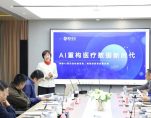
At the meeting, Chen Qu, Deputy General Manager of Desheng Technology, delivered a keynote speech titled "AI Reconstructs the New Era of Medical Data"
At the meeting, Chen Qu, Deputy General Manager of Desheng Technology, delivered a keynote speech titled “AI Reconstructs the New Era of Medical Data”

During the summit, Chen Qu was invited to attend the “AI Empowers Great Health Closed-door Forum”. Together with many authoritative experts including Academician Zhang Yuanting of the International Academy of Medical and Biological Engineering and Academician Ding Xianping of the Russian Academy of Natural Sciences, as well as representatives from hospitals, biopharmaceutical enterprises, investment institutions and industry associations, she focused on the integration of “industry, academia, research and investment”, and explored the innovative applications and industrial implementation paths of AI in the field of medical and health care.

At the meeting, Chen Qu, Deputy General Manager of Tecsun Science and Technology, delivered a keynote speech titled “AI Reconstructs a New Era of Medical Data”. She pointed out that hospitals are currently facing common pain points such as a proliferation of systems and data silos. Driven by the convergence of policy impetus, technological trends and the demand for reform amid inefficient business operations, Tecsun Science and Technology has built a full-link closed loop covering data collection, governance, service and intelligent application by constructing the “1+3+N” data base and integrating multimodal data lakes, large models and AI capabilities. This helps hospitals improve clinical efficiency, realize intelligent management and scientific research innovation, and promote the efficient achievement of policy goals such as electronic medical record rating and interconnection evaluation.

In the award ceremony, Tecsun Science and Technology was awarded the title of “2025 Artificial Intelligence Innovation Benchmark Enterprise” for its outstanding performance in AI technology research and development, scenario implementation and industrial empowerment. This is not only a recognition of the company’s technological innovation strength, but also a full affirmation of its practical value in promoting the integration of AI and people’s livelihood services by the industry.

This summit focused on cutting-edge trends and industrial implementation, highlighting the key role of scenario innovation in AI development. As a digital service provider for people’s livelihood services, Tecsun Science and Technology will continue to cooperate with AIIA and industry partners, deepen the exploration of “artificial intelligence + people’s livelihood services”, continuously optimize model capabilities, strengthen the implementation of AI scenario applications, and make sustained contributions to the construction of the artificial intelligence industry innovation ecosystem.
Hashtag: #Tecsun

The issuer is solely responsible for the content of this announcement.

South Africa’s flagship reform programme is moving into a broader and more complex phase as Operation Vulindlela expands beyond its initial focus on energy, logistics and telecommunications, signalling a renewed push to lift growth and attract investment at a time of fragile confidence. Launched in 2020 within the Presidency, Operation Vulindlela was designed to unblock structural constraints that had long weighed on the economy. Its early emphasis […]

Plastic fragments have been detected in fish from some of the most isolated waters of the Pacific, underlining how far synthetic pollution has spread through the world’s oceans. An extensive scientific assessment of fish caught around Fiji, Tonga, Tuvalu and Vanuatu found that about one in three specimens contained microplastics, small fragments produced as larger plastic items break down. The findings challenge assumptions that distance from industrial […]

VISHNU RAJA
RYO YAMADA
HITORI GOTOH
IKUYO KITA