News related to
Investors’

Meme stocks, which experienced a meteoric rise in 2021, are once again attracting the attention of retail investors. Stocks like Opendoor Technologies and Krispy Kreme are leading the charge as individual traders rally behind companies driven by online communities, pushing their values to impressive highs. As the market continues to shift, these speculative stocks are emerging as high-risk, high-reward plays for those seeking the next big win. But with history showing how quickly these stocks can plummet, questions abound regarding their long-term viability.

Retail investors have proven their power over the stock market once more, with a newfound enthusiasm for meme stocks. Driven largely by platforms like Reddit’s WallStreetBets and Twitter, investors are taking cues from social media discussions rather than traditional financial analysis. The renewed fascination has led to dramatic fluctuations in stock prices, catching the eyes of seasoned traders and new entrants alike.

While meme stocks are nothing new, the latest resurgence has more to do with a potent blend of internet culture, technology, and the psychology of collective action. Retail investors have learned valuable lessons from the explosive growth seen in companies like GameStop and AMC, both of which were propelled by social media communities in 2021. With those successes still fresh in their minds, many are hoping to replicate that same level of market manipulation—albeit with a different set of companies.

Opendoor Technologies, a company in the real estate sector, has seen a sharp rise in its stock price. The online home-buying platform’s stock has surged as it draws support from online traders who are betting on the company’s growth. Despite an overall market downturn in the broader real estate industry, Opendoor’s stock continues to garner attention, largely driven by the aggressive campaigns and memes shared across various social media outlets.

Krispy Kreme, the iconic doughnut chain, has also found itself back in the meme-stock spotlight. After being listed on the New York Stock Exchange in 2021, the stock price fluctuated dramatically before finding its place once again among retail investor portfolios. With social media memes pumping its stock, Krispy Kreme is once more benefiting from the heightened attention, although some market analysts remain sceptical of the sustainability of such speculative investments.

This wave of meme-stock activity has reignited debates about the role of social media in stock market movements. Retail traders, empowered by apps like Robinhood and Webull, are driving stock rallies in a way that was once only possible for institutional investors. The ability to access real-time data, combined with the viral nature of social media, creates an environment ripe for high volatility, where stocks can be rapidly inflated or deflated based on collective sentiment rather than fundamentals.

However, the meme-stock trend has its detractors. Critics argue that the hype surrounding these stocks is little more than market manipulation. The financial world has seen examples where retail investors’ speculative actions have caused large fluctuations in stock prices, benefiting those who were able to capitalise early. For those who enter too late, the results can be financially disastrous.

Regulators, too, are keeping a close eye on the situation. The US Securities and Exchange Commission has previously warned against the dangers of trading based on social media trends. The agency has indicated that it is considering tightening regulations to curb the impact of online communities on stock prices. Given that some meme-stock rallies have led to significant losses for investors who jumped in without doing due diligence, further scrutiny from regulators is likely in the near future.

Many market analysts urge caution when it comes to meme stocks. The price fluctuations are unpredictable, and while some traders have been able to profit from these rapid spikes, others have been left holding the bag when stocks suddenly plummet. The volatility associated with meme stocks makes them highly speculative, with little in the way of traditional metrics such as earnings reports or long-term growth prospects to support the valuations.

Yet, despite the inherent risks, meme stocks remain a captivating prospect for retail investors, particularly as the broader market continues to see slower growth. The allure of a quick profit, amplified by social media influencers and viral campaigns, is simply too enticing for many to resist. As this trend continues to evolve, it is clear that meme stocks will remain a significant part of the conversation on Wall Street.

Nuveen, the $1.3 trillion global asset manager under the Teachers’ Retirement System of America, forecasts its assets under management in the Middle East to double within three years. Since establishing its first regional office in Abu Dhabi’s Global Market in September 2024, Nuveen has already grown its Middle Eastern portfolio to between $3 and $5 billion. Fadi Khoury, head of Middle East operations, identifies alternative credit as the firm’s […]

Asia‑Pacific digital‑native firms attracted USD 15.4 billion in artificial intelligence investment in 2024, a figure reported by IDC that underscores a shift towards deeper commitments and strategic growth, even as the volume of deals declined.

Capital concentration has intensified as larger funding rounds become the norm. IDC analysts found that while the number of funded AI startups has dropped, the average investment per deal has risen markedly—reflecting investors’ preference for enterprises closer to market maturity rather than early-stage ventures.

China, South Korea, Japan and India remain at the forefront of investment flows. These major markets, with their diverse tech ecosystems and supportive policies, continue to lead, though Southeast Asian nations are gaining traction as both AI adopters and innovators.

Generative AI, a wave propelled by breakthrough models in natural-language processing and image creation, is swiftly ascending as the dominant investment theme across Asia‑Pacific. IDC forecasts that GenAI allocations will more than double by 2028, reaching USD 54.5 billion and forging a new frontier for enterprise transformation.

There is mounting evidence that corporations are pivoting from rhetoric to implementation. Only 29 percent of digital‑native businesses have scaled AI organisation‑wide, yet more than 42 percent now actively pursue co‑innovation partnerships with technology vendors to integrate AI across operations. These collaborative efforts are reshaping collaboration models between AI startups and incumbents.

Costs associated with infrastructure and data security continue to shape investment flows. Enterprise-grade AI demands not only computational muscle but also robust governance frameworks to mitigate risks such as bias, intellectual property leakage and regulatory non‑compliance. Data from the region show that 34 percent of organisations have embedded governance within generative AI software development, an advanced step beyond policy‑level oversight.

Cloud infrastructure providers are doubling down on AI support across Asia‑Pacific. Amazon Web Services announced a USD 13 billion expansion in Australia and over USD 5 billion for a Taiwan region, alongside large‑scale investments in Singapore, Malaysia and Japan. AWS claims the region’s cloud spending will reach USD 250 billion in 2025, largely driven by AI demands.

This inflow of cloud capital is critical in overcoming entry barriers. Local language support, data sovereignty and integration capabilities have become competitive differentiators for these platforms—Microsoft Azure, Google Cloud and Alibaba Cloud are aggressively pursuing similar capacity expansion. Southeast Asia, in particular, is emerging as the fastest–growing regional cloud market globally.

Startups are adapting to investors’ sharper focus on maturity and scalability. Fewer low‑valuation seed rounds are appearing; instead, late‑stage funding for companies with clear product‑market fit, real revenue streams and enterprise traction is dominating. This trend reflects an increasingly risk‑averse capital environment that emphasises depth over breadth.

The build‑up of AI infrastructure is dovetailing with rising regulatory attention. With supervision frameworks being rolled out around sensitive sectors such as finance and healthcare, investors are seeking startups equipped with compliance capabilities. For instance, financial‑services firms are prioritising traceability and governance as mission‑critical components for future‑ready AI deployment.

In geographical terms, growth hotspots vary by stage of AI ecosystem development. China leads in institutional funding and government-backed initiatives. Japan and South Korea benefit from combined strengths in industrial automation, robotics and semiconductor production. India’s vibrant startup landscape is gaining attention, particularly in generative AI and enterprise software. Meanwhile, nations such as Indonesia and Malaysia are attracting more attention as AI adoption becomes a priority for government digitalisation agendas.

Challenges persist. High‑cost infrastructure, skilled‑talent shortages and fragmented regulatory regimes pose constraints. Yet the rise of public‑private coalitions and university‑industry alliances is beginning to address these gaps—skills acceleration programmes are proliferating, and data‑sharing frameworks are gaining traction.

Investors are now looking past headline metrics to evaluate alignment with national AI strategies, such as Japan’s AI strategy and India’s push for indigenous innovation. Locally relevant models—capable of understanding linguistic diversity, cultural contexts, and industry‑specific workflows—are increasingly being favoured over globalised, one‑size‑fits‑all solutions.

This funding environment has spurred momentum in adjacent areas. Edge computing, AI‑enabled cybersecurity, AI‑driven supply‑chain optimisation and health‑tech verticals are emerging as new battlegrounds for both startups and incumbents. These sub‑domains are drawing fresh rounds of investment and pilot partnerships.

Policy trends are also influential. Governments across Asia‑Pacific are advancing data protection frameworks, AI ethics norms and public‑sector adoption plans—all contributing to clearer roadmaps for private‑sector engagement. The interlinking of regulatory reform and capital deployment is strengthening ecosystem resilience.

Investor sentiment remains cautiously optimistic. Surveys suggest that, despite macroeconomic headwinds and geopolitical risk, most executives view cloud and AI as avenues to cost reduction, efficiency gains and differentiation. As AWS’s APAC vice‑president remarked, “AI is the biggest market opportunity since cloud in 2006,” signalling sustained confidence in long‑term upside.

Markets across the Gulf and beyond plunged on Friday following a sharp military escalation after Israel struck Iranian nuclear and military sites, triggering drone counter‑attacks by Iran and a broader risk‑off reaction among investors.

Dubai’s benchmark index tumbled 5.1%, its steepest single‑day loss since May 2022, while Abu Dhabi’s dropped 3.5% before paring losses. The rout extended into Israel, where the shekel slid as much as 3.5% against the dollar, with long‑dated Israeli bonds and select regional government debt also weakening.

Commodity markets mirrored investor anxiety. Brent crude surged over 6%, touching its highest level in nearly five months, as traders assessed the risk of supply disruptions through the Strait of Hormuz. Gold likewise rallied, reaching two‑month highs as capital flowed into safe‑haven assets.

Airline stocks were among the hardest hit. Air Arabia shares plunged more than 4%—some reports suggest nearly 8%—as carriers rerouted flights away from airspace over Iran, Israel, Iraq and Jordan. Regional exchanges in Riyadh and Doha were closed on Friday, with trading set to resume on Sunday amid anticipation of continued volatility.

The market shockwaves reverberated worldwide. Europe, Asia and US indices all registered dips: the S&P 500 dropped roughly 0.4% mid‑day, the Dow slipped nearly 1.8% and the Nasdaq around 1.3%, while Tokyo’s Nikkei and Hong Kong’s Hang Seng also declined.

Analysts warned that while markets historically absorb such shocks fairly quickly, the sustained threat of conflict brings inflation and growth risks. Chris Scicluna of Daiwa Capital Markets noted the initial oil spike “hasn’t been too extreme” but cautioned that a sustained rise toward US $80 oil would be problematic for central banks. Meanwhile, Tariq Kakish of FH Capital pointed out that geopolitical instability remains “the key factor affecting investors’ sentiments”.

Concerns centred on the Strait of Hormuz, which channels approximately one‑third of global seaborne oil, raising the potential for disruption. Demand for insurance on tankers in the Gulf surged, and traders remain on edge over possible Iranian retaliation targeting shipping or oil infrastructure. However, OPEC+ sources suggest that Saudi Arabia and others retain sufficient spare capacity and are monitoring the situation closely.

Financial markets also showed classic risk‑off behaviour: US Treasury bonds rallied even as yields ticked higher, reflecting investor concerns about energised inflation, as per Axios commentary. The dollar strengthened, while gold and the Swiss franc benefited from increased flight‑to‑safety demand.

In Asia, the ASX 200 slipped modestly, offsetting losses in financials and consumer sectors with gains in energy and mining stocks. In Mumbai, Reliance Industries’ shares fell nearly 1.8% as Brent crude surged past $75 per barrel amidst the tensions.

Political and economic analysts emphasise two themes: the possibility of an enduring inflation shock from energy price escalation, and the risk of prolonged conflict dragging in wider regional powers. While some argue Gulf states may help mitigate supply-side shocks via increased production, others highlight that even modest increases in oil prices could influence global inflation and central bank policy.

Despite the turbulence, multiple analysts noted past flare‑ups between Israel and Iran tended to cool within weeks, with markets rebounding once diplomatic pathways re‑opened. Yet this episode differs: it involves overt attacks deep into Iranian territory, targeting nuclear and ballistic infrastructure, and marking a new phase in the conflict. The outcome may recalibrate norms for military engagement in the region—and investor expectations alongside them.

By L S Herdenia BHOPAL: Bhopal is decorating itself to accord warn welcome to over 100 big industrial magnets who will be in the capital city to attend Madhya Pradesh government sponsored Industrial Summit. The Summit will be inaugurated by the Prime Minister Narendra Modi on February 24. Nearly a hundred distinguished industrialists and chiefs […]

Neighborhood Retail Assets and Industrial/Logistics Sector Gain Investors’ Interest Since the Politburo’s emphasis in its September 2024 meeting that authorities “must work to halt the real estate market decline and spur a stable recovery,” Chinese mainland residential market sentiment has strengthened significantly, supporting a pick-up in primary market home sales Total investment volume in the Greater Bay Area (GBA) commercial real estate (CRE) market recorded RMB44.7 billion […]

Oil prices maintained stability as trading resumed in 2025, with attention shifting towards US stockpiles amid market volatility. Despite fluctuations throughout the early part of the year, oil traders are closely monitoring the latest figures from the American Petroleum Institute (API) and the Energy Information Administration (EIA), which will provide critical insights into supply-demand dynamics. As concerns over global oil supply chain disruptions wane, the US oil inventory data will likely dictate near-term market direction.

Brent crude futures remained above $85 per barrel, while West Texas Intermediate (WTI) futures hovered around $80. The two benchmarks are managing to stay resilient as markets balance competing influences, such as slowing economic growth in major markets and tighter OPEC+ production cuts. The price levels indicate that traders are cautiously optimistic about the future despite challenges.

The main point of focus for market participants is the state of US crude stockpiles. The most recent data from the EIA and API have highlighted a noticeable reduction in stock levels, which is prompting questions about how sustainable the supply will be in the coming months. The drop in reserves has led some analysts to suggest that future price pressures could be on the rise if the supply situation worsens.

In addition, OPEC+’s actions remain a significant driver for global oil prices. Throughout 2024, the oil cartel, led by Saudi Arabia and Russia, has implemented coordinated production cuts, which have helped to keep prices relatively firm despite macroeconomic pressures. This decision to limit production, particularly in the context of a potential economic slowdown, has acted as a counterbalance to potential downturns in the global oil market.

Another major consideration for analysts is the ongoing developments in the US oil industry. Despite the challenges posed by fluctuating crude prices, US shale producers have demonstrated remarkable resilience. The continued ability of shale operators to cut costs and increase efficiency has allowed the US to maintain a competitive edge in global markets. However, concerns over the long-term sustainability of shale output, particularly in the face of regulatory changes and capital constraints, continue to weigh on investors’ minds.

For now, traders are wary of potential shocks to the oil market. Geopolitical tensions, particularly in the Middle East, have the potential to disrupt supply lines, and this possibility keeps the oil markets on edge. Despite the efforts by OPEC+ to stabilize prices, uncertainty surrounding global economic recovery and energy demand adds an element of volatility that traders are unwilling to ignore.

The US, as the world’s largest producer of oil, has become a critical factor in the stability of oil prices. The actions of the Federal Reserve and its stance on interest rates are expected to have a ripple effect on global energy markets. A stronger US dollar could potentially dampen demand for oil in international markets, while changes in US monetary policy could either stimulate or slow down global growth, influencing oil consumption patterns.

In this environment of caution, oil traders are also keeping an eye on upcoming policy shifts in major economies. While the US continues to prioritize energy independence, the global push towards cleaner energy alternatives remains a challenge to traditional oil demand. Countries such as China, which have been transitioning towards renewable energy, continue to create uncertainty in long-term projections for oil consumption.

Despite this, the global energy market has been adjusting to the new reality of higher oil prices, particularly in response to tighter production controls. The shift in pricing power towards OPEC+ and other oil-exporting nations underscores the changing dynamics of the global energy landscape, where once-dominant oil-consuming countries may find themselves on the back foot in the coming years.

Advertisements
By Nantoo Banerjee It will be unfair to expect much from the new Reserve Bank governor, Sanjay Malhotra, a career bureaucrat and former revenue secretary, in terms of delivery of key functions of a central bank chief such as controlling inflation, stabilizing domestic currency, foreign exchange control and lifting economic growth. If three of his […]

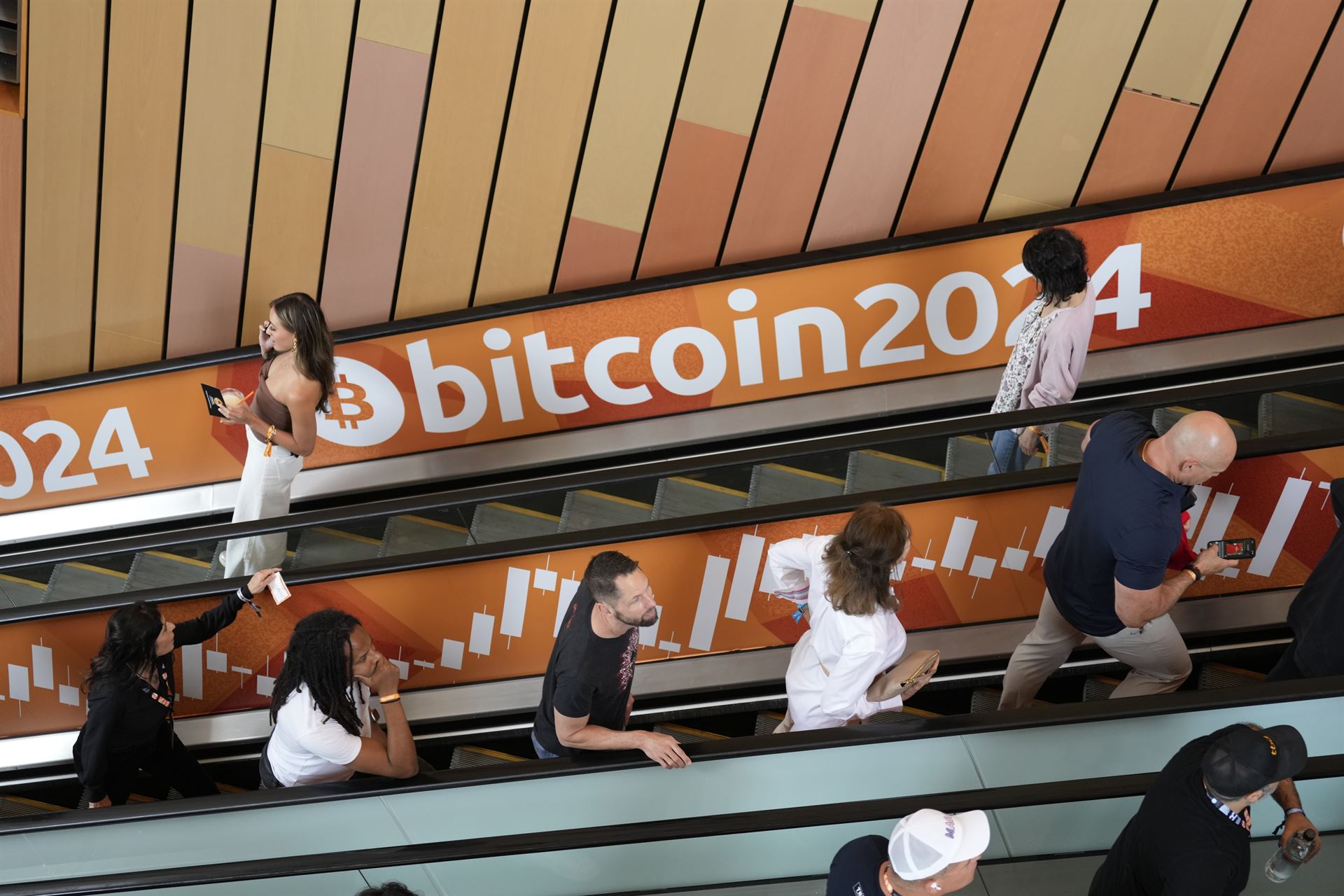
Bitcoin has surged above $106,000, marking a notable milestone for the cryptocurrency as investors and analysts increasingly focus on its strategic role in future financial reserves. This rise reflects a broader shift in market sentiment, driven by growing institutional interest and increasing speculation around Bitcoin’s potential to become a key asset in global financial systems. As central banks, corporations, and financial institutions explore digital assets, Bitcoin’s price surge signals a pivot toward its establishment as a store of value.

Several factors have contributed to this dramatic price increase, but perhaps the most pivotal is the anticipation that Bitcoin will become a reserve asset for institutional investors and even central banks. As nations and large financial entities explore the possibility of holding Bitcoin in their reserves, it is positioning itself as a digital alternative to traditional assets like gold. Analysts view Bitcoin’s growth as part of a larger trend, where digital currencies are gaining acceptance amid growing concerns over inflation, currency debasement, and geopolitical risks.

Bitcoin’s performance, which has fluctuated significantly in recent months, now suggests a major shift in investor confidence. On platforms such as the Chicago Mercantile Exchange (CME), institutional interest in Bitcoin has been at an all-time high. Meanwhile, global financial institutions are increasingly analyzing the asset’s potential within their investment portfolios. Many are viewing Bitcoin not just as a speculative asset, but as a hedge against traditional financial risks, particularly in light of the ongoing turbulence in global markets. This shift in perception is underscored by statements from prominent market players, who indicate that Bitcoin could become a key part of diversified investment strategies moving forward.

Meanwhile, Bitcoin’s increasing adoption by large corporations has helped elevate its status. Companies like Tesla, MicroStrategy, and Block (formerly Square) have all made substantial Bitcoin purchases in recent years, contributing to the growing acceptance of the cryptocurrency as a legitimate investment. These moves are part of a larger trend in which major companies, especially in technology and finance, are increasingly embracing Bitcoin. Tesla’s CEO, Elon Musk, has notably been vocal about Bitcoin’s potential as a store of value, further fueling optimism in the market.

Bitcoin’s price surge also coincides with broader changes in global monetary policies. Amid inflationary pressures and low-interest rates in major economies, many investors are turning to digital assets as an alternative to traditional stocks and bonds. The growing acceptance of Bitcoin by governments and businesses as a viable asset class is helping drive the latest surge in its price. Notably, countries like El Salvador have already taken steps to recognize Bitcoin as legal tender, setting a precedent for other nations to follow suit.

Market participants also point to the increasing regulatory clarity surrounding Bitcoin and other cryptocurrencies. Countries such as the United States, with ongoing discussions in Congress, are exploring frameworks that could provide more stability and legitimacy to the cryptocurrency market. This evolving regulatory landscape is seen as a key factor in institutional investors’ willingness to adopt Bitcoin as part of their portfolios. While some concerns remain regarding how global regulators will handle cryptocurrencies in the long term, the current trend points toward greater integration of Bitcoin into the mainstream financial system.

As Bitcoin’s price climbs, so too does the debate over its environmental impact. Critics have long raised concerns about the high energy consumption required to mine Bitcoin. Despite this, Bitcoin’s advocates argue that advancements in sustainable mining technology and increasing use of renewable energy sources are addressing these issues. The rise of Bitcoin ETFs and other investment products also reflects a more mainstream acceptance of Bitcoin as an asset class. These products allow investors to gain exposure to Bitcoin without directly holding the cryptocurrency, expanding its appeal to a wider range of market participants.

The surging price has drawn the attention of both retail and institutional investors, who are looking to capitalize on Bitcoin’s new role in the global economy. However, while the optimism surrounding Bitcoin remains high, analysts warn that its volatility remains a significant risk. Prices can fluctuate dramatically in a short time frame, and this uncertainty continues to make Bitcoin a speculative investment for many. Nonetheless, with its growing acceptance among institutional investors, Bitcoin’s evolution from a niche asset to a more mainstream store of value seems increasingly likely.

The broader cryptocurrency market has also benefited from Bitcoin’s price movement, with altcoins like Ethereum seeing significant gains in recent weeks. Many investors view Bitcoin as a bellwether for the overall health of the digital asset market, and its rise has had a ripple effect across the industry. Ethereum, which has long been seen as the second-largest cryptocurrency by market capitalization, has also seen its price surge as more investors look for alternative digital assets with the potential for similar growth.

Abu Dhabi National Hotels (ADNH) Catering has set the final price for its Initial Public Offering (IPO) at AED 1.18 per share. This decision comes as the company prepares to list its shares on the Abu Dhabi Securities Exchange, with trading expected to commence on October 23. The pricing reflects a market capitalization of approximately AED 1.79 billion ($487 million) and follows a successful offering process that garnered strong interest from both institutional and retail investors.

The IPO represents a significant opportunity for ADNH Catering to enhance its capital structure and expand its operations. The company plans to utilize the proceeds from the IPO to support its growth strategy, which includes diversifying its services and improving operational efficiencies. This strategic move aligns with the broader goals of the Abu Dhabi government to bolster the local economy and increase the participation of private sector entities in the market.

ADNH Catering has been a key player in the hospitality and catering sectors in the UAE, offering a range of services including catering solutions for events, institutional catering, and food services for hotels and restaurants. The company’s strong market position is underpinned by its extensive experience and reputation for quality, making it a preferred partner for various clients in the region.

Market analysts view the IPO as a positive development for both ADNH Catering and the broader UAE market. The successful pricing indicates robust investor confidence in the company’s future prospects. The IPO follows a growing trend of public offerings in the Gulf Cooperation Council (GCC) region, which has seen increased activity in the capital markets as companies seek to capitalize on favorable economic conditions and investor appetite.

Investors’ interest in the ADNH Catering IPO has been driven by several factors, including the company’s track record of profitability and its plans for future expansion. According to reports, the IPO attracted significant attention from institutional investors, with the offering being oversubscribed multiple times. This enthusiasm reflects a broader trend of investor confidence in the UAE market, driven by various economic reforms and a commitment to diversifying the economy.

The UAE’s hospitality sector has shown resilience and adaptability in the face of global challenges, such as the COVID-19 pandemic. As travel restrictions have eased, there has been a notable resurgence in tourism, leading to increased demand for catering services. ADNH Catering aims to leverage this recovery by enhancing its service offerings and expanding its market reach both domestically and internationally.

The IPO is expected to contribute to the UAE’s goal of attracting foreign direct investment. By providing a platform for local companies to access capital, the IPO aligns with the UAE’s Vision 2030 initiative, which seeks to transform the economy by fostering innovation and increasing private sector participation. This initiative is vital for maintaining the UAE’s competitive edge in the global market.

As the date for the start of trading approaches, ADNH Catering has focused on ensuring a smooth transition to the public market. The company has engaged with stakeholders, including investors, financial advisors, and regulatory bodies, to prepare for its debut on the Abu Dhabi Securities Exchange. This proactive approach is designed to instill confidence among potential investors and promote transparency in the company’s operations.

The finalization of the IPO price marks a critical milestone for ADNH Catering, which has undergone significant transformations in recent years. The company has invested in modernizing its infrastructure and enhancing its service capabilities to meet the evolving needs of its clients. This commitment to innovation positions ADNH Catering well for future growth in a competitive market.

The success of the IPO is also likely to inspire other companies in the region to consider going public. As more firms seek to tap into the capital markets, the UAE could see a surge in IPO activity, further solidifying its status as a financial hub in the Middle East. This trend could lead to increased liquidity in the market and offer investors more opportunities to diversify their portfolios.

Analysts are closely monitoring the developments surrounding ADNH Catering’s IPO, recognizing its potential implications for the broader market. The company’s listing is expected to attract considerable attention from both domestic and international investors, adding to the vibrancy of the Abu Dhabi Securities Exchange. The interest generated by the offering underscores the confidence investors have in the company’s growth trajectory and the overall health of the UAE economy.

ASK Private Wealth, the advisory and family office arm of the Blackstone-backed ASK Asset and Wealth Management Group, is targeting non-resident Indians (NRIs) and overseas citizens of India (OCIs) with a new fund aimed at raising $100 million. The launch of this fund marks a significant strategic move by the firm to tap into the growing demand for investment in Indian capital markets by high-net-worth individuals based abroad, particularly in the Gulf Cooperation Council (GCC) region.

This newly launched ASK Wealth Advisors (ASKWA) India Opportunities Fund is specifically designed to cater to the investment preferences of NRIs and OCIs. Somnath Mukherjee, Chief Investment Officer and Senior Managing Partner at ASKWA, emphasized that the fund offers an opportunity for wealthy Indians abroad to capitalize on India’s economic growth while diversifying their portfolio. The fund, he explained, is part of a larger strategy to connect with the wealthy diaspora, particularly in the GCC, where there is a sizable population of ultra-high-net-worth individuals (UHNWIs).

ASKWA is seeking to tap into this demographic as NRIs in the Gulf region have consistently shown a strong inclination towards investing in India. The fund will primarily focus on a diversified portfolio of Indian equities, targeting sectors that are expected to benefit from the country’s robust economic growth trajectory. Mukherjee noted that India’s capital markets have shown significant resilience and continue to offer attractive long-term returns for investors. The fund aims to provide a channel for NRIs to participate in India’s growth story, particularly as global economic trends continue to favor emerging markets like India.

The GCC region, particularly countries like the United Arab Emirates (UAE), Saudi Arabia, and Qatar, remains a key source of investment for ASKWA. Mukherjee highlighted that the firm has already seen substantial interest from potential investors in these markets, with many NRIs in the GCC seeking exposure to the Indian stock market. He stated that the UAE has emerged as a hub for wealth management and investment services, attracting a large number of wealthy NRIs looking for efficient ways to manage and grow their wealth.

Mukherjee further explained that ASKWA has ambitious plans to strengthen its presence in the UAE. The firm is exploring the possibility of setting up a physical office in the UAE to better serve its clients in the GCC region. This strategic expansion is part of ASKWA’s broader goal of deepening its engagement with NRI investors, ensuring that they have access to tailored financial solutions that meet their unique investment needs. The GCC, with its concentration of wealthy NRIs, represents a significant market for the company’s growth plans.

The fund launch comes at a time when India is seeing a steady inflow of capital from NRIs worldwide. With Indian equities performing well over the past few years and the country’s economy showing signs of steady growth, NRI investors are increasingly looking at India as a key destination for their investments. Mukherjee noted that the India Opportunities Fund is poised to take advantage of this trend, offering NRI investors a structured and well-managed investment vehicle.

According to wealth management experts, the interest in Indian equities is expected to grow further, given the Indian government’s focus on economic reforms, infrastructure development, and digital innovation. These factors are expected to drive growth in sectors such as technology, financial services, and consumer goods, all of which are key areas of focus for the new ASKWA fund. The fund’s strategy will revolve around investing in blue-chip companies as well as high-growth sectors, providing a balanced risk-return profile for investors.

Mukherjee also emphasized that ASKWA is committed to maintaining high standards of governance and transparency in managing the fund, ensuring that investors’ interests are protected. He assured potential investors that the fund would be managed with a long-term perspective, focusing on delivering sustainable returns over time. This approach, Mukherjee said, aligns with the investment philosophy of many NRIs, who tend to have a long-term horizon when it comes to their investments.

The India Opportunities Fund is expected to attract a wide range of NRI investors, from those seeking growth opportunities in Indian equities to those looking for a reliable way to diversify their investment portfolios. ASKWA has already begun reaching out to its existing NRI clients, with initial feedback indicating a strong interest in the fund. The firm is confident that it will be able to raise the $100 million target, given the level of interest from the GCC and other key markets.

KUALA LUMPUR, MALAYSIA – Media OutReach Newswire – 9 August 2024 – A perfect storm: weak US jobs data, Middle East tensions, and Japan’s policy shift ignite global market chaos. Is this the beginning of the end for the bull market? Octa broker takes a deep dive into Monday’s market meltdown. The seeds of what would become a tumultuous Monday for Asian markets were sown during the […]

The notion surrounding the safety and prudence of holding large cash deposits as a long-term wealth strategy is being increasingly challenged. While cash offers immediate liquidity and a perceived sense of security, its passive nature and susceptibility to erosion over time pose significant drawbacks that can hinder wealth accumulation in the long run. One of the most palpable drawbacks of maintaining substantial cash reserves is the insidious […]

Asian currencies are back in the spotlight, particularly the Japanese yen and the Chinese yuan, which is bringing currency volatility to the forefront of global investors’ minds. On Thursday, the yen slipped to its lowest level since 1990 — ¥153 against the dollar. Meanwhile, China has been ramping up support for the yuan with a record fixing. Amid Tokyo’s now familiar verbal warnings about excessive declines this week, and […]

NEW DELHI: In what could be seen as a policy shift, Prime Minister Narendra Modi on Wednesday said the central public sector undertakings (CPSEs) had gained in strength over the last decade, with “most of them giving record returns (dividends and rise in valuation)” to the stakeholders. Investors have reposed their faith in CPSEs, thanks […]

The post CPSEs Stronger, Giving Record Returns: PM first appeared on Latest India news, analysis and reports on IPA Newspack.

KOLKATA: Several industry captains on Thursday lauded the interim budget, stating that it will support the country’s economic growth and enhance investors’ sentiments. ITC Ltd Chairman and MD Sanjiv Puri said the budget demonstrates India’s confidence as an economy of substance and immense promises. “The budget builds on the extraordinary vision of the prime minister […]

The post Interim Budget To Support Growth, Enhance Sentiment: Industry Captains first appeared on Latest India news, analysis and reports on IPA Newspack.

BENGALURU: Foreign investments in the Indian real estate sector, led by the US, experienced a decline in 2023 due to high inflation and geopolitical concerns. Notably, office spaces emerged as the most favoured investment asset. Investments from American institutions in the Indian real estate market fell by 39 per cent in 2023 to $1.35 billion […]

The post Global Investments In Indian Real Estate Sector Dip Due To High Inflation first appeared on Latest India news, analysis and reports on IPA Newspack.

MUMBAI: A precipitous decline in shares of HDFC Bank, the most heavyweight component of the Nifty and the Sensex, on Wednesday, triggered the worst day for the domestic markets in nearly a year and a half. The Sensex closed at 71,501, shedding 1,628 points or 2.2 per cent, marking the most significant decline since June […]

The post HDFC Bank Slide Triggers Worst Day For Market In Last 18 Months first appeared on Latest India news, analysis and reports on IPA Newspack.

NEW DELHI: The Centre’s dividend receipts from the Central Public Sector Enterprises (CPSEs) stood at Rs 43,843 crore as of January 1, crossing the 2023-24 budget estimate (BE) of Rs 43,000 crore, giving further comfort on the fiscal front. The dividend receipts of Rs 39,086 crore so far in FY24 were 26% higher than the […]

The post Centre’s Dividends From CPSEs Exceed FY24 Budget Target first appeared on Latest India news, analysis and reports on IPA Newspack.

London-headquartered Vedanta Resources has postponed the deadline to seek consent for extending the deadline of its bonds to January 2, 2024 due to the holiday period. “This extension is given to accommodate feedback from bondholders who were facing operational challenges in submitting their consent instructions and may not be able to submit before the original […]

The post More Time For Vedanta Bondholders To Consent On New Due Date first appeared on Latest India news, analysis and reports on IPA Newspack.

In 2023, high interest rates caused global equities to fall, depreciating emerging market currencies and slowing global growth. Military conflicts reached the highest level since the Cold War, affecting capital markets. In this article, Octa analysts take readers back to the events of 2023 and explain the underlying patterns along the way. KUALA LUMPUR, MALAYSIA – Media OutReach Newswire – 14 December 2023 – In 2023, the […]

NEW DELHI: The Centre’s dividend receipts from the Central Public Sector Enterprises (CPSEs) have crossed Rs 39,000 crore so far, which is over 90% of the target for the current financial year, boosting its non-tax receipts. The dividend receipts of Rs 39,086 crore so far in FY24 were over 11% higher than the corresponding period […]

The post Centre’s Dividends From CPSEs Cross 90% Of Annual Target first appeared on Latest India news, analysis and reports on IPA Newspack.

Samer Hasn Bitcoin still maintains its record levels this year, with a decline of 0.55% today, with consolidation above the $41,600 level after touching the $42,400 level yesterday. Ethereum is also still consolidating at the $2230 level, after it touched the $2275 level yesterday as well. The recent gains in cryptocurrencies come with continued optimism that the Securities and Exchange Commission (SEC) will soon approve the launch […]

NEW DELHI: The Centre’s dividend receipts from the Central Public Sector Enterprises (CPSEs) will likely exceed the budget estimate (BE) of Rs 43,000 crore for 2023-24 by close to Rs 20,000 crore, bridging partly the likely shortfall in disinvestment receipts. So far in the current financial year, around Rs 20,000 crore has been obtained through […]

The post CPSE Dividends To Centre To Exceed Budget Estimate By Rs 20,000-Crore In FY24 first appeared on Latest India news, analysis and reports on IPA Newspack.

VISHNU RAJA
RYO YAMADA
HITORI GOTOH
IKUYO KITA