News related to
Meta

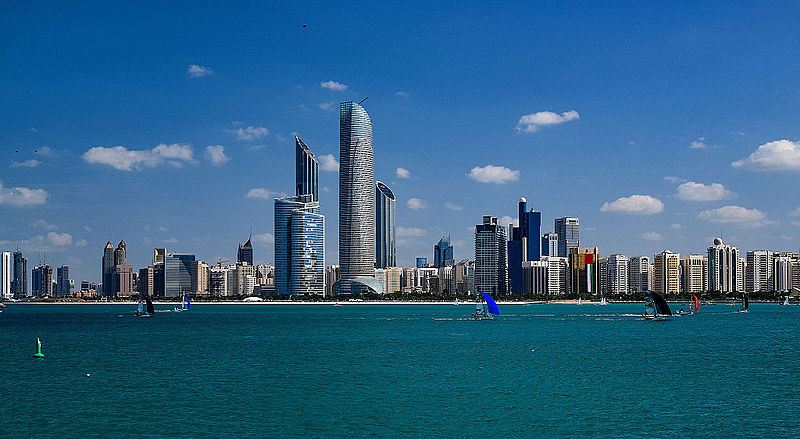
Abu Dhabi is hosting an event that has gathered leading experts, researchers, and companies to focus on the future of open-source AI technologies. The Open-Source AI Summit, organized by the Technology Innovation Institute (TII), is bringing together prominent voices from academia and the tech industry to discuss the most pressing issues facing artificial intelligence today. The event highlights the crucial role of open-source development in shaping the trajectory of AI across sectors, including healthcare, data infrastructure, and generative models.

The summit is set to provide a platform for exploring new algorithms, ethical frameworks, and cutting-edge technologies aimed at improving AI systems’ transparency and usability. The discussions will address the challenges and potential benefits of open-source contributions to the rapidly growing field of AI. A major theme of the event is how open-source AI could democratize access to powerful technologies, fostering a more inclusive approach to innovation.

Experts at the summit, including Michal Valko, Principal Llama Engineer at Meta Paris, are pushing forward the theoretical foundations of machine learning. Valko’s focus on reinforcement learning from human feedback (RLHF) is among the key topics, as it offers insights into aligning AI behaviors with human values. This approach, which combines human preference models with reinforcement learning, has gained significant traction for refining AI models like large language models (LLMs).

In parallel, Dr. June Paik, Founder and CEO of FuriosaAI, is presenting her company’s work on AI chips designed to improve energy efficiency and performance, particularly in data centers managing the growing demand for deep learning inference. The shift towards hardware specifically built for AI is another cornerstone of the discussions, addressing the challenges posed by energy consumption and scalability in AI applications.

The event is also delving into the role of AI in conversational technologies. Dr. Neil Zeghidour, co-founder of Kyutai, is showcasing their advancements in creating Moshi, the world’s first full-duplex speech-to-speech system that allows AI to engage in natural, real-time conversations with human-like emotions. This breakthrough represents a significant leap forward in human-AI interaction, promising enhanced experiences in customer service, healthcare, and education.

The diverse perspectives presented at the summit underline the importance of collaboration between open-source communities, corporations, and government institutions. Many of the featured technologies, from generative AI to AI-powered hardware, are set to play an integral role in shaping industries over the next decade. Open-source AI, with its focus on collaboration and accessibility, is positioned as a transformative force, promising to create more robust and adaptable systems.

The summit also emphasizes the role of regulatory frameworks in the future of open-source AI. With the rapid rise of generative models like ChatGPT, discussions have intensified about the need for effective governance to ensure these technologies are developed responsibly and ethically. As some experts argue for tighter regulations to manage the risks associated with AI, others emphasize the need to keep open-source AI development flexible and adaptable to meet emerging challenges.

Saudi Arabia announced a series of major agreements in its metals and minerals sector, totaling over $9 billion. These deals, unveiled during the World Investment Conference in Riyadh under the Global Supply Chain Resilience Initiative, mark a significant step toward diversifying the kingdom’s economy and reducing its reliance on oil. The agreements aim to boost domestic production capabilities, enhance sustainability, and position Saudi Arabia as a key […]

“Engineered for Sustainability: Hong Kong’s Contribution to United Nations Sustainable Development Goals” Showcasing over 40 Sustainable Engineering Projects HONG KONG SAR – Media OutReach Newswire – 25 November 2024 – The Hong Kong Institution of Engineers (“HKIE”) launched an eBook, Engineered for Sustainability: Hong Kong’s Contribution to United Nations Sustainable Development Goals, which introduces Hong Kong engineering industry’s progress towards achieving the United Nations Sustainable Development Goals […]

Delta Dunia Group, via its indirect subsidiary BUMA International [1], will expand its presence in the Bowen Basin in Queensland, through a US$455 [2] million proposed acquisition of a 51% interest in the Dawson Complex, one of Australia’s largest metallurgical coal mines. The proposed acquisition further delivers on the Group’s multi-year strategic plan to diversify into a leading coal services provider and producer, leveraging its industry-leading capabilities. […]

The value of virtual land tokens, such as The Sandbox (SAND) and Decentraland (MANA), is showing promising signs of recovery, as both assets have experienced notable price surges in recent weeks. While these tokens had been overshadowed by the rise of memecoins, there is now an increasing sense of optimism surrounding the future of metaverse-related assets.

For a long period, the NFT market, as part of the broader crypto landscape, struggled to maintain a sustained focus from investors, especially with rising interest in memecoins and other segments like DeFi and gaming. However, a recent resurgence in investor interest seems to be pushing the boundaries for tokens like SAND and MANA, which have seen impressive price movements.

SAND, which is associated with The Sandbox, a prominent player in the metaverse space, recently surged past the $0.96 mark, peaking as high as $1.12. Meanwhile, Decentraland’s MANA has climbed from lows of $0.6 to highs above $1.30, marking significant growth. Despite these advancements, both tokens face the challenge of sustaining momentum and surpassing critical resistance levels.

The renewed price movements in these tokens are being fueled by several factors, including renewed investor confidence and the broader crypto market’s performance, which has shown recovery signs after a period of stagnation. As these projects continue to develop and enhance their virtual worlds, there is potential for the market to become more mainstream, bringing in new investors.

However, the price increases have not come without caution. Analysts note that while the upward trend is positive, both SAND and MANA still face significant hurdles. Specifically, for sustained price growth, they must break above key resistance levels. For MANA, surpassing the $1.48 mark is crucial to further validating the bullish trend, and similarly, SAND needs to push past the $1.80 resistance to trigger further upward momentum.

Despite this cautious outlook, the growing interest in the metaverse and virtual assets suggests that if these tokens can maintain or exceed their current levels, they could very well reach the $1 threshold or even higher in the near future. Additionally, emerging partnerships and platform upgrades within these ecosystems could catalyze further growth.

Reducing waste by collaborating with the World Green Organisation and a local farm to upcycle materials for farming use HONG KONG SAR – Media OutReach Newswire – 25 November 2024 – Mead Johnson Nutrition Hong Kong (“Mead Johnson”) is re-introducing the “We CAN Protect the Future” formula cans recycling program today, inviting parents and the community to join forces in promoting recycling and resource recovery. Additionally, the […]

The cryptocurrency market has witnessed a remarkable shift as altcoins gain significant bullish momentum, pushing Bitcoin to the sidelines while driving substantial market activity. The latest data reveals that liquidations across the crypto market have surpassed $494 million, primarily fueled by a surge in altcoins such as Stellar Lumens (XLM), Decentraland (MANA), and The Sandbox (SAND).

Bitcoin’s recent performance has been characterized by a steady consolidation phase, with the leading cryptocurrency closing out its third consecutive week within the price discovery phase. However, this period of indecision in Bitcoin’s market action has paved the way for a growing rally among altcoins, suggesting that investors may be shifting their focus to smaller tokens as they look for promising returns. Analysts point to the altcoin market’s strong performance as a sign of growing investor confidence outside of Bitcoin, possibly indicating the start of a broader shift in market trends.

Stellar Lumens, for example, has seen its value surge by over 30% in the past week alone, driven by renewed interest in its cross-border payment solutions. Similarly, Decentraland, the virtual reality platform, and The Sandbox, which provides a decentralized gaming experience, have also posted impressive gains. These altcoins, benefiting from positive market sentiment and strong project fundamentals, have been attracting both retail and institutional investors. Experts suggest that the increased focus on the decentralized finance (DeFi) sector and non-fungible tokens (NFTs) could be contributing factors to the bullish trends seen in these specific assets.

As Bitcoin’s price remained relatively stable, hovering around the $35,000 mark for the past several weeks, the broader cryptocurrency market saw increased volatility, particularly with altcoins. Liquidations—when leveraged positions are forcibly closed out due to price movements—have been a significant aspect of the market activity. The total liquidation figure for this week alone has exceeded $494 million, with the majority stemming from short and long positions in altcoins. This high liquidation value reflects the volatility that altcoins are experiencing, driven by sudden price shifts and investor actions within these smaller tokens.

The liquidations have sparked mixed reactions among market participants. On one hand, some see these liquidations as a sign of caution, where traders who bet on price declines in altcoins have been forced to cover their positions after the sudden upward momentum in these tokens. On the other hand, others view the liquidations as a natural part of the market cycle, often marking the end of a bearish phase and signaling the potential for further gains in altcoins.

In addition to individual altcoins like XLM, MANA, and SAND, the broader DeFi ecosystem has been undergoing rapid development. The sector, which aims to replicate traditional financial services like lending, borrowing, and trading on the blockchain, has been a key driver of altcoin value growth. DeFi protocols have seen a sharp increase in user engagement, which, in turn, has led to the appreciation of tokens associated with these platforms. As institutional investors begin to show more interest in the DeFi space, many believe this sector will continue to outperform Bitcoin in the short term.

While Bitcoin continues to hold its position as the dominant cryptocurrency by market capitalization, the altcoin sector is showing signs of growth that cannot be ignored. Many analysts have pointed out that the market’s focus on altcoins could be indicative of a growing shift in investor strategy. With Bitcoin’s price action stagnating, some traders are diversifying their portfolios by increasing their holdings in smaller, high-potential coins. This shift toward altcoins is particularly noticeable in the wake of Bitcoin’s dominance in the market, with Bitcoin’s market share dipping below 50% in recent weeks as altcoins rise in prominence.

This altcoin rally, however, comes with its own set of risks. The volatility seen in the altcoin market can lead to drastic price swings, as evidenced by the liquidations in the past week. The rise of altcoins also coincides with heightened regulatory scrutiny in various jurisdictions, which could bring about new challenges for these assets. Many in the market are closely watching the regulatory landscape, especially as governments and financial authorities begin to focus more on the potential risks associated with decentralized finance and crypto assets in general.

At the same time, altcoins such as Stellar Lumens and Decentraland have benefitted from major partnerships and network upgrades. These developments, along with increasing user adoption, have played a crucial role in the altcoin market’s ongoing rise. Stellar, for example, has been making strides in the cross-border payments industry, which has been increasingly appealing to investors looking for practical use cases for their digital assets. Decentraland’s integration of virtual real estate within its metaverse platform has also attracted significant attention, with institutional players and major brands seeking to capitalize on the growing trend of digital spaces.

Advertisements

New Students Enrolling in December Courses Enjoy Exclusive Double Rewards HONG KONG SAR – Media OutReach Newswire – 21 November 2024 – The Kumon Method was first established in Japan in 1958 and has developed over the past 60 years to become a worldwide phenomenon. Classes have been opened in over 60 countries and regions with over 3 million students. Kumon offers Maths, English and Chinese programmes […]

Openreads, a new open-source mobile app, is revolutionizing the way readers track their books. The app, designed for avid readers and book lovers, offers a customizable platform to organize, catalog, and review books from an extensive library. As the popularity of digital platforms continues to rise, Openreads provides a refreshing alternative by giving users complete control over their data while supporting the open-source community. The app’s clean […]

BANGKOK, THAILAND – Media OutReach Newswire – 22 November 2024 – Michelin, world-leading manufacturer of life-changing composites and experiences, welcomed international media to its two-day Asia Pacific Media Event at Michelin’s Talent Campus, located in Chon Buri, Thailand. The event focused on the theme “Innovating for a Sustainable Future” and Michelin’s dedication to innovation and sustainability, outlined through its All-Sustainable Strategy: People X Profit X Planet. MICHELIN […]

Meta has undergone a transformative shift, pivoting from its metaverse ambitions to focus heavily on artificial intelligence. The company, led by Mark Zuckerberg, has embraced an open-source approach with its generative AI model, Llama, now at the heart of its operations. By making the model widely accessible, Meta is encouraging innovation across industries, from advertising to augmented reality, while challenging its competitors’ proprietary strategies. This decision has […]

Phantom, the Solana-based cryptocurrency wallet, has surged to become the second-highest-ranked app in the U.S. Apple App Store’s Utilities category, surpassing several competitors and leaving only Google’s suite of apps ahead. This significant rise marks a pivotal moment for Phantom, which has garnered attention as the go-to wallet for Solana and other decentralized finance (DeFi) enthusiasts. The app’s climb reflects broader trends in crypto adoption and the growing reliance on crypto-based financial tools.

Phantom’s progress has been driven by several factors, notably the increasing appeal of Solana, a blockchain praised for its speed and cost-effectiveness compared to Ethereum. As Solana’s ecosystem grows, more users are flocking to Phantom for its user-friendly interface and robust functionality. The wallet not only supports Solana-based tokens and NFTs but also allows for seamless interaction with decentralized applications (dApps). This versatility has proven critical as users seek more integrated, secure, and accessible ways to engage with the expanding crypto space.

In a market often dominated by established players, Phantom’s rise stands out. For months, the wallet has consistently ranked high within its category, a reflection of its growing influence among crypto users. However, the latest achievement places it just behind Google in the U.S. Apple App Store, indicating not only consumer interest but also the app’s increasing dominance in the mobile crypto wallet sector.

The ranking is also a testament to the larger trend of mainstream adoption of decentralized finance tools. As traditional financial services continue to evolve, more users are looking to decentralized solutions for managing their investments. In particular, Phantom’s ability to bridge Solana’s blockchain with everyday users through a mobile platform has allowed it to capture the attention of a wider audience.

However, the success of Phantom is not merely a result of its technical features but also its strategic partnerships and community-driven growth. The wallet has benefited from collaborations within the Solana ecosystem, which has cultivated a thriving user base. These partnerships have allowed Phantom to integrate seamlessly with an array of dApps and decentralized exchanges (DEXs), making it a critical tool for users looking to interact with Solana’s broader blockchain landscape.

This rise in popularity comes at a time when the crypto industry is facing increasing scrutiny and regulatory challenges, particularly in the U.S. Although crypto adoption continues to grow, concerns over security, regulation, and volatility persist. Despite these challenges, Phantom has managed to maintain its position by prioritizing security and enhancing user experience. The app features features like biometric authentication and encrypted key storage, ensuring that users’ digital assets are protected.

Phantom’s success also highlights the broader evolution of the decentralized finance landscape. With millions of users, Solana has become one of the leading smart contract platforms, offering developers a blockchain that prioritizes speed and cost-effectiveness. This has made Solana an attractive option for both decentralized applications and users looking for alternatives to Ethereum, which has often struggled with high fees and slower transaction times.

While Solana has been a major factor in Phantom’s success, the wallet’s adoption has also been spurred by its intuitive design and accessibility. In the often-complex world of cryptocurrency wallets, Phantom stands out with its sleek user interface, making it easier for new and experienced users alike to manage their assets. The wallet’s integration with popular hardware wallets like Ledger and Trezor further enhances its appeal, offering users more flexibility in managing their crypto holdings.

The surge in Phantom’s popularity also reflects the growing integration of blockchain technology into the mainstream tech ecosystem. As mobile users increasingly turn to apps that offer blockchain and cryptocurrency services, wallets like Phantom are positioned to play a crucial role in facilitating this shift. In a world where digital assets are becoming more prominent, apps that offer seamless and secure management of these assets are more important than ever.

The trajectory of Phantom, however, is not without competition. Despite being in second place in the Utilities category, Phantom faces stiff competition from other crypto wallets and DeFi platforms, many of which are vying for dominance in the expanding market. MetaMask, one of the most widely used crypto wallets, remains a formidable player, particularly within the Ethereum ecosystem. However, Phantom’s early focus on Solana has allowed it to carve out a unique space in the market.

Nvidia, the dominant force in the AI revolution, and its growth trajectory continues to outshine even the most optimistic projections. As the company prepares to release its Q3 FY2024 results, investors are not merely asking if Nvidia can sustain its extraordinary momentum—they are pondering just how much further it can climb. After all, it has already surpassed a $3.5 trillion market cap and delivered revenue growth at […]

Arabian Post Staff -Dubai Dubai is positioning itself as a pivotal player in the global gold market, leveraging its unique geographic location, robust infrastructure, and forward-thinking policies. The city has seen a surge in gold trade activity, propelled by geopolitical shifts, increased bullion acquisitions by central banks, and a strategic focus on refining and trading gold to meet evolving market demands.Central banks have significantly boosted their gold […]

Ras Al Khaimah has launched a new industrial initiative with the establishment of Ras Al Khaimah Minerals, marking a significant step in the emirate’s ambition to become a regional industrial hub. This new venture will focus on advancing the minerals and metals sector, an area that is poised for growth in the region. The announcement underlines Ras Al Khaimah’s strategic vision to diversify its economy and attract investments that will stimulate its industrial development.

The establishment of Ras Al Khaimah Minerals is expected to draw attention from investors both locally and internationally, particularly as the emirate seeks to leverage its natural resources and strengthen its position in the global minerals market. This move aligns with broader efforts by the UAE to diversify its economy beyond oil and gas, focusing on sustainable growth and innovation in key industries.

Ras Al Khaimah has long been recognized for its strategic geographic position, which offers access to both regional and international markets. The new company aims to capitalize on this advantage by providing a platform for investment in industrial minerals and metals, with an emphasis on sustainable practices and advanced technologies. By focusing on these sectors, Ras Al Khaimah aims to not only drive economic growth but also contribute to the broader goals of the UAE’s economic diversification plans.

The decision to create Ras Al Khaimah Minerals comes at a time when the global demand for industrial minerals and metals is growing, driven by the rise of technology, infrastructure development, and clean energy initiatives. Ras Al Khaimah is positioning itself to take advantage of these trends by fostering an environment conducive to innovation and growth within the mining and manufacturing sectors.

Industry experts have highlighted the importance of this new initiative for Ras Al Khaimah’s economy, noting that the emirate’s natural reserves of minerals and metals, including limestone, gypsum, and other raw materials, offer a strong foundation for the development of the sector. Ras Al Khaimah Minerals will play a central role in ensuring that these resources are harnessed efficiently and responsibly, creating value for both the local economy and global markets.

The formation of the new company is also expected to create new job opportunities and boost the emirate’s industrial capabilities. As the UAE continues to push forward with its Vision 2030 agenda, Ras Al Khaimah’s commitment to industrial development will play a key role in achieving national objectives, particularly in the areas of sustainability, innovation, and economic diversification.

As the emirate expands its industrial footprint, it also aims to attract investment from multinational corporations, particularly in sectors such as construction, manufacturing, and renewable energy. The launch of Ras Al Khaimah Minerals will be pivotal in driving this forward, with the company’s strategic focus on enhancing the emirate’s competitive edge in the minerals market.

With the formation of Ras Al Khaimah Minerals, the emirate is poised to become a key player in the regional industrial landscape. The new company will help expand Ras Al Khaimah’s industrial base, creating synergies with other sectors such as construction and infrastructure, which are expected to benefit from the increased availability of high-quality raw materials.

Ras Al Khaimah Minerals will also serve as a catalyst for the development of new technologies and innovations in the mining and manufacturing sectors. The company will prioritize research and development to enhance the efficiency and sustainability of operations, ensuring that the emirate remains at the forefront of industry advancements. This approach will be crucial in attracting investment, as the global mining sector increasingly favors companies that adopt environmentally responsible practices and embrace technological innovation.

The UAE’s broader economic strategy, which emphasizes diversification and sustainability, is set to benefit from the growth of Ras Al Khaimah’s industrial minerals and metals sector. As the country seeks to reduce its reliance on oil revenues, projects like Ras Al Khaimah Minerals play a crucial role in building a resilient, future-proof economy. By strengthening its industrial base, Ras Al Khaimah is not only supporting the UAE’s diversification goals but also enhancing its competitive position in the global marketplace.

HONG KONG SAR – Media OutReach Newswire – 15 November 2024 – Humansa, a recognized thought leader in health management and longevity in Asia, is proud to announce its collaboration with AIA on the “Infinite Health Program” inspired by Humansa’s signature Future Health Program. This innovative program will be delivered at the AIA Wellness Haven powered by Humansa, the first one-stop integrated wellness space in the Hong […]

Providing a snapshot of the SaloneSatellite Collection and showcasing the talents of emerging international designers at the West Kowloon Cultural District until 21 November HONG KONG SAR – Media OutReach Newswire – 12 November 2024 – The much-anticipated ‘SaloneSatellite Permanent Collection 1998-2024’ Exhibition makes its official debut in Hong Kong today, showcasing more than 100 innovative award-winning works by talented international designers at the Arts Pavilion of […]

Deutsche Telekom has made a significant move into the blockchain space by partnering with Meta Pool, marking a pioneering step in the telecom industry. As the first telecom giant to run a validator node on the NEAR blockchain, this partnership represents an innovative leap toward integrating telecommunications with decentralized technologies. The collaboration aims to bolster the scalability and security of the NEAR protocol, while furthering Deutsche Telekom’s commitment to exploring blockchain and Web3 solutions.

The NEAR blockchain, recognized for its high throughput and low transaction costs, is positioning itself as a formidable competitor in the rapidly expanding blockchain ecosystem. By running a validator node, Deutsche Telekom is not only contributing to the network’s infrastructure but also aligning itself with the emerging trend of decentralized finance (DeFi) and Web3 technologies. Validator nodes are crucial components in blockchain networks, as they validate transactions and ensure the integrity and security of the blockchain.

This strategic partnership with Meta Pool, a leading staking provider for the NEAR blockchain, allows Deutsche Telekom to play a critical role in the operation and security of the network. Through this collaboration, Deutsche Telekom aims to leverage its expertise in telecommunications to support the growth of blockchain-based ecosystems. The partnership also opens the door for future ventures in decentralized applications, marking a new chapter for the company in the digital era.

Telecom giants have been gradually exploring blockchain for its potential to improve network management, enhance data security, and enable novel financial services. However, Deutsche Telekom’s decision to operate a validator node on the NEAR blockchain takes this exploration a step further. It reflects a broader trend where traditional industries are increasingly recognizing blockchain as a transformative technology that extends beyond cryptocurrencies.

NEAR’s unique consensus mechanism, known as Nightshade, is designed to enhance scalability without sacrificing decentralization. With its sharding protocol, NEAR allows for the processing of a high volume of transactions in parallel, making it an ideal blockchain for large-scale applications. This scalability is a key feature that distinguishes NEAR from other blockchains, positioning it as a powerful platform for developers building decentralized applications.

By participating in the NEAR ecosystem, Deutsche Telekom strengthens its position as a forward-thinking player in the telecom industry. The company has been an active participant in the digital innovation space, with initiatives spanning cloud computing, 5G technology, and smart networking solutions. Its involvement with blockchain technology further cements its commitment to staying ahead of the curve in a rapidly evolving digital landscape.

For Meta Pool, the collaboration with Deutsche Telekom brings credibility and stability to its operations. As a provider of staking services, Meta Pool allows users to pool their tokens to participate in network validation, enabling them to earn rewards while contributing to the blockchain’s security. With Deutsche Telekom’s technical expertise and global infrastructure, Meta Pool gains a valuable partner that can help scale its services and reach a broader audience.

The partnership is also a testament to the growing interest in blockchain’s potential to disrupt traditional industries. Blockchain technology, which underpins cryptocurrencies like Bitcoin and Ethereum, has found applications far beyond digital currencies. From supply chain management to voting systems, decentralized finance to digital identity verification, blockchain offers a wide array of possibilities for sectors ranging from finance to healthcare.

For Deutsche Telekom, the partnership also signals a shift towards exploring new revenue streams. The telecom industry, long dependent on providing connectivity and infrastructure, is now looking toward Web3 technologies as a way to diversify its offerings. By running a validator node on the NEAR blockchain, Deutsche Telekom could potentially tap into the emerging market for decentralized services, a space that promises significant growth as the adoption of blockchain continues to rise.

The telecom industry is no stranger to technological advancements, having embraced 5G and cloud computing as key components of its future growth strategy. However, blockchain presents a unique set of opportunities and challenges that require a nuanced understanding of both telecommunications and decentralized networks. Deutsche Telekom’s move into the blockchain space signals a broader trend where telecom companies are beginning to experiment with blockchain as a tool to enhance their service offerings.

The implications of Deutsche Telekom’s move could reverberate across the telecom sector. Other major telecom operators may follow suit, recognizing the importance of blockchain as a technology that can offer more than just a buzzword. As blockchain continues to mature, its potential to redefine industries outside of finance grows clearer. The collaboration between Deutsche Telekom and Meta Pool could pave the way for more partnerships between blockchain platforms and traditional telecom giants, contributing to the further mainstreaming of decentralized technologies.

The participation of a major player like Deutsche Telekom brings legitimacy to blockchain as an enterprise-grade solution. Telecom companies, with their vast infrastructure and global reach, are uniquely positioned to help scale decentralized networks. Their involvement in blockchain could facilitate its adoption across various industries, bringing new business models and opportunities for collaboration.

The NFT market in 2024 is grappling with a severe downturn, with the vast majority of new drops failing to gain traction and barely a fraction proving profitable. According to industry reports, 98% of NFT collections released this year have failed, while only 0.2% managed to generate significant returns, signaling an oversaturated market where the potential for success is diminishing rapidly.

The surge in NFT interest that dominated the market in 2021 and 2022 has largely faded. At the height of its popularity, high-profile celebrity-backed NFT collections, art auctions, and metaverse projects generated headlines and high transaction volumes. However, the once-booming sector has faced sharp declines in 2023 and continues to struggle through 2024. The flood of new projects has led to overwhelming competition, with collectors and investors growing increasingly discerning, causing many NFT drops to fail despite substantial marketing efforts.

One key factor behind the market’s downturn is the saturation of low-quality projects. In 2021, the NFT market saw explosive growth, with new collections emerging almost daily, promising lucrative returns. The ease of creating and launching NFTs led to a rapid influx of creators, artists, and brands eager to capitalize on the trend. However, many of these projects lacked the originality, utility, or community support necessary to sustain long-term value, which has become evident in the market’s performance.

Experts point to the lack of innovation in the space as a significant driver of the current struggles. NFT collections that are simply rehashed concepts or derivative works often fail to excite collectors, who are now more cautious in their purchasing behavior. The expectation of speculative profits, which fueled much of the market’s initial boom, has largely dissipated, leaving only the most unique and well-executed projects to stand out. As a result, many newer NFT collections are struggling to build a loyal community, which is crucial for the longevity and success of an NFT project.

The economic environment also plays a crucial role in the market’s decline. A downturn in the broader cryptocurrency market has directly impacted NFTs, as both assets are intertwined. Cryptocurrencies such as Bitcoin and Ethereum have experienced significant price fluctuations in recent months, which has reduced the capital available for NFT investments. With crypto market volatility making investors more risk-averse, the NFT sector has seen fewer high-profile buyers willing to commit to large-scale purchases.

NFT traders have become more skeptical about the long-term viability of the market. While some creators continue to make bold promises about the potential of NFTs in gaming, art, and other sectors, many have struggled to deliver on these visions. Trust in the space has been eroded by scams, failed projects, and the lack of regulatory clarity. As a result, investors are wary of participating in the market, resulting in low transaction volumes and limited liquidity.

One of the few bright spots in the 2024 NFT landscape is the emergence of projects that offer tangible utility. Collections tied to real-world assets, such as exclusive access to events, products, or digital services, have managed to garner attention from collectors who are looking for value beyond speculation. Additionally, some projects have innovated by integrating NFTs into gaming, virtual real estate, and metaverse platforms, where they offer in-game assets or experiences that are more difficult to replicate than traditional artwork-based NFTs.

Despite these innovative approaches, the overall sentiment in the NFT market remains cautious. Several high-profile NFT projects that launched in early 2024 have seen their value plummet, leading to significant losses for investors. The low success rate of new drops suggests that the market’s infrastructure is not yet ready for sustained growth and that additional reforms or innovative solutions may be required to reinvigorate the space.

Some analysts suggest that the NFT market is undergoing a period of “natural correction,” where the speculative bubble that drove its growth is slowly deflating. They believe that the future of NFTs lies in projects that offer real-world utility and sustainable growth, rather than relying solely on hype or celebrity endorsements. These analysts emphasize the importance of community engagement and long-term value for the future of NFTs.

The current state of the NFT market is also prompting calls for greater regulation and industry standards. As more collectors and investors become disillusioned with failed projects, there is an increasing demand for transparency and accountability from creators and platforms. Several organizations and industry leaders are working on establishing clearer guidelines for the NFT ecosystem, focusing on issues like intellectual property rights, secondary market sales, and platform fees.

Shiba Inu has gained significant momentum, surging more than 30% in value, as market attention shifts toward alternative cryptocurrencies in response to broader trends within the crypto space. As a key player in the meme coin sector, Shiba Inu has become one of the most notable performers, eclipsing several major cryptocurrencies in its percentage increase. This surge in price comes amid shifting market dynamics, with investors showing increased interest in altcoins following a broader surge in digital currencies.

The primary catalyst behind Shiba Inu’s impressive rise is tied to an overarching trend within the crypto industry. Bitcoin, which has long been the leader in the crypto market, started showing signs of growth following a shift in market sentiment. However, it is the altcoins that are now catching up. Among them, Shiba Inu has stood out, largely due to its community-driven nature, appealing to a broad base of retail investors. The token has benefited from an expanding ecosystem, including decentralized finance (DeFi) applications, and a growing presence within the Metaverse and Web3 sectors.

Shiba Inu’s latest performance can also be linked to market speculation surrounding potential regulatory changes in the crypto space. With many governments weighing stricter regulations on digital assets, investors are increasingly turning to meme coins, like Shiba Inu and Dogecoin, which are often viewed as less vulnerable to government scrutiny compared to Bitcoin and Ethereum. This shift in investor confidence has led to an influx of capital into smaller altcoins, and Shiba Inu is benefiting from this trend.

Dogecoin, often viewed as the “original” meme coin, has also seen a notable increase in value, rising by 20% to reach its highest point in three years. While Dogecoin’s price jump has been impressive, Shiba Inu’s rise is noteworthy for its dramatic scale and speed. The 30% increase signifies both growing investor interest and the increasing mainstream recognition of Shiba Inu as a legitimate digital asset.

Experts suggest that Shiba Inu’s performance is being driven not just by retail investor enthusiasm but also by growing institutional interest. As major investment firms look for opportunities in alternative assets, Shiba Inu has made its case as a viable investment in the evolving crypto ecosystem. The increasing accessibility of the Shiba Inu token, through various cryptocurrency exchanges and wallet services, has played a role in enhancing its visibility and appeal.

However, the surge in Shiba Inu’s price is not without its risks. Cryptocurrencies, by nature, are highly volatile, and Shiba Inu’s rise could be seen as a speculative bubble. While some investors have capitalized on the price increase, others remain cautious, noting that such gains could be short-lived. The challenge for Shiba Inu will be to maintain its position in the market as other cryptocurrencies adapt to changing market conditions and regulatory environments.

The rise of Shiba Inu also signals the increasing significance of meme coins in the cryptocurrency market. Once seen as a niche market for speculative investments, meme coins are now attracting the attention of more serious investors. Shiba Inu’s growth is a clear indication that these digital assets are moving from the fringes of the market into the mainstream, challenging traditional views on the value of cryptocurrencies.

Shiba Inu’s growth is also tied to its broader ecosystem, which continues to expand. The token’s developers have been actively working to enhance the utility of Shiba Inu within decentralized finance (DeFi), non-fungible tokens (NFTs), and the Metaverse. As more use cases emerge for Shiba Inu, its value proposition is likely to evolve, further fueling demand for the token.

As the crypto market continues to mature, Shiba Inu’s rise highlights the role that smaller, community-driven tokens can play in shaping the future of digital assets. While it remains to be seen whether the token can sustain its recent gains, the attention it has garnered signals that the cryptocurrency space is far from predictable. With investors increasingly diversifying their portfolios, altcoins like Shiba Inu are likely to continue playing a key role in the market’s future.

Bitcoin’s price continues to captivate investors, with projections suggesting it could reach the coveted $100,000 mark in the near future. However, experts caution that achieving this milestone will not be a straightforward journey. Volatility, regulatory hurdles, and shifting investor sentiment are just a few of the challenges that Bitcoin must navigate before it can break through this psychological barrier.

As the cryptocurrency market sees renewed interest, Bitcoin’s price has been fluctuating amid a wider crypto rally. Enthusiastic investors are closely watching Bitcoin’s performance, especially after Ethereum’s latest token, WallitlQ (WLTQ), gained significant traction. WallitlQ is expected to see a substantial rally, with some analysts forecasting up to a 300x return, driven by its innovative crypto wallet capabilities. This rising interest in altcoins could have a dual impact on Bitcoin, further intensifying competition and drawing attention away from the market leader.

The potential for Bitcoin to hit $100,000 remains within the realm of possibility, according to multiple cryptocurrency analysts. Historical trends show that Bitcoin’s price has surged by over 1,000% in the past, leading many to speculate that similar growth could unfold once again. But this time, experts stress that Bitcoin faces different macroeconomic factors, regulatory environments, and competition from emerging tokens like WallitlQ.

A key factor influencing Bitcoin’s price trajectory is the ongoing evolution of institutional investment in cryptocurrencies. Companies such as MicroStrategy and Tesla have bolstered their Bitcoin holdings, signaling a shift towards greater mainstream acceptance. These large-scale investments are often seen as a sign of confidence in Bitcoin’s long-term potential. However, Bitcoin’s price remains subject to broader market dynamics, including interest rates and inflation rates, which could hinder its ascent towards the $100,000 target.

Bitcoin’s decentralized nature allows it to bypass traditional financial institutions, but this characteristic also exposes it to heightened regulatory scrutiny. Governments around the world are beginning to take a closer look at cryptocurrency markets, particularly as Bitcoin becomes a more integral part of the global financial system. Proposals for tighter regulations, such as stricter anti-money laundering rules and tax reporting requirements, could exert downward pressure on Bitcoin’s price in the short term.

The competitive landscape for cryptocurrencies is also evolving rapidly. While Bitcoin remains the leader in market capitalization, new tokens are emerging with distinct features aimed at attracting different types of investors. WallitlQ’s unique proposition, for example, lies in its focus on providing a revolutionary crypto wallet that is expected to dramatically simplify transactions and improve user experience. As a result, WallitlQ’s potential 300x rally has sparked significant interest, particularly from investors looking for the next big opportunity in the crypto space.

Despite these competing narratives, Bitcoin’s reputation as a store of value continues to resonate with many investors. With inflation concerns and a growing sense of distrust in traditional financial systems, Bitcoin’s appeal as a hedge against economic instability has grown. Some analysts argue that Bitcoin’s fixed supply of 21 million coins makes it an attractive alternative to fiat currencies, which are susceptible to inflationary pressures. This perceived role as “digital gold” has drawn comparisons to precious metals, positioning Bitcoin as a viable asset class in a diversified portfolio.

Yet, Bitcoin’s volatility remains one of its most defining features. The cryptocurrency market is notorious for rapid price swings, and Bitcoin is no exception. At times, its price movements can be driven by sentiment, speculation, or short-term market events, making it difficult for investors to predict its long-term direction. While some market participants believe that Bitcoin’s price will stabilize as adoption grows, others caution that the cryptocurrency is still in the early stages of its development, and its true value remains uncertain.

Technical indicators, such as moving averages and support-resistance levels, are also being closely monitored by traders and analysts to gauge Bitcoin’s future trajectory. In recent months, Bitcoin has experienced periods of consolidation, which some view as a positive sign of price stability. However, others see it as a precursor to further volatility, with large price swings on the horizon. The next few months will likely be crucial in determining whether Bitcoin can continue to build momentum or face significant setbacks.

The rise of decentralized finance (DeFi) platforms and the increasing integration of blockchain technology into traditional industries are also factors influencing Bitcoin’s future. As more financial products and services are developed on blockchain networks, the demand for cryptocurrencies like Bitcoin could continue to rise. However, this growing interest in blockchain technology could also lead to a diversification of investments, with more capital flowing into altcoins like WallitlQ that offer unique use cases and functionality.

By K Raveendran Trump divides people like nobody else does. The liberal Left all over the world are united in their assessment that there would be a presidential onslaught against whatever they stand for. It is not just people who detest Trumps return; even the elements are affected. Gold is particularly allergic to Trump, as […]


Proton Drive, known for its privacy-focused approach to digital storage, has launched an encrypted editing feature aimed at enhancing collaboration within secure environments. Designed specifically for organizations and individuals prioritizing privacy, the feature allows multiple users to edit files in real-time while keeping all activity safeguarded from external access. This addition places Proton Drive among the few in cloud storage to offer a full suite of collaboration […]

SINGAPORE – Media OutReach Newswire – 7 November 2024 – Held at the Grand Hyatt Taipei on 13 September, the much-anticipated Asia Pacific Enterprise Awards (APEA) 2024 Taiwan recognized many leading companies and entrepreneurs for their success and excellent leadership. The APEA is Asia’s premier awards recognition program promoting outstanding entrepreneurship, bringing together top entrepreneurs, and fostering networking between various industries. Alljack Technologies, Inc. was among the […]

VISHNU RAJA
RYO YAMADA
HITORI GOTOH
IKUYO KITA