News related to
Meta

By Kunal Bose The world, much to its disappointment, is seeing the United States of America, which is the world largest economy and mightiest military power, rapidly embracing raw, unrestrained capitalism under the newly inaugurated second-term Presidency of Donald John Trump abandoning all traces of egalitarianism. Induction of Tesla chairman Elon Musk to head the […]

A team of scientists from Bengaluru has developed a cutting-edge catalyst that could significantly enhance the production of green hydrogen, offering a promising solution for a cleaner energy future. Green hydrogen, produced by splitting water into hydrogen and oxygen using renewable electricity in a process called electrolysis, has emerged as one of the most sought-after clean fuels to decarbonise various sectors, including transport and heavy industry. The […]

FLUX 1.1, developed by Black Forest Labs, has emerged as a leading AI-powered image generation model, enabling users to create ultra-realistic images with remarkable precision. This comprehensive guide provides a step-by-step tutorial on utilizing FLUX 1.1 and its associated tools—FLUX Fill, Canny, Redux, and Camera Filename Prompt Techniques—to generate and edit images online for free. To begin, access the FLUX AI Image Generator through platforms like Aitubo, […]

Apple’s Vision Pro headset is set to receive a significant AI upgrade, marking a new chapter in the development of the company’s first wearable device. This update, expected to launch soon, is poised to enhance the device’s performance, introducing cutting-edge artificial intelligence features that promise to revolutionise user interaction and functionality. The Vision Pro, which was introduced as Apple’s foray into the mixed-reality space, has drawn significant […]

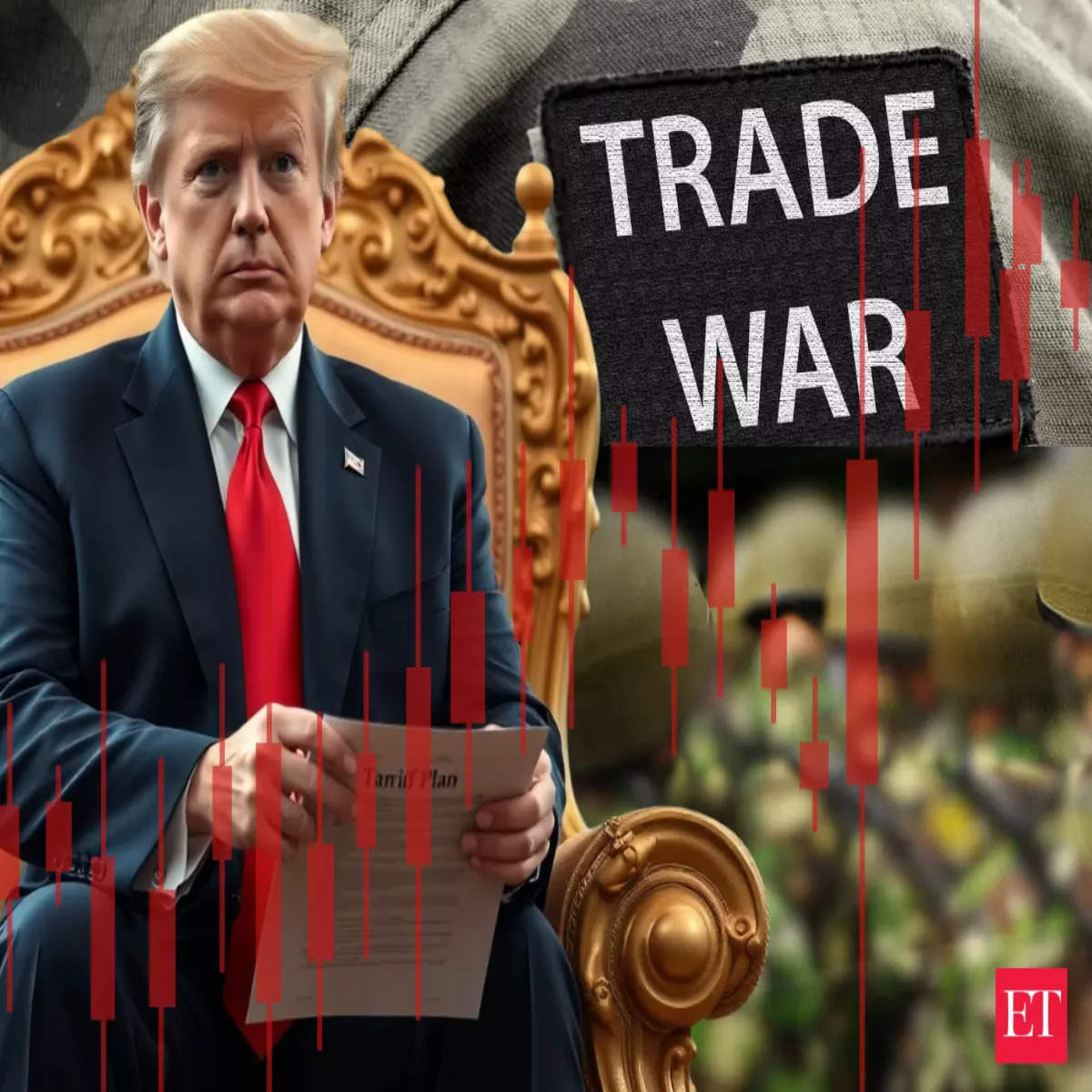
Gold-backed tokens have not lived up to expectations as the price of the precious metal sees a decline while risk assets gain traction. Amid growing speculation that former President Donald Trump’s tariffs may only be a negotiating strategy, investors are reassessing the global economic landscape. As the price of gold drops, the market shift raises questions about the stability of gold-backed tokens and whether they can weather the storm of fluctuating commodity prices.

Despite gold-backed tokens being promoted as a safe haven for investors, their performance has faltered in recent months, mirroring a broader decline in the precious metal’s price. Gold, once viewed as a reliable store of value, has faced downward pressure as investors recalibrate their portfolios in the face of shifting economic factors. The appeal of these tokens—cryptocurrencies that are tied to the price of gold—has diminished in light of market developments that have bolstered other asset classes.

The scenario surrounding Trump’s tariffs has added to the uncertainty. Wall Street analysts are increasingly speculating that the tariffs might not be as severe as originally anticipated. In fact, some view them as a mere tactic in a broader trade negotiation strategy. This perspective has led to a shift in sentiment, with risk assets—such as stocks—seeing an uptick as investors shift focus toward growth opportunities, leaving gold-backed assets in a precarious position.

The price of gold, which peaked earlier in the year due to inflation fears and global uncertainties, has now come under pressure. This decline has seen gold tokens, which track the price of the commodity, underperforming. As institutional investors have shifted their attention to more volatile but potentially lucrative assets, gold has lost some of its former appeal as a hedge against inflation and economic instability.

At the same time, riskier assets, particularly stocks, have surged. Investors are encouraged by signs of economic recovery and the resilience of equity markets. Analysts suggest that the ongoing optimism surrounding the potential easing of trade tensions, particularly between the US and China, has contributed to the rising demand for equities and corporate bonds. This sentiment is in stark contrast to the subdued demand for gold, which typically thrives in periods of heightened economic uncertainty.

The divergence between traditional assets and gold has prompted some financial experts to rethink the role of gold-backed tokens in a diversified portfolio. These digital assets, which have been gaining traction over the past few years, are now facing criticism for not providing the same level of stability that physical gold traditionally offers. With risk assets becoming more attractive to institutional investors, there are concerns that gold-backed tokens might not be able to maintain their value in the face of these shifting market dynamics.

The situation is further complicated by ongoing debates surrounding the broader implications of Trump’s trade policies. With tariffs remaining a key point of contention in international trade relations, the market remains on edge. The possibility of a trade war or retaliatory measures from other nations has been a key driver of gold’s price in the past. However, if the tariffs prove to be a bluff or a short-term negotiation tactic, the potential for further downside in gold prices could become less likely, providing more space for risk assets to flourish.

While gold-backed tokens have faced challenges, the broader cryptocurrency market has continued to evolve. The rise of other types of digital assets, particularly those tied to more volatile sectors like technology and energy, has drawn investor attention away from precious metals. This shift is evident in the increasing focus on tokens linked to blockchain innovation, artificial intelligence, and green energy. Gold, historically seen as a safe bet in times of economic crisis, is now competing with a new generation of digital assets that offer the promise of higher returns, albeit with greater risk.

This change in the investment landscape has left many wondering whether gold-backed tokens will continue to serve as a reliable store of value. The volatility in both the price of gold and the broader financial markets has highlighted the complex relationship between traditional assets and their digital counterparts. As more investors look to diversify their portfolios, the demand for assets like gold-backed tokens may become less pronounced, particularly if the broader trend towards riskier, high-growth investments continues.

Apple Inc. and Meta Platforms are intensifying efforts to develop AI-driven humanoid robots, signaling a significant shift in the technology landscape. This move positions both companies in direct competition within the emerging robotics sector, aiming to revolutionize industries ranging from healthcare to domestic services. Meta has initiated a substantial investment in humanoid robotics, focusing on creating advanced robots capable of performing human-like tasks. The company’s Reality Labs […]

Reikon Games, the independent Polish studio renowned for the 2017 cyberpunk shooter ‘Ruiner’, has announced their latest project, ‘Metal Eden’. This first-person shooter is scheduled for release on May 6, 2025, and will be available on PlayStation 5, Xbox Series X|S, and PC platforms.

‘Metal Eden’ immerses players in a dystopian cyberpunk universe, reminiscent of the studio’s previous work. The game was unveiled during the State of Play event on February 12, 2025, where its dynamic gameplay and striking visuals drew immediate attention. Players will navigate the neon-lit architecture of the techno-planet Moebius, engaging in intense combat scenarios that demand both agility and strategic thinking.

In ‘Metal Eden’, players assume the role of ASKA, an advanced Hyper Unit android infused with a digitized human consciousness. The narrative centers on ASKA’s mission to uncover the mysteries of a lost human colony, whose souls are stored within cybernetic cores. This journey delves deep into themes of humanity’s transcendence beyond physical form, exploring a world where consciousness resides within robotic entities.

The gameplay of ‘Metal Eden’ emphasizes high-speed action and fluid movement, drawing comparisons to titles like ‘Ghostrunner’. Players can expect mechanics that include wall-running, rapid evasion, and utilizing the environment to outmaneuver adversaries. The combat system is designed to keep players in constant motion, with a focus on seamless transitions between movement and combat.

A notable feature in ‘Metal Eden’ is the ‘Core Ripping’ mechanic. This allows players to extract cores from enemies, which can then be used strategically—either by consuming them to gain enhancements or by deploying them as explosive projectiles against foes. This system adds a layer of tactical depth, enabling players to adapt their approach based on the challenges they encounter.

The development of ‘Metal Eden’ comes after a challenging period for Reikon Games. In January 2024, reports indicated that the studio underwent significant layoffs, reducing approximately 80% of its staff. Despite these setbacks, the remaining team has demonstrated resilience, channeling their efforts into the creation of this ambitious new title.

‘Metal Eden’ is set to offer eight distinct missions, each designed to immerse players further into its richly crafted world. The game’s aesthetic combines cyberpunk elements with fast-paced shooter mechanics, aiming to provide a fresh experience for fans of the genre. As the release date approaches, anticipation is building among the gaming community, eager to explore the depths of Moebius and the mysteries it holds.

Advertisements

The artificial intelligence sector is currently navigating a period of volatility, with stock performances reflecting a mix of investor optimism and emerging challenges. Major tech companies, including Microsoft, Alphabet, and Nvidia, have seen fluctuations in their stock prices, influenced by both advancements in AI technology and competitive pressures from global players.

Microsoft Corporation’s stock is trading at $408.43, experiencing a slight decrease of 0.53% from the previous close. Alphabet Inc. stands at $185.23, down by 0.52%, while Nvidia Corporation has seen a modest increase of 2.59%, bringing its share price to $138.85. These movements come in the wake of significant developments in the AI landscape, notably the emergence of China’s DeepSeek-R1, which has introduced new dynamics into the market.

DeepSeek-R1’s introduction has prompted a reevaluation among investors, leading to a selloff in certain AI stocks. Nvidia, for instance, experienced a notable decline, with shares dropping $24.20 to $118.42, marking an 11.8% decrease for the year to date. This downturn is attributed to concerns over DeepSeek-R1’s potential to disrupt established AI market leaders.

Despite these challenges, the AI sector’s growth trajectory remains robust. The global AI market is projected to expand from $214.6 billion in 2024 to $1.34 trillion by 2030, reflecting a compound annual growth rate of 35.7%. This surge is driven by continuous advancements in AI technologies and their increasing integration across various industries.

In the software domain, companies are capitalizing on AI’s momentum. The iShares Expanded Tech-Software Sector ETF has risen by 27% over the past six months, outpacing the iShares Semiconductor ETF, which saw less than a 1% increase in the same period. This trend indicates a growing investor preference for software firms that offer stable growth and are less susceptible to manufacturing disruptions.

Companies like Monday.com and Confluent have reported significant revenue growth, with their stock prices reflecting this positive trajectory. The adoption of AI technologies has bolstered demand for software solutions, leading to more lucrative consumption-based pricing models and attracting institutional investors seeking consistent returns.

However, the AI sector is not without its debates. A discernible divide is emerging between two schools of thought: the ‘AI Cavaliers,’ who are pursuing the ambitious goal of achieving artificial general intelligence , and the ‘AI Roundheads,’ who advocate for a more targeted approach, focusing on solving specific problems efficiently. This discourse is shaping investment strategies and influencing the direction of AI research and development.

The competitive landscape is further intensified by substantial investments from tech giants. Companies such as Microsoft, Alphabet, Amazon, and Meta are allocating extensive resources toward AI advancements, driven by both the fear of missing out and the potential advantages of pioneering AGI. This aggressive investment strategy underscores the high stakes involved in AI development and the race for market dominance.

In the medical imaging sector, AI’s impact is becoming increasingly pronounced. The global AI in medical imaging market was valued at $1.28 billion in 2024 and is projected to reach approximately $14.46 billion by 2034, growing at a CAGR of 27.10%. This growth is attributed to AI’s ability to enhance diagnostic accuracy and efficiency, leading to improved patient outcomes and streamlined healthcare processes.

As 2025 unfolds, entrepreneurs are strategically positioning themselves to harness emerging trends across various sectors. Key areas such as artificial intelligence , sustainability, and remote work are at the forefront, offering a plethora of innovative business opportunities. The AI industry is witnessing significant advancements, with startups like Figure AI leading the charge. The company is reportedly in discussions to secure $1.5 billion in new funding, potentially elevating […]

Matein Khalid V.S. Naipaul once said that ancestral memories are like “trap doors to a bottomless past”. This was my first thought when I heard about the death of HH Prince Karim Aga Khan, the 49th Imam Zaman of Islam’s Ismaili sect and unquestionably the world leader who has inspired me most in my lifetime. I am not an Ismaili. In fact, my direct ancestor, the Mukhi […]

SINGAPORE – Media OutReach Newswire – 14 February 2025 – Energea has introduced three tech kits to keep you powered for life in motion: the Essential Kit, Travel Kit, and Voyager Kit. Offering a powerful arsenal of tech solutions for digital nomads, these three uniquely tailored packages are perfect for content creators, globe-trotters, as well as business professionals. Encompassing a wall charger, cable, and an option between […]

MOSCOW, RUSSIA – Media OutReach Newswire – 13 February 2025 – SIBUR, the largest Russian manufacturer of synthetic materials, plans to increase the use of polymers in the production of components for the automotive industry. In February 2025, SIBUR signed an agreement with the auto parts manufacturer DIPO for the joint development of polymer-based body parts, exterior and interior components, structural frames, and lighting components. Earlier, SIBUR […]

As the digital landscape evolves, marketers are increasingly relying on advanced tools to enhance their social media strategies. In 2025, several platforms have emerged as indispensable assets for effective social media management. Vista Social has gained prominence as a comprehensive solution, offering features such as scheduling, messaging, social listening, and a link-in-bio service. This integration streamlines workflows, allowing marketers to manage multiple aspects of their social media […]

Lightchain AI, a nascent cryptocurrency project, is gaining significant attention with its innovative blend of blockchain technology and artificial intelligence. Currently in its presale phase, the project has already amassed over $15.5 million, indicating strong investor interest. citeturn0search1

The presale, now in its 14th stage, offers tokens at $0.006 each. Investors can participate by connecting decentralized wallets like MetaMask or Trust Wallet to the Ethereum network and purchasing tokens using Ethereum or Tether . citeturn0search3

Lightchain AI aims to revolutionize the crypto landscape by integrating artificial intelligence into its blockchain platform. This fusion is designed to enhance transaction efficiency, security, and scalability, setting it apart from existing cryptocurrencies. citeturn0search0

The project’s testnet has been launched, allowing developers and users to explore its capabilities before the mainnet release. This step is crucial for identifying potential issues and ensuring a robust platform upon full deployment. citeturn0search8

In the competitive crypto market, several projects are vying to outperform established players like Solana. Platforms such as Sui, Sei, Aptos, Monad, and Base have been identified as potential competitors, each offering unique features and innovations. citeturn0search2

Despite a general market downturn, Lightchain AI’s presale success reflects growing confidence in its approach. The integration of AI and blockchain is seen by many as a promising advancement, potentially addressing current limitations in transaction speed and security. citeturn0search4

As the presale progresses, investors are closely monitoring Lightchain AI’s developments. The project’s roadmap includes plans for further technological enhancements and strategic partnerships, aiming to solidify its position in the crypto ecosystem. citeturn0search0

Electrical safety is the most important element of occupational health and safety when working in production, during electrical repairs and on construction sites. The enterprise, especially those related to the electrical industry, must pay attention to the protection of personnel from electrical hazards. In the UAE, the availability of insulating gloves, safety shoes and clothing are prescribed by local safety standards. This will prevent electrocution, burns and […]

Gold prices have surged to an all-time high, reflecting investor anxiety following President Donald Trump’s declaration of a 25% tariff on steel and aluminium imports. Spot gold advanced 1.1% to $2,939.80 per ounce, briefly touching $2,942.70, while U.S. gold futures climbed 1.1% to $2,966.00. This marks the eighth record high for gold this year, underscoring its role as a safe-haven asset amid escalating trade tensions and inflation […]

The cryptocurrency market is abuzz with discussions about PropiChain , a blockchain-based platform aiming to revolutionize real estate investment. Currently trading below $1, analysts project that PCHAIN could surge to $3 by 2025, representing a staggering 30,000% increase.

PropiChain integrates blockchain technology with artificial intelligence to tokenize real estate assets, enabling fractional ownership. This approach allows investors to purchase portions of high-value properties, lowering the entry barrier traditionally associated with real estate investments. The platform’s AI tools provide predictive market analysis, assisting investors in making informed decisions.

The platform also offers virtual property tours through the metaverse, allowing potential investors to explore properties remotely. Smart contracts automate processes such as lease renewals and rental payments, enhancing efficiency and reducing reliance on intermediaries.

PropiChain’s presale has garnered significant attention, with tokens initially priced at $0.004. Analysts predict that early investors could see returns exceeding 800% even before the token lists on major exchanges. The platform’s listing on CoinMarketCap and a successful smart contract audit by BlockAudit have further bolstered investor confidence.

Amazon has announced plans to invest over $100 billion in capital expenditures for 2025, with a significant portion allocated to artificial intelligence infrastructure within its cloud computing division, Amazon Web Services . This move underscores the company’s commitment to maintaining a competitive edge in the rapidly evolving AI sector. In a recent earnings call, CEO Andy Jassy emphasized the transformative potential of AI, likening it to the […]

SINGAPORE – Media OutReach Newswire – 7 February 2025 – MEET48 officially launches its world-first virtual entertainment, social, music, and dance AIGC creator platform, MEET48.ai, on February 7. MEET48.ai: Effortlessly Create Idol AI-Agents and AIGC Content with One-Click Intelligence By accessing MEET48.ai, users can create virtual Idol AI-Agents through simple customization steps. These AI-Agents support various functions, including chatting, live streaming, companionship, and virtual performances. As the […]

Everdome, a Dubai-based leader in the metaverse space, has announced a strategic partnership with Immerso, an artificial intelligence company affiliated with one of the largest film studios globally. This collaboration marks a significant milestone in the evolution of digital entertainment, blending cutting-edge technology with immersive virtual experiences. The partnership aims to harness Immerso’s AI capabilities alongside Everdome’s virtual reality infrastructure to offer innovative entertainment experiences. Immerso, a […]

HONG KONG SAR – Media OutReach Newswire – 5 February 2025 – TUMI, the leading international travel, lifestyle and accessories brand, is ushering in Spring 2025 with vibrant energy. This season marks a significant milestone—TUMI’s 50th anniversary—celebrating a legacy rich in heritage, innovation and enduring performance. From exceptional craftsmanship to groundbreaking advancements, TUMI symbolizes timeless luxury. For Spring 2025, TUMI seamlessly blends ancient and modern influences, highlighting […]

The surge in gold prices has sparked a corresponding rise in gold-backed cryptocurrencies, which have gained significant traction in the wake of global economic uncertainties and a prolonged trade war. The value of gold has climbed nearly 10% this year, reaching new heights as investors look for stable assets amidst volatile market conditions, while most major cryptocurrencies have struggled to maintain positive momentum.

Gold-backed digital currencies, which are pegged to the price of gold, have become increasingly popular as both a hedge against inflation and a secure store of value. These cryptocurrencies provide investors with the benefits of blockchain technology, offering fast, secure transactions and lower fees, while still being tied to the tangible value of gold. As the price of gold breaks records, these digital assets have seen a sharp rise in value, attracting attention from institutional investors who are traditionally more risk-averse and have historically favoured physical gold for their portfolios.

The economic backdrop fueling this surge is primarily the ongoing trade tensions between major global economies. With trade disputes, particularly between the United States and China, showing no signs of abating, the global economy faces mounting pressure. These trade conflicts have led to fears of inflation and slower growth, pushing investors to seek refuge in traditional safe-haven assets like gold. As a result, the demand for gold-backed cryptocurrencies has risen, with investors increasingly willing to embrace digital assets that offer stability amid uncertain times.

Gold-backed cryptocurrencies differ from typical cryptocurrencies such as Bitcoin and Ethereum, which are not directly tied to any physical asset. Instead, the value of gold-backed tokens is directly correlated to the price of gold, which has proven to be a reliable store of value for centuries. This connection appeals to investors who seek the benefits of cryptocurrency without the volatility associated with unbacked tokens.

Several platforms have emerged in recent years offering gold-backed digital currencies, and their growth is being driven by the increasing adoption of blockchain technology across multiple sectors. These platforms typically work by holding physical gold reserves in vaults and issuing tokens that represent ownership of a specific amount of gold. Investors can trade these tokens on various exchanges, and they can also redeem them for physical gold if desired. This hybrid approach offers a unique combination of traditional financial instruments and the advantages of digital currencies.

Notably, the surge in gold prices has been driven by several factors, including concerns over inflation, geopolitical tensions, and the economic fallout from the ongoing trade war. As central banks continue to print money to stimulate economies, the fear of inflation has grown, leading to greater demand for gold as a hedge. In times of economic instability, gold has historically served as a safe-haven asset, with its value often rising when other markets falter. With the US dollar weakening and bond yields remaining low, gold’s appeal as an investment has only increased.

Meanwhile, the trade war, which has disrupted global supply chains and created uncertainty in the markets, has further compounded these concerns. Both the US and China have imposed tariffs on each other’s goods, resulting in higher prices for consumers and reduced global trade. This ongoing uncertainty has prompted many investors to turn to assets like gold-backed cryptocurrencies, which offer the potential for stability in an unpredictable economic environment.

One of the key advantages of gold-backed cryptocurrencies is their ability to provide exposure to the price of gold without the need for physical ownership or storage. Traditional gold investors often face challenges related to the high costs of securing and storing physical gold. By contrast, digital currencies offer a more accessible and efficient way to invest in gold. As more investors seek to diversify their portfolios, gold-backed tokens provide an attractive option for those looking to capitalise on the price of gold while avoiding some of the logistical issues associated with owning physical gold.

Despite the growth of gold-backed cryptocurrencies, challenges remain. The volatility of the broader cryptocurrency market can still affect the price of gold-backed tokens, and there are concerns around regulation and the potential for government crackdowns on digital currencies. While some countries have embraced blockchain technology and cryptocurrency as part of their financial systems, others remain cautious or outright hostile to the sector. This regulatory uncertainty could pose a risk to the long-term growth of gold-backed cryptocurrencies, as potential investors weigh the risks of government intervention and the stability of the market.

Cryptocurrency markets began the day with a notable lack of movement, as trading volumes dropped by nearly 30%, marking a period of consolidation. Amid this trend, both bullish and bearish forces have remained active, but the lack of significant price fluctuations points to a potential for range-bound consolidation in the coming period. As major assets like Bitcoin, Ethereum, and XRP continue to experience subdued movement, two particular blockchain projects—Solana and SUI—stand out as they face pivotal moments in their market trajectories.

Solana, once considered one of the leading contenders in the blockchain space, is encountering a crucial juncture. The network, which rose to prominence with its promise of fast transaction speeds and low fees, has seen its price experience a steady decline. As the broader market grapples with low liquidity, Solana’s ability to maintain relevance is being tested. Despite an initial surge fueled by optimism regarding its scalability and unique consensus mechanism, Solana now faces concerns over network outages and heightened competition from other smart contract platforms, including Ethereum and newer contenders such as Avalanche and SUI.

Recent updates from Solana Labs highlight ongoing improvements to the network, including enhancements to decentralisation and transaction throughput. However, these developments have not been enough to stem the downward price pressure that has plagued SOL for months. The volatility seen in its earlier days is now replaced by uncertainty. While Solana remains a top-tier blockchain in terms of market capitalization, many analysts are watching closely to determine whether the project can sustain its position or if it risks falling into the shadows of more dominant platforms.

At the same time, the SUI network—launched with the backing of former Meta engineers—has been positioning itself as a potential long-term winner in the smart contract ecosystem. While it is still in its infancy compared to more established blockchains, SUI has garnered attention for its innovative approach to scalability. Its unique Move programming language, designed to offer flexibility and efficiency in asset management, could differentiate it from competitors.

However, SUI is still in a critical phase where the market must confirm whether it can deliver on its promise. Despite some initial interest, the lack of a clear price surge has left many investors on edge, waiting for concrete signs of bullish momentum. The current market conditions, combined with the cautious stance of many institutional investors, have led to a stagnation in SUI’s growth. Many analysts are closely observing SUI’s ability to break through its resistance levels, which could indicate the start of a more pronounced rally.

As Solana faces its critical point, SUI’s development remains a topic of growing importance in the crypto space. The two projects, while vastly different in terms of their technology and goals, both embody the shifting dynamics of blockchain development. Solana’s struggle to regain its former strength is tempered by the rising expectations around SUI, which is yet to prove itself on a large scale.

The outlook for Solana hinges significantly on its ability to address its scalability issues while maintaining a stable, decentralized network. With its price below key support levels, market watchers have been closely monitoring for any signs of recovery. Some experts argue that Solana might need to focus on strengthening its developer ecosystem, as many of the more successful blockchain platforms owe their success to vibrant communities and continuous innovation.

On the other hand, SUI’s success is largely dependent on its ability to convince both developers and users of its scalability and security advantages. Although SUI’s underlying technology is promising, many in the industry remain sceptical about whether it can achieve significant adoption and whether its distinct approach to data handling will stand the test of time.

The broader market environment plays a crucial role in shaping the trajectories of both networks. If the overall crypto market begins to recover, both Solana and SUI could stand to benefit. However, the current market sentiment remains cautious, as traders wait for more definitive signals. The drop in trading volume indicates that many are waiting for a trigger that might set off the next phase of market activity, whether it’s a bullish breakout or another downtrend.

As it stands, the near-term outlook for Solana is one of continued consolidation, with a focus on whether its core development team can introduce updates capable of restoring confidence in the network. For SUI, the situation is somewhat different; it still has to prove itself in terms of user adoption and building out its ecosystem. While the blockchain space is rife with competition, SUI’s innovative features may yet allow it to carve out a significant position if the market sees an influx of interest in its offerings.


Zimbabwe’s economic landscape is undergoing a significant transformation, with the United Arab Emirates emerging as a pivotal partner. Bilateral trade between the two nations has surged, reaching approximately US$2 billion in 2022, positioning the UAE as Zimbabwe’s second-largest trading partner.

This burgeoning relationship is underscored by a remarkable 300% increase in trade over a three-year period. In 2019, trade volumes stood at around US$400 million, escalating to US$1.6 billion by 2021. Precious metals, particularly gold and diamonds, constitute a substantial portion of this trade, accounting for about 80% of the total exchange. Agricultural and food products also play a significant role in the bilateral trade dynamics.

The UAE’s investment footprint in Africa has expanded notably, with commitments totaling $110 billion between 2019 and 2023. Of this, $72 billion has been allocated to renewable energy projects, underscoring the UAE’s role in Africa’s green energy transition. However, concerns have been raised regarding labor rights, environmental standards, and the UAE’s support for hydrocarbon projects.

In Zimbabwe, the UAE’s investments span various sectors, including agriculture, mining, and energy. Zimbabwean businesses are actively exploring opportunities in the UAE’s food and agriculture sectors, while Emirati investors have shown keen interest in Zimbabwe’s gold and precious metals industries. This mutual interest is fostering deeper economic collaboration between the two nations.

The establishment of the Zimbabwean Business Council in Dubai aims to further bolster these ties. The council’s primary objective is to promote the commercial interests of Zimbabwe and Zimbabwean businesses in Dubai, facilitating increased trade and investment flows between the two countries.

Despite these positive developments, Zimbabwe faces internal challenges that could impede its economic progress. Policies such as the requirement for exporters to convert 25% of their foreign currency earnings into local currency have been criticized for hindering the recovery of sectors like horticulture. Additionally, farmers encounter difficulties in securing funding due to uncertain land tenure and past arbitrary state land acquisitions. The lack of government support further exacerbates these challenges, highlighting the need for policy reforms to create a more conducive environment for business growth.

Infrastructure development is another critical area requiring attention. The National Railways of Zimbabwe has opened its network to private firms to boost freight volumes, which had declined due to decades of underinvestment. Collaborations with companies like South Africa’s Grindrod have been initiated to revitalize the railway system, essential for supporting the country’s mining and agricultural sectors.

VISHNU RAJA
RYO YAMADA
HITORI GOTOH
IKUYO KITA