Meta’s plan to expand artificial intelligence across private messaging on Facebook, Instagram and WhatsApp has triggered a wave of privacy concerns, as users, civil society groups and regulators question how conversational data will be used and protected under the company’s 2026 policy framework. The update, disclosed as part of Meta’s broader AI roadmap, allows automated systems to analyse interactions in private chats to refine content recommendations and […]
Google has continued to expand the reach and capabilities of Copybara, its open-source tool designed to automate code migration and synchronisation across repositories, positioning it as a critical utility for organisations grappling with large, distributed codebases and complex development workflows. Originating from the company’s own need to manage code movement out of its vast internal monorepo, Copybara has evolved into a mature project used well beyond its […]
Smart speakers made by Apple, Amazon and Google are facing renewed scrutiny after accusations that the devices can listen to radio broadcasts in homes and use elements of that audio to refine advertising profiles and digital services, raising questions about consent, transparency and the limits of data collection inside private spaces. The allegations centre on claims that smart speakers equipped with always-on microphones are capable of detecting […]
Japan’s push to fold crypto-linked products into mainstream finance has gained political momentum, with senior government figures signalling support for digital assets trading on regulated exchanges as the country positions 2026 as a milestone year for its digital economy.
Speaking at a New Year gathering at the Tokyo Stock Exchange, Satsuki Katayama, a prominent member of the ruling Liberal Democratic Party known for her advocacy of financial innovation, outlined a vision in which tokenised assets and crypto-linked exchange-traded products operate alongside equities and commodities. While Katayama does not hold the finance minister portfolio, her remarks reflected broader policy debates underway in Tokyo over how far Japan should go in embracing digital finance within its tightly regulated markets.
The comments arrive as global asset managers press Asian regulators to open the door to crypto exchange-traded funds, following approvals in the United States and growing institutional interest in Europe. Japan has long taken a cautious stance after high-profile exchange failures earlier in the past decade, but officials now argue that clearer rules and stronger custody standards make broader participation possible without undermining investor protection.
Within government circles, 2026 is being framed as a symbolic inflection point. Lawmakers and regulators have increasingly referred to the year as a moment when legacy systems and digital infrastructure converge, particularly in capital markets settlement, identity verification and cross-border payments. Katayama described it as the start of a “digital era” for finance, a phrase that has been echoed in policy discussions tied to Japan’s broader digital transformation agenda.
Regulatory authority for any crypto-linked listings ultimately rests with the Financial Services Agency, which oversees exchanges and approves new financial products. The agency has already moved to modernise rules for security tokens and stablecoins, creating a framework that allows banks and trust companies to issue yen-backed digital currencies under strict supervision. Officials familiar with the discussions say the same principles—segregation of client assets, disclosure standards and market surveillance—would apply to crypto ETFs or similar instruments.
Market operators have begun preparing for that possibility. The Tokyo Stock Exchange’s parent group has invested heavily in trading and clearing systems capable of handling tokenised securities, while major brokerage houses are expanding digital asset teams to service institutional clients. Commodity exchanges have also explored how blockchain-based contracts could streamline settlement and reduce counterparty risk, particularly for energy and metals trading.
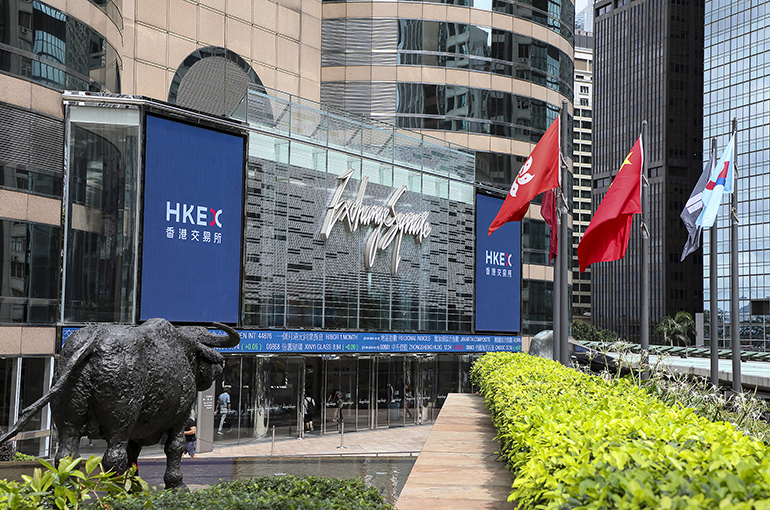
Japan’s interest in crypto-linked exchange products also reflects competitive pressure from regional peers. Hong Kong has positioned itself as a hub for virtual asset trading, approving spot crypto ETFs and encouraging global issuers to list in the city. Singapore, while more conservative on retail access, has built a reputation for regulatory clarity that attracts institutional capital. Policymakers in Tokyo are wary of ceding ground, especially as domestic pension funds and insurers look for diversified investment options in a low-yield environment.
Still, scepticism remains within Japan’s policy establishment. Some lawmakers and consumer groups warn that crypto markets remain volatile and vulnerable to manipulation, arguing that wider access through stock exchanges could expose unsophisticated investors to sharp losses. Regulators have responded by stressing that any approved products would likely be limited initially to professional investors, with strict marketing controls and suitability requirements.
Industry executives counter that regulated exchange-traded products may actually reduce risk by shifting activity away from offshore platforms toward transparent, supervised venues. They point to Japan’s experience with security tokens, where pilot issuances have proceeded without major incidents under a clear legal framework.
The debate has also revived questions about taxation and accounting. Crypto gains in Japan are currently taxed as miscellaneous income, a structure critics say discourages long-term investment and innovation. Government panels have been reviewing whether a shift toward capital gains treatment is warranted, particularly if digital assets become embedded in mainstream portfolios through ETFs and listed funds.
MiniMax is preparing to price its Hong Kong initial public offering at the top of the marketed range, signalling strong demand for artificial intelligence developers as investors seek exposure to homegrown technology firms with global ambitions, according to people familiar with the transaction.
The Shanghai-based company, best known for its large language models and consumer-facing AI applications, has accelerated its listing timetable amid a surge in interest for Chinese technology firms that are perceived to be less exposed to US trade and regulatory pressures. Bankers involved in the deal say early indications from institutional investors point to robust demand, particularly from Asia-based funds focused on long-term technology themes.
MiniMax, founded in 2021 by former SenseTime and Megvii researchers, has positioned itself as one of the country’s leading independent AI model developers. Its core products include general-purpose foundation models, AI companions and enterprise solutions used across gaming, education and content creation. The firm competes with larger players backed by internet conglomerates while marketing itself as more agile and research-driven.
People familiar with the IPO said the company is targeting a valuation that reflects the premium currently attached to AI-related listings in Hong Kong. While final pricing has not yet been approved, the expectation is that the offer will be set at the upper end of the range to capitalise on strong order books built during early marketing. The shares are expected to begin trading later this year, subject to market conditions and regulatory clearances.
The decision to push for top-range pricing comes as Hong Kong’s equity market shows signs of renewed momentum after a prolonged slowdown. Technology and healthcare deals have drawn increasing attention, supported by policy measures aimed at reviving capital markets and encouraging listings by innovative firms. Fund managers say AI remains one of the few sectors where investors are willing to pay up for growth, despite broader concerns over economic headwinds.
MiniMax’s IPO is also being closely watched as a test case for how investors value Chinese AI companies that operate largely outside the orbit of the country’s major internet platforms. Unlike peers that rely heavily on parent companies for distribution and funding, MiniMax has raised capital from a mix of venture investors and strategic backers, allowing it to retain greater operational independence. That positioning has resonated with some institutional investors seeking exposure to AI innovation without heavy platform risk.
The company has continued to expand its research capabilities, investing heavily in computing infrastructure and talent. Industry analysts note that MiniMax has been among the more visible Chinese developers releasing multilingual models and consumer applications that aim to compete with global offerings. Its emphasis on overseas markets, including Southeast Asia and parts of the Middle East, has helped broaden its revenue base and narrative ahead of the listing.
Still, the firm faces stiff competition. Domestic rivals supported by large technology groups benefit from vast user ecosystems and deep pockets, while international players continue to dominate cutting-edge model development. Pricing the IPO aggressively could raise expectations around execution and financial performance at a time when monetisation of AI remains uneven across the industry.
Market participants say Hong Kong has become a more attractive venue for such listings as regulatory scrutiny on technology firms has stabilised compared with earlier years. The city’s exchange has also updated listing rules to better accommodate companies with heavy research spending and limited near-term profitability, a profile that fits many AI developers.
Bankers involved in the transaction say MiniMax has highlighted its progress in commercialising products, including enterprise contracts and consumer subscriptions, to address investor concerns around sustainability. While the company is not yet profitable, it has signalled a clearer path to revenue growth than at earlier funding rounds, helped by rising demand for customised AI solutions among businesses.
Matein Khalid 2026 has started with a bullish bang for my Dr. Copper trade, even though a single trading session when half of Asia is still getting over its New Year’s Day hangover is hardly an optimal sample size. Yet as I see LME spot copper trade at $12500 a metric ton, I feel exhilarated as this is precisely the breakout I flagged for my friends and […]
Public schools across the UAE will operate under revised Friday hours from January 9 after authorities standardised the Friday sermon and congregational prayer at 12:45pm nationwide, a change designed to align school routines with worship while preserving teaching time. The Ministry of Education said the adjustment ensures students and staff can observe religious obligations without disrupting learning outcomes. Under the updated arrangement, schools will reorganise Friday timetables […]
Seven Canadians were among dozens of people injured after two trains collided head-on in Peru, authorities said, prompting emergency responses along a busy rail corridor and diplomatic outreach from Ottawa to assist those affected. Peru’s transport officials said the crash occurred when two trains travelling in opposite directions struck each other on the same line, causing multiple carriages to derail and trapping passengers inside. Emergency services, including […]
Dollar trading opened the new year on firmer ground on Friday, extending a modest rebound after a bruising twelve months that marked its weakest annual performance in eight years, as investors reassessed the outlook for United States interest rates and global growth.
The greenback edged higher against a basket of major peers in early European dealings, with the yen drifting back towards levels last seen in the spring and the euro slipping slightly after gains built up over the previous year. Market participants described the move as cautious rather than decisive, reflecting thin liquidity and lingering uncertainty over policy direction in Washington.
Currency strategists said the dollar’s fragile recovery followed heavy selling through much of last year, when expectations of rate cuts by the Federal Reserve and easing inflation undercut the yield advantage that had supported the currency in earlier cycles. At the same time, improving growth prospects outside the United States encouraged investors to rotate towards higher-yielding or undervalued alternatives.
Against the yen, the dollar climbed back towards the upper end of its trading range, hovering near a ten-month high. The Japanese currency has remained under pressure amid a persistent gap between domestic borrowing costs and those in the United States, even as Tokyo has signalled a gradual move away from ultra-loose policy. Traders noted that the yen’s slide was less abrupt than in past episodes, reflecting continued sensitivity to the risk of official intervention.
The euro eased after a strong performance last year, when slowing inflation and steady growth in parts of the euro zone boosted confidence in the region’s economic resilience. Analysts cautioned that the single currency’s trajectory would depend heavily on whether European policymakers deliver further easing or pause to assess wage pressures and fiscal spending plans.
Sterling traded in a narrow band, supported by signs of stabilising inflation but weighed by questions over the durability of domestic growth. Emerging market currencies showed mixed moves, with higher-yielding units holding up better as investors searched for carry opportunities, while those linked to commodities reacted to softer prices in energy and metals.
Market focus remains fixed on forthcoming United States data releases, including employment and inflation indicators that could shape expectations for policy adjustments later in the year. While inflation has moderated from its peak, officials have stressed that decisions will be driven by incoming data rather than preset timelines, a stance that has kept rate forecasts in flux.
Some investors argue that the dollar’s decline last year went too far, pointing to the size and liquidity of United States markets and the economy’s capacity to absorb tighter financial conditions. Others counter that structural forces, including a narrowing growth gap with other advanced economies and rising fiscal deficits, could cap any sustained rebound.
Central banks outside the United States are also recalibrating. In Japan, policymakers are weighing how quickly to normalise after years of stimulus without destabilising markets. In Europe, debates continue over balancing support for growth with the need to anchor inflation expectations. These cross-currents have injected volatility into foreign exchange markets, even as overall trading ranges remain narrower than during periods of crisis.
Commodity prices have added another layer of complexity. Oil has softened amid ample supply, trimming support for currencies of major exporters, while gold’s pullback has reduced its appeal as a hedge against currency weakness. Equity markets have started the year on a cautious note, reinforcing demand for safe and liquid assets.
President Donald Trump has put off a scheduled increase in tariffs on upholstered furniture, kitchen cabinets and bathroom vanities, a move that slows the pace of his trade levies as household price pressures remain a political concern. The postponement, announced by administration officials after consultations with manufacturers and retailers, affects a tranche of consumer goods largely sourced from overseas supply chains. The delay keeps existing duty rates […]
HONG KONG SAR – Media OutReach Newswire – 2 January 2026 – This season of giving, A Diamond is Forever joins hands with Asia’s premier luxury retailer, Lane Crawford, in paying tribute to the beauty and authenticity of natural diamonds. Together, they bring forward a shared commitment to exceptional craftsmanship, innovation, and responsible sourcing.
Renowned actress Charmaine Sheh (left) and fashion trendsetter Hilary Tsui (right) are invited to the event. Charmaine and Hilary discover natural diamonds and experience how diamond detection instruments can distinguish between natural and synthetic diamonds.
“The Forever Gifts: A Natural Diamond Series” the ultimate destination for bespoke natural diamond master creations in Hong Kong, launched with a line-up of activities at Lane Crawford’s flagship retail space in IFC mall. Renowned actress Charmaine Sheh, fashion trendsetter Hilary Tsui, VIPs, media members and influencers from Hong Kong and China were invited to explore exquisite natural diamond collections, thoughtfully curated by Lane Crawford.
Natural diamond workshops are held at Lane Crawford IFC, guiding guests through an immersive journey to explore diamonds from rough to polished
This special series starts with a selection of contemporary fine jewellery brands, each offering a unique design story and a commitment to creativity and excellence. They include State Property, YEPREM, Mio Harutaka, KORLOFF and Claudia Ma Fine Jewellery. “This collaboration marks an important moment for Lane Crawford. Together with De Beers, we’re creating a destination that celebrates the beauty of natural diamonds through exceptional craftsmanship and global creativity. This exclusive space reimagines how clients engage with fine jewellery – bringing artistry, innovation, and the opportunity to design something truly personal.” Emily Wong, Senior Vice President of Merchandising at Lane Crawford.
The exclusive event brought a series of interactive workshops led by experts Jodine Bolden and Samantha Sibley from the De Beers Institute of Diamonds alongside London-based multi-disciplinary artist Annette Fernando.
Left to Right: Fashion stylist Veronica Li, famous influencer Ansheles, international fashion blogger Steph Hui, actor Bruce Tong and actor and singer Chris Tong attend the natural diamond workshop to experience the extraordinary charm of natural diamonds
At the natural diamond workshop, participants gained hands-on experience on rough diamond sorting, polished diamond grading, and differentiation of natural diamonds versus synthetics. Participants also had the unique opportunity of viewing a nearby 297-carat rough diamond and kimberlite carrying a 22-carat rough diamond. Also on display was a gem called “Beating Heart”, a 0.329-carat rough diamond that features a smaller diamond moving freely inside its larger counterpart, a rarity that showcases the extraordinary conditions under which diamonds can form. This exquisite piece, recovered by De Beers Group and analyzed at the facilities of De Beers Institute of Diamonds, is recorded on the Tracr platform, giving insight into its history and heritage. Upon completion of the workshop, each participant received a natural diamond masterclass certificate from the De Beers Institute of Diamonds.
“We are pleased to partner with Lane Crawford for this special series of events to proudly recognize the enduring value of natural diamonds, and to honour the artists who continue to bring life to these creations.” says Loletta Lai, Vice President, Natural Diamonds APAC De Beers Group.
Complementing the technical insight offered by the De Beers Institute of Diamonds, artist Annette Fernando shared her art creations inspired by natural diamonds, named The Multi-Faceted Self. Through a reflective coloring workshop, Annette invited participants to explore the transformative journey of natural diamonds as a metaphor for personal growth and resilience.
The partnership between A Diamond is Forever and Lane Crawford spotlights crafted natural diamond pieces sourced and styled from around the globe, the most treasured gifts ever! These iconic legacy brands and exciting new talent alike, all centered around the timeless beauty of natural diamonds, come together at Lane Crawford, the ultimate destination for discovery, craftsmanship, and contemporary luxury.
Featured Brands
Claudia Ma Fine Jewellery Claudia Ma, driven by a passion for modern high jewelry and an unwavering dedication to quality, founded her eponymous brand, Claudia Ma, in 2000. With a distinctive design sensibility and an eye for artistic aesthetics, she masterfully reinterprets classic themes through innovative modern expressions. Her creations have earned widespread acclaim for their signature style and exceptional craftsmanship. Over the years, Claudia has collaborated with renowned names such as Shanghai Tang, Lane Crawford, and De Beers Group Forevermark, solidifying her brand’s standing in Hong Kong’s fine jewelry landscape.
Her latest work draws inspiration from the barbell as a symbol of balance, focus, and strength. Crafted in 18k gold and accented with natural diamonds, these versatile pieces embody resilience while seamlessly elevating everyday style.
According to Claudia, “Natural diamonds and craftsmanship go hand in hand. Craftsmanship brings out the diamond’s inner brilliance, while my design presents this timeless classic in a modern way for generations to enjoy. Without this artistry, even the finest diamond remains just a hidden treasure.”
State Property An award-winning contemporary fine jewellery label from Singapore, State Property fuses modern design with traditional craftsmanship. Founded in 2015 by a jeweller and an industrial designer, the brand draws inspiration from culture, literature, and history—bringing to life structured silhouettes in precious metals that embrace the softness of the human form.
“There’s an emotional gravity with natural diamonds that’s hard to replicate, State Property shares. “Their rarity, beauty, and resilience make them extraordinary. Each one a fragment of the earth’s story, time in a crystallised form. We’re drawn to materials that carry meaning, and diamonds embody permanence, memory, and the quiet luxury of time. At State Property, we strive to have those same qualities reflected in our own work — creating jewellery with intention, designed to endure and be cherished across generations.”
YEPREM Known for its avant-garde creations, House of YEPREM is a family-run brand that continues to push the boundaries of contemporary diamond jewellery. With a legacy rooted in timeless craftsmanship and visionary design, YEPREM’s striking pieces are now celebrated across America, Europe, the Middle East, and Asia.
“Natural diamonds are the ultimate expression of authenticity and endurance, virtues that mirror YEPREM’s journey and craftsmanship. Born from time, pressure, and perseverance, each diamond holds the essence of transformation and strength. Their inherent brilliance and purity transcend trends, embodying emotion and individuality. In YEPREM’s world, a natural diamond is not merely a material, it is the foundation upon which stories of resilience and radiance are told.”
Mio Harutaka Crafted in Japan by local artisans, MIO HARUTAKA channels the beauty of Mother Nature into every design. The brand, founded in 2011, is committed to achieving diamond traceability and sustainability while maintaining exceptional artisanal craftsmanship. Harutaka shares: “Craftsmanship is essential—it accounts for almost everything. All of these details depend entirely on the skills of the craftsmen. Craftsmanship is what allows me to welcome close, hands-on appreciation, knowing that each piece will meet that level of scrutiny with confidence and beauty.”
KORLOFF Since 1978, KORLOFF has been a symbol of true femininity—magnetic, adventurous, and bold. Renowned for crafting exquisite bespoke jewelry, each piece reflects daring designs and the unmatched artistry of French craftsmanship, showcasing the Maison’s boundless creativity and passion. “Our story began with a diamond, the Black Korloff, the largest brilliant-cut natural black diamond in the world. Its uniqueness, shaped over millions of years, continues to inspire us every day as a symbol of mystery, transformation, and the magic of nature. Natural diamonds possess an authenticity and depth that no other material can replicate. They remind us that beauty is born from time, pressure, and light, forces that mirror the creative journey behind each Korloff jewel.”
Meet the De Beers Institute of Diamonds Experts:
Jodine Bolden, Director of Education De Beers Institute of Diamonds Jodine has previously developed her career as an operations line manager within large FMCG companies, and European HR Management roles within the luxury Health & Beauty industry where she first developed her passion for creating exceptional consumer experiences. After moving to De Beers, she worked as HR Manager for 5 years and discovered her fascination for diamonds as she supported various global functions across the De Beers estate, she then involved creating the Institute of Diamonds Education Service and developing each course that they now offer to their clients.
Since 2018 the De Beers Institute of Diamonds Education Service has provided education on a range of diamond subjects including, Rough Diamond Sorting, Polished Diamond Grading and Laboratory-Grown Detection.
Samantha Sibley, Technical Liaison Manager De Beers Group, UK With over 30 years’ experience in De Beers’ research, development and commercial teams, Samantha brings a wealth of knowledge regarding the characteristics of both natural and laboratory-grown diamonds. She has been involved in the development of De Beers Group’s current and previous suites of verification instruments and currently also facilitates training and educational courses around the world on the use of these instruments for accurate screening results. Other projects involve research into irradiation and HPHT colour treatments and the utilisation of this information to develop screening processes within the De Beers grading laboratories.
Sam has a BTEC Higher National Certificate in Physics, is a diamond fellow of the Gemmological Association of Great Britain (DGA) and holds a team leader qualification from Leadership Management UK and the Chartered Management Institute. She has presented on diamond topics globally and has had first-hand experience of the diamond industry over many years through visits to mines, cutting centres, polishing factories, gemmological laboratories and tradeshows.
Annette Fernando, Commissioned Artist, “The Multi-Faceted Self” at The Forever Gifts: A Natural Diamond Series Annette Fernando (b. 1991, London) is a multi-disciplinary artist and curator. She holds a BA in Fine Art from Central Saint Martins and is currently pursuing an MA in Contemporary Art at Sotheby’s Institute of Art, where she was awarded the prestigious Cultural Leaders Scholarship.
Fernando’s artistic repertoire spans drawing, printmaking, painting, and film. Fernando’s current work is driven to immortalise natures scenes, capturing the beauty of moments often overlooked through various mediums. Fernando’s work has garnered significant recognition, including winning the Jerwood Drawing Prize in 2014 and selections for the Royal Academy Summer Exhibition in 2021 and 2023. Her pieces are held in public and private collections across the USA, France, Hong Kong, and the UK.
The issuer is solely responsible for the content of this announcement.
About De Beers Group
Established in 1888, De Beers Group is the world’s leading diamond company with expertise in the exploration, mining, marketing and retailing of diamonds. Together with its joint venture partners, De Beers Group employs more than 20,000 people across the diamond pipeline and is the world’s largest diamond producer by value, with diamond mining operations in Botswana, Canada, Namibia and South Africa. Innovation sits at the heart of De Beers Group’s strategy as it develops a portfolio of offers that span the diamond value chain, including its jewellery houses, De Beers Jewellers and Forevermark, and other pioneering solutions such as diamond sourcing and traceability initiatives Tracr and GemFair. De Beers Group also provides leading services and technology to the diamond industry in the form of education and laboratory services via De Beers Institute of Diamonds and a wide range of diamond sorting, detection and classification technology systems via De Beers Group Ignite. De Beers Group is committed to ‘Building Forever,’ a holistic and integrated approach for creating a better future – where safety, human rights and ethical integrity continue to be paramount; where communities thrive and the environment is protected; and where there are equal
opportunities for all. De Beers Group is a member of the Anglo American PLC group. For further information, visit www.debeersgroup.com.
About Lane Crawford
Founded in 1850, Lane Crawford is an iconic luxury department store, with a mission to search the world for the most exciting talent and product, to create the ultimate luxury edit of fashion and lifestyle for its customers across Greater China. Featuring the largest own-bought designer portfolio across Womenswear, Menswear, Beauty & Wellbeing,
Home and Lifestyle, and Fine Jewellery in the region, Lane Crawford constantly evolves its product, experience, and services offer to embrace the most innovative and relevant designers and exceptional craftsmanship of the season, and to reflect the dynamic pace of its market and customers.
With four stores in Hong Kong; and three stores across Shanghai, Beijing and Chengdu, supported by a global digital flagship, and a purpose-built ecommerce site for China and WeChat store, Lane Crawford is Greater China’s first and only omni-channel luxury fashion retailer. Each store is personalised to its location and designed to provide sensory experience, fusing fashion, design, art and music, while offering exceptional service.
Lane Crawford is a part of The Lane Crawford Joyce Group, Asia’s premier fashion retail, brand management and distribution group, which also includes cutting-edge fashion boutique Joyce; and fashion, beauty, and lifestyle brand management and distribution business ImagineX Group.
Poor sleep is being tied to measurable acceleration in brain ageing, with new longitudinal and imaging-based research indicating that chronic sleep disruption can add up to three years to the brain’s biological age. The findings place sleep quality alongside blood pressure, metabolic health and physical activity as a central determinant of long-term cognitive resilience, with implications for dementia risk and everyday mental performance. The work draws on […]
Saudi Arabian Mining Company, widely known as Saudi Arabian Mining Company, has outlined plans to establish a joint venture with Midana Exploration Pay Ltd to advance minerals exploration, development and mining across licensed areas of the kingdom, in a move that underscores the country’s push to expand its non-oil resource base.
Under the proposed structure, the joint venture will be capitalised initially at $5 million, with Maaden holding a controlling 50.1% stake and Hancock owning the remaining 49.9%. The vehicle is expected to focus on early-stage exploration as well as the development and eventual sale of mineral resources identified within approved concession blocks, subject to regulatory clearances.
The announcement comes as Saudi Arabia accelerates efforts to map and commercialise its estimated multi-trillion-dollar mineral endowment, a pillar of the Vision 2030 strategy aimed at diversifying fiscal revenues and building domestic industrial supply chains. Officials and industry executives have repeatedly highlighted underexplored deposits of gold, copper, zinc, phosphate, bauxite and rare earth elements as areas of strategic interest.
Maaden, majority owned by the Public Investment Fund, has over the past decade evolved from a single-commodity operator into a diversified mining champion spanning gold, aluminium, phosphate fertilisers and industrial minerals. The proposed partnership with Hancock signals a renewed emphasis on upstream exploration, an area that demands specialised geological expertise, patient capital and risk-sharing arrangements.
Hancock, through its local exploration arm, has built a portfolio of prospecting licences and geological data across several regions of the kingdom. Industry observers say its familiarity with Saudi Arabia’s licensing framework and field operations complements Maaden’s balance sheet strength, project development experience and access to downstream markets.
According to people familiar with the matter, the joint venture is designed to move swiftly from desktop studies to on-ground surveys, including geophysical mapping and targeted drilling. Any commercial discoveries would then be evaluated for standalone development or integration into Maaden’s existing asset base, depending on scale, mineral type and infrastructure considerations.
The modest initial capital reflects the early-stage nature of the venture, with provisions allowing for additional funding rounds as projects advance. Mining analysts note that exploration budgets often expand sharply once priority targets are identified, particularly for metals linked to energy transition technologies such as copper and battery minerals.
Saudi Arabia has spent heavily on geological surveying over the past few years, releasing high-resolution data to attract private and foreign investors. The Ministry of Industry and Mineral Resources has also reformed the mining law to streamline licensing, strengthen environmental oversight and provide longer concession terms, measures that have been welcomed by global miners.
Within this policy backdrop, Maaden’s majority stake ensures strategic alignment with national priorities while allowing its partner operational flexibility. The 50.1-49.9 split also gives Maaden consolidation rights over any successful projects, a factor likely to reassure lenders and potential offtake partners at later stages.
Market participants see the joint venture as part of a broader trend of collaborative exploration models in the kingdom, where state-backed entities pair with specialised firms to spread risk and accelerate discovery timelines. Similar structures have been adopted in other resource-rich jurisdictions seeking to build domestic mining ecosystems without shouldering all the geological risk alone.
Environmental and social governance considerations are expected to feature prominently as projects move forward. Saudi regulators have tightened requirements around land rehabilitation, water use and community engagement, and Maaden has publicly committed to aligning new developments with international sustainability benchmarks.
A wave of AI-generated videos circulating on social platforms has drawn regulatory and public attention after Meta removed a cluster of manipulated clips tied to public discourse in India, underscoring the accelerating threat posed by deepfakes and the strain on existing cybersecurity defences. The action has reignited debate over platform accountability, election integrity, and the pace at which safeguards are keeping up with generative tools.
Meta said the videos breached its policies on manipulated media and deceptive practices, adding that enforcement teams had detected coordinated behaviour designed to amplify misleading narratives. The company did not detail the creators or precise reach, but independent analysts tracking social traffic reported that some clips had amassed hundreds of thousands of views before moderation. The removals came amid heightened scrutiny of AI-driven misinformation as synthetic video and audio tools become cheaper, faster and harder to spot.
Security specialists warn that the technical leap in realism has lowered the barrier for malicious actors. Diffusion models and voice-cloning systems can now produce convincing footage with minimal training data, enabling impersonation, fabricated statements and false evidence. The risk profile extends beyond politics to financial fraud, reputational attacks and social engineering. Banks and insurers have flagged a rise in scams that combine deepfake video calls with stolen personal data to bypass verification checks.
India’s digital ecosystem amplifies the challenge. With one of the world’s largest online populations and intense engagement on short-video platforms, manipulated content can travel rapidly across languages and regions. Fact-checking groups say the velocity of sharing often outpaces verification, while takedowns, even when swift, can struggle to contain copies and re-uploads. Researchers at leading institutes have documented how watermark removal, compression artefacts and cross-platform reposting degrade detection signals.
Government authorities have been pressing technology companies to strengthen guardrails. Draft rules under the Information Technology framework emphasise due diligence for intermediaries, traceability of originators in defined cases, and clearer disclosures for synthetic media. Officials have also signalled expectations for labelling AI-generated content and responding promptly to lawful takedown requests, while balancing free expression and privacy. Industry groups argue that clarity on standards and timelines is essential to avoid uneven enforcement.
Meta has highlighted investments in detection and transparency, including classifiers trained to identify AI artefacts, partnerships with academic labs, and labels applied when confidence thresholds are met. The company also points to cross-platform threat sharing through industry forums to flag emerging manipulation techniques. Critics counter that adversarial innovation is moving faster than defensive models and that labels can be stripped or ignored, especially when content is shared outside original platforms.
Election experts say the stakes are rising as campaigns increasingly rely on video to reach voters. Even short-lived false clips can shape perceptions, sow doubt or distract from substantive debate. Studies of prior electoral cycles show that corrections often fail to reach the same audiences as the initial misinformation, leaving residual effects. Civil society organisations have urged a layered response that combines platform enforcement, rapid response hotlines, and public education on media literacy.
Cybersecurity firms are adapting with multi-signal approaches that fuse video forensics, network analysis and behavioural cues. Techniques include analysing eye-blink patterns, head-pose consistency, acoustic fingerprints and temporal anomalies, alongside monitoring coordinated posting patterns. Yet experts caution that no single method is foolproof. As generative systems learn to mimic these signals, defenders must iterate continuously, increasing costs for both sides.
The economic dimension is also coming into focus. Advertising clients are wary of brand adjacency to manipulated content, prompting demands for stronger brand-safety assurances. Meanwhile, startups offering verification, provenance tracking and content authentication are attracting investment. Standards bodies are promoting cryptographic provenance frameworks that embed origin metadata at creation, though adoption remains uneven across devices and platforms.
By K Raveendran Gold’s surge has turned a long-running Indian household instinct into a global macro trade. With spot prices pressing above the $4,500 an ounce mark late in 2025 and year-to-date gains running above 70 percent, the metal is headed for its strongest annual performance since 1979. The question now animating dealing rooms as […]
Arabian Post Staff -Dubai Gold, silver and platinum prices pushed to record levels at the close of the year, extending a powerful rally driven by geopolitical strains, a softer US dollar and thin trading conditions that magnified price swings across commodities markets. Spot gold climbed as much as 1.6% on Friday to trade above $4,540 an ounce, a level unseen before, while spot silver for immediate delivery […]
SINGAPORE – Media OutReach Newswire – 22 December 2025 – In today’s fast evolving job market, traditional qualifications alone are no longer sufficient to guarantee career longevity. Employers increasingly value agility, digital fluency, and continuous learning qualities that micro credentials deliver in concise, impactful ways.
Why Micro-Credentials Matter
Micro credentials are short, focused courses designed to equip professionals with in demand skills quickly. Unlike full degree programs, they enable learners to upskill or reskill without disrupting their careers. For industries shaped by rapid technological change such as digital marketing, artificial intelligence (AI), cybersecurity, and sustainability, these credentials are becoming essential for staying relevant.
According to the World Economic Forum’s Future of Jobs Report 2025, 39% of workers’ core skills will change by 2030, and 59% of the global workforce will need reskilling to meet evolving demands. This shift, driven by automation, AI, and sustainability imperatives, makes continuous learning a necessity rather than an option.
Micro credentials bridge this gap by offering industry aligned, stackable learning experiences that can be completed in weeks rather than years. Research indicates that employers are 72% more likely to hire candidates with micro credentials, as these certifications validate practical, job ready skills.
SIM’s Commitment to Career Readiness
SIM Global Education (SIM GE) is at the forefront of lifelong learning, responding to the urgent need for professionals to stay competitive in a rapidly changing economy. Through its Centre for Micro-Credentials (CMC), SIM offers a curated portfolio of short, stackable courses designed to deliver future-ready skills in high-demand areas such as digital marketing, AI, cybersecurity, and sustainability.
These programs are industry-aligned and developed in consultation with employers and global education partners to ensure relevance and practical application. Each course provides actionable knowledge that learners can immediately apply in their roles, making them ideal for busy professionals seeking quick, impactful upskilling.
A distinctive feature of SIM’s micro-credential ecosystem is the integration of digital badges. These secure, verifiable credentials contain metadata about the achievement, issuer, and criteria. Learners can showcase these badges on platforms like LinkedIn, signalling to recruiters and employers that they possess specialized expertise in emerging fields. This visibility supports skill-based hiring, a growing trend among organizations seeking demonstrable competencies rather than just academic qualifications.
SIM also emphasizes flexibility and accessibility. Courses are delivered in bite-sized formats, often online or blended, allowing learners to progress at their own pace without disrupting their careers.
The Bottom Line
Micro-credentials represent a strategic shift in preparing for the future of work. As industries evolve rapidly, the ability to adapt, upskill, and demonstrate verified competencies is essential. Degrees provide a foundation, but they often lack the agility to keep pace with emerging technologies.
SIM’s micro-credential programs offer flexibility, relevance, and recognition, enabling professionals to stay competitive in a skills-driven economy. Learners can customize pathways, focus on areas like AI, cybersecurity, or sustainability, and earn digital badges that employers value in skill-based hiring.
Micro-credentials help professionals future-proof their careers, ensuring resilience amid automation and digital transformation. For organizations, they build a workforce that is agile and ready for tomorrow’s challenges.
The issuer is solely responsible for the content of this announcement.
About SIM Global Education
SIM Global Education (SIM GE) is a leading private education institution in Singapore and the region. We offer more than 140 academic programmes ranging from diplomas and graduate diploma programmes to bachelor’s and master’s degree programmes with some of the world’s most reputable universities from Australia, Canada, Europe, United Kingdom, and the United States. SIM GE’s cohort is made up of 16,000 full- and part-time students and adult learners, of which approximately 36% are international students hailing from over 50 countries.
SIM GE’s holistic learning approach and culturally diverse learning environment aim to equip students with knowledge, industry skills and employability competencies, as well as a global perspective to succeed as future leaders in a fast-changing, technologically driven world.
For more information on SIM Global Education, visit sim.edu.sg
A dramatic concept video portraying a proposed “Dubai Air Hotel” by Emirates has ignited global attention, depicting a full-scale Airbus A380 mounted atop a 580-metre, 125-storey tower in Dubai. The vision, priced at an estimated $3 billion, imagines an aviation-themed landmark that would combine ultra-luxury hospitality with a striking architectural statement, reinforcing the city’s reputation for headline-grabbing development. The footage shows the double-deck superjumbo positioned like a […]
UAE businesses used the Ambiente exhibition in Germany to project the country’s ambition to become a central hub in the global consumer goods trade, as officials and exporters sought to convert visibility into long-term commercial partnerships across Europe, Asia and the Middle East.
The country’s pavilion at the Ambiente fair in Frankfurt brought together manufacturers, designers and trading firms spanning homeware, lifestyle products, gifting and sustainable consumer goods. Organisers said the collective presence was designed to showcase both scale and diversity, with an emphasis on export readiness and cross-border collaboration rather than one-off transactions. The participation formed part of a wider strategy to deepen the UAE’s role in global supply chains at a time when buyers are reassessing sourcing models and regional diversification.
Ambiente is regarded as one of the world’s largest platforms for consumer goods, drawing tens of thousands of buyers, retailers and distributors each year. For UAE exhibitors, the event offered access to European retail networks and international wholesalers seeking alternatives to traditional manufacturing centres. Trade officials accompanying the delegation said meetings during the fair focused on long-term contracts, private-label manufacturing and co-branding arrangements, reflecting a shift towards higher-value engagement.
UAE Ministry of Economy representatives described the fair as a strategic opportunity to align the country’s manufacturing and re-export capabilities with evolving global demand. Officials highlighted the UAE’s logistics infrastructure, trade finance ecosystem and network of comprehensive economic partnership agreements as key advantages in attracting buyers looking for reliability and speed to market. The country has expanded its non-oil exports steadily, with consumer goods playing a growing role alongside metals, plastics and food products.
Exhibitors at the pavilion reported interest from buyers in sustainable materials, contemporary design and flexible production runs. Several companies said European retailers were exploring joint development of products that could be produced in the UAE and distributed across the Gulf, Africa and South Asia. This approach reflects a broader trend among global brands to shorten supply chains while retaining access to multiple consumer markets from a single base.
Frankfurt has become an important meeting point for this recalibration, as trade fairs increasingly serve as venues for strategic sourcing discussions rather than simple product showcases. Industry analysts note that manufacturers from emerging hubs are gaining attention as buyers weigh cost pressures, geopolitical risk and sustainability commitments. The UAE’s pitch at Ambiente centred on stability, regulatory clarity and the ability to integrate manufacturing, warehousing and distribution within a single jurisdiction.
Design-led firms from the UAE also used the exhibition to challenge perceptions that the country’s consumer goods sector is limited to trading and re-export. Several brands showcased original collections developed in collaboration with regional designers, blending Middle Eastern aesthetics with international trends. This creative emphasis was aimed at differentiating UAE products in a crowded marketplace and appealing to premium and mid-market retailers.
Sustainability featured prominently in discussions at the pavilion. Companies highlighted the use of recycled materials, energy-efficient production processes and compliance with European environmental standards. Officials said this focus was essential for competitiveness, as regulatory and consumer scrutiny in Europe continues to intensify. The UAE has invested in sustainability frameworks and industrial policies intended to support greener manufacturing, which exhibitors said helped build confidence among buyers.
The fair also underscored the role of small and medium-sized enterprises in the UAE’s export strategy. Many participating firms were SMEs seeking first-time entry into European markets. Trade support bodies facilitated introductions and provided guidance on certification, packaging requirements and logistics, reflecting an effort to reduce barriers for smaller exporters. Business owners said the ability to present as part of a national pavilion enhanced credibility and opened doors that would be difficult to access independently.
Eight CryptoPunks non-fungible tokens have been accepted into the permanent collection of New York’s Museum of Modern Art, a move that places one of the most influential crypto-native projects alongside canonical works of modern and contemporary art. The acquisition underscores the growing institutional recognition of blockchain-based art forms, even as debate continues over their cultural and market value. The works were added through a donation organised by […]
Ministry of Finance has announced Cabinet Decision No. 153 of 2025, setting out the application of the reverse charge mechanism on the trading of metal scrap between VAT-registered businesses in the UAE, with the framework scheduled to take effect on 14 January 2026. The move is positioned as a targeted adjustment to the country’s value-added tax regime, aimed at strengthening compliance and reducing tax leakage in a sector long regarded by authorities as vulnerable to misreporting and cash-based transactions.
The decision has been issued under the provisions of Federal Decree Law No. 8 of 2017 on Value Added Tax, along with its subsequent amendments, and Cabinet Resolution No. 52 of 2017 covering the Executive Regulations of the VAT law. Together, these instruments provide the legal basis for shifting VAT liability from the supplier to the recipient in specified transactions, a mechanism already familiar to many businesses operating in regulated or high-risk supply chains.
Under the reverse charge mechanism, the obligation to account for VAT on a transaction moves from the seller to the buyer, provided both parties are registered for VAT. In the context of metal scrap trading, this means suppliers will issue tax invoices without charging VAT, while purchasers will self-account for the tax in their VAT returns, subject to the normal rules on input tax recovery. Officials say the approach is designed to curb evasion practices that can arise where VAT is charged but not remitted to the tax authority.
The Ministry of Finance has framed the decision as part of a broader effort to fine-tune the VAT system since its introduction in 2018, responding to sector-specific risks identified through audits and market monitoring. Metal scrap trading, which often involves multiple intermediaries and fluctuating commodity prices, has been highlighted in several jurisdictions worldwide as an area where reverse charge measures can enhance transparency and simplify enforcement.
The cabinet decision on scrap VAT treatment reflects a policy choice already adopted in parts of Europe and Asia, where tax authorities have used reverse charge rules to counter carousel fraud and other forms of abuse linked to recyclable materials and metals. By aligning with these international practices, the UAE is seeking to balance ease of doing business with the need for robust revenue protection.
Industry participants are now assessing how the change will affect cash flow and contractual arrangements. For suppliers, the removal of VAT charging on eligible scrap transactions may reduce administrative burdens and the need to finance VAT amounts pending recovery. Buyers, on the other hand, will need to ensure their accounting systems can correctly self-assess VAT and reflect the entries accurately in periodic returns. Tax advisers note that while the mechanism is neutral in theory for fully compliant, fully taxable businesses, errors in classification or documentation could lead to penalties.
The decision applies specifically to transactions between registrants, underscoring the importance of verifying counterparties’ VAT registration status. Businesses involved in mixed supplies, or dealing with unregistered parties, will need to distinguish carefully between transactions subject to the reverse charge and those that remain under the standard VAT rules. This distinction is expected to be a focal point of guidance and compliance reviews ahead of the January 2026 effective date.
Officials have indicated that further clarification will be issued through administrative guidance to define the scope of “metal scrap” covered by the decision, drawing on existing definitions used in customs and commercial practice. Market participants expect this to include waste and scrap from metals such as iron, steel, aluminium and copper, though the final interpretation will determine how widely the measure applies across recycling and manufacturing chains.
The timing of the announcement gives businesses more than a year to prepare, adjust contracts and update systems. Tax specialists view this lead time as significant, allowing companies to conduct impact assessments and staff training without disrupting ongoing operations. It also provides an opportunity for the authorities to engage with industry bodies and address practical concerns before enforcement begins.
Washington moved to reset the direction of its civil and military space ambitions after President Donald Trump signed a sweeping executive order in December 2025 committing the United States to a crewed moon landing by 2028 and the establishment of a sustained lunar outpost by 2030. The order places the Artemis programme at the centre of national strategy, couples it with an expanded role for nuclear power […]
Canada faces another period of economic uncertainty as the U. S. Supreme Court weighs a case that could reshape the legal foundations of tariffs imposed during Donald Trump’s presidency, reviving questions about the stability of cross-border trade rules and the exposure of Canadian industries to abrupt policy shifts. The pending decision centres on the scope of presidential authority to levy tariffs under long-standing U. S. trade statutes, […]
The United Arab Emirates has consolidated its standing in 2025 as one of the world’s fastest-growing economies, underpinned by a surge in non-oil activity, sustained investment inflows and a regulatory framework designed to attract capital and talent. Data released through the year point to broad-based expansion across trade, manufacturing, logistics, tourism, finance and technology, reinforcing a shift away from hydrocarbons as the primary engine of growth.
Non-oil foreign trade climbed 24.5 per cent in the first half of 2025 to AED1.7 trillion, a pace that far exceeds the prevailing global trade growth rate. The increase reflects rising re-exports, stronger demand from Asia, Europe and Africa, and the UAE’s role as a commercial bridge linking major markets. Officials have highlighted gains in machinery, electronics, precious metals, food products and pharmaceuticals, supported by expanded port capacity, faster customs procedures and new trade agreements.
Investment indicators have moved in tandem with trade. The UN Conference on Trade and Development’s World Investment Report 2025 ranked the UAE 10th globally for inbound foreign direct investment in 2024, with inflows of AED167.6 billion. That placing keeps the country among the world’s most attractive destinations for capital, alongside much larger economies, and underscores confidence in the policy environment, infrastructure and legal protections available to investors.
Economic planners attribute the momentum to a combination of structural reforms and targeted incentives. Liberalised ownership rules, long-term residency options for professionals and entrepreneurs, and streamlined licensing have lowered barriers for international firms. Specialised free zones continue to draw companies in logistics, clean energy, advanced manufacturing, fintech and digital services, while onshore jurisdictions have simplified company formation and compliance.
Non-oil GDP growth has been supported by strong domestic demand and an expanding population of skilled workers. Tourism has posted record levels of hotel occupancy and visitor spending, aided by expanded air connectivity and major events that have kept demand resilient across seasons. Retail and hospitality have benefited from rising consumer confidence, while real estate transactions have remained active across residential, commercial and industrial segments.
Manufacturing has emerged as a key contributor, with investments flowing into metals, food processing, pharmaceuticals and building materials. The push to localise supply chains and boost exports has been reinforced by incentives for advanced manufacturing and the adoption of automation and artificial intelligence. Renewable energy and clean technology projects have also attracted capital, aligning economic growth with climate commitments.
The financial sector has played a central role in channelling investment. Banks have reported healthy credit growth to businesses, while capital markets have seen new listings and debt issuance that broaden funding options. Asset managers and private equity firms have expanded regional operations, using the UAE as a base for Middle East, Africa and South Asia strategies. Regulatory clarity in digital assets and fintech has further widened the investor base.
Trade policy has complemented domestic reforms. Comprehensive economic partnership agreements have reduced tariffs and opened access to fast-growing markets, supporting exporters and logistics providers. Improved customs digitisation has shortened clearance times, enhancing the country’s competitiveness as a trans-shipment hub. The scale of non-oil trade growth indicates that these measures are translating into higher volumes rather than merely price effects.




 https://www.debeersgroup.com/
 https://www.linkedin.com/company/debeersgroup/posts/?feedView=all
 https://www.facebook.com/DeBeersGroupOfCompanies
 https://www.instagram.com/debeersgroup/