Just in:
From Dubai to the EU: how UAE-based crypto firms can expand under MiCA // US resumes flights after nationwide air traffic shutdown // Inpex reaffirms Gulf oil strategy despite shipping constraints // Lego restores BrickLink marketplace after security investigation // China Reconciled To U.S. Curbs On Chips Exports, Woos South Korea For Supply // Microsoft apologises as Outlook services recover after outage // The Honey Trap Is The Headline, The Chip Pipeline Is The Story // October Food Price Shock Has Far Reaching Consequences // Crescent Enterprises venture arm funds Oyster Therapeutics development // Fujairah highway pile-up leaves 14 dead and 30 injured // Hackers falsify NVIDIA GPU readings to mask cryptomining // Microsoft restores services gradually but gives no recovery deadline // Sun World Ba Den Mountain marks Vietnam Culture Day, welcoming Cambodian visitors over Bon Om Touk // Yicura BioMed Advances Dual Capital and Industrial Strategy: Completes First Closing of Series B Financing Led by Gobi Partners // TORRAS Launches Two New iPhone Duo Cases from Its Popular Ostand Series, Addressing Foldable Phone Users’ Concerns About Difficult Stand Positioning and Scratches // Rooftop solar planning gaps behind power shortages // IEA forecasts fourth-quarter oil surplus as Gulf shipments rebound // US authorities dismantle North Korean cryptocurrency deception infrastructure // Microsoft outage leaves Outlook and Teams users disconnected // Woman found dead as bank moves to repossess home //

News related to
Part

Bitcoin has surged past the $90,000 threshold, reaching $90,468 across major exchanges. This marks a significant rebound, occurring 46 days after the cryptocurrency last touched this level on March 7, 2025.

The rally is attributed to a combination of factors, including renewed institutional interest and favourable policy signals. The inauguration of President Donald Trump has introduced a more crypto-friendly regulatory environment. Notably, the administration’s proposal to establish a strategic Bitcoin reserve has been perceived as a bullish indicator by market participants.

Analysts have observed that the approval of multiple spot Bitcoin exchange-traded funds earlier this year has played a pivotal role in attracting substantial capital inflows. These ETFs have provided traditional investors with a regulated avenue to gain exposure to Bitcoin, thereby enhancing its legitimacy and appeal.

Market sentiment has also been influenced by macroeconomic indicators. The Consumer Price Index data released this month aligned with market expectations, suggesting a stabilising inflationary environment. This has bolstered investor confidence in risk assets, including cryptocurrencies.

Despite the upward trajectory, some caution remains. Betting markets indicate a 61% probability of Bitcoin reaching $110,000 within the year, with diminishing confidence in higher targets. Conversely, there is a notable expectation of potential pullbacks, with some forecasts suggesting a dip to around $70,000.

Technical analysts are closely monitoring key support and resistance levels. The $90,000–$91,000 range is identified as a critical support zone, while resistance is anticipated near the $95,000 mark. Momentum indicators, such as the Relative Strength Index , currently reflect a neutral stance, indicating a balanced market sentiment.

HONG KONG SAR – Media OutReach Newswire – 22 April 2025 – CK Life Sciences Int’l., (Holdings) Inc. (“the Company”) announced that the Company will be presenting new data from its cancer vaccine research pipeline at the 2025 American Association for Cancer Research (AACR) Annual Meeting in Chicago, USA. The AACR Annual Meeting is a gathering central to the global cancer research community, bringing together scientists, clinicians, […]

Bitcoin’s price movement remains largely unaffected by Strategy’s multibillion-dollar buying activity, new data reveals. Despite making significant purchases in the cryptocurrency market, Strategy’s impact on Bitcoin’s value has been minimal. The company’s acquisitions, representing approximately 3.3% of the weekly trading volume on average, have not significantly correlated with price fluctuations, underscoring the limited influence of even large-scale institutional players in this volatile market.

The findings raise questions about the extent to which individual institutional actors can sway the broader cryptocurrency market. Despite the scale of its investments, Strategy’s influence seems relatively muted, suggesting that other factors might be driving Bitcoin’s price rather than institutional buying alone. This information highlights the complex dynamics of the cryptocurrency market, where a variety of elements – including market sentiment, global macroeconomic trends, and technological developments – play a more substantial role in influencing price movements.

Bitcoin’s price is often seen as a barometer for the health of the broader cryptocurrency market. As one of the most highly traded and well-known digital assets, it attracts significant institutional interest. Many firms, including Strategy, have made headlines for their sizable acquisitions of Bitcoin in recent years. However, despite the widespread belief that such purchases would lead to substantial price increases, the latest data paints a different picture. Strategy’s involvement represents a fraction of Bitcoin’s total trading volume, suggesting that the asset’s price is driven by a combination of factors beyond just institutional purchases.

Even though Strategy’s purchases are worth billions of dollars, their influence has proven to be minimal in terms of price impact. The data shows that their buying activity correlates weakly with Bitcoin’s price changes, challenging the notion that institutional purchases alone can lead to sustained price rallies or dips. As Bitcoin continues to mature, its price dynamics appear to be governed by a more complex set of interactions involving retail traders, market sentiment, and external economic events.

This revelation is significant for investors and analysts who closely monitor the relationship between institutional investment and Bitcoin’s value. In the past, large-scale acquisitions by firms like Strategy were seen as a potential signal of future price growth. However, the data now suggests that these purchases may be less influential than originally anticipated. With institutional money playing a less decisive role than expected, the spotlight has turned to other factors that could be shaping Bitcoin’s trajectory.

Many experts are beginning to reconsider the role of institutional players in the Bitcoin market. The influence of such firms may not be as potent as initially assumed, as institutional players like Strategy account for a small portion of the total trading volume. The remaining market activity is largely driven by individual traders, speculators, and the broader sentiment in the financial markets. This shift underscores the evolving nature of Bitcoin’s market structure, where retail investors and global economic trends seem to have a more pronounced effect on price fluctuations than institutional purchases.

At the same time, the relatively modest effect of Strategy’s Bitcoin buying also highlights a critical point for investors. Despite the growing interest in Bitcoin and other cryptocurrencies from institutional investors, it is clear that these players may not possess the same level of market-moving power as traditional financial institutions in more established asset classes. For Bitcoin to experience the kind of price surges that some market participants expect, other catalysts – such as widespread adoption, regulatory clarity, or innovations in blockchain technology – may need to come into play.

The data also calls into question the long-term viability of institutional investors as a primary driver for Bitcoin’s price. While these firms are undoubtedly helping to bolster Bitcoin’s credibility as an asset class, their influence on daily price action remains limited. This may shift as institutional investment grows in the coming years, but for now, Bitcoin’s price remains vulnerable to factors outside the control of even the largest buyers.

HONG KONG SAR – Media OutReach Newswire – 22 April 2025 – On Earth Day, Watsons, the flagship health and beauty brand of AS Watson, announces an expanded partnership with ClimatePartner to enhance its carbon compensation initiative. For every purchase of selected Watsons Sustainable Choice products, we aim to offset over 4,000 tons of CO2 emissions. Inspiring Customers to Choose Wisely, Live Sustainably To meet the growing […]

Centralised finance lending has contracted sharply, with the total loan book falling to $11.2 billion by the end of 2024—a 68% decline from its 2022 peak of $34.8 billion. This downturn underscores the profound impact of regulatory tightening, shifting investor sentiment, and evolving risk management practices within the financial sector.

The dramatic reduction in CeFi lending is attributed to a confluence of factors. Regulatory authorities have implemented stringent measures to mitigate systemic risks, compelling financial institutions to reassess their exposure to high-risk lending. These measures have included increased capital requirements and enhanced scrutiny of lending practices, particularly concerning unsecured and high-yield loans.

Non-banking financial companies , often referred to as shadow banks, have been significantly affected. Loan growth among NBFCs moderated to 6.5% in the first half of fiscal year 2024–25, a notable decrease from previous periods. This deceleration is particularly evident among upper-layer NBFCs, which predominantly engage in retail lending. The Reserve Bank of India’s Financial Stability Report highlights that the growth of bank borrowings in NBFCs’ liabilities declined from 26% to 17%, indicating a shift in funding dynamics.

In response to these challenges, NBFCs are diversifying their funding sources. There has been a marked increase in the issuance of non-convertible debentures and a growing reliance on foreign currency borrowings. However, this shift introduces new risks, particularly related to currency fluctuations, which could affect the financial stability of these institutions.

The regulatory landscape has also prompted financial institutions to enhance their risk assessment frameworks. Banks are increasingly evaluating the carbon footprint of their loan portfolios, aligning with global environmental, social, and governance standards. This trend reflects a broader commitment to sustainable lending practices and a recognition of the long-term risks associated with climate change.

The World Trade Organization has projected a 0.2% decline in global merchandise trade volume for 2025, a significant downgrade from earlier forecasts. This contraction is attributed to escalating tariff disputes and increasing policy uncertainties, particularly between major economies. The WTO’s latest Global Trade Outlook and Statistics report, based on policies effective as of April 14, indicates that the anticipated decline is nearly three percentage points lower than […]

Oil prices experienced a significant decline of over 2% on Monday, with Brent crude falling to $66.81 per barrel and West Texas Intermediate dropping to $63.58. This downturn is attributed to progress in US-Iran nuclear negotiations and escalating concerns over the impact of US tariff policies on global demand. The potential easing of sanctions on Iran could reintroduce over a million barrels per day of crude into the market, intensifying supply pressures.

The decline in oil prices poses a substantial challenge to Gulf economies, particularly those heavily reliant on hydrocarbon revenues. S&P Global Market Intelligence has indicated that Oman, Bahrain, and Iraq are at heightened risk of financing pressures if the current price trends persist. These nations, already contending with fiscal deficits and limited sovereign reserves, may face increased borrowing costs and potential credit downgrades.

Conversely, the United Arab Emirates and Qatar are better positioned to withstand prolonged periods of lower oil prices. Their diversified economies and substantial sovereign wealth funds provide a buffer against market volatility. However, even these nations are not immune to the broader economic implications of sustained low oil prices.

The broader financial markets have also reacted to these developments. Major Gulf stock indices experienced declines, with Saudi Arabia’s TASI index falling by 0.7% and Qatar’s index decreasing by 0.3%. These market movements reflect investor apprehension regarding the stability of oil-dependent economies in the face of fluctuating energy prices.

Adding to the complexity is the political climate in the United States. President Donald Trump’s renewed criticism of Federal Reserve Chair Jerome Powell has raised concerns about the central bank’s independence. This political interference is contributing to market uncertainty and could have implications for global economic stability.

The potential for a US recession further exacerbates concerns. Analysts warn that the combination of tariff policies and political instability could dampen economic growth, leading to decreased demand for oil. This scenario would place additional strain on oil-exporting nations, particularly those with less diversified economies.

Advertisements

Greenlogue/AP Dubai is set to host the 11th World Green Economy Summit on 1–2 October 2025 at the Dubai World Trade Centre. Organised by the Dubai Supreme Council of Energy, Dubai Electricity and Water Authority , and the World Green Economy Organization , the summit will convene global leaders, policymakers, and experts to discuss strategies for advancing sustainable development and climate resilience. Held under the patronage of […]

KUALA LUMPUR, MALAYSIA – Media OutReach Newswire – 22 April 2025 – AFFIN Group (“AFFIN” or “the Group”) is celebrating its 50th anniversary with the launch of the “AFFIN 50 Years, 50 Prizes” Golden Jubilee Campaign, a year-long celebration rewarding customers with exclusive prizes, strengthening financial literacy, and empowering Malaysians on their financial journey. Running from 1 March 2025 to 31 January 2026, this milestone campaign features […]

The Department of Justice has taken an assertive step in its ongoing antitrust lawsuit against Google, urging that the company’s Chrome browser be sold off to a separate entity. This proposal is a crucial part of the remedy phase of the case, where the DOJ seeks to dismantle what it perceives as Google’s monopolistic hold over the online search and browser market. This suggestion marks a significant […]

UBS Group AG is finalising a strategic partnership with Mumbai-based 360 One WAM Ltd., aiming to secure a 26% stake in the wealth management firm. This move is designed to enhance UBS’s presence in India’s expanding wealth management sector, particularly targeting high-net-worth individuals beyond its traditional ultra-high-net-worth clientele.

The Indian wealth management industry, valued at approximately $429 billion in 2023, is projected to grow at a compound annual rate of 4.6% between 2025 and 2029. UBS’s investment in 360 One WAM, which manages assets worth around $62.3 billion, aligns with its strategy to capitalise on this growth. The partnership is expected to provide UBS with local expertise and a broader client base, complementing its global wealth management operations.

Aramco and BYD, two giants in their respective industries, have entered into a strategic partnership aimed at advancing new energy vehicle technologies. The collaboration is expected to drive innovation in the electric vehicle sector, integrating Aramco’s expertise in energy and BYD’s cutting-edge solutions in battery technology.

The partnership comes at a time when the global shift toward clean energy solutions is gaining momentum. With governments around the world pushing for reduced carbon emissions and an increasing focus on sustainable transportation, companies like Aramco and BYD are well-positioned to lead the way. The collaboration between these two firms will not only leverage their individual strengths but also contribute significantly to the transition toward a low-carbon future.

Aramco, long known for its dominance in the oil and gas sector, has increasingly invested in renewable energy technologies, recognising the growing importance of sustainable practices in the energy industry. As part of its diversification strategy, the company has ventured into hydrogen production, solar energy, and, more recently, electric vehicles. This move signals a shift in Aramco’s approach, with an eye on future-proofing its operations against an ever-evolving energy landscape.

BYD, based in China, has made remarkable strides in the development of electric vehicles and energy storage systems. Known for its innovation in power batteries, BYD has become a leader in the NEV space, developing everything from electric buses to passenger cars. Its established foothold in both the automotive and energy sectors gives it a significant advantage in pushing the boundaries of green technology. The company’s electric vehicles have gained a loyal customer base globally, particularly in markets like China and Europe, where demand for eco-friendly transportation solutions is surging.

The two companies are aiming to explore a wide range of opportunities within the electric vehicle market, including advancements in battery technology, energy storage, and vehicle charging infrastructure. Aramco’s expertise in the energy sector, particularly in the areas of refining, chemicals, and fuel technology, complements BYD’s proficiency in EV manufacturing and power batteries. By combining forces, the partnership aims to accelerate the deployment of high-performance, energy-efficient vehicles that can meet the demands of a more sustainable future.

As part of the agreement, Aramco and BYD will also look into the development of renewable energy-powered charging stations, further enhancing the sustainability of electric vehicles. This would involve the integration of solar power solutions into EV charging networks, reducing reliance on conventional grid power and cutting down on emissions associated with vehicle charging.

The collaboration between Aramco and BYD is poised to support the growing global adoption of electric vehicles. With transportation being one of the largest contributors to greenhouse gas emissions, the push for cleaner vehicles is essential in mitigating the effects of climate change. Governments worldwide are introducing stricter emission standards and providing incentives for electric vehicle adoption, creating a fertile environment for partnerships like the one between Aramco and BYD to flourish.

In addition to its environmental benefits, this collaboration also promises to have significant economic implications. The electric vehicle market is expected to experience substantial growth in the coming years, driven by technological advancements, government incentives, and increasing consumer demand for greener alternatives. By investing in electric vehicle infrastructure and technology, Aramco and BYD are positioning themselves to capitalise on this rapidly expanding market.

Aramco’s involvement in the electric vehicle sector also signals the company’s recognition of the need to diversify its business model. As the world moves toward a more sustainable energy future, companies in the fossil fuel industry are under increasing pressure to reduce their carbon footprints and adapt to new market realities. Through its partnership with BYD, Aramco is working to align itself with global energy transition trends, aiming to maintain its relevance in an energy landscape that is rapidly shifting away from traditional fossil fuels.

For BYD, the partnership with Aramco provides access to crucial resources and expertise, allowing the company to scale up its operations and expand its presence in new markets. Aramco’s extensive network and experience in the energy sector, along with its significant financial resources, will enable BYD to enhance its technological capabilities and accelerate the development of next-generation electric vehicles.


Senior leader with 30 years of insurance experience, 16 years with Chubb SINGAPORE – Media OutReach Neswire – 22 April 2025 – Chubb announced today the appointment of Janene Blizzard as the Head of Accident & Health (A&H) for Asia Pacific, effective 1 June 2025. In this role, she will lead the strategy, growth, and performance of Chubb’s A&H portfolios across the region. Based in Singapore, Blizzard […]

Matein Kalid Only the poetic genius of an Irishman can do justice to the epic Big Boy sumo wrestling match in history – between Shogun Trump and Sensei Powell-san as panic spreads at the speed of light across the digital arteries of the global banking village. W.B. Yeats’s immortal versus echo in my brain – things fall apart, the center can​not hold, mere anar​chy is loosed upon […]

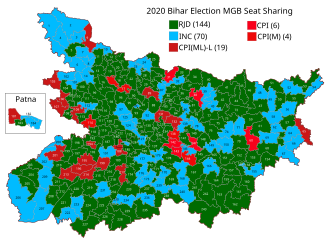
By Kalyani Shankar The Bihar polls at the end of the year are pretty unpredictable. As of now, there will be no cakewalk for the BJP, RJD, Congress or the JD(U). The churning is quietly taking place in Bihar politics. There could be a potential shift in power dynamics. The BJP, playing second fiddle to […]

Oil prices surged over 3% on Thursday, marking the first weekly gain in three weeks. Brent crude futures settled at $67.96 per barrel, while West Texas Intermediate closed at $64.68 per barrel. The uptick was driven by renewed optimism over a potential trade agreement between the United States and the European Union, coupled with the imposition of new sanctions targeting Iran’s oil exports. The prospect of a […]

Abu Dhabi National Oil Company has finalised two significant liquefied natural gas supply agreements with Chinese firms ENN Natural Gas and Zhenhua Oil, underscoring the strengthening energy ties between the United Arab Emirates and China. ENN Natural Gas has entered into a 15-year contract with ADNOC to receive approximately one million metric tonnes of LNG annually. This agreement represents ADNOC’s largest LNG commitment to a Chinese buyer […]

A high-stakes bidding war is unfolding for PAL Cooling Holding , the district cooling subsidiary of Abu Dhabi’s Multiply Group, with global asset managers vying for a deal estimated at approximately $1 billion. Among the contenders are KKR, I Squared Capital, Investcorp, and CVC Capital Partners, the latter collaborating with Engie-backed National Central Cooling Company, known as Tabreed. Abu Dhabi’s energy firm TAQA is also reportedly evaluating a bid.

PCH, established in 2006, operates six state-of-the-art district cooling plants across Abu Dhabi, boasting a designed capacity of nearly 193,800 refrigeration tonnes . The company maintains long-term agreements with prominent developers such as Aldar Properties, Al Qudra, Al Tamouh Investment, and Reem Developers. Its services provide 24/7 chilled water for air conditioning to landmark residential, commercial, and mixed-use developments, contributing to the UAE’s strategy to reduce carbon emissions.

The sale of PCH aligns with Multiply Group’s broader strategy to capitalize on the construction boom in the UAE. The investment firm, controlled by International Holding Company and chaired by Sheikh Tahnoon bin Zayed Al Nahyan, is working with Standard Chartered Plc on the transaction. Sheikh Tahnoon, a key figure in the UAE’s ruling elite, oversees a sprawling business empire, including two sovereign wealth funds.

The district cooling sector in the Gulf region is experiencing significant growth, driven by the need for energy-efficient and environmentally friendly alternatives to traditional air conditioning. District cooling systems, which deliver chilled water via insulated pipes to cool buildings, are particularly suited to the region’s climate, where summer temperatures can exceed 50 degrees Celsius. These systems are approximately 50% more energy-efficient than conventional cooling methods, making them an attractive investment for firms focusing on sustainable infrastructure.

Tabreed, a major player in the district cooling industry, has been expanding its portfolio through strategic partnerships. The company, with significant shareholders including Mubadala and Engie , recently entered a joint venture with Dubai Holding Investments to provide district cooling services for Palm Jebel Ali in Dubai. This AED 1.5 billion project aims to deliver approximately 250,000 RTs of cooling capacity, with construction expected to commence in the second quarter of 2025 and the first cooling services anticipated by 2027.

Dubai is set to commence trials of 50 autonomous taxis in 2025, marking a significant advancement in the city’s transportation landscape. The initiative, led by the Roads and Transport Authority , aims for a broader public rollout by 2026, aligning with Dubai’s ambition to have 25% of all transport journeys conducted via autonomous means by 2030. The trial phase will involve a fleet of 50 self-driving vehicles, […]

JAKARTA, INDONESIA – Media OutReach Newswire – 21 April 2025 – VinFast announces the milestone of delivering 400 VF 3 electric vehicles to Indonesian dealers and customers in just two months after its launch. This milestone not only affirms VinFast’s superior production capacity and process optimization capabilities but also demonstrates the strong appeal of the VinFast VF 3 to consumers in Indonesia and the wider region. Just […]

stc Group has reaffirmed its commitment to motorsport by extending its title sponsorship of the Formula 1 Saudi Arabian Grand Prix for a fifth consecutive year. The telecommunications giant continues to play a pivotal role in enhancing the race experience through cutting-edge digital solutions.

The renewed partnership underscores stc’s dedication to integrating advanced technologies into the event. By deploying fixed mobile 5G communication towers, the company ensures internet speeds reaching up to 1.5 gigabytes per second. This infrastructure not only benefits the teams and drivers but also enriches the experience for fans attending the race.

Olayan Alwetaid, CEO of stc Group, expressed enthusiasm about the continued collaboration. He highlighted the company’s role in driving digital transformation across various sectors and emphasized the importance of providing seamless connectivity at major events. The theme “limitless drive” encapsulates stc’s vision for the Grand Prix, aiming to connect racers, teams, and fans in unprecedented ways.

Stefano Domenicali, President and CEO of Formula 1, acknowledged the significance of high-quality technology partners in the sport’s global growth. He noted that fans attending the race weekend in Jeddah can anticipate not only high-speed action on the track but also an exceptional experience off it, thanks to stc’s contributions.

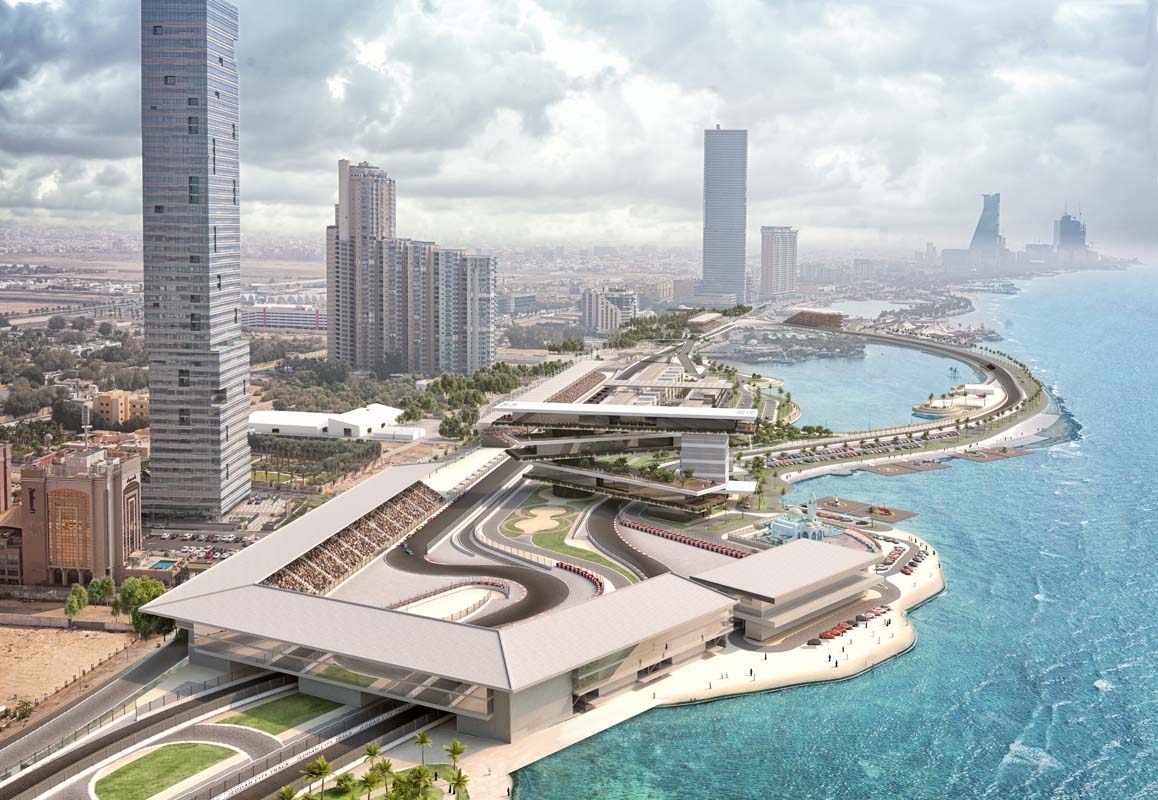
The 2025 edition of the Formula 1 stc Saudi Arabian Grand Prix is scheduled to take place at the Jeddah Corniche Circuit from April 18 to 20. This event marks the fourth time the city has hosted the Grand Prix, with stc’s sponsorship playing a central role since the race’s inception in the Kingdom.

Saudi Arabia has unveiled a $100 billion initiative, Project Transcendence, to establish itself as a dominant force in artificial intelligence and advanced technology. Spearheaded by the Public Investment Fund in collaboration with Google, this ambitious project seeks to transform the Kingdom into a global tech powerhouse, challenging regional competitors and aligning with its Vision 2030 economic diversification strategy.

Project Transcendence focuses on developing a comprehensive AI ecosystem within Saudi Arabia. Key components include the construction of state-of-the-art data centers, support for local tech startups, and the creation of employment opportunities in the technology sector. The initiative also emphasizes fostering collaborations with international technology firms to position the Kingdom at the forefront of regional innovation.

A significant aspect of the project is the development of Arabic-language AI models, addressing a substantial gap in AI accessibility for the region. This endeavor aims to enhance digital inclusion and literacy, enabling broader participation in the digital economy. By investing in localized AI applications tailored to Saudi Arabia’s needs, the project seeks to bridge the technological divide and promote inclusive growth.

The initiative is part of a broader strategy to reduce the Kingdom’s reliance on oil revenues by investing in emerging technologies and industries. By cultivating a robust AI ecosystem, Saudi Arabia aims to diversify its economy and create new revenue streams. This approach aligns with the Vision 2030 plan, which outlines a roadmap for economic transformation and sustainable development.

To support the growth of the AI sector, the Kingdom is investing in education and training programs to develop a skilled workforce. Institutions like the King Abdullah University of Science and Technology are playing a pivotal role in this effort by offering specialized courses and research opportunities in AI and related fields. These initiatives aim to equip Saudi citizens with the skills necessary to thrive in a technology-driven economy.

In addition to educational investments, Saudi Arabia is actively seeking to attract global AI talent to the Kingdom. By offering competitive incentives and fostering a conducive environment for innovation, the project aims to position Saudi Arabia as a preferred destination for AI professionals and researchers. This strategy is intended to enhance the Kingdom’s capacity for technological innovation and accelerate the development of its AI industry.

The Kingdom’s commitment to AI is further demonstrated by its hosting of high-profile events, such as the Global AI Summit. These gatherings bring together industry leaders, policymakers, and researchers to discuss advancements in AI and explore opportunities for collaboration. By positioning itself as a hub for AI discourse and innovation, Saudi Arabia seeks to influence the global AI agenda and attract further investment.

Project Transcendence also includes plans for significant infrastructure development to support AI applications. This encompasses the establishment of advanced computing facilities and the enhancement of digital connectivity across the Kingdom. By building a robust technological infrastructure, Saudi Arabia aims to facilitate the deployment of AI solutions across various sectors, including healthcare, education, and transportation.

The healthcare sector, in particular, stands to benefit from the integration of AI technologies. By leveraging AI for diagnostics, treatment planning, and patient monitoring, the Kingdom aims to improve healthcare outcomes and efficiency. This aligns with broader efforts to enhance the quality of life for Saudi citizens and modernize public services.

In the realm of transportation, AI applications are expected to optimize traffic management, enhance public transit systems, and support the development of autonomous vehicles. These advancements are anticipated to contribute to the Kingdom’s goals of sustainability and urban development, as outlined in Vision 2030.

By K Raveendran The Supreme Court’s interim order on the controversial Waqf Amendments Act has created an unusual equilibrium among opposing camps, hinting at a calculated balancing act rather than a decisive intervention. While the order does not represent a full-fledged stay on the implementation of the amendments, it introduces a layer of judicial restraint […]


The United Arab Emirates is making significant strides toward securing access to advanced semiconductors from the United States, following its commitment to invest $1.4 trillion in the American economy over the next decade. This investment aims to bolster the UAE’s position in the global artificial intelligence landscape and reduce its reliance on oil revenues.

Peng Xiao, CEO of G42, the UAE’s leading AI firm, stated that the country is making “very good and tangible progress” in obtaining advanced semiconductors from the U.S. This development comes after the UAE pledged substantial investments in U.S. sectors, including AI infrastructure, semiconductors, energy, and manufacturing.

The UAE’s efforts are part of a broader strategy to enhance its technological capabilities and establish itself as a global AI leader. The country has been working closely with U.S. tech giants, such as Microsoft and Nvidia, to develop AI infrastructure and applications. Notably, G42 has partnered with Nvidia to build on the U.S. firm’s Earth-2 platform, focusing on high-resolution climate and weather simulations.

In addition to these collaborations, the UAE has taken steps to address U.S. concerns regarding the security of advanced technologies. G42 has distanced itself from Chinese companies, ceasing business with entities on the U.S. export controls list and removing Huawei technology from its data centers. Peng Xiao emphasized that the UAE can “guarantee the safety and the security” of U.S.-made chips when deployed and used within the country.

The U.S. has responded positively to these measures, approving the export of advanced AI chips to a Microsoft-operated facility in the UAE for use by G42. This approval, which had been delayed due to concerns about technology leakage to China, comes with conditions to ensure the security of the chips. Microsoft must restrict facility access to personnel from countries under U.S. arms embargoes or listed on the Bureau of Industry and Security Entity List.

VISHNU RAJA
RYO YAMADA
HITORI GOTOH
IKUYO KITA