News related to
Part

Saudi Arabia’s Capital Market Authority has announced that foreign investors are now permitted to invest in listed companies owning real estate in Mecca and Medina. This policy change, effective immediately, allows non-Saudis to acquire up to 49% of shares in these firms, aiming to attract foreign capital and enhance market liquidity in alignment with the Kingdom’s Vision 2030 economic diversification plan. Historically, non-Muslims have faced restrictions on […]

Oil markets witnessed a significant downturn as Brent crude, the global benchmark, tumbled over 13% in two days, settling just above $66 per barrel. This sharp decline follows the dual impact of OPEC+ unexpectedly increasing production and the imposition of new tariffs by President Donald Trump.

On April 4, 2025, Saudi Arabia led an initiative within OPEC+ to substantially boost oil output by 411,000 barrels per day starting in May. This move aims to penalize member countries like Kazakhstan and Iraq for consistently exceeding production quotas. The decision contributed to an 8% drop in oil prices, with Brent crude falling below $65 per barrel for the first time since 2021.

Concurrently, President Trump intensified trade tensions by imposing tariffs on imports from Canada, China, and Mexico. China responded with a retaliatory 34% tariff on U.S. imports, escalating fears of a global economic slowdown and further pressuring oil prices.

Goldman Sachs revised its 2025 oil price forecasts downward, cutting Brent crude to $69 and West Texas Intermediate to $66 per barrel. JPMorgan raised its global recession probability to 60%, up from 40%, reflecting growing concerns over economic stability.

The surge in supply and escalating trade disputes have led to significant losses in energy stocks. Major oil companies, including Chevron, APA, Occidental Petroleum, and Diamondback Energy, experienced notable declines. The Energy Select Sector SPDR ETF fell nearly 7% on the day and almost 13% for the week.

Analysts suggest that until production is significantly reduced, oil prices may continue to fall. The geopolitical backdrop includes U.S. relations with Saudi Arabia, key to both energy policy and diplomatic efforts related to Russia, Iran, and broader Middle East tensions.

In contrast, natural gas stocks have shown resilience, supported by rising LNG exports and less exposure to OPEC’s dynamics. Companies like EQT, Expand Energy , and Coterra Energy are highlighted as attractive investments due to geographic advantages and favorable valuations.

The current downward trend in oil prices is primarily driven by OPEC+’s decision to increase output and the introduction of U.S. tariffs. Analysts expect the tariffs to curb economic activity and demand for energy, weighing on oil prices. The bank also said higher-than-expected crude supply and a demand squeeze from softer U.S. economic activity and tariff escalation posed downside risks to oil price forecasts.

The Organization of the Petroleum Exporting Countries and its allies, known as OPEC+, decided on Monday to increase output for the first time since 2022, further pressuring crude prices. The group will make a small increase of 138,000 barrels per day from April, the first step in planned monthly increases to unwind its nearly 6 million bpd of cuts, equal to almost 6% of global demand.

The larger-than-expected decline in crude stocks supported the downward trend in oil prices, pointing to weakening demand in the U.S. The U.S. Energy Information Administration is expected to announce the official inventory data during the day.

The risks to oil prices remain tilted to the downside with new supply from OPEC+ and non-OPEC producers expected to push the market well into an oversupply. Brent prices on Wednesday fell to their lowest since December 2021 after U.S. crude inventories rose and in the wake of the decision by OPEC+ to increase their output quotas.

Oil prices had already been trading lower in the last few weeks, partly because of expectations that U.S. president Donald Trump could swiftly end Russia’s war in Ukraine. This, in turn, is likely to increase Russian oil output thanks to sanctions relief.

The benchmark previously dropped to $66.77 a barrel, the lowest since November. “The current downward trend in oil prices is primarily driven by OPEC+’s decision to increase output and the introduction of U.S. tariffs,” said Darren Lim, commodities strategist at Phillip Nova. He said another factor was President Donald Trump’s decision to pause all U.S. military aid to Ukraine after his Oval Office clash with President Volodymyr Zelenskiy last week.

Those politics are likely connected with the wheeling and dealing of Donald Trump, referring to the U.S. president’s calls for lower oil prices. U.S. tariffs of 25% on imports from Canada and Mexico took effect at 12:01 a.m. EST on Tuesday, with 10% tariffs on Canadian energy, while tariffs on imports of Chinese goods were increased to 20% from 10%. Analysts expect the tariffs to curb economic activity and demand for energy, weighing on oil prices.

The bank also said higher-than-expected crude supply and a demand squeeze from softer U.S. economic activity and tariff escalation posed downside risks to oil price forecasts. Chinese demand is also down, with a period of refinery maintenance looming, said Josh Callaghan, head of crude derivatives at Arrow Energy Markets.

Oil prices declined for a third day on Wednesday, as investors worried about OPEC+ plans to proceed with output increases in April, and U.S. President Donald Trump’s tariffs on Canada, China, and Mexico escalated trade tensions. Brent futures fell $1.02, or 1.44%, to $70.02 a barrel by 1149 GMT. U.S. West Texas Intermediate crude declined $1.33, or 1.95%, to $66.93 a barrel.


Dr Imran Khalid President Donald Trump’s declaration of April 2, 2025, as “Liberation Day” marked a seismic shift in U.S. trade policy, with the imposition of sweeping reciprocal tariffs that have sent shockwaves through the global economy. The new measures include a universal 10% tariff on all imports, with punitive rates as high as 54% for China, 46% for Vietnam, and 20% for the European Union, alongside […]

The Dubai International Aquatics Championships are set to feature the open water swimming and water polo competitions this weekend at the Hamdan Sports Complex. These events, scheduled for April 5 and 6, are part of the month-long championship running from March 21 to April 20, 2025. Organized in collaboration with the UAE Swimming Federation and local academies, the DIAC has attracted over 3,000 athletes from more than […]

The semiconductor industry experienced a remarkable surge in 2024, with annual revenues climbing approximately 25% to reach $683 billion. This growth was predominantly fueled by escalating demand for artificial intelligence applications, particularly high-bandwidth memory used in AI graphics processing units . The memory segment, buoyed by HBM, saw a 74% year-over-year increase, significantly contributing to the industry’s overall rebound from a challenging 2023. SK hynix reported record-breaking […]

The escalating trade conflict between the United States and China has introduced significant shifts in global trade dynamics, presenting both opportunities and challenges for Indian exporters. The U.S. administration’s imposition of substantial tariffs on Chinese imports has prompted China to retaliate with its own set of tariffs, affecting a broad spectrum of goods. This tit-for-tat exchange has disrupted established supply chains, leading American importers to seek alternative sources for various products.

Indian exporters are poised to benefit from this realignment, particularly in sectors where India has a competitive edge. Industries such as agriculture, engineering, textiles, chemicals, and leather are witnessing increased interest from U.S. buyers aiming to diversify their supply chains away from China. Ajay Sahai, Director General of the Federation of Indian Export Organisations , noted that U.S. buyers are approaching Indian companies with manufacturing operations in China, requesting them to supply from their Indian facilities due to the prevailing uncertainties.

The agricultural sector stands to gain notably, with products like soybeans and seafood emerging as viable alternatives to Chinese exports. Similarly, the engineering and machine tools industries are experiencing heightened demand, as American companies look to mitigate the impact of increased tariffs on Chinese machinery. The textiles and garments sector is also seeing a surge in orders, capitalizing on India’s established reputation in these markets.

However, this shift is not without its challenges. The increased tariffs on Chinese goods have led to concerns about the potential for these products to be redirected to other markets, including India, at lower prices. This scenario raises the specter of dumping, which could adversely affect domestic manufacturers. Crisil, a global analytics company, has highlighted that as the U.S. imposes higher tariffs on Chinese imports, there is a heightened possibility of these surplus goods being diverted to countries like India, potentially disrupting local industries.

In response to these developments, the Indian government is actively engaging with exporters to assess the evolving landscape and identify strategies to capitalize on emerging opportunities. Efforts are underway to enhance manufacturing capabilities, streamline regulatory processes, and improve infrastructure to better position Indian products in the global market. The government’s proactive stance aims to not only seize the openings created by the U.S.-China trade tensions but also to safeguard domestic industries from potential negative spillovers.

Tether, the issuer of the world’s largest stablecoin, is evaluating the creation of a new digital currency designed to comply with forthcoming U.S. regulations. CEO Paolo Ardoino indicated that while USDT will maintain its focus on emerging markets, the proposed stablecoin would cater specifically to the U.S. market.

Ardoino emphasized Tether’s commitment to regulatory compliance, stating that the company is actively engaging with U.S. lawmakers to help shape stablecoin legislation. He noted Tether’s willingness to adapt its operations to align with legal frameworks, ensuring the company’s continued operation within the law.

The U.S. Congress is currently deliberating several bills aimed at regulating stablecoins. Notably, the STABLE Act, co-introduced by Representative Bryan Steil, proposes that stablecoin issuers maintain reserves consisting solely of high-quality liquid assets, such as U.S. Treasury bills and insured deposits. Ardoino confirmed Tether’s involvement in discussions regarding this legislation, highlighting the company’s proactive approach to compliance.

In addition to legislative engagement, Tether is expanding its global footprint. The company is finalizing the relocation of its headquarters to El Salvador after obtaining a digital asset service provider license there. This move aligns with El Salvador’s ambitions to become a digital currency trading hub, following its establishment of Bitcoin as legal tender.

Tether is also exploring opportunities beyond its traditional offerings. The company recently announced a partnership with Phoenix Group PLC to launch a Dirham -pegged stablecoin in the United Arab Emirates. This initiative aims to provide financial stability to individuals in high-inflation countries and enhance remittance services.

Tether is considering deeper involvement in the sports industry. The company holds a 5% stake in Italian Serie A soccer club Juventus and is open to increasing its investment if the current owners decide to sell more shares. This potential investment reflects Tether’s strategy to leverage its platform and user base to support global brands, particularly in emerging markets.

Advertisements

The United States economy added 228,000 jobs in March 2025, surpassing analysts’ expectations and indicating a robust labour market. This growth was notably higher than the anticipated 130,000 positions, reflecting resilience despite looming trade uncertainties. The unemployment rate edged up to 4.2% from 4.1% in February, primarily due to an increased number of individuals entering the workforce. Significant employment gains were observed in the healthcare sector, which […]

The Nasdaq Composite Index entered bear market territory on Friday, April 4, 2025, closing over 20% below its December peak. This significant downturn was precipitated by President Donald Trump’s imposition of a 10% tariff on all imports to the United States, with additional substantial levies targeting technology-centric nations such as China, Taiwan, and Vietnam. China’s swift retaliation, announcing a 34% tariff on all U.S. imports, intensified fears of a global recession and inflationary pressures.

Major U.S. stock indices experienced sharp declines. The S&P 500 fell approximately 2.5%, while the Dow Jones Industrial Average dropped nearly 2.45%, shedding 994.46 points to close at 39,551.47. Technology stocks bore the brunt of the sell-off, with Apple Inc. shares declining over 4%, following a nearly 10% drop the previous day. Nvidia and Broadcom each lost more than 7%, and Tesla shares plummeted almost 10%.

The newly announced tariffs, dubbed “Liberation Day” tariffs by the administration, include a universal 10% tariff on all imports and higher targeted tariffs for numerous countries. Economists warn that these measures could disrupt global supply chains, particularly impacting the technology sector, which relies heavily on components from China and Taiwan. The Semiconductor Industry Association expressed concern that the tariffs could stymie growth and innovation within the industry.

International responses were swift. The European Union signaled readiness to implement countermeasures, while the International Monetary Fund cautioned that escalating trade tensions pose significant risks to global economic stability. In the U.S., political figures across the spectrum voiced apprehension. Senate Majority Leader Mitch McConnell and Senator Ted Cruz criticized the tariffs, warning of potential harm to American workers and farmers.

Despite a robust March jobs report indicating the addition of 228,000 new jobs and a slight uptick in unemployment to 4.2%, market sentiment remained negative. Investors are now looking to Federal Reserve Chair Jerome Powell’s upcoming speech for insights into potential monetary policy adjustments in response to the escalating trade conflict.

The CBOE Volatility Index, a measure of market anxiety, surged to levels not seen since August 2024, reflecting heightened investor concern. Oil prices also declined significantly due to fears of reduced global demand amid the escalating trade tensions.

President Trump defended the tariff strategy, asserting that the measures are necessary to address longstanding trade imbalances and would ultimately benefit the U.S. economy. He urged investors to view the market downturn as a wealth opportunity.

South Korea’s Constitutional Court has unanimously upheld the impeachment of President Yoon Suk Yeol, officially removing him from office. The decision follows Yoon’s controversial declaration of martial law in December 2024, which led to widespread political turmoil and public outcry. Acting Chief Justice Moon Hyung-bae stated that Yoon’s actions constituted a “serious challenge to democracy” and a “grave betrayal of the people’s trust.” He emphasized that the […]

Bitcoin’s network hashrate has achieved a new all-time high, reflecting a surge in mining activity and bolstered network security. As of March 24, 2025, the hashrate peaked at 1,088.76 exahashes per second , surpassing previous records and indicating significant growth in computational power dedicated to the network.

This milestone coincides with Bitcoin’s price surpassing the $100,000 threshold, reaching a peak of $103,259 before stabilizing around $102,648. The price surge has been partly attributed to political developments, including President-elect Donald Trump’s appointment of Paul Atkins, a pro-crypto figure, to lead the Securities and Exchange Commission .

The correlation between Bitcoin’s hashrate and its market price has been a topic of analysis among industry experts. Historically, an increase in hashrate has often preceded price appreciation, as miners’ confidence in the network’s profitability grows. Conversely, a rising price can incentivize more miners to join the network, further increasing the hashrate. This interplay suggests a symbiotic relationship where each factor can drive the other.

The recent surge in hashrate indicates a substantial increase in mining activity. This growth enhances the network’s security by making it more resilient to potential attacks. However, it also intensifies competition among miners, leading to higher operational costs and potential profit margin compression.

In response to these dynamics, some mining companies have adopted strategies to mitigate financial pressures. For instance, major U.S. miners have been stockpiling Bitcoin to navigate thinning profit margins amid escalating competition and operational costs. Companies like Mara Holdings, Riot Platforms, and CleanSpark have collectively raised over $3.7 billion since November 2024, leveraging the cryptocurrency’s price surge to bolster their reserves.

The Tim Hortons retail coffee lineup includes Original Blend whole bean coffee and fine grind coffee available in five signature varieties: Original Blend, French Vanilla, Colombian, Maple and Decaf. The first Tim Hortons restaurant in South Korea opened in the Seoul Metropolitan Area in 2023 and the brand rapidly expanded to 16 restaurants driven by popular demand for its freshly brewed coffee, baked goods and exceptional guest […]

President Donald Trump’s declaration of “Liberation Day” introduced sweeping tariffs on imports, triggering significant upheaval in global energy markets. The administration announced a baseline tariff of 10% on all imported goods, with elevated rates for specific countries accused of nonreciprocal or discriminatory trading practices. These measures have prompted widespread market volatility and raised concerns about potential economic slowdowns. Oil prices experienced a sharp decline following the tariff […]

President Donald Trump’s administration has announced sweeping tariffs, including a baseline 10% levy on all imports into the United States, with higher rates for specific countries. This development has prompted companies across the Middle East to evaluate potential repercussions and strategize accordingly. The Gulf Cooperation Council nations—comprising Saudi Arabia, the United Arab Emirates , Qatar, Kuwait, Oman, and Bahrain—are subject to the 10% tariff. Given that many […]

The Organization of the Petroleum Exporting Countries and its allies, collectively known as OPEC+, have announced a significant policy shift by accelerating oil production increases. This decision, made during a virtual meeting on Thursday, involves eight member countries—Saudi Arabia, Russia, Iraq, the United Arab Emirates, Kuwait, Kazakhstan, Algeria, and Oman—agreeing to boost output by 411,000 barrels per day starting in May. This adjustment consolidates three months’ worth of planned increases into a single month, surpassing the initially scheduled 135,000 bpd increment.

This move aims to discipline member nations that have been exceeding their production quotas and to address concerns over market stability. The coalition emphasized that these adjustments could be paused or reversed depending on evolving market conditions, underscoring their commitment to maintaining equilibrium in the global oil market.

The announcement had an immediate impact on oil prices. Brent crude futures dropped by 7.1%, settling at $69.63 per barrel, while West Texas Intermediate declined by 7.8% to $66.15 per barrel. These declines represent the steepest single-day percentage drops since mid-2022, reflecting market apprehension about potential oversupply amid existing economic uncertainties.

Compounding these market jitters are newly announced tariffs by U.S. President Donald Trump. The administration has imposed a baseline tariff of 10% on imports from several global economies, raising fears of an escalating trade war that could dampen global economic growth and, consequently, reduce energy demand. Analysts have noted that these tariffs could lead to increased inflation and slower economic expansion, particularly affecting emerging markets in Asia, which are pivotal centers for oil demand growth.

The timing of OPEC+’s decision aligns with these geopolitical developments. By increasing supply, the alliance appears to be responding to external pressures, including calls from major consumers for more affordable energy prices. However, this strategy carries risks, as it may exacerbate price volatility and strain relations within the group, especially with members that have been advocating for more conservative production increases.

Market analysts are closely monitoring the situation, noting that the combination of heightened supply and potential demand contraction due to trade tensions could lead to a surplus in the oil market. This scenario may prompt OPEC+ to reassess its strategy in the coming months to prevent a prolonged downturn in prices.

SINGAPORE – Media OutReach Newswire – 4 April 2025 – MyRepublic, one of Asia-Pacific’s leading digital-first telcos, announced the launch of Pocket Rocket Adventures, an industry-first initiative that introduces unique gamification mechanics into the customer experience journey for their broadband and mobile subscribers. The game, accessible via the MyRepublic mobile app available from April, marks a significant step in the company’s broader strategy to drive engagement, loyalty, […]

Proton VPN has unveiled significant updates to its applications across Windows, iOS, and Android platforms, aiming to provide a more intuitive and customizable user experience. The Swiss-based company, known for its emphasis on privacy and security, has introduced these changes to streamline navigation and enhance functionality for its growing user base. The Windows application has undergone a complete redesign, aligning its interface with the modern aesthetics of […]

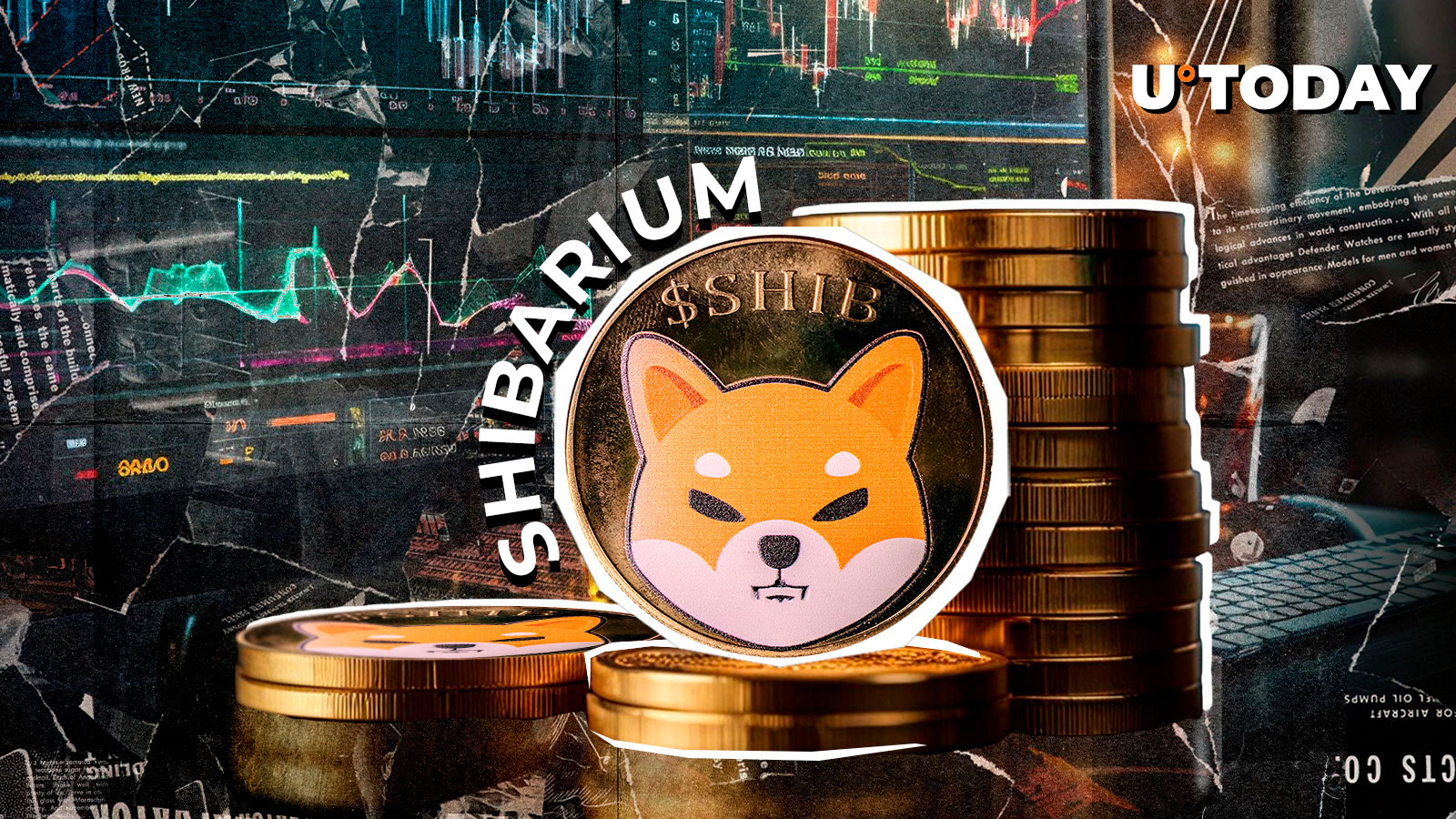
Shibarium, the Layer-2 blockchain designed to enhance the Shiba Inu ecosystem, has achieved a significant milestone by processing over 1 billion transactions since its launch in August 2023. This accomplishment underscores the network’s rapid adoption and robust performance within the cryptocurrency landscape.

Despite this technical achievement, the price of Shiba Inu’s native token, SHIB, has experienced a downturn. Over the past 24 hours, SHIB’s value declined by approximately 4.8%, trading at around $0.0000122. This decline extends to a 13% decrease over the past month, reflecting broader market trends.

The surge in Shibarium’s transaction volume is notable, especially when compared to established blockchains. For instance, Bitcoin required 15 years to reach a similar transaction count, highlighting Shibarium’s accelerated growth trajectory. The network’s ability to handle high transaction volumes without significant outages demonstrates its technical resilience and the active participation of the Shiba Inu community.

In addition to transaction volume, Shibarium has seen an increase in user engagement. The network boasts over 193 million unique addresses interacting with the platform, further indicating its expanding user base. The average block time remains at a swift 5 seconds, facilitating efficient transaction processing.

Corporate events have long gone beyond simple team building activities. They address a wide range of tasks today: helping to accelerate onboarding, improving internal communications, increasing employee engagement and strengthening corporate culture. This is especially important for employees of remote teams who risk losing contact with each other and the company due to remote working formats. In recent years, online tools have made communication easier and virtual […]

Potential disposal reflects the Group’s strategic realignment to recycle capital to its other business segments Enterprise value for the Group’s two subsidiaries ranges between S$45 million and S$55 million SINGAPORE – Media OutReach Newswire – 03 April 2025 – Enviro-Hub Holdings Ltd (SGX: L23) (“Enviro-Hub” or the “Company“, and together with its subsidiaries, the “Group“) today announced that it has entered into a non-binding letter of intent […]

Impressive technological applications win international praise, assisting enterprises in going global to explore more opportunities HONG KONG SAR – Media OutReach Newswire – 3 April 2025 – The Hong Kong Productivity Council (HKPC) debuted with a dedicated pavilion at Hannover Messe 2025 (Hannover Messe), showcasing a range of Hong Kong’s technological applications, which were highly regarded by international companies and investors. HKPC successfully showcased the impressive achievements […]

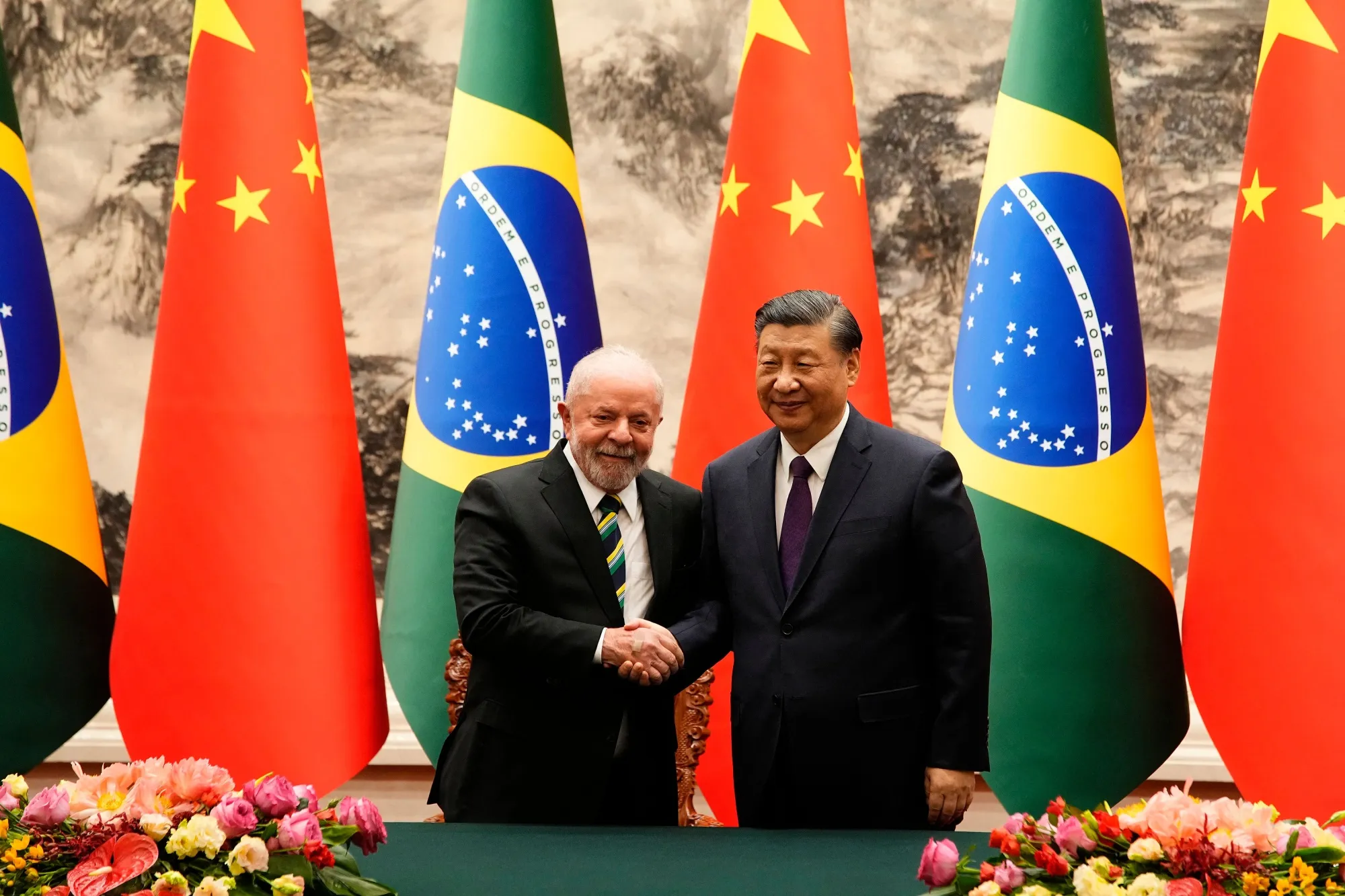
By Nitya Chakraborty Brazil’s President Luiz Inacio Lula da Silva, better known globally as Lula has launched a major initiative to meet the U.S. President Donald Trump’s unilateral tariff offensive by joining hands with Chinese President Xi Jinping and the Russian President Vladimir Putin, apart from taking assistance from South Africa and a few other […]

President Donald Trump’s administration has announced a sweeping tariff regime, imposing a baseline 10% duty on all imports into the United States, with significantly higher rates targeting specific countries. This move, described by Trump as a “Declaration of Economic Independence,” aims to rectify what he perceives as longstanding trade imbalances. However, the policy has elicited widespread concern, particularly regarding its impact on developing economies. Among the hardest […]

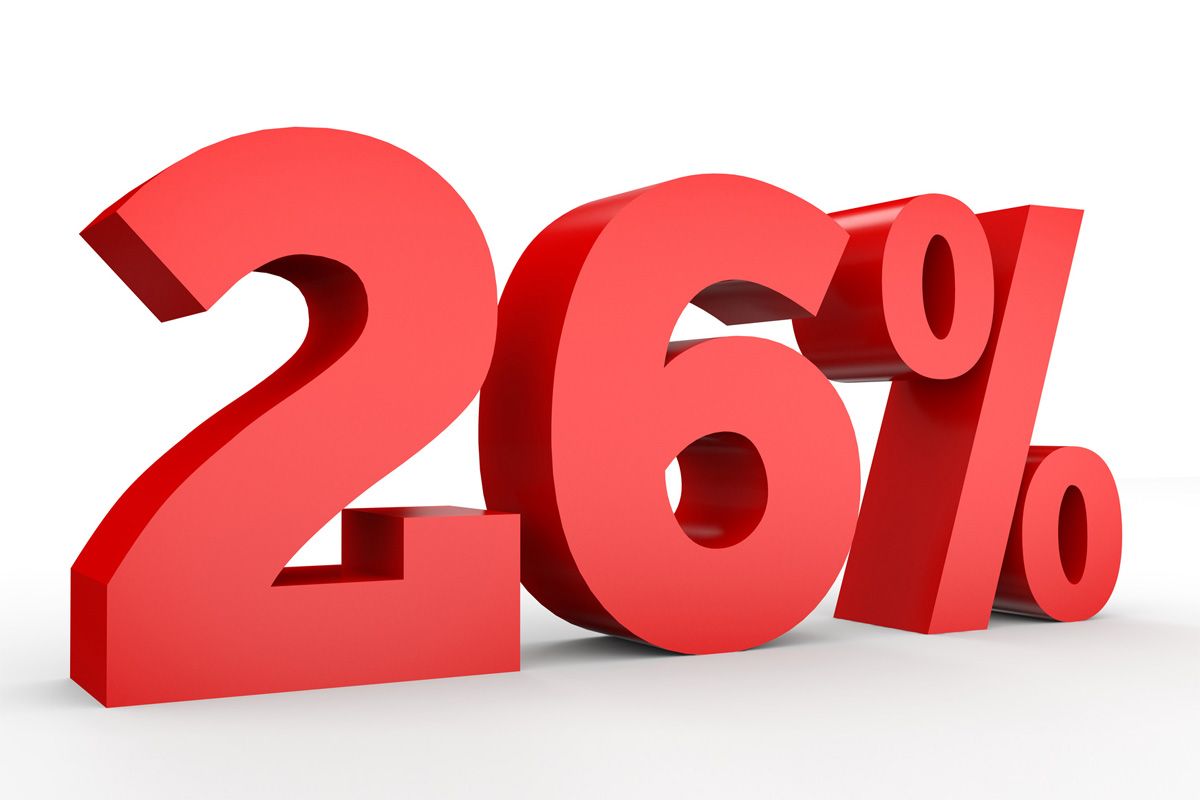
The United States has imposed a 26% tariff on Indian imports, intensifying trade tensions between the two nations. This measure, announced by President Donald Trump on April 2, 2025, is part of a broader strategy targeting countries with which the U.S. has significant trade deficits. The baseline 10% tariff will take effect on April 5, with the additional 16% following on April 9.

President Trump has consistently criticized India’s trade policies, labeling the nation as a “tariff king” and a “big abuser” of tariffs. The administration justifies the new tariffs by pointing to the disparity between the U.S.’s 2.5% tariff on passenger vehicle imports and India’s 70% tariff on similar American products.

Indian officials have expressed mixed reactions to the announcement. A senior government representative described the development as a “mixed bag,” emphasizing that it is not perceived as a significant setback. The commerce ministry is currently evaluating the potential impact of these tariffs on the Indian economy.

The sectors most vulnerable to the increased tariffs include pharmaceuticals, textiles, and automotive parts, which constitute a substantial portion of India’s exports to the U.S. Analysts predict that these industries may experience a decline in competitiveness within the American market, potentially leading to decreased export volumes and revenue losses.

In an effort to mitigate the impact of the tariffs and foster better trade relations, India has proposed reducing tariffs on certain U.S. agricultural products, such as almonds, cranberries, and bourbon whiskey. This initiative aims to facilitate a more favorable trade agreement between the two countries.

Despite these conciliatory efforts, the U.S. proceeded with the tariff imposition. The move has elicited concerns among Indian policymakers and industry leaders about the potential escalation of a trade war and its ramifications on the domestic economy. The Confederation of Indian Industry has urged the government to engage in diplomatic negotiations to resolve the dispute amicably.

The global community is closely monitoring the situation, as the U.S.’s tariff measures have affected multiple countries, including China, the European Union, and Japan. The European Commission has criticized the tariffs as a severe blow to the global economy, while other nations have signaled intentions to retaliate or seek negotiations.

VISHNU RAJA
RYO YAMADA
HITORI GOTOH
IKUYO KITA