Just in:
Saudi fund assets forecast to cross $400 billion // Microsoft outage leaves Outlook and Teams users disconnected // Rooftop solar planning gaps behind power shortages // China’s Taiwan warning tests Washington’s defence commitments // Woman found dead as bank moves to repossess home // TORRAS Launches Two New iPhone Duo Cases from Its Popular Ostand Series, Addressing Foldable Phone Users’ Concerns About Difficult Stand Positioning and Scratches // The Honey Trap Is The Headline, The Chip Pipeline Is The Story // L’OCCITANE Celebrates 50 Years Of Provençal Craftsmanship With Holiday 2026 Collection // Messi affair SIT finds all-round violations // China Reconciled To U.S. Curbs On Chips Exports, Woos South Korea For Supply // Microsoft restores services gradually but gives no recovery deadline // UAE crews sustain coastal oil removal as beaches reopen // Microsoft apologises as Outlook services recover after outage // From Dubai to the EU: how UAE-based crypto firms can expand under MiCA // Yicura BioMed Advances Dual Capital and Industrial Strategy: Completes First Closing of Series B Financing Led by Gobi Partners // Nvidia appoints Colette Kress interim chief after Huang departure // Salik posts Dhs1.045bn profit despite lower toll traffic // Inpex reaffirms Gulf oil strategy despite shipping constraints // 11 Boutique Xinjiang Wineries to Debut in Singapore // Sun World Ba Den Mountain marks Vietnam Culture Day, welcoming Cambodian visitors over Bon Om Touk //

News related to
Part

Pope Leo XIV, the newly elected pontiff and the first American to hold the office, has identified artificial intelligence as one of the most pressing challenges confronting humanity. In his inaugural address to the College of Cardinals at the Vatican, he underscored the ethical and societal dilemmas posed by AI, drawing parallels to the upheavals of the Industrial Revolution. Formerly Cardinal Robert Prevost, Pope Leo XIV chose […]

OpenAI is engaged in high-stakes negotiations with Microsoft to restructure their multibillion-dollar partnership, aiming to secure new funding and lay the groundwork for a potential initial public offering . The discussions focus on revising equity arrangements and long-term access to OpenAI’s advanced artificial intelligence technologies.

Microsoft, having invested over $13 billion in OpenAI since 2019, is reportedly willing to adjust its equity stake in exchange for extended access to OpenAI’s AI models beyond the current 2030 agreement. This move reflects Microsoft’s strategic interest in maintaining a competitive edge in AI integration across its products and services.

The renegotiation also involves updating broader contractual terms established during Microsoft’s initial $1 billion investment in 2019. These revisions are crucial as OpenAI transitions into a public benefit corporation , a structure that balances profit motives with its mission to develop AI for the public good.

OpenAI’s shift to a PBC comes after abandoning plans to become a for-profit entity, following criticism from stakeholders concerned about deviating from its nonprofit origins. The new structure allows for conventional equity holdings by investors and employees while ensuring that the nonprofit entity retains significant control over the company’s direction.

The company’s recent fundraising efforts underscore its ambitions, with $6.6 billion raised in October 2024 and an additional $40 billion in March 2025, elevating its valuation to approximately $300 billion. These funds are intended to support OpenAI’s pursuit of artificial general intelligence and the development of AI technologies that can be broadly beneficial.

However, the partnership’s evolution has not been without tension. OpenAI’s engagements with other tech giants like SoftBank and Oracle have reportedly caused friction with Microsoft. Despite these challenges, both companies recognize their mutual dependence, particularly as Microsoft continues to integrate OpenAI’s technologies into its offerings.

Critics, including co-founder Elon Musk, have expressed concerns that OpenAI’s restructuring could compromise its nonprofit mission. Legal scrutiny from authorities in California and Delaware adds another layer of complexity to the company’s transformation. OpenAI must navigate these regulatory landscapes carefully to maintain its mission-driven approach while accommodating investor interests.

Liberia’s Ministry of Foreign Affairs has confirmed that Liberian students residing in India are not currently facing any immediate threats to their safety, despite escalating military tensions between India and Pakistan.

This assurance follows bilateral discussions between the Liberian Ministry and the Embassy of India in Monrovia. The Indian authorities have conveyed that no Liberian nationals are located in the regions affected by the recent conflict, particularly the Kashmir area, which has been the focal point of the hostilities.

The Ministry has also been in direct contact with the President of the Association of Liberian Students in India, who corroborated the Indian Embassy’s statement, affirming that Liberian students are not in harm’s way. Nonetheless, to ensure the well-being of its citizens, the Ministry plans to dispatch a delegation to India to conduct a firsthand assessment of the security and living conditions of Liberian students.

Concerns had been mounting among the Liberian student community in India, with reports indicating that over 2,000 Liberian students are enrolled in various academic and technical programs across the country. The students had expressed apprehension over the potential spillover effects of the India-Pakistan conflict on their safety and had called for immediate intervention from the Liberian government.

In response to these concerns, the Ministry reiterated its commitment to the safety and welfare of Liberians abroad. It highlighted ongoing consultations initiated in 2024 regarding the establishment of a Liberian diplomatic mission in New Delhi, aimed at providing consular services and support to Liberian nationals in India.

Dubai saw up to an 11% rise in high-end apartment prices in Q1 2025. Premium amenities, stunning views, and opulent living experiences attract investors. And if you are looking for a luxury apartment in Dubai, this blog will help you decide which is best for you. Where to Find High-End Living Spaces in Dubai These are the top five options for high-end apartments in Dubai: W Residences, […]

HONG KONG SAR – Media OutReach Newswire – 10 May 2025 – ​Invest Hong Kong (InvestHK) announced today (May 10) that the Director-General of Investment Promotion at InvestHK, Ms Alpha Lau, will embark on a series of visits to Istanbul, Türkiye; Budapest, Hungary; and Cairo, Egypt, some of the key economies along the Belt and Road, to strengthen economic ties and promote Hong Kong as the premier […]

Matein Khalid ​I spent a wonderful afternoon with an​ old friend​, a Persian prince in his cousin’s Jumeirah villa to heal from the trauma of multiple Hindutva chick​en hawks keyboard warriors berating me for​ pointing out the fact that Dassault Aviation shares have fallen 3% in Paris while the Chinese J-10CE fighter jet (Vigorous Dragon) soared 20% in Shenzhen. Only a moron with a Stone Age IQ […]

Coinbase has launched 24/7 trading for Bitcoin and Ethereum futures through its CFTC-regulated platform, Coinbase Derivatives, marking a significant shift in U.S. crypto market accessibility. This initiative allows traders to engage in futures contracts at any time, aligning with the continuous nature of global cryptocurrency markets.

The move addresses a longstanding gap between traditional U.S. trading hours and the always-on operations of crypto markets. Previously, U.S. traders faced limitations due to fixed market hours, often missing opportunities during off-hours. With this development, Coinbase aims to provide traders with the flexibility to manage risk and seize opportunities without time constraints.

Coinbase’s infrastructure supports this continuous trading model through partnerships with Nodal Clear, a CFTC-regulated clearinghouse, and liquidity providers like Virtu Financial. These collaborations ensure that the platform can handle the demands of round-the-clock trading while maintaining regulatory compliance.

The introduction of 24/7 trading is part of Coinbase’s broader strategy to expand its derivatives offerings. The company has also announced plans to develop perpetual-style futures contracts, which do not have expiration dates, providing traders with additional tools to manage their positions over extended periods.

This expansion into continuous trading comes amid a surge in institutional interest in cryptocurrency derivatives. Derivatives account for a significant portion of global crypto trading volume, and Coinbase’s enhanced offerings aim to cater to this growing demand.

Coinbase’s move also reflects a broader trend of increasing regulatory clarity in the U.S. crypto market. The company’s alignment with regulatory standards, such as operating a CFTC-regulated exchange, positions it to capitalize on the evolving landscape of digital asset trading.

In addition to the launch of 24/7 trading, Coinbase has announced a $2.9 billion acquisition of Deribit, a leading crypto options trading platform. This acquisition is expected to further strengthen Coinbase’s position in the derivatives market and expand its global reach.

Advertisements

Stablecoin transaction volumes have reached a record $1.82 trillion in April 2025, marking a significant milestone in the evolution of digital finance. This surge is attributed to increased real-world applications, including cross-border payments, remittances, and institutional settlements, rather than speculative trading.

The stablecoin market has experienced substantial growth, with the total market capitalization surpassing $234 billion by late March 2025. This expansion is driven by the adoption of stablecoins in various sectors, including decentralized finance and traditional financial institutions. Tether’s USDT remains the dominant stablecoin, with a supply exceeding $146 billion, while Circle’s USDC has doubled its market capitalization to $56 billion.

The integration of stablecoins into traditional financial systems is evident, with major banks and financial institutions exploring their use for efficient and cost-effective transactions. The adoption of stablecoins in over 70 countries has facilitated cross-border payments and remittances, reducing costs and improving transaction speeds. Emerging markets, in particular, have embraced stablecoins as a hedge against local currency volatility.

Regulatory developments have also played a role in the growth of stablecoins. In 2024, 12 countries, including the US, UK, and Singapore, introduced stablecoin-specific regulatory frameworks. The European Union’s Markets in Crypto-Assets regulation has enforced stricter compliance for stablecoin issuers, enhancing transparency and investor confidence.

The technological infrastructure supporting stablecoins has evolved, with blockchain networks like Solana and Ethereum facilitating increased transaction volumes. Solana has become the most active blockchain for stablecoin transfers, overtaking Tron and Ethereum in early 2024. This shift is attributed to Solana’s high transaction speeds and low costs, making it an attractive platform for stablecoin transactions.

The role of automated trading systems, or bots, has become more prominent in the stablecoin ecosystem. In 2024, bot-driven trading accounted for 70% of total stablecoin transaction volumes, particularly on networks like Ethereum, Base, and Solana. While concerns exist about market manipulation, these systems have also improved efficiency by facilitating arbitrage and executing recurring smart contract transactions.

Abu Dhabi Investment Office has announced the expansion of its San Francisco office, aiming to bolster the emirate’s economic clusters and facilitate global innovation, particularly in the healthcare sector. This move is part of a broader strategy to position Abu Dhabi as a central hub for health technology and related industries. The San Francisco office, situated in a region renowned for its advancements in health tech, biotech, […]

HONG KONG SAR – Media OutReach Newswire – 9 May 2025 – Chubb Life Hong Kong today announced the launch of Health Up Insurance Plan (Health Up), a digital insurance plan aimed at promoting and facilitating well-being practices for individuals wishing to achieve a healthier lifestyle. Belinda Au(middle), Mercedes Ho (Right), with Health Up Partners Health Up is designed to offer term life coverage and accidental death […]

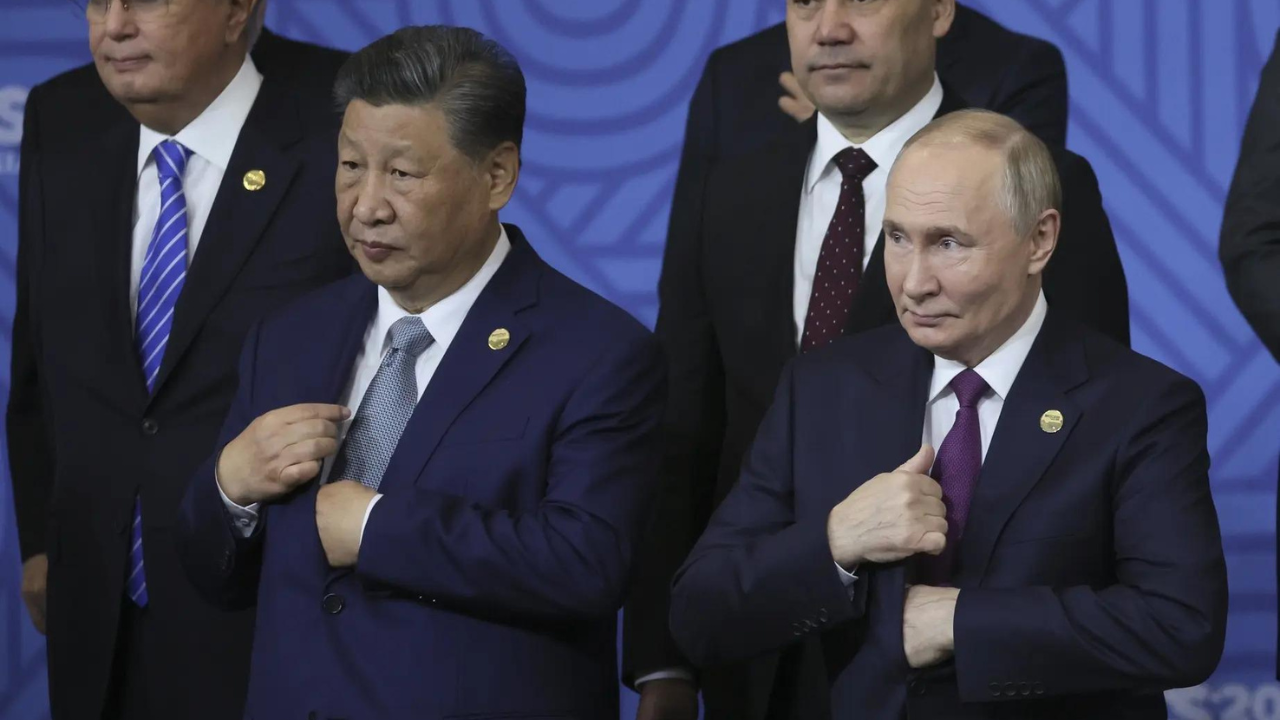
By Nitya Chakraborty The joint declaration issued by the Russian President Vladimir Putin and the Chinese President Xi Jinping on the eve of the Victory Day on May 9 upholding longstanding friendship to pursue mutual benefit and win-win outcomes in the new era carries major significance in the present period of global tariff war as […]

Sobha Realty has mandated a consortium of banks to arrange a new three-year, dollar-denominated Reg S benchmark sukuk, marking another significant move in the UAE’s Islamic finance landscape. The issuance will be conducted under Sobha Sukuk I Holding Limited’s $1.5 billion Trust Certificate Issuance Programme. The appointed joint lead managers and bookrunners include Abu Dhabi Commercial Bank, Abu Dhabi Islamic Bank, Arqaam Capital, Dubai Islamic Bank, Emirates […]

Oman has allocated approximately OMR60 million towards artificial intelligence initiatives between 2021 and 2024, as part of its strategic drive to position itself as a regional leader in digital innovation. This investment, overseen by the Ministry of Transport, Communications and Information Technology, underscores the sultanate’s commitment to integrating AI across various sectors to enhance public service efficiency and stimulate economic growth. The National Programme for Artificial Intelligence […]

Abu Dhabi’s Mubadala Investment Company reported a 33.7% surge in capital deployment in 2024, reaching AED 119 billion , positioning it as the most active sovereign wealth fund globally, according to data from Global SWF. This uptick coincided with a 9% year-on-year increase in assets under management , now totaling AED 1.2 trillion , and a five-year annualised return of 10.1%.

The fund’s intensified investment activity was largely driven by strategic allocations in artificial intelligence , semiconductors, and private equity sectors. Notably, Mubadala’s investments in North America nearly doubled, underscoring its confidence in the U.S. market despite prevailing economic uncertainties. In a significant move, Mubadala acquired a 50% stake in MGX, an AI-focused entity that collaborated with BlackRock and Microsoft in a $30 billion AI infrastructure fund.

Mubadala’s portfolio composition remained relatively stable, with 40% allocated to private equity, 23% to public markets, and 17% to infrastructure and real estate. This allocation reflects a strategic emphasis on sectors poised for long-term growth. The fund also expanded its private credit holdings to $20 billion, aligning with its broader investment strategy.

In the healthcare sector, Mubadala finalized the acquisition of an 80% stake in Global Medical Supply Chain and Al Ittihad Drug Store, enhancing its presence in healthcare logistics and pharmaceutical distribution. Additionally, the fund invested in Zelis, a U.S.-based healthcare technology firm, alongside Norwest and HarbourVest.

Mubadala’s commitment to clean energy was evident through Masdar’s acquisition of a 50% stake in the Big Beau combined solar and battery storage project in California. Furthermore, Mubadala Capital announced a $13.5 billion investment in a biofuels project in Brazil, marking a significant step in sustainable energy initiatives.

The fund’s strategic partnerships extended to the financial sector, with the acquisition of Fortress Investment Group from SoftBank, following regulatory approval from the Committee on Foreign Investment in the United States . This acquisition bolsters Mubadala’s position in global credit markets.

Mubadala’s CEO, Khaldoon Al Mubarak, emphasized the fund’s focus on future-oriented sectors, stating that the portfolio is constructed to navigate market cycles and scale sectors such as AI, clean energy, life sciences, semiconductors, and advanced manufacturing, aligning with national priorities.

The fund’s strategic initiatives also include the establishment of Space42, a space and satellite technology entity formed through the merger of Yahsat and Bayanat, and M42, a tech-enabled healthcare company, both in collaboration with Abu Dhabi’s tech group G42.

Mubadala’s approach to sustainable finance was highlighted by the issuance of its inaugural green bond, aligning with the UAE’s commitment to Net Zero by 2050. The fund maintains a conservative gearing ratio of 10.3% and a strong liquidity position, ensuring resilience amid global economic fluctuations.

In the realm of private equity, Mubadala Capital raised $3.1 billion for its latest fund, surpassing the initial target of $2 billion. The fund aims to invest between $150 million and $500 million per deal, focusing on acquiring large holdings in private equity markets.

Abu Dhabi’s International Holding Company has joined forces with US-based investment giant BlackRock to establish a $1 billion reinsurance platform headquartered in the Abu Dhabi Global Market . The initiative, which also includes Lunate, an Abu Dhabi-based alternative investment manager, aims to underwrite liabilities exceeding $10 billion and is poised to reshape the global reinsurance landscape.

The yet-to-be-named platform will adopt a buy-and-build strategy, focusing on acquiring and developing reinsurance capabilities. BlackRock will contribute its insurance asset management expertise, advisory services, and Aladdin technology platform to the venture. Additionally, BlackRock is expected to make a minority investment commitment upon the finalization of the deal.

Lunate’s participation marks its entry into the reinsurance sector, expanding its investment portfolio beyond its existing $105 billion in assets under management. The firm has been actively investing across various sectors, including energy infrastructure and climate finance, as evidenced by its acquisition of a 40% stake in ADNOC Oil Pipelines and the establishment of the $30 billion ALTÉRRA climate investment vehicle.

The collaboration between IHC, BlackRock, and Lunate underscores Abu Dhabi’s strategic push to position itself as a global hub for financial services and reinsurance. The ADGM’s progressive regulatory framework and its appeal to international financial institutions have made it an attractive destination for such ventures.

This partnership is expected to leverage the strengths of each entity: IHC’s expansive investment portfolio and regional influence, BlackRock’s global asset management capabilities, and Lunate’s innovative investment strategies. Together, they aim to address the growing demand for reinsurance solutions and contribute to the diversification of Abu Dhabi’s financial sector.

The upcoming launch of CyberCatsCoin is generating considerable excitement in the cryptocurrency community, as the new meme coin promises to bring tangible utility to a sector often dominated by speculative tokens. With its presale slated to begin shortly, the coin’s creators are positioning it to stand out not only for its playful, meme-inspired branding but also for its innovative approach to addressing real-world problems within the crypto space.

Unlike many meme coins, which thrive primarily on viral marketing and community-driven hype, CyberCatsCoin aims to blend the playful, community-driven ethos of meme tokens with functionality that extends beyond just speculation. According to the project’s whitepaper, the coin is designed to facilitate a range of use cases, from providing a platform for decentralized applications to integrating with charity initiatives and supporting real-world partnerships. This combination of fun and purpose has already caught the attention of crypto enthusiasts and investors alike.

The project is being led by a team of experienced blockchain developers, marketing strategists, and community managers, many of whom have previously worked on high-profile crypto projects. Their goal is to differentiate CyberCatsCoin from the vast sea of meme tokens by offering long-term value to its holders, rather than relying solely on short-term speculative hype. By integrating robust utility features, the team hopes to attract a broader audience beyond typical meme coin investors, such as those interested in decentralized finance , NFTs, and blockchain-based solutions.

One of the primary goals of CyberCatsCoin is to create an ecosystem where users can interact with the coin in various meaningful ways. The development team has outlined plans to launch a decentralized exchange and a series of dApps that will enable holders to use their tokens in real-world applications. These include everything from charity donations to staking rewards and governance in the project’s evolving ecosystem. Such features are designed to drive both utility and adoption, helping to position CyberCatsCoin as more than just another joke coin.

The presale for CyberCatsCoin is expected to generate significant interest, particularly among meme coin enthusiasts who are familiar with coins like Dogecoin and Shiba Inu. However, the coin’s creators are eager to highlight how CYBCC is different. By incorporating meaningful use cases and long-term vision into the tokenomics, they are positioning the coin as a more sustainable and impactful option for those seeking to participate in the meme coin market.

The presale will offer early investors the chance to purchase CYBCC at a discounted price before it officially launches on various exchanges. This strategic move aims to build a solid foundation of loyal supporters and create momentum for the token’s eventual widespread adoption. As with any presale, however, investors are urged to exercise caution and conduct due diligence before committing their funds.

CyberCatsCoin’s focus on real-world utility has sparked considerable interest from the DeFi and blockchain development communities. The project is not just about creating another meme coin for fun but about pushing the boundaries of what meme-inspired cryptocurrencies can achieve. Experts in the blockchain sector have noted that the integration of utility with meme-based marketing could pave the way for a new breed of crypto assets that combine the best of both worlds: fun, community engagement, and real-world applicability.

Despite the current bear market conditions in the cryptocurrency sector, the project has already garnered a strong community following on social media platforms, with thousands of users joining Telegram groups and Twitter channels dedicated to CyberCatsCoin. This level of early interest bodes well for the presale and beyond, as the coin’s creators continue to engage with their community through regular updates, contests, and partnership announcements.

Kuaishou Technology has unveiled Kling 2.0 Master, a significant upgrade to its AI-driven video generation platform. This latest iteration introduces advanced features that enhance the realism and cinematic quality of AI-generated videos, positioning Kling as a formidable tool in the evolving landscape of digital content creation. Kling 2.0 Master offers users the ability to produce 1080p resolution videos with precise motion control, dynamic camera movements, and customizable […]

HO CHI MINH CITY, VIETNAM – Media OutReach Newswire – 9 May 2025 – Castel Châteaux & Grands Crus proudly announces the Best Young Sommelier Competition by Castel Châteaux & Grands Crus – Asia Edition 2025, a landmark event designed to cultivate and celebrate the next generation of sommeliers talent throughout Asia. This prestigious competition will serve as a crucial stepping stone for candidates, preparing them for […]

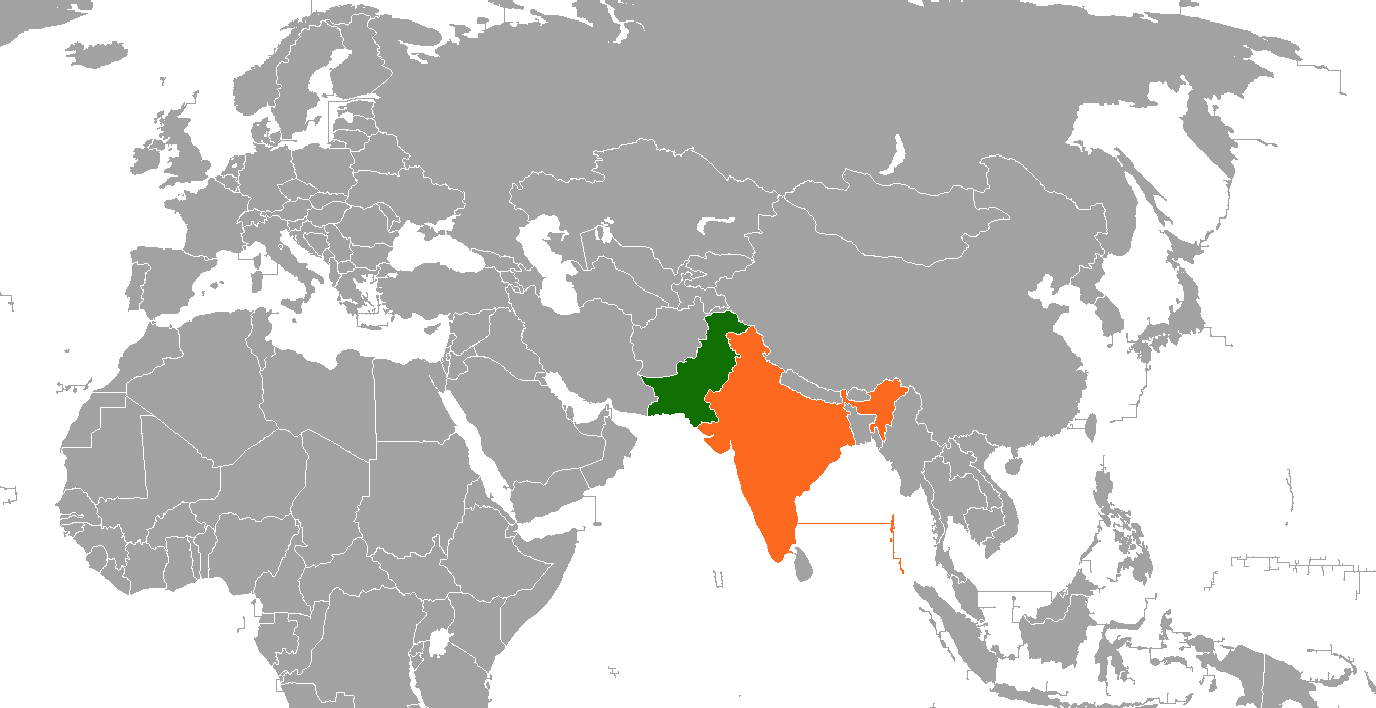
Tensions between India and Pakistan have prompted the closure of 24 airports in India, severely impacting civil aviation operations. The Ministry of Civil Aviation confirmed the development late on Thursday, citing security concerns due to the heightened situation. The airports, which include both major and smaller regional facilities, will be closed for an indefinite period, severely disrupting domestic and international flight schedules.

Airlines have also issued travel advisories, urging passengers to verify their flight status before heading to the airports. With the closures affecting airports in multiple states, airline operators have scrambled to adjust their operations. Several flights have been rerouted, while others have been delayed or cancelled entirely.

The decision to temporarily halt civil aviation activities was taken in light of the worsening security situation, as both nations engage in a war of words, following escalating border tensions and military skirmishes. Experts suggest that these disruptions could have significant economic consequences, especially for air traffic and tourism in India.

The airports affected include some of the busiest in the country, which serve as key hubs for both international and domestic flights. Among those closed are airports in major cities such as Mumbai, Delhi, and Bangalore, although smaller regional airports, especially those located closer to the western border, have also been impacted.

Authorities have not specified the exact nature of the threat leading to the closures but have made it clear that national security remains the top priority. Government sources indicate that security agencies are on high alert, monitoring the situation closely. The closure of these airports is seen as a precautionary measure to prevent any potential threats to civil aviation.

Airlines, including domestic carriers such as Air India and IndiGo, have been proactive in reaching out to passengers with updated flight details. The carriers have also advised those planning to travel to check with their respective airlines for any changes to their flight schedules. The uncertainty surrounding travel dates has caused frustration among passengers, many of whom are now scrambling to rebook their tickets.

The aviation industry, which has been recovering from the significant impacts of the COVID-19 pandemic, faces yet another setback. The temporary airport shutdowns come at a time when air travel demand has been rising in India, fuelled by a growing middle class eager to travel both domestically and internationally.

Travel experts caution that the ongoing closures could strain both the logistics and the tourism sector, which had been seeing an uptick in activity after a prolonged period of restrictions. Regional tourism hotspots, especially those relying heavily on air traffic, could feel the economic ramifications of these disruptions.

The closures are not the first instance of aviation disruptions tied to geopolitical tensions between India and Pakistan. Both nations have historically imposed airspace restrictions during periods of heightened conflict, particularly along their shared border. However, the scale of this shutdown, involving 24 airports, represents a significant disruption to India’s aviation infrastructure.

The government has yet to provide a timeline for when normal operations will resume at the affected airports. Aviation authorities have urged the public to remain patient and adhere to updated guidelines. Security forces have been deployed around the airports that remain operational, and extra measures are in place to handle the surge of passengers affected by the closures.

Meanwhile, businesses in sectors reliant on air cargo are also facing disruptions, with certain freight shipments delayed due to the grounding of flights. India’s growing logistics and e-commerce industries, which depend on efficient air freight services, could experience a ripple effect from the ongoing crisis.

As the situation continues to evolve, the Indian government has promised to keep the public informed of any further developments. The Ministry of Civil Aviation has set up a helpline for affected passengers and continues to collaborate with security agencies to monitor any emerging threats.


Tornadoes striking after dark are proving deadlier than their daytime counterparts, with fatalities more than doubling during nocturnal events. This alarming trend is intensifying as climate change alters storm patterns, pushing tornado activity into new regions and timeframes. Historically, the central United States, particularly the Great Plains, bore the brunt of tornado activity. However, recent studies indicate a significant eastward shift, with the Southeast, including states like […]

Apple’s senior vice president of services, Eddy Cue, disclosed during the U.S. Department of Justice’s antitrust trial against Google that searches conducted via Safari have declined for the first time in over two decades, attributing the drop to users increasingly turning to AI tools like ChatGPT. This revelation contributed to an 8% decline in Google’s stock, reflecting investor concerns about the potential erosion of Google’s search dominance. […]

Cryptocurrency derivatives trading platform Flipster has entered the esports arena by securing naming rights for Talon Esports’ Dota 2 team, which will now compete under the moniker Flipster Talon. This strategic partnership marks a significant move for both entities, aligning a rising crypto exchange with one of Southeast Asia’s premier esports organisations.

The agreement grants Flipster prominent branding across team jerseys, digital platforms, and in-game identifiers. The rebranded team is set to make its debut at BLAST Slam II, a major Dota 2 tournament featuring a $1 million prize pool, scheduled to commence on 4 February 2025. This event will serve as a litmus test for the newly formed alliance’s impact on competitive performance and market visibility.

Talon Esports has undergone a significant transformation following a disappointing run at The International 2024. The organisation parted ways with its entire Dota 2 roster, including notable players such as Nuengnara “23savage” Teeramahanon and Rafli “Mikoto” Rahman. In their place, Talon has assembled a new lineup featuring seasoned players Carlo “Kuku” Palad and John Anthony “Natsumi” Vargas, under the guidance of head coach Park “March” Tae-won. This overhaul aims to revitalise the team’s competitive edge and reestablish its dominance in the Southeast Asian Dota 2 scene.

The partnership with Flipster is part of Talon Esports’ broader strategy to diversify its sponsorship portfolio. Previously, the organisation has secured deals with various brands, including gaming peripherals company SteelSeries and betting firms such as 1xBet and M88 Mansion. These collaborations have not only provided financial support but also enhanced Talon’s brand presence across multiple platforms.

Flipster’s foray into esports sponsorship reflects a growing trend of cryptocurrency companies seeking to engage with younger, tech-savvy audiences through gaming partnerships. By aligning with Talon Esports, Flipster aims to increase its brand recognition and tap into the expansive reach of the esports community. This move also underscores the increasing convergence between digital finance and competitive gaming, as both industries continue to evolve and intersect.

Underpins De Beers Group’s commitment to natural diamonds Element Six to retain exclusive focus on industrial applications for synthetic diamonds HONG KONG SAR – Media OutReach Newswire – 9 May 2025 – De Beers Group today announces its intention to close its lab-grown diamond (“LGD”) jewellery brand, Lightbox, reinforcing De Beers Group’s commitment to natural diamonds in the jewellery sector. As part of the closure process, De […]

The Indian Rupee has plummeted to its lowest value against the UAE Dirham in over a month, marking a significant drop to 23.36 per dirham. This decline, the steepest since mid-April, follows escalating border tensions between India and Pakistan, which have triggered volatile market reactions. Traders are closely monitoring the situation, with fears of further instability driving the currency’s slide.

As the conflict intensifies, the Rupee’s depreciation is attributed to growing uncertainties surrounding the geopolitical standoff. India and Pakistan, both nuclear-armed neighbours, have long been at odds over the Kashmir region. The latest developments have exacerbated market fears of prolonged instability, pushing investors to seek safer assets, which has further weighed on the Rupee.

Currency markets, traditionally sensitive to geopolitical risks, have seen a surge in demand for the US Dollar, which remains a global safe-haven. Analysts point to the Dollar’s strengthening as a direct response to mounting tensions in South Asia, compounded by global inflationary pressures. With foreign investors retreating from riskier assets, the Rupee has been further pressured, intensifying the currency’s downtrend.

The Indian government’s response to the situation, alongside Pakistan’s military actions, has added to investor uncertainty. The military exchanges along the Line of Control between the two countries have led to heightened concerns not only about regional security but also about the broader economic repercussions of prolonged instability. Economists suggest that the markets will continue to reflect these risks until diplomatic measures are taken to de-escalate tensions.

The ongoing conflict is expected to affect trade relations, particularly in sectors reliant on cross-border commerce. Import and export activities between India and Pakistan, already hindered by past disputes, are likely to experience further disruptions. This could lead to an uptick in inflation, especially in critical sectors like oil, where price fluctuations are particularly sensitive to regional tensions.

Central banks in both nations, as well as the International Monetary Fund , have called for restraint, urging both sides to avoid further military escalation and seek peaceful resolutions. However, the risk of military confrontations spilling over into broader regional instability remains a concern that is factoring heavily into currency movements.

The financial impact on India is also underscored by the continued inflationary pressures faced by the country. While India has a relatively strong domestic economy, analysts warn that the ongoing uncertainty over the border conflict could undermine investor confidence, further destabilising the currency. This would place more pressure on the Reserve Bank of India , which may be forced to intervene in the markets to prevent excessive depreciation.

For businesses and consumers, the weakening Rupee has meant higher costs for imported goods, particularly fuel and electronic products, which are crucial to India’s economy. The cost of living for many Indian citizens is expected to rise, further intensifying socio-economic concerns. The rise in fuel prices has already led to protests in certain parts of India, with many calling on the government to address the economic fallout from the ongoing tensions.

The Indian government, however, remains optimistic about the long-term outlook for the Rupee. According to finance ministry officials, the country’s economic fundamentals remain robust despite the external geopolitical risks. They argue that the current currency depreciation is part of a broader, global trend, and that India is well-positioned to weather the storm with its growing foreign reserves and strong trade relationships beyond the subcontinent.

Despite these assurances, many analysts argue that India’s growing fiscal deficits and inflationary pressures could further complicate the Rupee’s recovery. A sharp depreciation could potentially lead to an erosion of investor confidence, compounding the country’s financial challenges.

VISHNU RAJA
RYO YAMADA
HITORI GOTOH
IKUYO KITA