News related to
President

Bitcoin experienced a notable surge, climbing nearly 10% to reach $86,500, following the White House’s announcement of its inaugural Cryptocurrency Summit scheduled for March 7. President Donald Trump, who has previously identified himself as America’s “first crypto president,” is set to host the event, underscoring his administration’s commitment to positioning the United States at the forefront of the digital currency revolution.

The summit is expected to convene prominent figures from the cryptocurrency industry, including founders, CEOs, and leading investors. This initiative aims to foster dialogue on regulatory frameworks, technological advancements, and the broader adoption of digital assets. The announcement has been met with enthusiasm within the crypto community, reflecting a growing recognition of the sector’s significance in the global financial landscape.

Prior to this development, Bitcoin had been trading below $80,000, reflecting a period of bearish pressure influenced by broader economic uncertainties. Analysts had observed a significant decline from its all-time high of $109,000, attributing the downturn to concerns over U.S. economic instability, particularly inflation and trade policies. President Trump’s confirmation of tariffs on Mexico and Canada had exacerbated these worries, potentially sparking inflation and impacting investments in higher-risk assets like cryptocurrencies and stocks.

In the immediate aftermath of the summit’s announcement, Bitcoin’s price surged by approximately 8%, reaching $86,500. This rapid appreciation underscores the market’s sensitivity to policy signals and institutional engagement. The surge was accompanied by a significant increase in trading volume, highlighting growing anticipation among both institutional and retail investors.

Market analysts are now closely monitoring Bitcoin’s trajectory. Some predict that the cryptocurrency may remain range-bound between $89,000 and $108,000 in the coming weeks, while others caution about potential further declines due to ongoing market volatility. The Relative Strength Index indicates that Bitcoin is nearing oversold levels, suggesting a potential rebound if selling pressures ease.

The upcoming summit also raises questions about potential regulatory shifts. President Trump’s pro-crypto stance has been well-documented, and his administration’s policies have been perceived as supportive of digital assets. The summit may provide further clarity on regulatory approaches, potentially influencing market dynamics and investor sentiment.

In the broader context, Bitcoin’s recent price movements mirror trends observed in traditional safe-haven assets like gold. The precious metal recently reached an all-time high above $2,900 per ounce, driven by economic uncertainties and trade tensions. If Bitcoin continues to follow this pattern, some analysts speculate that it could recover past $100,000 and target $125,000 in the near future.

However, it’s essential to approach such projections with caution. The cryptocurrency market is inherently volatile, influenced by a complex interplay of factors including macroeconomic indicators, regulatory developments, and technological innovations. Investors are advised to conduct thorough research and consider their risk tolerance when engaging with digital assets.
Matein Khalid All roads lead to Riyadh, which has replaced Geneva as the epicentre of global diplomacy in 2025. Presidents Trump and Putin will meet in the Saudi capital amid the most dramatic U-turn in US foreign policy as Washington switches sides in the Ukraine war in favour of the Kremlin, bypassing the EU and the embattled Ukraine state. Egyptian President Abdul Fattah al-Sisi is in Riyadh to coordinate the Arab […]

By Nitya Chakraborty Is the global geopolitics moving a full circle after 80 years since the end of the Second World War in 1945? The question is now extremely relevant after the world saw on Friday in TV channels the unprecedented spat between the United States president Donald Trump and the Ukrainian president Volodymyr Zelenskyy. […]


Abu Dhabi National Oil Company has formalised a 15-year sales and purchase agreement with Japan’s Osaka Gas, committing to supply up to 0.8 million tonnes per annum of liquefied natural gas from its Ruwais LNG project. This definitive contract transitions a prior heads-of-agreement into a binding commitment, marking the inaugural long-term LNG supply arrangement between the two corporations. The Ruwais LNG facility, currently under development in Al […]

A significant gathering of influential figures from the cryptocurrency and technology sectors will take place at the White House next week, marking a pivotal moment in the ongoing discussions around the future of digital currencies and artificial intelligence. U.S. President Donald Trump will join key stakeholders, including the nation’s Crypto and AI Czar, David Sacks, alongside prominent founders, CEOs, and investors.

The meeting comes as the U.S. government intensifies its efforts to define a clearer regulatory framework for cryptocurrency markets and artificial intelligence technologies. This roundtable aims to address critical issues surrounding the regulation of digital assets, the role of emerging technologies in the economy, and how the U.S. can maintain its competitive edge on the global stage.

David Sacks, appointed as the Crypto and AI Czar, will play a central role in leading the conversation. Known for his leadership in both the cryptocurrency and technology spaces, Sacks brings a wealth of experience from his work with major tech companies and his active involvement in crypto ventures. His insights into the intersection of digital assets and artificial intelligence are expected to shape the discourse during the session, where attendees will discuss the potential impact of AI on financial markets and the wider economy.

The roundtable also comes amid growing concerns over the security and integrity of cryptocurrency markets. Following the surge in digital currency trading, alongside the increasing adoption of blockchain technologies, the sector has faced a wave of scrutiny. Critics have raised questions about the potential for illicit activities, market manipulation, and investor protection. The White House meeting aims to establish a clear regulatory stance on these issues, with particular focus on ensuring the safe integration of crypto technologies within the broader financial ecosystem.

At the same time, artificial intelligence continues to raise both opportunities and concerns within the tech world. While AI presents significant benefits in fields ranging from healthcare to autonomous vehicles, its application within the cryptocurrency industry has sparked debates. Many believe that AI-driven systems could transform the way digital currencies are mined, traded, and secured, but they also fear that AI could be used to exploit market vulnerabilities. The White House gathering is set to delve into the risks and rewards of incorporating AI in crypto markets, seeking to strike a balance between innovation and regulatory oversight.

The presence of top industry leaders at the roundtable signals the growing recognition of the importance of dialogue between government and the private sector in addressing these complex challenges. With major players from Silicon Valley and the broader cryptocurrency industry involved, the meeting will offer a platform for high-level discussions aimed at aligning policy with the evolving landscape of digital finance.

President Trump’s participation underscores his administration’s commitment to engaging directly with the tech and crypto sectors to shape policies that will impact both domestic and international markets. The outcome of the discussions could have far-reaching consequences, setting the stage for future policy decisions that might influence everything from tax laws and securities regulations to international trade agreements.

As the U.S. seeks to position itself as a leader in both cryptocurrency and artificial intelligence, the White House is taking a proactive stance in shaping the regulatory environment. The administration’s focus on these emerging technologies reflects a broader global trend, as governments worldwide grapple with the implications of digital transformation. In Europe, regulators have already taken steps to impose stricter regulations on cryptocurrencies, while Asian markets continue to innovate in the blockchain and AI space. The outcome of the White House roundtable could help to inform similar policy frameworks across the globe.

In a landmark decision, over 140 nations have committed to mobilising $200 billion annually by 2030 to safeguard global biodiversity. This agreement, finalised at the United Nations COP16 summit in Rome, aims to halt and reverse environmental degradation worldwide. The pact outlines a financial roadmap to support conservation efforts, particularly in developing countries. Key provisions include raising $20 billion annually by 2025, escalating to $30 billion by […]

Oil prices fell on Friday, heading for their first monthly decline since November, as global economic growth uncertainties and potential fuel demand reductions weighed on the market. The more active May Brent crude futures slipped 31 cents, or 0.4%, to $73.26 a barrel by 6:48 a.m. Saudi time, while U.S. West Texas Intermediate crude futures were at $70.04 a barrel, down 31 cents, or 0.4%. The front-month […]

Advertisements

Investors are rapidly acquiring assets with Russian connections, betting on a potential relaxation of sanctions as diplomatic efforts to resolve the Ukraine conflict intensify. This surge in interest reflects a growing belief that the geopolitical landscape may soon shift, opening avenues for financial gains.

President Donald Trump’s recent diplomatic engagements have fueled this speculation. In a series of high-profile meetings, Trump has emphasized the urgency of achieving peace in Ukraine. During discussions with UK Prime Minister Keir Starmer, Trump underscored the necessity of finalizing a peace agreement promptly to end Europe’s most devastating conflict in decades. Starmer, in turn, pledged to deploy British peacekeeping troops alongside France, signaling a robust European commitment to stabilizing the region.

Further bolstering investor confidence, Ukrainian President Volodymyr Zelensky’s visit to the White House culminated in discussions about a significant economic agreement. This prospective deal aims to fund Ukraine’s post-war reconstruction, with the United States potentially securing a stake in Ukraine’s rare earth elements. Such an arrangement could not only expedite Ukraine’s recovery but also strengthen economic ties between the two nations.

The financial markets have been quick to respond to these developments. Investors are actively seeking opportunities in assets with even tenuous links to Russia, anticipating that a diplomatic resolution could lead to the lifting or easing of existing sanctions. This trend is evident in the increased trading volumes of Russian government and corporate bonds, as well as equities of companies with significant exposure to the Russian market.

However, this surge in investment activity is not without its complexities. The U.S. Treasury Department has previously imposed strict regulations prohibiting American investors from purchasing Russian debt or equities in secondary markets. These measures were designed to exert economic pressure on Russia in response to its actions in Ukraine. Despite the current optimism, these sanctions remain in effect, and any potential easing would require formal policy changes.

Market analysts caution that while the prospect of sanctions relief presents lucrative opportunities, it also carries significant risks. The geopolitical situation remains fluid, and diplomatic negotiations can be unpredictable. Investors are advised to conduct thorough due diligence and remain cognizant of the legal and ethical implications of engaging with Russian-linked assets under the current sanctions regime.

In addition to the economic discussions, security assurances are a critical component of the ongoing negotiations. President Trump has indicated that Russian President Vladimir Putin may be amenable to the presence of European peacekeeping forces in Ukraine as part of a comprehensive peace deal. This potential concession could pave the way for a cessation of hostilities and create a more stable environment for investment and reconstruction efforts.

European leaders have also been actively engaged in the peace process. French President Emmanuel Macron, during his visit to Washington, emphasized the importance of a balanced approach that addresses both security concerns and economic interests. Macron highlighted the European Union’s substantial support for Ukraine and cautioned against any agreements that might inadvertently reward aggression. His stance underscores the need for a unified and strategic approach to the peace negotiations.

Matein Khalid Had Warren Buffett, oracle of Omaha, been born North Indian, he would have summarized Wall Street’s temper tantrum since last Friday with his famous observation “only when the tide goes out do you discover who’s been swimming nanga punga (naked)”. When history’s most iconic value investor ran up $300 billion in cash, I knew that the tide had run out for this deliciously profitable but […]

The U.S. Securities and Exchange Commission has dismissed its lawsuit against Coinbase, the largest cryptocurrency exchange in the United States. This legal action, initiated in 2023, accused Coinbase of operating as an unregistered securities exchange and facilitating the trading of at least 13 crypto tokens that the SEC contended should have been registered as securities. Coinbase consistently refuted these allegations, maintaining that the crypto assets in question did not meet the criteria of investment contracts.

In a court filing dated February 27, 2025, the SEC agreed to voluntarily dismiss all litigation related to Coinbase and its parent company, Coinbase Global, with prejudice. This decision effectively terminates the case permanently. The SEC also withdrew its request for an interlocutory appeal with the U.S. Court of Appeals, signaling a significant policy shift under the current administration.

This move aligns with a broader change in the SEC’s approach to cryptocurrency regulation following the inauguration of President Donald Trump’s second term and the appointment of Paul Atkins, a crypto-friendly chairman, to lead the agency. Under this new leadership, the SEC has adopted a more lenient stance toward the crypto industry, reflecting the administration’s intent to support and promote the sector.

In addition to the Coinbase case, the SEC has also closed investigations into several other prominent cryptocurrency firms. Notably, the agency has ended its probes into OpenSea, a leading non-fungible token marketplace, and Robinhood’s crypto unit. These investigations, initiated during the previous administration, have been dismissed with prejudice, indicating that they cannot be refiled.

The decision to drop these cases has been welcomed by the affected companies. Coinbase’s Chief Legal Officer, Paul Grewal, stated, “SEC staff has agreed in principle to dismiss its unlawful enforcement case against Coinbase, subject to Commissioner approval—righting a major wrong.” Similarly, representatives from OpenSea and Robinhood expressed relief and optimism about the SEC’s revised regulatory approach.

This series of dismissals is part of a broader realignment of federal regulatory and enforcement priorities under the Trump administration. The SEC’s shift toward a more collaborative and transparent regulatory framework for the crypto industry is evident in the establishment of a new Crypto Task Force. Led by Commissioner Hester Peirce, the task force aims to develop comprehensive regulations that provide clarity and support for the burgeoning crypto sector.

Commissioner Peirce emphasized the need for a revised approach, stating, “It’s time for the Commission to rectify its approach and develop crypto policy in a more transparent manner.” This sentiment reflects a departure from the previous administration’s stringent regulation-by-enforcement strategy, which had been criticized for creating uncertainty and stifling innovation within the industry.

The SEC’s recent actions have also extended to other major players in the crypto space. The agency has dismissed its lawsuit against ConsenSys, the developer of the popular MetaMask crypto wallet. This lawsuit, filed in June 2024, alleged that ConsenSys engaged in the unregistered offer and sale of securities through its MetaMask Staking service and operated as an unregistered broker. The dismissal of this case further underscores the SEC’s evolving stance toward crypto-related businesses.

Market reactions to these regulatory developments have been notable. Shares of Coinbase Global Inc experienced fluctuations, with the stock trading at $208.37, reflecting a decrease of 2.20% from the previous close. Similarly, Robinhood Markets Inc saw its stock price at $48.78, a slight decline of 0.16%. In the cryptocurrency markets, Bitcoin is currently priced at $79,821.00, down 6.82%, while Ethereum stands at $2,121.24, a decrease of 9.14%. These movements suggest a period of adjustment as investors respond to the changing regulatory landscape.

The Trump administration’s influence extends beyond the SEC. The Consumer Financial Protection Bureau has also dropped several enforcement actions against companies such as Capital One and Rocket Homes. These cases, which included allegations of misleading customers and illegal kickback schemes, have been dismissed with prejudice under the bureau’s new leadership. This pattern indicates a significant shift in federal regulatory and enforcement priorities, favoring a more business-friendly environment.

Bitcoin has experienced significant volatility, with its price surging to $87,000 before plummeting below $80,000. This dramatic fluctuation has led to over $800 million in liquidations within the past 24 hours, predominantly affecting long positions.

The cryptocurrency’s value reached a peak of $87,000, marking a substantial increase. However, this upward momentum was short-lived, as Bitcoin’s price swiftly declined, falling below the $80,000 threshold. This marks the first time since November 11 that Bitcoin has traded at such low levels.

The sharp downturn has resulted in extensive liquidations across the market. Data indicates that long positions worth over $800 million have been liquidated, accounting for more than 90% of all liquidations during this period. Notably, approximately 44% of these liquidations, valued at $371 million, occurred on the Bybit exchange.

Several factors have contributed to this heightened volatility. Uncertainties surrounding U.S. President Donald Trump’s tariff plans and cryptocurrency policies have created a climate of apprehension among investors. Additionally, a significant security breach involving the theft of $1.5 billion worth of Ether from the Bybit exchange has further eroded market confidence.

The broader economic landscape has also played a role in Bitcoin’s price movements. A sell-off in U.S. tech stocks has influenced investor sentiment, leading to a more cautious approach toward high-risk assets like cryptocurrencies. Since mid-December, Bitcoin’s market value has decreased by approximately 25%, down from its peak of $105,000.

Market analysts are closely monitoring key support levels to assess potential future movements. The $80,000 mark is considered a critical support level; a sustained decline below this threshold could signal further bearish trends. Conversely, if Bitcoin manages to stabilize above this level, it may indicate resilience and the potential for a rebound.

The recent volatility has also impacted other cryptocurrencies. Ether experienced a decline of nearly 6%, reaching its lowest level since January 2024. Similarly, XRP saw a significant drop, though it has shown signs of a slight recovery.

High-net-worth individuals in the UAE and across the Gulf Cooperation Council are confronting a narrowing window of opportunity to secure permanent U.S. residency. This development follows U.S. President Donald Trump’s announcement of a new “Gold Card” visa program, set to replace the existing EB-5 Immigrant Investor Program. The proposed “Gold Card” visa requires a $5 million investment, significantly higher than the current EB-5 program’s minimum of $1 […]

Bitcoin, the world’s largest cryptocurrency by market value, experienced a significant decline on Friday, falling over 5% to a three-and-a-half-month low. The digital asset traded below $80,000 for the first time since November 11, reaching $79,666.

This downturn has erased approximately a quarter of Bitcoin’s market value since mid-December, when it peaked at $105,000. The recent decline is attributed to uncertainties surrounding U.S. President Donald Trump’s impending tariff plans and crypto policy, as well as diminished investor confidence following a substantial $1.5 billion hack involving rival cryptocurrency Ether.

President Trump confirmed that a 25% tariff on Mexican and Canadian goods, along with an additional 10% on Chinese imports, will commence on March 4. This announcement has led to a sell-off in risk-sensitive assets, including cryptocurrencies. The broader tech sector has also been affected, with major indices like the Dow Jones, S&P 500, and Nasdaq experiencing considerable losses.

The recent $1.5 billion hack of Ether from the Bybit exchange has further exacerbated negative sentiment in the crypto market. This incident has raised concerns about the security of digital assets, leading to increased withdrawals from Bitcoin-backed exchange-traded funds.

Market analysts suggest that if key support levels, such as $82,000, do not hold, Bitcoin might face further losses. The decline is also influenced by a broader risk-off environment, significant outflows from spot Bitcoin ETFs, and macroeconomic uncertainties.

Matein Khalid I butcher the great Regency poet William Blake’s surreal ode to tigers and dark satanic mills “China, China burning bright/in the forest of the night/what immortal hand or eye/could frame thy fearful symmetry”. JD is up 8% overnight, Alibaba is up 72% since my $85 golden goose post 3-months ago and the KWEB is up 24% YTD. The PBOC is easing monetary policy. Fiscal stimulus […]

The United States Securities and Exchange Commission has concluded its investigation into cryptocurrency exchange Gemini, opting not to pursue any enforcement action. This decision, communicated to Gemini’s legal counsel, marks the end of a protracted inquiry that began in January 2023.

Gemini’s co-founder, Cameron Winklevoss, announced the closure of the investigation, expressing relief but also voicing strong criticism of the SEC’s approach. He stated that while the conclusion of the probe is a positive development, the extensive investigation inflicted significant financial and operational harm on the company. Winklevoss detailed that Gemini incurred tens of millions of dollars in legal expenses and suffered losses amounting to hundreds of millions due to diminished productivity, creativity, and innovation.

The SEC’s investigation into Gemini was primarily focused on the company’s “Earn” program, launched in partnership with Genesis Global Capital. This program allowed users to lend their cryptocurrency holdings in exchange for interest payments. In January 2023, the SEC charged both Gemini and Genesis with offering unregistered securities through this initiative. Despite the closure of the investigation, the SEC has indicated that this decision does not preclude the possibility of future action if new information emerges.

Winklevoss did not mince words in his critique of the SEC’s conduct, accusing the agency of engaging in tactics that he described as bullying, harassment, and unwarranted attacks on a legitimate industry. He argued that such regulatory actions have broader implications, stifling innovation and deterring economic growth within the cryptocurrency sector. Winklevoss emphasized that the damage extends beyond Gemini, suggesting that the SEC’s aggressive stance has led to substantial economic losses across the industry, including missed opportunities for growth and development.

The conclusion of the Gemini investigation is part of a broader pattern of the SEC reevaluating its approach to cryptocurrency regulation. In recent days, the agency has also closed investigations into other prominent crypto entities, including Coinbase, Uniswap Labs, and OpenSea, without pursuing enforcement actions. These developments suggest a potential shift in the SEC’s regulatory strategy under the new administration.

Former SEC Chair Gary Gensler, known for his stringent regulatory stance on cryptocurrencies, resigned on January 20, 2025, coinciding with the inauguration of President Donald Trump’s second term. Gensler’s tenure, which began in 2021, was marked by an aggressive approach toward the crypto industry, with the SEC initiating numerous enforcement actions against various crypto firms. His departure has been followed by a series of decisions indicating a possible softening of the SEC’s posture toward cryptocurrency regulation.

Winklevoss views the closure of the investigation as a significant milestone in what he terms the “war on crypto.” However, he cautioned that the damage inflicted by the SEC’s previous actions may have long-lasting effects, potentially deterring innovation and prompting talent to exit the industry. To prevent similar situations in the future, Winklevoss advocates for thoughtful legislation that provides clear guidelines for the cryptocurrency sector. He also suggests that there should be accountability measures for regulatory bodies, proposing that officials responsible for what he deems “sham investigations and baseless enforcement actions” face consequences, including termination and prohibition from future agency employment.

The SEC has not issued a public statement regarding the closure of the Gemini investigation. The agency’s recent actions, including the dismissal of cases against other cryptocurrency firms, may indicate a strategic reassessment of how to regulate the rapidly evolving digital asset landscape. Industry stakeholders are closely monitoring these developments, as they could signal a more collaborative and less adversarial regulatory environment moving forward.

As the cryptocurrency industry continues to mature, the relationship between regulatory bodies and crypto enterprises remains a critical factor in shaping the future of digital finance. The resolution of the Gemini case, along with similar recent decisions, may pave the way for a more balanced approach that fosters innovation while ensuring compliance and protecting investors.

In the wake of these developments, market participants are cautiously optimistic. The closure of high-profile investigations without enforcement actions could restore confidence and encourage renewed investment in the sector. However, the call for clear and fair regulatory frameworks persists, as the industry seeks to navigate the complexities of compliance in a landscape that has been, until now, marked by regulatory uncertainty.

OSU President Jayathi Murthy and OSU Foundation CEO Shawn Scoville meet alumni and future students in Bangkok BANGKOK, THAILAND – Media OutReach Newswire – 27 February 2025 – Oregon State University (OSU) President Professor Jayathi Y. Murthy met with OSU alumni and newly admitted students in Bangkok today, reinforcing the university’s commitment to world-class education, research excellence, and student success. Jayathi Y. Murthy, President of Oregon State […]

President Donald Trump has unveiled a new immigration initiative offering a “Gold Card” visa for $5 million, granting affluent foreigners permanent U.S. residency and a pathway to citizenship. This program aims to attract high-net-worth individuals to stimulate economic growth and reduce the national debt.

The “Gold Card” is set to replace the existing EB-5 Immigrant Investor Program, which required a minimum investment of $800,000 to $1.05 million in U.S. businesses and the creation of at least ten jobs. Commerce Secretary Howard Lutnick criticized the EB-5 program for being “full of nonsense, make-believe, and fraud,” and emphasized that the new initiative would involve rigorous vetting to ensure applicants are “wonderful, world-class global citizens.”

Under the new scheme, applicants will not be required to create jobs or invest in specific projects. Instead, the substantial $5 million fee grants them green card privileges and a direct route to American citizenship. President Trump highlighted the potential economic benefits, suggesting that selling one million “Gold Cards” could generate $5 trillion in revenue, significantly impacting the national debt.

The administration also indicated that corporations might be able to purchase these visas for highly skilled or educated employees, potentially replacing certain work visa categories. This move is designed to attract top talent and investment, further bolstering the U.S. economy.

By Sushil Kutty External Affairs Minister S Jaishankar never seems to finish his thoughts. People might mistake him to be a hesitant hacker. But that isn’t the case. EAM Jaishankar is the second longest serving foreign minister after Jawaharlal Nehru, who kept the external affairs portfolio with him, for the entirety of his tenure as […]

By Dr. Gyan Pathak 8th Delhi Assembly session had tumultuous session on Tuesday, February 25.. The issue of replacement of Dr B R Ambedkar’s portrait with Prime Minister Narendra Modi’s in Delhi Chief Minister’s office not only led to ruckus but also expulsion of 12 AAP MLAs. The issue is politically very sensitive and may […]


Saudi Arabia and Abu Dhabi are intensifying their efforts to transform their energy sectors, aiming to significantly increase renewable energy capacities by 2030 and 2035, respectively. These initiatives are central to their broader strategies for economic diversification and environmental sustainability. Saudi Arabia’s Vision 2030 outlines a target for renewables to constitute 50% of the nation’s energy mix by 2030, equating to approximately 130 gigawatts of renewable capacity. […]

Bitcoin’s value has experienced a significant decline, falling below the $90,000 threshold for the first time since November 2024. The cryptocurrency reached a low of $86,000, marking a substantial drop from its peak of $109,225 observed on January 20, 2025. This downturn has led to widespread market repercussions, including over $1.6 billion in liquidations within the past 24 hours.

The recent sell-off has been attributed to a confluence of factors, notably escalating geopolitical tensions and internal challenges within the cryptocurrency ecosystem. President Donald Trump’s administration has introduced new tariffs on Mexico and Canada, measures perceived as inflationary and potentially detrimental to economic growth. These policies have contributed to a broader risk-averse sentiment among investors, leading to a retreat from volatile assets such as cryptocurrencies.

In addition to geopolitical concerns, the security of cryptocurrency platforms has come under scrutiny. A significant breach occurred on February 21, 2025, when Bybit, a prominent Dubai-based crypto exchange, suffered a hack resulting in the loss of approximately $1.5 billion. This incident has exacerbated apprehensions regarding the safety of digital assets, prompting further sell-offs in the market.

The cascading effect of these events has led to substantial liquidations across the cryptocurrency market. Data indicates that over 362,000 traders have been affected, with total liquidations surpassing $1.3 billion in the past day. Bitcoin alone accounted for $523 million of these liquidations, underscoring the volatility and heightened risk associated with leveraged trading positions.

Market analysts are closely monitoring key support levels for Bitcoin. The breach of the $90,000 support has raised concerns about potential further declines. Technical analysis suggests that if Bitcoin fails to maintain support at $86,000, it could test lower thresholds, with significant support anticipated around the $80,400 and $74,000 levels. Conversely, resistance levels are identified at $98,500 and $106,000, which Bitcoin would need to surpass to signal a potential reversal of the current downward trend.

The broader cryptocurrency market has mirrored Bitcoin’s downturn. Major altcoins such as Ether and XRP have experienced notable declines, with Ether dropping 8.5% to $2,416 and XRP falling by 5% to $2.24. The overall market capitalization has contracted significantly, reflecting the pervasive uncertainty and risk aversion among investors.

Investor sentiment has been further dampened by unmet expectations regarding regulatory support for cryptocurrencies. The initial optimism surrounding a crypto-friendly stance from the current U.S. administration has not materialized into concrete policy changes. This lack of regulatory clarity, coupled with economic challenges, has contributed to the recent sell-off and the erosion of confidence in the market.

In response to the heightened volatility, traders are advised to exercise caution, particularly those engaged in leveraged positions. The current market environment underscores the importance of risk management and the need for a thorough understanding of the factors influencing cryptocurrency valuations.

A fraudulent account impersonating Sam Bankman-Fried, the incarcerated founder of FTX, has emerged on X , disseminating false information and promoting dubious meme coins. This development follows Bankman-Fried’s unexpected return to social media after a two-year hiatus, during which he commented on government layoffs and corporate management challenges.

The impersonating account falsely claimed that former President Donald Trump had pardoned Bankman-Fried and that he was joining the Department of Government Efficiency , a fictitious entity purportedly led by Elon Musk. The account further promoted the issuance of a meme coin, sharing a contract address and urging users to invest. These assertions are entirely baseless, as Bankman-Fried remains incarcerated, serving a 25-year sentence for fraud and conspiracy to launder money.

The fraudulent account managed to obtain a gray verification checkmark on X, typically reserved for government or multilateral organization accounts, suggesting a possible compromise of an official account. This misuse of verification has raised concerns about the platform’s security measures and the potential for such scams to mislead users.

In response to the scam, multiple users reported the account for suspicious activity, highlighting the dangers of identity theft and fraud in the digital space. The deceptive messages were swiftly removed, but not before causing confusion and potential financial harm to unsuspecting investors.

This incident underscores the importance of vigilance in the cryptocurrency community, where scammers frequently exploit high-profile figures and current events to perpetrate fraud. Users are advised to verify information through official channels and exercise caution when encountering unsolicited investment opportunities, especially those promising unrealistic returns.

The emergence of this fraudulent account coincided with Bankman-Fried’s genuine activity on X, where he broke his two-year silence to discuss issues related to government layoffs and corporate management. In his posts, he drew parallels between unemployment and his own experiences, stating, “I have a lot of sympathy for gov’t employees: I, too, have not checked my email for the past few days.” He further reflected on the challenges of layoffs, suggesting they often stem from management failures rather than employee performance.

Bankman-Fried’s unexpected return to social media has sparked discussions about his access to communication tools while incarcerated and the broader implications of his statements. However, the appearance of the fraudulent account has overshadowed these conversations, highlighting the persistent threat of scams in the cryptocurrency sector.

New advanced solutions in climate control and energy management promise greater operational efficiency and reduced environmental impact for multiple applications Suzhou, China – Copeland, a global provider of sustainable climate solutions, announced today the expansion of its variable speed technology platform, integrating compressors, drives, and controllers for heating, cooling and refrigeration systems. This integrated solution drives enhanced efficiency, precise control, and sustainability across a wide range of […]

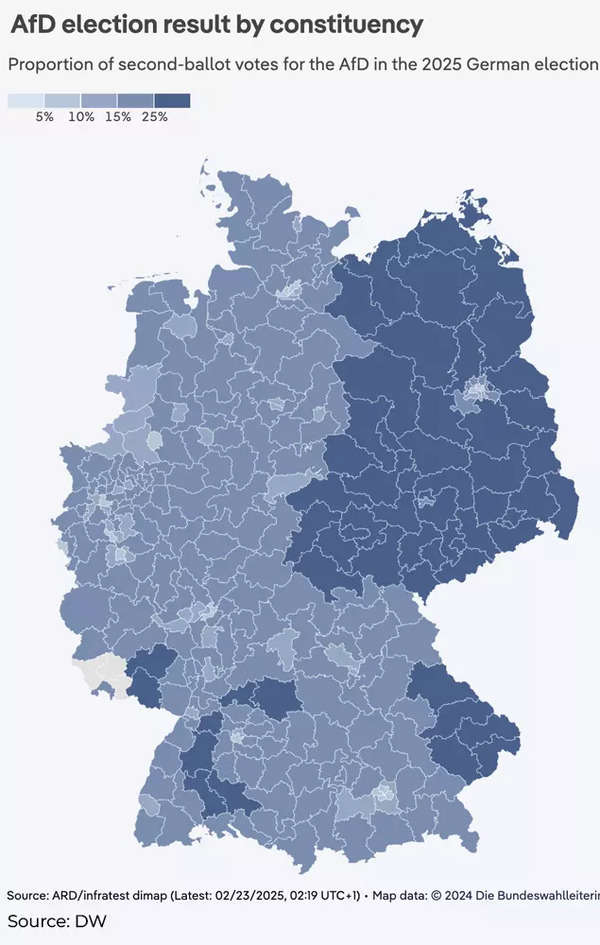
By Nitya Chakraborty The final results of Germany’s national elections held on February 23 are being debated intensively in the global media, especially in the European media about the upsurge of the far right party AFD which virtually doubled its voting percentage in the 2025 elections compared to the 2021 national elections. The ruling Social […]
VISHNU RAJA
RYO YAMADA
HITORI GOTOH
IKUYO KITA