News related to
President

Russian Deputy Foreign Minister Sergei Ryabkov stated on Thursday that BRICS is not an “anti‑American” bloc and will reject any “language of threats and manipulation.” This assertion followed U. S. President Donald Trump’s announcement that countries adopting what he termed “anti‑American policies” aligned with BRICS would face an extra 10 per cent tariff. Ryabkov emphasised BRICS’ focus on dialogue and constructive engagement, not confrontation. He underscored that the group […]

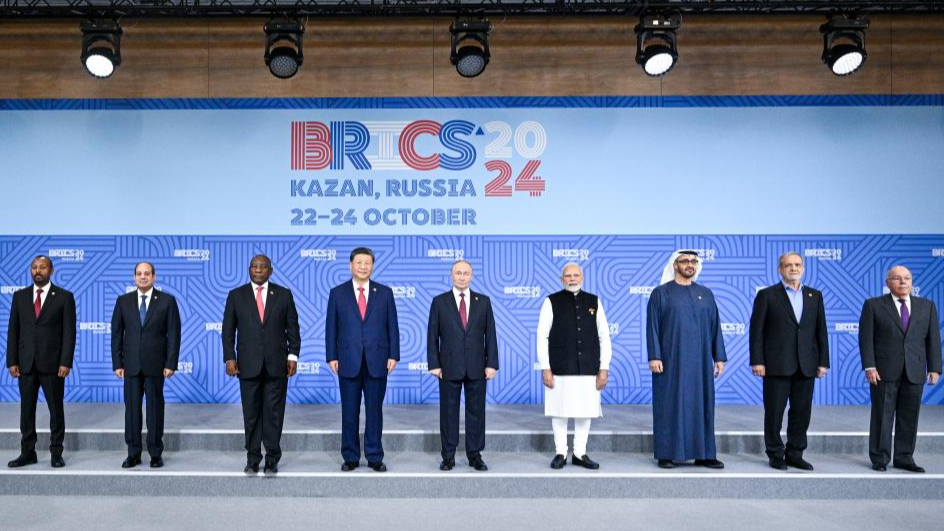
By Nitya Chakraborty The 17th BRICS summit held in Brazil on July 6 and 7 has helped in partially restoring the image of the Indian Prime Minister Narendra Modi as the defender of the interests of Global South against the increasing attacks on the political and economic interests of the developing nations by the United […]

BEIJING, CHINA – Media OutReach Newswire – 10 July 2025 – As the 11th Nishan Forum on World Civilizations takes place in east China’s Qufu City, CGTN published an article highlighting the importance of dialogue and mutual learning among civilizations to promote harmonious coexistence, shared prosperity, and the safeguarding of traditional values in the face of modern challenges. “Is it not a joy to have friends come […]

For the winners of the 2025 Golden Bull Award, the answer is clear: vision, agility, and a drive to challenge the norm. KUALA LUMPUR, MALAYSIA – Media OutReach Newswire – 10 July 2025 – These are high-performing companies and trailblazers. This year’s winners are leading the way through innovation, from adopting AI and strengthening cybersecurity to integrating ESG values into their core operations. They show us that […]

Asia‑Pacific digital‑native firms attracted USD 15.4 billion in artificial intelligence investment in 2024, a figure reported by IDC that underscores a shift towards deeper commitments and strategic growth, even as the volume of deals declined.

Capital concentration has intensified as larger funding rounds become the norm. IDC analysts found that while the number of funded AI startups has dropped, the average investment per deal has risen markedly—reflecting investors’ preference for enterprises closer to market maturity rather than early-stage ventures.

China, South Korea, Japan and India remain at the forefront of investment flows. These major markets, with their diverse tech ecosystems and supportive policies, continue to lead, though Southeast Asian nations are gaining traction as both AI adopters and innovators.

Generative AI, a wave propelled by breakthrough models in natural-language processing and image creation, is swiftly ascending as the dominant investment theme across Asia‑Pacific. IDC forecasts that GenAI allocations will more than double by 2028, reaching USD 54.5 billion and forging a new frontier for enterprise transformation.

There is mounting evidence that corporations are pivoting from rhetoric to implementation. Only 29 percent of digital‑native businesses have scaled AI organisation‑wide, yet more than 42 percent now actively pursue co‑innovation partnerships with technology vendors to integrate AI across operations. These collaborative efforts are reshaping collaboration models between AI startups and incumbents.

Costs associated with infrastructure and data security continue to shape investment flows. Enterprise-grade AI demands not only computational muscle but also robust governance frameworks to mitigate risks such as bias, intellectual property leakage and regulatory non‑compliance. Data from the region show that 34 percent of organisations have embedded governance within generative AI software development, an advanced step beyond policy‑level oversight.

Cloud infrastructure providers are doubling down on AI support across Asia‑Pacific. Amazon Web Services announced a USD 13 billion expansion in Australia and over USD 5 billion for a Taiwan region, alongside large‑scale investments in Singapore, Malaysia and Japan. AWS claims the region’s cloud spending will reach USD 250 billion in 2025, largely driven by AI demands.

This inflow of cloud capital is critical in overcoming entry barriers. Local language support, data sovereignty and integration capabilities have become competitive differentiators for these platforms—Microsoft Azure, Google Cloud and Alibaba Cloud are aggressively pursuing similar capacity expansion. Southeast Asia, in particular, is emerging as the fastest–growing regional cloud market globally.

Startups are adapting to investors’ sharper focus on maturity and scalability. Fewer low‑valuation seed rounds are appearing; instead, late‑stage funding for companies with clear product‑market fit, real revenue streams and enterprise traction is dominating. This trend reflects an increasingly risk‑averse capital environment that emphasises depth over breadth.

The build‑up of AI infrastructure is dovetailing with rising regulatory attention. With supervision frameworks being rolled out around sensitive sectors such as finance and healthcare, investors are seeking startups equipped with compliance capabilities. For instance, financial‑services firms are prioritising traceability and governance as mission‑critical components for future‑ready AI deployment.

In geographical terms, growth hotspots vary by stage of AI ecosystem development. China leads in institutional funding and government-backed initiatives. Japan and South Korea benefit from combined strengths in industrial automation, robotics and semiconductor production. India’s vibrant startup landscape is gaining attention, particularly in generative AI and enterprise software. Meanwhile, nations such as Indonesia and Malaysia are attracting more attention as AI adoption becomes a priority for government digitalisation agendas.

Challenges persist. High‑cost infrastructure, skilled‑talent shortages and fragmented regulatory regimes pose constraints. Yet the rise of public‑private coalitions and university‑industry alliances is beginning to address these gaps—skills acceleration programmes are proliferating, and data‑sharing frameworks are gaining traction.

Investors are now looking past headline metrics to evaluate alignment with national AI strategies, such as Japan’s AI strategy and India’s push for indigenous innovation. Locally relevant models—capable of understanding linguistic diversity, cultural contexts, and industry‑specific workflows—are increasingly being favoured over globalised, one‑size‑fits‑all solutions.

This funding environment has spurred momentum in adjacent areas. Edge computing, AI‑enabled cybersecurity, AI‑driven supply‑chain optimisation and health‑tech verticals are emerging as new battlegrounds for both startups and incumbents. These sub‑domains are drawing fresh rounds of investment and pilot partnerships.

Policy trends are also influential. Governments across Asia‑Pacific are advancing data protection frameworks, AI ethics norms and public‑sector adoption plans—all contributing to clearer roadmaps for private‑sector engagement. The interlinking of regulatory reform and capital deployment is strengthening ecosystem resilience.

Investor sentiment remains cautiously optimistic. Surveys suggest that, despite macroeconomic headwinds and geopolitical risk, most executives view cloud and AI as avenues to cost reduction, efficiency gains and differentiation. As AWS’s APAC vice‑president remarked, “AI is the biggest market opportunity since cloud in 2006,” signalling sustained confidence in long‑term upside.


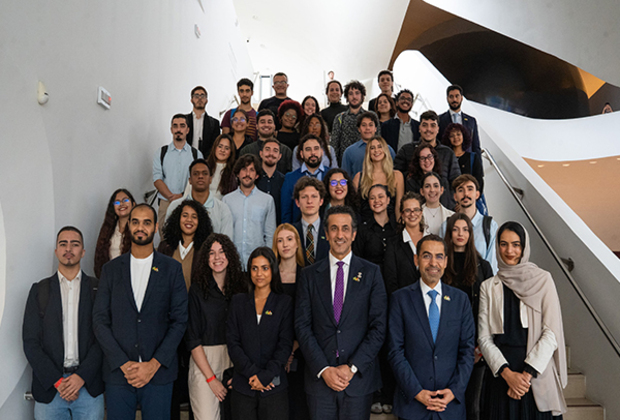
The United Arab Emirates joined the BRICS Finance Ministers and Central Bank Governors Meeting in Rio de Janeiro on 6 July 2025 under Brazil’s rotating presidency, with a focus on the global economic outlook and climate finance. Led by H. E. Mohamed bin Hadi Al Hussaini, Minister of State for Financial Affairs, the UAE delegation included key figures from the Ministry of Finance and the Central Bank of the UAE.

Al Hussaini opened his remarks by stressing the UAE’s commitment to deepening dialogue on the future of the global financial system and strengthening multilateral cooperation frameworks to face development challenges. He asserted that platforms such as BRICS provide “important opportunity to enhance global economic governance, expand access to innovative financing, and support long‑term financial stability”.

The summit’s agenda was structured into three comprehensive sessions: finance ministries, central banks, and a joint forum examining the international economic landscape, climate finance, and policy coordination. Delegates also discussed a proposal by Brazil to pilot a BRICS Multilateral Guarantee fund via the New Development Bank, aiming to mobilise private investment for infrastructure and climate-related initiatives.

In a move signalling its growing climate finance role, the UAE, alongside China, expressed intention to invest in Brazil’s Tropical Forests Forever Facility — a fund supported by BRICS to safeguard tropical forests. Leaders issued a joint statement underscoring the responsibility of developed nations to contribute to climate mitigation efforts.

Further strengthening the bloc’s role in global economic governance, BRICS finance ministers advanced a unified proposal for IMF reform. The initiative calls for a restructured quota system that reflects current global economic realities, incorporating output and purchasing power to boost representation for emerging economies. The proposal is slated for presentation at the 2025 IMF Review in December.

Discussions included plans for a cross-border payments system to enhance financial integration within BRICS, potentially reducing reliance on Western-controlled mechanisms and promoting monetary coordination among member states.

Brazilian President Luiz Inácio Lula da Silva framed BRICS as a beacon of multilateral diplomacy, likening it to the Non‑Aligned Movement, and warned against Western protectionist trends, including carbon border taxes. He emphasised that the bloc represents 40% of global output and over half the world’s population, and advocated reform of institutions like the IMF and UN Security Council.

The UAE, which joined BRICS in January 2024 and entered the NDB in October 2021, is now actively shaping the bloc’s agenda on governance, finance, and sustainability. Its support for key initiatives highlights a strategic effort to elevate its international role in emergent economies and climate action.

Emirates Airline has formalised a strategic alliance with Crypto. com aimed at integrating Crypto. com Pay into its digital payment systems, underscoring a strong commitment to security and regulatory compliance. The partnership, set to activate next year, was marked by a Memorandum of Understanding signed by Adnan Kazim, Emirates’ Deputy President and Chief Commercial Officer, alongside Mohammed Al Hakim, President of Crypto. com’s UAE operations. The signing took place under the witness of Sheikh Ahmed bin Saeed Al Maktoum, Chairman and Chief Executive of Emirates Airline & Group, and Michael Doersam, Emirates’ Chief Financial & Group Services Officer.

Emirates’ leadership highlighted the rationale behind the move: embracing the growing demand among tech-savvy travellers and aligning with Dubai’s broader ambition to lead in financial innovation. Adnan Kazim emphasised the airline’s dedication to “meeting evolving customer preferences” and offering travelers more flexibility in payments. The integration also positions Emirates to engage with a younger demographic increasingly comfortable with digital currencies.

Crypto. com echoed this forward-looking sentiment. Eric Anziani, President and COO, described the agreement as a catalyst for wider cryptocurrency adoption in consumer finance. He welcomed Emirates as “an exceptional partner,” stressing that the integration will push momentum across the digital asset sector in the Gulf region.

The MoU outlines not only the technical integration of Crypto. com Pay but also joint marketing initiatives to increase awareness and encourage uptake. Emirates and Crypto. com intend to launch promotional campaigns aimed at customers, educating them on the convenience and security of paying with digital assets.

This collaboration reflects a broader trend within the UAE, where regulators have implemented a notable framework to encourage blockchain innovation while maintaining robust investor protection and financial system integrity. Dubai, in particular, has seen a surge in cryptocurrency utility across multiple sectors, including property, retail, and telecommunications. The MoU aligns with this ecosystem, reinforcing Dubai’s vision to be a global hub for crypto innovation.

Financial experts observing the region note that infrastructure investments, regulatory clarity, and consumer interest have driven a significant crypto inflow—valued at approximately US$34 billion between July 2023 and June 2024—suggesting strong institutional confidence. Adoption of digital payments by major consumer-facing corporations such as Emirates is seen as a transformative step in normalising cryptocurrencies as mainstream payment options.

Emirates’ approach to this partnership has been cautious yet calculated. Emphasis on security, compliance, and regulatory alignment indicates a measured strategy that places integrity at the forefront. The airline assures customers that the integration will meet “the highest security and compliance standards,” a crucial reassurance in light of global scrutiny surrounding crypto-related risks.

This is not Emirates’ first foray into strategic payment alliances. Earlier this year, the airline partnered with American Express Middle East to enhance offerings for small and medium‑sized enterprises across the Middle East and North Africa regions. The Crypto. com collaboration signals a parallel move into the emerging digital asset sphere, indicating Emirates’ growing appetite for financial innovation beyond traditional banking channels.

Industry analysts observe that including crypto payments could broaden Emirates’ appeal among adventurous travellers and those engaged in the digital economy. For Crypto. com, the partnership adds to a burgeoning presence in the GCC, enabling the company to showcase real-use cases with a prestigious flag-carrier.

The path ahead involves critical integration steps, including system upgrades, staff training, customer education, and regulatory coordination. Both parties have set a goal for full deployment by next year, providing a practical timeline for technology deployment and market engagement strategies.

Advertisements

XI’s BICKS NO-SHOW: STRATEGIC SHIFT OR SILENT WARNING? CHINESE SYMBOLISM ON CONFIDENCE IN FULL PLAY M A Hossain In the realm of global politics, symbolism matters almost as much as substance. President Xi Jinping of China has decided not to attend this year’s BRICS summit which will be held in Rio de Janeiro. This is the first time President Xi will not be at the summit since […]

U. S. President Donald Trump has announced a sweeping 50 % tariff on copper imports, jolting commodity markets and triggering sharp moves across financial sectors. Copper futures in the United States surged to record highs, while international benchmarks in London and Shanghai retreated under mounting uncertainty surrounding shipment logistics and timing. At a Cabinet meeting, Trump confirmed the unprecedented levy, citing national security and a desire to bolster […]

Parsons Corporation has been appointed by Dubai’s Roads and Transport Authority as the Project Management Consultant for the forthcoming Metro Blue Line, under a five-year agreement. The firm will lead design evaluation, procurement facilitation, construction oversight, testing and commissioning, ending with the handover of the system. The line is projected to enter service by September 2029, covering 30 km with 14 stations, and is a core part of Dubai’s D33 Economic Agenda geared towards completing the city’s next-generation transport network by 2033.

The Metro Blue Line, spanning from Centrepoint on the Red Line through Creek station on the Green Line and reaching Academic City, is expected to serve up to 320 000 passengers daily. It will connect key zones such as Mirdif, Dubai Silicon Oasis, Creek Harbour and Festival City, reinforcing the mobility framework outlined in the 2040 Urban Master Plan.

Pioneering the metro’s expansion, the Blue Line received approval on 24 November 2023 from Dubai’s Vice President and Ruler, reflecting a total investment of AED 18 billion. This strategic vision anticipated a launch coinciding with the metro’s 20th anniversary.

Parsons brings to this contract more than 80 years of global infrastructure and transport systems expertise, and over six decades of regional presence. In Dubai, the firm has supported RTA projects since 2005—from the Metro Red and Green lines and Route 2020 to the Intelligent Traffic Systems Centre and Infinity Bridge—delivering over 100 roads, bridges and tunnels.

Chief among Parsons’ tasks is aligning technical design with RTA standards, streamlining tender processes, supervising contractor performance, and ensuring operational readiness through rigorous testing. Their involvement utilises advanced project controls to ensure on-time, safe delivery—a critical measure as Dubai moves toward its D33 viability targets.

In his capacity as President, Infrastructure EMEA, Pierre Santoni emphasised the importance of Parsons’ long-standing local partnership and its commitment to delivering “innovative technology” and “world‑class transportation systems” in collaboration with the RTA team.

Malek Ramadan Mishmish, Director of Rail Planning and Project Development at the RTA, welcomed Parsons aboard, citing their established delivery record in the emirate and reaffirming Dubai’s aspiration to embrace “smart and sustainable transportation” in line with its ambitions to become the world’s “smartest and happiest city”.

The Blue Line is positioned to deepen the integration of Dubai’s transport ecosystem, with interchange stations at Centrepoint and Creek enabling connectivity across the Red, Green and Blue lines, and future linkages into the Etihad Rail network. As an element of the broader D33 Economic Agenda and the 2040 Urban Master Plan, it is expected to redefine sustainable urban mobility and support anticipated demographic expansion.

Risks inherent to large-scale infrastructure development include potential for budget escalation, complex oversight and synchronization with civil contractors. However, Parsons’ selection underscores the RTA’s continued confidence in its capacity to deliver against these challenges, building on its proven project delivery lineage in Dubai.

With completion forecast by 2029, the Blue Line aims to expand the daily ridership beyond current figures—around 755,000 across the Red and Green lines in 2024—with 320,000 passengers expected to onboard the new route alone.

U. S. former President Donald Trump has warned that any nations aligning with the BRICS bloc’s efforts to challenge the U. S. dollar will face a 10 % tariff, set to take effect by 1 August unless a deal is struck. Speaking at a Cabinet meeting and in a post on his Truth Social platform, Trump characterised BRICS’ currency ambitions as tantamount to “destroying the dollar,” likening such […]

SINGAPORE – Media OutReach Newswire – 8 July 2025 – The Institute of Singapore Chartered Accountants (ISCA) and the Shanghai Institute of Certified Public Accountants (SHICPA) have signed a Memorandum of Understanding (MOU) today to advance the international development of the accountancy profession and foster deeper collaboration between the accounting communities of Singapore and China. Through this collaboration, ISCA and SHICPA aim to promote the development of […]

Matein Khalid Sri Lanka is one of the most fascinating and drop-dead gorgeous countries I have ever visited, the island once known as Serendip by ancient Umayyad Arab sailors/ruby merchants and Ceylon by the colonial Dutch and British who once ruled the island, an emerald tear drop in the Indian Ocean. I have a special bond with Sri Lanka because my late mother, an artist, used to […]

TikTok is preparing a standalone version of its app for U. S. users, slated for launch on 5 September 2025, as part of its strategy to comply with the U. S. law mandating a sale or ban of its American operations. The current app will remain functional until March 2026, although officials say this date is subject to change. Under the Protecting Americans from Foreign Adversary Controlled […]

TAIPEI, TAIWAN – Media OutReach Newswire – 7 July 2025 – National Taiwan Normal University (NTNU), one of Taiwan’s most prestigious public universities, has announced a call for public nominations for its 15th President. The nomination period runs from July 7 to August 11, 2025. NTNU has announced a call for public nominations for its 15th President. The nomination period runs from July 7 to August 11, […]

By Nantoo Banerjee It is difficult to believe that India, the world’s fourth largest economy by gross domestic product (GDP) and a major military power, ranks below even the tiny states of Kuwait and Greece when it comes to defence spending as a percentage of GDP. Considering the tricky geo-political situation in the south Asian […]

Dubai Land Department has formalised an agreement with global cryptocurrency firm Crypto. com to establish a blockchain‑driven ecosystem enabling property purchases and sales using digital currencies. The memorandum of cooperation, signed on 6 July, aims to streamline investor verification, custody and settlement processes while advancing real estate tokenisation—supporting the emirate’s Real Estate Strategy 2033 and its AED 1 trillion transaction goal. At the heart of the partnership is the […]

Dubai’s Roads and Transport Authority has formalised a Memorandum of Understanding with Pony. ai to commence pilot trials of self‑driving vehicles across the emirate later this year, laying the foundation for a fully driverless commercial service by 2026. The agreement marks a pivotal milestone in Dubai’s Smart Self‑Driving Transport Strategy, which aims to convert a quarter of the city’s journey volume into autonomous mobility by 2030. Senior […]

OPEC+ has opted to raise oil production by approximately 548,000 barrels per day in August, marking a sharp departure from earlier plans and surprising markets worldwide. The move, confirmed in a brief video conference, is projected to accumulate a surplus towards the close of the year, potentially eroding revenues for both OPEC members and higher-cost producers, including US shale firms.

With Brent crude prices slipping over 1% to around $67.50 and West Texas Intermediate falling to the mid‑$65 range, the group’s decision has already begun to ripple through markets. The scale of the increase is unprecedented compared to prior months—more than 130% larger than April’s hike and substantially above the 411,000 bpd rise earlier this summer.

Leaders within OPEC+ signalled that this shift reflects a strategic pivot: from defending elevated prices to asserting market share. Saudi Arabia, the group’s dominant force, spearheaded the increase, while also raising premiums for Arab Light crude sold to Asian markets—a move widely interpreted as a signal of confidence in near-term demand.

Analysts emphasise that current market structure is supportive of absorbing this surge. UBS’s Giovanni Staunovo remarked that “the oil market remains tight, suggesting it can absorb additional barrels,” though he cautioned about potential headwinds from macroeconomic uncertainties and lingering trade tensions in the next 6–12 months. Similarly, Reuters reporting notes that the decision followed assessments of low inventories and healthy economic indicators.

US President Donald Trump, whose administration has repeatedly lobbied for lower fuel costs domestically, is widely seen as a direct beneficiary of this policy. OPEC+ officials framed the increase as responsive to US pressure, with Saudi Arabia effectively stepping into a balancing role ahead of diplomatic visits.

Nevertheless, market watchers warn of mounting risks. RBC Capital projects that around 80% of the voluntary cuts—a total of 2.2 million bpd—will be reversed by September, hinting at oversupply. Financial institutions such as Morgan Stanley anticipate Brent could slide below $60 by early 2026, while ING and Barclays have also trimmed their forecasts in response to expanding inventories.

Geopolitical variables add further complexity. Though Middle Eastern tensions have eased since the brief flare‑up between Israel and Iran, any resurgence in conflict could inject volatility into the supply outlook. Moreover, internal cohesion within OPEC+ remains fragile, with nations such as Kazakhstan and Iraq reportedly exceeding quotas in recent months.

US domestic production continues its ascent, as data shows output from shale and other sources has hit record levels—adding to potential global gluts. The prospect of elevated US tariffs and slowing economic momentum could further suppress demand, amplifying price pressures.

Even so, OPEC+ remains optimistic in the short run. Saudi Arabia’s decision to lift regional premiums and analysts’ assessments of supportive market conditions reinforce this stance.

As this enlarged supply enters the market, price-sensitive producers such as US shale operators may face tighter margins. Global capitals will closely follow whether OPEC+ sustains this production path or retreats in the face of a deepening surplus.

President Vladimir Putin has asserted that Russia provided crucial support to the American colonists during their fight against Great Britain, claiming it supplied weapons and financial assistance to back their independence struggle. Speaking in a phone conversation with former President Donald Trump, Putin described Russia’s involvement as part of an “actual” effort to help the fledgling United States. Putin’s declaration places the spotlight on historical narratives amid […]

Heads of government gathered in Rio de Janeiro for the 17th BRICS summit on 6–7 July 2025, yet Iran’s President Masoud Pezeshkian will not attend in person, opting to join virtually amid escalating regional tensions. This marks a notable shift in IRGC diplomatic strategy and signals Tehran’s cautious engagement with the global bloc. Brazilian host Lula da Silva extended formal invitations to all member nations, including Iran. […]

HONG KONG SAR – Media OutReach Newswire – 5 July 2025 – The grand final of the ninth CoolThink@JC Competition, which encourages primary school students to leverage digital creativity to solve everyday problems, was held today at City University of Hong Kong. The team from King’s College Old Boys’ Association Primary School No.2 emerged as the champion in the “App Inventor” category for, while the winner of […]

Amazon has unveiled a new mobile‑only shopping section called Bazaar within its Amazon. ae app in the UAE, delivering value‑focused products across fashion, home and lifestyle categories. Launching initially in beta for select users, the platform offers items priced mostly under AED 25, with some starting at just AED 4, alongside tiered savings, fast delivery, and a 15‑day returns policy.

Stefano Martinelli, Vice‑President of Amazon MENA, said Bazaar is meant to be “fun and effortless to browse”, offering the trusted reliability of Amazon combined with surprising value. A launch‑month promotion grants shoppers a 25 per cent discount across all Bazaar purchases in July.

Accessible via the “Bazaar” icon in the Amazon. ae app or by searching “Bazaar”, the platform also supports browsing on mobile web at amazon. ae/bazaar. Desktop users must scan a QR code in the browser to open the feature within the app.

Bazaar has its own search, cart and checkout system, distinct from the main Amazon experience. The interface is vibrant and purpose‑built for quick deal discovery. The platform integrates reviews and star ratings to aid user decisions.

Delivery is standard across Amazon Bazaar accounts: orders above AED 90 qualify for free shipping and typically arrive within 6–12 days. Returns are free within 15 days for most products.

Beyond initial price advantage, Bazaar encourages bulk purchases with automatic discounts: 5 per cent off orders over AED 150, and 10 per cent off for orders over AED 300. Combined with the launch‑month 25 per cent promotion, savings can accumulate significantly.

In the UAE’s booming e‑commerce environment—forecast to exceed US$ 13.8 billion by 2029—Bazaar positions Amazon to capture more bargain‑seeking consumers, complementing existing daily‑need offerings.

Dharmesh Mehta, Vice‑President at Amazon, referred to the local variant as Amazon Bazaa r or “Amazon Haul” as in other markets, noting its alignment with prior launches in the US, UK, Germany and Saudi Arabia. Gulf Business, Khaleej Times, What’s On, Times of India and Arabian Business all report that Bazaar has launched in the UAE over the past week, emphasising its mobile‑first approach and bargain pricing.

Analysts say the platform could strengthen Amazon’s value proposition in the region and give competitors like Noon, Carrefour, and Mumzworld a run for their money in the low‑cost segment. Bazaar’s playful app interface—especially its “crazy‑low” deals and under‑AED 25 “super savers” sections—appeals to price‑sensitive shoppers.

By Nitya Chakraborty On the eve of the 17th BRICS Summit scheduled at Rio de Janeiro in Brazil on July 6 and 7, the ongoing discussions among the senior officials of the member countries for the preparation of the draft joint declaration from the Summit, are showing big divergence of views on the two major […]
VISHNU RAJA
RYO YAMADA
HITORI GOTOH
IKUYO KITA