News related to
President

HONG KONG SAR – Media OutReach Newswire – 26 March 2025 – The Institute of ESG & Benchmark (IESGB) is proud to announce the launch of the fifth edition of the ESG Achievement Awards 2024/2025, a prestigious platform dedicated to recognising and celebrating excellence in environmental, social, and governance (ESG) practices. Building on its legacy of honouring trailblazers in sustainability, this year’s awards will shine a spotlight […]

The U.S. Securities and Exchange Commission has officially concluded its investigation into Immutable, a prominent player in the Web3 gaming sector, without finding any wrongdoing or pursuing enforcement actions. This development follows the Wells notice issued to Immutable in November 2024, which had signaled potential enforcement proceedings.

Robbie Ferguson, co-founder and president of Immutable, expressed satisfaction with the SEC’s decision, stating, “We are pleased the SEC has concluded its inquiry. This marks a significant milestone for the crypto industry and gaming as we advance towards a future with regulatory clarity.”

The SEC’s investigation was primarily focused on the 2021 “listing and private sales” of Immutable’s native token, IMX. The issuance of the Wells notice had raised concerns within the company and the broader cryptocurrency community about potential regulatory repercussions.

The closure of this investigation is seen as part of a broader shift in the SEC’s approach to cryptocurrency regulation under Acting Chair Mark Uyeda. The commission has recently ended probes into several crypto entities, including Gemini, Robinhood, OpenSea, Yuga Labs, and Ripple. This shift includes the establishment of a Crypto Task Force led by Commissioner Hester Peirce, aiming to develop comprehensive regulatory frameworks for digital assets.

Industry observers view the SEC’s decision as a positive signal for the Web3 gaming sector. Regulatory clarity is anticipated to encourage further innovation and investment in blockchain-based gaming platforms. Immutable has been at the forefront of integrating blockchain technology into gaming, offering solutions that enable true digital ownership for players.

In the wake of the SEC’s announcement, the IMX token experienced a notable surge in value. Market data indicates that IMX’s price increased by approximately 15%, reflecting investor optimism and confidence in Immutable’s future prospects.

While the SEC has closed its investigation into Immutable, other crypto firms continue to navigate regulatory challenges. Companies such as Unicoin and Crypto.com are still under scrutiny, highlighting the evolving and complex landscape of cryptocurrency regulation.

Apple Inc. has initiated the use of imagery and data collected through its Apple Maps’ Look Around feature to train artificial intelligence models, starting in March 2025. This strategic move aims to bolster various AI-driven services, including image recognition, creation, and enhancement. The Look Around feature, akin to Google’s Street View, offers users interactive street-level imagery. Apple gathers these visuals and corresponding 3D data using vehicles and, […]

Matein Khalid If ever any investor needed a real time lesson in emerging markets risk, the timebombs in Ankara, Jakarta and Bogotá to provided it. President Erdogan ordered the arrest of his top rival Istanbul Mayor Ekrem İmamoğlu and triggered a 10% plunge in the lira against the US dollar, an exodus of offshore money from the local T-bill market and a horrific meltdown in Istanbul bank […]

MANILA, PHILIPPINES – Media OutReach Newswire – 25 March 2025 – VinFast and MGA.414 Corporation (which operates the JIGA auto service chain) have officially signed a Memorandum of Understanding (MOU) to expand the network of service centers for VinFast electric vehicles (EVs) in the Philippines, aiming to establish over 100 service workshops across the country by the end of this year. VinFast aims to establish over 100 […]

By Sushil Kutty Congress President Mallikarjun Kharge is adamant that nobody (does “nobody” include Congress?) can “change the Constitution drafted by Babasaheb Ambedkar” and that nobody “can finish reservation” either. The question then boils down to can anybody give Muslims reservation, i.e., reservation on the basis of religion? The Constitution says ‘no’. The Congress leaves […]

Saudi Aramco is actively seeking to expand its investments in China, focusing on energy, chemicals, and technology sectors, as part of its global growth strategy. President and CEO Amin H. Nasser highlighted this commitment during his address at the China Development Forum in Beijing. Nasser emphasized that China remains a pivotal investment destination for Aramco, with ongoing projects in Fujian, Liaoning, Zhejiang, and Tianjin. He noted that […]

Advertisements

Wildfires have engulfed southeastern regions of South Korea, consuming over 14,694 hectares of woodland and prompting mass evacuations. The blazes, intensified by strong winds and dry conditions, have led to the deaths of at least four individuals, including firefighters, and injuries to 11 others. More than 5,400 residents have been displaced as the fires threaten homes and infrastructure.

The most severely affected areas include Sancheong County, Uiseong County, and the city of Ulsan. In Sancheong, two firefighters lost their lives while combating the flames, and another firefighter and a government worker remain missing. Despite the deployment of approximately 1,600 emergency workers, 35 helicopters, and numerous vehicles, containment efforts have been hampered by the region’s mountainous terrain and persistent winds.

In response to the escalating crisis, the South Korean government has designated the hardest-hit regions as special disaster zones to facilitate the concentration of resources and expedite recovery efforts. Acting President Han Duck-soo has prioritized swift disaster recovery and support measures, visiting affected areas to meet with residents and assess the situation firsthand.

The Korea Forest Service reports that the fires have consumed vast tracts of land, with the Sancheong wildfire alone burning over 500 hectares. Efforts to control the blazes are ongoing, with emergency workers striving to protect residential areas and critical infrastructure. The national government has mobilized additional resources, including firefighting personnel and equipment, to assist in containment operations.

Authorities have indicated that some fires may have been caused by human activities, such as grass clearing in tombs or welding sparks. Investigations are underway to determine the exact causes and to implement measures to prevent future occurrences. The government has urged the public to exercise caution, particularly given the prevailing dry conditions that heighten the risk of wildfires.

Oracle Corporation has announced the general availability of its Exadata Database Service on Exascale Infrastructure within the Oracle Database@Azure platform. This development aims to provide customers with enhanced scalability, cost-efficiency, and performance for their database workloads. The Exascale deployment option introduces a multitenant, hyper-elastic intelligent data architecture that delivers the advantages of Oracle Exadata in a cloud environment. By eliminating the need for dedicated database and storage […]

Tata Communications has unveiled Tata Communications Vayu, a next-generation cloud fabric designed to address the escalating challenges faced by enterprises in managing multi-cloud environments, rising costs, and the growing demands of artificial intelligence infrastructure. This integrated solution aims to simplify cloud operations, reduce expenses, and foster scalable innovation for businesses navigating the complexities of the digital era.

Vayu integrates Infrastructure as a Service , Platform as a Service , AI platforms, security, and cloud connectivity into a unified ecosystem. This consolidation eliminates management complexities, reduces operational costs, and enables enterprises to scale seamlessly without vendor lock-in. The platform’s transparent pricing model and built-in financial operations automation promise cost savings of up to 30%, with reductions of 15-25% compared to major cloud service providers, and notably, without data egress charges or hidden fees.

To support the increasing adoption of AI applications, Vayu offers on-demand access to high-performance NVIDIA GPUs, facilitating AI model training, fine-tuning, and deployment without substantial infrastructure investments. The inclusion of an AI Studio—comprising an AI workbench, model garden, and responsible AI frameworks—further accelerates innovation by providing essential tools for enterprises to develop and implement AI solutions effectively.

The platform’s PaaS services simplify application deployment through serverless computing, auto-scaling, and managed databases. Integrated DevOps tools, API management, and microservices architecture automate workflows, enabling rapid innovation without the burden of infrastructure management. This vendor-agnostic approach ensures cross-platform interoperability, allowing businesses to operate across various cloud environments, including on-premises, multi-tenant, edge, public, or private clouds.

Security remains a cornerstone of Vayu, featuring a zero-trust security framework, advanced identity and access controls, and compliance with key regulations such as the Digital Personal Data Protection Rules 2025, Reserve Bank of India , Securities and Exchange Board of India , Insurance Regulatory and Development Authority of India , and the Ministry of Electronics and Information Technology . Data encryption both at rest and in transit ensures protection against evolving cyber threats, providing enterprises with confidence in their data security.

Sustainability is also a key focus for Vayu, offering carbon-neutral cloud options and energy-efficient data centres. Tata Communications plans to implement direct liquid cooling technology to optimise heat management for high-performance computing, aligning with environmental, social, and governance goals while delivering superior cloud performance.

A.S. Lakshminarayanan, Managing Director and CEO of Tata Communications, highlighted the platform’s significance: “As the digital era accelerates, the need for enterprise cloud and AI solutions that balance performance, cost, and sustainability has never been greater. Tata Communications Vayu is more than a product—it will pioneer a new way forward for businesses to integrate, uncomplicate, and innovate.”

Bhaskar Gorti, Executive Vice President of Cloud and Cybersecurity Services at Tata Communications, emphasised the transformative nature of Vayu: “Tata Communications Vayu signifies a transformational shift. Enterprises today need more than just basic cloud services, and our latest offering is the beginning of a new chapter in cloud evolution—one where technology is no longer an obstacle but an enabler of limitless possibilities.”

The introduction of Vayu positions Tata Communications to compete directly with established cloud service providers such as Google Cloud, Microsoft Azure, and Amazon Web Services . By focusing on cross-platform interoperability, cost predictability, and leveraging its own network infrastructure, Tata Communications aims to differentiate itself in the competitive cloud market. The platform’s emphasis on reducing cloud expenditure by 15-25%, coupled with the absence of data egress charges, presents a compelling value proposition for enterprises seeking efficient and flexible cloud solutions.

Industry analysts note that the Indian public cloud services market is projected to reach $24.2 billion by 2028, growing at a compound annual growth rate of 23.8% from 2023 to 2028. This growth is driven by factors such as digital transformation initiatives, a preference for as-a-service models, and the increasing adoption of AI technologies. Tata Communications’ strategic focus on large enterprises, startups, and academic institutions positions Vayu to capitalise on this expanding market by providing tailored solutions that address the unique needs of these segments.


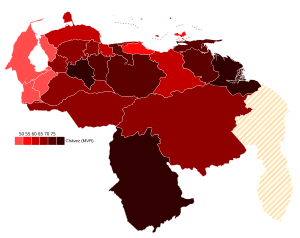
President Donald Trump has declared that, effective April 2, the United States will impose a 25% tariff on all imports from countries purchasing oil or gas from Venezuela. This measure, announced via his Truth Social platform, is aimed at penalizing nations that continue energy trade with Venezuela, which the administration accuses of covertly sending violent criminals into the U.S.

The President’s decision introduces a “secondary tariff” targeting nations engaging in energy transactions with Venezuela. He asserted that Venezuela has “purposefully and deceitfully” sent “tens of thousands” of high-level criminals, including members of the Tren de Aragua gang, into the United States. This gang has been designated as a Foreign Terrorist Organization by the U.S. government.

The impending tariffs are set to affect major importers of Venezuelan oil, notably China and India. India’s significant corporations, such as Reliance Industries Limited and Indian Oil Corporation , which have resumed importing Venezuelan crude following the easing of previous U.S. sanctions, may now face substantial economic repercussions.

This development marks a significant escalation in the U.S.’s economic measures against Venezuela. In August 2017, the Trump administration imposed sanctions targeting Venezuela’s petroleum industry by restricting the trading of Venezuelan bonds in U.S. markets. Further sanctions in January 2019 aimed to pressure President Nicolás Maduro to resign, freezing $7 billion of PDVSA’s U.S. assets and preventing U.S. firms from exporting naphtha to Venezuela.

The President’s announcement has already influenced global oil markets, with Brent crude prices rising by 1% following the news. This surge reflects concerns over potential disruptions in the global oil supply chain and the broader implications of the new tariffs.

The administration’s stance is that these measures are necessary to protect national security and address the alleged threats posed by Venezuela. However, critics argue that such broad tariffs could strain diplomatic relations and have unintended economic consequences for U.S. allies. The lack of detailed implementation plans has also raised questions about the practical enforcement of these tariffs and their impact on ongoing energy contracts.

Strategy, formerly known as MicroStrategy, has significantly expanded its Bitcoin portfolio by acquiring 6,911 bitcoins between March 17 and March 23, 2025. The purchase, totaling approximately $584.1 million, was made at an average price of $84,529 per bitcoin. This acquisition elevates the company’s total holdings to 506,137 bitcoins, acquired at an aggregate purchase price of approximately $33.7 billion, averaging $66,608 per bitcoin.

This move underscores Strategy’s ongoing commitment to Bitcoin as a primary treasury reserve asset. The company’s aggressive accumulation strategy has positioned it as the largest corporate holder of Bitcoin, now controlling nearly 2.4% of the total 21 million bitcoins that will ever exist.

To finance this substantial acquisition, Strategy raised approximately $711.2 million through the issuance of 8.5 million shares of its 10.00% Series A Perpetual Strife Preferred Stock, priced at $85.00 per share. The offering was upsized due to strong investor demand, reflecting confidence in the company’s Bitcoin-focused strategy. The net proceeds from this offering were earmarked for general corporate purposes, including the acquisition of additional Bitcoin and working capital needs.

Michael Saylor, Strategy’s Executive Chairman, hinted at the impending Bitcoin purchase through a cryptic social media post featuring a Bitcoin price chart captioned “needs more orange.” This subtle indication preceded the official announcement of the acquisition, aligning with the company’s pattern of strategic and timely Bitcoin investments.

The company’s approach involves leveraging financial instruments to fund its Bitcoin acquisitions. The Series A Perpetual Strife Preferred Stock offers a fixed annual dividend of 10%, increasing by 1% per year if payments are deferred, capped at 18%. This structure is designed to attract fixed-income investors while providing Strategy with the necessary capital to continue its Bitcoin accumulation.

Despite the substantial investment in Bitcoin, Strategy’s stock experienced a decline of 6.8% to $274.13, amid a broader downturn in the cryptocurrency market. Bitcoin’s price decreased by 2.2% to $82,620 during the same period. This volatility highlights the inherent risks associated with the company’s Bitcoin-centric strategy, as its stock performance remains closely tied to fluctuations in the cryptocurrency market.

In the broader context, the cryptocurrency landscape is experiencing significant developments. President Donald Trump has pledged to transform the United States into the leading Bitcoin superpower and global cryptocurrency hub. In a pre-recorded address to the Blockworks Digital Assets Summit in New York, President Trump criticized previous administrations for their restrictive stance on crypto and announced plans to introduce clear regulations for stablecoins and market structures. These initiatives aim to stimulate investment and innovation in the crypto sector, potentially influencing corporate strategies like that of Strategy.

By Nitya Chakraborty Is the Bangladesh Army going to take over control of their politically turbulent country, either from front or behind, to precipitate the holding of early elections? This question is being raised by the seasoned political observers in Dhaka, as the whole of last week was dominated by highly controversial posts on Facebook, […]

President Donald J. Trump has initiated a significant overhaul of the United States Agency for International Development , rebranding it as the U.S. International Humanitarian Assistance and integrating blockchain technology into its operations. This restructuring places the agency under the direct authority of Secretary of State Marco Rubio, aiming to enhance transparency and efficiency in foreign aid distribution.

An internal memo circulating within the State Department outlines the administration’s plan to utilize blockchain technology to secure and trace aid disbursements. The objective is to improve the transparency, security, and efficiency of aid distribution by leveraging blockchain’s immutable ledger capabilities. However, the specifics of this integration—whether it involves the use of cryptocurrencies or solely blockchain ledgers—remain unclear. The administration emphasizes a shift towards outcomes-based funding, intending to ensure that aid programs deliver measurable results.

Despite these intentions, the proposed reorganization has encountered legal challenges. A federal judge recently ruled that the dismantling of USAID by the Department of Government Efficiency , led by Elon Musk, likely violates the Constitution. The court issued an indefinite injunction blocking further actions against USAID and mandated the reinstatement of email and computer access to affected employees. This ruling does not reverse all personnel changes or fully restore the agency but highlights concerns over the administration’s approach to restructuring.

Critics argue that while blockchain technology offers potential benefits, its application in humanitarian contexts may not be necessary or cost-effective. Some experts caution that such technological solutions could impose additional burdens on smaller non-governmental organizations and may not provide substantial advantages over existing systems. They suggest that the focus should remain on addressing the immediate needs of aid recipients rather than implementing complex technological frameworks.

The administration’s broader strategy includes reducing the size of the federal government and reallocating resources to align more closely with American geopolitical interests. This involves concentrating on areas such as global health, food security, and disaster response, while politically oriented programs may be redirected to other sections within the State Department. The restructuring plan also proposes the elimination of multiple regional bureaus, aiming to streamline operations and enhance efficiency.

Secretary of State Marco Rubio has indicated that the reorganization will proceed with input from Congress, underscoring the administration’s commitment to aligning foreign aid programs with the interests of U.S. taxpayers and strategic objectives. However, the legal setbacks and critiques from various stakeholders suggest that the path forward may be complex and contentious.

The United Arab Emirates has announced an unprecedented commitment to invest $1.4 trillion in the United States over the next decade, marking a significant deepening of economic ties between the two nations. This ambitious investment framework aims to bolster key sectors of the U.S. economy, including artificial intelligence infrastructure, semiconductors, energy, and manufacturing. The announcement follows a series of high-level meetings in Washington, D.C., where UAE National […]

Ripple Labs has secured a significant legal victory as the U.S. Securities and Exchange Commission officially dropped its lawsuit against the company, concluding a four-year legal battle that has had profound implications for the cryptocurrency industry. Ripple’s CEO, Brad Garlinghouse, announced the development, marking a pivotal moment for both the company and the broader digital asset market.

The SEC initiated legal proceedings against Ripple in December 2020, alleging that the company’s sale of its native cryptocurrency, XRP, constituted an unregistered securities offering. This action cast a shadow over XRP and raised concerns about the regulatory status of similar digital assets. However, the SEC’s decision to dismiss the case signifies a notable shift in the regulatory landscape, potentially setting a precedent for how cryptocurrencies are classified and regulated in the United States.

In response to the news, XRP experienced a notable price surge. The cryptocurrency’s value increased by approximately 8%, reaching $2.56, as investors reacted positively to the resolution of the legal uncertainty that had long surrounded Ripple and its digital token. This price movement reflects renewed investor confidence and suggests a more favorable outlook for XRP’s future.

The conclusion of the lawsuit comes amid broader regulatory developments under President Donald Trump’s administration, which has adopted a more accommodating stance toward the cryptocurrency industry. The administration’s efforts to ease regulatory pressures have included the dismissal of multiple lawsuits against crypto companies and the establishment of a task force aimed at fostering innovation within the digital asset space. These measures underscore a strategic shift toward embracing the potential of cryptocurrencies and blockchain technology within the U.S. financial system.

President Trump’s engagement with the cryptocurrency sector was further highlighted by his recent address at the Digital Asset Summit 2025, where he acknowledged the growing importance of digital assets in the global economy. This marked the first time a sitting U.S. president has spoken at a cryptocurrency conference, signaling a significant endorsement of the industry’s legitimacy and potential. During his speech, President Trump emphasized his administration’s commitment to positioning the United States as a leader in the crypto space, advocating for legislative reforms to support the growth of crypto institutions and the broader adoption of digital assets.

The resolution of the Ripple lawsuit is expected to have far-reaching implications for the cryptocurrency market. By clarifying the regulatory status of XRP, the decision may influence how other digital assets are perceived and regulated, potentially paving the way for increased institutional investment and mainstream adoption. Market analysts suggest that this outcome could serve as a catalyst for further innovation and growth within the crypto industry, as regulatory clarity is often cited as a critical factor for broader acceptance and integration of digital assets into traditional financial systems.

Despite the positive developments, some analysts caution that the cryptocurrency market remains inherently volatile. While the dismissal of the SEC’s case against Ripple removes a significant overhang, investors are advised to remain vigilant and consider the inherent risks associated with digital asset investments. Market dynamics can be influenced by various factors, including regulatory changes, technological advancements, and macroeconomic trends, all of which can contribute to price fluctuations and investment risks.

Ripple’s legal victory also has implications for other cryptocurrency platforms and tokens facing regulatory scrutiny. The outcome of this case may serve as a reference point for future legal interpretations and enforcement actions by regulatory bodies, potentially influencing the development of more comprehensive and clear regulatory frameworks for the cryptocurrency industry. This could lead to a more predictable and stable environment for both crypto companies and investors, fostering greater confidence and participation in the digital asset market.

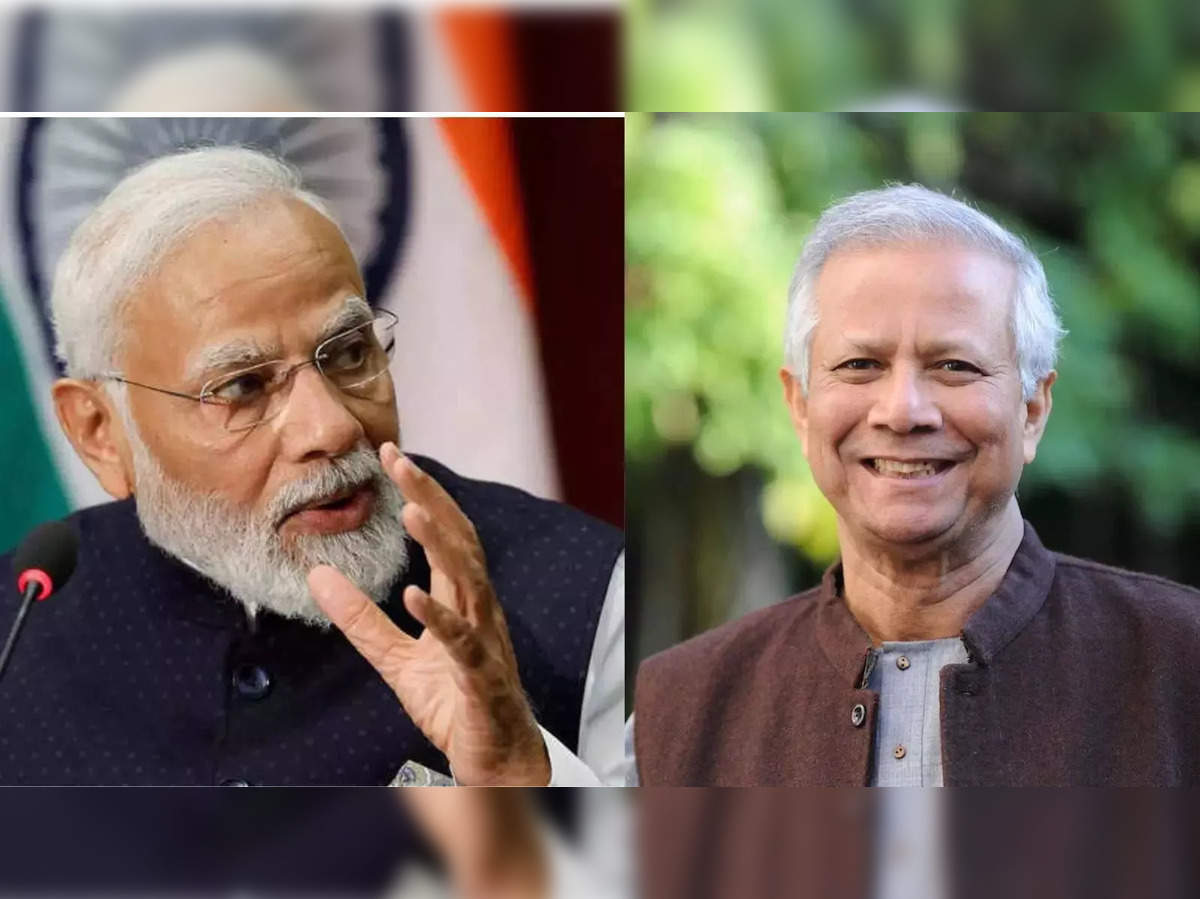
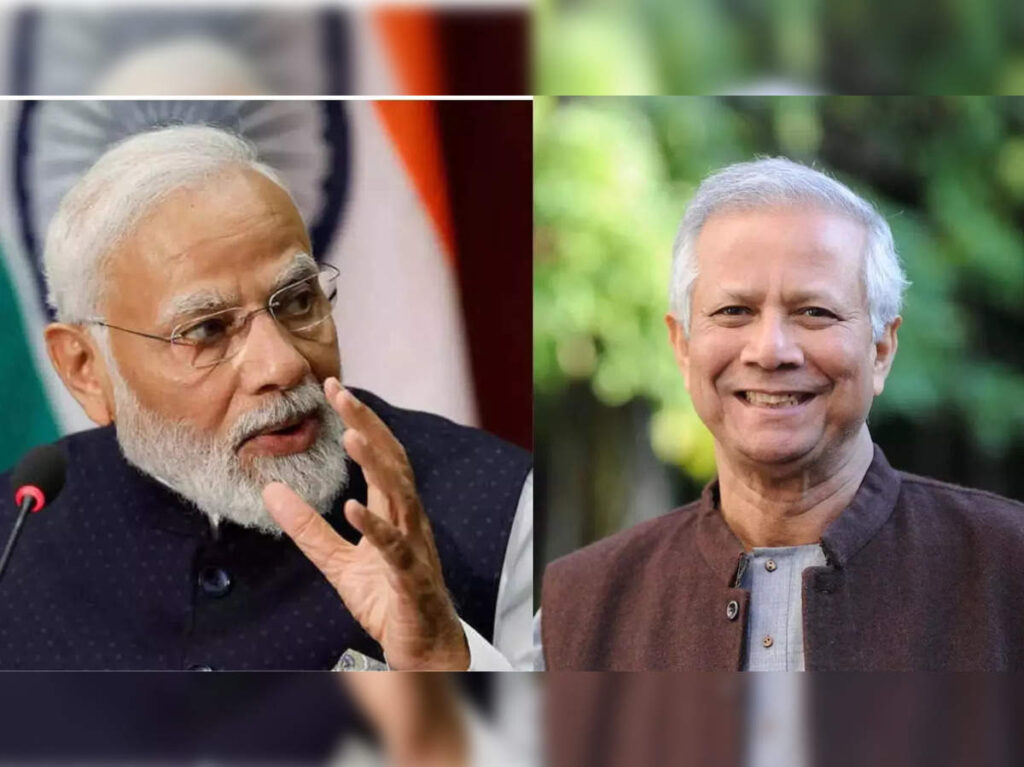
By Nitya Chakraborty Bangladesh has officially sought a meeting between their head of interim government Dr. Mohammad Yunus and the Indian Prime Minister Narendra Modi on the sidelines of the coming BIMSTEC meeting at Bangkok on April 2-4 next. Both countries are members of BIMSTEC. As per present schedule, both have confirmed their presence at […]

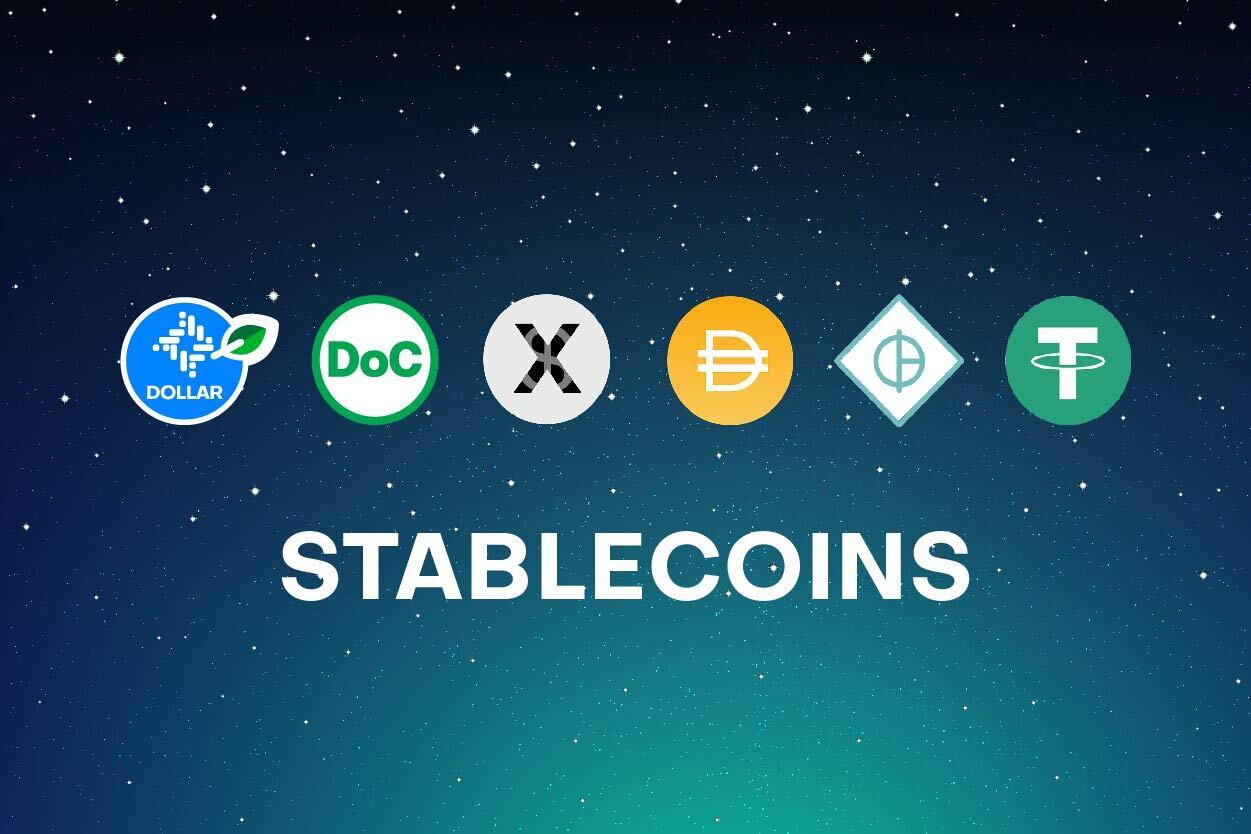
Chinese financial experts have raised concerns that US dollar-pegged stablecoins may strengthen the dollar’s global dominance by linking international credit to virtual economies. They advocate for China to develop its own stablecoins to enhance the yuan’s international standing.

A recent opinion piece published in several Chinese outlets considers how China should respond to the proliferation of US dollar stablecoins. The article suggests that China’s central bank should consider issuing its own stablecoins to counter the influence of dollar-pegged digital currencies.

Wang Yongli, former Vice President of the Bank of China, analyzed the position of the U.S. dollar as the world’s dominant currency and its implications for China’s monetary strategy. He pointed out that many countries, including China, have sought to internationalize their currencies and reduce reliance on the dollar, but these efforts face significant challenges. Despite China being the world’s second-largest economy and the largest trading nation in goods, the RMB’s share in global payments remains low, only around 4%, compared to the dollar’s nearly 50%. The RMB’s share in global reserves is also minimal, at just over 2%, while the U.S. dollar, despite declining from its peak, still accounts for nearly 60%.

China has been proactive in developing its own central bank digital currency , known as the digital yuan or e-CNY. This initiative aims to modernize the country’s payment systems and promote the yuan’s international use. The digital yuan is currently being tested in various regions and sectors within China, with plans for broader implementation in the future.

The internationalization of the yuan faces challenges, particularly due to China’s stringent capital controls, which limit the currency’s convertibility. These controls are in place to maintain financial stability but hinder the yuan’s acceptance as a global currency. Additionally, geopolitical tensions and U.S. sanctions add complexity to China’s efforts to promote the yuan internationally.

In response to these challenges, Chinese researchers have proposed the idea of a common Asian digital currency. Such a currency could reduce the region’s reliance on the U.S. dollar and enhance financial cooperation among Asian countries. This proposal reflects a strategic move to counter the dollar’s dominance and promote regional financial stability.

The proliferation of US dollar stablecoins presents both opportunities and challenges for global financial systems. While they offer efficiency and accessibility in digital transactions, they also reinforce the dollar’s hegemony, potentially undermining other currencies. China’s consideration of its own stablecoins and the development of the digital yuan are strategic efforts to enhance the yuan’s global standing and mitigate the risks associated with dollar-dominated digital currencies.

Saudi Aramco, in collaboration with Siemens Energy, has inaugurated the kingdom’s inaugural direct air capture unit, a pilot facility designed to extract 12 tonnes of carbon dioxide annually from the atmosphere. This initiative represents a significant advancement in Saudi Arabia’s commitment to reducing greenhouse gas emissions and exploring sustainable technologies. The DAC unit, situated in Dhahran, serves as a testing platform for next-generation CO₂ capture materials tailored […]

President Vladimir Putin has expressed openness to Western companies considering a return to the Russian market, provided they comply with Moscow’s terms. This stance comes amid ongoing geopolitical tensions and economic realignments following the Ukraine conflict.

In a recent address to the Russian Union of Industrialists and Entrepreneurs, Putin acknowledged the interest of foreign businesses in re-entering Russia but emphasized that any return would not entail preferential treatment. He stated that companies which had previously divested their Russian assets at discounted rates should not anticipate reacquiring them under similar conditions. Putin underscored the necessity of establishing a regulatory framework that preserves the competitive edge of domestic enterprises while accommodating foreign entities.

Despite these overtures, Dmitry Medvedev, Deputy Chairman of Russia’s Security Council, indicated that no formal applications from Western companies seeking to resume operations in Russia have been received. He noted that while there have been informal inquiries, official requests remain absent. Medvedev suggested that the absence of formal applications could be attributed to the complexities introduced by domestic businesses filling the void left by departing Western firms.

The exodus of Western companies from Russia, triggered by the onset of the Ukraine war and ensuing sanctions, led to significant shifts in the Russian market landscape. Major corporations such as McDonald’s and Starbucks ceased their operations, prompting local enterprises to step in and occupy the vacated spaces. This transition has fostered the growth of domestic brands, altering consumer dynamics and market shares within the country.

The prospect of Western companies returning to Russia is further complicated by the nation’s current economic conditions. Russia’s wartime economy is grappling with challenges including inflation and political instability, factors that could deter potential investors. Additionally, concerns over corporate nationalization and asset seizures have heightened apprehensions among foreign investors contemplating re-entry into the Russian market.

The broader geopolitical context also plays a pivotal role in shaping the investment climate. Recent developments, such as discussions around the potential return of blocked Russian foreign exchange reserves, have sparked debates within the European Union. Some analysts caution that releasing these reserves could inadvertently bolster Russia’s war efforts, thereby undermining Ukraine’s position and the EU’s strategic leverage. This underscores the intricate balance that policymakers must navigate in addressing the economic dimensions of the conflict.

Internal documents suggest that Russia may be strategizing to prolong the Ukraine conflict, potentially undermining peace negotiations led by international actors. A Kremlin-affiliated think tank report proposes extending the war and making demands that could derail diplomatic efforts. Such maneuvers add layers of uncertainty to the geopolitical landscape, influencing the calculus of foreign businesses considering a return to Russia.

HONG KONG SAR – Media OutReach Newswire – 20 March 2025 – China Mobile International (“CMI”) hosted the AI+ Era Global Development Forum in Hong Kong on March 19. Distinguished guests included Li Huidi, Executive Vice President of China Mobile; Mu Chenhong, Deputy Director of the Information Center, Liaison Office of the Central People’s Government in the Hong Kong SAR; Wong Chi Kwong, Tony, JP, the Commissioner […]

President Donald Trump has called on Congress to expedite the passage of stablecoin and cryptocurrency reserve legislation, emphasizing the need for regulatory clarity in the rapidly evolving digital asset sector. This appeal was made during his address at the Digital Asset Summit, marking the first time a sitting U.S. president has spoken at a cryptocurrency-focused conference.

In his speech, President Trump underscored the importance of integrating digital assets into the mainstream financial system, stating, “We must ensure that our regulatory framework fosters innovation while protecting consumers and maintaining financial stability.” He urged legislators to deliver comprehensive bills to his desk before the congressional recess in August, reflecting a sense of urgency in addressing the regulatory challenges posed by digital currencies.

This development follows the Senate Banking Committee’s recent advancement of the Generating Necessary Information for Unobstructed Selection Act, a bipartisan bill co-sponsored by Senators Bill Hagerty and Kirsten Gillibrand. The GENIUS Act aims to provide federal legitimacy to stablecoins, digital currencies pegged to traditional assets like the U.S. dollar, by establishing a dual regulatory framework. This framework would allow stablecoin issuers to register with either state or federal authorities, thereby promoting their adoption as mainstream payment options. However, critics, including Senator Elizabeth Warren, have raised concerns about potential risks such as insufficient consumer safeguards and financial instability, cautioning against a possible Big Tech takeover of the dollar.

In addition to legislative efforts, the Trump administration has taken proactive steps to position the United States as a leader in the digital asset space. Earlier this month, President Trump signed an executive order establishing a Strategic Bitcoin Reserve and a U.S. Digital Asset Stockpile. The Strategic Bitcoin Reserve is designed to treat bitcoin as a reserve asset, capitalized with bitcoin forfeited in criminal or civil asset forfeiture proceedings. This move aims to create a “digital Fort Knox,” signaling a significant shift in the U.S. government’s approach to digital assets. The U.S. Digital Asset Stockpile will consist of other digital assets obtained through similar forfeiture proceedings, with strategies for their responsible stewardship under consideration.

The administration’s actions have been met with both optimism and skepticism. Proponents argue that these measures will integrate cryptocurrencies more deeply into the financial system, transforming them into viable payment systems and investment vehicles. Kevin O’Leary, a prominent investor and “Shark Tank” star, remarked that under President Trump’s leadership, cryptocurrency is moving away from its “cowboy era,” referencing past market volatility and regulatory uncertainties. O’Leary noted that with the implementation of regulations, crypto is becoming more integrated with financial institutions, signaling a maturation of the industry.

Conversely, critics express concerns over the rapid institutionalization of digital assets without comprehensive regulatory oversight. They caution that an overly permissive stance could lead to financial instability and inadequate consumer protections. The debate highlights the delicate balance policymakers must strike between fostering innovation and ensuring the safety and soundness of the financial system.

The Digital Asset Summit also featured discussions on the global implications of the United States’ digital asset policies. Industry leaders emphasized the need for international collaboration to establish harmonized regulatory standards, citing the borderless nature of cryptocurrencies. They argued that coordinated efforts are essential to prevent regulatory arbitrage and to promote the healthy development of the global digital asset ecosystem.

As the legislative process unfolds, all eyes are on Congress to see how it will navigate the complex landscape of digital asset regulation. The outcome will have profound implications not only for the United States but also for the global financial system, as nations worldwide grapple with the challenges and opportunities presented by the rise of digital currencies.

Pasqal, a French quantum computing startup, has integrated its neutral-atom quantum processors into Microsoft’s Azure Quantum cloud service, marking a significant advancement in cloud-based quantum computing accessibility. This collaboration allows Azure Quantum users to utilize Pasqal’s unique technology to address complex computational challenges without the need for substantial infrastructure investments. Neutral-atom quantum computing represents a notable shift from traditional quantum computing methods. Pasqal’s approach involves manipulating neutral […]

Arabian Post Staff -Dubai Abu Dhabi’s sovereign wealth fund, ADQ, has entered into a strategic partnership with U.S.-based private equity firm Energy Capital Partners to invest over $25 billion in energy infrastructure projects across the United States. This 50-50 collaboration aims to develop 25 gigawatts of new power generation capacity, primarily to meet the escalating electricity demands of data centers and other energy-intensive industries. The joint venture […]

VISHNU RAJA
RYO YAMADA
HITORI GOTOH
IKUYO KITA