News related to
President

By Dr. Arun Mitra On October 29, U.S. President Donald Trump announced that ‘Because of other countries testing programs, I have instructed the Department of War [the Pentagon] to start testing our nuclear weapons on an equal basis. That process will begin immediately. This statement is not only disturbing but also extremely dangerous’. The last […]

The article US Cannot Be Allowed To Push The World To The Nuclear Precipice appeared first on Latest India news, analysis and reports on Newspack by India Press Agency).

A team of researchers at the Okayama University of Science has unveiled a novel wine grape variety known as Muscat Shiragai, marking a milestone in hybrid viticulture. The new cultivar pairs the wild Shiraga grape native to the Takahashi River basin in Okayama Prefecture with the globally recognised Muscat of Alexandria. The project was led by Professor Emeritus Takuji Hoshino, a plant systematics expert and founding director […]

South Korean industry and government have secured a major hardware boost as Nvidia will deliver more than 260,000 of its flagship “Blackwell” AI chips to the Republic of Korea in a partnership spanning the public sector and major corporations. The deal, announced during the Asia‑Pacific Economic Cooperation Summit in Gyeongju on 31 October, positions South Korea as a rising artificial-intelligence hub and reflects Nvidia’s pivot amid shifting global semiconductor geopolitics.

The agreement covers deployments across multiple sectors: the government will obtain roughly 50,000 of Nvidia’s GPUs for its National AI Computing Centre; top chip-maker Samsung Electronics and conglomerate SK Group are each set to install about 50,000 units; automaker Hyundai Motor Group another 50,000; and internet-giant Naver Corporation around 60,000.

Nvidia’s chief executive, Jensen Huang, described the arrangement as an opportunity to “produce intelligence as a new export” for South Korea—drawing on its track record in electronics, ships and cars. He met President Lee Jae Myung and leading industrial executives during APEC’s leader-week, underpinning the deal’s strategic importance.

For South Korea the timing is critical. The country’s ambition to become one of the world’s top three AI powerhouses is tied to this surge in computing capacity. Officials estimate that the new GPU stock will raise South Korea’s installed AI-chip inventory from roughly 65,000 to over 300,000 units—more than a four-fold increase.

The motive spans multiple strands. Domestically, the government has signalled its intent through a budget push to triple AI-related spending to 10.1 trillion won in the 2026 fiscal year, with AI infrastructure now a key focus alongside semiconductors, autos and ship-building. Meanwhile, on the global stage, the transaction reflects Nvidia’s response to US export restrictions targeting China: by deepening partnerships with allied economies, Nvidia hedges market access and secures demand beyond geopolitical risk zones.

Industry commentators note the strategic value for South Korea’s private sector. Samsung’s aim to build an AI-factory on the back of these chips and Hyundai’s plan to apply them in autonomous driving and smart factories indicate a broad industrial integration of AI hardware. SK Group’s creation of an industrial-AI cloud, together with Naver’s scaling of its model-training infrastructure, further illustrate the ecosystem approach.

However, risks remain. The logistics of deploying such volumes of high-performance chips across multiple sectors present challenges in cooling, power supply and skilled workforce capabilities. Moreover, the influx of foreign hardware raises questions about long-term sovereignty of critical AI infrastructure—South Korea may become reliant on external chip providers even as it strives to build home-grown strength. Some analysts caution that building capacity alone does not always translate into global leadership in AI.

Another layer of uncertainty stems from the export environment. US policy is tightening its grip on shipments of Nvidia’s most advanced chips to China and other countries. While the South Korean deal has been approved, shifts in global regulation or export licences could affect timelines or chip-variants supplied.

For the key players in South Korea the stakes are substantial. Samsung and SK are leveraging this infusion to advance semiconductor development and edge-computing systems. Hyundai is tackling next-generation vehicle autonomy. Naver and Kakao increasingly rely on large-scale model training—now anchored to the new hardware. At a national level, the government aims to unlock innovation, jobs and exports through “sovereign AI” infrastructure under domestic control.

In global context, South Korea’s move places it firmly within the push by middle powers to stake out a significant role in the AI value chain, not merely as chip supplier but as a platform developer and services export economy. For Nvidia it reinforces its global reach and market dominance at a time when alternatives seek to challenge its position. The magnitude of the chip deployment and its industrial-strategic alignment make this one of the most consequential AI-hardware partnerships of the year.

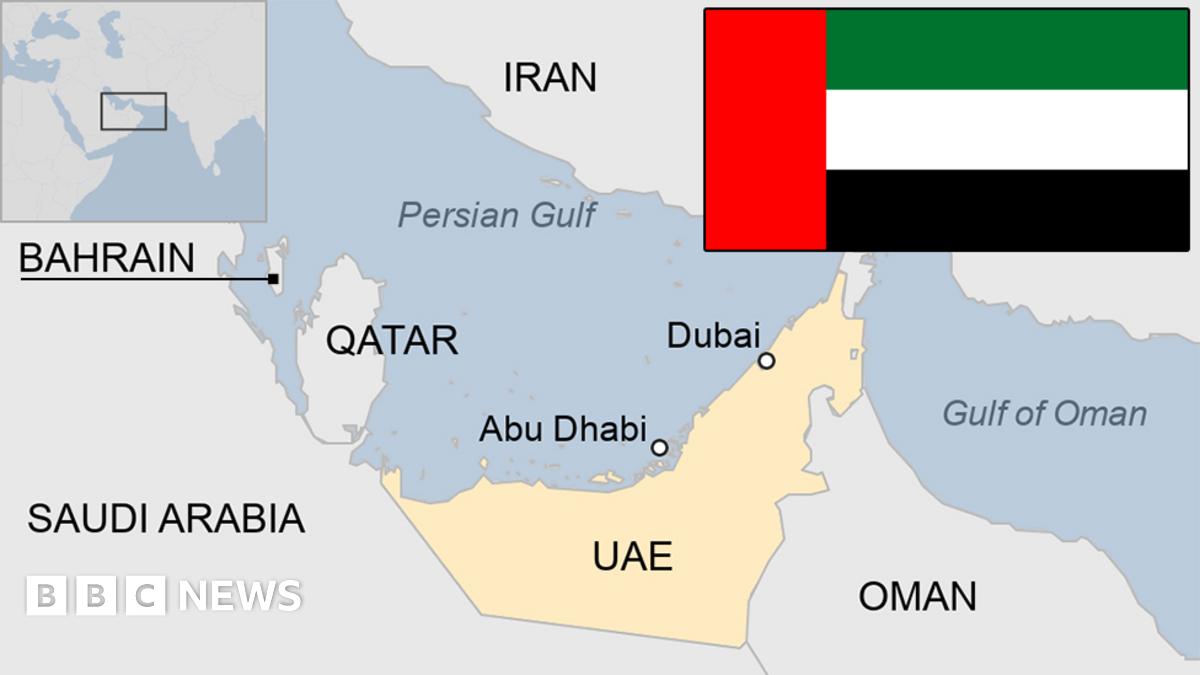
Microsoft has announced a commitment to invest approximately $15.2 billion in the United Arab Emirates by the end of 2029, while securing U. S. export licences to ship advanced AI chips to the Gulf state. The investment is centred on building and expanding cloud infrastructure, artificial-intelligence data centres and talent development in partnership with local entities.

The majority of this sum will flow into the construction and operation of AI-enabled data-centre campuses, with Microsoft Vice-Chair and President Brad Smith describing the growth of those facilities as “by far” the largest element of the investment. The U. S. export licences permit shipment of tens of thousands of the latest-generation Nvidia GB300 Grace Blackwell GPUs to the UAE, enabling Microsoft to deploy higher-end compute capacity in its regional centres.

The investment timeline outlines that Microsoft had invested just over $7.3 billion between 2023 and the end of the present year and plans to spend more than $7.9 billion from 2026 to 2029. Of the latter, over $5.5 billion is earmarked for capital expenditure on data-centres and cloud systems, with the remainder directed at local operating expenses and workforce development. The export licence approvals follow a strategic arrangement between Washington and Abu Dhabi, reflecting shifting U. S. policy on high-end chip exports and technology partnerships with Gulf states.

By leveraging the licences, Microsoft gains the ability to scale AI infrastructure in the UAE under its own operation and in concert with regional firms. The firm emphasizes talent and ecosystem-building alongside infrastructure, noting its launch of a Global Engineering Development Centre in Abu Dhabi, and targeting wide-scale skilling of AI talent across the region. Local partner G42-based in Abu Dhabi plays a key role, with Microsoft having invested $1.5 billion for a minority stake and a board seat for Smith. G42’s board participation and Microsoft’s alignment reinforce the strategy of blending global tech capability with regional execution.

Beyond the financials, the deeper strategic purpose illuminates broader geopolitical dynamics. The U. S. decision to grant chip-export licences to the UAE signals a recalibration of export controls in favour of trusted partners, even as Washington manoeuvres to counter Chinese influence in the global AI supply-chain. The UAE’s ambition to become a global AI hub, and to host one of the world’s largest data-centre complexes in Abu Dhabi, aligns with Microsoft’s drive to diffuse AI at scale. The chip-export approvals are bound by stringent cyber-security and physical-security conditions; Smith emphasised that Microsoft became “the first company” under this administration to obtain such licences for the Gulf region.

Concerns remain, however. Some U. S. lawmakers have flagged that the UAE’s past technology ties with China raise questions about enforcement of export-control safeguards and potential technology diversion. The export licences carry conditional compliance obligations; any lapses may provoke regulatory scrutiny. For Microsoft and the UAE, execution risk spans multiple fronts: timely deployment of infrastructure, talent acquisition and retention, regulatory alignment, and ensuring that capital investment yields operational returns in a cloud and AI market set to intensify.

For the UAE, the benefits are manifold: access to cutting-edge AI hardware, alignment with global technology leaders, and bolstered credentials as a regional innovation hub. For Microsoft, the Gulf expansion offers a new growth frontier outside its traditional markets, delivering cloud-services scale and AI-model hosting in a region keen to adopt generative-AI applications at high per-capita levels. According to Microsoft’s own AI diffusion data, the UAE leads global per-capita use of generative AI, with 59.4 per cent of its population reported to be active users, ahead of second-placed Singapore at 58.6 per cent.

The United Arab Emirates has established itself as a leading hub for innovation and the deployment of advanced technology in the energy sector, according to George Bou Mitri, President of Honeywell for the Middle East, Türkiye and Central Asia. Speaking at the sidelines of the Abu Dhabi International Petroleum Exhibition & Conference 2025, he highlighted how the country’s digital transformation initiatives are serving as a global model for sustainable, technology-driven energy systems.

Bou Mitri said the UAE presents a distinctive example of openness, collaboration and synergy between public and private sectors in driving innovations that are making a tangible global impact in the energy industry. “The solutions created here in the UAE extend their influence far beyond its borders,” he commented. He noted that the country is actively integrating advanced technologies across its energy ecosystem, including expanding the use of LNG, hydrogen, solar and developing sustainable aviation fuel and bio-fuel as part of its emissions-reduction drive.

Honeywell is playing a significant role in this transformation. Bou Mitri pointed to the company’s participation in a landmark project with Abu Dhabi National Oil Company for the Ruwais LNG facility, expected to produce about 9.6 million tonnes annually. He also revealed that Honeywell is developing the region’s first fully autonomous control room powered by agent-based artificial intelligence in partnership with Borouge, aimed at managing petrochemical operations without direct human intervention.

Bou Mitri stressed that digital transformation forms the backbone of the sector’s future. He noted that global energy demand is projected to increase by 32 percent by 2050, while electricity demand is expected to grow by more than 75 percent in the same period, necessitating comprehensive tech solutions to balance growth with emission reduction and operational efficiency. He added that the UAE is clearly adopting that approach, emphasising that the country’s facilities are becoming important development grounds for technologies related to emissions management, artificial intelligence applications and workforce productivity improvements through digitalisation.

The autonomous control-room initiative with Borouge stands out as a practical demonstration of this strategy. According to Borouge, the project will deliver the petrochemical industry’s first AI-driven control room at its UAE plant operations and forms part of its “AIDT” programme with a targeted value generation of US$575 million. The collaboration is intended to optimise production, reduce energy use and enhance safety while lowering costs at what is set to be the world’s largest petrochemical site.

The UAE’s positioning as an innovation frontier for energy technologies comes at a time when the industry is under growing pressure to adapt. Emerging themes include the convergence of artificial intelligence, digital twins, autonomous operations, and clean-energy integration. The broader Middle East region is witnessing major energy investment momentum, with expectations of exceeding US$130 billion this year in oil and gas alone, and simultaneous major expansion in clean-energy investments including hydrogen, LNG and carbon capture projects.

For Honeywell, the UAE’s energy ecosystem is a fertile environment for deploying its digital and automation technologies, but challenges remain. Among these are workforce skills deficits — Bou Mitri pointed out that more than 50 percent of the global energy workforce is aged over 45 — and the need to transfer accumulated expertise to a younger generation. In a sector where downtime, operational safety and emissions control have high stakes, the technology must deliver in real-world conditions, not just in controlled test environments.

Critics might point to the scale of investment required, potential cybersecurity and data governance risks as operations become more connected and autonomous, and the difficulty of scaling pilot programmes into full-scale operations across multiple sites. Nonetheless, the UAE’s strategic posture — combining government backing, private-sector capability and a willingness to test and deploy cutting-edge systems — presents a compelling case study for the global energy community.

Nasdaq has issued a formal letter of reprimand to TON Strategy, citing a breach of listing rules after the company raised equity and used nearly half its privately raised funds to acquire a large holding in Toncoin without obtaining required shareholder approval. According to the regulatory filing, the company’s issuance of new common stock and warrants during a private investment in public equity transaction in August exceeded the 20 per cent threshold of outstanding shares that triggers an approval requirement.

The issuer, formerly known as Verb Technology and re-branded earlier this year to become a listed vehicle focused on digital asset treasury strategy, announced a $558 million PIPE closed on 7 August. The company disclosed that approximately 48.78 per cent of those proceeds were used to purchase Toncoin.

Nasdaq’s notice pointed out the omission of shareholder approval, which is required when share issuances exceed thresholds designed to protect existing investors and maintain transparency. The exchange concluded that while the misstep was a violation, it did not appear to reflect intentional avoidance of rules and therefore did not recommend delisting the company’s securities.

Toncoin’s market price reacted sharply, declining more than 5 per cent to around $2.165 following the notice, and trading volumes surged, which analysts interpreted as heightened investor concern about governance risks in crypto-linked public-company structures.

In a briefing, TON Strategy CEO Veronika Kapustina had warned that the nascent model of publicly traded cryptocurrency treasury firms could be showing “early indications of a bubble”, pointing to rising valuation and risk of complacency in transparency.

The leadership change within TON Strategy also drew attention: on the closing date of the PIPE, the firm appointed Manuel Stotz, former president of the TON Foundation, as Executive Chairman. The combination of leadership transition, major token purchase, and share issuance without vote has raised questions around alignment of interests and governance framework.

Market observers say the incident underscores a broader trend where public companies are adapting treasury models that hold large cryptocurrency positions, creating novel intersections of asset-class risk, corporate finance and regulatory oversight. Each of these linkages raises fresh scrutiny as traditional exchanges apply inspection regimes developed for conventional equity markets. One analyst commented that “crypto treasury firms now face the same listing rigour as any industrial company, but with far less precedent to guide them”.

For TON Strategy and its shareholders, immediate focus will be on how the company responds within the 45-day window typically afforded by Nasdaq to submit a corrective plan. The notice does not affect the company’s listing status so long as it meets other requirements, but revisions may include retroactive shareholder approval or altered future financing protocols.

Belgrade’s governing party has introduced legislation designed to fast-track the development of a luxury hotel complex linked to the son-in-law of former United States President Donald Trump, signalling the project is gaining momentum despite mounting controversy. The law would relax planning and heritage oversight on the site of the former Yugoslav Ministry of Defence buildings, allowing the U. S.-based investment firm Affinity Partners, headed by Jared Kushner, […]

Advertisements

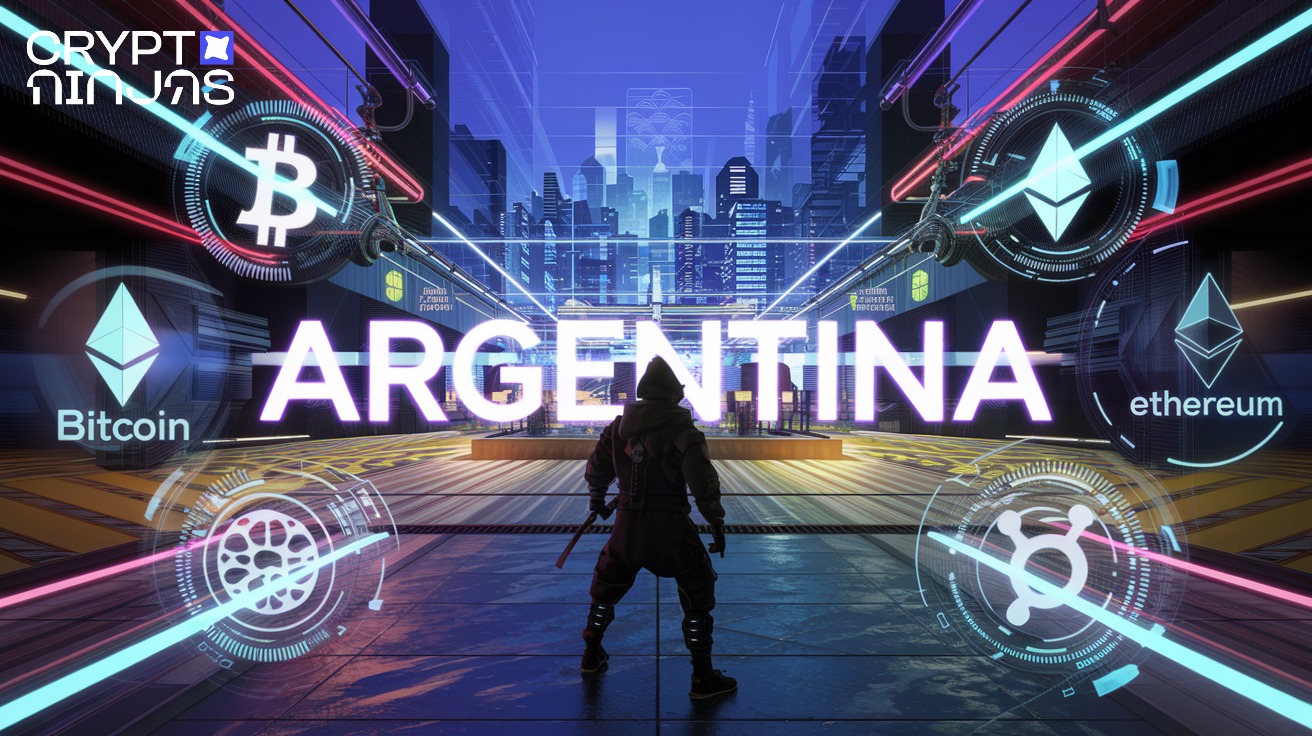
A new stablecoin backed by the Argentine peso has been launched by the Latin American crypto exchange Ripio, signalling a significant step in the region’s digital finance landscape. The token, named wARS, is available on the Ethereum, Base and World Chain networks and is intended to provide users with 24/7 access to local-currency funds without relying on the US dollar or traditional bank systems.

Ripple effects are already evident across the fintech sector as Ripio seeks to leverage its more than 25 million users throughout Latin America to build cross-border payment rails denominated in local currencies. Ripio’s management says the introduction of wARS is part of a broader strategy to bring real-world assets such as fiat currencies and tokenised debt onto blockchain platforms. The move follows the company’s earlier launch of a tokenised sovereign bond in Argentina.

The economic context makes the launch especially noteworthy. Argentina’s inflation rate fell to around 31.8 % this year, down from close to 292 % in April 2024 under President Javier Milei’s government. The peso remains subject to strict controls and capital restrictions, creating demand for crypto alternatives and dollar-linked stablecoins. A peso-pegged token could serve as an on-chain alternative for Argentines seeking to transact in their local currency while bypassing conventional banking and remittance infrastructure.

Market analysts point to three immediate implications. First, wARS offers a familiar reference point for domestic users who know the peso, rather than US-dollar-backed tokens. Second, by operating on multiple blockchains, it allows integration with decentralised finance applications across ecosystems. Third, the design could appeal to freelancers, exporters and cross-border businesses connecting Argentina with Brazil, Chile and other Latin American economies that currently settle in US dollars or face fragile local-currency rails.

Still, several challenges lie ahead. Liquidity and market acceptance remain uncertain outside major cryptocurrencies, and the value of a peso-pegged token will likely be sensitive to broader macroeconomic policy changes and FX-control shifts. Regulatory clarity is another concern: while stablecoins tied to major currencies have faced scrutiny in major jurisdictions, less attention has been paid to local-currency tokens in emerging markets. One analyst cautions that “regulators worldwide have not fully caught up with stablecoins that reflect non-dollar fiat currencies, so scalability and risk need careful governance.”

Seoul and Beijing accelerated bilateral engagement on Saturday when their leaders met on the sidelines of the Asia-Pacific Economic Cooperation summit in Gyeongju. President Lee Jae Myung of South Korea and President Xi Jinping of China signed a new five-year currency swap worth about 70 trillion won between their central banks, and agreed six memorandums of understanding covering economic cooperation, agriculture and services trade. This financial pact mirrors one that expired last month and signals a stronger push by both Seoul and Beijing for deeper economic synchronisation.

At the same time, the two administrations flagged potential restoration of cultural exchange channels that were effectively shut down more than a decade ago. China’s informal ban on South Korean entertainment—spanning K-pop, television dramas and film—was imposed following Seoul’s deployment of a U. S. missile defences system, which Beijing viewed as a strategic threat. At the summit, Lee and Xi agreed on the need to expand cultural cooperation, though Lee’s office cautioned that the dialogue reflected “courtesy comments” rather than final decisions.

Analysts describe the summit as a signal of warming relations after years of tactical distancing around security issues. Lee pressed for China’s constructive involvement in facilitating dialogue with North Korea, emphasising that high-level exchanges between Pyongyang and Beijing had ramped up. Xi reaffirmed China’s policy of strategic consistency and pledged deeper communication with Seoul. In parallel, the Korean and Chinese law-enforcement authorities signed an MOU to combat transnational voice-phishing and online scam crimes. Other MOUs addressed cooperation in the silver industry, innovative start-ups and agricultural exports from South Korea to China, reinforcing the emphasis on citizen-facing and practical cooperation.

Still, important caveats remain. While the swap agreement and MOUs represent tangible results, they come against a backdrop of prominent domestic dissent in South Korea. Thousands of protesters rallied in Seoul ahead of the summit, chanting anti-China slogans and highlighting a rising climate of nationalist sentiment. The South Korean government has acknowledged that such unrest risks undermining its diplomatic efforts and international standing. On the cultural front, though the possibility of lifting the ban on Korean content in China was raised, officials stressed that legal and procedural constraints remain in place and the matter is “premature” to reinterpret as a full reopening.

Commercially, the new swap line aims to bolster market stability for both nations amid global economic uncertainty and an intensifying U. S.–China rivalry. For cultural industries in South Korea—home to major firms such as Hybe, SM Entertainment and CJ ENM—the prospect of access to China’s vast audience is tantalising but still uncertain. For Beijing, deeper cultural ties with Seoul could ease past tensions and bolster the role of cultural-and-creative industries in economic growth, as alluded to in the summit’s wider Asia-Pacific framework which emphasises the importance of such sectors alongside digital transformation and artificial intelligence.

Greenlogue/AP The decision by the administration of Donald Trump not to send senior representatives to the COP30 climate summit in Belém, Brazil has triggered alarm among international climate officials and reshaped the contours of global environmental diplomacy. The move signals a sharp pivot by the United States away from multilateral climate forums, raising questions about future global cohesion on climate change mitigation. The White House confirmed that […]

Global enterprise cloud provider Oracle Corporation is pushing its multicloud and artificial intelligence strategy into a new phase, deploying ultra-high-density GPU clusters, open standards and unified data architecture to support large-scale model training and agentic AI workloads. At the heart of the initiative is Nathan Thomas, Vice President of Multicloud and AI Strategic Initiatives, who described the engineering-driven enhancements unveiled at the company’s AI world event in […]

The White House announced a policy that prohibits credentialed reporters from freely entering Room 140, a section of the West Wing known as “Upper Press” housing senior communications staff, unless they first secure an appointment. The directive originates from the National Security Council, which cited the protection of “sensitive material” now routinely handled in that zone. Press Secretary Karoline Leavitt and her deputy Steven Cheung are among […]

Chicago futures for soybeans surged as trade diplomacy between the United States and China paved the way for a revival of American oilseed exports. The most-active contract on the Chicago Board of Trade reached the highest level in 15 months and is on track for its largest monthly gain in nearly four years. China’s state-owned enterprise COFCO confirmed the purchase of three cargoes of U. S. soybeans […]

By Nitya Chakraborty In the last 24 hours since the holding of the historic summit between President Donald Trump and Chinese President Xi Jinping, a large number of commentaries in the American media as also in other western papers have been written. While in US, the assessment of the outcome of talks is on expected […]

The article Trump-Xi Summit At Busan Is A Game Changer Within China’s Us Policy appeared first on Latest India news, analysis and reports on Newspack by India Press Agency).

The European Central Bank is moving closer to launching a pilot phase for the digital euro, with the prospect of beginning in 2027, contingent upon the agreement of national governments and the European Parliament on a legal framework next year. The digital euro, a form of central bank digital currency, has been under discussion for several years, with the ECB exploring its potential to complement cash in the digital economy.

As Europe grapples with the rise of cryptocurrencies and the growing trend of digital payments, the digital euro could provide an official, secure alternative to private sector digital currencies. The ECB’s President, Christine Lagarde, has emphasised the need for such a digital currency to support the stability and efficiency of the European financial system, ensuring that the euro remains relevant in the digital age.

The digital euro would function as a central bank liability, meaning it would be fully backed by the ECB. It would be designed to facilitate seamless transactions within the European Union, enhancing the speed and security of payments while reducing the costs associated with cash handling. The move aligns with global trends, as several central banks, including those of China and Sweden, have already made significant progress in developing their own digital currencies.

According to the ECB, the pilot phase of the digital euro will test its usability, privacy measures, and integration with existing payment systems. This will provide invaluable insights into its effectiveness and address potential challenges, such as ensuring the currency’s security against cyber threats and the impact on existing banking systems. A key aspect of the digital euro is that it will be designed to coexist with physical cash, offering citizens the flexibility to choose between digital and traditional forms of payment.

Although the digital euro will be built on blockchain technology, it will differ from cryptocurrencies like Bitcoin. While cryptocurrencies operate on decentralised networks, the digital euro will be centralised, controlled by the ECB. This distinction is important for maintaining monetary control and ensuring that the currency does not fall prey to the volatility often associated with digital assets. The goal is to create a stable digital currency that enhances the European Union’s ability to manage monetary policy, while also improving the payments landscape for consumers and businesses.

The upcoming legal framework is crucial in determining how the digital euro will be implemented and regulated. The European Commission is expected to propose legislation that will outline how the digital currency will be integrated into the broader financial system. National governments and the European Parliament will then need to agree on the proposal, a process that is expected to take several months. The legal framework will address issues such as the protection of personal data, the accessibility of the digital euro to all citizens, and how it will interact with existing digital payment systems.

For the ECB, the digital euro represents a forward-thinking solution to challenges posed by the growing use of digital payment methods and the risk of losing control over the money supply. Central banks around the world are racing to develop their own digital currencies in response to the rapid rise of private sector innovations like stablecoins and cryptocurrencies. The digital euro could potentially safeguard the sovereignty of the eurozone’s monetary system while fostering innovation in payments.

The shift towards a digital currency also holds significant implications for the banking sector. By providing a digital alternative to cash, the ECB could help reduce the reliance on commercial banks for certain types of payments. This could reshape the banking sector, influencing the role of traditional banks and their relationship with consumers. At the same time, the introduction of the digital euro could offer new opportunities for businesses, especially in the area of cross-border payments, where speed and efficiency are essential.

However, the introduction of a central bank digital currency is not without its challenges. Privacy concerns are a major issue, as the digital euro would need to balance transparency with the protection of personal data. The ECB has stated that it will ensure robust privacy protections, but questions remain about the extent to which transactions will be monitored and tracked. Additionally, the potential for disruption to the existing banking and payment systems must be carefully managed to ensure a smooth transition.


The Washington-based media outlet Radio Free Asia announced that it will suspend all editorial content production from Friday, citing critical funding shortfalls triggered by the federal government shutdown and delays in appropriations. The decision marks the first full shutdown of its news services since the broadcaster’s founding in 1996.

Chief Executive Bay Fang explained that the organisation is “forced to suspend all remaining news content production … for the first time in its 29 years of existence” and that operations in several overseas bureaus across Asia will close while staff are formally laid off and severance paid. The organisation reported that many employees have been on unpaid leave since March owing to previous funding cuts.

Analysts say the board’s move underscores a precarious moment for U. S.-backed international broadcasting. Radio Free Asia, which has delivered news in Mandarin, Burmese, Khmer, Korean, Vietnamese and Uyghur since the mid-1990s, has come under mounting pressure from a combination of political directives and fiscal constraints. In March the United States Agency for Global Media terminated its grant under a presidential executive order, prompting legal challenges. Over the following months the service slashed language operations, placed staff on extended leave and shrank its footprint.

The trigger for the complete pause is the failure of Congress to pass a full-year funding resolution, resulting in the federal shutdown beginning October 1 and the impasse over the 2026 fiscal year budget. The shutdown left USAGM unable to disburse new funding, forcing Radio Free Asia to exhaust reserves. The suspension leaves fewer than 30 employees in place, according to internal documents.

Supporters of the broadcaster warn that the shutdown of its services will leave a significant information gap in parts of Asia where independent media are scarce and press freedom is under threat. The outlet has been credited with investigative reporting on China’s Uyghur population, coverage of North Korean defectors and analysis of the 2021 Myanmar coup. Its multilingual services have made it one of the few external voices operating inside closed societies.

Critics of U. S. international broadcasting say that the funding model, which ties outlets to federal grants, is inherently unstable when funding is politicised. They argue that the reliance on appropriations makes such organisations vulnerable to shifts in administration priorities and partisan standoffs. The halt in operations at Radio Free Asia has already been welcomed by governments it has criticised, including Cambodia and China, which view the move as a blow to U. S. soft-power broadcasting efforts.

Industry observers note that other USAGM-funded broadcasters are also under strain. The Radio Free Europe/Radio Liberty has retained legal protection via a court injunction but still faces cash-flow challenges. The broader trend suggests that U. S. international media assets may have thoroughly entered a phase of retreat just as global information competition—particularly from China and Russia—is intensifying.

The implications of the suspension extend beyond media-industry metrics. Some Asian governments that had viewed the broadcaster’s presence as adversarial are already reclaiming influence. Beijing had added state-run radio frequencies in regions formerly served by Radio Free Asia’s Mandarin service, and Phnom Penh’s leadership publicly thanked Washington in March for the cuts, calling them “a major contribution to eliminating fake news” in the region.

By Nitya Chakraborty   The much-awaited meeting between US President Donald Trump and the Chinese President Xi Jinping ended on Thursday morning at Busan in South Korea with both expressing high optimism at the outcome of the talks. Trump described the talks as “amazing” saying that their dispute over the supply of rare earths had […]

The article Is Xi Jinping Working For A Bipolar World Along With Donald Trump? appeared first on Latest India news, analysis and reports on Newspack by India Press Agency).

The African Development Bank has approved a US$75 million financing package for Nyanza Light Metals Pty Ltd of South Africa to construct an 80 000-tonne-per-year titanium dioxide pigment production facility at the Richards Bay Industrial Development Zone. The plant will process locally and regionally sourced ilmenite ore into high-value pigment used in paints, coatings, cosmetics, food processing and medical applications. The financing deal includes US$50 million drawn […]

A new product has been launched by Microchip Technology Inc., the TimeProvider 4500 v3 grandmaster clock, offering sub-nanosecond time-transfer capabilities across up to 800 kilometres of long-haul optical fibre. Its arrival addresses the growing demand among network operators, utilities and government agencies for a robust alternative to satellite-based timing systems tied to global navigation satellite systems. The device achieves alignment with the international standard ITU‑T G.8271.1/Y.1366.1 for […]

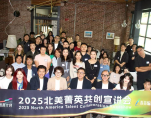
LOS ANGELES, US / BEIJING, CHINA – Media OutReach Newswire – 30 October 2025 – Hujing Digital Media & Entertainment Group (the “Company”), the cultural and entertainment subsidiary of Alibaba Group Holding Limited (HKEX: 9988), is accelerating its global talent strategy. The Company recently hosted its “2025 North America Talent Collaboration Roadshow” in Los Angeles, where it connected with young Chinese-language directors, screenwriters, and producers trained at […]

President Donald Trump is advancing plans to nominate Ryan Baasch, a senior aide within the White House’s economic policy team, for a commissioner seat at the Federal Trade Commission. Sources familiar with the matter say the 37-year-old special assistant at the National Economic Council would step into the post vacated by Commissioner Melissa Holyoak, who is expected to be tapped for the role of U. S. Attorney […]

Engineering firm ABB India has announced a 25 per cent increase in the production capacity of variable speed drives at its Peenya facility in Bengaluru. The expansion involves a newly installed production line equipped with advanced automation and sensor-based monitoring, and is aimed at boosting local manufacturing, reducing lead times and supporting domestic industry sectors such as buildings, data centres, water, cement and metal processing.

The new manufacturing line is reported to slash lead-times by up to 40 per cent while enabling more customer-specific configuration of high-power drives. According to AR Madhusudan, Business Line Manager, Drive Products at ABB India, “As we mark two decades of drives production in India, this expansion reinforces our strong commitment to advancing local production capabilities and delivering energy-efficient technologies for India’s industries.” The upgrade is said to align with the country’s wider ‘Atmanirbhar Bharat’ and ‘Make in India’ initiatives and reflect the Group’s deployment of Industry 4.0-style automation.

The enhanced line integrates robotics for the assembly of key components and digital monitoring tools for real-time visibility of operations, designed to boost productivity while reducing manual handling and improving safety. Tuomo Hoysniemi, Division President for Drive Products in ABB Motion, stated the move supports the firm’s global push to help industries become leaner and cleaner by localising production and strengthening ecosystem proximity to customers.

Driven market demand for energy-efficient drives has been growing rapidly, as industries seek to reduce electricity consumption and enhance operational performance. VSDs allow electric motors to adjust speed to match demand, which in turn lowers energy use and improves process control. ABB’s upgrade adds capacity for large-power-rated drives to meet higher performance needs in key industry verticals.

The decision to bolster local manufacturing forms part of ABB’s broader global strategy. The firm has previously stated it aims to achieve over 90 per cent local production in key markets including India, to mitigate supply-chain risk and respond more nimbly to demand. Outside India, ABB has increased investment in the U. S. and Europe to expand local production capacity for electrification equipment and industrial automation.

Industry analysts note that with growing pressure on carbon emissions as well as rising electricity costs, the demand for high-efficiency drives is set to rise steadily. Manufacturing localisation also delivers benefits such as reduced logistics cost, faster service and improved customisation, especially when the line can deliver “made-to-order” drives to match client specifications.

In India, the upgrade is also timed with the global celebrations by ABB of 50 years of innovation in drives and two decades of drives production in India. The move is expected to strengthen ABB India’s position among competitors in the domestic automation market, in which other firms are also investing in local ecosystem capabilities and digital manufacturing.

However, challenges remain. While localisation reduces lead times and improves responsiveness, it also requires ongoing investment in workforce skills, digital infrastructure and supply-chain resilience. The extent to which the upgraded line will translate into significantly higher market share for ABB India or broader cost advantages remains to be seen. Similarly, customer uptake may depend on the long-term savings delivered by the drives and the availability of after-sales support in the regions targeted.

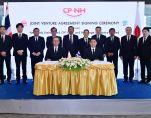
BANGKOK, THAILAND – Media OutReach Newswire – 30 October 2025 – Charoen Pokphand Foods Public Company Limited (CPF) of Thailand and NH Foods Ltd. of Japan, two leading food companies in Asia, join forces to establish a new joint venture, CPF NH Foods Co., Ltd. This partnership unites leading capabilities in innovation, food safety, high-quality protein production, and sustainable manufacturing processes to serve the rising demand for […]

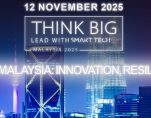
Forum invites businesses to Lead with Smart Tech towards Innovation, Resilience, and Growth in today’s digital-first economy KUALA LUMPUR, MALAYSIA – Media OutReach Newswire – 29 October 2025 – Canon today announced its upcoming Think Big Klang Valley Series, happening on 12 November 2025 at the Sheraton Petaling Jaya Hotel. Under the theme of ‘Future-Ready Malaysia: Innovation, Resilience, Growth’, the forum will bring together industry leaders and […]

VISHNU RAJA
RYO YAMADA
HITORI GOTOH
IKUYO KITA