News related to
President

OSU President Jayathi Murthy and OSU Foundation CEO Shawn Scoville meet alumni and future students in Bangkok BANGKOK, THAILAND – Media OutReach Newswire – 27 February 2025 – Oregon State University (OSU) President Professor Jayathi Y. Murthy met with OSU alumni and newly admitted students in Bangkok today, reinforcing the university’s commitment to world-class education, research excellence, and student success. Jayathi Y. Murthy, President of Oregon State […]

President Donald Trump has unveiled a new immigration initiative offering a “Gold Card” visa for $5 million, granting affluent foreigners permanent U.S. residency and a pathway to citizenship. This program aims to attract high-net-worth individuals to stimulate economic growth and reduce the national debt.

The “Gold Card” is set to replace the existing EB-5 Immigrant Investor Program, which required a minimum investment of $800,000 to $1.05 million in U.S. businesses and the creation of at least ten jobs. Commerce Secretary Howard Lutnick criticized the EB-5 program for being “full of nonsense, make-believe, and fraud,” and emphasized that the new initiative would involve rigorous vetting to ensure applicants are “wonderful, world-class global citizens.”

Under the new scheme, applicants will not be required to create jobs or invest in specific projects. Instead, the substantial $5 million fee grants them green card privileges and a direct route to American citizenship. President Trump highlighted the potential economic benefits, suggesting that selling one million “Gold Cards” could generate $5 trillion in revenue, significantly impacting the national debt.

The administration also indicated that corporations might be able to purchase these visas for highly skilled or educated employees, potentially replacing certain work visa categories. This move is designed to attract top talent and investment, further bolstering the U.S. economy.

By Sushil Kutty External Affairs Minister S Jaishankar never seems to finish his thoughts. People might mistake him to be a hesitant hacker. But that isn’t the case. EAM Jaishankar is the second longest serving foreign minister after Jawaharlal Nehru, who kept the external affairs portfolio with him, for the entirety of his tenure as […]
By Dr. Gyan Pathak 8th Delhi Assembly session had tumultuous session on Tuesday, February 25.. The issue of replacement of Dr B R Ambedkar’s portrait with Prime Minister Narendra Modi’s in Delhi Chief Minister’s office not only led to ruckus but also expulsion of 12 AAP MLAs. The issue is politically very sensitive and may […]

Saudi Arabia and Abu Dhabi are intensifying their efforts to transform their energy sectors, aiming to significantly increase renewable energy capacities by 2030 and 2035, respectively. These initiatives are central to their broader strategies for economic diversification and environmental sustainability. Saudi Arabia’s Vision 2030 outlines a target for renewables to constitute 50% of the nation’s energy mix by 2030, equating to approximately 130 gigawatts of renewable capacity. […]

Bitcoin’s value has experienced a significant decline, falling below the $90,000 threshold for the first time since November 2024. The cryptocurrency reached a low of $86,000, marking a substantial drop from its peak of $109,225 observed on January 20, 2025. This downturn has led to widespread market repercussions, including over $1.6 billion in liquidations within the past 24 hours.

The recent sell-off has been attributed to a confluence of factors, notably escalating geopolitical tensions and internal challenges within the cryptocurrency ecosystem. President Donald Trump’s administration has introduced new tariffs on Mexico and Canada, measures perceived as inflationary and potentially detrimental to economic growth. These policies have contributed to a broader risk-averse sentiment among investors, leading to a retreat from volatile assets such as cryptocurrencies.

In addition to geopolitical concerns, the security of cryptocurrency platforms has come under scrutiny. A significant breach occurred on February 21, 2025, when Bybit, a prominent Dubai-based crypto exchange, suffered a hack resulting in the loss of approximately $1.5 billion. This incident has exacerbated apprehensions regarding the safety of digital assets, prompting further sell-offs in the market.

The cascading effect of these events has led to substantial liquidations across the cryptocurrency market. Data indicates that over 362,000 traders have been affected, with total liquidations surpassing $1.3 billion in the past day. Bitcoin alone accounted for $523 million of these liquidations, underscoring the volatility and heightened risk associated with leveraged trading positions.

Market analysts are closely monitoring key support levels for Bitcoin. The breach of the $90,000 support has raised concerns about potential further declines. Technical analysis suggests that if Bitcoin fails to maintain support at $86,000, it could test lower thresholds, with significant support anticipated around the $80,400 and $74,000 levels. Conversely, resistance levels are identified at $98,500 and $106,000, which Bitcoin would need to surpass to signal a potential reversal of the current downward trend.

The broader cryptocurrency market has mirrored Bitcoin’s downturn. Major altcoins such as Ether and XRP have experienced notable declines, with Ether dropping 8.5% to $2,416 and XRP falling by 5% to $2.24. The overall market capitalization has contracted significantly, reflecting the pervasive uncertainty and risk aversion among investors.

Investor sentiment has been further dampened by unmet expectations regarding regulatory support for cryptocurrencies. The initial optimism surrounding a crypto-friendly stance from the current U.S. administration has not materialized into concrete policy changes. This lack of regulatory clarity, coupled with economic challenges, has contributed to the recent sell-off and the erosion of confidence in the market.

In response to the heightened volatility, traders are advised to exercise caution, particularly those engaged in leveraged positions. The current market environment underscores the importance of risk management and the need for a thorough understanding of the factors influencing cryptocurrency valuations.

A fraudulent account impersonating Sam Bankman-Fried, the incarcerated founder of FTX, has emerged on X , disseminating false information and promoting dubious meme coins. This development follows Bankman-Fried’s unexpected return to social media after a two-year hiatus, during which he commented on government layoffs and corporate management challenges.

The impersonating account falsely claimed that former President Donald Trump had pardoned Bankman-Fried and that he was joining the Department of Government Efficiency , a fictitious entity purportedly led by Elon Musk. The account further promoted the issuance of a meme coin, sharing a contract address and urging users to invest. These assertions are entirely baseless, as Bankman-Fried remains incarcerated, serving a 25-year sentence for fraud and conspiracy to launder money.

The fraudulent account managed to obtain a gray verification checkmark on X, typically reserved for government or multilateral organization accounts, suggesting a possible compromise of an official account. This misuse of verification has raised concerns about the platform’s security measures and the potential for such scams to mislead users.

In response to the scam, multiple users reported the account for suspicious activity, highlighting the dangers of identity theft and fraud in the digital space. The deceptive messages were swiftly removed, but not before causing confusion and potential financial harm to unsuspecting investors.

This incident underscores the importance of vigilance in the cryptocurrency community, where scammers frequently exploit high-profile figures and current events to perpetrate fraud. Users are advised to verify information through official channels and exercise caution when encountering unsolicited investment opportunities, especially those promising unrealistic returns.

The emergence of this fraudulent account coincided with Bankman-Fried’s genuine activity on X, where he broke his two-year silence to discuss issues related to government layoffs and corporate management. In his posts, he drew parallels between unemployment and his own experiences, stating, “I have a lot of sympathy for gov’t employees: I, too, have not checked my email for the past few days.” He further reflected on the challenges of layoffs, suggesting they often stem from management failures rather than employee performance.

Bankman-Fried’s unexpected return to social media has sparked discussions about his access to communication tools while incarcerated and the broader implications of his statements. However, the appearance of the fraudulent account has overshadowed these conversations, highlighting the persistent threat of scams in the cryptocurrency sector.

Advertisements

New advanced solutions in climate control and energy management promise greater operational efficiency and reduced environmental impact for multiple applications Suzhou, China – Copeland, a global provider of sustainable climate solutions, announced today the expansion of its variable speed technology platform, integrating compressors, drives, and controllers for heating, cooling and refrigeration systems. This integrated solution drives enhanced efficiency, precise control, and sustainability across a wide range of […]

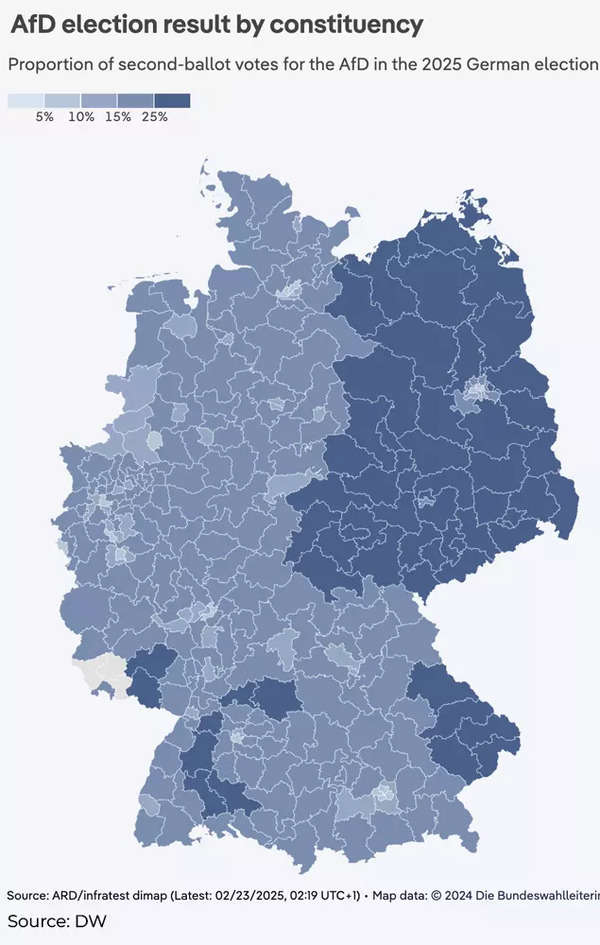
By Nitya Chakraborty The final results of Germany’s national elections held on February 23 are being debated intensively in the global media, especially in the European media about the upsurge of the far right party AFD which virtually doubled its voting percentage in the 2025 elections compared to the 2021 national elections. The ruling Social […]
South Dakota’s House Commerce and Energy Committee has effectively terminated a legislative proposal that would have permitted the state to allocate a portion of its public funds to Bitcoin investments. During a session on February 24, the committee voted to defer House Bill 1202 to the 41st day of the legislative session, a procedural move that, given the session’s 40-day limit, effectively kills the bill for this term.

Introduced by Representative Logan Manhart on January 30, HB 1202 sought to amend the state’s public funds investment strategy, allowing up to 10% of the portfolio to be invested in Bitcoin. Proponents argued that such a move could diversify the state’s investments and position South Dakota at the forefront of digital asset adoption among U.S. states.

However, the proposal faced significant opposition within the committee. Critics raised concerns about the volatility of Bitcoin, the lack of comprehensive federal regulation, and the potential risks associated with allocating public funds to a relatively nascent and fluctuating asset class. These apprehensions contributed to the decision to defer the bill, effectively halting its progress for the current legislative session.

Despite this setback, Representative Manhart has expressed his intention to reintroduce the legislation in 2026. In a statement on social media platform X, he acknowledged the challenges faced but remained optimistic about the future integration of digital assets into the state’s investment portfolio.

South Dakota’s move mirrors similar legislative efforts in other states. In North Dakota, a proposal to establish a Bitcoin reserve was narrowly defeated, with 57 representatives opposing and 32 in favor. Montana’s House Bill 429, which aimed to create a state revenue account for investments in precious metals and digital assets, also failed to pass, with 59 votes against and 41 in support. Wyoming saw its HB 0201 bill, authorizing the state treasurer to invest public funds in Bitcoin, rejected by seven out of nine representatives.

Conversely, some states continue to explore the potential of integrating digital assets into their financial strategies. Utah is on the verge of passing legislation that would permit up to 5% of major state funds to be invested in qualifying digital assets. Arizona’s Strategic Bitcoin Reserve Act, which proposes allocating up to 10% of state and public funds, including pension funds, to Bitcoin, recently advanced past the Senate Finance Committee with a five-to-two vote and awaits further debate in the Senate Rules Committee.

At the federal level, President Donald Trump has been a vocal advocate for the United States establishing a national cryptocurrency reserve. In an executive order dated January 23, he proposed the formation of a working group to explore the creation and maintenance of a U.S. crypto stockpile. However, many of his executive orders have encountered legal challenges, with opponents questioning their constitutionality.

The mixed outcomes of these legislative efforts reflect the broader national debate over the adoption and regulation of digital assets. Proponents argue that incorporating cryptocurrencies like Bitcoin into state investment portfolios can offer diversification benefits and hedge against traditional market fluctuations. Critics, however, point to the inherent volatility of digital currencies, the potential for regulatory upheaval, and the fiduciary responsibility to safeguard public funds from high-risk investments.

In South Dakota, the deferral of HB 1202 underscores the cautious approach many state legislatures are adopting toward cryptocurrency investments. While the current bill has been shelved, the conversation surrounding digital assets and their place in public investment strategies is far from over. As the regulatory environment evolves and more data becomes available, future legislative sessions may revisit the topic with renewed perspectives and insights.


The American University in Dubai has formalised a significant partnership with the University of Pennsylvania’s Perelman School of Medicine to establish the AUD School of Medicine in Dubai. This collaboration marks a major step in enhancing medical education in the UAE, leveraging Penn Medicine’s vast expertise to provide world-class training and resources to future healthcare professionals in the region. The new school aims to offer a rigorous […]

El Salvador has resumed its Bitcoin acquisition strategy, purchasing an additional 7 BTC on February 25, 2025, after a week-long hiatus. This brings the nation’s total holdings to approximately 6,088 BTC, currently valued at around $572 million. The recent pause in daily purchases coincided with the country’s negotiation of a $1.4 billion loan agreement with the International Monetary Fund , which required El Salvador to scale back its Bitcoin initiatives, including making acceptance of the cryptocurrency voluntary for businesses.

The government’s decision to continue accumulating Bitcoin, despite the IMF’s stipulations, underscores President Nayib Bukele’s commitment to integrating the cryptocurrency into the nation’s financial framework. Since adopting Bitcoin as legal tender in September 2021, El Salvador has consistently increased its holdings, with purchases varying in size. Notably, on February 4, 2025, the government acquired 11 BTC in a single transaction, deviating from its usual daily acquisition strategy.

In March 2024, President Bukele transferred approximately 5,600 BTC to a cold wallet, referred to as “El Salvador’s first Bitcoin piggy bank,” marking the first public disclosure of the nation’s Bitcoin wallet address. This move aimed to enhance transparency and security in managing the country’s digital assets.

The IMF loan agreement, structured over 40 months under the Extended Fund Facility, follows four years of negotiations. As part of the deal, El Salvador committed to modifying its Bitcoin policies, including making its acceptance voluntary for private sector businesses. Despite these conditions, the government has continued its Bitcoin purchases, reflecting a nuanced approach to balancing international financial obligations with its cryptocurrency ambitions.

Apple Inc. has unveiled an ambitious plan to invest over $500 billion in the United States within the next four years, a move poised to significantly bolster the nation’s technology infrastructure and employment landscape. Central to this initiative is the construction of a 250,000-square-foot manufacturing facility in Houston, Texas, dedicated to producing servers for Apple’s artificial intelligence operations. This facility is expected to commence operations in 2026, […]

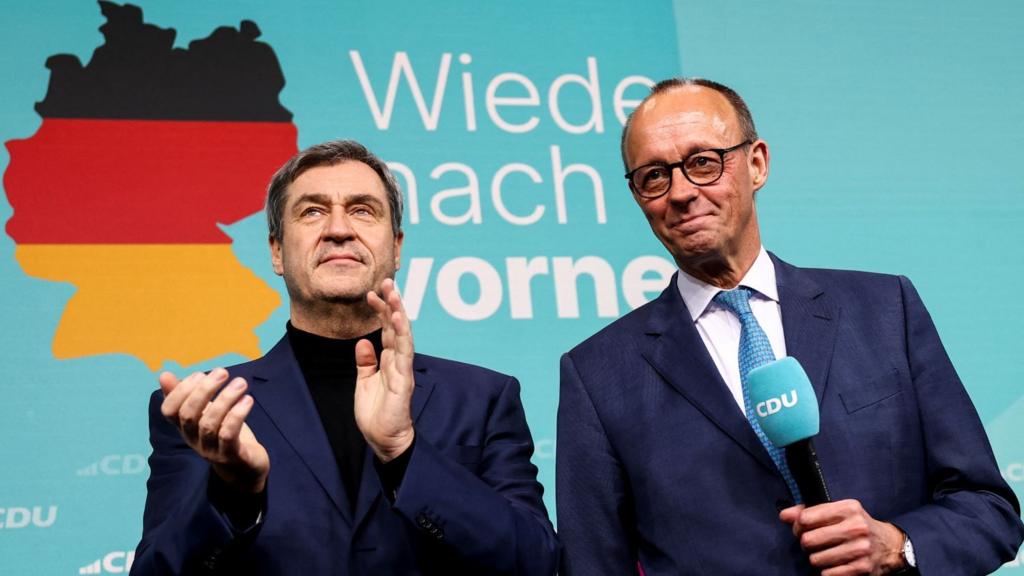
By Satyaki Chakraborty The polarization in German politics widened after national elections on Sunday, February 23 in which the conservative CDU/CSU with 28.5 per cent votes topped among the political parties followed by the far right AFD at 20.7 per cent and the centre-left SPD at 16.5 per cent. The remarkable feature was the resurgence […]

Deyaar Development, a prominent real estate developer in the UAE, has announced the launch of AYA Beachfront Residences, its inaugural residential venture in the Emirate of Umm Al Quwain. This strategic expansion signifies Deyaar’s commitment to broadening its footprint across the nation’s diverse real estate landscape. AYA Beachfront Residences is poised to set a new benchmark for coastal living in Umm Al Quwain. The development boasts a […]

Tata Consultancy Services has announced a strategic partnership with Salesforce to enhance artificial intelligence applications within the manufacturing and semiconductor sectors. This collaboration aims to integrate TCS’s industry expertise with Salesforce’s AI and cloud capabilities, offering data-driven solutions to improve sales and customer service.

As part of this initiative, TCS has introduced three key programs:

1. Semiconductor Sales Accelerator: Designed to boost sales through data-driven insights, this program addresses the challenge of navigating complex technical data swiftly and accurately. By leveraging AI, it enables sales teams to access real-time information, reducing cycle times and enhancing customer engagement.

2. Seller for the Future: This initiative provides sales teams with near real-time insights, predictive analytics, and personalized recommendations within the Salesforce platform. It empowers sales representatives to anticipate customer needs, identify opportunities for cross-selling and upselling, and expedite deal closures, thereby driving revenue growth.

3. Digital Field Service: Aimed at field technicians, this program offers real-time information, predictive maintenance insights, and optimized scheduling. By equipping technicians with these tools, it enhances service efficiency and reduces downtime for clients.

Indira Gillingham, Vice President of Alliances at Salesforce, expressed enthusiasm about the partnership, stating that combining TCS’s extensive industry knowledge with Salesforce’s customer relationship management capabilities will enable clients to harness advanced AI-powered insights.

Prashant Shirgur, Global Head of Enterprise Solutions for Technology, Software, and Services at TCS, highlighted the importance of real-time information in the fast-paced semiconductor market. He emphasized TCS’s commitment to providing clients with intelligent tools that enhance customer engagement, shorten sales cycles, and drive business growth.

This partnership addresses a significant hurdle in AI adoption: unlocking the true value of data often stored in unstructured silos. By offering integrated solutions, TCS and Salesforce aim to digitally transform sales and service operations in the manufacturing and semiconductor industries, fostering smarter decision-making and improved customer experiences.

The collaboration also leverages TCS Crystallus™ on Salesforce, a set of pre-configured industry solutions and composable business applications. This platform assists enterprises in accelerating their cloud-led transformation journeys, enabling them to realize their digital transformation visions and achieve superior business outcomes.

The TCS-Salesforce alliance represents a significant advancement in the application of AI within manufacturing and semiconductor sectors. By combining their respective strengths, the two companies are poised to deliver innovative solutions that address industry-specific challenges, streamline operations, and enhance overall efficiency.

Citadel Securities, the prominent market-making firm led by Ken Griffin, is set to expand its operations into the cryptocurrency sector. The firm plans to provide liquidity on major digital asset exchanges, including Coinbase, Binance, and Crypto.com. This strategic move comes as President Donald Trump’s administration signals a more favorable regulatory environment for digital assets.

Historically, Citadel Securities has exercised caution regarding cryptocurrencies, primarily due to regulatory uncertainties in the United States. The recent political shift, however, has prompted the firm to reconsider its stance. By establishing market-making teams outside the U.S., Citadel aims to navigate potential domestic regulatory challenges while capitalizing on the burgeoning global crypto market.

As of October 1, 2024, Citadel manages approximately $64 billion in assets, reflecting significant growth from $43 billion at the end of 2023. This expansion into digital assets aligns with the firm’s broader strategy to diversify its trading portfolio and adapt to evolving market dynamics.

The decision to engage with platforms like Coinbase, Binance, and Crypto.com underscores Citadel’s commitment to integrating with established cryptocurrency ecosystems. These exchanges are among the largest in the industry, facilitating substantial daily trading volumes. By acting as a liquidity provider, Citadel aims to enhance trading efficiency and stability within these platforms.

Market-making involves quoting both buy and sell prices for assets, profiting from the spread between these prices. In the context of cryptocurrencies, effective market-making can reduce volatility and improve price discovery, benefiting both traders and the broader market. Citadel’s entry into this space is poised to bring increased liquidity and professionalism, potentially attracting more institutional investors to digital assets.

This move also reflects a broader trend of traditional financial institutions embracing cryptocurrencies. Firms such as Fidelity Digital Assets and Charles Schwab have made inroads into the crypto sector, indicating growing mainstream acceptance. Citadel’s participation is expected to further legitimize the market and encourage regulatory frameworks that support innovation while ensuring investor protection.

FBI Director Kash Patel has instructed bureau employees to disregard a recent mandate from Elon Musk, head of the Department of Government Efficiency , which required all federal workers to submit a summary of their weekly accomplishments or face termination. This directive, disseminated via the Office of Personnel Management , has sparked confusion and concern across various government agencies.

Musk’s email, sent to approximately 2.3 million federal employees, demanded a report detailing their achievements from the previous week, with a strict 48-hour deadline. The message stated that failure to comply would be interpreted as a resignation. This approach aligns with Musk’s aggressive strategy to streamline government operations and reduce the federal workforce, aiming to cut $1 trillion from the federal deficit.

In response, Director Patel advised FBI personnel to “pause any responses” to the OPM’s request. This move reflects broader apprehension within federal agencies regarding the legitimacy and implications of Musk’s directive. Similar guidance was issued by officials at the Pentagon and the State Department, instructing their employees to withhold responses until further clarification is provided.

The national health secretary, Robert F. Kennedy Jr., however, directed his staff to comply with the mandate, highlighting a divide in how different agencies are handling the situation. This inconsistency has led to widespread uncertainty among federal employees about the security of their positions and the future of their roles.

The American Federation of Government Employees , the largest federal workers’ union, has criticized Musk’s directive, describing it as “disrespectful and disruptive.” The union has advised its members to consult with their direct supervisors before responding, emphasizing the potential legal challenges that could arise from such a sweeping mandate.

This development comes on the heels of significant leadership changes within federal law enforcement agencies. Director Patel, who was confirmed as the FBI’s ninth director on February 20, 2025, has also been appointed as the acting head of the Bureau of Alcohol, Tobacco, Firearms and Explosives . This dual role has raised questions about the future direction of these agencies, especially in the context of the current administration’s efforts to overhaul federal operations.

Attorney General Pam Bondi recently dismissed the ATF’s top lawyer, further intensifying concerns about the stability and direction of federal law enforcement agencies. These actions are part of a broader initiative, led by Musk and endorsed by President Trump, to restructure the federal government by reducing its workforce and eliminating what they perceive as inefficiencies.

BANGKOK, THAILAND – Media OutReach Newswire – 24 February 2025 – Dr. Chana Poomee, Chairman of Thai Cement Manufacturers Association (TCMA), has been elected as the President of the ASEAN Federation of Cement Manufacturers (AFCM). In his two years term 2025–2027, he aims to strengthen collaboration among the eight ASEAN cement-producing member countries driving ASEAN Cement dynamically, accelerate the development of the AFCM Decarbonization Roadmap, and foster […]

Ukrainian soldiers, entrenched in a protracted battle against Russian forces, have expressed strong skepticism toward U.S. President Donald Trump’s assertions that he can swiftly broker peace with Russia. These remarks come as Trump initiates negotiations with Russian President Vladimir Putin, notably excluding Ukrainian representatives from the discussions. Captain Serhii Filimonov, a battalion commander who has been on the front lines since 2014, voiced his distrust of the […]

India’s economy could face a reduction of up to 0.6% in its Gross Domestic Product due to proposed tariff increases by the United States, according to a recent analysis by Goldman Sachs. The financial institution’s report highlights the potential economic repercussions for India if the US implements higher tariffs on imported goods.

The analysis outlines three potential scenarios under the US administration’s “Fair and Reciprocal Plan”: country-level reciprocity, product-level reciprocity, and inclusion of non-tariff barriers. In the country-level reciprocity scenario, the US would elevate tariffs on all imports from a specific nation to match the average tariff differential. For India, this could mean an increase of approximately 6.5 percentage points in effective US tariff rates on Indian imports. The product-level reciprocity approach would involve matching tariffs on individual products, potentially leading to an 11.5 percentage point rise in tariffs on Indian goods. The inclusion of non-tariff barriers, such as administrative hurdles and import licensing requirements, presents a more complex scenario, making precise impact assessments challenging.

Goldman Sachs’ report emphasizes that India’s export exposure to the US is relatively modest, with exports to the US accounting for about 2% of India’s GDP in 2023. However, when considering indirect exposure through exports to other countries reliant on US demand, India’s domestic activity exposure rises to approximately 4% of GDP. This broader exposure suggests that the potential impact on India’s GDP growth could range from 0.1 to 0.6 percentage points, depending on the specific tariff measures implemented.

The bilateral trade relationship between India and the US has seen significant growth over the past decade. India’s goods trade surplus with the US expanded from $17 billion in the fiscal year 2014 to $35 billion in fiscal year 2024. This increase is largely attributed to a surge in exports of electronic items, bolstered by initiatives like the Production-Linked Incentive scheme introduced in 2020.

Despite the potential challenges posed by increased US tariffs, India’s central bank governor, Shaktikanta Das, has expressed confidence in the country’s economic resilience. He highlighted India’s substantial foreign exchange reserves, amounting to $676 billion, and the robust growth trajectory of the economy as key factors that equip the nation to navigate global disruptions, including those arising from protectionist trade policies.

The US administration’s move towards implementing reciprocal tariffs is part of a broader strategy to address perceived trade imbalances. A memo signed by President Donald Trump directs the Commerce Department and the US Trade Representative to develop plans for adjusting tariff rates to mirror those imposed by trading partners. These measures are set to be introduced gradually over the coming weeks and months, with an initial focus on countries maintaining significant trade surpluses with the US or those engaged in practices deemed unfair.

While the intended goal of these tariffs is to protect domestic industries and reduce trade deficits, there are concerns about potential unintended consequences. Analysts warn that such measures could lead to increased costs for consumers and businesses, supply chain disruptions, and retaliatory actions from affected trading partners, potentially escalating into broader trade conflicts.

Prime Minister Justin Trudeau arrived in Kyiv today, joining a delegation of European leaders to commemorate the third anniversary of Russia’s invasion of Ukraine. This collective visit underscores international solidarity with Ukraine as concerns mount over the United States’ evolving policy under President Donald Trump. President Volodymyr Zelenskyy expressed profound pride in the “absolute heroism” displayed by Ukrainians throughout the ongoing conflict. In a national address, he […]

By Nantoo Banerjee India, the world’s second most preferred destination of illegal migrants, has a lot to learn from the United States about how the latter has been handling the situation in recent years. Although US President Donald Trump is lately hogging the limelight for forcing illegal immigrants out of the country, such deportations are […]


An explosion occurred early Monday at the Russian Consulate General in Marseille, France, coinciding with the third anniversary of Russia’s invasion of Ukraine. The blast, which Russian authorities have denounced as a “terrorist attack,” has prompted demands for a comprehensive investigation by French officials. The incident took place within the consulate premises in Marseille, a major port city in southern France. Stanislav Oranskiy, the Russian Consul General […]

VISHNU RAJA
RYO YAMADA
HITORI GOTOH
IKUYO KITA