News related to
President

Ethiopia’s energy authorities have raised fresh allegations against Egypt, accusing it of attempting to block the progress of the Grand Ethiopian Renaissance Dam, one of the continent’s most ambitious infrastructure projects. The accusations come ahead of what Ethiopia says will be a significant step in its development, as the country gears up for the operationalisation of its colossal hydroelectric power facility on the Blue Nile. Asheber Balcha, […]

UAE and Russia have elevated their economic collaboration with the signing of a new Trade in Services and Investment Agreement, a move set to bolster bilateral ties. This agreement was formalised during the visit of UAE President Sheikh Mohamed bin Zayed Al Nahyan to Moscow, underscoring the growing importance of the economic relationship between the two nations. UAE Minister of Foreign Trade, Thani bin Ahmed Al Zeyoudi, […]

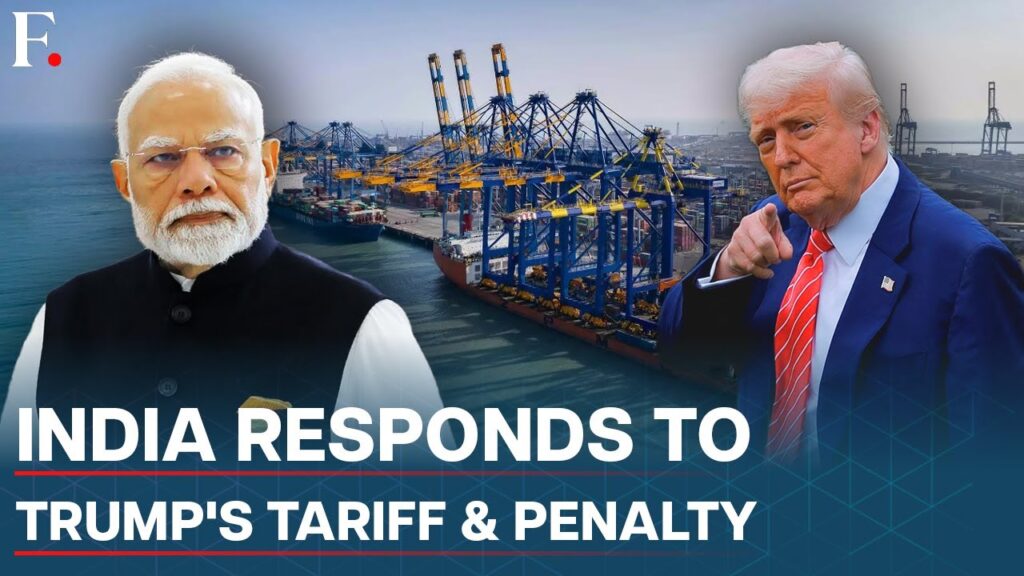
By Nitya Chakraborty The additional 25 per cent tariff on Indian exports to the USA announced by President Donald Trump to be effective from August 27, has led to an intense ideological and political battle within RSS, the BJP as also among the industrialist friends of Prime Minister Narendra Modi who are active members of […]

KUALA LUMPUR, MALAYSIA – Media OutReach Newswire – 8 August 2025 – Octa Broker is providing an in-depth overview of the week’s key events and actionable insights to help traders navigate this high-stakes environment with confidence. July was a relatively quiet month for gold, at least by the recent standards. XAUUSD, the primary financial instrument for trading bullion, fluctuated in a very narrow 30-dollar range between roughly […]

Apprehension has returned to US stock markets, and the reasons are becoming increasingly difficult to ignore. Many asset allocators I speak with are questioning valuations that appear stretched and overly reliant on a handful of technology giants. Although the S&P 500 and the Nasdaq 100 reached fresh highs just last week, the rally already feels vulnerable. Outside the United States, sentiment is notably more optimistic. In Europe, […]

France is grappling with its most severe wildfire in decades, marking a stark return to the destructive forces of nature. The fire, which broke out in the southern regions, has already scorched thousands of hectares, making it the largest blaze since 1949. That year, devastating fires near Bordeaux claimed 82 lives and ravaged 50,000 hectares of land. This new disaster is showing no signs of slowing down, […]

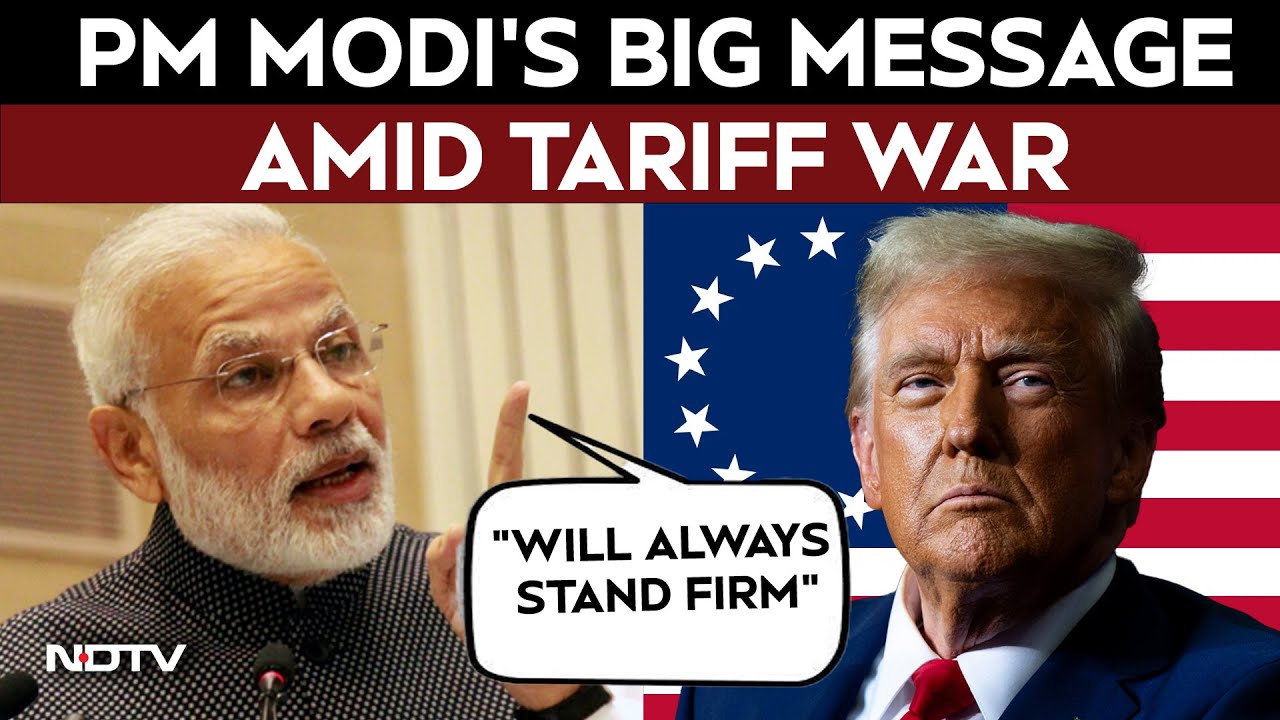
By R. Suryamurthy Prime Minister Narendra Modi’s declaration that he is willing to “pay a heavy price” to stand by Indian farmers in the face of escalating U.S. trade tariffs has captured headlines—but not necessarily for the right reasons. It is a speech crafted more for the political stage than the policy war room. Beneath […]
Advertisements

President Donald Trump is poised to sign an executive order on Thursday that will significantly reshape the landscape of retirement savings in the United States. The new directive will allow a broader range of alternative assets, such as private equity, real estate, and cryptocurrencies, to be included in 401 retirement accounts. This move marks the most substantial attempt by the administration to open up defined-contribution plans to non-traditional investment options, reflecting a growing desire to diversify retirement portfolios and enhance returns for savers.

The executive order is expected to provide American workers with the opportunity to invest in assets that have been historically out of reach for retirement accounts, which traditionally have focused on stocks, bonds, and mutual funds. The inclusion of private equity, real estate, and digital currencies aims to offer investors access to higher-yielding opportunities that could potentially outperform traditional investments, especially in times of economic uncertainty. By broadening the range of eligible assets, the administration hopes to increase the financial security of millions of retirees.

One of the key motivations behind this move is the desire to address the gap in retirement savings, particularly for individuals who do not have access to pension plans or other employer-sponsored retirement options. With many workers relying heavily on their 401 accounts for their financial future, this expansion could play a pivotal role in enhancing wealth accumulation over time. By enabling exposure to assets with historically higher returns, the plan aims to encourage long-term investing that may outperform the more conservative strategies currently available in these accounts.

The shift comes amid ongoing debates about the future of retirement savings in the United States. While many financial experts have lauded the potential of these alternative assets to boost returns, others have expressed concerns about the risks associated with their inclusion in retirement accounts. Private equity, real estate, and cryptocurrencies are known for their volatility, which could expose 401 investors to greater risk, particularly those with a lower tolerance for market fluctuations. These asset classes are often less liquid than traditional stocks and bonds, which could complicate the ability of retirees to access funds when needed.

Despite these concerns, proponents argue that expanding access to alternative investments could be a game-changer for retirement savers, especially as traditional investment options provide lower returns in the current low-interest-rate environment. Real estate, for instance, can serve as a hedge against inflation, while private equity has the potential to offer higher returns through early-stage investments in high-growth companies. Cryptocurrencies, on the other hand, have gained popularity as an asset class due to their potential for rapid price appreciation, although their volatility remains a significant factor for consideration.

The administration’s decision to open the door to these alternative assets also aligns with broader trends in the financial services industry, which has seen an increasing number of investment firms offering exposure to private equity, real estate, and cryptocurrencies through exchange-traded funds and other vehicles. These developments reflect the growing recognition that investors want more diverse options for retirement planning, particularly as they seek to maximize their returns and ensure they are prepared for the future.

However, the move is not without its challenges. For one, the Department of Labor and the Securities and Exchange Commission will need to ensure that the inclusion of these alternative assets in 401 accounts is properly regulated to protect investors from fraud and market manipulation. There are also concerns about the administrative complexities involved in allowing retirement plans to invest in assets that may require more sophisticated management and oversight. The broader regulatory framework will likely need to evolve to accommodate the new rules, ensuring that both investors and financial institutions are equipped to handle the unique aspects of these asset classes.

The timing of this executive order also comes at a critical moment, as the U. S. government grapples with broader economic challenges, including rising inflation and concerns about the stability of financial markets. By expanding 401 options to include more alternative investments, the Trump administration hopes to provide American workers with the tools to better weather economic fluctuations and build more robust retirement portfolios.

Russian President Vladimir Putin will visit India in the coming weeks, with expectations that the trip will significantly bolster bilateral relations across various sectors, including trade, defence, and energy. The visit, anticipated to be a key moment in Russia-India relations, will occur amid shifting geopolitical dynamics, particularly following the global attention on the ongoing war in Ukraine and its implications for international alliances.

The timing of the visit is critical, as both Russia and India seek to expand their strategic cooperation. Over the past few years, both nations have deepened their partnership through numerous agreements aimed at enhancing their economic and military ties. As global power dynamics continue to shift, the Russia-India alliance has become increasingly important, not just for the two countries but also within the broader context of the BRICS grouping, of which both nations are founding members.

One of the central themes of the visit will be the strengthening of economic ties, especially in the energy sector. With the ongoing energy crisis exacerbated by sanctions on Russia, India has emerged as one of the key buyers of Russian oil. The visit is expected to solidify agreements surrounding the energy trade, including the potential for India to increase its imports of Russian crude oil at discounted rates. This move is likely to provide India with a cost-effective energy source while helping Russia circumvent Western sanctions.

Discussions are expected to focus on further cooperation in defence, where Russia has long been a major supplier of military hardware to India. The two nations are expected to advance negotiations on new defence contracts, including the potential for joint production and technology sharing. The defence ties between Russia and India date back decades, and the visit will likely see the formalisation of further agreements that could further align their military interests.

The visit will also involve talks on expanding technological collaboration, particularly in the areas of space and nuclear energy. Both countries have made significant strides in these fields, and there is potential for further joint ventures, which could bring both economic and technological benefits to each nation. Putin’s presence in India is expected to reinforce Moscow’s commitment to its relationship with New Delhi, signalling Russia’s ongoing support for India’s strategic ambitions in the global arena.

Putin’s upcoming visit also comes at a time of heightened global tension. As the war in Ukraine continues to dominate headlines, Russia has increasingly sought to deepen ties with countries that have been less critical of its actions, including India. New Delhi has maintained a relatively neutral stance in the conflict, focusing instead on its national interests and calling for peace talks. This approach has allowed India to strengthen its ties with Russia without facing the same level of international scrutiny as some of the West.

The visit is likely to be significant for the future of BRICS, a bloc of emerging economies that includes Brazil, Russia, India, China, and South Africa. The group has been exploring the possibility of expanding its membership, and Putin’s visit could serve as a platform for discussing further collaboration within this framework. As BRICS nations continue to challenge the traditional Western-dominated global order, Russia and India are likely to explore ways to enhance their collective influence in international forums.

While both nations have shared interests, their relationship has not been without challenges. India’s growing economic ties with the West, especially in the technology and trade sectors, have sometimes created friction in its ties with Russia. However, the long-standing nature of their partnership, especially in defence, has ensured that these tensions have remained manageable. Putin’s visit is expected to reinforce the idea that despite external pressures, Russia and India will continue to prioritise their strategic interests.

Joachim Hanssen appointed Chief Executive Officer, Asia Pacific (APAC), effective August 1, 2025 Alberto Martinez appointed Chief Executive Officer, Europe (EU), effective October 1, 2025 Renee Toh to succeed Martinez as Vice President Global Ocean Freight, effective September 25, 2025 SINGAPORE – Media OutReach Newswire – 6 August 2025 – The Rhenus Group today announced three strategic leadership appointments that will play a pivotal role in driving […]

JAKARTA, INDONESIA – Media OutReach Newswire – 6 August 2025 – Guizhou, a province renowned not only for the majestic Huangguoshu Waterfall and the mystical Mount Fanjing, is now more accessible than ever thanks to China’s 240-hour visa-free transit policy. This initiative offers greater convenience for international travelers seeking to explore the province’s rich natural beauty, vibrant ethnic culture, and technological innovation. 240-Hour Visa-Free Transit Policy Enhances […]

By Mark Gruenberg NEW YORK—The Trump administration and its radical right foot-soldiers in the federal government and in the states are undertaking a comprehensive scheme to undermine future state and federal elections, in effect rigging the rolls to keep themselves in power no matter what the voters decide. So far, other than the report itself, […]

KUALA LUMPUR, MALAYSIA – Media OutReach Newswire – 5 August 2025 – The final competition and award ceremony of the Southeast Asia Division Contest of China International College Students’ Innovation Competition (SEA-CICSIC) 2025 and Malaysia-China Youth Innovation Competition (MCYIC) 2025 concluded successfully at Xiamen University Malaysia on 20 July 2025, bringing together young innovators from all over the Southeast Asia region to present and compete with their […]

India’s efforts to strengthen ties with the United States are facing significant hurdles due to key staffing gaps within President Donald Trump’s administration. Diplomatic engagement between the two countries has been hindered as vital foreign policy roles in Washington remain vacant, impacting India’s ability to effectively navigate the US political landscape.

Over the past few months, Indian officials have expressed concerns regarding the lack of permanent appointments in crucial diplomatic positions, including roles at the Department of State and the National Security Council. The vacancies have caused delays in ongoing discussions on key issues such as trade, defence cooperation, and counterterrorism. Despite a shared interest in expanding bilateral relations, the absence of key decision-makers has created a diplomatic impasse, making it increasingly difficult for Indian diplomats to secure face-to-face meetings with senior US officials.

The US has traditionally relied on a network of ambassadors and senior officials to manage foreign policy and maintain smooth relations with global partners. However, under the Trump administration, numerous diplomatic posts remain unfilled, including positions critical to managing India-US relations. These gaps have left many key policy decisions in limbo, complicating efforts to address pressing global challenges, including the Indo-Pacific security framework and trade negotiations.

India, in particular, has been affected by this lack of political continuity. For instance, while the US has reaffirmed its commitment to strengthening defence and economic ties with India, the absence of a US ambassador to India and a permanent Assistant Secretary of State for South and Central Asia has made it difficult to reach concrete agreements. Without these senior officials in place, policy coordination becomes more fragmented, forcing Indian officials to engage with temporary appointees who lack the authority to make significant policy changes.

Indian diplomats have found it especially challenging to build rapport with the Trump administration, which has demonstrated a preference for unconventional approaches to diplomacy. The absence of a steady stream of high-level communication has left gaps in the continuity of US policy towards India, further complicating efforts to resolve existing tensions, such as trade disputes and visa restrictions.

While India has attempted to address these challenges through alternative channels, such as the strategic dialogue and consultations with lower-ranking officials, these engagements have failed to produce the desired outcomes. For example, discussions aimed at resolving trade imbalances and the reduction of tariffs have stalled, with both sides unable to reach an agreement due to a lack of dedicated leadership on either side.

The Indian government, under Prime Minister Narendra Modi, has worked to bolster its position in the global order by forging closer ties with the US. However, without the necessary diplomatic infrastructure in place, India has been forced to wait for the completion of staffing appointments in the Trump administration before advancing critical bilateral agendas. While there has been progress in areas such as defence cooperation, the lack of substantive discussions on trade and technology has caused frustration in New Delhi.

At the heart of this diplomatic challenge is the ongoing uncertainty surrounding the US administration’s foreign policy direction. As key positions remain vacant, the White House’s ability to provide a cohesive strategy on international affairs has been compromised, particularly in its dealings with major global powers like India. This vacuum has also complicated the Trump administration’s broader efforts to pivot its foreign policy towards the Indo-Pacific region, an area of strategic interest to both the US and India.

India’s strategic priorities have been clear: maintaining a robust relationship with the US while balancing its growing ties with China and Russia. As India seeks to navigate these complex geopolitical waters, the Trump administration’s staffing issues continue to be a major stumbling block. The lack of clear leadership in critical areas of US foreign policy has left many in India questioning the future trajectory of their relationship with Washington.

The growing importance of economic and technological collaboration between the two countries has intensified the urgency for resolution. As the US and India aim to establish a more comprehensive partnership, delays in staffing appointments are causing significant setbacks in addressing mutual concerns in areas such as cybersecurity, trade, and investment.

Dubai’s tourism sector has shown impressive growth, with 9.88 million international visitors recorded in the first half of 2025, a significant achievement that underscores the city’s growing prominence on the global tourism map. Crown Prince Sheikh Hamdan bin Mohammed highlighted this milestone, attributing the success to the leadership and vision of Vice President and Ruler of Dubai, Sheikh Mohammed bin Rashid.

This surge in visitor numbers aligns with the ambitions outlined in the Dubai Economic Agenda D33, a strategic plan aiming to position the emirate among the world’s top three tourism destinations. Under this agenda, Dubai seeks to expand its appeal, diversify its tourism offerings, and enhance its global standing, with a clear goal of fostering sustained growth in the sector. The half-year figures reflect strong international interest and robust demand for Dubai’s varied tourism attractions, spanning luxury shopping, iconic architecture, and cultural experiences.

The Dubai government’s commitment to the tourism sector has been evident in a series of high-profile initiatives and investments designed to enhance the city’s appeal. From the development of world-class infrastructure to hosting global events such as Expo 2020 and numerous international conferences, Dubai has positioned itself as a key player in the competitive global tourism market. The city’s tourism recovery, which began after the pandemic, has been swift, drawing millions from across the globe, particularly from Asia, Europe, and the Middle East.

A significant driver of Dubai’s tourism growth is its extensive air connectivity, facilitated by Dubai International Airport, one of the busiest airports in the world. DXB has consistently served as a global hub for international travel, with Emirates airline offering seamless connections to key markets. The airport’s strategic location and connectivity have been instrumental in attracting a steady flow of travellers, particularly from Europe and Asia, who increasingly view Dubai as a prime destination for both business and leisure.

Dubai’s luxury sector, including five-star hotels and upscale shopping malls, has continued to thrive, attracting affluent tourists seeking high-end experiences. The city’s offerings have evolved, with a growing emphasis on experiential travel, which includes culinary tourism, wellness retreats, and adventure tourism. The government’s continued investment in cultural infrastructure, including the Louvre Abu Dhabi and Museum of the Future, enhances Dubai’s appeal to cultural tourists, complementing its already robust retail and entertainment scenes.

Dubai’s rise in the global tourism ranks is not merely the result of external factors, but the active cultivation of a highly attractive destination. The city is known for its safety, cleanliness, and well-organised tourism offerings, with services ranging from luxury experiences to budget-friendly options catering to diverse traveller needs. As tourism numbers continue to rise, Dubai is expected to further strengthen its position as a hub for international events, exhibitions, and conferences.

In line with its long-term goals, Dubai has introduced several initiatives aimed at increasing tourism numbers, such as the Dubai Tourism Strategy 2025, which includes a broader approach to tourism marketing. The strategy focuses on creating innovative marketing campaigns, expanding the city’s digital presence, and engaging with emerging travel trends such as eco-tourism and sustainable travel.

The city’s strategic location, combining Eastern and Western influences, has further cemented Dubai’s appeal as a cultural melting pot, drawing people from all corners of the world. Notable growth has been observed from markets in Asia, particularly China and India, with Dubai becoming an increasingly important destination for affluent travellers looking for luxury, leisure, and business opportunities in a safe and accessible environment.

Dubai’s status as a global financial and business centre has also contributed to the rise in international visits, particularly among business executives and entrepreneurs attending conferences and exhibitions. The emirate’s commitment to enhancing its business tourism infrastructure, including the expansion of its conference venues and the hosting of high-profile business events, is expected to contribute further to the sector’s growth.


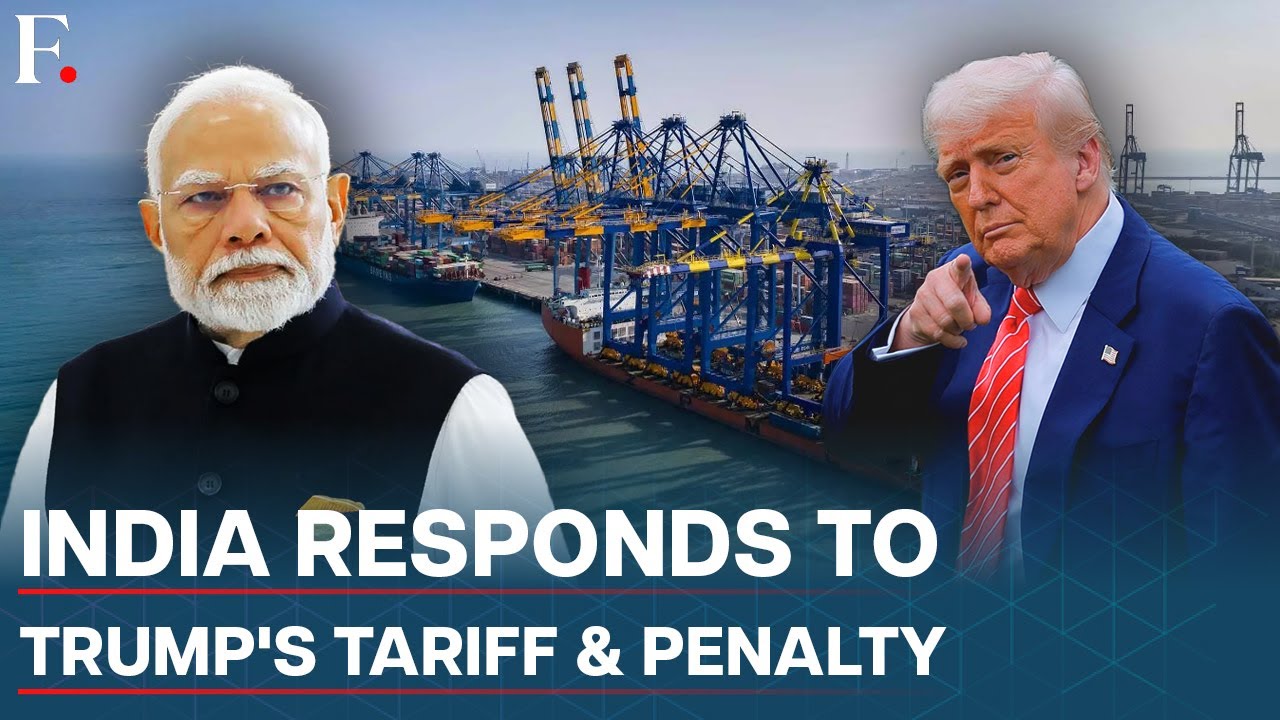
US President Donald Trump has announced plans to significantly raise tariffs on exports from India, citing the country’s oil purchases from Russia as the primary reason for the move. The statement marks an escalation in tensions between the two countries, with both sides having clashed over trade policies and geopolitical issues in recent years.

Trump’s remarks, made on social media, have ignited a strong response from New Delhi, which views the threat as unjustified and damaging to its economic interests. The US President criticized India’s ongoing imports of Russian crude oil, calling the move a betrayal, as the West intensifies efforts to isolate Moscow over its invasion of Ukraine. He pointed out that India’s purchases were then being resold on the international market for profits, further compounding the situation.

The US government has consistently condemned the sale of Russian oil to countries that are still buying from Moscow amid global sanctions designed to cripple the Russian economy. These sanctions, which were imposed by the US and its allies in response to Russia’s aggressive actions in Ukraine, have led to a complex diplomatic web, with several nations, including India, caught in the middle.

While the US and European Union have significantly reduced their oil imports from Russia, countries like India and China have stepped in to fill the gap, buying discounted crude oil from Moscow. India, in particular, has ramped up its purchases of Russian energy, a decision that is seen by many as a strategic move to secure energy resources at lower costs. These purchases have helped India maintain its economic growth amidst the energy price crisis exacerbated by the war in Ukraine.

The announcement by Trump that tariffs on Indian goods would be substantially raised could have serious repercussions for trade between the two nations. India is one of the United States’ largest trading partners, and any significant tariffs would undoubtedly affect a range of industries, from agriculture to technology. In 2022, the bilateral trade between the two countries surpassed $150 billion, with India exporting a wide array of goods to the US, including textiles, chemicals, and pharmaceuticals.

The Indian government, however, has rejected Trump’s claims, arguing that its oil purchases from Russia are in line with its energy security needs and do not violate any international laws. New Delhi has maintained a neutral stance on the war in Ukraine, calling for dialogue and diplomacy to resolve the crisis rather than escalating sanctions and pressure on Russia.

India’s position reflects a broader strategy of balancing its foreign relations with both the West and Russia. While it maintains strong ties with the US and Europe, it also values its long-standing relationship with Russia, particularly in defense and energy sectors. Over the years, Russia has been a reliable supplier of defense equipment to India, a factor that continues to shape India’s foreign policy decisions.

The economic impact of higher tariffs could have a ripple effect on both countries’ economies. India could face higher costs for its exports to the US, which might lead to inflationary pressures within certain sectors. For the US, such tariffs could result in higher prices for American consumers on imported goods, potentially exacerbating inflation at a time when the country is already grappling with economic challenges.

The political fallout from Trump’s threat to raise tariffs could further complicate efforts to resolve trade disputes between the US and India. Both nations have been working on strengthening their strategic and economic ties, but issues like tariffs and energy trade could undermine this progress. Negotiations over trade deals, such as the proposed free trade agreement, may now face significant hurdles as both sides dig in their heels.

The decision to increase tariffs on India could also have wider implications for the global economy. It might set a precedent for other nations to retaliate against countries purchasing Russian oil, particularly those in the Global South who have not been willing to fully sever their economic ties with Moscow. This could potentially fragment the global energy market even further, making it harder for countries to secure stable and affordable energy supplies.

This development highlights the growing division between the US-led West and countries that have opted to remain neutral or continue engaging with Russia. As the war in Ukraine shows no sign of abating, the economic and diplomatic repercussions of these decisions are likely to continue shaping global relations for the foreseeable future.

With its signature ‘All-Day Chill’ the gaga café phenomenon comes to Galaxy Macau, marking outlet number 99 for the Shenzhen-born brand that’s quietly redefining contemporary café culture MACAU SAR – Media OutReach Newswire – 5 August 2025 – Galaxy Macau™ Integrated Resort (“Galaxy Macau”) today officially opened gaga, the Shenzhen-born dining group’s 99th outlet and first-ever non-mainland location, in Macau. In a natural evolution for China’s most […]

By Nantoo Banerjee US President Donald Trump is becoming increasingly unpredictable, if not crazy, with his freakish combination of styles to deal with countries and issues – from trade to diplomacy. The 25 percent import tariff on India since last Friday may not considerably hurt India’s export trade with the US, but it threatens to […]


Abyss Of Dungeons Combines Medieval Dark Fantasy With Extraction-Style RPG Gameplay, Now Bolstered By A Global Web Shop Built In Partnership With Xsolla LOS ANGELES, USA – Media OutReach Newswire – 4 August 2025 – Xsolla, a leading global video game commerce company, announces its latest collaboration with KRAFTON: a dedicated Web Shop for Abyss of Dungeons, the newest dark fantasy extraction Role-Playing Game (RPG) from Bluehole […]

Driving Two Key Agendas to Strengthen Global Competitiveness BANGKOK, THAILAND – Media OutReach Newswire – 4 August 2025 – SCG organized the ESG Symposium 2025 under the concept “GREEN BREAKTHROUGH AMID THE PERFECT STORM” at SCG Headquarters, Bangkok. The event drew over 300 participants comprising key stakeholders driving Green Transition from government, private sector, civil society, and world-class experts who gathered to brainstorm and advance crucial collaboration […]

The U. S. Office of Special Counsel has initiated a formal investigation into Jack Smith, the prosecutor overseeing key legal cases against former U. S. President Donald Trump. This move marks a significant escalation in a series of actions targeting Smith, widely viewed as a central figure in the growing legal battle surrounding Trump. The investigation stems from allegations of misconduct during Smith’s tenure as special counsel, […]

KUALA LUMPUR, MALAYSIA – Media OutReach Newswire – 3 August 2025 – In an effort to deepen cultural and tourism cooperation between China and Malaysia and further expand into the Southeast Asian market, the Guizhou Culture and Tourism Promotion Conference, hosted by the Department of Culture and Tourism of Guizhou Province, was successfully held in Kuala Lumpur on August 1. “Colorful Guizhou” Shines in Kuala Lumpur – […]

By Nitya Chakraborty It is not a cliché to say that our powerful Prime Minister Narendra Modi’s moment truth has arrived after 11 years of ruling the country as the unchallenged leader. The 25 per cent tariff hike on Indian exports announced by the United States President Donald Trump on Wednesday and taking effect from […]

HONG KONG SAR – Media OutReach Newswire – 1 August 2025 – Cushman & Wakefield, a leading global real estate services firm, today released its Life Sciences on the Chinese Mainland – Vital signs: Diagnosing trends in the life sciences real estate market on the Chinese mainland report. It is based on in-depth interview surveys we conducted on professionals active in the life sciences sector on the […]

VISHNU RAJA
RYO YAMADA
HITORI GOTOH
IKUYO KITA