News related to
President

The United States has escalated its economic pressure on Iran by imposing sanctions on Iranian Oil Minister Mohsen Paknejad and a network of vessels, commonly referred to as the “shadow fleet,” accused of facilitating Tehran’s evasion of existing sanctions. This move is part of President Donald Trump’s “maximum pressure” campaign aimed at curtailing Iran’s oil exports and hindering its alleged nuclear ambitions.

The U.S. Treasury Department’s Office of Foreign Assets Control announced the sanctions, highlighting Paknejad’s role in overseeing the export of oil valued at tens of billions of dollars, with significant portions allocated to Iran’s armed forces. Treasury Secretary Scott Bessent emphasized that the Iranian regime exploits its oil wealth for its own interests rather than for the benefit of its people.

The sanctions also target a fleet of vessels accused of disguising Iranian oil shipments. Among them are the Hong Kong-flagged Peace Hill and the Iran-flagged Polaris 1, as well as others registered in Seychelles and Liberia. These ships are allegedly part of a sophisticated network designed to circumvent international sanctions by obscuring the origin of Iranian oil.

The concept of a “shadow fleet” refers to a collection of aging tankers that operate under various flags and ownership structures to evade detection. These vessels often engage in deceptive practices such as turning off their Automatic Identification Systems , conducting ship-to-ship transfers in international waters, and falsifying documentation to mask the origin of their cargo. Such tactics have been employed to maintain the flow of Iranian oil to international markets despite stringent sanctions.

The U.S. administration’s strategy includes not only sanctioning individuals and entities directly involved in Iran’s oil exports but also those facilitating these clandestine operations. By targeting the maritime infrastructure that supports Iran’s oil trade, the U.S. aims to disrupt the financial networks that fund Iran’s nuclear program and its support for militant groups.

In addition to these measures, the U.S. is considering more aggressive tactics to impede Iran’s oil exports. One proposal under review involves stopping and inspecting Iranian oil tankers at sea. This approach aims to delay crude deliveries and create uncertainty in the supply chains that are vital for Iran’s revenue. Such actions would further tighten the economic noose around Tehran, limiting its ability to generate income from oil sales.

The U.S. State Department has also announced a comprehensive review of all sanctions waivers that provide Iran with economic relief. This includes scrutinizing waivers that allow countries like Iraq to pay Iran for electricity, as well as those permitting other nations to import Iranian oil. The objective is to close any loopholes that might enable Iran to sustain its economy despite the sanctions.

Iran has sharply criticized the U.S. for its “hypocrisy” following the new sanctions on its oil minister, further straining U.S.-Iran relations. The Iranian government argues that these measures are part of a broader strategy to destabilize the country and undermine its sovereignty.

The international community remains divided over the U.S.’s approach. While some allies support the hardline stance against Iran’s nuclear program and regional activities, others express concern that escalating sanctions could lead to increased tensions in the Middle East. There are fears that such measures might provoke retaliatory actions from Iran, potentially disrupting global oil markets and leading to broader geopolitical instability.

The effectiveness of the “maximum pressure” campaign is a subject of ongoing debate. Proponents argue that the economic strain forces Iran to reconsider its nuclear ambitions and regional policies. Critics, however, contend that the sanctions disproportionately affect ordinary Iranians and may strengthen hardline factions within the country, reducing the prospects for diplomatic engagement.

As the U.S. continues to tighten its sanctions regime, the resilience of Iran’s strategies to circumvent these measures will be tested. The international community will closely monitor the situation to assess the impact on global oil markets, regional stability, and the broader geopolitical landscape.

Lila Sciences, a pioneering venture in artificial intelligence , has secured $200 million in seed funding to develop a groundbreaking scientific superintelligence platform. This platform aims to revolutionise scientific research by integrating AI with autonomous laboratories across life sciences, chemistry, and materials science. The funding round saw participation from notable investors, including Flagship Pioneering, General Catalyst, March Capital, ARK Venture Fund, Altitude Life Science Ventures, Blue Horizon Advisors, the State of Michigan Retirement System, Modi Ventures, and a wholly owned subsidiary of the Abu Dhabi Investment Authority .

Founded in 2023 within the labs of Flagship Pioneering, Lila Sciences is on a mission to achieve what it terms “scientific superintelligence.” This concept involves an advanced form of AI capable of not only processing vast amounts of data and making predictions but also assisting scientists in designing and conducting new experiments, generating hypotheses, and testing them in real-world environments. The company’s Autonomous Science platform is designed to scale and optimise experimentation in any scientific domain by combining generative AI with generalisable, scalable, and autonomous AI science units.

Chief Executive Officer Geoffrey von Maltzahn, Ph.D., co-founder of Lila Sciences and General Partner at Flagship Pioneering, emphasised the company’s ambitious vision: “Lila’s mission to responsibly achieve scientific superintelligence is born out of the belief that this is the most important opportunity of our time, and that the leader in this pursuit will be the entity that runs the scientific method at the largest scale, speed, and intelligence.” He further elaborated on the necessity of solving complex challenges to enable AI to autonomously and scalably execute each step of the scientific process, from idea generation to practical implementation using robotics and automation.

The investment by ADIA underscores the growing interest of sovereign wealth funds in cutting-edge technologies, particularly those with the potential to transform industries. While the exact financial contribution from ADIA remains undisclosed, its participation aligns with the fund’s strategy to diversify its portfolio by investing in innovative sectors poised for significant growth.

Lila Sciences’ platform has already demonstrated remarkable capabilities in multiple domains. These include developing large language models with state-of-the-art reasoning abilities on critical scientific problems, generating genetic medicine constructs that outperform commercially available therapeutics, discovering and validating hundreds of novel antibodies, peptides, and binders, and creating unique non-platinum catalysts for green hydrogen production. These achievements highlight the platform’s potential to accelerate scientific discovery and address complex challenges in human health and sustainability.

The company’s leadership team comprises distinguished figures in the scientific community. George Church, Ph.D., a renowned geneticist, serves as the Chief Scientist Officer. Andrew Beam, Ph.D., an expert in AI and machine learning, holds the position of Chief Technology Officer. Kenneth Stanley, Ph.D., known for his work in neuroevolution, is the Senior Vice President. Rafael Gómez-Bombarelli, Ph.D., an authority in materials science, serves as the Chief Science Officer of Materials. Christopher Fussell, with extensive experience in organisational leadership, is the President of Operations. This diverse team brings a wealth of knowledge and expertise to drive Lila Sciences’ ambitious agenda forward.

The platform’s design aims to be open to partners across the life and material sciences industries. By collaborating with various stakeholders, Lila Sciences intends to jointly develop solutions in human health and sustainability at an unprecedented pace and scale. This collaborative approach is expected to harness the collective expertise of industry leaders, researchers, and innovators to tackle some of the most pressing challenges facing society today.

The involvement of investors such as Flagship Pioneering, General Catalyst, March Capital, ARK Venture Fund, Altitude Life Science Ventures, Blue Horizon Advisors, the State of Michigan Retirement System, Modi Ventures, and ADIA reflects a strong confidence in Lila Sciences’ vision and potential. Flagship Pioneering, known for its role in founding Moderna, has a track record of supporting transformative biotech ventures. General Catalyst and March Capital bring significant experience in scaling technology companies, while ARK Venture Fund and Altitude Life Science Ventures are recognised for their focus on disruptive innovations in science and technology. Blue Horizon Advisors, with offices in the UAE and the UK, adds a global perspective to the investor consortium. The State of Michigan Retirement System’s participation signifies institutional interest in groundbreaking technologies, and Modi Ventures’ involvement highlights the appeal of Lila Sciences’ mission to diverse investor groups.

The substantial seed funding of $200 million is earmarked to support the further development of Lila Sciences’ AI platform, the establishment of autonomous labs, and the infrastructure necessary for rapid scaling. These resources are intended to enable the company to expand its capabilities, enhance its technological infrastructure, and accelerate the deployment of its platform across various scientific domains. The goal is to create a robust ecosystem where AI-driven experimentation can lead to faster, more efficient, and more accurate scientific discoveries.

Lila Sciences’ emergence comes at a time when the integration of AI into scientific research is gaining momentum. The company’s approach represents a significant shift towards automating the scientific method, potentially reducing the time and cost associated with traditional research and development processes. By enabling AI to autonomously generate hypotheses, design experiments, and interpret results, Lila Sciences aims to unlock new possibilities in drug discovery, materials development, and other critical areas.

Members of President Donald Trump’s family have entered talks regarding a potential investment in Binance’s U.S. arm, a move that has drawn significant attention given the rising influence of cryptocurrency exchanges in global finance. The discussions revolve around securing a financial stake in Binance.US, which has been expanding its reach within the U.S. despite ongoing regulatory hurdles.

Sources indicate that the Trump family, including figures close to the former president, have shown increasing interest in the digital assets space. While specific details of the talks remain confidential, insiders suggest that the potential investment would allow the Trump family to become a major player in one of the largest cryptocurrency exchanges worldwide. This development has attracted scrutiny due to the complexities surrounding cryptocurrency regulation in the U.S. and Binance’s efforts to navigate these challenges.

Binance.US, a subsidiary of the global cryptocurrency exchange Binance, has been under intense regulatory pressure, particularly from the U.S. Securities and Exchange Commission . The regulatory body has taken aim at cryptocurrency exchanges, scrutinising their operations and pushing for tighter compliance with financial laws. Binance.US has worked to distinguish itself from its parent company, striving to comply with U.S. regulations in order to maintain access to the lucrative American market. This regulatory scrutiny has intensified as the SEC investigates various crypto-related activities, leading some exchanges to reassess their operations in the U.S.

The Trump family’s potential involvement in Binance.US comes at a time when cryptocurrency remains a divisive issue within U.S. political circles. President Trump himself has expressed scepticism about digital currencies in the past, calling Bitcoin a “scam” and reiterating his support for the U.S. dollar. However, some of his family members, including his sons, have reportedly shown greater interest in blockchain technology and the broader financial opportunities within the sector.

The growing interest in cryptocurrencies and their market potential has not gone unnoticed by established financial institutions, traditional investors, and wealthy individuals, including those with political influence. Cryptocurrency offers an alternative financial system that is decentralised, offering benefits like increased privacy and reduced reliance on traditional banking systems. At the same time, the volatility and lack of regulation continue to be a major concern for investors.

Binance, which was founded in 2017 by Changpeng Zhao, has become one of the most prominent cryptocurrency exchanges globally. The company has maintained a significant foothold in international markets but has faced regulatory challenges in several jurisdictions, including the United States, the United Kingdom, and Japan. In the U.S., the company has been forced to adapt its operations to meet local compliance requirements, which have included halting certain services and modifying trading offerings.

In addition to the regulatory concerns, Binance has faced allegations of facilitating illegal activities, including money laundering, leading to legal battles in several countries. These challenges have prompted Binance.US to distance itself from its parent company, ensuring that its operations remain fully compliant with U.S. laws. The platform has also been active in cooperating with regulators to ensure that it operates within the confines of U.S. financial regulations.

The Trump family’s interest in Binance.US signals the growing trend of prominent individuals and families seeking to establish financial positions in emerging markets, especially those that offer substantial growth opportunities like the cryptocurrency sector. While the discussions are still in the early stages, industry analysts suggest that the involvement of the Trump family could accelerate the exchange’s push to expand further within the U.S. market. With both the political clout and financial resources that the Trump family brings, their entry into the cryptocurrency space could prove to be a significant development for Binance and the broader digital assets industry.

The potential partnership also underscores the increasing mainstream acceptance of cryptocurrencies among high-profile investors and their growing role in the future of finance. As the U.S. government and regulators continue to grapple with how to regulate digital currencies, the involvement of politically connected figures in cryptocurrency investments could potentially alter the trajectory of future regulatory frameworks.

Despite the regulatory challenges, Binance.US has reported strong growth in user adoption and trading volume. As the global market for digital currencies continues to expand, platforms like Binance are positioned to benefit from increasing demand for alternative investment opportunities. Moreover, Binance.US’s strategic adjustments to comply with U.S. regulations, coupled with the potential involvement of high-profile investors like the Trump family, may further solidify its standing in the competitive crypto market.

The conversations surrounding the Trump family’s involvement in Binance come amid broader discussions in Washington about how to best regulate the cryptocurrency space. Lawmakers have expressed concerns about the risks posed by digital currencies, ranging from fraud to their use in illicit transactions. At the same time, they have recognised the growing popularity of cryptocurrencies and the need to establish clear rules that both protect consumers and foster innovation in the sector.

The Trump family’s engagement in the cryptocurrency industry also raises questions about the increasing convergence of political influence and financial markets. As more individuals and families with political ties explore opportunities in the digital asset space, the lines between politics and business may continue to blur. This development may set the stage for a new era of investments in which political figures play an increasingly central role in shaping the future of digital finance.

By P. Sudhir The US President Donald Trump, in his first address to the US Congress following his election, has threatened to impose tariffs on countries that he considers are taking advantage of US trade policies. In his list is India, along with Canada, Mexico, China, Brazil and the European Union. Trump has repeatedly named […]

President Donald Trump has expressed a desire to negotiate a new nuclear agreement with Iran, aiming to address escalating concerns over Tehran’s advancing uranium enrichment activities. In a move to initiate dialogue, Trump dispatched a letter to Iran’s Supreme Leader, Ayatollah Ali Khamenei, proposing direct talks to forge a revised pact. The letter, facilitated by a senior adviser to the President of the United Arab Emirates, underscores […]

Both parties will collaborate to drive the growth of sports and entertainment events to the city and help to foster the development of Hong Kong into a premier hub for mega live events HONG KONG SAR – Media OutReach Newswire – 13 March 2025 – DHL Express, the world’s leading international express service provider, has been appointed as the Official Partner of the newly opened Kai Tak […]

Malaysia’s small businesses lead the region in innovation Younger entrepreneurs dominate small business landscape AI investment on the rise High demand for funding signals continued expansion KUALA LUMPUR, MALAYSIA – Media OutReach Newswire – 13 March 2025 – Increased technology adoption is fuelling strong expansion among Malaysia’s small businesses, with 71 per cent reporting growth in 2024 – the highest in more than a decade – according […]

Advertisements

The European Union has announced plans to impose tariffs on $28 billion worth of U.S. goods starting April 1, 2025, in direct response to the United States’ recent implementation of a 25% tariff on steel and aluminium imports. This move marks a significant escalation in trade tensions between the two economic powerhouses.

The U.S. tariffs, championed by President Donald Trump, took effect on March 12, 2025, targeting steel and aluminium imports globally. The administration justified these measures as necessary to protect national industries and bolster domestic employment. However, the EU has criticized these actions as unjustified and harmful to international trade relations.

In retaliation, the EU’s countermeasures will affect a diverse array of American products. Notably, iconic items such as Kentucky bourbon, Harley-Davidson motorcycles, and various agricultural products are on the list. The selection of these goods appears strategic, aiming to exert political pressure on key U.S. constituencies, particularly in states that supported President Trump. For instance, bourbon production is a significant industry in Kentucky, the home state of Senate Majority Leader Mitch McConnell.

European Commission President Ursula von der Leyen emphasized that while the EU’s response is robust, it remains proportionate. She stated, “We do not seek escalation, but the U.S. tariffs leave us no choice but to defend our industries and uphold the rules of international trade.” The EU’s approach underscores its intent to protect its economic interests without further destabilizing global trade dynamics.

The targeted U.S. products span various sectors, including industrial goods, textiles, and agriculture. This broad spectrum indicates the EU’s strategy to distribute the impact across multiple industries, thereby minimizing potential adverse effects on European consumers and businesses. The list of goods subject to tariffs was compiled after thorough consultations with EU member states to ensure a balanced and effective response.

The U.S. administration has defended its tariffs as a means to revitalize domestic manufacturing and safeguard national security interests. President Trump argued that the influx of imported steel and aluminium poses a threat to these sectors, necessitating protective measures. However, critics argue that such tariffs could lead to increased production costs for American industries reliant on these raw materials, potentially resulting in higher prices for consumers and strained relationships with key trading partners.

The EU’s decision to implement counter-tariffs is rooted in World Trade Organization rules, which permit such measures when a member country’s actions are deemed unjustifiable and harmful. By adhering to these international guidelines, the EU aims to reinforce the legitimacy of its response while highlighting the perceived illegitimacy of the U.S. tariffs.

The brewing trade dispute has raised concerns among global economic analysts. There is apprehension that this tit-for-tat escalation could lead to a broader trade war, negatively impacting global economic growth and stability. Both the EU and the U.S. are integral players in the international economy, and prolonged tensions between them could have ripple effects worldwide.

Despite the firm stance, the EU has expressed a willingness to engage in dialogue to resolve the dispute. Von der Leyen remarked, “Our door remains open for discussions. It is in the interest of both sides to find a mutually agreeable solution that preserves the integrity of our economic relationship.” This openness to negotiation suggests that while the EU is prepared to defend its interests, it also recognizes the value of maintaining a cooperative transatlantic partnership.

In the United States, reactions to the escalating trade tensions have been mixed. Some industry leaders have voiced support for the administration’s protective measures, citing long-standing challenges posed by foreign competition. Conversely, others express concern over potential retaliatory actions and their impact on export-dependent industries. The agricultural sector, in particular, fears that the EU’s tariffs could significantly reduce demand for American produce in European markets.

The unfolding situation underscores the complexities inherent in global trade relations. As both sides brace for the implementation of these tariffs, the international community watches closely, hoping for a resolution that averts further economic disruption. The coming weeks may prove pivotal in determining whether the EU and the U.S. can navigate this impasse through negotiation or if the world is on the cusp of a more pronounced trade conflict.

In light of these developments, businesses on both sides of the Atlantic are advised to monitor the situation closely. Companies involved in the production, export, or import of the affected goods should prepare for potential disruptions and consider strategies to mitigate the impact of the tariffs. This may include exploring alternative markets, adjusting supply chains, or engaging in advocacy efforts to influence policy decisions.

The recent visit of Lebanese President Joseph Aoun to Saudi Arabia has offered a rare glimmer of optimism for Lebanon’s economic recovery and political stability. As the country grapples with an extended financial crisis, exacerbated by governance challenges, this visit—Aoun’s first official trip abroad since taking office in January—signals a potential turning point. Saudi Arabia remains a key regional ally, and Lebanon is in urgent need of […]

The world’s leading technology billionaires have experienced unprecedented declines in their net worths, with a collective loss of approximately $266 billion in 2025. This downturn surpasses the market capitalizations of major corporations such as Salesforce and McDonald’s. Elon Musk, the CEO of Tesla and SpaceX, has seen his wealth diminish by $102 billion in just two months, primarily due to a 35% drop in Tesla’s stock price. […]

By K Raveendran President Trump’s repeated assertions that India has agreed to reduce tariffs “way down” have sparked a predictable wave of denials from New Delhi, underscoring the fraught and often opaque nature of trade negotiations between the two countries. While Trump’s tendency to make exaggerated or even unverified claims is well-known, in this particular […]

The United States has intensified its criticism of India’s trade policies, highlighting substantial tariffs imposed on American products. White House Press Secretary Karoline Leavitt underscored these concerns during a press briefing, emphasizing the challenges faced by U.S. exporters in penetrating the Indian market.

Leavitt pointed out that India levies a 150% tariff on American alcohol, significantly hindering the export of products like Kentucky bourbon. Additionally, she noted a 100% tariff on U.S. agricultural goods entering India. These steep tariffs, according to Leavitt, exemplify the broader issues of trade imbalances that the current administration aims to address.

The U.S. administration’s stance is rooted in a commitment to reciprocity and equitable trade practices. President Donald Trump has been vocal about the need for fair treatment of American businesses and workers, criticizing countries that impose disproportionately high tariffs on U.S. goods. In the same briefing, Leavitt also highlighted Canada’s nearly 300% tariff on American cheese and butter, further illustrating the administration’s concerns over global trade practices.

The issue of tariffs has been a recurring theme in U.S.-India trade relations. President Trump has previously labeled India as the “tariff king,” citing its average tariffs on imports as significantly higher compared to other nations. This characterization underscores the administration’s frustration with India’s protectionist measures, which are seen as barriers to U.S. exports.

In response to these concerns, Indian Prime Minister Narendra Modi has initiated steps to reduce tariffs on certain products. Ahead of his visit to Washington, India announced reductions in tariffs on items such as smartphone components and electric-vehicle batteries. These measures aim to strengthen bilateral ties and potentially avert punitive reciprocal tariffs from the U.S. However, many of these tariff reductions are offset by other taxes, and key imports from the U.S. continue to face relatively high tariffs.

The economic implications of these tariffs are significant. For instance, Citi Research estimates that India could lose $7 billion annually if the U.S. proceeds with its proposed reciprocal tariff measures. This potential loss underscores the high stakes involved in the ongoing trade negotiations between the two countries.

The U.S. administration’s concerns are not limited to India. President Trump has also criticized other nations, including Japan, for imposing high tariffs on specific U.S. products. For example, Japan’s tariffs on rice imports stand at 700%, further complicating the global trade landscape.

In an effort to address these disparities, President Trump has announced plans to implement reciprocal tariffs on countries with high value-added taxes or other trade barriers. This policy aims to counteract what the administration perceives as unfair advantages held by countries with high VAT systems, which can act as de facto tariffs on U.S. goods.

The proposed reciprocal tariffs are part of a broader strategy to create a more balanced trade environment for American companies. The administration’s goal is to ensure that U.S. businesses can compete on a level playing field in the global market. While specific details of the reciprocal tariff plan are still being finalized, the administration has indicated that implementation could begin in the coming weeks or months.

The U.S. has also expressed concerns about India’s high average applied Most Favored Nation tariff on agricultural goods, which stands at 39%, compared to the U.S. average of 5%. Additionally, India imposes a 100% tariff on U.S. motorcycles, while the U.S. charges only a 2.4% tariff on Indian motorcycles. These disparities further contribute to the administration’s push for more equitable trade practices.

The ongoing trade tensions have prompted high-level discussions between the two nations. Indian Commerce Minister Piyush Goyal recently visited Washington to negotiate a trade agreement following President Trump’s threat of reciprocal tariffs. These negotiations are part of a broader realignment in India’s trade strategy, as the country also seeks to restart trade talks with the UK and the European Union.

However, significant challenges remain. India’s protectionist stance, particularly in the agricultural sector, poses notable obstacles to reaching a comprehensive trade agreement. The Modi government faces political sensitivities in liberalizing sectors like agriculture, highlighted by past resistance to international trade agreements and farming reforms. Analysts foresee difficult negotiations, especially regarding U.S. demands for market access in agriculture and other sensitive areas.

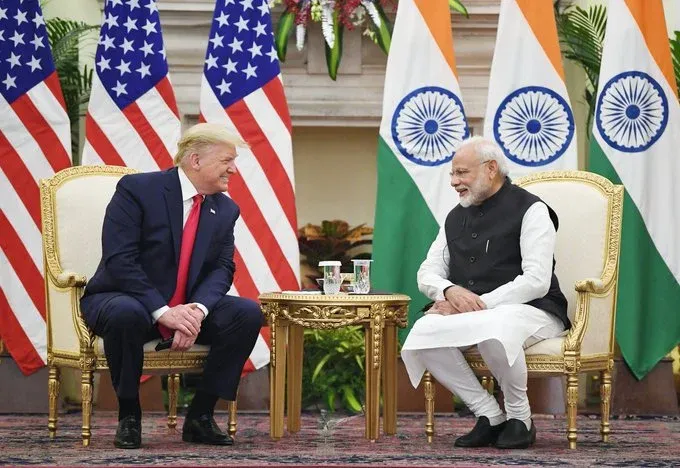
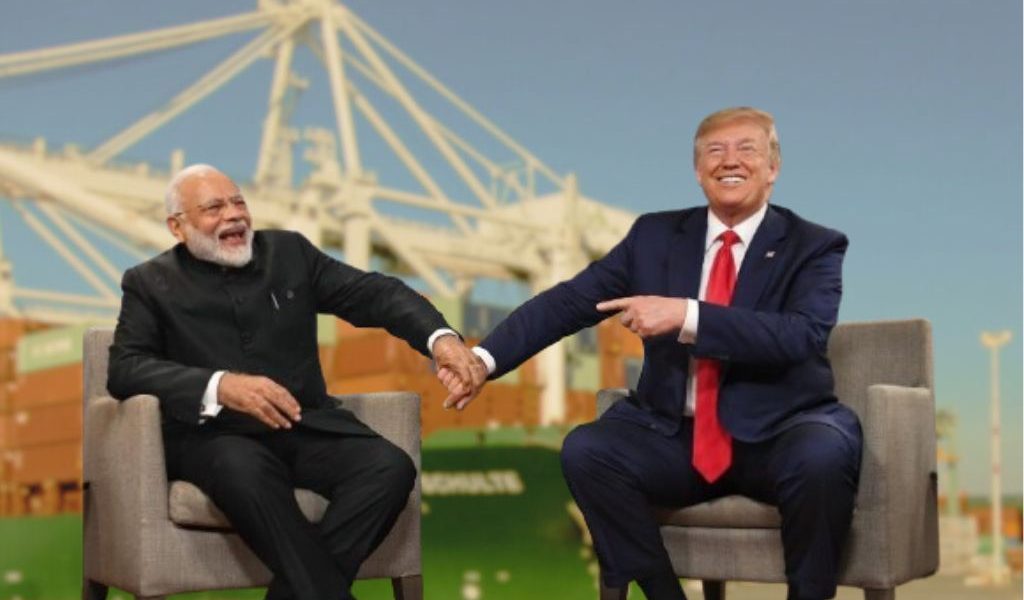
The personal rapport between President Trump and Prime Minister Modi could play a pivotal role in these negotiations. Both leaders have expressed a desire to strengthen bilateral ties and expand economic cooperation. However, balancing domestic political considerations with international trade demands will be crucial in determining the outcome of these discussions.

As the April 2 deadline for the implementation of U.S. reciprocal tariffs approaches, the urgency for a resolution intensifies. Both nations stand to gain from a mutually beneficial agreement that addresses tariff disparities and promotes fair trade practices. The coming weeks will be critical in shaping the future trajectory of U.S.-India trade relations.

By Nitya Chakraborty The 14th National People’s Congress of China ended its one-week-long session in Beijing on Tuesday March 11 with a clear direction given by the President and the Communist Party supremo Xi Jinping that China will take on the disruptions made in the global order by the United States president Donald Trump in […]

Sushi Kissho by Miyakawa and Teppanyaki Shou Make Dazzling Debuts on the SCMP’s Best of the Best Annual List MACAU SAR – Media OutReach Newswire – 11 March 2025 – The South China Morning Post recently announced its 100 Top Tables guide for 2025, a definitive list recognizing the most exceptional dining establishments in Hong Kong and Macau. This year, six restaurants from StarWorld Hotel and Galaxy […]

Coinbase Global Inc., a leading U.S.-based cryptocurrency exchange, has officially registered with India’s Financial Intelligence Unit , enabling the company to offer crypto trading services within the country. This strategic move marks Coinbase’s re-entry into the Indian market after it suspended operations in 2022 due to regulatory challenges.

The company plans to launch its initial retail services later this year, followed by the introduction of additional investment products. John O’Loghlen, Coinbase’s Regional Managing Director for Asia Pacific, expressed enthusiasm about the expansion, stating, “India represents one of the most exciting market opportunities in the world today, and we’re proud to deepen our investment here in full compliance with local regulations.”

This development comes at a time when interest in cryptocurrencies has surged among young Indians, many of whom are exploring crypto trading as a means to supplement their incomes. The Indian market already hosts several crypto exchanges, including CoinDCX, Binance, and KuCoin, indicating a competitive environment for Coinbase’s return.

Under Indian law, virtual digital asset service providers are required to register with the FIU and comply with anti-money laundering regulations. Despite a 30% tax on crypto trading gains, which is among the highest globally, the Indian government has yet to outline comprehensive regulations for the asset class. The country’s stance on cryptocurrencies is currently under review, influenced by global regulatory shifts and recent U.S. policy changes.

Coinbase’s re-entry into India signifies a notable shift in the country’s approach to digital currencies. Previously, the Reserve Bank of India had expressed strong opposition to cryptocurrencies, leading to a challenging environment for crypto exchanges. However, the recent dismissal of a lawsuit against Coinbase by U.S. market regulators, coupled with President Donald Trump’s support for cryptocurrencies, appears to have influenced India’s regulatory landscape, making it more conducive for exchanges like Coinbase to operate.

The Indian crypto market is estimated at $2.6 billion and is expected to grow annually by 18%. This growth potential, along with the increasing enthusiasm among young traders, presents a significant opportunity for Coinbase. The company’s commitment to complying with local regulations and its strategic plan to roll out services gradually demonstrate a measured approach to capturing this market.

Coinbase’s registration with the FIU not only allows it to offer trading services but also underscores its dedication to adhering to India’s anti-money laundering and counter-terrorism financing laws. This compliance is crucial for building trust with Indian regulators and users, who have been cautious about the risks associated with cryptocurrencies.

Careem Pay, the financial services arm of the Careem app, has introduced a new remittance service enabling United Arab Emirates residents to send funds directly to bank accounts in Egypt. This development aims to provide a swift and cost-effective alternative to traditional banking methods for the substantial Egyptian expatriate community in the UAE. The UAE hosts a significant number of Egyptian expatriates, positioning Egypt among the top […]

At the CERAWeek conference in Houston, Saudi Aramco’s President and CEO, Amin Nasser, delivered a sharp critique of current global energy transition strategies, labelling them as “self-destructive” and warning of potential economic and energy security consequences. Nasser emphasized that the prevailing approach, which aims to rapidly phase out conventional energy sources in favour of immature alternatives, is flawed. He argued that such strategies are not only unrealistic […]

Oil prices stabilized on Tuesday after a period of declines, reflecting investor apprehension over escalating trade tensions and their potential impact on global economic growth. West Texas Intermediate crude hovered around $66 per barrel, while Brent crude traded near $69, following a 1.5% drop on Monday.

The recent market volatility stems from U.S. President Donald Trump’s enforcement of tariff measures, which has heightened fears of a slowdown in the world’s largest economy. Investors retreated from various risk assets on Monday, leading to significant sell-offs across global markets. Although the selloff moderated on Tuesday, concerns persist regarding the broader economic implications of the tariffs.

In addition to trade tensions, geopolitical developments have contributed to market unease. Notably, the potential for a ceasefire between Russia and Ukraine has raised the prospect of lifting sanctions on Russia’s energy sector, which could increase crude supply and exert downward pressure on prices. Such developments add complexity to an already uncertain market environment.

The Organization of the Petroleum Exporting Countries and its allies have also influenced market dynamics. The coalition signaled intentions to adjust production caps in response to changing market conditions, aiming to balance supply and demand. However, concerns about slowing global demand persist, particularly given the potential economic ramifications of ongoing trade disputes.

By Nantoo Banerjee Returning empty-handed and crestfallen from his meeting with United States President Donald Trump, popular satirical comedian turned Ukraine President Volodymyr Zelensky looks more like a totally confused person now. He doesn’t know whom to trust — highly peeved US President Donald Trump or the leaders of the EU-UK combine, the backstage instigators […]


The European Central Bank has announced plans to introduce a digital euro by October 2025, contingent upon the completion of necessary legislative processes. ECB President Christine Lagarde emphasized the significance of this timeline, underscoring the institution’s commitment to modernizing Europe’s financial landscape.

The digital euro initiative aims to provide a secure, efficient, and accessible digital currency for the eurozone, complementing traditional cash. This move is part of a broader effort to adapt to the rapidly evolving digital economy and to ensure that Europe remains at the forefront of digital payment solutions.

The journey toward a digital euro began in October 2020 when the ECB published a comprehensive report outlining the potential benefits and challenges of introducing a central bank digital currency . Since then, the project has progressed through various phases, including public consultations and collaborative experiments with financial institutions to test the feasibility of different design options.

In June 2023, the European Commission introduced a legislative proposal to establish a legal framework for the digital euro. This proposal seeks to ensure uniform rules and conditions across the euro area, facilitating seamless integration of the digital euro into the existing financial system. The legislative package also aims to guarantee continued access to physical euro banknotes and coins, reflecting a commitment to inclusivity in payment options.

The proposed regulation grants the digital euro legal tender status, meaning it would be universally accepted for payments within the euro area. However, certain exceptions are outlined, such as allowing microenterprises to opt out unless they already accept comparable digital payment methods. This approach balances the goal of widespread adoption with the practical considerations of smaller businesses.

The ECB has been proactive in its preparations, engaging with external companies to prototype user interfaces and conducting market research to assess the technical feasibility of various design choices. These efforts have demonstrated that integrating a digital euro into the current payment landscape is achievable, with potential for both online and offline functionalities.

Despite these advancements, the project faces scrutiny from various stakeholders. Some lawmakers and banking representatives have expressed reservations about the necessity and potential implications of a digital euro. Concerns range from the impact on financial stability to issues of privacy and the role of traditional banks in a transformed financial ecosystem.

The ECB acknowledges these concerns and has emphasized that the digital euro is not intended to replace cash but to complement it. The central bank also highlights that the digital euro would offer a public digital means of payment, ensuring that citizens have access to central bank money in an increasingly digital world.

As the ECB moves forward with its plans, the timeline remains subject to the completion of the legislative process. The European Parliament and the European Council must approve the proposed regulation before the digital euro can be officially launched. The ECB has indicated that it will consider any necessary adjustments to the design of the digital euro based on the outcomes of legislative deliberations.

The global context adds another layer of urgency to the project. With countries like China advancing their own digital currencies and the rise of private digital payment solutions, there is a strategic imperative for Europe to develop its own CBDC. This ensures that the eurozone retains control over its monetary policy and financial infrastructure in the face of rapid technological change.

In a recent interview, ECB board member Piero Cipollone expressed optimism about the legislative process, noting that external developments, such as other countries’ digital currency initiatives, could accelerate the EU’s efforts. He emphasized the importance of the digital euro in maintaining Europe’s monetary sovereignty and adapting to the evolving global financial landscape.

The ECB’s commitment to an October 2025 launch reflects a clear timeline for stakeholders. However, this target date is contingent upon the timely approval of the legislative framework. The ECB has stated that its readiness encompasses not only the technical development of the digital currency but also the establishment of all necessary legal and regulatory frameworks to support its launch.

As the project progresses, the ECB plans to continue its engagement with the public and stakeholders to address concerns and ensure that the digital euro meets the needs of all users. This includes considerations of privacy, security, and ease of use, which are critical for the widespread adoption of the digital currency.

Dubai’s Roads and Transport Authority has launched the next-generation 360 Services Policy, aiming to revolutionise customer experience by delivering integrated, seamless, and proactive digital services without necessitating in-person visits. This initiative is a significant stride in RTA’s ongoing digital transformation, transitioning services to self-service models accessible through shared digital platforms like the “Dubai Now” app. His Excellency Mattar Al Tayer, Director General and Chairman of the Board […]

SINGAPORE – Media OutReach Newswire – 10 March 2025 – Temus, a Singapore-based digital transformation consultancy, has become the first OutSystems Premier Partner in Singapore. This milestone underscores Temus’ deep expertise in AI-powered low-code development and commitment to accelerating digital transformation for businesses, even more so as low-code platforms gain momentum in Singapore’s digital ecosystem. From left: Wong Seok Ling, Managing Director, Cloud, Applications & Platform (Low-Code), […]

XRP, the cryptocurrency associated with Ripple Labs, has experienced notable price movements and whale activities in the past week, raising questions about its potential trajectory toward the $3.87 mark.

On Wednesday, XRP’s price saw a 1.8% increase, reaching $2.52, though it remains approximately 35% below its all-time high of $3.40. This uptick followed remarks by President Trump, who mentioned XRP as a potential component in a strategic cryptocurrency reserve. However, the gains were tempered after confirmations that U.S. tariffs on Canada and Mexico would proceed, reflecting the broader market’s sensitivity to geopolitical developments. Analyst Alex Kuptsikevich from FxPro noted that such conditions have led to profit-taking among traders, impacting the growth potential of cryptocurrencies.

In the past three weeks, whale activity on the XRP network has steadily risen, with transactions exceeding $1 million reaching their highest levels in months. Notably, a massive transfer of 150 million XRP, valued at over $380 million, occurred between two unknown wallets, sparking significant curiosity across the crypto market. Such movements are often considered indicators of potential price shifts, as large holders accumulating XRP could signal a bullish trend, while distributions might suggest an impending correction.

Technical analysis indicates that XRP is consolidating within a symmetrical triangle pattern, suggesting an imminent breakout or breakdown. Analysts warn that if XRP falls below the critical support level of $2, it could face a potential 24% drop. Conversely, a breakout above current resistance levels might pave the way for a rally toward the $3.87 mark.

In the derivatives market, Volatility Shares has proposed three new XRP exchange-traded funds : a -1x ETF to bet against XRP, a standard spot ETF, and a leveraged ETF to double XRP’s performance. These offerings could provide investors with more avenues to engage with XRP, potentially influencing its price dynamics.

Blockchain analytics firm Arkham Intelligence has introduced a new tagging system designed to track cryptocurrency transactions of prominent figures in the digital asset space. This feature, termed the “Key Opinion Leader” tag, enables users to monitor the wallet activities of influencers boasting over 100,000 followers on the platform X .

As of March 8, Arkham has cataloged approximately 950 wallet addresses associated with these high-profile individuals. Noteworthy figures identified include Ethereum co-founder Vitalik Buterin, crypto entrepreneur Justin Sun, Binance founder Changpeng Zhao, Yearn Finance co-founder Andre Cronje, and U.S. President Donald Trump.

The primary objective of this initiative is to enhance transparency within the cryptocurrency ecosystem. By allowing users to observe the digital asset movements of influential personalities, Arkham aims to shed light on potential market trends and provide insights into the holdings and transactions of these key players.

In the past, Arkham has provided valuable insights into the activities of major crypto figures. For instance, the platform tracked Vitalik Buterin’s liquidation of $2.5 million worth of meme coins, which were subsequently directed to his biotech charity, Kanro. Additionally, in May 2024, Arkham identified a wallet linked to Donald Trump, revealing holdings exceeding $10 million, primarily comprising MAGA and ETH tokens.

Under the newly introduced KOL tag, several prominent figures and their crypto holdings have been highlighted:

– Justin Sun: The founder of Tron leads the list with nearly 4 million followers on X. One of his wallets holds over $590 million in digital assets, with approximately $435 million in Tron .

– Vitalik Buterin: With around 5.7 million followers, Buterin’s wallet contains roughly $523 million in Ethereum.

– Hong Qi Yu: The CEO of Tokenize Xchange has over 723,000 followers and holds $28.31 million in digital assets.

– Arthur Hayes: The co-founder of BitMEX possesses $18.32 million in assets and has 640,000 followers.

– Dinghua Xiao: With 235,000 followers, Xiao’s wallet holds $12.33 million in cryptocurrencies.

– Murad Mahmudov: Known as “Muststopmurad” on X, he has 718,300 followers and $5.27 million in digital assets.

The introduction of the KOL tag comes amid growing concerns about the reliability of influencer-backed tokens. Research indicates that 76% of such tokens fail to deliver, with their value plummeting by more than 90% within just three months. This has raised alarms about misleading endorsements and the potential for pump-and-dump schemes within the crypto community.

By offering this tracking feature, Arkham provides investors with the tools to scrutinize whether influencers genuinely back the tokens they promote or if their endorsements are merely paid advertising. This level of transparency could help distinguish genuine endorsements from deceptive promotions, thereby fostering a more informed and secure investment environment.

The crypto community has responded with mixed reactions to this development. Some users commend the move towards greater transparency, while others express concerns about privacy and the potential misuse of such information. One user commented, “Biggest scammer on top! Now everyone can watch your wallets. But they should know y’all have multiple ones.”

VISHNU RAJA
RYO YAMADA
HITORI GOTOH
IKUYO KITA