News related to
President

flynas has entered into an agreement with Safran to outfit its upcoming fleet of 60 Airbus A320neo aircraft with the latest-generation Z200 seats. The memorandum of understanding was formalised during the Arabian Travel Market in Dubai, with deliveries scheduled to commence in the latter half of 2025.

Each aircraft will feature a 174-seat configuration, comprising both Economy and Premium class sections. The Premium section, spanning four rows at the front of the cabin, will offer enhanced passenger comfort with wider seat pitch, adjustable headrests, and a middle seat blocker to provide additional personal space. The Economy class will be equipped with seats designed for medium- to long-haul flights, incorporating features such as smart cushions, portable electronic device holders, dual USB-A and USB-C power ports with 60W output, lower literature pockets, coat hooks, and cup holders.

Bander Almohanna, CEO of flynas, highlighted that this collaboration aligns with the airline’s expansion strategy, which aims to connect Saudi Arabia with 250 international destinations, accommodate 330 million passengers, and host 100 million tourists annually by 2030. He stated that the partnership with Safran is instrumental in reimagining flynas’ future cabins with smart design and advanced technologies, offering passengers a unique and comfortable travel experience.

Quentin Munier, Executive Vice President of Safran Seats France, expressed enthusiasm about the collaboration, noting that this marks Safran’s first partnership with flynas. He emphasized that the Z200 seats are designed to deliver benefits for both passengers and operators, enhancing comfort and operational efficiency.

MACAU SAR – Media OutReach Newswire – 30 April 2025 – In celebration of the 30th anniversary of diplomatic relations between China and Monaco, Galaxy Macau™ proudly presents the “Galaxy Music Gala: A Musical Journey from Monaco to Macau“. On May 21. This prestigious evening of classical music celebrates the deepening friendship between China and Monaco over the years with musical charm, further promoting exchanges and cooperation […]

Jollibee Group remains the sole Philippine-based company to be recognized by the prestigious award MANILA, PHILIPPINES – Media OutReach Newswire – 29 April 2025 – The Jollibee Group, one of the world’s fastest-growing restaurant companies, has once again been recognized for its commitment to fostering a joyful workplace culture. For the fourth time, the company has received the Gallup Exceptional Workplace Award (GEWA)—a prestigious global recognition given […]

By Nitya Chakraborty The United States of America President Donald J. Trump has completed his first one hundred days in office in his second non-consecutive term on April 29, Tuesday amidst continuing global disorder over his chaotic policies — unilateral tariffs hike, failure to establish peace in Gaza with Israeli killing spree continuing unabated and […]

Namibian Minister of Agriculture, Fisheries, Water and Land Reform, Mac-Albert Hengari, resigned on Sunday after being arrested in connection with ongoing investigations. The resignation came just hours after Hengari’s arrest, which has sparked political debate and raised questions about the future of Namibia’s agricultural policies. The state broadcaster, NBC, confirmed the resignation, citing a statement from the government. Hengari’s arrest is linked to allegations of corruption and […]

China International Capital Corp. is intensifying efforts to expand its presence beyond mainland China by establishing a new branch in Dubai and deepening its foothold in Southeast Asia, as global demand for cross-border financial services continues to grow. The Beijing-based investment bank, recognised as one of the country’s most influential financial institutions, is preparing to open a new branch in the Gulf city to cater to sovereign […]

Iran is offering its sanctioned economy as an investment opportunity to the United States, presenting an unconventional proposition amid ongoing negotiations over its nuclear programme. With diplomatic discussions showing momentum, Iranian officials are openly pitching economic engagement with Washington as a path toward a more durable and beneficial agreement, marking a shift not seen in decades. Talks have gained ground as both sides weigh the possibility of […]

Advertisements

Governments worldwide collectively hold over 463,741 bitcoins, amounting to approximately 2.3% of the total supply. The United States leads with 198,012 BTC, valued at around $18.3 billion as of April 2025.

This marks a decline from July 2024, when global government holdings stood at 529,591 BTC. The reduction reflects a trend of asset liquidation among several nations.

In March 2025, President Donald Trump signed an executive order establishing the Strategic Bitcoin Reserve. This initiative consolidates seized bitcoins into a national reserve, prohibiting their sale and positioning them as long-term assets.

China maintains approximately 194,000 BTC, primarily from seizures related to the 2019 PlusToken Ponzi scheme. Despite a ban on cryptocurrency activities, these assets remain in state custody.

El Salvador and Bhutan continue to expand their bitcoin reserves through purchases and mining, diverging from the liquidation trend observed in other countries.

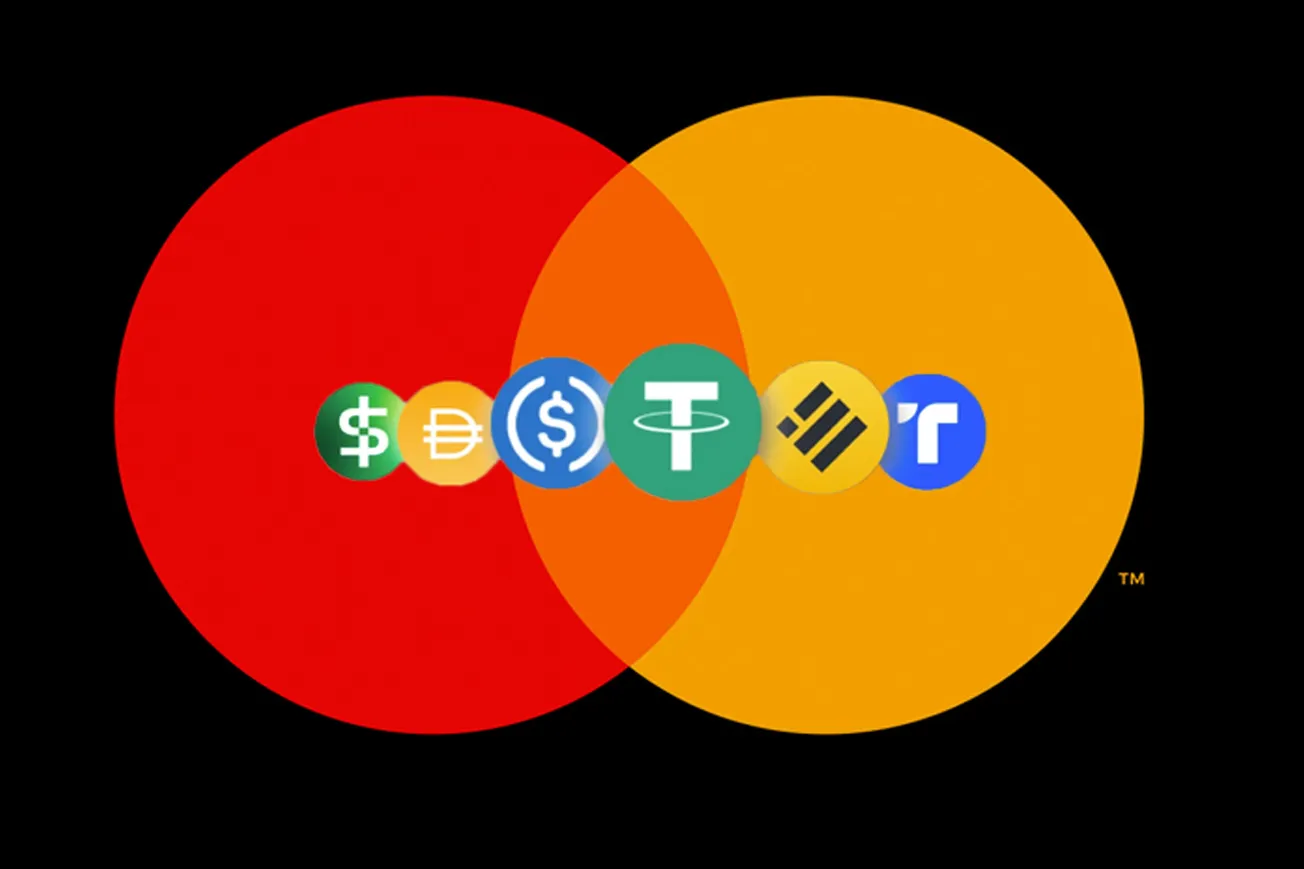
Mastercard has moved to expand its digital asset footprint by unveiling a stablecoin-powered global payment system that aims to bridge traditional finance with blockchain technology. The initiative incorporates wallet integration, card issuance, merchant settlement, and on-chain remittances, signalling a major endorsement for stablecoins within mainstream financial services.

The payments giant will partner with OKX to launch the OKX Card, offering users the ability to spend crypto assets seamlessly through Mastercard’s established infrastructure. The collaboration is positioned to provide cardholders with the option to convert their digital holdings into fiat currency at the point of sale, utilising USDC stablecoins to facilitate transactions in real time.

Mastercard’s broader collaboration also includes Circle, Nuvei, and Paxos, three key players in the stablecoin and blockchain space. The strategy centres on enabling direct merchant settlement using stablecoins, starting with USDC. The move is expected to accelerate merchant acceptance of digital currencies by eliminating the need for fiat conversions and complex intermediary processes.

Raj Dhamodharan, Mastercard’s head of crypto and blockchain, stated that the company is building a “future-proof” payments ecosystem that integrates digital assets responsibly and securely. He emphasised that Mastercard’s framework would ensure compliance with existing regulations and uphold strong consumer protection measures while offering the benefits of blockchain efficiencies.

By embedding stablecoins into payment rails, Mastercard is seeking to address long-standing challenges that have limited wider adoption of digital currencies, including volatility, liquidity management, and interoperability between financial systems. Stablecoins, which are typically pegged to fiat currencies like the US dollar, offer price stability that traditional cryptocurrencies like Bitcoin do not, making them more suitable for everyday transactions.

The OKX Card is expected to launch initially in select markets, with expansion plans to follow based on regulatory approvals and market demand. OKX’s president Hong Fang described the partnership as a “game-changer” that will “empower millions to experience the future of payments today.” The card will allow users to link their crypto wallets directly and spend their digital assets without the need to manually convert them into fiat beforehand.

Mastercard’s collaboration with Circle is particularly noteworthy as Circle’s USDC stablecoin is widely regarded for its regulatory compliance and transparency. Circle CEO Jeremy Allaire welcomed the partnership, highlighting that direct merchant settlement in USDC would reduce transaction costs, enhance speed, and provide greater transparency across payment processes.

Nuvei and Paxos will contribute to strengthening the backend settlement capabilities. Nuvei, a global payment technology firm, brings extensive experience in integrating alternative payment methods for merchants, while Paxos, a regulated blockchain infrastructure platform, provides trusted stablecoin issuance and custody solutions.

This new framework comes at a time when global financial institutions are increasingly exploring digital currencies. The Bank for International Settlements reported an upsurge in central bank digital currency projects globally, with a growing focus on how stablecoins and blockchain could complement traditional payment systems rather than disrupt them.

Mastercard has been experimenting with blockchain and digital assets for several years, conducting pilot programmes with various crypto companies and financial institutions. The company’s partnership with the Reserve Bank of Australia and the Digital Finance Cooperative Research Centre on a central bank digital currency pilot was another key step illustrating its commitment to innovating responsibly within the space.

Mastercard’s stablecoin settlement model follows a successful pilot in Australia, where live transactions using USDC and Mastercard’s network proved the technical viability and regulatory feasibility of using stablecoins for real-world transactions. The pilot included collaboration with Cuscal and Mintable, showcasing the ability to settle card transactions directly on blockchain networks.

Through these developments, Mastercard appears to be positioning itself as a leader among traditional financial service providers seeking to integrate blockchain into their core offerings. This approach not only supports digital asset adoption but also builds bridges between traditional payment providers and emerging decentralised finance ecosystems.

Industry analysts note that Mastercard’s entry into stablecoin-powered payments could force other major payment processors to accelerate their blockchain strategies. Visa, which has been running its own stablecoin settlement pilots, will likely view Mastercard’s moves as a call to action to deepen its blockchain integration efforts to remain competitive.

There are challenges ahead, particularly regarding regulatory clarity. Stablecoins have come under increasing scrutiny from regulators concerned about financial stability, money laundering, and consumer protection risks. Mastercard has indicated that its stablecoin programme will operate within regulated frameworks, ensuring that only stablecoins backed by transparent and compliant reserves are included.

The initiative also highlights growing merchant interest in accepting digital currencies without bearing volatility risks. Direct stablecoin settlement allows merchants to receive payment in a stable asset without relying on third-party crypto-to-fiat conversion services, streamlining operations and reducing costs.

As stablecoins continue to evolve beyond speculative assets into functional financial tools, Mastercard’s system reflects an understanding that digital currencies must serve real-world use cases to achieve mainstream adoption. The company’s ability to integrate stablecoin technology with traditional card networks could significantly alter how digital assets are used in daily commerce.

Mastercard’s latest announcement also underlines a broader industry shift toward interoperability. By supporting transactions across multiple blockchain networks and integrating with different stablecoin issuers, Mastercard aims to create a unified ecosystem where users, merchants, and financial institutions can interact seamlessly across both traditional and digital finance landscapes.


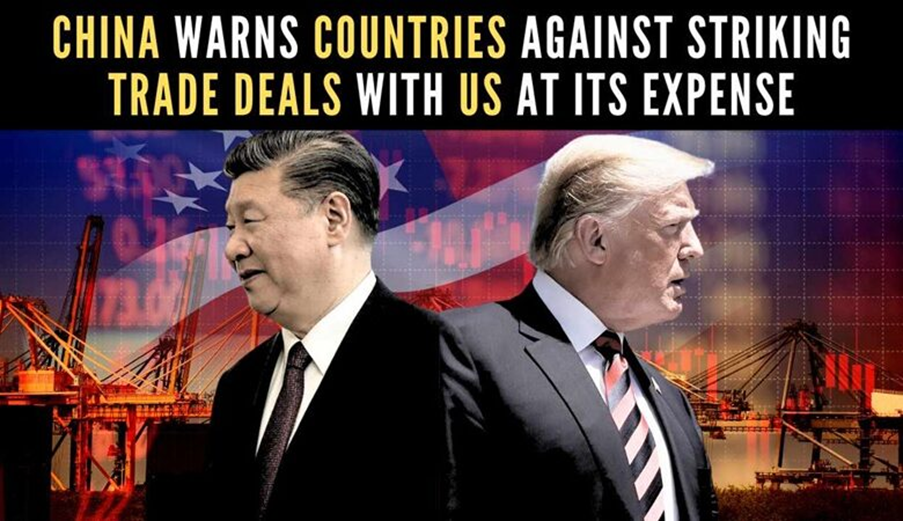
By Nantoo Banerjee Hit by the massive US import tariff, export-led China seems to have gone crazy as its No.1 export destination, the United States of America, has suddenly gone out of reach after US President Donald Trump’s prohibitive import tariff on China. Shockingly, China has issued a warning against countries seeking to strike a […]

Ripple has made it clear that it will not be pursuing an initial public offering in 2025, despite its strong financial position and ongoing expansion in the digital payments sector. The company, led by President Monica Long, stated that it does not require additional capital or increased visibility at this stage.

Ripple’s decision to forgo an IPO has sparked curiosity, particularly given the company’s prominent role in the cryptocurrency and blockchain industries. Founded in 2012, Ripple’s blockchain-based payment solutions have gained significant traction among financial institutions, providing faster and more efficient cross-border payment systems. However, despite this growth and increasing adoption, Ripple believes its financial strength and current business model make an IPO unnecessary at this time.

Ripple’s business model, which revolves around facilitating real-time, low-cost international money transfers, has been lauded for its potential to revolutionise global payments. The company’s flagship product, RippleNet, has been adopted by several large financial institutions and remittance services worldwide. This widespread adoption has allowed Ripple to expand its network while maintaining a steady revenue stream, enabling the company to self-fund its operations and future developments without the need for external capital.

Monica Long, who took over as Ripple’s president in 2022, reinforced this position during recent statements, explaining that the company is not in a position where it must seek additional funding to fuel its growth. Long highlighted Ripple’s profitability, strong balance sheet, and ability to continue expanding its operations without relying on public market funding. “We are financially sound and focused on executing our long-term strategy,” Long said. “An IPO is simply not a part of our plan for 2025.”

The announcement comes at a time when many technology and blockchain firms have been considering IPOs to capitalise on favourable market conditions. However, Ripple’s decision to stay private also reflects broader trends in the blockchain and cryptocurrency industries. Despite the rise in popularity of blockchain-based financial services and decentralised finance , many blockchain companies have opted to remain private, citing concerns over regulatory challenges and market volatility.

Ripple’s unique position in the industry also plays a role in its decision to remain private. Unlike other cryptocurrency companies, Ripple has faced significant legal challenges, particularly from the U.S. Securities and Exchange Commission . The SEC filed a lawsuit against Ripple Labs in December 2020, alleging that the company had conducted an unregistered securities offering through the sale of its XRP token. While the lawsuit is ongoing, Ripple has managed to continue its operations and expand its offerings, positioning itself as a leader in the global payments space.

The case with the SEC has been closely watched by the broader cryptocurrency community, with many viewing it as a potential turning point for the regulation of digital assets. Should Ripple win its case, it could have significant implications for the entire crypto industry, potentially providing greater clarity on how digital assets are regulated and whether tokens like XRP are considered securities.

Despite the legal hurdles, Ripple has continued to strengthen its partnerships with global financial institutions. The company has worked with major players such as Santander, American Express, and PNC to integrate Ripple’s payment solutions into their operations. These partnerships, along with Ripple’s expansion into new markets such as Asia and the Middle East, have been key to the company’s growth and continued success.

Ripple’s stance on an IPO also reflects broader changes in the IPO market itself. While some tech firms still opt to go public in order to fuel further growth, others are increasingly choosing to stay private, preferring to raise capital through private funding rounds rather than public markets. This shift is part of a broader trend in the tech industry, where companies are opting for more flexibility and control over their operations.

Ripple’s decision not to pursue an IPO has been met with mixed reactions in the industry. On one hand, some analysts argue that an IPO could have provided Ripple with a valuable opportunity to boost its profile and raise capital for expansion. On the other hand, others see the company’s decision to stay private as a sign of financial maturity and stability. Ripple’s ability to sustain its operations and continue to grow without relying on public market funding is a testament to the strength of its business model.

As the cryptocurrency landscape continues to evolve, Ripple’s choice to remain private will likely be watched closely by other firms in the space. The company’s success or failure in the coming years will offer valuable insights into the potential benefits and drawbacks of staying private in an increasingly public-facing industry.

Lebanon’s government is optimistic about securing a staff-level agreement with the International Monetary Fund within the coming months. The move represents a significant step towards addressing the country’s crippling financial crisis, which has left the Lebanese pound in freefall, unemployment rates soaring, and inflation skyrocketing. The news has brought a flicker of hope for a nation desperate for international assistance, after enduring years of economic turmoil exacerbated by political instability and the effects of the 2019 Beirut port explosion.

The announcement, made by Lebanon’s Minister of Economy and Trade, Amin Salam, comes at a time when the country is facing its worst economic collapse since the end of the civil war in the 1990s. Despite the IMF’s cautious stance on extending its aid to Lebanon, negotiations are progressing, and the country is hopeful that an agreement could finally be reached. Salam stated that the aim is for the Lebanese authorities to finalise discussions with the IMF, which would then allow Lebanon to access critical funding to stabilise its economy.

Securing a deal with the IMF is a priority for Lebanon as it seeks to unlock international loans and support. Lebanon has been in talks with the IMF for over two years, with the institution imposing strict financial reforms as a condition for assistance. These reforms are designed to rebuild Lebanon’s crippled financial institutions, tackle rampant corruption, and implement fiscal discipline. However, these measures have been met with resistance from political elites, many of whom have been accused of contributing to the financial crisis through mismanagement and corruption.

The IMF’s requirements include reforms such as restructuring Lebanon’s financial sector, implementing measures to improve the country’s fiscal transparency, and reducing public sector spending. The institution has made it clear that Lebanon must address these structural weaknesses before it can secure international aid. Lebanon’s political class, long known for its infighting and inability to push through reforms, has struggled to meet these expectations, with reforms stalling in the face of political resistance.

Despite these challenges, some experts believe that the IMF agreement is crucial to any hopes of Lebanon stabilising its economy. The Lebanese government has faced mounting pressure from citizens who are increasingly disillusioned with their leaders’ inability to address the country’s dire financial situation. Protests have erupted across the country in recent years, calling for an end to corruption and better governance. While these protests have led to some changes, they have not been enough to reverse the economic downturn.

Economic indicators show the extent of Lebanon’s struggles. The Lebanese pound, which once traded at 1,500 to the dollar, now hovers around 100,000 pounds to the US dollar on the black market, reflecting a dramatic devaluation. Inflation has surged, with food prices spiraling out of control, and essential services such as healthcare and education becoming increasingly unaffordable for many Lebanese citizens. This economic decline has driven more than 60% of the population into poverty, according to estimates from the United Nations and local organisations.

The IMF’s involvement is seen as a necessary step in restoring confidence in Lebanon’s financial system. However, the road to recovery will be long and fraught with challenges. A key issue is the need for political unity. Lebanon’s fractious political system, which is based on a delicate sectarian balance, has hindered the passage of many essential reforms. The lack of a functioning president, with the presidential seat remaining vacant for several months due to political deadlock, has added to the uncertainty.

International donors, including the European Union and Gulf countries, have signalled their support for Lebanon’s recovery plan, but they are also waiting for concrete reforms before committing significant funds. They have been clear that Lebanon’s political elite must demonstrate the political will to implement the reforms required for a sustainable recovery.

Syria’s fragile post-war recovery effort gained significant momentum after Saudi Arabia and Qatar pledged to clear the country’s outstanding World Bank debt, a critical step towards unlocking new international funding. The commitment, disclosed following the World Bank and International Monetary Fund spring meetings held last week in Washington, addresses approximately $15 million owed by Damascus, removing a key financial impediment for the new government led by President Ahmed Al-Sharaa.

High-level negotiations between Gulf officials and World Bank representatives culminated in the decision to settle Syria’s arrears, a move regarded by diplomats as essential for enabling the war-torn nation to access multilateral financial assistance. The overdue debt, though relatively modest in scale, had barred Syria from eligibility for fresh disbursements under the World Bank’s policies requiring client countries to be in good standing.

Officials familiar with the discussions indicated that Saudi Arabia and Qatar’s intervention was not merely financial but symbolised broader regional efforts to stabilise Syria’s economy and reintegrate it into international institutions. According to sources briefed on the meetings, both governments framed the payment as part of a larger initiative to support Syria’s economic reconstruction and political transition under Al-Sharaa, who assumed office earlier this year following a contested but internationally recognised electoral process.

President Al-Sharaa, whose government has pledged sweeping economic reforms, welcomed the support, calling it “a step towards restoring Syria’s rightful place in the global community.” Speaking through an official statement issued by the presidential office in Damascus, he emphasised that rebuilding national infrastructure, restoring basic services, and attracting private sector investment were now top priorities. His administration faces the immense challenge of reconstructing a country where more than a decade of conflict left nearly half the population displaced and critical industries in ruins.

Syria’s re-engagement with global financial institutions represents a delicate balancing act for regional and international actors. While Saudi Arabia and Qatar’s financial support signals renewed diplomatic engagement, it also reflects strategic calculations. Officials in Riyadh and Doha are believed to view a stabilised Syria as vital to broader Middle Eastern security and to limiting the influence of rival powers that gained ground during the conflict.

A Gulf-based diplomat with knowledge of the negotiations said that clearing Syria’s World Bank debt was seen as a “foundational gesture” aimed at laying the groundwork for deeper economic cooperation. “There is recognition that Syria’s stability benefits the entire region,” the diplomat explained. “But this assistance is not a blank cheque — it’s tied to expectations around governance, transparency, and economic reform.”

The World Bank, for its part, has been cautiously preparing for Syria’s potential re-entry into development programs. Bank officials underscored that while the clearing of arrears was a necessary procedural step, any future engagement would be closely conditioned on the government’s adherence to principles of accountability and inclusion. A spokesperson for the institution stated that assessment missions would be conducted to evaluate Syria’s institutional capacity and identify priority sectors for assistance, pending board approval.

Economic experts observing the development noted that while $15 million is a small figure compared to the scale of Syria’s reconstruction needs — estimated by some analysts to exceed $400 billion — the symbolic value of the Gulf states’ intervention is considerable. By assuming Syria’s financial obligations, Saudi Arabia and Qatar have effectively opened the door to broader international financial support, including potential aid from bilateral donors and regional development banks.

Syria’s financial rehabilitation comes amid evolving geopolitical dynamics in the Middle East, where Gulf nations have shown a willingness to recalibrate relationships and pursue pragmatic approaches to regional conflicts. Qatar, which once supported opposition groups during the Syrian civil war, has shifted its stance to focus on post-conflict recovery, while Saudi Arabia has sought to spearhead diplomatic normalisation efforts, including Syria’s readmission into the Arab League.

The economic picture within Syria remains dire. Inflation has soared, the Syrian pound continues to depreciate, and essential services such as electricity, healthcare, and education are struggling to function. The United Nations has warned of a worsening humanitarian situation unless economic conditions improve, estimating that over 14 million Syrians require some form of assistance.

President Al-Sharaa’s administration, meanwhile, has signalled a commitment to overhaul outdated regulatory frameworks, encourage foreign investment, and revive critical sectors such as agriculture, manufacturing, and tourism. In a televised address earlier this month, he pledged that Syria would embark on “an era of renewal,” focusing on job creation, infrastructure development, and restoring public trust in state institutions.

International observers caution that much will depend on the government’s ability to implement reforms credibly and transparently. Skepticism persists among some Western governments and humanitarian organisations over the prospects for genuine political and economic liberalisation. Nonetheless, the Gulf states’ financial backing and the World Bank’s procedural readiness mark a notable shift, offering Syria its first tangible pathway to re-entering the global financial system after years of isolation.

Nigeria’s government must exercise greater fiscal discipline and prioritise spending to navigate economic headwinds, the International Monetary Fund has advised. The call comes amid concerns over rising public debt and questions surrounding the efficiency of government expenditure. At the 2025 IMF/World Bank Spring Meetings in Washington, D.C., Davide Furceri, Division Chief in the IMF’s Fiscal Affairs Department, acknowledged Nigeria’s recent economic reforms, including the removal of fuel […]

By K Raveendran U.S. Treasury Secretary Scott Bessent’s declaration that India could be the first to finalise a trade deal with the United States after President Trump embarked on his reckless trade war against the world signals a strategic point. The proposed agreement offers India an escape hatch from the looming 26 percent reciprocal tariffs […]
Dr Imran Khalid President Donald Trump’s erratic dance with tariffs continues to confound not just global markets but even his own team. On April 22, in a move that underscored the White House’s habitual policy incoherence, Trump declared that the “very high” tariffs on Chinese goods would soon be “substantially reduced.” This comes after days of raising them dramatically at the start of the month, then selectively exempting key electronics sectors – moves that reflect both strategic […]

By Nitya Chakraborty Three days have passed since the savage terrorist attack at Pahalgam resulting in the death of 26 people, mostly tourists. The communal tenor of the massacre shocked the Indian people. There was unequivocal demand from the people supported by all sections of the political parties that the Narendra Modi government must take […]

A sharp decline in container traffic from China to the United States has emerged, as the latest round of tariffs imposed by the Trump administration triggers significant shifts in global trade flows. Shipping data and industry reports indicate a substantial drop in U.S. imports from China, with container bookings falling by approximately one-third since early April, according to Hapag-Lloyd, the world’s fifth-largest container-ship operator. The downturn follows […]

The SPDR Gold Shares ETF , the world’s largest gold-backed exchange-traded fund, experienced a significant outflow of $1.3 billion on April 22, 2025—the largest single-day withdrawal since 2011. This substantial movement reflects a notable shift in investor sentiment, as market participants reallocate assets in response to evolving economic indicators and geopolitical developments. Sees Largest Weekly Outflow Since 2022 on Trump Win – Bloomberg)

The outflow coincided with a decline in gold prices, which fell nearly 2% to $3,318.71 per ounce. This drop followed U.S. President Donald Trump’s decision to retract his threat to dismiss Federal Reserve Chair Jerome Powell and his expression of optimism regarding a potential trade agreement with China. These developments reduced the perceived need for safe-haven assets like gold, prompting investors to reassess their portfolios.

Simultaneously, the U.S. dollar and stock markets rebounded, further diminishing gold’s appeal. Analysts, including OANDA’s Kelvin Wong, cited these factors as triggers for the selloff, though he noted that potential upside movement in gold remains. Despite this short-term dip, gold had previously surged to a record high of $3,500 per ounce, and JP Morgan anticipates it could exceed $4,000 next year.

The broader context includes a significant surge in gold prices earlier in April, driven by investor concerns over the weakening U.S. dollar and President Trump’s economic policies. Gold reached a new peak of over $3,500 per ounce before settling at $3,426, marking a nearly 30% increase since Trump’s return to office. Analysts at JPMorgan predict gold could hit $4,000 by mid-2026, fueled by purchases from central banks and retail investors.

However, the easing of trade tensions and positive developments in U.S.-China relations have led to a reassessment of risk, with investors moving away from traditional safe havens. European gold funds, for instance, experienced significant inflows earlier in April, with approximately €1 billion poured into gold exchange-traded commodities during the week ending April 18, 2025. This marked the highest level of inflows since mid-January, reflecting rising investor demand for safe-haven assets amid escalating market volatility sparked by U.S. trade tariffs.

Despite these inflows, the subsequent outflows from GLD indicate a shift in investor strategy. The Bank of America’s April 2025 Fund Manager Survey revealed that institutional investors are adjusting their portfolios in response to global economic fears driven by U.S. tariff policies and escalating concerns of a recession. The survey indicated that investor expectations for economic growth have dropped to 30-year lows, with 82% predicting a weaker global economy this year. In response, money managers are moving away from high-risk sectors like technology and U.S. equities, instead turning to safer investments.

Gold has emerged as the top asset, with 42% of fund managers favoring it—up from 23% in March—due to its reputation as a safe haven in volatile markets and hedge against inflation. This surge in interest is mirrored by the SPDR Gold Shares ETF surpassing $100 billion in assets under management and gold prices hitting record highs above $3,300 an ounce.

A court in Abidjan has disqualified Tidjane Thiam, leader of the Democratic Party of Côte d’Ivoire and former CEO of Credit Suisse, from contesting the upcoming presidential election, citing his previous French nationality at the time of his registration. The ruling, delivered on 22 April, determined that Thiam was ineligible to run as he held dual Ivorian-French citizenship when he registered on the electoral roll. According to […]

Arabian Post Staff -Dubai The United States is preparing to offer Saudi Arabia an arms package exceeding $100 billion, potentially to be announced during President Donald Trump’s upcoming visit to the kingdom in May. This proposal follows a failed attempt by the Biden administration to finalize a defense pact with Riyadh, which included conditions aimed at curtailing Chinese arms acquisitions and investments. Under Trump’s leadership, U.S.-Saudi defense […]

Wave 2 Nominations Now Open HONG KONG SAR- Media OutReach Newswire – 25 April 2025 – In a city built on precision, resilience and reinvention, Hong Kong’s corporate leadership is entering a new era—where governance, innovation, and sustainability are not just trends, but imperatives. The Asia Corporate Excellence & Sustainability (ACES) Awards 2025 has opened Wave 2 nominations, calling on Hong Kong-based businesses and leaders to benchmark […]

By Satyaki Chakraborty Vietnam has shown how a well calibrated trade diplomacy can be conducted in the year 2025 amidst the ongoing tariff war between the two biggest economic and military powers of the world USA and China. Both countries are having best trade relations with this South East Asian nation which is a sort […]

President Donald Trump is set to host an exclusive dinner on May 22 at the Trump National Golf Club in Washington, D.C., inviting the top 220 holders of his $TRUMP memecoin. This announcement has led to a significant surge in the coin’s value, with prices climbing over 60% to reach $16.17, marking its highest level since early March.

The event, organized by Fight Fight Fight LLC, stipulates that eligibility is determined by average holdings between April 23 and May 12. Attendees must pass a background check and cannot be from countries on Know Your Customer watchlists. The top 25 holders will receive additional perks, including a VIP reception and a special tour with the president. However, the event terms note that Trump may not attend, in which case winners would receive a limited edition Trump NFT instead.

Launched on January 17, 2025, just days before Trump’s inauguration, the $TRUMP coin is hosted on the Solana blockchain. Initially, 200 million tokens were released, with plans to expand the total supply to 1 billion over three years. Approximately 80% of the tokens are held by CIC Digital LLC and Fight Fight Fight LLC, entities linked to the Trump Organization. The coin’s market capitalization has reached approximately $2.6 billion, ranking it as the 37th-largest cryptocurrency.

VISHNU RAJA
RYO YAMADA
HITORI GOTOH
IKUYO KITA