News related to
Range

Next-gen harmonious user experience that perfectly embodies the fusion of technology, comfort, and freedom LAS VEGAS – Media OutReach Newswire – 3 January 2025 – CarUX Technology Pte. Ltd., with the direction “More than Display, and Far Beyond,” will showcase new vision solutions for automotive products based on her strategy, Harmonious User Experience “HUE”, from January 7th to 9th in Las Vegas, USA. CarUX keeps providing the […]

Crude oil prices are projected to remain within the $70 per barrel range, influenced by multiple factors, including potential oversupply conditions and shifts in geopolitical dynamics. Experts suggest that while the market might stabilize around this figure, uncertainty from global demand and political maneuvers will continue to shape its trajectory in the coming months.

The crude market has entered a phase where supply and demand fundamentals are being tested against evolving global economic conditions. Several key developments, particularly around oil-producing nations, have created a delicate balance that keeps prices in a relatively stable range, yet susceptible to fluctuations driven by external factors.

For months, the oil market has been closely watching the decisions of the Organization of the Petroleum Exporting Countries (OPEC) and its partners, such as Russia, who collectively manage production quotas to balance supply. OPEC’s recent moves to curb production have been aimed at propping up prices, but an increase in U.S. oil output has led to speculation that there may be an oversupply in the market. The United States has reached record production levels, largely driven by shale oil, which could overshadow OPEC’s production cuts.

Geopolitical tensions in major oil-producing regions, such as the Middle East, remain a persistent risk to price stability. However, analysts have indicated that, at least for now, the global oil market is able to absorb disruptions without a significant impact on prices. The advent of more diverse energy sources, including natural gas and renewable energy, has also lessened oil’s price volatility compared to previous decades.

One of the most notable contributors to the ongoing price forecast is former U.S. President Donald Trump’s impact on energy policies. His administration’s push for energy independence and deregulation policies have led to a surge in domestic oil production. While Biden’s administration has implemented more stringent climate and energy policies, the effects of Trump’s legacy are still visible, with shale producers continuing to drive the U.S. oil production boom.

Despite this, global oil consumption, especially in China, has shown signs of slower growth, a factor that could weigh on oil prices. Experts note that while China remains a major driver of global energy demand, its economic slowdown could dampen the demand for crude, putting downward pressure on prices. Additionally, OPEC’s attempts to control prices by adjusting production could be more difficult to execute as non-OPEC countries, particularly the U.S., maintain higher levels of output.

Environmental pressures are also playing a role in shaping oil demand. Many nations are intensifying their efforts to transition to cleaner energy sources, potentially limiting the demand for fossil fuels in the long term. Governments worldwide are setting more ambitious renewable energy targets and offering incentives for green technologies, which could lead to a future reduction in oil dependency.

Despite these long-term trends, the immediate outlook for crude remains cautiously optimistic. The global recovery from the pandemic, especially in developed economies, is expected to continue driving demand for oil, particularly for transportation and manufacturing. Yet, the resurgence of COVID-19 in certain regions and the ongoing supply chain disruptions may have a complex impact on global economic growth, which will, in turn, influence oil demand.

In the U.S., gas prices remain a central topic as consumers face fluctuating fuel costs. While gas prices in the country have seen recent increases due to tighter refinery margins and seasonal demand spikes, there is no consensus on how long this trend will persist. Analysts believe that domestic production levels, combined with seasonal factors, could prevent prices from surging uncontrollably.

In Europe, the situation is more nuanced. Energy prices, including natural gas and oil, have been a driving force behind inflation. The war in Ukraine, ongoing for several years now, has further complicated Europe’s energy dynamics, pushing countries to reconsider their energy strategies. Despite Europe’s focus on alternative energy, oil continues to play a significant role in meeting energy demand, particularly in transportation and industry. With the cost of living rising and energy prices still high, consumers in Europe are facing additional financial strain.

At a global level, the shift toward more sustainable energy production and consumption is growing, but it is clear that oil remains a cornerstone of the global energy mix for the time being. Countries that rely heavily on oil exports, like Saudi Arabia and Russia, continue to exert influence on the market, pushing for price stabilization measures. However, the dynamics of global energy consumption are changing, and the transition to greener alternatives remains a key factor to monitor.


Saudi Arabia has secured a significant financial agreement, arranging a $666 million Shariah-compliant revolving credit facility. This deal represents the country’s continuing efforts to bolster its economy while maintaining adherence to Islamic financial principles. The facility was structured in alignment with Shariah law, which prohibits earning or paying interest, marking an important step for the nation’s economic and fiscal policies.

The loan is set to bolster Saudi Arabia’s financial resources, enabling it to support its economic diversification programs under Vision 2030. This initiative, launched by Crown Prince Mohammed bin Salman, aims to reduce the kingdom’s reliance on oil revenues by expanding investments in sectors like technology, tourism, and entertainment. As part of this strategy, Saudi Arabia has been working to establish itself as a leading hub for global finance, with a strong focus on Islamic finance.

Key international and local banks participated in the deal, underscoring the growing confidence in Saudi Arabia’s financial and economic reforms. The country’s ability to attract investment in this manner signals a positive outlook for its economic future, as it navigates the transition towards a more diverse and sustainable economic model.

The revolving credit facility is structured to provide flexibility in financing, offering Saudi Arabia the ability to draw and repay funds as needed. This arrangement reflects a growing trend among global sovereigns seeking to tap into Shariah-compliant financial instruments. The use of such instruments is becoming increasingly popular, especially in the Middle East, where Islamic finance is a long-standing practice.

Saudi Arabia’s commitment to maintaining a robust and diversified economy is evident in its proactive approach to financing. The revolving credit facility aligns with the broader objectives of Vision 2030, aiming not only to reduce the kingdom’s dependence on oil exports but also to position it as a key player in the global financial landscape.

The financial facility is also a testament to the continued strength of the Saudi banking sector. Despite challenges posed by global economic fluctuations, Saudi banks have demonstrated resilience, supported by sound regulatory frameworks and a relatively stable domestic economy. This deal further underscores the country’s ability to secure favorable financing terms in the global market.

For global investors, this deal represents a favorable opportunity, as Saudi Arabia’s creditworthiness remains strong, bolstered by its strategic economic initiatives. With international markets increasingly receptive to Shariah-compliant investments, Saudi Arabia is well-positioned to capitalize on these trends, fostering further growth and stability.

The arrangement also reflects the broader international appetite for Islamic finance products. Global financial institutions are increasingly keen on structuring deals in compliance with Islamic finance principles, attracted by the stability and ethical foundations of these financial models. This aligns with global financial trends that emphasize sustainability, ethical investing, and financial inclusion.

Saudi Arabia’s ability to attract such significant financing indicates a growing trust in the kingdom’s economic reforms. With continued investments in infrastructure and development projects, the deal contributes to the country’s long-term economic objectives. This marks another milestone in the ongoing evolution of Saudi Arabia’s financial landscape, which aims to integrate more Islamic finance mechanisms and create a sustainable, diversified economy.

The success of the deal highlights the growing sophistication of the Saudi financial market. As more international institutions embrace Shariah-compliant products, the kingdom is establishing itself as a financial powerhouse in the region. This further positions Saudi Arabia as a leader in Islamic finance, not only attracting regional but also global investors seeking ethically aligned opportunities.

The $666 million deal is part of a broader set of financial moves that align with the kingdom’s Vision 2030 goals. With a clear focus on reducing its dependency on oil and diversifying into other sectors, Saudi Arabia is positioning itself as a destination for international investment. This revolving credit facility represents a key component of these efforts, reinforcing Saudi Arabia’s fiscal stability and commitment to a robust, sustainable future.

SINGAPORE – Media OutReach Newswire – 2 January 2025 – Crystal Learning Pte. Ltd. and Lingo School of Knowledge are pleased to announce the streamlining of their combined language offerings following their recent merger. This strategic decision will create a more focused and efficient portfolio, enabling regular class openings, greater operational synergy, and more opportunities for students to start their language learning journeys. Under this new structure, […]

SINGAPORE – Media OutReach Newswire – 2 January 2025 – Conservation International and Sateri, a member of the RGE group of companies, have announced the launch of the third phase of the Poyang Lake Ecosystem Restoration Initiative. This new phase marks a critical milestone in restoring China’s largest freshwater lake by integrating carbon neutrality efforts, building on the initiative’s significant success since its inception in 2019. Located […]

Future of IMG Ingenieurtechnik und Maschinenbau GmbH secured at the site – Picture is available at AP – ROSTOCK / GRÜNHEIDE – Newsaktuell – 2 January 2025 – Rescue for jobs at Rostock-based IMG Ingenieurtechnik und Maschinenbau GmbH (IMG). Zachert Ingenieurtechnik und Maschinenbau GmbH, a wholly owned subsidiary of Zachert Private Equity GmbH (ZPE), will take over the long-established mechanical engineering company when the contracts are signed […]

Emaar The Economic City (EEC), the master developer behind Saudi Arabia’s King Abdullah Economic City (KAEC), has secured shareholder approval for a substantial capital reduction aimed at extinguishing accumulated losses. During the Extraordinary General Meeting (EGM) held on December 31, 2024, shareholders endorsed the board’s proposal to decrease the company’s capital by 53.83%, reducing it from SAR 11.33 billion to SAR 5.23 billion. This decision involves canceling […]

Advertisements

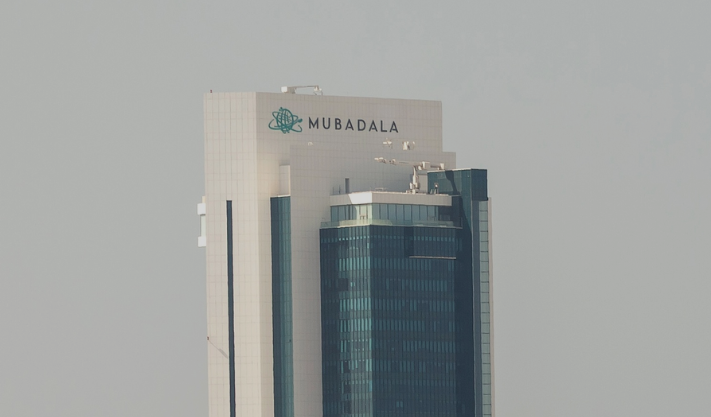
Abu Dhabi’s sovereign wealth fund Mubadala has taken the lead in global investment deals, outshining Saudi Arabia’s Public Investment Fund (PIF) with a remarkable $29 billion in recent transactions. The massive deals, which span various sectors from energy to technology, signal Mubadala’s growing influence in international markets and its strategic approach to diversifying assets. This shift also highlights the evolving power dynamics between the Gulf’s financial titans, with each country intensifying efforts to bolster its economic position amid fluctuating oil prices and geopolitical shifts.

Mubadala’s landmark investments come at a time when Saudi Arabia has aggressively expanded the reach of its PIF, particularly through high-profile acquisitions and a focus on sectors such as entertainment, tourism, and green energy. However, Mubadala’s swift maneuvers in the market have positioned it to not only compete with the PIF but potentially reshape the future of the investment landscape in the Middle East. The fund’s most notable deals include a series of investments in technology companies, as well as strategic moves in the renewable energy sector, aimed at securing long-term returns in an increasingly volatile global economy.

Experts suggest that Mubadala’s success is tied to its methodical approach to diversification. Unlike the PIF, which has been bold in pursuing large-scale, high-risk investments, Mubadala has focused on stabilizing its portfolio with balanced investments across a wide range of industries. This includes a heightened focus on cutting-edge industries such as artificial intelligence, clean energy, and biotechnology. As a result, Mubadala has emerged as a significant player in these high-growth areas, while also maintaining a strong foothold in more traditional sectors like real estate and infrastructure.

The timing of Mubadala’s recent success also speaks volumes about its ability to adapt to changing market conditions. Amid rising inflation and shifting investor sentiments, the fund has strategically pivoted towards companies with promising growth prospects, even as market conditions become more unpredictable. The diversification strategy has not only paid off but has also placed Mubadala in a position to capitalize on opportunities in the rapidly changing global economy.

Saudi Arabia, meanwhile, is determined to maintain the prominence of the PIF as the engine driving the kingdom’s economic transformation under its Vision 2030 plan. The PIF has ramped up its investments in global companies, most notably in the entertainment and sports sectors, including stakes in firms like Lucid Motors and endeavors such as the development of the $500 billion smart city, Neom. But despite the PIF’s ambitious projects and high-profile investments, critics argue that its heavy reliance on the oil sector makes it vulnerable to market fluctuations, a concern that Mubadala’s diversified approach may be better positioned to mitigate.

Saudi officials have defended the PIF’s strategy, stating that it plays a critical role in advancing the country’s non-oil economy. The PIF’s investments, particularly in the entertainment and sports sectors, are expected to bring long-term returns and aid in the creation of new jobs, especially for Saudi youth. Yet, this aggressive pursuit of diversification has raised questions about the risk of spreading its resources too thin. Mubadala, on the other hand, has positioned itself to weather global downturns by maintaining a more balanced portfolio, one that includes significant investments in both emerging technologies and established industries.

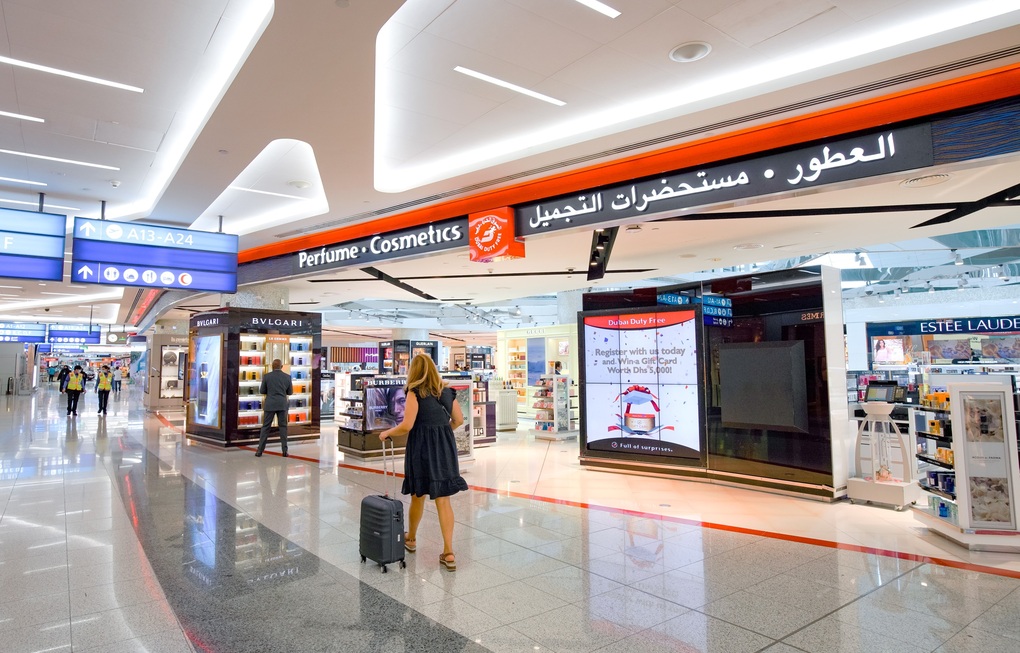
Dubai Duty Free (DDF) has reported a record annual turnover of AED7.901 billion (US$2.16 billion) for 2024, marking a significant achievement in the retail sector.

December 2024 was particularly noteworthy, with sales reaching AED821.94 million (US$225.19 million), a 2% increase over December 2023, setting a new monthly record for the retailer.

A key contributor to this December surge was DDF’s 41st anniversary celebration on December 20, which featured a 25% discount on a wide range of products. This promotion generated AED59.99 million (US$16.44 million) in sales within a 24-hour period.

Throughout 2024, DDF processed over 20.733 million sales transactions, averaging 56,649 per day, and sold 55.137 million units of merchandise. An estimated 13.7 million customers shopped at its arrivals and departures stores during the year.

Online sales contributed AED197 million (US$54 million), representing 2.5% of the total annual turnover. Sales in departures accounted for 90% of overall sales, with AED7.121 billion (US$1.951 billion), reflecting a modest 0.84% year-on-year growth. In contrast, arrivals sales fell by 12.21% to AED537 million (US$147 million).

The top five categories for the year were perfumes, followed by liquor, cigarettes and other tobacco products, gold, and electronics. Perfumes retained their position as the top-selling category, with sales of AED1.50 billion (US$411 million), contributing 19% of total sales and showing a growth of 9.79% year-on-year.

Liquor reached AED1.056 billion (US$289 million), accounting for 13% of annual sales but declined by 6.6% over the previous year. Sales of cigarettes and other tobacco products rose by 8.27% to AED807 million (US$221 million), making up 10.2% of total sales. Gold sales were AED779 million (US$213 million), just ahead of the category’s 2023 performance, accounting for 9.86% of total revenue. Electronics completed the top five with sales of AED546 million (US$149 million), down 13% on 2023, representing 7% of turnover.

In line with the growth of the operation, staff recruitment continued in 2024, with total staff numbers now at 6,030, comprising 54 different nationalities. Notably, the senior management team was strengthened with the recruitment of eight senior managers in key roles, including seven UAE Nationals.

Liva Group, a prominent multi-line insurer in the Gulf Cooperation Council (GCC), has been granted Participating Insurer (PI) status by the Dubai Health Authority (DHA). This designation authorizes Liva to provide health insurance coverage to workers earning AED 4,000 or less per month in Dubai.

The DHA’s PI status is reserved for insurers that meet stringent criteria, ensuring they can offer cost-effective health insurance solutions to the emirate’s low-income workforce. This initiative aligns with Dubai’s health insurance law, which mandates that all residents possess health insurance meeting or exceeding the minimum benefits stipulated by the DHA.

Liva Group, formerly known as National Life & General Insurance Company (NLGIC) and RSA Middle East, rebranded in 2023 to unify its operations across the GCC. The name ‘Liva’ signifies ‘protection’ and ‘life,’ reflecting the company’s commitment to safeguarding its customers’ well-being.

With over 80 years of collective experience in the Middle East, Liva offers a comprehensive suite of digitally enabled, customizable solutions across all lines of insurance. The company operates in key GCC markets, including the Sultanate of Oman, Kingdom of Saudi Arabia, United Arab Emirates, State of Kuwait, and Kingdom of Bahrain, with plans to expand into the State of Qatar.

The DHA’s Essential Benefits Plan (EBP) is designed to provide a basic level of health insurance coverage for low-income workers in Dubai. Insurers granted PI status are authorized to offer the EBP, ensuring that this segment of the population has access to necessary healthcare services. The DHA maintains a list of Participating Insurers, which is reviewed annually to ensure compliance with regulatory standards.

Liva’s inclusion as a Participating Insurer enables the company to contribute significantly to Dubai’s healthcare landscape by extending coverage to a broader segment of the population. This development is expected to enhance access to healthcare services for low-income workers, aligning with the emirate’s goal of ensuring comprehensive health coverage for all residents.

The process of obtaining PI status involves a thorough evaluation by the DHA to ensure that insurers can provide the Essential Benefits Plan on a cost-effective basis while maintaining high levels of customer service and operational efficiency. Insurers must demonstrate their ability to handle large volumes of business and comply with the DHA’s regulatory requirements.

Liva’s achievement of PI status reflects its commitment to meeting these rigorous standards and its readiness to support Dubai’s health insurance mandate. The company’s extensive experience in the region and its comprehensive range of insurance solutions position it well to serve the needs of low-income workers in the emirate.

As Dubai continues to enforce its health insurance law, the role of Participating Insurers like Liva becomes increasingly vital in ensuring that all residents have access to essential healthcare services. Employers in the emirate are required to provide health insurance coverage for their employees, and the availability of cost-effective options through PIs facilitates compliance with this mandate.

Liva’s authorization to offer the Essential Benefits Plan is a significant milestone in its operations within the UAE. The company is now positioned to expand its customer base by providing affordable health insurance solutions to a critical segment of the workforce, thereby contributing to the overall well-being of the community.

In addition to health insurance, Liva offers a broad range of insurance products, including life, medical, and general insurance solutions. The company’s rebranding and expansion efforts underscore its ambition to become the region’s leading multi-line insurance provider, delivering superior value to customers while generating sustainable and profitable earnings for shareholders.

The DHA’s approval of Liva as a Participating Insurer is a testament to the company’s operational capabilities and its commitment to supporting Dubai’s healthcare objectives. As the emirate advances towards comprehensive health coverage for all residents, the participation of insurers like Liva is crucial in achieving this goal.

Liva’s entry into the market for low-income worker health insurance is expected to enhance competition among insurers, potentially leading to more innovative and cost-effective solutions for policyholders. This development aligns with the broader objectives of the DHA to improve healthcare access and affordability for all residents of Dubai.

Cryptocurrencies continue to revolutionize the financial world, with stablecoins standing at the forefront of this evolution. The $205 billion market for stablecoins is now approaching a level of mainstream integration that could redefine how digital assets are utilized in daily transactions and financial services.

Stablecoins, digital currencies pegged to assets like the U.S. dollar or gold, have gained significant traction over the past few years, driven by their stability compared to volatile cryptocurrencies like Bitcoin or Ethereum. Unlike their counterparts, stablecoins aim to maintain a fixed value, making them more attractive to investors and consumers looking for reliability in the crypto space. The potential for mainstream adoption lies not just in their price stability but in their growing use cases across sectors ranging from decentralized finance (DeFi) to remittances and even digital identity verification.

Tether (USDT), USD Coin (USDC), and Binance USD (BUSD) dominate the stablecoin market, each playing a crucial role in driving the sector’s growth. As the overall cryptocurrency market reaches new milestones, these stablecoins continue to provide the foundation for many of the transactions and liquidity movements that are essential to the ecosystem’s functionality. In fact, stablecoins now account for over 10% of the entire cryptocurrency market capitalization, a trend that is only expected to grow as more institutional players enter the space.

The increasing use of stablecoins has caught the attention of both regulators and traditional financial institutions. Governments around the world are exploring ways to regulate stablecoins, driven by concerns over financial stability, anti-money laundering (AML), and countering the financing of terrorism (CFT). Despite this, the rise of stablecoins is seen as inevitable by many experts, as they offer an alternative to traditional fiat currencies, especially in regions with unstable economies or where access to banking services is limited.

One of the most compelling arguments for the mainstream integration of stablecoins is their utility in cross-border payments. Traditional remittance channels often carry hefty fees and take several days to process. Stablecoins offer a faster, cheaper, and more transparent alternative, allowing users to transfer funds across borders in real time at a fraction of the cost. This has made them particularly popular in emerging markets, where they have the potential to provide financial inclusion to the unbanked and underbanked populations.

Beyond payments, stablecoins have also become integral to decentralized finance (DeFi), a sector that has exploded in popularity over the past few years. DeFi platforms offer a wide range of financial services, such as lending, borrowing, and trading, without the need for intermediaries like banks or brokers. Stablecoins are often used as collateral for these services, providing a level of security for both borrowers and lenders. The appeal of DeFi is growing rapidly as more individuals look for alternatives to traditional financial systems, and stablecoins have proven to be a critical part of this shift.

Stablecoins are increasingly being explored as a solution to the volatility of cryptocurrencies in the world of digital assets. While the prices of Bitcoin, Ethereum, and other cryptocurrencies can fluctuate wildly, stablecoins provide a more predictable store of value. This makes them an attractive option for investors who are seeking to hedge against the market’s ups and downs, as well as for businesses looking for stability in their crypto transactions. The ability to maintain a stable value also positions stablecoins as a potential bridge between traditional finance and the cryptocurrency world.

Financial giants like JPMorgan and BlackRock are also positioning themselves to leverage stablecoins and blockchain technology to streamline their operations. JPMorgan’s recent experimentation with blockchain-based stablecoins in its payment systems is a testament to the growing mainstream interest in this sector. Similarly, BlackRock, the world’s largest asset manager, has expressed interest in stablecoin-backed investment products. These high-profile endorsements signal that stablecoins are not just a niche technology but could soon become a core component of global financial infrastructure.

The rise of central bank digital currencies (CBDCs) is expected to further accelerate the adoption of stablecoins. While CBDCs are government-backed digital currencies that function similarly to stablecoins, they could eventually coexist alongside private sector stablecoins, creating a hybrid ecosystem. Central banks are actively researching and piloting CBDCs, and the success of stablecoins in the private sector may provide a blueprint for the development of these digital currencies.

Despite the optimism surrounding stablecoins, several challenges remain. Regulatory uncertainty is one of the biggest hurdles facing the market. While stablecoins are seen as a way to democratize finance, they are also under scrutiny from regulators who worry about the potential for systemic risk. There is growing pressure for stablecoins to comply with traditional banking regulations, including Know Your Customer (KYC) and Anti-Money Laundering (AML) standards. This could result in more stringent requirements for stablecoin issuers, potentially stifling innovation in the space.

Concerns over the transparency and security of stablecoin reserves have been raised. In 2022, Tether, the largest stablecoin issuer, came under fire for allegedly misrepresenting the composition of its reserves, which raised questions about the stability of the entire market. Although Tether and other issuers have taken steps to improve transparency, the issue of trust remains a critical challenge for the long-term viability of stablecoins.

Another concern is the environmental impact of stablecoins, particularly those that rely on energy-intensive blockchain networks. While many stablecoins are built on the Ethereum network, which has faced criticism for its high energy consumption, newer stablecoin projects are increasingly turning to more energy-efficient blockchains like Solana and Avalanche.

HONG KONG SAR – Media OutReach Newswire – 30 December 2024 – In September 2024, the Federal Reserve initiated a rate-cutting cycle, lowering rates three times over the year by a total of 100 basis points to a range of 4.25%-4.5%. While this trajectory appears stable on the surface, the VT Markets research team highlights that factors like inflation rebounds, new government policies, and optimistic economic forecasts […]

Elevating Urban Living with Holistic Wellness and Timeless Elegance: Proud Real Estate Redefines Luxury with Romm Convent, Bangkok’s Premier Wellness Residence in the Heart of Convent-Sathorn BANGKOK, THAILAND – Media OutReach Newswire – 30 December 2024 – In the bustling heart of Bangkok’s prestigious Convent-Sathorn area, Proud Real Estate Plc. introduces Romm Convent, a beacon of luxury wellness living designed for the discerning urbanite. Amidst a thriving […]

These days, laptops are such a part of our lives. It has indeed helped in giving us the lead to keep connected, productive and entertained as well. Amongst best-selling reliable and versatile laptops available in the market is HP, which is marked with performance and durability. Despite always having a price tagged when it comes to buying a brand-new HP laptop. This is where refurbished HP laptops […]

HONG KONG SAR – Media OutReach Newswire – 30 December 2024 – AS Watson Group and Al-Futtaim Group jointly announce the opening of Watsons’ new flagship store at City Centre Bahrain Mall, signifying the Watsons’ entry into a new market alongside the United Arab Emirates (UAE), Kingdom of Saudi Arabia (KSA) and Qatar. This also marks the third store opening in three months in Bahrain, strengthening its […]

design festival successfully concludes Continuing to condense creative forces in the coming year HONG KONG SAR – Media OutReach Newswire – 30 December 2024 – Since 2014, deTour, presented by PMQ and sponsored by the Cultural and Creative Industries Development Agency (CCIDA), formerly known as Create Hong Kong (CreateHK), has become Hong Kong’s annual design festival, gathering numerous local and international design talents to showcase their creativity […]

KUALA LUMPUR, MALAYSIA – Media OutReach Newswire – 30 December 2024 – The Malaysia Global Business Forum (MGBF) is set to host its first roundtable of 2025, focusing on the dynamic theme of ‘Corporate Community Involvement in Sports‘. The event will take place on 20 February in Kuala Lumpur, bringing together a diverse range of stakeholders to explore how corporate engagement in sports can deliver significant value […]

SINGAPORE – Media OutReach Newswire – 30 December 2024 – Among the rows of timepiece stores at Far East Plaza, House of Watches has just opened its doors, bringing a fresh take on luxury watch shopping in Singapore. Known for its sincerity and dedication to quality, this licensed and regulated watch dealer introduces a new experience with luxury watches, whether you are a seasoned collector or just […]

By Manish Rai While on my recent visit to Iraqi Kurdistan, I visited several frontline positions of the Peshmerga forces, where they are facing the Iraqi Army and active ISIS cells. Firstly, I visited Brigade 14 headquarters near Dibak, approximately 60 km from the Kurdistan capital, Erbil. There, I met with Brigadier General Almi Mzuri; he is a seasoned soldier who worked in the Iraqi Army for […]

HYDERABAD, INDIA – Media OutReach Newswire – 27 December 2024 – 1win, a global iGaming brand, proudly summarizes the first year of its Corporate Social Responsibility (CSR) journey, impacting over 30,000 lives across 15 cities and regions throughout 2024. With a total contribution exceeding $300,000, the brand has delivered aid and reaffirmed its commitment to being a caring and sharing organization. 1win: We Care. We Share. For […]

Formulated with 90% naturally-derived ingredients and Dermal Precision Technology to maximise absorption and minimise irritation SINGAPORE – Media OutReach Newswire – 27 December 2024 – Pigeon, the go-to brand for mother-and-baby essentials, expands its support for mothers with the new Natural Botanical Maternity skincare range, designed to provide mothers with safe, effective, and eco-conscious, self-care solutions during pregnancy and postpartum. This unique range combines 90% naturally derived […]

HANOI, VIETNAM – Media OutReach Newswire – 27 December 2024 – Driven by the vision of widespread electrification, VinFast is dedicated to making electric vehicles accessible to everyone. To achieve this, the company is actively building a robust green ecosystem across Asia while simultaneously enhancing its sustainable manufacturing processes to meet the surging and undeniable demand for electric mobility. Asia’s booming industries and growing population have made […]

Sheikh Mohammed bin Rashid Al Maktoum, Vice President and Prime Minister of the UAE and Ruler of Dubai, recently conducted a comprehensive review of the progress of multiple development initiatives in Hatta, a picturesque enclave situated in the UAE’s Hajar Mountains. These initiatives, part of a broader $980 million revitalization program, aim to transform the region into a prime tourism and economic hub, enhancing the quality of […]

Derayah Financial, a prominent Saudi-based investment firm, has secured approval from the Kingdom’s Capital Market Authority (CMA) to launch an Initial Public Offering (IPO), marking a significant milestone in the firm’s growth trajectory. This development comes as part of Saudi Arabia’s broader strategy to bolster its financial sector and increase the number of publicly traded companies on its stock exchange, Tadawul. The approval positions Derayah Financial as one of the key players in the Kingdom’s evolving financial landscape.

The company, which provides a range of services including asset management and investment advisory, has been preparing for its public offering for several months. The move to go public is seen as part of its long-term strategy to expand its client base, raise capital, and further diversify its business operations. By listing on Tadawul, Derayah aims to increase its financial stability and strengthen its competitive position within the regional financial market.

Derayah Financial’s IPO is part of a broader trend in Saudi Arabia, where the government has actively encouraged private companies to list on the stock exchange. This initiative aligns with the Kingdom’s Vision 2030, which seeks to transform the economy and reduce its dependency on oil exports by promoting the private sector and diversifying economic activities. The government’s push to increase the number of publicly listed companies is a key element of this vision, aiming to unlock new sources of capital and create more investment opportunities for both local and international investors.

Analysts have been closely watching Derayah Financial’s progress, noting that its IPO could pave the way for other firms in the asset management and financial services sectors to follow suit. With Saudi Arabia’s financial market continuing to mature, firms in the sector are increasingly recognizing the benefits of public listings. By tapping into the public equity market, companies can access a larger pool of capital and potentially gain broader investor exposure, which is crucial for long-term growth.

The CMA’s approval of Derayah’s IPO is also a testament to the continued regulatory enhancements in Saudi Arabia’s capital markets. Over the past few years, the CMA has implemented a series of reforms to improve market transparency, ensure investor protection, and enhance the overall investment climate in the Kingdom. These reforms have been pivotal in attracting both local and foreign investors to the Saudi stock market, making it one of the most active in the Middle East.

Market observers expect strong demand for Derayah Financial’s shares when the IPO is officially launched. As a well-established name in the Saudi financial sector, the company’s strong track record in asset management and investment advisory services has generated substantial interest among potential investors. The firm’s focus on digital transformation, coupled with its efforts to expand its service offerings, has positioned it as a forward-thinking company with promising prospects in the financial industry.

Derayah’s IPO is expected to provide a significant boost to the Saudi stock market, further solidifying Tadawul’s role as a leading regional exchange. Over the past few years, the Saudi bourse has seen a series of successful IPOs, many of which have attracted considerable attention from both domestic and international investors. The success of these offerings has bolstered investor confidence in the Kingdom’s financial market, and Derayah’s listing is likely to follow a similar pattern, contributing to the market’s continued expansion.

As part of the IPO process, Derayah Financial will disclose key financial information and offer shares to the public, providing insight into its business model, financial health, and growth potential. Investors will be able to gauge the company’s performance and outlook, which will play a critical role in determining the success of the offering. The IPO will also provide a valuable benchmark for other companies in the sector considering a similar move.

Beyond its immediate business objectives, Derayah’s IPO is likely to have broader implications for the Saudi economy. By providing a new avenue for capital raising and increasing the number of publicly traded firms, the offering is expected to enhance market liquidity and create new investment opportunities. Furthermore, it aligns with the Saudi government’s efforts to attract foreign investment and promote the Kingdom as a regional financial hub.

Despite the positive outlook, analysts caution that the success of Derayah’s IPO will depend on various factors, including broader market conditions, investor sentiment, and the performance of the financial sector in the coming months. While the company’s prospects appear strong, the market remains subject to fluctuations that could impact investor confidence. However, given the continued growth of Saudi Arabia’s financial services industry and the government’s support for the IPO process, many expect the offering to be a success.

VISHNU RAJA
RYO YAMADA
HITORI GOTOH
IKUYO KITA