News related to
Range

Georgia is rapidly winning the hearts of newlyweds from all over the world, offering a unique combination of breathtaking landscapes, rich culture, and surprising simplicity in wedding organization. This is why a wedding in Georgia is becoming increasingly popular. But before every couple dreaming of a celebration in this amazing country, an important question arises: choose a symbolic ceremony or an official marriage registration? Understanding the differences […]

HONG KONG SAR – Media OutReach Newswire – 21 July 2025 – In response to the increasing demand for accessible and trustworthy legal information, FaatGo (https://faatgo.com/) has officially launched as a new digital legal platform focused on two of the most pressing legal needs in Hong Kong: criminal defence and personal injury compensation. Designed to address the information gap faced by many residents when encountering legal trouble, […]

SINGAPORE – Media OutReach Newswire – 21 July 2025 – SKINARMA has launched the JAGER collection, a versatile lineup built for everyday explorers who need gear that keeps up with their pace. Crafted with functionality and durability in mind, these five bags blend classic styling with modern features, offering earth-toned designs that work from city streets to off-grid escapes. Whether for daily commutes, weekend travel, or outdoor […]

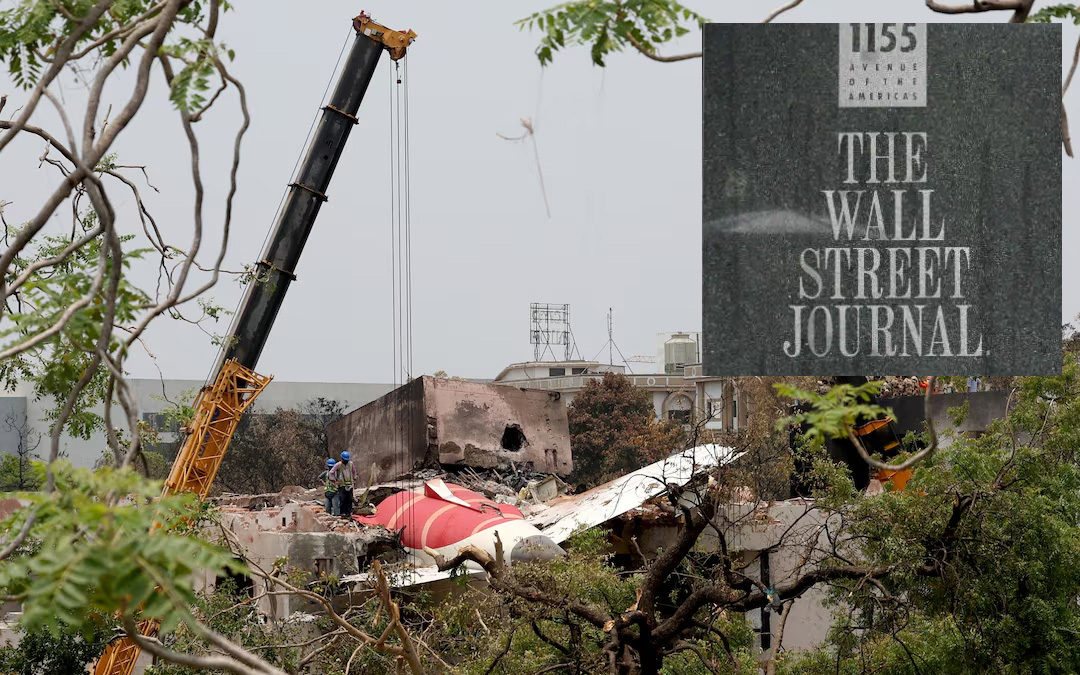
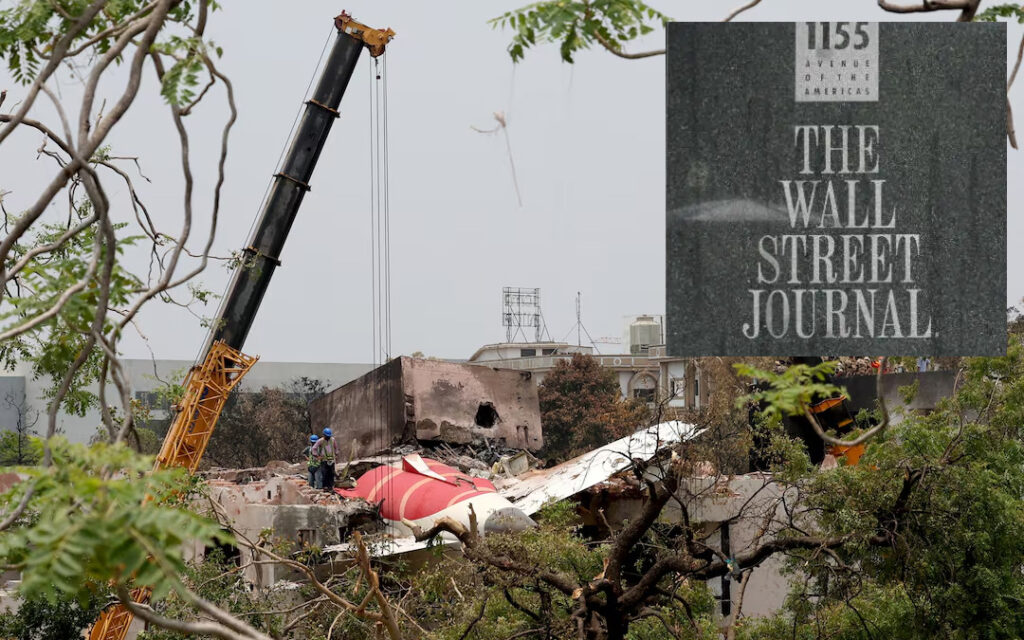
By K Raveendran The Wall Street Journal’s report on the Ahmedabad Air India crash has triggered a storm of controversy not only for what it suggests but also for what it deliberately avoids. The claim that the crash, which took 260 lives, may have been caused by the senior pilot unintentionally or mistakenly putting the […]

HO CHI MINH, VIETNAM – Media OutReach Newswire – 19 July 2025 – The China Factory Products Export Fair 2025 was held in Ho Chi Minh City, Vietnam from July 12 to 14. Hundreds of original manufacturers from places like Shandong province’s Linyi city displayed thousands of products ranging from daily necessities, office supplies, chemical products, and outdoor equipment to hardware tools. This fair adopted a collaborative […]

Bahrain’s Crown Prince Salman bin Hamad Al Khalifa has secured a deal for Gulf Air to acquire 18 Boeing 787 Dreamliner aircraft fitted with General Electric engines, marking a departure from the carrier’s previous reliance on Rolls‑Royce engines. At a meeting held in Washington with U. S. President Donald Trump, the agreement was signed alongside a broader $17 billion suite of investments from Bahrain in the United States. […]

Ripple has formalised a partnership with UAE-based tokenisation platform Ctrl Alt to deliver institutional-grade digital asset custody services as part of a landmark initiative by the Dubai Land Department to digitise property ownership using blockchain infrastructure.

The agreement will enable Ctrl Alt to leverage Ripple’s custody solution to store and manage tokenised property title deeds on the XRP Ledger, as Dubai intensifies its push to integrate advanced digital frameworks into its real estate sector. The project marks a significant stride in DLD’s broader strategy to streamline property transactions and increase market transparency by replacing conventional title documentation with blockchain-native digital representations.

Ripple’s institutional custody platform, designed for banks and financial institutions, will play a central role in securing and scaling the digital assets underlying Dubai’s real estate tokenisation programme. Ripple’s solution will ensure regulatory compliance, operational efficiency, and asset security as property titles are issued and exchanged through blockchain mechanisms.

The announcement positions Ripple as a key player in the UAE’s drive toward regulated digital asset ecosystems. The partnership also represents Ripple’s first custody deployment in the UAE, expanding its global digital asset custody network into the Middle East and further solidifying its presence across EMEA, Asia Pacific, and Latin America.

Ctrl Alt, which had disclosed its participation in the DLD project earlier, is building tokenisation infrastructure tailored for real-world assets such as real estate. The firm will integrate Ripple’s technology to facilitate the issuance, transfer, and management of tokenised property deeds while ensuring institutional-grade security standards.

The Real Estate Tokenisation Project aims to transform Dubai’s property registry system by offering a fully digital framework that eliminates physical documentation and manual recordkeeping. Through the initiative, the DLD intends to increase efficiency in property ownership transfers, reduce fraud risks, and create a foundation for smart contract-enabled real estate solutions. By leveraging the XRP Ledger’s speed and cost efficiency, the project also seeks to attract global investors and developers to participate in tokenised real estate offerings governed by transparent, immutable ledger protocols.

Ripple’s expansion into the UAE’s digital asset space follows its broader global strategy to deliver enterprise-grade blockchain tools tailored to financial infrastructure, a focus that has intensified as global regulators and institutions begin adopting tokenisation at scale. Ripple’s digital custody division — established through its acquisition of Metaco in 2023 — has emerged as a core offering, providing secure storage infrastructure for tokenised assets in both public and permissioned blockchain environments.

Metaco’s digital asset custody platform, which now underpins Ripple’s institutional offering, was originally designed to meet the requirements of global banks and has been adopted by several financial institutions in Europe and Asia. Its integration with Ripple’s payment and liquidity tools enables a seamless experience for enterprises managing digital asset portfolios alongside tokenisation and cross-border payment rails.

Ripple’s custodial framework offers support for a wide range of tokenised assets, including stablecoins, real-world assets, and CBDCs. It provides multi-tier security, granular permission controls, and compliance features needed for institutional applications. The company’s leadership has highlighted tokenisation as a core theme in the evolution of financial infrastructure, predicting that trillions of dollars worth of real-world assets will migrate to blockchain ecosystems in the coming decade.

Ctrl Alt’s involvement in the DLD-led project comes as Dubai cements its role as a global testbed for blockchain innovation, with a supportive regulatory regime, ambitious smart city initiatives, and a growing appetite for Web3 integration. The company has built its platform to allow regulators, issuers, and investors to interact within a compliant digital asset ecosystem. Its participation in the project is expected to open the door for additional applications of tokenisation beyond real estate, including commodities, equities, and infrastructure.

Dubai’s real estate market, historically characterised by high-value transactions and global investor interest, is seen as an ideal candidate for tokenisation. By converting ownership documents into digital tokens recorded on a blockchain, authorities aim to offer fractional ownership models, enhance liquidity, and enable secondary market trading. The shift could also reduce costs and settlement times, while allowing retail and institutional investors to access real estate markets with lower capital thresholds.

Ripple’s role in the project is expected to be pivotal in meeting security, governance, and compliance requirements for digital custody. The partnership strengthens Ripple’s position as a go-to infrastructure provider for tokenisation use cases and reflects its strategic intent to deepen engagement in jurisdictions with progressive digital asset frameworks.


Advertisements

Saudi Aramco is in advanced discussions with a consortium spearheaded by BlackRock to secure approximately $10 billion for infrastructure linked to its expansive Jafurah gas initiative. The financing structure echoes prior deals, with investors purchasing usage rights while Aramco retains operational control and ownership.

The proposed transaction centres on critical assets—specifically pipelines and a processing facility—essential to the $100 billion Jafurah project, the world’s largest shale gas development outside the United States. Aramco aims to lift gas output by 60 per cent by 2030 from 2021 levels.

This initiative represents another strategic approach by Gulf oil majors to diversify their revenue models amid volatile crude prices. The deal allows Aramco to tap private capital while offering investors stable tariff income backed by long‑term usage commitments.

In 2021, BlackRock and EIG invested in Aramco’s gas and oil pipeline subsidiaries through similar lease‑back transactions, collectively raising nearly $28 billion. Under those agreements, Aramco retained a 51 per cent stake in each entity and paid tariffs to investors for pipeline usage, a structure described by consultancy Qamar Energy as more akin to borrowing than a sale.

With this new deal, Aramco continues its disciplined approach to infrastructure financing. The Jafurah project itself is a linchpin of Saudi Arabia’s energy transition agenda, aligning with national objectives to bolster gas production and reduce reliance on oil exports.

While those familiar with the talks confirm the structure mirrors the 2021 transactions, the group declined to specify a timeline for finalisation. Both Aramco and BlackRock declined to comment.

Experts note that such arrangements enable Aramco to free up capital for diversification ventures while retaining strategic infrastructure oversight. “The pipeline deals were basically a securitisation,” said Robin Mills, chief executive of Qamar Energy, referencing the 2021 transactions.

Market analysts believe this deal could serve as a template for financing future segments of Jafurah, which is expected to reach production of 2 billion cubic feet per day by 2030.

Taken together with Aramco’s earlier asset sales—such as its consideration of offloading gas-fired power plants and port infrastructure—these moves reflect mounting government pressure to boost proceeds amid a fiscal deficit and fluctuating oil revenues.

Saudi Arabia’s reliance on oil revenues—which accounted for around 62 percent of state income in 2024—has prompted a series of asset realisations, bond issuances and structured financing to support large-scale domestic projects and broaden the economic base.

The Jafurah deal also highlights growing investor appetite for stable, long‑dated infrastructure revenue streams in the Gulf. With institutional players like BlackRock involved, these deals are gaining traction as a viable alternative to traditional equity or debt-financing routes. Analysts suggest more such partnerships could emerge as the kingdom scales up energy-reform initiatives, including clean energy and non-oil sectors.

As the deal progresses, stakeholders will monitor its structure, particularly in comparison with the 2021 models, and assess implications for Aramco’s capital allocation strategy. The outcome could influence both market perception of the firm and broader investment flows into Middle East energy infrastructure.

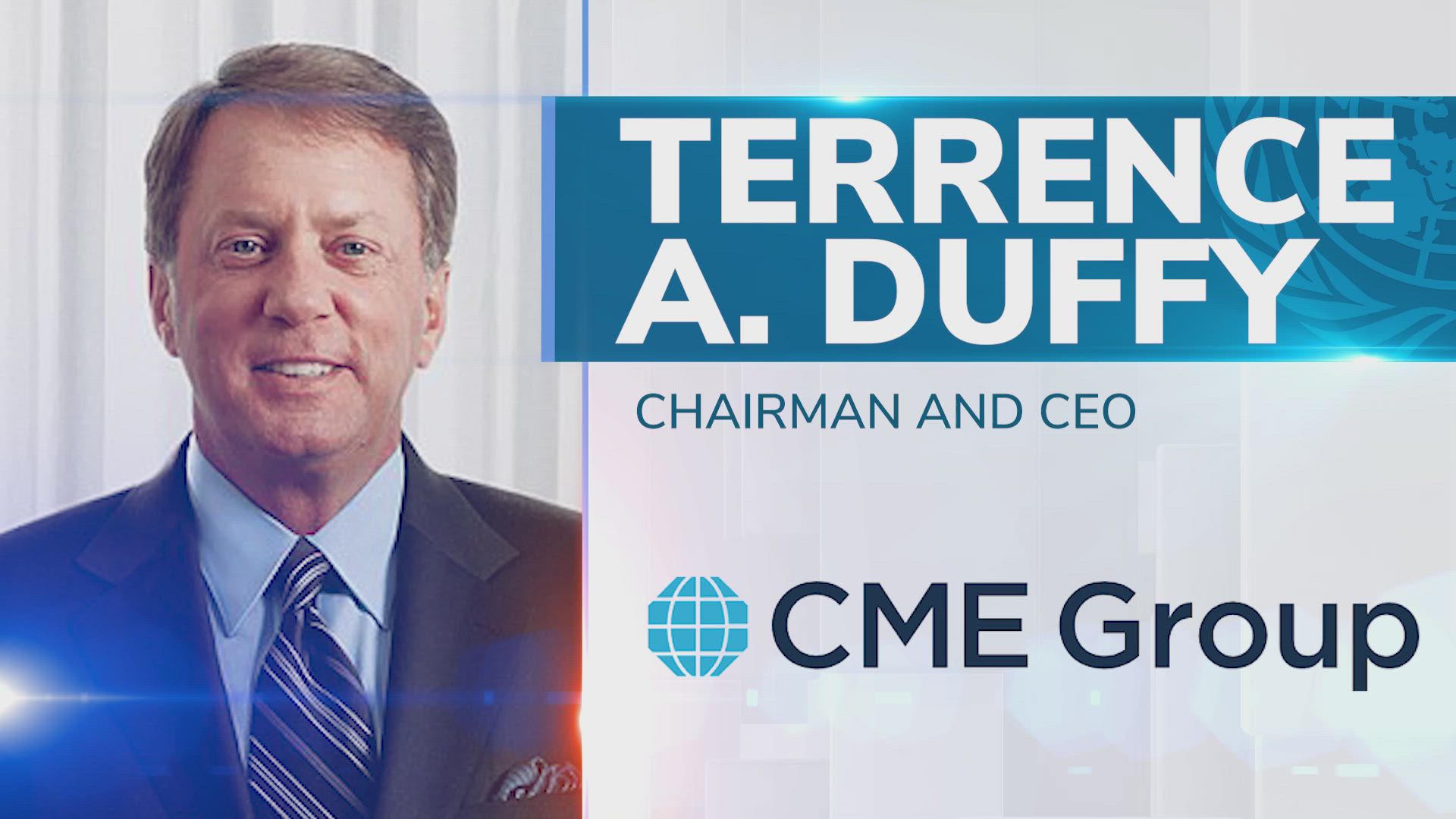
The Chicago Mercantile Exchange has made a definitive statement against creating derivatives linked to memecoins, asserting that the tokens do not possess inherent value or utility. This decision comes amid growing interest in digital currencies and the increased popularity of cryptocurrencies, which has sparked debates over the legitimacy and long-term viability of memecoins.

CME, a prominent player in the derivatives market, has expressed concern that while the meme-based digital currencies have attracted significant attention, they fail to meet the criteria required for listing on traditional financial markets. Their stance underscores a broader caution within institutional financial circles regarding the speculative nature of memecoins. CME’s focus remains on assets with clearer, more defined purposes, distancing itself from assets that could be perceived as largely driven by speculation and hype.

Memecoins, such as Dogecoin and Shiba Inu, have surged in popularity, largely driven by social media trends and celebrity endorsements. These coins, often launched with minimal technical backing or distinct use cases, have raised questions among regulators and traditional financial institutions about their sustainability. While some investors have profited from these speculative assets, others argue that their volatility and lack of utility make them unsuitable for the establishment of regulated financial products.

CME’s decision to avoid memecoin derivatives highlights the ongoing tension between traditional financial institutions and the emerging cryptocurrency market. Many institutional investors and financial services firms have taken a cautious approach toward digital assets, particularly those without a clear underlying economic purpose. Unlike Bitcoin or Ethereum, which have garnered institutional support due to their use cases in decentralized finance and blockchain technology, memecoins continue to be seen as speculative and unpredictable investments.

The CME, which is known for offering a wide range of financial products, has historically been careful about embracing digital assets. While the exchange has launched products for Bitcoin and Ether futures, it has been much more reserved in its approach to other forms of cryptocurrency. This stance reflects a broader hesitancy within traditional finance to integrate speculative digital assets into the established financial ecosystem.

Despite the speculative frenzy surrounding memecoins, their adoption among mainstream financial institutions has been slow. Critics argue that memecoins present significant risks due to their volatility and lack of regulatory oversight. With the absence of tangible utility or real-world applications, the long-term viability of these coins remains uncertain. However, the rapid rise in their value and their appeal to retail investors suggest that the digital asset market is evolving in ways that many traditional institutions struggle to fully grasp.

Meanwhile, the debate surrounding memecoins is far from settled. Some proponents argue that memecoins serve as an entry point into the broader cryptocurrency ecosystem, particularly for newcomers who may be drawn to the coins’ viral and community-driven nature. These supporters contend that the social aspect of memecoins, driven by online communities and internet culture, is a valuable phenomenon in itself. The connection between digital assets and social influence is undeniable, as evidenced by the involvement of high-profile figures such as Elon Musk in promoting Dogecoin.

Abu Dhabi’s property scene is riding a wave of investor interest and stable growth during the first half of 2025, underpinned by strong infrastructure development and pro-investor policies, according to a fresh analysis by Bayut. Listing prices surged across all segments, rental yields reached double digits in many areas, and transaction volumes remain robust, fueling the capital’s appeal as a reliable investment destination. Listing figures show affordable […]

SINGAPORE – Media OutReach Newswire – 17 July 2025 – With the global lubricants industry still adjusting to the lasting impact of U.S. trade policy enacted during the first presidential term of U.S. President Donald Trump, supply chains are undergoing dramatic shifts—and Asia is solidifying its role as the sector’s global hub. While the U.S. tariffs primarily targeted a broad range of Chinese industrial chemicals under Section […]

Matein Khalid Morgan Stanley has evolved into one of the world’s preeminent wealth management franchises and dramatically reduced its exposure to volatile securities trading in a major strategy shift under its former CEO James Gorman. His acquisitions of E-Trade, Eaton Vance and the Smith Barney brokerage platform from Citigroup have enabled its client assets to grow to a colossal $6.5 trillion and provide the anchor for secular […]

HONG KONG SAR – Media OutReach Newswire – 16 July 2025 – This summer, LEGO® Group teams up with popular minifigure Lok Jai to invite everyone in Hong Kong—young and old—to “Take a Brick” and enjoy a slower, more joyful summer! From July 12 to August 31, 2025, LEGO® Hong Kong presents the “Let’s Take a Brick” campaign, where Lok Jai will pop up at eight “Fun […]

M A Hossain Donald Trump once campaigned on ending the war in Ukraine within 24 hours. He promised to bring an end to the proxy war with Russia, leveraging his self-proclaimed ‘Dealmaking’ skills. Yet, halfway into July, what we see instead is a new escalation dressed up as diplomacy. In a carefully choreographed appearance with NATO Secretary Mark Rutte at the White House, Trump offered Moscow a […]

Emirates NBD has arranged AED 3.9 billion in fully underwritten syndicated bonding facilities to support the MAPA‑LIMAK‑CRRC consortium building Dubai’s Metro Blue Line Project, advancing the emirate’s 2040 Urban Master Plan goals for a world‑class public transport network. The bond will cover part of the AED 20.5 billion contract awarded by the Roads and Transport Authority to the three‑way consortium for design and construction of the new metro line. Set to span […]

JAKARTA, INDONESIA – Media OutReach Newswire – 15 July 2025 – VinFast today announced its return to the Gaikindo Indonesia International Auto Show (GIIAS) 2025, scheduled to take place from July 24 to August 3. At the premier automotive event, the Company will introduce an entirely new right-hand drive model to Indonesian consumers, perfectly complementing its diverse EV lineup. This strategic move reaffirms VinFast’s strong commitment to […]

Abu Dhabi National Oil Company’s subsidiary ADNOC Gas Plc has signed a three‑year agreement to deliver 0.7 million tonnes of liquefied natural gas to Germany’s state‑owned SEFE Securing Energy for Europe. Valued at AED 1.5 billion, the contract begins this summer and sees LNG shipped from the Das Island facility. The arrangement builds upon a long‑term contract established last year between the two companies, offering SEFE greater flexibility to dispatch […]

GCC countries secured $3.4 bn from 24 initial public offerings in the first half of 2025, down 6% from $3.6 bn over 23 listings a year earlier, according to a report by Kuwaiti research firm Markaz. Saudi Arabia drove the surge, contributing $2.8 bn through 22 IPOs—an increase of 36% year‑on‑year—while the UAE and Oman saw more subdued performances.

Oil‑price volatility, US tariff threats and global trade uncertainty weighed on market sentiment, but issuance volumes rose. The number of offerings edged higher to 24 from 23 in H1 2024, illustrating issuer appetite amid wider economic headwinds.

Saudi listings captured 85% of the total proceeds, reinforcing its dominance in the regional IPO pipeline. The Kingdom raised $2.8 bn, up from $2.1 bn in the first half of 2024, with 22 issuances compared to 19 a year ago.

The UAE saw a substantial 88% drop in IPO proceeds, with just one public offering—Alpha Data—raising $163 m in Abu Dhabi. Oman followed with the debut of Asyad Shipping Company, generating $333 m on the Muscat bourse. No IPOs were recorded in Kuwait, Qatar or Bahrain during this period.

Sector analysis reveals the industrials segment led with $1.4 bn in proceeds, bolstered by Flynas and Asyad Shipping Company. Real estate followed with demand for development and construction offerings, while healthcare IPOs collected $505 m. Financial services and technology contributed $408 m and $204 m respectively.

Performance after listing was mixed. Ten of the 24 companies saw positive returns by the end of June. Asyad Shipping led the pack, with its stock surging 835% since its March 12 listing. Umm Al Qura in Saudi Arabia recorded a 51% gain. On the downside, Hedab Alkhaleej, Dkhoun National Trading and Service Equipment fell by 30%, 27% and 26% respectively. Flynas edged slightly lower by 0.2%, despite an initial dip.

Wider equity market performance across the region showed divergence. Kuwait’s bourse rose 18.1% year‑to‑date, followed by Dubai, Abu Dhabi and Qatar, while Oman, Bahrain and Saudi Arabia retreated by 1.7%, 2.1% and 7.6% respectively.

Geopolitical shocks—including renewed US tariff threats and oil price fluctuations— exerted pressure on national indices. On Monday, Saudi Arabia’s Tadawul shed 0.2%, while Dubai, Abu Dhabi and Qatar all fell in the range of 0.3–0.5%. Investors are watching US inflation signals and Fed decisions closely, given the peg of Gulf currencies to the dollar.

Despite softer proceeds overall, the strong issuance tally suggests issuers seized a narrow window before heightened uncertainty. A PwC analysis of Q1 showed GCC IPOs rose 33%, raising $1.6 bn from 11 deals, with Saudi Arabia capturing nearly 70% of that total.

Looking ahead, Saudi Arabia is expected to maintain momentum, driven by privatisation efforts and a diverse pipeline of government-linked listings led by the Public Investment Fund. The UAE is projected to ramp up activity in industrials and tech, while Kuwait is implementing regulatory reforms to stimulate listings.

Market analysts caution that global headwinds remain. PwC flagged how tariff announcements and macroeconomic instability continue to disrupt IPO sentiment globally. Within the GCC, sustained oil-price volatility and tightening monetary conditions add complexity.

Nevertheless, Gulf capital markets have demonstrated resilience. Encouraged by diversified sector participation and healthy post-listing gains, policymakers and market participants appear poised to capitalise on remaining windows of stability.

By Nantoo Banerjee Trade unionism seems to have lost focus in India. It has failed to reform itself to keep pace with economic reforms and globalisation, and changing job scenarios. It is also facing the biggest leadership crisis. The poor public and industry response to the nationwide strike call by 10 central trade unions on […]

SHENZHEN, CHINA – Media OutReach Newswire – 14 July 2025 – The inaugural promotion event for the 2025 Global Artificial Intelligence Machines and Electronics Expo (AIE) was held in Shenzhen, a thriving innovation hub in South China, on Thursday. Shenzhen hosts first promotion event for 2025 Global AI Machines and Electronics Expo Over 100 representatives from government, industry, and international trade associations attended the event. The event […]

BANGKOK, THAILAND – Media OutReach Newswire – 14 July 2025 – Gother, a tourism service platform, operated by Search Engine Optimization, a joint venture between Beacon Venture Capital (venture arm of Kasikornbank) and Krungthai Ventures (venture arm of Krungthai Bank) is showing strong upward momentum following a 300% business growth in just seven months since launch in the past year. Aimed at upgrading its platform, Gother is […]

President Donald Trump has revealed plans to provide Ukraine with additional Patriot air-defense systems, a move aimed at bolstering Kyiv’s efforts to defend itself against Russian aerial assaults. The announcement, made during a public address, highlights the growing US commitment to supporting Ukraine’s military capabilities amidst ongoing tensions in the region. The decision to send more advanced missile defence systems comes at a critical juncture in the […]

The Indian rupee weakened further against the UAE dirham, trading at approximately ₹23.36-23.40 per dirham amid a stronger US dollar and heightened global trade tensions. This decline continues the trend from earlier in the month, providing a beneficial window for expatriates in the Gulf remitting funds home.

Market pressures stemmed from fresh US tariff threats under President Trump, triggering broader dollar appreciation and weighing on emerging-market currencies. The dollar index hovered near 98, while US non-deliverable forwards priced in a rupee rate around ₹85.90-86 per dollar.

Currency exchange houses in Dubai report a steep drop in the rupee–dirham rate. It has fallen from around ₹23.29-23.30 recently to lows of ₹23.36-23.40. Analysts suggest the trend may extend to ₹23.50 or possibly ₹23.60, especially if additional US tariffs are imposed on broader trade partners without a trade deal with India.

Financial managers in Dubai believe that non‑resident Indian workers are taking advantage of these levels. One treasury manager anticipates further rupee weakness until India finalises any trade arrangements with the US. Exchange-house sources confirm a decline in remittances during July—attributed partly to summer holidays—but note an uptick in transfers as expatriates act on the current exchange rates.

The backdrop of US trade policy remains a significant influence. US announcements of 30% tariffs on EU and Mexico imports effective August 1, and potential large levies on BRICS nations, have contributed to dollar strength and weighing on Asian currencies including the rupee. Although India has not yet received formal tariff notices, market participants are interpreting ongoing trade rhetoric as negotiating tactics, cushioning immediate currency volatility.

A weakened rupee benefits remitters, who can convert savings at more favourable rates. Gulf-based exchange officials report NRIs are actively sending funds home wherever possible. One senior official described a notable spike in AED‑INR transactions when the rate hit ₹23.50, marking the lowest point since early April.

Typically, remittance volumes dip in summer due to travel and expenses, yet this year’s trend bucks the seasonal norm. An Economic Times analysis notes a sustained surge in fund transfers since mid‑June, with industry sources commenting: “Last Thursday was one of the best days in recent weeks for AED‑INR remittances”.

Analysts emphasize that the current remittance window aligns with forex volatility and the dollar’s rally—driven by global trade uncertainty and safe‑haven demand. Surprisingly, gold, not the dollar, has been the primary beneficiary of geopolitics in recent weeks, offering an unusual twist in safe‑asset flows.

Looking ahead, significant factors likely to influence the rupee–dirham rate include the trajectory of US-India trade talks, the rollout of any new American tariffs, and global investor risk appetite. Should a US‑India agreement emerge, the rupee could stabilise or recover; however, absent any deal, dollar strength may persist.

For expatriates in the Gulf, the current divergence between weaker rupee and firmer dollar represents a strategic opportunity. With the potential for rupee to decline further, remittances increase the value of transfers sent home in the near term.

Oil traded in a narrow range as tariffs and sanctions threats unsettled global markets, weighing heavily on the outlook for energy demand. Brent hovered just above $70 a barrel, while West Texas Intermediate stayed above $68. Futures markets weakened as U. S. equity-index futures dropped following fresh trade tensions between Washington and key global partners.

U. S. President Donald Trump escalated tariff threats, targeting both the European Union and Mexico with 30 per cent duties and flagging potential levies against Brazil, the Philippines, Japan, South Korea and others. Markets interpreted this as a risk to economic momentum, especially in energy‑sensitive regions of Asia, denting crude demand expectations. At the same time, Asian buyers adopted a cautious stance, amplifying downward pressure on oil.

Against this backdrop, investors are eyeing a scheduled “major statement” from President Trump concerning Russia. Anticipation of new sanctions against the country, a major oil producer, lent modest support to prices that might otherwise have fallen further. Still, this support was checked by rising output from OPEC+ and a pause in geopolitical flare-ups in the Middle East.

Data from the International Energy Agency signals that global oil markets remain relatively tight. Summer driving seasons and increased refinery activity have buoyed demand, although analysts note that elevated output from Saudi Arabia—above its OPEC+ quota—puts a dent in any sustained rally. The kingdom disputes claims of non‑compliance, stating marketed crude remains within agreed limits.

Market watchers also flag OPEC+ plans to hike production by approximately 548,000 barrels per day in August, potentially followed by another boost in September. ING warns these moves could put the market into surplus in the final quarter of 2025. Additionally, the group revised its global demand forecasts downward for 2026–29, citing weakening growth in China.

Further clouding the outlook, heightened tariff uncertainty is exerting macroeconomic drag. The IEA forecasts a meaningful drop in global oil consumption growth for 2025, down a third from earlier projections, due in part to Trump’s tariff measures. Analysts stress that inflationary pressures and slower global trade would dampen energy demand.

From a logistical standpoint, renewed Houthi tensions in the Red Sea have introduced another variable, interrupting shipping and supporting prices marginally. Still, Middle East volatility has largely receded compared with levels seen earlier this year.

Looking ahead, market players are set to digest a blend of geopolitical and macroeconomic signals. Key Chinese trade figures due soon may reveal shifts in demand. OPEC+ decisions on output will be scrutinised closely, as will the next moves in Washington’s trade and sanctions policy. Meanwhile, U. S. gasoline consumption remains robust, with the Energy Information Administration reporting a 6 per cent increase to 9.2 million barrels per day—signalling that underlying demand has not yet faltered.

Oil markets are caught between supportive fundamentals—such as strong summer demand, supply constraints from Russia and geopolitical flare‑ups—and sobering headwinds from proposed tariffs, elevated output and macroeconomic uncertainty. Traders remain cautious, awaiting concrete policy developments from Washington, data releases from China, and steps by OPEC+ to navigate a market landscape that is anything but stable.

VISHNU RAJA
RYO YAMADA
HITORI GOTOH
IKUYO KITA