Just in:
EBANX and Eneba strengthen partnership in Latin America with 138% YoY growth in payment volume // 11 Boutique Xinjiang Wineries to Debut in Singapore // Inpex reaffirms Gulf oil strategy despite shipping constraints // Woman found dead as bank moves to repossess home // IEA forecasts fourth-quarter oil surplus as Gulf shipments rebound // Sun World Ba Den Mountain marks Vietnam Culture Day, welcoming Cambodian visitors over Bon Om Touk // L’OCCITANE Celebrates 50 Years Of Provençal Craftsmanship With Holiday 2026 Collection // Microsoft restores services gradually but gives no recovery deadline // Salik posts Dhs1.045bn profit despite lower toll traffic // Microsoft outage leaves Outlook and Teams users disconnected // China Reconciled To U.S. Curbs On Chips Exports, Woos South Korea For Supply // Lego restores BrickLink marketplace after security investigation // TORRAS Launches Two New iPhone Duo Cases from Its Popular Ostand Series, Addressing Foldable Phone Users’ Concerns About Difficult Stand Positioning and Scratches // Microsoft apologises as Outlook services recover after outage // Saudi fund assets forecast to cross $400 billion // OpenAI unveils ChatGPT Wallet for agent-led purchases // Yicura BioMed Advances Dual Capital and Industrial Strategy: Completes First Closing of Series B Financing Led by Gobi Partners // Electoral register gains 2.17 lakh voters // Hackers falsify NVIDIA GPU readings to mask cryptomining // UAE crews sustain coastal oil removal as beaches reopen //

News related to
Range

Twelve consolidated copyright suits filed by US authors and news outlets against OpenAI and Microsoft have landed in the Southern District of New York, elevating the question of whether the extent of human input in AI training crosses the threshold of lawful fair use. The judicial panel cited shared legal and technical claims involving unauthorised use of copyrighted material, notably books and newspapers, as justifying centralised legal […]

KUALA LUMPUR, MALAYSIA – Media OutReach Newswire – 19 June 2025 – On 16 June 2025, Chairman Xu Guanju of Transfar Group was invited to speak at the 2025 Energy Asia Conference. Hosted by PETRONAS, the Energy Asia Conference was held at the Kuala Lumpur Convention Centre from 16 to 18 June. Focusing on the theme ‘Delivering Asia’s Energy Transition’, the conference brought together policymakers, industry leaders, […]

Bitcoin Solaris is gaining rapid momentum, positioning itself as a potential outperformer of Polkadot’s early expansion. Analysts and on‑chain metrics highlight growth indicators that not only replicate Polkadot’s debut phase but in several cases significantly surpass it. Market observers attribute this shift to Solaris’s mobile‑first mining approach, hybrid consensus architecture, and aggressive presale execution.

Polkadot established its reputation through multi‑chain interoperability and shared security via parachains—a design emphasising developer adoption over mainstream user engagement. In contrast, Bitcoin Solaris is scaling through mass inclusivity. Its Solaris Nova app enables users to mine with everyday smartphones or PCs, eliminating the need for costly ASICs or complex infrastructure—barriers that still restrict Polkadot validator participation. This strategy has sparked an influx of retail interest, including among existing Polkadot investors turning to BTC‑S presale phases in search of higher short‑term returns.

Solaris’s roadmap reflects an ambition to execute where Polkadot encountered slowdowns. From launching testnet and mobile wallet in early 2026 to a full mainnet and exchange listings by late 2026, the timeline is concrete and time‑bound. In contrast, Polkadot’s parachain roll‑out, while pioneering, has been criticised for complexity and slower-than-expected mainstream uptake.

Technically, Solaris combines foundational Proof‑of‑Work for security with Delegated Proof‑of‑Stake for instant transactions and smart contracts. Its target throughput—10,000 to 100,000 TPS with finality in as little as two seconds—edges ahead of both Polkadot and competing layer‑1 networks. Validators rotate daily to enhance decentralisation, and its Helios security layer brings protocol-level safeguards comparable with Bitcoin’s scarcity model and Solana’s performance.

Energy consumption is also a focal point. Solaris claims 99%+ savings in power usage compared with legacy mining operations. With escalating scrutiny of crypto’s environmental impact, that low‑energy design resonates with both regulators and eco‑conscious investors.

The presale narrative underscores urgency. Currently in mid‑phases, token pricing has ranged from US $2–8, with anticipated exchange‑launch pricing plateauing near US $20. This structure has already attracted over US $4–5 million in capital, and presale bonuses approach 12–14% per phase.

Comparisons to Bitcoin’s early growth phase are emerging. Financial analysts argue that Bitcoin Solaris’s fixed supply, mobile mining model, and early‑stage presale echo crypto’s 2013 dynamics. Even modest investments—US $1,000 today—are being framed as having potential to outperform multi‑thousand‑dollar Bitcoin buys over a similar timeframe.

However, such enthusiasm is not without admonitions. As a relatively new protocol, Solaris remains in development, with adoption hinging upon mainstream acceptance of the Nova app, audit outcomes, smart contract integrity, and exchange listings. Polkadot’s longevity and proven ecosystem via robust parachain deployment stand as a counterpoint—Solaris must demonstrate resilience under live load.

The academic and developer communities have taken note of Polkadot’s strengths—shared security via NPoS consensus, governance frameworks, and scholarly analysis of its sharding mechanisms. Yet critiques surrounding complexity, validator cost thresholds, and centralisation risks persist. By contrast, Solaris is proactively targeting those criticisms with user‑centric design, streamlined entry, and full audit transparency.

Early data from presale participants suggests substantial uptake. West African and Southeast Asian communities—traditionally underrepresented in high‑end mining—are increasingly engaging through mobile mining accessibility. While precise regional figures are opaque, anecdotal evidence and community growth metrics from Solaris’s Telegram and X channels point to significant global traction.

Institutional interest remains unsubstantiated. Vertex Ventures and other blockchain‑focused funds have yet to announce allocations. Solaris’s validation remains retail‑driven, though its governance plan includes institutional play in later roadmap phases. By contrast, Polkadot has cultivated grants via Web3 Foundation and tapped institutional bonds for parachain funding.

As of now, the crypto community stands at a divergence point. One path reflects Polkadot’s methodical but slower‑burn strategy, centred on developer utilisation and cross‑chain infrastructure. The other is a sprint toward inclusion, speed, and mobile participation via Bitcoin Solaris.

Saudi Arabia’s budget carrier Flynas debuted on the Tadawul at SAR 80, raising SAR 4.1 billion, but shares closed at SAR 77.30—down over 3 %—despite an opening high of SAR 84.10 and a low of SAR 69.90. Investors responded nervously to heightened regional instability following military activity between Iran and Israel. Across Gulf markets, risk aversion sharply impacted airline stocks: Flynas dropped roughly 3.4 % on debut, ACWA Power slipped 3.3 %, and […]

Greenlogue/AP Mubadala Investment Company and the Abu Dhabi Projects and Infrastructure Centre have formalised a partnership designed to accelerate the emirate’s infrastructure agenda. The agreement, inked during the opening of the Abu Dhabi Infrastructure Summit 2025, establishes a broad cooperation blueprint aimed at advancing key development projects. The accord commits both entities to conduct thorough feasibility studies and share knowledge to assess the viability of proposed ventures. It also […]

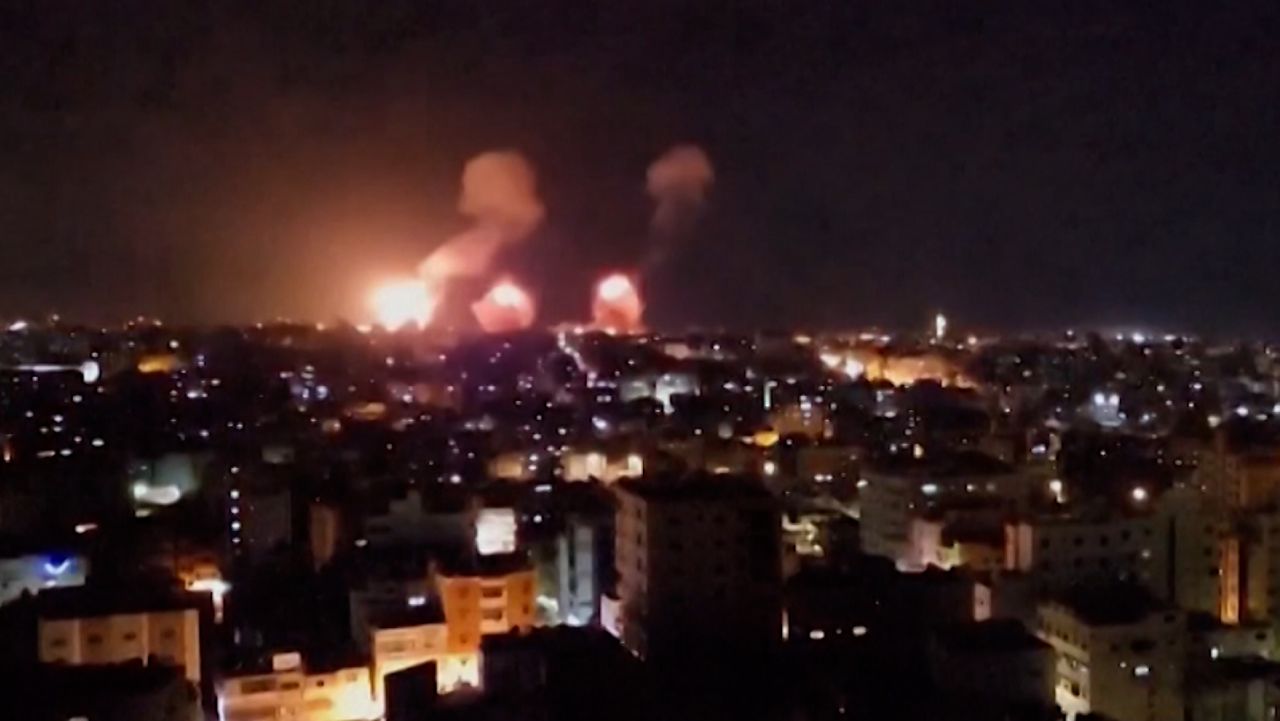
A ballistic missile launched by Iran struck the Tel Aviv Stock Exchange building in Ramat Gan on 19 June 2025, inflicting substantial structural damage in the heart of Israel’s financial district. This incident occurred amid a coordinated barrage that also hit key civilian infrastructure elsewhere, including Soroka Medical Centre in Be’er Sheva, intensifying already volatile regional tensions.

Sirens wailed across central and southern Israel as air defence systems engaged waves of inbound missiles. Between 20 and 30 ballistic projectiles were reported, an escalation surpassing previous exchanges earlier this monthꟷnotably those on 15 and 16 June, which injured dozens and damaged residences in Tel Aviv, Bat Yam and Haifa. This latest salvo targeted multiple urban areas, with at least 32 civilians confirmed wounded by Magen David Adom teams, some in serious condition.

The stock exchange structure, known as Birsa, sustained extensive facade damage and shattered windows, with parts of surrounding offices impacted. Video footage circulated online showing debris falling from upper floors into streets below. Emergency crews were deployed immediately to evacuate employees and assess structural integrity, though no fatalities were reported at the site.

In parallel, Soroka Medical Centre at Be’er Sheva—Israel’s principal hospital serving around one million residents with more than 1,000 beds—was also struck. Footage and eyewitness reports confirmed significant damage: roof collapse in some wards, shattered glass across corridors and injuries among both patients and medical staff. Hospital officials imposed strict access controls, advising the public to avoid the area as emergency protocols were activated.

Israel’s air-defence systems, including Iron Dome and Arrow batteries, intercepted many of the missiles but failed to prevent all impacts. Some missiles penetrated defences and struck densely populated neighbourhoods, damaging residential high-rises and injuring civilians. This pattern marks a troubling shift. Previous intercepts had been more successful, but the latest strikes have underscored vulnerabilities in urban protection.

The missile offensive came as retaliation for Israel’s strikes on Iranian nuclear facilities. Earlier on 19 June, Israeli aircraft reportedly struck the heavy-water reactor at Arak and a related plutonium-production component, in what the Israeli government called efforts to disrupt Tehran’s nuclear capabilities. Iran’s state media countered that the reactor had been evacuated in advance and there was no radiation leak.

Prime Minister Benjamin Netanyahu publicly condemned the missile strikes on Israel’s financial hub and its hospital network, accusing Iran’s leadership of targeting civilians and vowing that Tehran “will pay the full price”. Defence officials say that Iran deployed over 25 missiles targeting Israeli urban centres during this wave.

Humanitarian services are stretched thin. Magen David Adom paramedics reported at least 32 people with injuries ranging from shock and minor shrapnel wounds to serious trauma in Be’er Sheva and Tel Aviv. Hospitals near strike zones have diverted critically ill patients and limited admissions to emergencies, raising concerns over the continuity of essential health services.

Economically, the assault on the stock exchange reverberated across markets. While share trading has continued, operational disruptions occurred as staff evacuated and investigations into building safety commenced. Analysts note that the financial centre embodies Israel’s economic resilience, but warn that repeated infrastructure targeting injects uncertainty into investor sentiment.

As missiles fly in both directions, global powers are watching warily. US President Donald Trump indicated possible military support for Israel pending internal approval, while European leaders called for restraint and emphasised the potential for diplomatic channels. The International Atomic Energy Agency has voiced alarm over Iran’s uranium enrichment practices, now exacerbated by military confrontations sparked by retaliatory airstrikes.

Israeli authorities warn that this may be Iran’s most sustained attack yet, burning through long-range arsenal previously reserved for strategic military targets. Intelligence assessments suggest Iran is deploying missiles intensively—over 400 since the conflict’s escalation—though only a fraction have struck urban centres.

With civilian infrastructure clearly in the crosshairs, the stakes are escalating dangerously. Analysts warn that further strikes on hospitals, markets or cultural institutions may invite stronger Israeli countermeasures, potentially widening the conflict. For now, cities remain on high alert as missiles continue to disrupt daily life and rattle the foundations of an already tense Middle East.

Egyptair has confirmed an order for six additional Airbus A350‑900 wide‑body aircraft, increasing its total commitment to 16 for the type. Chairman and Chief Executive Captain Ahmed Adel said the deal will enable the carrier to meet escalating passenger demand and support an ambitious global expansion set for completion over the next five years. The announcement, made at the Paris Air Show on 18 June 2025, follows […]

Advertisements

KUALA LUMPUR, MALAYSIA – Media OutReach Newswire – 16 June 2025 – This week is set to be a pivotal one for financial markets in general and Forex market in particular as four major central banks—the Bank of Japan (BoJ), the U.S. Federal Reserve (Fed), the Swiss National Bank (SNB), and the Bank of England (BoE)—are scheduled to announce their latest decisions on interest rates. Their policy […]

Nivex, formerly known as Nx.one, has re-emerged in 2025 with a strategic repositioning as a cutting‑edge AI‑powered trading platform, signalling a major transformation from its Web3 origins into a global crypto‑finance innovator. Leveraging generative algorithms as the operational core, Nivex aims to elevate trading from human‑driven execution to autonomous, intelligent systems.

Powered by over 45 AI‑based strategies spanning arbitrage, trend‑following and swing trading, the platform reports impressive performance metrics. Annualised returns range from 60 % to 3 500 %, win rates hover between 85 % and 95 %, maximum drawdowns are tightly controlled at 15–70 %, and Sharpe ratios exceed 2.6 — all underpinning over USD 1 billion in assets under strategy management as of Q2 2025. One standout offering, “BTC Grid Arbitrage + AI Risk Control”, executed 540 trades in 2024 with a 92 % success rate and yielded a total return of 272 %.

At its heart, Nivex purports AI is not simply a feature, but the platform’s operating system. Users define goals and the AI assumes responsibility for detecting trends, assembling strategies, allocating capital, managing risk and executing trades at millisecond speeds. Combined with a suite of tools including spot and futures trading, dollar‑cost averaging and grid trading, the platform positions itself not as an exchange, but an intelligent asset engine.

A central component of Nivex’s offering is its AI Strategy Engine, which supports customizable parameters—such as leverage, stop‑loss, DCA and drawdown limits—and integrates institutional-grade strategies. Complemented by Smart Yield and AI Lending systems, users can earn APYs of up to 60 % on fixed terms, while automated lending tools continually optimise on‑chain opportunities.

Critical to its ambitions is delivery of institutional‑grade signal copying. By aggregating signals from global quant funds, Nivex enables retail users to subscribe and replicate live trades via automated execution, stop‑loss and performance tracking—without any coding. The company asserts this approach raises win rates by 30 % and improves execution speed by 80 % compared with manual trading.

Nivex is also developing an “Institutional Buying Heat Index” based on fusion of ETF flows, on‑chain transfers, CEX‑DEX liquidity movements and sentiment signals. This engine converts macro and micro market trends into actionable portfolios for both retail users and institutional clients via APIs and data subscriptions.

Compliance and geographic expansion underpin Nivex’s credibility. The platform operates service centres in North America, Dubai, Hong Kong, Singapore and Southeast Asia, holding licences with FinCEN and MSB, and pursuing approvals from MAS, VARA and AUSTRAC. It also hosted AI‑driven closed‑door summits at Token2049 Singapore, attracting industry leaders such as Justin Sun of TRON.

Industry analysts highlight a growing shift in trading infrastructure—from simple order‑matching to data‑driven, strategy‑oriented platforms. Nivex exemplifies this trend, providing automated AI‑based strategy execution at a time when global investment in AI surpassed USD 350 billion in 2024.

The AI trading platform market is projected to grow from USD 11.5 billion in 2024 to USD 75.5 billion by 2034, at a CAGR of 20.7 %, driven by high demand for automation, faster decision‑making and cost reduction. Within this context, major players include Kavout, Numerai and Algotraders — yet Nivex’s rapid integration of AI, compliance and global deployment positions it as a formidable contender.

Yet adoption of AI in trading brings challenges. Regulatory regimes struggle to keep pace, raising concerns about algorithmic opacity, data integrity and algorithmic bias. Nivex appears conscious of such risks, emphasising transparency, backtesting via a Strategy Lab, risk‑control features and strict KYC/AML protocols.

From a user experience angle, Nx.one’s prior focus on intuitive interface design, multi‑language support, real‑time analytics and security layer architecture—including multi‑signature wallets, cold storage, encryption, firewall defences and audit transparency—appears retained under Nivex.

CEO Simon highlighted Nivex’s core vision: “We’re not building a cheaper exchange—we’re building a smarter platform. Let the system trade for you. Let AI manage risk. Let data create wealth,” adding, “In the next five years, the most valuable asset won’t be trading skills. It’ll be your connection to a system that improves itself”.


voco Dubai The Palm has unveiled an expanded private beachfront, enhancing its leisure offering on Palm West Beach with additional space, panoramic sea views, and a curated beach day experience tailored for non-resident guests. The development adds a premium draw to Dubai’s hospitality sector, capitalising on the city’s demand for upscale coastal experiences without the need for an overnight stay. Located along the West Beach stretch of […]

BANGKOK, THAILAND – Media OutReach Newswire – 10 June 2025 – Get ready to turn your Bangkok getaway into a rewarding adventure—in every sense of the word! The ONESIAM Global Grand Giveaway, Siam Piwat’s flagship tourism campaign, is making a grand comeback for its second year from June 20 to September 30, 2025, and is set to bring even more exclusive rewards, elevated experiences, and jaw-dropping prizes […]

UAE authorities have deployed emergency measures across major airports to manage widespread disruptions after several Middle Eastern nations, including Iran, Iraq, Jordan, Syria and Israel, shut their airspace due to escalating geopolitical tensions. The Federal Authority for Identity, Citizenship, Customs and Ports Security activated its emergency business‑continuity protocol to maintain essential operations with minimal interruption.

Field teams operating round‑the‑clock at Dubai International, Dubai World Central, Abu Dhabi’s Zayed International and Sharjah International airports have been reinforcing frontline support, immigration coordination and airline rescheduling. Real‑time information desks, logistical assistance and temporary accommodation arrangements have been offered to travellers affected by cancellations or delayed connections.

ICP emphasises its swift response was made necessary by the abrupt airspace closures prompted by the intensifying Iran–Israel conflict. Comprehensive coordination among operational stakeholders and deployment of advanced technologies aim to secure passenger safety, uphold service quality and maintain passenger flow amidst turbulent circumstances.

International carriers—including Emirates, Etihad, Qatar Airways, British Airways, Lufthansa and Air India—have been rerouting flights via Central Asia and the Mediterranean to avoid restricted zones. Estimated additional travel durations and increased fuel requirements are among the logistical adjustments implemented by airlines. Eurocontrol reports that roughly 1,400 daily flights across Europe–Asia–Gulf corridors were affected, spotlighting the magnitude of the disruption.

UAE’s aviation stakeholders have issued traveller advisories urging early check‑in, constant monitoring of flight status updates and openness to alternate routing. Visa‑holding visitors are also being advised to renew stay permits promptly to avoid fines due to unexpected delays in departure schedules.

Analysts warn that ongoing geopolitical volatility may prolong airspace closures, potentially escalating operational costs for airlines and straining global travel chains. The UAE’s crisis‑management protocol is being watched closely by global aviation regulators as a case study in maintaining continuity under pressure.

Passengers at UAE airports have, according to the ICP, cooperated with staff amidst what they describe as “exceptional regional circumstances.” This collaboration has been cited as instrumental in allowing swift rescheduling and maintaining operational flow. ICP reiterates its commitment to ensuring passenger security without compromising service standards.

Conscious Aerospace, KLM Royal Dutch Airlines and Transavia have entered a strategic Memorandum of Understanding at the Paris Air Show to co-develop a liquid‑hydrogen fuel‑cell retrofit for the De Havilland Canada Dash 8‑300 regional turboprop. The agreement, inked in front of Dutch aviation authorities, aims to outfit the aircraft with hydrogen‑electric propulsion, optimise cabin and cargo configurations, assess route viability, and model operational costs ahead of demonstration flights […]

Emirates returned to the Paris Airshow at Le Bourget to introduce its new Airbus A350‑900, showcasing its most advanced cabin design and reinforcing ties with French aerospace. The jet, featuring three cabin classes and upgraded passenger amenities, reflects the carrier’s strategy to modernise its long-haul fleet.

The A350‑900 on display is configured in a three‑class layout with 32 next‑generation lie‑flat seats in Business Class, 21 Premium Economy seats, and 259 Economy seats. Cabin highlights include increased headroom, wider aisles, electric window blinds across all classes, cinematic 4K inflight entertainment, wireless charging, and high‑speed Wi‑Fi.

Emirates has taken delivery of seven A350s so far, with 58 remaining on order—bringing its total to around 65 aircraft. The first commercial flight occurred on 3 January 2025, from Dubai to Edinburgh. Further services began in January and February to Ahmedabad, Bahrain, Bologna, Colombo, Kuwait City, Lyon and Mumbai.

Emirates President Sir Tim Clark and French industry partners celebrated the aircraft’s introduction, which highlights the airline’s investment in France’s aerospace sector. Since 1985, Emirates has purchased more than €114 billion worth of Airbus aircraft and components, supporting firms such as Safran, Thales and Michelin. At the show, Emirates announced a €896 million deal with Safran for next‑generation seats and a €322 million investment in Thales’s AVANT Up entertainment system for the A350.

This debut coincides with a renewed emphasis on sustainable aviation. The A350 is powered by fuel‑efficient Rolls‑Royce engines, enabling a range of 7,700 miles and emitting lower CO₂ per seat compared to previous generations. Emirates is retrofitting older 777 and A380 aircraft with premium economy seats and renewing its fleet as delivery delays with Boeing’s 777X persist.

Highlighting its global network impact, Emirates became the first airline to deploy the long‑range A350‑900ULR on the Adelaide–Dubai route, enabling flights over 14,000 km and more than 15 hours nonstop from December 1, 2025. Adelaide Airport anticipates a boost of A$62 million in annual tourism revenue from the service.

Emirates operates 21 weekly flights to Paris—three via A380—plus a daily A350 to Lyon and a daily A380 service to Nice Côte d’Azur. By end‑2025, the A350 is expected to serve at least 17 destinations. Its versatility allows deployment on both long‑haul and shorter routes, offering lie‑flat seats and premium amenities even on regional legs.

Vietnam leads Southeast Asia in financial confidence and readiness for major purchases, Visa survey With Visa Flex Credential, consumers can seamlessly choose how they pay, via credit, debit, and more, all on a single credential, redefining the future of payments HCMC, VIETNAM – Media OutReach Newswire – 17 June 2025 – Visa (NYSE: V), a global leader in digital payments, announced the launch of Visa Flex Credential, […]

If you’re considering investing in or moving to Takaya at Motor City by Union Properties, one of the smartest first steps is reviewing the official brochure. This comprehensive document gives prospective buyers a detailed overview of the project’s master plan, unit layouts, key features, and lifestyle offerings. Whether you’re interested in Takaya apartments, Takaya villas, or Takaya townhouses, the brochure provides essential information that helps you make informed decisions — from […]

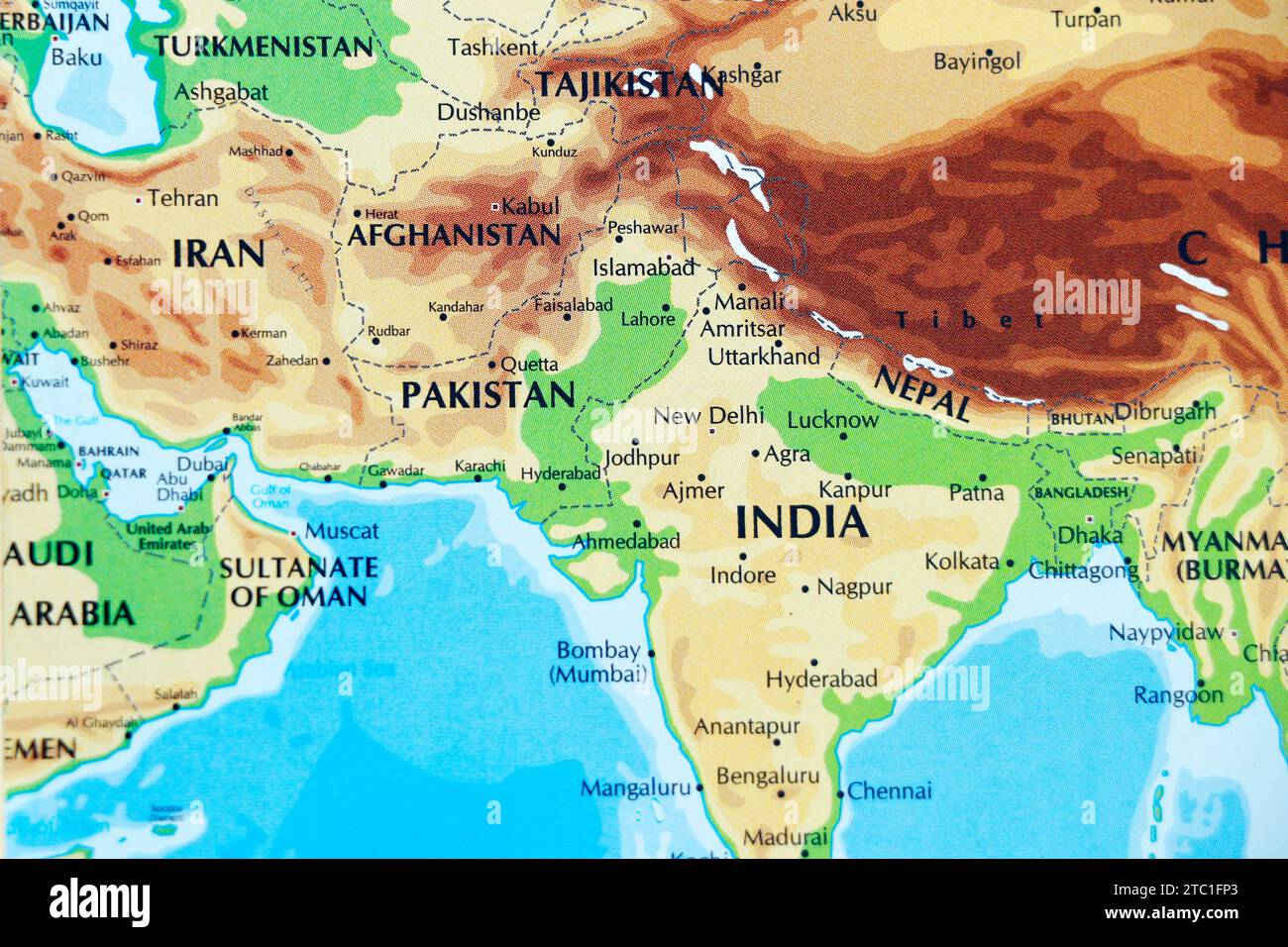
Asian Cricket Council officials are accelerating preparations to shift the 2025 Asia Cup to the United Arab Emirates, prompted by escalating diplomatic tensions and logistical barriers between India and Pakistan. Originally awarded to India, the tournament, scheduled for September, will adopt a neutral venue in a bid to preserve participation from all eight qualifying teams. Sources within ACC and Pakistan Cricket Board suggest that holding the entire tournament in UAE offers the only viable path forward, ensuring both cricketing integrity and commercial viability.

Accruing nearly US$170 million in media rights, the Asia Cup commands considerable financial stakes. With India and Pakistan at the centre of its appeal, organisers are unwilling to jeopardise the competition. Forbes reports confirm that ACC officials have concluded that relocating the tournament is more feasible than attempting a hybrid model involving split venues. The UAE becomes the default choice, replicating approaches from previous tournaments when political dynamics between South Asian nations hindered full-fledged hosting arrangements.

PCB figures confirm that Pakistan will participate in the UAE-hosted event, despite its reluctance to travel to India. Pakistan also plans a preparatory tri-series in August in Dubai involving Afghanistan and the UAE team—effectively replacing previously scheduled fixtures and maintaining match readiness should the Asia Cup shift occur. With the PCB’s Mohsin Naqvi doubling as ACC president, such parallel initiatives underscore Pakistan’s active role in preserving the tournament’s continuity.

Yet India has maintained a discreet stance. The Board of Control for Cricket in India has neither confirmed nor denied its capacity to host or participate, with internal caution dominating its external posture. BCCI secretary Devajit Saikia recently refuted reports that India would withdraw from all ACC events. Still, precedent indicates India’s avoidance of Pakistan-hosted events: The team did not travel to Pakistan for the Champions Trophy in February–March, instead participating in Dubai under a hybrid format.

Recalling historical context affirms the ACC’s decision. In 2018, the tournament was relocated from India to UAE amid similar political friction. Such precedent sets a framework for crisis management within the sport, suggesting that regional hostilities do not necessarily derail cricketing schedules. Observers also note that India has consistently leveraged a hybrid model since 2022, notably playing Asia Cup matches in UAE and Sri Lanka rather than Pakistan.

Operationally, staging the Asia Cup in UAE will require careful planning, balancing weather conditions in September, broadcast scheduling for global audiences, and coordination with the tri-series. The PCB’s tri-series proposal is advancing, reflecting a proactive stance. Meanwhile, ACC is likely to convene soon, under Naqvi’s leadership, to finalise the tournament’s relocation, format adjustments, and confirmation of venues in Dubai and Abu Dhabi. No official announcement has yet been made, but reports from hindustantimes.com, ET and ProPakistani align in describing the move as imminent.

Stakeholders are weighing broader implications. Indian broadcasters and advertisers depend heavily on premium fixtures, particularly India–Pakistan matches that attract unparalleled viewership. A full UAE tournament may retain this commercial allure while circumventing diplomatic entanglements. For smaller teams such as Hong Kong, Oman and UAE—each having qualified through ACC’s Premier Cup—the neutral format ensures on-field exposure without political fallout.

However, dissenting voices warn against complacency. Some Pakistani conspirators question whether a UAE relocation diminishes Pakistan’s role as host, contrary to its status as 2025 Champions Trophy host and an ACC full member. Conversely, BCCI’s insistence on a hybrid model has previously delayed Pakistan-based hosting, but this time the initial hosting rights belong to India. Any pivot could attract scrutiny over ACC governance and fairness, adding dimension to an already complex political backdrop.

Supporters of the hybrid model note that India’s hybrid strategy for the Champions Trophy earlier this year preserved integrity but exposed limitations. Attendance at Dubai was lukewarm; Australia–India clashes lacked the vibrancy typical of full-capacity Pakistan venues. UAE’s smaller suburban stadiums and shorter pitches may limit spectator buzz, but logistical expediency and political neutrality weigh heavily.

Athletes themselves face uncertainty. India and Pakistan players have not toured regularly since 2008 in bilateral series, and momentum often arises through ICC events. The Asia Cup in UAE represents another opportunity for competitive engagement before the T20 World Cup in 2026. With eight teams and nineteen matches planned, this Asia Cup holds relevance for Qatar 2026 preparations. Still, fragmented venues and political overtones could overshadow performance, causing players and fans to question cricket’s autonomy from geopolitics.

As the ACC readies its final call, timing remains critical. A decision made before July is necessary to confirm bilateral arrangements, tickets, broadcasting contracts, and tri-series scheduling. ACC’s resolution will reverberate across regional cricket administration, testing confidence in neutral venues as a template for coping with diplomatic disruptions.

South Korea’s Seoul Southern District Court on 17 June acquitted Haru Invest CEO Lee Hyung‑soo of fraud charges linked to the collapse of withdrawal services that triggered investor losses of approximately $650 million. The court determined there was no deliberate intention to mislead the 6,000-plus affected depositors, citing legitimate business activity that merely suffered collapse from contagion stemming from the FTX collapse.

Prosecutors had alleged Lee orchestrated a $650 million fraud scheme by misleading investors and misappropriating user funds. They argued that the firm, owned by parent company Blockcrafters, presented itself as secure and sustainable before halting withdrawals in mid‑2023, inflicting financial hardship on users. Nonetheless, the court concluded that while Haru Invest’s model carried high risk, it was not inherently deceptive.

The court’s ruling also cleared the company’s co‑CEOs at Blockcrafters, who faced similar allegations. In contrast, Haru’s chief operating officer, Kang, received a two‑year prison sentence after being found guilty of embezzlement. The court determined Kang had transferred client funds to his personal accounts, a charge distinct from the fraud accusations directed at Lee and other executives.

Judges noted connections between Haru’s difficulties and the broader collapse of the cryptocurrency ecosystem following the FTX failure. They observed that Haru deployed a legitimate yield‑earning model using third‑party counterparties, including B&S Holdings, but that the sudden disruption in liquidity markets amplified losses. There was no evidence, the ruling held, that Lee intentionally misrepresented Haru’s operations or risk profile to investors.

Concurrently, prosecution testimonials during closing arguments revealed that Haru marketed its platform as capable of delivering annual interest rates exceeding 10 per cent on deposits of Bitcoin, Ethereum and USDT. Investor expectations were inflated, yet those losses, believed to be exacerbated by exposure to over‑leveraged counterparty relationships, were judged to result from systemic failure rather than criminal intent.

Throughout the proceedings the defence emphasised Lee’s commitment to asset return. Lee personally told the court that investors retained ownership of their crypto assets and that Haru operated legally under custody arrangements. He insisted that financial setbacks resulted from Bernard Bang’s mismanagement at B&S, a company entrusted with executing Haru’s yield‑earning strategy. The defence maintained that Haru’s abrupt withdrawal suspension in June 2023 was a reactive measure to liquidity pressure, not an attempt to defraud.

Meanwhile, the court confirmed that Kang, the COO, diverted funds into accounts unrelated to Haru’s operations, violating fiduciary responsibility, and meriting his conviction. His sentence reflected the separation in responsibility between him and senior management, who genuinely believed in and operated under a legitimate model.

The financial aftermath continues: Haru has appointed an insolvency administrator and launched a creditor claims process affecting thousands of both domestic and overseas investors. According to user‑submitted civil filings, the firm is pursuing recovery of assets tied to the FTX bankruptcy estate, including staking returns and counterparties’ restitution. Victims are filing asset‑recognition claims under Korean bankruptcy law, arguing that deposited tokens belong to them and should be returned outside Haru’s bankrupt estate.

In parallel, appellate proceedings are expected for Kang, whose sentence may be modified as his embezzlement involved funds beyond his legal authority. Lee and his co‑CEOs are also preparing appeals, emphasising that Haru’s structure and disclosures conformed with regulations at the time of operation.

SINGAPORE – Media OutReach Newswire – 17 June 2025 – Smartphones have become an everyday essential for adults. So, it’s natural for children to want one. Many parents see smartphones as useful tools for staying in touch with their children when they’re away from home, but smartphones can easily be lost, and they leave children vulnerable to the dangers of social media and too much screen time. […]

Markets across the Middle East are bracing for heightened turbulence as Israel and Iran exchange strikes, triggering volatility in equity capital markets and clouding the outlook for initial public offerings this year. Global equities have undergone vacillations following the escalation. Oil prices spiked more than 10% at one stage, driven by fears of supply disruptions through the Strait of Hormuz, before retreating as hopes of de‑escalation emerged. Despite […]

Israeli Finance Minister Bezalel Smotrich has ordered the cancellation of a decades‑long indemnity that shields Israeli banks when processing shekel transactions for Palestinian counterparts, a move poised to disrupt salaries, imports and basic services across the West Bank and Gaza.

The directive, issued on 10 June 2025, halts a waiver that permitted Israeli financial institutions to facilitate payments to the Palestinian Authority and local customers without fear of legal consequences. Analysts warn this could sever Palestinian banks’ vital access to the larger Israeli banking system.

Palestinian Monetary Authority officials cautioned that this severance would seriously impede operations such as payments for food, fuel, electricity and water. In 2023 alone, around 53 billion shekels—equivalent to $15.2 billion—passed through Palestinian banking corridors. The revocation of the indemnity risks plunging the territories into a fragile cash‑only system, heightening exposure to theft, fraud and illicit activity.

Smotrich’s decision follows sanctions by the UK, Canada, Australia, New Zealand and Norway imposing asset freezes and travel bans on him and National Security Minister Itamar Ben‑Gvir, citing their roles in incitement and human rights abuses in the West Bank and Gaza. Smotrich maintains the waiver withdrawal is a justified response to what he terms the Palestinian Authority’s “delegitimisation campaign” against Israel.

For decades, Palestinian banking operated without central‑bank autonomy or national currency. Reliance on Israeli shekels and correspondent banking agreements has been critical. International voices—including US Treasury Secretary Janet Yellen, G7 officials and the UN—have repeatedly warned that ending this arrangement could trigger a humanitarian crisis and violate international law.

Local analysts predict the measures will exacerbate an already deteriorating economic landscape. Kristin Ronzi of intelligence firm Rane Network said abolishing this financial collaboration will “impede the Palestinian Authority’s ability to import basic, essential goods such as food and fuel,” likely deepening economic hardship and undermining public sentiment.

The Palestinian banking system, which exceeds 100 % of GDP, is particularly vulnerable to spill‑over effects from Gaza into the West Bank, according to IMF data. The termination of the waiver is feared to amplify credit constraints on private and public sectors alike, risking reduced lending, increased borrowing costs, and even defaults.

International stakeholders, including the US and G7, had pressed for short‑term extensions of the indemnity. Those appeals often hinged on warnings that a collapse of Palestinian financial networks would destabilise trade, delay crucial services, and potentially fuel militant groups reliant on cash economies.

Smotrich is known for his hardline positions: he has previously withheld Israeli-tax clearance revenues and blocked aid in retaliation for moves supportive of Palestinian statehood. In May 2025, he warned publicly that Gaza “will be totally destroyed,” vowing to push Palestinians toward resettlement in other countries.

Within Israel, there is evident friction. Prime Minister Benjamin Netanyahu and some coalition members support Smotrich, but others fear political and economic backlash—particularly amid international outrage and concern over deepening the Gaza violence. The policy must still pass through Israel’s security cabinet before implementation begins.

Across Palestinian chambers in Ramallah and Gaza City, there is growing anxiety. Authorities are scrambling to negotiate with donors, international NGOs and Middle Eastern allies, in hopes of constructing contingency plans. Proposed measures include alternative cash corridors, increased use of digital currencies, and humanitarian exemptions—but none currently matches the scale of the existing system.

Economists warn the broader consequences of this rupture—the Palestinian economy has already lost billions amid conflict. Since October 2023, Gaza’s economy shrank by 61 %, the West Bank by 24 %, and joblessness soared to around 57 % across both territories. Analysts fear the banking clamp‑down could invert years of fragile recovery efforts, worsening poverty and political instability.

Dubai’s iconic Palazzo Versace Hotel is being offered at auction with an opening bid of approximately $163 million, a sharp reduction from its last estimated value above $380 million, signalling a major shift in the fortunes of the luxury hospitality landmark. A Swiss‑Italian financier, Christopher Aleo, is among a select group of potential buyers believed to be evaluating the purchase as online bidding gets underway. Union Properties, the Dubai‑based developer […]

Arabian Post Staff -Dubai Shadow has rolled out its Neo cloud PC tier, immediately replacing its Boost offering across Europe and North America. Priced from $37.99 a month, Neo delivers performance aiming at NVIDIA RTX 4060-class levels and is supported on fibre links up to 1 Gb/s. Powered by an eight‑vCore AMD EPYC processor clocked between 3.25 GHz and 3.8 GHz and equipped with 16 GB DDR5 RAM, Neo uses Nvidia’s RTX 2000 […]

The Trump Organisation has unveiled Trump Mobile, featuring a $499 gold-hued T1 smartphone and a monthly “47 Plan” priced at $47.45. Designed to target conservative consumers disenchanted with mainstream providers, the offering promises an American‑branded telecommunications package with US‑based customer support and domestically produced handsets. Donald Trump Jr and Eric Trump introduced the venture on 16 June 2025 at Trump Tower, emphasising the use of US‑made phones […]

VISHNU RAJA
RYO YAMADA
HITORI GOTOH
IKUYO KITA
Just in:
Crescent Enterprises venture arm funds Oyster Therapeutics development // China Reconciled To U.S. Curbs On Chips Exports, Woos South Korea For Supply // From Dubai to the EU: how UAE-based crypto firms can expand under MiCA // Messi affair SIT finds all-round violations // US resumes flights after nationwide air traffic shutdown // Yicura BioMed Advances Dual Capital and Industrial Strategy: Completes First Closing of Series B Financing Led by Gobi Partners // Fujairah highway pile-up leaves 14 dead and 30 injured // The Honey Trap Is The Headline, The Chip Pipeline Is The Story // Rooftop solar planning gaps behind power shortages // October Food Price Shock Has Far Reaching Consequences // TORRAS Launches Two New iPhone Duo Cases from Its Popular Ostand Series, Addressing Foldable Phone Users’ Concerns About Difficult Stand Positioning and Scratches // Microsoft restores services gradually but gives no recovery deadline // Microsoft outage leaves Outlook and Teams users disconnected // OpenAI unveils ChatGPT Wallet for agent-led purchases // L’OCCITANE Celebrates 50 Years Of Provençal Craftsmanship With Holiday 2026 Collection // UAE crews sustain coastal oil removal as beaches reopen // US authorities dismantle North Korean cryptocurrency deception infrastructure // EBANX and Eneba strengthen partnership in Latin America with 138% YoY growth in payment volume // Nvidia appoints Colette Kress interim chief after Huang departure // Inpex reaffirms Gulf oil strategy despite shipping constraints //