Just in:
Salik posts Dhs1.045bn profit despite lower toll traffic // IEA forecasts fourth-quarter oil surplus as Gulf shipments rebound // October Food Price Shock Has Far Reaching Consequences // L’OCCITANE Celebrates 50 Years Of Provençal Craftsmanship With Holiday 2026 Collection // US authorities dismantle North Korean cryptocurrency deception infrastructure // Microsoft apologises as Outlook services recover after outage // Crescent Enterprises venture arm funds Oyster Therapeutics development // The Honey Trap Is The Headline, The Chip Pipeline Is The Story // Microsoft restores services gradually but gives no recovery deadline // Hackers falsify NVIDIA GPU readings to mask cryptomining // Saudi fund assets forecast to cross $400 billion // UAE crews sustain coastal oil removal as beaches reopen // Rooftop solar planning gaps behind power shortages // Lego restores BrickLink marketplace after security investigation // Messi affair SIT finds all-round violations // Sun World Ba Den Mountain marks Vietnam Culture Day, welcoming Cambodian visitors over Bon Om Touk // TORRAS Launches Two New iPhone Duo Cases from Its Popular Ostand Series, Addressing Foldable Phone Users’ Concerns About Difficult Stand Positioning and Scratches // Yicura BioMed Advances Dual Capital and Industrial Strategy: Completes First Closing of Series B Financing Led by Gobi Partners // OpenAI unveils ChatGPT Wallet for agent-led purchases // EBANX and Eneba strengthen partnership in Latin America with 138% YoY growth in payment volume //

News related to
Range

CachyOS, an Arch Linux-based distribution renowned for its performance optimizations, has introduced a kernel builder tool tailored for Debian-based systems. This development aims to simplify the process of creating custom kernels, offering users enhanced control over their system configurations. The CachyOS Kernel Builder is a text-based user interface utility that automates the configuration and optimization of Linux kernels. It provides advanced options, including LLVM’s Link Time Optimization […]

Hashdex, a prominent asset management firm specializing in cryptocurrency investments, has obtained authorization from the Brazilian Securities and Exchange Commission to introduce the world’s inaugural XRP spot exchange-traded fund in Brazil. This pioneering financial product is poised to provide investors with direct exposure to XRP, the digital asset associated with the Ripple network, marking a significant milestone in the integration of cryptocurrencies into traditional financial markets. The exact date for the ETF’s listing on the Brazilian Stock Exchange is yet to be announced.

The approval of this ETF signifies a notable advancement in the cryptocurrency sector, particularly concerning XRP, which has faced regulatory challenges in various jurisdictions. By facilitating direct investment in XRP through a regulated financial instrument, Hashdex aims to bridge the gap between digital assets and conventional investors, offering a secure and accessible avenue for participation in the burgeoning crypto economy.

Hashdex’s initiative reflects a broader trend of increasing acceptance and integration of cryptocurrencies within mainstream financial systems. The firm’s commitment to providing innovative investment solutions is evident in its previous launches, including ETFs linked to other prominent digital assets. This latest development underscores Hashdex’s role as a trailblazer in the crypto investment landscape, continually expanding the horizons for investors seeking diversified exposure to digital currencies.

The introduction of the XRP spot ETF is anticipated to attract a diverse range of investors, from individuals seeking to diversify their portfolios to institutional entities exploring opportunities in the digital asset space. By offering a regulated and transparent investment vehicle, Hashdex is addressing prevalent concerns regarding security and compliance, thereby fostering greater confidence among potential investors.

While the precise listing date on B3 remains pending, the approval from CVM has already generated considerable interest within the financial community. Market analysts predict that the launch of the XRP spot ETF could influence the valuation and trading dynamics of XRP, as increased accessibility may lead to heightened demand and liquidity.

RIYADH, SAUDI ARABIA – Media OutReach Newswire – 19 February 2025 – Sahm Capital, the first fintech-driven financial company to secure full Capital Market Authority (CMA) licensing (license no. 22251-25), is proud to announce its participation as a platinum sponsor at the Capital Market Forum (CMF) 2025. Organized by the Saudi Tadawul Group, CMF 2025 took place from February 18–20, 2025, in Riyadh, Saudi Arabia, serving as […]

Stablecoin transactions have witnessed a significant surge over the past year, with the Solana and Base networks emerging as prominent platforms for these digital assets. Solana accounted for approximately $1.8 trillion in new stablecoin volume, while Base facilitated around $1.5 trillion, underscoring their growing influence in the cryptocurrency ecosystem.

The overall stablecoin market experienced remarkable growth, with total transfer volumes reaching $27.6 trillion in 2024. This figure surpasses the combined transaction volumes of traditional payment giants Visa and Mastercard by 7.68%. The expansion reflects a broader shift towards digital financial systems, as users and institutions increasingly adopt stablecoins for various transactions.

A significant portion of this activity is attributed to automated trading bots. In 2024, bot-related transactions constituted approximately 70% of the total stablecoin transfer volume. On networks like Solana and Base, this figure was even higher, with bots accounting for 98% of the volume. These bots engage in high-frequency trading and arbitrage, contributing to the liquidity and efficiency of the markets but also raising questions about market dynamics and the role of automation in trading.

Solana’s rise to prominence in the stablecoin sector is notable. In January 2024, Solana surpassed both Tron and Ethereum to become the most active blockchain for stablecoin transfers. This surge is partly due to Solana’s high throughput capabilities, enabling rapid and cost-effective transactions, which have attracted a growing number of users and developers to its platform. Additionally, Solana’s stablecoin market capitalization experienced a significant increase, reaching $11.7 billion, a 116% rise over a 30-day period. This growth was influenced by various factors, including the introduction of meme coins such as TRUMP and MELANIA, which spurred increased activity and liquidity on the network.

Base, a layer-2 network developed by Coinbase, also demonstrated substantial growth. In the fourth quarter of 2024, Base’s stablecoin transaction volume surpassed that of Ethereum, highlighting the network’s scalability and appeal to users seeking efficient transaction solutions. Base attracted $7.8 billion in stablecoin inflows throughout the year, retaining $3.5 billion as net inflows. This influx indicates a strong confidence in Base’s infrastructure and its potential to support a wide range of decentralized applications and financial services.

The stablecoin supply expanded by 59% during this period, exceeding $200 billion and representing 1% of the total U.S. dollar supply. This increase signifies a growing trust in stablecoins as a medium of exchange and store of value within the digital economy. USDC emerged as the dominant stablecoin for on-chain transactions, accounting for 70% of the total transfer volume. However, its influence slightly waned in the third quarter due to a temporary decline in decentralized finance activity. Conversely, Tether’s USDT saw its total transfer volume more than double, although its market share decreased from 43% to 25% over the year.

The dominance of Ethereum and Tron in hosting stablecoins decreased from 90% to 83%, with networks like Solana, Base, Arbitrum, and Aptos capturing the remaining share. This diversification indicates a competitive landscape where multiple blockchains are enhancing their capabilities to attract stablecoin activity. The shift suggests that users and developers are exploring alternative platforms that offer unique advantages, such as lower fees, faster transaction times, or specialized features tailored to specific applications.

A significant shift in consumer preferences is poised to reshape the automotive industry, as over 64% of potential buyers express a strong inclination towards electric vehicles for their next purchase in 2025. This insight emerges from the Tata Consultancy Services Future-Ready eMobility Study 2025, unveiled at the Detroit Auto Show. The comprehensive study surveyed more than 1,300 respondents across North America, the United Kingdom and Ireland, Continental […]

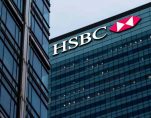
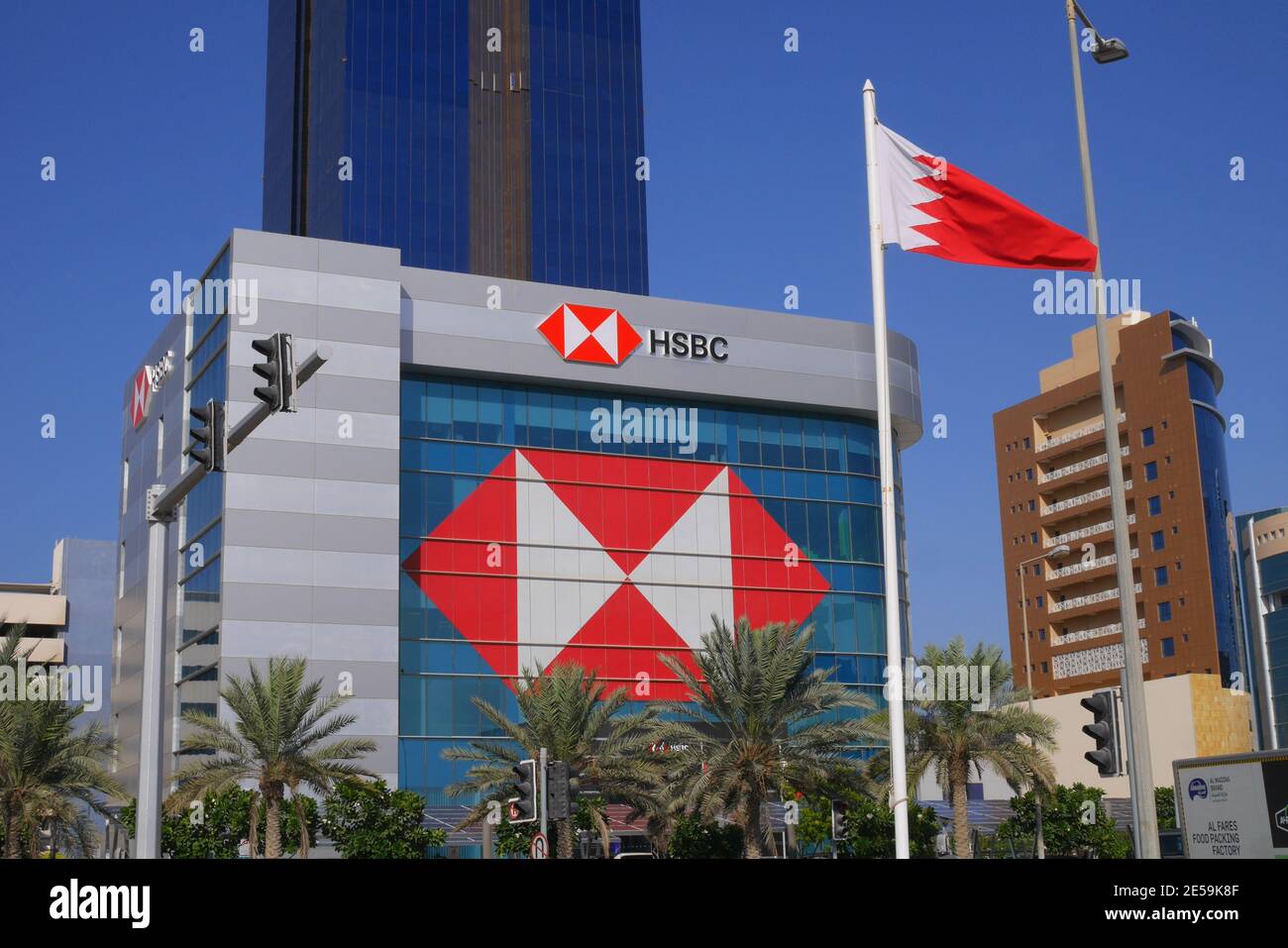
HSBC has announced the sale of its retail banking operations in Bahrain to the Bank of Bahrain and Kuwait , transferring approximately 76,000 customer accounts. This move aligns with HSBC’s ongoing global restructuring strategy, focusing on streamlining operations and enhancing profitability.

The transaction encompasses the transfer of retail loans, deposits, and customer accounts to BBK, a financial institution predominantly owned by the governments of Bahrain and Kuwait. Notably, HSBC’s corporate and private banking services in Bahrain are excluded from this deal. While the financial specifics remain undisclosed, the completion of the transaction is anticipated in the fourth quarter of 2025.

This divestment is a component of HSBC’s broader initiative to reduce its global footprint in less profitable markets. Under the leadership of CEO Georges Elhedery, who assumed his role in October 2024, the bank has been actively reassessing its international operations. Elhedery’s restructuring plan aims to achieve $1.5 billion in annual cost savings by the end of 2026, reallocating resources from non-strategic areas to more competitive sectors. This strategy has already led to significant changes, including the consolidation of commercial and investment banking divisions and a revamp of the leadership structure.

In line with these efforts, HSBC has been withdrawing from various retail banking markets worldwide. The bank has exited retail operations in countries such as Thailand, Japan, South Korea, Brazil, and New Zealand over the past decade. More recently, HSBC has been evaluating its retail banking presence outside the UK and Hong Kong, considering scaling back in markets like Mexico, Malaysia, and Indonesia to concentrate on wealthier “premier” clients and wealth management services.

The decision to sell the Bahrain retail unit reflects HSBC’s commitment to optimizing its global operations and focusing on core markets where it holds a competitive advantage. By divesting from less profitable regions, the bank aims to enhance efficiency and profitability, ensuring resources are allocated to areas with the highest growth potential.

BBK, established in 1971, stands as one of Bahrain’s leading commercial banks. The acquisition of HSBC’s retail operations is poised to bolster BBK’s market position, expanding its customer base and retail banking assets. This strategic move aligns with BBK’s growth objectives, enabling the bank to offer an expanded range of services to its clients.

The global banking landscape has been undergoing significant transformations, with major institutions like HSBC reevaluating their strategies to adapt to evolving market conditions. Factors such as technological advancements, changing customer preferences, and economic shifts have prompted banks to streamline operations and focus on core competencies. HSBC’s restructuring efforts are indicative of a broader trend among global banks aiming to enhance agility and competitiveness in a rapidly changing environment.

In addition to divesting from certain markets, HSBC has been implementing cost-cutting measures across its operations. The bank reported a 3% reduction in headcount, bringing the total number of employees to approximately 220,928. This reduction is part of a concerted effort to manage expenses and improve operational efficiency. Despite these cuts, HSBC’s bonus pool remained relatively stable at $3.80 billion, reflecting the bank’s commitment to rewarding performance while maintaining fiscal prudence.

The restructuring has also led to strategic shifts in HSBC’s investment banking sector. The bank has laid off around 40 investment bankers in Hong Kong and announced plans to wind down its mergers and acquisitions and certain equities businesses in Europe and the Americas. These changes underscore HSBC’s strategic pivot towards focusing more on the Asian market, where it anticipates higher growth opportunities.

Financially, HSBC has demonstrated resilience amid these transitions. The bank’s annual pre-tax profit rose by 6.6% to $32.3 billion, surpassing market expectations. This growth was driven by increased revenue in wealth and markets businesses, highlighting the effectiveness of HSBC’s strategic focus on these areas. Additionally, the bank has announced a dividend of 87 cents per share and a $2 billion share buyback, signaling confidence in its financial position and future prospects.

The sale of the Bahrain retail banking operations is subject to regulatory approvals and customary closing conditions. Both HSBC and BBK are collaborating closely to ensure a seamless transition for customers and employees affected by the transaction. The banks have committed to maintaining transparent communication throughout the process to minimize disruptions and uphold service quality.

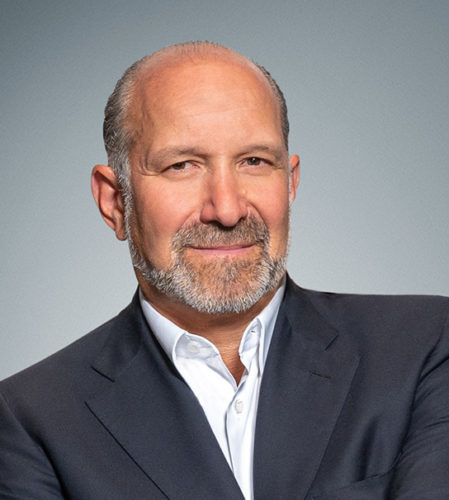
Howard Lutnick, the former CEO of Cantor Fitzgerald, has been confirmed by the U.S. Senate as the new Secretary of Commerce under President Donald Trump. The Senate approved his nomination with a 51-45 vote, positioning Lutnick to oversee a department responsible for a wide array of economic activities, from trade policy to technology regulation.

Lutnick’s confirmation marks a significant moment in the Trump administration’s efforts to reshape the nation’s economic and regulatory landscape. Known for his resilience in rebuilding Cantor Fitzgerald after the tragic loss of 658 employees during the September 11 attacks, Lutnick brings a wealth of experience from the financial sector. His leadership during that crisis, including the distribution of $180 million to victims’ families, has been widely recognized.

As Commerce Secretary, Lutnick is expected to play a pivotal role in implementing President Trump’s trade policies, which have recently included the announcement of potential 25% tariffs on foreign automobiles, semiconductors, and pharmaceuticals. These measures are part of a broader strategy to bolster domestic manufacturing and reduce reliance on foreign imports.

In addition to Lutnick’s appointment, the Trump administration is advancing a series of nominations for key regulatory positions, particularly in agencies overseeing financial markets and emerging technologies. Paul Atkins, a former Securities and Exchange Commission commissioner known for his free-market philosophy, has been nominated to lead the SEC. Atkins has a history of advocating for reduced regulatory burdens and is anticipated to foster a more accommodating environment for financial innovation, including cryptocurrencies.

Brian Quintenz, who previously served as a commissioner at the Commodity Futures Trading Commission from 2017 to 2021, has been nominated to return as the agency’s chairman. During his prior tenure, Quintenz was recognized for his expertise in both traditional finance and the burgeoning cryptocurrency sector. His recent role as head of policy at a16z Crypto, the cryptocurrency division of venture capital firm Andreessen Horowitz, underscores his deep engagement with digital assets. Quintenz’s return to the CFTC is expected to influence the agency’s approach to regulating complex financial instruments and fostering innovation in blockchain technologies.

Jonathan Gould, a legal professional with extensive experience in banking and financial regulation, has been nominated to lead the Office of the Comptroller of the Currency . Gould’s background includes serving as senior deputy comptroller and chief counsel at the OCC, where he provided legal oversight on a range of banking issues. His appointment is seen as a continuation of the administration’s trend toward installing regulators who are knowledgeable about and potentially supportive of cryptocurrency and fintech developments.

These nominations reflect President Trump’s broader strategy to reshape financial regulation in favor of innovation and reduced federal oversight. The administration has been critical of previous regulatory approaches that it perceives as overly restrictive, particularly concerning emerging financial technologies. By appointing individuals with pro-crypto leanings and a history of advocating for lighter regulatory frameworks, the administration aims to create an environment conducive to growth in the fintech and cryptocurrency sectors.

However, these appointments have not been without controversy. Critics argue that reducing regulatory oversight could lead to increased financial instability and potential exploitation within rapidly evolving markets. Supporters, on the other hand, contend that a more permissive regulatory environment is necessary to foster innovation and maintain the United States’ competitive edge in global financial markets.

The Senate’s confirmation of these nominees will be closely watched, as their leadership will significantly influence the direction of U.S. financial regulation in the coming years. As these individuals assume their respective roles, stakeholders across the financial spectrum—from traditional banking institutions to emerging fintech startups—will be assessing how the new regulatory landscape will impact their operations and strategic planning.

In the context of global trade, Lutnick’s role as Commerce Secretary will be particularly critical. His support for President Trump’s tariff policies suggests a continuation of protectionist measures aimed at strengthening domestic industries. This approach has garnered both praise and criticism, with proponents arguing that it safeguards American jobs and industries, while detractors warn of potential retaliatory measures from trading partners and the risk of escalating trade wars.

As the administration moves forward with its economic agenda, the interplay between these regulatory appointments and broader trade policies will be pivotal in shaping the U.S. economic landscape. The emphasis on accommodating financial innovation, particularly in the realm of cryptocurrencies, alongside a protectionist trade stance, represents a distinctive approach that will have lasting implications for both domestic and international economic relations.

Advertisements

Aptoide, a prominent independent app store, has officially launched its service for iPhone and iPad users within the European Union. This development offers EU consumers an alternative to Apple’s App Store, expanding their options for app downloads and installations.

The introduction of Aptoide’s platform is facilitated by the European Union’s Digital Markets Act , which mandates that major technology companies, including Apple, permit third-party app stores on their devices. This legislation aims to foster competition and provide consumers with more choices in the digital marketplace.

One of the standout features of Aptoide’s iOS app store is the “App Versions” function. This allows users to download and install previous versions of applications, a capability particularly beneficial for those using older devices or who prefer earlier iterations of specific apps. This feature addresses a common limitation in traditional app stores, where only the latest version is typically available for download.

Aptoide’s journey to this launch began in June 2024 with a beta phase that attracted significant interest, amassing a waitlist of approximately 20,000 users. During this period, the platform gradually onboarded users, refining its services based on feedback and performance metrics. The full release now makes Aptoide accessible to all iOS users across the EU without the need for a waitlist.

In addition to offering older app versions, Aptoide provides a diverse selection of games and applications, aiming to create an open and unrestricted distribution ecosystem for iOS users. This move is expected to encourage developers to explore alternative distribution channels, potentially leading to a more dynamic and competitive app market.

The launch of Aptoide’s iOS store is part of a broader trend of alternative app stores emerging in the European market. Companies like Epic Games have also introduced their own stores, leveraging the opportunities created by the DMA to challenge Apple’s dominance in app distribution. These developments signify a shift towards a more diversified app ecosystem, offering both developers and consumers new avenues for engagement.

Apple has historically maintained strict control over app distribution on its devices, citing security and user experience considerations. However, the enforcement of the DMA requires the company to adjust its policies within EU jurisdictions, allowing for the presence of third-party app stores. This regulatory environment aims to balance the need for security with the promotion of competitive practices in the digital economy.

While Aptoide’s launch is a significant milestone, it also raises questions about the future landscape of app distribution on iOS devices. The success of such alternative platforms will depend on various factors, including user adoption, developer participation, and the ongoing response from Apple regarding its policies and practices.

For consumers, the availability of alternative app stores like Aptoide means increased flexibility and choice. Users can now access a broader range of applications and versions, tailoring their app experiences to better suit their individual needs and preferences. This development also encourages innovation among app developers, who now have multiple platforms through which to reach their audience.

Hong Kong’s Securities and Futures Commission has granted a license to Bullish, a prominent virtual asset trading platform, marking a significant milestone in the city’s ambition to become a leading hub for digital assets. This approval allows Bullish to operate within Hong Kong’s regulated framework, offering trading services to both institutional and retail investors.

The SFC’s decision to license Bullish is part of a broader strategy to enhance Hong Kong’s competitiveness in the global digital asset market. Financial Secretary Paul Chan announced that, to date, nine digital asset trading platform licenses have been issued, with eight additional applications under review. This initiative underscores the city’s commitment to fostering a robust and secure environment for virtual asset trading.

Julia Leung, the SFC’s Chief Executive, highlighted that the regulatory body is evaluating the introduction of new cryptocurrency products, including derivatives and margin lending, specifically tailored for professional investors. Speaking at Coindesk’s Consensus Hong Kong 2025 conference, Leung emphasized that these considerations aim to expand the range of services available to investors, thereby solidifying Hong Kong’s position as a regional digital assets hub.

Bullish’s entry into Hong Kong’s regulated market is expected to enhance the city’s digital asset ecosystem. The platform, known for its innovative trading solutions, integrates advanced technologies to provide deep liquidity and secure transactions. By obtaining the SFC license, Bullish demonstrates its commitment to adhering to stringent regulatory standards, offering users a trustworthy platform for virtual asset trading.

The SFC has been proactive in refining its regulatory framework to accommodate the evolving digital asset landscape. In January 2025, the commission introduced a streamlined licensing process for virtual asset trading platforms. This new procedure requires a single external assessment report, replacing the previous two-phased assessment, thereby expediting the approval process for applicants. This move aims to attract more virtual asset service providers to establish operations in Hong Kong, contributing to the city’s growing digital economy.

Hong Kong’s efforts to position itself as a digital asset hub come amid increasing global competition. Jurisdictions such as Singapore and Dubai are also vying for prominence in the virtual asset sector, offering regulatory incentives and establishing comprehensive frameworks to attract blockchain and cryptocurrency enterprises. Hong Kong’s strategic approach, characterized by rigorous regulatory oversight combined with industry-friendly policies, seeks to balance investor protection with innovation.

The city’s regulatory advancements have coincided with notable movements in the cryptocurrency market. Bitcoin, the leading cryptocurrency, experienced a significant surge, reaching an all-time high of $109,071 in January 2025 before stabilizing around $96,000. This upward trajectory reflects growing investor confidence and increased institutional adoption of digital assets. Analysts attribute this trend to favorable regulatory developments and the mainstream acceptance of cryptocurrencies as a legitimate asset class.

In addition to licensing trading platforms, Hong Kong is advancing regulations for stablecoins—digital currencies pegged to stable assets like fiat currencies. The SFC is formulating guidelines to govern the issuance and management of stablecoins, aiming to mitigate risks associated with their use and ensure financial stability. This regulatory clarity is anticipated to encourage the development of stablecoin projects within the region, further diversifying Hong Kong’s digital asset offerings.

Market participants have responded positively to these regulatory developments. The introduction of new licensed platforms is expected to enhance market liquidity and provide investors with a wider array of trading options. Furthermore, the presence of regulated entities like Bullish is likely to attract institutional investors seeking compliant and secure avenues for digital asset exposure. This influx of institutional capital could contribute to the maturation and stabilization of the cryptocurrency market in Hong Kong.

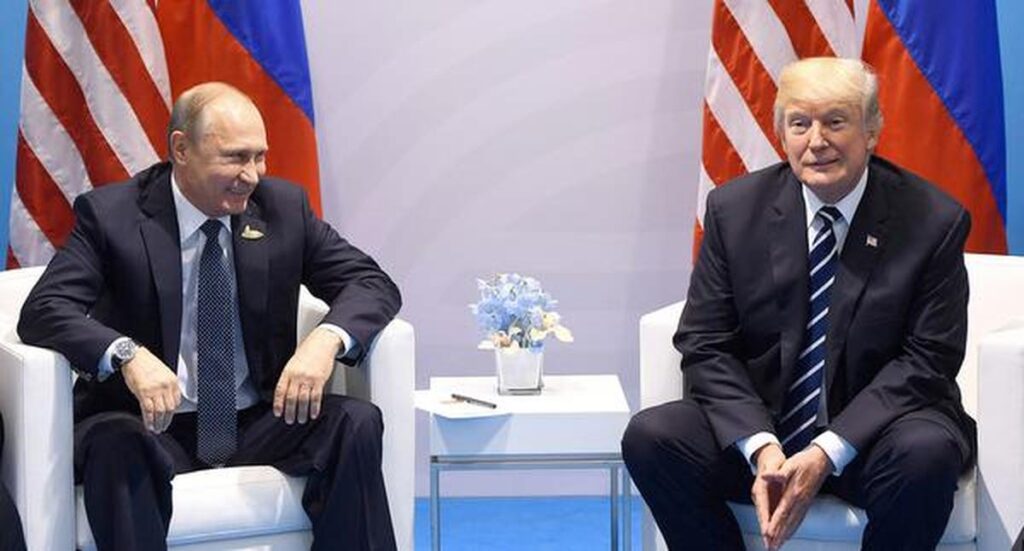
By Asad Mirza The way the US President Donald Trump literally got enforced his one-man plan for the Gaza Ceasefire and the manner in which he is now trying to organise Peace Talks to get the Russia-Ukraine war ended, are pointers to the future of the American foreign policy. By now the world should have […]

Australian digital assets market maker Zerocap has unveiled the nation’s inaugural options-based structured product linked to the CoinDesk 20 Index . Announced at Consensus Hong Kong, this partnership with CoinDesk Indices aims to provide sophisticated investors with diversified exposure to leading digital assets.

The CoinDesk 20 Index serves as a benchmark, capturing the performance of the top 20 digital assets by liquidity and volume. Over the past five years, the index has demonstrated significant growth, offering a broader alternative to traditional bitcoin-ether portfolios by including a range of prominent cryptocurrencies.

Mark Hiriart, head of sales at Zerocap, highlighted the significance of this development: “This partnership with CoinDesk Indices brings sophisticated, structured options to the crypto market for the first time, offering our clients enhanced ways to invest in digital assets with tailored risk and diversification benefits.”

The introduction of this product reflects a growing demand among institutional investors for advanced financial instruments in the cryptocurrency sector. By incorporating options-based strategies, the offering allows for customized risk management, potential yield enhancement, and exposure to a diversified basket of digital assets.

Tokyo-based investment firm Metaplanet has announced a 10-for-1 stock split, effective April 1, following a staggering 3,900% surge in its share price over the past year. This remarkable growth is largely attributed to the company’s strategic acquisition of Bitcoin, positioning it as a significant corporate holder of the cryptocurrency.

Since initiating its Bitcoin investment strategy in April 2024, Metaplanet has amassed approximately 2,031 bitcoins, valued at nearly $200 million. The firm’s aggressive accumulation has drawn parallels to U.S.-based MicroStrategy, known for its substantial Bitcoin holdings. Metaplanet’s stock price escalation has been directly linked to its cryptocurrency investments, prompting the decision to implement a stock split to enhance market accessibility and liquidity.

The upcoming stock split aims to reduce the financial barrier for potential investors by lowering the price per share, thereby broadening the company’s shareholder base. In an official statement, Metaplanet expressed that the stock split is intended to “lower the price per trading unit, thereby improving liquidity, expanding our investor base, and strengthening our connection with a broader range of shareholders.”

In its latest acquisition, Metaplanet purchased an additional 269.43 bitcoins at an average price of ¥14,846,322 per Bitcoin, equating to approximately $25.8 million. This purchase increased the company’s total holdings to over 2,000 bitcoins, reinforcing its commitment to a Bitcoin-centric investment approach. The firm has set ambitious targets to expand its reserves to 10,000 bitcoins by the end of 2025 and 21,000 by the end of 2026.

The company’s strategic shift towards Bitcoin investments has not only bolstered its financial standing but also significantly impacted its market valuation. The 3,900% increase in Metaplanet’s stock price over the past year underscores the market’s positive response to its cryptocurrency-focused strategy. This surge mirrors a broader trend among companies adopting Bitcoin as a treasury asset, inspired by pioneers like MicroStrategy.

Metaplanet’s approach includes diversifying its business model to integrate Bitcoin into various facets of its operations. The firm has ventured into developing a Bitcoin-themed hotel and an educational branch aimed at promoting cryptocurrency adoption. These initiatives reflect a comprehensive strategy to capitalize on the growing interest and acceptance of Bitcoin in mainstream finance and commerce.

However, the company’s aggressive Bitcoin accumulation strategy is not without risks. The inherent volatility of cryptocurrency markets poses potential challenges to financial stability. Analysts caution that a significant downturn in Bitcoin’s value could adversely affect Metaplanet’s financial health, given its substantial exposure to the digital asset. Additionally, geopolitical tensions and regulatory uncertainties surrounding cryptocurrencies add layers of complexity to the firm’s investment approach.

Despite these challenges, Metaplanet remains steadfast in its belief in Bitcoin’s long-term value proposition. The company’s leadership views the cryptocurrency as a hedge against traditional market fluctuations and a strategic asset for future growth. This conviction is evident in their continued investments and the structural adjustments, such as the forthcoming stock split, designed to align with their Bitcoin-centric vision.

The broader market has taken note of Metaplanet’s performance, with investors closely monitoring the outcomes of its bold investment strategy. The forthcoming stock split is anticipated to attract a more diverse group of investors, potentially leading to increased trading volume and liquidity. As the April 1 effective date approaches, market participants are keen to observe how this move will influence Metaplanet’s stock performance and whether it will sustain its upward trajectory.

Solitario Lab Grown Diamonds, an emerging player in the sustainable jewellery sector, has raised USD 3.6 million in pre-IPO funding. This investment will enable the company to bolster its retail presence, expand into new markets, and enhance its manufacturing capabilities. The round was led by a mix of institutional and private investors, highlighting the growing interest in the eco-friendly diamond industry.

Founded by Vivek Oberoi, Solitario has quickly gained traction in the lab-grown diamond market, a sector that has seen significant growth as consumers increasingly prioritise sustainability. The company’s focus on creating high-quality diamonds using ethical and environmentally conscious methods has positioned it as a notable brand in the competitive landscape of lab-grown jewellery.

The funds raised will primarily be allocated to scaling up production facilities and boosting the brand’s footprint in key retail markets. With a solid track record of innovation and a growing customer base, Solitario aims to tap into the demand for sustainable luxury products. The investment will also support the company’s efforts to expand internationally, bringing its lab-grown diamonds to markets beyond its current footprint.

Lab-grown diamonds have become a significant part of the global diamond industry, driven by rising consumer demand for ethically sourced and environmentally friendly alternatives to mined diamonds. These diamonds, produced using cutting-edge technology that mimics natural diamond formation, have garnered attention for their sustainability and traceability. As traditional diamond mining faces increased scrutiny due to its environmental and human rights impacts, lab-grown alternatives provide a solution that meets both consumer demand and global sustainability goals.

Solitario’s strategy is to capitalise on this shift in consumer preferences, positioning itself as a premium brand in the lab-grown diamond space. The company has been refining its production processes to ensure its diamonds meet the highest quality standards while reducing the environmental footprint associated with traditional mining. This includes utilising renewable energy sources and employing innovative methods to minimise waste and carbon emissions during the manufacturing process.

The success of the funding round is a strong indicator of investor confidence in Solitario’s business model and growth prospects. The funds will allow the company to strengthen its market position as a leader in the growing lab-grown diamond sector. By focusing on both quality and sustainability, Solitario is well-positioned to attract a diverse consumer base, from environmentally conscious millennials to luxury buyers seeking ethically sourced diamonds.

The demand for lab-grown diamonds is not limited to just the jewellery sector; it also extends to the broader luxury market, where consumers are increasingly scrutinising the origins of the products they purchase. As more brands across industries adopt sustainable practices, the appeal of lab-grown diamonds continues to rise. This trend is reflected in the broader retail sector, with many major jewellery retailers now offering lab-grown options alongside traditional diamonds. Solitario’s commitment to quality, coupled with its innovative approach to sustainability, has enabled the company to carve out a niche in this competitive market.

Solitario has already established a strong presence in the domestic market, with plans to expand into key international regions. The company’s focus on building a solid retail network will enable it to reach a wider audience, offering its products through both direct-to-consumer channels and partnerships with established retail chains. By leveraging this combined approach, Solitario aims to capitalise on the increasing shift towards lab-grown diamonds among luxury consumers.

The company’s growth trajectory also reflects the broader trends within the lab-grown diamond industry. While still in its early stages compared to the traditional diamond market, the sector has seen rapid expansion in recent years. This growth is driven by advances in technology, which have significantly lowered the cost of production, making lab-grown diamonds more accessible to a wider range of consumers. Additionally, as the technology behind lab-grown diamonds continues to evolve, there is potential for even further improvements in quality and cost-effectiveness.

WELLINGTON, NEW ZEALAND – Media OutReach Newswire – 19 February 2025 – The capital came alive this weekend with thousands of Wellingtonians enjoying all the range of activities on offer at the Lunar New Year Festival, organised by Asian Events Trust, held on 16 February at TSB Arena, Shed 6 and Frank Kitts Park to welcome in the Year of the Snake. [from Left to Right] Tory […]

Robinhood is set to enter the Singaporean cryptocurrency market in 2025, marking a significant expansion of its services beyond traditional stock trading. The platform, known for democratizing investing in stocks, will leverage Bitstamp’s entities to facilitate its cryptocurrency operations in the region.

This move comes as the global cryptocurrency industry gains more traction, and the demand for user-friendly platforms has grown in Asia. Singapore, a thriving hub for fintech and digital assets, is an ideal location for Robinhood’s expansion into cryptocurrencies, as its government has embraced crypto regulation and blockchain technology.

Robinhood’s partnership with Bitstamp, a prominent European cryptocurrency exchange, is expected to strengthen the platform’s operational capabilities and credibility. The collaboration will allow Robinhood to conduct its cryptocurrency trading activities through Bitstamp’s established infrastructure, which complies with local regulations and security standards.

Singapore has long been a leader in cryptocurrency adoption, with regulatory frameworks that support the growth of blockchain technology. The Monetary Authority of Singapore , the country’s financial regulator, has taken a proactive approach in shaping the digital asset landscape, offering a regulatory sandbox for cryptocurrency firms and ensuring robust consumer protection measures. Robinhood’s entry into this environment signals its commitment to expanding its portfolio in a market with substantial growth potential.

The decision to extend Robinhood’s offerings to include cryptocurrency trading aligns with the company’s broader strategy to diversify its services and tap into the growing demand for digital currencies. Cryptocurrencies have witnessed increased interest in Asia, particularly in Singapore, where retail and institutional investors are keen to explore new opportunities in the space. With the backing of Bitstamp’s infrastructure, Robinhood will be well-positioned to cater to both individual investors and those looking for more secure and regulated trading platforms.

Robinhood’s move into cryptocurrency services follows its increasing focus on diversifying its product offerings. Initially renowned for its commission-free stock trading, the platform has expanded into other asset classes such as options, ETFs, and now digital assets. The company’s emphasis on low-fee trading options aligns with its mission to make financial services more accessible to a broader audience.

The global cryptocurrency market has become increasingly competitive, with established players such as Binance, Coinbase, and Kraken dominating the space. Robinhood’s entry into the market, however, could stir competition by attracting its large user base from its stock trading platform. The platform’s user-friendly interface and commitment to low fees have made it a popular choice among retail investors, and the addition of cryptocurrency services will likely appeal to this demographic.

Analysts predict that Robinhood’s move into the crypto market could bring about significant changes to the competitive landscape, particularly in Singapore. The country’s strong regulatory framework, combined with a growing appetite for digital asset investment, positions Robinhood to tap into a diverse range of customers. As a result, the company’s operations in Singapore will likely influence how cryptocurrency exchanges interact with regulators and consumers in the region.

By entering Singapore, Robinhood also demonstrates its broader vision of becoming a global player in the cryptocurrency market. The company has previously stated its intentions to expand its cryptocurrency offerings beyond the United States, and the Singapore initiative represents a key milestone in that strategy. The move could pave the way for further international expansion into other markets in Asia and beyond.

Despite the promising prospects, Robinhood’s foray into cryptocurrencies may face challenges, particularly concerning regulation and market volatility. Although Singapore’s regulatory environment is regarded as supportive, crypto firms must navigate stringent compliance requirements. Additionally, the volatile nature of cryptocurrency prices may create uncertainty in the market, impacting investor confidence and trading volumes. These risks will require Robinhood to maintain a robust risk management framework as it launches its services in Singapore.

The entry of a major player like Robinhood into the cryptocurrency space is indicative of the growing mainstream acceptance of digital currencies. As traditional financial institutions and established companies continue to embrace cryptocurrencies, the industry is expected to mature and become more integrated with the global financial system. This trend is expected to accelerate as regulatory clarity improves and more investors become comfortable with the risks and rewards of digital assets.

OKX has made a significant stride in its European expansion by securing a Markets in Crypto-Assets license, positioning itself as one of the first global exchanges to comply with the European Union’s new regulatory framework for digital assets. The MiCA license, a milestone in crypto regulation, enables the exchange to legally operate across 28 countries within the European Economic Area , further solidifying OKX’s position as a key player in the global cryptocurrency landscape.

This development comes at a time when the crypto industry is facing increasing regulatory scrutiny, particularly in Europe. The MiCA framework aims to establish a comprehensive regulatory environment for digital assets, addressing concerns such as investor protection, market integrity, and financial stability. By obtaining this license, OKX demonstrates its commitment to operating within the regulatory boundaries set by the EU, enhancing trust and reliability for both individual and institutional users.

With the MiCA license now in place, OKX has expanded its services to include euro-denominated trading pairs, providing a seamless integration for European users. This move allows customers in the EEA region to trade digital assets directly with euros, facilitating smoother transactions and reducing the need for conversions. Furthermore, OKX has introduced free bank transfers and fiat payment options, making it easier for European customers to deposit and withdraw funds.

The decision to offer free bank transfers and fiat payment options is particularly notable, as it addresses one of the common pain points for cryptocurrency users: high transaction fees. By eliminating these charges, OKX is able to enhance its competitiveness in an already crowded market, attracting users who may have been deterred by traditional exchange fees. These efforts also align with the company’s broader strategy to provide a user-friendly and cost-effective platform for its European clientele.

OKX’s expansion into the European market marks a new chapter in the company’s international growth. The exchange, which was founded in 2017, has quickly established itself as one of the largest and most reputable platforms in the crypto space. Its growth has been driven by a focus on innovation, security, and customer service, which has earned it a loyal user base in regions around the world. The company’s expansion into Europe reflects its commitment to diversifying its reach and tapping into the growing demand for crypto services across the continent.

As one of the first global exchanges to secure a MiCA license, OKX is now well-positioned to capitalise on the evolving regulatory environment in Europe. The MiCA framework, which is set to come into full effect in 2024, aims to provide legal certainty for crypto businesses operating in the EU. For exchanges like OKX, compliance with MiCA is essential for maintaining a strong presence in the European market, as regulators seek to ensure that crypto activities are conducted safely and transparently.

The move is also significant because it comes at a time of heightened regulatory uncertainty in other parts of the world. In the United States, for example, the crypto industry is facing increasing pressure from lawmakers and regulators, who are working to create a more structured approach to digital asset regulation. In this context, Europe’s MiCA framework offers a more defined path forward for crypto businesses looking to operate within a regulated environment.

Beyond the regulatory benefits, OKX’s decision to offer localized services tailored to the needs of European users is a key aspect of its strategy. The company has long emphasised the importance of localisation, recognising that each market has its unique requirements and challenges. By offering euro pairs and a range of fiat payment options, OKX is making it easier for European users to engage with the platform and participate in the growing digital asset economy.

OKX’s success in securing the MiCA license also highlights the company’s ongoing efforts to prioritise compliance and security. Over the years, OKX has made significant investments in strengthening its security infrastructure, which is a critical factor in maintaining the trust of its users. The exchange has implemented a variety of measures to safeguard customer assets, including robust encryption protocols, multi-signature wallets, and insurance funds for potential losses due to breaches.

The MiCA license also places OKX in a favourable position to expand its range of services across Europe. As the regulatory environment in Europe becomes clearer, OKX will have the opportunity to offer additional products and services, such as staking, lending, and asset management, to a wider audience. The company’s ability to operate in 28 EEA countries provides it with a significant competitive edge over other exchanges that may be restricted by more stringent regulations.

However, the regulatory landscape for crypto assets remains dynamic, and OKX’s ability to maintain its position in the European market will depend on its continued compliance with MiCA and other evolving regulations. As the EU finalises the implementation of MiCA in the coming years, exchanges like OKX will need to adapt to new rules and requirements that could affect everything from anti-money laundering measures to customer due diligence.

The MICHELIN Guide announced its arrival in Manila and Environs & Cebu for an upcoming 2026 selection The restaurant selection for the inaugural edition will be revealed in the last quarter of 2025 The renowned anonymous MICHELIN Inspectors are already in the field MANILA, PHILIPPINES – Media OutReach Newswire – 18 February 2025 – The MICHELIN Guide announced today its latest expansion into the vibrant culinary landscapes […]

JOHANNESBURG, SOUTH AFRICA – Media OutReach Newswire – 18 February 2025 – IT News Africa is proud to announce the IT Leaders Forum 2025, a premier gathering of top technology and information industry experts. The event is set to take place on March 12, 2025, at the Radisson Blu Gautrain Hotel in Sandton. As organizations grapple with technology skills gaps, economic uncertainty, and ESG compliance mandates, IT […]

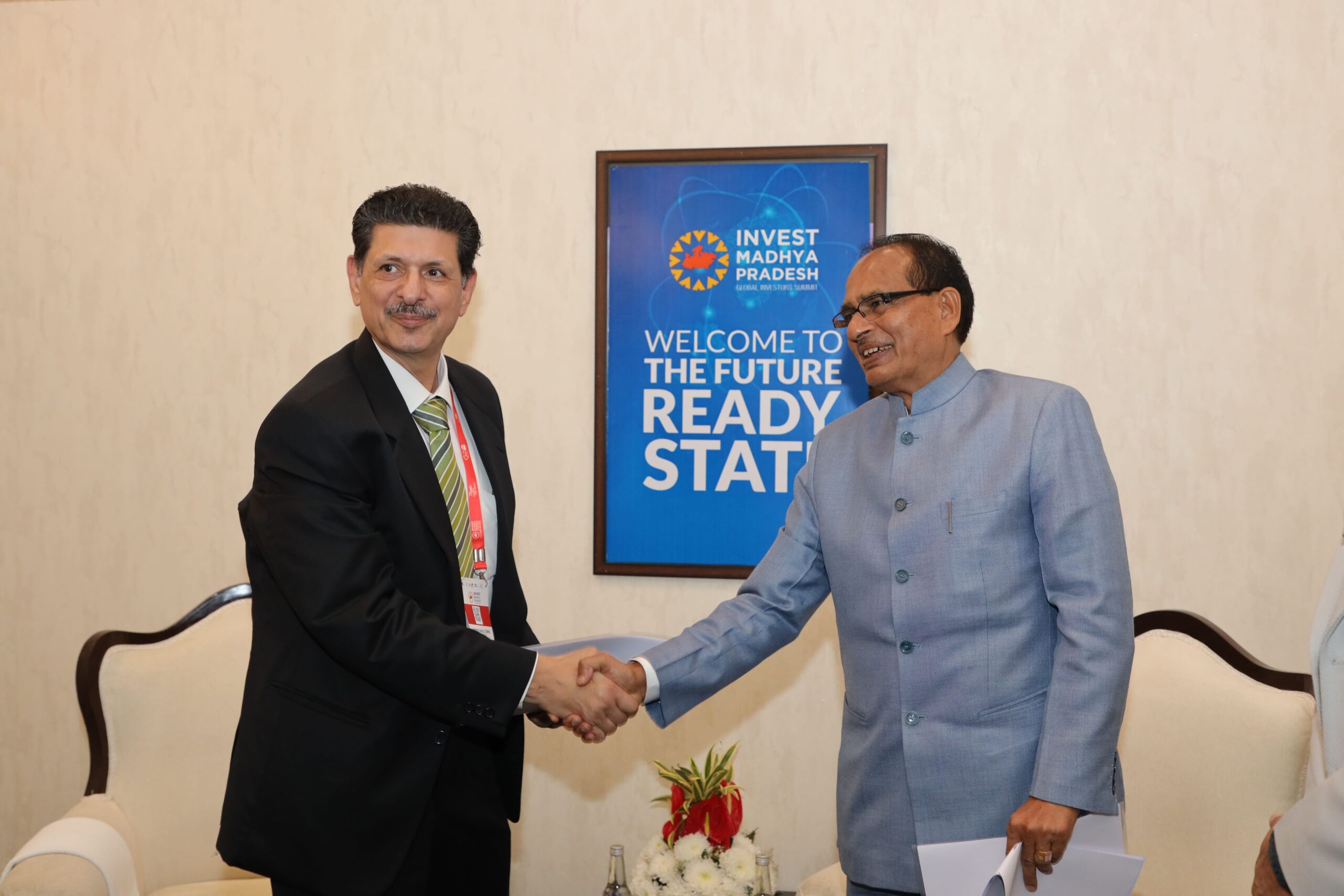
By L S Herdenia BHOPAL: Bhopal is decorating itself to accord warn welcome to over 100 big industrial magnets who will be in the capital city to attend Madhya Pradesh government sponsored Industrial Summit. The Summit will be inaugurated by the Prime Minister Narendra Modi on February 24. Nearly a hundred distinguished industrialists and chiefs […]

Dubai’s International Financial Centre has seen an unprecedented 25% rise in company registrations over the last year, marking a record high. The financial district, now home to 6,920 active companies, has experienced a significant surge, up from 5,523 in the previous year. This surge signals a growing trend of international businesses, particularly hedge funds, flocking to the emirate’s burgeoning financial sector. The rapid rise in registrations comes […]

Mubadala Investment Company has secured a deal to acquire a minority stake in Apleona, one of Europe’s top integrated facility management providers. This move forms part of a broader investment effort led by Bain Capital’s Private Equity team in Europe, which aims to bolster Apleona’s growth trajectory, further establishing it as a dominant player in the European facility management sector. Headquartered in Neu-Isenburg, Germany, Apleona delivers a […]

UAE President Sheikh Mohamed bin Zayed Al Nahyan met with Ukrainian President Volodymyr Zelensky in Abu Dhabi on Monday, marking a significant step towards enhancing diplomatic and economic cooperation between the two nations. The meeting, which took place at Qasr Al Shati, underscored the UAE’s commitment to bolstering global partnerships and supporting peaceful conflict resolution in the region. Both leaders discussed a range of issues aimed at […]

Qatar has unveiled a significant reduction in business set-up fees, a move aimed at making it easier for entrepreneurs to establish entities within the country’s growing financial hub. The Qatar Financial Centre announced that the application fee for licensing an entity within its platform will be reduced by a staggering 90%, dropping from $5,000 to $500.

This reduction applies specifically to businesses that will engage in non-regulated activities within the QFC, although Single Family Offices are excluded from the fee cut. The new initiative is designed to lower entry barriers and encourage more entrepreneurs and businesses to take advantage of Qatar’s thriving financial ecosystem.

The QFC, a key pillar in Qatar’s economic diversification strategy, has positioned itself as a dynamic platform for both local and international companies seeking to operate in the region. This step reflects the country’s growing emphasis on fostering a more open and accessible business environment, especially as it seeks to attract startups, SMEs, and other entrepreneurs from around the globe.

The decision to slash set-up costs for businesses seeking to operate in the QFC is part of Qatar’s broader agenda to strengthen its competitive edge in the Middle East and North Africa region. By making it easier to establish companies, Qatar aims to tap into the growing demand for financial services and other non-regulated activities.

The move is also expected to benefit those looking to establish smaller, niche companies that might not otherwise have considered Qatar as a viable business location due to high initial costs. Qatar’s commitment to creating a more entrepreneur-friendly landscape aligns with its long-term vision of fostering sustainable growth through diversification and innovation.

Notably, while the QFC’s new fee structure is designed to attract entities with non-regulated business models, it also sends a message to the broader market about Qatar’s evolving role as a business hub in the region. By reducing the cost of entry, the country hopes to level the playing field for businesses of all sizes and industries.

This fee reduction aligns with Qatar’s wider economic reforms, including those that aim to ease regulations on foreign investments, offer tax incentives, and provide better access to capital for emerging businesses. The QFC’s efforts also reflect Qatar’s strategic aim of becoming a more diversified, competitive, and resilient economy, reducing its reliance on traditional sectors such as oil and gas.

In recent years, the country has made substantial strides in creating an environment conducive to growth and innovation. Initiatives like this are likely to play a key role in positioning Qatar as an attractive destination for foreign direct investment , which will be pivotal for future economic expansion.

The move is also in keeping with global trends that see financial centres and business hubs competing to provide the most appealing regulatory and fiscal environments. Qatar is positioning itself to meet the growing demand for digital finance, fintech, and other non-regulated sectors, where opportunities for growth and profitability are seen to be abundant.

In addition to these measures, Qatar’s focus on creating a more transparent and streamlined regulatory environment has been instrumental in its quest to attract international businesses. The QFC offers a competitive range of services designed to simplify processes for companies, including business licensing, tax exemptions, and operational support, further enhancing its appeal to potential investors.

Qatar’s economic diversification strategy is being closely monitored by industry experts, with many recognising the country’s growing importance as a business and financial hub in the Gulf region. By lowering business entry fees and removing traditional barriers to establishment, Qatar is positioning itself as a forward-thinking, business-friendly nation eager to promote entrepreneurship and global investment.

Given its strategic geographical location and political stability, Qatar is increasingly seen as a secure and profitable gateway for businesses looking to access the broader MENA region. The government’s proactive approach to enhancing the business climate, evidenced by the fee reduction, has already yielded tangible results in attracting international investors and business operations to the country.

While the new fee structure is a positive development for the QFC, it is also crucial to consider how it will resonate with other financial hubs in the region, such as Dubai and Abu Dhabi. These cities have long been established as business destinations, with comprehensive support networks and attractive fiscal policies. Qatar’s recent measures indicate an understanding of the need to foster a competitive business environment, but the long-term impact on regional competition remains to be fully seen.

For now, however, the move to significantly reduce business licensing fees is expected to boost Qatar’s image as a modern, progressive economy that is actively seeking to expand its footprint in the international business world. It also reflects the wider trend of economic liberalisation and market-friendly reforms sweeping across the Gulf region.


Arabian Post Staff -Dubai The eyewear industry is witnessing a technological revolution with the introduction of smart sunglasses featuring adjustable brightness controls. These innovative accessories are now accessible to consumers in Dubai through various online platforms, offering a blend of style, comfort, and advanced functionality. Lombell, a prominent name in eyewear innovation, has launched a new line of sunglasses equipped with adjustable neutral density filters. These filters […]

VISHNU RAJA
RYO YAMADA
HITORI GOTOH
IKUYO KITA