News related to
Range

Uganda achieved a significant leap in coffee export earnings and volumes during May, driven by a strong harvest in key growing regions and sustained high global prices. The May coffee shipments reached 793,445 bags of 60 kg—an increase of 44% year‑on‑year—while export earnings soared to US$243.95 million, marking a 92% rise compared to May 2024. The Ministry of Agriculture, Animal Industry and Fisheries attributes the performance to robust output from the […]

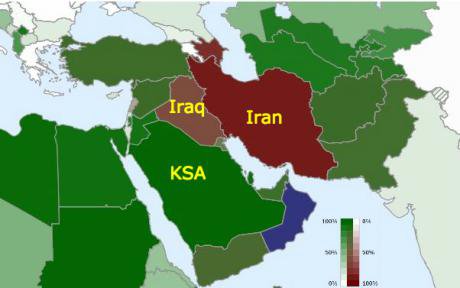
Al Udeid Air Base in Qatar, hosting around 10,000 U.S. and allied personnel, was struck on 23 June 2025 by a volley of short- and medium-range ballistic missiles launched by Iran in apparent retaliation for American airstrikes on its nuclear facilities. Qatar’s air defences intercepted the incoming salvo, reported as six missiles by Iran and fourteen by U.S. sources, with no casualties or significant damage recorded.

Tehran described the strike as a calibrated response, matching the number of missiles to bombs used in the U.S. assault on Natanz, Fordow and Esfahan, suggesting a bid to avoid civilian harm. Iranian state media dubbed the action “Operation Glad Tidings of Victory” and stressed it was carried out away from populated areas. U.S. President Donald Trump, characterising the barrage as “very weak,” acknowledged that Iran provided advance notice, enabling effective interception and preventing casualties.

Qatar issued a forceful denunciation, condemning the barrage as a “flagrant violation” of its sovereignty and international law. Dr Majed bin Mohammed Al Ansari, spokesperson for Qatar’s Foreign Ministry, warned that the country reserves the right to respond proportionally and reiterated calls for a return to genuine diplomacy. Qatar Airways temporarily suspended flights amid the airspace closure, and India’s embassy in Doha advised nationals to remain cautious amid the unfolding tensions.

The United Arab Emirates and Saudi Arabia also condemned the violence. The UAE described the missiles as a breach of Qatari sovereignty and called for an immediate halt to military escalation. Riyadh echoed this stance, expressing full support for Qatar and branding the strike “unjustifiable,” warning of broader destabilisation. The Arab League, Jordan, Bahrain and Oman joined the chorus, denouncing the attack and urging restraint.

Western capitals emphasised caution. France and Germany condemned the missile salvo but underscored the necessity of diplomacy. The United Nations and European Union called for urgent de-escalatory measures and a return to negotiations, with António Guterres warning of the risk of “regional conflagration”. Beijing and Moscow echoed appeals for a diplomatic resolution.

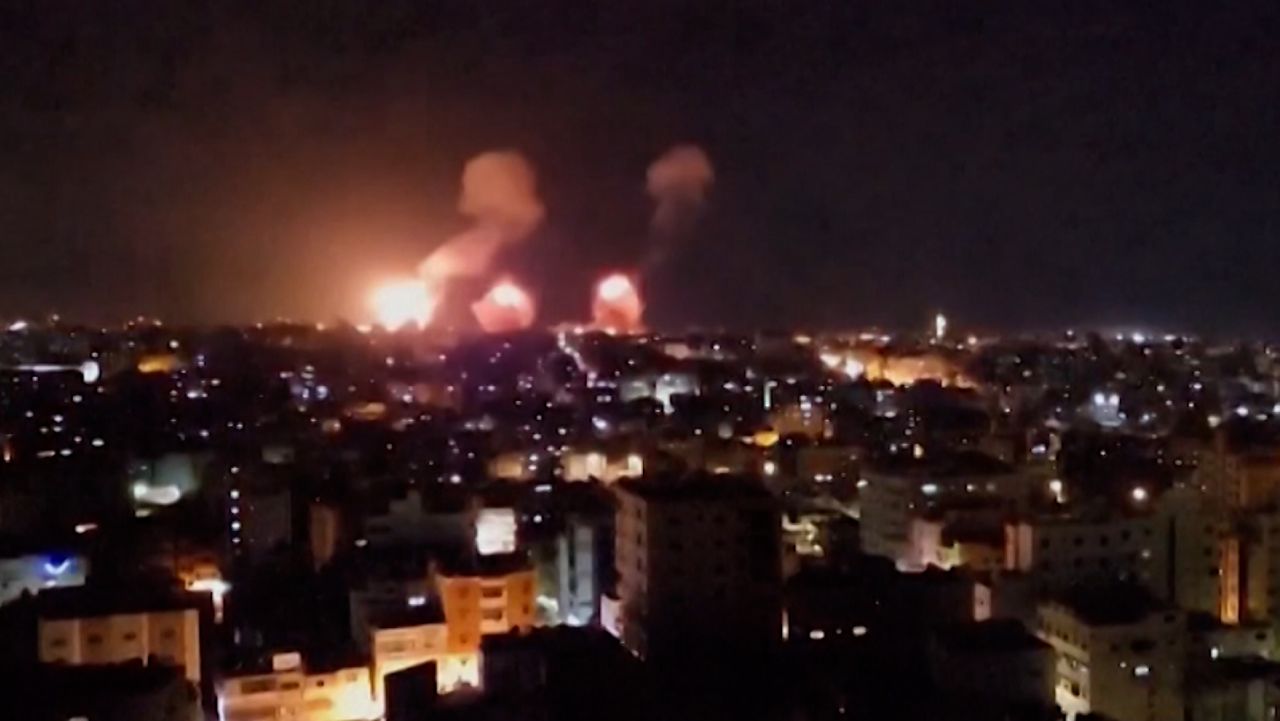
Iran’s Supreme Leader Ayatollah Ali Khamenei stated that Iran would not succumb to aggression and that its missile barrage equalled the U.S. assault. Tehran also hinted at further measures if U.S. actions persist. Meanwhile, Israel unleashed its most extensive air campaign yet on Tehran, striking sites including Evin Prison and Fordow enrichment facility.

The strikes on Qatar and also U.S. bases in Iraq—though unconfirmed beyond Qatar—have prompted airspace closures over Gulf nations including Kuwait, Bahrain and the UAE. Commercial carriers like IndiGo and Air India Express issued advisories or rerouted flights, contributing to widening disruptions in travel.

Global financial markets reacted nervously, with oil prices briefly spiking over fears of disruption in the Strait of Hormuz, a critical passage for global energy shipments. The International Atomic Energy Agency, meanwhile, voiced anxiety about the security of Iran’s nuclear sites following the U.S. bombardment.

Analysts suggest Iran’s approach was designed to recalibrate the balance of deterrence without provoking full-scale war. The matched missile count, pre-warning, and focus on a remote military target indicate a calculated effort to signal strength while avoiding mass casualties.

Diplomats across Europe, the U.N. and the Gulf pressed for an immediate halt to further strikes and for major powers to step up mediation. Qatar, a longstanding facilitator of regional talks, is uniquely positioned to spearhead efforts. Both Iran and the U.S. have acknowledged potential for dialogue: Trump spoke of the prospect of “peace and harmony,” echoing Tehran’s assertions that the strike completed its “symbolic” objectives.

But with tensions now inflamed between Iran, Israel and the U.S., and Gulf states on alert, diplomatic channels face a critical juncture. Any miscalculation could unleash renewed conflict across the region.

Startup founders drained by endless pitch decks, venture capital ghostings, or hallucinating LLMs may still be better off than those feeling stuck in joyless desk jobs. According to a wave of AI entrepreneurs and mental health observers, the strange cocktail of risk, creativity, and irrational optimism that drives many toward launching doomed startups could actually be a viable—if unconventional—antidote to existential malaise. Rather than seeing the creation […]

Etihad Rail and Abu Dhabi authorities have formalised a strategic partnership aimed at aligning rail infrastructure planning with the emirate’s broader development goals. The initiative centres on coordinated knowledge exchange around studies, designs, engineering, and strategic development, supporting the integration of Etihad Rail’s projects into Abu Dhabi’s urban and economic landscape.

The agreement, endorsed by Sheikh Theyab bin Mohamed bin Zayed Al Nahyan, Chairman of Etihad Rail, underscores the importance of a fully integrated transport ecosystem. Shadi Malak, CEO of Etihad Rail, confirmed that the collaboration spans infrastructure studies, engineering tender layouts and development planning to ensure rail projects dovetail seamlessly with Abu Dhabi’s urban expansion.

This forms part of a broader wave of recent MoUs signed by Etihad Rail during the Global Rail 2024 conference. Memorandums were inked with a range of international entities—from transport‑focused to tech innovators—to enrich its projects. These include partnerships with Presight AI for AI-driven operational insights; RITES Ltd and South Korea’s KNR/KORAIL on engineering and construction expertise; Austria’s WKÖ for planning cooperation; L&T Technology Services for establishing a national mobility innovation centre; as well as technical alliances with IronLev, Nevomo, Hitachi and Singapore’s SBS Transit.

One high‑profile partnership saw Etihad Rail team up with COSCO’s CSP Abu Dhabi CFS—a key freight terminal operator—under an MoU to bolster multimodal connectivity, enhance logistics flows via rail, and reduce CO₂ emissions, aligning with Abu Dhabi’s Net Zero by 2050 target.

The newly reinforced Abu Dhabi alignment focuses on future passenger services and urban sprawl. While Etihad Rail Stage One and Stage Two freight operations stretch more than 900 km across the UAE, passenger services are under preparation. The Abu Dhabi–Dubai high‑speed link, capable of up to 350 km/h journeys in as little as 30 minutes, has moved through tendering and design finalisation phases. Six passenger stations—including Reem, Saadiyat and Yas Islands plus two in Dubai—are to be integrated with metro and bus networks.

Experts highlight the economic uplift from such rail integration. Mohammed Al Shehhi, Chief Projects Officer, noted that the Abu Dhabi–Dubai high‑speed route could add AED 145 billion to GDP over fifty years, enhancing social cohesion and sustainable mobility.

The collaboration also intersects with major sustainability initiatives. The Ghuweifat freight terminal, which handles cargo from the Saudi border, has been solarised in partnership with Masdar and EDF’s Emerge JV—a project designed to cover 85 % of its power needs, saving over 8 500 tons of CO₂. Rail freight services aim to cut emissions in road transport by 21 % annually by 2050—roughly 8.2 million tonnes of CO₂ per year.

On the regional integration front, Etihad Rail, Oman Rail and Mubadala launched Hafeet Rail—a 300 km link through Al Ain to the port of Sohar. With a US $3 billion contract signed in April 2024, trains are expected to run at 200 km/h and connect Abu Dhabi to Omani ports in just over 100 minutes.

Etihad Rail’s development timeline follows a phased rollout. Stage One became fully operational for freight in January 2016. Stage Two launched freight services in February 2023, completing a 900 km network. Passenger services are yet to be scheduled publicly, though station planning and tendering details are advancing rapidly.

Engineer analysts suggest this partnership framework marks a pivotal shift. By embedding knowledge exchange—covering everything from preliminary studies and engineering specifications to strategic transit modelling—Etihad Rail looks to avoid siloed project delivery. Instead, it positions rail development as core to Abu Dhabi’s urban vision, supported by a holistic transport network and sustainable infrastructure policy.

Public sector observers note the involvement of ADQ, through Etihad Rail, aligns with Emirate-level economic strategies such as Abu Dhabi Economic Vision 2030 and broader UAE Vision 2021. The rail strategy supports logistics, tourism growth, environmental goals, and inter-emirate connectivity. It is built to support freight services now and evolve into passenger transport, high-speed travel, and international rail links.

An Abu Dhabi infrastructure planner stated: “This marks a meaningful move from planning rail as a standalone corridor to delivering integrated mobility that ties directly into the emirate’s urban, economic and environmental objectives.”

Rail specialists emphasise digital and technical partnerships as vital. Collaborations with AI, mobility-as-a-service, maglev and autonomous rail firms reflect Etihad Rail’s push toward a technology-driven, future-ready rail network.

A high‑performance tool named Kingfisher, developed by MongoDB, now enables developers and security teams to detect and validate active secrets—such as API keys and credentials—in codebases in real time. Its release addresses shortcomings in existing scanners by verifying through live checks against cloud services. Kingfisher began as a personal project in July 2024 by MongoDB security engineer Mick Grove, who was dissatisfied with current open‑source secret scanners. […]

When it comes to choosing a broker, it’s essential to consider not only the trading conditions but also how convenient and safe it is to work with the platform every single day. After all, trading isn’t just about placing orders—it’s also about comfort, support, and confidence in tomorrow. That’s exactly why more and more traders are choosing Rock-West. Every element of the service here is designed with […]

HANOI, VIETNAM – Media OutReach Newswire – 23 June 2025 – With the invention of solar cells using Passivated Emitter and Rear Contact (PERC) technology, Prof. Martin Andrew Green from the University of New South Wales (Australia) and his team made a groundbreaking contribution to green energy production. Two years after receiving the 2023 VinFuture Grand Prize, he continues to push the boundaries of solar innovation, working […]

Advertisements
By Nantoo Banerjee It may be wrong to believe that Israel and the United States of America are the only two countries strongly against Iran’s bid to become a nuclear-armed country. The entire world is concerned about nuclear proliferation and nuclear smuggling and its falling into the wrong hands. The nature of the Iranian regime […]

Businesses across Houston are accelerating their transition to Voice over Internet Protocol blended with cloud services, aiming to streamline communication, enhance customer experience and reduce costs. Leading this shift is Phonoscope Communications, a Houston-based provider that leverages its fibre-optic metro network to integrate VoIP and cloud-based services for enterprises across eight counties. With a history dating to 1953—and pioneering two-way videotelephony in schools—Phonoscope now supplies unified voice, […]

Cloud computing giants AWS, Google, Microsoft, Meta and OpenAI are accelerating in-house development of custom application‑specific integrated circuits, aiming to erode NVIDIA’s dominance in high‑performance AI datacentres. Industry reports highlight a projected annual growth rate of around 50% for ASIC purchases by hyperscalers, marking a strategic pivot in the AI hardware landscape.

NVIDIA’s premium-priced solutions—including Blackwell GPUs—have placed pressure on hyperscalers to secure more cost‑efficient, scalable systems. With single GPUs ranging from $70,000 to $80,000 and fully configured servers tallying up to $3 million, these companies are betting on internal design to manage costs and supply risks.

Amazon Web Services has notably moved ahead with its in‑house chips—Trainium for training and Inferentia for inference—reporting 30 – 40% greater cost efficiency compared with NVIDIA hardware. AWS is also collaborating with Marvell and Taiwan’s Alchip on next‑generation Trainium versions. Internal indications suggest AWS may deploy as many as half‑a‑million ASIC units in its data centres, an expansive scale‑up that could rival NVIDIA’s installed base.

Google, meanwhile, has scaled its TPU v6 Trillium chips, transitioning from single‑supplier to dual‑supplier design by partnering with MediaTek. With deployments reportedly hitting 100,000‑unit clusters to support Gemini 2.0 workloads, Google claims competitive cost-performance metrics relative to NVIDIA GPUs. Microsoft’s forthcoming Maia 200 chip, co‑designed with GUC using TSMC’s 3 nm process, is scheduled for commercial release in 2026.

Meta’s Meta Training and Inference Accelerator, developed alongside Broadcom, Socionext and GUC, is expected in early 2026 on TSMC’s 3 nm node, featuring HBM3e memory—another step towards self‑sufficiency in AI compute. OpenAI has also announced a proprietary training processor, with mass production anticipated at TSMC by 2026.

Market projections reflect this tectonic shift. ASICs are poised to claim between $100 billion and $130 billion of custom AI accelerator spend by 2030, with Broadcom estimating a market of $60 billion to $90 billion by 2027. Traditional ASIC powerhouses—Broadcom, Marvell, MediaTek, Alchip and GUC—are experiencing surging demand as they support hyperscaler transitions.

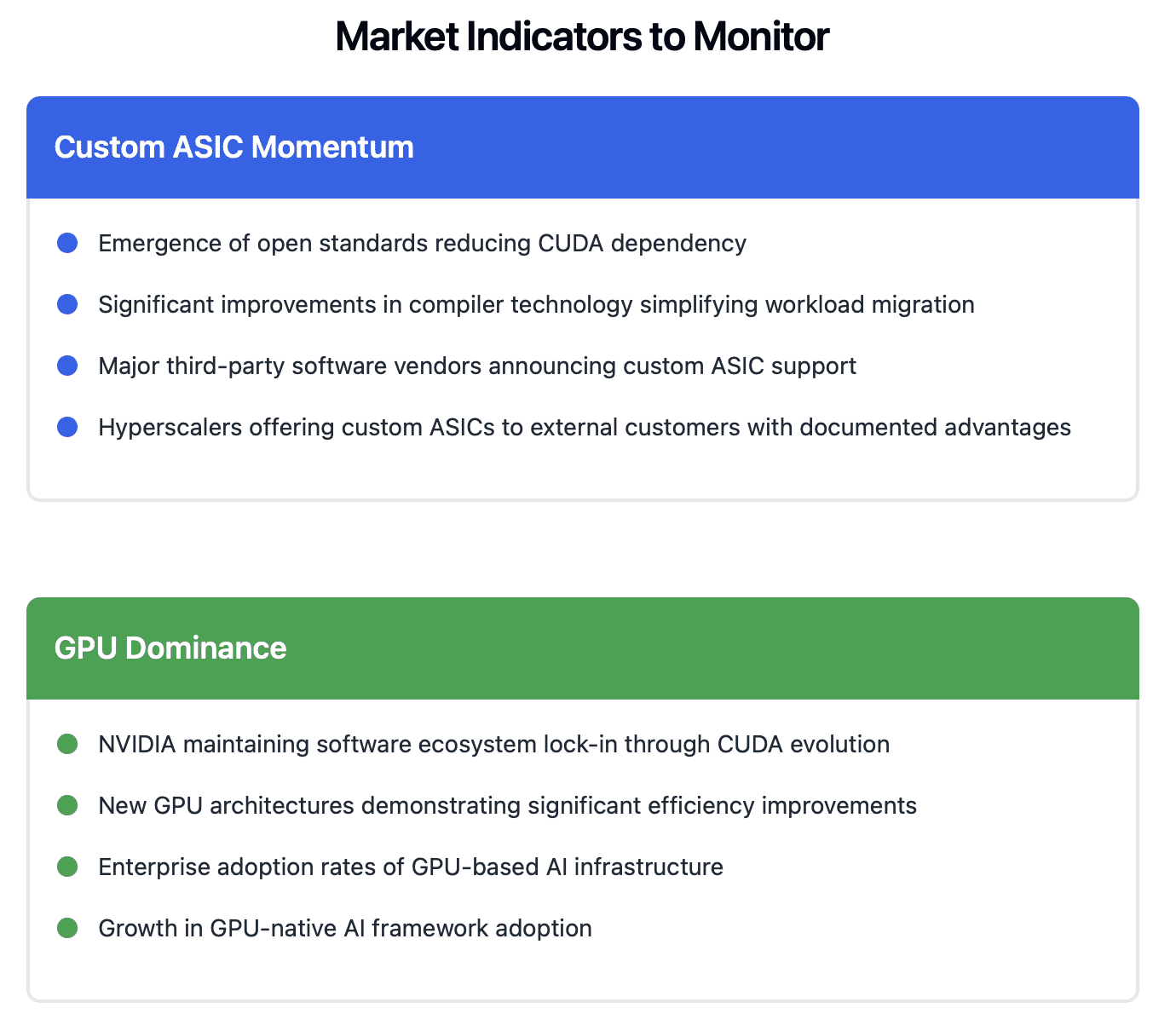
Despite these developments, hyperscalers continue to reserve capacity for NVIDIA chips, recognising the GPU giant’s entrenched ecosystem—especially its CUDA software stack—and the steep technical barriers to immediate elimination of GPU dependencies.

The trend resembles historical transitions in specialised compute. Just as cryptocurrency mining moved from GPUs to ASICs for lower costs and greater efficiency, hyperscalers now aim to fragment the AI compute supply chain and diversify their hardware portfolios.

TSMC stands to benefit significantly, serving as the foundry for both NVIDIA’s mass‑market GPUs and hyperscaler ASICs. Its chairman emphasises that the competition between NVIDIA and cloud‑designed chips is ultimately beneficial to TSMC, ensuring a broad customer base.

Broadcom has emerged as a frontrunner, with its ASIC and networking chipset revenues soaring 220% to $12.2 billion in 2024. Hyperscalers are investing in clusters featuring up to one million custom XPUs over open‑Ethernet networks—an architecture that places Broadcom and Marvell in strategic positions. Networking ASICs are expected to account for 15–20% of AI data‑centre silicon budgets, rising from the 5–10% range.

Revenue trends reflect these structural shifts. Marvell has secured a multi‑year AI chip deal with AWS and anticipates its AI silicon revenue jumping from $550 million in 2024 to over $2.5 billion in 2026. Broadcom, similarly, is redirecting significant investment toward hyperscaler ASIC demand.

Nevertheless, NVIDIA retains a commanding lead in AI training and general‑purpose GPU compute. Its end‑to‑end platform—from hardware to software—remains deeply embedded in the AI ecosystem. Custom ASICs, by contrast, offer task‑specific gains but lack the breadth of software compatibility that NVIDIA enables.

Analysts caution that the AI compute landscape is evolving toward a more fragmented, mixed‑architecture model combining GPUs and ASICs. Hyperscalers’ shift signals strategic recognition of rising costs, supply constraints, and performance demands. Yet, they also underscore persistent obstacles: software ecosystem maturity, long development cycles, and the complexity of large‑scale deployment.

Questions remain regarding the timeframe in which hyperscalers can meaningfully shift workloads away from NVIDIA GPUs. Industry roadmaps project new ASIC deployments through 2026–27. Analysts expect GPU market share erosion may begin toward the end of the decade, provided in-house ASICs deliver consistent performance and efficiency.

The stage is set for a multi‑year contest in datacentre compute. NVIDIA faces increasing pressure from hyperscalers building bespoke chips to optimise workloads and control supply. The next evolution of AI infrastructure may look less like a GPU‑centric world and more like a diverse ecosystem of specialised, interlocking processors.


Tests by Thailand’s Pollution Control Department have revealed that arsenic concentrations in the Kok River and tributaries now exceed national safety limits by up to five times. Biochemical analysis indicates that these toxic levels are linked to unregulated mining operations in Shan State, Myanmar, particularly within territories controlled by the United Wa State Army.

The Kok River, which begins its 285km course in Myanmar’s Daen Lao Range before entering Thailand through Mae Ai and flowing into Chiang Rai and eventually the Mekong, has become the focus of mounting alarm. Tests conducted between late May and early June demonstrated elevated arsenic at all 15 tested points along the Kok and Sai rivers, with further contamination detected in two Mekong sampling sites.

Local fishermen have reported adverse impacts to aquatic life and livelihoods. Prices for catch in Chiang Rai have dropped by nearly half, as consumer fear surrounding contamination takes hold. Fisherman Sawat Kaewdam told AFP: “They say, ‘There’s arsenic. I don’t want to eat that fish.’”.

Satellite imagery and drone footage show dozens of active mining sites emerging since around 2022, believed to involve both gold and rare earth minerals. These mines operate under minimal environmental safeguards, with tailings and chemical-laden effluent discharged directly into rivers. One environmental campaigner described the situation as Thailand’s “largest-ever case of transboundary pollution”.

Health experts warn that while immediate poisoning symptoms may not materialise, long‑term exposure through contaminated water and fish consumption could lead to chronic arsenic poisoning. Somporn Phengkham of the Community Health Impact Assessment Platform emphasised the risk of gradual accumulation, urging increased scrutiny of wells and irrigation systems.

Communities along the Kok River have experienced unusual water discolouration, persistent skin irritations, and fish deformities. Chiang Rai environmentalists staged protests on 5 June, tying ribbons along the river bridge to demand intervention and mine closure. In Chiang Mai’s Mae Ai district, a monk from Wat Thaton confirmed that the river’s appearance and use had become culturally and practically untenable.

Thailand’s federal government has initiated emergency measures. Deputy Prime Minister Prasert Jantararuangtong has overseen a new response centre, while the Pollution Control Department is conducting enhanced sampling. Officials reassure domestic water supplies are safe, although the contamination source remains external.

Proposals for containment include constructing a dam across the Kok River to trap sediments, dredging heavily polluted sections, and pursuing diplomatic negotiations with Myanmar and China. The Foreign Affairs Committee is engaging Beijing to urge oversight of Chinese mining companies operating within UWSA territories.

Challenges persist as Shan State’s mines lie beyond Myanmar’s central control. With the UWSA exerting autonomy and Chinese-linked firms driving extraction operations, finding a direct negotiating partner proves elusive. Regional analysts warn that building physical barriers without curbing source pollution will yield temporary alleviation at best.

Environmental advocates underscore the urgency of scaling up real-time monitoring and cross-border coordination. They highlight growing concerns that contamination could extend throughout the Mekong basin, threatening agriculture, fisheries, and water security across Southeast Asia.

Experts like Tanapon Phenrat of Naresuan University stress that addressing the problem requires systemic reform: mandated tailings treatment, strict environmental standards, and international cooperation. “We need to act now,” he stated.

Arabian Post Staff -Dubai Meta has unveiled the Oakley Meta HSTN, a new smart glasses model tailored for sports enthusiasts that introduces high-resolution video and extended battery life. Pre-orders open on 11 July for the premium $499 edition, with standard variants priced from $399 available later in the summer. Initial markets include the US, Canada, UK, select European countries, Australia, and later expansions slated for Mexico, India, and the […]

KUALA LUMPUR, MALAYSIA – Media OutReach Newswire – 21 June 2025 – Crude oil, which is arguably the world’s most important commodity, is on everybody’s mind right now. The flared up conflict in the Middle East is increasing risks of a major oil supply shock, potentially pushing the price of ‘black gold’ into the stratosphere and completely derailing the global economy. In this article, Octa, a global […]

Tel Aviv’s Ben Gurion Airport remains closed with no clear reopening date, while Iran, Iraq and Jordan have shut their airspace and forced rerouting, cancellations and suspensions across the region. Abu Dhabi-based Etihad has cancelled its Tel Aviv flights until 30 June, with several Beirut and Amman services rerouted. Emirates has suspended routes to Tehran, Baghdad and Basra until at least 30 June, and flights to Amman and Beirut through 22 June. Flydubai has halted operations to Iran, Iraq, Israel and Syria until 30 June. Air Arabia and Wizz Air Abu Dhabi have also imposed temporary bans or schedule alterations for various Middle‑East destinations.

A UAE Ministry of Foreign Affairs advisory urges citizens and residents to closely monitor airline updates and remain in touch with Twajudi, the national consular registration system for managing potential evacuations.

Regional airports are adapting under pressure. Dubai, Abu Dhabi and Sharjah have filed emergency plans to minimise disruption, deploying field teams and enhanced passenger support to handle thousands of affected travellers. Europe-bound flights are now navigating narrow air corridors via Turkey and Egypt, adding hours to journey times, increasing fuel consumption and driving up operational costs amid rising Brent crude prices.

Why airspace closures are widening disruption

Closure of airspace over Israel, Iran, Iraq, Jordan and Syria forces airlines to detail-call costly detours. Regional carriers like Emirates, Etihad and flydubai are most affected, but even Western carriers—Lufthansa, Air France-KLM, Ryanair, Wizz Air—have suspended affected routes through summer.

The cascading effect on schedules includes over 1,800 Europe-bound flight disruptions, approximately 650 cancellations, and delays across transatlantic routes. Airlines have expanded rerouting through Central Asia and the Mediterranean — and passengers are incurring higher ticket prices and longer travel times.

Passenger assistance measures

Major UAE carriers are offering rebookings, refunds or credits. Etihad and Emirates are assisting passengers with alternate routing, and flydubai has pledged support for stranded individuals. Wizz Air Abu Dhabi has suspended flights to Tel Aviv through 15 September, offering full refunds or rebooking.

Safety remains top priority amid military skirmishes. EASA flagged high risks over conflict zones following missile exchanges between Israel and Iran, aligning with airspace closures through October in Syria and ongoing risks in Lebanon and Jordan.

Wider implications for aviation and tourism

Analysts warn disruptions may prolong as long-range military assets remain in play—fueling concerns about further airspace restrictions. Already, the Middle-East tourism boom has stalled, with summer travel projections for 2025 downgraded across the UAE, Saudi Arabia and Qatar. Airlines are adjusting summer schedules and revising revenue forecasts amid cascading delays and costlier operations.

Governments and aviation bodies are in emergency sessions. The UAE’s aviation regulator is coordinating with international counterparts, while civil aviation agencies across Europe are recalibrating route permissions and contingency plans—potentially impacting global air connectivity for weeks.

Passengers are urged to monitor developments, confirm flight statuses directly with airlines or travel agents and consider flexible booking options as markets remain volatile.

MANILA, PHILIPPINES – Media OutReach Newswire – 20 June 2025 – Women usually play an important role in family car-buying decisions, and the VinFast VF 6, recently launched in the Philippines, meets the key priorities of many women buyers. The old stereotype paints a familiar picture: men kick tires, debate horsepower, and make the final call on family cars. Reality tells a different story. According to CDK […]

The United Arab Emirates drew AED 167.6 billion in foreign direct investment in 2024, climbing to tenth position globally, according to the UN Conference on Trade and Development’s World Investment Report 2025. This 48.7 percent surge from 2023 cements the UAE as a top-tier destination for international capital, with greenfield projects playing a central role. Foreign investors backed 1,369 new greenfield ventures worth AED 53.3 billion, placing the UAE second globally in […]

Zurich-based 21Shares AG has extended its reach in the Nordic financial market by adding five cryptocurrency exchange-traded products to Nasdaq Stockholm, taking its total offerings on the Swedish exchange to ten. The newly cross-listed products—Uniswap, Avalanche, Bitcoin Gold, Solana Core Staking and Ethereum Core —join the firm’s existing Bitcoin, Ethereum, Solana, XRP and Bitcoin Core ETPs.

This move reflects mounting interest among both retail and institutional investors in regulated access to a broader range of digital assets via established trading venues. With the latest additions, 21Shares reinforces its position as a leading provider of physically backed, transparent crypto investment products in Europe.

Mandy Chiu, Head of Financial Product Development at 21Shares, highlighted that the expansion enables investors to craft more bespoke portfolios. “By offering a broader selection of single‑asset and thematic crypto ETPs, we’re empowering investors to build more customised and resilient portfolios through a familiar exchange environment,” she said. Nasdaq’s European ETF & ETP head, Helena Wedin, welcomed the new suite, noting such innovation as shaping the future of capital markets.

The newly listed ETPs offer exposure to distinct niches within the crypto ecosystem. AUNI provides a stake in Uniswap, the leading decentralised exchange. AVAX tracks Avalanche, a platform noted for its scalability. BOLD focuses on Bitcoin Gold—a fork designed to democratise mining. CSOL delivers both Solana price exposure and staking yield, while ETHC covers Ethereum’s core asset. These additions allow investors to target specific segments, from DeFi protocols to next‑generation blockchains and staking-enabled assets.

All 21Shares ETPs are physically collateralised and traded under regulated frameworks, removing the burden of wallet management and key custody. Fees range from 0.21% to 2.50% annually, offering a competitive alternative to direct crypto exchange transactions. The firm’s products are also listed on Euronext Paris, Amsterdam, London and SIX Swiss Exchange, contributing to a diversified pan-European presence.

This latest development comes as Europe prepares for implementation of the Markets in Crypto‑Assets Regulation, aimed at standardising crypto oversight. More listings on regulated exchanges help issuers align with the evolving regulatory landscape.

21Shares’ strategy compares with best-in-class players in traditional finance pushing crypto integration. From Bitcoin and Ethereum to platforms like Solana and Avalanche, the firm’s growing suite meets demand both for mainstream exposure and thematic investment strategies.

Despite these advances, some challenges persist. Liquidity conditions for less‑traded tokens such as Bitcoin Gold can be thin, and tracking discrepancies may emerge between product performance and spot prices. Fees, while competitive, can vary significantly: niche products may carry noticeably higher rates, impacting returns.

Nevertheless, for investors seeking regulated and familiar vehicles, the benefits are tangible. ETPs provide access through existing brokerages, transparency under established compliance standards and relief from the technical complexity of self-custody.

This expansion also underscores Nasdaq Stockholm’s evolving role as a hub for crypto‑linked financial instruments. Stockholm’s regulatory environment and market infrastructure make it attractive for issuers and investors alike. The increased product diversity enhances its appeal to both domestic and regional markets.

Beyond booming local interest, 21Shares continues to push forward globally. In the US, the firm is pursuing approvals for a suite of spot crypto exchange-traded funds—including for Solana, XRP, Dogecoin, Polkadot, and Sui—as it seeks to replicate its European success. Additionally, its ARK 21Shares Bitcoin ETF underwent a 3‑for‑1 stock split on 16 June to enhance accessibility.

Since launching the first physically backed crypto ETP in 2018, 21Shares has built a track record of innovation and adaptation. Backed by deep market expertise and proprietary custody systems, the company now manages approximately US $9.15 billion in assets under management. Leadership changes—including new CEO Russell Barlow—reflect an evolving operational structure focused on scalability.

Twelve consolidated copyright suits filed by US authors and news outlets against OpenAI and Microsoft have landed in the Southern District of New York, elevating the question of whether the extent of human input in AI training crosses the threshold of lawful fair use. The judicial panel cited shared legal and technical claims involving unauthorised use of copyrighted material, notably books and newspapers, as justifying centralised legal […]

KUALA LUMPUR, MALAYSIA – Media OutReach Newswire – 19 June 2025 – On 16 June 2025, Chairman Xu Guanju of Transfar Group was invited to speak at the 2025 Energy Asia Conference. Hosted by PETRONAS, the Energy Asia Conference was held at the Kuala Lumpur Convention Centre from 16 to 18 June. Focusing on the theme ‘Delivering Asia’s Energy Transition’, the conference brought together policymakers, industry leaders, […]

Bitcoin Solaris is gaining rapid momentum, positioning itself as a potential outperformer of Polkadot’s early expansion. Analysts and on‑chain metrics highlight growth indicators that not only replicate Polkadot’s debut phase but in several cases significantly surpass it. Market observers attribute this shift to Solaris’s mobile‑first mining approach, hybrid consensus architecture, and aggressive presale execution.

Polkadot established its reputation through multi‑chain interoperability and shared security via parachains—a design emphasising developer adoption over mainstream user engagement. In contrast, Bitcoin Solaris is scaling through mass inclusivity. Its Solaris Nova app enables users to mine with everyday smartphones or PCs, eliminating the need for costly ASICs or complex infrastructure—barriers that still restrict Polkadot validator participation. This strategy has sparked an influx of retail interest, including among existing Polkadot investors turning to BTC‑S presale phases in search of higher short‑term returns.

Solaris’s roadmap reflects an ambition to execute where Polkadot encountered slowdowns. From launching testnet and mobile wallet in early 2026 to a full mainnet and exchange listings by late 2026, the timeline is concrete and time‑bound. In contrast, Polkadot’s parachain roll‑out, while pioneering, has been criticised for complexity and slower-than-expected mainstream uptake.

Technically, Solaris combines foundational Proof‑of‑Work for security with Delegated Proof‑of‑Stake for instant transactions and smart contracts. Its target throughput—10,000 to 100,000 TPS with finality in as little as two seconds—edges ahead of both Polkadot and competing layer‑1 networks. Validators rotate daily to enhance decentralisation, and its Helios security layer brings protocol-level safeguards comparable with Bitcoin’s scarcity model and Solana’s performance.

Energy consumption is also a focal point. Solaris claims 99%+ savings in power usage compared with legacy mining operations. With escalating scrutiny of crypto’s environmental impact, that low‑energy design resonates with both regulators and eco‑conscious investors.

The presale narrative underscores urgency. Currently in mid‑phases, token pricing has ranged from US $2–8, with anticipated exchange‑launch pricing plateauing near US $20. This structure has already attracted over US $4–5 million in capital, and presale bonuses approach 12–14% per phase.

Comparisons to Bitcoin’s early growth phase are emerging. Financial analysts argue that Bitcoin Solaris’s fixed supply, mobile mining model, and early‑stage presale echo crypto’s 2013 dynamics. Even modest investments—US $1,000 today—are being framed as having potential to outperform multi‑thousand‑dollar Bitcoin buys over a similar timeframe.

However, such enthusiasm is not without admonitions. As a relatively new protocol, Solaris remains in development, with adoption hinging upon mainstream acceptance of the Nova app, audit outcomes, smart contract integrity, and exchange listings. Polkadot’s longevity and proven ecosystem via robust parachain deployment stand as a counterpoint—Solaris must demonstrate resilience under live load.

The academic and developer communities have taken note of Polkadot’s strengths—shared security via NPoS consensus, governance frameworks, and scholarly analysis of its sharding mechanisms. Yet critiques surrounding complexity, validator cost thresholds, and centralisation risks persist. By contrast, Solaris is proactively targeting those criticisms with user‑centric design, streamlined entry, and full audit transparency.

Early data from presale participants suggests substantial uptake. West African and Southeast Asian communities—traditionally underrepresented in high‑end mining—are increasingly engaging through mobile mining accessibility. While precise regional figures are opaque, anecdotal evidence and community growth metrics from Solaris’s Telegram and X channels point to significant global traction.

Institutional interest remains unsubstantiated. Vertex Ventures and other blockchain‑focused funds have yet to announce allocations. Solaris’s validation remains retail‑driven, though its governance plan includes institutional play in later roadmap phases. By contrast, Polkadot has cultivated grants via Web3 Foundation and tapped institutional bonds for parachain funding.

As of now, the crypto community stands at a divergence point. One path reflects Polkadot’s methodical but slower‑burn strategy, centred on developer utilisation and cross‑chain infrastructure. The other is a sprint toward inclusion, speed, and mobile participation via Bitcoin Solaris.

Saudi Arabia’s budget carrier Flynas debuted on the Tadawul at SAR 80, raising SAR 4.1 billion, but shares closed at SAR 77.30—down over 3 %—despite an opening high of SAR 84.10 and a low of SAR 69.90. Investors responded nervously to heightened regional instability following military activity between Iran and Israel. Across Gulf markets, risk aversion sharply impacted airline stocks: Flynas dropped roughly 3.4 % on debut, ACWA Power slipped 3.3 %, and […]

Greenlogue/AP Mubadala Investment Company and the Abu Dhabi Projects and Infrastructure Centre have formalised a partnership designed to accelerate the emirate’s infrastructure agenda. The agreement, inked during the opening of the Abu Dhabi Infrastructure Summit 2025, establishes a broad cooperation blueprint aimed at advancing key development projects. The accord commits both entities to conduct thorough feasibility studies and share knowledge to assess the viability of proposed ventures. It also […]

A ballistic missile launched by Iran struck the Tel Aviv Stock Exchange building in Ramat Gan on 19 June 2025, inflicting substantial structural damage in the heart of Israel’s financial district. This incident occurred amid a coordinated barrage that also hit key civilian infrastructure elsewhere, including Soroka Medical Centre in Be’er Sheva, intensifying already volatile regional tensions.

Sirens wailed across central and southern Israel as air defence systems engaged waves of inbound missiles. Between 20 and 30 ballistic projectiles were reported, an escalation surpassing previous exchanges earlier this monthꟷnotably those on 15 and 16 June, which injured dozens and damaged residences in Tel Aviv, Bat Yam and Haifa. This latest salvo targeted multiple urban areas, with at least 32 civilians confirmed wounded by Magen David Adom teams, some in serious condition.

The stock exchange structure, known as Birsa, sustained extensive facade damage and shattered windows, with parts of surrounding offices impacted. Video footage circulated online showing debris falling from upper floors into streets below. Emergency crews were deployed immediately to evacuate employees and assess structural integrity, though no fatalities were reported at the site.

In parallel, Soroka Medical Centre at Be’er Sheva—Israel’s principal hospital serving around one million residents with more than 1,000 beds—was also struck. Footage and eyewitness reports confirmed significant damage: roof collapse in some wards, shattered glass across corridors and injuries among both patients and medical staff. Hospital officials imposed strict access controls, advising the public to avoid the area as emergency protocols were activated.

Israel’s air-defence systems, including Iron Dome and Arrow batteries, intercepted many of the missiles but failed to prevent all impacts. Some missiles penetrated defences and struck densely populated neighbourhoods, damaging residential high-rises and injuring civilians. This pattern marks a troubling shift. Previous intercepts had been more successful, but the latest strikes have underscored vulnerabilities in urban protection.

The missile offensive came as retaliation for Israel’s strikes on Iranian nuclear facilities. Earlier on 19 June, Israeli aircraft reportedly struck the heavy-water reactor at Arak and a related plutonium-production component, in what the Israeli government called efforts to disrupt Tehran’s nuclear capabilities. Iran’s state media countered that the reactor had been evacuated in advance and there was no radiation leak.

Prime Minister Benjamin Netanyahu publicly condemned the missile strikes on Israel’s financial hub and its hospital network, accusing Iran’s leadership of targeting civilians and vowing that Tehran “will pay the full price”. Defence officials say that Iran deployed over 25 missiles targeting Israeli urban centres during this wave.

Humanitarian services are stretched thin. Magen David Adom paramedics reported at least 32 people with injuries ranging from shock and minor shrapnel wounds to serious trauma in Be’er Sheva and Tel Aviv. Hospitals near strike zones have diverted critically ill patients and limited admissions to emergencies, raising concerns over the continuity of essential health services.

Economically, the assault on the stock exchange reverberated across markets. While share trading has continued, operational disruptions occurred as staff evacuated and investigations into building safety commenced. Analysts note that the financial centre embodies Israel’s economic resilience, but warn that repeated infrastructure targeting injects uncertainty into investor sentiment.

As missiles fly in both directions, global powers are watching warily. US President Donald Trump indicated possible military support for Israel pending internal approval, while European leaders called for restraint and emphasised the potential for diplomatic channels. The International Atomic Energy Agency has voiced alarm over Iran’s uranium enrichment practices, now exacerbated by military confrontations sparked by retaliatory airstrikes.

Israeli authorities warn that this may be Iran’s most sustained attack yet, burning through long-range arsenal previously reserved for strategic military targets. Intelligence assessments suggest Iran is deploying missiles intensively—over 400 since the conflict’s escalation—though only a fraction have struck urban centres.

With civilian infrastructure clearly in the crosshairs, the stakes are escalating dangerously. Analysts warn that further strikes on hospitals, markets or cultural institutions may invite stronger Israeli countermeasures, potentially widening the conflict. For now, cities remain on high alert as missiles continue to disrupt daily life and rattle the foundations of an already tense Middle East.

Egyptair has confirmed an order for six additional Airbus A350‑900 wide‑body aircraft, increasing its total commitment to 16 for the type. Chairman and Chief Executive Captain Ahmed Adel said the deal will enable the carrier to meet escalating passenger demand and support an ambitious global expansion set for completion over the next five years. The announcement, made at the Paris Air Show on 18 June 2025, follows […]

VISHNU RAJA
RYO YAMADA
HITORI GOTOH
IKUYO KITA