Just in:
Ta’ziz finalises $1.39bn funding for Ruwais industrial facilities // Cloudflare unveils Zero Wire vulnerability intelligence service // xCube Access Welcomes Entrust Capital Limited  Expanding Access to Professional Portfolio Management // Asia Left Behind: Ten international companies have yet to report delivering on their cage-free egg pledges across the region // Burying Head In “India Made Poverty Reduction” Data Is Dangerous // Anthropic to prohibit persistent abuse of Claude chatbot // APT29-linked campaign exploits outdated Apple and Android software // After Reaching 7 Million Users in the Philippines, Skyro Launches Transparent Cash Loans in Malaysia // SC to examine students’ exam plea today // Meraas showcases five residential zones at Dubai Design Week // Oil and chip shares retreat after Democratic victories // Fast Just Got Fastest: STING Energy Boost™ Celebrates Kimi Antonelli’s Formula 1® World Championship and the Fan Energy Behind It // As AI Reshapes Education, Singapore Convenes Global Dialogue on the Future of Early Childhood Education // Middle East governments assess Iran war after US vote // Vance attributes Republican midterm defeats to Iran conflict // Govt opposes Arlekar’s PSC action // Arrow Electronics showcases technologies advancing intelligent robotics, mobility and digital infrastructure // U.S. Mid Term Result Is A Clear Verdict Against Trump’s Authoritarianism // BJP’s Aggressive Response Exposes Anxiety Over Opposition Unity // AI trust gap reveals distinct retail priorities: Divergent paths to consumer growth in Hong Kong and the GBA //

News related to
Stage

The signing of the memorandum between Bpifrance, Sawari Ventures, and Flat6Labs took place within the framework of the FrancoTech exhibition for Francophonie and Innovation at Station F in Paris, alongside the Francophonie Summit CAIRO, EGYPT – EQS Newswire – 10 October 2024 – During the FrancoTech exhibition held on October 3 and 4, 2024, at Station F in Paris, alongside the Francophonie Summit, Bpifrance, Sawari Ventures, and […]

Global attention is fixed on the Paris Motor Show as the automotive industry gears up for a showcase of innovation and design. This year, a pronounced emphasis on electric vehicles and sustainable technologies underscores the evolving landscape of the automobile sector. French manufacturers, along with their Chinese counterparts, are set to dominate the event, reflecting broader trends in the automotive market. The Paris Motor Show, a significant […]

GUIYANG, CHINA – Media OutReach Newswire – 12 October 2024 – During the past seven-day National Day holiday, roadside concerts under the wall of Wenchang Pavilion in Yunyan District, Guiyang City of southwest China’s Guizhou Province, attracted numbers of tourists and residents to watch performances. Different from regular concerts, roadside concerts in Guiyang, mainly performed by local bands and music enthusiasts, offered a stage for ordinary people […]

Stepping away from the Tokyo Game Show, the vibrant energy and sheer enthusiasm displayed by fans and industry professionals alike leave an indelible mark. This year’s event reaffirmed Japan’s pivotal role in the global gaming landscape, a contrast sharply highlighted by the decline of the Electronic Entertainment Expo, or E3, which once reigned supreme as the industry’s marquee event. The question of why E3 faltered while the Tokyo Game Show has continued to thrive is as complex as the industry itself, reflecting broader shifts in consumer behavior, market dynamics, and cultural perspectives.

The Tokyo Game Show, held annually since 1996, has consistently showcased not just the latest in gaming technology but also the rich tapestry of Japanese culture that underpins much of its success. Each year, the event draws millions, transforming the Makuhari Messe convention center into a hub of innovation, creativity, and community. Visitors engage with upcoming titles, experience immersive environments, and participate in panels that often feature prominent figures from the industry. This interaction cultivates a sense of belonging and excitement that resonates deeply within the gaming community.

E3, on the other hand, has struggled to maintain its relevance. Once a symbol of the industry’s collective ambition, E3 has faced challenges that have eroded its foundation. The pandemic was a significant turning point, forcing E3 to adapt rapidly to an online format that did not resonate with audiences in the same way as the in-person experiences. The lack of a tangible connection among gamers, developers, and publishers undermined the excitement that had been the hallmark of previous expos. Following the pandemic, the annual event found itself increasingly sidelined as key players like Sony and Microsoft opted out of participation, choosing instead to focus on their own digital showcases. The absence of these major players revealed a fragmented landscape, leaving E3 struggling to maintain its status.

Tokyo Game Show has navigated these waters differently. The emphasis on community engagement, alongside the showcasing of local talent and innovations, has solidified its status as a beloved event. The dedication to embracing both traditional and modern gaming practices reflects the depth of Japan’s gaming culture. From retro titles to cutting-edge virtual reality experiences, the show captures the essence of an industry that continually evolves. This inclusivity is key; where E3’s appeal seemed to diminish, Tokyo Game Show’s commitment to showcasing a broad spectrum of gaming experiences attracts a diverse audience, celebrating not just high-budget productions but also independent developers and niche genres.

Japan’s unique cultural identity plays a pivotal role in the enduring success of the Tokyo Game Show. The event is not merely a commercial showcase; it embodies a cultural phenomenon. Traditional Japanese storytelling, art, and design principles intertwine with modern gaming narratives, creating an experience that resonates with both local and international audiences. This cultural fusion is particularly evident in the art direction of many Japanese games, often characterized by vibrant visuals and intricate storytelling, which draw from deep-seated cultural motifs. The Tokyo Game Show serves as a platform to highlight these elements, emphasizing the importance of cultural context in gaming.

The pandemic served as a catalyst for innovation within the Tokyo Game Show framework. While E3 struggled with its identity, the Japanese expo adopted hybrid formats that allowed for both physical and digital participation, thereby expanding its reach. This flexibility not only attracted a larger global audience but also empowered local developers who might not have had the opportunity to showcase their work on an international stage. The decision to incorporate online elements enhanced accessibility, ensuring that fans worldwide could partake in the excitement, regardless of geographic constraints.

The enthusiasm exhibited by fans during the Tokyo Game Show is also reflective of a renewed interest in gaming as a form of cultural expression. As the world grappled with isolation during the pandemic, video games emerged as a vital source of connection and escapism. The communal nature of gaming, often highlighted during events like Tokyo Game Show, fosters relationships that transcend borders. The growing acceptance of gaming as a legitimate form of entertainment and artistic expression has only strengthened the allure of the Tokyo Game Show. This year’s event saw fans eagerly lining up to engage with developers and explore the latest innovations, showcasing a robust passion that serves as a stark contrast to the dwindling excitement surrounding E3.

The Tokyo Game Show’s commitment to inclusion is another aspect that sets it apart. While E3 has faced criticism for its lack of representation and inclusivity, the Tokyo Game Show actively embraces diversity. Efforts to spotlight underrepresented voices in gaming, both in front of and behind the scenes, reflect a broader societal push for equity. This focus on diversity not only enriches the gaming landscape but also resonates with an audience increasingly demanding representation in their entertainment. By providing a platform for diverse narratives and creators, the Tokyo Game Show remains relevant in a rapidly changing industry.

Another factor contributing to the resilience of the Tokyo Game Show is its adaptability to changing trends within the gaming world. The event has consistently evolved to reflect emerging technologies and consumer preferences, whether through the incorporation of mobile gaming, virtual reality, or online streaming. This adaptability has kept the event fresh and engaging, ensuring it captures the attention of both industry insiders and casual gamers alike. Unlike E3, which has struggled to pivot in the face of evolving expectations, the Tokyo Game Show’s ability to embrace change has been a critical factor in its sustained success.

As the gaming industry continues to expand, the Tokyo Game Show is poised to maintain its position at the forefront of innovation and community engagement. The event’s ability to adapt to shifting landscapes, coupled with its celebration of Japan’s rich cultural heritage, ensures it remains a vital component of the global gaming conversation. As we reflect on the divergent paths of these two events, it becomes clear that the Tokyo Game Show’s commitment to authenticity, inclusivity, and community engagement will secure its place in the hearts of gamers for years to come.


The UAE Cabinet, led by His Highness Sheikh Mohammed bin Rashid Al Maktoum, has approved a forward-looking stance on artificial intelligence (AI) policy, positioning the nation as a central player in shaping global AI governance. This decision is part of the country’s broader strategy to navigate the challenges and opportunities presented by AI on the international stage. The AI policy, developed collaboratively by the Ministry of State […]

Adani Group, led by billionaire Gautam Adani, is reportedly engaged in discussions with a Middle Eastern sovereign wealth fund to secure a significant investment in its airport business. The move is seen as part of the conglomerate’s broader strategy to raise up to $1 billion to fund its airports division. These talks come at a critical juncture as Adani seeks to solidify its position in India’s infrastructure and aviation sector while addressing concerns over its debt levels.

Adani Airports, a subsidiary of the Adani Group, currently operates several major airports across India. It has been aggressively expanding its footprint in the country’s aviation industry, holding stakes in seven airports, including those in Mumbai, Ahmedabad, and Lucknow. This push into the airport sector is part of the group’s broader goal to diversify its operations and strengthen its presence in infrastructure, energy, and transportation. Airports have become a key focus area for Adani in recent years, reflecting the company’s long-term bet on India’s growing demand for air travel and infrastructure development.

Reports suggest that the potential deal with the Middle Eastern sovereign wealth fund could result in a capital injection that would help Adani Airports scale up its operations, reduce its debt burden, and maintain financial stability. While the identity of the sovereign wealth fund has not been publicly disclosed, sources familiar with the matter indicate that the discussions are at an advanced stage. The potential investment is expected to bolster Adani’s ability to meet its expansion goals and improve its financial health, particularly after facing scrutiny over its leverage levels following a short-seller report earlier this year.

The interest from the sovereign wealth fund also signals the growing appetite among Gulf-based investors to participate in India’s infrastructure growth. The Middle East, particularly countries like the United Arab Emirates and Saudi Arabia, has increasingly turned its attention to the Indian market, recognizing the long-term potential in sectors such as energy, logistics, and aviation. Adani’s airport business, with its strategic portfolio of assets, is an attractive proposition for investors seeking exposure to India’s booming aviation industry and infrastructure projects.

For the Adani Group, securing this investment would mark a significant milestone. The company has been under pressure to demonstrate its ability to navigate financial challenges while continuing its rapid expansion across key sectors. Earlier in 2023, Adani’s financial dealings came under intense global scrutiny after a report by the U.S.-based short seller Hindenburg Research accused the group of stock manipulation and accounting fraud. The allegations triggered a sharp decline in Adani’s share prices and forced the group to undertake damage control efforts, including scaling back its capital expenditure plans and repaying debt to allay investor concerns.

Despite these challenges, the group has maintained its aggressive growth trajectory, particularly in sectors like airports, ports, power generation, and renewable energy. Adani Airports, in particular, has been a core element of the company’s infrastructure portfolio, with the group committing substantial resources to transform its airport assets into world-class aviation hubs. The airport business is seen as a long-term growth driver for Adani, especially as India continues to witness strong growth in air passenger traffic. Pre-pandemic projections had anticipated India to become the world’s third-largest aviation market by 2025, and the post-pandemic recovery has further fueled optimism about the sector’s prospects.

Adani’s push for fresh capital comes as the Indian government intensifies its focus on modernizing and expanding the country’s airport infrastructure to meet growing demand. The government has introduced several policy reforms aimed at attracting private investment in the aviation sector, including public-private partnerships and airport privatization initiatives. Adani’s airports division has been a major beneficiary of these reforms, having won competitive bids to operate several airports under long-term concession agreements.

This potential $1 billion capital raise aligns with the company’s broader strategy of attracting foreign investments to support its infrastructure ambitions. In recent years, the Adani Group has successfully secured investments from global players, including a $6 billion investment from TotalEnergies for its renewable energy business. By bringing in a strategic partner for its airport business, Adani aims to replicate this success in aviation, further boosting its ability to scale up operations and enhance the efficiency of its airport assets.

The timing of these negotiations also coincides with increasing interest from international investors in India’s growing aviation market. India is expected to witness a rapid increase in air traffic over the next decade, driven by rising middle-class incomes, urbanization, and increased business travel. With this backdrop, Adani’s airport business is poised to capture a significant share of this growth, particularly as the company continues to expand its airport operations and invest in modernizing its existing assets.

While the final terms of the deal are yet to be finalized, industry analysts believe that the investment from the Middle Eastern sovereign wealth fund could serve as a crucial catalyst for Adani’s airport ambitions. The deal would provide much-needed liquidity to the group and enhance its ability to fund future airport projects, including terminal expansions, new runway constructions, and modernization efforts at its airports.

OKX has officially launched a new cryptocurrency exchange in Dubai, marking a significant milestone as the first global digital asset platform in the UAE to operate under a full license from the Virtual Assets Regulatory Authority (VARA). This development underscores the growing significance of Dubai as a hub for digital currencies and crypto innovations, attracting global players eager to establish a foothold in the region. The newly […]

Advertisements

Emirates has officially launched its first retail outlet in Europe, the ‘Emirates World’ Travel Store, located on Cromwell Road in London’s South Kensington. This significant opening is part of the airline’s strategy to enhance customer engagement and expand its presence through a series of retail stores worldwide. The store aims to blend advanced technology with personalized service, reflecting a growing trend among airlines to create immersive customer experiences beyond traditional ticket sales.

The design of the new store highlights Emirates’ commitment to innovation and customer service. With interactive kiosks and knowledgeable staff, the store is intended to offer personalized travel consultations and an array of services, including flight bookings, travel packages, and exclusive merchandise. This move aligns with the broader shift in the travel industry, where airlines are increasingly investing in direct customer interaction points to provide tailored travel solutions.

Located in a bustling area known for its luxury shopping and proximity to cultural landmarks, the Emirates World Travel Store is expected to attract both local residents and tourists. The strategic choice of location underscores Emirates’ intention to engage with customers in a high-traffic area, enhancing visibility and accessibility. This first European store sets the stage for a planned rollout of 40 similar outlets globally, aiming to strengthen the airline’s brand presence in key markets.

Emirates has established itself as a leader in the airline industry, not just through its extensive flight network but also by prioritizing customer experience. The new store will offer various features, including a digital booking platform that allows customers to explore travel options and make reservations in a streamlined manner. The incorporation of smart technology is a response to the increasing demand for digital solutions in travel planning, allowing customers to engage with the brand in a modern and efficient way.

The launch of this store comes at a time when the airline industry is rebounding from the effects of the pandemic. Airlines worldwide are exploring innovative ways to adapt to shifting consumer behaviors and preferences, with a focus on enhancing customer experience. Emirates’ entry into retail is a strategic pivot, positioning the airline to better serve its customers while promoting its extensive travel offerings.

Experts in the travel and hospitality sector emphasize that this shift towards creating physical retail spaces is a significant trend in the industry. As airlines face heightened competition and evolving consumer expectations, establishing a tangible presence can foster brand loyalty and deepen customer relationships. The travel store concept allows Emirates to create a brand experience that engages customers in a personal manner, offering face-to-face interaction that is increasingly valued in a digital age.

The new Emirates World Travel Store is designed not just as a transactional space but as an immersive brand experience. It is expected to host events and workshops focused on travel advice, cultural experiences, and destination highlights, further engaging the community and enhancing brand affinity. Such initiatives are likely to attract a diverse customer base, from travel enthusiasts to families planning their vacations, positioning the airline as a holistic travel partner rather than merely a service provider.

As part of its global expansion strategy, Emirates has indicated that more stores will follow in key locations across various regions. This approach not only allows Emirates to extend its brand but also opens up new revenue streams, which is crucial in a post-pandemic landscape. The airline’s investment in physical retail outlets signifies a commitment to enhancing customer service and embracing the evolving dynamics of consumer engagement in the travel sector.

While the airline industry adapts to new challenges, including fluctuating travel demand and economic uncertainties, Emirates’ strategy to diversify its service offerings may provide a competitive advantage. By investing in customer engagement through innovative retail experiences, the airline can enhance customer loyalty and drive bookings, critical factors in sustaining growth in an increasingly competitive environment.

MACAU SAR – Media OutReach Newswire – 11 October 2024 – As the global higher education landscape continues to evolve, the University of Macau (UM) has launched a series of forward-thinking initiatives designed to cultivate world-class talent. These innovative programs, firmly aligned with the world’s top academic standards, aim to equip students with the skills and competencies essential for thriving in today’s increasingly interconnected world. Expanding Global […]

Lunate, an investment entity based in the UAE, is actively considering a substantial investment estimated at $1 billion in HPS, a prominent credit management firm headquartered in Morocco. This strategic move reflects Lunate’s ambition to strengthen its foothold in the North African financial sector, specifically targeting opportunities in credit services and risk management. The potential partnership with HPS signifies a noteworthy shift as it aims to capitalize on the growing demand for financial services in the region.

Established in 2009, HPS has emerged as a key player in the payments and credit sectors across Africa and the Middle East. The firm specializes in offering payment solutions and software development for various financial institutions, including banks and telecommunications companies. HPS has experienced robust growth, bolstered by the increasing digitization of financial services and the rising need for efficient payment solutions. Its software products have gained traction among a diverse clientele, which includes major banks and businesses throughout the continent.

Lunate’s interest in HPS comes at a time when the credit and payments landscape in Africa is undergoing significant transformation. With the continent’s financial inclusion rates improving and digital payment adoption accelerating, the demand for innovative financial services is skyrocketing. This trend has attracted both regional and international investors, positioning firms like HPS to capture emerging market opportunities. Analysts believe that Lunate’s investment could potentially enhance HPS’s technological capabilities and expand its market reach, ultimately leading to increased profitability and growth.

Reports indicate that the negotiations between Lunate and HPS are in advanced stages, with both parties optimistic about the prospects of this collaboration. If finalized, this investment would not only provide HPS with additional capital for expansion but could also facilitate knowledge transfer and expertise sharing between the firms. Lunate’s strategic vision aligns with HPS’s growth objectives, creating a synergistic partnership aimed at maximizing value in the rapidly evolving financial landscape.

The backdrop of this potential investment is characterized by a wave of consolidation and investment activity within the African financial sector. With increasing competition from fintech startups and traditional financial institutions pivoting towards digital solutions, companies like HPS are under pressure to innovate continuously. Lunate’s entry into this market would signify a proactive approach to navigating these challenges, positioning HPS to remain competitive in a fast-changing environment.

Lunate’s decision to invest in HPS may signal its broader strategy to diversify its investment portfolio beyond traditional sectors. Historically, Lunate has focused on sectors such as real estate and technology, but this move into financial services underscores a strategic pivot towards high-growth sectors with substantial potential for returns. The firm’s leadership has expressed confidence in the African market’s potential, particularly in credit management and payment solutions.

As the investment landscape evolves, various key players are closely monitoring developments in the African credit market. International financial institutions and venture capitalists are increasingly interested in exploring opportunities across the continent, recognizing its untapped potential. This heightened interest has led to increased competition for investments, resulting in higher valuations for promising companies like HPS.

Analysts are keen to observe how this potential partnership between Lunate and HPS may impact the broader financial ecosystem in North Africa. A successful collaboration could pave the way for additional investments in the region, further enhancing its reputation as a burgeoning hub for financial innovation. The implications of such investments extend beyond individual companies, potentially driving industry standards and practices that could benefit consumers and businesses alike.

HPS’s recent advancements in payment technology, including the launch of new services aimed at improving transaction efficiency and security, have positioned it favorably to benefit from additional capital investment. These innovations not only address the growing demands of consumers but also align with regulatory expectations in the financial sector. As the landscape continues to evolve, companies that can adapt and innovate will likely emerge as leaders in their respective fields.

推动全球数字健康生态圈发展 HONG KONG SAR – Media OutReach Newswire – 10 October 2024 – Hong Kong Science and Technology Parks Corporation (HKSTP) today organised a signing ceremony with 12 strategic partners from the digital health and development sectors. This collaboration aims to collectively drive the growth of the international digital health ecosystem. This partnership will unlock the digital potential for R&D purpose, advance the city’s R&D capabilities in […]

Dubai has taken a significant step toward becoming a cashless economy with the launch of the “Dubai Cashless Strategy.” This ambitious initiative aims to boost the emirate’s position as a global digital economy leader by increasing cashless payments across both public and private sectors. The strategy’s goal is to ensure that 90% of all transactions in Dubai are digital by 2026, a move expected to generate over AED 8 billion in economic growth annually.

A key component of this transformation is fintech innovation, with particular focus on digital payment solutions driven by artificial intelligence and contactless technologies. These innovations will be instrumental in delivering seamless, secure payment experiences for businesses and consumers alike.

Abdulrahman Saleh Al Saleh, Director-General of Dubai’s Department of Finance, noted that Dubai already boasts an advanced financial ecosystem adhering to international standards. He emphasized that 97% of government transactions were conducted digitally in 2023, illustrating the strong foundation for this cashless transition. This effort aligns with the broader goals of the Dubai Economic Agenda (D33), which seeks to enhance the city’s economic standing on the world stage.

Hamad Obaid Al Mansoori, Director-General of Digital Dubai, reiterated the strategic significance of the initiative. He emphasized that the move toward cashless transactions not only enhances the ease of daily life but also reinforces Dubai’s attractiveness as an investment hub. The fintech sector, critical to this strategy, will help the city maintain its digital leadership while fostering new innovations in financial services.

VanEck, a leading global asset management firm, has introduced a $30 million early-stage fund, VanEck Ventures, marking a significant move into the realms of fintech, digital assets, and artificial intelligence (AI). This initiative aims to capitalize on the burgeoning opportunities in technology-driven financial services, with the fund dedicated to pre-seed and seed-stage startups. The company’s focus is squarely on supporting visionary founders and entrepreneurs as they develop cutting-edge financial applications and infrastructure for the next generation.

The new fund is part of VanEck’s broader strategy to expand its presence in emerging sectors such as blockchain, cryptocurrency, and AI, which are increasingly becoming integral to the global financial ecosystem. Fintech has seen an explosion of growth, driven by rapid digitalization and consumer demand for innovative financial solutions. With this fund, VanEck is positioning itself at the forefront of this transformation, aiming to fuel the growth of promising early-stage companies.

The fund, VanEck Ventures, reflects the company’s growing interest in startups that can disrupt traditional financial systems with groundbreaking technologies. The global shift towards decentralized finance (DeFi) and blockchain-based financial services has created a fertile environment for innovation. Fintech solutions are enabling faster, cheaper, and more accessible financial services to both individuals and businesses, particularly in underserved markets. Similarly, AI is becoming a pivotal tool for enhancing decision-making, automating processes, and improving customer experiences within the financial sector.

VanEck Ventures will target a wide range of innovative companies, particularly those working on decentralized finance, AI-driven financial technologies, and blockchain-based solutions. The fund’s focus on pre-seed and seed stages highlights its commitment to backing startups during their formative years, when support and funding can have the most significant impact. With many early-stage fintech and AI companies struggling to secure financing, the creation of this fund provides crucial capital and resources to help these businesses scale.

The global fintech landscape has been evolving rapidly, with investment in the sector reaching unprecedented levels. In recent years, a growing number of traditional financial institutions and asset managers have been diversifying into fintech and digital assets to stay competitive. VanEck’s new venture fund is a testament to this shift, demonstrating how established firms are seeking to harness the potential of disruptive technologies. As the lines between traditional finance and technology continue to blur, VanEck Ventures is well-positioned to drive the next wave of financial innovation.

VanEck’s foray into venture capital follows a pattern seen in other major asset management firms. Several of these firms have launched venture funds aimed at early-stage fintech companies in the hopes of getting ahead of technological changes reshaping the financial services landscape. By investing in startups at the pre-seed and seed stages, VanEck not only aims to benefit from potential returns but also gain strategic insights into emerging technologies and business models.

AI’s role in transforming financial services has also been a key driver of investment interest. AI and machine learning are now being deployed across various financial processes, from fraud detection and risk management to customer service and algorithmic trading. The integration of AI technologies in fintech has led to more efficient, secure, and personalized services. As the sector matures, it is expected that more startups will emerge, leveraging AI to develop innovative solutions that address the complex challenges faced by the financial industry.

VanEck Ventures’ commitment to digital assets aligns with the growing institutional interest in blockchain and cryptocurrency technologies. Blockchain is seen as a foundational technology that can enhance transparency, security, and efficiency in financial transactions. VanEck has been an early advocate of cryptocurrency investments, notably with its push for a Bitcoin exchange-traded fund (ETF). The creation of VanEck Ventures represents a natural extension of the company’s efforts to foster the development of blockchain-based financial solutions.

The competitive nature of the fintech landscape, combined with the rapid pace of innovation, means that early-stage funding is critical for startups looking to make an impact. For companies in this space, having access to not only capital but also strategic guidance from an established player like VanEck could prove invaluable. The firm’s expertise in asset management and financial services positions it as a key partner for fintech and AI startups seeking to navigate the complexities of their respective industries.

VanEck’s decision to launch VanEck Ventures at this moment speaks to the broader trends driving the financial services industry. As fintech, AI, and blockchain technologies converge, the boundaries between these fields are becoming increasingly porous, resulting in a surge of new opportunities for innovation. Companies that can effectively harness these technologies stand to redefine the future of finance, and VanEck Ventures aims to be at the heart of this transformation.

The focus on pre-seed and seed-stage companies also underscores VanEck’s long-term vision for the sectors in which it is investing. While the risks associated with early-stage investments are higher, so too are the potential rewards. By backing innovative startups at an early stage, VanEck is positioning itself to not only gain financial returns but also play a pivotal role in shaping the evolution of fintech and AI.

“Hub+” Unveiled: Disruptive Payment Integration Services, from “One Touch to Many” SINGAPORE – Media OutReach Newswire – 9 October 2024 – EFT Solutions Limited (“EFT Solutions“; stock code: 8062.HK), a leading electronic fund transfer point-of-sales (“EFT-POS”) solutions provider, is pleased to announce that it is joining an array of Asia’s leading technology providers and innovators at eCommerce Expo Asia from 9th to 10th October 2024. Taking stage […]

M A Hossain The upcoming US presidential election on November 5, 2024, carries significant implications for the entire world, including Bangladesh’s political landscape. With the recent ouster of Prime Minister Sheikh Hasina and her fleeing the country thus taking refuge in India, Bangladesh stands at a political crossroads, facing unprecedented geopolitical pressures. An intriguing aspect of this shift is the waning interest of foreign lobbyists in Washington, […]

A significant investment agreement has been reached between the Public Investment Fund (PIF) of Saudi Arabia and Central Group, a leading Thai retail and property conglomerate, aimed at bolstering the Selfridges Group’s market position. This partnership, revealed by both entities, marks a strategic move to enhance the group’s retail and property development capabilities, ensuring its resilience in a rapidly evolving market landscape.

The transaction is poised to solidify Selfridges Group’s status within the luxury retail sector. The partnership between PIF and Central Group is projected to provide the necessary financial backing for various initiatives, including enhancing the brand’s e-commerce offerings and expanding its physical footprint across key markets. These developments come as luxury retail brands increasingly seek to adapt to changing consumer behaviors, particularly in light of the pandemic’s long-term impacts.

Selfridges, a well-known name in the luxury department store market, has faced challenges stemming from shifts in shopping habits, particularly a surge in online shopping. The investment from PIF, a sovereign wealth fund with significant resources, combined with Central Group’s retail expertise, positions Selfridges Group to better compete against both traditional rivals and online platforms. This collaboration is seen as an avenue to navigate these challenges while fostering innovation.

Key players in the retail sector have noted that this investment aligns with broader trends in the market where partnerships between traditional retailers and financial investors are becoming increasingly common. The infusion of capital from PIF, coupled with Central Group’s extensive experience in retail operations, will enable Selfridges Group to streamline its supply chain and enhance customer experience both online and in-store. The commitment to enhancing digital capabilities is particularly critical, as brands strive to create seamless shopping experiences for consumers who are now more accustomed to online transactions.

Analysts suggest that the strategic alliance could lead to an expansion of the Selfridges brand beyond its traditional boundaries. Central Group, which has a robust portfolio of retail operations in Thailand and other regions, brings a wealth of knowledge about consumer preferences and market dynamics. This expertise could facilitate the entry of Selfridges into new markets, leveraging Central Group’s established networks and distribution channels.

The agreement has garnered attention not just for its financial implications but also for its potential impact on the luxury retail landscape. As competition intensifies, particularly from digital-native brands and international luxury players, established brands like Selfridges must evolve to maintain relevance. The backing from PIF and Central Group is expected to drive innovation and adaptation strategies, including enhancing sustainability initiatives that resonate with the growing eco-conscious consumer base.

Experts in the field have noted that this investment represents a proactive approach to growth in an industry marked by uncertainty. The luxury retail sector has seen a shift toward sustainability, personalization, and technological integration, prompting brands to rethink their strategies. Selfridges Group’s focus on improving e-commerce capabilities is part of a broader industry trend where digital sales channels are no longer supplementary but central to retail success. The new investment will facilitate the necessary technological upgrades to meet these changing demands.

This deal could serve as a precedent for future investments in the luxury retail sector. It reflects a growing recognition among investors of the potential profitability of well-established retail brands that can successfully adapt to new market conditions. The collaborative effort between PIF and Central Group illustrates how financial institutions can play a critical role in supporting the transformation of traditional retail businesses.

While the financial specifics of the deal have not been publicly disclosed, it is widely acknowledged that both parties aim to maximize returns on their investment through careful strategic planning. The partnership is expected to unfold in stages, with initial focus areas likely including refurbishing existing stores, expanding product offerings, and enhancing the overall shopping experience.

The evolution of Selfridges Group under this new investment is anticipated to be closely watched by industry observers, particularly as the luxury retail sector navigates the complexities of a post-pandemic world. Retail experts are keen to see how effectively the company integrates technological advancements while retaining the unique brand identity that has made Selfridges a staple in luxury shopping.

By Sushil Kutty The Bharatiya Janata Party lost the Jammu & Kashmir assembly elections. The National Conference-Congress alliance romped home victorious. National Conference president Farooq Abdullah announced Omar Abdullah will be the next Chief Minister. The Valley had voted enormously for the NC-Congress alliance. Almost as if there’s no tomorrow. Jammu’s Hindus gave the BJP […]
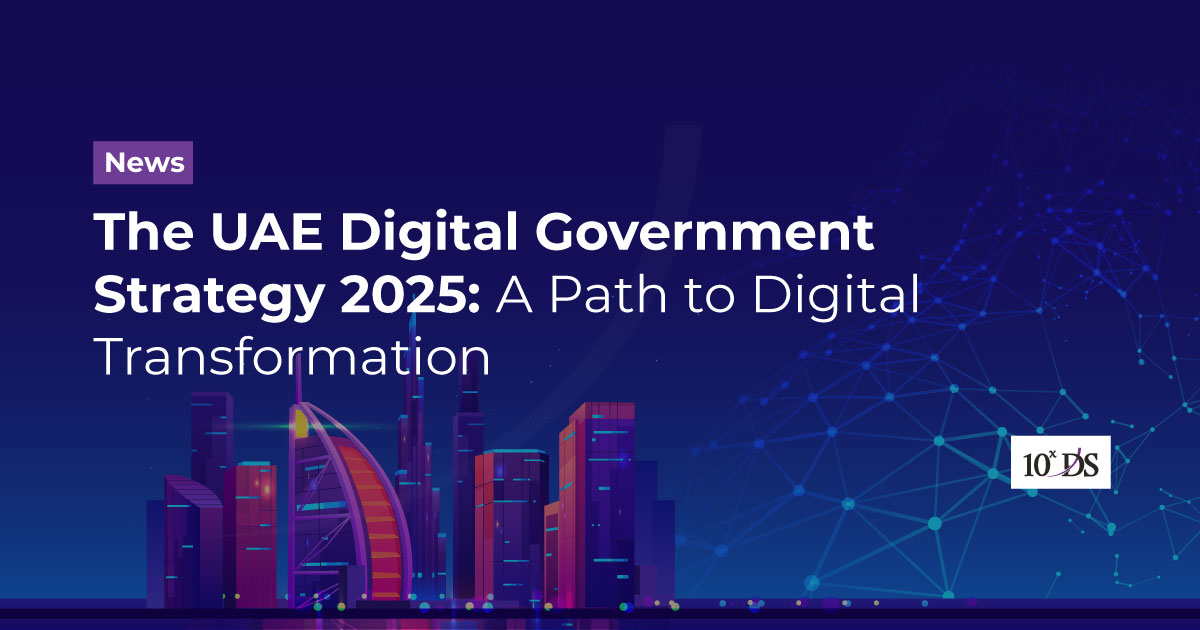

A transformative budget for 2025 has been approved by the UAE Cabinet, reflecting a strategic vision to enhance the nation’s economic growth, development, and social welfare. The budget, amounting to an unprecedented AED 72.8 billion (approximately USD 19.8 billion), is designed to bolster critical sectors, improve infrastructure, and drive innovation.

Key allocations in the budget underscore a commitment to education, healthcare, and economic diversification. The Ministry of Education will receive AED 16.2 billion, marking a significant increase aimed at advancing educational facilities and enhancing the quality of teaching. This initiative aligns with the broader objective of cultivating a skilled workforce equipped to meet the demands of a rapidly evolving job market.

Healthcare also sees substantial investment, with AED 10 billion earmarked to improve public health services and infrastructure. This funding is expected to expand healthcare access and enhance service delivery across various emirates, particularly in remote areas. The focus on healthcare is part of a long-term strategy to prioritize citizens’ health and well-being, especially in light of the challenges posed by global health crises.

Infrastructure development continues to be a priority, with a notable AED 14 billion allocated for projects aimed at modernizing transport and logistics systems. This investment is poised to facilitate greater connectivity within the UAE and enhance the nation’s position as a global trade hub. It underscores the commitment to maintaining a competitive edge in the region’s logistics and supply chain sectors.

The budget also emphasizes environmental sustainability and energy efficiency. Initiatives aimed at promoting renewable energy and reducing carbon emissions are integral to the government’s long-term vision. Funding for green projects and sustainable practices reflects a commitment to diversifying the energy portfolio and reducing dependency on fossil fuels. This aligns with the UAE’s ambitious sustainability goals, which aim to establish the country as a leader in clean energy solutions.

The Cabinet’s decision to prioritize economic diversification is evident in the allocation of AED 9 billion to support small and medium-sized enterprises (SMEs). Recognizing the pivotal role that SMEs play in driving economic growth and job creation, the government aims to provide these businesses with the necessary resources and support to thrive in a competitive market. This initiative is expected to stimulate innovation and entrepreneurship across various sectors.

Digital transformation is another focal point of the budget, with AED 6.4 billion directed towards enhancing digital infrastructure and cybersecurity measures. As the UAE continues to position itself as a tech-savvy nation, investments in digitalization are crucial for driving efficiency and improving service delivery in both public and private sectors. This funding aims to foster a digital ecosystem that encourages technological advancements and enhances the overall quality of life for residents.

The Cabinet’s approval of the budget reflects a comprehensive approach to governance, prioritizing both immediate needs and long-term goals. The strategic allocations signal a robust framework for navigating challenges while harnessing opportunities for growth. The budget aims to position the UAE as a resilient economy capable of adapting to global shifts and uncertainties.

In addition to focusing on domestic priorities, the budget also highlights the UAE’s commitment to international partnerships. Allocations for foreign aid and developmental assistance demonstrate the nation’s dedication to fostering relationships with other countries and contributing to global efforts in areas such as education, health, and infrastructure development. This commitment enhances the UAE’s reputation as a proactive player on the international stage, reinforcing its position as a leading contributor to global development.

The government has expressed optimism that the 2025 budget will stimulate economic activity and support job creation across various sectors. Officials anticipate that strategic investments will yield positive returns, enhancing overall economic resilience. The budget serves as a roadmap for growth, providing a foundation for initiatives aimed at increasing productivity and fostering a culture of innovation.

Abu Dhabi has emerged as the wealthiest city globally, boasting sovereign wealth funds (SWFs) that collectively manage assets worth $1.7 trillion. This ranking highlights the city’s financial significance and positions it as a critical player on the world stage.

The analysis, conducted by various financial institutions, underscores Abu Dhabi’s SWFs, including the Abu Dhabi Investment Authority (ADIA) and Mubadala Investment Company. These entities have strategically diversified their investments across sectors such as technology, infrastructure, healthcare, and renewable energy, driving substantial returns. As of this year, the ADIA alone manages assets estimated at over $700 billion, positioning it as one of the largest SWFs globally.

A crucial aspect of Abu Dhabi’s financial success stems from its oil and gas revenues, which have historically fueled the growth of these funds. The emirate has effectively transformed its natural resource wealth into a broad-based investment strategy, allowing it to capitalize on opportunities beyond hydrocarbons. Investments in international markets and partnerships with global firms have further diversified its portfolio and reduced dependency on oil revenues.

The financial environment in Abu Dhabi benefits from robust government support and a commitment to enhancing the investment climate. Initiatives to attract foreign direct investment (FDI) have played a vital role in expanding the emirate’s economic landscape. The introduction of new laws and reforms aimed at easing business operations, coupled with free trade zones, has made Abu Dhabi an appealing destination for global investors.

Recent developments indicate that the UAE, led by Abu Dhabi, is keen on positioning itself as a center for financial technology (fintech). The government has launched various initiatives to promote innovation in the financial sector, attracting startups and established companies to the region. These initiatives are expected to create a vibrant ecosystem that enhances the emirate’s economic resilience.

While Abu Dhabi’s wealth continues to grow, it faces challenges common to cities reliant on large-scale investments. The ongoing global shift towards sustainable investments and green energy poses both risks and opportunities. Abu Dhabi is already taking proactive measures to address these changes, with investments in renewable energy projects such as the Mohammed bin Rashid Al Maktoum Solar Park and the Barakah Nuclear Energy Plant.

Another key player in Abu Dhabi’s economic landscape is the Abu Dhabi Global Market (ADGM), an international financial center that has garnered attention for its regulatory framework and ease of doing business. ADGM has attracted numerous global financial institutions and fintech firms, enhancing the emirate’s reputation as a financial hub. This growth is evidenced by a significant increase in the number of registered entities within ADGM, reflecting the appeal of Abu Dhabi as a business destination.

The global economic climate, characterized by inflationary pressures and geopolitical uncertainties, also influences investment strategies in Abu Dhabi. Financial analysts note that the emirate’s diversified approach mitigates risks associated with market volatility. Its emphasis on long-term investments and sustainable growth positions Abu Dhabi favorably compared to cities that may rely heavily on cyclical industries.

Abu Dhabi’s wealth is not just confined to financial markets. The emirate has invested heavily in cultural and social projects aimed at enhancing quality of life and promoting tourism. Initiatives such as the Louvre Abu Dhabi and the Guggenheim Museum project exemplify the city’s commitment to fostering a rich cultural scene, making it an attractive destination for visitors and expatriates alike.

As global economies navigate the complexities of post-pandemic recovery, Abu Dhabi’s status as the world’s richest city reinforces its position as a resilient and adaptive financial center. The emirate’s strategic investments and commitment to innovation and sustainability ensure that it remains a focal point for wealth generation and investment opportunities.

The ranking of Abu Dhabi as the wealthiest city underscores not only its financial prowess but also the broader trends shaping global wealth distribution. As sovereign wealth funds gain prominence in the investment landscape, cities like Abu Dhabi exemplify how strategic asset management can lead to sustainable economic growth.

Frasers Property unveils its holistically integrated development in Bangkok, redefining urban living One of Thailand’s largest private sector developments, One Bangkok, with an investment value of USD3.2 billion, features world-class facilities, including premium office towers, luxury and lifestyle hotels and residences, and dynamic retail experiences. Designed by Skidmore, Owings & Merrill (SOM), the district features permanent public sculptures by Anish Kapoor and Tony Cragg; it also hosts […]

Connecting the Future: Bridging The Worlds of Aesthetic Medicine, Skin Health Management, Surgical Treatments & Anti-aging in The Greater Bay Area HONG KONG SAR – Media OutReach Newswire – 8 October 2024 – Organized by Aesthetic Society for Asia Pacific and Deltus, Aesthetic Medicine & Surgery Conference & Exhibition (AMSC) Hong Kong will be held on 16-17 December at Hong Kong Convention & Exhibition Center (HKCEC) Level […]

Theme: “Converge! Blooming Our Business in Transition” HANGZHOU, CHINA – Media OutReach Newswire – 30 September 2024 – The 2024 Smart City Expo World Congress · Hangzhou Stage has concluded with great success, uniting over 150 international organizations from 18 countries, nearly 200 global smart city leaders, and more than 70 city delegations. With the theme “Converge! Blooming Our Business in Transition,” the event showcased the latest […]

Solana has emerged as the leading blockchain network for new token creation, accounting for a staggering 96,010 out of 110,180 tokens launched in the past year across decentralized exchanges (DEXs). This puts Solana at the forefront of the token creation space, representing over 87% of all new tokens. The rapid rise in token launches on Solana can be largely attributed to the increasing popularity of memecoins and speculative assets, which have flooded the network over the past year.

Blockchain networks, particularly Solana, have seen a significant influx of memecoins, which have become one of the primary drivers behind the surge in token creation. The memecoin phenomenon has led to a frenzy of activity as users flock to decentralized platforms to create, trade, and speculate on these assets. Solana’s fast and low-cost transaction infrastructure has made it an attractive destination for memecoin creators, as well as those looking to capitalize on the short-term hype surrounding these tokens. Despite their initial popularity, many memecoins tend to lose value quickly, leaving traders and investors vulnerable to volatile market movements.

Since early 2024, Solana has consistently maintained its position as the dominant network for token creation, often competing with Base Layer, another blockchain network that has played a significant role in token launches. Together, these two networks have dominated the space, accounting for over 80% of all new token projects. However, Solana has continued to pull ahead, with a large percentage of these new tokens being listed on decentralized exchanges (DEXs), which offer open and permissionless trading environments for newly minted tokens.

Despite the impressive growth in token launches, the influx of new assets on Solana is not without risks. Memecoins, in particular, are highly speculative and can experience extreme price swings, often leading to market instability. Many of these tokens are created quickly, with minimal utility or long-term viability, and can lose value as quickly as they rise. This has raised concerns about the sustainability of the memecoin-driven growth on Solana and the broader implications for token creation on decentralized platforms.

The explosive growth of token creation on Solana is also a reflection of the broader trends within the cryptocurrency market, where new asset classes, such as non-fungible tokens (NFTs) and decentralized finance (DeFi) tokens, have taken center stage. Token creation is no longer limited to traditional cryptocurrencies like Bitcoin or Ethereum, but now includes a wide variety of digital assets, many of which are driven by community-led initiatives and viral marketing campaigns.

The recent release of Mario Draghi’s long-awaited report on European Union competitiveness has sparked discussions across the financial and business world. While the report is rich in policy recommendations for bolstering Europe’s competitive edge, one striking detail stands out: In the last 50 years, no EU company with a market capitalization exceeding €100 billion has been created from scratch. Meanwhile, in the United States, six companies—most famously […]

VISHNU RAJA
RYO YAMADA
HITORI GOTOH
IKUYO KITA
Just in:
After Reaching 7 Million Users in the Philippines, Skyro Launches Transparent Cash Loans in Malaysia // U.S. Mid Term Result Is A Clear Verdict Against Trump’s Authoritarianism // Oil and chip shares retreat after Democratic victories // As AI Reshapes Education, Singapore Convenes Global Dialogue on the Future of Early Childhood Education // SC to examine students’ exam plea today // Asia Left Behind: Ten international companies have yet to report delivering on their cage-free egg pledges across the region // Emirates Group records AED 4.1 billion half-year profit // Anthropic to prohibit persistent abuse of Claude chatbot // Meraas showcases five residential zones at Dubai Design Week // Dubai boat show confirms international shipyard line-up for November // Ta’ziz finalises $1.39bn funding for Ruwais industrial facilities // xCube Access Welcomes Entrust Capital Limited  Expanding Access to Professional Portfolio Management // BJP’s Aggressive Response Exposes Anxiety Over Opposition Unity // AI trust gap reveals distinct retail priorities: Divergent paths to consumer growth in Hong Kong and the GBA // Democrats capture Senate majority with seven Republican seats // Cloudflare unveils Zero Wire vulnerability intelligence service // Utilities pursue ₹1,992 cr in unpaid bills // Hong Kong mandates crypto transaction disclosures to tax authorities // APT29-linked campaign exploits outdated Apple and Android software // OpenAI identifies 948 Linux privilege escalation flaws using AI //