Just in:
Govt opposes Arlekar’s PSC action // xCube Access Welcomes Entrust Capital Limited  Expanding Access to Professional Portfolio Management // Asia Left Behind: Ten international companies have yet to report delivering on their cage-free egg pledges across the region // AI trust gap reveals distinct retail priorities: Divergent paths to consumer growth in Hong Kong and the GBA // Fast Just Got Fastest: STING Energy Boost™ Celebrates Kimi Antonelli’s Formula 1® World Championship and the Fan Energy Behind It // Burying Head In “India Made Poverty Reduction” Data Is Dangerous // Anthropic to prohibit persistent abuse of Claude chatbot // Utilities pursue ₹1,992 cr in unpaid bills // ADIA and partners establish $1.4 billion aviation venture // e-Crime Bureau Signs Cybersecurity Partnership With Smart Africa, Reinforcing Its Global Expansion // Meraas showcases five residential zones at Dubai Design Week // SC to examine students’ exam plea today // UK air traffic outage inflicted £33m financial losses // CR Longdation Aethereal Cybersecurity × Global Cybersecurity Alliance (GCSA) Join Hands to Establish the “AI and Cybersecurity Research Centre” // APT29-linked campaign exploits outdated Apple and Android software // After Reaching 7 Million Users in the Philippines, Skyro Launches Transparent Cash Loans in Malaysia // U.S. Mid Term Result Is A Clear Verdict Against Trump’s Authoritarianism // Cloudflare unveils Zero Wire vulnerability intelligence service // Democrats capture Senate majority with seven Republican seats // Ta’ziz finalises $1.39bn funding for Ruwais industrial facilities //

News related to
Stage

Alibaba Cloud has unveiled its third data centre in Malaysia and confirmed plans for a second facility in the Philippines, deepening its infrastructure presence in Southeast Asia. The Malaysian centre became operational on 1 July 2025, while the Philippine hub is scheduled to launch by October 2025. These moves are part of Alibaba’s broader efforts to bolster cloud and AI services across the region.

Growth in cloud demand and the strategic importance of Southeast Asia underpin this expansion. Alibaba Group’s cloud division has embarked on a $52 billion investment over the next three years to build a unified global cloud network, spanning Asia, the Middle East, Europe and the Americas. Southeast Asia has emerged as a pivotal battleground as enterprises accelerate AI adoption and seek resilient digital infrastructure.

At a summit in Singapore marking Alibaba Cloud’s tenth anniversary in the city-state, Eddie Wu, CEO of Alibaba Cloud, highlighted the company’s strategy: “Globalisation is Alibaba Cloud’s long‑term strategy,” he said, adding that the company would “accelerate the development of its global cloud computing network”. These statements reinforce Alibaba’s ambition to deliver end‑to‑end cloud services, spanning compute, storage, networking and AI capabilities.

This announcement follows earlier infrastructure roll‑outs across Asia. The company deployed a second data centre in South Korea in June 2025 and launched new regions in Thailand and Mexico in the first half of the year. Strategic market withdrawals from Australia and India in 2024 appear to be counterbalanced by intensified investment in high‑potential markets.

Southeast Asia’s accelerating digital transformation is creating rising demand for secure, scalable cloud services. Malaysia, with its growing ecosystem of startups and tech‑savvy enterprises, will now benefit from three Alibaba Cloud zones, an improvement in redundancy and local connectivity. The Philippine expansion addresses growing demand in Manila and surrounding urban centres, where cloud adoption is being propelled by fintech, e‑commerce, and the BPO sector.

At the Singapore summit, Alibaba also launched its AI Global Competency Centre, designed to support over 5,000 businesses and 100,000 developers. The centre offers access to advanced AI models, labs and infrastructure support. These investments aim to accelerate enterprise AI adoption by providing both tools and training through partnerships with more than 120 universities, aiming to train 100,000 AI professionals annually.

In addition to infrastructure, Alibaba Cloud is upgrading its cloud offerings. The ninth‑generation intel‑based Enterprise Elastic Compute Service will roll out across Malaysia, the Philippines, Japan, South Korea, Thailand, UAE, Germany and the UK from July. Enhancements to its Data Transmission Service and Platform for AI demonstrate a push to simplify deployment of large language models and accelerate inference capabilities.

Competitive pressure in Southeast Asia is intensifying, with other hyperscalers—AWS, Microsoft Azure, Google Cloud—announcing new regions and services. Alibaba’s bets on localised data centres, AI‑centric products and talent development programmes are its response to positioning itself as a regionally integrated cloud‑AI partner.

Regulatory headwinds and trade tensions, particularly restrictions on Chinese cloud firms, lend further urgency to Alibaba’s diversification strategy. By embedding infrastructure in Southeast Asia, the company aims to mitigate geopolitical risk, offer compliant local services and deliver low‑latency performance.

Corporate results reflect this momentum: Alibaba Cloud has reported double‑digit year‑on‑year growth in AI‑related product revenues for six consecutive quarters, with Q4 cloud revenue hitting CNY 31.7 billion and quarterly growth of 13%. These figures position the unit as the fastest‑growing segment within the broader Alibaba Group.

Tech analysts and regional partners have praised the expansion as timely. “These deployments will significantly improve resilience, latency and service coverage across key markets,” remarked a Southeast Asia‑based CIO. A telco executive added that local data centres are crucial to scaling AI‑powered services like real‑time analytics, IoT and smart city infrastructure.

Channel partners in Malaysia and the Philippines, including telcos and systems integrators, anticipate accelerated digital transformations. Industry groups reported a surge in enquiries following the Malaysian centre’s opening, particularly from manufacturing and education sectors. Cloud‑native startups welcomed the news, viewing the increased compute availability as essential to scaling AI‑driven products.

Optimising energy use and sustainability is also part of the plan. Alibaba’s “Energy Expert” ESG‑focused reporting tool integrates AI into energy management. This aligns with industry benchmarks that 84% of leaders see green AI as important, although 69% are still at early adoption stages. Emerging green data centre practices—including renewable power sourcing and efficient cooling—are expected to feature prominently in the Southeast Asian roll‑outs.

The Malaysian data centre opens amid strong macro trends: Malaysia’s digital economy was projected to grow at over 10% annually through the next five years, while Philippine cloud adoption is forecast to grow at a similar rate, driven by government digitalisation policies and enterprise cloudisation. As Alibaba deploys this enhanced infrastructure, both nations are expected to see AI‑centred cloud services gain momentum in verticals ranging from finance to manufacturing.


The U. S. House of Representatives will convene “Crypto Week” from 14–18 July to vote on three pivotal digital asset bills: the CLARITY Act, the Anti‑CBDC Surveillance State Act, and the GENIUS Act. This coordinated effort signals a major shift in federal crypto policy as lawmakers aim to clarify regulation, protect financial privacy, and foster blockchain innovation.

The CLARITY Act seeks to establish a definitive regulatory framework by delineating the roles of the SEC and CFTC, mandating the segregation of customer funds, and requiring enhanced retail disclosures. It has already passed through both the Financial Services and Agriculture Committees by decisive margins, reflecting bipartisan support and responding directly to industry demands for legal certainty.

The GENIUS Act, recently approved by the Senate in a strong 68–30 bipartisan vote, focuses on stablecoin regulation. It mandates that stablecoin reserves be held in high‑quality, liquid assets such as U. S. Treasuries, requires annual audits for issuers with over $50 billion in market cap, and clarifies regulatory oversight while allowing banks to issue their own tokens. The bill now awaits a House vote, with hopes of reaching the president’s desk by late July.

The Anti‑CBDC Surveillance State Act takes a definitive stance against a federally issued central bank digital currency, effectively prohibiting the Federal Reserve from developing or distributing a CBDC. Proponents frame it as a necessary measure to safeguard financial privacy and prevent potential government surveillance through digital currency systems.

Deputy Speaker Mike Johnson and committee chairs, including Financial Services Chair French Hill and Agriculture Chair GT Thompson, have emphasised that this legislative package aligns with former President Trump’s digital assets agenda — aiming to position the U. S. as a leader in crypto innovation. Johnson stated that the bills would deliver the full scope of that agenda, while Hill highlighted that the initiative would finally provide clarity for innovators, protecting both consumers and the broader digital economy.

Majority Leader Steve Scalise echoed the sentiment, saying the legislation would solidify the U. S.’s global leadership in digital assets. Minority voices have also weighed in: Majority Whip Tom Emmer described the moment as a “historic opportunity” to uphold “privacy, individual sovereignty, and free‑market competitiveness.” Senator Bill Hagerty voiced Senate support, noting the urgency of enacting these measures swiftly.

While the GENIUS Act has Senate backing, the CLARITY Act has faced scrutiny from Democrats and former regulators. Experts such as ex‑CFTC Chair Timothy Massad have warned that its provisions could be overly broad or convoluted, advocating instead for a collaborative regulatory approach between the SEC and CFTC. Concerns also persist among left‑leaning lawmakers that pairing the CLARITY Act with stablecoin regulation could stall progress, despite strong crypto industry support calling for their passage in tandem.

Lawmakers like Rep. Warren Davidson have promoted consolidating stablecoin, market‑structure, and CBDC ban measures into a single legislative package to ensure comprehensive reform. However, this strategy may encounter resistance in the Senate, potentially delaying the bills past the intended timeline.

The Senate’s passage of the GENIUS Act earlier this month reflected growing bipartisan agreement on stablecoin oversight but also revealed tensions over inclusion of Trump‑era cryptocurrency interests. Indeed, some critics have raised ethical questions about exempting the president’s family from the bill’s prohibitions on member profits, and the influence of Trump‑linked ventures that reportedly earned tens of millions from crypto operations.

Despite these controversies, House Republicans are pushing ahead with “Crypto Week” as a gateway to shaping U. S. cryptocurrency policy. The CLARITY Act furthers efforts made under the FIT21 digital asset law passed in May 2024, which established initial delineation of regulatory authority.

As 14 July approaches, industry stakeholders, advocacy groups, and congressional offices are bracing for intense debates. Passing these bills could redefine market structures, unlock stablecoin innovation, and reinforce constitutional privacy rights—or it may start a protracted legislative battle over oversight, accountability, and the future role of federal oversight in digital currencies.

SunJoy Global Insurance Plan II, SunGift Global Insurance Plan II and Stellar Multi-Currency Insurance Plan II offer market-leading flexible Death Benefit Settlement Solution, multiple Contingent Policy Owner Arrangement and Interim Policy Owner Arrangement HONG KONG SAR – Media OutReach Newswire – 3 July 2025 – Sun Life today announced the launch of an upgraded suite of savings insurance products. The upgraded products – SunJoy Global Insurance Plan […]

Get Ready for Unmissable Program Highlights! BANGKOK, THAILAND – Media OutReach Newswire – 3 July 2025 – In an era where creativity is the driving force behind economic and social development, the presence of a regional creative festival in Isan — the Northeast region of Thailand — is more essential than ever. It goes beyond art, culture, and innovation; it serves as a vital platform that inspires […]

Launches Extended Round to Accelerate Climate Tech Innovation Across Indonesia SINGAPORE – Media OutReach Newswire – 3 July 2025 – GreenTeams, a rapidly growing climate technology company advancing data-driven environmental governance in Indonesia, has announced the successful close of its Series A funding round. The round was led by Oriza Greenwillow Technology Fund. Operating at the intersection of environmental intelligence, regulatory compliance, and industrial decarbonization, GreenTeams empowers […]

President Trump has confirmed that the United States and Vietnam have reached a trade agreement, with a detailed framework now in place while formal terms await finalisation. The accord suspends the 46 per cent reciprocal tariff on Vietnamese imports, originally imposed in April, and paves the way for expanded market access and tighter controls on rerouted Chinese goods. Negotiations were fast-tracked to meet the looming July 9 deadline, when the […]

90 percent of organisations consider skills-related initiatives to be highly important 61 percent of organisations have implemented skills-based programs to address top talent priorities Career development is emerging as the biggest use case for skills-related initiatives SINGAPORE – Media OutReach Newswire – 2 July 2025 – Aon plc (NYSE: AON), a leading global professional services firm, has released insights from its 2025 Asia Pacific (APAC) Skills Impact […]

Advertisements

The Securities and Exchange Commission is developing a standardised framework that would allow token-based exchange-traded funds to list directly on exchanges, without requiring individual Rule 19b‑4 filings. The initiative, still in early stages, would set eligibility criteria—such as specific thresholds for market capitalisation, trading volume and liquidity—to determine which tokens qualify for streamlined launches.

This approach echoes previous SEC moves: in 2016, actively managed ETFs gained generic listing access under Rule 19b‑4, bypassing lengthy approval processes. Exchanges such as NYSE, Nasdaq and Cboe laid the groundwork by integrating uniform listing standards for index-based and active ETFs, paving the way for this token-focused evolution.

In May, Nasdaq formally proposed Rule 5703 to facilitate generic listing of multi-class ETFs, provided they align with Rule 6c‑11 and relevant exemption orders—allowing shares to debut without SEC review per fund. Similarly, Cboe sought generic listing permission for commodity-based ETFs to enable immediate options trading once criteria are met. The current SEC effort extends that logic to the burgeoning field of digital asset tokens.

Nasdaq has suggested the SEC adopt consistent standards for spot crypto ETPs under the 1933 Act, arguing that futures-based equivalents have already benefited from generic listing systems. This dovetails with mounting interest in regulated spot token funds, evidenced by amendments to listings such as Solana ETFs by issuers including 21Shares and Bitwise.

Under the envisaged standard, exchanges would apply objective, measurable thresholds—minimum market cap, daily volume and liquidity—to lists of token ETPs. Meeting these thresholds would allow issuers to bypass the full Rule 19b‑4 paperwork and associated months-long wait. Exchanges would retain responsibility for ongoing surveillance, as required by Section 19b‑4, ensuring investor protection and market integrity.

Stakeholders believe the move could vastly reduce time-to-market and cut legal and administrative costs. Industry analysts have highlighted that current Rule 19b‑4 reviews often delay ETF launches by months, even years. Exchanges argue that objectively defined generic standards provide predictability and efficiency—benefits that appear essential in digital asset markets known for rapid innovation.

Critics caution, however, that token assets may present unique compliance and market-risk considerations. Spot crypto markets, for instance, remain vulnerable to manipulation, price fragmentation and regulatory uncertainty. Ensuring adequate surveillance and governance, they warn, is material to the standard’s success.

To address this, exchanges plan to build in monitoring mechanisms, adaptation of surveillance regimes, and safeguards to delist or suspend tokens that fail to maintain standards. Similar models have been applied to options on commodity ETFs and multi-class ETF shares, suggesting a tested regulatory infrastructure.

The SEC’s token-ETF framework is likely to include consultation with market participants and exchanges, incorporating feedback from recent proposals such as Nasdaq’s push for spot crypto ETP generic listing. Legal advisors emphasise the importance of clear, data-driven criteria to withstand Rule 19b‑4’s statutory requirement for investor protection.

Key players expected to benefit include token issuers, established asset managers entering crypto, and intermediaries seeking to offer exchange-traded token exposure. Streamlined listing could also encourage institutional investors to enter the token market with confidence, potentially increasing adoption and liquidity.

Within the regulatory community, observers note that the SEC is mindful of its 2024 approval of spot Ether ETFs via individual 19b‑4 forms; a broader listing standard could expand this success to a wider array of digital assets. Meanwhile, pending amendments relating to token staking in ETFs—such as those Cboe filed in March—underscore the growing diversity within crypto-linked products.

As deliberations progress, industry and legal experts are analysing possible criteria thresholds, surveillance protocols, and whether the framework will initially apply only to spot token ETPs or extend to futures and hybrid products. Exchanges appear to favour a phased approach, beginning with established tokens that already meet basic listing requirements.

Arabian Post Staff Amazon UAE has introduced Amazon Bazaar, a budget‑friendly shopping hub embedded within the Amazon.ae mobile app, offering users a curated selection of fashion, lifestyle and homeware products—most priced at AED 25 or less, with some deals dropping to AED 4. The new Bazaar section operates independently within the app, featuring its own search, cart and checkout systems. Launched in beta for select UAE customers, it is […]

Hyperliquid has processed a staggering $1.571 trillion in perpetual futures volume over the past year, outstripping all other on‑chain perp platforms combined. In June alone, it accounted for $208 billion in trading, compared with a collective $140 billion for its rivals, while revenues reached $56 million for the month and reached $310 million to date.

The scale of Hyperliquid’s growth positions it at the apex of the decentralised derivatives landscape. It handled $248 billion in May trading volume, marking consecutive monthly milestones and accelerating ahead of competitors. High‑frequency and professional traders have migrated in significant numbers, drawn by the platform’s deep liquidity and sub‑second trade execution, powered by its Layer‑1 consensus architecture.

From a revenue standpoint, Hyperliquid’s fee income has climbed in tandem with its trade volume. The $56 million earned in June boosted cumulative revenues to $310 million, indicating a protocol that is both popular and profitable. This places Hyperliquid among elite DeFi entities by financial metrics.

Its distinctive approach includes a high yield from protocol fees—the majority of which are reinvested through HYPE token buybacks—and the launch of HyperEVM, an Ethereum‑compatible layer that supports smart contracts and decentralised applications. This diversification strategy is intended to establish Hyperliquid beyond perpetuals trading, and into a broader DeFi ecosystem.

The platform’s airdrop strategies have been instrumental in attracting users and liquidity. A notable HYPE token airdrop, totalling around $1.2 billion in value, triggered a sharp increase in activity at the end of 2024. Monthly volumes leapt from approximately $75 billion in November to over $150 billion in December.

Despite early-stage competition, Hyperliquid now dominates with approximately 70 per cent market share of decentralised perp volume, while still trailing major centralised exchanges such as Binance—where it handles roughly 10 per cent of Binance’s volume.

Underlying infrastructure also underpins its rapid adoption. Hyperliquid supports over 100,000 transactions per second and offers sub‑second trade finality with extraordinarily low spreads. Its fee structure—0.025 per cent taker fees and a 0.002 per cent maker rebate—encourages high-frequency participation.

The HYPE token, launched via the airdrop in November 2024, has experienced a dramatic uptick in value, up 300 per cent in two months and recently reaching a market capitalisation north of $12 billion. Reinvestment of over 97 per cent of fee revenue into token buybacks is designed to reinforce token utility and value.

Analysts acknowledge the bold strategy but flag decentralisation concerns—Hyperliquid operates just 21 delegated validators compared with thousands in more established chains, which may raise governance and resilience risks. Still, the streamlined validator model has enabled performance gains attractive to traders.

Market observers also point to institutional interest, such as Nasdaq‑listed Lion Group designating HYPE as a primary treasury asset, signalling growing confidence in the network’s tokenomics.

Earth’s magnetic field strength and atmospheric oxygen levels have oscillated in tandem for around 540 million years, according to a NASA-led study, pointing to a deep-Earth process that could knit our planet’s life-supporting systems more tightly than previously understood. Mapping trends from the Cambrian explosion to modern times, scientists found that periods of peak geomagnetic force—often logged in minerals as they cool within erupting magma—align closely with […]

Eight‑year‑old Gavin Batarse, CEO of Glove Wrap, secured a $50,000 investment from Mark Cuban and Michael Rubin on the US ‘Shark Tank’ stage for his ingenious sports glove accessory. The lightweight elastic band, costing just $3 to produce and retailing at $19.99, simplifies the process of breaking in baseball, softball or hockey gloves by holding a ball in place until a perfect pocket is formed. Gavin pitched […]

HÀ TĨNH, VIETNAM – Media OutReach Newswire – 29 June 2025 – VinFast has officially inaugurated its electric vehicle (EV) manufacturing plant in Hà Tĩnh, located in the Vũng Áng Economic Zone, less than seven months after construction began. Spanning 360,000 square meters and with a designed capacity of 200,000 vehicles per year, this marks VinFast’s fifth manufacturing facility worldwide, highlighting the Vietnamese brand’s remarkable execution speed […]

Over 40 per cent of current agentic AI initiatives are projected to be halted by the close of 2027, Gartner warns, owing to spiralling costs, opaque business value and insufficient risk frameworks. Despite overwhelming industry enthusiasm, most ventures remain confined to pilot stages or proofs of concept and are driven more by hype than by tangible returns. Gartner’s senior director analyst, Anushree Verma, cautions that many vendors are indulging […]

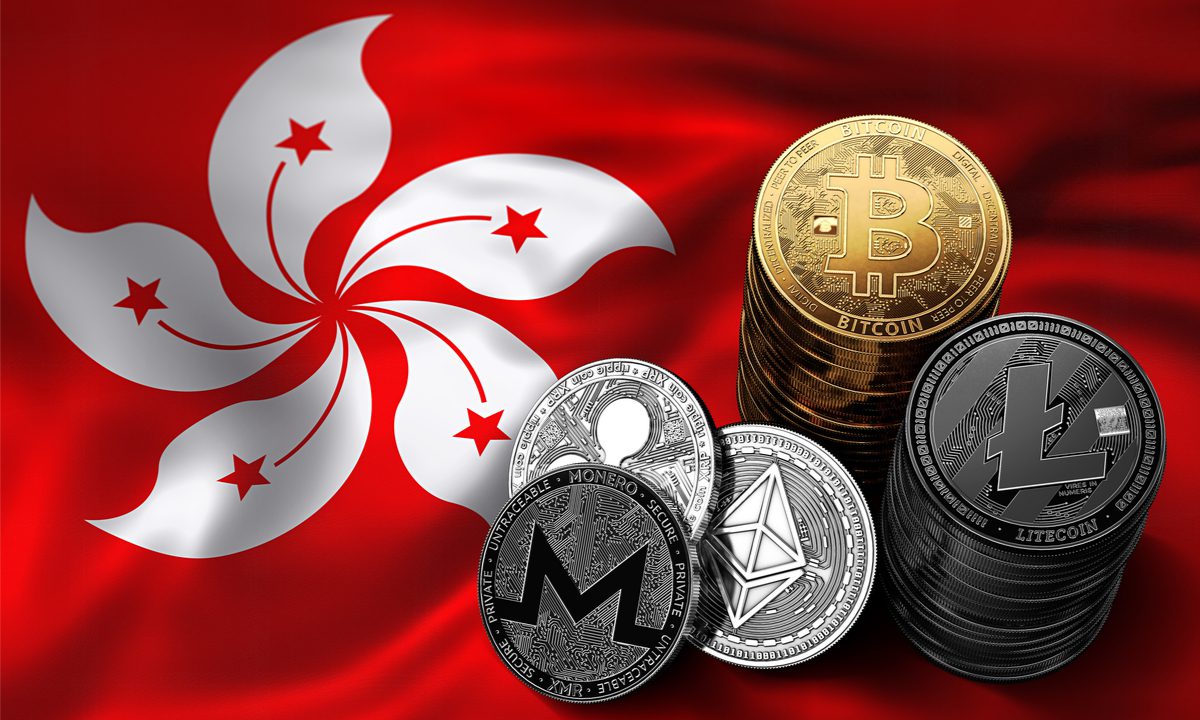
Hong Kong’s government on 26 June issued its Policy Statement 2.0 on the development of digital assets, signalling a decisive push to position the city at the forefront of the global crypto landscape. The statement introduces the comprehensive “LEAP” framework—Legal, Expand, Advance, People—underlining a mission to develop a trusted, innovative, and deeply integrated ecosystem for digital assets.

The regulatory reforms assign explicit oversight roles: the Securities and Futures Commission will licence digital asset exchanges, custodial and dealing services, while the Hong Kong Monetary Authority will govern bank-related activities in the sector. In addition, licensing regimes for stablecoin issuers and custodians are scheduled to commence on 1 August 2025, designed to strengthen anti‑money‑laundering safeguards, investor protection, and transparency in stablecoin issuance.

Central to Policy 2.0 is a commitment to tokenisation of traditional financial instruments and real‑world assets. The government will regularise issuance of tokenised government bonds, streamline stamp‑duty treatment for tokenised ETFs, and legislate to support tokenisation of assets such as precious and non‑ferrous metals, and renewable energy products. These bids aim to boost liquidity and broaden market access, aligning with existing initiatives such as the HK$6.8 billion in green bond token issuances since 2022.

Stablecoins also feature prominently, with proposals to pilot licensed stablecoins in public sector uses. Market consultation is seeking input on integrating these instruments into government operations and cross‑border payments, underpinned by stricter regulatory clarity. Tax incentives for private investment vehicles and family offices trading digital asset securities are expected in the 2025–26 fiscal year, aligning digital and traditional financial regimes.

International alignment is embedded in the blueprint. Hong Kong’s framework adheres to global standards—covering anti‑money‑laundering as per FATF, Basel Committee prudential supervision, IOSCO’s policy recommendations, and OECD crypto‑asset tax transparency measures. Complementary pilot schemes include HKMA’s “Project Ensemble” wholesale central bank digital currency trials, LME‑backed tokenisation of metal assets in Hong Kong warehouses, and a Cyberport‑sponsored incubator scheme to finance blockchain startups.

Since unveiling its original 2022 policy, the government has approved licences for over a dozen digital asset platforms, including nine trading licences and OTC frameworks, and supported tokenised bond issues by both government and corporate entities. Financial Secretary Paul Chan and SFC chief Julia Leung emphasise that this next phase marks a departure from pilot testing, transitioning toward institutionalisation and global competitiveness.

Industry leaders responded positively. Legal and compliance expert Cora Ang described the framework as “a strategic win” that aligns regulatory clarity with stablecoin and tokenisation growth. HashKey CEO Xiao Feng noted the city is entering a “new stage of maturity”, transitioning from sandbox environments to a substantive digital assets regime. Historical drivers such as the JPEX OTC fraud prompted regulators to enforce tighter custody and trading separation to protect investors.

Notably, fintech legal advisers in Hong Kong report surging demand. Firms are actively supporting issuance of tokenised gold and digital bonds, as banks like Bank of Communications and Zhuhai Huafa Group deploy digital debt instruments via licensed platforms. Meanwhile, legal specialists continue to advocate for derivatives, margin‑lending, and institutional frameworks targeted at professional investors.

Hong Kong’s strategic deployment of Policy 2.0 underlines a competitive counterbalance to rival jurisdictions such as Singapore, Dubai, and the US, each advancing their own crypto regulatory frameworks. The city’s alignment with global financial standards—alongside tailored incentives and public‑sector engagement—signals a comprehensive, forward‑leaning posture in digital asset finance.

Finnish rock band The Rasmus will perform at The Agenda in Dubai on 27 October 2025, as part of their expansive Weirdo Tour, marking their sole Middle East appearance that year. Doors open at 19:00 with the concert slated to begin at 20:00, promising a two‑hour set blending classic hits and new material, with tickets starting from AED 300. Formed in Helsinki in 1994, The Rasmus rose to […]

MANILA, PHILIPPINES – Media OutReach Newswire – 27 June 2025 – The “New Technology of Power System” forum concluded today in Manila, emerging as a pivotal platform for international dialogue on energy innovation. Co-hosted by Beijing Sifang Automation Company and the Institute of Integrated Electrical Engineers of the Philippines (IIEE), the summit drew industry leaders, technical experts, to address challenges facing modern power grids. Sifang Hosts Landmark […]

KUALA LUMPUR, MALAYSIA – Media OutReach Newswire – 27 June 2025 – Octa, a globally regulated and trusted broker since 2011, was recently named ‘The best CFD broker 2025’ by the AllForexRating.com portal. Having amassed more than 10 industry awards in 2025 only, Octa is recognised for its quality e-brokerage services and proprietary trading platform OctaTrader. Carried out by AllForexRating.com, the Forex Brokers Award yearly highlights brokers’ […]

Malaysia has officially unveiled the Startup ASEAN platform during its tenure as ASEAN chair, establishing a fully operational digital gateway designed to unite entrepreneurs, investors and ecosystem enablers across Southeast Asia. The launch—following a developmental blueprint initiated in 2024—unlocks access to regional markets, capital, talent and data, with an aspirational target of onboarding at least 10,000 startups by year-end.

The platform’s roll‑out represents phase two of the ASEAN Startup Technology Ignite initiative. Development and a soft launch took place in 2024, while the newly announced phase includes capacity‑building programmes and a Startup ASEAN summit. A third phase commencing in 2026 will see the establishment of an ASEAN Centre of Excellence dedicated to early‑stage ventures.

Minister of Science, Technology and Innovation Chang Lih Kang described the platform as a “strategic enabler” born from collaborative efforts among all ASEAN member states. He highlighted its role in bridging fragmented access to finance, talent and market opportunities. At the launch in Putrajaya, he underlined that approximately 5,000 startups have already joined and affirmed the year‑end goal of doubling that number.

ASEAN Secretary‑General Dr Kao Kim Hourn echoed these commitments, stating that the platform exemplifies deeper regional integration and presents “unprecedented opportunities” through technology. He noted that the platform extends to ecosystem builders and government institutions, reflecting ASEAN’s dedication to fostering inclusive innovation.

Cradle Fund Sdn Bhd, appointed by Malaysia’s MOSTI, is spearheading implementation. Its group chief executive, Norman Matthieu Vanhaecke, emphasised that the platform transcends mere technology: it is designed to generate meaningful partnerships, foster cross‑border initiatives and catalyse growth across the region. He said it will track metrics such as startup onboarding, investment activity and regional collaboration, aiming to involve 2,000 investors and 500 strategic partners by 2025.

Dr Kao highlighted the context underpinning this push. Southeast Asia hosts over 680 million people—more than half under 35—with a combined GDP exceeding US$3.9 trillion and a digital economy projected to surpass US$1 trillion by 2030. Kuala Lumpur’s leap into the top 20 emerging startup hubs, ranking 18th in the Global Startup Ecosystem Report 2025 by Startup Genome, provided a credible basis for regional leadership.

CupTuring beyond connecting stakeholders, the platform is set to host a suite of programmes. Already underway are collaborative initiatives with international partners such as South Korea and China, and plans include additional regional market‑access sessions and mentorship opportunities. The launch event featured a video tour with startup success narratives and a regional market access session, ASEAN CrossConnect, which paired ten seasoned mentors with participating startups.

The platform’s ecosystem metrics are compelling: as of the launch, more than 4,000 startups and 1,087 investors were registered, contributing to an ecosystem valued at over US$131.2 billion.

Governments from less developed ASEAN nations were assured of equal standing on the platform. Chang emphasised its borderless design, allowing any startup with internet access to connect with markets and investors across the region.

The Startup ASEAN initiative traces back to 2023, when ASEAN leaders approved a framework empowering Cradle to lead policy development, ecosystem readiness, and cross‑sector partnerships. The recent formal launch marks the first major deliverable of the Ignite initiative under Malaysia’s ASEAN chairmanship.

Experts view the initiative as a timely response to ASEAN’s broader economic integration agenda, reflected in recent high‑level declarations such as the Kuala Lumpur Declaration. The new platform aligns with ASEAN Community Vision 2045, aiming to strengthen innovation, connectivity and socio-economic resilience.

PUTRAJAYA, MALAYSIA – Media OutReach Newswire – 26 June 2025 – Malaysia today launched the Startup ASEAN platform, marking the full-scale rollout of a bold, unified digital gateway to connect and empower startups across ASEAN. Spearheaded by the Ministry of Science, Technology and Innovation (MOSTI) and executed by Cradle Fund Sdn Bhd (Cradle), the platform’s regional launch underscores Malaysia’s commitment under its 2025 ASEAN Chairmanship to fostering […]

Denmark’s Ministry for Digital Affairs has begun replacing Microsoft Office 365 with LibreOffice and is exploring wider adoption of Linux, citing a strategic imperative to reduce dependency on foreign software providers. Caroline Stage Olsen, Minister for Digital Affairs, stated that nearly half the ministry’s staff will complete the switch this summer, with full implementation scheduled by autumn. While Windows remains in use, Office products are being phased […]

Claira, a New York–based deal intelligence platform, has closed a $7 million seed funding round co-led by Barclays and Citi, alongside Reimagine Tech Ventures. Additional backing came from Activant Capital, KDX and OPCO Ventures. Claira’s platform integrates domain-native artificial intelligence directly into deal workflows, enabling banks, private-credit funds and financial institutions to speed up due diligence, unlock historical deal insights and scale decision‑making processes. Founder and chief executive […]

Poland has become the first European country to pilot palm vein–based biometric payments, while Tencent is advancing similar technology in Thailand, setting the stage for a wider rollout across Southeast Asia. Autopay’s HandGo system and Tencent’s palm biometrics reflect a growing global interest in contactless and secure transaction methods.

Autopay has initiated a pilot of HandGo by allowing customers at select venues—such as the Limitless sauna complex in Sopot—to make purchases by placing their palm on a scanner. Once a user links a payment card in the Autopay app, they register their palm vein pattern via QR-triggered enrolment. A digital hand token is then stored securely, enabling future transactions without a card, smartphone, or smartwatch. Autopay emphasises that no actual image of the hand is stored—only encrypted vein pattern data and a payment token meeting PCI‑DSS standards. Company executives describe the offering as a potential game‑changer for wellness and sports facilities, emphasising convenience and hygiene.

Globally, competitors already include Amazon’s Amazon One and Alipay’s PL1 device. Autopay distinguishes itself in Poland by being the nation’s first palm-auth payment provider, placing it alongside early vein‑scanning efforts by BPH bank and fintech Payvein. Another biometric contender, PayEye, combines iris and facial recognition for payment authorisation. Despite its versatility, PayEye requires merchants to deploy specialised terminals that support both biometric and traditional card payments, boosting acceptance rates.

Meanwhile, Tencent Cloud is intensifying its push into palm biometrics in Thailand. Vice‑president Jimmy Chen told the Bangkok Post that the country, backed by its “Cloud First” policy and digital transformation initiatives, makes an ideal launchpad. Tencent is collaborating with local technology firms such as MFEC and True IDC to test the system across multiple sectors, including convenience stores, retail, entertainment, education and finance. Early trials in venues like 7‑Eleven, Siam Commercial Bank, and The Mall Group underscore a focus on Thailand’s tourism-driven retail sector, where international visitors may welcome a card- or cash-free experience.

Tencent Cloud’s palm recognition has already been implemented in China at Beijing Airport Express, Shenzhen University, and numerous 7‑Eleven outlets. The system uses infrared imaging to analyse both surface palm lines and the vein network beneath the skin. Data is encrypted and stored with irreversible transformation to safeguard privacy. The architecture integrates local data centres—in Thailand’s case—with no cross-border transfers, aligning with regulatory frameworks. Analysts from GlobalData suggest that if the trials succeed, Thailand could become the gateway for adoption across Indonesia and Malaysia, offering scalability and enhanced security compared with fingerprint or facial recognition.

The initiative follows earlier pilot projects: Tencent partnered with Visa in Singapore in November 2024 during the Fintech Festival, allowing DBS, OCBC and UOB cardholders to enrol palm biometrics at café POS terminals and make payments thereafter through voice‑free palm scans. Tencent’s palm system, recognised with a Fintech Excellence Award in Singapore, reportedly supports transaction speeds within a second, even under poor lighting or wet conditions.

In Southeast Asia, Alipay’s PL1 palm scanner is already deployed across several markets. PL1 requires users to enrol their palm lines and vein data, then allows tap‑free transactions at metro gates, buses and retail outlets. The competitive landscape also includes Amazon’s Whole Foods adoption of palm scan technology in the US and pilot programmes by J.P. Morgan and Mastercard for palm‑based checkout systems.

A newly disclosed series of vulnerabilities in Realtek’s Bluetooth Low Energy implementation jeopardises the stability and security of connected devices, with one issue rated medium and another deemed high severity. The exposed flaws, affecting the RTL8762E BLE SDK version 1.4.0 and its EKF‑EVB derivative, allow attackers to trigger denial‑of‑service conditions during the pairing process by injecting crafted packets at precise stages. The first flaw, identified as CVE‑2024‑48290, […]

VISHNU RAJA
RYO YAMADA
HITORI GOTOH
IKUYO KITA